






Abstract
Human-wildlife conflict (HWC) is a major conservation and socio-economic challenge in Ethiopia, driven by habitat fragmentation, agricultural expansion, and population growth. This systematic review and meta-analysis assessed the prevalence, severity, and species-specific patterns of HWC across Ethiopia’s diverse ecological regions. Data from 26 studies published between 2008 and 2024 meeting quality criteria were analyzed, covering five Ethiopian regions: Amhara, SNNPR, Oromia, Tigray, and Gambella using meta-analysis and meta-regression. The pooled prevalence of HWC was estimated at 27.8% (95% CI: 24.3%, 31.0%), with significant regional and species-specific variations. High heterogeneity (I2 = 94.18%) indicated substantial variability across studies, reflecting differences in ecological conditions and human activities. A mixed-effects meta-regression revealed significant regional variation in HWC prevalence (p = 0.038), with Gambella showing lower rates than other regions (estimate = -0.367, p = 0.009). Despite explaining 26.98% of variability (I2 = 91.60%), substantial residual heterogeneity suggests that unmeasured ecological and socioeconomic factors influence HWC. Frequent HWC in Ethiopia involve key species such as geladas, leopards, crusted porcupines, grivet monkeys, anubis baboons, common jackals and lions in Amhara; anubis baboon grivet monkeys, vervet monkeys, mountain nyala and spotted hyenas in SNNPR; anubis baboons, crested porcupines, warthogs, grey duiker, bohor reedbuck and common mole rat in Oromia; spotted hyenas, leopards, African elephants and black-backed jackal in Tigray; and anubis baboons, and warthogs in Gambella. The findings highlight the dual threat of HWC to biodiversity conservation and local livelihoods, emphasizing the need for region-specific mitigation strategies. To mitigate HWC, we recommend community-based conservation, non-lethal control, and sustainable land-use planning. Domesticating wild resources can enhance food security and bioeconomy development while reducing conflict. Persistent heterogeneity underscores the need for standardized, longitudinal future studies. These approaches will help policymakers balance conservation with socio-economic development in Ethiopia.
Keywords
Introduction
Human-wildlife conflict (HWC) has emerged as a critical global conservation and socio-economic challenge, particularly in regions characterized by high biodiversity and rapidly expanding human populations (Woodroffe et al., 2005). The transformation of natural landscapes into anthropogenic environments has intensified competition for space and resources, reaching unprecedented levels (Lamarque et al., 2009). HWC arises from a complex interplay of ecological and anthropogenic factors. Key drivers include expanding human populations, heightened dependence on natural resources for livelihoods, regulatory measures limiting land encroachment and hunting, spatial overlap between wildlife habitats and human settlements, ecosystem degradation, wildlife venturing beyond protected zones, and rebounding animal populations resulting from effective conservation policies (Ahmed et al., 2022; Ibrahim et al., 2023; Linnell et al., 2001; Macdonald & Sillero-Zubiri, 2002; Ogra, 2008; Woodroffe & Ginsberg, 1998). Ethiopia, renowned for its rich biodiversity and diverse ecosystems, is no exception to this global trend. The country’s unique wildlife heritage, including endemic and endangered species such as the Ethiopian wolf (Canis simensis) and the geladas (Theropithecus gelada), is increasingly threatened by habitat fragmentation, agricultural expansion, and human settlement (Alemu et al., 2017; Berihun et al., 2016; Yihune et al., 2008). These conflicts often manifest as crop raiding, livestock depredation, and property damage, leading to significant economic losses for local communities and retaliatory killings of wildlife (Alemu et al., 2017; Gebeyehu & Bekele, 2009; Goudar et al., 2017; Ibrahim et al., 2023; Mohammed et al., 2017; Sebsibe & Yihune, 2018).
Ethiopia’s diverse topography, ranging from highland plateaus to lowland savannas, supports over 325 species of mammals, many of which are endemic (Lavrenchenko and Bekele, 2017). However, rapid population growth, projected to exceed 135 million as of 2025 (United Nations, 2025), has placed immense pressure on natural resources, driving habitat degradation and escalating HWC (Tefera, 2011). These encroachments are particularly pronounced where agricultural and pastoral activities intersect with protected areas (Ayalew & Melese, 2024; Datiko & Bekele, 2013).
The severity and dynamics of HWC vary regionally, shaped by ecological conditions, wildlife density, and anthropogenic factors. In the Amhara region, Ethiopian wolves and geladas frequently conflict with farming communities due to habitat overlap (Kfle et al., 2013; Yihune et al., 2008). Similarly, in the Southern Nations, Nationalities, and Peoples’ Region (SNNPR), conflicts involving lions (Panthera leo), leopards (Panthera pardus), and spotted hyenas (Crocuta crocuta) are prevalent with severe socioeconomic and ecological impacts (Datiko & Bekele, 2013; Tesfaye & Megaze, 2022). Tigray region faces crop loss from African elephants (Loxodonta africana) and livestock losses from spotted hyenas (Berihun et al., 2016), while Oromia contends with warthogs and olive baboons (Sebsibe & Yihune, 2018; Tafese & Amenu, 2022). In contrast, Gambella’s lower population density correlates with fewer incidents, primarily involving anubis baboons and warthogs (Abie et al., 2024a, 2024b). Protected area are focal points for HWC (Yirga et al., 2011). The Simien Mountains National Park, reports livestock predation by Ethiopian wolves and leopards, with jackals (Canis aureus) posing minor threats (Yihune et al., 2008). Similarly, leopards and hyenas are primary predators in the Bale Mountains (Atickem et al., 2017), while the Choke Mountains report crop raiding by anubis baboons and bushpigs (Potamochoerus larvatus) (Nibret et al., 2017). The Senkelle Swayne’s Hartebeest Sanctuary documents significant crop damage by warthogs (Kumssa & Bekele, 2013). These regional and species-specific patterns highlight the need for targeted mitigation strategies, such as community-based crop protection programs, improved livestock management practices, and habitat restoration initiatives (Marino & Sillero-Zubiri, 2011; Treves et al., 2009).
Despite numerous localized studies from different regions, a comprehensive synthesis of the magnitude, drivers, and impacts of HWC across Ethiopia remains limited. This study is guided by
The findings of this study will provide critical insights for policymakers, conservationists, and local stakeholders, offering a foundation for evidence-based interventions that balance wildlife conservation objectives with the socio-economic needs of local communities (Hill, 2004; Treves & Karanth, 2003). Addressing HWC through systematic assessments and adaptive management strategies is imperative for fostering long-term coexistence between humans and wildlife, ensuring ecological integrity and resilience of local livelihood (Richardson et al., 2020).
Materials and Methods
Country Profile
Ethiopia, a landlocked nation in the Horn of Africa, spans an expansive area of approximately 1,104,300 square kilometers (Figure 1) and is the second-most populous country in Africa, with an estimated population exceeding 135 million as of 2025 (United Nations, 2025). The country’s diverse ecosystems, ranging from highlands to lowland savannas, support over 325 mammal species, many endemic (Lavrenchenko & Bekele, 2017). Protected areas, including national parks and wildlife sanctuaries, cover approximately 14% of the land area (Ethiopian Wildlife Conservation Authority, 2021). Notable national parks include the Simien Mountains National Park (a UNESCO World Heritage Site), Bale Mountains National Park, and Awash National Park, while wildlife sanctuaries such as Senkelle Swayne’s Hartebeest Sanctuary and Babille Elephant Sanctuary focus on protecting specific species (Ethiopian Wildlife Conservation Authority, 2021). Additionally, Ethiopia has designated several Ramsar sites, including Lake Tana and Lake Abijatta, to conserve critical wetlands. The country has expanded its conservation efforts with the establishment of Geraille National Park in 2020 and community-based initiatives like the Bale Mountains Eco-Region REDD+ Project (Ethiopian Wildlife Conservation Authority, 2021). Recently, Lake Hayq in the South Wollo Zone of Ethiopia has been designated by UNESCO as part of the Global Network of Ecohydrology Demonstration Sites, recognizing its ecological significance and potential for sustainable water resource management. Study area map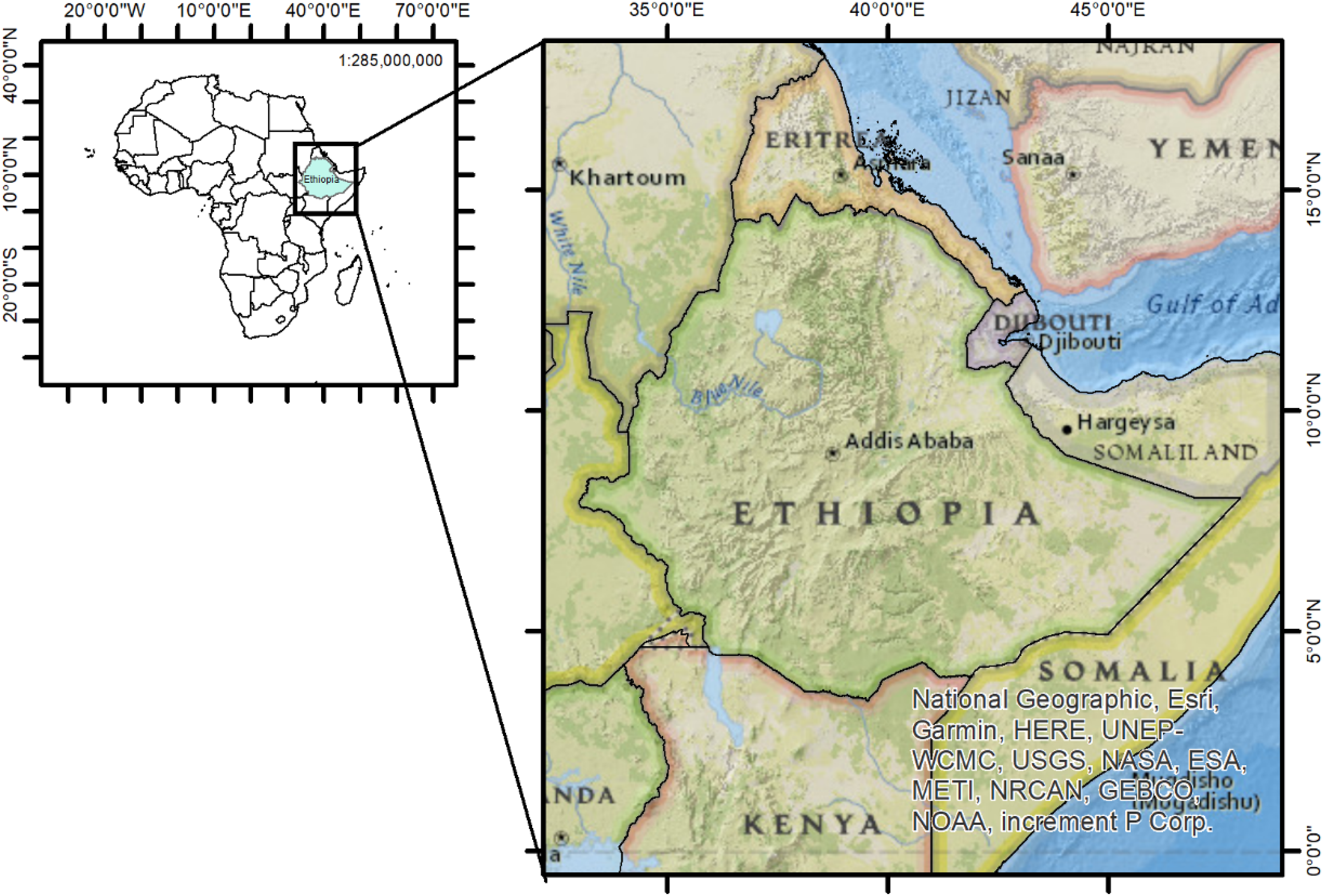
However, the country’s rapid population growth and economic development have intensified competition for land and resources, leading to widespread habitat fragmentation and escalating HWC. These conflicts, driven by incidents such as crop raiding, livestock depredation, and occasional human injuries or fatalities, pose significant challenges to both wildlife conservation and local livelihoods (Gillingham & Lee, 2003; Hill, 2004). In Ethiopia, reports on occurrences of crop destruction resulting from a diverse range of species are on the rise.
Study Design and Search Strategy
A systematic review and meta-analysis were conducted to assess the magnitude of HWC in Ethiopia. The search strategy aimed to identify studies specifically examining the prevalence of HWC and its control mechanisms within the context of Ethiopia. To achieve this, key academic databases, including Web of Science, Google Scholar, and Scopus, were utilized. The Web of Science and Scopus were prioritized for their comprehensive indexing of peer-reviewed journals, while Google Scholar was also consulted to capture additional citations not indexed by the other databases (Liberati et al., 2009; Moher et al., 2009).
The search strategy involved using a combination of the following key terms and phrases, applied with Boolean operators (“AND” or “OR”): “human-wildlife conflict”, “crop damage”, “livestock damage”, “wildlife damage”, “crop raiding”, “livestock depredation”, “human injury”, “wildlife”, “livestock mortality”, “human attack”, “crop loss”, “wildlife killing”, “wild animals killing” and “Ethiopia”. The review followed the Preferred Reporting Items for Systematic Reviews and Meta-Analyses (PRISMA) guidelines (Page et al., 2021) and covered studies published from 2008 to 2024 to capture the most recent and relevant data on HWC in Ethiopia. The searches were conducted across multiple platforms, including PubMed/Medline, ScienceDirect, Cochrane Library, Springer, and Research Gate between October 2024 and January 2025. The overarching goal was to collect a broad range of studies to provide a comprehensive understanding of the diverse dimensions of HWC in Ethiopia.
Eligibility Criteria
The eligibility criteria for study inclusion and exclusion were clearly defined to ensure transparency and reproducibility, following Liberati et al. (2009). Studies were included if they contained primary data on the prevalence of HWC and related control mechanisms, focused on park, community, state forest-based, or human-dominated areas, conducted in Ethiopia, and were published in English. Studies were excluded if they were duplicate publications, extensions of previously published analyses, or contained incomplete or insufficient data for analysis.
Study Selection and Screening
The identification and removal of duplicate citations were conducted using Mendeley Desktop 1.19.8, a tool widely recognized for managing systematic review data (Ouzzani et al., 2016). Titles and abstracts of the retrieved articles were screened independently by two reviewers to assess eligibility based on predefined inclusion and exclusion criteria, following the PRISMA guidelines (Page et al., 2021). These criteria were focused on studies that provided primary data on the prevalence of HWC and its control mechanisms, were published in English, and were conducted in Ethiopia. The number of included studies (n=26) reflects the available peer-reviewed literature from Ethiopia that met our strict inclusion criteria, particularly the requirement for quantitative prevalence data and a minimum quality threshold. While HWC literature is abundant across Africa, Ethiopian-specific studies with standardized, extractable conflict metrics suitable for meta-analysis are more limited. Our broad search strategy and subsequent exclusions were based on eligibility and quality criteria, not an overly restrictive search string. Full texts of studies passing the abstract screening were retrieved for more detailed evaluation, allowing for an in-depth assessment of their relevance, methodological quality, and alignment with the review’s objectives. Discrepancies between reviewers during the screening process were resolved through discussion, with a third reviewer consulted, when necessary, as recommended by the Cochrane Handbook for Systematic Reviews (Higgins & Green, 2011). The study selection process adhered to the PRISMA 2020 guidelines and was visually summarized using a PRISMA flow diagram. The diagram was generated using PRISMA 2020, a Shiny app designed to produce PRISMA 2020-compliant flow diagrams (Haddaway et al., 2022). It illustrated the number of studies identified, screened, assessed for eligibility, and excluded due to reasons such as non-relevant topics, lack of primary data, or studies outside the designated publication period from 2008 to 2024, as recommended by Moher et al. (2009).
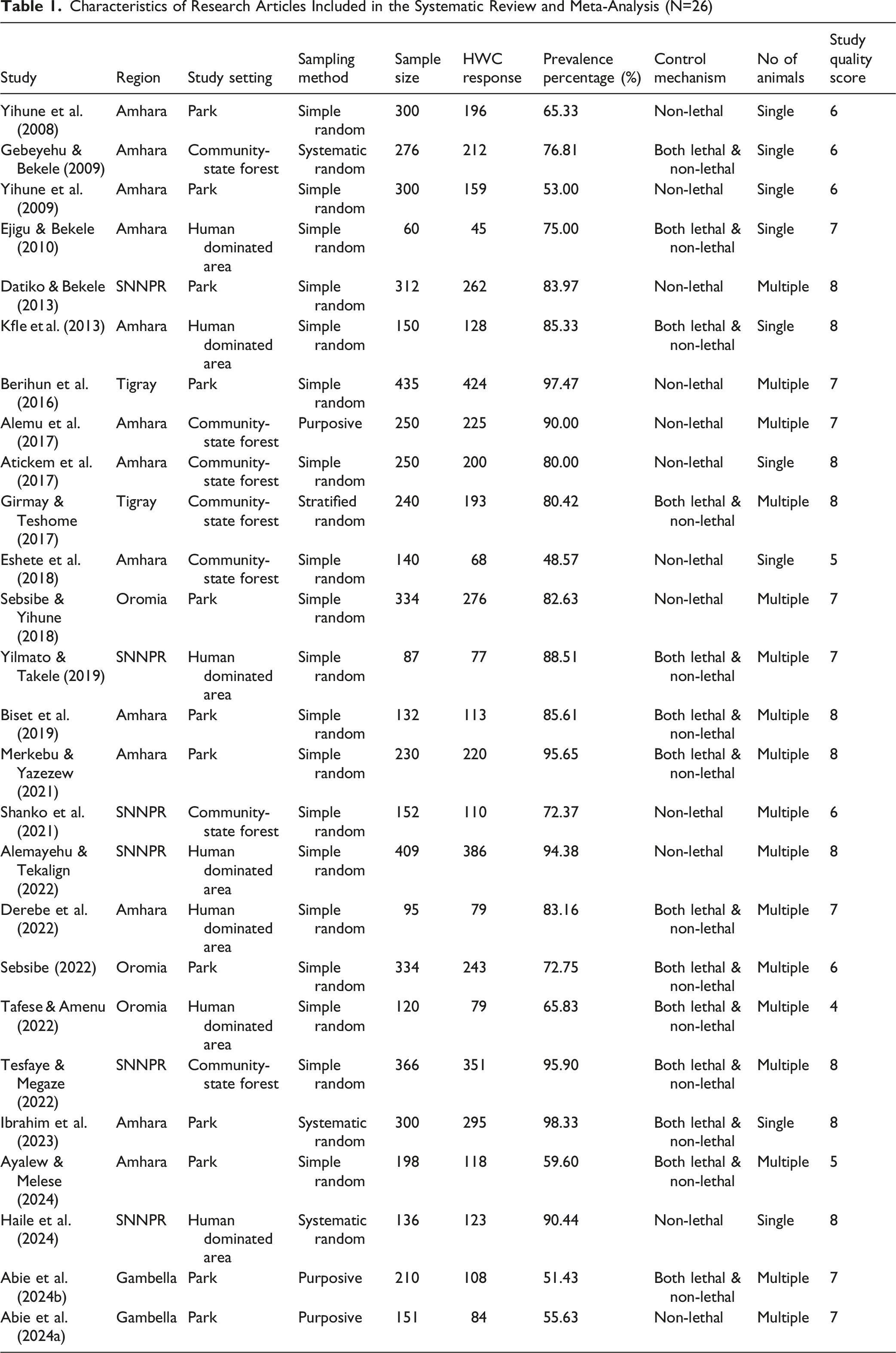
Finally, the included 26 studies, published between 2008 and 2024, were geographically distributed across major regions of Ethiopia, including Amhara (n = 13), Southern Nations, Nationalities, and Peoples’ Region (SNNPR) (n = 6), Oromia (n = 3), and Tigray and Gambella (n = 2 each). The studies encompassed diverse settings such as national parks (n = 12), community-managed state forests (n = 7), and human-dominated landscapes (n = 7). Sampling approaches included simple random sampling (n = 19), systematic random sampling (n = 4), and purposive sampling (n = 3). In terms of mitigation strategies, 12 studies reported non-lethal control mechanisms, while 14 employed a combination of lethal and non-lethal approaches. Additionally, 9 studies focused on single species, whereas 17 addressed multiple species.
Definition of Outcome Interest
The primary outcome of this study was to determine the overall prevalence and magnitude of HWC across various regions of Ethiopia. Specific outcomes of interest included (1) the prevalence of HWC, defined as the proportion of individuals or communities reporting wildlife-related damage; (2) Regional variation, across major administrative regions (Amhara, SNNPR, Oromia, Tigray, Gambella) to evaluate differences in HWC prevalence; (3) Differences across study settings (park-based areas, community-managed state forests, and human-dominated landscapes); (4) identification of key wildlife species involved in conflict with a regional analysis to determine the most impactful species in each region (Amhara, SNNPR, Oromia, Tigray, Gambella) and (5) Evaluation of mitigation strategies, including non-lethal and combined lethal/non-lethal approaches.
Quality Assessment and Data Extraction Process
The methodological quality of individual studies was assessed using the Joanna Briggs Institute (JBI) critical appraisal checklist for prevalence studies (Munn et al., 2015). This 9-item tool evaluates key domains including sample frame appropriateness, sampling method, sample size adequacy, description of subjects and setting, data analysis coverage, validity of condition identification, reliability of measurement, appropriateness of statistical analysis, and response rate management. Each item was scored as 1 (criterion met) or 0 (criterion not met or unclear), yielding a total quality score ranging from 0 to 9. Based on priori definitions, studies scoring 7–9 were classified as high quality, 4–6 as moderate quality, and ≤3 as low quality. Only studies with moderate or high quality ratings (score ≥4) were included in the subsequent meta-analysis to ensure the validity and reliability of the findings.
For data extraction, a structured approach was employed using Microsoft Excel 2010 to ensure consistency and accuracy. A predefined protocol was followed to systematically capture relevant information, including author(s), publication year, study region, study area, study settings, data collection tools, types of wildlife involved in conflicts, sampling methods, response rate, sample size, and the number of positive cases. This standardized protocol facilitated uniformity and rigor in data collection, enabling comprehensive analysis. To minimize bias, data extraction and quality assessment were performed independently by two reviewers, with discrepancies resolved through discussion and consensus, following the Cochrane Handbook for Systematic Reviews (Higgins & Green, 2011).
Data Analysis
All statistical analyses (meta-analysis, meta-regression, and chi-square tests) were applied only to the dataset extracted from the 26 studies that fulfilled the eligibility and quality criteria. The selection of studies was based solely on the criteria outlined in the ‘Eligibility criteria’ section and illustrated in Figure 2, not on the outcomes of subsequent statistical tests. The data were entered into Microsoft Excel, and meta-analysis was performed using R (version 4.2.3) with the “meta”, “metafor”, “dplyr”, and “car” packages (Fox and Weisberg, 2018; Schwarzer, 2007; Viechtbauer, 2010; Wickham et al., 2023). Flow diagram showing the eligibility of studies included in this review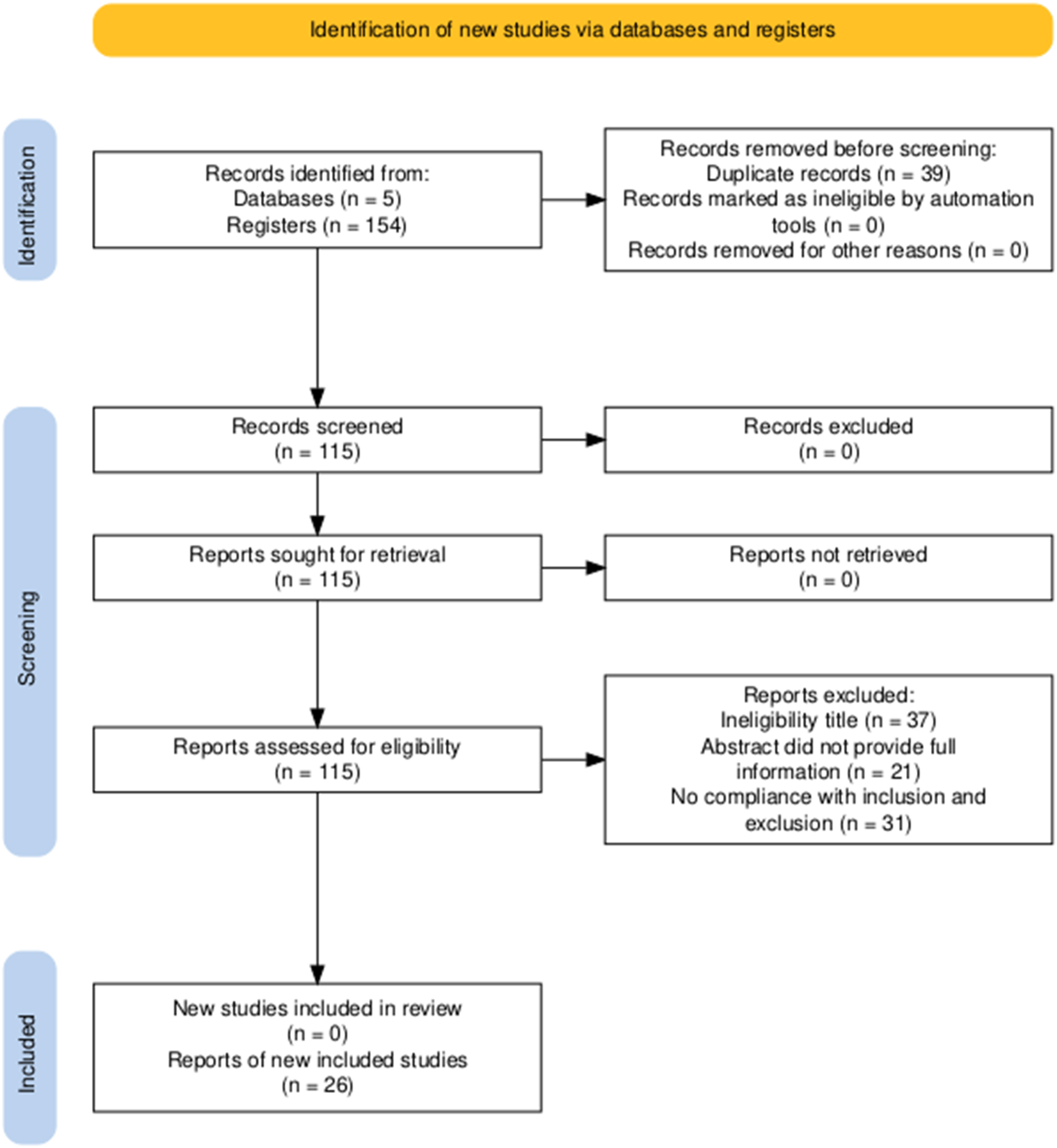
The individual study prevalence of HWC was calculated as the proportion of conflict response cases relative to the total sample size. The pooled prevalence of HWC was estimated by synthesizing the reported proportions of affected individuals or households from each included study, thereby providing a summary measure of conflict burden across studies. Notably, this metric reflects the average reported burden of conflict across sampled communities within the literature, not the percentage of studies that documented conflict. To reduce the impact of extreme prevalence values (close to 0 or 1), a descriptive analysis was conducted to identify studies with prevalence below 0.2 or above 0.8, as these values can overly influence the pooled estimates (Barker et al., 2021). To stabilize variance and improve normality, a Freeman-Tukey double arcsine transformation was applied to the prevalence data (Barendregt et al., 2013). Specifically, this transformation was used during the estimation of pooled prevalence to stabilize variances across studies. Before transformation, an adjusted proportion was computed to account for small sample sizes and extreme values. A random-effects meta-analysis model (REML estimator) was employed using the “metafor” package in R (version 4.2.3) to estimate the pooled effect size and 95% confidence interval. The results were visualized using a forest plot, which displayed the effect sizes and 95% CIs of individual studies, the pooled effect size, and the heterogeneity among studies. To interpret the results on the original proportion scale, the pooled prevalence estimate, and its 95% CI were back-transformed to the original proportion scale following established procedures (Barendregt et al., 2013).
Heterogeneity among studies was evaluated using the Cochrane Q statistics. The degree of heterogeneity was quantified using the I2 statistic, where values of 25%, 50%, and 75% indicated low, moderate, and high heterogeneity, respectively. Publication bias was assessed using visual inspection of a funnel plot and Egger’s test, with a p-value of < 0.05 considered indicative of statistical significance (Begg and Mazumdar, 1994; Egger et al., 1997; Sterne and Egger, 2001). A leave-one-out sensitivity analysis was conducted to assess the influence of individual studies on the overall pooled effect. This involved iteratively removing each study and recalculating the pooled effect size and heterogeneity. The stability of the meta-analysis was evaluated by examining the range of effect sizes and changes in heterogeneity (I2) resulting from the exclusion of each study.
To investigate potential sources of heterogeneity, meta-regression analyses were conducted using the “metafor” package. The following covariates were examined as potential moderators of the Freeman-Tukey transformed pooled prevalence: Region, Study setting, Control mechanism, and Species type. Multicollinearity among the covariates was assessed using the “car” package. The Variance Inflation Factor (VIF), with VIF values of ≤ 5 indicating the lack of collinearity and considered as appropriate for analysis (Kim, 2019). The VIF for region, study setting, control mechanism, and species ranged from 1.22 to 1.91. Meta-regression analyses were conducted using mixed-effects models (Viechtbauer, 2010) to investigate the influence of moderators such as region, study setting, control mechanisms, and species type on the effect sizes. The mixed-effects model was selected to account for both within-study variability (fixed effects) and between-study heterogeneity (random effects). Model fit was evaluated using statistical criteria, including the Akaike Information Criterion (AIC), Bayesian Information Criterion (BIC), corrected AIC (AICc), and log-likelihood, to identify the most appropriate model (Burnham & Anderson, 2004). Further, model diagnostics, including residual plots, were conducted to evaluate the adequacy of the meta-regression model (Higgins & Thompson, 2002). Residual plots were used to assess linearity, homoscedasticity, and normality, as well as to identify outliers that could disproportionately influence the results.
To explore species-specific patterns of HWC across regions, a chi-square goodness-of-fit test was conducted (Mukeka, et al., 2019). This test assessed whether the observed distribution of HWC incidents among species significantly deviated from an expected uniform distribution within each region. Statistical significance (α = 0.05) was inferred when the calculated chi-square value exceeded the critical value. To assess the relative contribution of each species to the chi-square statistics, standardized residuals (SR) were also calculated, with residual magnitude exceeding ± 1.96 (corresponding to α = 0.05) considered statistically significant deviations from expected values. A separate chi-square analysis was performed for each administrative region to account for biogeographic differences in species involvement, and the analysis revealed species with disproportionately high (positive residuals) conflict frequencies are interpreted in the results. All statistical tests were conducted at a significance level of α = 0.05.
Results
Study Selection
A comprehensive search identified 154 articles about the prevalence of HWC and control mechanisms in Ethiopia. Following the removal of 39 duplicate records, the titles of the remaining 115 articles were screened, resulting in the exclusion of 37 articles due to irrelevance to HWC. Abstract review led to the exclusion of a further 21 articles that lacked sufficient information regarding HWC. The full text of the remaining 57 articles was accessed for eligibility based on pre-defined inclusion and exclusion criteria and a data extraction protocol. Application of these criteria resulted in the exclusion of an additional 31 articles. Consequently, 26 studies met all eligibility criteria and were included in the final systematic review and meta-analysis (Figure 2).
Pooled Prevalence Estimate and Forest Plot Visualization
Characteristics of Research Articles Included in the Systematic Review and Meta-Analysis (N=26)
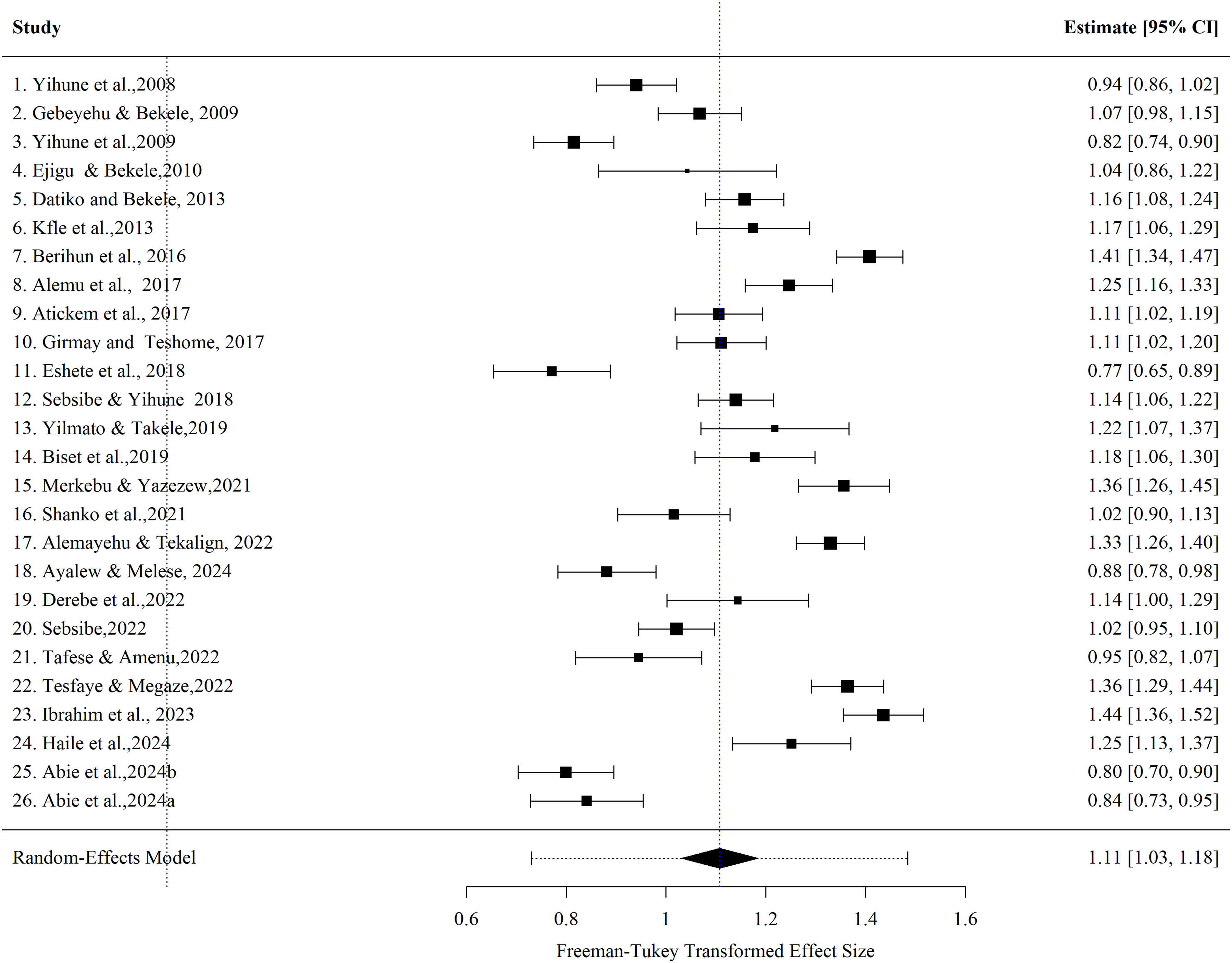
Forest plot of pooled prevalence using Freeman-Tukey transformation
Heterogeneity, Publication Bias and Sensitivity Analysis
The random-effects model revealed substantial heterogeneity among the included studies. The total heterogeneity, quantified by the I2 statistic, was 94.18%, indicating that 94.18% of the observed variability in effect sizes was due to true differences between studies rather than sampling error. The between-study variance, represented by tau2, was estimated at 0.0354 (SE = 0.0108). Cochrane’s Q statistics further supported the presence of significant heterogeneity (Q = 469.4611, df = 25, p < 0.0001). These results underscore considerable variability across studies.
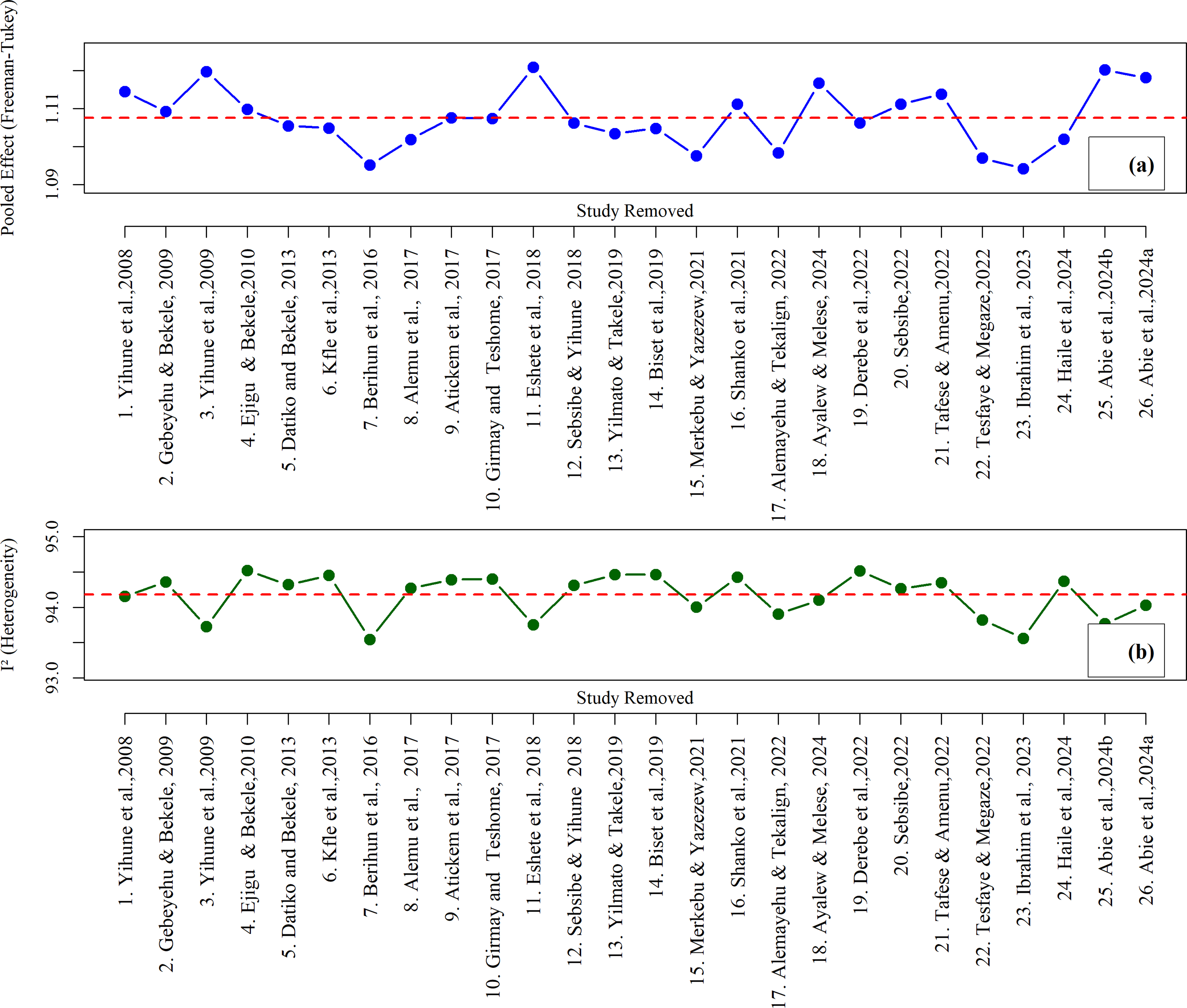
To assess potential publication bias, a funnel plot of pooled HWC incidences using Freeman-Tukey transformation was generated (Figure 4), and Egger’s regression test for funnel plot asymmetry was performed. The test did not reveal significant asymmetry (z = -1.1972, p = 0.2312). Furthermore, the limit estimate as the standard error approached zero was 1.278 (95% CI: 0.989–1.567). Additionally, a leave-one-out sensitivity analysis showed that the pooled effect size remained stable, ranging from 1.0942 to 1.1209, while heterogeneity (I2) consistently exceeded 93% (Figure 5). Funnel plot of pooled HWC incidences using Freeman-Tukey transformation Leave one out sensitivity analysis (a) pooled effect (Freeman-Tukey); (b) I2 (Heterogeneity)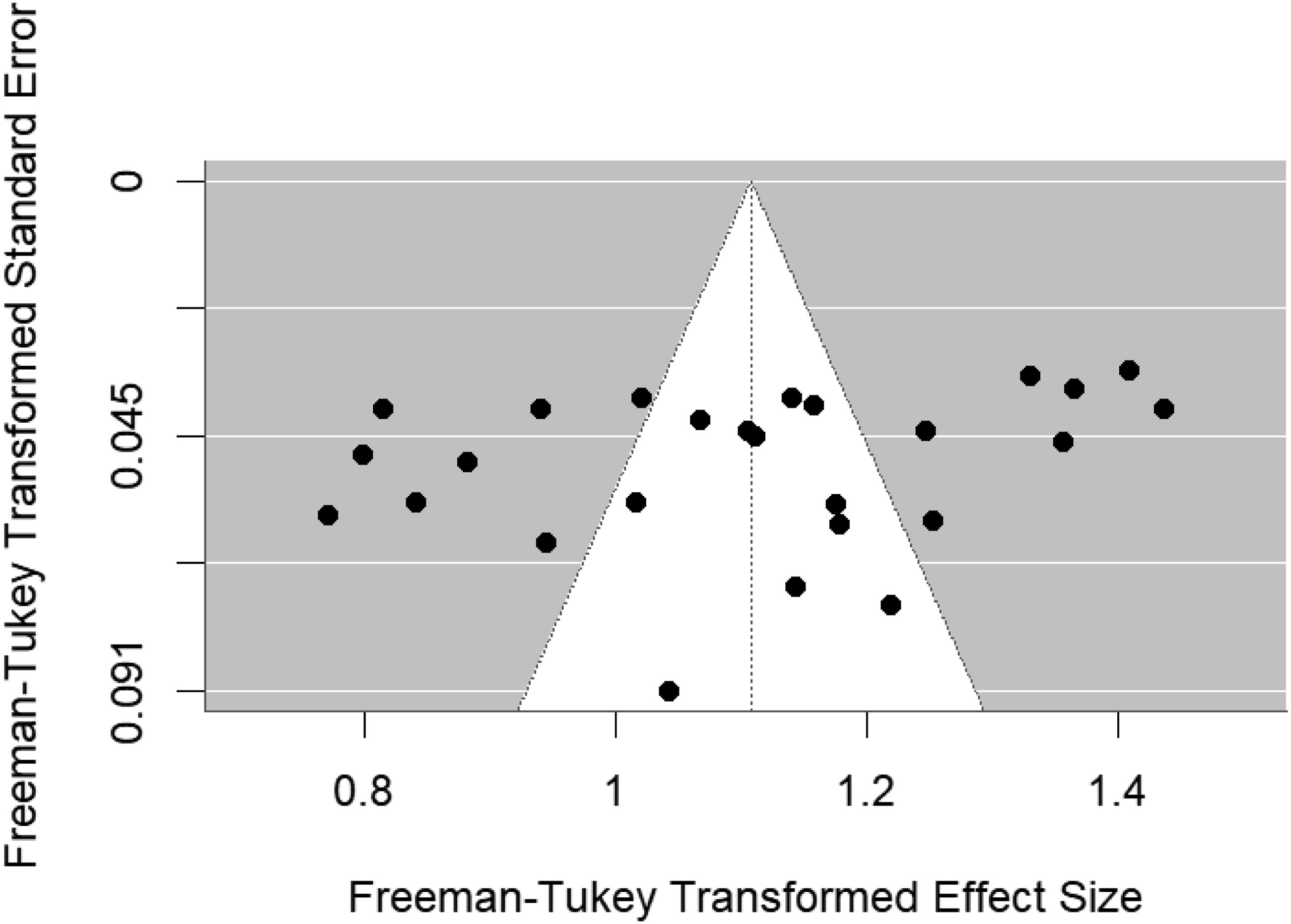
Meta Regression Analysis
A mixed-effects meta-regression model was conducted to examine the influence of region, study setting, control mechanism, and species type on effect size. The model fit was evaluated using statistical criteria, including the Akaike Information Criterion (AIC = 7.6137), Bayesian Information Criterion (BIC = 15.9459), and log-likelihood (6.1931). These values suggest a moderate fit, with the model adequately capturing some of the variability in the data. Residual plots were used to assess the adequacy of the meta-regression model. The plot indicated no significant deviations from linearity, homoscedasticity, or normality, and no influential outliers were detected (Figure 6). Residual plots for the meta-regression model with no significant deviations from model assumptions, and no influential outliers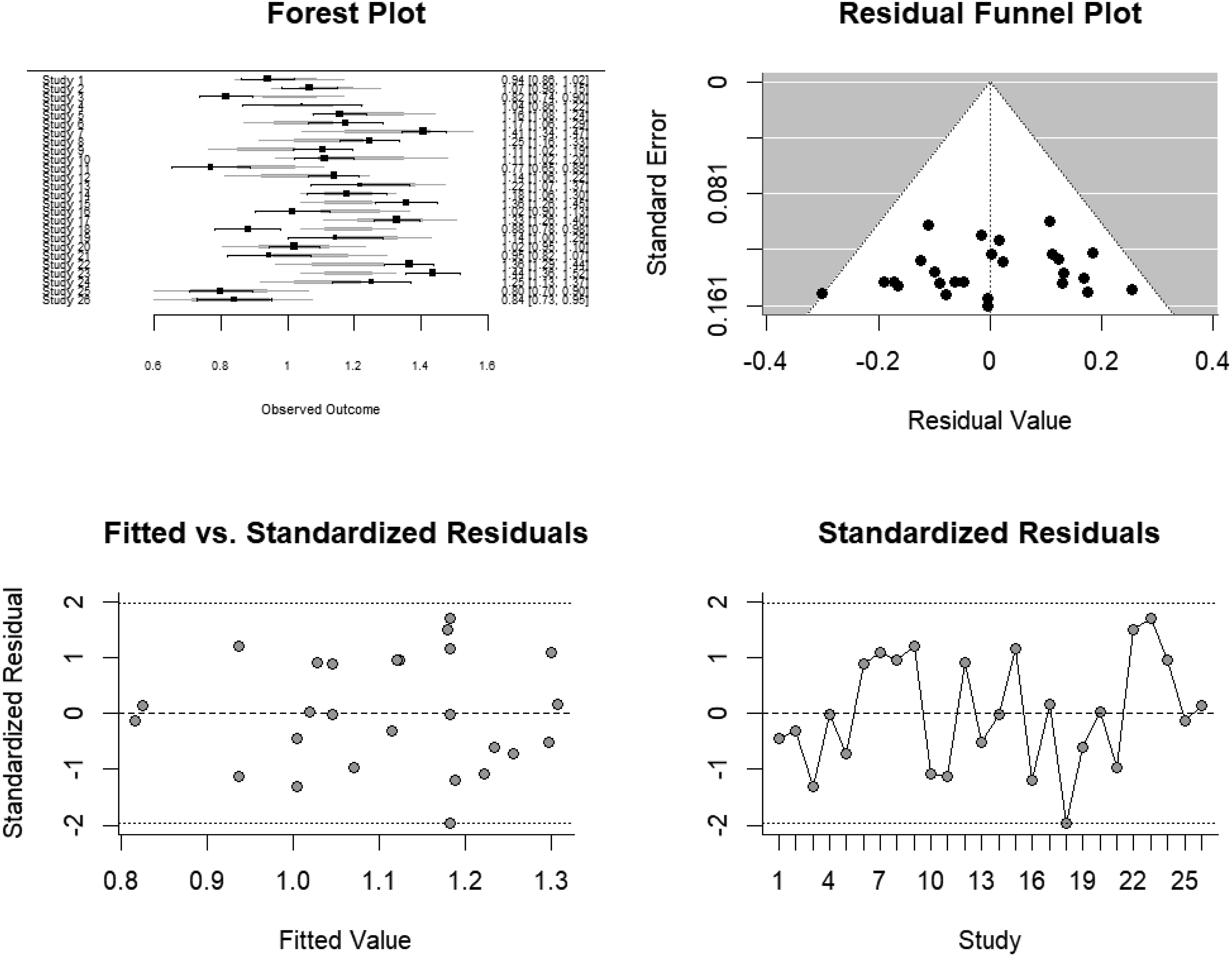
The meta-regression revealed substantial heterogeneity (τ2 = 0.0259, I2 = 91.60%; QE = 215.95, p < 0.0001), with moderators explaining 26.98% (R2) of total variability, leaving 64.62% residual heterogeneity unexplained. This high residual variance likely reflects unmeasured ecological factors (habitat quality, seasonal dynamics), socioeconomic variability (population density, livelihood practices), species-specific behaviors beyond broad categorization, methodological differences in conflict reporting, and regional policy variations that were not reported in any of the included publications. Although the model shows clear patterns based on region and species, the large amount of unexplained variation highlights the many complex factors driving HWC. Future studies should include more detailed variables and consistent methods to better understand these dynamics.
Parameter Estimates From a Meta-Regression Model for HWC Severity by Region, Study Setting, Control Mechanism, and Species Type
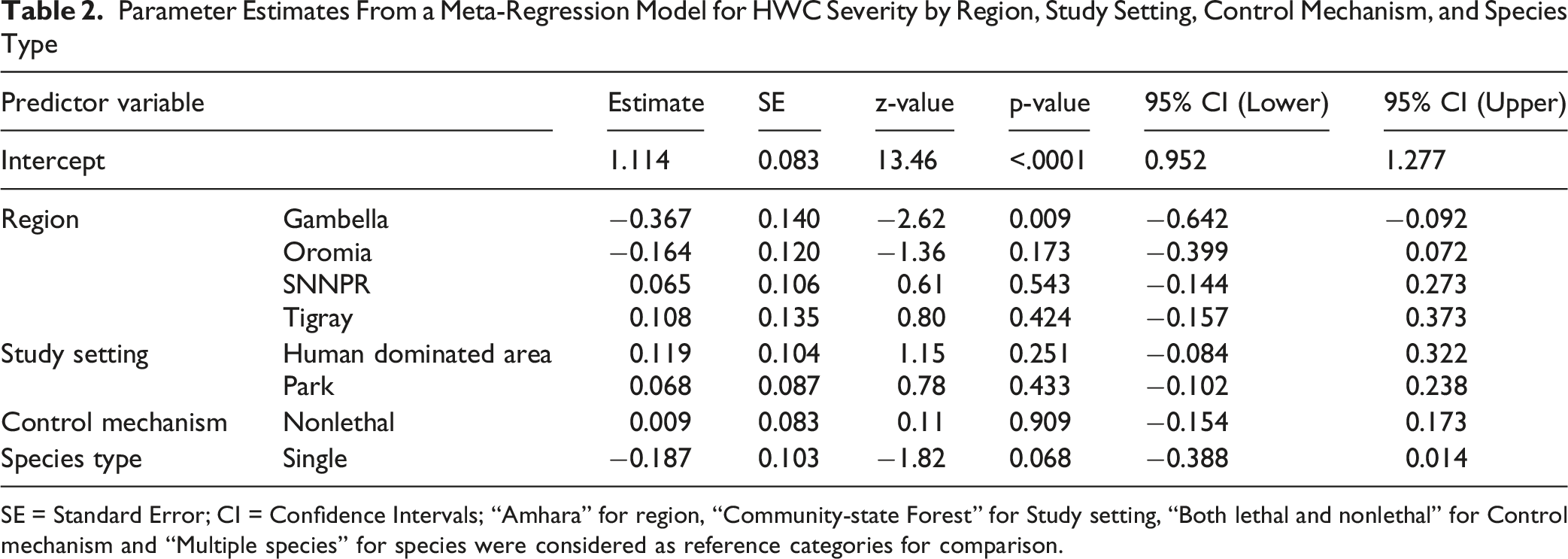
SE = Standard Error; CI = Confidence Intervals; “Amhara” for region, “Community-state Forest” for Study setting, “Both lethal and nonlethal” for Control mechanism and “Multiple species” for species were considered as reference categories for comparison.
Study setting, Control mechanism, and Species type did not significantly moderate the effect sizes, although the Human-dominated area study setting showed a non-significant positive trend (estimate = 0.119, p = 0.251), and the species type (single) showed a marginal negative trend (estimate = -0.187, p = 0.068). The random-effects meta-regression model, which included a random intercept for Study ID, was disregarded, yielding results identical to the mixed-effects model. This indicates that the mixed-effects model already accounted for the necessary variability, confirming its adequacy for the analysis.
Species-specific Patterns of HWC in Various Regions
HWC in Ethiopia exhibits distinct species-specific patterns across different regions, reflecting variations in ecological conditions, species abundance, and human activities. The analysis of observed and expected conflict incidents, along with Chi-square statistics and standardized residuals, reveals significant differences in the involvement of species in HWC across the Amhara, SNNPR, Oromia, Tigray, and Gambella regions.
Amhara Region
Species Involved in HWC in the Different Region
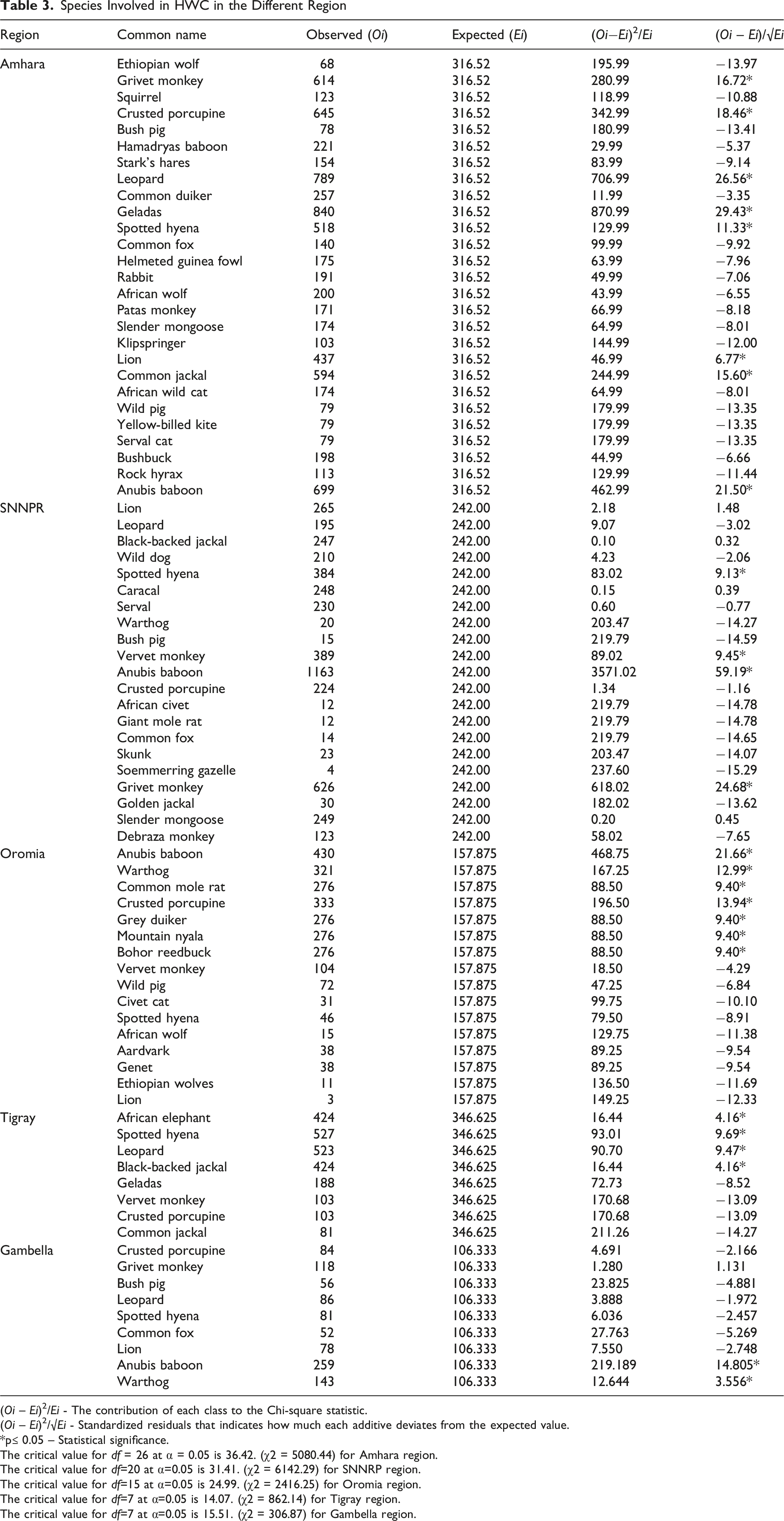
(Oi – Ei)2/Ei - The contribution of each class to the Chi-square statistic.
(Oi – Ei)2/√Ei - Standardized residuals that indicates how much each additive deviates from the expected value.
*p≤ 0.05 – Statistical significance.
The critical value for df = 26 at α = 0.05 is 36.42. (χ2 = 5080.44) for Amhara region.
The critical value for df=20 at α=0.05 is 31.41. (χ2 = 6142.29) for SNNRP region.
The critical value for df=15 at α=0.05 is 24.99. (χ2 = 2416.25) for Oromia region.
The critical value for df=7 at α=0.05 is 14.07. (χ2 = 862.14) for Tigray region.
The critical value for df=7 at α=0.05 is 15.51. (χ2 = 306.87) for Gambella region.
SNNPR Region
In the SNNPR Region, the anubis baboon (SR = 59.19, p < 0.05) emerged as the most frequently reported species in HWC incidents. This was followed by the grivet monkey (SR = 24.68, p < 0.05), vervet monkey (SR = 9.45, p < 0.05), and spotted hyena (SR = 9.13, p < 0.05) were the most significantly reported species in conflict incidents. The chi-square statistic (χ2 = 6142.29, df = 20, p < 0.05), indicating a pronounced variation in conflict frequency among species in the SNNPR region (Table 3).
Oromia Region
In the Oromia Region, the anubis baboon (SR = 21.66, p < 0.05), crusted porcupine (SR = 13.94, p < 0.05), warthog (SR = 12.99, p < 0.05), grey duiker (SR = 9.40, p < 0.05), mountain nyala (SR = 9.40, p < 0.05), bohor reedbuck (SR = 9.40, p < 0.05) and common mole rat (SR = 9.40, p < 0.05) were significantly overrepresented in conflict incidents. The chi-square statistic (χ2 = 2416.25, df = 15, p< 0.05), indicating a significant deviation from the expected distribution.
Tigray Region
In the Tigray Region, analysis of HWC incidents revealed a significant overrepresentation of several species. The spotted hyenas (SR = 9.69, p < 0.05) exhibited the highest conflict frequency, followed by the leopards (SR = 9.47, p < 0.05), and African elephant (SR = 4.16, p < 0.05), Black-backed Jackal (SR = 4.16, p < 0.05). A chi-square goodness-of-fit test demonstrated a statistically significant deviation from expected conflict distribution (χ2 = 862.14, df = 7, p < 0.05), indicating non-random patterns of wildlife involvement in conflict incidents across species.
Gambella Region
In Gambella region, analysis of HWC patterns revealed significant species-specific involvement. The anubis baboon (SR = 14.805, p < 0.05) showed the highest conflict frequency, followed by the warthog (SR = 3.556, p < 0.05). The chi-square test of goodness-of-fit revealed a statistically significant deviation from expected conflict distribution (χ2 = 306.87, df = 7, p < 0.05), confirming non-random patterns of wildlife involvement in conflict incidents across species in Gambella Region.
Discussion
This systematic review and meta-analysis provide a comprehensive synthesis of the prevalence and species-specific patterns of HWC in Ethiopia, integrating data from 26 studies published between 2008 and 2024. The findings revealed significant regional and species-specific variations in HWC, highlighting the complexity of the issue and the need for targeted interventions.
Prevalence and Regional Patterns of HWC
The pooled prevalence of HWC across the included studies was 27.8% (95% CI: 24.3-31.0%), indicating its status as a critical conservation and livelihood challenge in Ethiopia. This prevalence, which represents the average proportion of surveyed community members reporting conflicts, aligns with findings from other studies in sub-Saharan Africa, where HWC is a significant issue due to the coexistence of human populations and wildlife in shared landscapes (Dickman, 2010; Thirgood et al., 2005). The relatively narrow confidence interval suggests that the estimate is precise, and the true prevalence is likely within this range. These findings emphasize the importance of addressing HWC through targeted interventions that consider the specific contexts and species involved.
The high prevalence of HWC (>80%) reported in 14 studies, primarily from Amhara and SNNPR, aligns with regions experiencing intense habitat loss and agricultural expansion, and human population growth, factors that increase human-wildlife encounters (Sebsibe & Yihune, 2018). In contrast, Gambella’s lower prevalence is consistent with its lower human population density and different land use practices (Derebe et al., 2022). These regional variations in conflict patterns align with the theoretical framework proposed by Madden (2004), which suggests a direct relationship between human settlement density and wildlife conflict intensity. Notably, no studies form Gambella reported prevalence rates exceeding 80%, further supporting the role of ecological and anthropogenic factors in shaping HWC dynamics.
The robustness of our findings was confirmed through leave-one-out sensitivity analysis, which showed that the pooled effect size remained stable (ranging from 1.094 to 1.121) with heterogeneity consistently exceeding 93%, indicating that no single study disproportionately influenced the overall results. This stability, combined with the lack of publication bias detected by Egger’s test (p = 0.231), suggests that our pooled estimate of 27.8% provides a reliable baseline for understanding HWC prevalence in Ethiopia.
Meta Regression Analysis and Species-Specific Conflict Dynamics
Analysis of regional patterns revealed that geographic context is a critical determinant of HWC in Ethiopia. The Gambella region exhibited significantly lower conflict prevalence compared to high-conflict regions like Amhara. This regional variation aligns with distinct species-specific conflict profiles across the country. In the Amhara region, conflicts frequently involved geladas and leopards, alongside anubis baboons, crested porcupines, and spotted hyenas. The SNNPR region showed a different pattern dominated by primate species, particularly anubis baboons, grivet, and vervet monkeys, with spotted hyenas also prominently involved. Oromia demonstrated the most diverse conflict assemblage, encompassing both herbivores (e.g., warthogs, mountain nyala, Bohor reedbuck) and carnivores (e.g., leopards, spotted hyenas). In contrast, Gambella’s conflict profile was narrower, primarily involving anubis baboons and warthogs.
These findings corroborate existing literature documenting the high involvement of primates, particularly baboons and grivet monkeys, in HWC due to their adaptability to human-dominated landscapes and their tendency to raid crops (Hill, 2000, 2004; Naughton-Treves et al., 1998; Strum, 2010). Similarly, the significant role of large carnivores such as leopards and hyenas reflects their need for large territories and their potential to prey on livestock (Treves & Karanth, 2003). These species-specific patterns highlight the need for region-specific management strategies that address the unique challenges posed by different wildlife species.
Conservation and Mitigation Implications
The findings of this study have important implications for both wildlife conservation and human livelihoods. HWC poses a significant threat to biodiversity by increasing the risk of retaliatory killings and habitat degradation (Dickman, 2010). At the same time, it negatively impacts human livelihoods by causing crop damage, livestock predation, and in some cases, human injury or death (Treves & Naughton-Treves, 2005). Addressing HWC requires a balanced approach that considers both conservation goals and the needs of local communities.
The implementation of community-based conservation programs presents a viable approach to HWC mitigation by integrating local ecological knowledge with wildlife management (Western et al., 1994). While 14 studies documented the concurrent use of lethal and non-lethal control measures, evidence increasingly supports non-lethal strategies, such as chili fencing and livestock guarding animals, as more sustainable solutions (Wallace and Hill (2012). However, their efficacy is contingent upon two critical factors: (i) active community engagement in design and implementation, and (ii) equitable distribution of conservation benefits to offset economic losses (Nyhus et al., 2005).
Complementary measures, including reinforced fencing, predator-proof enclosures, and early warning systems, have demonstrated significant potential in reducing conflict frequency and severity (Woodroffe et al., 2005). These approaches align with the growing recognition that long-term HWC resolution requires context-specific strategies that balance ecological preservation with socioeconomic realities. For instance, in Ethiopia’s high-conflict regions (e.g., Amhara and SNNPR), where crop raiding by primates predominates, community-led crop protection initiatives may prove more effective than reactive lethal controls. Conversely, pastoralist communities facing carnivore predation may benefit from improved livestock husbandry practices combined with compensation schemes.
The success of such interventions hinges on adaptive management frameworks that incorporate (i) Regular monitoring of conflict patterns (ii) Participatory evaluation of mitigation effectiveness (iii) Flexible policy adjustments based on ecological and sociocultural feedback. This paradigm shift towards coexistence management offers a more sustainable pathway for biodiversity conservation while safeguarding local livelihoods.
Limitations and Future Research
While this study provides valuable insights into the magnitude and patterns of HWC in Ethiopia, it is not without limitations. The high heterogeneity observed across studies (I2 = 94.18%) suggests significant variability in study designs, methodologies, and reporting standards (Barua et al., 2013). This heterogeneity may limit the generalizability of the findings and highlights the need for standardized approaches to HWC research in the region. Furthermore, the number of studies included in this meta-analysis, while sufficient for robust pooled estimation, highlights that primary, quantitative research on HWC in Ethiopia is still emerging. Many regionally relevant reports or case studies may exist in grey literature or lack the standardized prevalence metrics required for meta-analysis. Future systematic reviews could expand their scope to include grey literature to provide a more comprehensive landscape of documented conflicts.
Future research should focus on longitudinal studies that track changes in HWC over time and assess the effectiveness of different mitigation strategies. Additionally, there is a need for more detailed studies on the socio-economic impacts of HWC (Madden & McQuinn, 2014) and the factors that influence community attitudes and behaviors toward wildlife. More importantly, research should explore the domestication and sustainable utilization of natural resources to enhance food security and advance bioeconomy initiatives, thereby reducing reliance on wild resources, even in rural settlements. Such interdisciplinary approaches will be critical for developing effective, sustainable, and socially inclusive HWC mitigation strategies.
In conclusion, this systematic review and meta-analysis provide a comprehensive overview of the prevalence, magnitude, and species-specific patterns of HWC in Ethiopia. The findings highlight the significant impact of HWC on both wildlife conservation and human livelihoods and underscore the need for targeted, region-specific interventions. By addressing the root causes of HWC and promoting coexistence between humans and wildlife, it is possible to achieve both conservation goals and improved human well-being.
Supplemental Material
Supplemental material - Human-Wildlife Conflict in Ethiopia: A Systematic Review and Meta-Analysis of Regional and Species-Specific Trends
Supplemental material for Human-Wildlife Conflict in Ethiopia: A Systematic Review and Meta-Analysis of Regional and Species-Specific Trends by Kasaye Teshome, Krishnagouda Shankargouda Goudar and Hussein Ibrahim in Tropical Conservation Science
Footnotes
Acknowledgement
We would like to express our sincere gratitude to Mr. Abayneh Girma for unwavering support, professional advice; software training and valuable suggestions from the initial selection of this systematic review and meta-analysis title to the final write-up have been instrumental to the successful completion. We deeply have grateful thanks for Dr. Mogess Kibret, Dr. Mussa Adal, Dr. Gezehagn Getachew, and Dr. Rediwan, for their encouragement and material support.

Author Contributions
Conceptualization, methodology, formal analysis and writing were performed by Kasaye Teshome, Krishnagouda Shankargouda Goudar and Hussein Ibrahim. Literature survey, retrieving and data curation was performed by Kasaye Teshome. Review of retrieved articles was performed by Krishnagouda Shankargouda Goudar and Hussein Ibrahim.
Funding
This research did not receive any specific grant from funding agencies in the public, commercial or non-profit sectors.
Declaration of Conflicting Interests
The authors declared no potential conflicts of interest with respect to the research, authorship, and/or publication of this article.
Data Availability Statement
All data used to support our findings are presented in this paper as supplementary data.
Supplemental Material
Supplemental material is available online.
References
Supplementary Material
Please find the following supplemental material available below.
For Open Access articles published under a Creative Commons License, all supplemental material carries the same license as the article it is associated with.
For non-Open Access articles published, all supplemental material carries a non-exclusive license, and permission requests for re-use of supplemental material or any part of supplemental material shall be sent directly to the copyright owner as specified in the copyright notice associated with the article.
