






Abstract

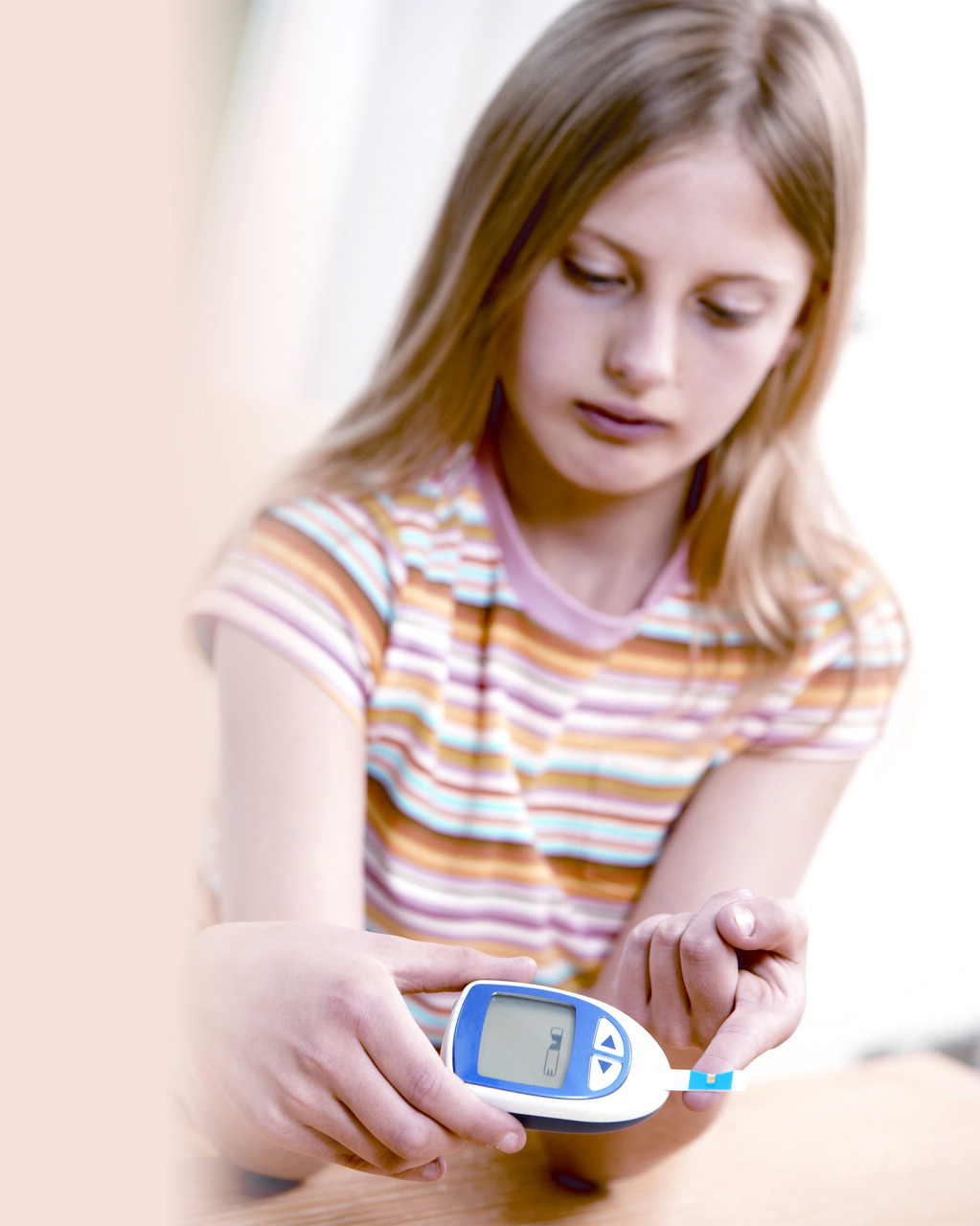
Prior to the discovery of insulin by Dr. Banting and Charles Best in 1921, type 1 diabetes was always fatal within months of diagnosis. In the 1980s, insulin sources changed from the pancreas of cows and pigs to the production of human insulin with recombinant DNA techniques. There are now several types of insulin available, with specific action times for each. The Diabetes Control and Complications Trial (DCCT), a 10-year trial that ended in 1993, showed that intensive management of diabetes helps decrease the long-term complications of the disease (DCCT Research Group, 1993). Advancing technology and the focus on intensive management has changed the way students manage their diabetes at school. It is essential for the school nurse to understand current insulin therapies to facilitate effective diabetes management at school.
In the school setting, the health care provider orders, also known as the Diabetes Medical Management Plan (DMMP), provides the type, amount, and times the insulin should be given during the school day. The DMMP also specifies the student-specific blood glucose target range. The amount or dose of insulin ordered depends on several factors, including body size, blood glucose levels, meal plan, and level of activity.
The insulin dose may vary depending on the amount of carbohydrates in the meal. This is determined by the insulin-to-carbohydrate ratio. A correction bolus is a dose of insulin given in response to blood glucose results. A correction dose is the amount of insulin it takes to bring the blood glucose back to the target range. The correction bolus is based on a correction factor or sliding scale. If an extra dose of insulin is given due to an elevated blood glucose, the blood glucose should be checked approximately one to two hours later, according to the DMMP.
Humalog®, Novolog®, and Apidra® are classified as rapid-acting insulin and are used most often at school at lunch time for carbohydrate coverage and correction doses. The school nurse should remember that rapid-acting insulin works very quickly, so the meal must be eaten immediately after the dose is administered. The lunch insulin is sometimes ordered after the child has eaten, for example, for very young children or picky eaters.
Rapid-acting insulin is also used in insulin pumps. If the delivery of insulin is interrupted due to pump or infusion site failure, the student will require insulin via syringe to prevent hyperglycemia and diabetic ketoacidosis. The child who is on an insulin pump should have extra pump supplies, a vial of insulin, and insulin syringes available.
Short-acting (Regular) and intermediate-acting (NPH) insulin were used most often before the rapid-acting and long-acting insulin became available. A mid-morning snack may be ordered to balance the anticipated insulin action of Regular and NPH. There may be occasions when fixed combinations of insulin are ordered, such as 70/30 (NPH/ regular ratio) or 70/30 (NPA/aspart ratio; Sisson, 2008). These are typically given at home during breakfast and dinnertime.
Lantus® and Levemir® are classified as long-acting or basal insulin. They must not be mixed with any other insulin (Sisson, 2008). A recent study conducted with school nurses in Texas found that blood glucose monitoring, administration of long-acting insulin at lunchtime, and periodic insulin dose adjustment supervised by school nurses in the school setting significantly improved HbA1c (a three-month measure of blood glucose control) in adolescents with poorly controlled type 1 diabetes (Nguyen, Mason, Sanders, Yazdani, & Heptulla, 2008).
Insulin is delivered by a syringe, an insulin pen, or an insulin pump. The school nurse providing diabetes care for schoolchildren should become familiar with the specific device each child uses. If the doses given are in ½ units, an insulin pen or 3/10cc syringe that has ½ unit markings on it should be used. Insulin injections are given subcutaneously (area between the skin and the muscle). After injecting, keep the needle in the skin and wait five seconds to prevent leakage. Sites should be rotated to avoid scar tissue or a fatty growth in the injection area.
Insulin is a hormone constructed of proteins and is affected by extremes in temperature. Insulin vials should not be exposed to extreme heat or cold temperatures. Insulin that has been left in a hot car or outside in the winter should be thrown away. For field trips, a thermal lunch bag or special case designed for the insulin and a reusable ice pack can be used to keep the insulin cool, but never frozen. When a vial of insulin is opened, the date should be written on it. Open vials of insulin should be stored at room temperature, below 86 degrees F, and thrown out one month after opening. Extra unopened vials should be stored in the refrigerator between 36 and 46 degrees F and are able to be used until the expiration date on the bottle or box.
Unused insulin pens and cartridges should be stored in the refrigerator. The insulin pen in use should not be refrigerated; it must be kept at room temperature and discarded after 28 days. Pen needles should be removed after each injection to prevent air bubbles from entering and insulin from leaking out of the pen. School nurses can also refer to manufacturers’ instructions to ensure proper storage for insulin vials and insulin pens.
The school nurse needs a clear understanding of insulin in order to plan and implement a student’s Individualized Health Care Plan (IHP) and emergency care plan (ECP) for hypoglycemia and hyperglycemia based on the health care provider’s orders (NASN, 2006).
For more information, attend the live NASN workshop H.A.N.D.S. SM : Helping Administer to the Needs of the Student with Diabetes in School. In addition, the newly revised National Diabetes Education Program publication Helping the Student With Diabetes Succeed: A Guide for School Personnel (U.S. Department of Health and Human Services, 2003) provides valuable information, tools, and sample ECPs and will be available for free in the fall of 2009 at www.yourdiabetesinfo.org.
Footnotes
Supported by an Educational Grant from sanofi-aventis U.S.