






Abstract

Keywords
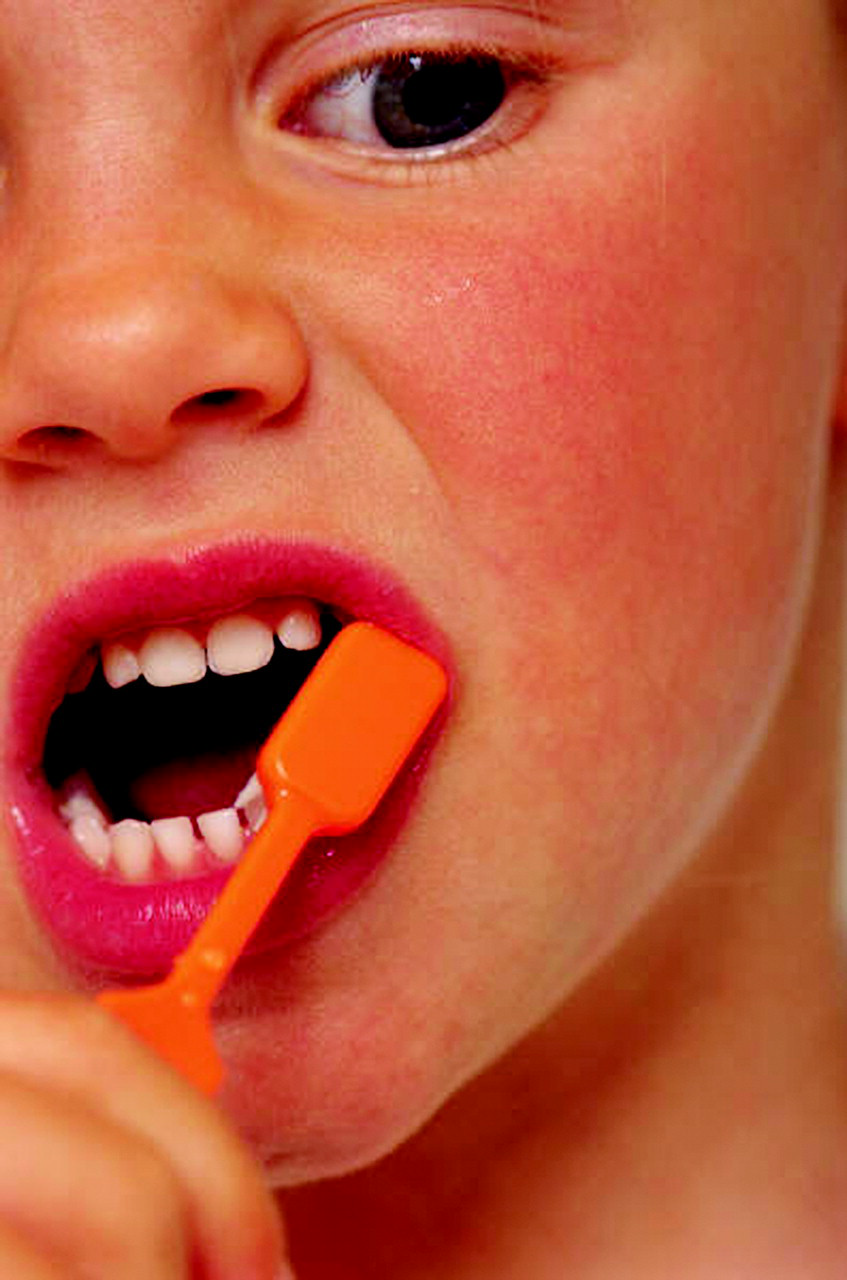
You don’t need to tell a school nurse how important healthy teeth are in helping children to grow, eat, play, and learn. School nurses are on the frontlines of children’s health care and have likely seen firsthand many of the consequences of poor oral health, such as pain, distraction from learning, and difficulty eating and speaking. Keeping the mouth healthy is important to keeping the whole body in good health. February is National Children’s Dental Health Month and it provides an opportune time to share important oral health information with students and families.
Childhood is a time when significant growth and development occur and functional capacity is developed. This is as true for the mouth as it is for other parts of the body. Promoting oral health during childhood establishes a foundation for lifelong health and well-being. Dental caries, the disease that causes cavities, is the most common chronic childhood disease—five times more common than asthma—and it affects 26% of preschoolers, 44% of kindergarteners, and more than half of teens (United States Public Health Service, 2000; Dye et al., 2007). The Centers for Disease Control and Prevention (2001) report that for the first time in 40 years, tooth decay has increased in two to five year olds; one in ten two-year-olds has cavities, growing to two in five among five-year-olds. Low-income and minority children are disproportionately affected, as they experience the highest rates of this disease, but have the lowest rates of dental care (United States Public Health Service, 2000).
Dental caries is an infectious, transmissible, but preventable and manageable chronic condition. Dental caries is generally established in the first few years of a child’s life. Most children first acquire the bacteria that cause cavities through saliva that is passed from their caregiver, usually from their mother. Saliva-sharing typically happens by sharing utensils, wiping off a baby’s pacifier in the caregiver’s mouth, and testing food with the same spoons when feeding infants, among other activities. If the transmission of this bacteria is supported by a high-frequency sugar diet, a process of tooth decalcification results. The occurrence of tooth decay before the age of six, known as Early Childhood Caries, is particularly concerning, as the presence of cavities in childhood is the best predictor of tooth decay throughout the lifespan (Powell, 1998).
Preventing the transmission of caries-causing bacteria is a key reason to promote good oral health for mothers and for children right from birth. However, once a child has acquired dental caries, there are many things that school nurses, other health professionals, and families can do to manage the disease and to keep it from progressing.
It is important to promote good oral health for students, caregivers, and the whole family by encouraging healthy behaviors, such as eating healthy foods, maintaining good oral hygiene, visiting the dentist for check-ups, receiving appropriate exposure to fluoride, and limiting how much and how often sugar is consumed throughout the day. Once the dental caries process is initiated, it is stimulated by exposure to sugar and particularly by the frequency of that exposure. Sugar intake feeds the cavity process and furthers the growth of tooth decay–causing bacteria (Chinn & Edelstein, 2006). However, caries is suppressed by exposure to fluoride through fluoridated water in the community, the use of fluoride toothpaste, and through the administration of fluoride varnishes, rinses, and tablets. Fluoride reduces the ability of bacteria to produce acid and promotes the remineralization of enamel, preventing cavities from continuing to develop. Sealants, protective coatings applied to the chewing surfaces of teeth (typically in school-age children), are also an effective measure in preventing cavities (U.S. Department of Health and Human Services, 2001). Sealants are often provided through programs linked to schools. Dental sealant programs are typically either school-based, where care is provided by dental providers at the school setting, school-linked, where a relationship is established with the school, but care is provided at an external location, or a combination of the two (Association of State and Territorial Dental Directors, 2003).
While pain and suffering are an obvious consequence of dental disease, there are other signs of active tooth decay that school nurses can identify, in order to link children to appropriate care. Decalcification appears as “white spots” or streaks, particularly along the gumline of the upper front teeth. Children exhibiting very early caries activity may display thick, white, soft plaque along the gumline of the upper teeth. Children exhibiting these symptoms should be referred to dental care immediately.
Many children do not get the care they need because their families lack awareness of the importance of oral health and of the need for early and consistent dental care. Additionally, the importance given to oral health may vary according to cultural, social, and economic factors. Dietary practices specific to certain cultures may encourage the development of caries. Unless school nurses and other health professionals provide information on oral health and ways to prevent dental caries and encourage referrals to dental care, many families not prioritizing oral health may remain unaware of its importance and of their role in prevention and disease management at home. Other barriers to care for school-age children include a lack of dental coverage, inability to find providers who accept children with public insurance, and limitations of the public health safety net.
There are many things school nurses can do promote the oral health of children and families. School nurses can
Advocate for healthy breakfast and lunch menus in schools that promote overall nutrition, as well as oral health. Identify providers in the community who will accept children covered by Medicaid or Children’s Health Insurance Program (CHIP) and share this information with families. Assist in coordinating care for children who have unique dental needs, such as children with special health care needs. Advocate for a preventive school oral health program that incorporates several key elements, such as oral health education, dental screenings, referral to dental treatment, application of fluoride varnish or use of fluoride mouth rinse, and application of sealants (Association of State and Territorial Dental Directors, 2003). Promote school-based efforts to prevent and manage disease, including school-based or school-linked sealant and fluoride varnish programs, especially for low-income children who are less likely to receive private dental care. Support oral health safety net programs like those in community health centers and local health departments and mobile programs where dental care providers travel to the school setting. Promote inclusion of dental programs in school. Communicate and advocate the importance of oral health to state leadership and legislators.
School nurses can also share information with families on ways to prevent and manage dental caries in the home. Engaging families as partners in preventing and managing dental disease is an effective way of promoting oral health. Below are some messages to share with families regarding diet, hygiene, and getting regular dental check-ups.
Tips to share with families:
Try not to share saliva with your baby, to keep him/her from getting the germs that cause cavities, especially if you have had problems with cavities yourself. This is important because the earlier a child picks up this bacteria, the more cavities he/she may have and the earlier they may begin. Before baby teeth come in, wipe down the gums with a soft washcloth or piece of gauze after feeding. When your child’s first tooth comes in, begin to clean his/her teeth with a damp cloth or with a soft infant toothbrush. For children younger than two years old, use just a smear of fluoridated toothpaste (about the size of a grain of rice) and use a pea-sized amount for children over two. Schedule your child’s first dental visit when his/her first tooth comes in, or by his/her first birthday. This visit will help you learn more about preventing cavities, about your child’s own unique risk for cavities, and about other behaviors that will keep your child’s mouth healthy. It might seem like one year is early to visit the dentist, but it is important to keep baby teeth healthy because cavities in baby teeth can lead to cavities in permanent teeth and baby teeth fill the important role of helping children talk and grow. They also hold space for the permanent teeth to come in. It is as important to limit the number of times your child has sugar and carbohydrates each day, as it is to limit how much sugar he/she eats. When your child eats sweets, make sure he/she eats them at the same time as a meal and not on their own. It’s easier for the mouth to bring itself back to a healthy balance after eating when foods are eaten at once, instead of throughout the day. Also, sipping soda or other sugary drinks all day is more harmful than having the full serving at once. Be sure to never put anything other than water in a baby bottle at bedtime. Fluoride helps to balance out the harmful effects of sugar on the teeth and mouth and it also strengthens teeth. Make sure your child gets the right amount of fluoride through your community water supply, by using toothpaste with fluoride, and/or asking your dentist about fluoride varnishes and rinses. Use cheese to help keep your child’s mouth healthy. Did you know that cheese helps to fight cavities through stimulating saliva, helping to protect teeth from harmful acids? Cheddar, Mozzarella, Swiss, and Monterey Jack can stop cavities from developing, especially if your child eats them as a snack or at the end of a meal.
The good news about dental caries and the cavities it leads to is that it is easily preventable and manageable with the right information and actions. School nurses can play a key role in promoting oral health for students and families by providing education, promoting prevention, and coordinating and advocating care for students. School nurses’ efforts to promote the oral health of children are critical to setting the stage for a lifetime of health, learning, and success.
Footnotes