






Abstract
Keywords
Introduction
Allergic rhinitis (AR) is a common chronic inflammatory condition characterized by nasal congestion, rhinorrhea, sneezing, nasal itch, and postnasal drainage. 1 AR affects between 30 and 60 million people in the United States annually. Of those affected, 10%-30% are adults, while approximately 60% are children, and its incidence continues to rise.1,2 A large proportion of these individuals suffer from reduced quality of life (QoL) which ultimately leads to a significant economic burden, with the estimated direct and indirect healthcare costs exceeding $6 billion. 3
AR results from a complex pathophysiological process that ultimately leads to mucosal inflammation triggered by allergens.1,4 As AR is triggered by exposure to allergens, first line treatment typically includes allergen avoidance.1,4,5 However, avoiding potential allergens can be difficult in many circumstances, so medical treatment is often employed. Common pharmacological therapies for AR include oral and/or intranasal administration of either or both antihistamines and corticosteroids. 1 The current guidelines from the American Academy of Allergy, Asthma and Immunology (AAAAAI) and the American College of Allergy, Asthma and Immunology (ACAAI) recommend individualizing AR management and monitoring based on the spectrum, duration, and severity of symptoms, ensuring that therapy aligns with patient preference to enhance efficacy.1,5 Furthermore, antihistamines and intranasal corticosteroids (INCS) are the most commonly prescribed medications for treating AR and have been reported to be more effective than other medications. 5 Meta-analyses have shown that INCS are more effective than antihistamines in providing relief for all AR symptoms.5–8 The Allergic Rhinitis and its Impact on Asthma (ARIA) statement and the American Academy of Otolaryngology—Head and Neck Surgery Foundation guidelines strongly recommend INCS as the first-line therapy for persistent AR and for those whose symptoms affect their QoL.5,9,10
Corticosteroids were first developed and synthesized in the 1950s for the treatment of AR. Intranasal options such as cortisol, prednisone, dexamethasone, beclomethasone, flunisolide were developed between the 1950s and 1970s. During this period, both aqueous and chlorofluorocarbon (CFC) dry aerosol formulations were available for AR treatment. However, the 1987 Montreal Protocol on Substances that Deplete the Ozone Layer led to the phase-out of CFCs, which were eventually replaced by newer, non-ozone-depleting, nonaqueous INCS options such as hydrofluoroalkane (HFA) propellants.11,12
There are currently 8 INCS agents available in the United States for the treatment of AR: beclomethasone dipropionate, budesonide, ciclesonide, flunisolide, fluticasone furoate, fluticasone propionate, mometasone furoate, and triamcinolone acetonide.13,14 These medications come in in both aqueous and aerosol delivery methods.5,13 At present, little is known about how these 2 delivery methods compare clinically. To optimize treatment, it is crucial to understand the differences between these delivery systems. In this study we performed a systematic review and meta-analysis to determine if aerosolized preparations have improved efficacy and clinical benefits compared to aqueous preparations in patients with AR treated with INCS.
Methods
Systematic Review and Search Strategy
This systematic review and meta-analysis adhered to the Preferred Reporting Items for Systematic Reviews and Meta-Analyses (PRISMA) guidelines (Figure 1). A comprehensive search was performed across 4 databases: Embase (Elsevier), Cochrane Central Register of Controlled Trials (Wiley), PubMed (NLM NIH), and Web of Science (Clarivate) from inception through February 14, 2024. Searches used a combination of subject headings and keywords including allergic rhinitis, intranasal steroids, corticosteroids, and nasal spray (See Supplemental Table 1).
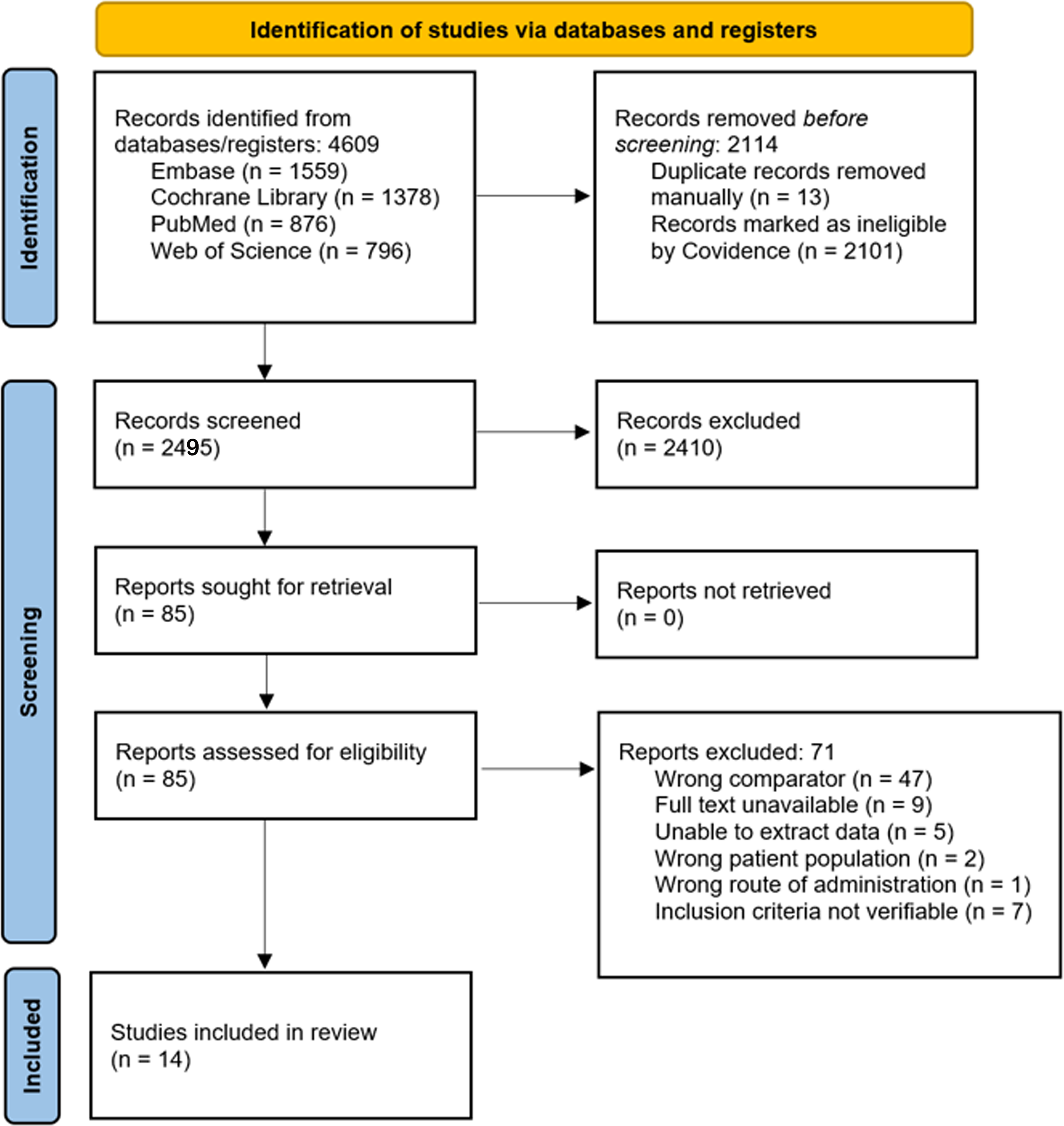
PRISMA Flow Diagram of the Literature Search and Selection Process.
Study Selection and Data Extraction
Studies were included if they met the following criteria: written in English with human subjects, prospective randomized trial design, and compared aqueous versus aerosol intranasal corticosteroids for AR treatment.
Studies were excluded for wrong comparisons of delivery methods (ie, non-intranasal delivery methods), unavailable full text, insufficient data for extraction, wrong patient population, incorrect route of administration (non-intranasal), or if inclusion criteria were unverifiable.
Two independent reviewers used the COVIDENCE (Melbourne, Australia) software to perform article screening, data extraction and risk of bias assessment using the included quality assessment tool. Disagreements were resolved through consensus, and the final results were exported to an Excel spreadsheet for further analysis.
Outcomes Measured
Meta-analysis of continuous measures was performed on the primary outcome measures of total nasal symptom score (TNSS) and TNSS subset scores for congestion, itching, sneezing, and rhinorrhea when it was available. Meta-analysis of proportions was performed on the secondary outcome, adverse event (AEs) profiles.
Statistical Analyses
Statistical analyses were performed using RevMan (Cochrane, Wiley) software. Continuous variables (eg, TNSS) were analyzed using the mean difference method. Categorical values were summarized by frequency and percentage. Continuous variables were summarized by mean ± standard deviation (SD) or median and interquartile range (IQR) when appropriate. A P-value < .05 was considered to indicate a statistically significant difference for all statistical tests.
Results
Literature Search and Study Characteristics
Our database searched yielded 4609 records, with 2 additional studies identified through manual searches. After removing duplicates, 2495 studies were screened by title and abstract. Of these, 85 articles were assessed for eligibility by full text review, and 71 were excluded for not meeting the screening criteria. A total of 14 studies were ultimately included in the systematic review and meta-analysis (Figure 1).
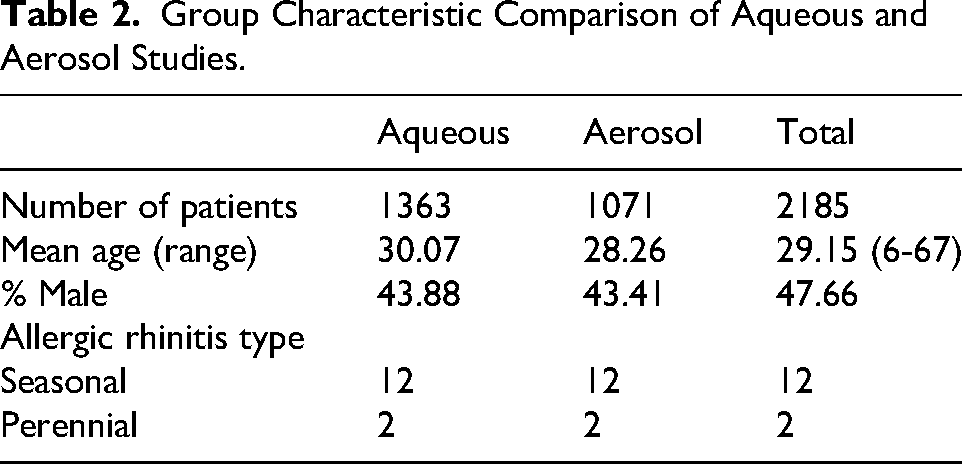
Table 1 summarizes the characteristics of the included studies. These studies included a total of 2185 patients, including both adults and children. Mean age was 29 (range 6-67), and 47.7% were male. PAR was investigated in 2 studies, while the remaining 12 focused on SAR. Table 2 demonstrates baseline demographics in the 2 patient populations.
Characteristics of Included Studies.
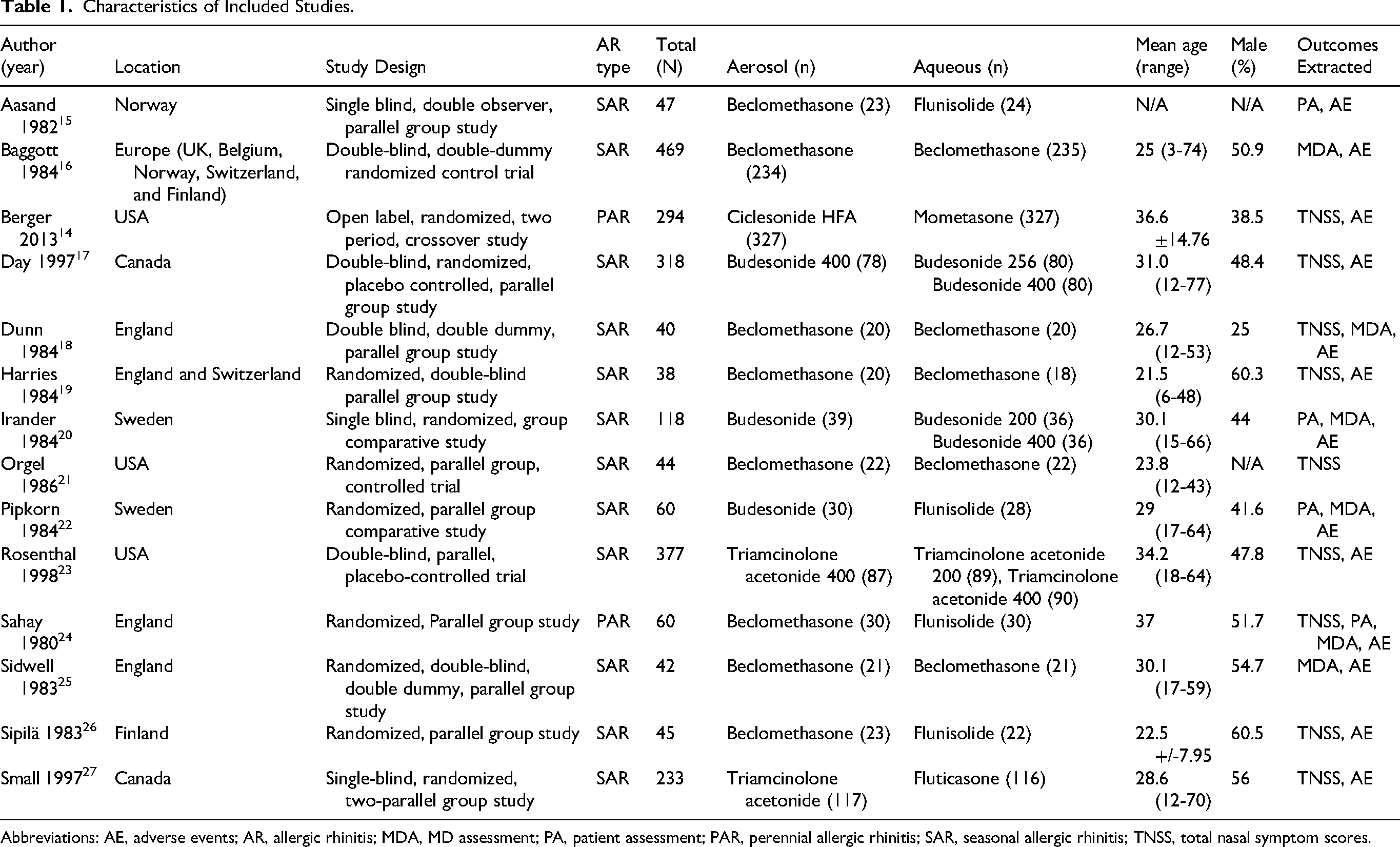
Abbreviations: AE, adverse events; AR, allergic rhinitis; MDA, MD assessment; PA, patient assessment; PAR, perennial allergic rhinitis; SAR, seasonal allergic rhinitis; TNSS, total nasal symptom scores.
Group Characteristic Comparison of Aqueous and Aerosol Studies.
Meta-Analysis of Symptom Scores
Seven included studies reported changes in total TNSS after treatment with aerosol and aqueous INCS.14,18,19,21,23,24,27 However, only 3 studies reported data in a fashion that was amenable to meta-analysis.19,21,23 As a result, studies that reported only a single endpoint through figures or tables without providing underlying data were excluded,14,18,19,24,27 as the necessary information could not be extracted for analysis. Pooled analysis of 715 patients did not demonstrate significant difference in overall TNSS change between the two delivery methods [MD with 95% CI = −0.05 (−0.34, 0.25), P = .76] (Figure 2). Four different studies reported on TNSS subset scores for congestion, itching, sneezing, and rhinorrhea.15,19,24,27 The pooled analysis of these studies demonstrated that compared to aerosol INCS, aqueous INCS sprays had a statistically significant improvement in congestion (P < .001), itching (P < .001), sneezing (P = .02), and rhinorrhea (P < .001) scores than aerosol sprays (Figure 3).
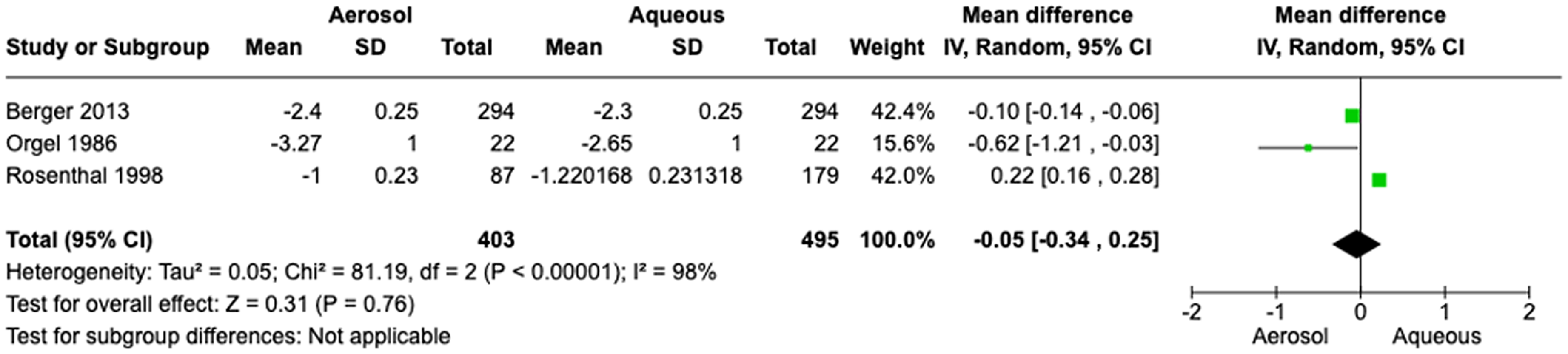
Comparative Analysis of TNSS in Aerosol and Aqueous INCs Delivery Methods.
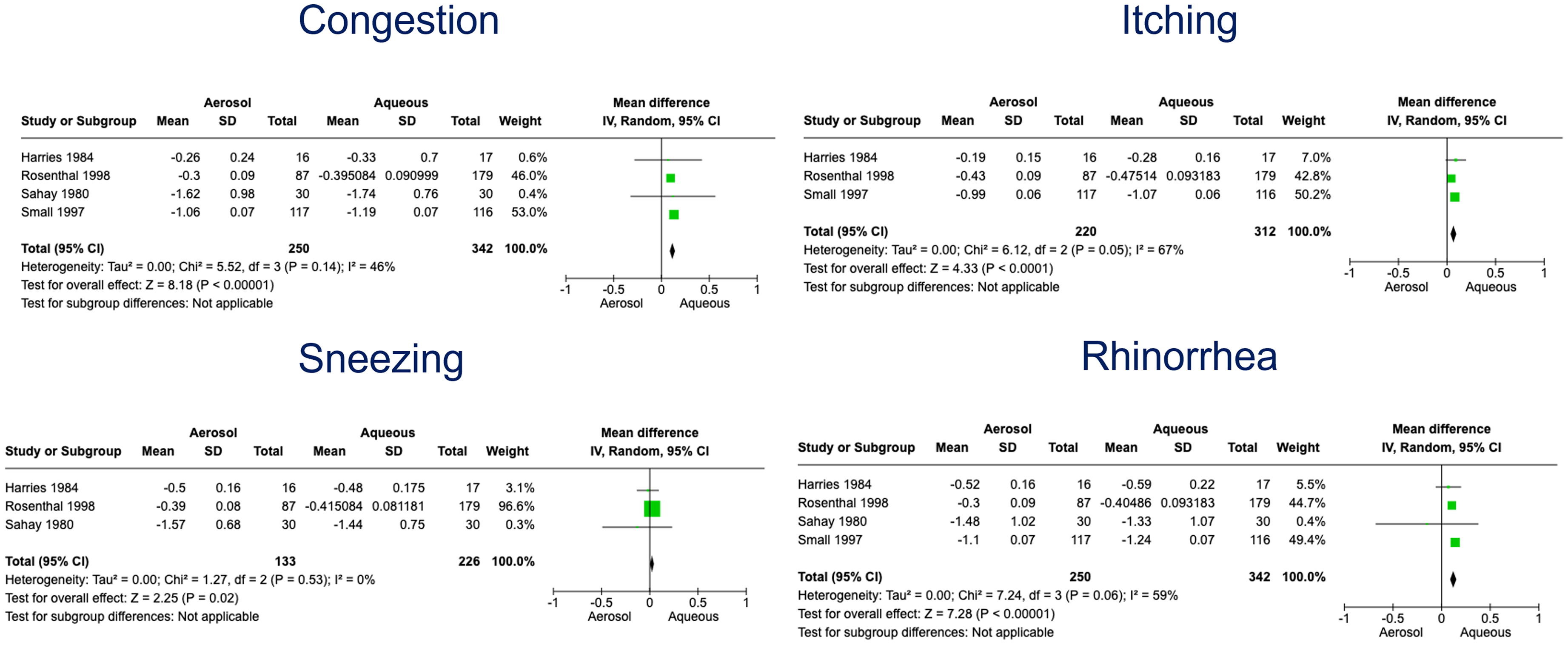
Comparative Analysis of TNSS Subset Scores in Aerosol and Aqueous INCs Delivery.
Comparison of Adverse Events Between Delivery Methods
Twelve out of 14 studies reported AEs.15–22,24–28 Pooled analysis revealed no significant difference in incidence of the most common AEs between aerosol and aqueous sprays, including epistaxis (6.4% vs 4.6%, respectively, P = .82), sore throat (7.1% vs 6.5%, respectively, P = .60), headache (7.9% vs 10.4%, respectively, P = .27 aqueous), and irritation (8.1% vs 19.8%, respectively, P = .22). Dryness, dizziness, nausea, and sneezing were also reported but showed no significant differences between delivery methods either (P > .05) (Figure 4).
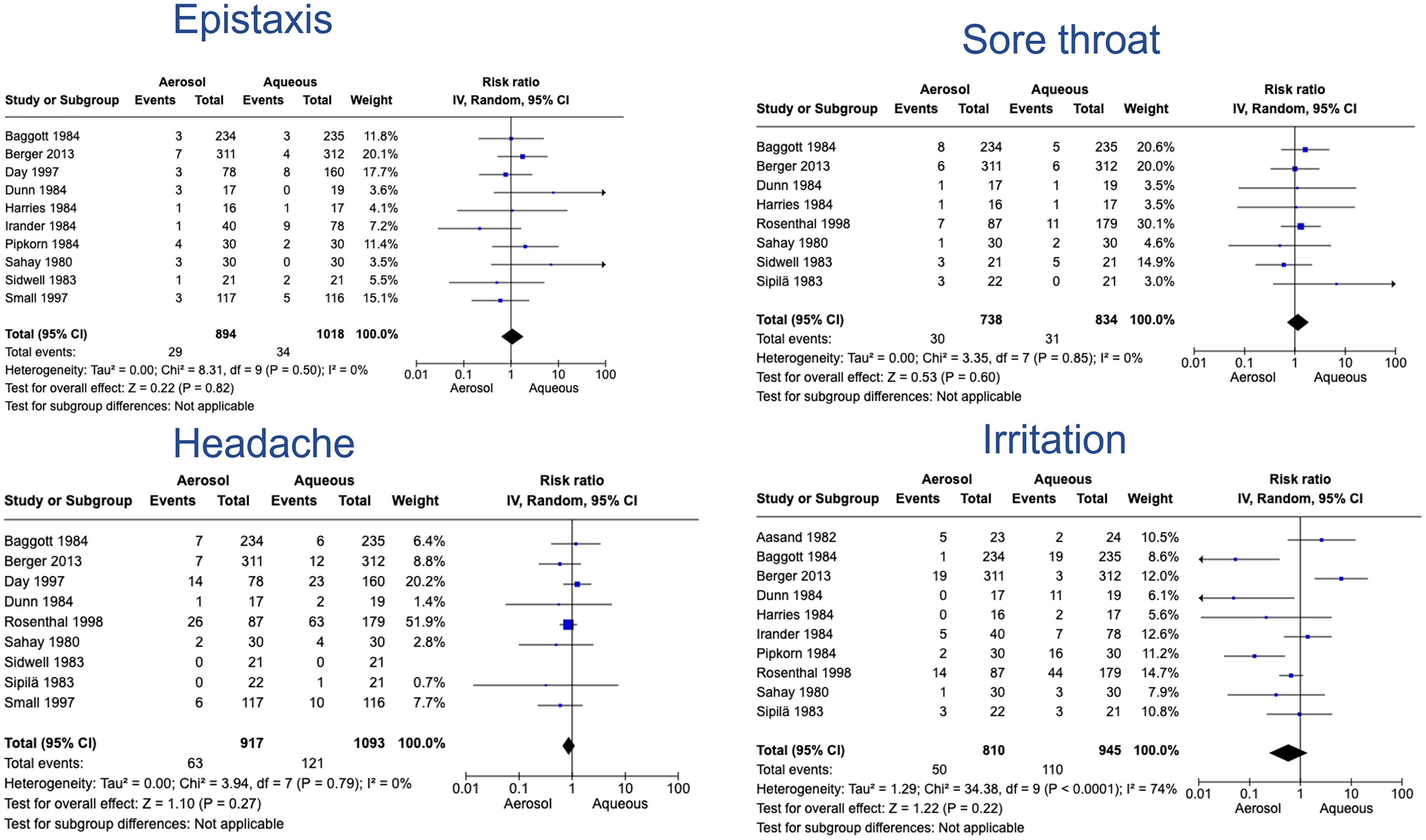
Comparative Analysis of Adverse Events Between Delivery Methods.
Risk of Bias Assessment
The majority of included studies had a low risk of selection bias, detection bias, and attrition bias (over 60%). However, close to 45% of the studies did not disclose information on blinding participants and personnel, raising concerns about a high risk of performance bias. Reporting bias and other potential biases were unclear in approximately 60% of the studies (Figure 5).
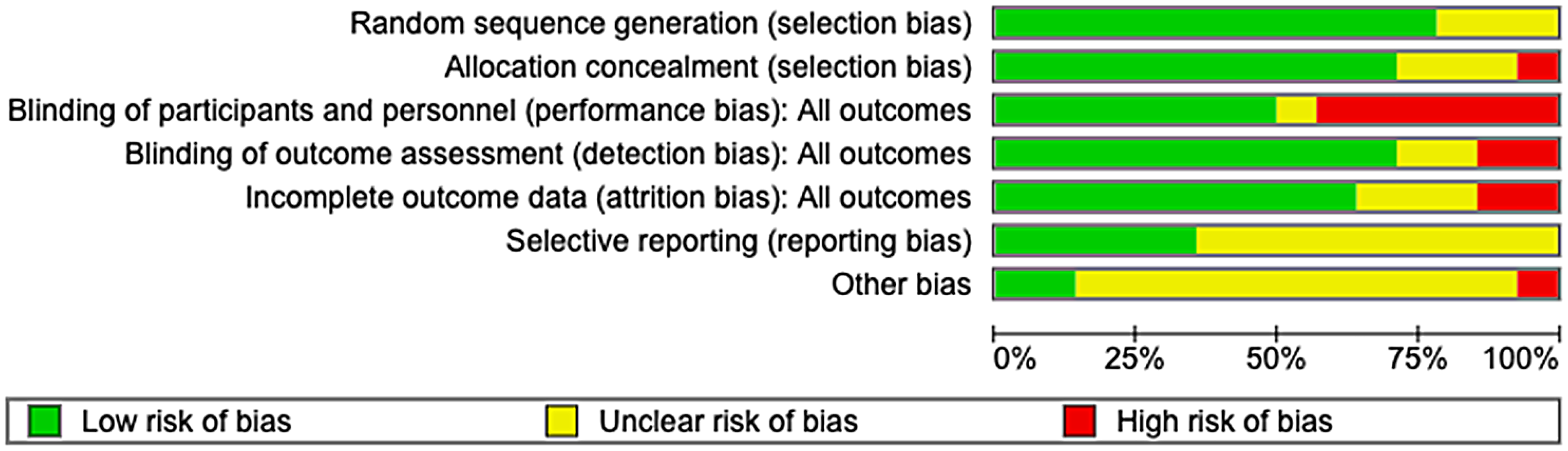
Assessment of Risk of Bias in Selected Studies.
Discussion
Currently, 8 INCS are available in the United States for the treatment of AR: beclomethasone dipropionate, budesonide, ciclesonide, flunisolide, fluticasone furoate, fluticasone propionate, mometasone furoate, and triamcinolone acetonide.13,14 These medications come in in both aqueous and aerosol delivery methods.5,13 “Dripping down the throat,” a bothersome side effect reported by a third of patients using aqueous sprays, can potentially lead to non- adherence to therapy.29–31 Leech et al demonstrated that aerosols INCS had greater nasal cavity retention and less throat deposition than aqueous sprays. 31 Emanuel et al, using radiolabeled INCS in patients with AR, similarly showed higher nasal deposition and retention with aerosols. 32 These findings may explain the preference for aerosols among some patients. However, aerosols may cause irritation or nosebleeds which could be an undesirable side effect for other patients.
This is the first reported meta-analysis comparing aqueous and aerosol preparations of INCS for the treatment of AR. Despite variations in INCS properties including topical potency, lipid solubility, deposition patterns, receptor binding and systemic bioavailability, our findings are consistent with multiple single head-to-head studies suggesting that, while there may be minor differences in specific symptom domains, there is no substantial overall clinical difference between aqueous and aerosol INCS.5,12,13
The primary outcomes, TNSS or TNSS subset scores, were reported in 7 studies.14,18,19,21,23,24,27 However, one study was excluded from analysis because the TNSS or TNSS subset values was presented without accompanying data, making the study unsuitable for meta-analysis. 18 It should be emphasized that the excluded study similarly failed to demonstrate a clinically meaningful difference between delivery methods. Therefore, it is unlikely that their exclusion from the present study would have significantly altered the findings herein. Interestingly, when TNSS subset scores were explored, aqueous sprays demonstrated a slight advantage over aerosol sprays. However, the overall equivalence in efficacy of the delivery methods makes the clinical significance of this difference unclear. This observation may be explained by some studies reporting only total TNSS scores, while others reported only subset scores. Future research should aim to include both total and subset TNSS scores for a more comprehensive analysis.
It also should be noted that the majority of the studies included in the present meta-analysis are more than 3 decades old and examined INCS that are no longer available on the market. A more recent study by Berger et al that compared 2 products that are currently available failed to demonstrate any difference between aerosol and aqueous sprays with respect to TNSS. 14 The study found that the effectiveness of aerosol and aqueous INCS was similar. Additionally, the study evaluated patient preference and satisfaction between the 2 types of INCS. Patients showed significant preference for aerosol INCS over aqueous ones, primarily due to the perceived intensity of certain sensory attributes such as smell, aftertaste, and the likelihood of dripping down the throat or running out of the nose. This relationship between perceived sensory attributes and patient preference for INCS can influence patient adherence.
The last goal of this study was to explore possible differences in AEs between aerosol and aqueous sprays. It is within reason to believe that aerosol sprays, with more forceful application pressure could potentially lead to more adverse events such as epistaxis. Reported AEs for both types of INCS included epistaxis, sore throat, headache, irritation, dryness, dizziness, nausea, application site pain and sneezing.15–22,24–28 However, the results of the present meta-analysis showed that there was no statistically significant difference in AEs between aerosol and aqueous INCS treatments. Interestingly, the study by Berger et al used the Allergic Rhinitis Treatment Satisfaction and Preference (ARTSP) instrument and found a higher incidence of treatment emergent AEs (29% vs 22%) and incidence of local AEs (15% vs 7%) with aerosol treatment compared to aqueous. However, most of the AEs reported were mild or moderate in severity. Interestingly, despite these AEs, patients in their study preferred aerosols over aqueous INCS. 14
Our study, along with others, has demonstrated that aerosol and aqueous INCS have comparable efficacy and safety profiles. Therefore, the choice of treatment should primarily depend on patient preferences. After efficacy, the second most important factor influencing a patient's preference for a particular INS may include its negative attributes. 33 The top three negative attributes reported are annoying sensory side effects (such as aftertaste, odor, and nasal irritation), throat irritation and the sensation of spray running down the nose or throat. 33 In addition to comfort, other factors that may influence patient adherence include convenience, cost, and ease of use of device. 33 To assist physicians and patients in selecting the appropriate therapy based on patient preferences, assessment tools such as the Nasal Spray Evaluation Questionnaire, the Clinical Trial/Practice Patient Preference Instrument, and the Experience with Allergic Rhinitis Nasal Spray Questionnaires have been developed. 33 Patients are more likely to adhere to treatment when they can choose effective options that minimize undesirable attributes. Furthermore, while patient preference is important for compliance, certain patients may benefit more from using aerosolized INCs based on clinical judgment. The distribution pattern and drying effects of aerosolized INCS can be advantageous for patients with polyps, olfactory disorders pre- and post-surgical conditions, those who have previously failed aqueous products, those bothered by the side effects of aqueous products, and individuals with profuse rhinorrhea. 33
There are several important limitations to the present study. First, variations in how studies reported primary and secondary outcomes hindered the analysis. Specifically, TNSS data from several studies could not be combined for meta-analysis, restricting the analysis to only 6 studies. Additionally, some included studies compared different active agents rather than different formulations of the same agent (Table 1), which may have introduced bias. Secondly, a majority of the included studies were published decades ago and included INCS that are no longer available for use. 14 Future research should investigate the efficacy and safety of newer, presently available medications and their delivery methods. Finally, the lack of blinding in many studies raises concerns about potential bias in the reported information.
Despite these limitations, our study highlights the lack of difference in efficacy and AEs between aerosol and aqueous delivery methods of INCs in treatment of AR. Therefore, physicians should consider patient preferences when making treatment decisions to ensure optimal adherence. This personalized approach can lead to better treatment outcomes for patients with AR.
Supplemental Material
sj-xlsx-1-ajr-10.1177_19458924251360917 - Supplemental material for Aqueous Versus Aerosol Intranasal Corticosteroid Spray for Allergic Rhinitis: Systematic Review and Meta-Analysis
Supplemental material, sj-xlsx-1-ajr-10.1177_19458924251360917 for Aqueous Versus Aerosol Intranasal Corticosteroid Spray for Allergic Rhinitis: Systematic Review and Meta-Analysis by Dylan A. Levy, Ajibola B. Bakare, Robert E. Gurevich and Edward D. McCoul in American Journal of Rhinology & Allergy
Footnotes
Acknowledgements
None.

Ethical Approval and Informed Consent Statements
There are no human participants in this article and informed consent is not required.
Funding
The authors received no financial support for the research, authorship, and/or publication of this article.
Declaration of Conflicting Interests
The author(s) declared the following potential conflicts of interest with respect to the research, authorship, and/or publication of this article: EDM is a consultant for 3D Matrix, Advanced Rx, Optinose, Sanofi, Stryker, and Zsquare. The other authors have no financial disclosures. We employed AI tools, including Grammarly for Microsoft Office, and ChatGPT to assist in revising sections of this article, with the sole aim of improving clarity and readability. However, all AI-generated content underwent thorough review, editing, and final verification by the authors. The authors take full responsibility for the content of the publication.
Data Availability Statement
All data generated or analyzed during this study are provided within the manuscript.
Supplemental Material
Supplemental material for this article is available online.
References
Supplementary Material
Please find the following supplemental material available below.
For Open Access articles published under a Creative Commons License, all supplemental material carries the same license as the article it is associated with.
For non-Open Access articles published, all supplemental material carries a non-exclusive license, and permission requests for re-use of supplemental material or any part of supplemental material shall be sent directly to the copyright owner as specified in the copyright notice associated with the article.
