







Abstract
This study presents the development of a bio-based flame retardant derived from renewable soybean oil to improve the flame retardant performance of poly (lactic acid) (PLA). Soybean oil phosphate ester (SOPE) was synthesized from epoxidized soybean oil (ESO) and incorporated into PLA at loadings of 0.5–2 phr via twin-screw extrusion. FT-IR and NMR analyses confirmed the successful synthesis of SOPE. Thermal analysis revealed that the incorporation of SOPE influenced the thermal degradation behavior and crystallization properties of PLA. PLA containing 2 phr SOPE achieved a limiting oxygen index (LOI) value of 26% and attained a V-0 rating in the UL-94 vertical burning test, indicating effective flame retardancy at a low loading level. TGA results showed a relatively low char yield, suggesting that the flame retardant mechanism did not predominantly occur in the condensed phase. Py-GC/MS analysis detected phosphorus-containing radical species (PO• and PO2•), indicating that the flame retardant action mainly proceeded via a gas-phase radical trapping mechanism. However, the incorporation of SOPE led to a reduction in molecular weight and mechanical properties due to the hydrolytic degradation of PLA. Overall, the results demonstrate that soybean oil–derived phosphate ester can serve as a bio-based and effective flame retardant for PLA.
Introduction
From the large volume of plastic waste posing a great environmental problem, bioplastics have attracted much attention nowadays because bioplastics, such as bio-based, biodegradable, or both, can perform similar properties as conventional plastics but they cause less environmental problem. 1 In addition, bioplastics which derived from renewable resources have also been attracting greater interest due to their availability and the growing awareness of environmental issues. Among them, Poly (lactic acid) (PLA) is the most popular one because it is produced from renewable resources as well as it exhibits biodegradability and good mechanical properties.2,3 Even though, bioplastics utilizations could be found in several markets such as packaging,1,4,5 agriculture,6–8 electrical appliances,9,10 automotive industry,11,12 etc., the potential applications in consumer goods, construction and building, are still limited. They are mainly used in packaging. Regarding this matter, there have also been ongoing efforts to expand bioplastics utilizations into the durable applications such as construction and building fields.13,14 Consequently, they need to be improved their properties to meet specific applications requirements and standard demands. Mechanical reinforcement is not only necessary, but also flame retardancy is essential. The main categories of compounds which are usually added into the plastics in order to improve flame retardancy behavior are mineral, halogenated, phosphorus containing, nitrogen-containing, silicon-containing, and nanometric compounds. 15
Halogen-containing flame retardants, which have been used since the 1930s, 16 are still available in the market. They are very effective to improve flame retardancy in plastic materials by scavenging reactive free radicals through the release of halogen radicals, causing combustion inhibition. However, they generate toxic gases (hydrogen halides) and smoke upon burning which are hazardous to environmental and human health. Consequently, the use of halogen-containing flame retardants has been greatly reduced and controlled. 17 Thus, halogen free and bio-based flame retardants are potential candidates for the market. The bio-based flame retardants are highly demanded, developed and reported 18 such as starch,19,20 cellulose, 21 protein,22–24 chitin and chitosan.25–27
Vegetable oils are renewable natural resources that are mostly composed of triglycerides and glycerol molecule esterified by fatty acids. Their hydroxyl groups such as triglycerides can also react with reactive agents to produce the flame retardancy characteristic. These vegetable oils, for example, epoxidized linseed oil, epoxidized sunflower oil, 28 castor oil and epoxidized soybean oil (ESO), could be, therefore, applied for flame retardant applications.29,30 In addition, ESO which has usually been used as plasticizer for polymers 31 could be modified by adding phosphorus into its molecule due to its high reactivity and behave as phosphorus-containing flame retardant. Thus, modified-ESO can eventually be flame retardant which does not generate toxic products upon burning. Unfortunately, the studies on enhancing the flame-retardancy of bioplastics through vegetable oils remain relatively lacking. Also the use of natural oils as flame retardant often requires complicated chemical modifications procedures. Thus, commercial additives are still generally preferred due to their convenience and ease of application.
Therefore, due to the advantages of natural oils in terms of non-toxicity and their ability to act as plasticizers for rigid polymers, this work demonstrates effective flame retardancy of bioplastics at low loading of natural oil as the bio-based flame retardants. A simplified synthesis route was applied to produce the bio-based flame retardant from ESO to be the phosphorus-containing flame retardant. Bio-based flame retardant was then blended with bioplastic such as PLA in order to improve anti-fire performance of PLA. Thermal properties of PLA was characterized by TGA and DSC techniques. The mechanism of anti-fire was studied by Py-GC/MS technique and discussed. In addition, melt flow index, morphology and mechanical properties of PLA were also investigated.
Materials and methods
Materials
Epoxidized soybean oil (ESO) in this study was a product from Multipleplus Co., Ltd (Thailand) with epoxy value of 6.8%. Poly (lactic acid) (PLA) 2003D was purchased from NatureWork ® LLC. Isopropyl alcohol, ortho-Phosphoric acid 85% and ethyl acetate were obtained from Merck, Germany. Sodium Sulphate anhydrous (99%) was a chemical from KemAus.
Synthesis of soybean oil phosphate ester (SOPE)
Bio-based flame retardant in this study was soybean oil phosphate ester (SOPE) which was synthesized from ESO by following a previously reported method.
32
Epoxidized soybean oil 100 g, distilled water 10 g and isopropyl alcohol 25 g were weighted and introduced into a three necked round bottomed flask equipped with a condenser. The mixture was then stirred and heated at 60°C for 30 min. After that, ortho-phosphoric acid 25 g was solubilized in 25 g of isopropyl alcohol. The solution was added dropwise into the mixture in a three necked round bottomed flask in 30 min. The temperature was raised to 90°C and stirred for 6 h. Then the reacted mixture was cooled to room temperature and washed with ethyl acetate and water via rotary evaporator. The organic phase was separated. The mixture was dried over anhydrous sodium sulfate. The synthesis of SOPE was showed in the Scheme 1. The synthesis of SOPE.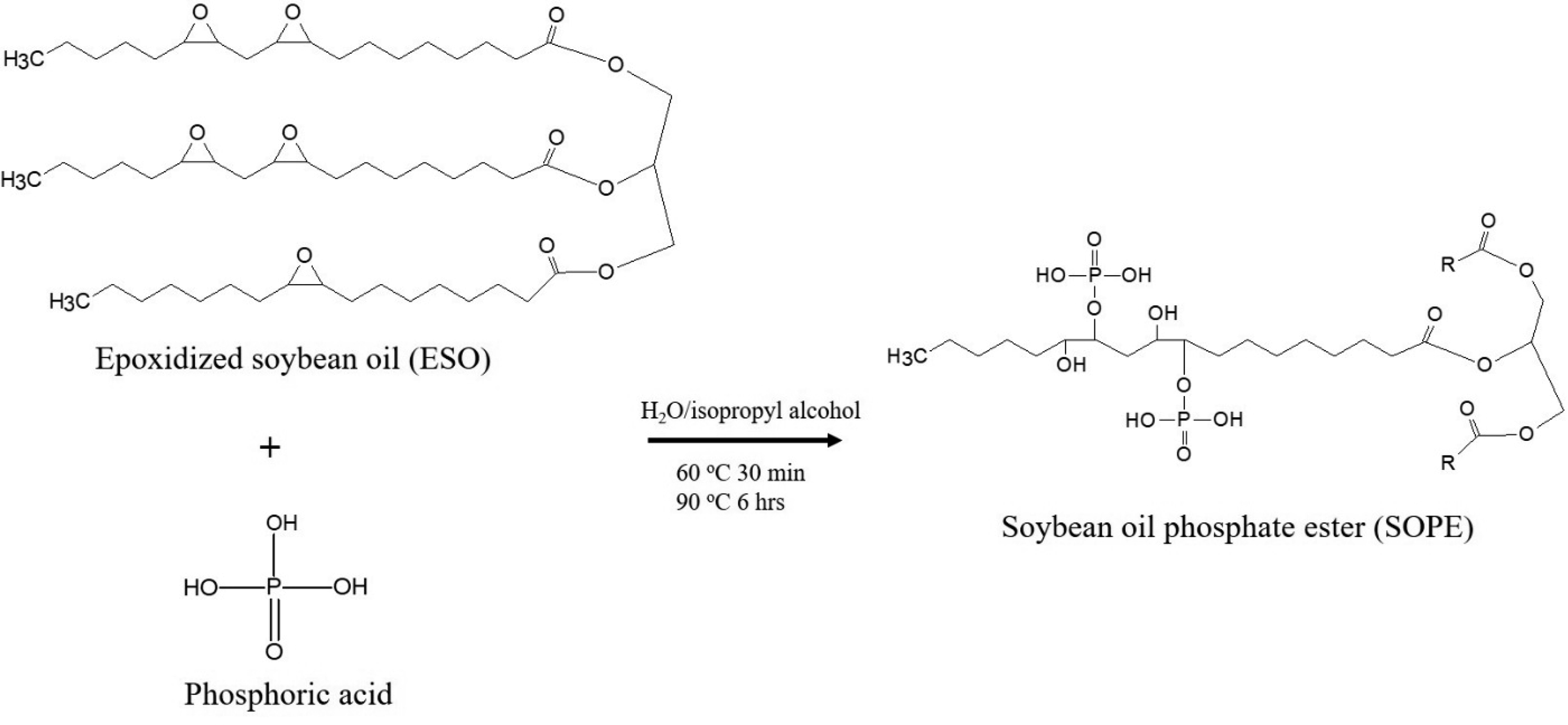
Preparation of PLA/ESO and PLA/SOPE
PLA resin was firstly dried at 60°C for 12 h before further use. The ESO and SOPE was separately mixed with PLA at concentration of 0.5, 1.0 and 2.0 phr (part per hundred resin). Mixture of PLA with ESO (labeled as PLA/ESO) as and mixture of PLA with SOPE (labeled as PLA/SOPE) flame retardants were weighted and premixed prior to transferring to a twin-screw extruder (ENMAT, ENT26140). The extrusion temperature was controlled with temperature profile from feed zone to die as 160/170/180/190/190/200°C. The screw speed was set at 100 rpm. The extruded was cut into pellet and then dried at 60°C for 12 h.
The standard specimens for tensile test, UL-94 test and LOI test were prepared by injection molding (PS40E5ASE, NISSEI). All samples were injected with the temperature from feed zone to die zone as 170/170/170/170°C, pressure at 110 bars, cooling time at 25 s, and cycle time at 40 s.
Characterization and tests
Fourier transform infrared spectroscopy spectra (FT-IR) of samples were obtained using an attenuated total reflectance (ATR) mode by Perkin Elmer, Spectrum Two spectrometer over the wavenumber range of 4,000–400 cm−1 with 32 scans per specimen.
NMR experiments were performed with Bruker Ascend 600 MHz NMR spectrometer with 1H and 31P operating frequency of 600.0 MHz. D-chloroform (CDCl3) was used as a solvent.
The phosphorus content was characterized by ICP-MS technique. The samples were digested by microwave digestion (Ethos up, Milestone) using 5 ml of nitric acid mixing with 1 ml of hydrogen peroxide. The phosphorus content of the samples was carried out by using an Agilent Technologies 7900 ICP-MS (Agilent Technologies, Germany). The operating conditions were set with RF power at 1,550 W and carrier gas flow at 1.05 L/min.
The thermal stability of neat PLA, PLA/ESO and PLA/SOPE samples were analyzed by TGA (METTLER TOLEDO STARe SYSTEM, TGA/DSC3+). The 3-5 mg of samples were heated from 30°C to 600°C with heating rate at 10°C C/min under nitrogen atmosphere.
Differential scanning calorimetry (DSC) was conducted by using Mettler Toledo, DSC 3+ stare system operated with STARe system software. The temperature scan was performed with a heating and cooling rate of 10°C/min under a nitrogen atmosphere. The samples were heated from 30°C to 200°C, held for 1 min, cooled to 30°C, held for 1 min, and then heated to 200°C again for the second scan.
The morphology of PLA/ESO and PLA/SOPE samples were characterized by using SEM technique (Scanning Electron Microscope, SEM TM303, HITACHI). The samples from extrusion were immersed in liquid nitrogen and then fractured. Subsequently, they were gold-coated via DC-sputtering technique before SEM cross-sectional investigation.
UL-94 horizontal and vertical flammability tests were carried out according to ASTM D5048 and D3801 with fire testing technology instrument (FTT, model- UL 94). The samples dimension were 130 mm × 13 mm × 3 mm. The horizontal test was used to determine a material’s HB flammability rating which was based on the burning rate and the thickness of the tested specimen. A specimen having a thickness between 3 and 13 mm is classified as an HB material when it does not exhibit a burning rate exceeding 40 mm per minute. For the vertical test, the top part of the tested specimen was clamped to a stand and the flame was then centrally placed under the lower end of the specimen. The flame was applied to the lower end of the specimen for 10 s and then removed. The time of the fire extinguishment was recorded as after flame time t1. When the flame of the specimen ceased, the test flame was immediately placed under the specimen again for 10 s. After the second flame introduction, the time was recorded until the fire extinguish and labeled as t2. Dripping of burning specimens and combustion up to holding clamp were observed and recorded.
Limiting oxygen index (LOI) measurement was performed with an oxygen index meter (Stanton Rederoft, model- PL) with the sample dimension of 130 mm × 13 mm × 3 mm according to ASTM D2863-06A.
Py-GC/MS analysis was carried out using PY-3030D Frontier Laboratories connected with GC-MS (Shimadzu GC-2030QP2020 NX). The injector temperature was 320°C. The temperature was increased from 40°C to 320°C at the rate of 10°C/min and holding for 10 min. The temperature of GC/MS interfaces was 320°C and the pyrolysis temperature was 350°C.
Melt flow index of all samples were carried out by a melt flow indexer (Melt flow indexer, WJ-400B, China) operating at 190°C with 2.16 kg load according to ASTM D1238.
Molecular weight and polydispersity index of samples were investigated by gel permeation chromatography technique (GPC). The sample was dissolved in the tetrahydrofuran (THF) for measurement. GPC analysis were carried out on Waters 2414 refractive index (RI) detector equipped with Styragel HR5E 7.8 × 300 mm column (molecular weight resolving range = 2,000-4,000,000). The GPC columns were eluted using tetrahydrofuran with a flow rate of 1.0 mL/min at 40°C and calibrated with polystyrene standards.
Tensile testing was performed by universal testing machine (Instron, Model 5969, USA) equipped with a 5 kN load cell at a crosshead speed of 5 mm/min, according to ASTM D638. The specimens were prepared as type I.
Results and discussion
Investigation of soybean oil phosphate ester (SOPE)
To characterize the synthesized flame retardant ESO, SOPE, and the mixture of all chemicals for SOPE synthesis without reaction (designated as “mixture”) were characterized by ATR-FTIR spectroscopy. As shown in Figure 1, the characteristic peak of ESO was at 822 cm−1, which was assigned to the epoxy ring.
32
The peak at 1,740 cm−1 was assigned to C = O. The peak appearing at 2,923 cm−1 corresponded to C–H stretching. In case of the mixture, the FTIR spectrum exhibited a strong broad peak at 3,300 cm−1, which was attributed to –OH of water and isopropyl alcohol. The peak observed at 2,320 cm-1 could be attributed to P–OH of phosphoric acid.
29
Moreover, the characteristic peaks of ESO at 822 and 1,740 cm-1 could also be observed. FTIR spectra of ESO, mixture and SOPE.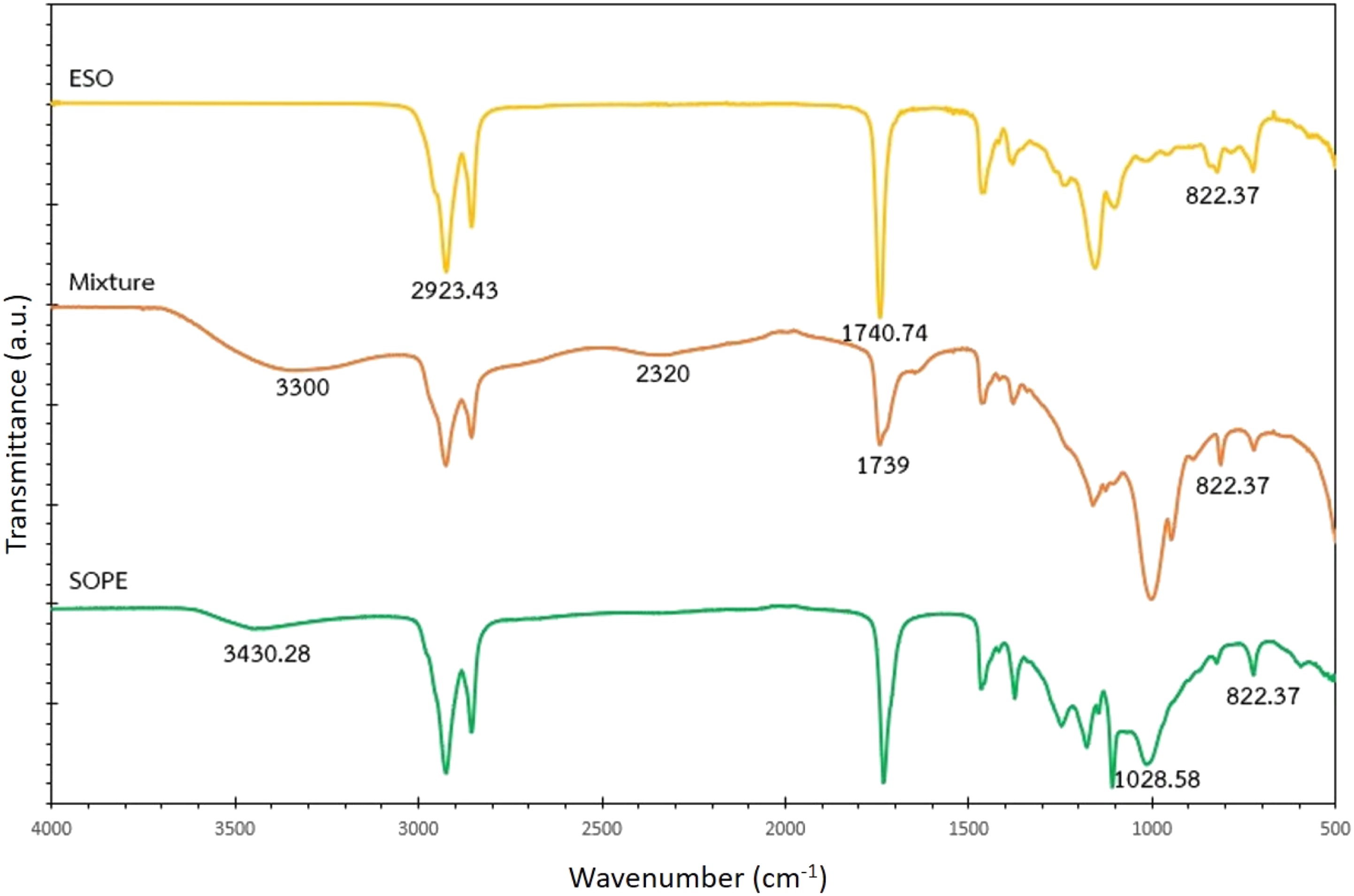
Considering the SOPE spectrum, the peak at 1,028 cm−1 could be observed, which was assigned to P–O–C symmetric bending vibration indicating the successful phosphorus introduction into ESO. 30 The broad peak appearing at 3,430 cm-1 corresponded to the -OH group from the ring-opening reaction of the epoxy groups and resulted in the formation of hydroxyl groups. 32 However, the peak at 822 cm−1 could still be observed.
In order to further validate the successful synthesis of the flame retardant SOPE, 1H and 31P NMR were performed. The 1H NMR spectra of ESO and SOPE were shown in Figure 2. The 1H NMR spectrum of ESO (in Figure 2(a)) presented chemical shifts at 2.8–3.2 ppm attributed to the protons of the epoxy group.
30
After the synthesis, new peaks were observed in the SOPE spectrum (in Figure 2(b)) between 3.4 and 3.8 ppm, which referred to the protons of the carbon attached to phosphoryl groups. This result agreed with the work by Chang B. P. et al.
32
The 1H NMR spectrum of ESO (a) and SOPE (b).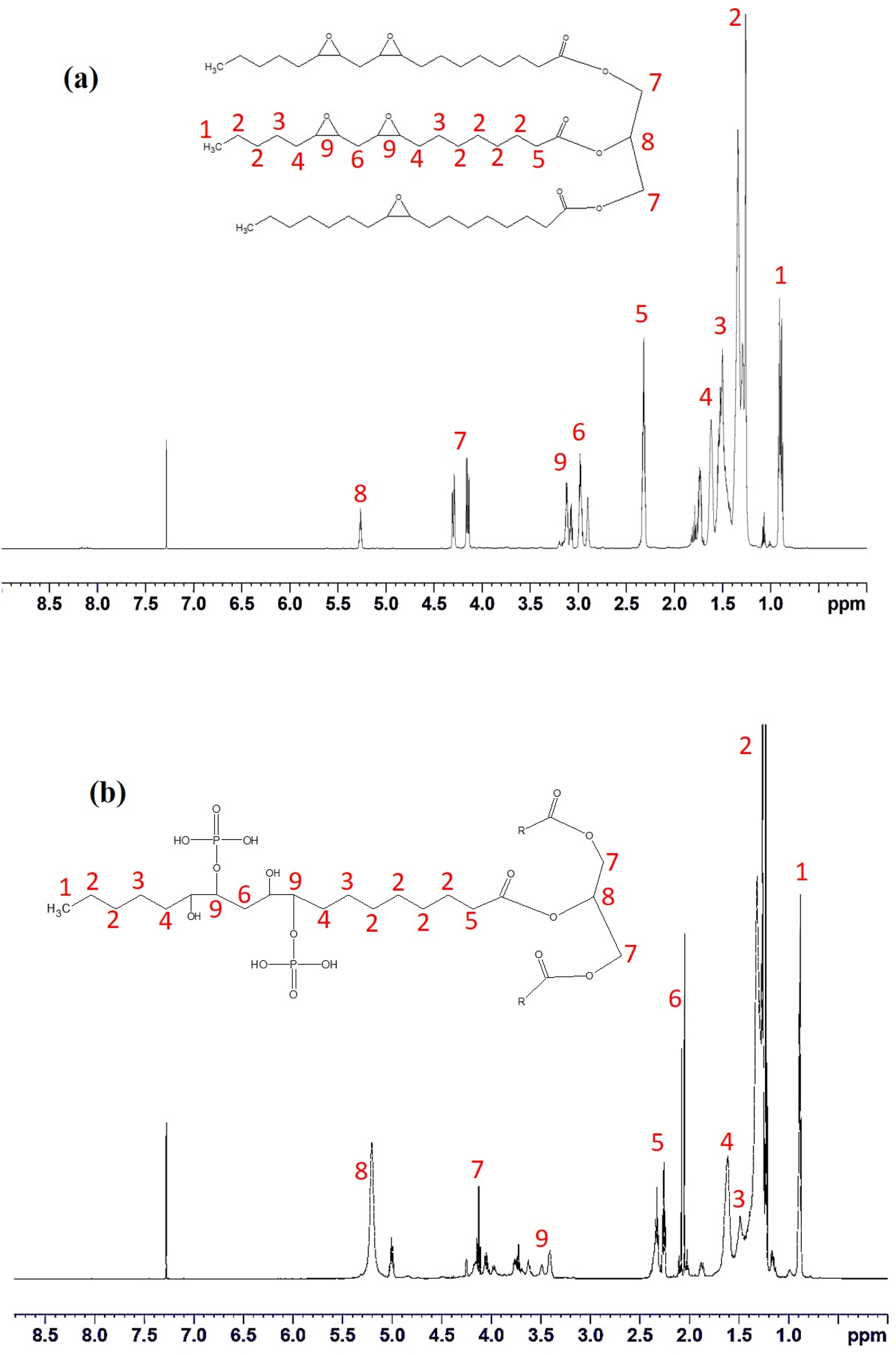
In addition, 31P NMR analysis was also conducted to confirm the successful synthesis of SOPE, as shown in Figure 3. The presence of signals at 0.84, 17.21, and 17.45 ppm corresponded to the phosphonate [R–P(O) (OH)2] groups.
29
Therefore, based on the complementary results from FTIR and NMR analyses, it can be concluded that SOPE was successfully synthesized. The characteristics of ESO and SOPE were investigated and are comparatively shown in Table 1. The 31P NMR spectrum of SOPE. The characteristic of ESO and SOPE.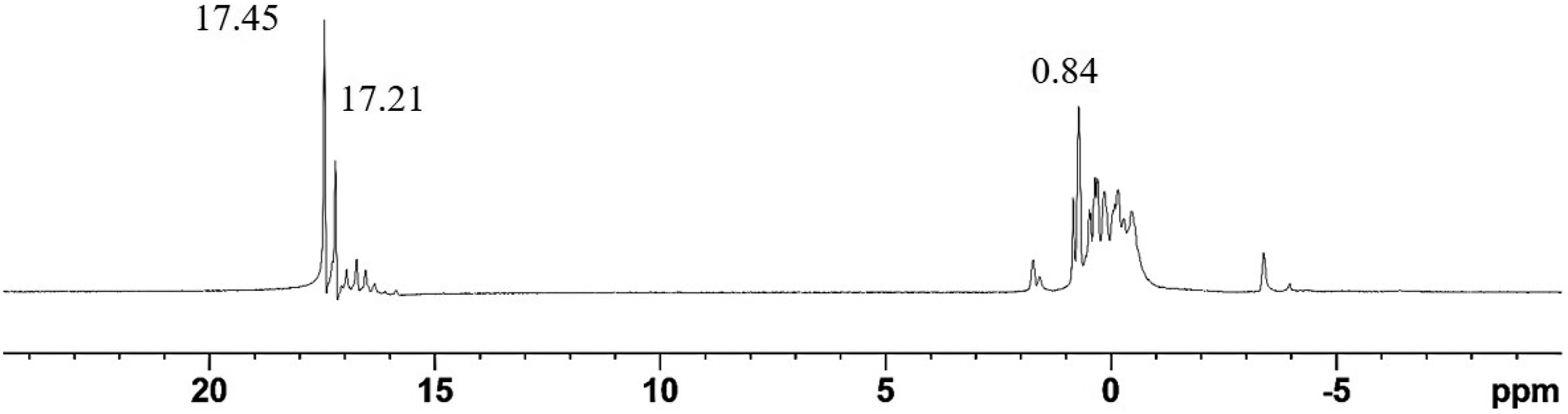

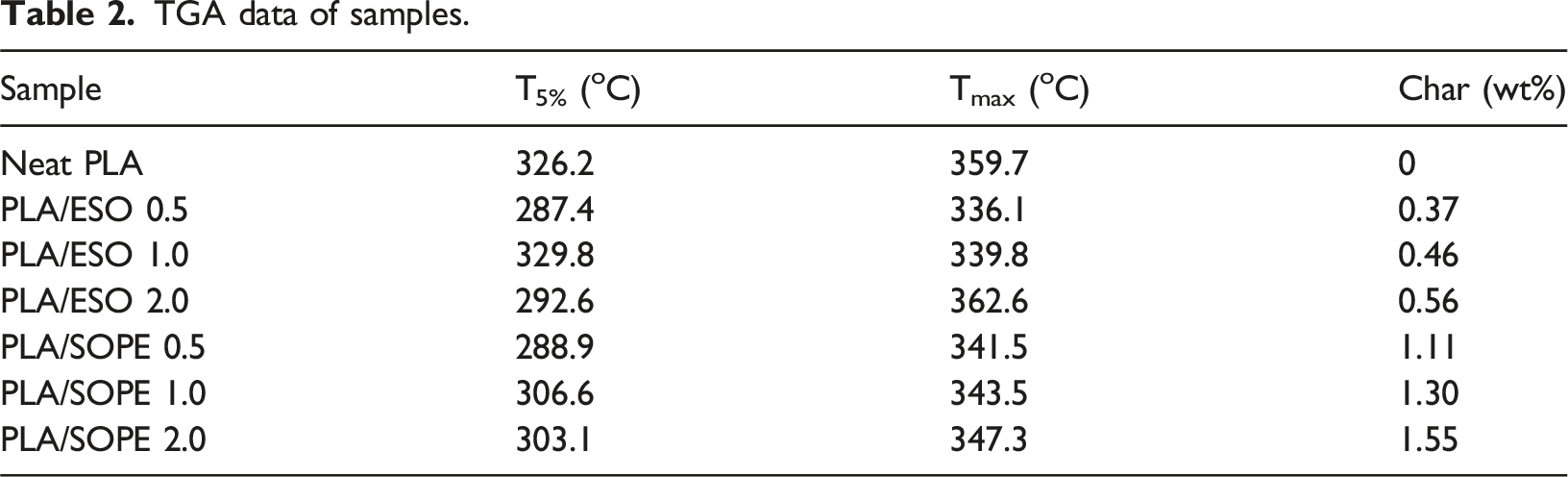
From Table 1, the pH of ESO and SOPE was analyzed by a pH indicator strip. The pH results showed that ESO and SOPE were acidic, with pH values of 5 and 3, respectively (Figure S1). The phosphorus content of ESO and SOPE was investigated by ICP-MS. The results showed that SOPE contained 2.05 wt% phosphorus, whereas phosphorus in ESO was not detected (ND). In addition, the thermal properties of ESO and SOPE were characterized by TGA. The TGA results showed that the initial decomposition temperature (T5%) and the temperature at the maximum rate of weight loss (Tmax) of SOPE were lower than those of ESO (Figure S2).
Thermal properties
TGA data of samples.
The thermal properties of PLA, PLA/ESO, and PLA/SOPE at various concentrations were characterized by DSC. The DSC curves of the samples were obtained from the second heating scan and are shown in Figure 4. All quantitative data from the DSC thermograms are summarized in Table 3. From Table 3, it could be seen that the glass transition temperature (Tg), the cold crystallization temperature (Tcc), and the melting temperature of neat PLA were 60.0°C, 122.4°C, and 152.5°C, respectively. The Tg of PLA/ESO was insignificantly changed. The concentration of ESO did not affect Tg. However, the enthalpy of melting (ΔHm) was significantly decreased, whereas Tcc slightly shifted to a higher temperature with increasing ESO concentration. This result was attributed to the epoxy groups of ESO reacting with both hydroxyl and carboxyl groups of PLA.36,37 Consequently, long branched structures would be formed and led to a low crystallinity. DSC thermograms of all samples were recorded from second heating scan. DSC data of samples.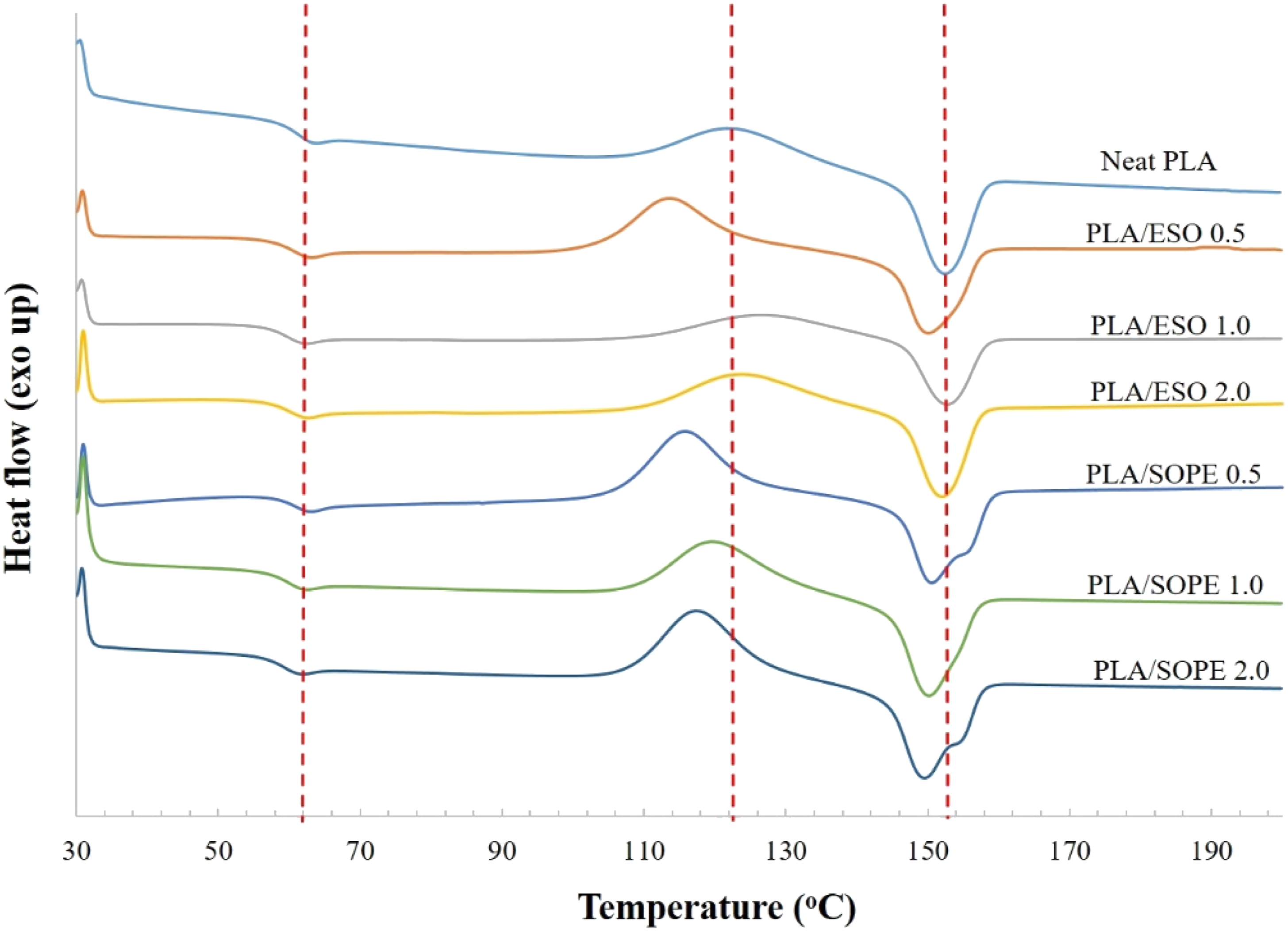
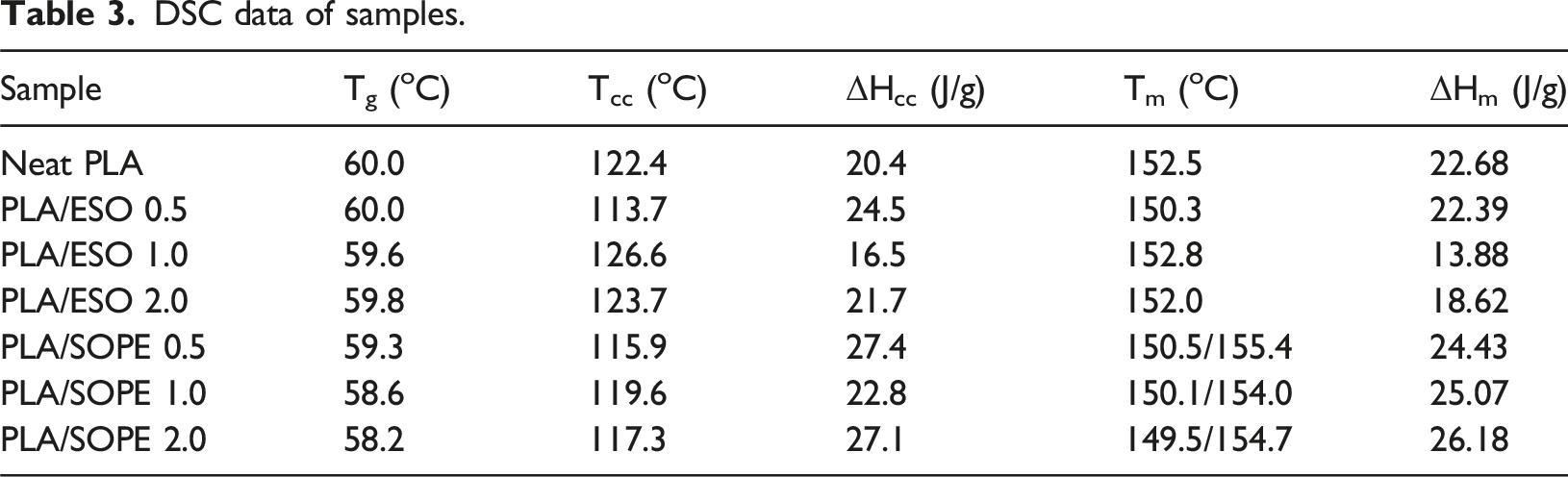
In the case of PLA/SOPE, it was obviously seen that Tg and Tcc were shifted to lower temperatures compared with neat PLA. A noticeable double melting peak could be observed for PLA/SOPE samples (as in Figure 4). These results agreed with other works.38,39 They found that samples crystallized at lower Tcc exhibited double melting peaks. Moreover, when Tcc occurred at or above 120°C, the two melting peaks merged into a single peak. It could be seen that the Tcc of PLA/SOPE at concentrations of 0.5, 1.0, and 2.0 phr were 115.9°C, 119.6°C, and 117.3°C, respectively, and they exhibited two melting peaks. This result was attributed to the melting of a portion of the original crystals, as well as the melting of newly formed crystals generated via melt-recrystallization during the heating scan.40,41
In addition, ΔHm for PLA/SOPE samples increased with increasing SOPE concentration. It is well known that the enthalpy of melting is directly related to the crystallinity of the polymer. The crystallinity (χc) of polymer is defined as in equation (1).
Therefore, it implied that the crystallinity of PLA was increased when SOPE was added and with increasing SOPE concentration. In general, the observed results were associated with the nucleating ability of the filler in the polymer. 42 Another possible explanation is the shortening of the polymer chain length, which facilitates increased chain mobility and enhances crystallinity. 43 Moreover, the reduced chain length also results in a higher number of chain ends per unit volume. These chain ends contribute to an increase in free volume, allowing the polymer chains to move and rotate more freely. This enhanced molecular mobility facilitates the transition of the polymer from a glassy to a rubbery state at a lower temperature, thereby leading to a reduction in Tg.44,45 This explanation is consistent with the experimental results that Tg of PLA was lower with the addition of SOPE.
Morphology
The morphology of the fractured surface of the extruded samples was investigated by SEM, as shown in Figure 5. PLA/ESO samples at various concentrations was exhibited in Figure 5(a)–(c). It could be observed that the surface was homogeneous and smooth. For PLA/SOPE (in Figure 5(d)–(f)), SOPE was uniformly dispersed in the PLA matrix. There was not clear observation of boundary between SOPE and PLA, therefore, these results evidenced good compatibility between PLA and ESO as well as PLA and SOPE. SEM micrographs of the extruded fractured surface at magnification of 2000x of (a) PLA/ESO 0.5, (b) PLA/ESO 1.0, (c) PLA/ESO 2.0, (d) PLA/SOPE 0.5, (e) PLA/SOPE 1.0 and (f) PLA/SOPE 2.0.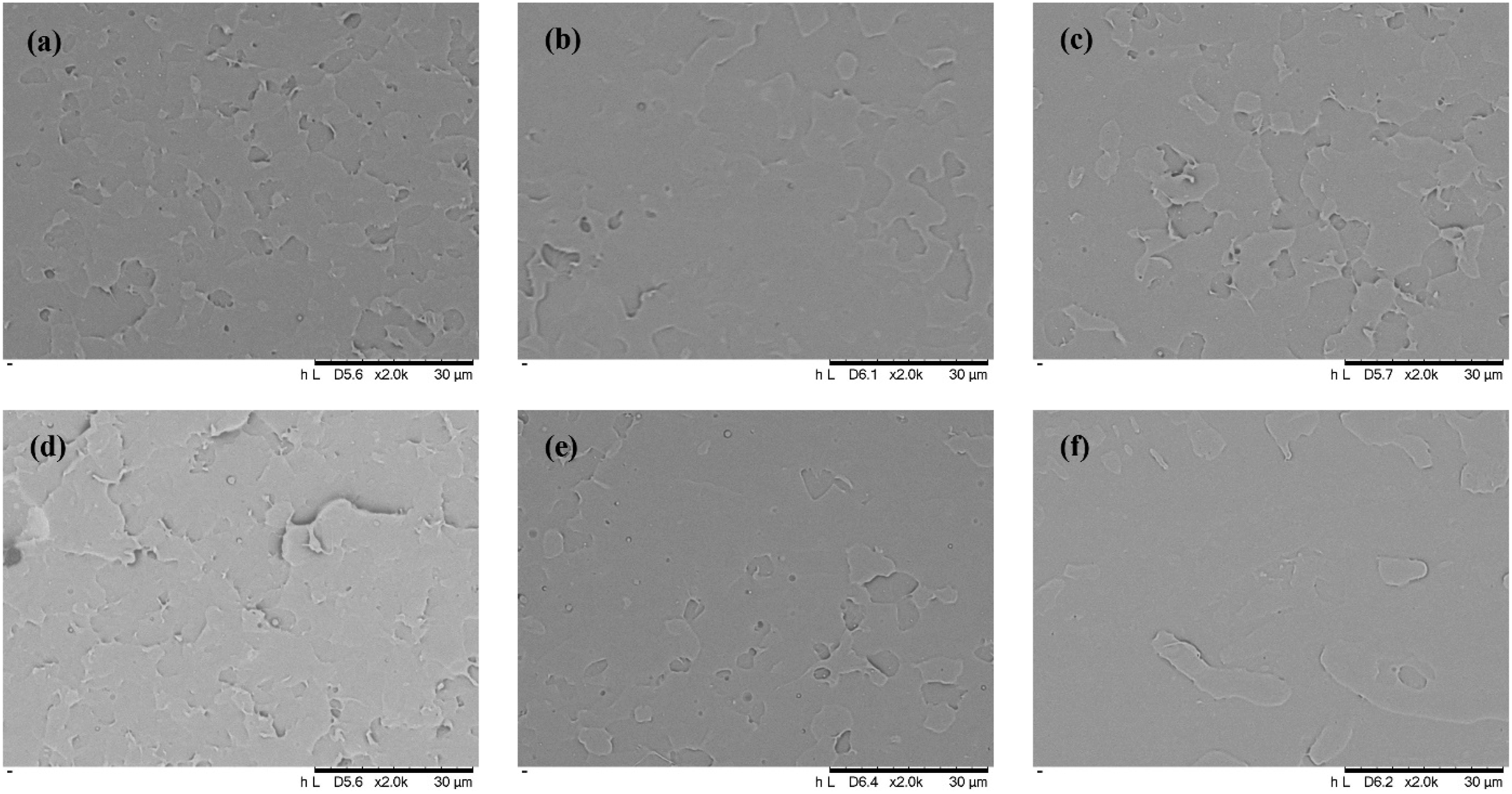
Flame retardant performance and mechanism
UL-94 and LOI results.
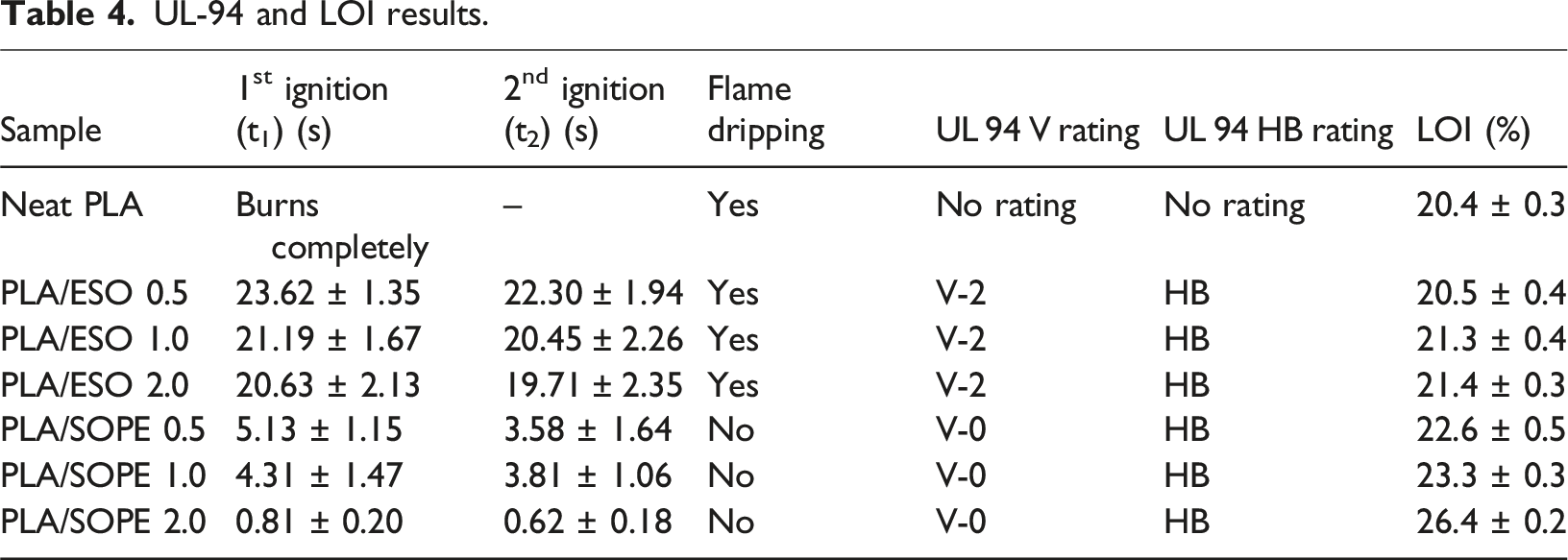
For PLA/ESO samples, the results could classify their flame retardant behavior as V-2 for UL-94 vertical, which means the material self-extinguishes within 30 s after each flame application and there are flaming drips. In addition, PLA/ESO samples passed the HB class for UL-94 horizontal. However, the LOI values were still low. In the case of PLA/SOPE, the flame retardancy was significantly improved. They revealed V-0 and HB class for UL-94 vertical and horizontal tests, respectively. Furthermore, the LOI value of PLA/SOPE was greatly increased with the addition of SOPE. The improvement became more pronounced as the SOPE concentration increased compared to neat PLA. With LOI values greater than 26%, materials exhibit self-extinguishing behavior and are considered as the effective flame retardants.47,48 Therefore, due to the LOI results, SOPE displayed a good flame retardant behavior for PLA, and the addition of 2 phr of SOPE effectively enhanced samples’ flame retardancy.
The Py-GC-MS technique was carried out to clarify the flame retardant mechanism. The total ion chromatograms of PLA/SOPE were shown in Figure 6. It showed the main compounds derived from PLA degradation, including acetaldehyde, lactic acid, lactide, and oligomers
49
In addition, carbonic acid, heptyl vinyl ester, and hexanol appeared, which might have resulted from the decomposition of the oil. The fragments at m/z 47 and 63 were detected at the retention times of 11.36 min and 15.76 min, respectively, which corresponded to PO• and PO2• radicals. Py-GC-MS spectra of PLA/SOPE sample.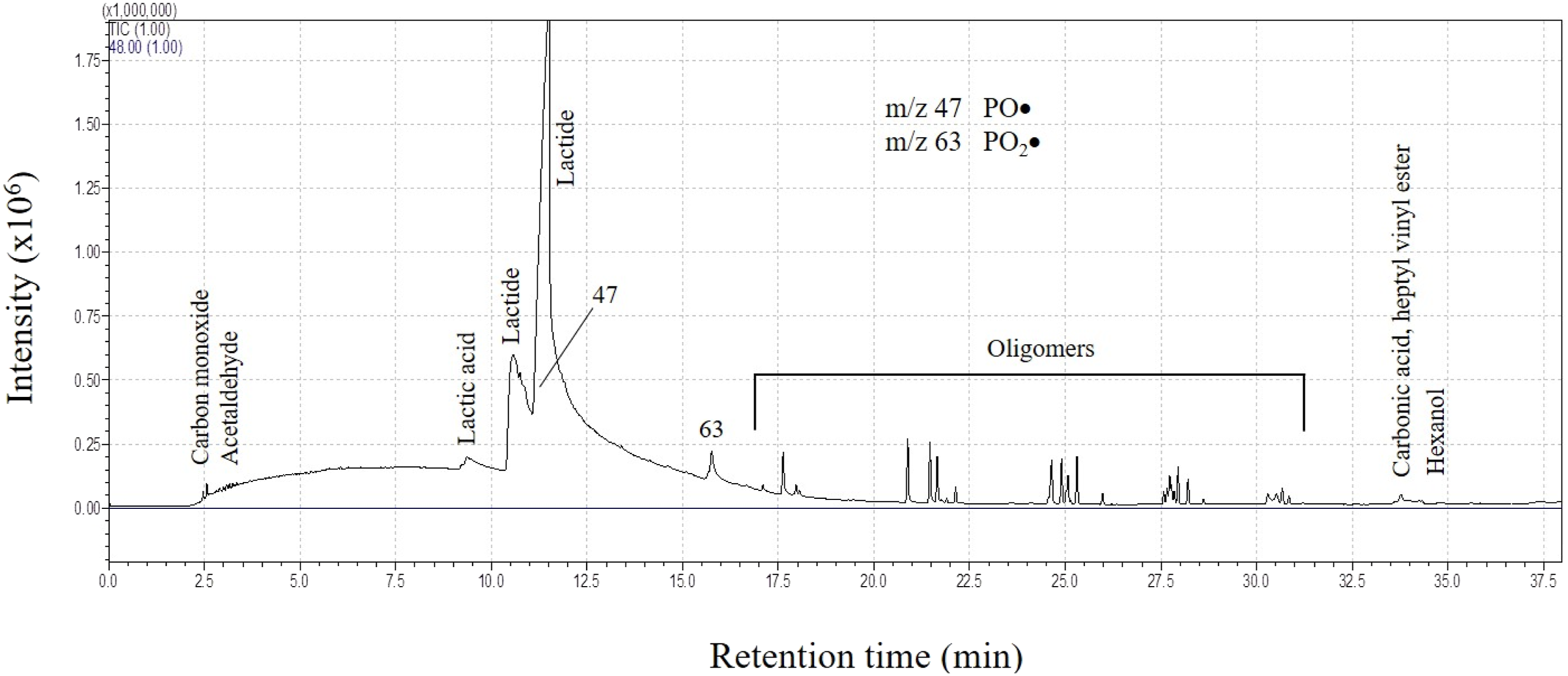
Generally, flame retardants containing phosphorus can act in the condensed phase. At high temperature, they decompose to generate phosphoric-derived substances that can dehydrate the char-forming compounds and form a protective char layer on the surface of the polymer35,50 In addition, their mechanism also involves the formation of inorganic gases, which can trap the highly reactive radicals, hydrogen radicals (H•) and hydroxyl radicals (HO•), generated by substrate degradation.35,51 Moreover, the flame retardancy mechanism of phosphorus-containing compounds can occur in both the condensed and gas phases. The mechanism depends on the chemical structure of the phosphorus flame retardant compound because phosphorus can have different oxidation states, from 0 to +5, resulting in different flame retardant mechanisms. Phosphorus-containing flame retardants in higher oxidation states (+3, +5) mainly act through a condensed-phase mechanism, whereas those in lower oxidation states (0, +1) mainly exhibit a gas-phase mechanism.35,52
From the TGA results of PLA/SOPE, a relatively low char yield was observed, suggesting that the flame-retardant mechanism of PLA/SOPE did not predominantly occur in the condensed phase. In addition, Py-GC/MS analysis revealed that PLA containing SOPE decomposed at elevated temperatures, generating gaseous phosphorus-containing species, PO• and PO2• radicals. When the polymer was burned, free radicals (H•, OH•, O•) were generated, which accelerated the combustion reactions, leading to the formation of CO and CO2 and causing the burning to proceed rapidly. Then, the highly reactive radicals H• and HO•, which were produced by polymer burning, were captured by those phosphorus-containing radicals and generated HPO• and HPO2•. These phosphorus-containing radicals can further capture the reactive radicals from burning, thereby interrupting the radical chain reactions. Consequently, the flame retardancy of PLA containing SOPE is enhanced.32,35,53 The proposed gas-phase mechanism of PLA with added SOPE is shown in Figure 7. The proposed gas phase mechanism of (a) polymer without flame retardant and (b) polymer added SOPE.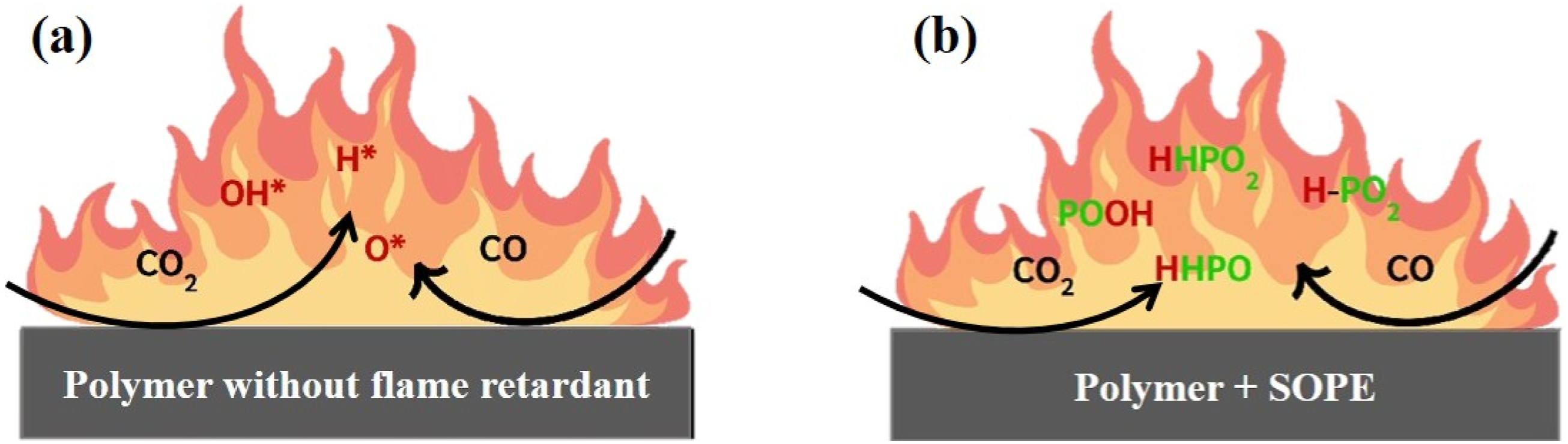
Melt flow index
For further applications, the materials must be fabricated by melt processing. Therefore, the flow properties during melting are important to investigate. The melt flow index (MFI) of all samples was characterized at 190°C with a 2.16 kg load according to ASTM 1238. From Figure 8, it could be seen that the MFI of neat PLA was 5.4 g/10 min. The PLA/ESO sample showed an MFI value comparable to that of neat PLA. The MFI values of PLA with added ESO at contents of 0.5, 1.0, and 2.0 phr were 5.9, 6.3, and 5.8 g/10 min, respectively. Meanwhile, the MFI value was significantly increased in the case of PLA with added SOPE. The MFI values for PLA with added SOPE at 0.5, 1.0, and 2.0 phr were 12.4, 38.0, and 57.5 g/10 min, respectively. This may be associated with the degradation of PLA. The degradation of PLA can occur through the hydrolysis of ester linkages, which happens randomly along the backbone of PLA
54
and could be accelerated by the presence of carboxylic acid groups.55,56 According to the preparation method, SOPE was synthesized via the ring-opening hydrolysis of ESO, followed by a reaction with phosphoric acid. As a result, SOPE exhibited higher acid values compared to the original ESO. Therefore, SOPE could act as a catalyst in the hydrolysis process of PLA. Melt flow index of all samples.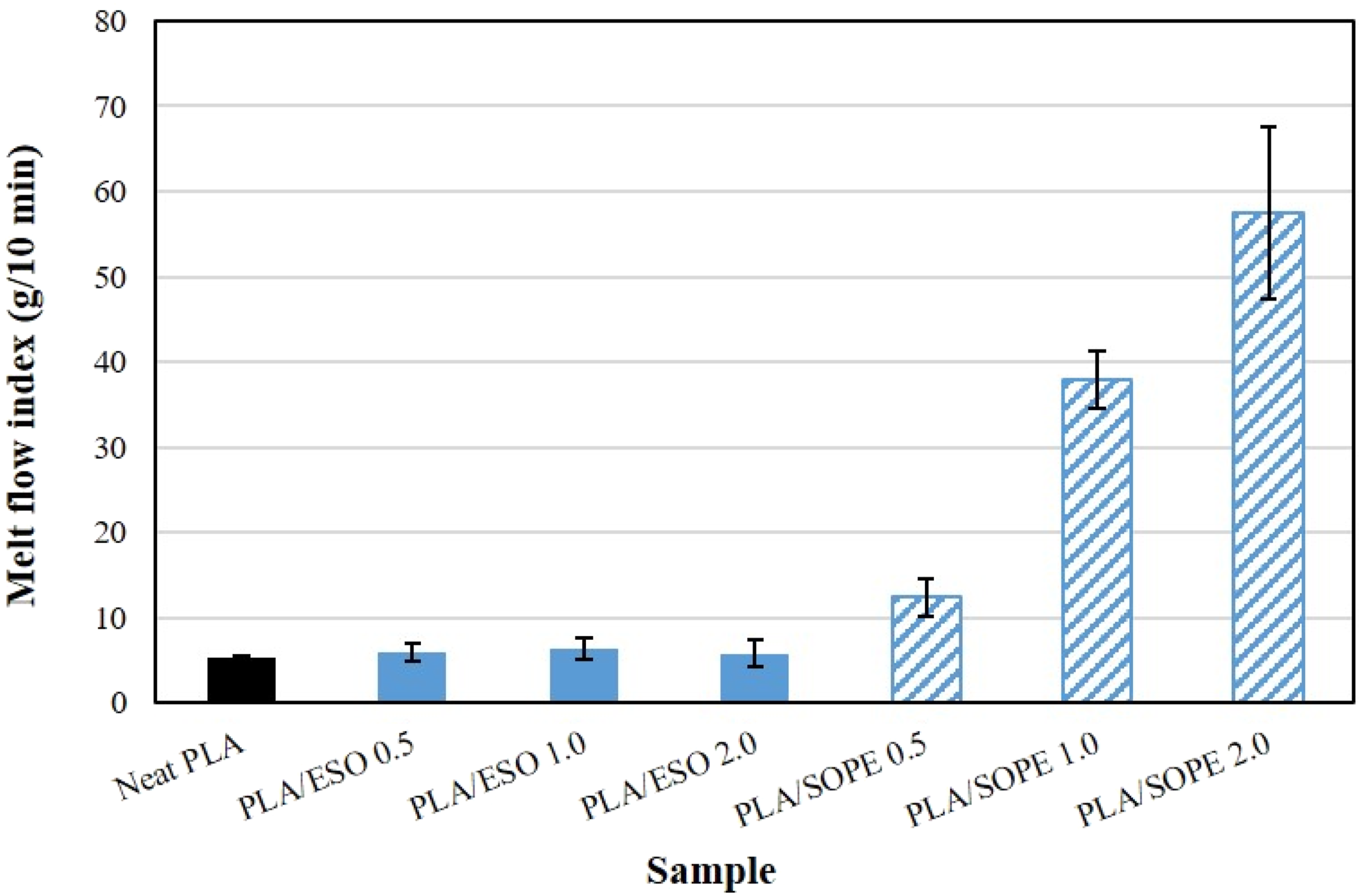
Molecular weight analysis
Molecular weight data of PLA, PLA/ESO 2.0 and PLA/SOPE 2.0.

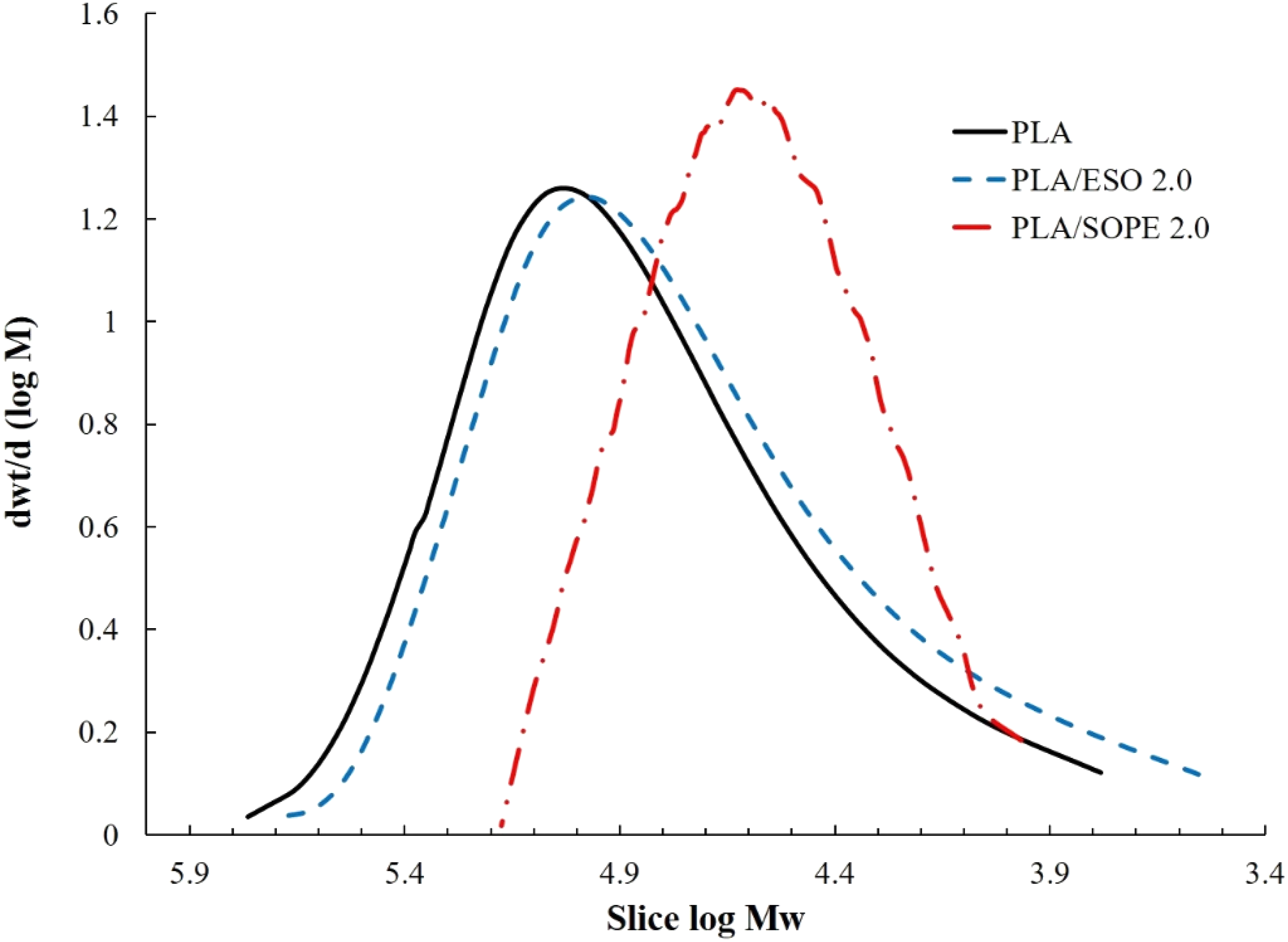
The molecular weight distribution curve of PLA, PLA/ESO 2.0 and PLA/SOPE 2.0.
Mechanical properties
Young’s modulus, tensile strength, and elongation at break of neat PLA, PLA/ESO, and PLA/SOPE samples are shown in Figure 10(a)–(c). It could be seen that the Young’s modulus, tensile strength, and elongation at break of neat PLA were 1240.1 MPa, 56.5 MPa, and 12.2%, respectively. For PLA with added ESO and SOPE, the value of Young’s modulus of PLA was slightly lower than that of neat PLA (Figure 10(a)). This result was also observed for tensile strength (in Figure 10(b)). Mechanical properties of neat PLA, PLA/ESO and PLA/SOPE sample (a) Young’s modulus, (b) Tensile strength and (c) Elongation at break.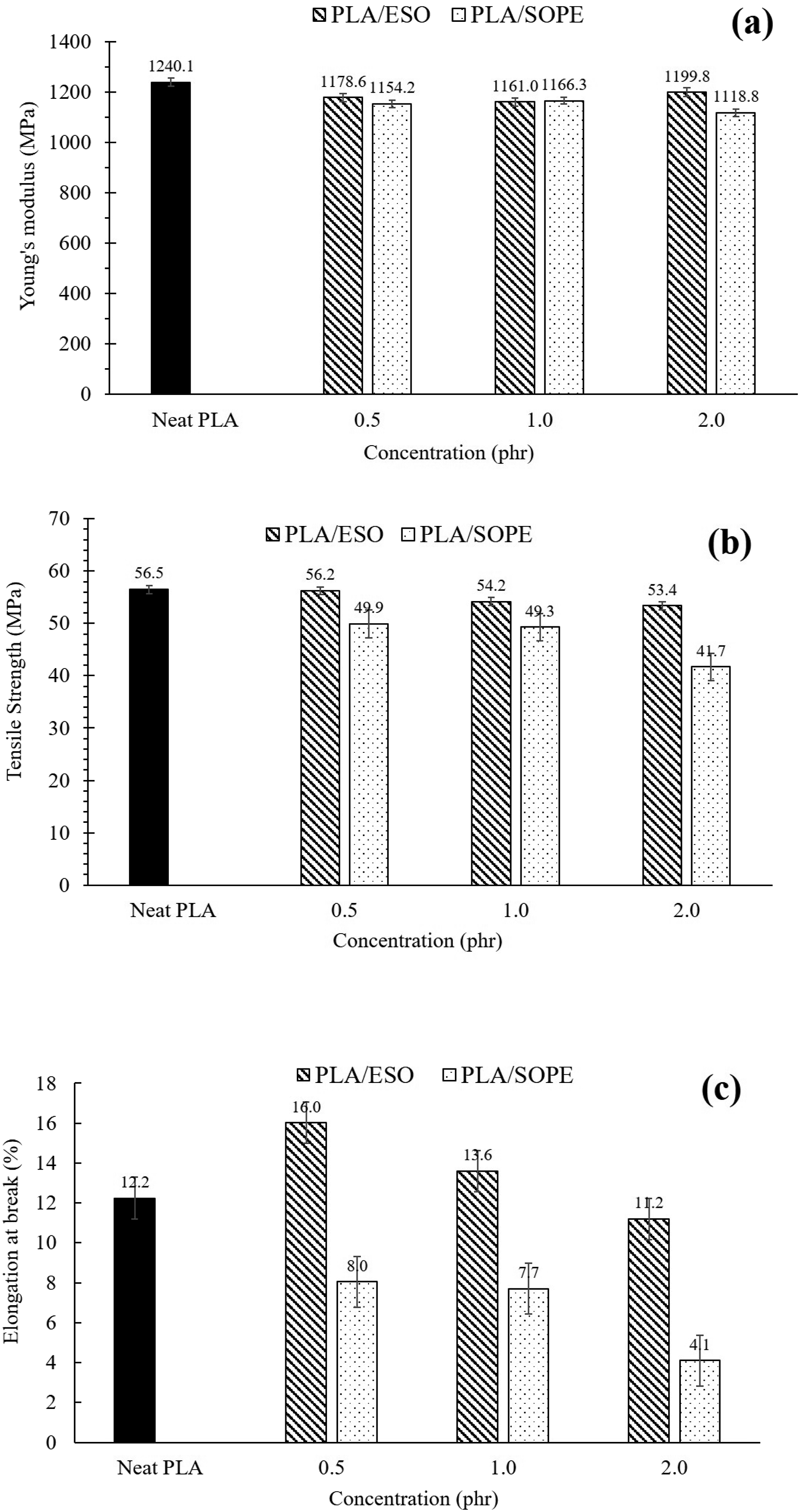
The tensile strength of PLA/ESO and PLA/SOPE samples was lower than that of neat PLA and decreased with increasing ESO and SOPE concentrations. In addition, PLA/SOPE exhibited a lower tensile strength value than that of the PLA/ESO sample.
For the elongation at break (in Figure 10(c)), the PLA/ESO samples exhibited values comparable to those of neat PLA, except at 0.5 phr ESO. This could be attributed to the plasticizing effect resulting from the incorporation of ESO into the polymer matrix. At higher ESO concentrations, the reaction between the epoxy groups of ESO and the hydroxyl and carboxyl end groups of PLA became more dominant, which may have led to an increase in the molecular weight of the PLA chains. 39 As a result, the elongation at break was restored to a level similar to that of neat PLA.
In the case of the PLA/SOPE sample, the elongation at break of PLA/SOPE samples showed deteriorated values compared to neat PLA and PLA/ESO samples. Moreover, the elongation at break was lower with increasing SOPE concentration. This reduction in elongation at break could result from the degradation of PLA as previously discussed in the melt flow index.
Conclusions
A bio-based flame retardant derived from epoxidized soybean oil was successfully synthesized. PLA blended with SOPE exhibited significantly improved flame retardant properties. The PLA/SOPE sample passed the UL-94 horizontal test and achieved a V-0 rating in the vertical test. In addition, an LOI value of 26.4% was obtained with the incorporation of only 2 phr SOPE, indicating its effectiveness as a flame retardant. The flame retardant mechanism in this study was attributed to the generation of phosphorus-containing radicals during combustion, which trap highly reactive radicals from the burning polymer. Although, SOPE could enhance flame retardant properties, the acidic groups in SOPE may promote the hydrolysis of PLA, leading to a reduction in mechanical properties. On the basis of these findings, it indicates the potential of soybean oil as an alternative bio-based flame retardant for various applications in bioplastics such as light load buildings parts. These findings also revealed potential of improvement when high load building parts are needed. The mechanical properties enhancement should be further studied.
Supplemental material
Supplemental material - Development of flame retardants for poly(lactic acid) bioplastics using bio-based oil
Supplemental material for Development of flame retardants for poly(lactic acid) bioplastics using bio-based oil by Rattikarn Khankrua, Bawornkit Nekhamanurak, Pimolpun Nianlang, Supakij Suttiruengwong and Narit Triamnak in Polymers from Renewable Resources
Footnotes
Acknowledgement
The authors gratefully acknowledge the financial support from Thailand Science Research and Innovation (TSRI) and the Fundamental Fund of Rajamangala University of Technology Rattanakosin under project code FRB6711/2567. Research project “The improvement in flame retardancy of bioplastic by bio-based flameretardant” (2024). The authors are also greatly thankful the department of Materials Engineering, Faculty of Engineering, Rajamangala University of Technology Rattanakosin.

Author contributions
Rattikarn Khankrua: Conceptualization, Methodology, Investigation, Analysis,Writing–Original Draft, Writing – Review & Editing. Bawornkit Nekhamanurak: Resources, Formal analysis and Review & Editing. Pimolpun Niamlang: Resources, Formal analysis and Review & Editing. Supakij Suttiruengwong: Supervision, Methodology and Review & Editing. Narit Triamnak: Methodology, Investigation, Analysis, Supervision, and Review & Editing.
Funding
The authors disclosed receipt of the following financial support for the research, authorship, and/or publication of this article: This study was supported by Thailand Science Research and Innovation (TSRI) and the Fundamental Fund of Rajamangala University of Technology Rattanakosin, Thailand, project code FRB6711/2567.
Declaration of conflicting interests
The authors declared no potential conflicts of interest with respect to the research, authorship, and/or publication of this article.
Supplemental material
Supplemental material for this article is available online.
References
Supplementary Material
Please find the following supplemental material available below.
For Open Access articles published under a Creative Commons License, all supplemental material carries the same license as the article it is associated with.
For non-Open Access articles published, all supplemental material carries a non-exclusive license, and permission requests for re-use of supplemental material or any part of supplemental material shall be sent directly to the copyright owner as specified in the copyright notice associated with the article.
