







Abstract
Although Latin America has a long history of well-established academic development and public relations professionals, multiple North American and European conceptualizations and trends still prevail in theoretical debates and professional practices. Nevertheless, a series of international studies sponsored by the EUPRERA and a broad network of researchers, universities, and local professional associations has become a fundamental precedent to consolidate the profession in the region and make it visible worldwide. In this respect, the results are presented below that show the strategic themes and main professional trends in public relations, grouped as follows: (a) trends in public relations management: strategic themes, the impact of fake news, information for decision-making, and the professionalization of public relations in the third sector and (b) the professional development and organization of the activity: excellent communication departments, gender, workplace climate and stress, job satisfaction, and work engagement. Such categorization, in addition to portraying the issues addressed in the third edition of the Latin American Communication Monitor (LCM), allows an analysis of the status quo of the non-continent profession, as it demonstrates the perception of the category on itself. Therefore, it allows reflection on melhorias, especially, in terms of professional training and institutionalization of professional training in Latin America. A sample of 1165 active professionals, who work in communication departments of companies, consultancies, non-profit organizations, and government agencies, from 19 Latin American countries was analyzed. The impact of the results and of conducting studies like this one are extremely important for the development of the profession, its compared analysis with the state of affairs in other regions, and an explanatory self-understanding of the path traveled and that to come. Scientifically determining the levels of perception and their representativeness in Latin America amounts to a sign of maturity and evolution of the profession and the study thereof.
Keywords
Introduction
Multiple North American and European conceptualizations and trends have dominated the theoretical debates and professional practices in Latin America. This has led to the reproduction of perspectives, models, and solutions exported to different corporate, social, political, and economic contexts and undertakings. Regarding scientific research and production, there is scarce presence of Latin American authors and topics in the main academic conferences and leading journals in the discipline, which are also published in the United States and Europe (Culbertson and Chen, 2013; Molleda et al., 2017; Watson and L'Etang, 2008; Zerfass, et al., 2008).
Nevertheless, there is a long history of well-established academic development and public relations professionals in the region (Ferrari, 2004; Ferrari and França, 2011; Flores Bao, 1978; Molleda et al., 2010; Moreno et al., 2006; Pereira Parodi, 1996; Sadi, 2020; Simöes, 1992; Simões, 2001; Terra, 2008). For example, Latin American authors proficient in the area have included a proposal of a theoretical model for public relations, linking micropolitics, considering that the process and program of both are identical. Logo or the theoretical framework of micropolitics would provide greater clarity for the explanation of the causes of the phenomenon of public relations domain (Simões, 2001; Terra, 2008), which cannot be fully detailed by existing theories of communication. Moreover, scholars have also problematized undergraduate training for the profession, arguing that such training, fundamentally, is highly regarded and institutionalized (Álvarez-Nobell et al., 2016; Athaydes, 2015; Krohling Kunsch, 2011; Vá squez Donoso et al., 2018).
Meanwhile, the study Latin American Communication Monitor (LCM) sponsored by the European Public Relations Education and Research Association (EUPRERA) and a broad network of researchers, universities, and professional associations has established a fundamental precedent in consolidating the profession in the region and in making it visible worldwide (Frandsen et al., 2019; Moreno, 2016; Nothhaft et al., 2020; Zerfass, 2017). It complies with the highest scientific standards and its study framework is based on theories and the results of first-class international scientific research. These aspects will be dealt with in greater depth below. Along with the European Communication Monitor (Zerfass et al., 2019), the Asia – Pacific Communication Monitor (Macnamara, et al., 2017), and the North American Communication Monitor (Meng et al., 2019), these publications make up the Global Communication Monitor directed by Professor Dr. Ansgar Zerfass (Leipzig University, Germany): the greatest and most prestigious worldwide study, with results from over 80 countries and 30 thousand professionals taking part.
The LCM’s objective is to contribute to the disciplinary and professional development in strategic communication and public relations, assessing the trends and changes that are taking place. By identifying them, according to the perception of professionals, it is possible to understand the status quo of the category on the continent and, therefore, reflect and propose actions that can qualify professional practice and, therefore, the institutionalization of the area in their respective countries. As of 2013, the study has made the function of Spanish- and Portuguese-speaking communicators in the world systematically more visible (Moreno et al., 2015, 2017a, 2019) on a biannual basis, thus empowering professionals within their organizations, as well as the sector’s associations within their social environment.
In the third edition (2018–2019), 2575 active professionals took part and 1165 cases were analyzed from 19 Latin American countries, who work in communication departments of companies, consultancies, non-profit organizations, and government agencies. The themes the study touches on in depth include the main trends influencing the field of strategic communication, such as the phenomenon of fake news and the provision of strategic data to high organizational executives, leadership, and organizational culture indicators, among others.
In this case, we present the results and analyze 10 of the aspects that are most relevant to professional development in Latin America, grouped into two blocks: (a) Trends in public relations management: strategic themes, the impact of fake news, decision-making information, and the professionalization of public relations in the third sector. (b) Professional development and organization of the activity: excellent communication departments; leadership and mentoring; gender, workplace climate, and stress; job satisfaction; and work engagement.
Theoretical framework
Below, we shall unpack the different theoretical contributions that have contributed to the reference framework for the study’s design and the interpretation of the results.
The study is based on foundational constructs from the field of strategic communication (Falkheimer and Heide, 2018; Holtzhausen and Zerfass, 2015; Nothhaft et al., 2018). Several contemporary challenges have been empirically proven for this edition. The study investigates the world of fake news (Bakir and McStay, 2018; Brummette et al., 2018; Guo and Vargo, 2018; Hou, 2017; Macnamara, 2018; OEA, 2018; Tandoc et al., 2018), the provision of information to deciders and managers as a contribution to organizational success (Borner and Zerfass, 2018; Mykkänen, 2017; Simões, 2001; The Economist Group and Hill+Knowlton Strategies, 2016; Vos, 2017; Zerfass and Volk, 2018), professionalization of the third sector (Etkin, 2019), leadership and organizational culture (Berger and Meng, 2014; Falkheimer, 2014), trust (Bailey et al., 2017), and work engagement (Kang and Sung, 2017; Lemon and Palenchar, 2018; Sievert and Sholz, 2017; Ruck et al., 2017). In the research, we have measured the work engagement of communication professionals in Latin America adapting and slightly modifying the renowned Gallup scale presented by Bakker and Leiter (2010).
For the study of labor practice and experiences of stress at work (CareerCast.com, 2017; Ganster and Rosen, 2013; Gilstrap and Bernier, 2017; Jiang et al., 2017; Moreno et al., 2018; Shen and Jiang, 2013; Siegrist, 2010; Tkalac Vercic and Colic, 2016; Tkalac Vercic et al, 2017) and job satisfaction (Chen and Arvey, 2016), despite the fact that the topic should raise a level of importance, it is surprising how little attention its study has received, highlighting works on ethical conflict and job satisfaction with a focus on the United States (Kang, 2010) and earlier editions of the Global Communication Monitor (Lwin and Zerfass, 2016; Macnamara et al., 2015, 2017; Moreno et al., 2015; Zerfass et al., 2010, 2014, 2018).
A complex screening is also made of the characteristics of that which makes the professionals and departments excellent (Simões, 2001; Tench et al., 2017b).
The study also shares the learnings from other international studies in relation to the performance of communications, specifically the Leadership Report Card developed by The Plank Center for Leadership in Public Relations (Berger et al., 2015, 2017) and earlier issues of the LCM (Macnamara et al., 2015; Moreno et al., 2017a) with the aim of using categories introduced by these studies.
The definition of strategic themes at the professional level is determined, according to earlier studies, by each country’s culture and social and economic structures (García, 2017; Verhoeven et al., 2017). The historical series of the different studies that make up the Global Communication Monitor has made it possible to determine an index of themes that are praised by professionals, one issue after another. Several different reports currently develop or forecast professional associations with an impact in Latin America, presented year after year as trends or challenges. Examples of these are Global Alliance for Public Relations and Communication Management (Global Communications Report) 1 , Fundacom-Dircom (17+1 trends for directing communication) 2 , Corporate Excellent (Approaching the future) 3 , and Aberje (Aberje Trends) 4 among others. What is more, topics and trends about the profession are discussed and disseminated in different international events connected to public relations, such as The International Public Relations Research Conference. 5
Since the United Nations addressed the issue of gender equality as the fifth of 17 Sustainable Development Goals (SDG), companies in general, and the public relations and communication industry in particular, have promoted debate on the topic. Meanwhile, the gender salary gap is a social debate in the entertainment industry and in the corporate and employment sectors. Many Latin American countries require large corporations to publish information on the gender salary differences (how much they pay their male and female employees to do the same job or work in a similar position). These differences are also reflected in other sectors of society. And this occurs even though the communication environment is a predominantly female industry which has prompted discussions on gender and debates in the academic literature (Moreno et al., 2017a, 2017b, 2018; Tench et al., 2017a); in Latin American national professional associations; in special reports, industry reports, and in the most recent scientific metastudies (Place and Vardeman-Winter 2018); along with private networks to improve female leadership. It is generally corroborated that gender inequality and discrimination persist in the field of communication. Other phenomena linked to the gender issue also exist, like the “glass ceiling,” which refers to the unrecognized barriers that prevent trainees from rising in the hierarchy (Catalyst, 1996, 2003, 2004, 2005, 2007). Given that psychological and cognitive differences are not empirically conclusive, gender differences are usually accounted for these days by educational, social, and cultural factors (Tench et al., 2017a).
Methodology
This study is based on the answers of 1165 communication professionals in 19 Latin American countries. The greater number of participants (79.1%) corresponds to South America (Brazil, Argentina, Chile, Venezuela, Colombia, Ecuador, Uruguay, Peru, Bolivia, and Paraguay), followed by Central America (Costa Rica, Dominican Republic, Panama, Cuba, El Salvador, Guatemala, and Nicaragua); also by the order of participation, which represents 11.2% of the sample, and North America, represented by Mexico, with 9.3% of the sample. For the comparative analyses, data were selected from the 11 countries whose number of valid responses complied with the standard for transnational comparative studies. The main markets of the subcontinent are currently located among these countries.
The study compiles a vast number of dependent and independent variables: the communication professionals’ personal characteristics (demographic, education, position, and experience), features of the organization (structure, culture, and country), attributes of the communication department, the current situation between the professional and his or her organization, as well as their perceptions on the development of the environment. The self-administered questionnaire was online during the first months of 2018 and included 39 questions grouped into five sections. The instruments used in the answers were dichotomous, nominal, and ordinal scales, based on research questions and hypotheses derived from the earlier research and bibliography mentioned above. The survey was written in Spanish and Portuguese, and a pretest was conducted in which 37 professionals from 11 Latin American countries took part. Over 20,000 professionals were invited by means of a personal email obtained from the databases of the main professional associations in each country. Invitations were also sent through collaborators and the research team’s own databases. The questionnaire was started by 2575 people and completed by 1229. The answers of those participants who failed to adjust to the profile required for the research were excluded from the database, which is a characteristic feature of the research conducted by the Global Communication Monitor.
The statistical analysis of the data was carried out using SPSS, a software package recognized for the accuracy of its calculations and its versatility to visualize the results. Cluster analysis was used to classify the subjects in certain research questions. Crossing the variables between the survey components and its statistically relevant significance is achieved by interpreting a series of universally accepted coefficients: chi-squared test, Pearson correlation, ANOVA/Scheffe post-hoc, ‘T'de Kendall independence test, and Kendall’s correlation test. The statistical indicators (V de Cramér, F, r, and Tau) have been collected in the footnotes. Additionally, the statistically significant results (p ≤ 0.01)** are shown in the graphs and tables.
Results and discussion
Regarding the sample, an analysis of the results indicates that 6 of every 10 subjects surveyed occupy positions of leadership in their companies, 36.5% are directors of the communication department or CEO of the agency, while 28.2% are team or unit supervisors. In addition, 4 of every 10 professionals interviewed (44.1%) have more than 10 years’ experience in the sector. There is considerable female predominance (60.1% are women), and the average age is 41 years. With respect to the level of training, 98.1% have university degrees, of whom 5 out of 10 have a master’s degree or a PhD Two-thirds of the professionals interviewed work for communication departments in organizations (7.0% in publicly accountable enterprises, 20.1% in private companies, 24.2% in public companies, and 15.9% in non-profit organizations), while 32.8% work for agencies or freelance.
Trends in public relations management
Strategic topics
In Latin America, the digital evolution and social networking continues to be the main strategic topic for communicators, who have close ties with digital society and focus once again on the challenges of digitization. The same goes, in third place, for the use of big data and automation processes.
It is interesting to observe how the challenges focused mostly on corporate management, like building and maintaining trust in an organization or strengthening the function of communication to support top executives’ decision-making processes, have lost weight in Latin America, unlike in Europe (Zerfass et al., 2019). This situation reiterates the concern of some Latin American theorists who defend the provision of information for decision-making by managers as one of the priority activities in the performance of the advisory function in public relations. Since the 1990s, this premise has been alerted, as there was a panorama of disinterest on the part of professionals, in training for this activity (Simões, 2001), which, in the view of the authors, represents a lack of strategic vision of the profession itself.
In some of the countries analyzed, knowing how to face digital evolution and the use of social networks is a highly important strategic issue, which is the case of Colombia, Costa Rica, Ecuador, and Mexico, while for Venezuela and Brazil, it is more important to know how to deal with the speed of the flow of information. The interest of some Latin American professionals in the digital evolution and the use of social networks has been defended by younger researchers in the area of public relations. They argue that consumer-generated media and the influence they have on organizations and on global communication planning can no longer be overlooked by organizations in the era of transparency and active citizen-user participation. Citizens who are understood as those who exercise their citizenship by producing content on social networks, based on their experience with organizations and their respective brands, products, and services wield great influence (Terra, 2008) (Figure 1). The most important strategic topics for communication management until 2021.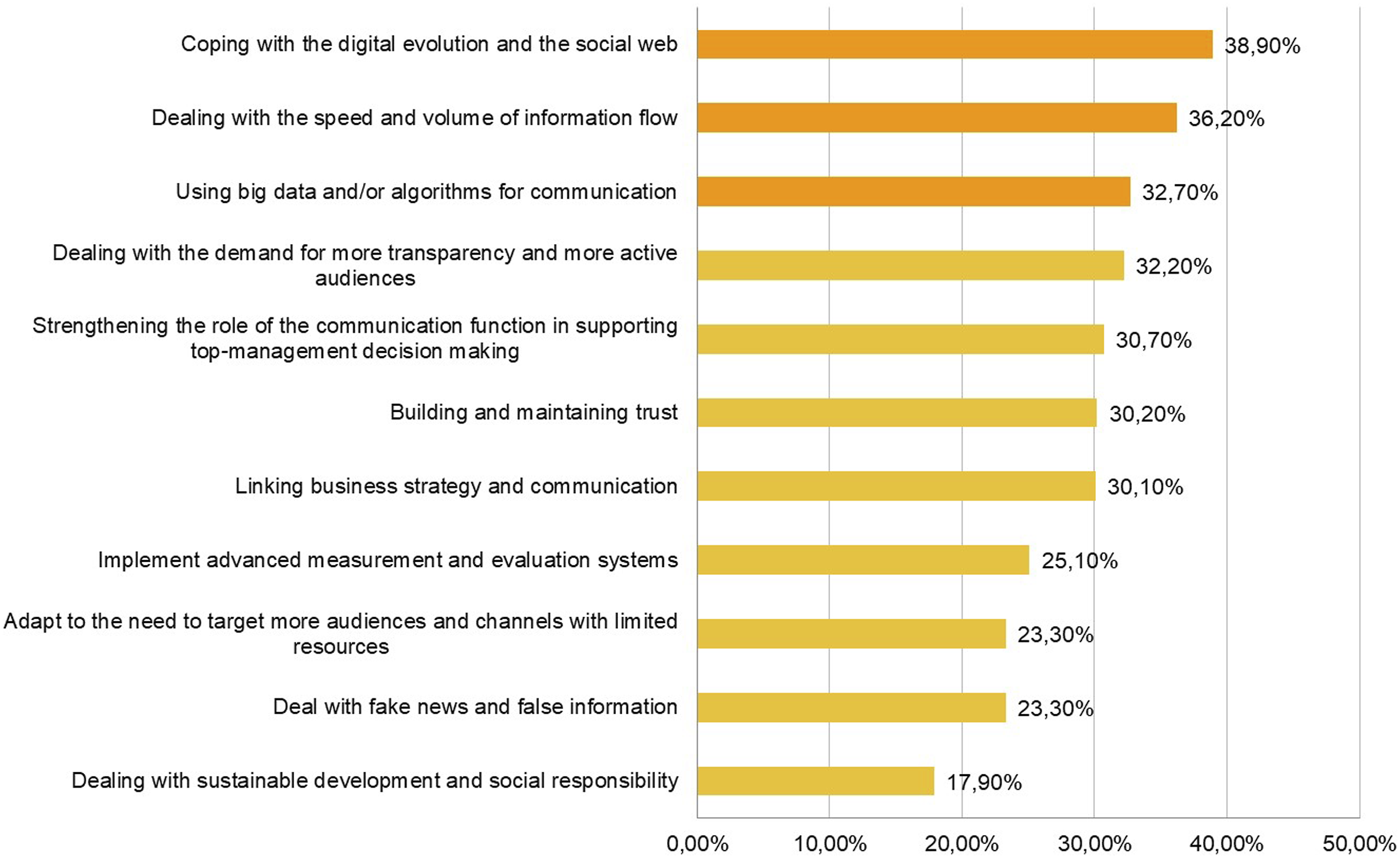
Moreover, the results show that it is private company communicators (40.8%) and communication department directors or CEOs of agencies (43.6%) that focus the most on facing digital evolution (Figure 2). Digital evolution and social networks according to types of organizations.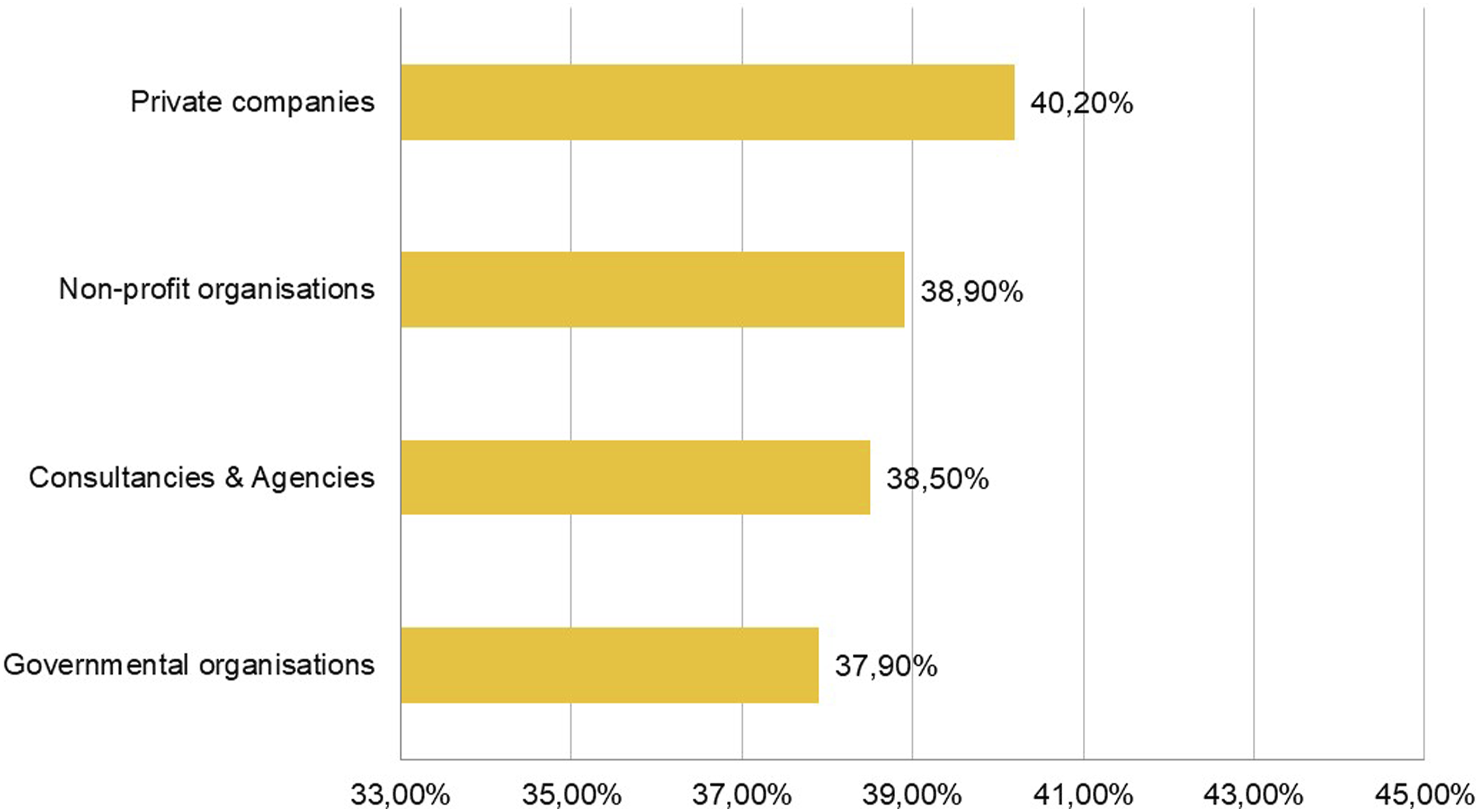
Impact of fake news
Two out of five Latin American organizations have been affected by fake news. Most fake news comes from the social networks (83.8%), followed by the press, with 37.8%.
It generally affects individual people (57.9%) more than organizations and/or services. The relevance of the issue is such that 65.2% of those interviewed claims to pay attention to the topic.
The entities most affected by fake news are government agencies; nevertheless, their communication departments show low indices of identifying potential fake news (Figure 3). Impact of fake news per type of organization.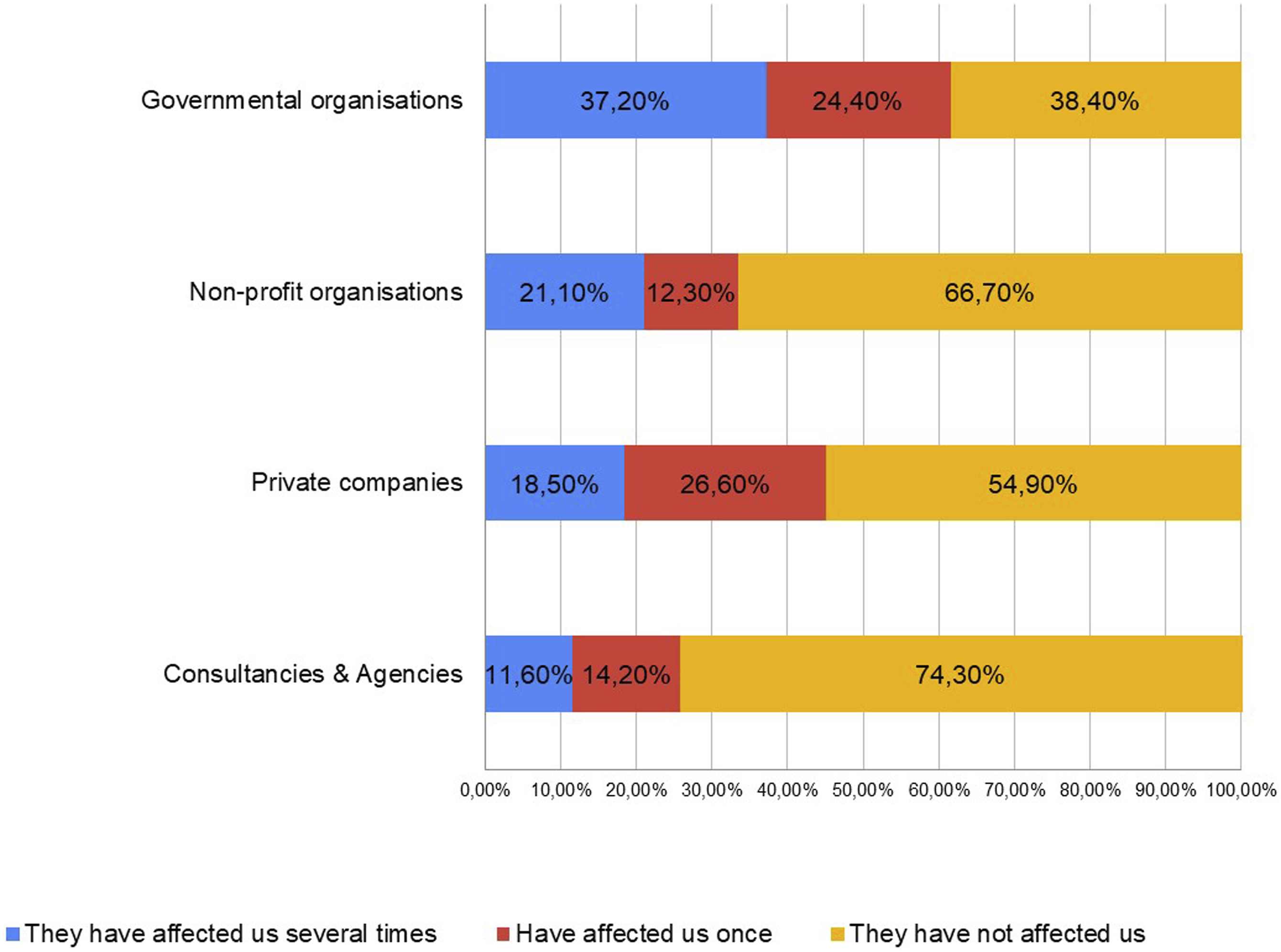
Basically, there are two mobilizers of fake news; on one hand, a financial one, as fake stories and scandals that become viral provide clicks for the creators of content, which gains income from publicity and, on the other, the ideological one, as the aim is to promote specific ideas or particular people. When it comes to identifying fake news, 26% have already implemented formal guidelines and routines, although only 7.2% have installed technologies and specific systems.
Those surveyed have stated that fake news mostly affects people, and organizations, products, and services, etc. to a lesser degree (Figure 4). Types of affectations of fake news.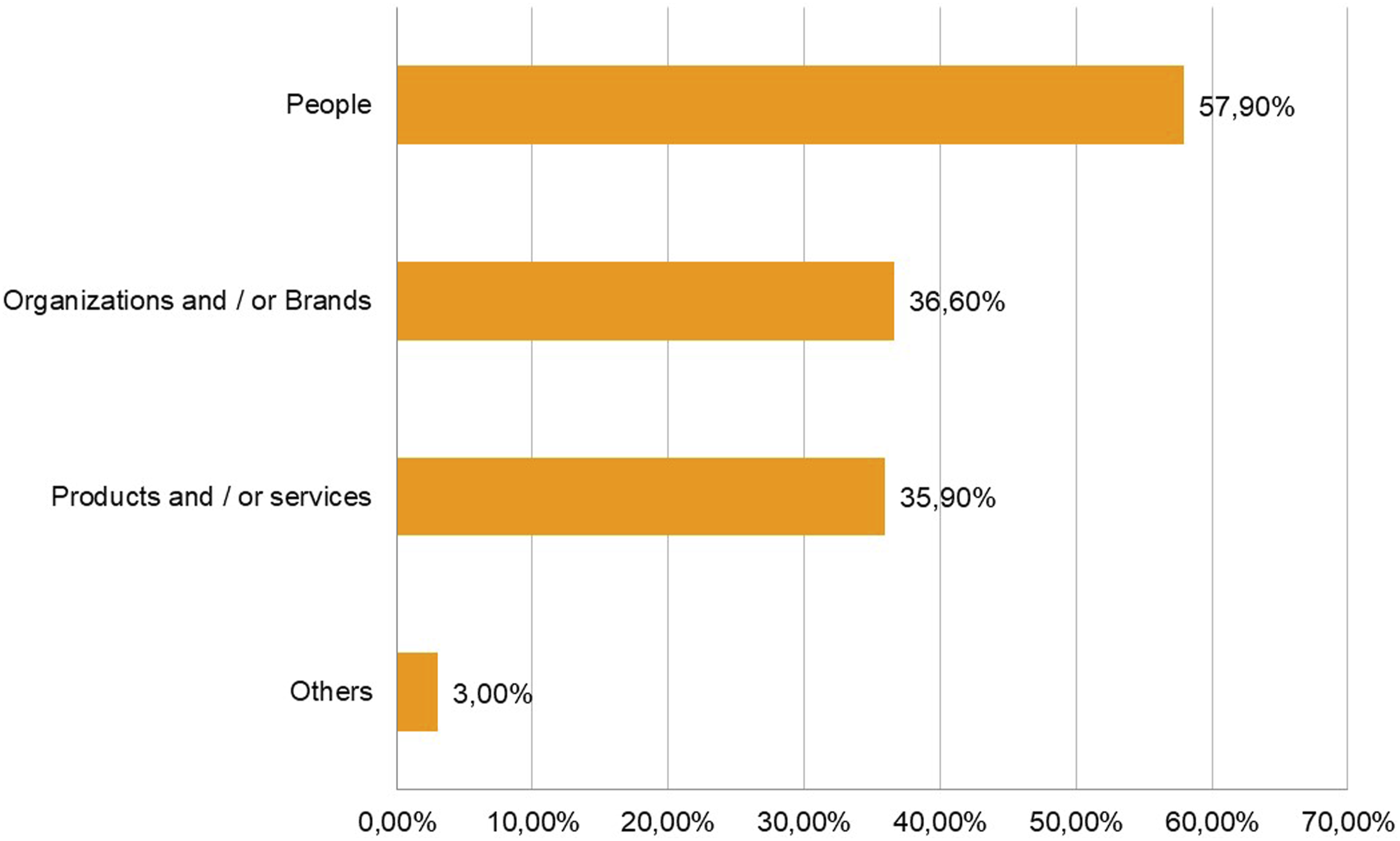
A cluster analysis of the different people surveyed makes it possible to identify that 9.7% of organizations in Latin America are making progress in managing fake news. According to the terms of Macnamara (2018) himself, we come upon the paradox that never before has so much been created in communication and, nonetheless, a drastic fall in trust is taking place in governments, enterprises, and other institutions.
Information for decision-making
The results state that publicly listed enterprises (81.7%) and consultancies or agencies (71.7%) are those that most value the contribution of information from communication teams. The results reveal that providing information to decision-makers is a habitual practice in all the countries in the sample. Indeed, 83.0% of the agencies and the communication departments provide information to high executives and/or (in-house) clients. However, there is no unanimity in that providing information should be considered a fundamental task for the communication environment. Within the theoretical proposition that public relations are the management of the political organizational function in order to obtain cooperation from the public, for the achievement of the organizational mission, if the area is not involved with the search and selection of relevant information for decision-making, it will lose or not consolidate itself as a strategic function (Simões, 2001). Therefore, this result brought by LCM indicates the need for the category to reassess how much its activities are, in fact, collaborating for the development of their respective organizations.
In current times, information is variable and circulates massively though all kinds of channels, such as communication media, social networks, etc. It is precisely in these contexts, where organizations have large amounts of information at hand to process in short period of time, that attentive communication teams are required to help convert those data into information that is newly relevant to the institution (Figure 5). Relevance of the information provided by the communication departments for decision-making.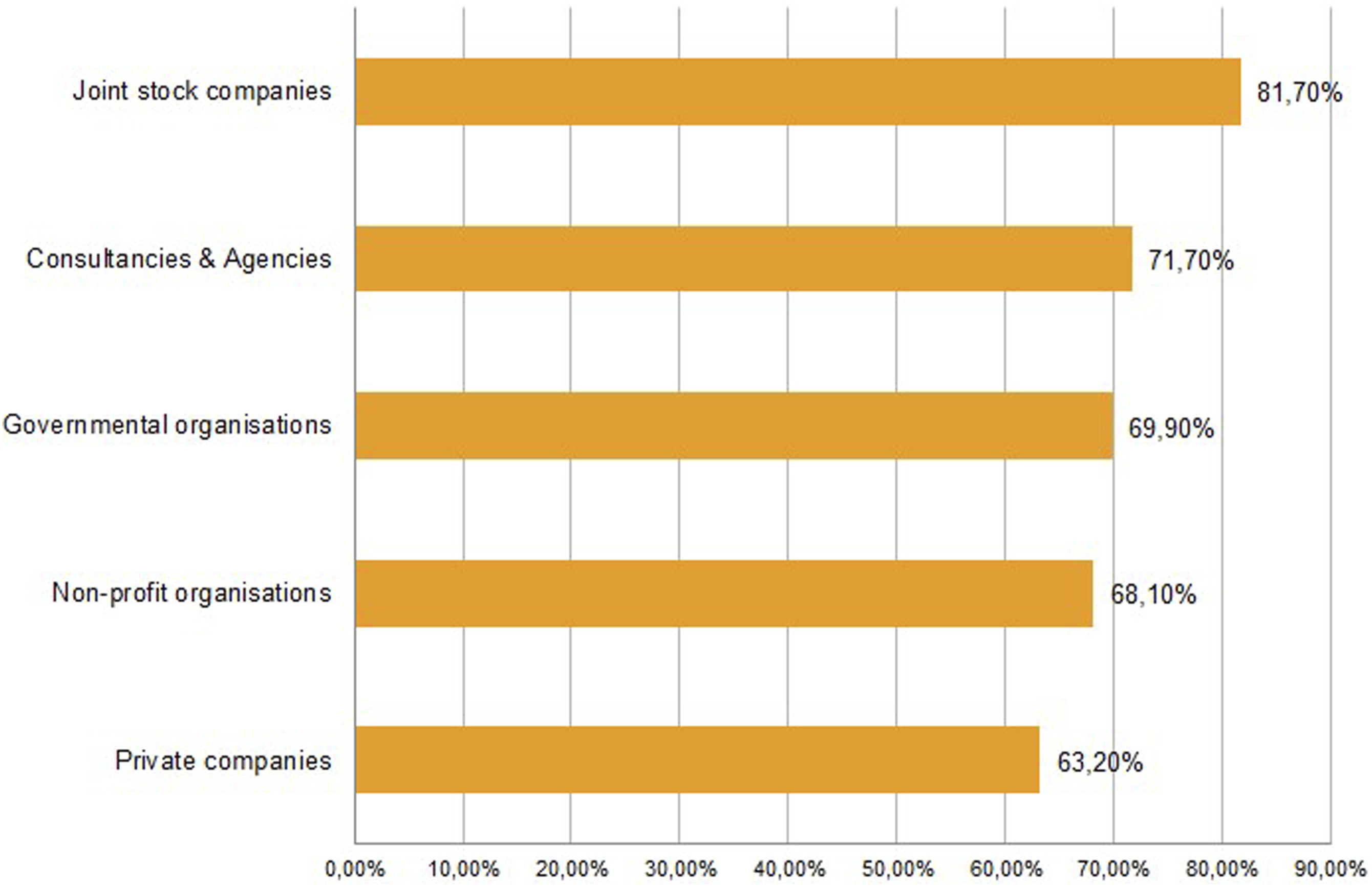
The times institutions are going through are changing and in a continual state of crisis, as a result of which information is required to support decision-making at top executive and/or in-house client levels. Nowadays, knowing how to select and present information is becoming extremely relevant and key to strategic communication environments. Nevertheless, the results of the study show that communication departments are still limited when it comes to providing information to those who make decisions. The type of information communication teams provide regularly in all sorts of organizations are monitoring reports (media, social networks, TV, etc.) (75.1%) and news summaries (74.3%).
In publicly listed companies, a significant difference of over 10 percentage points can be seen with respect to other types of organizations such as a private company, NGOs, State organizations, etc. On one hand, 87% of communicators of these types of companies provide monitoring reports, and on the other, 82.2% provide news summaries. The reports issued daily by communicators revolve mostly around monitoring the press and news summaries (Figure 6). Types of reports compared.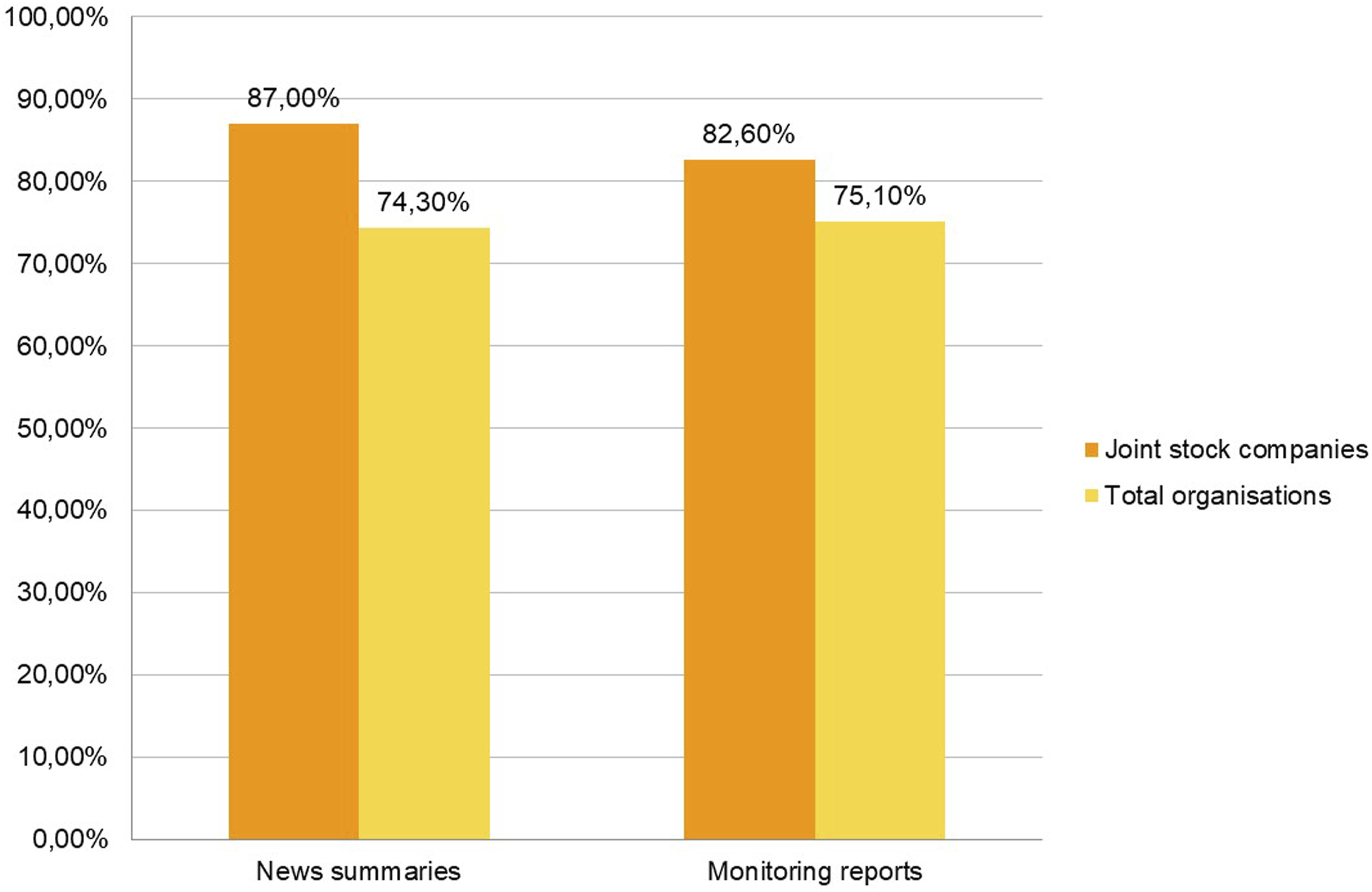
Professionalization of public relations in the third sector
In Latin America, the professionalization of public relations in the third sector is gaining space, resources, and relevance. It is in environments such as environmental communication, health and wellbeing, cooperativism, triple impact and circular economy, social conflict, and citizen movements that the professionals’ presence is felt the most. There is a clear evolution and a reduction of the gap with the state of affairs the sector experiences in Europe or in international civil society organizations. Similarly, the search for organizational aims and the development of the strategic dimension of communication find their main allies in public relations professionals.
Nevertheless, the study shows that leadership in government organizations is behind compared to other organizations. Indeed, leadership performance of government organization directors has fallen behind with respect to other types of organizations, such as consultancies and agencies (Figure 7). Leadership performance per types of organizations.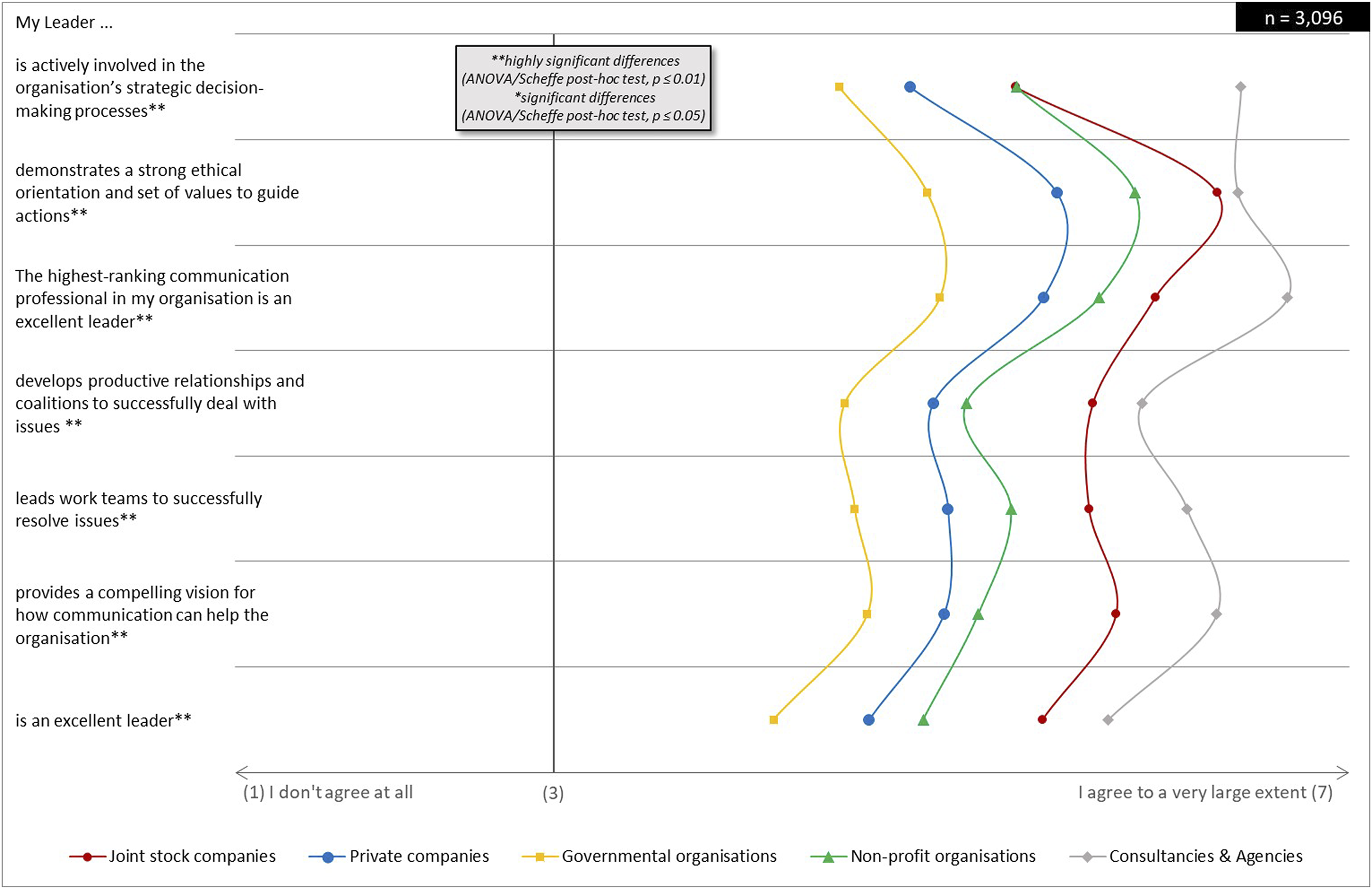
The current descent in the level of leadership and the gaps in perception are factors that require further research the world over. Leadership is a key aspect in the excellence of communication departments. It is there that they must be effective to be able to support the organization’s objectives and its most outstanding leaders. These aspects should be more pronounced in civil society organizations.
The data reveal that almost half of the organizations fail to develop a collaborative culture. Only 41.9% of those surveyed agree that their organization shares decision-making power with their employees/members. What is more, 56.2% state that their organization practices bidirectional communication between employee and members (Figure 8). Collaborative culture.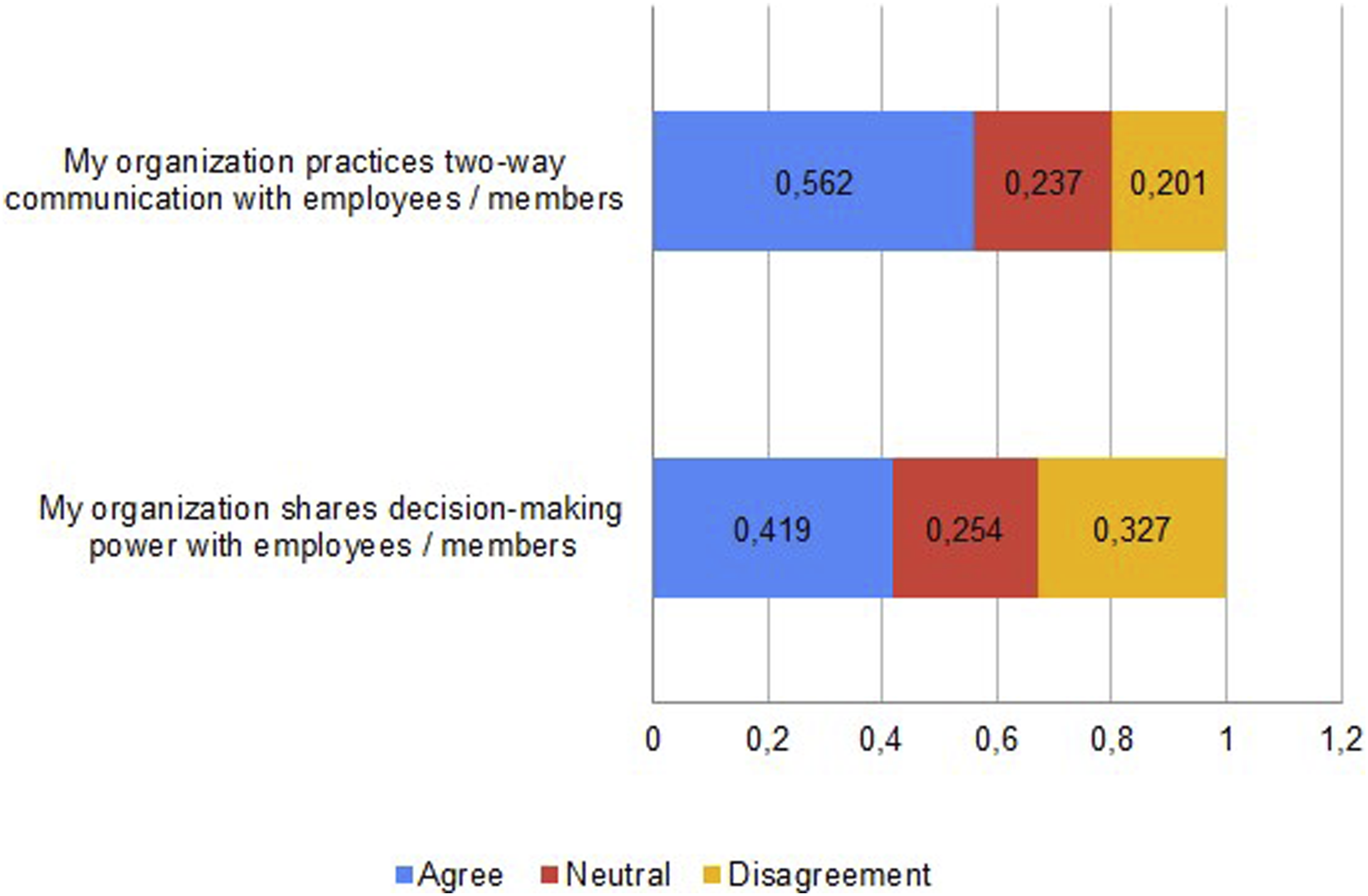
Professional development and organization of the activity
Excellent communication departments
Only 19.9% of communication professionals are involved in an excellent communication department. The study shows there are 19.9% of excellent communication departments. Excellence in communication is based on the communication department’s internal position or prestige within the organization (influence) and the external results of the communication department’s activities, as well as its basic qualifications (performance).
Meanwhile, the communication’s aligning with senior management is a significant difference of excellent departments. For example, excellent departments with professionals who are weakly aligned represent 2.6%; whereas in other departments, the professionals represent 12.9%, different by almost 10% (Figure 9). Profile of excellent departments in communication in Latin America.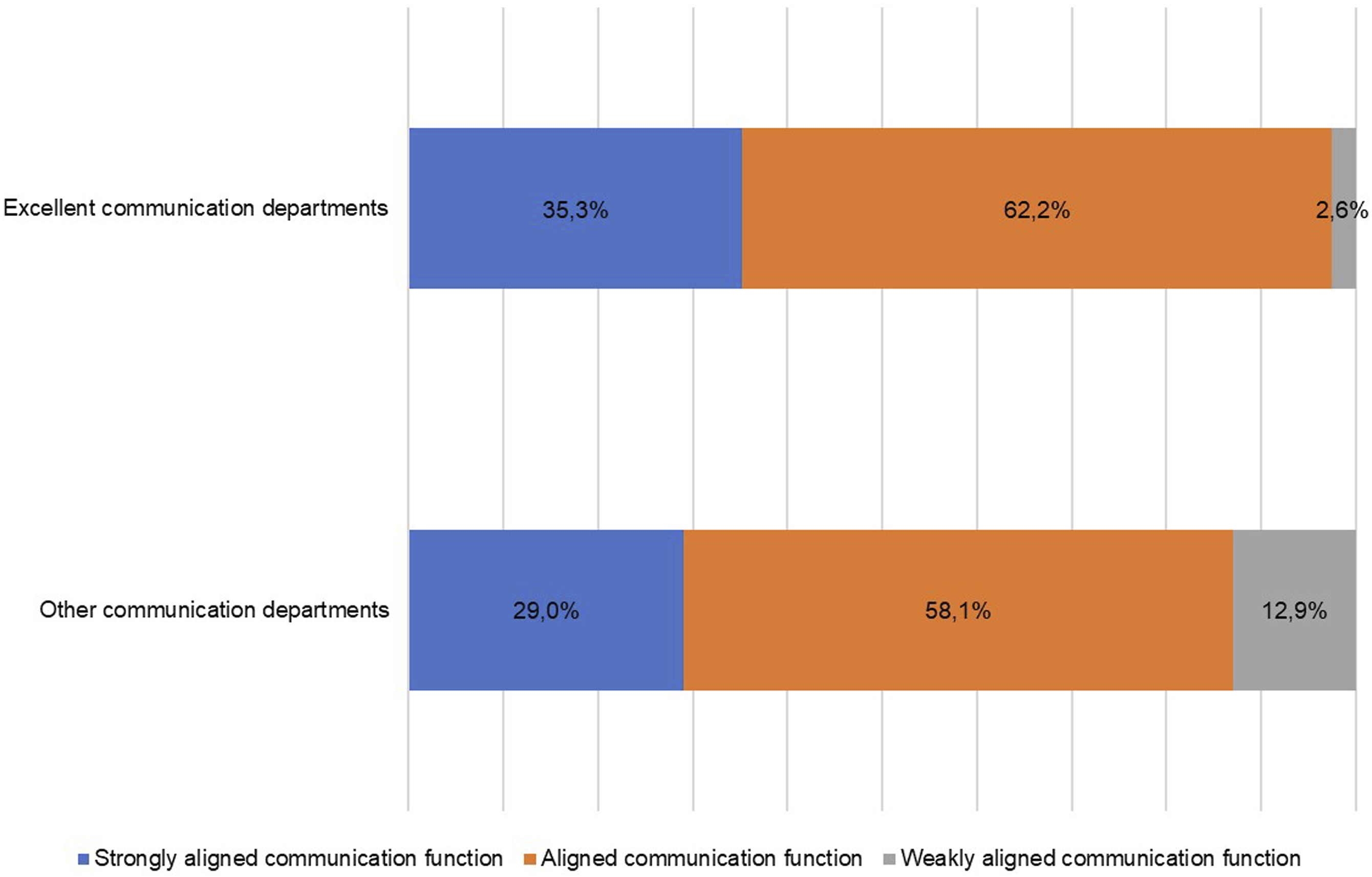
Additionally, excellent communication departments are highly relevant and provide value by contributing information to the organization leaders (Figure 10). Contribution of information for decision-making by excellent departments.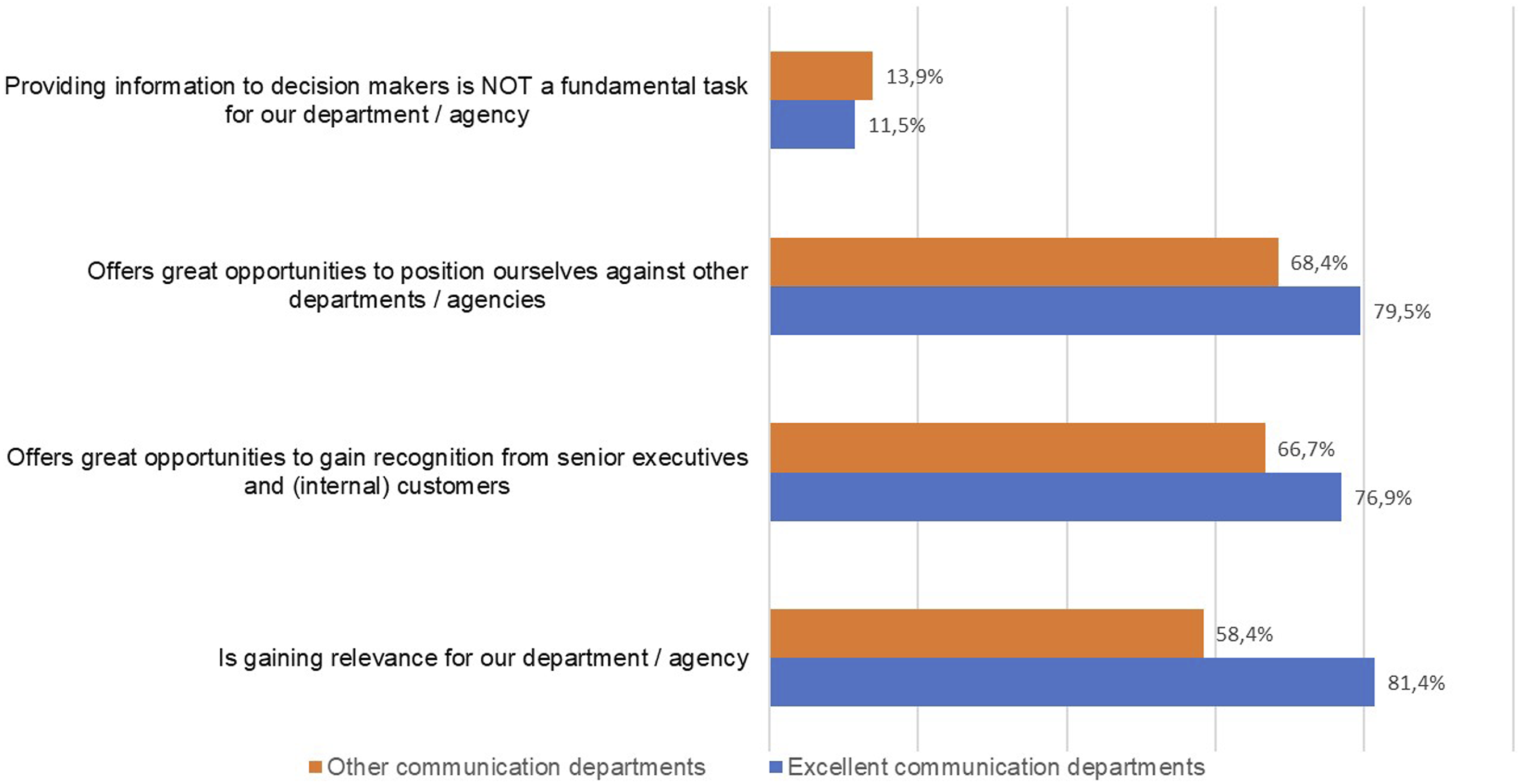
It is precisely for top executives and/or in-house clients that excellence in the communication function is extremely important (Figure 11). Information contributed by excellent departments.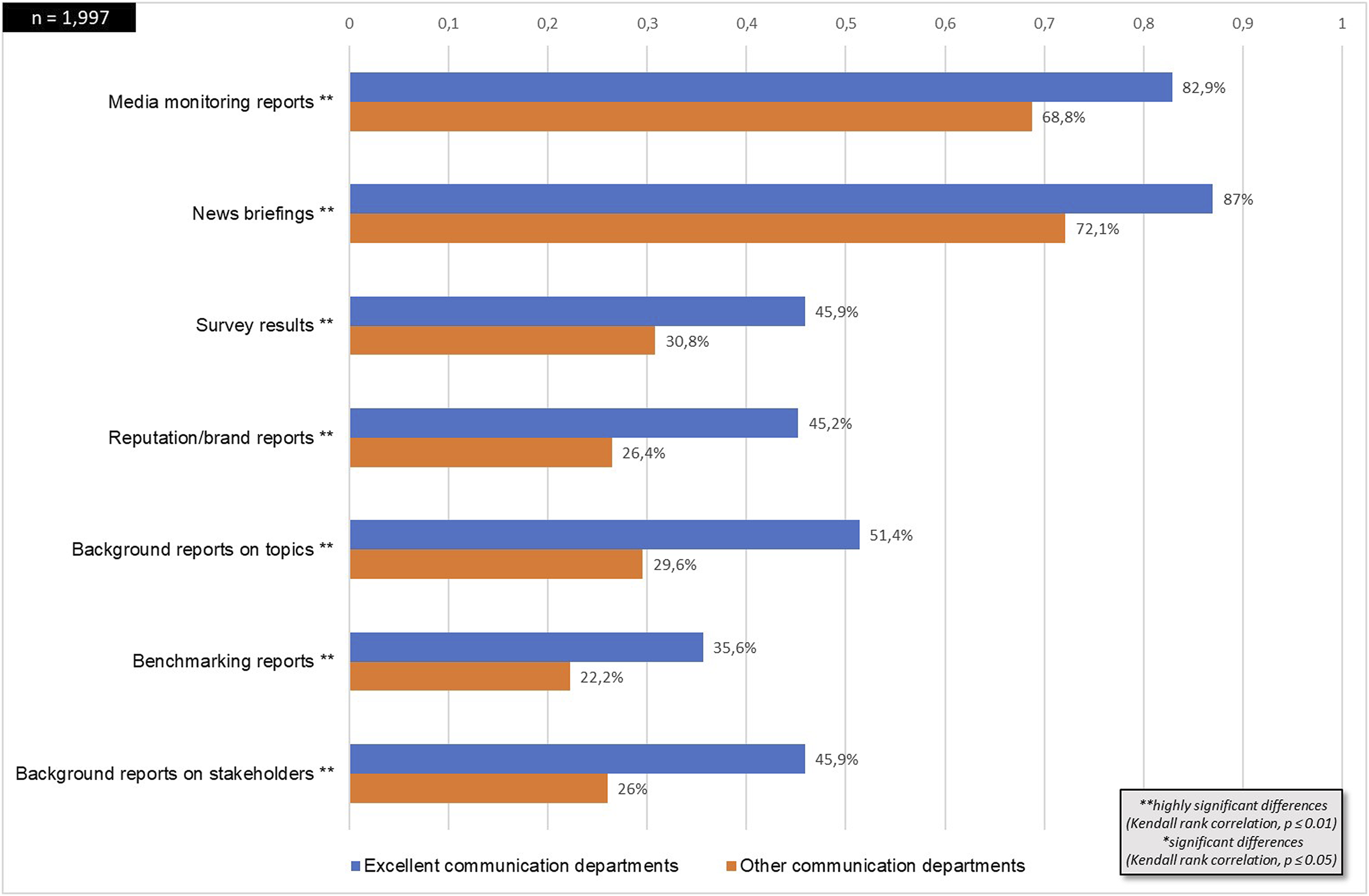
Leadership and mentoring
As has already been mentioned, we used the method for measuring leadership developed by Bruce Berger, Juan Meng, and Bill Heyman for the Plank Center for Leadership in Public Relations (Berger et al., 2015) for the research. This report evaluated the communication directions and its leaders in five key areas: leadership performance, work engagement, trust in the organization, work culture, and job satisfaction.
In this sense, the results indicate that work engagement is strongly influenced by the leaders’ performances. Education, mentoring, and promoting communication leadership skills must become a priority in all organizations.
Although 70.6% of those surveyed stated that the highest leader in their organization understands the value of communication, only 55.8% confirmed the same about the leaders of other departments. When we focus on communication departments, we see that 14.0% of the communication leaders fail to carry out their leadership with excellence. In keeping with the studies mentioned above in the United States (Berger et al., 2017) and in Europe (Zerfass et al., 2018), there is also a gap in Latin America between the leaders themselves and the remaining communication professionals. Thus, the highest communication directors score their own performance way above the score awarded to them by employees they supervise. However, mid-level leaders’ perceptions generally coincide with perceptions of the remainder of the workers.
Some 70.6% of Latin American professionals claim that their organization values and practices diversity and inclusion, 66.4% practice bidirectional communication with their employees and members, and 55.8% confirm that their organization shares decision-making power with employees and members. Taking culture and leadership into consideration, consultants are above the rest.
Leadership performance has the highest rating for those surveyed. Areas of improvement are identified in the work environment with respect to strategic decision-making, ethics, diversity and inclusion, organizational skills, and CEOs/leaders valuing public relations.
Gender and pay gap
There is a greater difference in salaries between men and women in more hierarchical positions. Indeed, men continue to have higher salaries than women. The data are very clear.
Among those who receive the highest salaries, over 125,000 dollars a year, men (8.3%) outnumber women (3.0%). This difference is more acute in the following wage range, from 60,000 to 125,000 dollars a year, where men with this level of emolument (26.0%) add up to more than twice the number of women (10.5%). At the other end, more women (63.8%) collect up to 10,000 dollars a year when compared to men (53.9%) earning the same salary.
It is fitting to indicate a positive correlation for professionals with higher salaries and who belong to international associations in the environment of communication. From 20,000 to more than 200,000 dollars a year, we find more members of international associations.
In groups with incomes lower than $30,000, we observe that 68.4% are women and that men represent 47.9%, a percentage difference of almost 30 points in favor of male communication directors (Figure 12). Pay gap and gender.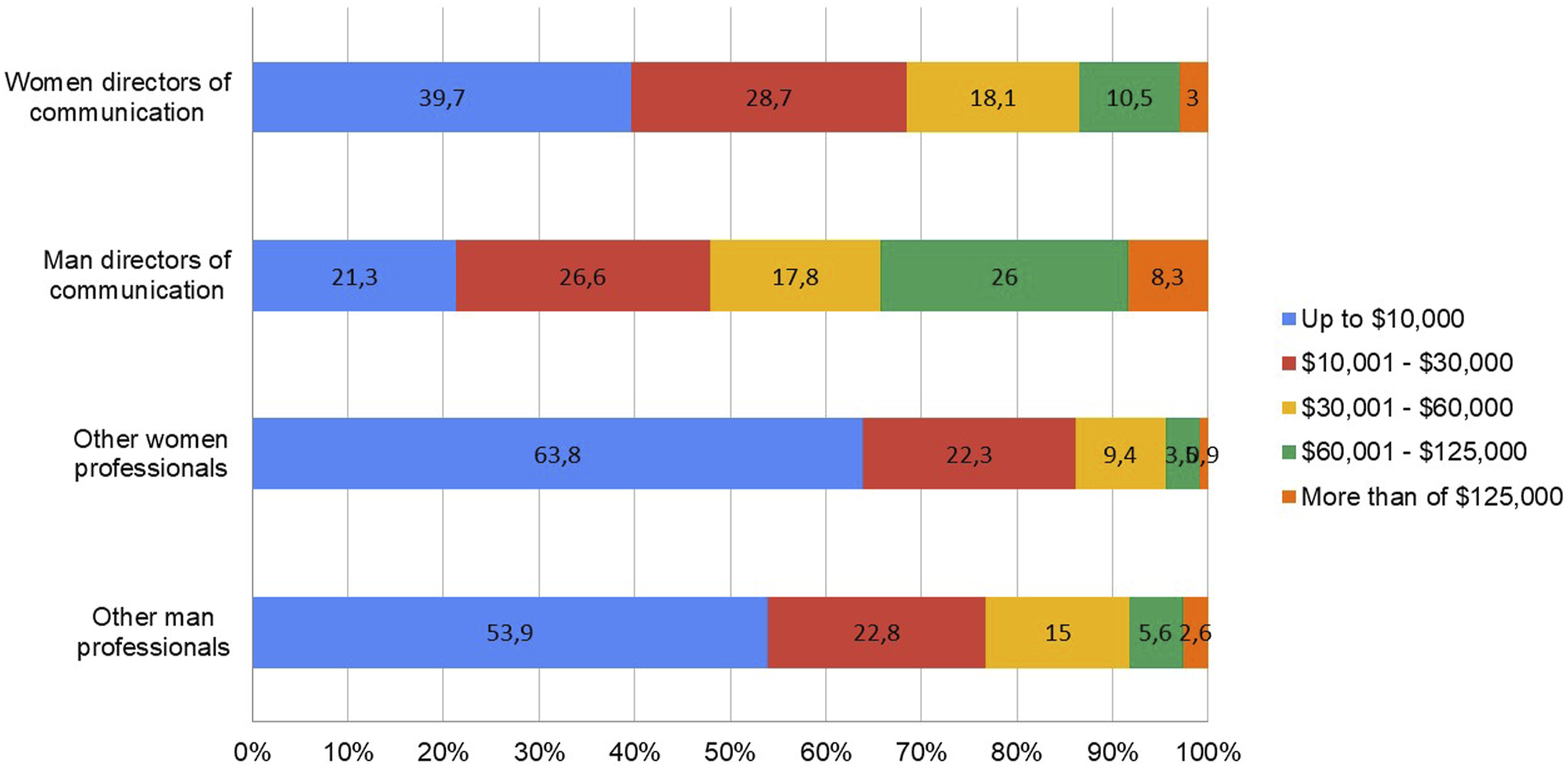
In a nutshell, men continue to have higher salaries than women. The data are very clear. With respect to lower hierarchical levels, we see that there is still a percentage difference in favor of men, but to a lesser degree.
Moreover, it can be seen that professionals in publicly listed companies have the highest salaries with respect to other organizations. The following graphic shows that it is NGOs and private companies that have the highest number of low salaries. Parallel to this, publicly listed companies show greater percentage values in the higher income ranges (Figure 13). Pay gap per types of organizations.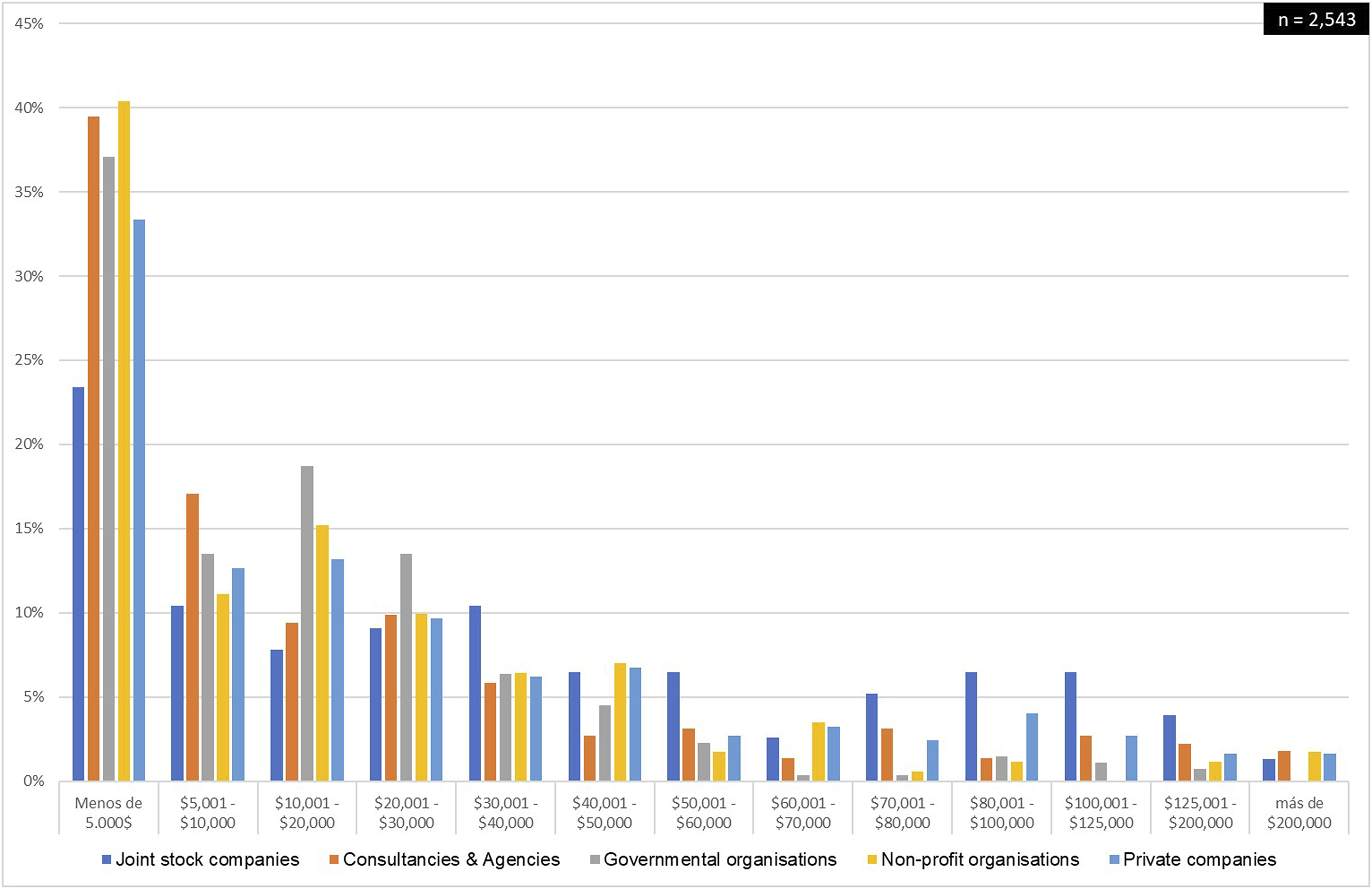
However, an increase can be seen in the lowest wages of the higher positions (47.8% collected less than 30,000 in 2014 and in 2018 the figure had risen to 59.9%).
Workplace climate and stress
The study makes it possible to demonstrate that 4 of every 10 professionals in the communications environment (39.2%) in Latin America claim they feel stress or strain during their workday.
In this same line, more than a quarter of the people surveyed (26.4%) feel they do not have sufficient resources to face the stress they experience on a daily basis. By means of a cluster analysis, it can be seen that there are two groups of professionals, where one out of four (25.6%) suffers from serious stress-related problems, and the majority (74.4%) either do not suffer from stress or they do so at a level they are able to tolerate. These data are similar to those yielded by European studies (Zerfass et al., 2018). Most of the professionals with serious stress-related problems (such as feeling stressed and not having the means to manage it) are to be found in Uruguay, Mexico, and Costa Rica.
Women communication professionals present greater stress levels (41.0%) than men professionals (36.4%). This is no surprise, given that the difficulty in balancing personal and family life with work is a source of stress and the work-personal life conflict fundamentally affects women, establishing highly marked gender aspects in a highly feminized profession (Moreno and Fuentes, 2021). Women claim to suffer from more stress and to have fewer resources with which to manage it (Figure 14). Stress levels and resources to manage it.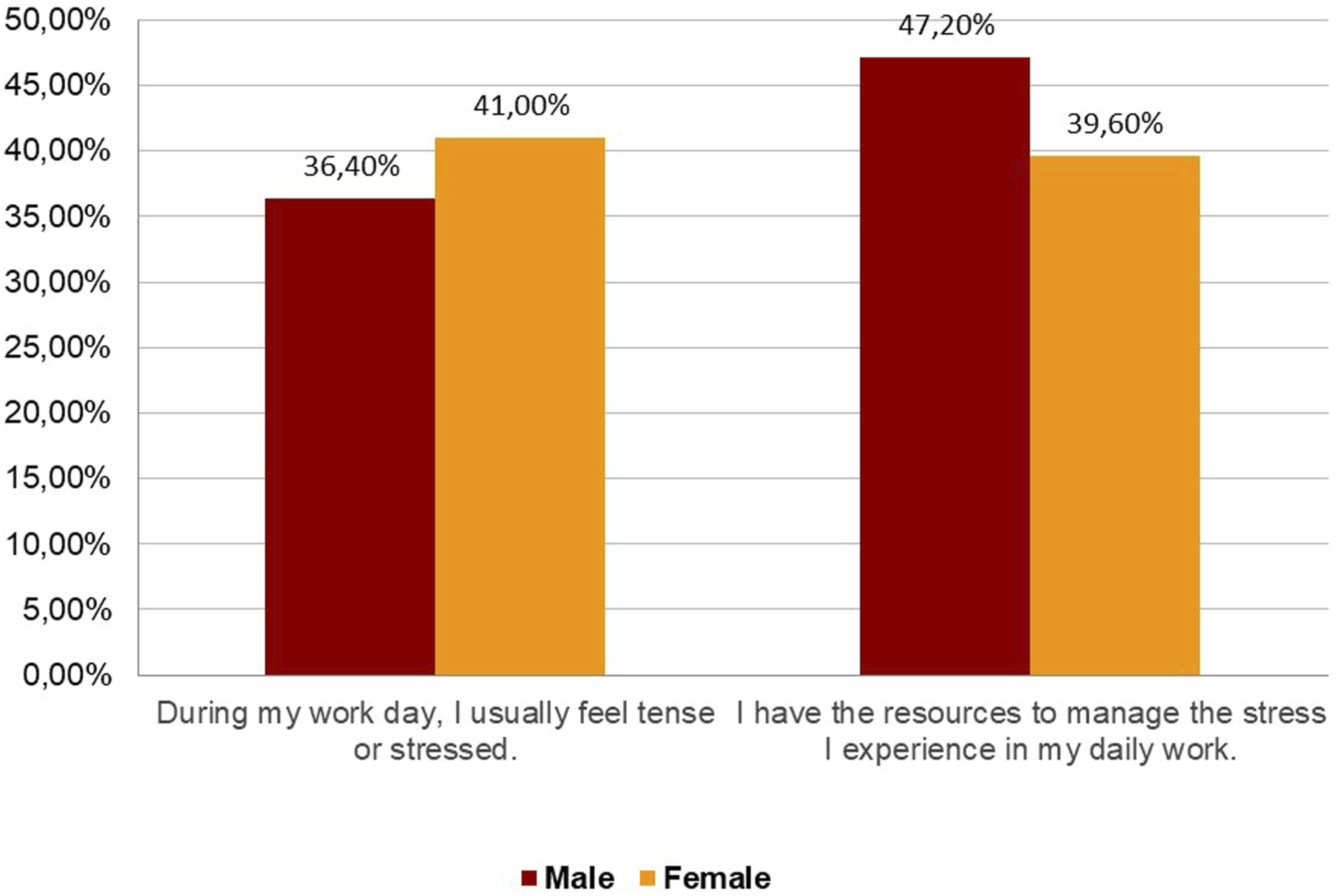
Specifically, there are multiple factors that cause stress in women and men communication professionals (Figure 15). Stress-producing factors.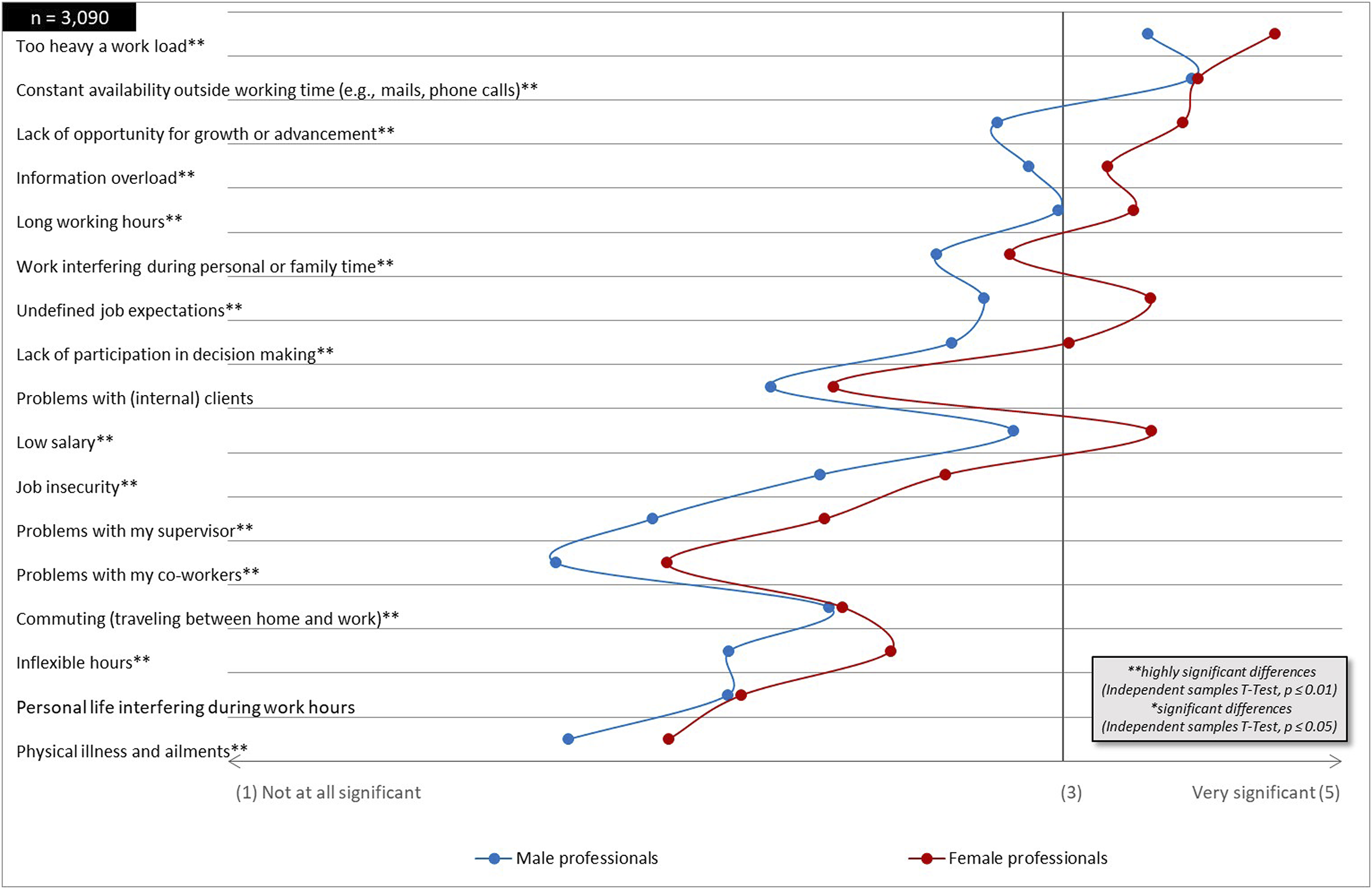
This problem entails a real threat, firstly to the wellbeing of the professionals suffering from it, and secondly to the success of the organization they work for. Indeed, it has been found that 39.2% of Latin American professionals claim they feel strain or stress during their workday. Meanwhile, more than a quarter of the people surveyed (26.4%) feel they do not have sufficient resources to face the stress they experience on a daily basis.
Job satisfaction
The study also supplies information on this matter by exploring the job satisfaction of communication professionals in Latin America. Job satisfaction in general in our environment is quite high, given that three-fourths of those surveyed claim they feel happy at work. In comparing countries, it can be observed that the range of satisfaction goes from 4.75 in Uruguay to 5.47 in Mexico, which has the highest score.
Among the reasons that lead to job satisfaction, those assessed as the highest are doing interesting and varied tasks (as stated by 75.3% of the professionals), followed by feeling valued by their superiors and their clients (73.7%), the high job status (64.1%), and surprisingly, the chance to reconcile work and personal life adequately (61.4%).
Professionals related to digital communication and related to the media, in turn, are less satisfied than their colleagues specialized in work related to strategy and consultancy (Figure 16). Job satisfaction according to type of function.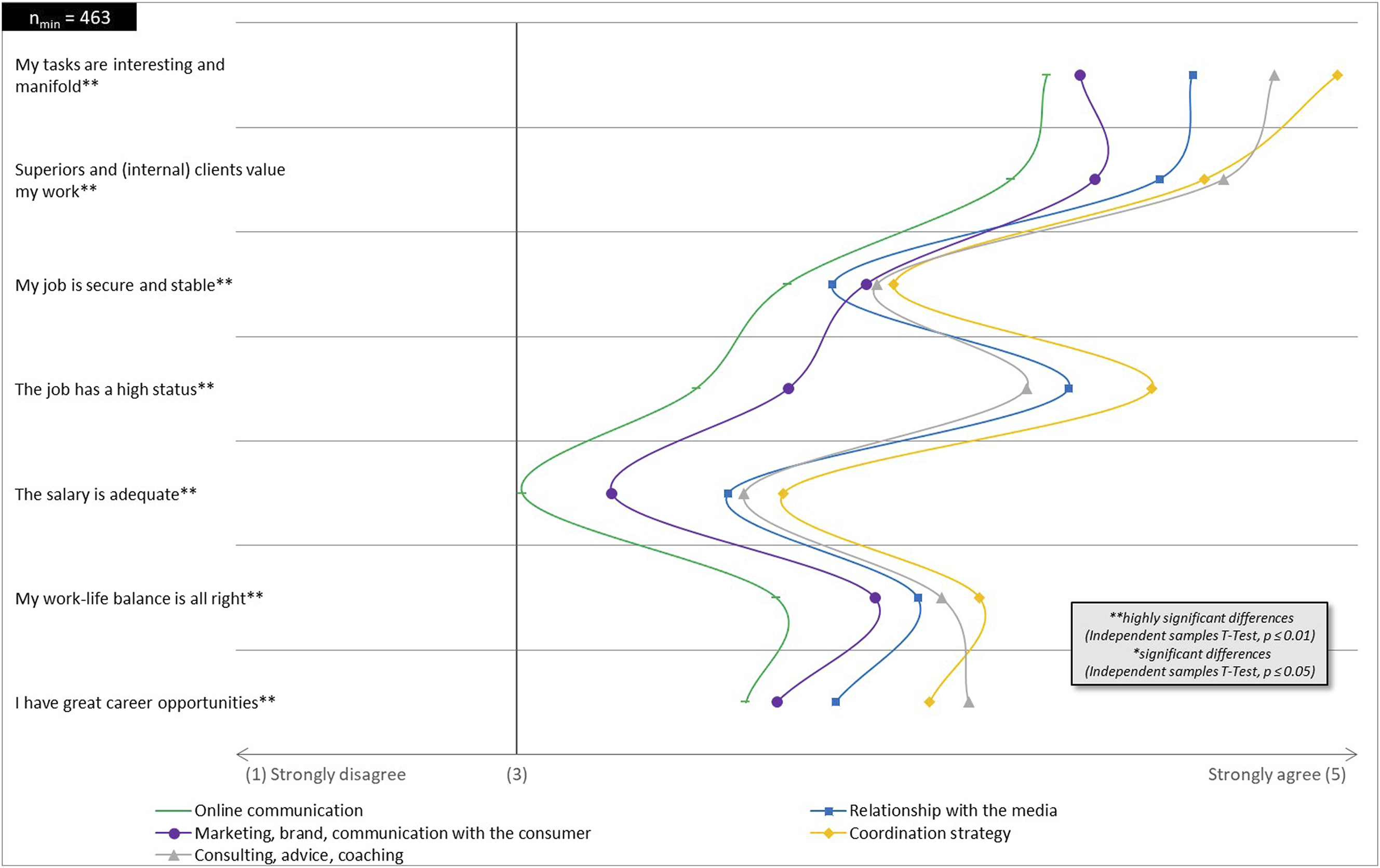
Likewise, men show greater job satisfaction—in all the dimensions analyzed—than women. Among the dimensions with the greatest percentage difference in satisfaction per sex in favor of men were (a) The work has a high status level (6.4%), (b) I have good chances to progress in my career (5%), and (c) the salary is adequate and my tasks are interesting and varied (4.6%).
Job satisfaction is understood by the degree to which the workers are satisfied with the relationship they maintain with their organization (Kang and Sung, 2017). This is one of the key indicators for measuring the relationship between employees and organizations (among them the level of commitment and trust).
In general, satisfaction in the environment of Latin American communicators is quite high; the report posits that three-fourths of those surveyed claim they feel happy at work. The results show that Latin American communicators are more satisfied with their jobs than 5 years ago (73.3% against 69%), with a growth in appreciation of all the factors in general. Moreover, the higher the position occupied in the organization, the higher the level of satisfaction.
Additionally, the most satisfied communication professionals are those who work in consultancies and agencies (80.6%). And those who are least satisfied are the colleagues of government organizations (18.1%) (Figure 17). Job satisfaction according to type of organization.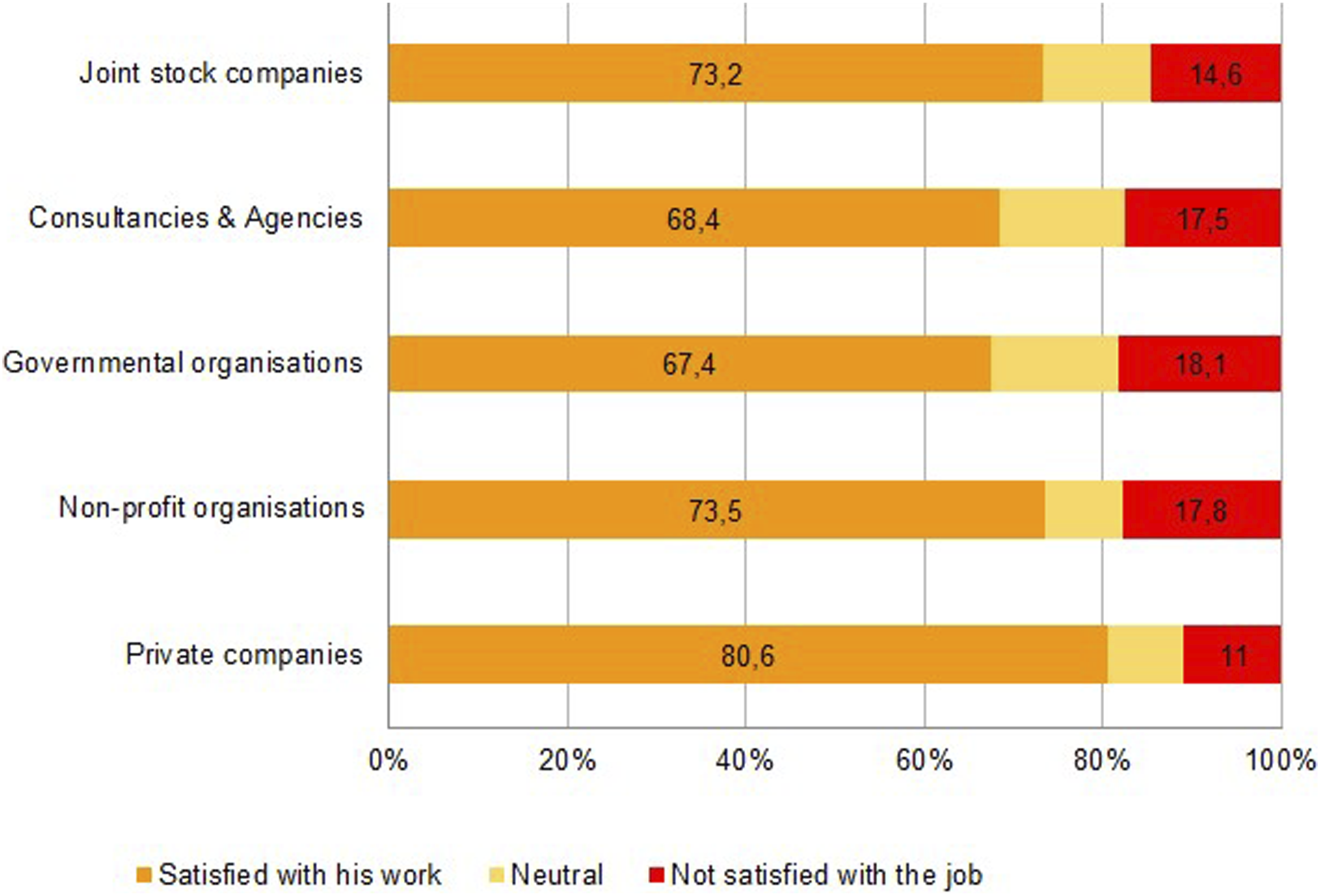
Work engagement
Teams from agencies and consultancies are those with the highest work engagement among communication professionals. The study reveals that 70.9% of communication professionals in agencies and consultancies are committed to their organization.
By means of the slightly adapted and modified Bakker and Leiter (2010) scale, it can be concluded that 70.9% of the communicators from “agencies and consultancies” are committed to their organizations. The first group leads all the indicators on the scale, surpassed only by the communicators of “publicly listed companies” for the indicator “Whether anyone in your company had spoken to you about your performance during the last six months” (Figure 18). Degree of engagement according to organization.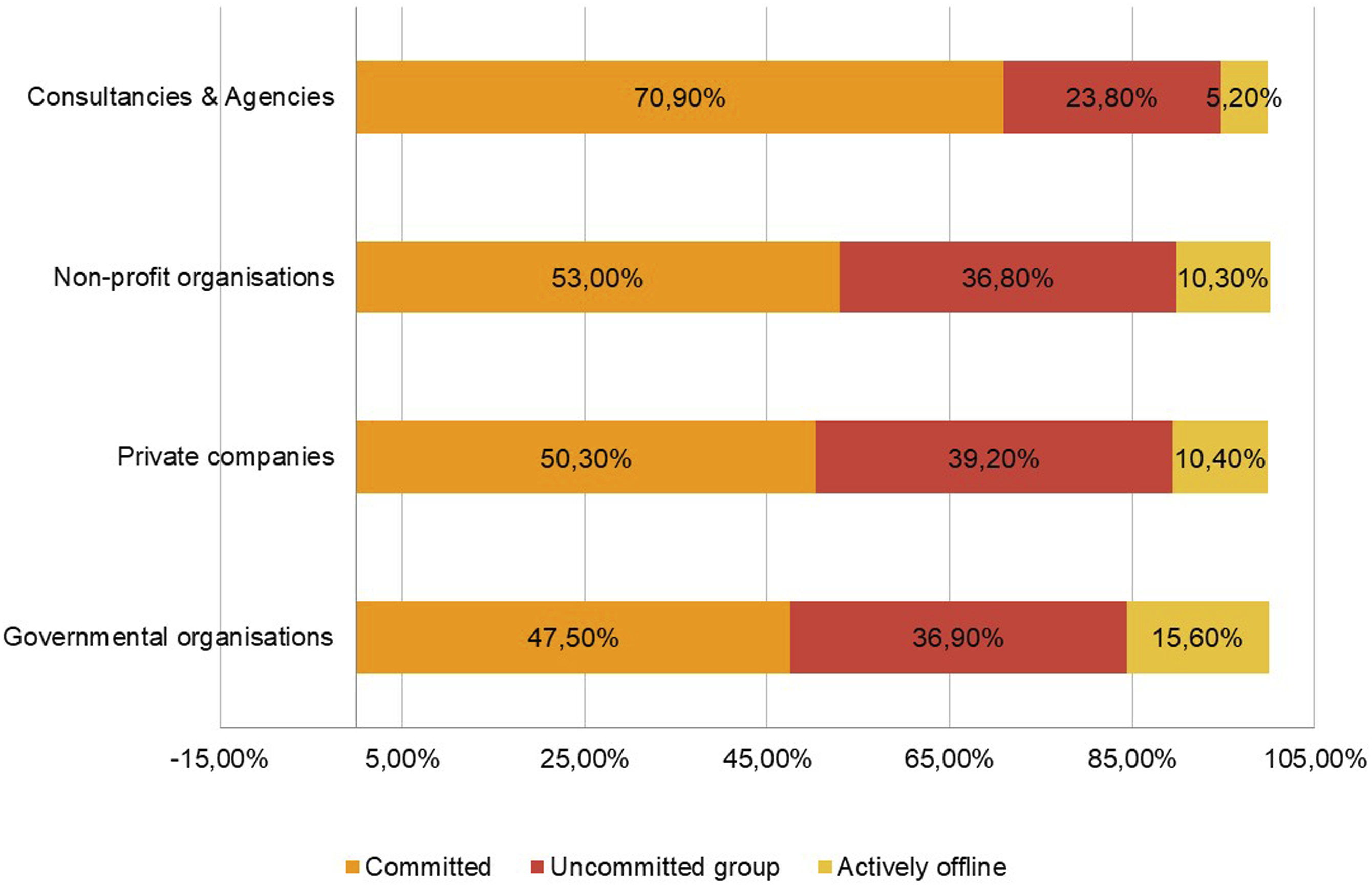
On the on the other hand, the scale shows professionals in “companies” have greater degrees of lack of engagement with their organization, reaching almost 40%. Meanwhile, it is surprising that over 15% of the communicators from “government organizations” claim to be actively disconnected from their organization.
Even though work engagement has not been a highly researched topic among communication professionals themselves, it is considered highly relevant for an organization’s effectiveness. It is an important factor when it comes to innovating and improving the institution’s competitiveness.
Work engagement, in turn, presents a direct correlation with the hierarchical level within the institution, where those in managing positions are more engaged than team members. Lastly, it is revealed that 4 out of 10 communicators are not committed to their organization.
Conclusions
Conducting studies like this one are extremely important for the development of the profession, its compared analysis with the state of affairs in other regions and an explanatory self-understanding of the path traveled and that to come. Accustomed to disseminating “publications” on trends and challenges, scientifically determining the levels of perception and their representativeness in Latin America amounts to a sign of maturity and evolution of the profession and the study thereof.
Indeed, the following are among the aspects to be highlighted as being those that could characterize the strategic themes and main professional trends in PR from the results of 19 Latin American countries: 1. For Latin American communication teams, the main strategic management themes are connected to the digital environment. 2. Most fake news comes from the social networks and mainly affects people rather than organizations and/or services. 3. Education, mentoring, and promoting communication leadership skills must become a priority in all organizations. 4. The gender pay gap in favor of men is significant in upper hierarchical positions. 5. Women professionals in the communication environment present serious stress-related problems and claim to have insufficient resources to deal with them. 6. Among Latin American communicators, salary and work stability/security are the greatest cause of job dissatisfaction. In addition, digital communicators and their colleagues related to the mass media are the group with the highest degree of job dissatisfaction. 7. Most communication professionals in agencies and consultancies are committed to their organization. 8. Communication teams contribute most information in publicly listed companies. 9. Directors of government organizations have low performance in leading their communication teams. 10. Only a small number of communication professionals are involved in an excellent communication department.
At a theoretical level, possibilities like this publication are vitally important to extol and promote the reflections and strains the very professionals and academics in the region ourselves experience. At the empirical level, conducting research of an inductive nature, with a descriptive and explanatory scope, is very costly and requires efforts and resources that are often unavailable. Publishing and valuing such results are another way of legitimating the performance of academics and the effort of researchers considering existing production conditions, which also need to improve. Among the 10 aspects highlighted, the still small number of excellent communication departments in Latin America may be expanded if theoretical discussions, such as the one proposed by Simões (2001), are intensified.
Only by expanding the discussion and problematizing the theoretical frameworks used to engage in these studies, such as incorporating other frameworks such as an exploration of micropolitics into our theorizing (see Simões, 2001) can we effectively study and challenge the Latin American status quo.
Footnotes
Declaration of conflicting interests
The author(s) declared no potential conflicts of interest with respect to the research, authorship, and/or publication of this article.
Funding
The author(s) received no financial support for the research, authorship, and/or publication of this article.
