






Abstract

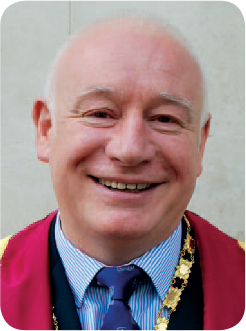
“THE TRUE MEASURE OF ANY SOCIETY IS IN HOW IT TREATS ITS MOST VULNERABLE MEMBERS”
This well-known quote, attributed to Mahatma Ghandi, is often cited when lamenting the state of health and social care in the UK. It is a description which resonates with many, and some would suggest application of such reasoning would indicate that UK society is currently in an impoverished state.
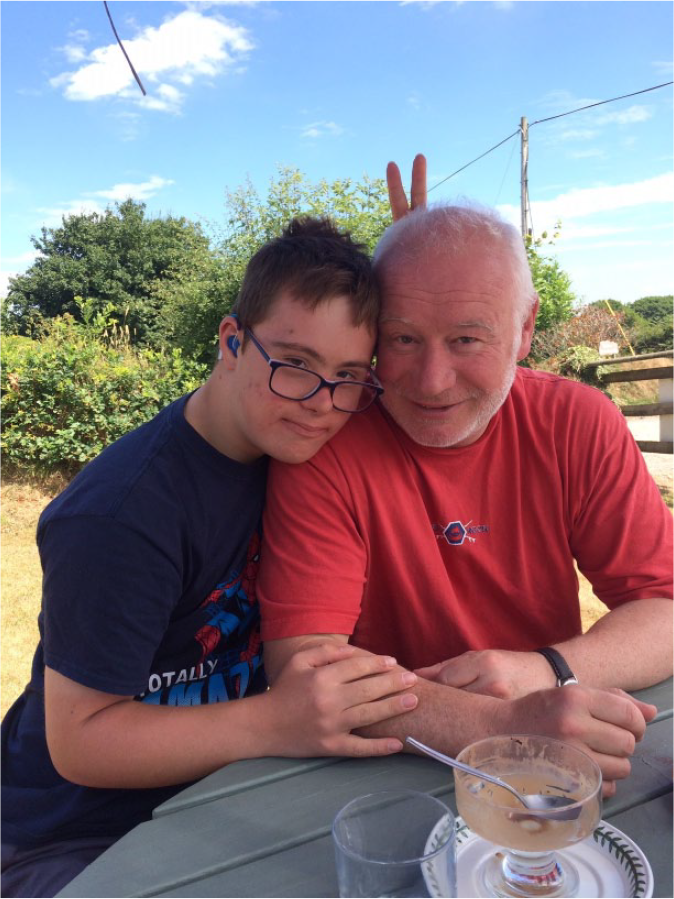
Ian and his son Keir
Health inequality has been widely recognised as one of the major challenges we face in the UK, and publication of the Marmot Review: 10 Years On, 1 earlier this year provides a sad indictment of the lack of progress which we have made in addressing this. Although the recently published 10-year review looks at health equity in England and highlights concerns over reducing life expectancy in certain groups, the findings are equally transferable to oral health in the UK. We may have seen continual improvements in oral health across our population, but the health gap has undoubtedly widened, with the most disadvantaged in our society continuing to carry the greatest burden of disease. A depressing state of affairs which reflects Marmot’s view that ‘avoidable health inequalities are unfair and putting them right is a matter of social justice’. 1
Initiatives to address inequality in oral healthcare are currently being explored across all four of the devolved nations, and the FGDP(UK) represents the profession on various NHS projects and national committees. This is an important part of the Faculty’s role within the profession, and we are keen to support all those working within primary care to deliver the highest standards of care to their patients.
Some excellent projects have been developed across the UK in an attempt to reduce inequality and promote access to dental care. One such project is Well Connected; a charity based in Plymouth which works with vulnerable groups through links with local community projects, the Peninsula Dental School and local dental practices. They have made a significant difference to oral health provision within the local population, but just as importantly, they have provided students and early career dentists with the opportunity to engage with disadvantaged groups, which has allowed them to experience the impact and value of caring. It was my great pleasure to present the Dean’s Award to the Well Connected team at our Annual Dinner in March 2020 in recognition of the work they undertake with disadvantaged groups.
The salaried dental service plays a vital role in providing care for vulnerable patients, and this current themed edition of the PDJ provides an excellent insight into the outstanding care provided by the special care dental teams across the UK. This is an incredibly valuable service and one which needs to be celebrated by our profession and supported by the NHS. General dental practice also plays an important role in providing care for individuals with additional needs, and whenever possible, such patients should be treated within general dental practice. This may not always be feasible, but in my opinion, the default position should be inclusion and accessibility for all, and NHS commissioning should reflect this.
The Marmot Review states that ‘health inequalities are not inevitable and can be significantly reduced’ 1 but this requires a committed approach and a strategy to implement change, in addition to appropriate funding. In a cash-strapped NHS this may seem unlikely, but Marmot believes that ‘it is inaction that cannot be afforded, for the human and economic costs are too high’. 1
The compilation of articles within this themed issue is therefore timely, and provides a subtle reminder of why we chose a career in dentistry. It was to
I would like to thank Igor, Charlotte, Hillevi and the various authors for contributing to this issue of PDJ. It is another excellent series of articles which will be relevant to all members of the dental profession, but more importantly will remind us all of what an important role we can play in caring for others.