







Abstract
Leadership in pediatric and congenital heart surgery requires a distinctive blend of clinical mastery, scientific innovation, and an unwavering commitment to education and mentorship. The individuals who rise to the top of this demanding field exhibit not only surgical prowess but also the ability to foster progress through impactful research, publications, and training the next generation of surgeons. These qualities are exemplified by the six past presidents of the World Society for Pediatric and Congenital Heart Surgery (WSPCHS), whose leadership has been instrumental in advancing both the Society and the broader field of pediatric cardiac care. This article pays tribute to these visionary leaders, highlighting their contributions to the Society and their global impact on congenital heart surgery. Their leadership has profoundly influenced the direction of the WSPCHS, contributing to its success and shaping the future of the specialty
Leadership in pediatric and congenital heart surgery requires a distinctive blend of clinical mastery, scientific innovation, and an unwavering commitment to education and mentorship. The individuals who rise to the top of this demanding field exhibit not only surgical prowess but also the ability to foster progress through impactful research, publications, and training the next generation of surgeons. These qualities are exemplified by the six past presidents of the World Society for Pediatric and Congenital Heart Surgery (WSPCHS), whose leadership has been instrumental in advancing both the Society and the broader field of pediatric cardiac care.
This article pays tribute to these visionary leaders, highlighting their contributions to the Society and their global impact on congenital heart surgery (Figure 1). Their leadership has profoundly influenced the direction of the WSPCHS, contributing to its success and shaping the future of the specialty.
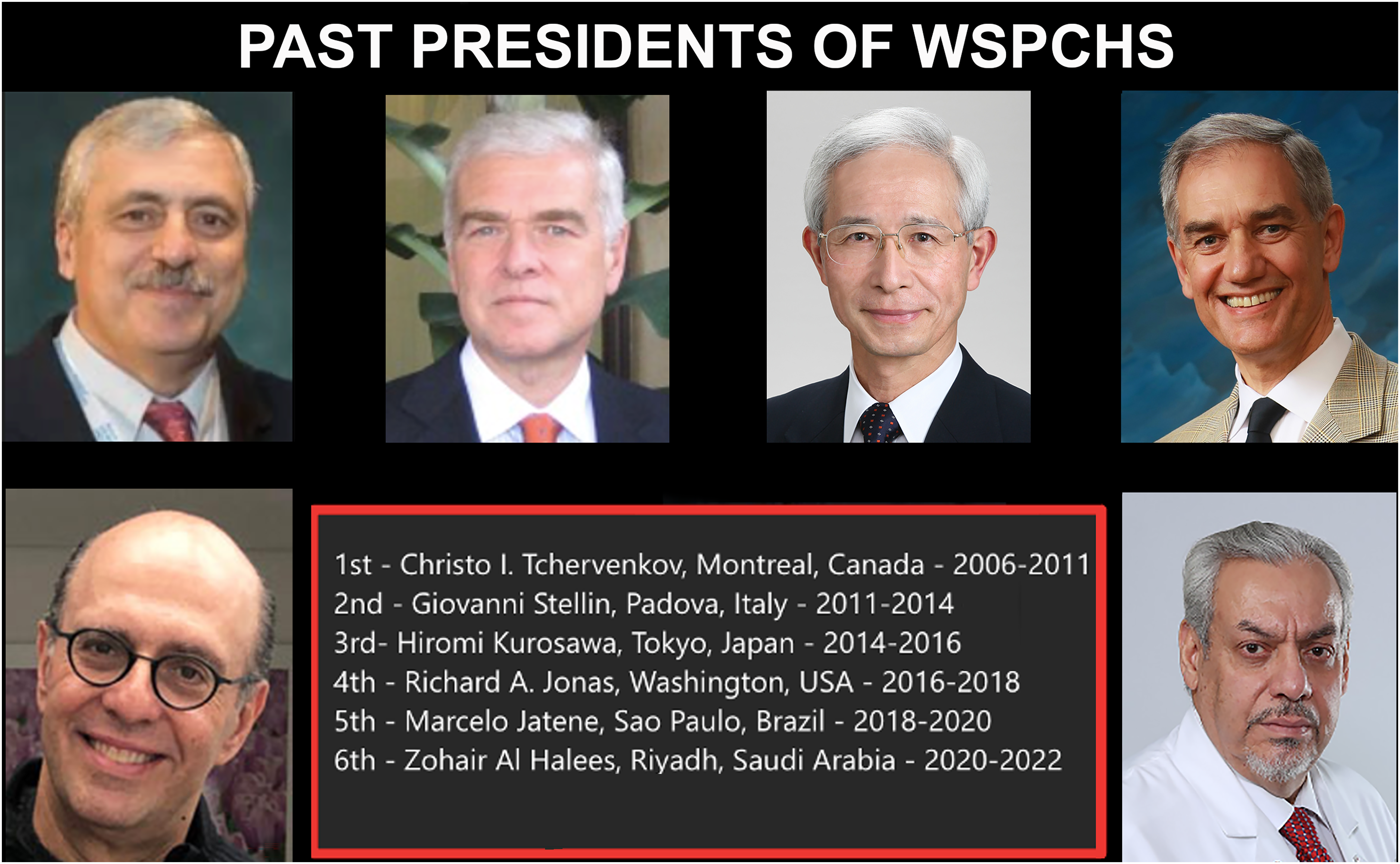
First six presidents of the World Society for Pediatric and Congenital Heart Surgery.
Origins of the WSPCHS
The creation of the WSPCHS was the result of years of dedicated planning, culminating in its official formation in 2006. The first meeting was held in Washington, D.C., in 2007 and included participants from 61 countries. The founding members recognized the need for an international organization that could bring together surgeons and allied professionals from around the globe, sharing knowledge and improving outcomes in pediatric and congenital heart surgery. The first Governing Council, which included all six past presidents, set a bold vision: to improve patient care through ongoing professional development, promote global education, and foster research and quality improvement initiatives through the creation of a global database. 1 This initiative became the foundation of the WSPCHS, with a commitment to inclusivity, collaboration, and improvement of pediatric cardiac care worldwide.
Christo Tchervenkov: Visionary Leadership in Congenital Heart Surgery
Christo Tchervenkov, first president of the WSPCHS, is a luminary in the field of congenital heart surgery. After training at McGill University and completing his fellowship at Boston Children's Hospital, Tchervenkov developed focused expertise in biventricular repairs for complex congenital cardiac malformations with a marginal left ventricle.2–4 His work has enhanced our understanding of the surgical management of complex double outlet right ventricle and double outlet left ventricle, two particularly challenging congenital anomalies.5–9 His contributions to the surgery of heterotaxy syndromes have been especially impactful in the setting of single ventricle physiology. 10
In 2000, Tchervenkov became Director of the McGill Center for Congenital Heart Disease and in 2012 was named to the Tony Dobell Chair in Pediatric Cardiac Surgery, honoring his mentor, a pioneer in congenital heart surgery. This position allowed him to influence both clinical care and research at one of the premier congenital heart centers in Canada.
One of his most enduring areas of contribution was highlighted by the 2008 publication, “The Improvement of Care for Pediatric and Congenital Cardiac Disease Across the World: A Challenge for the World Society for Pediatric and Congenital Heart Surgery.” 11 This article laid out a global vision for congenital heart surgery, emphasizing the need for international collaboration, resource sharing, and educational efforts to improve care in underserved regions. Under his leadership, the Society has continued to promote comradery among surgeons, improve global surgical standards, and advance pediatric heart surgery worldwide (Figure 2). His lifetime of achievements was recognized with the prestigious Lifetime Achievement Award at the 2023 World Congress of Pediatric Cardiology and Cardiac Surgery.
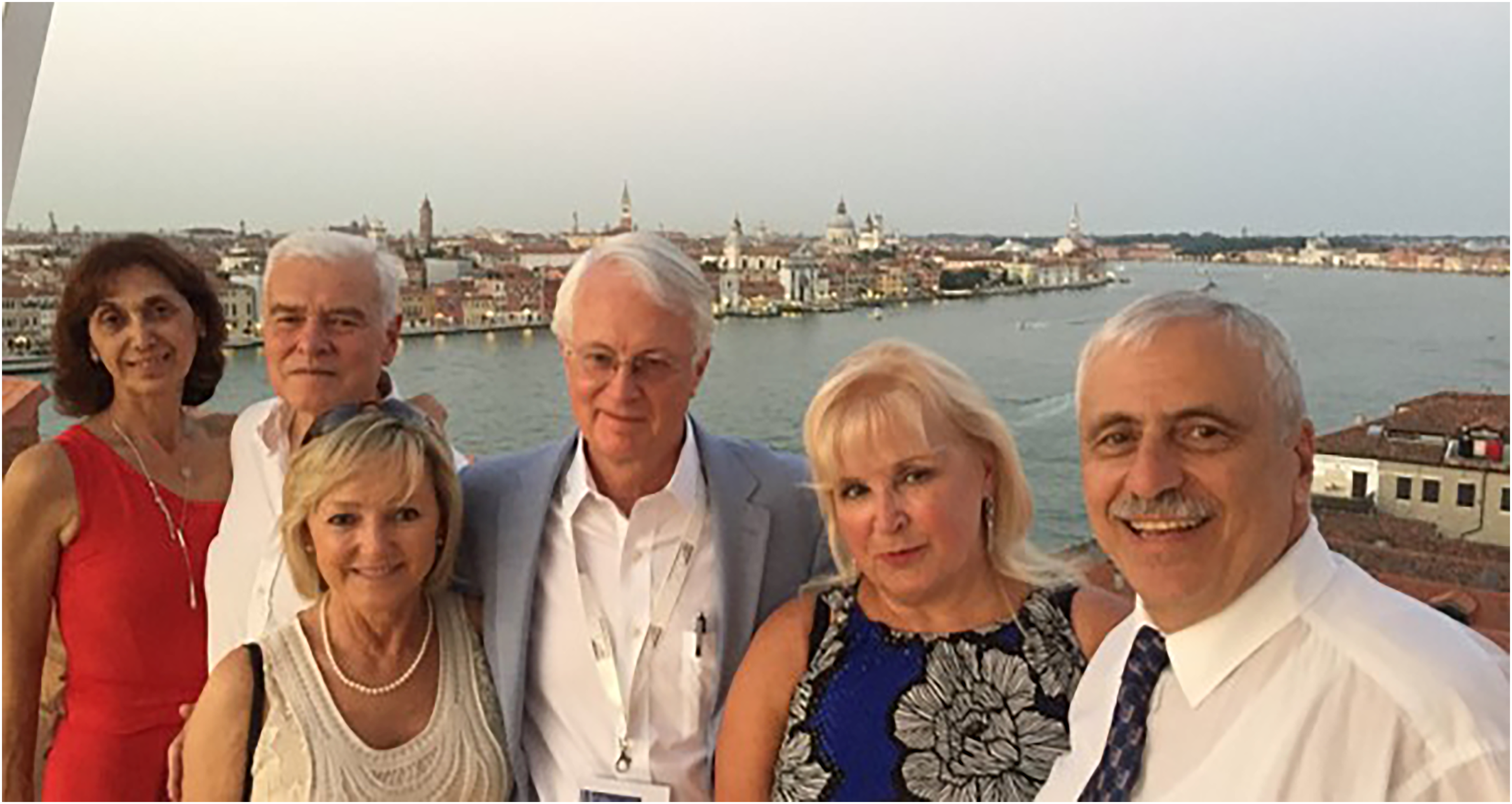
From left, Stella and Giovanni Stellin, Terry and Jim Kirklin, Sophia and Christo Tchervenkov at joint meeting of European Congenital Heart Surgeons’ Association and Congenital Heart Surgeons’ Society, Venice, 2016.
Giovanni Stellin: A Legacy of Innovation and Humanitarianism
Giovanni Stellin, second president of the WSPCHS, is internationally recognized for his pioneering work in tetralogy of Fallot repair and valve reconstruction. Having trained at the University of Padova, Boston Children's Hospital, and the Royal Children's Hospital in Melbourne, Stellin brought a unique, global perspective to his surgical practice. From the early years of his professional career, he focused on the repair of multiple malformations during early infancy, mitral valve reconstruction, and surgery for atrioventricular septal defects.12–20
Stellin's techniques aimed at preserving and reconstructing the pulmonary valve during tetralogy of Fallot repair represent a significant advancement in reducing long-term complications such as pulmonary regurgitation and right ventricular failure, which have been major concerns in this patient population.21–25 His seminal publication in the WJPCHS in 2021 beautifully depicts the concepts of annular incision and patch augmentation, pulmonary valve leaflet delaminating plasty, and leaflet resuspension onto the neopulmonary valve annulus. 26
Humanitarian efforts have been evident throughout his career, particularly in Africa, where Stellin has led missions to provide lifesaving cardiac surgeries in resource-limited settings. Since 2004, he has regularly visited Eritrea, where he helped establish sustainable surgical programs and train local medical personnel (Figure 3). His leadership extended beyond the operating room, serving as President of the European Congenital Heart Surgeons Association and later as President of the WSPCHS in 2011. His dedication to global health and the advancement of pediatric cardiac surgery has earned him international acclaim.
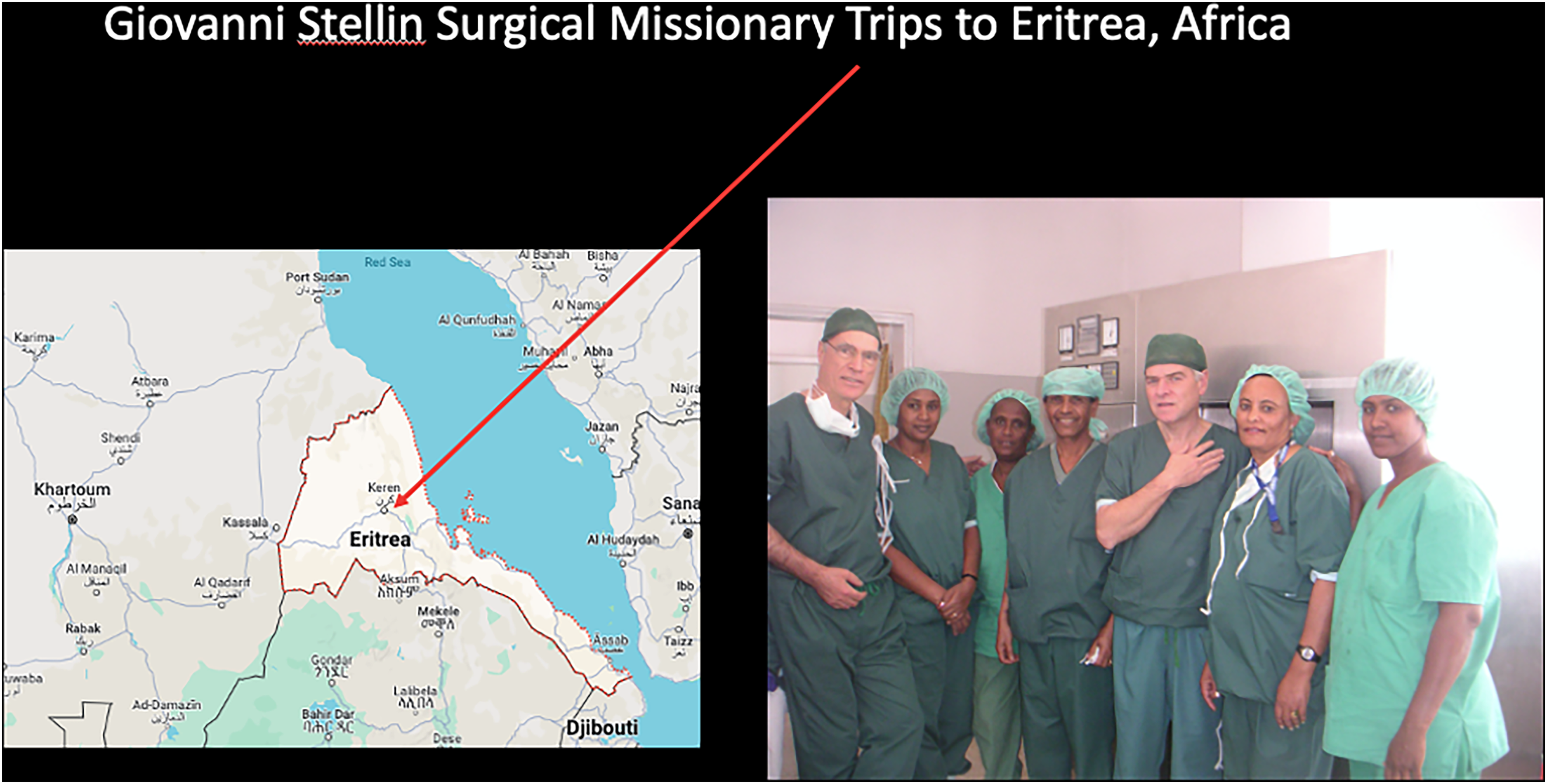
Giovanni Stellin with medical and surgical team in Eritrea, Africa.
Hiromi Kurosawa: Authority on Cardiac Surgical Anatomy and Surgical Excellence
The third president of the WSPCHS, Hiromi Kurosawa, is widely recognized as one of the foremost experts in the surgical anatomy of complex congenital cardiac malformations (Figure 4). Following his surgical training at the Heart Institute of Japan in Tokyo and Great Ormond Street, Kurosawa began a lifelong quest to further the understanding of surgical anatomy of complex cardiac malformations and the conduction system. His meticulous research in understanding and mapping the conduction system has contributed to improved outcomes in a wide range of complex malformations such as subarterial ventricular septal defect with anomalous muscle bundles, tetralogy of Fallot, congenitally corrected transposition with straddling atrioventricular valves, and heterotaxy.25,27–33
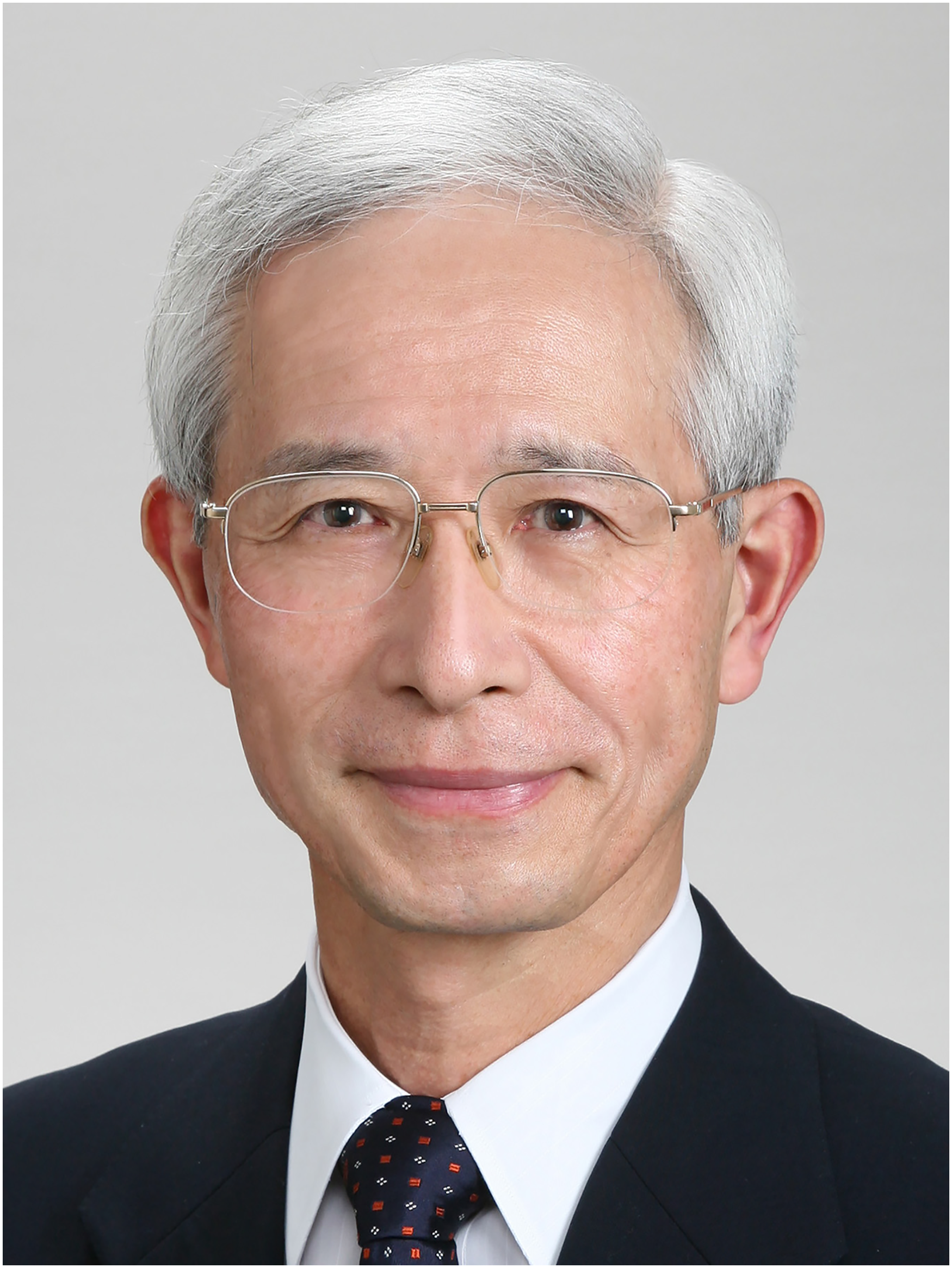
Hiromi Kurosawa, third president, World Society for Pediatric and Congenital Heart Surgery.
Kurosawa's publications have enhanced our understanding of aortic root and conotruncal repairs, especially the Konno procedure,34–37 as well as the role of the septation procedure and the Fontan operation for various subsets of single ventricle.38,39 His landmark collaboration with Anton Becker on the textbook Atrioventricular Conduction System in Congenital Heart Disease (1987) provided an unparalleled reference for surgeons worldwide, offering critical insights into the anatomical challenges that must be navigated during complex cardiac repairs. 40
Kurosawa was an early surgical participant in the International Society for Nomenclature of Pediatric and Congenital Heart Disease. 41 His reputation of surgical excellence and leadership skills propelled Hiromi to become chair of cardiac surgery at two Japanese universities, most recently at the Heart Institute of Japan at Tokyo Women's Medical University. His prolific writing and surgical expertise culminated in the most unusual appointment as Editor in Chief of three separate Japanese societal journals. He presided as President of the Japanese Society of Pediatric Cardiology and Cardiac Surgery and the Japanese Society for Cardiovascular Surgery, followed by the Presidency of the WSPCHS in 2014 (Figure 5). Hiromi Kurosawa's continued contributions to the field through his prolific publications and his role in training future surgeons in Japan and around the world have ensured his lasting impact on the specialty.
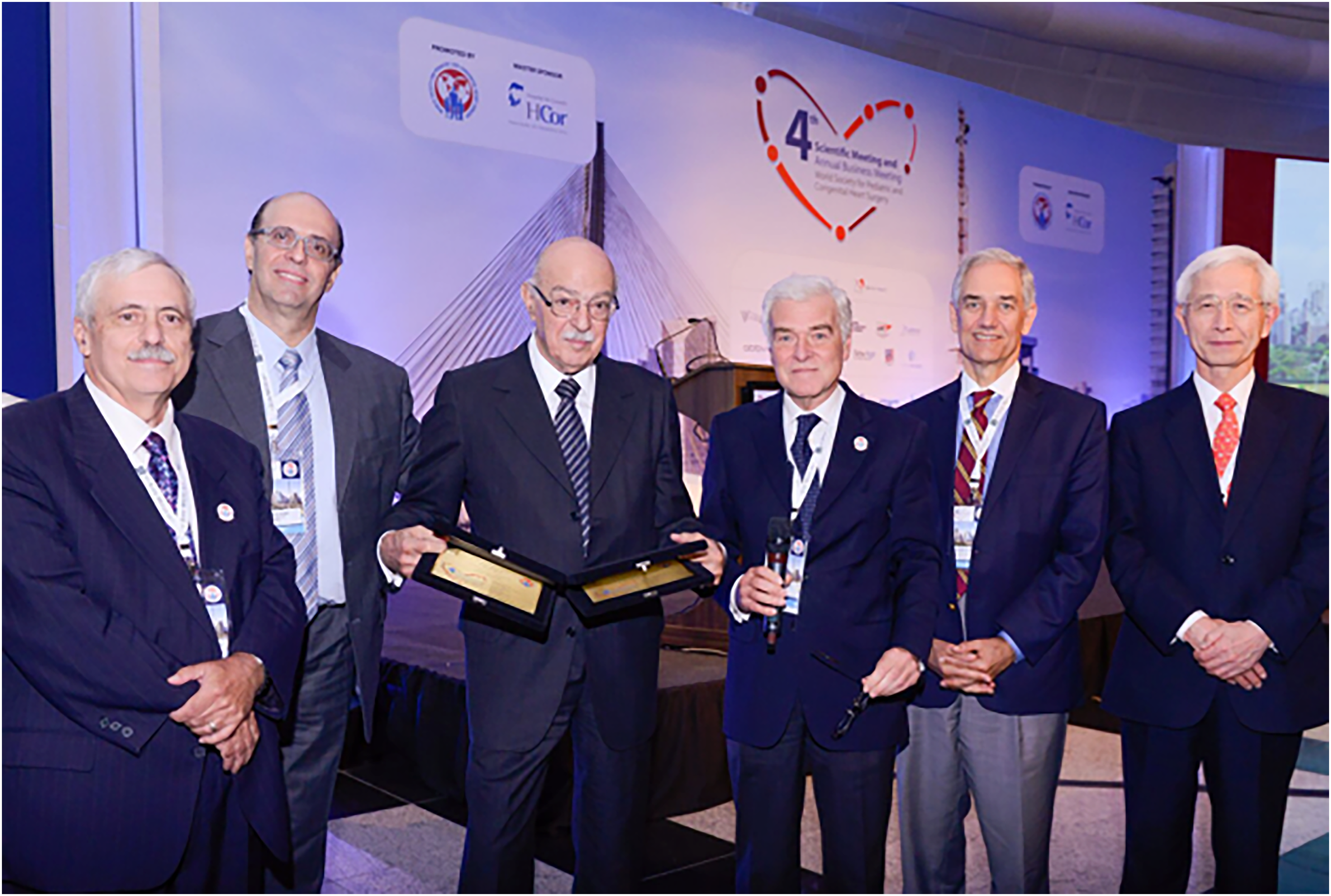
From left, Christo Tchervenkov, Marcelo Jatene, Adib Jatene, Giovanni Stellin, Richard Jonas, and Hiromi Kurosawa at the fourth World Society for Pediatric and Congenital Heart Surgery (WSPCHS) scientific meeting in Sao Paulo, 2014.
Richard Jonas: Leader in Congenital Cardiac Surgery, Science, and Education
Richard Jonas, fourth president of the WSPCHS, has made transformative contributions to both the science and practice of congenital heart surgery (Figure 6). His training at Royal Children's Hospital in Melbourne, Green Lane Hospital in Auckland, and Boston Children's Hospital prepared him for a career dedicated to advancing and teaching surgical techniques, such as the arterial switch operation and the Norwood procedure for hypoplastic left heart syndrome42–46 (Figure 7). During the formative years of the Congenital Heart Surgeons’ Society (CHSS) in the United States, Jonas made important contributions in publishing seminal multi-institutional studies.47–49 He has advocated for the benefits of early surgical correction and for commencing with registry data collection at the time of diagnosis rather than first surgery.50,51 In addition to serving as President of the Aldo Castaneda Society, he served as President for two of the most prestigious cardiac surgical societies in the US, the American Association for Thoracic Surgery and the CHSS, before assuming the presidency of the WSPCHS in 2016.
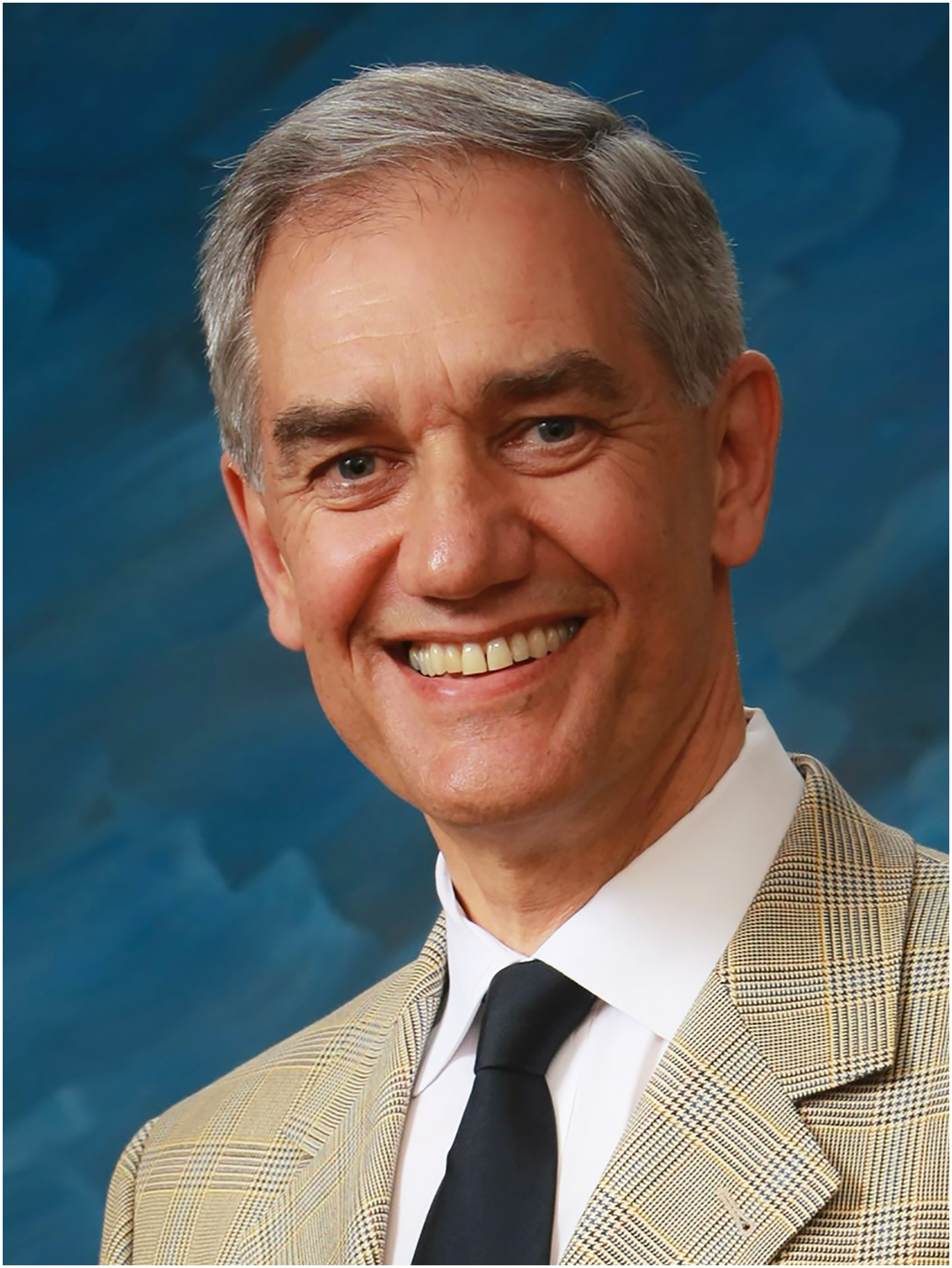
Richard Jonas, fourth president, World Society for Pediatric and Congenital Heart Surgery (WSPCHS).
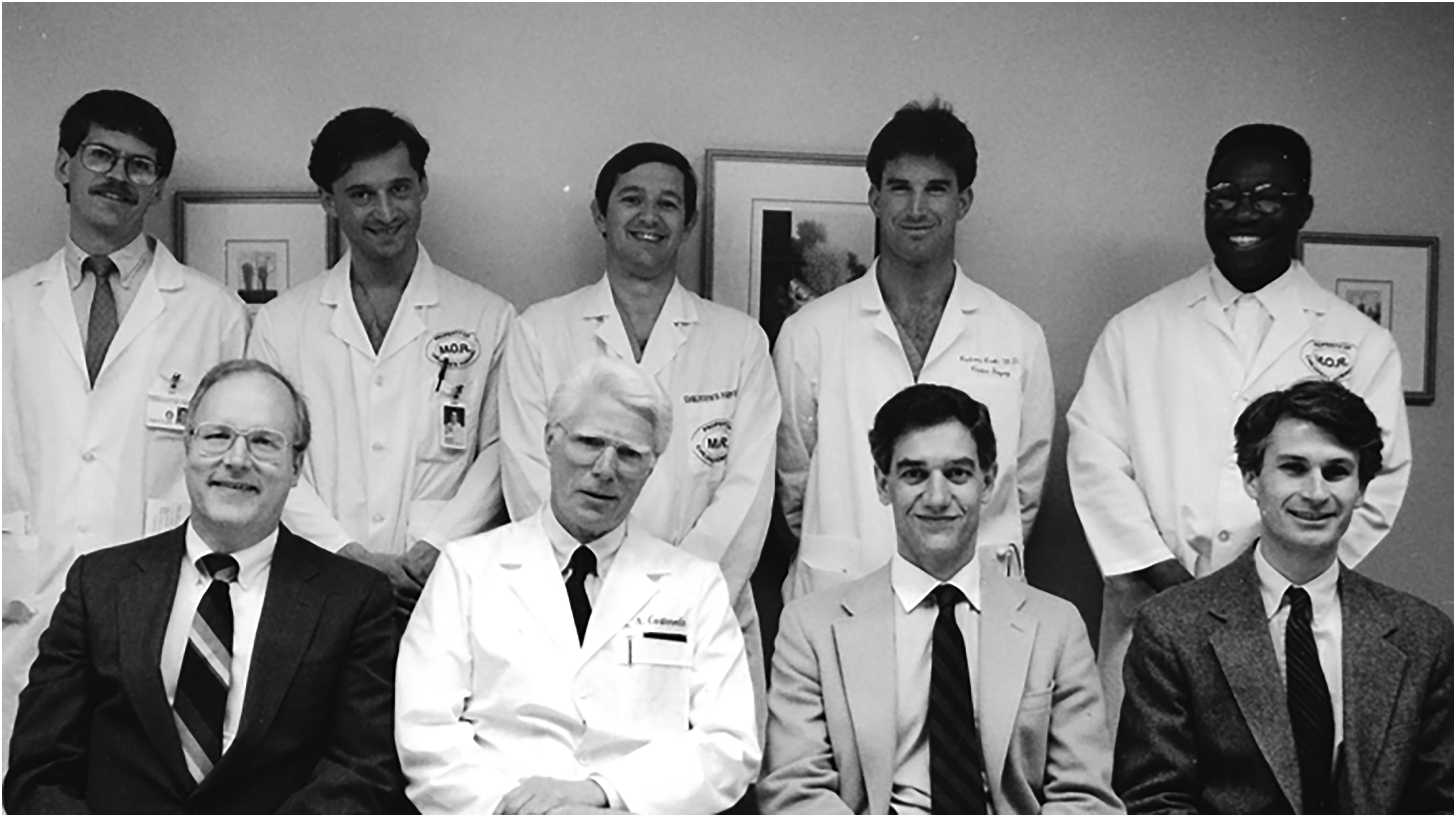
Department of Cardiac Surgery, Boston Children's Hospital, 1992 front row, from left, John Mayer, Aldo Castaneda, Richard Jonas, Frank Hanley. Back row, surgical fellows.
Jonas is also widely regarded for his pioneering research in neurological outcomes of patients undergoing congenital heart surgery. His NIH-funded studies have helped to elucidate the effects of cardiopulmonary bypass and deep hypothermic circulatory arrest on the developing brain, significantly influencing how pediatric cardiac surgeries are performed today.52–58 A prolific writer, Jonas coauthored Cardiac Surgery of the Neonate and Infant 59 in 1994 and published two editions of his textbook on Comprehensive Surgical Management of Congenital Heart Disease, 60 most recently in 2014.
Beyond his clinical and research achievements, Jonas has been a passionate advocate for global education and certification in congenital heart surgery. He has been instrumental in organizing workshops and training programs around the world, helping to standardize surgical care and elevate the skill level of surgeons in developing nations (Figure 8). His commitment to global education and standards for certification ensures that his influence will continue for decades to come.

From left, Aldo Castaneda, William Norwood, John Walsh (Project HOPE) Christo Tchervenkov, and Richard Jonas on the 80th birthday of Aldo Castaneda in Antigua, Guatemala, 2010.
Marcelo Jatene: Advancing Quality in Complex Congenital Heart Surgery in Latin America
Marcelo Jatene, fifth president of the WSPCHS, has been a driving force in the evolution of pediatric cardiac surgery in Latin America (Figure 9). Trained at the University of São Paulo, Jatene has provided major contributions in the surgical management of transposition of the great arteries and complex single ventricle physiology.61,62 His publications on outcomes following the arterial switch operation and the Fontan procedure have provided valuable insights into the long-term management of these conditions.61,63,64 His studies have also focused on surgery for adult congenital heart disease. including adult coarctation, patent ductus arteriosus, and tetralogy of Fallot in older patients.65–68 The surgical details, strategies, and outcomes generated by Jatene and his colleagues in pediatric heart transplantation, including the use of ventricular assist devices as a bridge to transplant,69–79 have transformed the landscape of congenital heart disease management in Brazil and across Latin America.
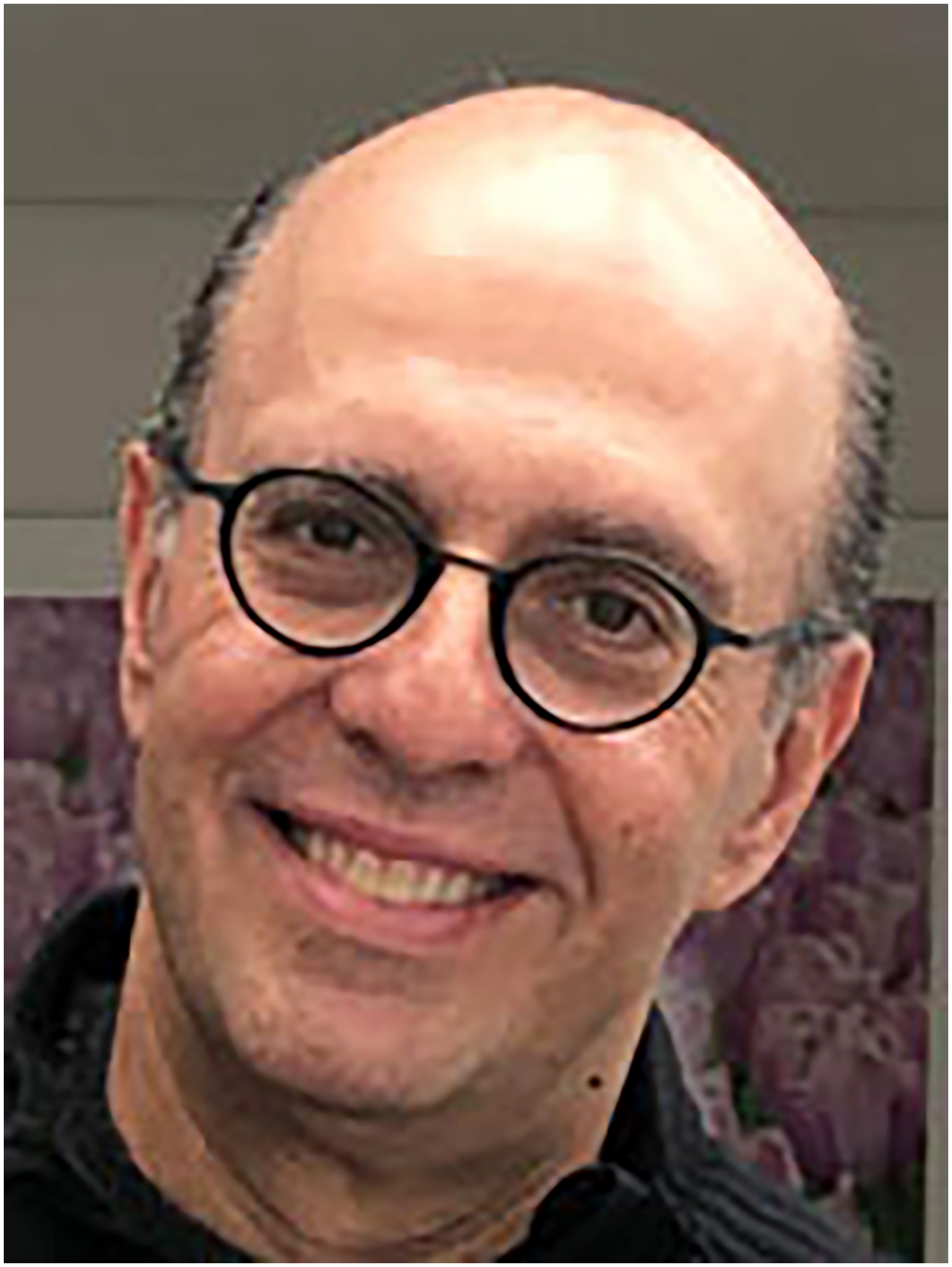
Marcelo Jatene, fifth president, World Society for Pediatric and Congenital Heart Surgery.
In addition to his clinical work, Jatene's research includes a number of excellent studies by Marcelo's group examining the utility of the peripheral blood neutrophil-to-lymphocyte ratio as a preoperative marker for an increased ongoing inflammatory response following cardiopulmonary bypass, especially in patients with cyanotic congenital heart disease80–86 (Figure 10). These studies were spearheaded by Valdano Manuel, a cardiac surgeon from Angola who worked under Marcelo's mentorship as a PhD student.
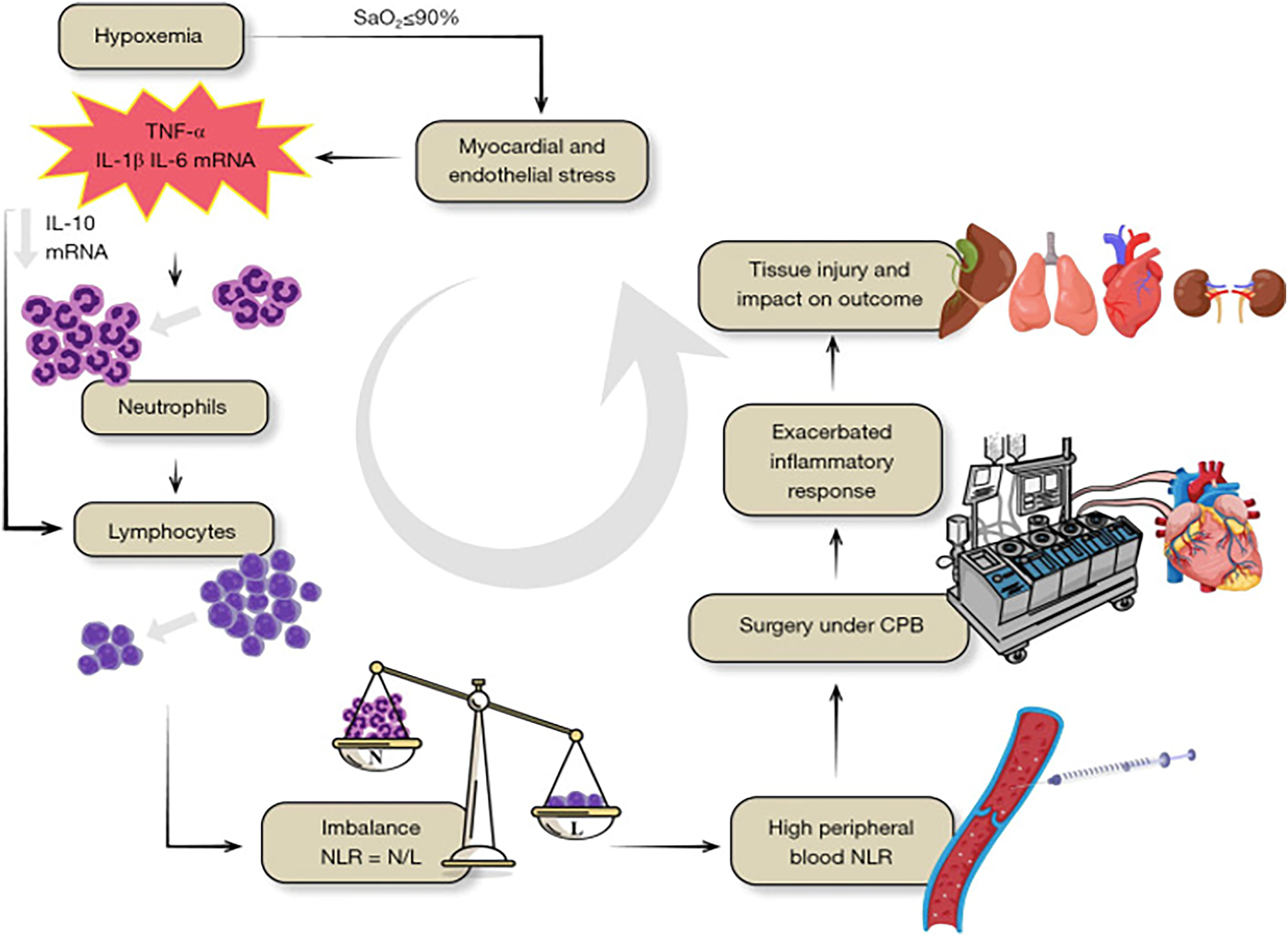
Mechanisms of ischemia and exposure to cardiopulmonary bypass (CPB) leading to imbalance of neutrophil–lymphocyte ratio (NLR)—higher preoperative NLR level is an indicator of increased ongoing inflammatory response and greater susceptibility to deleterious effects of cardiopulmonary bypass. Reproduced with permission, Manuel et al.85
In addition to serving as Director of Pediatric Cardiac Surgery at the Heart Institute of the University of Sao Paulo for more than a decade, he was President of the Brazilian Society of Cardiovascular Surgery and the Society of Cardiovascular Surgery São Paulo before becoming the fifth WSPCHS President in 2018. His leadership roles have enabled him to influence both regional and global approaches to congenital heart care. His efforts to expand access to cutting-edge treatments for children with heart disease in low- and middle-income countries provide a lasting legacy.
Zohair Al Halees: Champion of the Ross Procedure, Surgical Innovation, and Program Building
Zohair Al Halees, sixth president of the WSPCHS (Figure 11), has established a career-long reputation for surgical innovation in multiple malformations, including tetralogy with pulmonary atresia, right atrium to right ventricle homograft conduit for uncorrectable tricuspid valve disease, and application of autologous aortic valve tissue for pulmonary artery augmentation.87–90 After receiving his surgical training at Baylor College of Medicine, Ottawa University, and Denver Children's Hospital, Al Halees returned to Saudi Arabia, where he has served as Chair of Cardiac Surgery, Chair of the Department of Cardiovascular Diseases, and Director of the King Faisal Heart Institute at King Faisal Specialist Hospital in Riyadh.
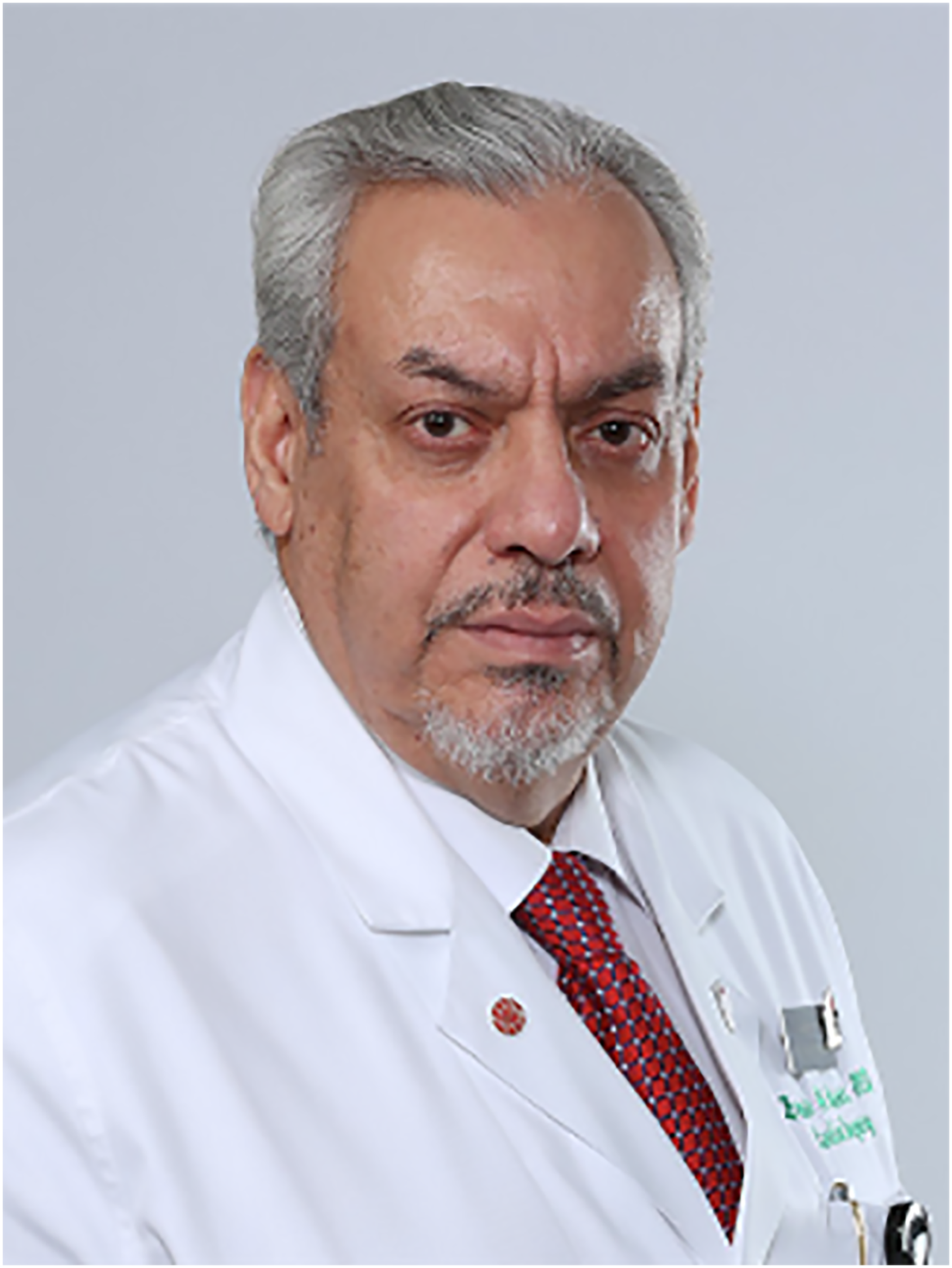
Zohair Al Halees, sixth president, World Society for Pediatric and Congenital Heart Surgery.
Over the past 25 years, Al Halees and his colleagues have published extensively on outcomes of the Fontan pathway as well as valve surgery in children, particularly mitral valve repair and replacement.91–97 Especially impactful are his contributions as a leading expert on the intricacies of the Ross procedure.98–100 A strong advocate for the Ross operation as the procedure of choice for pediatric aortic valve replacement, Al Halees has numerous publications on extended applications and late outcomes of the Ross operation in many settings.101–105
Beyond his clinical contributions, Zohair Al Halees has played a pivotal role in developing pediatric cardiac surgery programs throughout the Middle East. His dedication to training young surgeons and fostering international collaboration has earned him widespread recognition, including the prestigious Takreem Award for Scientific and Technological Achievement in 2017. He assumed the Presidency of the WSPCHS in 2020, and in 2024 he was honored with the Lifetime Achievement Award from the Saudi Arabian Cardiac Interventional Society (Figure 12).
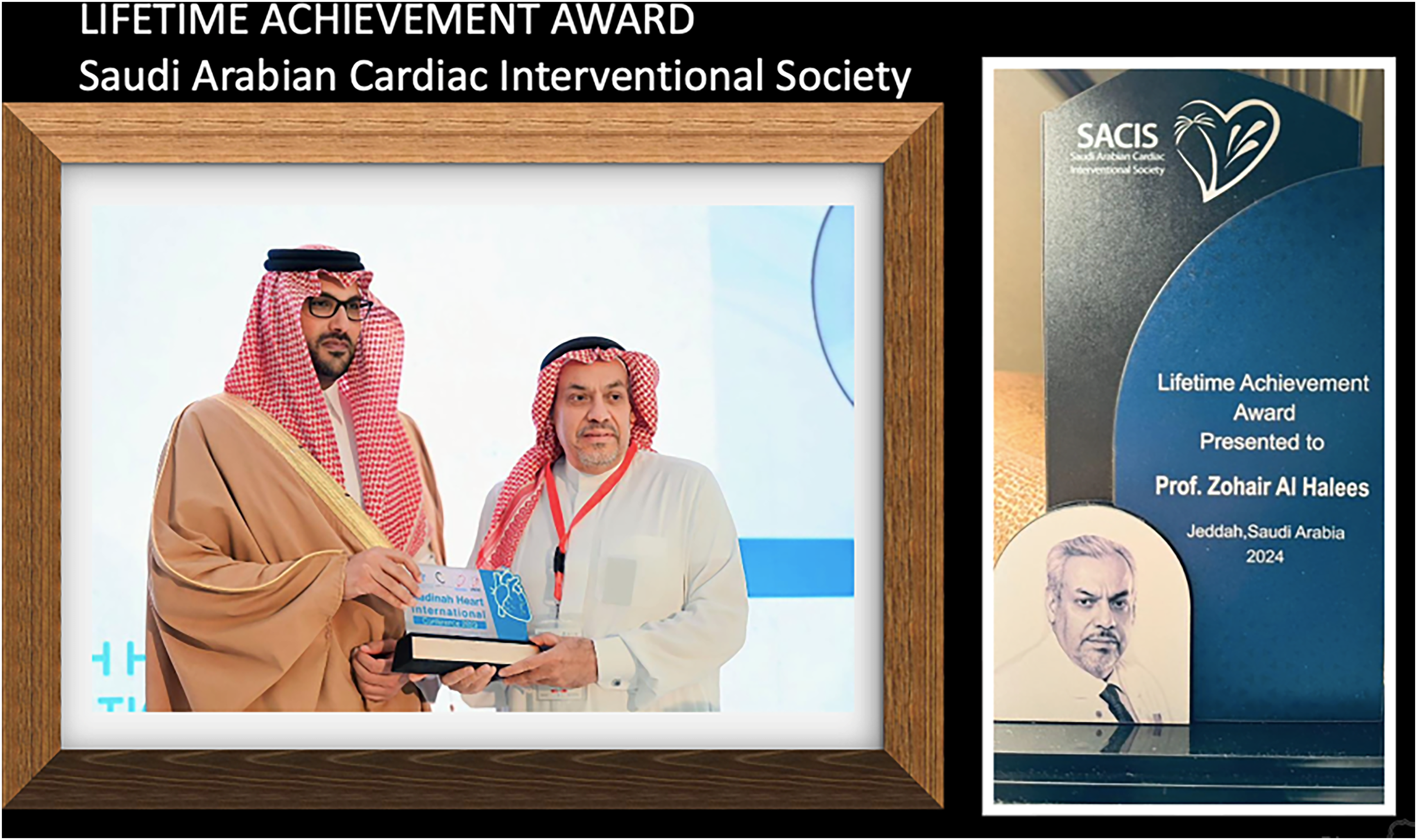
Zohair Al Halees receiving the lifetime achievement award from the Saudi Arabian Cardiac Interventional Society, 2024.
Looking Ahead: The Future of the WSPCHS
As the WSPCHS moves forward, several key initiatives are poised to shape its future. The establishment of the World University for Pediatric and Congenital Heart Surgery in 2020 during the COVID-19 pandemic became a cornerstone of the Society's mission to provide ongoing education. Monthly webinars attract hundreds of participants, bringing together surgeons, trainees, and allied professionals to share knowledge and discuss the latest advancements in the field. Another critical initiative is the World Society Database, launched in 2017, which serves as a global repository for patient data, facilitating research and quality improvement across the globe. By fostering collaboration and data sharing, the Database is helping to set new standards for outcomes in international pediatric cardiac surgery. The World Society Global Council for Education in Congenital Heart Surgery is exploring opportunities to operationalize a certification process for congenital heart surgeons that will enhance training in developing countries and facilitate international mobility of trained surgeons.
In addition, the WSPCHS is implementing a strategic plan to ensure long-term financial sustainability. This plan includes expanding membership, increasing participation in educational and research initiatives, and promoting collaborations that will support the Society's continued growth and influence.
As the WSPCHS welcomes its new president, Kirsten Finucane from Auckland, New Zealand, the legacy of these six visionary leaders continues to guide its mission: to provide outstanding care for patients with congenital heart disease, foster international collaboration, and nurture the next generation of surgeons who will carry the torch forward in the quest to improve the lives of children worldwide. It has been my honor and privilege to have served as the seventh President of the WSPCHS and add to the legacy of the first six Presidents.
Footnotes
Declaration of Conflicting Interests
The author declared no potential conflicts of interest with respect to the research, authorship, and/or publication of this article.
Funding
The author received no financial support for the research, authorship, and/or publication of this article.
