







Abstract
Social media use has brought not only greater connectivity but also growing concerns about its psychological and physiological consequences. Guided by the conceptual framework of the allostatic load model, this study investigated the impact of communication overload—the feeling of receiving more social input than one can manage, as commonly experienced in social media use—on physical health, with social media fatigue and depressive symptoms as serial mediators. A national quota sample of 1625 adults in South Korea completed an online survey measuring communication overload associated with social media use, social media fatigue, depressive symptoms, and self-rated physical health, along with relevant demographic and behavioral covariates. Results revealed a significant indirect pathway from communication overload to physical health, sequentially through both social media fatigue and depressive symptoms. Our findings indicated that the strain of social demands associated with social media use may contribute to deterioration in both mental and physical health. By applying the allostatic load framework, this study contributes to the technostress literature by elucidating how communication overload associated with social media use and its underlying mechanisms affect health, laying the groundwork for future research integrating psychological and physiological perspectives.
Keywords
Introduction
While social media platforms enable unprecedented social connectivity, they also create the psychological and physiological toll of being “always on” 1 —constantly connected to others and obliged to remain socially responsive. One key manifestation of this tension is communication overload: a form of technostress characterized by receiving more communicative input than one can reasonably manage in social interactions.2,3 This trend is becoming even more evident as people increasingly rely on mobile applications for social media interaction, 4 which further amplifies their exposure to social demands, 5 ultimately exacerbating the psychological strain caused by communication overload. 6
In the technostress literature, the stressor–strain–outcome (SSO) model has been widely adopted. 7 Originally developed in the realm of organizational behavior, the SSO model explains how a stressor in a given environment can trigger psychological strain, subsequently leading to negative behavioral outcomes. 8 Within this framework, overload associated with social media use is considered a stressor inducing psychological strain such as social media fatigue,9,10 which ultimately results in negative behavioral consequences. 11 Although the SSO framework can encompass a variety of strain and behavioral outcome variables, it has not typically examined how technology-related stressors influence physical health through interconnected psychological and physiological processes.
Building on the SSO model, the present study draws on the allostatic load model—a well-established framework in stress and health research12,13—to understand the health implications of communication overload on social media. While both models emphasize a sequential stress response, the allostatic load model focuses on the toll of chronic stress and illustrates how the body’s adaptive mechanisms, when activated intensely, can produce a “wear-and-tear” effect that compromises both mental and physical health. 14 The allostatic load model is particularly well-suited to explaining how an external stressor may initiate a cascade of stress responses that ultimately undermine physical health.
Applying the conceptual framework of the allostatic load model, we examine a two-step sequence of psychological stress responses: (1) fatigue specific to social media use and (2) depressive symptoms. This ordering is guided by prior research suggesting that fatigue-related depletion of cognitive and affective resources can precipitate depressive symptoms. 15 We focus on social media fatigue as a proximal manifestation of psychological strain, and depressive symptoms as an indicator of sustained affective dysregulation that erodes physical health.
Communication overload and health: The allostatic load perspective
Communication overload related to social media use, which refers to an unmanageable amount of interaction through social media that exceeds users’ capacity, 6 is distinct from information overload. 16 Whereas information overload primarily involves “the seeking of information,” communication overload entails “the receiving of messages” (p. 273), 17 leaving individuals feeling overwhelmed by the volume and immediacy of social interactions to manage, often with an implicit expectation of responsiveness.18,19 Particularly in the context of social media, users often receive messages, notifications, and updates that exceed their perceived capacity while feeling pressed to remain responsive.9,20 Such a state of constant social demand and perceived inability to disengage may expose social media users to chronic stress with potential consequences for psychological and physical health.
The allostatic load model provides important insights into the impact of communication overload on health. The term allostatic load derives from allostasis—the body’s ability to adapt and achieve stability in response to stressors. 14 As noted by McEwan, allostasis “often has a price” (p. 34), which is exacted when the allostatic systems are activated too frequently or too intensely. 21 This “price of adaptation” is conceptualized as allostatic load, which refers to “the strain on the body produced by repeated ups and downs of physiological response” and “by the elevated activity of physiological systems” (p. 2259). 22 Guided by these ideas, the allostatic load model explains how repeated stress exposure and the “wear and tear” experienced by the body in its efforts to achieve stability can erode physical health (p. 2094). 12
The allostatic load framework—widely applied in studies of chronic stress and health 23 —is especially relevant to theorizing the health consequences of communication overload, in which persistent connectivity and social demands may function as a repeated stressor input. 3 As part of this process, psychological responses such as fatigue and depressive symptoms may be understood as the underlying mechanisms of allostatic load, ultimately contributing to deterioration in physical health.
Social media fatigue, depressive symptoms, and physical health
Prior research has linked overwhelming social demands associated with social media use to fatigue specific to social media use.24–26
Whereas fatigue is generally defined as a state of exhaustion from prolonged activity or stress, social media fatigue refers specifically to cognitive and affective exhaustion caused by social media use.27,28 In allostatic terms, communication overload associated with social media may function as a repeated stressor input: Each incoming social media notification or message can trigger a spike in stress response, prompting the body to activate physiological regulation to cope with the stress.
21
When such stress responses occur over an extended period of time, the cumulative burden can result in allostatic load,
14
which may initially manifest in the form of fatigue. In this process, social media fatigue may emerge as a proximal sign that the allostatic system is becoming overwhelmed by communication overload. Thus, we hypothesized: Communication overload will show a positive association with social media fatigue.
We further predict that social media fatigue resulting from communication overload may give rise to depressive symptoms by depleting the cognitive and affective resources that are needed to regulate affective responses to negative events and repair negative mood states.
29
Research has shown that social media fatigue can serve as a precursor to depressive symptoms among adolescents.
15
Such consequences may not be confined to adolescents. Adults, similar to adolescents, have been found to be vulnerable to emotional and behavioral dysregulation associated with intensive social media use.
30
Particularly when social media fatigue from communication overload disrupts daily rhythms and impairs attentional control,
31
as observed with media multitasking,
32
the risk of depression may be heightened for adults as well. Prior research has also indicated that social media fatigue mediates the effect of communication overload on mental health declines.
26
We, therefore, hypothesized: Social media fatigue will show a positive association with depressive symptoms.
Depressive symptoms have long been recognized as a key psychological factor linked to physical health outcomes.33–35
Notably, prior research has shown that depressive symptoms impair physical functioning and can interact with existing health conditions to amplify physical limitations.
36
Within the framework of allostatic load, depressive symptoms reflect a chronic state that can contribute to physiological dysregulation through sustained activation of the body’s stress response systems. Specifically, depressive symptoms are associated with altered immune functioning and increased inflammation,
12
and these biological changes may increase vulnerability to physical health problems.
37
Given this, we hypothesized: Depressive symptoms will show a negative association with physical health.
Together, these three hypotheses outline a sequential pathway through which communication overload culminates in poorer physical health. Social media fatigue, as noted earlier, is conceptualized as a proximal strain response to the stressor of communication overload. 38 This initial stage of stress response is expected to be followed by depressive symptoms, 15 ultimately undermining physical health. Accordingly, we posited the following serial mediation hypothesis, illustrated in Figure 1:
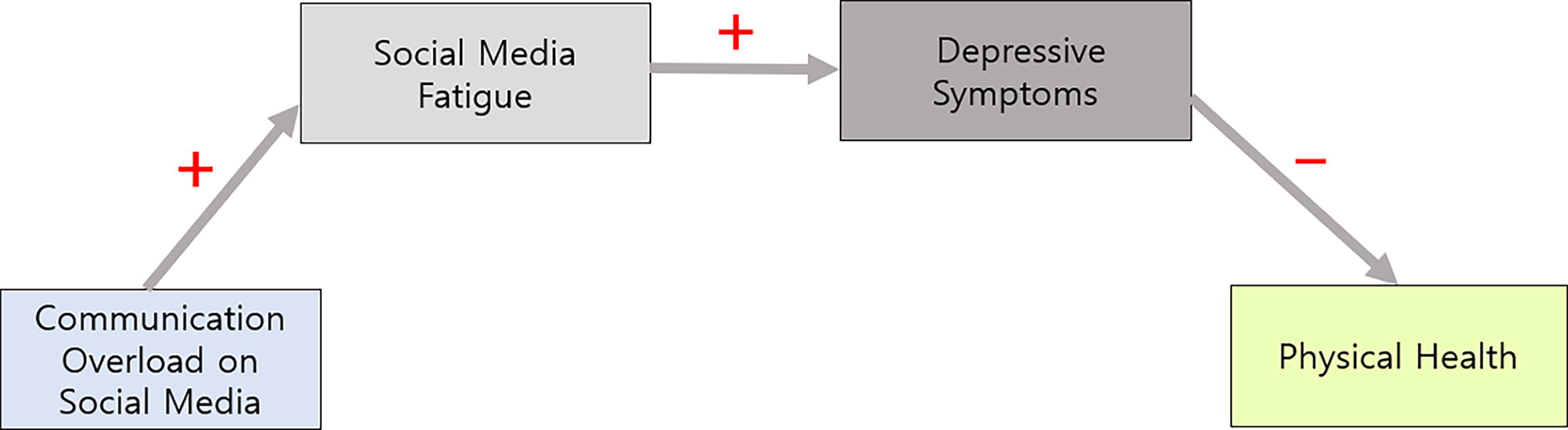
Conceptual illustration of the proposed serial mediation model of communication overload.
Communication overload will have an indirect and negative association with physical health via social media fatigue and depressive symptoms.
Methods
Data
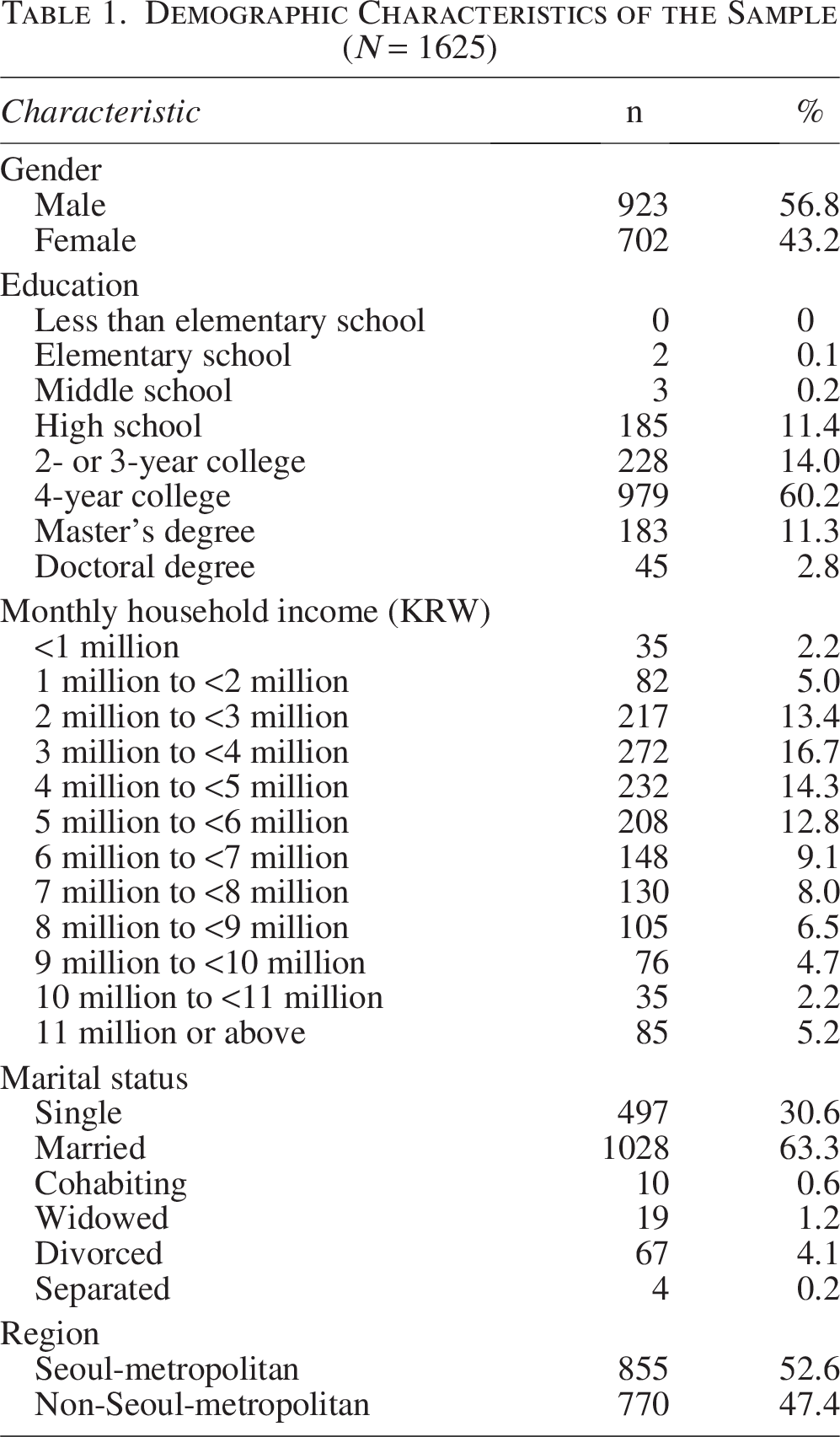
We tested the proposed hypotheses with an online survey conducted in South Korea, which provides a particularly relevant case for testing the proposed allostatic model, given its high Internet access and smartphone ownership as well as widespread social media use across age groups (see Supplementary Material for supporting statistics). 39 Our study protocol was approved by the Institutional Review Board of a South Korean university that hosted the project. Macromill Embrain—a South Korean online survey firm (http://embrain.com)—recruited participants using quota sampling based on age, gender, and residential region to closely mirror the demographic composition of the South Korean population. Between April 21 and May 4, 2023, a total of 3045 individuals accessed the online survey, and 2280 completed it, yielding a completion rate of 75 percent. Informed consent was obtained from all the participants involved in this study. We analyzed the responses from 1625 participants who reported using social media at the time of the survey. Table 1 presents the demographic composition of the final sample.
Demographic Characteristics of the Sample (N = 1625)
Measures
Communication overload
Communication overload specific to social media use was measured with a single item from the Korean version of the Technostress Index, 40 “On social media, I receive more messages, notifications, and updates than I can keep up with” (1 = strongly disagree to 7 = strongly agree).
Social media fatigue
We adopted three items from the social media fatigue subscale included in the Korean version of the Technostress Index: 40 “I feel exhausted when I use social media,” “I feel fatigued from using social media,” and “I feel my energy is depleted due to social media use.” (1 = strongly disagree to 7 = strongly agree; α = 0.89).
Depressive symptoms
Four items from the Korean General Health Questionnaire (GHQ-12) 41 were used: “I have trouble falling asleep,” “I feel constantly tense or on edge,” “I find it hard to overcome difficulties,” and “I feel down, depressed, or hopeless” (1 = strongly disagree to 7 = strongly agree; α = 0.87). In light of the allostatic load framework, these items reflect sustained affective dysregulation that can negatively impact physical health.
Physical health
We employed a widely used single-item measure: “In general, would you say your physical health is…”42,43 (0 = very poor to 10 = excellent). This instrument has been validated in prior studies demonstrating its association with tangible health outcomes, including future mortality. 44
Control variables
To reduce the potential influence of confounding variables, we included covariates known to shape social media engagement and physical health. Following past research, 9 we controlled for demographic attributes (age, gender, education level, income, and marital status). We also controlled for residential region (Seoul metropolitan vs. non-Seoul metropolitan areas), considering regional differences in digital access, lifestyle pace, and social environments in South Korea. 45
We also included psychological and behavioral covariates: trait self-esteem and frequency of informational social media use. Trait self-esteem—linked to both depressive symptoms 46 and physical health 47 —was assessed with three items from the Brief Rosenberg Self-Esteem Scale: 48 “On the whole, I am satisfied with myself,” “I take a positive attitude toward myself,” and “At times I think I am no good at all” (1 = strongly disagree to 7 = strongly agree; α = 0.83). Frequency of informational social media use was included as a covariate to help isolate the specific effects of communication load, which involves socially demanding interactions. This covariate was measured with the question, “In the past month, how often did you use social media platforms for news or information?” (1 = never to 9 = several times per hour).
Results
Bivariate correlation coefficients—along with means and standard deviations—for all measured variables are presented in Table 2. We tested our hypotheses using ordinary least squares (OLS) regression analyses run with Model 6 of the PROCESS macro. 49 In all analyses, the aforementioned control variables were included as covariates (see Supplementary Table S1 in the Supplementary Material for full OLS regression results).
Bivariate Correlations of the Measured Variables (N = 1625)
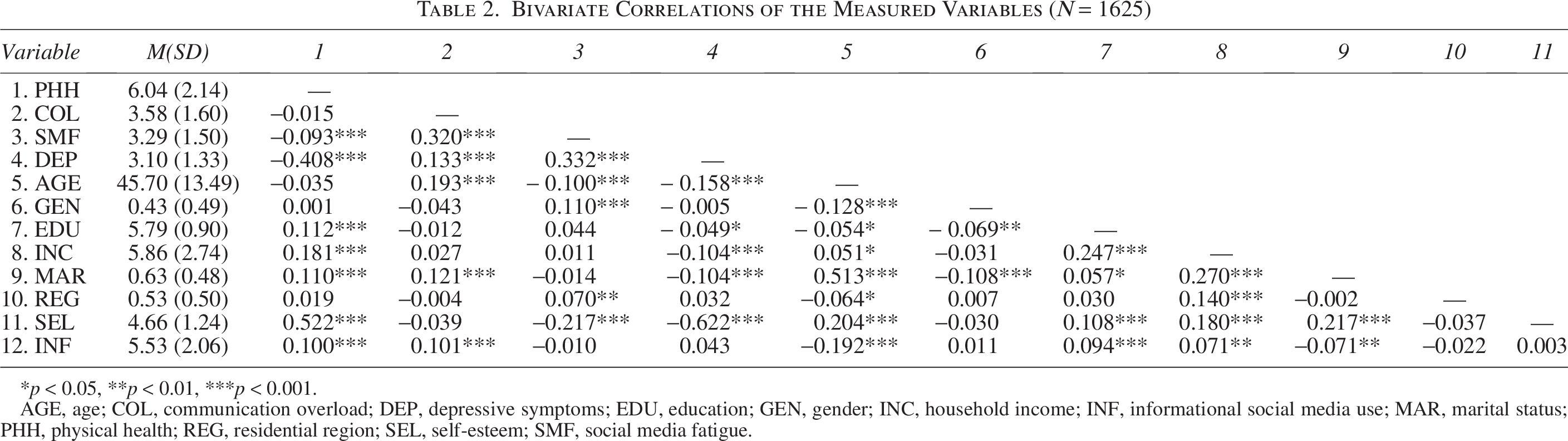
*p < 0.05, **p < 0.01, ***p < 0.001.
AGE, age; COL, communication overload; DEP, depressive symptoms; EDU, education; GEN, gender; INC, household income; INF, informational social media use; MAR, marital status; PHH, physical health; REG, residential region; SEL, self-esteem; SMF, social media fatigue.
H1 predicted that communication overload would show a positive association with social media fatigue. The data supported this hypothesis (b = 0.328, SE = 0.022, p < 0.001), indicating that greater communication overload was associated with greater social media fatigue. H2 predicted a positive association between social media fatigue and depressive symptoms. The data supported this hypothesis (b = 0.171, SE = 0.018, p < 0.001). H3, which predicted that depressive symptoms would show a negative association with physical health, was also supported (b = −0.275, SE = 0.044, p < 0.001).
H4 proposed an indirect association between communication overload and physical health, sequentially via social media fatigue and depressive symptoms. This serial indirect pathway was significant (see Table 3). Among the three indirect routes, the one via depressive symptoms alone was significant, whereas the route via social media fatigue alone was not. Independent of these indirect effects, communication overload did not have a significant direct association with physical health (direct effect = 0.045, SE = 0.030, p = 0.140), indicating full mediation (see Fig. 2). Pairwise comparisons of the indirect effects further revealed that the serial pathway was greater in magnitude than the one via social media fatigue alone, but not significantly greater than the route via depressive symptoms alone (see Table 3).
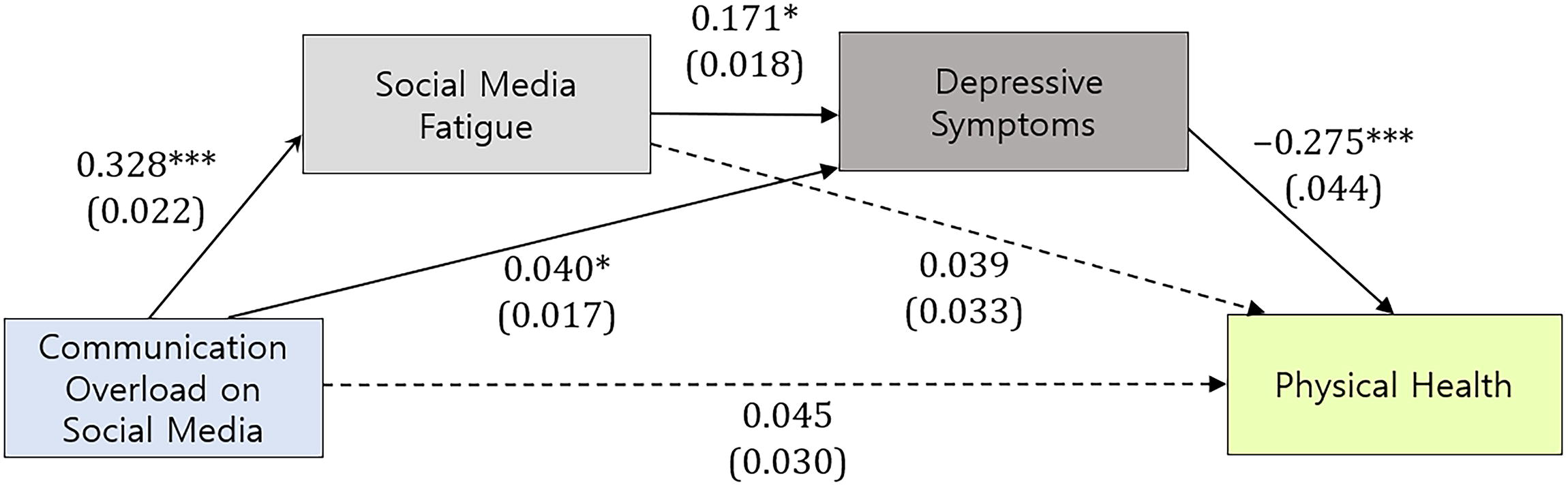
Results of the serial mediation model testing.
Indirect Effects of Communication Overload on Physical Health via Mediators with Pairwise Comparisons
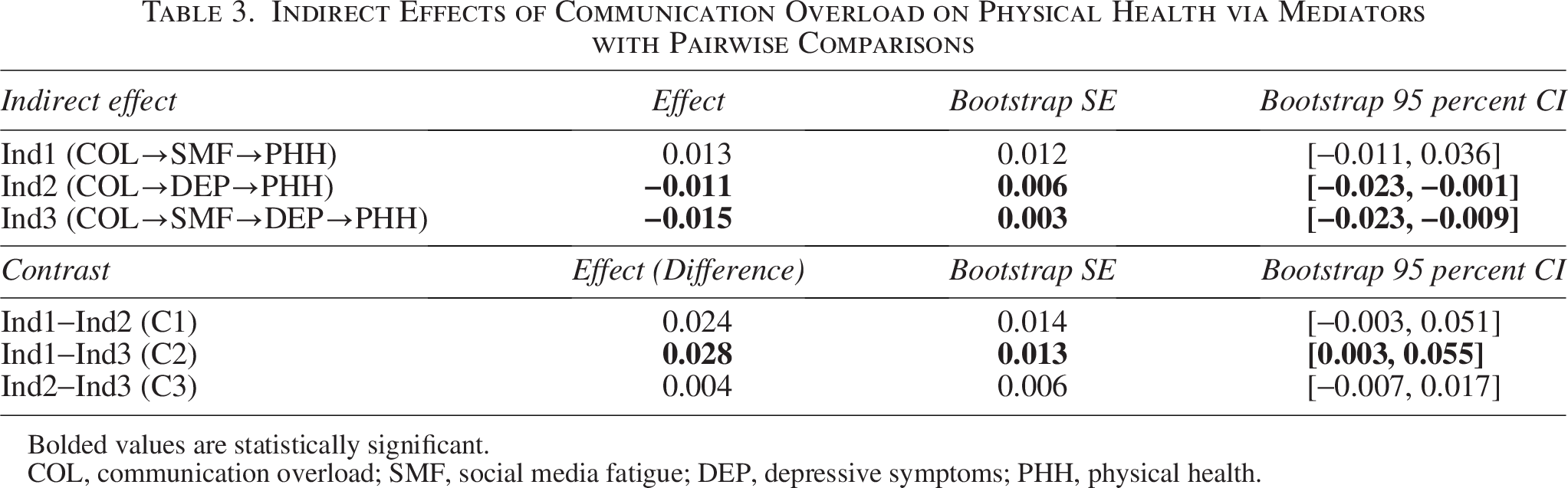
Bolded values are statistically significant.
COL, communication overload; SMF, social media fatigue; DEP, depressive symptoms; PHH, physical health.
To further assess the robustness of the proposed mediator sequence, we conducted an alternative serial mediation analysis reversing the order of social media fatigue and depressive symptoms (see Supplementary Tables S2 and S3 in the Supplementary Material). The serial indirect effect through depressive symptoms and social media fatigue did not reach significance, indirect effect = 0.001, bootstrap SE = 0.001, 95 percent bootstrap CI = −0.001 to 0.004.
Discussion
Theoretical and practical implications
The present findings offer important theoretical and practical contributions to the growing body of literature on technostress in the context of social media use. Through the conceptual lens of the allostatic load model, this study highlights communication overload associated with social media use as a stressor that can trigger psychological strain and, ultimately, undermine physical health.
First, our data supported the proposed serial mediation model, suggesting that communication overload may initiate a cascading stress pathway, progressing from social media fatigue to depressive symptoms and, in turn, to deterioration in physical health. Notably, the absence of a direct relationship between communication overload and physical health supports a full mediation pattern, consistent with the allostatic load model’s emphasis on how chronic psychosocial stress responses can wear down regulatory systems, ultimately compromising physical health.23,50 Rather than directly impairing physical health, communication overload appears to exert its influence indirectly—through a sequence of stress responses. Our findings, therefore, point to the psychological toll—particularly in the form of social media fatigue and depressive symptoms—as the primary mechanism by which communication overload adversely affects physical health.
In addition, our findings extend the technostress literature by revealing a more nuanced mechanism linking communication overload to physical health. As the tests of the indirect effects and pairwise comparisons indicate, the serial pathway—social media fatigue followed by depressive symptoms—offered a more potent explanatory route for the association between communication overload and poorer physical health than social media fatigue alone could account for. From the allostatic load perspective, this finding underscores the importance of addressing social media fatigue—an early marker of psychological strain triggered by communication overload 9 —before it escalates into affective dysregulation manifested as depressive symptoms. At the same time, the significant indirect effect of communication overload on physical health through depressive symptoms alone suggests that communication overload may, in some cases, bypass social media fatigue and directly disrupt affective functioning. This aligns with Pang et al.’s recent findings, which show that communication overload associated with mobile apps can directly contribute to depressive mood. 6
Our findings also have practical implications for managing the health risks of pervasive digital connectivity. Given that social media users often “create their own communication overload by being too available and too responsive” (p. 284), 17 interventions could help users reduce communication overload by promoting technological features such as customizable notifications and scheduled quiet hours. Employers and educators may also raise awareness of communication overload as a legitimate stressor with potential health consequences, 51 particularly amid the growing prevalence of remote work and education.
Limitations and future directions
Several limitations of our study should be acknowledged. First, the cross-sectional design of this study limits causal inference about the directionality of the observed relationships (e.g., individuals with poorer health or depressive symptoms may perceive communication demands as more burdensome). An alternative model test reversing the order did not yield a significant indirect effect (see Supplementary Tables S2 and S3 in the Supplementary Material), aligning with the theorized sequence; nonetheless, such alternative model testing does not establish causal flow. As Hayes and Rockwood 52 rightly note, causal inference can be “established through good research design as well as convincing theoretical argument backed up by statistical evidence” (pp. 21–22). In this light, multiwave longitudinal panel studies may provide the strongest balance between temporal precision and ecological realism, and our cross-sectional findings should be regarded as a theory-driven preliminary step that can motivate more rigorous longitudinal research.
While our study was conceptually guided by the allostatic load model, we did not directly assess biological markers of allostatic load. As in clinical investigations on allostasis and allostatic load, future research will benefit from integrating biomarkers of allostatic load (e.g., neuroendocrine, cardiovascular, metabolic, and immune indicators 13 ) into examining the impact of technostress on physical health. Relatedly, incorporating physiological indicators of stress responses and physical health would allow for more direct tests of the biological processes theorized in the allostatic load framework.
It is also important to note that both communication overload and social media fatigue may be influenced by social media use frequency. To account for this, we conducted a partial correlation controlling for informational use frequency, which remained significant, r = 0.323, p < 0.001. This indicates that communication overload—socially demanding in nature—is uniquely associated with social media fatigue beyond informational use frequency. Intriguingly, informational use frequency negatively predicted social media fatigue but positively predicted physical health, suggesting that goal-directed informational use may not aggravate technostress in the same way that socially demanding usage does. Future research should incorporate multiple indicators of social media use to capture these dynamics more fully.
Conclusion
Guided by the conceptual framework of the allostatic load model, this study shows that persistent communication demands arising from social media use are associated with social media fatigue, depressive symptoms, and, ultimately, poorer health. Although the cross-sectional nature of the data limits causal inference, our findings contribute to the technostress literature by illustrating how communication overload—as a digital stressor—may set off cascading stress responses across psychological and physical domains. We hope that the current findings lay important groundwork for future research that can deepen insight into how the “always-on” nature of social media environments may erode users’ psychological and physical well-being.
Authors’ Contributions
R.J.L.W.: Conceptualization, methodology, funding acquisition, formal analysis, investigation, writing—original draft, writing—review and editing, and supervision; D.Y.K.: Conceptualization, writing—original draft, and writing—review and editing; Z.L.: Conceptualization, writing—original draft, and writing—review and editing; L.Z.: Conceptualization, writing—original draft, and writing—review and editing; J.L.: Formal analysis, writing—original draft, and writing—review and editing.
Footnotes
Author Disclosure Statement
No competing financial interests exist.
Funding Information
This work was supported by the Ministry of Education of the Republic of Korea and the National Research Foundation of Korea (NRF-2021S1A3A2A02090597) as well as by the Institute of Communication Research (ICR) at Seoul National University.
Supplemental Material
References
Supplementary Material
Please find the following supplemental material available below.
For Open Access articles published under a Creative Commons License, all supplemental material carries the same license as the article it is associated with.
For non-Open Access articles published, all supplemental material carries a non-exclusive license, and permission requests for re-use of supplemental material or any part of supplemental material shall be sent directly to the copyright owner as specified in the copyright notice associated with the article.
