







Abstract
The current study simultaneously examines the effects of various measures of demographic heterogeneity on neighborhood crime and their possible moderating effects. We estimated a set of negative binomial regression models with all three measures of demographic heterogeneity for testing their associations with crime in neighborhood. We also tested the moderation effects by adding multiplicative interaction terms in each model, respectively. Our findings show that racial diversity is not associated with most crime outcomes, or if it is, it has a negative association with crime. We also found that immigrant concentration is negatively associated with property crime but not associated with violent crime. Our measure of ethnic heterogeneity among immigrants shows robust crime-reducing effects for all types of crime. Moreover, we found that the well-known crime-reducing effect of immigrant concentration is more apparent in neighborhoods with low ethnic heterogeneity (thus, relatively high ethnic homogeneity) among immigrants. We discuss the important implications of our findings.
Introduction
For the last few decades, prior research has examined various types of demographic heterogeneity and their associations with neighborhood crime. Among all, three general types of demographic heterogeneity widely studied include racial diversity, immigrant concentration, and ethnic heterogeneity among immigrants. Racial diversity refers to the mix of racial compositions among residents in a given neighborhood. Many studies have theorized that a higher level of racial diversity increases neighborhood crime due to reduced levels of social ties and cohesion among residents (Sampson & Groves, 1989; Shaw & McKay, 1942). According to social disorganization theory, racial diversity (or heterogeneity, interchangeably) hinders social cohesion among residents which in turn reduces the informal capability of keeping the community safe by residents themselves (informal social control). This is because residents may be less likely to form social ties and build mutual trust with racially different others due to enhanced social distance among them (Kim & Wo, 2022; Kubrin, 2000; Warner & Rountree, 1997).
Another type of demographic heterogeneity is immigrant concentration, which captures the diversity of neighborhood residents based on the US citizenship status, as well as cultural or language backgrounds. Immigrant concentration (commonly measured by the percent of foreign-born residents in a neighborhood) is theoretically closely related to racial diversity. More immigrant population in a neighborhood may increase the probability of the presence of diverse racial/ethnic groups from different countries of origin in that neighborhood; and this suggests a possible moderating effect between immigrant concentration and racial diversity, which we investigate in the current study. Then, one consequence is that crime elevates in a neighborhood with higher immigrant concentration as more racial diversity is expected to increase crime due to lack of social cohesion and informal social control among residents. However, empirical evidence suggests something contradictory to such a classic proposition of social disorganization theory. A substantial body of research on immigration and crime indicates that the proportion of immigrants in a neighborhood either has a statistically insignificant effect or is negatively associated with crime (Kim et al., 2019; Kubrin & Trager, 2013; Ousey & Kubrin, 2009, 2018).
Although numerous studies have extensively examined the association between immigrant concentration and neighborhood crime, relatively little attention has been paid to ethnic heterogeneity among immigrants, which is another type of demographic heterogeneity the current study considers. With a few exceptions (Kim et al., 2019; Kubrin et al., 2018), most previous research has treated immigrants as a homogeneous group by using a single measure, such as the percentage of foreign-born residents in Census tracts. Yet, this seems rather shortsighted given that immigrants have various reasons for migration with diverse social, cultural, economic, and political backgrounds from different countries of origin (Desmond & Kubrin, 2009; Feldmeyer et al., 2017; Harris & Feldmeyer, 2013). Moreover, due to such diverse situations, their living environments, activity and mobility patterns, and acculturation processes can vary significantly across different ethnic groups (Kim et al., 2019; Kubrin et al., 2018). Therefore, to provide a more comprehensive and nuanced explanation of how immigrant concentration influences neighborhood crime, it is more plausible to take ethnic heterogeneity among immigrants into consideration for a neighborhood and crime study.
Furthermore, the current study argues for the necessity of simultaneously considering different types of demographic heterogeneity to capture a more comprehensive picture of the association between heterogeneity and neighborhood crime. Although previous studies have looked at various features of demographic heterogeneity and their association with neighborhood crime, they tend to focus exclusively on a single dimension (i.e., studying immigrant concentration while paying no or less attention to racial diversity or ethnic heterogeneity among immigrants, or vice versa). Moreover, despite theoretical implications, previous studies have paid less attention to how various dimensions of demographic heterogeneity may work together to produce different patterns for neighborhood crime. Therefore, the current study simultaneously examines the effects of various measures of demographic heterogeneity on neighborhood crime and their possible moderating effects. Specifically, we employed three measures of demographic heterogeneity: (1) racial diversity, (2) immigrant concentration, and (3) ethnic heterogeneity among immigrants—and test possible interactions among them for explaining neighborhood crime. In the sections below, we discuss the theoretical motivations for the current study and describe the data and methods we employed. Then, we discuss the implications of our key findings.
Motivations for the Current Study
Racial Diversity and Neighborhood Crime
A large body of criminological studies has examined the association between demographic heterogeneity—such as racial diversity or immigrant concentration—and neighborhood crime (Kim & Wo, 2022; Kubrin, 2000; Sun et al., 2004; Wenger, 2019). Some of these studies have found that heterogeneity is positively associated with the level of crime in a neighborhood, consistent with social disorganization theory. The theory suggests that certain ecological characteristics including demographic heterogeneity may hinder the formation of social ties and reduce social cohesion among residents, which in turn diminishes the level of informal social control and collective efficacy in a neighborhood. Consequently, residents may face challenges to address local problems and maintain community safety, which can lead to increased crime.
One notable type of demographic heterogeneity is racial diversity, which refers to the mix of racial compositions among residents within a neighborhood. Prior studies have paid extensive attention to racial diversity and its association with neighborhood crime as it seems to have a direct relevance to explaining the lack of social cohesion among residents. That is, in a neighborhood where a moderate to high level of racial heterogeneity exists, residents tend to view more demographic distinction between one another, and feel more social distance, which eventually undermines the process of building social ties and mutual trust. Therefore, according to classic social disorganization theory, in a neighborhood with high racial diversity, residents may have a limited ability to work collectively to address the local problems including crime and disorder. As Kornhauser (1978) stated, “[Racial] heterogeneity impedes communication and thus obstructs the quest to solve common problems and reach common goals” (p.78). Empirical evidence supports this theoretical perspective (Kubrin, 2000; Sun et al., 2004; Wenger, 2019). For example, in a study of Seattle, WA, Kubrin (2000) examined the effect of racial diversity on neighborhood crime. She found that racial diversity exhibits a strong crime-producing effect, and it mediates the effects of percent Black on violent crime. Similarly, in a recent study across 91 US cities, Wenger (2019) found that neighborhood racial diversity is positively associated with neighborhood crime and such a pattern is moderated by the racial diversity at the city-level.
Although traditional social disorganization theory suggests that racial diversity may increase neighborhood crime due to reduced social cohesion and informal social control, an alternative perspective posits that diverse demographic characteristics can provide more opportunities for building social cohesion, mutual trust, and thus informal social control among local residents. The contact hypothesis in the social psychology literature underpins this theoretical view. It argues that frequent social encounters can reduce prejudice and bias among diverse others, which eventually helps them to build mutual trust crossing the group boundaries (Allport, 1954; Gaertner et al., 1996; Lee & Bean, 2010; Pettigrew & Tropp, 2006). Therefore, frequent casual social interactions among residents with diverse social backgrounds provide more chances for them to understand each other and generate more positive attitudes toward diverse others.
This theoretical insight can be applied in the context of neighborhood and crime study as diverse demographic characteristics may be conducive to enhanced understanding among each other and thus increased level of informal social control and collective efficacy. Indeed, a body of recent studies has provided supporting evidence for this theoretical perspective (Kim, 2018; Kim & Wo, 2022). For example, in a study of Southern California, Kim (2018) found that, unlike the traditional expectation, the measure of racial diversity was negatively associated with the risk of crime at the street segment level. Likewise, in a follow-up study, Kim and Wo (2022) confirmed a similar pattern but also found that the association between racial diversity and crime can be contingent on the spatial scales employed as well as functional forms (i.e., non-linear relationships).
Immigrant Concentration and Neighborhood Crime
Another type of demographic heterogeneity the current study considers is immigrant concentration in neighborhoods (or immigrant density, interchangeably). Immigrant concentration represents the proportion of local residents that are foreign-born. It captures diversity among residents in terms of their citizenship status (US vs foreign) and thus differences in social and cultural backgrounds. According to the theoretical framework of social disorganization, higher immigrant concentration may lead to more crime in neighborhoods. This is because an increase in immigrant concentration generally enhances demographic heterogeneity among residents, which presumably reduces opportunities for social interactions among residents due to cultural differences and language barriers. Local residents may prefer social interactions with those who are more similar to themselves rather than with those who are dissimilar: “Birds of a feather flock together.” Therefore, in neighborhoods with more immigrants, residents may have fewer opportunities to socially interact and form social ties, which results in reduced level of informal social control.
Despite this theoretical proposition, empirical evidence suggests that immigrant concentration has either a null effect or is negatively associated with neighborhood crime (Kubrin, 2013; Kubrin & Ishizawa, 2012; Martinez & Lee, 2000; Ousey & Kubrin, 2018). Therefore, “the major finding of a century of research on immigration and crime is that immigrants nearly always exhibit lower crime rates than native groups” (Martinez & Lee, 2000, p. 125). Scholars have provided several explanations for such a consistent crime-reducing effect of immigrant concentration. First, immigrants are a self-selected group with strong motivations for a better life. They went through multiple steps to come to the US seeking better employment or educational opportunities, not necessarily to cause problems. They are a selected group of people from their countries of origin with strong motivations for pursuing a better life (Butcher & Piehl, 1998; Kubrin & Ishizawa, 2012; Tonry, 1997). Therefore, they do not want to jeopardize given opportunities by getting involved in criminal behaviors. Closely related, the fear of deportation can be another important deterring factor for immigrants because legal violation and criminal convictions can directly lead to deportation. Therefore, immigrants are less likely to engage in criminal activities; and thus, neighborhoods with higher immigrant density will have comparatively lower risk of crime.
Another possible explanation is the protective effect from ethnic enclaves. Ethnic enclaves offer a sense of home and foster strong ties and social cohesion among co-ethnic immigrants (Breton, 1964; Portes & Manning, 1986; Wilson & Portes, 1980). Consequently, neighborhoods with higher immigrant concentration exhibit stronger informal social control and collective efficacy among residents. Also, the immigrant revitalization thesis posits that a large immigrant population may provide job opportunities, local economy growth, and business development benefiting both co-ethnic immigrants as well as native peers, which engenders vibrant urban economies, re-population of the urban core, and potentially reduces crime in neighborhoods.
Ethnic Heterogeneity among Immigrants
Another aspect of demographic heterogeneity is ethnic diversity among immigrants based on their countries of origin. Although there has been a large body of studies on immigration and crime, there still remain many important questions. Among all, one issue is that most prior work has treated immigrants as a single homogeneous group. With a few exceptions (Kim et al., 2019; Kubrin et al., 2018), nearly all previous studies have employed a single measure such as the percent foreign-born residents in Census tracts to define immigrant concentration. However, this approach overlooks the substantial variations among immigrants based on their diverse cultural and social backgrounds across ethnic groups. Accounting for diversity among immigrants is essential for several reasons. First, immigrants come to the US with varied cultural, social, linguistic, and political backgrounds, leading them through different processes of acculturation. Prior research indicates that migration motives are closely linked to criminality and the adaptation process in the US (Lee et al., 2001; Tonry, 1997). Furthermore, these social and cultural differences, along with various racial and ethnic identities among immigrant groups, have important implications for fostering shared values, social cohesion among co-ethnic immigrants, and consequently, informal social control and crime levels in neighborhoods.
Additionally, immigrants are more likely to live in neighborhoods with other co-ethnic peers forming their activity spaces around ethnic centers. Ethnic enclaves, in particular, serve as central hubs for immigrants’ social lives offering various goods and services that cater to co-ethnic immigrants with fewer cultural or language barriers (Aldrich & Waldinger, 1990; Breton, 1964; Zhou, 2004). These locations are where co-ethnic immigrants conduct their primary routine activities and establish mobility patterns. They build strong social networks, foster mutual trust, and share resources and information with other members of their co-ethnic group to navigate immigrant life. Such ethnic enclaves have high populations of co-ethnic immigrants and thus high levels of ethnic homogeneity. We expect these areas to be more ethnically homogeneous and to provide greater crime control benefits than other neighborhoods. This is because such areas serve as central locations for forming social ties and cohesion among co-ethnic immigrants fostering increased informal social control, which can lead to a lower risk of crime.
A Comprehensive Perspective
So far, we have discussed the theoretical importance of each diversity measure for understanding neighborhood crime. While previous studies have focused exclusively on a single measure when examining the demographic diversity and neighborhood crime, the current study aims to provide a more comprehensive and nuanced understanding by considering multiple measures of diversity, simultaneously. Therefore, a primary question of the current study is how each measure of diversity may collectively work to produce different patterns of neighborhood crime. For instance, immigrant concentration can be directly or indirectly related to racial diversity, as a higher immigrant population may lead to greater racial diversity within a neighborhood. In our study area, many immigrants come from various regions around the world, which can increase racial diversity among neighborhood residents. However, the opposite can also occur. For example, in Southern California, immigrants often cluster around established ethnic centers resulting in neighborhoods with more racially homogeneous populations. 1 Such a high concentration of immigrants from similar backgrounds may lead to lower racial diversity creating a more racially homogeneous population. Either way, it suggests a potential interaction effect between immigrant concentration and racial or ethnic diversity in relation to neighborhood crime.
Although we argue that immigrant concentration is negatively associated with neighborhood crime, this may be particularly the case if it is combined with more racial homo- or heterogeneity in the neighborhood. That is, if racial diversity reduces crime in neighborhoods, we can expect a multiplier effect in areas with high immigrant concentration combined with high racial diversity. Alternatively, if racial diversity exhibits crime-enhancing effect, it may dampen the crime-reducing effect of immigrant concentration. Likewise, we can expect the potential interaction between immigrant density and ethnic hetero- or homogeneity among immigrants. That is, the protective effect of immigrant density may be more prevalent among immigrants living in more ethnically homogeneous areas due to the shared cultural, social, language backgrounds among the co-ethnic group members. This is indeed what Breton (1964) referred as the institutional completeness for co-ethnic communities that “the communities showing the highest degree of institutional completeness have a much greater proportion of their members with most of their personal relations within the ethnic group” (p. 196). Then we can expect that the protective effect of immigrant concentration may be strengthened in a neighborhood with more ethnic homogeneity, which implies a possible moderating effect between the immigrant density and ethnic hetero/homogeneity among immigrants.
This is essentially the meaning of ethnic center or enclave for a given co-ethnic group. For our study area (the Southern California region), for example, Koreatown in Los Angeles or well-known ethnic centers for Korean immigrants in Buena Park or Cypress in Orange County have more Asian immigrants as well as US-born (Asian) population, in general. However, there will be especially higher Korean population and businesses in these areas. Neighborhoods in or around these Korean ethnic centers may enjoy the protective effect of ethnic enclaves even more due to stronger social ties and networks among co-ethnic Korean immigrants and US native residents with Korean ethnic backgrounds. This is because there will be commonly shared cultural, social, and language backgrounds that engender bonding as well as bridging social capital (Putnam, 2000), increased informal social control and collective efficacy (Sampson et al., 1997, 1999) and thus reduced level of crime. Therefore, the current study examines the associations between each of three diversity measures and crime while controlling for each other as well as their potential moderating effects on crime.
Data and Methods
Data
Our study area is the Los Angeles Metropolitan area, which is the urbanized area within the counties of Los Angeles, Orange, and Riverside, according to the US Census. Our models included 2236 Census tracts across the study area. The Los Angeles Metro Area is an ideal location for this study due to its racial and ethnic diversity and its status as a major destination for immigrants from all around the world (Ramey, 2013; Rumbaut, 2008). Prior research emphasizes that traditional immigrant hubs like Southern California experience substantial immigrant inflows and offer favorable social conditions for immigrants. The Southern California region, in particular, hosts the largest concentrations of immigrants from many different countries of origin such as Mexico, El Salvador, Iran, Korea, Japan, China, Vietnam, among many others (Rumbaut, 2008). For these reasons, many studies on immigrant density and neighborhood crime have selected Southern California as a study site (Kim et al., 2019, 2022; Kubrin et al., 2018, 2019). The present study utilized three datasets at the Census tract level to measure various social and physical characteristics as well as crime in neighborhood: The American Community Survey 5-year estimates from 2015 to 2019 for the year 2017 from the US Census Bureau; Land Parcel data in 2012 from the Southern California Association of Governments (SCAG); and official crime data reported by local police departments from 2016 to 2018.
Outcome Variables
Our outcome measures are the counts of crime in tracts for five UCR crime types, specifically, robbery, aggravated assault, burglary, larceny, and motor vehicle theft from the Southern California Crime Study (SCCS). 2 We used the three-year average of crime counts from 2016 to 2018. These are official crime data reported to the local police agencies with geographic information such as street addresses. The SCCS researchers geocoded these crime points to corresponding latitude and longitude points using ArcMap 10.2 and spatially aggregated them to their constituent tract. The geocoding matching rate for the study area is above 90%, which is satisfactory according to previous studies (Ratcliffe, 2004). We examine different types of crime because some may be less influenced by the social capital and collective efficacy linked to diversity measures. Certain crimes do not require much planning or decision-making; the offender acts on an immediate opportunity (e.g., larceny and assault). In contrast, other crimes, such as robbery and burglary, tend to involve more planning and may be more affected by social capital and collective efficacy levels. Thus, the effects of diversity measures are likely to vary in magnitude depending on this distinction. Since more acquisitive crimes align more closely with the theoretical frameworks we use to explore the relationship between diversity and crime in neighborhoods (e.g., robbery and burglary), it is reasonable to expect that diversity measures will have stronger effects on these types of crime.
Key Independent Variables
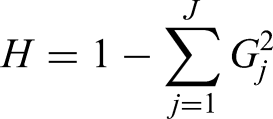
We employed various measures to capture the immigrant density and racial/ethnic diversity in neighborhood. First, we employed a racial diversity measure by computing the Herfindahl index based on five racial groups (White, African American, Latino, Asian, and other races). This is to capture racial heterogeneity in neighborhood, which takes the following form:
Control Variables
We control for other neighborhood structural characteristics using the data from the American Community Survey 5-year estimates 2015–2019. First, we included the percent Latino, percent Asian, and percent African American to account for the racial compositions in neighborhood. We included the percent poverty in tracts to capture the general level of socioeconomic status in neighborhood. We also included the percent homeowners to capture residential stability. We have the percent occupied units to measure vacancy in a neighborhood. We also included the percent persons aged 15–29 to control for the presence of crime-prone age group in the area. To account for potential spatial dependence, we computed and included spatially lagged independent variables for the measures of structural characteristics. Specifically, we created these measures based on the distance decay function within the 5-mile radius surrounding tracts. We identified that the percent poverty in the tract, the spatial lag of the percent poverty, and other racial composition measures (such as the percent Latino in the tract and its spatial lag) are highly correlated. To avoid any potential multicollinearity issues, we removed the spatial lags of the percent poverty and the percent Latino from all models. Finally, to capture criminal opportunities provided by physical environmental features of the areas, we included the proportional measures for land use of industrial, office, residential, and retail at the tract level.
Analytic Strategy
Our dependent variables are count outcomes. To account for overdispersion in our outcomes, we employed a negative binomial regression modeling strategy (Osgood, 2000). We included a logged population as an exposure term and held its coefficient to be 1, which effectively transforms outcome variables interpretable as crime rates. We first run a set of models with all three measures of demographic heterogeneity for testing their associations with crime in neighborhoods. A general expression for the models that we estimate are as follows:



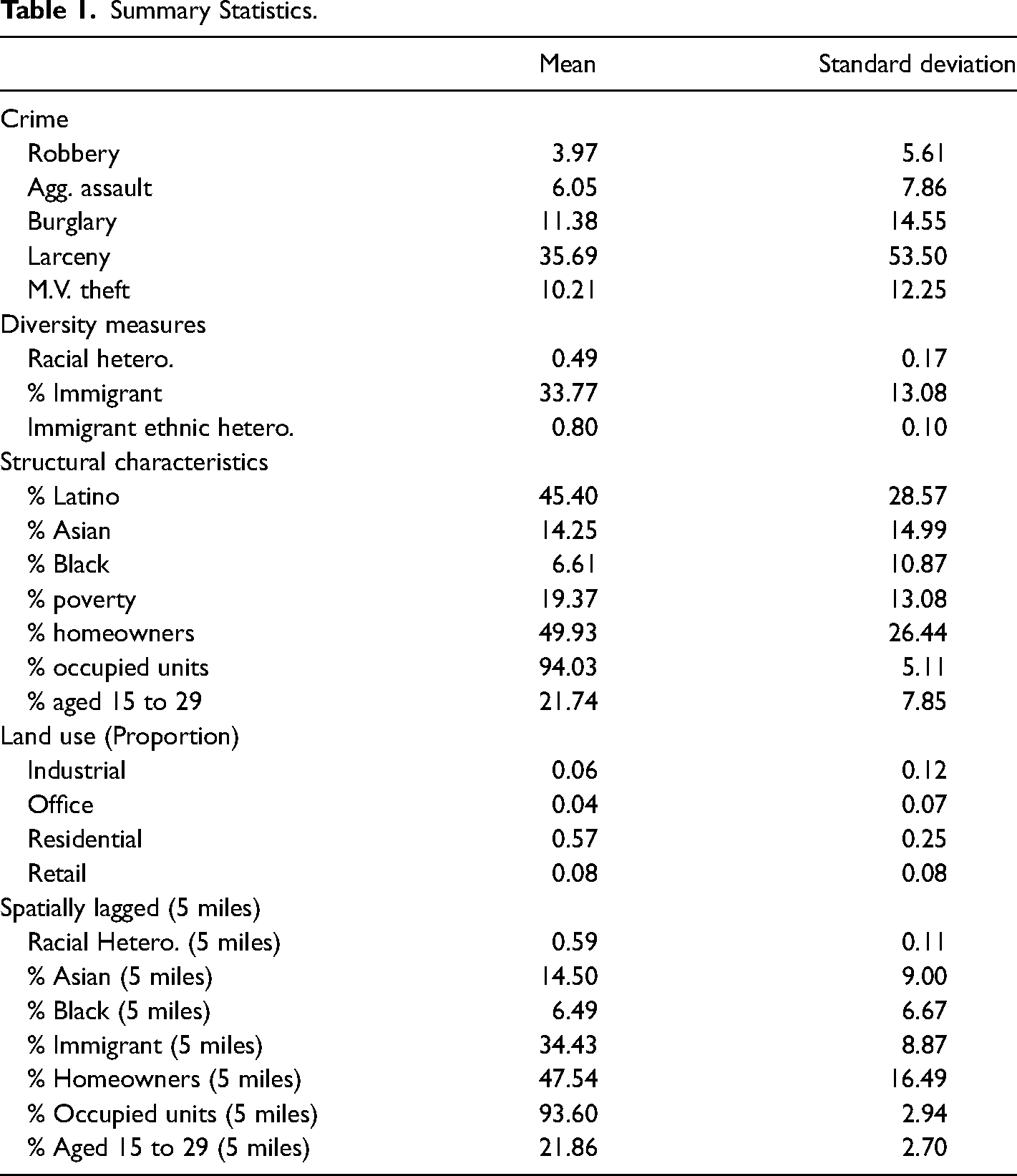
As previously discussed, there is a possibility of the interactions between immigrant concentration and racial diversity or ethnic heterogeneity among immigrants. To account for this, we tested the moderation effects by adding an multiplicative interaction terms (% Immigrant × Racial diversity and % Immigrant × Ethnic heterogeneity among immigrants) in each model, respectively. We checked possible spatial autocorrelation in our models by calculating Moran's I values in the residuals from the estimated models. We found that Moran's I values from all models are below 0.01, which indicates a weak positive spatial autocorrelation. We also found no evidence of any multicollinearity issues, as the maximum VIF score was below 4; less than the commonly used cutoff such as 5 or 10 (Wooldridge, 2009). We report the summary statistics for all variables included in the models in Table 1.
Summary Statistics.
Results
We first begin with the maps of the two variables to assess spatial distributions of the immigrant density and ethnic heterogeneity among immigrants across the study area (Figure 1). For example, Figure 1a displays the spatial distribution of immigrant density (percent immigrant), while Figure 1b shows that of heterogeneity among 126 ethnic groups of immigrants. Figure 1a shows that immigrants spatially concentrated in well-known immigrant/ethnic centers in the study area. For instance, we observed a high concentration of immigrants near Los Angeles downtown and nearby areas, which are the traditional ethnic centers for Asian immigrants such as Koreatown, Chinatown, Little Tokyo, or Filipinotown. We also observed a high concentration of immigrants in the city of Garden Grove, which is a well-known ethnic enclave for Vietnamese (Little Saigon). Interestingly, these ethnic centers for immigrants (displayed in Figure 1a) generally exhibit low level of ethnic heterogeneity (thus relatively homogeneous) as shown in Figure 1b (Blue areas). This visualization of the two measures suggests a potential spatial interaction between the immigrant density and ethnic heterogeneity and thus important consequences for neighborhood crime.

Maps of diversity measures.
We also report the correlation values among the three diversity measures in Table 2. Specifically, our measure of immigrant concentration shows a small negative correlation with racial diversity (about −0.2) and a moderate negative correlation with immigrant heterogeneity (−0.39). This suggests that neighborhoods with higher immigrant density generally exhibit a relatively more racially/ethnically homogeneous population composition. Additionally, there is a modest positive correlation between racial diversity and immigrant heterogeneity (0.50), indicating that more racially heterogeneous neighborhoods also have higher ethnic heterogeneity among immigrants.
Correlations Between the Diversity Measures.

Main Model
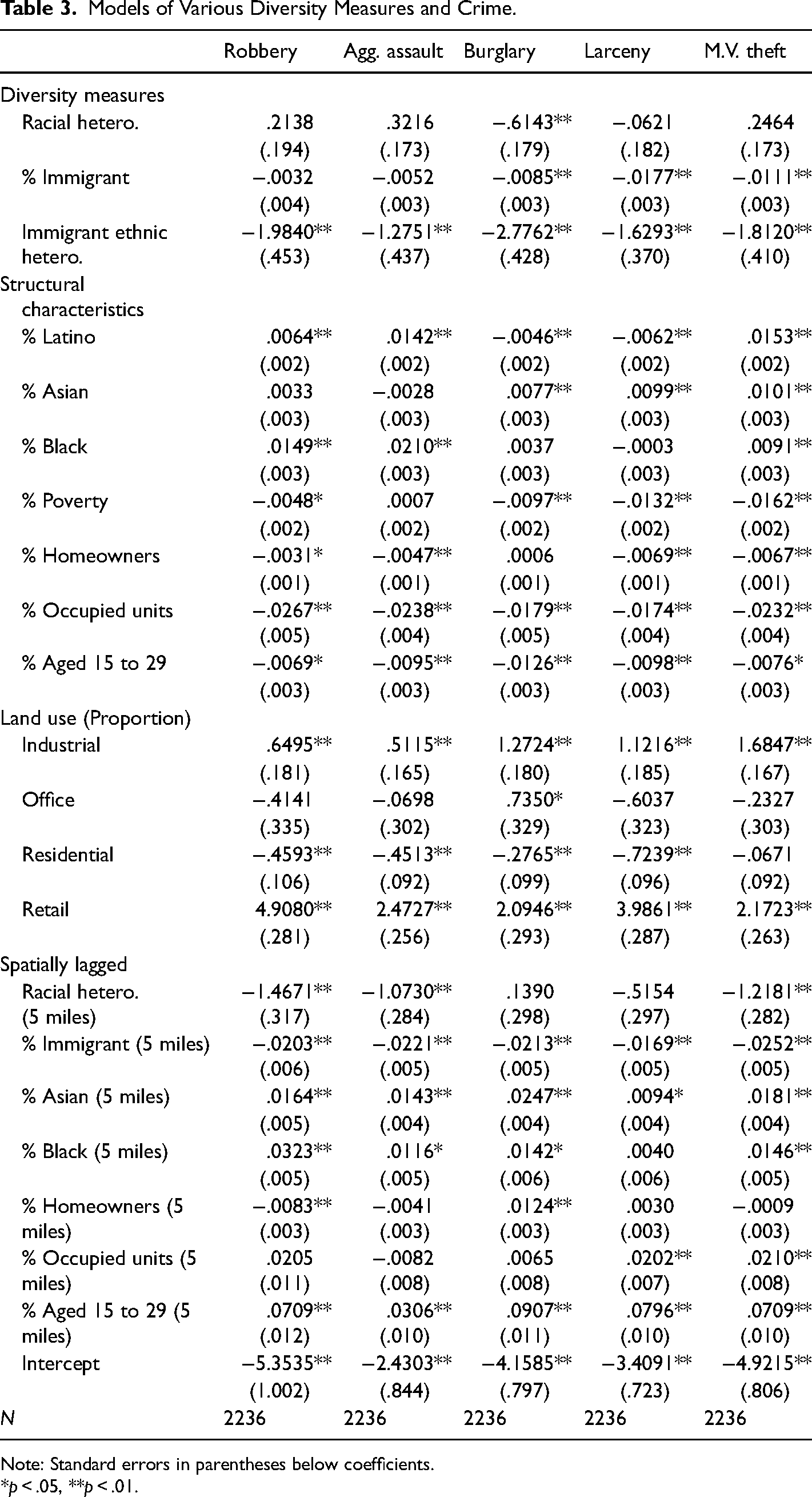
For our results from the estimated models (Table 3), we find that racial heterogeneity is negatively associated with the risk of burglary but no statistically significant association with other crime types. For example, holding other covariates constant, a one standard deviation increase in racial heterogeneity is associated with about 10% ([exp(β×SD)–1] × 100) decrease in burglary, but no statistically meaningful effect for other crime types. Next, we found that the percent immigrant exhibits crime-reducing effect for property crime types while it has a null association with violent crime types. For example, holding other covariates constant, a one standard deviation increase in the percent immigrant is associated with about 11%, 21%, and 14% reduction in burglary, larceny, and motor vehicle theft in neighborhood, respectively. This is consistent with previous studies that the concentration of immigrants in neighborhood has a negative or null association with neighborhood crime (Kubrin, 2013; Kubrin et al., 2018). Furthermore, we found that our measure of ethnic heterogeneity among immigrants shows strong negative associations with all types of crime. That is, areas with higher ethnic heterogeneity among immigrants are at lower risk of violent and property crime. For example, holding other covariates constant, a one standard deviation increase in ethnic heterogeneity among immigrants is associated with about 16% and 10% decrease in robbery and aggravated assault, and about 22%, 14%, and 15% reduction in burglary, larceny, and motor vehicle theft, respectively. The results suggest that ethnic heterogeneity among immigrants is the most prevalent predictor that exhibits strong negative associations with all crime types.
Our findings of structural characteristics and land use measures are generally consistent with previous studies. While the percent homeowners and the percent occupied units are associated with lower risk of neighborhood crime for both violent and property crime types, the percent Latino and the percent Black show positive effects for the level of violent crime. We also observed that the percent aged 15 to 29 shows crime-reducing effect for violent and property crime; and the percent Latino and the percent poverty exhibit a negative association with property crime, respectively. Next, we observed that while the proportion of retail and the proportion of industrial land uses exhibit crime-producing effects, the proportion of residential land use shows a crime-reducing effect. Finally, our spatially lagged measures have similar effects compared to the measures of focal areas. For example, a one standard deviation increase in racial heterogeneity in the 5-mile surrounding areas is associated with about 13% reduced risk of violent crime, on average, while a one standard deviation increase in the percent immigrant in the 5-mile surrounding areas tend to have about a 17% decrease in violent and property crime, respectively.
Models of Various Diversity Measures and Crime.
Note: Standard errors in parentheses below coefficients.
*p < .05, **p < .01.
Interaction Models
We next examine if our three measures for diversity collectively work to produce different patterns of neighborhood crime by testing interaction effects between them. Although we found statistically non-significant results for the interactions between racial diversity and the percent immigrant, we found that ethnic heterogeneity among immigrants moderates the effect of the percent immigrant on neighborhood crime. We present the moderating effect between the percent immigrant and ethnic heterogeneity among immigrants in Table 4. Additionally, we visually display the predicted crime counts for these interactions. Specifically, Figure 2 plotted the effects of the percent immigrant at varying levels of ethnic heterogeneity among immigrants (Low = −1 SD and High = + 1 SD). We observed that the percent immigrant exhibits nuanced patterns at different levels of ethnic heterogeneity among immigrants. That is, areas with relatively lower heterogeneity among immigrants (blue line) combined with fewer immigrants are at higher risk of violent and property crime, whereas neighborhoods with fewer immigrants with relatively higher ethnic heterogeneity (green line) are at lower risk of crime, in general. Yet, we note that neighborhoods with high ethnic heterogeneity (green lines in Figure 2) are generally at lower risk of crime regardless of how many immigrants are there.
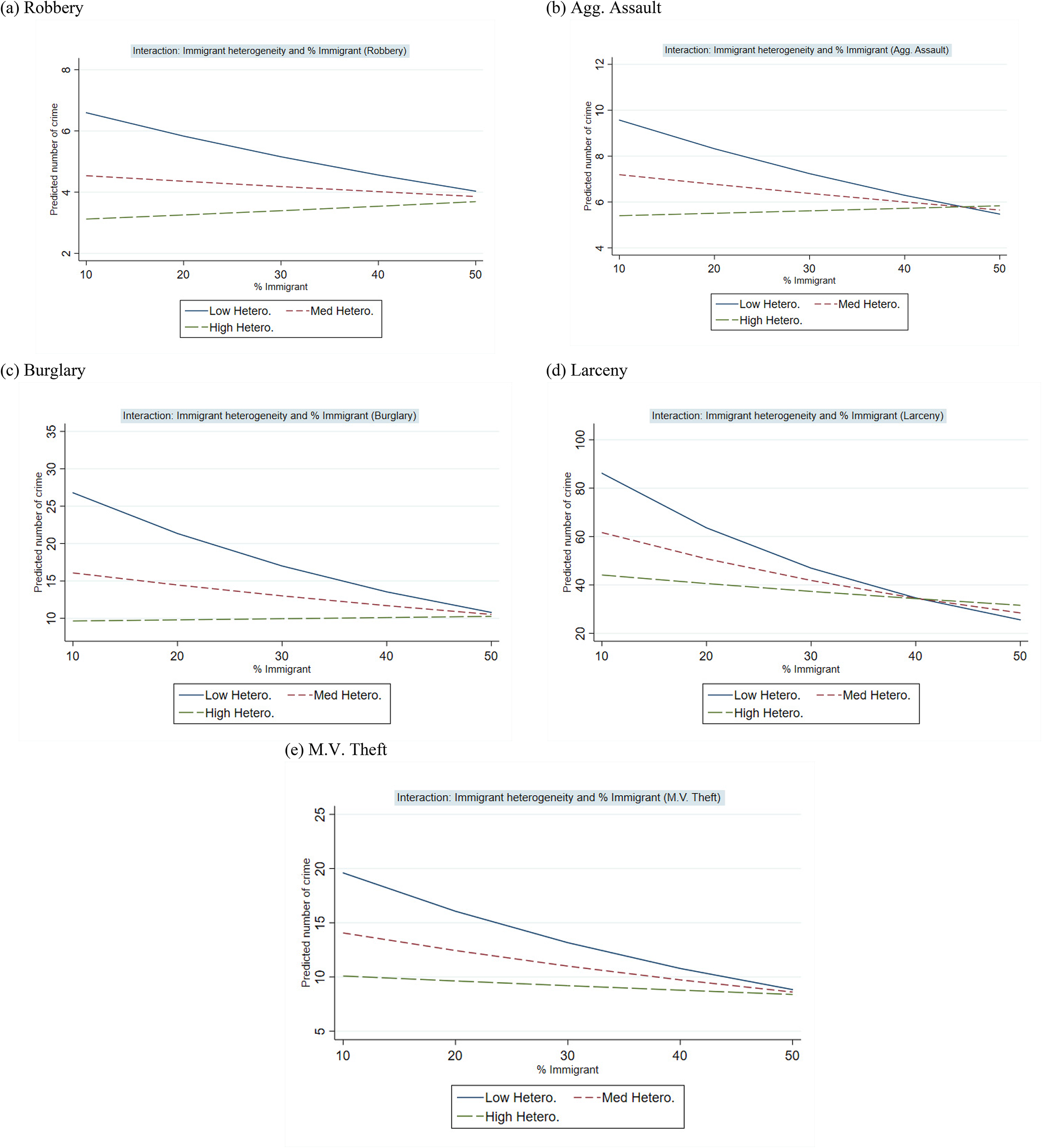
Interactions: immigrant density and immigrant ethnic heterogeneity.
Interaction: % Immigrant and Immigrant Ethnic Hetero.
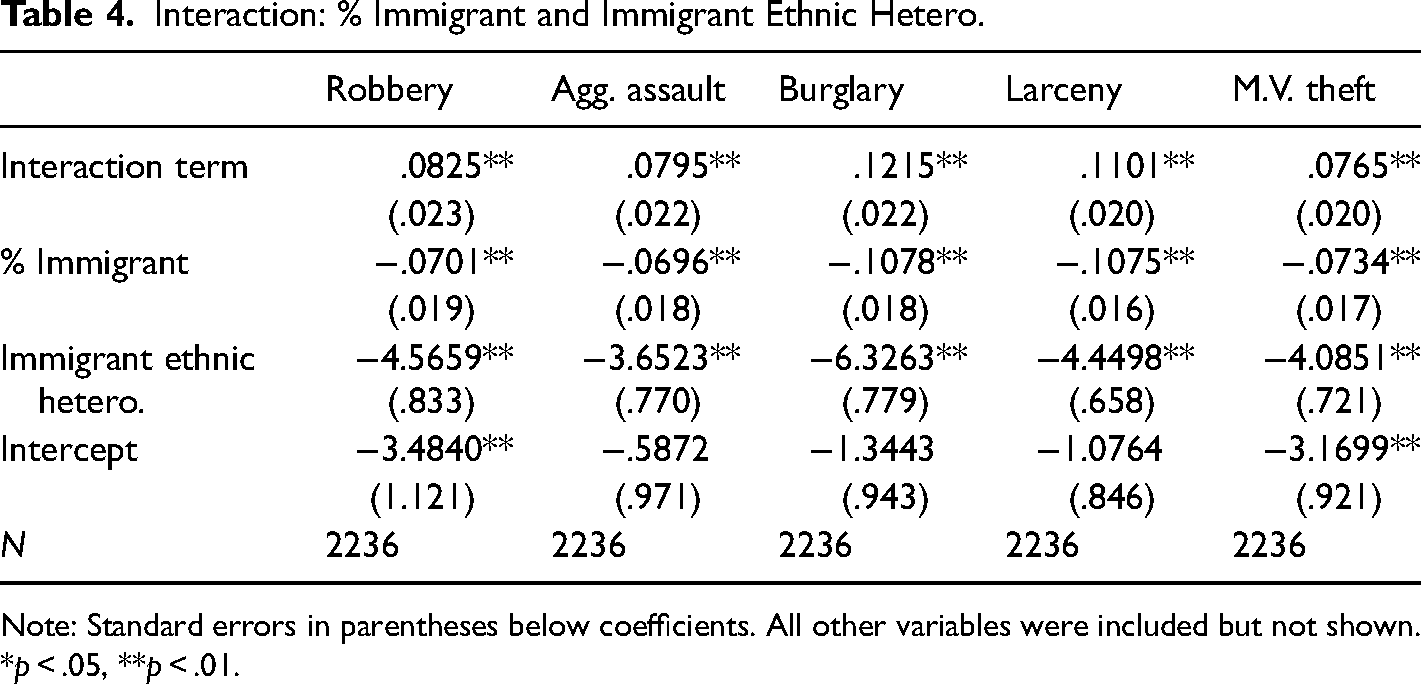
Note: Standard errors in parentheses below coefficients. All other variables were included but not shown.
*p < .05, **p < .01.
Moreover, we found that the percent immigrant exhibits more noticeable crime-reducing effect if there exists relatively lower ethnic heterogeneity among immigrants. That is, crime-reducing effect of the immigrant concentration is more pronounced in ethnically less heterogeneous neighborhoods. For example, in Figure 2(b), we see on the left side of the graph that with a low immigrant concentration, relatively less heterogeneous neighborhoods tend to be at higher risk of aggravated assault; however, with greater immigrant concentration, there is prevalent crime-reducing effect when there is relatively lower ethnic heterogeneity among immigrants (the blue line). The pattern is more apparent for larcenies (Figure 2d), as high immigrant concentration neighborhoods (more than 40% of residents are immigrants) that are also relatively less heterogeneous (the blue line above 40 on the x-axis) are at the lowest risk of larceny. Therefore, our interaction results revealed a nuanced pattern that the well-known crime-reducing effect of immigrant concentration in neighborhood is more prevalent when combined with relatively lower ethnic heterogeneity among immigrants, which is consistent with the theoretical expectation we discussed above.
Discussion
Although a large body of studies over the last few decades has examined demographic heterogeneity, studies have paid relatively less attention to how various types of heterogeneity may collectively work for understanding neighborhood crime. Building upon the literature on racial diversity and immigrant concentration, the current study examined the associations between various measures of heterogeneity and neighborhood crime (racial diversity, immigrant density, and ethnic diversity among immigrants) and testing potential moderating effects among them. Therefore, one primary contribution of the present study is that we attempt to draw a more comprehensive picture of heterogeneity and neighborhood crime by simultaneously accounting for different measures of heterogeneity, and assessed how they can collectively work together to produce more nuanced patterns for neighborhood crime. The study provides multiple key findings.
First, our findings show that racial diversity is not associated with most crime outcomes, or if it is, a negative association with crime (i.e., burglary). This is inconsistent with the classic view of social disorganization theory that enhanced racial heterogeneity diminishes social interactions and cohesion, which eventually impairs informal social control and collective efficacy among residents. Although these findings seem contrary to the existing literature, such a finding is not entirely new (Kim, 2018; Kim & Wo, 2022; Smith et al., 2000). Especially, Kim (2018) and Kim and Wo (2022) found that racial diversity generally exhibits a crime-reducing effect. Another key finding is that our measure of ethnic heterogeneity among immigrants shows robust crime-reducing effects for all types of crime. That is, areas with higher ethnic heterogeneity among immigrants tend to be at lower risk of crime. Moreover, it exhibits stronger effects compared to other measures of heterogeneity. This finding suggests an important implication as previous studies have paid relatively less attention to diversity among immigrants. Yet, our finding implies that it may be more important to consider distinct effects of ethnic diversity among immigrants and thus different cultural, social, and language backgrounds.
Our findings of crime-reducing effects of the two diversity measures (racial diversity and ethnic heterogeneity among immigrants) may be due to the diverse racial or immigrant compositional context in the Southern California region as it is one of the most popular immigrant destinations with high degree of racial/ethnic diversity compared to other regions in the US. Previous studies have highlighted the importance of the city or regional context when examining racial diversity and its association with neighborhood crime. For example, Wenger (2019) explicitly accounts for both city-level and neighborhood-level racial diversity and found that while city-level racial diversity has a crime-reducing effect, tract-level diversity shows no significant association. Her findings further suggest that “there is a context effect of city-level diversity on [tract-level] crime…” (p. 1530).
Given the high level of racial diversity and ethnic heterogeneity among immigrants, residents in our study area may have more opportunities to get exposed to diverse others and more chances to interact with one another, which may foster mutual trust and social cohesion helping to overcome prejudice and bias across group boundaries. Indeed, empirical evidence indicates that, under certain situations, racial diversity can foster greater social cohesion among diverse others (Ellison & Powers, 1994; Gaertner et al., 1996; Pettigrew & Tropp, 2006). Specifically, racial diversity and ethnic heterogeneity among immigrants can promote increased interaction between groups fostering familiarity and trust. Over time, this trust and familiarity may help reduce conflict among different racial and ethnic groups. Neighborhoods with higher racial diversity or ethnic heterogeneity among immigrants may nurture positive inter-racial interactions, which results in enhanced social cohesion and thus informal social control and collective efficacy. Also, a moderate level of diversity may bring about potential benefits when neighborhood residents work together to address local problems including crime and disorder. This is because residents from diverse backgrounds can introduce different perspectives and experiences, and thus provide more creative solutions when handling the local problems. Although these explanations are speculative, they still offer important insights for future research to examine the association between racial and ethnic diversity and neighborhood crime.
Although immigrant heterogeneity was significantly and negatively associated with all types of crime, the magnitude of these effects varied. Specifically, we found that immigrant heterogeneity had significantly stronger effects on robbery and burglary than on larceny and aggravated assault. Immigrant heterogeneity may have yielded weaker effects on the latter crime types because they are less influenced by the social capital and collective efficacy generated by immigrant heterogeneity. For instance, offenders might choose to shoplift or steal property when an opportunity presents itself, while aggravated assaults might unfold simply as a result of conflict escalation.
For our results of immigrant concentration, we have consistent findings with previous studies. We found that areas with more immigrants tend to enjoy crime control benefits in terms of property crimes and a null association with violent crimes, which is consistent with previous studies. Many explanations have been given to such a crime-reducing effect from immigrant density in prior work including the enhanced level of social cohesion and informal social control among immigrants, the selection effect of immigrants, protective effects from immigrant enclaves, or the immigrant revitalization thesis (Ramey, 2013; Vélez, 2009).
Our findings for the interaction effects also suggest important implications. We observed that the well-known crime-reducing effect of immigrant concentration is more apparent in neighborhoods with relatively lower ethnic heterogeneity among immigrants. That is, at lower level of immigrant density, areas with higher heterogeneity are at lower risk of crime while those with relatively lower heterogeneity are at the higher risk. However, this pattern changes as in neighborhoods with a moderate to high amount of immigrant population, ethnically less heterogeneous areas tend to have reduced level of crime. Therefore, crime-reducing effect of immigrant density is more pronounced in ethnically less heterogeneous immigrant communities. This is consistent with our expectation that the protective effect of immigrant concentration may be stronger in neighborhoods with relatively lower ethnic heterogeneity because such areas tend to have stronger ties and social cohesion among immigrants based on the shared cultural, social, language backgrounds among the co-ethnic group members. According to previous studies, a primary characteristic of ethnic enclave is a high density of various immigrant-ethnic businesses and organizations with large co-ethnic population (Kubrin et al., 2019; Portes & Jensen, 1992; Wilson & Portes, 1980). One important advantage of ethnic enclaves is that they provide social capital for co-ethnic immigrants through which they develop social networks, exchange economic and educational opportunities or share useful information and experiences how to navigate their lives in the US as immigrants. Such enhanced level of social cohesion will eventually lead to increased sense of community and thus informal social control and collective efficacy behaviors to maintain their community better in terms of security and safety. This may not be limited within a neighborhood but rather across neighborhoods expanding to a broader community by developing bridging social capital bringing social, economic, or political resources (Moore & Recker, 2013; Putnam, 2000). Our findings of interaction effects suggest that such a social control mechanism can be more apparent in neighborhoods with large enough immigrant populations with relatively lower ethnic heterogeneity.
The current study is not without limitations. First, although we have provided theoretical explanations on our findings, we were not able to directly test how social cohesion and informal social control among residents can be engendered by various demographic heterogeneity such as racial diversity, immigrant density, or ethnic heterogeneity among immigrants. A follow-up study should examine what specific control mechanisms mediate the association between various structural characteristics of demographic heterogeneity and neighborhood crime. Another limitation is that our analysis is cross-sectional. Therefore, it is important for future research to longitudinally examine the influence of racial and ethnic diversity in neighborhoods and its relationship with crime as a stricter testing of contact theory requires observing changes in racial and ethnic composition and crime over time rather than relying on static or time-invariant measurements. Moreover, according to previous studies, neighborhood crime in previous time point is an important factor that determines residential mobility patterns of residents, racial compositions, and thus structural characteristics of neighborhood. Therefore, it is necessary for future research to look at the relationship between various measures of demographic heterogeneity and neighborhood crime by employing a longitudinal modeling strategy to address temporal changes in structural characteristics and crime over time. Yet another limitation pertains to how we defined and operationalized neighborhoods in the current study using Census tracts. We employed Census tracts as our unit of analysis as it is the smallest level at which the Census provides information on immigrants and their ethnicity. However, previous studies have suggested that it is theoretically less plausible to conceptualize neighborhoods (especially for immigrant/ethnic communities). This is because residents (including immigrants) do not necessarily perceive their neighborhood within a discrete geographic boundary. Instead, their neighborhood conceptualizations, mobility patterns, and routine activities spatially go beyond these boundaries (see Kim et al., 2019 for more detailed discussion). Therefore, we recommend future research to employ an alternative operationalization of neighborhood to see if the findings from the current study remain similar.
Another implication for future research is to consider the citizenship status of residents, as it may reflect different social and cultural backgrounds. However, the US Census does not provide specific information on the citizenship status of neighborhood residents at the tract level. Thus, we do not have access to data on how many foreign-born immigrants are naturalized US citizens. Although such an examination is beyond the scope of this project, testing the potential effect of residents’ citizenship status on neighborhood crime could yield promising results. Finally, our study site is the Southern California region. Although it is a uniquely suitable study area for studying racial diversity, immigrant density, and ethnic heterogeneity as it is one of the most racially and ethnically diverse areas with a large number of immigrant populations, future research should look at whether our findings are distinct or similar tested in other regional context.
In conclusion, this study examined various types of demographic heterogeneity (racial diversity, immigrant concentration, and ethnic heterogeneity among immigrants) and their effects on neighborhood crime. Although prior studies have respectively looked at each of the concepts, we propose that it is more theoretically plausible to simultaneously examine their effects on neighborhood crime to see how they work together to produce different spatial crime patterns. Our findings confirmed our theoretical motivations and provided more nuanced explanations of the neighborhood-level diversity-crime associations and their possible moderating effects. Therefore, the present study emphasizes the importance of accounting for the relationship between demographic heterogeneity and crime in terms of racial diversity, immigrant concentration, ethnic heterogeneity among immigrants, and their moderations.
Footnotes
Declaration of Conflicting Interests
The authors declared no potential conflicts of interest with respect to the research, authorship, and/or publication of this article.
Funding
The authors received no financial support for the research, authorship, and/or publication of this article.

Notes
Author Biographies
Appendix
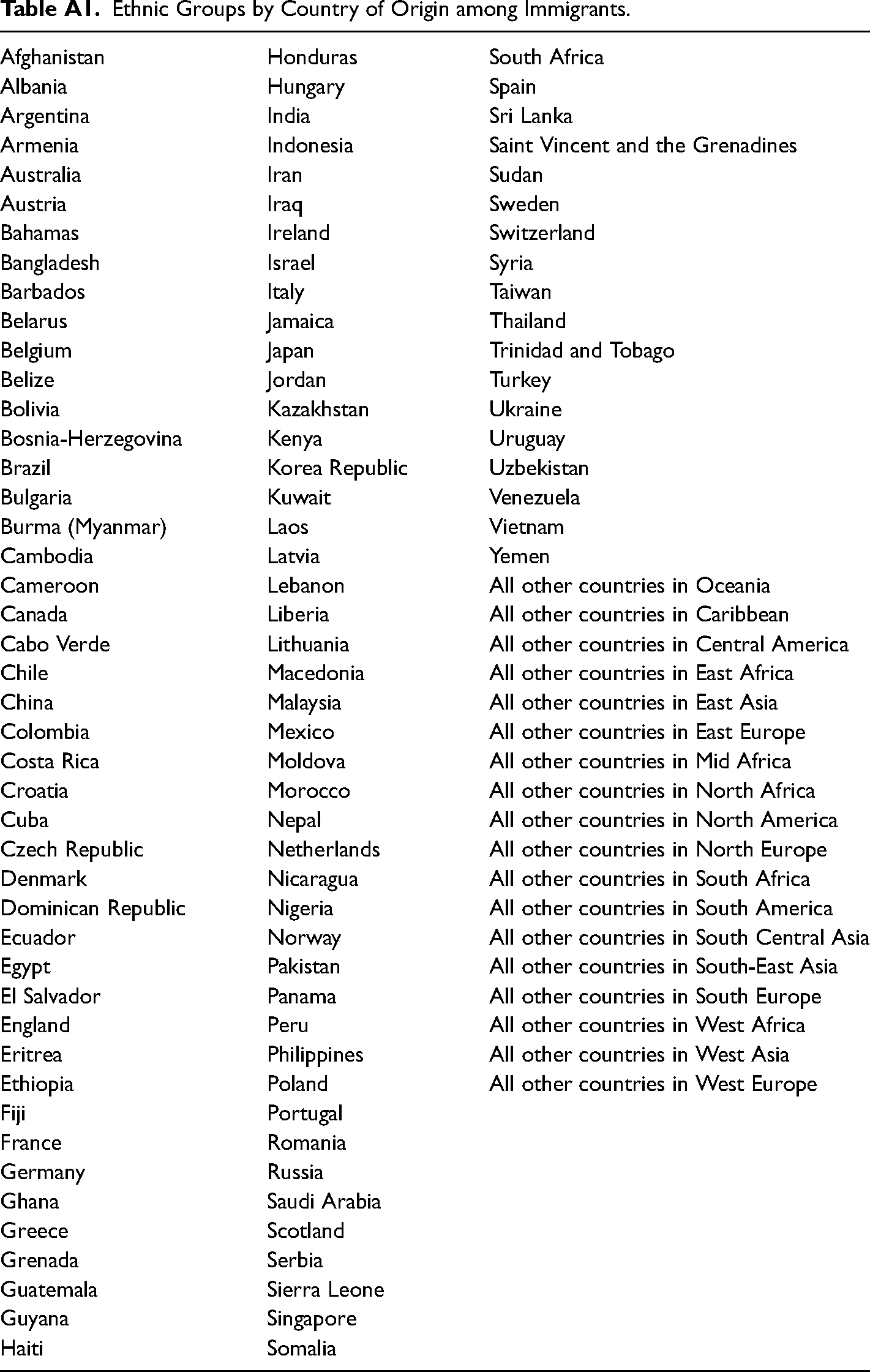
Ethnic Groups by Country of Origin among Immigrants.
| Afghanistan | Honduras | South Africa |
| Albania | Hungary | Spain |
| Argentina | India | Sri Lanka |
| Armenia | Indonesia | Saint Vincent and the Grenadines |
| Australia | Iran | Sudan |
| Austria | Iraq | Sweden |
| Bahamas | Ireland | Switzerland |
| Bangladesh | Israel | Syria |
| Barbados | Italy | Taiwan |
| Belarus | Jamaica | Thailand |
| Belgium | Japan | Trinidad and Tobago |
| Belize | Jordan | Turkey |
| Bolivia | Kazakhstan | Ukraine |
| Bosnia-Herzegovina | Kenya | Uruguay |
| Brazil | Korea Republic | Uzbekistan |
| Bulgaria | Kuwait | Venezuela |
| Burma (Myanmar) | Laos | Vietnam |
| Cambodia | Latvia | Yemen |
| Cameroon | Lebanon | All other countries in Oceania |
| Canada | Liberia | All other countries in Caribbean |
| Cabo Verde | Lithuania | All other countries in Central America |
| Chile | Macedonia | All other countries in East Africa |
| China | Malaysia | All other countries in East Asia |
| Colombia | Mexico | All other countries in East Europe |
| Costa Rica | Moldova | All other countries in Mid Africa |
| Croatia | Morocco | All other countries in North Africa |
| Cuba | Nepal | All other countries in North America |
| Czech Republic | Netherlands | All other countries in North Europe |
| Denmark | Nicaragua | All other countries in South Africa |
| Dominican Republic | Nigeria | All other countries in South America |
| Ecuador | Norway | All other countries in South Central Asia |
| Egypt | Pakistan | All other countries in South-East Asia |
| El Salvador | Panama | All other countries in South Europe |
| England | Peru | All other countries in West Africa |
| Eritrea | Philippines | All other countries in West Asia |
| Ethiopia | Poland | All other countries in West Europe |
| Fiji | Portugal | |
| France | Romania | |
| Germany | Russia | |
| Ghana | Saudi Arabia | |
| Greece | Scotland | |
| Grenada | Serbia | |
| Guatemala | Sierra Leone | |
| Guyana | Singapore | |
| Haiti | Somalia |