






Abstract
Climate shocks frequently undermine livelihoods in agrarian economies, prompting households to adopt adverse coping strategies such as migration. Although social networks are recognised as informal insurance mechanisms, their role in mediating climate-induced migration remains underexplored. This study examines how social networks mediate the effect of flooding on migration decisions in Malawi, using the 2019/2020 Malawi Living Standards Measurement Survey and geospatial flood data. Employing causal mediation analysis, we address endogeneity using control function and Lewbel approaches and mitigate selection bias through Heckman correction, propensity score matching and Rosenbaum bound sensitivity tests. Baseline results show a significant mediation effect of 0.041 percentage points, corresponding to a 2.41% compensatory reduction in migration. The mediation effect is statistically significant only for low-intensity flooding (SPI ≥ 1) and among rural households, suggesting that social networks act as substitutive risk-coping mechanisms for relatively vulnerable populations. These findings imply that policy interventions should move beyond reliance on formal financial instruments and instead leverage existing social networks as cost-effective, community-based platforms for climate adaptation. By identifying an actionable pathway through which adaptive capacity can be strengthened, this research contributes directly to achieving SDG 13 on climate action.
Introduction
Globally, the economic costs of climate change are mounting and becoming ever more acute (Cevik & Jalles, 2023). 1 The frequency of climate-related disasters has surged dramatically—rising by 83% between 1980–1999 and 2000–2019 (McClean, 2020; Oxera, 2024), contributing to significant cumulative losses equivalent to 0.2% of global GDP (Waidelich et al., 2024). Accounting for 44% of all climate-related disasters globally, flooding is the most prevalent and economically damaging (McClean, 2020). This is particularly acute in Sub-Saharan Africa, where floods represent 64% of all natural disasters (CRED, 2019; McClean, 2020).
Flood events have profound and multifaceted economic consequences for human welfare. Studies have demonstrated that flood shocks systematically undermine agricultural systems, leading to crop failures and diminished productivity (Ahmed, 2024; Djanibekov et al., 2024; Sîli et al., 2020). These agricultural disruptions cascade into broader socio-economic challenges, exacerbating food insecurity and public health outcomes (Ahmed, 2024; Akukwe et al., 2020)—while pushing vulnerable households into deeper poverty (Tol, 2018). The implications also extend beyond immediate welfare concerns; for instance, floods disrupt healthcare and education systems (Borst et al., 2025), delay entry into the labour market (Huang & Dong, 2025) and increase child mortality (Salam et al., 2023; Venegas et al., 2024).
Agrarian economies, characterised by limited access to formal credit markets, face vulnerabilities in this context. Populations in these areas frequently adopt suboptimal coping mechanisms when confronting flood impacts (Erima et al., 2023; Ojo & Baiyegunhi, 2020), with migration emerging as a primary strategy for those seeking improved economic opportunities (Milasi, 2020). In such settings, where formal safety net mechanisms remain underdeveloped or entirely absent, social networks emerge as critical informal insurance systems (Amornsiriphong & Piemyat, 2012; Endris et al., 2020). These networks constitute essential infrastructure for household risk management, enabling communities to mitigate shocks that would otherwise intensify poverty dynamics (Klärner & Knabe, 2019). The protective function of social networks manifests through various channels, including the provision of informal credit arrangements and resource-sharing mechanisms that help buffer households against welfare losses (Guodaar & Bardsley, 2024).
While a plethora of studies have looked at the climate change–migration nexus, they have largely ignored identifying factors that would mediate the negative impact of climate change on migration, particularly the potential mediatory role of social networks. Several studies have examined the impact of climate shocks on migration, particularly in less-developed, agriculture-dependent economies (De Falco et al., 2019; Mukherjee & Fransen, 2024). In the context of Sub-Saharan Africa, studies suggest that the intention to migrate—both domestically and internationally—often increases following climate shocks as households adopt migration as a coping strategy (Bekaert et al., 2021; Benonnier et al., 2021; Wiederkehr et al., 2018). However, other studies emphasise that migration is not a universally viable adaptation strategy, cautioning against its potential negative consequences (Gautam, 2021; Sedova & Kalkuhl, 2020; Sergievskaya, 2021). Scholars have highlighted that climate-induced migration decisions are influenced by a wide range of factors, including socio-economic and contextual conditions (Nabong et al., 2023). Increasing attention has been paid to the role of social networks in supporting climate adaptation through diversified livelihood strategies and informal safety nets (Dapilah et al., 2019; Ramsawak, 2022; Wossen et al., 2016).
While social networks typically discourage migration by buffering households against risks (Hotchkiss & Rupasingha, 2018), climate shocks represent exogenous disruptions that can fundamentally alter this relationship. Such events may transform the traditional functionality of these networks, potentially reversing or reconfiguring their influence on migration decisions in climate-affected contexts (Nawrotzki et al., 2015; Ngoma et al., 2023). This suggests that the social network–migration nexus operates differently under environmental stress—a phenomenon that is not well understood in the literature.
The motivation for this study stems from the limited attention given to social networks in shaping responses to climate-induced migration. We seek to investigate the potential role of social networks in mitigating the impact that climate shocks impose on migration decisions. We do this by estimating, through a mediation analysis, the effect of social networks on climate-induced migration. The contemporary policy environment amplifies the significance of this research. Given current constraints in climate financing (African Union, 2024) and reductions in development assistance (OECD, 2025), understanding locally available adaptive mechanisms becomes essential for resource-limited lower-middle income nations. Our analysis contributes to the incorporation of cost-effective, community-based approaches into climate resilience policies, offering evidence for how countries with constrained mitigation resources can strengthen their capacity to withstand climate-related disasters.
Floods, Social Networks and Migration in Malawi
Over the last two decades, Malawi has experienced an increase in the frequency and severity of climate-related shocks, with 30 climate-related disasters recorded during this period (Khendlo & Beeharry, 2025; UNDP, 2020). Flood risk is seasonal, with events concentrated during the rainy season from October to April and peaking between December and January (World Bank, 2024). These risks are particularly pronounced in the southern region of Malawi (Khendlo & Beeharry, 2025). Some of the most devastating recent events include Cyclone Idai in 2019 and Cyclone Freddy in 2023 (Nordbo et al., 2024).
These hazards pose major challenges to the country’s economy and livelihoods. Over time, recurrent shocks have eroded household resilience and livelihoods, adversely affecting food security and increasing the risk of displacement (Marin Urbina, 2025; McCarthy et al., 2021). Around 80% of Malawi’s population is employed in the agricultural sector (World Bank Group, 2025), which is highly vulnerable to climate shocks, and studies show that such shocks reduce crop production and yields by about 32%–48% (McCarthy et al., 2021). Households have often resorted to reliance on social ties and community networks as a coping strategy to climate shocks (Abid et al., 2020).
Social networks are foundational to everyday life in Malawi (Dzanja, 2018; Dzanja et al., 2015). The dominant networks are based on extended kinship and lineage ties, village and neighbourhood groups, church fellowships, savings associations and farmer-based organisations (Munthali, 2023; Nourani et al., 2021; Trinitapoli et al., 2014). These structures operate as informal insurance systems where households draw on relatives, neighbours and church members for food transfers, labour exchange, small loans, remittances and caregiving during shocks (Abid et al., 2020; Craig et al., 2023). Social capital is heterogeneous across genders. Gender shapes social capital as men tend to mobilise wider bonding networks across space with social ties beyond their villages—an option largely unavailable to women due to restricted mobility (Craig et al., 2023). Women, on the other hand, depend more on localised collective institutions, particularly village savings and loans associations (Craig et al., 2023).
Migration in Malawi has been shaped by historical trends (Chidoba, 2017) and increasing environmental pressures (Parrish et al., 2022). While international migration has increased over time (Thomas & Inkpen, 2013), a larger share of the mobility in recent decades has been internal with a 40% rate (Lanati et al., 2021). Recurrent floods, cyclones and droughts linked to climate variability have become important factors influencing migration patterns (McAuliffe & Oucho, 2024; UN, 2025). For instance, the 2023 Tropical Cyclone Freddy alone displaced 600,000 people and exposed the vulnerability of rural households to climate-induced displacement, with many still unable to return to their homes due to persistent flooding and damage (Government of Malawi, 2023; UN, 2025). Similarly, seasonal floods and seasonal shifts in rainfall have compelled families in low-lying areas to migrate temporarily in search of casual work or safer living conditions, especially in the southern and central regions (McAuliffe & Oucho, 2024).
Malawi offers a compelling case study for examining climate-induced migration because of its high exposure to recurrent and severe climate shocks, particularly floods and cyclones, and the central role these shocks play in shaping livelihoods and mobility. The country’s heavy reliance on rain-fed agriculture makes households especially vulnerable to climate variability, with repeated shocks eroding resilience, food security and income. In response, social networks function as critical informal coping and insurance mechanisms, yet access to these networks is highly gendered, shaping who can adapt locally and who migrates. Combined with high levels of migration increasingly linked to flooding and seasonal rainfall variability, these conditions make Malawi an analytically rich setting for studying how social networks mediate climate-related migration.
Data
Malawi’s LSMS
We employ data from the Fifth Integrated Household Survey (IHS-5), conducted by Malawi’s National Statistical Office between April 2019 and April 2020. The survey is nationally representative, covering 11,434 households across 717 enumeration areas. IHS-5 provides information on household demographics, migration and social networks. To measure flood shocks, we complement the IHS-5 data with climate data from the University of East Anglia’s Climate Research Unit (CRU).
Outcome Variables
Migration in our study is captured as a dummy variable. Migration takes the value of 1 if a household member over the age of 15 migrates and 0 if a household member does not migrate. Specifically, we capture migration that occurred in the year 2019.
Treatment Variable
Flood shock is the treatment variable in our study. It is captured as a binary variable, taking the value of 1 if a household experienced a flood shock and 0 if the household did not experience a flood shock. To construct the flood shock variable, we integrate household GPS coordinates from IHS-5 with gridded climate data obtained from the University of East Anglia’s CRU (Climatic Research Unit, 2019). This data set provides high-resolution measures of precipitation, temperature and climate variability, making it well-suited for the empirical economic analysis of environmental shocks (Castle & Hendry, 2020).
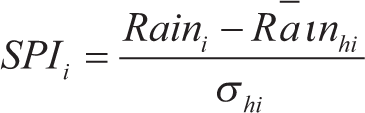
Following the guidelines of the World Meteorological Organization (2012), we estimate flood shocks using the Standardised Precipitation Index (SPI), a z-score-based metric that captures rainfall anomalies relative to long-term historical averages. Specifically, the SPI measures the extent to which observed seasonal precipitation deviates from the 30-year historical mean (1988–2017), standardised by the historical standard deviation. For this analysis, we define the agricultural season in Malawi as spanning October to April, consistent with established definitions of the crop-growing period (Matsui, 2016). The SPI is calculated using the following formula:
Flood shock is then captured as follows:
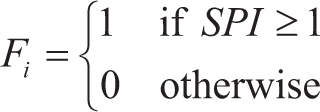
where Raini denotes the observed rainfall during the 2018/2019 season, Ra̅ınhi is the 30-year historical mean and σhi is the corresponding standard deviation. SPli is the standard precipitation index, which indicates how precipitation deviates from the climatological average over a given accumulation period (EU, 2025). A household is considered to have experienced a flood shock if the SPI is greater than or equal to 1, indicating significantly above-average rainfall. 2 A comparison of known flood areas, as reported by the Government of Malawi (2019), with SPI-computed flooded areas shows that the SPI-computed areas fully capture all the reported flood areas, as shown in Appendix, Section ‘Flood Shock Validation’, validating the SPI approach.
Mediator Variable
Social networks are our mediation variable and are measured as a binary variable, taking the value of 1 if the household has social networks and 0 otherwise. This was proxied by households that sought for unconditional help from close ties after having experienced a shock (Mohamad et al., 2015). Selection bias due to sample selection arises as conditional on this variable, as households that do not experience a shock exhibit missing values that are not at random (MNAR). We address the potential bias in our identification strategy.
Control Variables
Following De Falco et al. (2022), we use the following control variables: individual-level characteristics of the household head (age, sex, education level, marital status, religion and employment status); household-level characteristics (credit access, household size and asset index); and location of residence as the community-level characteristics.
Descriptive Statistics
Table 1 presents the balance table by flood shock status for the full sample of 11,282 households. The sample split consists of 10,546 flood-exposed households and 736 non-exposed households.
Means and Differences in Means by Flood.
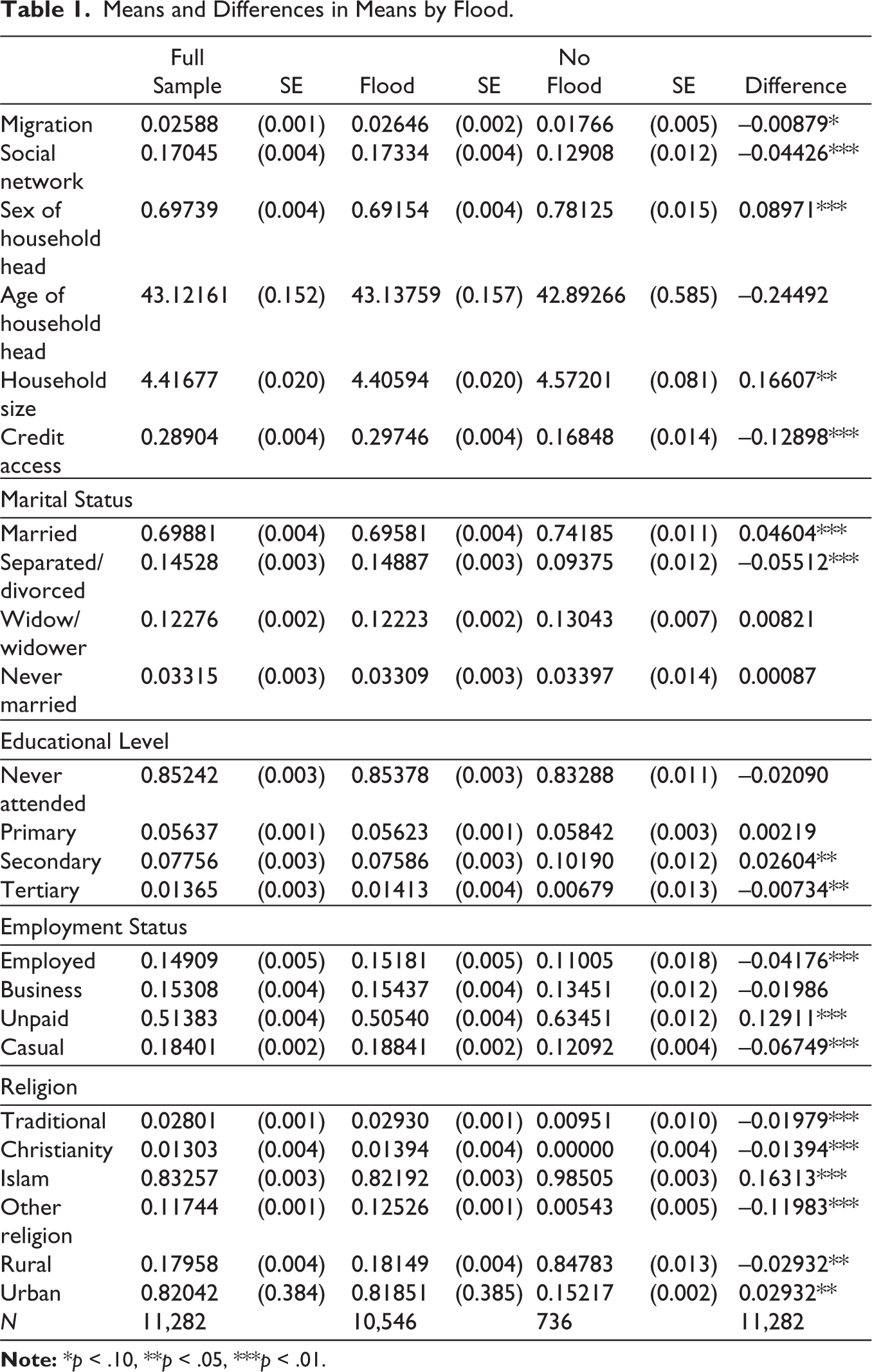
A frequency analysis reveals substantial differences in migration patterns and social network access between flood-exposed and flood-unexposed households. The former demonstrates significantly higher migration rates, indicating that environmental shocks increase household mobility as a potential coping mechanism. Additionally, these households exhibit greater access to social networks compared to their unexposed peers, suggesting that flood exposure either strengthens existing community ties or motivates households to develop new social connections. The positive correlation between flood exposure and social network presence raises important questions about whether affected households strategically leverage social capital to mitigate flood impacts, warranting further investigation into the role of community networks as adaptive mechanisms
Methodology
Empirical Strategy
To estimate the mediating role of social networks in the relationship between flood shocks and migration, we estimate three models. The first model examines the impact of floods on migration; the second model examines the impact of floods on social networks; and the third model examines the impact of social networks on migration.



Where M is migration, SN captures social networks, F captures flood shock and X is the vector of control variables.
Probit Regression
Due to the binary nature of the dependent variables in Equations (3)–(5), we use the probit model to estimate the coefficients of interest (Cattaneo & Massetti, 2015). The coefficients of the probit model estimate the conditional probability changes in migration due to changes in the variable of interest, while holding control variables constant. We specify the probit model as follows:

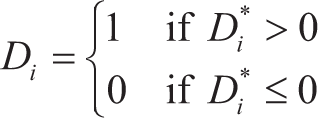


where D* i is a latent (unobserved) variable representing the underlying propensity to be in the treatment group, and Di is the observed binary treatment indicator that equals 1 if individual i belongs to the treatment group and 0 otherwise. Φ(•) denotes the cumulative distribution function of the standard normal distribution.
Mediation Analysis
We use a mediation analysis to decompose the mechanisms through which climate shocks impact migration, exploring the role of social networks as a potential mediator. Our conceptualised mediation framework is shown in Figure 1.
Mediation Path Diagram.
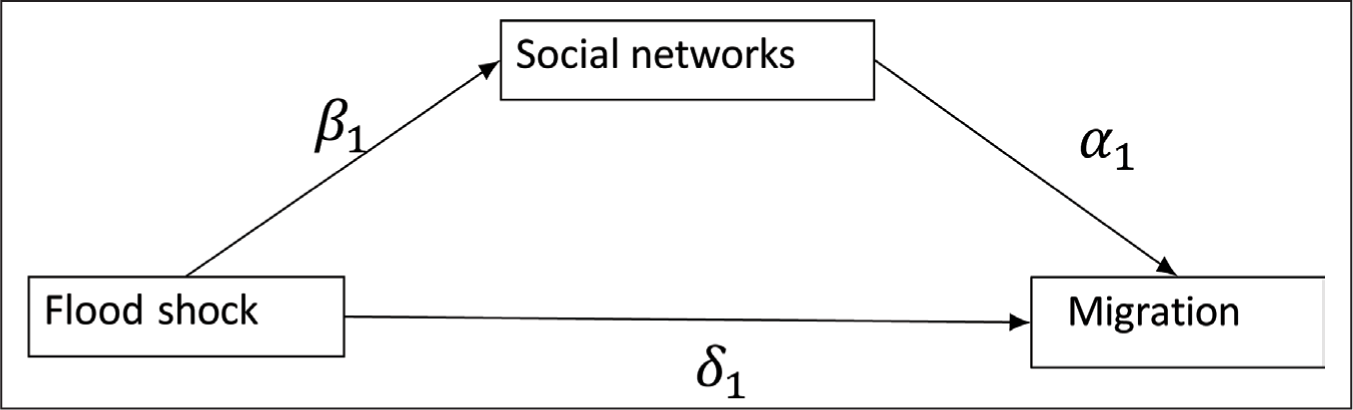
To calculate the mediation effect and consequently the compensation effect of social networks on the climate–migration nexus, we follow the following steps by Pan and Dong (2023). First, we assess whether the necessary conditions for mediation are met: (a) whether the impact of exposure to a flood shock on social networks is significant (β1); (b) whether the impact of social networks on migration (α1) is significant; (c) whether the impact of flood shocks on migration is significant when social networks are controlled for (δ1) and when social networks are not controlled for (γ1); and (d) in comparison, whether the absolute value of γ1 is larger than the absolute value of δ1.
Second, if all prerequisites in the first step are met, we calculate the mediation (indirect) effect of social networks and test for significance. Following Pan and Dong (2023), the indirect effect of social networks is a product of the coefficient of flood shocks in Equation (4) (α1) and the coefficient of social networks in Equation (5) (δ1), and is given as (α1 × δ1). We test for the significance of the mediation effect with the use of the Sobel test (Sobel, 1982).
3
A Z-score of the Sobel test is expressed as follows:
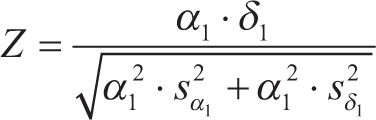
where
The third step is to calculate the compensation effect of the mediation effect. It involves calculating the proportion of the total effect that is mediated by social networks. It is given as a ratio of the mediation effect and the total effect as follows:
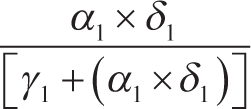
Identification
Selection Bias
We hypothesise two sources of selection bias in our study. The first source is as a result of sample selection due to MNAR on the social networks variable. Since social networks are observed to be conditional on observing a shock, the subsample that did not observe a shock results in having missing observations on social networks that are not at random. Second is selection bias as a result of self-selection. These are reflected as systematic differences between the treatment and control groups, conditional on both observable and unobservable characteristics.
We follow Koné et al. (2019) and employ the Heckman Selection Model to address this potential bias arising from MNAR (Heckman, 1979). We test for any systematic differences between the observed and unobserved samples conditional on experiencing a shock. To satisfy the exclusion restriction, we use distance to the nearest tar road as a participation variable in the selection equation.
Propensity score matching (PSM) is used to mitigate for self-selection conditional on observable characteristics, while selection on unobservable characteristics (Nguyen et al., 2025) is assessed by employing the Rosenbaum bound test that evaluates the sensitivity of our matching results to potential unobserved biases after matching (Chen, 2016; Rosenbaum, 2002). In the PSM, a matched treatment and control group is created using a matching algorithm that consists of observations that share similar propensity scores (conditional on identified caliper value), called a common support. The quality of the matching is then assessed using an overlapping test and a standardised mean difference (SMD) approach (Blumenstock et al., 2025; Zhang et al., 2019).
Endogeneity
We hypothesise social networks to be endogenous in Equation (5) (social networks on migration relationship). This may stem from two sources. First, stemming from omitted variable bias—where unobserved variables like ability or culture may affect both formulation of social networks and migration patterns. Second, stemming from reverse causality. While social networks are hypothesised to affect migration (Charkviani, 2025), migration patterns also possibly affect the formation of social networks by a household (Blumenstock et al., 2025; Kovac, 2023).
We follow Manja et al. (2025) and use a control function approach to establish causality. Different studies have used different variables to instrument social networks from being a citizen in the country and confidence of an individual (Arezzo & Giudici, 2017) to using average levels of social capital in the community and community heterogeneity indicators (d’Hombres et al., 2009). Data limitations do not enable us to use the aforementioned instruments, and hence, we follow Adepoju and Oni (2012), and employ household donations as an instrumental variable for social networks. In addition to testing instrument relevance and controlling for the income level in our second-stage regression (which may reflect the ability to donate), we further argue that donations are more strongly driven by social motivations—such as empathy and social norms—than they are driven by pure economic capacity. This is because an individual’s decision to donate is shaped more by social ties and interactions than by wealth alone (Eckel et al., 2023). The control function approach is specified as follows:
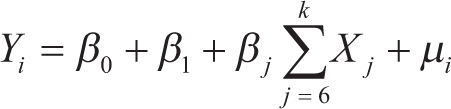



where Zi is the instrumental variable.
To complement the control function approach, we assume the absence of an available external instrument and employ heteroscedasticity-based internal instruments following the approach proposed by Lewbel (2012). We implement the Lewbel (2012) approach as follows:
We let M denote migration (outcome), SN the potentially endogenous social networks variable and X the vector of exogenous controls. The structural model is therefore given as:

and the first-stage equation for social networks is:

We first estimate the reduced-form equation for SN and obtain the residuals 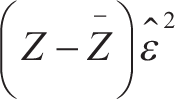
These generated instruments are valid under the following additional identifying conditions: (a) the standard IV orthogonality conditions hold,
We then estimate the migration equation using two-stage least squares, instrumenting social networks with the Lewbel-generated instruments described above. This approach allows us to recover consistent estimates of the causal effect of social networks on migration in the absence of credible external instruments.
Empirical Results
Baseline Results
Flood Shocks and Migration
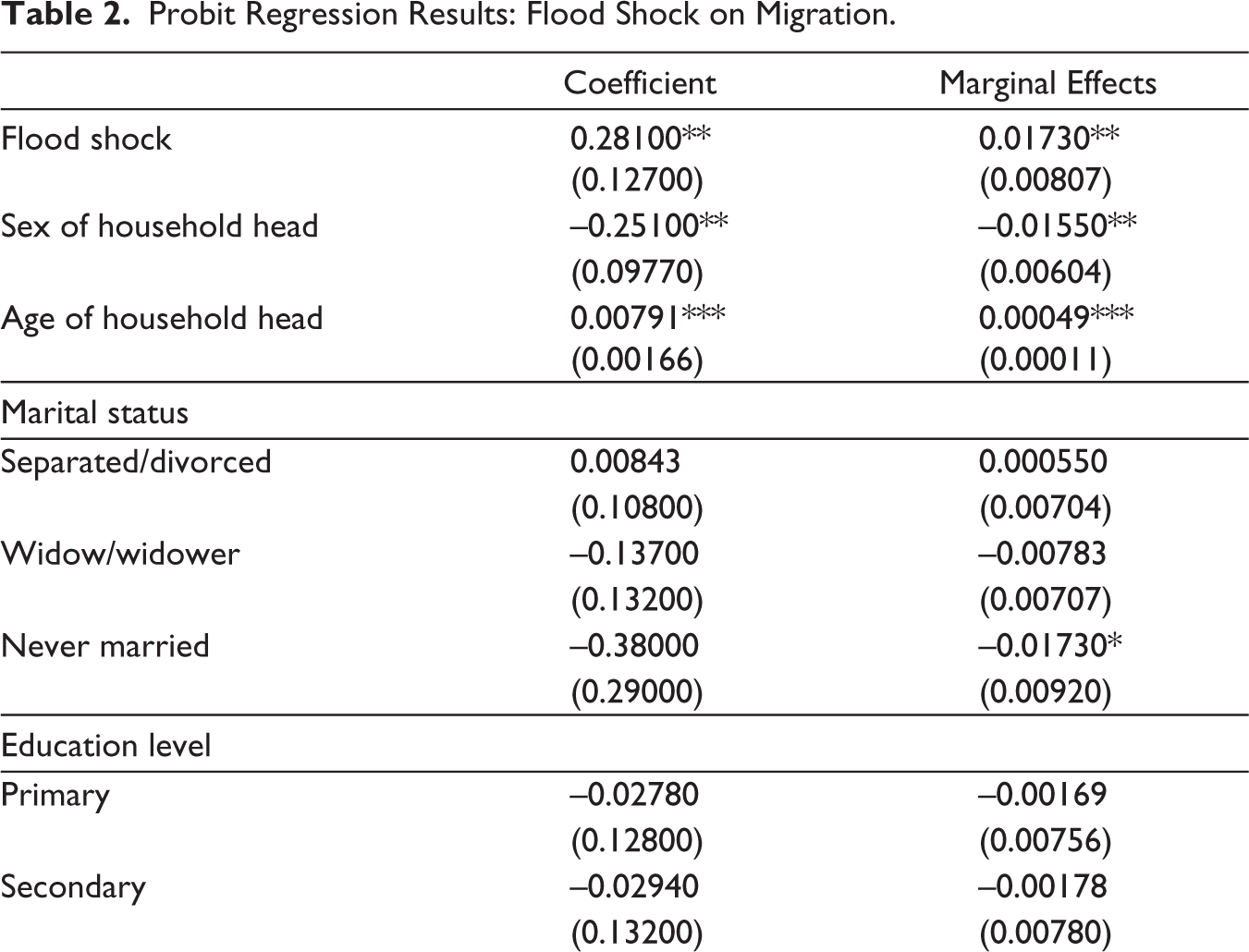
Table 2 illustrates the results from estimating the impact of flood shocks on migration. It shows a significantly positive relationship between floods and migration. Specifically, experiencing a flood increases the probability of migrating by 1.7 percentage points. This is consistent with Giannelli and Canessa (2021), who also find a similar relationship in the flood–migration nexus.
Probit Regression Results: Flood Shock on Migration.
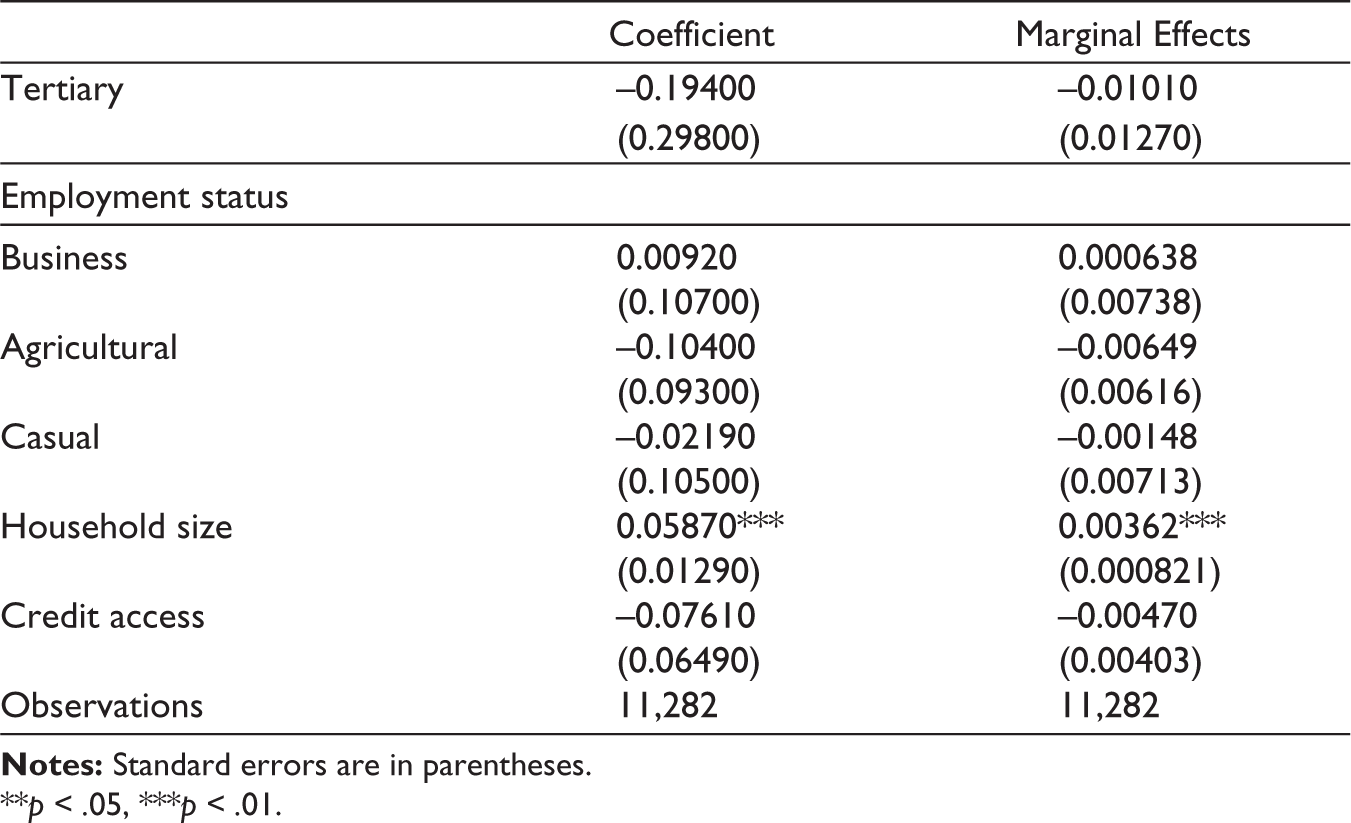
**p < .05, ***p < .01.
Flood Shocks and Social Networks
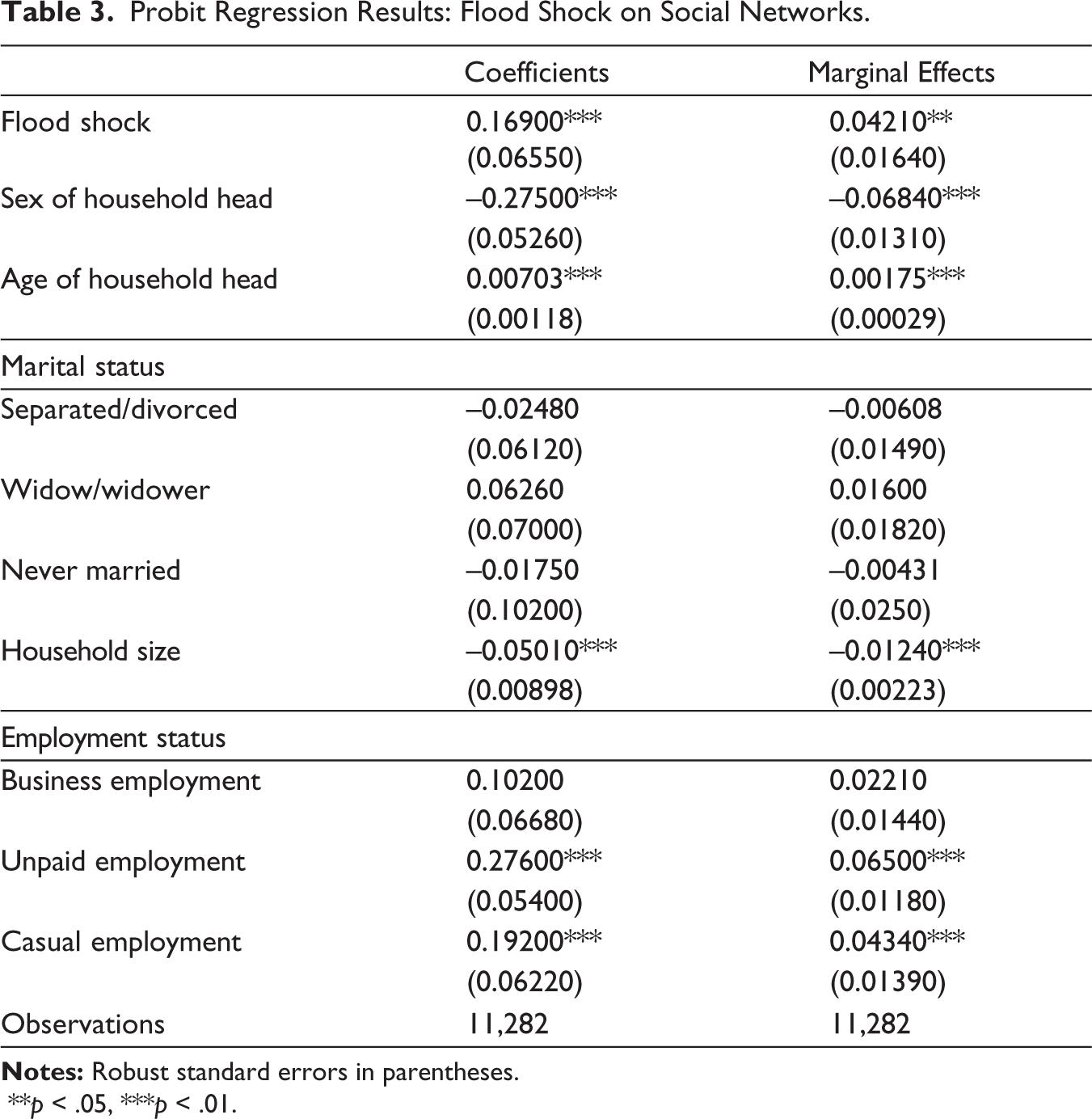
Table 3 presents the results from estimating the impact of flood shocks on the incidence of social networks. The findings demonstrate a significant positive relationship between flood shocks and formation of social networks. Specifically, experiencing a flood increases the probability of forming social networks by 4.2 percentage points. This finding aligns with Savari et al. (2024), who also find a similar relationship in the flood–social networks nexus.
Probit Regression Results: Flood Shock on Social Networks.
**p < .05, ***p < .01.
Social Networks and Migration
Table 4 presents the estimation results for the impact of social networks on migration. Column 2 presents the maximum likelihood estimation (MLE) results from the probit model. Columns 3 and 4 present the endogeneity-corrected results from the control function and Lewbel (2012) approaches, respectively. We find significant and negative coefficients of social networks across all three approaches. The endogeneity-corrected control function and Lewbel (2012) approaches estimate that social networks reduce the likelihood of migration by 0.96 and 1.2 percentage points, respectively. These results are consistent with Manchin and Orazbayev (2016), who also find a suppressing effect of social networks on migration.
Probit Regression Results: Social Networks on Migration.
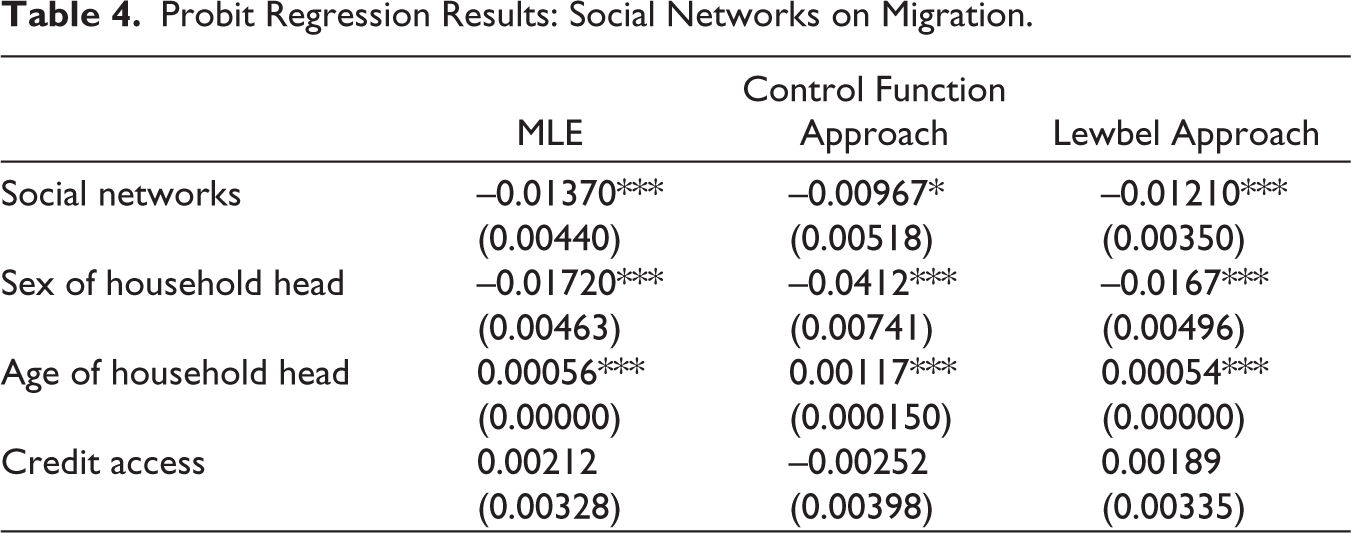
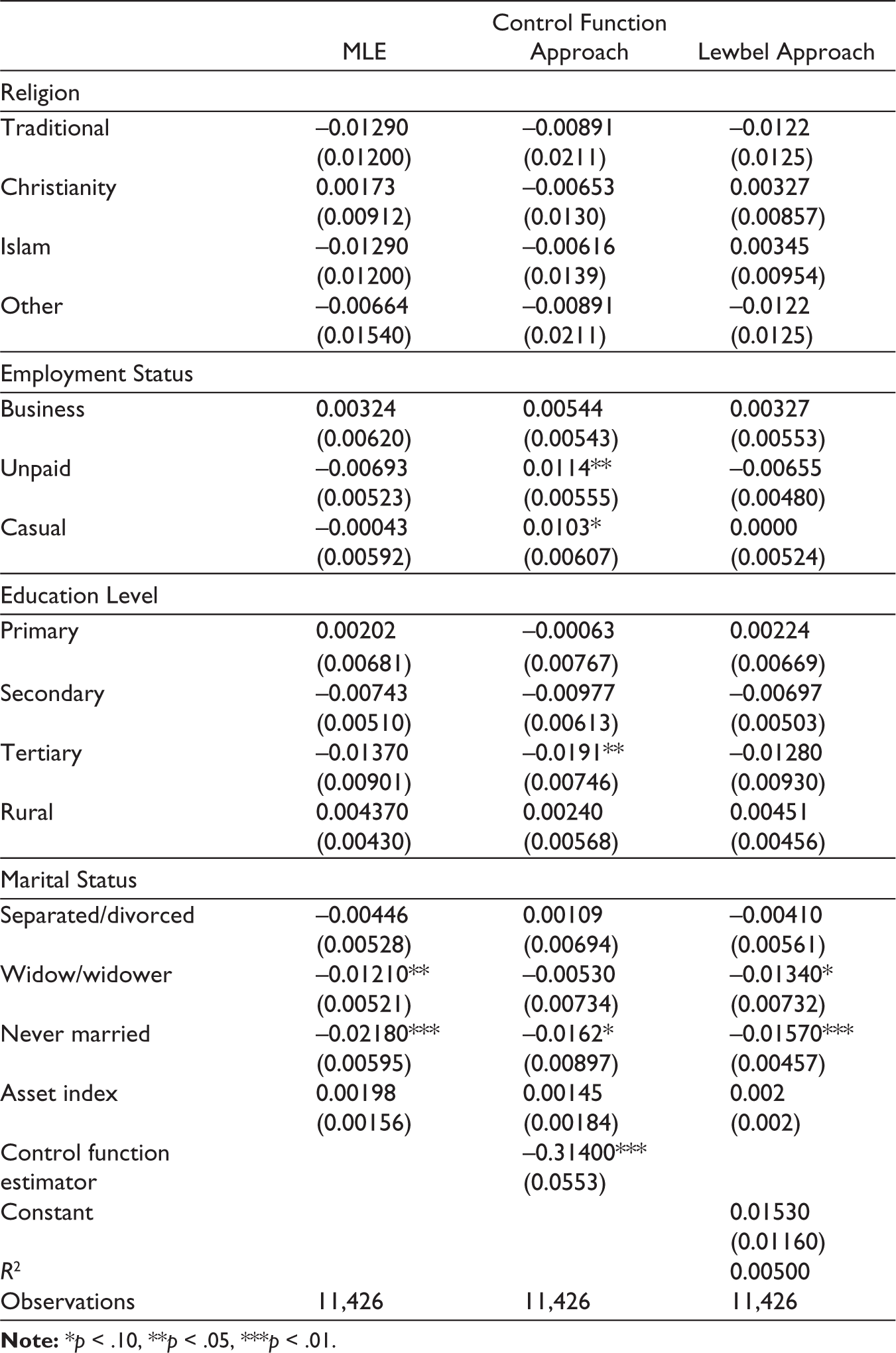
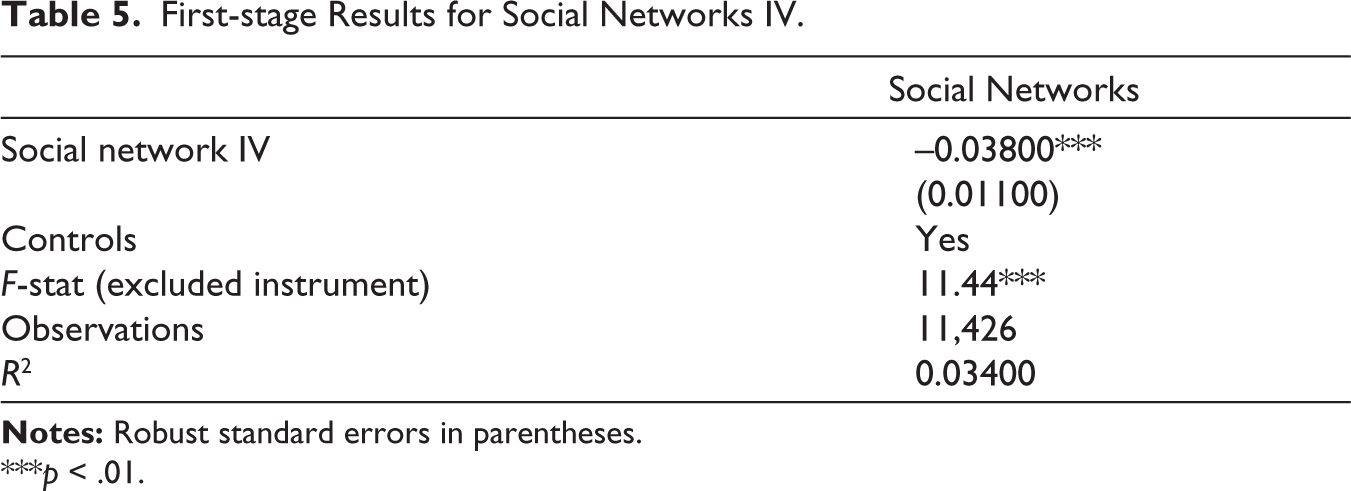
Table 5 justifies the use of donations as an instrument for social networks for the control function approach. A significant coefficient of donations on social networks and an F statistic of greater than 10 satisfy the relevance condition of donations as an IV.
First-stage Results for Social Networks IV.
***p < .01.
Mediation Effects
Results from Tables 2–4 show that we meet the first three criteria for the mediation of social networks on the flood–migration nexus. Tables A1 and A2 establish the fourth mediation analysis criterion as outlined in the subsection ‘Mediation Analysis’. When social networks are not accounted for, the estimated effect of floods on migration is much smaller (0.00217) compared to when they are controlled for (0.01877). The increase in the marginal coefficient of floods after controlling for social networks shows the mediating role of social networks in the flood–migration nexus.
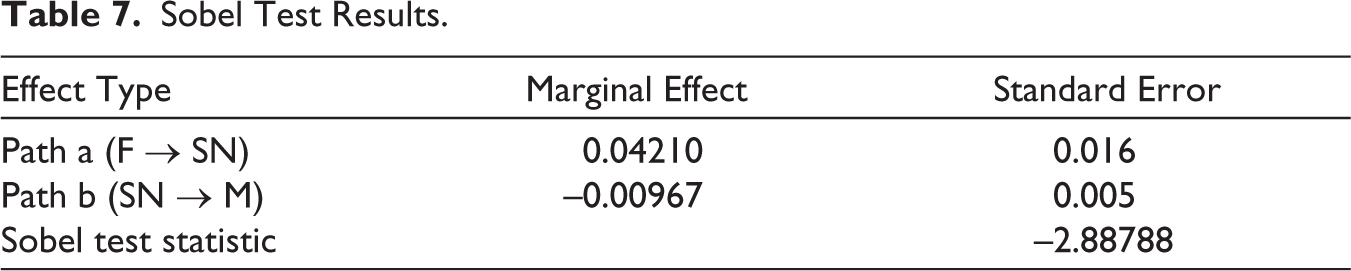
Table 6 presents the mediation analysis results, revealing a mediation effect of –0.00041 on flood-induced migration. The absolute value of the corresponding Z-score (2.89) exceeds the critical threshold of 1.96, indicating the statistical significance of the mediation effect according to the Sobel test, as seen in Table 7. The results demonstrate that social networks play a mediating role in the relationship between flood shocks and migration, suppressing the likelihood of migration in the case of a flood event. The computed compensation effect further shows that social networks reduce the likelihood of flood-induced migration by approximately 2.41%.
Mediation Analysis Results.
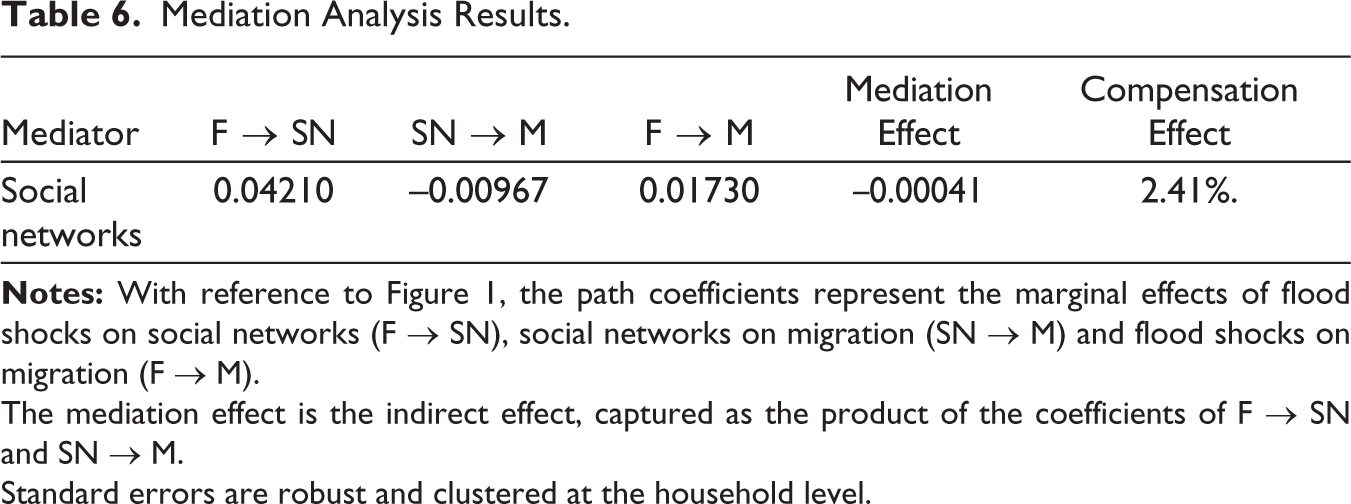
The mediation effect is the indirect effect, captured as the product of the coefficients of F → SN and SN → M.
Standard errors are robust and clustered at the household level.
Sobel Test Results.
Identification Results
Selection due to MNAR-Heckman Correction Results
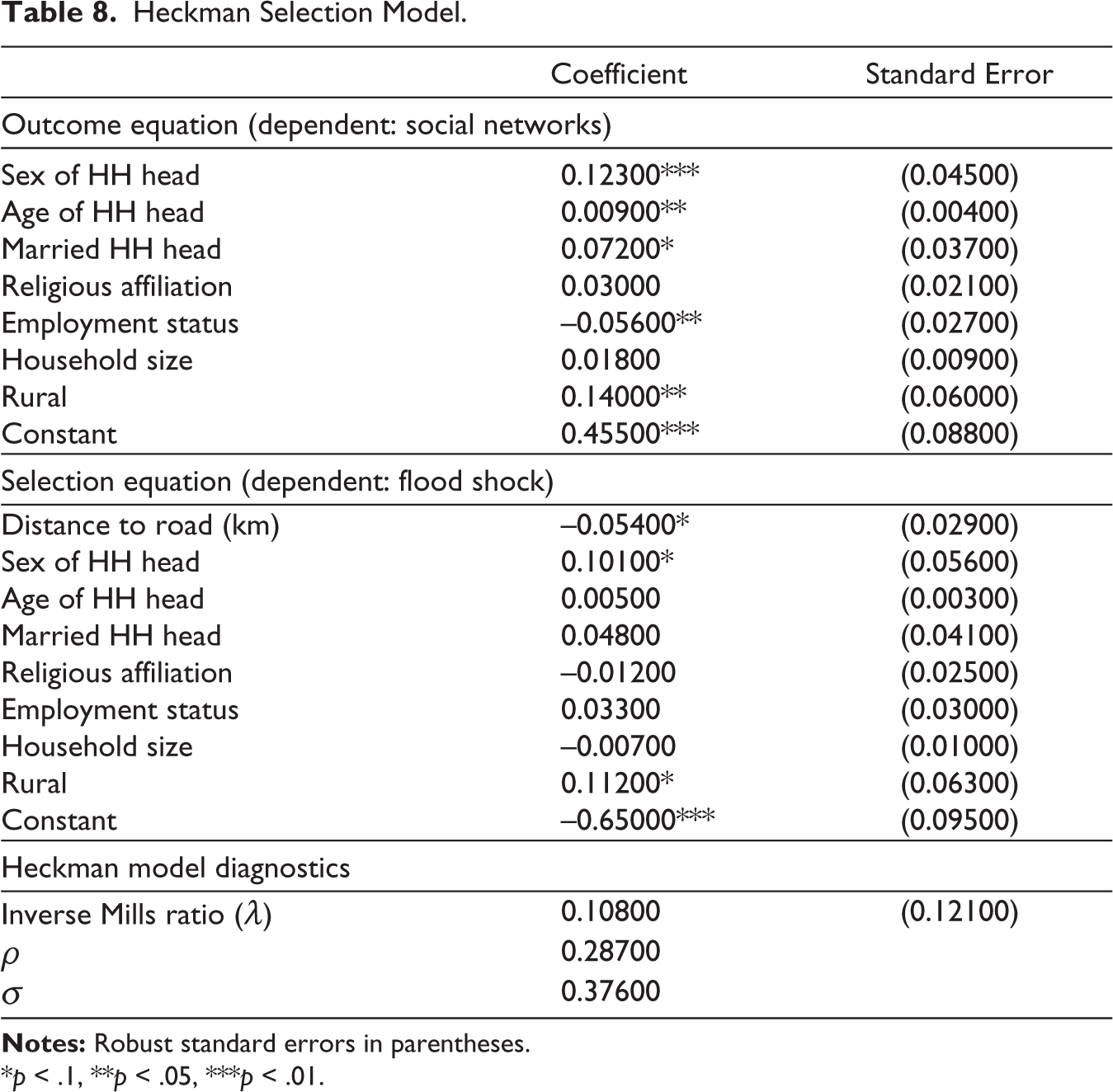
Table 8 shows results of the Heckman correction model. The results demonstrate an insignificant inverse Mills ratio and, therefore, reveal the absence of systematic differences between the sample of households that observed a shock and their peers that did not observe a shock. Our findings on the impacts of social networks on migration are therefore generalisable to the whole sample.
Heckman Selection Model.
*p < .1, **p < .05, ***p < .01.
Selection on Observables: PSM Results
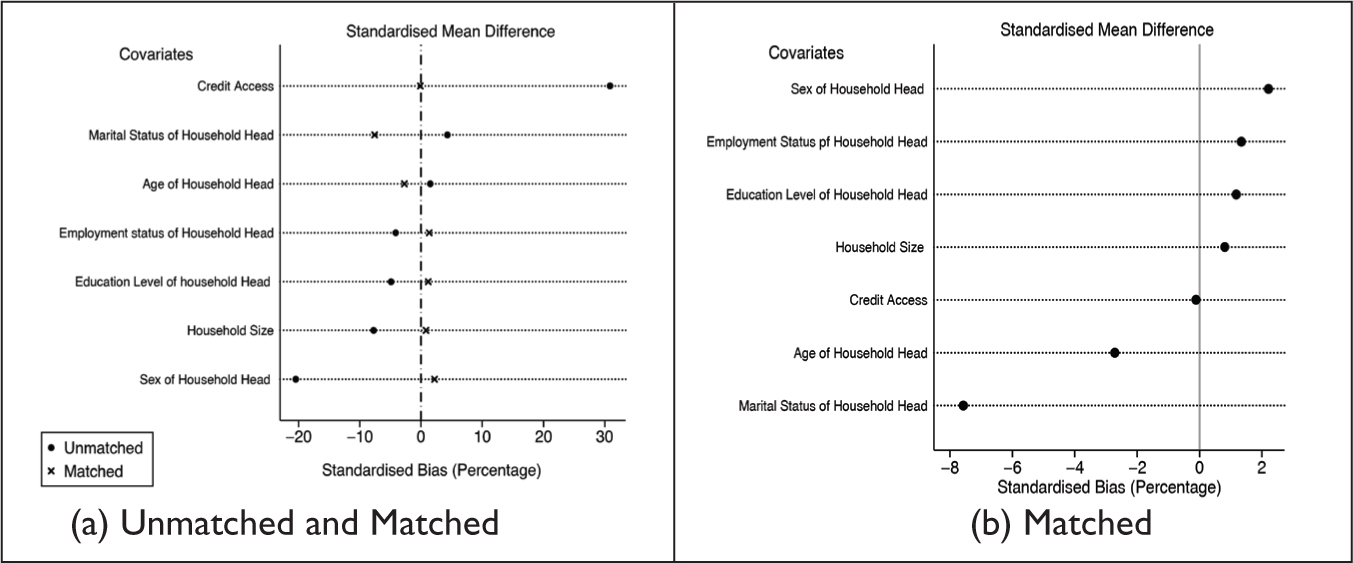
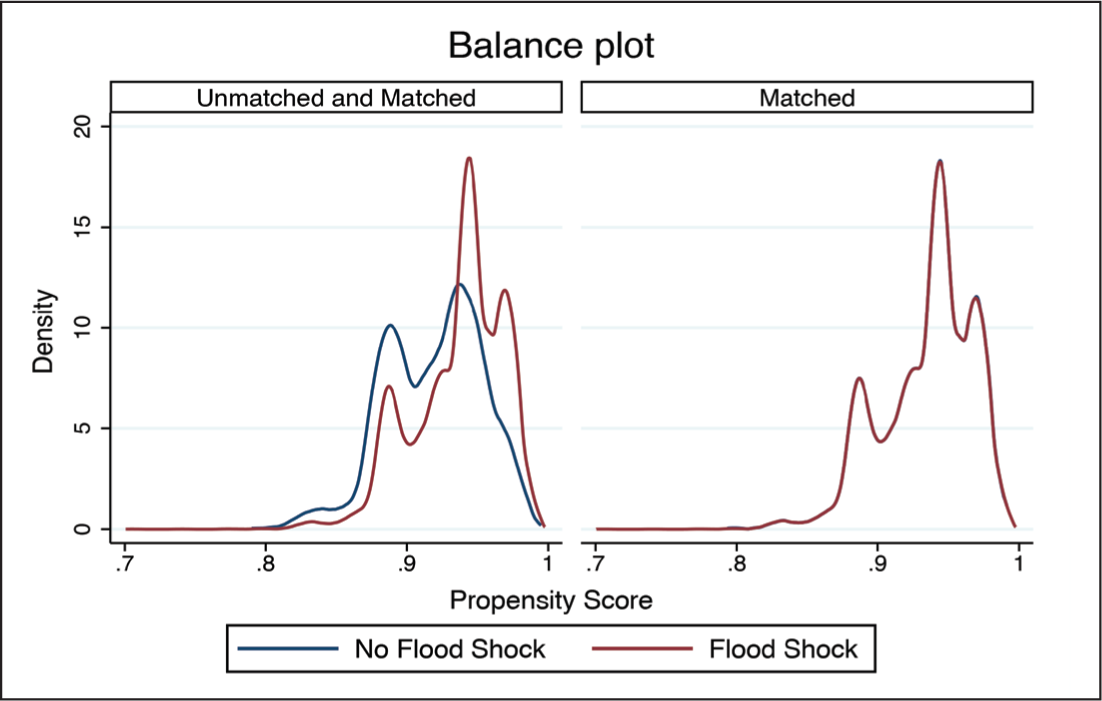
We aimed to mitigate for self-selection by creating a counterfactual control group that represents the treatment group using PSM and then to use the filtered sample for our estimation. We match the treatment status in Equations (3)–(5). The quality of our matching results was first assessed by the overlapping condition. Figures 2 and 3 show the results for the treatment status of observing a flood shock in Equation (3). Figure 3 shows the balance plot, a density plot of the treatment and control groups, before and after matching. The complete overlap in the post-matching panel entails a successful match between the two groups conditional on the observables.
Standardised Mean Differences Before and After Matching.
Balance Plot Before and After Matching.
In addition, we assessed the quality of our matching results using the SMD approach. Figure 2(a) shows the SMD of the treatment and controls before and after matching. Figure 2(b) shows the scale-adjusted SMD for the matched cohort. In both figures, we find an SMD score of below 10% on each variable, which signifies a successful match between the two groups.
Similarly, for the treatment status of flood shock in Equation (4), Figures A2 (a and b) (showing the SMD results) and A3 (showing the balance plot) show successful matching results. Figures A2.2 (a and b) (showing the SMD results) and A2.4 (a and b) (showing the balance plot) show successful results for the matching on treatment status on social networks in Equation (5).
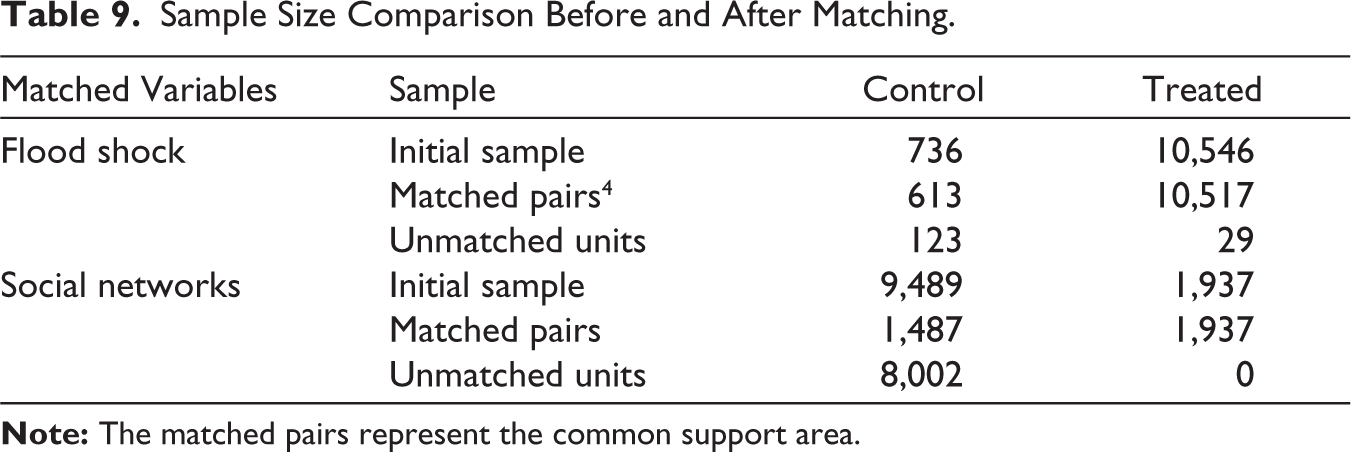
Table 9 shows the households included per treatment status as a result of the matching. It also shows the resultant common support, which was consequently used for our estimation of Equations (3)–(5).
Sample Size Comparison Before and After Matching.
Selection on Unobservable: Rosenbaum Bound Test Results
The results of the Rosenbaum bound test are illustrated in the Appendix, section ‘Selection on Unobservables’. The test uses Γ to measure how much hidden bias from unobserved variables would need to change the results, where a gamma statistic equal to 1 indicates no bias. Tables A5.1 and A5.2 show statistically insignificant effects, suggesting a lack of substantial hidden bias (Γ = 1). This indicates that the findings are likely robust to the influence of unobserved variables. Conversely, in Table A5.3, the effect remains statistically significant up to Γ = 1.2 but becomes insignificant at Γ = 1.3. This suggests that a moderate degree of unobserved confounding would be required to alter the conclusion.
Sensitivity Analysis
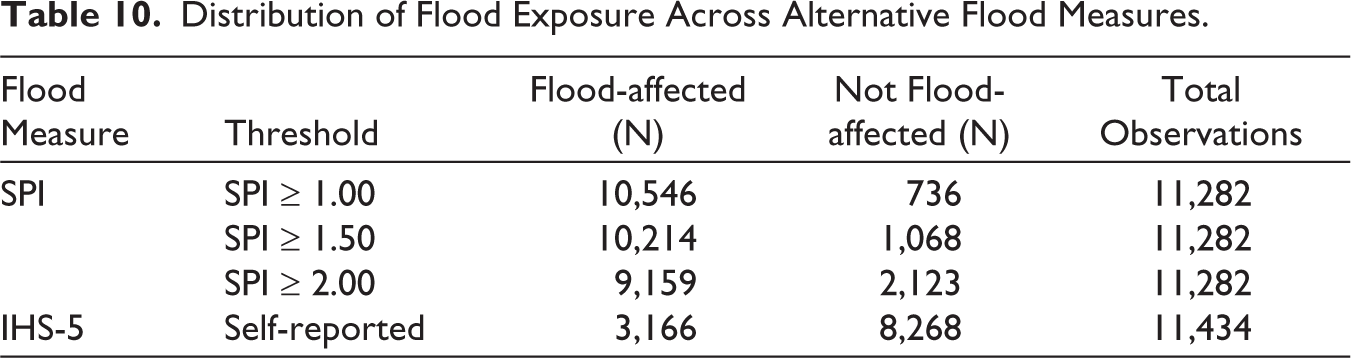
Table 10 summarises the distribution of flood exposure across alternative flood measure metrics. The SPI-based measures classify a larger share of observations as flood-affected, with the number of affected households declining as the threshold becomes higher. In contrast, the IHS-5 self-reported measure indicates that a smaller proportion of households—approximately 28%—report having experienced a flood shock in the past 3 years. This is in line with Carletto et al.’s (2024) observation on the limitations of self-reported survey data on climate shocks, where they claimed inaccuracies in self-reported climate shocks
Distribution of Flood Exposure Across Alternative Flood Measures.
Sensitivity to SPI Threshold
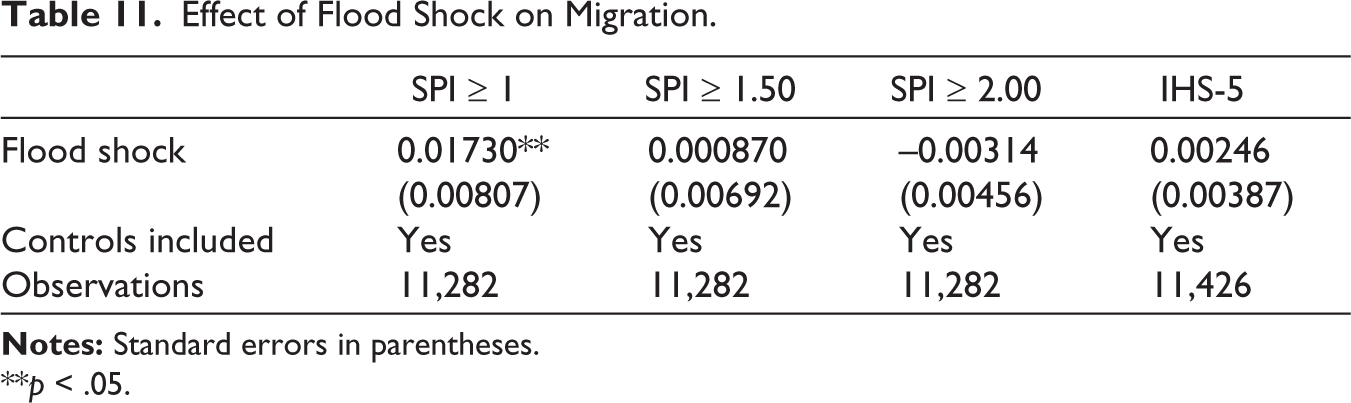
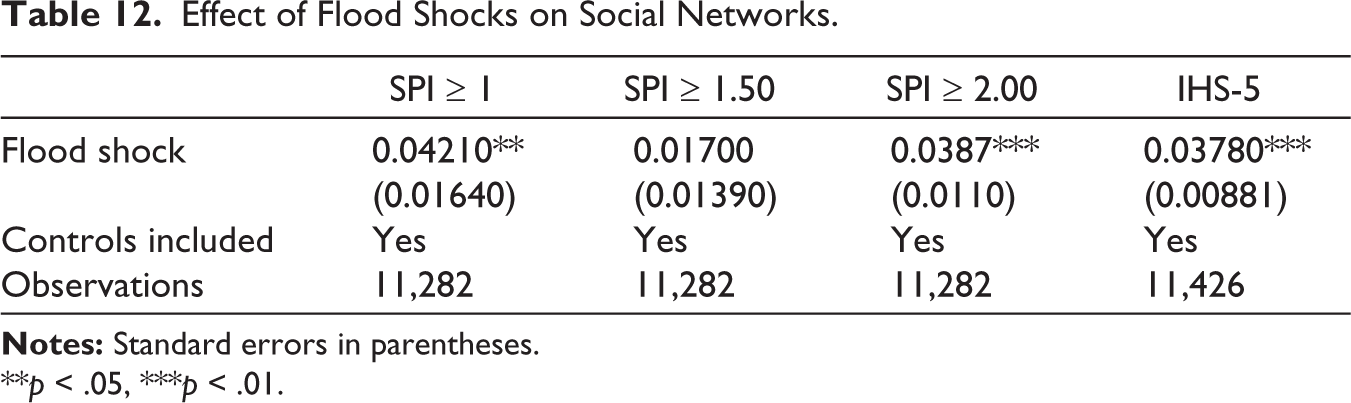
We assess the sensitivity of the results to changes in SPI thresholds (SPI ≥ 1, SPI ≥ 1.50 and SPI ≥ 2.00). The results in Tables 11–14 illustrate the presence of mediation only at SPI levels of greater than or equal to 1 (SPI ≥ 1).
Effect of Flood Shock on Migration.
**p < .05.
Effect of Flood Shocks on Social Networks.
**p < .05, ***p < .01.
Effect Social Networks on Migration.
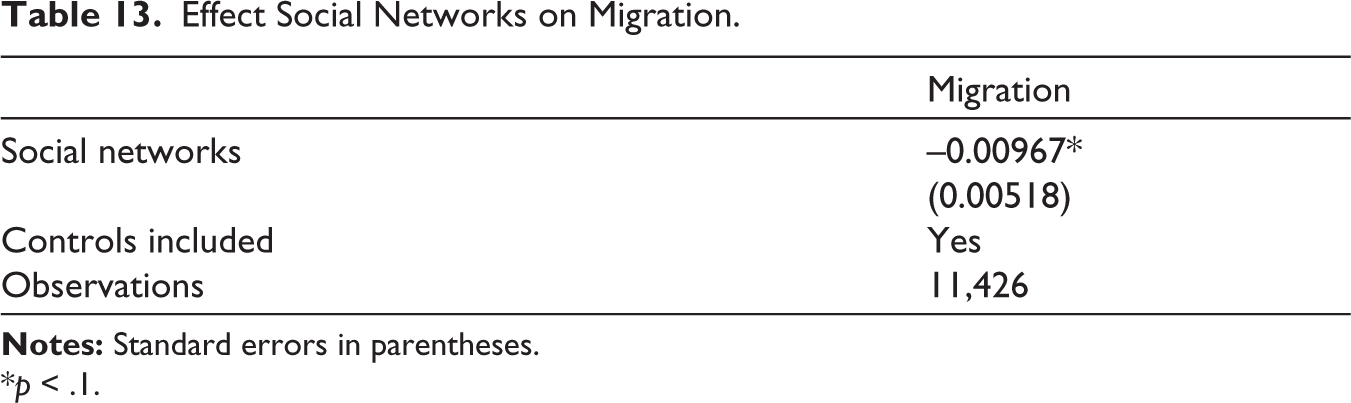
*p < .1.
At higher thresholds (SPI ≥ 1.50 and SPI ≥ 2.00), the mediation effect is non-existent because of the following reasons: (a) the coefficients of flood shocks on migration and of flood shocks on social networks are insignificant for the threshold of SPI ≥ 1.50; (b) the coefficient of flood shock on migration is not significant for the threshold of SPI ≥ 2.00.
Sensitivity to External Data
We conduct an external data validation of our results by using self-reported shocks from the IHS-5 data. We find a statistically significant mediation effect when using the IHS-5 self-reported flood shock, which is consistent with the results obtained under SPI ≥ 1, as seen in Table 14. This validates the results that we find in our baseline analysis.
Mediation Results for Different Flood Shock Thresholds.
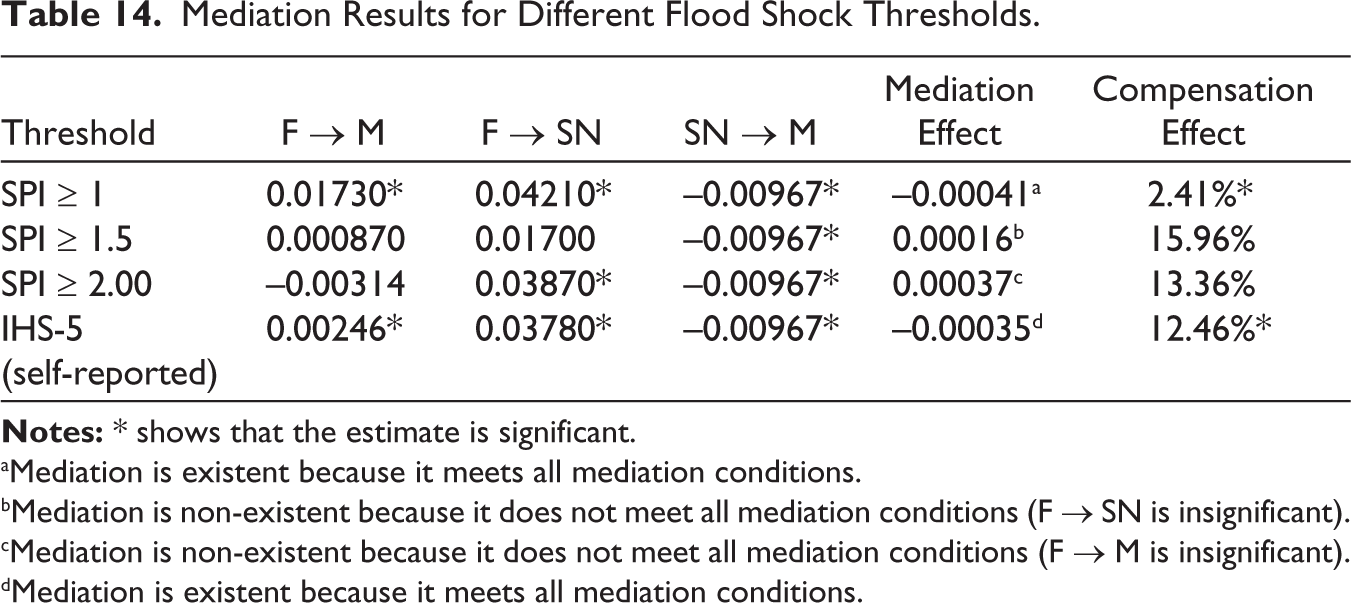
aMediation is existent because it meets all mediation conditions.
bMediation is non-existent because it does not meet all mediation conditions (F → SN is insignificant).
cMediation is non-existent because it does not meet all mediation conditions (F → M is insignificant).
dMediation is existent because it meets all mediation conditions.
Heterogeneity Analysis
Heterogeneity Based on Gender
Tables A8–A10 examine gender heterogeneity in our mediation results. The direct effect of flood exposure on migration is positive but statistically insignificant for both female- and male-headed households. In contrast, flood shocks significantly increase social ties among female-headed households, while no statistically significant effect is found for male-headed households. Finally, social networks significantly reduce migration among male-headed households but have no significant effect on female-headed households.
Taken together, these results indicate that the full set of conditions required for mediation through social networks is not satisfied for either gender. In conclusion, while we find mediation in the full sample, the mediation effect of social networks is non-existent for the separate gender-specific sub-samples.
Heterogeneity by Location
Tables A11–A13 examine the heterogeneity in the mediation results based on the area of residence (urban versus rural areas). First, we find that flood shocks significantly increase the probability of migration in both rural and urban areas, the estimated effect being larger for urban households. Second, we find that flood shocks significantly increase social network participation among rural households, while no statistically significant effect is observed in urban areas. Third, we find that social networks significantly reduce migration in rural areas but have no significant effect in urban areas.
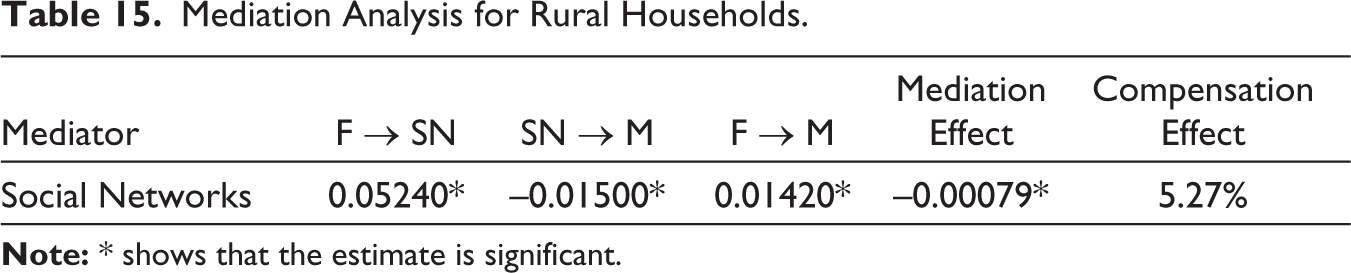
Taken together, these results indicate that the conditions for mediation through social networks are satisfied only for rural households. We find that in rural areas, social networks mediate flood-induced migration by –0.00079, as illustrated in Table 15—a compensation effect of 5.27%. This supports the hypothesis that social ties play a crucial coping and buffering role and help reduce climate-induced migration in rural contexts (Dapilah et al., 2019). In contrast, although flood shocks directly affect migration in urban areas, they do not significantly influence social networks, nor do social networks affect migration, implying that the necessary prerequisites for mediation are not jointly met.
Mediation Analysis for Rural Households.
Heterogeneity by Wealth
Tables A14–A16 examine the heterogeneity of the mediation results by household wealth. We find that the impact of flood shocks on migration is insignificant for the poor and lower-middle income households, while they are positive and statistically significant for the upper-middle income and rich households. Second, we find that flood shocks only significantly affect the propensity to form social networks for poor households, while being insignificant for the lower- and upper-middle income and rich households. Third, we find that social networks only significantly impact the propensity to migrate for the poor and lower-middle income households, while having an insignificant impact on the upper-middle income and rich households.
Taken together, these results indicate that the full set of conditions required for mediation through social networks is not satisfied for any of the wealth quartiles.
Our heterogeneity analysis identifies heterogeneity in mediation results in location only. We find that while social networks have no significant mediation effect on the impact of climate change on migration in the urban areas, households in the rural areas’ climate-induced migration are suppressed by social ties that they own.
Robustness Checks
Changing Methodology
We use a different approach to solve for endogeneity. Initially, we used the control function approach and the Lewbel (2012) approach separately to estimate the causal impact of social networks on migration. As a robustness check, we use an integrated approach that combines the control function approach with the Lewbel (2012) approach. This is done by using the heterogeneity-based generated internal instruments in Equation (12) in the control function approach.
This is superior against the previous approaches in the following way: while the control function approach relies on external instruments—which have a possibility of being a weak instrument—this approach uses internally generated instruments; second, while the Lewbel (2012) approach uses the Linear Probability Model approach (with the potential of having marginal coefficients above 1), this integrated approach bounds the marginal coefficients between 0 and 1. The approach is implemented by first regressing social networks on the generated Lewbel (2012) instruments in Equation (12) as the first-stage regression below:

Then the predicted residuals produced in Equation (19) are used to estimate the effect of social networks on migration in the second-stage regression below:

Tables A3 and A4 shows the results from estimating Equation (20). It shows that social networks significantly negatively impact the likelihood of migration. Specifically, the formation of social networks decreases the likelihood of migrating by 21 percentage points. This is consistent in both the direction and significance for both the control function and Lewbel (2012) approach results in Table 4. The resultant mediation effect, shown in Table A5, is –0.009 and is significant (Sobel statistic of 2.08). This result is consistent with the result from the previous approach when the exogeneity of social networks was determined by the other two approaches. This shows that our results are robust to changes in the methodology.
Changing Instrumental Variable for Social Networks
We change the IV for social networks in our control function approach. While initially using household donations as the IV, we change our IV and use prolonged stay in the community. This tests the robustness of our results to changes in the IV of social networks. Tables A5–A7 shows a significant negative impact of social networks on migration and a consequent significant mediation effect (negative) of social networks on the climate–migration nexus. Our results are robust to changes in instrumental variables for social networks.
Discussion
This study examines whether social networks mediate the relationship between climate-induced migration and flood exposure. We employ a formal mediation analysis framework to decompose the total effect of flood shocks on migration into direct and indirect (network-mediated) pathways. Our identification strategy is two-pronged, solving for selection bias and endogeneity. First, we use the following methods to address selection bias: PSM to solve for selection bias on observables, Rosenbaum bounds testing to assess the sensitivity of our matching results to unobservable confounders and Heckman Selection Model to test for bias due to MNAR. Second, we address potential endogeneity by employing a control function approach to handle the endogenous relationship between social networks and migration decisions. To complement this approach, we employ Lewbel’s (2012) internal heterogeneity-based instruments approach.
Our results show that while flood shocks increase migration propensity, social networks significantly mediate this relationship by reducing migration likelihood among climate-stressed households. However, we find that this mediation is only existent for low-intensity flooding—with SPI levels below 1.5. At this level of flooding, social networks provide a net compensation effect of 2.41%, highlighting the importance of community-based adaptation mechanisms in climate resilience.
The mediating effect of social networks on migration is thus conditional on flood intensity. Social ties effectively buffer against migration only during low-intensity flooding, when assistance can be locally mobilised. During medium- and high-intensity events, the scale of the shock erodes this communal capacity, rendering social networks ineffective as a mitigation mechanism
Our main findings align with existing literature on social networks as informal insurance mechanisms. Our findings are consistent with those of Wossen et al. (2016), who demonstrated that strong social networks enable households to better smooth food consumption during periods of economic or environmental shock, and Yang et al. (2024), who demonstrated that social networks enhance household resilience across multiple shock types. Similarly, Akbar and Aldrich (2017) and Sadri et al. (2018) also demonstrate that social networks serve to both buffer the immediate impacts of shocks and facilitate post-disaster recovery.
While the former studies show the mitigating role of social networks, Yang et al. (2024) argue that social networks’ safety net function diminishes significantly during natural disasters in agricultural settings, with full mediation occurring only among non-agricultural households. Our findings challenge this view by demonstrating that social networks retain meaningful mediating capacity even in rural agricultural contexts affected by low-level floods. The partial mediation we observe suggests that risk-sharing, information exchange, loans and labour sharing are community-based mechanisms that reduce the likelihood of migration during environmental stress. This contributes to the literature by showing that community-based informal insurance mechanisms remain viable even under severe climate stress, though their impact is not fully offsetting.
This study is grounded in Putnam’s (1995) social capital theory, which posits that social capital—characterised by networks, norms and trust—facilitates coordination and cooperation for mutual benefit. Our findings support this theory, demonstrating that strong social networks suppress migration during floods. This aligns with the premise that individuals can cope with adverse situations, such as climate shocks, by mobilising resources within their social network (Kritsotakis & Gamarnikow, 2004; Putnam, 1995).
We argue that social networks prevent climate shocks, such as floods, from triggering distress migration by directly substituting for missing formal institutions. In vulnerable, agriculture-dependent settings, these shocks inflict severe livelihood damage—destroying crops, reducing employment and threatening food security—creating a critical recovery deficit (Khayyam & Noureen, 2020; Sugathan et al., 2024). When households lack access to formal credit, insurance or public assistance, this deficit forces a reliance on migration as a last-resort coping strategy (Giannelli & Canessa, 2022). However, robust social networks disrupt this pathway by providing immediate, informal support that fills the institutional void. For instance, extended family may send remittances, neighbours may share food or community savings groups may offer emergency loans, enabling households to stabilise consumption and rebuild in place (e.g., a household avoids relocating after a flood due to a relative’s financial support), thereby eliminating the perceived necessity to migrate.
We identify the heterogeneity of our mediation results by location. We find that social networks play a mediation role in rural areas only, and the mediation effect dissipates in urban areas. We argue that this may be due to the relatively stronger nature of social networks in rural areas than in urban areas (Mair & Thivierge-Rikard, 2010), which would therefore also reflect the relative willingness to provide support and aid to flood victims in a community.
The policy implications of our findings are substantial. Rather than relying solely on formal climate finance mechanisms that may increase national debt burdens, policymakers can leverage and strengthen existing social networks as cost-effective adaptation tools. This approach is particularly relevant for lower-middle income countries where formal insurance markets are underdeveloped and communities already possess strong social capital. Our results suggest that investments in community organisation, social cohesion programmes and local capacity building may yield significant returns in climate resilience. These interventions would, however, be limited to low-intensity flooding, and other complementary interventions would be required for medium and higher intensity flooded areas.
We acknowledge important limitations of this study. The first limitation of our analysis is the treatment of social networks as a binary variable (presence/absence), which does not capture variations in the strength or quality of ties. Metrics such as interaction frequency, reciprocity of support or network density could yield different insights and potentially explain the conditional network effects observed at varying flood intensities. Second, our study focuses exclusively on origin-based social networks and does not account for destination-based networks. Households with strong social connections at potential migration destinations may be more likely to migrate, a competing mechanism that our current analytical framework cannot capture. A third limitation arises from the cross-sectional nature of our data, which constrains the analysis to a single point in time. This prevents the examination of how migration responses and the buffering role of social networks may change over time with repeated or intensifying climate events…
Conclusion
This study examined how social networks mediate the impact of flood shocks on the likelihood of migration. Our analysis reveals that social networks play a critical mediating role in flood-related migration, but this effect is conditional on both flood intensity and location. Specifically, the buffering effect of networks is localised to households experiencing low-intensity floods and is significant for those in rural areas. These findings suggest that policy interventions should leverage existing social structures to enhance in-place climate adaptation. By strengthening local social capital, policies can protect the welfare of climate-vulnerable households at the micro-level while contributing to SDG 13.3 achievement at the macro-level. This represents a shift from de jure climate commitments towards de facto adaptation strategies that leverage existing community structures in rural areas.
We recommend the following for future research based on our identified limitations. First, future research should incorporate measures of network strength and quality to better understand the mechanisms through which social capital operates. This could be captured by assessing the amounts/nature of support received other than simply capturing the incidence of receiving the support. Second, studies examining both origin and destination networks simultaneously would provide a more complete picture of how social connections shape migration decisions under climate stress. Third, future research could employ panel data methods to capture temporal effects of climate shocks and the circular nature of migration. Finally, future research could validate the findings of this study by using alternative satellite-based data sets to capture climate shocks.
Footnotes
Authors’ Contribution
Farai Chigaru and Tadala Chikopa contributed to the study data collection and analysis, first draft, draft review and revisions. Farai Chigaru was responsible for the conceptualisation and design. All authors read and approved the final manuscript.
Data Availability Statement
The data that support the findings of this study are available from the World Bank Microdata Library. Data are available from the authors upon reasonable request and with permission of the data custodians.
Declaration of Conflicting Interests
The authors declared no potential conflicts of interest with respect to the research, authorship and/or publication of this article.
Funding
The authors received no financial support for the research, authorship and/or publication of this article.
Informed Consent
The original IHS-5 survey obtained informed consent from all participants. The authors of this study did not directly interact with participants.