






Abstract
Background:
Paramedics and emergency medical technicians (EMTs) frequently encounter traumatic events. Their high-stress profession can contribute to mental health challenges, potentially leading to an increased risk of binge drinking. This study aimed to investigate the prevalence of binge drinking among paramedics and EMTs and its association with exposure to traumatic events and job satisfaction.
Method:
A cross-sectional study was conducted using an online questionnaire collecting data on demographics, substance use patterns, exposure to traumatic events, and job satisfaction. Binge drinking was defined as consuming five or more alcoholic drinks (four for women) on a single occasion. The study included 317 participants. 27 (8.5%) were classified as binge drinkers.
Findings:
The analysis revealed a significant association between exposure to traumatic events and binge drinking.
Conclusions:
Trauma exposure may increase the risk of binge drinking. Job satisfaction was a protective factor against binge drinking.
Applications to Practice:
Preventive interventions and support systems should address paramedics’ and EMTs’ mental health needs to reduce the potential for harmful binge drinking.
Background
First responders, including paramedics and emergency medical technicians (EMTs), operate in high-stress environments where they are routinely exposed to traumatic events. The demanding nature of their work can take a toll on their mental health, leading to various psychological challenges such as anxiety, depression, and post-traumatic stress disorder (PTSD) (Theodorou et al., 2016). Studies have reported a concerning incidence of PTSD among emergency ambulance personnel, ranging from 22% to 40% (Hichisson & Corkery, 2020; Ntatamala & Adams, 2022; Rybojad et al., 2016).
The chronic stress experienced by first responders may increase their vulnerability to substance use as a coping mechanism (Gryshchuk et al., 2022). Previous research has indicated elevated rates of smoking among healthcare workers compared to the general population (Nilan et al., 2019). Furthermore, studies have specifically linked trauma exposure to hazardous and binge drinking behaviours (Halsall et al., 2023; Kachadourian et al., 2014). Binge drinking has been defined by the National Institute of Alcohol Abuse and Alcoholism (NIAAA) in 2004 as the consumption of a large quantity of alcohol in a short period, carries significant health risks and can exacerbate mental health issues (National Institute on Alcohol Abuse and Alcoholism [NIAAA], 2004).
While the association between trauma exposure and binge drinking has been observed in various populations, there is a limited understanding of this relationship among first responders. This study aimed to address this gap by investigating the prevalence of binge drinking in paramedics and EMTs and examining its association with exposure to traumatic events and job satisfaction.
Methods
Study Design and Participants
This cross-sectional study involved EMTs and paramedics who responded to an online questionnaire distributed on November 15, 2018. The questionnaire was disseminated through professional networks and social media platforms. Participation was voluntary, and informed consent was obtained from all respondents. Ben-Gurion University Faculty of Health Sciences Ethics Committee Approval no. 27-2018.
Data Collection
The questionnaire, adapted from the Substance Use Survey Instrument (SUSI), collected data on demographics, substance use patterns, exposure to traumatic events, and job satisfaction. The instrument has been found by Isralowitz et al. (2018) to be reliable (Cronbach Alpha = 0.93). Binge drinking was defined as consuming five or more alcoholic drinks (four for women) on a single occasion. Exposure to traumatic events was assessed using a composite score based on self-reported experiences of violence, near-death experiences, patient deaths, and mass casualty incidents.
Statistical Analysis
Participants were categorised into binge drinkers and non-binge drinkers. Descriptive statistics were used to summarise demographic and professional characteristics. Univariate analyses, including chi-squared tests and Mann-Whitney U tests, were performed to compare the two groups. Logistic regression models were used to examine the association between binge drinking and exposure to traumatic events, job satisfaction, and other relevant factors. All statistical analyses were conducted using the SPSS Version 25 software (SPSS Inc., Chicago, IL).
Results
A total of 317 participants (242 paramedics and 75 EMTs) who reported alcohol consumption were included in the analysis, (Table 1).
Demographic Characteristics and Professional Data
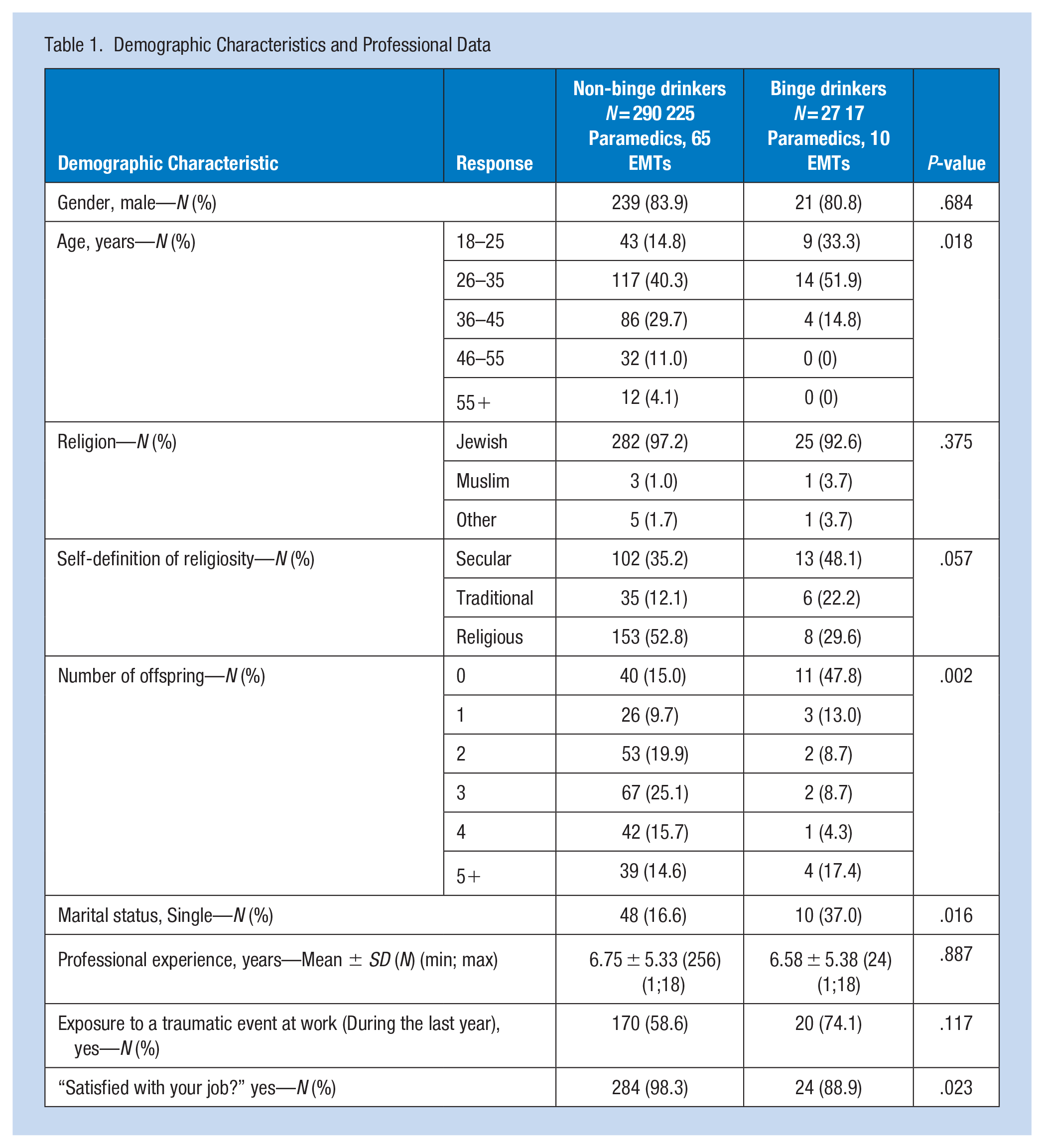
The prevalence of binge drinking was 8.5% (n = 27). Binge drinkers were more likely to report exposure to traumatic events (OR = 1.32, 95% CI 1.03–1.70, p = .024) and less likely to report job satisfaction (OR = 0.11, 95% CI 0.01–0.95, p = .045) compared to non-binge drinkers. Additionally, binge drinkers exhibited a higher prevalence of tobacco and cannabis use (Table 2).
Lifestyle and Life Events Compared Between Non-binge Drinkers and Binge Drinkers
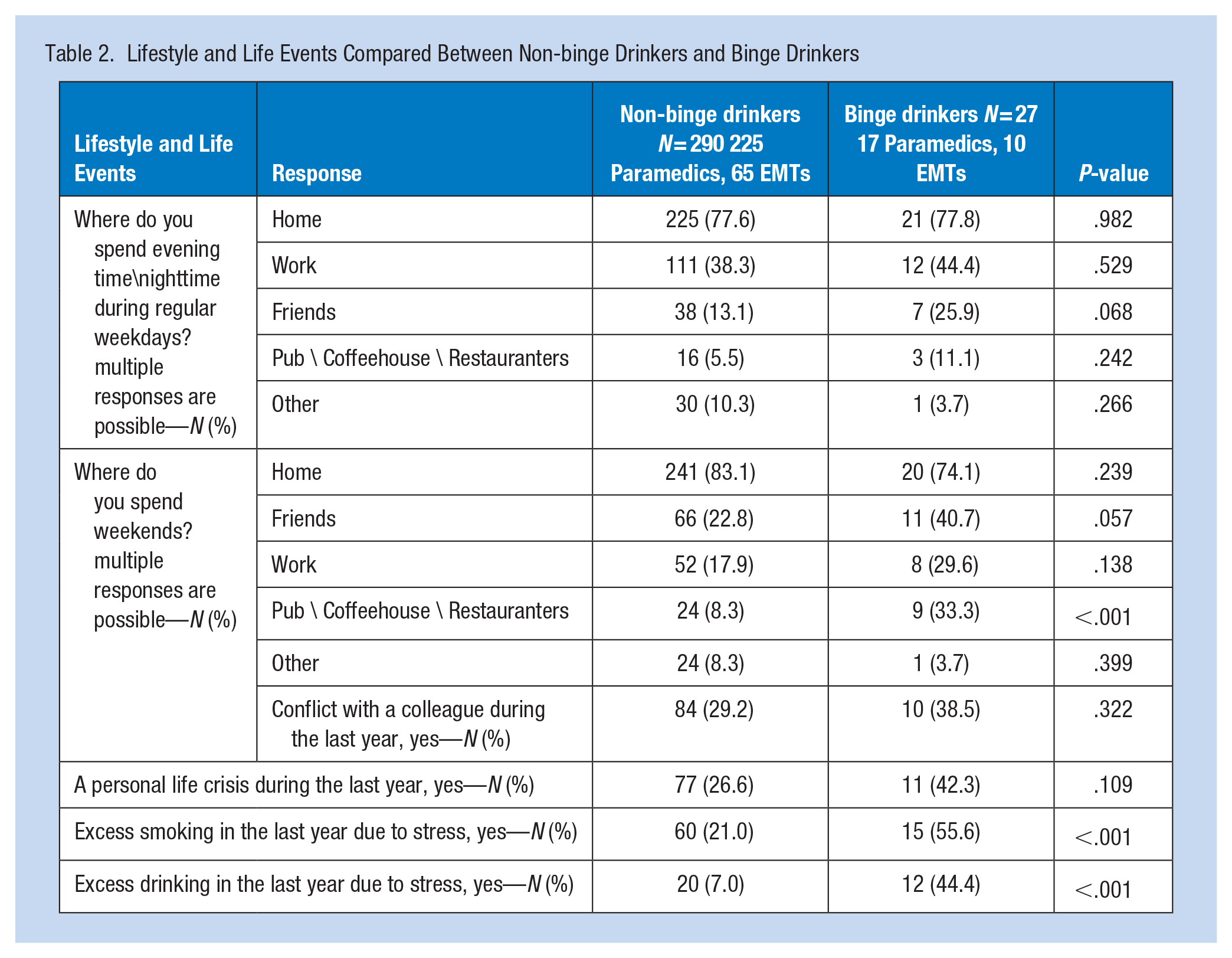
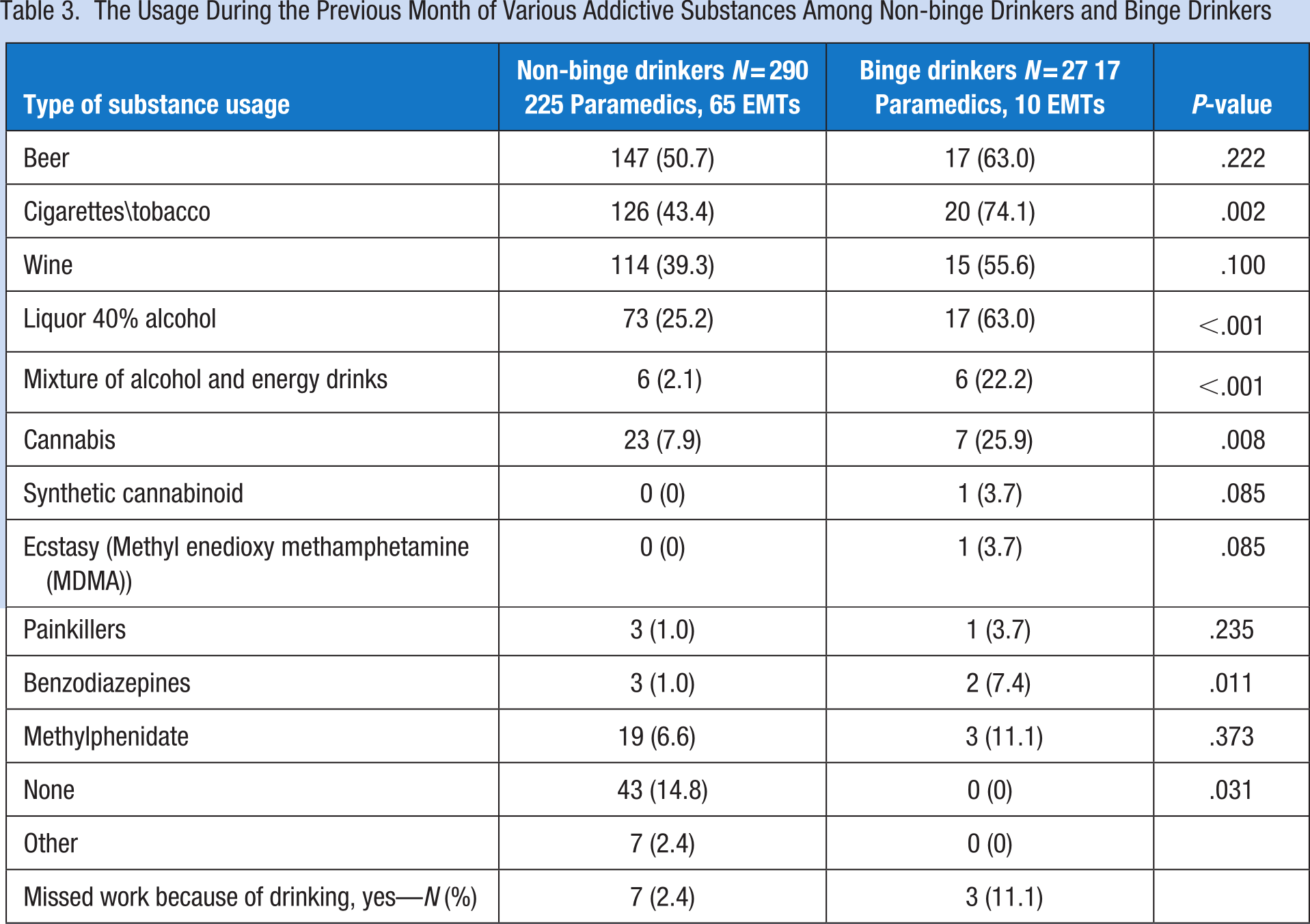
A connection was found between paramedics and EMTs reporting more exposure to traumatic events and binge drinking (Table 3).
The Usage During the Previous Month of Various Addictive Substances Among Non-binge Drinkers and Binge Drinkers
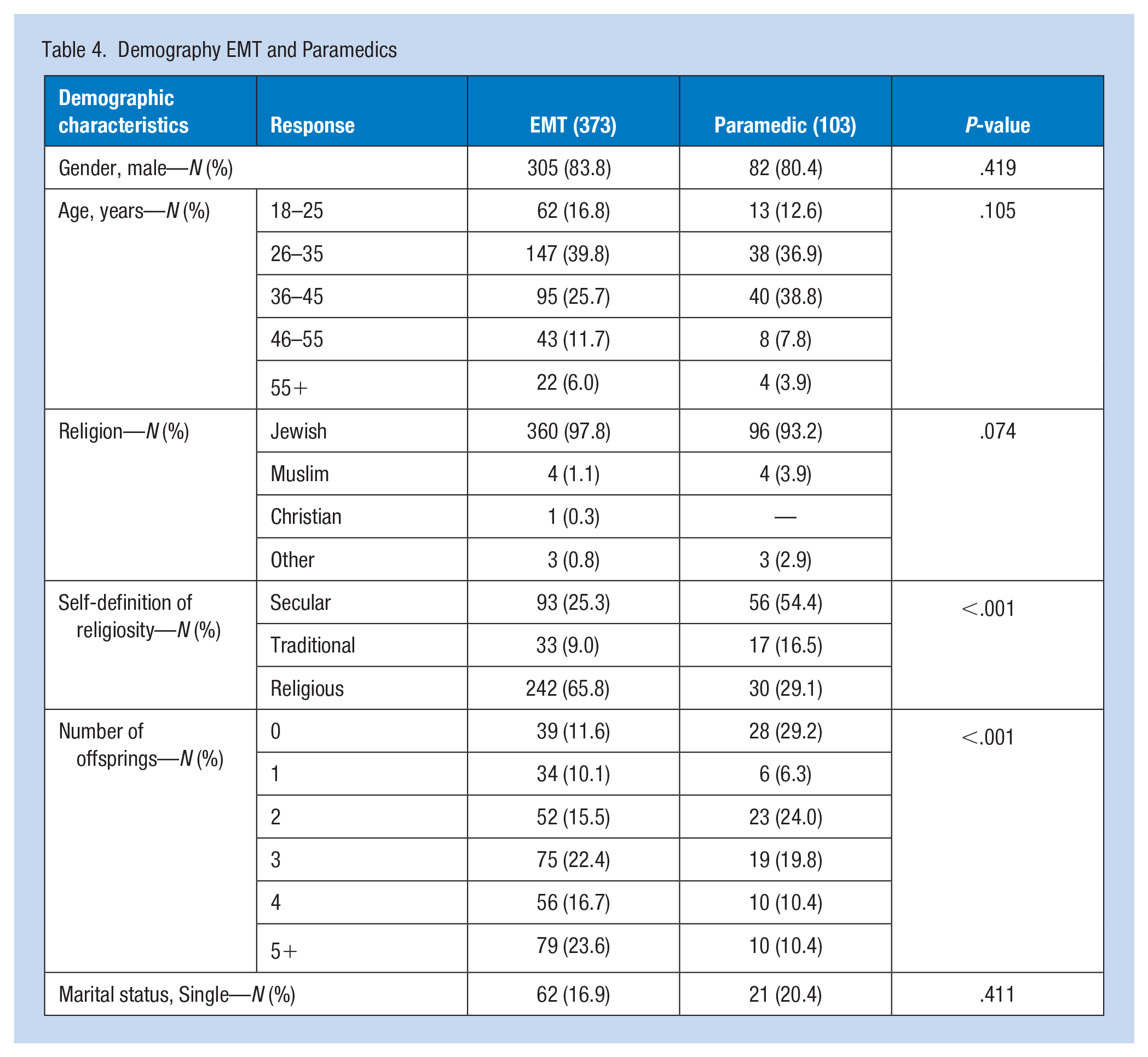
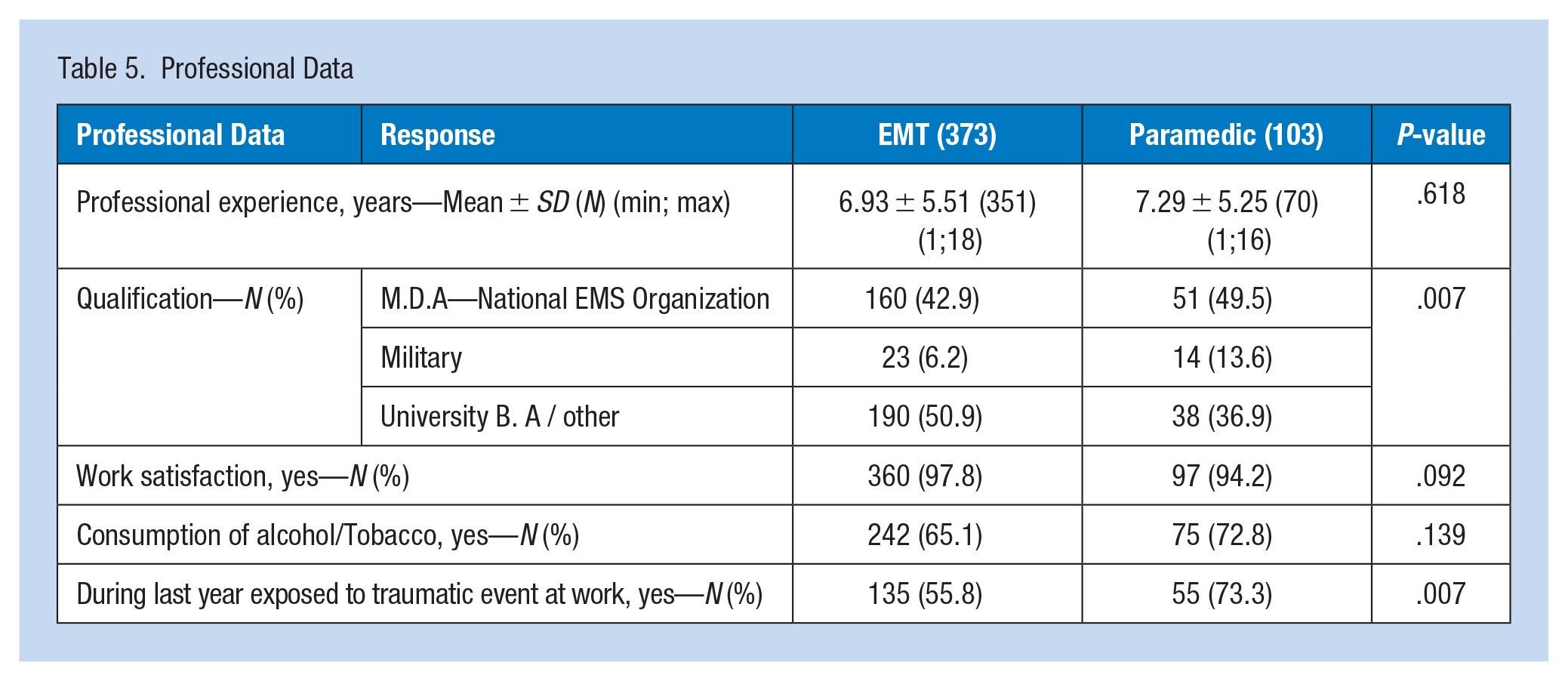
In comparing paramedics to EMTs (Tables 4 and 5), we can see several statistically significant differences. Paramedics are more likely to have been exposed to traumatic events at work (73.3%) in comparison to EMTs (55.8%). Additionally, paramedics confront colleagues more frequently (45.3% vs. 25.1%) and experience personal crises at higher rates (34.7% vs. 25.8%). Regarding substance use, paramedics are more likely to engage in binge drinking (13.3% vs. 7.0%). They also report higher rates of violence exposure (28.3% vs. 10.7%) and more life crises, such as job-related moves (26.1% vs. 7.7%) compared to EMTs
Demography EMT and Paramedics
Professional Data
Discussion
This study highlights the concerning association between exposure to traumatic events and binge drinking among paramedics and EMTs. The findings suggest that individuals who experience trauma in their line of work may be at an increased risk of engaging in harmful alcohol consumption patterns. These findings correlate with the vulnerability to substance use observed among first responders, as reported by Gryshchuk et al. (2022) and Witkowski et al. (2024). Furthermore, they highlight the link between trauma exposure and hazardous or binge drinking behaviors in paramedics and EMTs, a pattern also documented in the general population by Kachadourian et al. (2014). This association underscores the importance of addressing the mental health needs of paramedics and EMTs and providing adequate support systems to help them cope with the challenges they face.
Job satisfaction emerged as a significant protective factor against binge drinking. This finding suggests that fostering a positive work environment and promoting job satisfaction may play a crucial role in reducing the risk of substance use among paramedics and EMTs. Organisations should prioritise initiatives that enhance employee well-being and create a supportive workplace culture.
The study also revealed a higher prevalence of tobacco and cannabis use among binge drinkers. This observation suggests that binge drinking may be part of a broader pattern of substance use and highlights the need for comprehensive interventions that address multiple substances.
The findings reveal significant differences between paramedics and EMTs in terms of trauma exposure, workplace dynamics, and personal stressors, which may contribute to their substance use patterns. Paramedics, who are more frequently exposed to traumatic events (73.3% vs. 55.8%), also report higher rates of interpersonal conflict with colleagues (45.3% vs. 25.1%) and personal crises (34.7% vs. 25.8%). These occupational stressors likely play a role in the increased prevalence of binge drinking among paramedics (13.3% vs. 7.0%). Additionally, the greater exposure to workplace violence (28.3% vs. 10.7%) and job-related disruptions (26.1% vs. 7.7%) may further contribute to coping mechanisms such as alcohol use. These findings align with existing literature suggesting that first responders, particularly those with higher exposure to trauma, are at greater risk for substance use as a means of managing occupational stress. Understanding these differences is crucial for developing targeted interventions to support paramedics and EMTs in mitigating the negative consequences of their high-stress work environments.
It is essential to acknowledge the limitations of this study. The cross-sectional design precludes the establishment of causality, and the reliance on self-reported data may introduce recall bias. Furthermore, the study sample may only represent some first responders, limiting the generalisability of the findings.
Despite these limitations, this study contributes to the growing body of literature on the mental health challenges first responders face. The identified association between trauma exposure and binge drinking emphasises the urgent need for preventive interventions and support systems to mitigate the potential negative consequences. Future research should explore the underlying mechanisms of this association and investigate the effectiveness of targeted interventions to reduce binge drinking and promote mental well-being among first responders.
Implications for Occupational Health Practice
Exposure to traumatic events is associated with an increased risk of binge drinking among paramedics and EMTs. In addition, the occupational nature of paramedics and EMTs involves responsibility for human life and health, requires high functioning in stressful situations both in terms of time and the physical conditions in the field, and this can lead to high levels of stress that can cause certain personality types to become addicted to psychoactive substances. Job satisfaction appears to play a protective role in mitigating this risk. These findings underscore the importance of addressing the mental health needs of paramedics and EMTs and implementing comprehensive interventions both at the training stage and later through education and simulation in order to promote their well-being and reduce the potential for harmful coping mechanisms like binge drinking.
Applying Research to Occupational Health Practice
Paramedics and EMTs are exposed to trauma in the course of their work. This includes exposure to violence, near-death experiences, patient deaths, and mass casualty incidents. This trauma exposure could lead to undesirable coping behaviors such as binge drinking. A study among 317 participants found a binge drinking rate of 8.5%, linked to those who reported the most trauma exposure. The binge drinkers also reported lower job satisfaction. The recommendation for occupational health practice is to provide support for paramedics and EMTs exposed to trauma and to raise job satisfaction as a protective step against binge drinking.
Supplemental Material
sj-docx-1-whs-10.1177_21650799251339584 – Supplemental material for The Association of Exposure to Traumatic Events With Binge Drinking in Paramedics and EMTs
Supplemental material, sj-docx-1-whs-10.1177_21650799251339584 for The Association of Exposure to Traumatic Events With Binge Drinking in Paramedics and EMTs by Ohad Gabay, Amit Frenkel, Ron Biederko, Yael Bismuth, Oren Wacht and Orli Grinstein-Cohen in Workplace Health & Safety
Footnotes
Author Contributions
Conceptualization, O.W., O.G-C.; methodology, O.W, O.G-C.; formal analysis, R.B., A.F.; investigation, Y.B.; resources, Y.B.; data curation, Y.B.; writing—original draft preparation, O.W., O.G-C., O.G.; writing—review and editing, O.G., A.F., O.W., O.G-C.; visualization, A.F., R.B.; supervision, A.F., O.G-C., O.W. All authors have read and agreed to the published version of the manuscript.
Declaration of Conflicting Interests
The author(s) declared no potential conflicts of interest with respect to the research, authorship, and/or publication of this article.
Funding
The author(s) received no financial support for the research, authorship, and/or publication of this article.
Ethical Approval
Participation was voluntary, and informed consent was obtained from all respondents. Ben-Gurion University Faculty of Health Sciences Ethics Committee Approval no. 27-2018.

Supplemental Material
Supplemental material for this article is available online.
References
Supplementary Material
Please find the following supplemental material available below.
For Open Access articles published under a Creative Commons License, all supplemental material carries the same license as the article it is associated with.
For non-Open Access articles published, all supplemental material carries a non-exclusive license, and permission requests for re-use of supplemental material or any part of supplemental material shall be sent directly to the copyright owner as specified in the copyright notice associated with the article.
