







Abstract
Sport communication has become an increasingly global field, but patterns of scholarly influence remain uneven. This study analyzes 2,928 sport communication articles indexed in the Scopus database, published until July 31, 2025. Using Latent Dirichlet Allocation (LDA), it identifies ten dominant themes ranging from digital fan engagement to gendered discourse and evaluates each by publication volume and citation impact (RQ1). It also assesses how author affiliation in the Global North or South relates to citation performance (RQ2), and whether thematic focus interacts with geographic region in ways that correspond with differences in visibility (RQ3). Results show that commercially oriented themes attract higher citations and are dominated by Global North scholars, while Global South authors remain under cited even within shared themes. Mixed region collaborations tend to improve citation metrics but fall short of addressing deeper structural inequalities. These disparities highlight systemic citation asymmetries that intersect with broader epistemic hierarchies within academic publishing. The study offers a critical, data driven contribution to debates on inclusion, impact, and thematic stratification in global sport communication.
Keywords
Introduction
The field of sport communication has evolved from a peripheral scholarly niche into a robust, interdisciplinary domain with growing societal relevance. Over the past two decades, researchers have increasingly explored how sport intersects with media, identity, globalization, and institutional power structures (Butterworth, 2021; Hutchins & Rowe, 2013; Pedersen, 2013; Wenner, 2015). This scholarly expansion reflects not only the cultural and economic significance of sport but also its value as a lens for studying broader social processes ranging from digital transformation and fandom to gendered discourse and geopolitical dynamics. Yet, despite this momentum, the field lacks a systematic understanding of which themes dominate, who contributes to them, and whose work garners scholarly recognition. These gaps matter in an era where citation metrics shape academic careers, institutional funding, and the global distribution of research prestige (Collyer, 2018; Nielsen & Andersen, 2021).
At the heart of this study lies a concern with the politics of knowledge production and recognition in sport communication. While prior reviews have identified focal areas such as digital media, athlete branding, gender representation, and fan culture (King, 2019; Pedersen, 2013), most are based on narrative synthesis. The limited bibliometric studies to date—such as Hambrick (2017) and Shilbury (2011)—affirm the field’s complexity but fall short of offering a comprehensive mapping of how publication themes relate to scholarly impact. This lack of thematic quantification makes it difficult to discern whether the field is expanding evenly or privileging certain paradigms and geographies over others.
Exacerbating this opacity are entrenched geographic disparities in global academic publishing. Research across science studies reveals how the Global North dominates scholarly output and citation networks (Chan et al., 2011; Connell, 2020). The Global South remains underrepresented in high-impact journals, citation indices, and collaborative networks (Abrahams et al., 2010; Tijssen & Kraemer-Mbula, 2018). In sport communication, this imbalance is striking. Despite the global reach of sport events such as the Olympics or the FIFA World Cup, much of the academic discourse surrounding them continues to be produced by scholars based in elite Northern institutions (Grix & Houlihan, 2014; López-Carril et al., 2020).
This asymmetry is not merely due to unequal resources; it is structurally reinforced through editorial gatekeeping, citation bias, and the centralization of publishing infrastructure. As shown by Amarante and Zurbrigg (2022), Southern-based scholars are systematically underrepresented in lead authorship, editorial roles, and receive fewer citations, despite participating in collaborative research. Similarly, Choquez-Millan et al. (2024) provide evidence from North–South collaboration in Tanzania that Southern scholars often occupy ancillary roles, reinforcing power asymmetries in authorship and impact. While North–South collaborations may boost impact, they can also reinforce dependency if research agendas remain Northern-dominated. These dynamics create a citation ecosystem where who is cited becomes a proxy for scholarly legitimacy, shaping the contours of the field.
To interrogate these patterns, this study draws on a corpus of 2,928 peer-reviewed sport communication articles published until 31st July 2025. Using Latent Dirichlet Allocation (LDA) topic modeling, the study identifies dominant thematic clusters (in abstracts) and links them to citation metrics and author geography. This allows the study to address three key research questions. First (RQ1), what are the dominant themes in communication and sport research, and how are they distributed in terms of publication volume and citation impact? Second (RQ2), how does the geographic region of authorship (Global North vs. Global South), considering both single and multi-authored papers, influence the citation impact of sport communication research publications? Third (RQ3), how do thematic research areas within sport communication interact with authors’ unified geographic regions to affect the citation impact of scholarly publications?
This design moves beyond descriptive bibliometrics toward a critical lens on scholarly disparity. Rather than treating thematic focus and geographic origin as independent variables, the study analyzes how the two intersect to influence or are associated with patterns of scholarly attention and visibility. The study examines whether certain topics more frequently associated with higher citation impact and author representation in the Global North, while others are more prevalent in Global South scholarship. This approach aligns with arguments that academic visibility is linked to national and institutional contexts often overlooked in conventional evaluations (Fire & Guestrin, 2019; Tucker, 2018).
The third research question reflects a broader turn in global publishing toward recognizing multidimensional disparities. It responds to calls for epistemic justice—not only identifying who produces knowledge, but also examining whose work is rendered authoritative (Cash-Gibson et al., 2018; Nielsen & Andersen, 2021).
Literature Review
Sport communication has emerged as a dynamic interdisciplinary field bridging communication studies and sport science. Since the 1980s, the field has grown rapidly, with scholarship addressing topics such as media framing, athlete representation, and fan engagement. The consolidation of the communication sport specialty is marked by the establishment of dedicated journals, notably the International Journal of Sport Communication (first published in 2008) and Communication & Sport (launched in 2013), which together signaled the field’s growing institutionalization (Wenner, 2015). Foundational texts such as The Routledge Handbook of Sport Communication further consolidated the field by formalizing key concepts and research trajectories (Pedersen, 2013).
Evolution of Sport Communication Research
The academic study of sport communication has expanded significantly in both scope and institutional presence over recent decades. Wenner (2015) described the proliferation of sport communication programs as “snowballing” across global academic contexts, while Pedersen (2013) highlighted the “exponential” growth of scholarly interest in sport communication. This growth is evident in the increasing number of publications, the rise of dedicated journals and conferences, and its integration into broader curricula such as sport management and media studies. Foundational research centered on media representation and sports fandom has since broadened to encompass digital media, identity, globalization, and equity concerns. As the field matures, scholars have urged greater theoretical articulation, emphasizing that sport communication should move beyond descriptive accounts and engage with general communication theory (Cummins & Hahn, 2025). This progression invites a critical look at the dominant research themes and their role in shaping the trajectory of sport communication as a scholarly domain.
Dominant Research Themes in Sport Communication
As the field of sport communication has matured, several core thematic areas have consistently emerged. One prominent theme concerns media representations and discourse, particularly around gender, race, and identity. Studies frequently analyze media portrayals of athletes—especially female and minority athletes—often through critical lenses like hegemonic masculinity and gender framing (Billings & Eastman, 2003; Hardin & Shain, 2005). Content analysis remains the dominant methodological approach in this area (Wenner, 2015).
Another well-established theme is sport marketing and public relations, with research examining branding, sponsorship, and strategic communication by sport organizations. Scholars have explored how sport sponsorship affects consumer attitudes and brand loyalty (Abeza et al., 2013; Tsordia et al., 2018).
The rise of digital and social media has catalyzed scholarship on fan engagement, athlete self-presentation, and interactive communication via platforms like Twitter and Instagram (Hutchins & Rowe, 2014; Sanderson, 2014). Researchers have assessed how digital spaces shape fan identity, community-building, and brand narratives (Abeza, 2023).
Sports journalism and media industries constitute another critical theme, though relatively underexplored. This strand focuses on the production of sports content, with calls for more newsroom ethnographies and attention to institutional change (Hutchins & Rowe, 2009).
Despite the thematic richness of sport communication scholarship, key gaps persist in understanding how research themes collectively shape the field’s scholarly impact. While numerous studies qualitatively describe recurring topics—such as media representation, marketing, and digital engagement—there is limited systematic quantification of which themes dominate in terms of publication output or citation influence. Bibliometric efforts have begun to address this gap. For example, Hambrick (2017) social network analysis identified clusters of co-authorship and topic areas, suggesting that influential scholars often center around specific themes. Similarly, scholarly reviews have observed that highly cited sport communication articles frequently focus on globally visible topics such as mega-events and utilize widely transferable theories (Filo et al., 2015). Yet the field still lacks a comprehensive thematic mapping that aligns research areas with both scholarly output and citation metrics.
This gap is particularly consequential for evaluating whether certain themes—such as critical-cultural analyses of media—are as influential as more pragmatic, commercially oriented domains like sport marketing. Addressing this need, the present study provides a systematic analysis of thematic prevalence and citation performance, aligning with calls for meta-analytical assessments of sport communication’s intellectual structure (Filo et al., 2015; Pharr & Lough, 2012). This analysis forms the basis for Research Question 1 (RQ1), which investigates the most prominent research themes and their relative impact in the field.
Global North vs. Global South Disparities in Scholarship
A substantial body of bibliometric and science studies literature highlights persistent global inequalities in scholarly production and influence. The divide between the Global North—typically high-income, research-intensive regions such as North America, Western Europe, Oceania, and parts of East Asia—and the Global South—comprising lower-income regions across Africa, Latin America, and parts of Asia—offers a useful if simplified lens for understanding systemic disparities in academic visibility (Chan et al., 2019; Connell, 2020). While imprecise, this dichotomy reflects real differences in access to research infrastructure, funding, and international collaboration opportunities.
Empirical studies confirm that scholars based in the Global North enjoy structural advantages. For instance, Collyer (2018) found that the production and citation of scientific knowledge remains concentrated in a small group of Northern countries, while scholars from the Global South are systematically underrepresented in high-impact journals and citation networks. This imbalance is not merely about publication quantity; it extends to citation visibility, where Northern authors benefit from what has been called “citation inequality” or “citational lensing” (Nielsen & Andersen, 2021). Researchers from well-resourced institutions are more likely to be cited, even when controlling for research quality (Nielsen & Andersen, 2021).
Scholars from the Global South have consistently noted these imbalances, citing factors such as editorial bias, limited access to publishing infrastructure, and the geographic concentration of major journals as barriers to equitable knowledge dissemination (see also, Abrahams et al., 2010; Sooryamoorthy et al., 2021). Addressing such disparities is increasingly viewed as a crucial step in global academic equity and epistemic justice.
Sport communication scholarship reflects broader global inequities in academic publishing. The institutional core of the field—its leading journals, conferences, and academic departments—is heavily concentrated in the Global North, particularly the United States, the UK, Canada, and Australia. Consequently, most published research originates from Northern institutions, while scholars from Africa, Latin America, and parts of Asia remain underrepresented. Scholars from Africa, Latin America, and parts of Asia remain underrepresented, reflecting broader evidence that academic knowledge production is concentrated in the Global North (Collyer, 2018).
These geographic disparities extend to influence and citation. Studies suggest that even within collaborative projects, authors from the Global South receive less credit or visibility compared to their Northern partners (Rucavado Rojas & Gómez, 2025). Journals based in developing countries also face structural hurdles in gaining international readership and prestige (Confraria et al., 2017). At the same time, international collaboration has been shown to improve the visibility of Global South research. Co-authored articles between Northern and Southern scholars tend to attract higher citation counts than publications by Global South authors alone (Abramo et al., 2021; Chinchilla-Rodríguez et al., 2019). However, such partnerships raise questions about dependency, authorship equity, and agenda-setting in research.
In light of persistent disparities in academic visibility, this study applies a geographic lens to evaluate citation impact in sport communication. Specifically, we adopt the Global North vs. Global South framework to investigate whether citation patterns differ based on authors’ regional affiliations. This aligns with recent calls to recognize geographic bias as a “hidden dimension” of academic publishing, often overshadowed by other evaluative metrics (Nielsen & Andersen, 2021).
Research in other domains has demonstrated a robust citation gap favoring Global North scholars, even after controlling for topic and journal impact factor (Nielsen & Andersen, 2021). However, it is yet to be fully explored within sport communication, leaving a notable gap in the literature.
Greater geographic diversity in authorship is not only a normative goal but substantively important for the advancement of sport communication scholarship. Research produced across a wider set of regions brings distinctive theoretical perspectives, locally grounded case studies, and methodological approaches that are less visible in Northern-dominated outlets. Such diversity strengthens the explanatory power of the field by incorporating sporting practices, communicative forms, and cultural contexts that are otherwise underrepresented. Without this breadth, sport communication risks reproducing a narrow vision of the field, limiting its ability to theorize phenomena that are global in practice but unevenly recognized in scholarship.
The second research question (RQ2) of this study addresses this gap: How does the geographic region of authorship—categorized into Global North and Global South—affect the citation impact of sport communication publications? This question is operationalized using both first-author affiliation and team composition. For single-author articles, the author’s institutional location defines the regional label. For multi-author papers, we examine both the lead author’s affiliation and whether all authors hail from the same region.
This approach also accounts for the collaborative advantage—evidence suggests that international co-authorship can enhance citation performance, particularly for Global South scholars (Dorta-González & Dorta-González, 2022; Naik et al., 2023). By analyzing both solo-authored and collaboratively authored works, the study assesses whether North–South disparities persist under varying team structures. The resulting analysis offers empirical insight into how global geography intersects with scholarly visibility in sport communication research.
While this study adopts the Global North/Global South distinction for analytical clarity and comparability with prior bibliometric research, it recognizes that this binary is a simplification. Contemporary academic geographies are more complex, with regional clusters, linguistic communities, and income-based classifications offering alternative lenses. Future research may benefit from such more granular frameworks, but for the purposes of this study the North–South heuristic remains useful for foregrounding structural asymmetries in visibility and recognition.
While previous sections examined dominant research themes in sport communication and disparities in scholarly impact by geographic region, an important intersectional question remains underexplored: Do certain research themes yield different citation outcomes depending on the geographic origin of the authors—and vice versa? In other words, might what is studied and who studies it (and from where) jointly shape a publication’s scholarly reception?
This possibility has received little direct attention in the sport communication literature. Yet evidence from broader science studies suggests that such interactions are plausible. For instance, Gomez et al. (2022) show that leading countries in global science receive disproportionately more citations than others conducting similar research, demonstrating how national context distorts visibility and impact. In sport communication, this could mean that globally relevant topics—like social media or mega-events—achieve high citation counts across regions, though Global North scholars may still disproportionately dominate those conversations. Conversely, regionally rooted topics such as indigenous sports communication or local development programs may garner less attention if they originate from Global South institutions lacking international reach.
Moreover, some themes may be more accessible based on researchers’ geographic position. Scholars in the Global North, with proximity to major media markets and elite sports leagues, may focus more on commercial sport communication. Those in the Global South may prioritize development communication, community-based sport, or sociopolitical themes. Such thematic imbalances can compound citation disparities if certain topics are inherently less cited due to limited global appeal or structural biases.
This study therefore includes RQ3, which asks: How do thematic areas within sport communication interact with geographic origin to affect citation impact? Specifically, we investigate whether Global South scholars face greater citation disadvantages in some subfields than others, and whether any themes offer relative “citation parity.” Addressing this interaction moves the conversation beyond viewing geography as a standalone factor, and instead adopts a multidimensional lens to understand scholarly inequalities—an approach increasingly advocated in academic publishing research (Nielsen & Andersen, 2021).
Materials and Methods
The dataset for this study was obtained through a comprehensive bibliometric search on the Scopus database. The search query was designed to capture English-language journal articles that contained the keywords “communication” and “sport” (with wildcard truncation as sport) within the title, abstract, or keywords fields. To refine the results, the study limited the search to documents classified as articles, published in peer-reviewed journals, and indexed under social sciences areas, including Arts and Humanities, Business, Decision Sciences, Economics, Psychology, and Sociology. Specifically, the following query was used: TITLE-ABS-KEY ( communication AND sport* ) AND ( LIMIT-TO ( SRCTYPE , “j” ) ) AND ( LIMIT-TO ( SUBJAREA , “ARTS” ) OR LIMIT-TO ( SUBJAREA , “BUSI” ) OR LIMIT-TO ( SUBJAREA , “DECI” ) OR LIMIT- TO ( SUBJAREA , “ECON” ) OR LIMIT-TO ( SUBJAREA , “PSYC” ) OR LIMIT-TO ( SUBJAREA , “SOCI” ) ) AND ( LIMIT-TO ( DOCTYPE , “ar” ) ) AND ( LIMIT-TO ( LANGUAGE , “English” ) )
The Global North/Global South dichotomy, while a simplification of the world’s geopolitical and economic complexities, offers a valuable analytical lens for capturing disparities in research infrastructure, funding ecosystems, and scholarly visibility—especially within the field of sport communication. Previous research has shown that access to resources, institutional prestige, and global scholarly networks are not evenly distributed across regions, directly influencing both research output and citation performance (Cascajares et al., 2021; Mongeon & Paul-Hus, 2016). As such, adopting this dichotomy provides both conceptual clarity and empirical utility for the present analysis.
Global North and Global South Country Classification
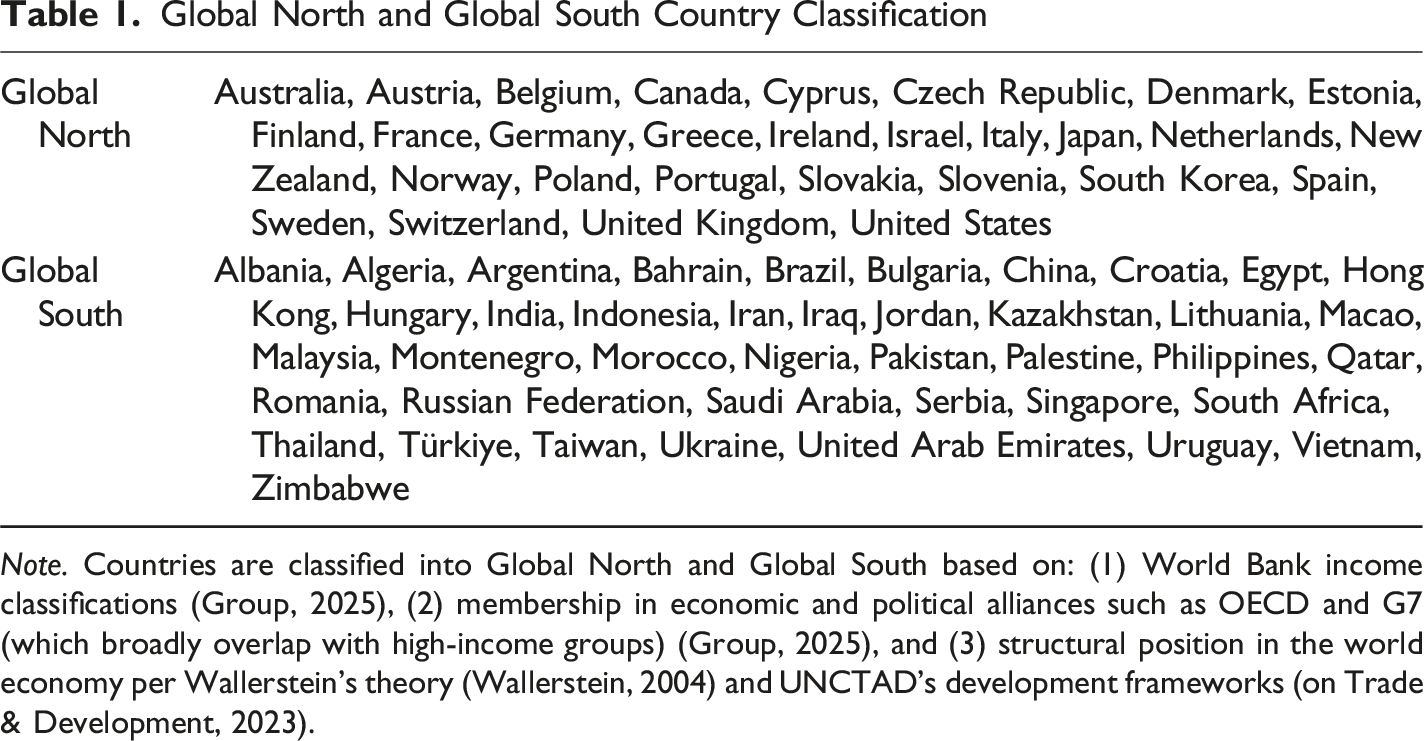
Note. Countries are classified into Global North and Global South based on: (1) World Bank income classifications (Group, 2025), (2) membership in economic and political alliances such as OECD and G7 (which broadly overlap with high-income groups) (Group, 2025), and (3) structural position in the world economy per Wallerstein’s theory (Wallerstein, 2004) and UNCTAD’s development frameworks (on Trade & Development, 2023).
Counts of Single-Author Papers by Region

To integrate authorship and regional information for analysis, a unified region variable was constructed as follows:
For multi-authored papers, the first author’s affiliation was used as the proxy for the paper’s geographic region, consistent with established bibliometric conventions where the first author typically indicates leadership in research design and manuscript preparation. While this approach may not capture all nuances of collaboration, it provides a standardized method to attribute regional influence within multi-author teams (Shambe et al., 2023).
Latent Dirichlet Allocation (LDA) was employed to identify thematic structures within the dataset, applied specifically to the abstracts of all papers. Abstract texts were tokenized and cleaned by removing stopwords, punctuation, digits, and irrelevant tokens before transformation into a document-feature matrix suitable for topic modeling. The optimal number of topics was selected by evaluating coherence and diagnostic metrics such as Cao et al. (2009), Arun et al. (2010), and Deveaud et al. (2014) across a topic range of 2 to 20, and guided by the coherence framework of Röder et al. (2015). Ultimately, 10 topics were chosen based on maximal coherence scores (Blei et al., 2003; Röder et al., 2015). The LDA model was fit using Gibbs sampling, and the top 20 terms per topic were extracted for thematic interpretation. These topics served as thematic categories for subsequent citation impact analyses. Each paper was assigned to a dominant thematic category based on the highest topic proportion derived from the LDA model. 1 This assignment enabled clear categorization of the corpus into mutually exclusive thematic areas, facilitating down-stream analyses of citation impact by theme.
Citation counts were analyzed based on author region (Global North vs. Global South), authorship type (single vs. multi-authored), and team composition (Global North only, Global South only, and Mixed teams). The number of authors per paper was counted, with single-author papers flagged accordingly.
Team composition was determined by examining unique author regions across all authors (up to 13). 2 Papers were categorized as ”Global North only”, ”Global South only”, or ”Mixed” based on author region combinations.
Descriptive statistics summarizing paper counts, average, and median citations were calculated by unified region, authorship type, and team composition. To evaluate statistical significance of citation differences across team compositions, the non parametric Kruskal-Wallis rank sum test was applied due to the skewed distribution of citation data:
where N is the total number of observations, k the number of groups, n j the size of group j, and R j the sum of ranks within group j. The test statistic H approximates a chi-squared distribution with k − 1 degrees of freedom (Kruskal & Wallis, 1952).
The Kruskal-Wallis test confirmed significant differences in citation distributions across team compositions (χ2 = 187.71, df = 2, p < 0.001).
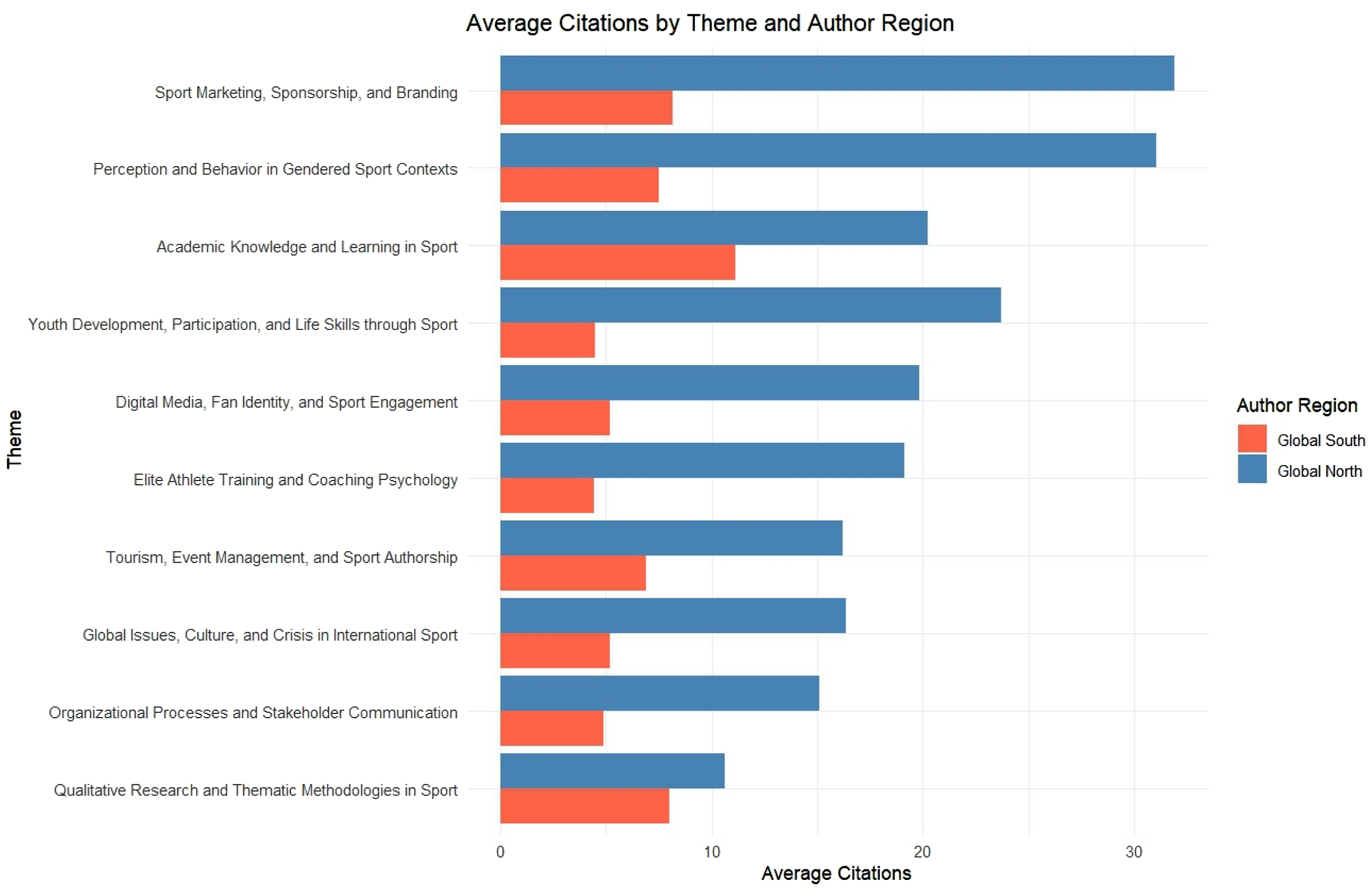
Thematic analysis revealed notable variations in citation impact by theme and region. Figure 4 visualizes average citations per theme disaggregated by Global North and South authorship. The details are given in the results and analysis section below.
This mixed-methods approach combining bibliometric data, topic modeling, and non-parametric statistical analysis provides a rigorous framework to assess how geographic region and collaboration patterns influence scholarly impact within sport communication research.
Results and Analysis
Figure 1 shows the annual number of publications in the dataset, illustrating a steady increase in output over recent decades, with a notable surge from the early 2000s and a peak near 2024. This growth indicates expanding scholarly attention to the topic and sets the stage for the thematic and citation analyses that follow.
3
Yearly Trend of Publications in the Analyzed Corpus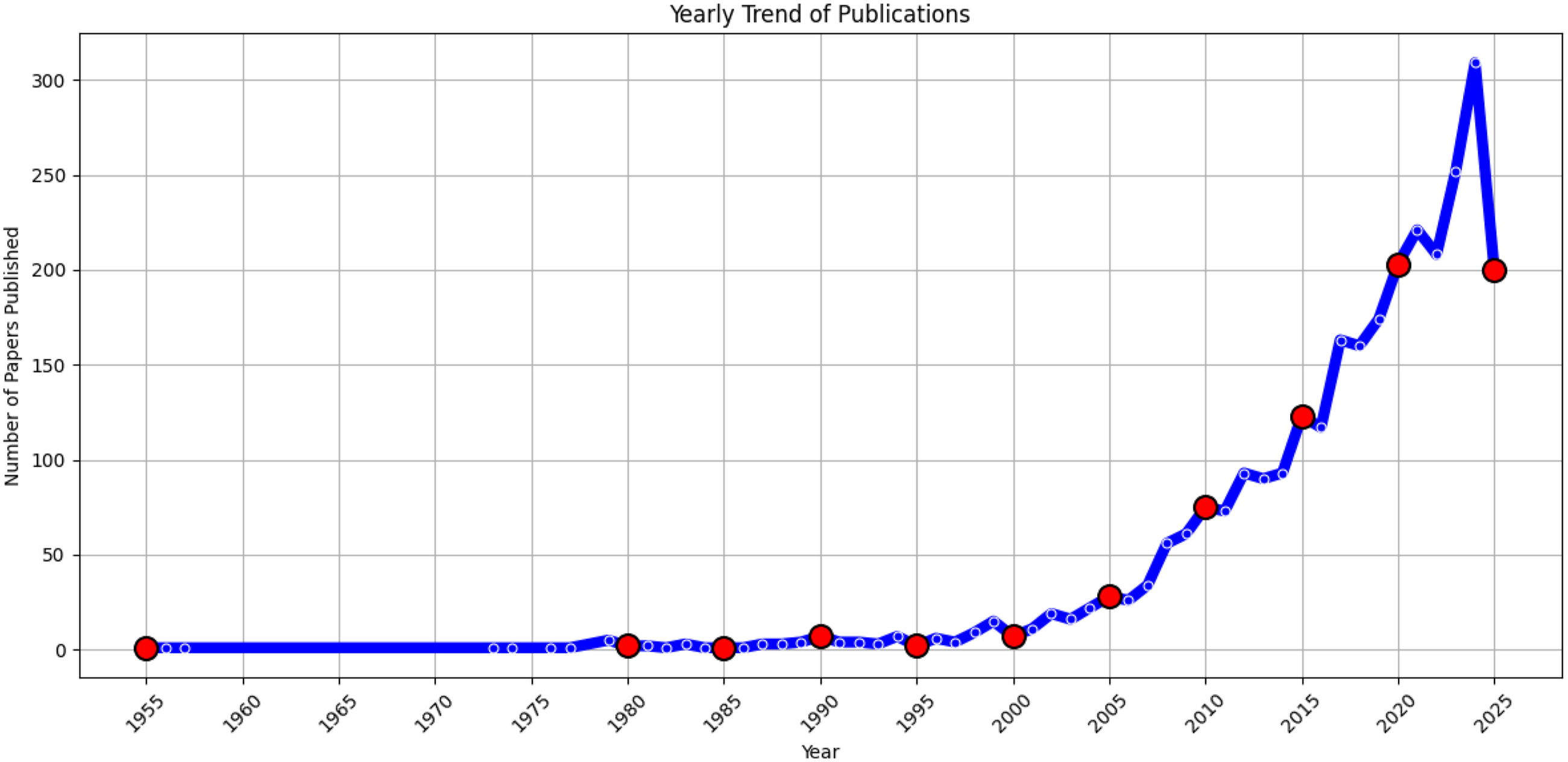
The full set of descriptive statistics using the bibliometrix library for the dataset is provided in the Appendixes B,C and D (Tables 8–10).
Before addressing the core research questions, it is instructive to begin the results by examining the most frequent lexical items occurring in both the titles and abstracts of the analyzed corpus. Figure 2 presents the top 20 words from titles and abstracts, categorized into those common to both sections and those unique to either. Top Words in Titles and Abstracts: Common vs. Unique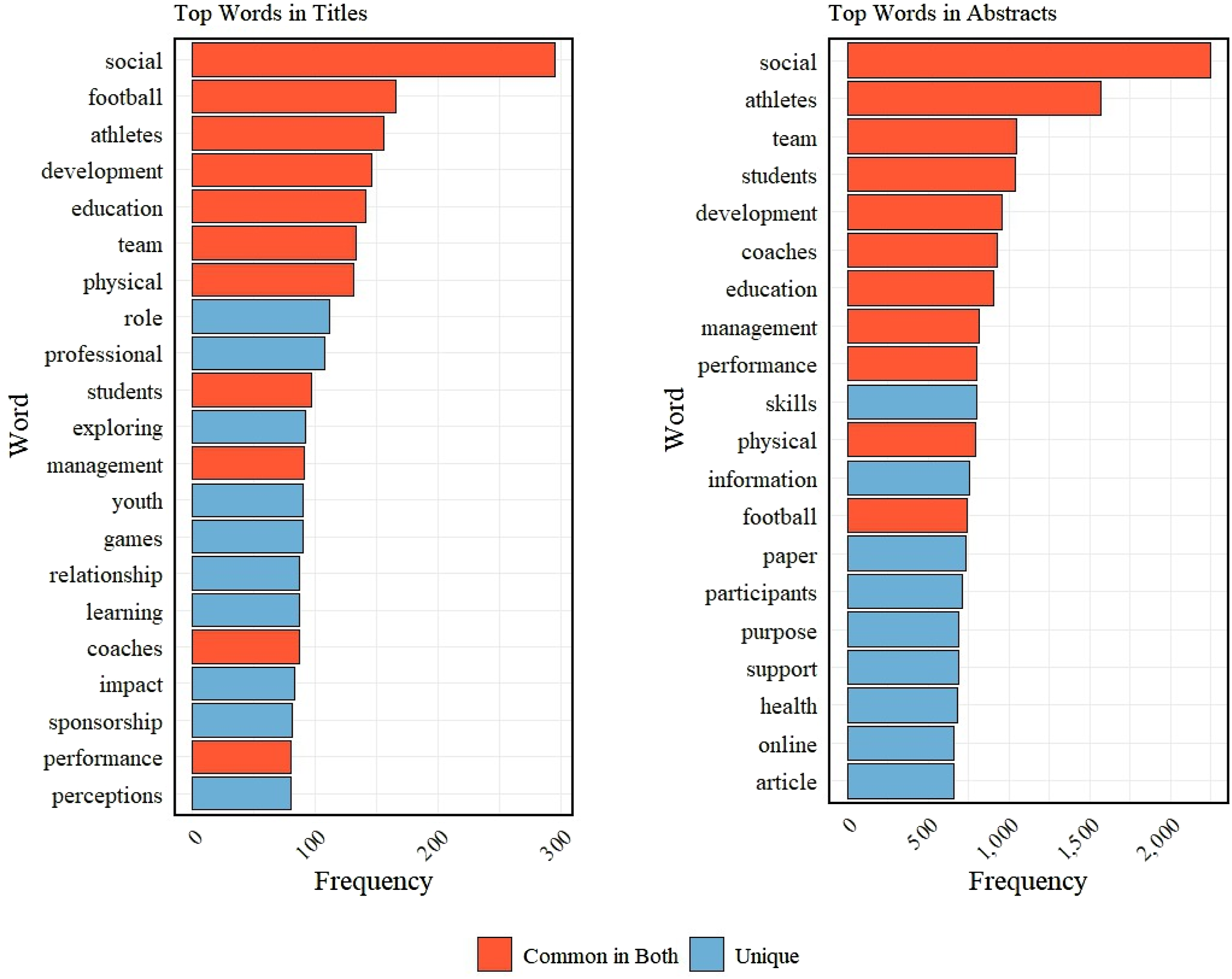
The prominence of words such as social, athletes, team, development, and education across both titles and abstracts highlights key thematic pillars in sport communication research, reflecting a broad concern with social dynamics, athlete performance, team processes, and developmental outcomes. Unique terms in titles emphasize focal points like football, physical, and role, highlighting specific sport contexts and conceptual emphases, while unique abstract terms such as management, performance, and health indicate detailed investigative dimensions explored within the studies.
The shared vocabulary signals foundational concepts integral to the field, while the unique terms illustrate the layered structure of research outputs: titles distill the main themes succinctly, whereas abstracts provide more elaborations and context.
Building on this lexical foundation, the below analyzes the results of the key research questions.
Figure 3 displays the total number of papers per theme along with their relative proportions in the dataset. The largest thematic cluster is Digital Media, Fan Identity, and Sport Engagement, comprising 900 papers or 30.7% of the corpus. This dominant theme reflects the increasing scholarly attention toward the role of digital platforms and fan communities in sport communication. Distribution of Papers by Theme With Total Counts and Proportions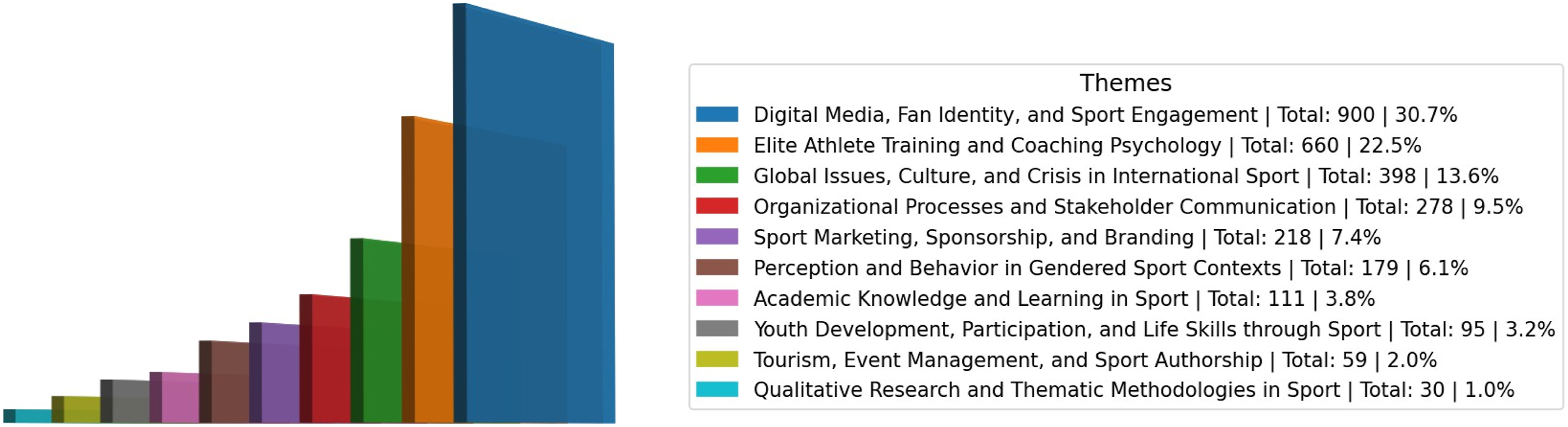
Following this, the second-largest theme, Elite Athlete Training and Coaching Psychology, accounts for 660 papers (22.5%), emphasizing research focused on psychological aspects and training practices of elite athletes.
The third major theme, Global Issues, Culture, and Crisis in International Sport, includes 398 papers (13.6%) and represents work on sociocultural and crisis phenomena impacting international sports contexts.
Other notable themes include Organizational Processes and Stakeholder Communication (278 papers, 9.5%), Sport Marketing, Sponsorship, and Branding (218 papers, 7.4%), and Perception and Behavior in Gendered Sport Contexts (179 papers, 6.1%). Smaller but important areas such as Academic Knowledge and Learning in Sport and Youth Development, Participation, and Life Skills through Sport comprise 3.8% and 3.2% of papers respectively.
Figure 4 illustrates the relationship between the number of papers and average citations across thematic categories, with bubble size representing the total citations per theme. This visualization provides a comprehensive overview of both the scholarly volume and impact associated with each theme. Average Citations and Number of Papers by Theme; Bubble Size Corresponds to Total Citations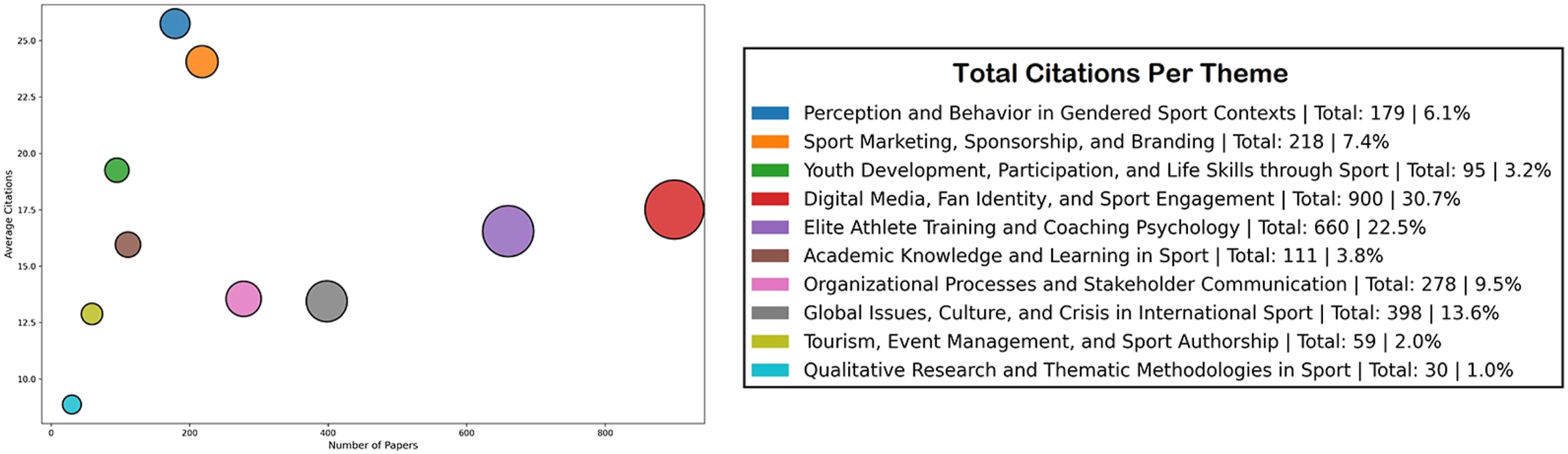
The Digital Media, Fan Identity, and Sport Engagement theme dominates the dataset in terms of volume, comprising 900 papers (30.7% of the corpus), and exhibits a strong average citation rate of approximately 17.5 citations per paper, resulting in the largest bubble size.
Similarly, Elite Athlete Training and Coaching Psychology accounts for a substantial portion of publications (660 papers, 22.5%) and maintains a high average citation rate near 16.5, reflecting its significant scholarly influence.
Themes such as Sport Marketing, Sponsorship, and Branding and Perception and Behavior in Gendered Sport Contexts, although smaller in publication volume, demonstrate higher average citation rates—exceeding 23 citations per paper—indicating targeted scholarly impact within these areas.
Other thematic categories, including Organizational Processes and Stakeholder Communication, Global Issues, Culture, and Crisis in International Sport, and Academic Knowledge and Learning in Sport, show moderate publication counts paired with average citations ranging from approximately 13 to 16, reflecting steady research engagement and influence.
The smallest themes, such as Qualitative Research and Thematic Methodologies in Sport and Tourism, Event Management, and Sport Authorship, have lower publication volumes but maintain average citations near 9, suggesting a consistent, if more specialized, scholarly presence.
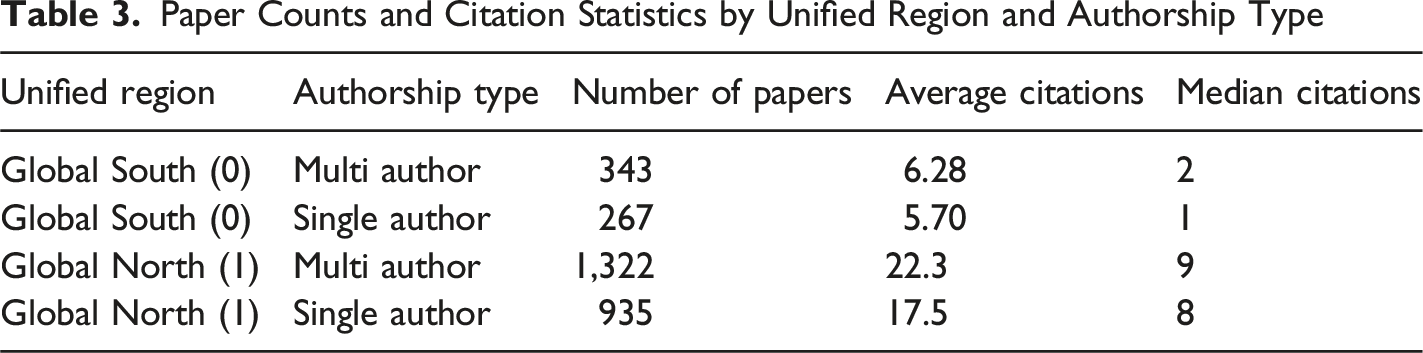
Using the cleaned and standardized country affiliations, each paper was assigned a geographic region indicator (1 = Global North, 0 = Global South) based on the affiliation of the single author or the first author in multi-authored papers. Authorship type was classified as either single or multi-authored.
Paper Counts and Citation Statistics by Unified Region and Authorship Type
Citation Statistics by Team Composition
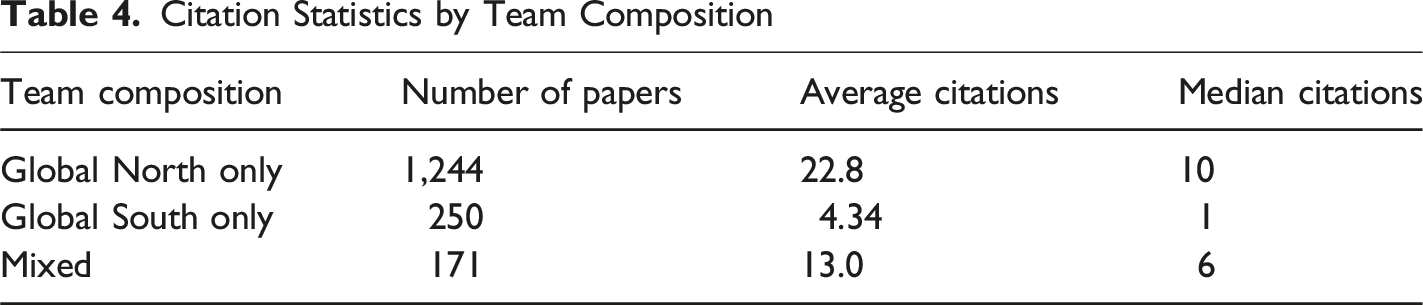
A Kruskal-Wallis rank sum test was conducted to assess whether citation differences across team compositions were statistically significant. The test confirmed significant differences (χ2 = 187.71, df = 2, p < 0.001), affirming that geographic composition influences citation impact in sport communication research.
Citation Statistics by Theme and Author’s Unified Region
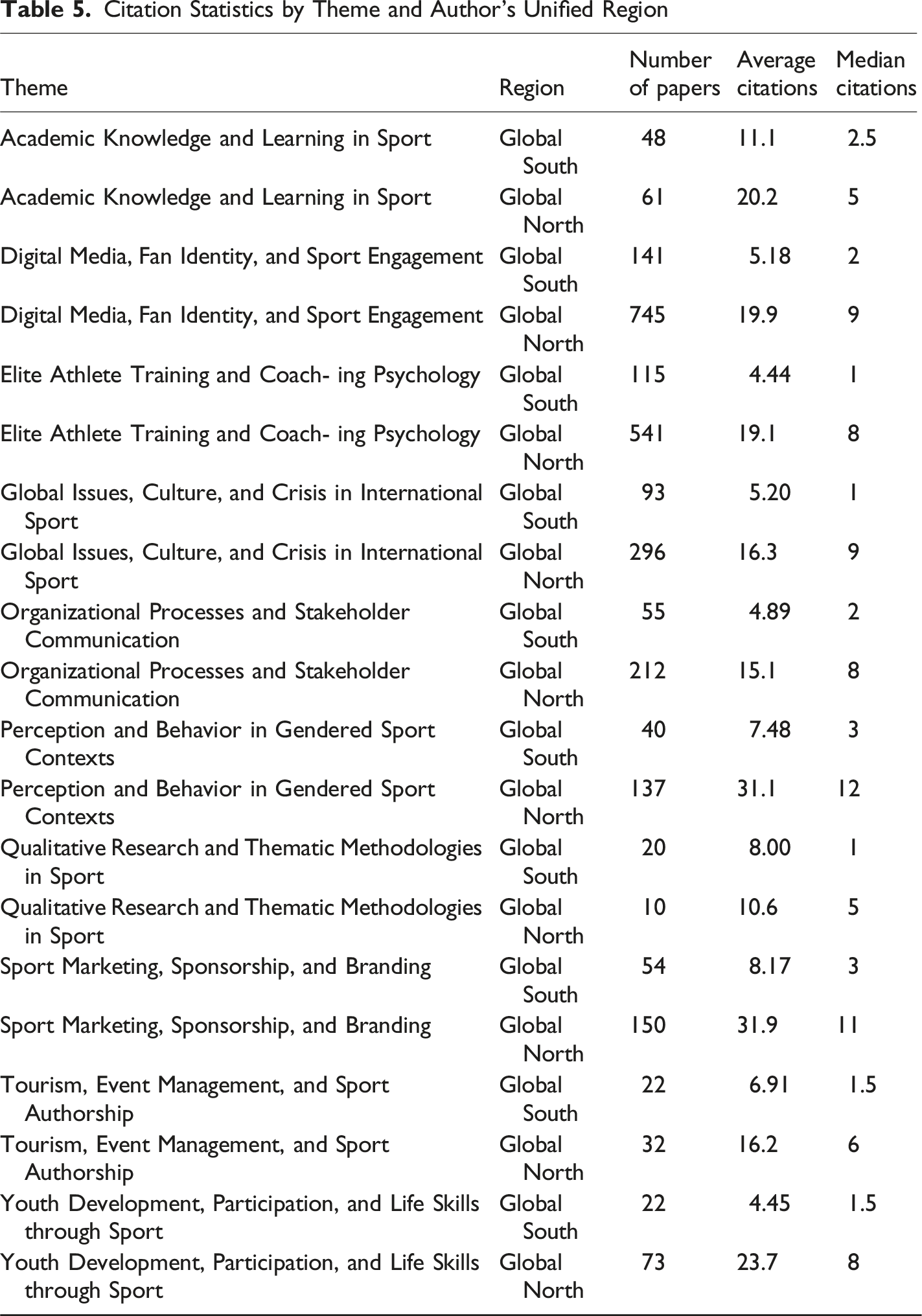
In nearly all themes, papers authored by researchers affiliated with the Global North exhibit substantially higher average and median citations compared to those from the Global South. For example, in Academic Knowledge and Learning in Sport, Global North papers average 20.2 citations versus 11.1 for Global South counterparts. This pattern repeats consistently across major themes such as Digital Media, Fan Identity, and Sport Engagement (19.9 vs. 5.18) and Elite Athlete Training and Coaching Psychology (19.1 vs. 4.44) (Figure 5 and 6). Average Citations by Team Composition Average Citations by Thematic Category and Author’s Unified Region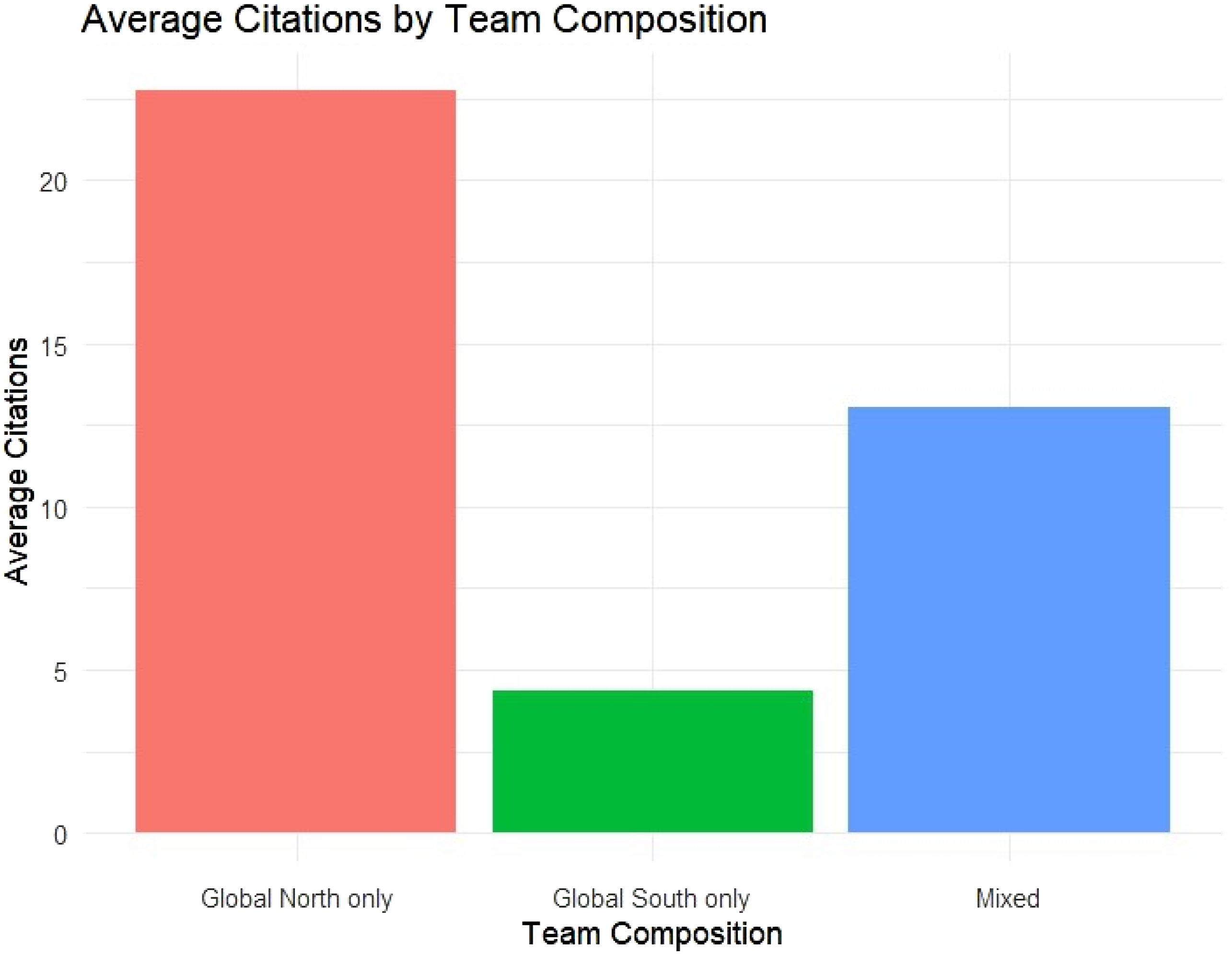
Kruskal-Wallis Test p-values for Citation Differences by Unified Region Within Themes
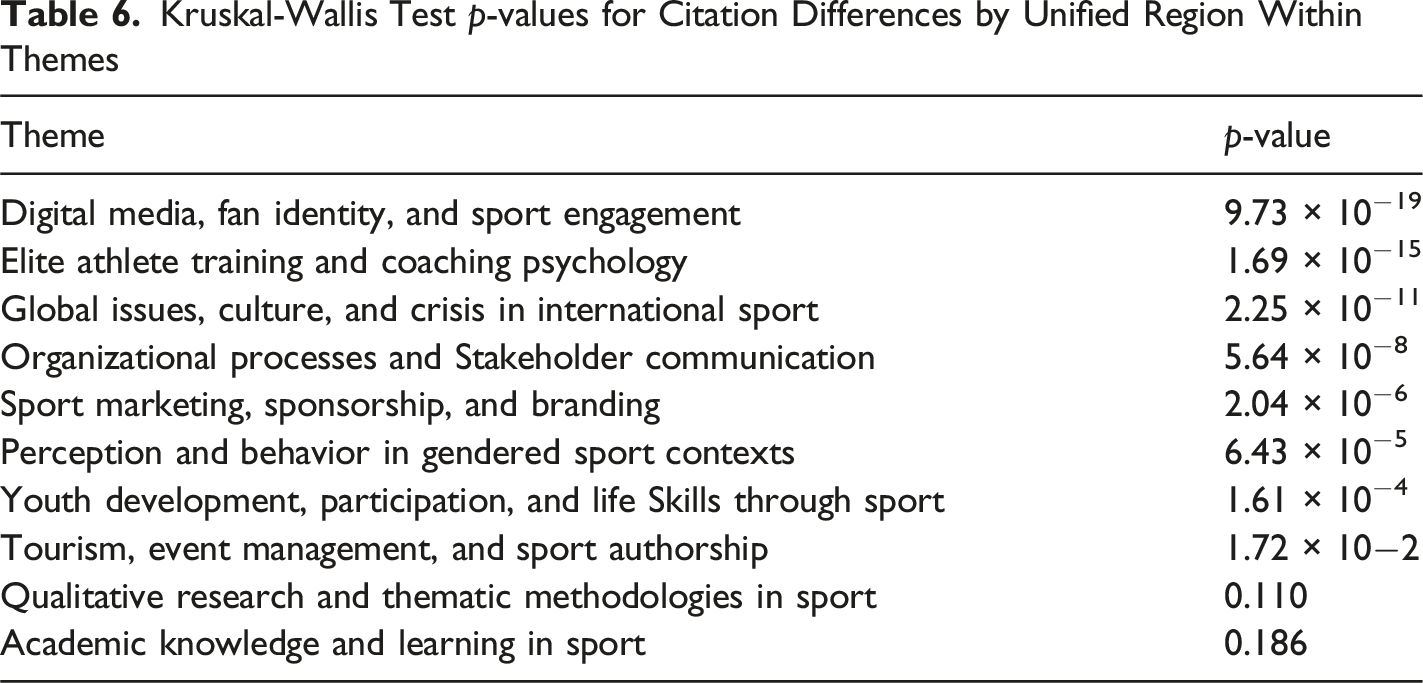
These findings highlight the critical interaction between thematic focus and authors’ unified geographic region in shaping scholarly citation impact. They suggest that regional advantages in resources, visibility, or networks may amplify citation performance within thematic areas, reinforcing existing disparities in global sport communication research.
Discussion
This study offers a systematic, data-driven perspective on the structure and inequality of scholarship at the intersection of sport and communication. The interdisciplinarity of the dataset captures how communicative processes in sport are theorized and researched across diverse traditions, offering a broader and more holistic view of the field. While the bibliometric and thematic analyses confirm the field’s vibrancy—particularly in domains such as digital media engagement and coaching psychology—they also expose underlying disparities in scholarly visibility shaped by geography, thematic focus, and collaboration patterns. For instance, social network analysis in sport research reveals how central scholars and institutions disproportionately dominate topic clusters, reinforcing visibility hierarchies (Wäsche et al., 2017). Structural bibliometric analyses suggest that institutional prestige—not just content quality—can influence citation performance through network effects and author centrality (Gholampour et al., 2019). These findings demand reflection not only on descriptive trends but on the epistemic politics structuring global sport communication knowledge.
One of the central insights from this study is that citation impact is not evenly distributed across research themes. Topics like sport marketing, sponsorship, and branding—as highlighted in bibliometric reviews of sport and social media research—consistently attract higher citation rates (Filo et al., 2015). These thematic areas—though smaller in volume—appear to carry greater symbolic capital, potentially due to methodological rigor or relevance to policy and industry. In contrast, development-oriented topics such as youth sport or qualitative methodologies yield lower citation performance, indicating a persistent valuation gap linked to institutional visibility and thematic prominence (López-Carril et al., 2020). This suggests that scholarly legitimacy is deeply tied to proximity to professionalized, high-income sport structures—rather than purely content quality or journal reputation.
This thematic stratification is not independent of geography. The citation gap between Global North and Global South scholars remains substantial across all thematic categories, with Global North authors enjoying consistently higher average and median citation counts. Even topics like “Academic Knowledge and Learning in Sport” or “Global Issues and Crisis Communication,” where one might expect greater Global South engagement, still show persistent visibility skews. This indicates that regional affiliation operates as an active axis of inequality, aligning with arguments in critical science studies that academic metrics can reproduce hierarchies of power, access, and legitimacy (Nielsen & Andersen, 2021). This aligns with broader concerns in global science about systemic biases embedded in knowledge infrastructures, where citation systems, editorial boards, and indexing databases disproportionately favor work from high-income countries (Mouton et al., 2006).
While one might argue that lower citation rates for Global South authors reflect research quality differences, evidence suggests otherwise. Mixed-region teams—Global North and South co-authors—tend to receive citation counts intermediate to North-only and South-only papers, implying that collaboration boosts visibility (Thelwall et al., 2024). However, such collaborations do not always ensure equitable recognition. Research systematically shows that Global South researchers are less likely to occupy lead authorship roles in international collaborations and are often relegated to supportive positions, reinforcing power asymmetries (Miao et al., 2024).
Moreover, thematic resilience—particularly in areas such as digital communication, branding, and elite sport—is disproportionately subject to structural advantages experienced by Global North researchers located in affluent media markets and well-resourced institutions. Access to cutting-edge data, funding streams, and media technologies enables Northern scholars to dominate high-visibility topics, while Southern researchers are more likely constrained to context-specific or underfunded domains. In this context, citation disparities appear linked to structural positionality rather than solely to merit—indicating how global academic hierarchies may be associated with recognition patterns beyond neutral assessments of intellectual contribution (Patelli et al., 2023).
Beyond epistemic hierarchies, disparities may also be shaped by uneven training opportunities, institutional resources, and language access, alongside the potential influence of editorial or reviewer bias. Acknowledging these factors highlights that citation inequalities are multi-causal rather than the product of a single structural mechanism.
The data also reveal that Global South researchers are underrepresented in high citation themes not just in output, but in visibility per output. For example, even when South-based scholars publish in domains like digital media or marketing—typically high-impact themes—their work garners fewer citations than that of their Northern counterparts. This suggests a form of “geographic penalty” or citational discounting, consistent with studies in other fields that document how knowledge from the Global South is often marginalized in citation networks, regardless of substantive quality (Collyer, 2018; Demeter, 2020). Whether due to implicit bias, lower journal prestige, limited indexing, or less access to citation-amplifying networks (e.g., conferences, editorial boards), the effect is cumulative and self-reinforcing.
This asymmetric structure also affects the field’s epistemic development. When research from Global South contexts—particularly those centered on community engagement, indigenous sport forms, or developmental priorities—receives less visibility, the field risks narrowing its theoretical and practical scope. While sport is inherently global, the scholarly conversation remains skewed toward perspectives, frameworks, and questions shaped in high-income, Anglophone institutions. This may explain why some themes, despite being socially or culturally significant, remain underdeveloped in sport communication’s citation landscape. The result is not just regional underrepresentation but thematic imbalance, where commercially legible topics receive more reinforcement through citation loops than critically reflexive or locally grounded research (Patelli et al., 2023).
From a methodological standpoint, this study also highlights the value of combining topic modeling with citation analysis to surface hidden structures in academic fields. The LDA-derived themes provide a data-driven classification that avoids some of the arbitrariness of manual coding while enabling scalable, corpus-wide comparisons (Blei et al., 2003; Röder et al., 2015). When linked to geographic metadata, this approach offers better understanding of how scholarly capital is unevenly allocated—not only between topics or journals, but between epistemic communities (Collyer, 2018; Nielsen & Andersen, 2021). It also challenges journal editors, reviewers, and institutions to think critically about what constitutes impact, and whose voices are systematically underrecognized in dominant citation circuits (Abrahams et al., 2010; Posada & Chen, 2018).
One normative implication is the need to rethink collaboration not only as a strategy for increasing output, but as a site of equity negotiation. As the results show, mixed-region teams enjoy higher visibility than Global South-only ones, but this does not automatically translate into equitable authorship distribution, agenda-setting power, or long-term capacity-building (Limaymanta et al., 2022; Ravi et al., 2021). Research on transnational academic partnerships shows that Southern scholars often occupy supporting roles and are underrepresented in first authorship or principal investigator positions (López-Carril et al., 2020; Skrivankova et al., 2023). Journals and funders must adopt policies that ensure meaningful inclusion of Global South scholars in all stages of research—from conceptual framing to authorship order and citation attribution. Such efforts would not only improve representation but enrich the epistemological diversity of sport communication (Kyobutungi et al., 2021).
Another implication concerns the role of journals, reviewers, and citation practices in shaping visibility. While citation behavior is partly organic, it is also socially embedded and shaped by disciplinary norms (Davies et al., 2021). Editors and reviewers play a critical role in expanding what is considered legitimate knowledge and who is considered a legitimate knower (PLOS, 2021). Encouraging the citation of Global South scholarship, including work published in regional or non-indexed outlets, is not merely an act of representational justice—it also broadens the theoretical and methodological horizons of the field. Sport communication must resist the centripetal pull of only citing elite journals or North-based networks if it aims to remain globally relevant and reflexively robust.
More broadly, this study highlights a tension at the heart of sport communication’s evolution: The simultaneous expansion of global scholarly output and the persistent concentration of scholarly influence. As the field matures and professionalizes, it must reckon with the geographic asymmetries that shape who gets to define its future (Gomez et al., 2022). Citation metrics, while useful for identifying impact, may also function as instruments of exclusion if not interpreted within broader socioinstitutional contexts. The challenge ahead is to make the field not only intellectually vibrant but structurally inclusive.
The study concludes by acknowledging that it is limited to English-language publications indexed in Scopus. This reflects both the database’s indexing practices and the prominence of English as the lingua franca of global academia. Future research could extend this analysis by incorporating multilingual corpora and non-English outlets, which would provide a more inclusive mapping of sport communication scholarship worldwide.
Footnotes
Acknowledgments
The author acknowledges the use of Artificial Intelligence in accordance with the journal’s policy. ChatGPT (OpenAI) was used to support research conceptualization, code refinement, data visualization, and language editing. All outputs were reviewed and verified by the author to ensure accuracy and integrity. At no stage did the use of AI bypass the author’s critical judgment or responsibility for the final work.

Funding
The author received no financial support for the research, authorship, and/or publication of this article.
Declaration of Conflicting Interests
The author declared no potential conflicts of interest with respect to the research, authorship, and/or publication of this article.