






Abstract
Objective:
Obesity is a global epidemic, associated with metabolic disorders and significant health risks. It is often treated with bariatric and metabolic surgery (BMS), such as Roux-en-Y gastric bypass and sleeve gastrectomy. These interventions impact not only weight loss but also taste perception and food preferences, possibly influencing dietary habits. This study investigates taste and nutritional outcomes during the post-BMS weaning phase, evaluating an alternative semiliquid diet with “Foods for Special Medical Purposes” (FSMPs) for improved taste acceptance and nutrient intake.
Methods:
Thirty-two patients undergoing BMS were divided into two groups 16 were placed on an FSMP-based diet (Group A) and 16 on traditional homogenized foods (Group B). Sensory evaluation included taste strips, sensory questionnaires, and weekly dietary questionnaires. Hematochemical analyses and bioimpedance measurements were conducted presurgery (T0) and 1-month postsurgery (T1) to assess nutrient status and body composition.
Results:
Patients in Group A showed improved protein intake and a trend toward better compliance with the FSMP diet. Significant changes in taste perception were noted, particularly for sour and salty tastes, with patients reporting altered taste intensity and preferences, especially for high-calorie foods. There were no significant differences in anthropometric or hematochemical outcomes between the groups, although FSMPs showed a marginal benefit in maintaining protein levels.
Conclusions:
FSMPs may offer an effective alternative in the post-BMS weaning phase, supporting nutrient intake and adherence to dietary guidelines. The observed changes in taste perception highlight the importance of tailored dietary strategies to support long-term dietary adjustment and weight management.
Introduction
Obesity is a complex and multifaceted illness, defined by an abnormal or excessive buildup of fat mass relative to lean mass, which can have serious health consequences. 1 According to the World Health Organization, obesity prevalence has nearly tripled since 1975, with 16% of adults and 8% of adolescents affected in 2022. 2
Bariatric and metabolic surgery (BMS) is one of the most effective obesity therapies, with a wide range of surgeries targeted at eliminating extra adipose tissue and preventing linked disorders, including type 2 diabetes.
Currently, the most commonly used methods are Roux-en-Y gastric bypass (RYGB) and sleeve gastrectomy (SG),3,4 both of which can provide effective and long-term obesity therapies. 5 Decreased appetite and an alteration in food preferences toward reduced energy-dense meals (low fat and low sugar) are reported following BMS.6–8 These modifications are long-lasting, with patients followed up to two and a half years after surgery still avoiding high-calorie foods.9–11
The gustatory system is a complex web of circuits comprehending routes for detecting taste stimuli, determining their identity, and responding to them via dopaminergic pathways. Taste can be categorized into five attributes: onset, intensity, quality, hedonics (reward), and oral localization. It can also be classified into five basic tastes: bitter, salty, sweet, sour, and umami. 12 Gustatory cells in living organisms detect sensory inputs by activating unique gustatory receptors that differ based on the stimulation. Bitter, sweet, and umami tastes stimulate G-protein coupled receptors (GPCRs), with bitter activating type 2 taste receptors (T2R) and sweet and umami activating type 1 taste (T1R) family receptors. Amino acids (umami taste) and artificial sweeteners (sweet taste) are detected by heteromeric GPCRs, specifically T1R1/T1R3 for umami and T1R2/T1R3 for sweet compounds, including artificial sweeteners. Carbohydrates, when consumed, are typically perceived through the sweet receptors as well. Salty and sour tastes are primarily detected through ion channels. Salty taste involves epithelial sodium channels, while sour taste is mediated by proton-sensitive channels such as the proton-selective ion channel (OTOP1).
Researchers tried to evaluate the influence of bariatric surgeries on taste detection, with inconsistent findings. Some investigations have found that BMS causes structural changes in the vagus nerve, resulting in taste modifications and variations in food preferences; others, instead, suggested that these alterations were linked to an increased intestinal production of glucagon-like peptide-1 and peptide YY, as well as lower ghrelin levels. 7 A study that involved patients with extreme obesity undergoing RYGB found that a large proportion of patients reported significant weight loss, reduced daily caloric intake, and a new perception of sweet foods. 11 More recent research confirmed that after RYGB, people consumed fewer high-caloric foods, beverages, milk, and ice cream, with a significant drop in sucrose recognition in the weeks following surgery. In addition, there was evidence of increasing fruit and vegetable eating. 13 This may be linked to an enhanced perception of sweetness, resulting in an unpleasant effect that influences eating choices. Subsequent research found that sweet and salty tastes typically have a lower threshold for detection, while bitter and sour tastes tend to have a higher perceptual threshold. In addition to high-energy foods, other food groups have also shown postoperative alterations in taste and food preference following BMS, which may impact the procedure’s success or associated risks. For example, while adequate protein intake is critical for maintaining fat-free mass in the first postoperative months, 4 less than half of operated patients meet the minimum recommended daily protein intake of 60 g,4,13 risking protein-energy malnutrition. This issue, particularly in the early postoperative period, is underexplored.
The objective of this study was to assess potential alterations in taste perception and dietary choices specifically during the weaning phase following BMS. We experimentally evaluated an alternative semiliquid diet called “Foods for Special Medical Purposes” (FSMPs) to enhance the patient’s weaning process, increase satisfaction with the meals consumed during this period, and improve nutritional intake of proteins and micronutrients (such as calcium and vitamin D3). FSMPs are specifically designed to provide better palatability and adherence to the nutritional guidelines compared to standard homogenized foods (HFs) used in the first month after surgery.
Materials and Methods
Study population
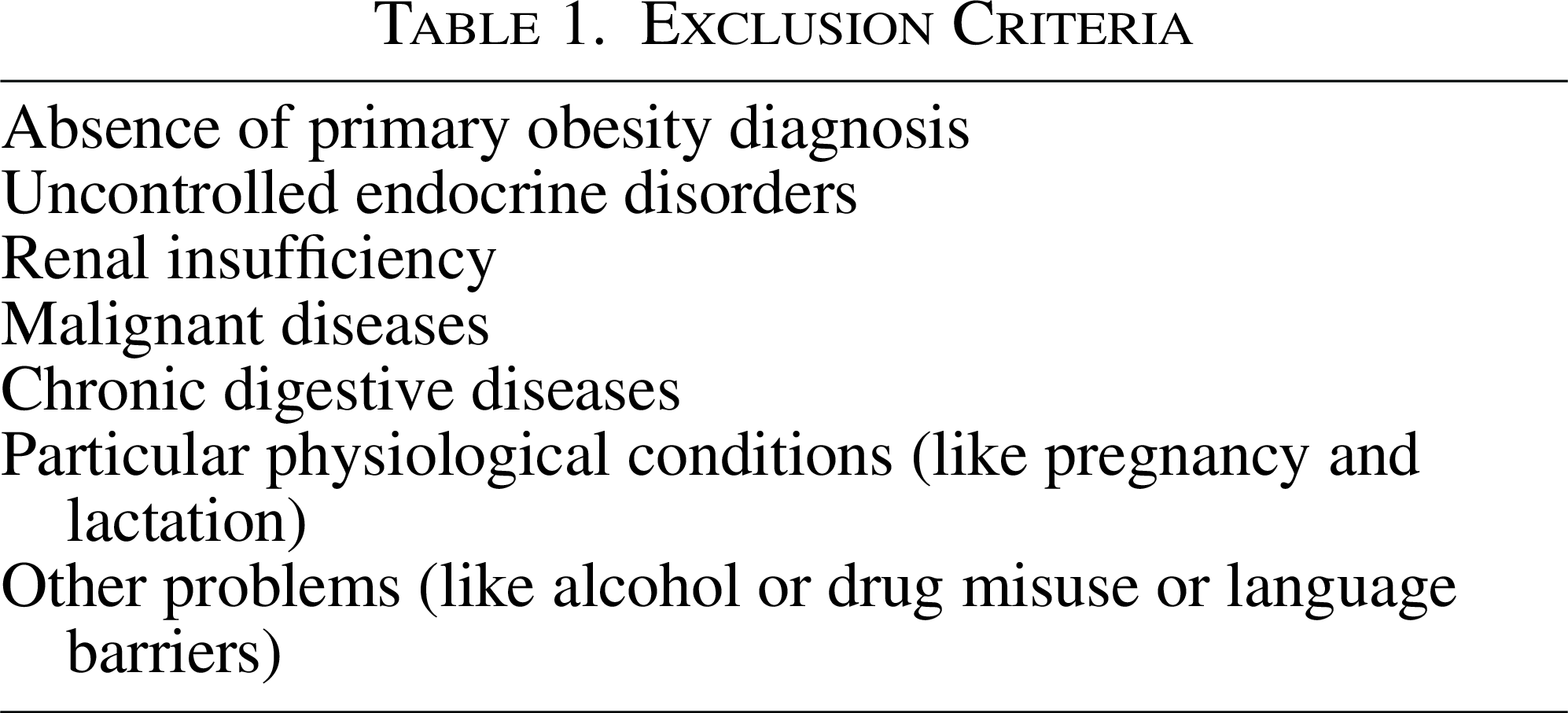
Thirty-two subjects (5 males and 27 females) with severe or extreme obesity, candidates for bariatric surgery (SG or RYGB), were enrolled in this study. Participants had to be between 18 and 60 years old and have a BMI ≥40 kg/m2 or BMI ≥35 kg/m2 combined with comorbidities. Exclusion criteria are included in Table 1. Participation in the study was interrupted if at least one of the following conditions was present: intolerance/allergy to the food product (FSMPs or HFs), occurrence of gastrointestinal problems (nausea, vomiting, diarrhea, etc.), withdrawal of consent, or patient’s failure to participate in the follow-up. The study received approval from the Scientific Ethics Committees involved (J.no H-3-2013 138) and was officially registered on ClinicalTrials.gov. Written informed consent was obtained from all study participants. The participants were evaluated using specialized proven techniques for detecting gustatory perception (Taste Strips), by comparing data collected before and after bariatric surgery.
Exclusion Criteria
Dietary plan
Among the 32 patients included in the study, 16 underwent testing with an alternate semi-liquid weaning procedure with FSMPs (Study Group: A), and 16 patients underwent testing with traditional HFs (Control Group: B). The FSMPs used in the alternative weaning plan were supplied by MedicAir Group S.r.l.’s Gourmed® range. Every formulation incorporated supplementary vitamin D3, vitamin C, and BCAAs (leucine, isoleucine, and valine) to support effective muscle and metabolic recovery. 14
The standard protocol provides an average caloric intake of at least 500 kcal, with a sufficient protein component due to the addition of BCAAs. For the FSMP protocol, the supplementation portion was reduced to 15 g compared to the 30 g normally provided in the postbariatric program.
The study assessed the following
Sensory evaluation
In order to assess the taste perception and pleasure generated by the products both before and after surgery, patients in each group were administered specific questionnaires (Sensory Questionnaire) and Taste Strips. The sensory questionnaire was based on evaluating one or more characteristics of food products with specific descriptions, considering visual observation, smell, touch, and taste. The panel test was essential for defining the quality and acceptability of products in terms of compliance and palatability, using accurate and precise objective methods that produce reliable, complete, and repeatable results.12,15,16 For each evaluated taste and characteristic, a liking score was reported on a scale of 0–10.
For the sensory evaluation and the study of possible taste changes following bariatric surgery17–19 Taste Strips were used to identify four tastes: sweet, sour, salty, and bitter. 20 The taste test was conducted using filter paper strips (“Taste Strips,” Odofin, Groningen, Netherlands), each measuring 8 cm in length with a tip area of 2 cm2, and soaked with tastant solutions (four concentrations for each of the four basic taste qualities). The concentrations used for the taste strips were as follows: sweet: 0.4, 0.2, 0.1, and 0.05 g/mL sucrose; sour: 0.3, 0.165, 0.09, and 0.05 g/mL citric acid; salty: 0.25, 0.1, 0.04, and 0.016 g/mL sodium chloride; bitter: 0.006, 0.0024, 0.0009, and 0.0004 g/mL quinine hydrochloride. Distilled water served as the solvent, and fresh taste solutions were prepared at regular intervals. The strips were placed on the left or right side of the anterior third of the extended tongue, resulting in 32 trials. Prior to each strip administration, the mouth was rinsed with water, and patients had a break of 1 min between two strips. The tastes were presented in increasing concentrations. The four taste qualities were applied randomly at each concentration level, alternating the side of presentation. With their tongue extended, participants were asked to identify the taste from a list of four descriptors: sweet, sour, salty, and bitter (multiple forced-choice). Identification letters for each descriptor were used: A = sweet, E = sour, I = salty, and M = bitter. To obtain an impression of overall gustatory function, the number of correctly identified tastes per side was added up to a “taste score.” 21 The subjective evaluation of taste perception, in terms of type and intensity of the perceived flavor, was recorded on a numerical rating scale from 0 to 3.
Anthropometry and bioimpedance analysis
For the body composition description, the main anthropometric indices were quantified using a balance equipped with a stadiometer to determine the weight and height of the patients. Body circumferences (waist and hips) were evaluated using an electronic tape measure recorded with the “Renpho Health®” app for different subjects. Based on these values, it was possible to estimate relevant indices correlated with the risk of developing chronic diseases.
Bioimpedance measurement was performed on all patients at T0 (before bariatric surgery) and T1 (follow-up) using a dual-frequency bioimpedance balance (Tanita RD-545 HR, Japan) capable of measuring segmental current passage. This method is useful for monitoring the patient’s progression during the first month of treatment and studying any body composition changes between the two time points (Table 2).
Basal Anthropometric Characteristics of Sample
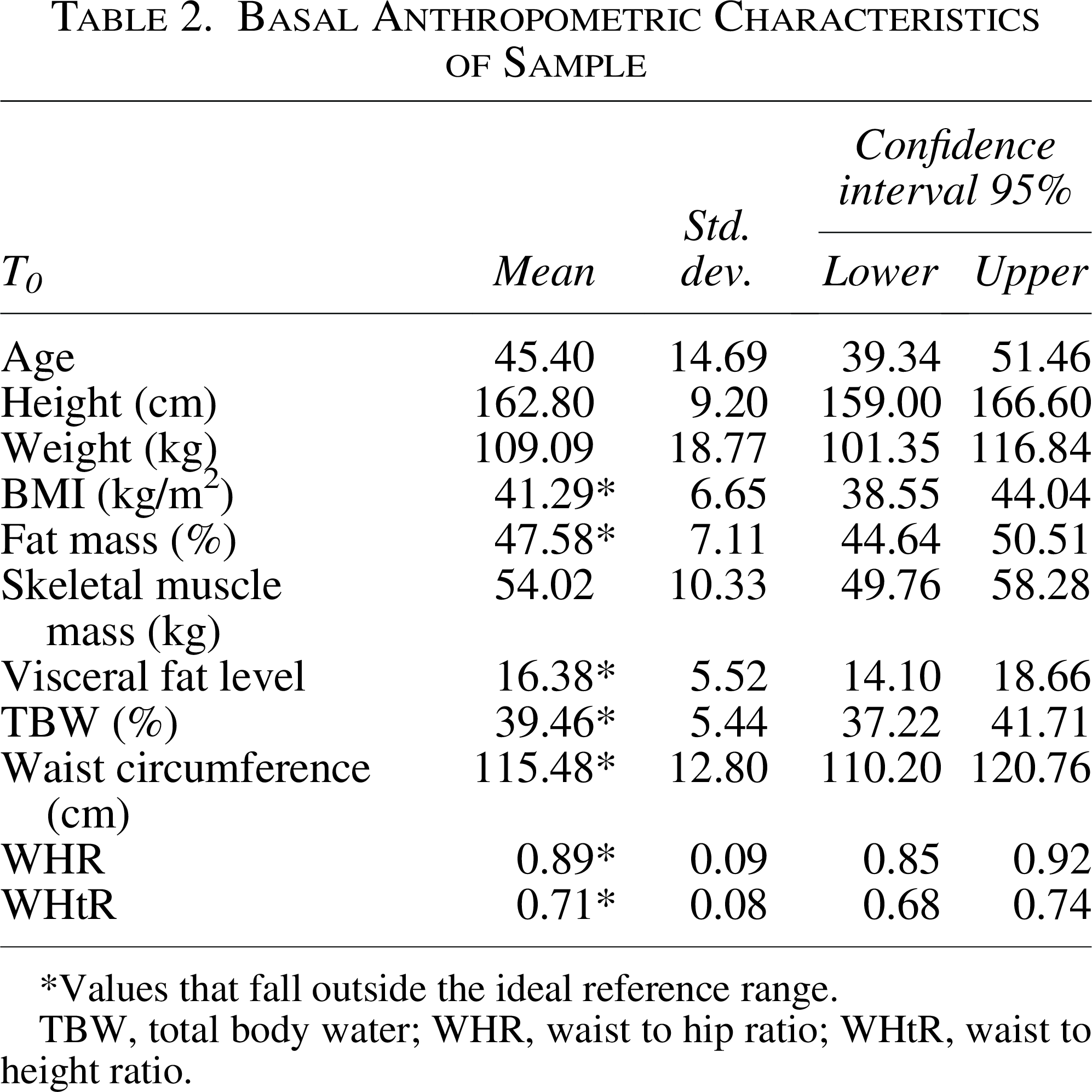
Values that fall outside the ideal reference range.
TBW, total body water; WHR, waist to hip ratio; WHtR, waist to height ratio.
Hematochemical analysis
Clinical evaluations based on performing general hematochemical tests were also performed to assess the nutritional status of patients. Blood samples were taken presurgery (T0) and at 1 month postsurgery (T1) to measure levels of iron, calcium, vitamin D3, and other critical nutrients (Table 3).
Basal Hematochemical Parameters of Sample
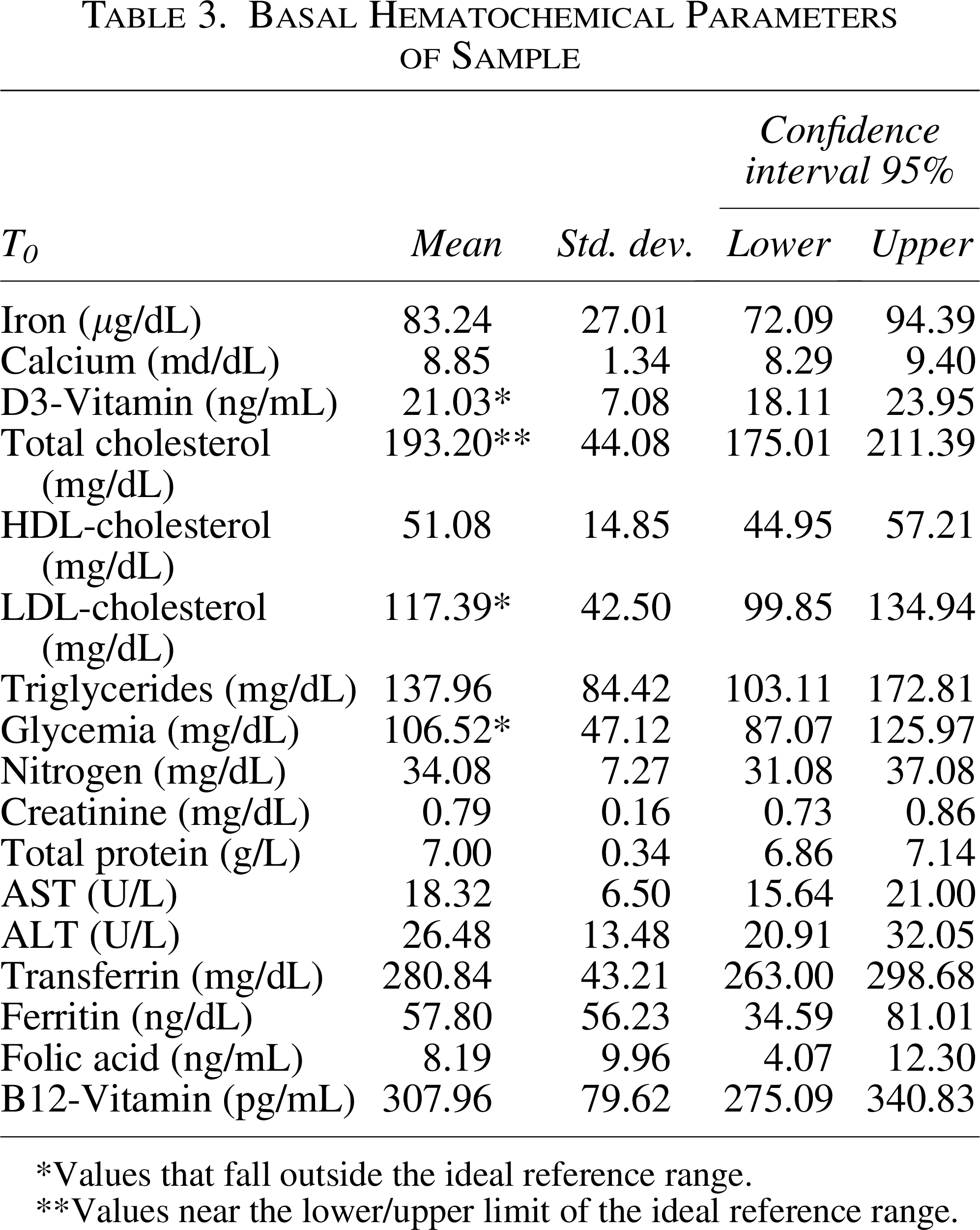
Values that fall outside the ideal reference range.
Values near the lower/upper limit of the ideal reference range.
Patient referred data
Weekly questionnaires were administered to gauge patient satisfaction and compliance with the diet, and also intolerances and problems. Each of the 32 participants was asked to complete the questionnaire by telephone, indicating the availability of the experimenter for any clarification or any reports regarding problems during the week of weaning.
Statistics
The statistical analysis was conducted using IBM® SPSS Statistics software, employing the “Kolmogorov-Smirnov Normality Test” and the “Shapiro-Wilk Normality Test” to describe data distribution. Mean and standard deviations were used to represent values following a normal distribution, whereas median and interquartile ranges were used to characterize values following a nonnormal distribution. The assumption of normality is a crucial need for the two-way RM ANOVA test. Hence, if this criterion is not satisfied, it becomes imperative to choose for a comparable nonparametric test that does not need particular assumptions on the distribution of the data. Nevertheless, it is widely established that this method presupposes validity even when dealing with nonnormal distributions and will be applicable for interest analysis. An evaluation of normalcy was conducted using a significance level of 5%.
Variables of both discrete and qualitative nature were reported using absolute frequencies and percentage values. We used a two-way RM ANOVA test with repeated measures and “Sidak’s Multiple Comparison Test” at two different times, T0 and T1, to compare continuously qualitative metrics between the two groups. Repeated-measures research was done to evaluate time-related variance by differentiating the two study groups (FSMP and control). A prior examination of sphericity (Mauchly’s Test) was used to quantify the variance between groups and times. A high p value indicates that the parameter is constant, so the assumed sphericity is valid. Otherwise, the Greenhouse-Geisser or Huynh-Feldt adjustment is made, depending on whether the value is more or less than 0.75, respectively. Statistical significance is defined as a p value below 0.05.
An analysis of the discrete variables was conducted using a “Student’s t-test” to compare the overall preference between T0 and T1. This was done in conjunction with a “Fisher’s exact test,” which assesses the significance of the variable in question regarding two-sided associations. “Fisher’s exact test” is a more stringent version of “Pearson’s χ2 test,” a standardized test used to examine the correlation between nominal variables. The software employed links the two analyses by categorizing multiple comparable tests conducted based on specific changes.
Results
The study included 32 participants at the prehospitalization phase (T0), with 30 completing the 1-month follow-up (T1) due to the dropout of two individuals (they did not attend their scheduled follow-up visit). The sample consisted of 5 men (16%) and 27 women (84%), with an average age of 45 years. This gender distribution aligns with expectations based on data from the bariatric surgery department. It is essential to note this aspect for evaluating sample characteristics, considering parameters associated with different reference intervals for the two sexes (% fat mass, % total body water [TBW], waist to hip ratio, waist to height ratio, and skeletal muscle mass).
Sensory perception and dietary compliance
The sensory questionnaire assessed taste perception for sight, smell, touch, and taste. Patients in the FSMP group demonstrated higher compliance and greater acceptance of the diet. Significant alterations in sour and salty taste perception were observed postsurgery (p < 0.05), potentially linked to postoperative vagus nerve changes or hormonal shifts.
There was an increase in appreciation toward the experimental product at both T0 and T1 in both test groups.
Overall, FSMPs were well-tolerated and provided an alternative postbariatric dietary option without compromising weight loss or nutritional status.
To detect possible functional changes, a general comparative analysis was performed on all subjects through the construction of a contingency table, directly comparing scores at the two predetermined time points (T0 and T1).
The significance of changes over time in discrete variables was detected using a Student’s t-test for paired samples in association with Fisher’s exact test. This analysis was performed for each type of taste tested: A = sweet, E = sour, I = salty, and M = bitter (Tables 4, 5, 6, 7).
Sweet Taste
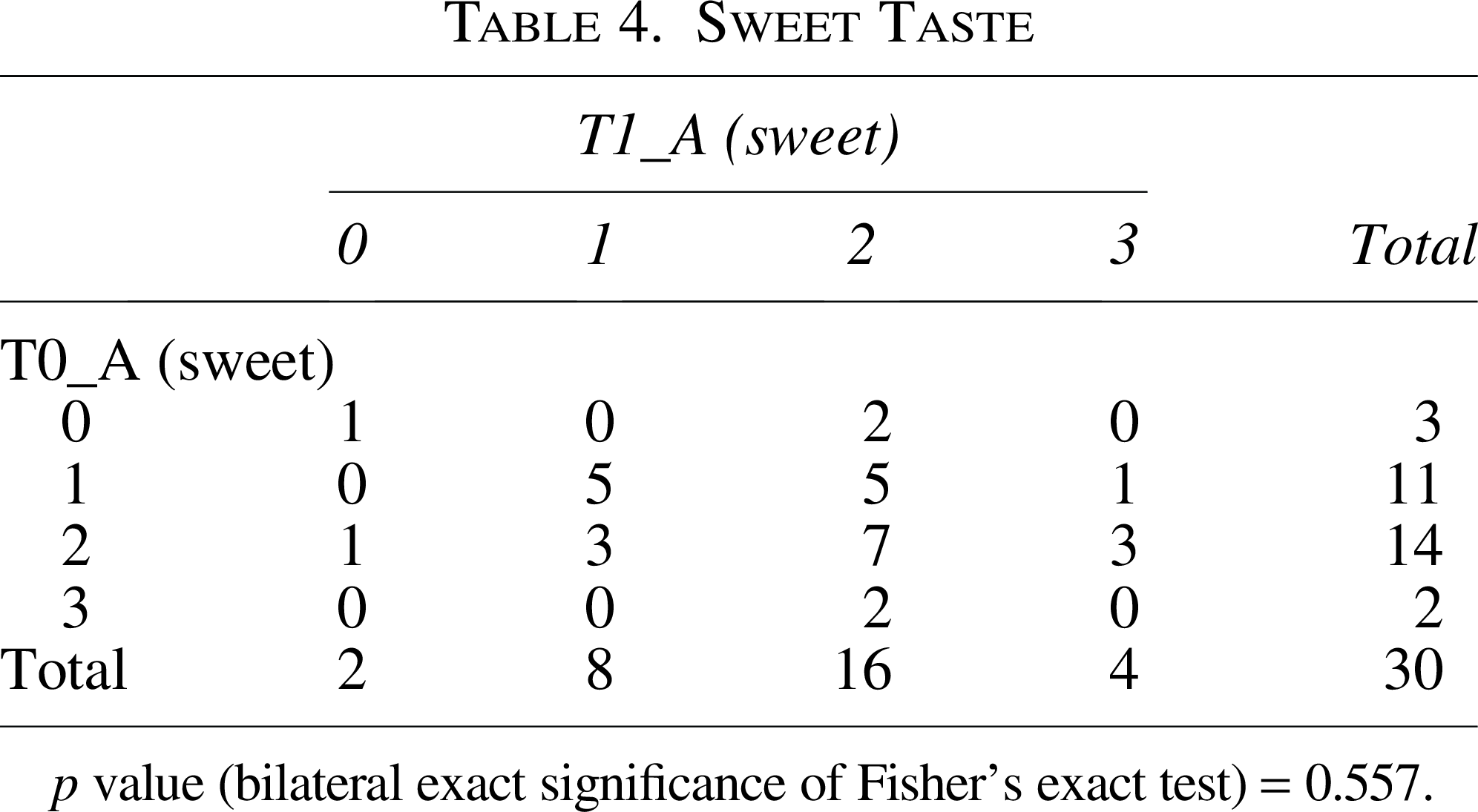
p value (bilateral exact significance of Fisher’s exact test) = 0.557.
Sour Taste
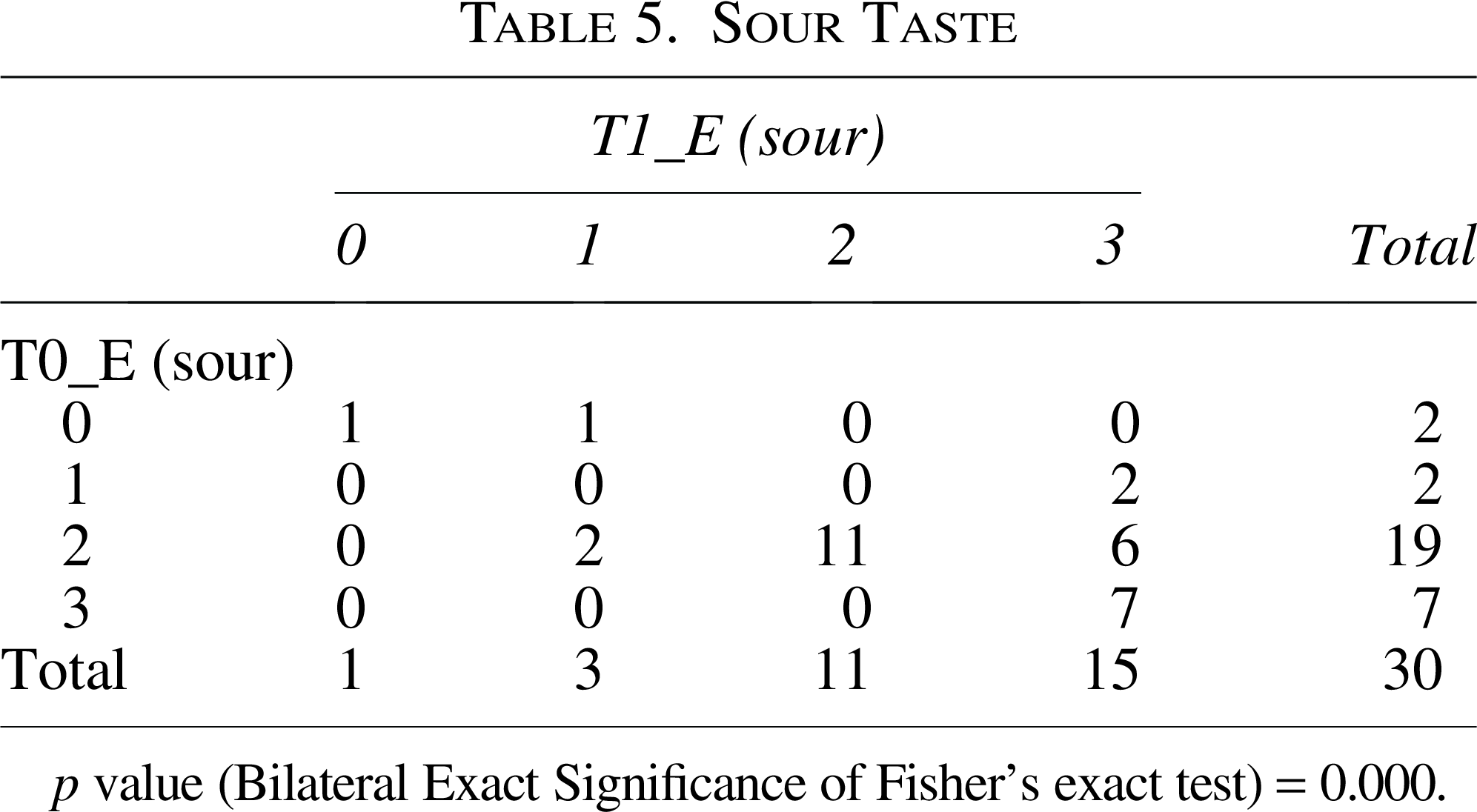
p value (Bilateral Exact Significance of Fisher’s exact test) = 0.000.
Salty Taste
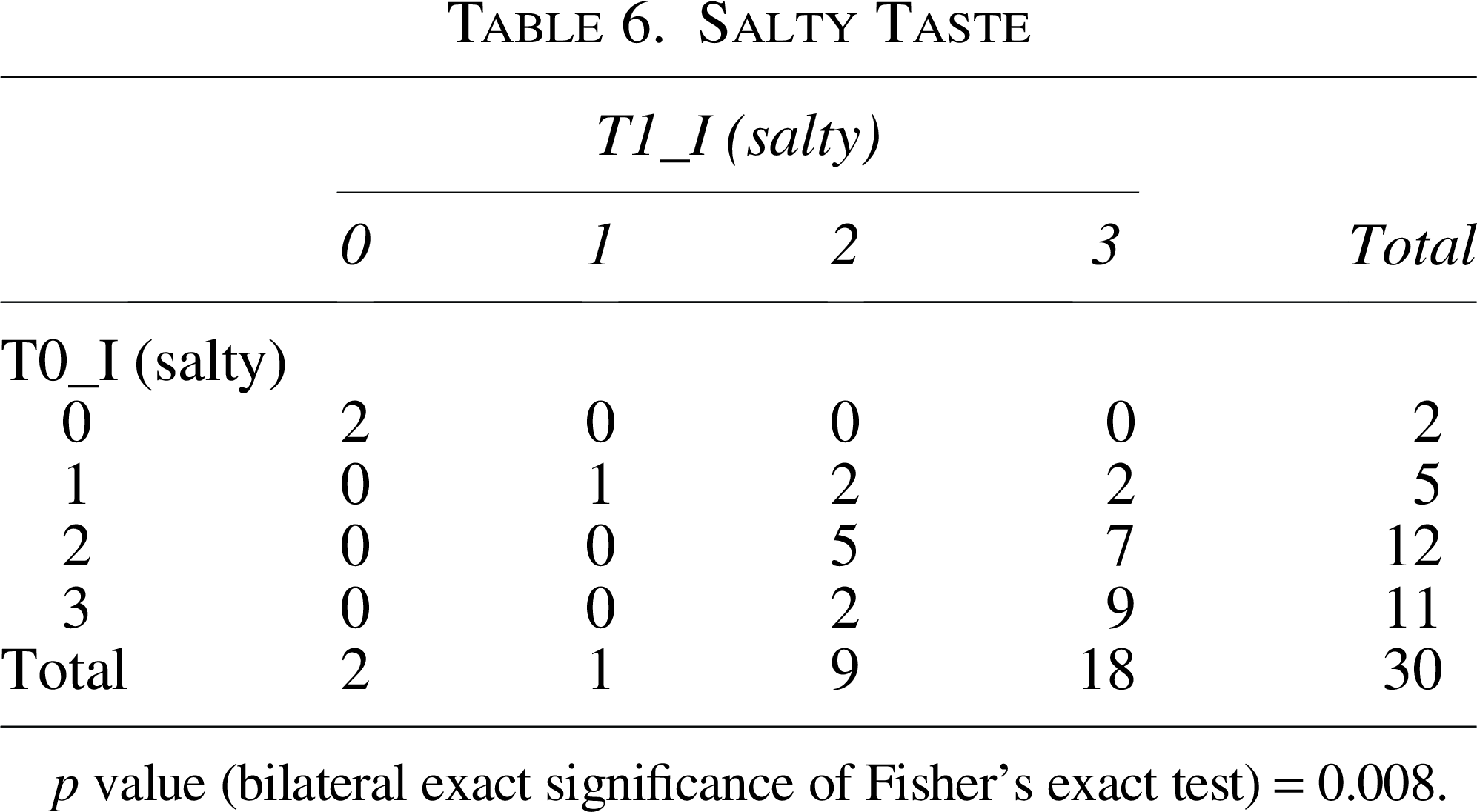
p value (bilateral exact significance of Fisher’s exact test) = 0.008.
Sweet Taste
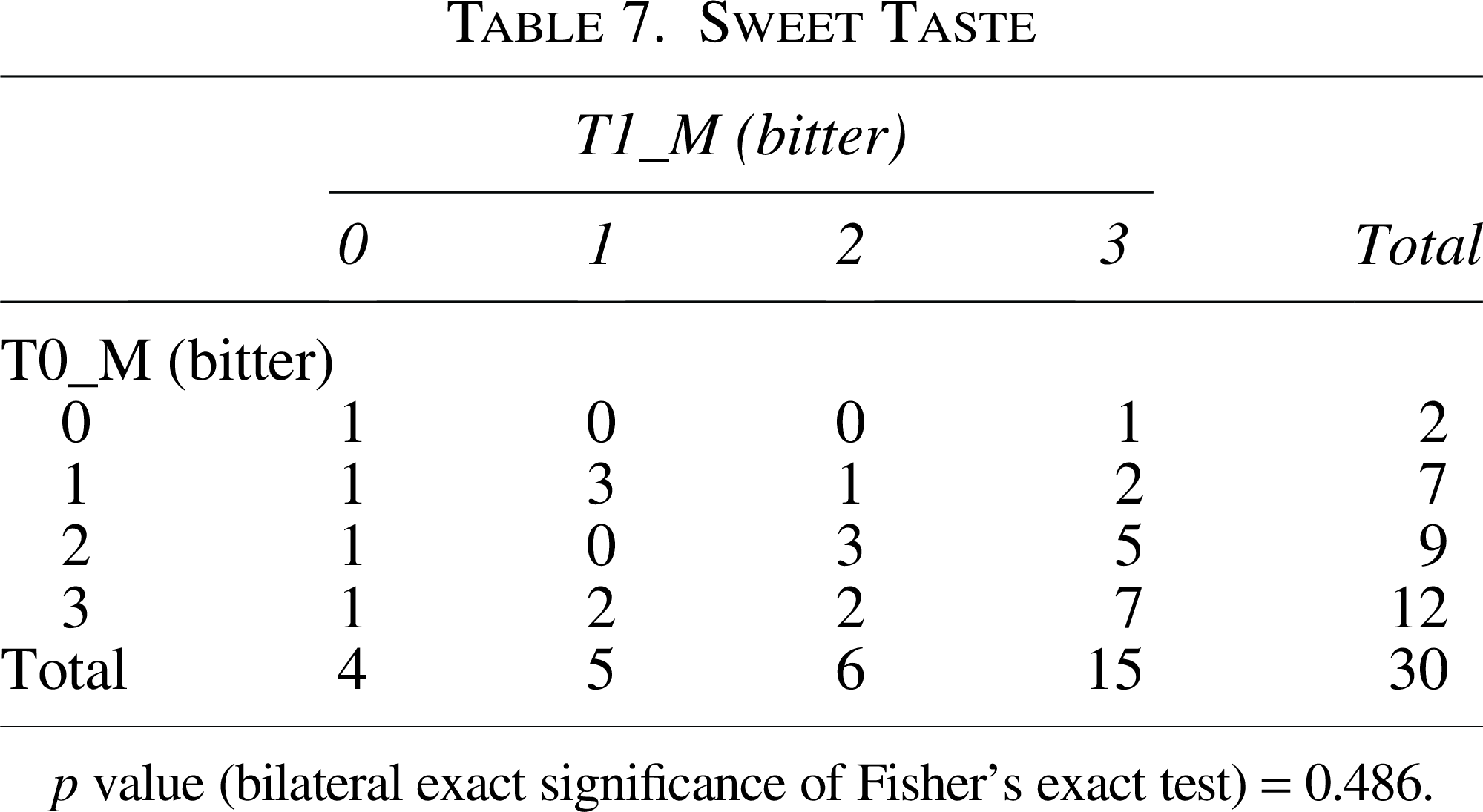
p value (bilateral exact significance of Fisher’s exact test) = 0.486.
The taste alterations found in some subjects were investigated not only at the two reference time points but also through the patients’ weekly responses to a Google Forms questionnaire sent by telephone. It was asked whether they had experienced this side effect in the past 7 days, providing information about the foods affected and a description of how the sensory perception issue occurred (Table 8).
Frequency of Taste Alteration in Questionnaire
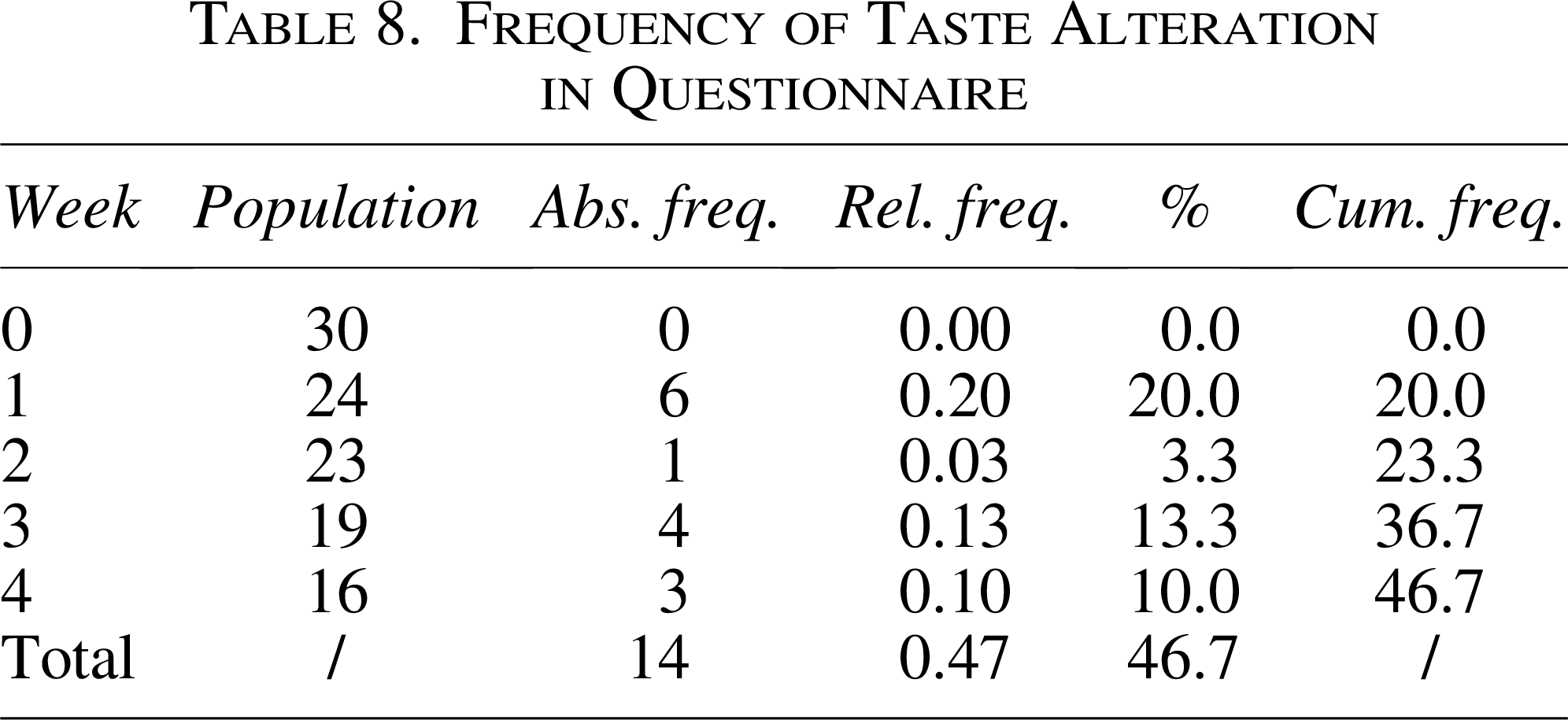
Anthropometric and nutritional outcomes
At baseline (T0), participants had an average weight of 109.1 ± 18.8 kg and a BMI of 41.29 ± 6.65 kg/m2, both significantly deviating from ideal values. A high fat mass percentage, particularly at the visceral level, was observed, increasing cardiovascular risk. Dehydration was also prevalent, with an average TBW percentage of 39.46 ± 5.44%, below the normal reference for females (≥45%).
The overall hematochemical parameters showed relevant alterations, especially with the levels of vitamin D3 (below the normal range) and LDL-cholesterol (above 100 mg/dL). Insufficient levels of vitamin D3 are prevalent among these individuals and can result in skeletal disorders. Moreover, the overall blood glucose levels seem to exceed the optimal range, indicating a higher susceptibility of these persons to acquire a persistent condition of insulin resistance and diabetes.
By T1, the average weight decreased from 109.1 ± 18.8 kgs to 95.8 ± 17.3 kgs, indicating effective postbariatric weight loss. No significant differences in weight reduction were found between the two dietary groups (FSMP vs. HF), suggesting both dietary approaches were similarly effective in supporting early recovery. Weight loss was neither excessive nor limited, with adequate caloric intake to cope with the first 4 weeks of postbariatric recovery.
Overall, considering the anthropometric aspects, all the out-of-range values found during the prehospitalization phase remained above the relative optimal threshold value, but a general improvement could already be seen for these parameters within a very narrow time frame. Each of these changes referred to the postoperative course only and not to the assigned type of weaning, which perfectly followed the standard trend.
Hematochemical parameters
Despite FSMP products including vitamin D3 supplementation, no significant improvements in hematochemical markers were observed. However, vitamin D3 levels showed a notable increase from 22.93 ± 8.07 ng/mL at T0 to 47.98 ± 18.85 ng/mL at T1, exceeding the ideal minimum of 30 ng/mL (Fig. 1). Total protein levels remained stable in the FSMP group (6.92 ± 0.36 g/L to 6.88 ± 0.48 g/L), whereas the control group exhibited a more pronounced decline (7.03 ± 0.34 g/L to 6.73 ± 0.35 g/L). Although not statistically significant (p = 0.088), this suggests FSMPs may help maintain protein status postsurgery (Fig. 2).

Vitamin D3 variation. *A higher significance level than the predetermined threshold value (p value <0.05) is indicated.
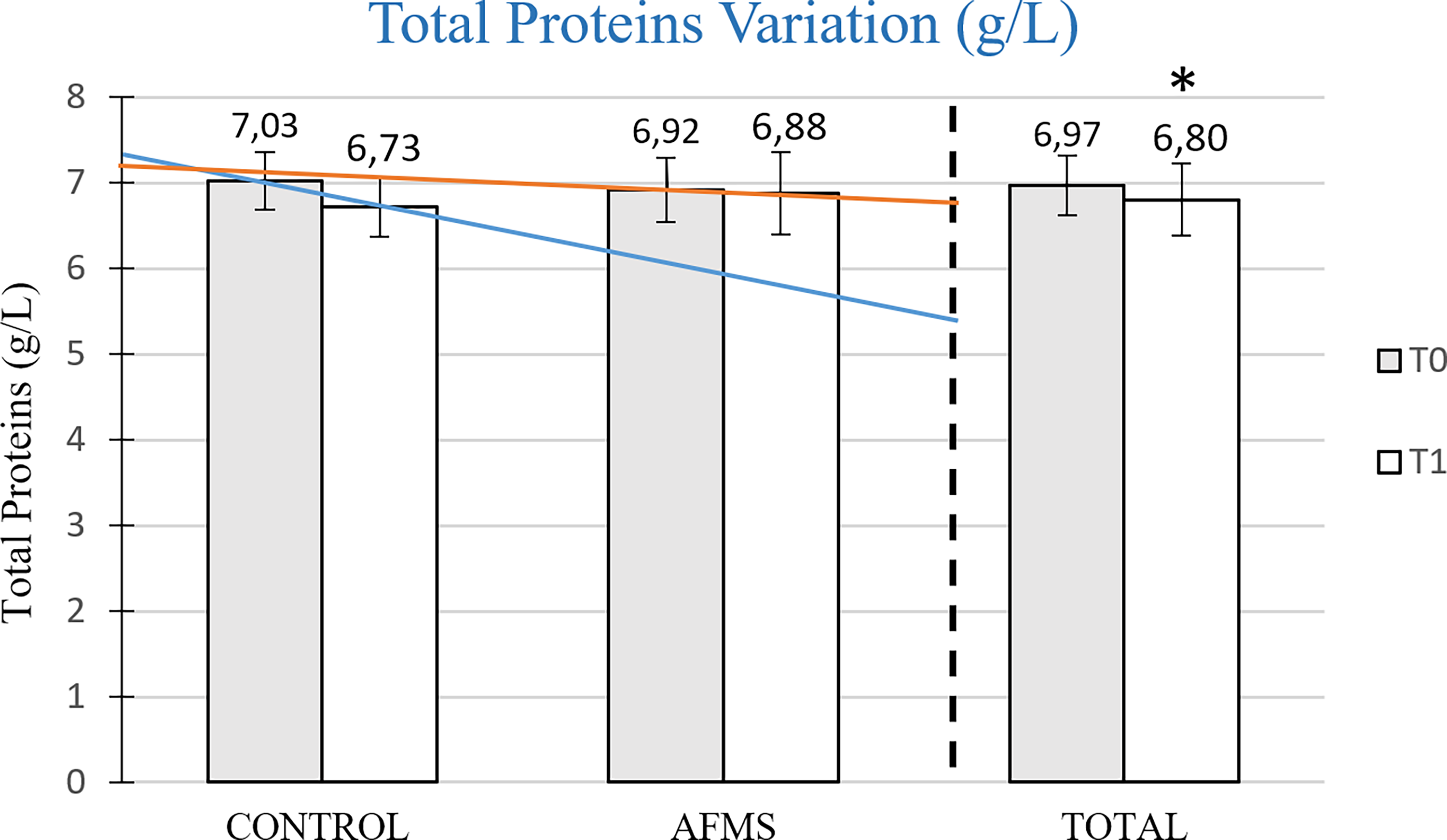
Total proteins variation. *A higher significance level than the predetermined threshold value (p value <0.05) is indicated.
Adverse events
Other possible complications that may arise in the liver or kidney during the period of interest have been studied. Creatinine concentrations remained almost constant over time, and the diet did not lead to any problems in this respect, despite the additional branched amino acid quota. Regarding the liver, no particular problems were found in association with altered aspartate aminotransferase and alanine aminotransferase.
Possible side effects were also investigated in depth by conducting weekly interviews, resulting in common complications in the two categories of subjects under analysis, and were mainly associated with the postoperative recovery phase. In experimental Group A, 53% of patients complained of gastrointestinal problems (25% diarrhea, 37.5% constipation, 37.5% nausea, and 25% vomiting). Similarly, in the control Group B, adverse reactions were reported for 27% of the cases considered (25% diarrhea, 25% vomiting, 12.5% constipation, and 37.5% nausea).
Discussion
Taste is an important factor that governs human eating behavior. Encountering taste buds, the nutritive substances active a series of neural pathways that can identify the type and quantity of food, how much we enjoy it, and prepare the organism for digestion.
These processes can be categorized into three major domains: (1) the sensory domain, which deals with the identification and discrimination of the stimulus (e.g., does this cake taste sweet, and if so, how sweet is it?); (2) the hedonic domain, which refers to the motivational reward driving ingestion of a stimulus (e.g., how much do I want this cake, and how much do I like it when I eat it?); (3) the physiological domain, which leads to the triggering of pathways to help with digestion and maintain homeostasis, e.g., salivation and cephalic insulin release following ingestion. 21 Bariatric surgery, particularly RYGB, can potentially influence any of the three taste domains in such a way to direct the food preferences and eating behavior of patients towards long-term weight loss. It is useful to have a basic understanding of the gustatory pathway to appreciate the impact of bariatric surgery on taste.
Obesity is a chronic condition, associated with excessive weight gain, that is extremely widespread; it worsens a person’s quality of life and renders the chance of getting several diseases higher while having a strong psychological impact.
Bariatric surgery is a highly efficient therapy that includes restrictive and/or malabsorptive operative methods, resulting in substantial weight reduction, particularly in those with extreme obesity. A critical factor is the requirement for continuous surveillance throughout the recovery period through regular follow-ups to guarantee substantial and enduring outcomes. The initial postoperative phase is particularly difficult due to the potential difficulties that may occur from gastrointestinal adjustments after SG or RYGB. Adhering to a suitable dietary-nutritional regimen is essential for achieving complete recovery and reducing postoperative complications, considering the morphological and functional alterations. The identification of potential insufficiencies in micronutrients such as folic acid, vitamin B12, iron, calcium, and vitamin D3, as well as macronutrients, particularly protein concentration, is crucial in relation to the decrease in lean mass. This finding is especially pertinent during the weaning phase, which entails the introduction of liquid/semi-liquid foods that may pose challenges for patients to acclimate to during the initial weeks. Thus, a proposal was made to use experimental products as an alternative in order to guarantee a wider range of options and improved adherences.
A major adverse effect following bariatric surgery is the potential anatomical and hormonal alterations that may lead to functional changes in taste.7,10,11,22 Numerous studies have examined this outcome, primarily emphasizing a subjective interpretation, by using predesigned questionnaires. Multiple instances have shown the detection of sensory alterations in taste and smell that are specifically targeted towards certain food categories such as red meat, milk, cheese, and sweets. 23 This phenomenon seems to be temporary but may last for a period beyond 2 years after the surgical procedure. 7 This study aimed to evaluate the effects of an alternative weaning diet using FSMPs on taste perception and nutritional outcomes in postbariatric patients. Special validated tests (Taste Strips) were employed in conjunction with the gathering of data obtained from weekly interviews conducted during the first postoperative month to study this complication about the individual’s palatability.
Considering the perfect parallelism between the weaning plan already in use at the department of bariatric surgery and the one proposed with FSMPs, the most advantageous aspect was related to an excellent patient compliance toward the alternative products. This evaluation was defined by a sensory test of liking and a comparative test for preferences between associated tastes. It was possible to observe a significantly better liking index for the experimental foods with an average liking difference of 31.65 ± 3.69% at T0 and 30.6 ± 3.13% at T1, also distinguished at the sensory level. In both the homogenized and FSMPs groups, there was a lowering of the overall score at T1, probably due to the difficulties of long-term maintaining of a semiliquid diet over the 4-week period. In the homogenized group, there was the average drop in the liking index from 45.11 ± 2.17% to 42.03 ± 1.77%, while for the products under study, there was a drop from 76.61 ± 2.99% to 72.63 ± 2.58%.
There was a difference regarding the maintenance of total protein between the two groups, but it remained above the threshold for statistical significance (p value = 0.088). The small sample size analyzed over a limited period could suggest that there may be a distinction between dietary pathways that warrants further investigation.
Statistically significant differences were observed in sour and salty tastes between the prehospitalization and first follow-up periods. Participants frequently reported a shift in palatal preferences towards certain food categories, such as meat and/or fish. Occasionally, the suitable test revealed perceptual confusion by reversing the link between sour, bitter, and salty tastes, even when the impression of flavor strength remained constant. Furthermore, several individuals expressed varying gustatory responses to the experimental foods employed in the study, notably regarding the fragrance of “roast chicken” and “pesto.” At the score level, there was no indication of a decrease in recognition capacity for sweet flavor. Instead, several persons reported an enhanced capacity to perceive sweetness, deeming certain tastes disagreeable, which therefore resulted in a decrease in preference for high-calorie items.
This aligns with previous findings that bariatric surgery may cause a shift in taste preferences due to changes in gut hormones and vagal nerve signaling. Interestingly, while no significant differences were found between the FSMP and HF groups in overall taste perception, patients on FSMPs demonstrated better compliance with the diet, possibly due to its improved palatability. These findings are consistent with previous studies showing that taste alterations postsurgery may reduce cravings for energy-dense foods, thereby assisting in weight loss maintenance. The comparison we carried out revealed a strong index of liking toward the products tested at the two predetermined timepoints. Through the administration of a special sensory and comparative questionnaire, it was found that the percentage, in the case of FSMPs, saw a sharp increase in the mean score from 45.11 ± 2.17% to 76.61 ± 2.99% at T0 (prehospitalization) and from 42.03 ± 1.77% to 72.63 ± 2.58% at T1 (follow-up). Regardless of the expected reduction in rating after the first month of diet, the mean difference remained almost unchanged, noting better compliance directed toward the experimental product used. While no significant differences were found between the FSMP and HF groups in overall taste perception, patients on FSMPs demonstrated better compliance with the diet, possibly due to its improved palatability.
Both dietary approaches provided adequate caloric and protein intake, preventing excessive weight loss or malnutrition during the early recovery phase. While FSMPs contained added vitamin D3, hematochemical analyses showed no statistically significant differences in overall nutrient levels between the two groups. However, vitamin D3 levels increased significantly from 22.93 ± 8.07 ng/mL to 47.98 ± 18.85 ng/mL, surpassing the recommended minimum of 30 ng/mL. This suggests that FSMPs may enhance postoperative micronutrient status.
Total protein levels remained stable in the FSMP group, whereas a more pronounced decline was observed in the HF group, though this did not reach statistical significance. This trend indicates that FSMPs may help maintain protein status, an important factor in preserving muscle mass postsurgery.
Gastrointestinal side effects such as nausea, diarrhea, constipation, and vomiting were common in both groups, but their occurrence was not significantly different between the dietary approaches. This suggests that FSMPs are well tolerated and do not contribute to additional postoperative complications.
Although there are some emerging patterns, there are considerable inconsistencies between human studies, and the reasons for this issue are varied. Firstly, the methodologies employed in the studies assessing food intake and preference consist of food diaries, questionnaires, interviews, and dietary recall. Although they are practical and inexpensive to use, these tools are prone to weaknesses. They provide subjective information, which relies on accurate reporting from patients. Perhaps, a more objective way to directly assess food intake and preferences is to use a standardized clinical setting where the subject is presented with a variety of food options in a buffet style or performs behavioral tasks. Secondly, factors related to the surgery, such as differences in surgical techniques used, time from surgery, and type of dietary advice and support provided, can all contribute to the inconsistencies. Lastly, patients’ factors such as gender, BMI, and stage of menstrual cycle may also contribute conflicting results, as, for example, there is evidence to show that food intake is significantly increased in the luteal phase compared with the follicular phase in menstruating women, due to fluctuating levels of estrogens and serotonin. 24
Implications for Research and Practice
FSMPs represent a viable alternative to traditional postbariatric weaning diets, with potential benefits in taste acceptance, dietary compliance, and micronutrient maintenance. While taste alterations were observed regardless of the diet, the FSMP group exhibited better adherence and palatability. Changes in taste perception highlight the importance of tailored dietary strategies to support diet adherence in the early postoperative period and to avoid protein and micronutrient deficiencies. This issue is still underexplored. Despite the limitation of the small sample size, our study opens new perspectives on the potential for innovative nutritional approaches to improve the nutritional management of bariatric patients from the early postoperative stages.
Authors’ Contributions
M.R. and C.A. contributed to the research design and project conception; C.A. wrote the draft article and was primarily responsible for the final content. S.C. Analyzed the data. M.C. contributed to the study design. A.G. interpreted the data and revised the final draft of the article. All authors approve the final article.
Footnotes
Acknowledgments
The authors thank the bariatric unit of IRCCS Ospedale Galeazzi-Sant’Ambrogio for the support in the management of the patients, particularly the dietitian team for telephone interviews on weaning progress.
Author Disclosure Statement
No competing financial interests exist.
Funding Information
The research included in this report was supported financially by MedicAir Group S.r.l.’s Gourmed® at Origgio, Varese, Italy.