







Abstract
Amaryllidaceae species are widely appreciated for their ornamental value, yet they also possess significant medicinal importance due to their unique group of alkaloids. The Amaryllidaceae family is broadly distributed across tropical regions and is recognised for diverse biological activities, largely attributed to its alkaloid constituents. Reported effects include acetylcholinesterase (AChE) inhibition, as well as their use in traditional medicine for their antifungal, antibacterial, and cytotoxic activities. The present study sought to review the range of secondary metabolites in Amaryllidaceae, aiming to explore the chemical diversity, structural characteristics, and pharmacological profiles of these metabolites, since it is crucial for guiding further research and drug development. This study was conducted as a systematic literature review, following PRISMA guidelines. Searches were conducted in July 2025 using the descriptors Pharmacological effects of Amaryllidaceae, Amaryllidaceae family, and Pharmacological actions of Amaryllidaceae in English. Only original studies published between 2000 and 2025, available in full text and employing experimental or clinical methodologies, were included. Applying the inclusion and exclusion criteria yielded 92 eligible articles. Results revealed that these plants are rich in alkaloids and non-alkaloid metabolites, which display a broad spectrum of medicinal properties, most notably antitumor, antiparasitic, antiviral, and AChE-inhibitory effects. This review provides an overview of the chemical profiles of Amaryllidaceae plants and their bioactive compounds, highlighting the methodologies employed in their investigation, including emerging approaches such as molecular docking studies. However, the therapeutic application of Amaryllidaceae-derived compounds requires further investigation to clarify their safety and to identify metabolites with promising pharmacological potential.
Keywords
Introduction
The Amaryllidaceae family species are bulbous perennial or biennial, widely distributed in the tropics or in warm temperate regions throughout the world. They are particularly dominant in Southern Africa, with smaller followings throughout eastern and western Africa as well as the Andes, South East Asia and around the Mediterranean basin. This botanical family comprises around 1000 species in 60 genera, including approximately 300 species and about 20 genera of African origin. 1 The family Amaryllidaceae of the order Asparagales consists of bulbous herbs and is taxonomically divided into three subfamilies, Agapanthoideae, Allioideae and Amaryllidoideae by the system of classification published by the Angiosperm Phylogeny Group. 2 The Amaryllidaceae family is known for the occurrence of specific alkaloids, which are collectively termed Amaryllidaceae alkaloids (AAs). These compounds have various biological activities like acetylcholinesterase (AChE) and BuChE inhibitory, antitumor, antifungal, antibacterial, antiviral and anti-malaria effects. 3 The Amaryllidaceae species of Southern Africa are essentially classified into three major tribes: Haemantheae Pax (Hutchinson), Cyrthantheae Salisb., and Amaryllideae J. St.-Hil. Pantropical distribution is noted in some members of the Amaryllideae tribe, for example, Crinum. Two subtribes are recognised within the Amaryllideae, Crininae (comprising Boophone Herb., Crinum L., Ammocharis Herb. and Cybistetes Milne-Redh. & Schweick.), and Amaryllidinae, which includes the genera, Amaryllis L., Nerine Herb., Brunsvigia Heist., Crossyne Salisb., Hessea Herb., Strumaria Jacq. and Carpolyza Salisb. 4 The Amaryllidaceae family is widely appreciated for its ornamental and horticultural significance. Many species are grown for ornament (e.g., Narcissus L. in Europe, Hippeastrum Herb. in South America and the Indian subcontinent) or harvested from the wild for ornamental bulbs, for example, in species of the genus Galanthus L. Not just from their beauty, many species of Amaryllidaceae have been used in traditional medicine, where various folk societies across the globe utilise them to cure several diseases and disorders such as stomach upsets, skin diseases, headaches, and wounds as well as chest pains and bladder troubles; kidney or liver ailments; infertilities; lumbago; rheumatism; sterility, besides snakebites, gestation-abortifacients.5,6 The use of Amaryllidaceae plants in traditional medicine and their observed therapeutic effects are primarily attributed to a unique class of alkaloids. These alkaloids have only been discovered in the Amaryllidaceae family and are known to occur in every species investigated. Structurally, these compounds are closely related because they all derive from the same biosynthetic precursor, norbelladine. These alkaloids have been classified into several different structural ring types, such as crinine, lycorine, galanthamine, tazettine, homolycorine and montanine. 7 This study aims to review the chemical diversity and pharmacological activities of secondary metabolites found in the Amaryllidaceae family. It seeks to identify key bioactive compounds and evaluate their therapeutic potential based on evidence from original studies in order to highlight the medicinal importance of these species in novel drug discovery.
Materials and Methods
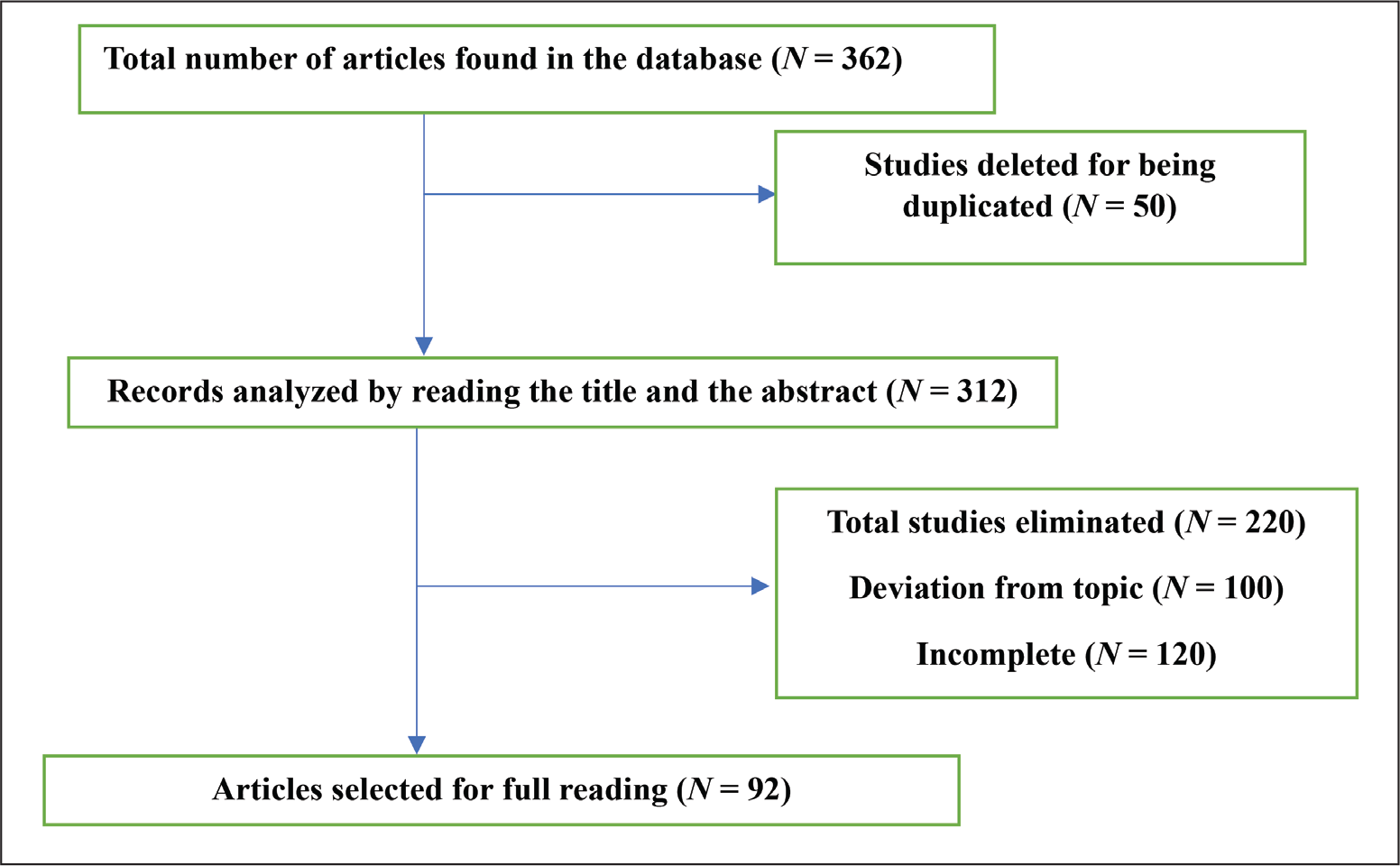
The review was designed and conducted in accordance with the Preferred Reporting Items for Systematic Reviews and Meta-Analyses (PRISMA) guidelines (Figure 1). The central research question focused on the documented pharmacological activities of species belonging to the Amaryllidaceae family. A structured search strategy was developed using the terms ‘Pharmacological effects of Amaryllidaceae’, ‘Family Amaryllidaceae’, and ‘Amaryllidaceae pharmacological actions’, all adapted from the Health Sciences Descriptors (DeCS). These keywords were applied across PubMed, MEDLINE, and SciELO. The search, conducted in July 2025, initially identified 362 records. After removing 50 duplicate studies, 312 records remained for screening. Titles and abstracts were assessed, leading to the exclusion of 220 studies, primarily due to deviation from the topic (N = 100) or insufficient or incomplete information (N = 120). A total of 92 articles were deemed eligible for full-text reading. The search was restricted to full-text original articles employing experimental or clinical methodologies and published between 2000 and 2025. Publications based solely on traditional or ethnobotanical knowledge, as well as congress papers, presentations, or other non-peer-reviewed materials, were excluded. Figure 1 provides a summary of the methodological steps used to identify, screen, and select eligible studies on the bioactive secondary metabolites of the Amaryllidaceae family. A risk-of-bias evaluation was conducted for all studies included in the qualitative synthesis. Animal experiments were assessed using the SYRCLE (Systematic Review Centre for Laboratory Animal Experimentation) tool, examining allocation methods, blinding, data completeness, and reporting practices. Clinical studies were appraised following the Cochrane Risk-of-Bias criteria, focusing on randomisation, allocation concealment, blinding, and outcome reporting. All assessments were performed independently, and disagreements were resolved by consensus to ensure a reliable interpretation of the evidence.
Summary of the Method Used to Include Studies on Bioactive Secondary Metabolites of the Amaryllidaceae Family.
Results
Plants of Family Amaryllidaceae
The Genus Tulbaghia
Phytochemistry and Traditional Use of Genus Tulbaghia
The genus Tulbaghia is mostly found in Africa and consists of monocotyledonous, herbaceous perennials with bulbs. Traditional medicine has made extensive use of them to treat a wide range of illnesses. On rocky ledges, Tulbaghia simmleri is a solitary herbaceous species, numerous illnesses, such as gastrointestinal disorders, hypertension, cardiovascular problems, chest issues, elevated cholesterol, constipation, rheumatism, asthma, fever, pulmonary tuberculosis, earaches, HIV-related conditions, paralysis, and other chronic diseases, have historically been treated with its bulbs and leaves. 1 Tulbaghia violacea has long been prized for its nutritional and therapeutic qualities. Fever, colds, tuberculosis, asthma, and a number of stomach issues are all treated with the leaves and bulbs. The leaves are also used to treat oesophageal cancer and eaten as a vegetable. Additionally, the plant has been used as a natural snake repellent. 8
The phytochemical makeup and pharmacological properties of Tulbaghia species have been thoroughly investigated. Sulfur-containing compounds, which display a variety of pharmacological activities, are the most prominent bioactive components. Among them, the thiosulfinate marasmicin has been identified as the most potent antimicrobial agent reported from this genus. 9 Phenols, tannins, and flavonoids are among the other significant substances that this species produces; these substances are responsible for many of its documented biological activities. Although phytochemical research has been done, little is known about other Tulbaghia species, especially T. alliacea and T. acutiloba. Alkaloids have not been detected in Tulbaghia species, in contrast to many other genera in the Amaryllidaceae family. 10
T. violacea has been found to contain a variety of bioactive compounds. These include sulfur-containing metabolites like allicin, which is known to have antifungal and antibacterial properties, and marasmicin. Glycosides such as D-fructofuranosyl-(2→6)-methyl-β-D-glucopyranoside, β-D-fructofuranosyl-(2→6)-β-D-glucopyranoside, and methyl-β-D-glucopyranoside are also produced by the plant. Methyl-2-thioethyl thiomethyl trisulfide, bis (methylthiomethyl) disulfide, and methyl (methylthio) methyl disulfide are the predominant volatile sulfur derivatives that comprise a substantial portion of the aerial parts. The phytochemical profile of this species also includes the flavonoid kaempferol, which has been found to have anti-inflammatory, anticancer, and antioxidant qualities.11,12
Pharmacology and Mechanism of Biological Activity of Genus Tulbaghia
Numerous studies have supported the traditional use of Tulbaghia in this context, and it has garnered significant attention for its antimicrobial potential. T. violacea extracts have shown activity against a variety of microbial species, including those designated as priority pathogens by the World Health Organization, such as Pseudomonas aeruginosa, Staphylococcus aureus, and Klebsiella pneumoniae. 13 Its extracts have shown strong antifungal activity against yeasts, such as Candida albicans and Candida parapsilosis.14,15 T. violacea has shown significant antiparasitic activity in addition to its antimicrobial qualities. On tomato roots and in soil, its extracts have demonstrated efficacy against the parasitic nematode Meloidogyne incognita. Additionally, antiparasitic effects against Leishmania tarentolae and Trypanosoma brucei have been reported. 16 Interestingly, the anticancer activity of this genus has been assessed; T. violacea has shown notable cytotoxic and anticancer potential in a variety of cell lines. Strong, time- and dose-dependent cytotoxicity was demonstrated by methanol extracts of its leaves and roots, which caused apoptosis via a p53-independent mechanism.17,18 Two pro-apoptotic glucopyranosides, D-fructofuranosyl-(2→6)-methyl-β-D-glucopyranoside and β-D-fructofuranosyl-(2→6)-β-D-glucopyranoside, were found to be active anticancer agents from whole plants. Their mechanism of action was linked to the induction of apoptosis via the mitochondrial (intrinsic) pathway.19,20
Beyond its antimicrobial and anticancer qualities, it was discovered that flower extracts of T. violacea decreased the production of 1–42 β-amyloid peptides and lessened oxidative stress in vivo. By reducing tonic convulsions brought on by substances like pentylenetetrazole, bicuculline, picrotoxin, strychnine, and NMDLA (N-methyl-D-aspartate), methanol leaf extracts showed anticonvulsant activity.21,22 Additionally, because of the abundance of phenols, tannins, and flavonoids, Tulbaghia has drawn notice for its potent antioxidant potential. Through a variety of in vitro tests, such as 2,2-diphenyl-1-picryl-hydrazyl-hydrate (DPPH), ferric reducing antioxidant power (FRAP), and Trolox equivalent antioxidant capacity (TEAC) or ABTS (2,2′-azinobis(3-ethylbenzothiazoline-6-sulfonic acid) assay), several studies have reported the extracts’ strong antioxidant activity. 10 In experimental models, T. violacea has shown notable cardiovascular and antidiabetic effects. 23 In both age-induced and spontaneous hypertensive rats, methanol leaf extracts successfully reduced heart rate, mean arterial pressure, and systolic and diastolic blood pressure. 24 Furthermore, ACE (Angiotensin-1-Converting Enzyme) activity was inhibited in vitro by T. acutiloba hydro-methanolic extracts of roots, rhizomes, leaves, and flowers in related studies. 25
The Genus Nerine
Phytochemistry and Traditional Use of Genus Nerine
One of the largest genera in the Amaryllidaceae family, Nerine is made up of a number of perennial bulbous plants that bloom in the fall and are indigenous to temperate regions of Southern Africa. Indigenous communities in the area have long used the genus in traditional medicine. 26 For instance, bulb decoctions have been made by the southern Sotho peoples to treat conditions like infertility, back pain, liver and kidney problems, colds, and coughs. Numerous species of Nerine are widely grown for their aesthetic value in addition to their medicinal uses; this has led to the creation of numerous horticultural hybrids that are renowned for their eye-catching flowers. 27 Over 50 AAs from various structural classes have been identified or isolated from Nerine species. Belladine, crinine, lycorine, haemanthamine, homolycorine, mesembrine, montanine, and tazettine are among these. Nerine bowdenii is the species that has been studied the most. According to phytochemical research, this species’ bulbs contain a variety of compounds, with the belladine, lycorine, and crinine types being highly represented. 28 Alkaloids and phenol were found in N. filifolia, belladine, 11-O-acetylambelline, and undulatine were among the main alkaloids isolated. Ambelline and 6β-hydroxybuphandrine were minor components. Furthermore, a number of compounds were first reported as natural products, including N-demethylbelladine, 6β-methoxybuphandrine, and filifoline (the 11-O-nicotinyl derivative of ambelline). Additionally, one phytochemical analysis of the plant found traces of galanthamine. 29 Seven compounds were identified from the analysis of this species, which showed fragmentation patterns typical of AAs: masonine, N-demethylmasonine, caranine, lycorine, crinine, acetylcaranine, and O-methyloduline. Members of the homolycorine group were found to dominate the alkaloid profile. 30 Interestingly, numerous crinine-type alkaloids, such as undulatine, buphanamine, and ambelline, as well as a lycorine-type compound that may be acetylparkamine, were found in N. undulata. By comparing their mass spectra with those of structurally related alkaloids found in spectral libraries, such as caranine, acetylcaranine, falcatine, acetylfalcatine, parkamine and acetylparkamine were identified. 31 The alkaloid profile of N. sarniensis, also known as the Guernsey lily, which is native to the Western Cape region of South Africa and prized for its aesthetic appeal, is still only partially understood. Tazettine, nerinine, lycorine, 3-epimacronine, and sarniensine are among the compounds that have been isolated thus far. 32
Pharmacology and Mechanism of Biological Activity of Genus Nerine
A significant number of alkaloids have been isolated as a result of more recent studies on fresh N. bowdenii bulbs. Many of these alkaloids have been assessed for their biological characteristics, especially in relation to their potential for treating Alzheimer’s disease and different types of cancer. 33 Galanthamine, an alkaloid from the Amaryllidaceae family, is one of the most prominent substances known to inhibit AChE. Other AAs, including those found in the genus Nerine, have gained attention for their potential as AChE inhibitors since galanthamine was first used in medicine. Alkaloid extracts from Nerine species have been shown in experiments to have significant inhibitory effects against AChE and butyrylcholinesterase. 26 Lycorine-type alkaloids typically exhibit lower potency as AChE inhibitors when compared to galanthamine derivatives. Substitutions at the C-1 and C-2 positions primarily affect their activity. Alkaloids of the crinine type are generally thought to have only mild inhibitory effects. The only structural difference between compounds of the haemanthamine and crinine types is the location of the 5,10b-ethano bridge, but this difference does not appear to have a major impact on their AChE inhibition. More recent research, however, shows that a number of crinine-type alkaloids found in the last 10 years have significant butyrylcholinesterase (BuChE) and AChE-inhibitory activities, indicating greater pharmacological potential than previously thought.34,35 Additionally, the ability of undulatine, an alkaloid isolated from N. bowdenii, to cross the blood–brain barrier and its function in AChE inhibition have been investigated. It has been demonstrated to function via a mixed inhibition mechanism, and results from the PAMPA (Parallel Artificial Membrane Permeability Assay)-BBB (Blood–Brain Barrier) assay show that it can passively diffuse through the barrier. 36 The cytotoxic activity of alkaloids derived from N. bowdenii was evaluated, buphanisine and haemanthamine showed the most potent cytotoxic effects on both cancer cell lines, with significantly lower toxicity toward normal cells. 37 Compared to other AAs such as pancratistatin and narciclassine, haemanthamine offers a practical pharmaceutical advantage. Because it contains a basic nitrogen atom, it can be converted into a salt form, which increases its solubility to above 1 mg/mL and makes formulation and administration easier. 38 Furthermore, the organic extract from N. sarniensis bulbs showed potent adulticidal and larvicidal effects against Aedes aegypti, the main vector of arboviruses that cause dengue, yellow fever, and Zika, all of which are major public health concerns, according to a preliminary investigation. 39 It has been demonstrated that the pretazettine scaffold, which is present in sarniensinol and sarniensine, as well as the crinine scaffold, which is present in crinsarnine and bowdesine, are crucial for biological activity. Similarly, the activity of hippadine and 1-O-acetyllycorine is greatly enhanced by the pyrrolo[de]phenanthridine scaffold. B-ring opening, the presence of a B-ring lactone, and the trans-stereochemistry of the A/B-ring junction all seem to affect activity within the pretazettine group. The substituent at the C-2 position appears to be crucial in the case of crinine-type alkaloids. 40
The Genus Allium
Phytochemistry and Traditional Use of Genus Allium
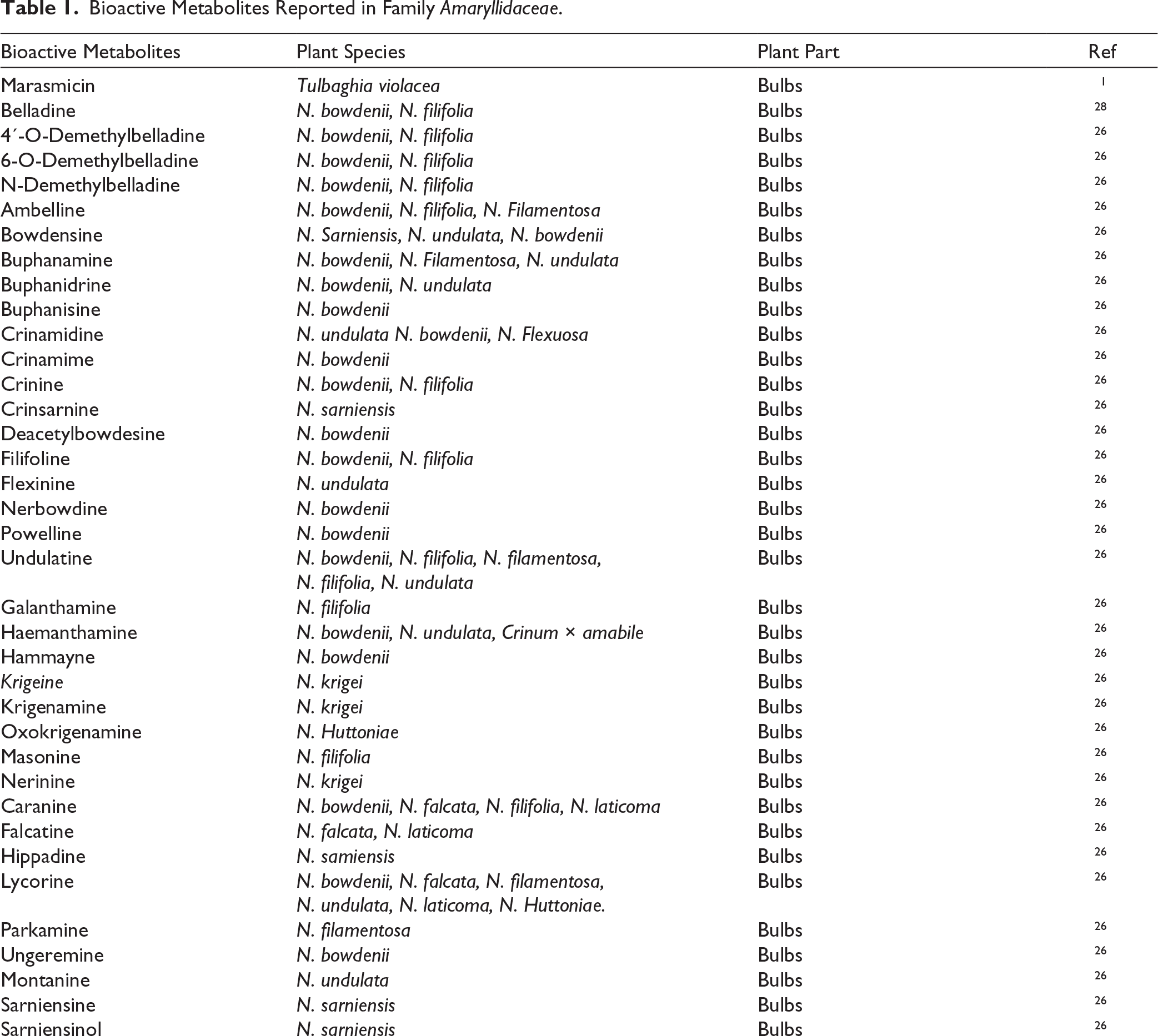
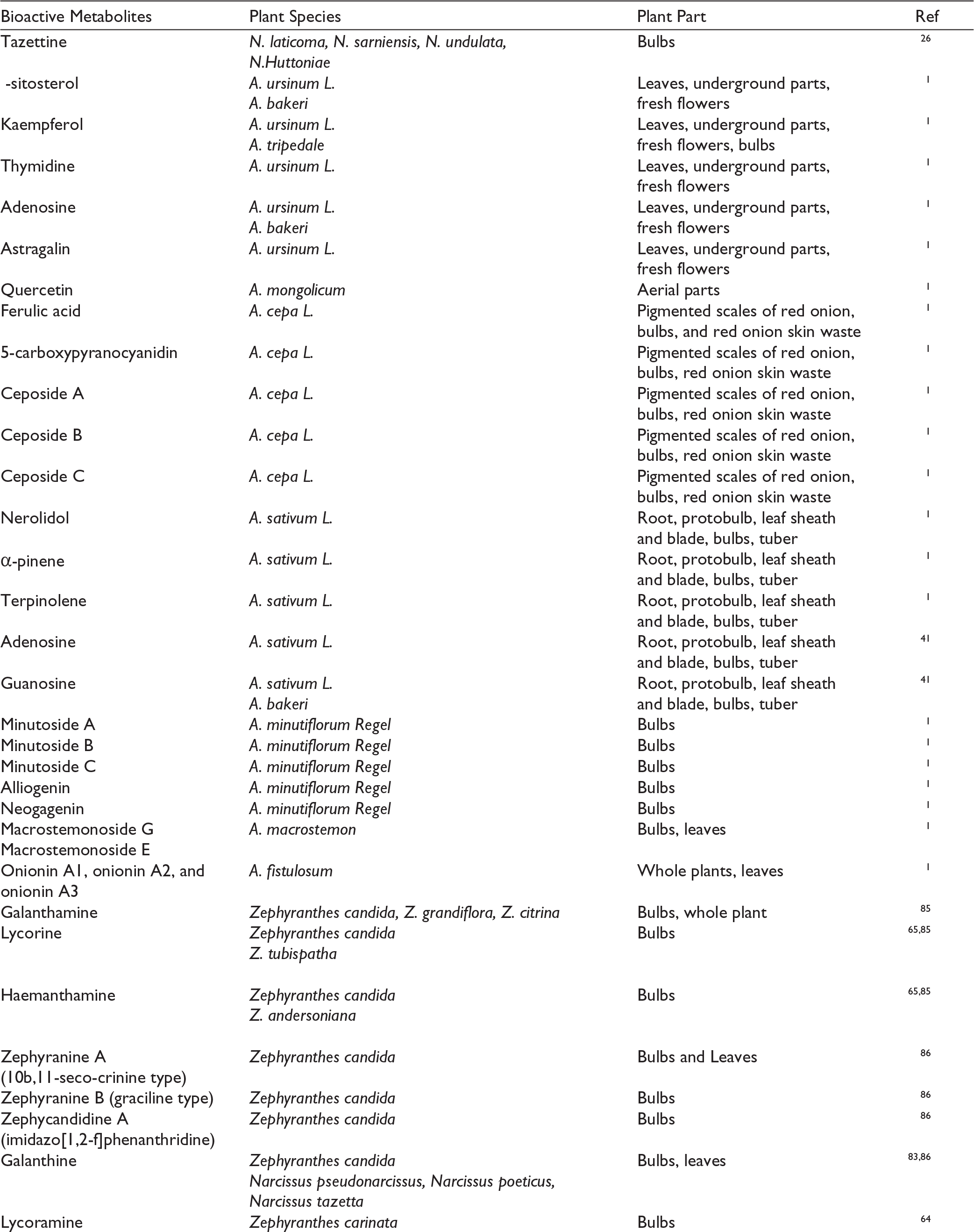
Allium is the largest genus in the Amaryllidaceae family, with over 500 species identified. These species are found on several continents, including Asia, Africa, the Americas, and Europe, due to their ability to adapt to various climatic conditions. 1 Numerous substances found in Allium species, including phenolic acids, amino acids, vitamins, and minerals, support a variety of biological processes. Due to these characteristics, they have long been used to treat a variety of human illnesses that impact various organs and systems, such as oxidative stress-related damage, microbial infections, and inflammatory conditions. 41 Alopecia, hearing loss, irregular menstruation, erectile dysfunction, and metabolic and ocular conditions have all been treated with Allium cepa. Allium sativum is also used to treat respiratory issues, cancer, haematological issues, and muscle weakness. Other members of the genus also serve as nerve relaxants, appetite stimulants, and treatments for issues related to the digestive, respiratory, and urinary systems. 42 It is anticipated that the genus has several phytoconstituents that probably contribute to the biological effects of these species, as shown in Table 1, given the variety of traditional uses for these species.
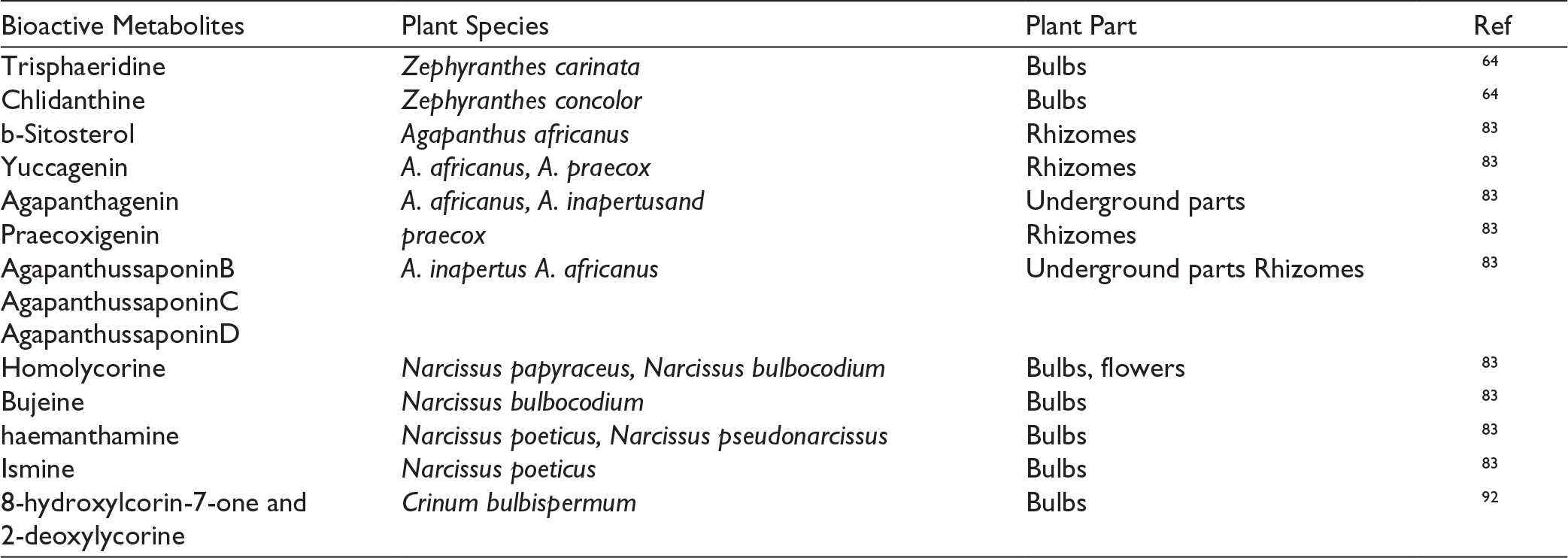
Bioactive Metabolites Reported in Family Amaryllidaceae.
Pharmacology and Mechanism of Biological Activity of Genus Allium
Garlic (Allium sativum) has been extensively documented for its antimicrobial potential, exhibiting activity against Gram-positive, Gram-negative, and acid-fast organisms. Numerous biological activities have been reported from various Allium species. Garlic contains a compound called allicin, which has been shown to be effective against methicillin-resistant S. aureus (MRSA). Furthermore, a wide range of fungi, including Candida, Trichophyton, Cryptococcus, Aspergillus, Trichosporon, and Rhodotorula species, were inhibited in their growth by garlic extracts. Additionally, recent research showed that garlic extract inhibited Rhodotorula mucilaginosa and Meyerozyma guilliermondii germination and proliferation.43,44 Additionally, the essential oil of garlic showed inhibitory activity against Blastoschizomyces capitatus, C. albicans, and Candida tropicalis. Moreover, A. sativum saponins inhibited the growth of Trichoderma harzianum and B. cinerea. 45 The anti-inflammatory properties of garlic (Allium sativum) and its phytoconstituents are widely known. Garlic extracts were shown to reduce hepatic inflammation and damage brought on by Eimeria papillata infection. The suppression of neutrophil granulocyte migration into epithelial tissues has been associated with garlic’s anti-inflammatory mechanism. 46
Aged black garlic extracts have been shown to suppress inflammatory responses by reducing the activation of nuclear factor kappa-light-chain-enhancer of activated B cells (NF-κB), a transcription factor that plays a central role in regulating inflammation. This downregulation is associated with decreased synthesis of prostaglandin E₂ (PGE₂) and reduced expression of cyclooxygenase-2 (COX-2), both of which are controlled by the NF-κB signalling pathway. In addition, thiacremonone, a sulfur-containing compound isolated from garlic, has been reported to inhibit NF-κB signalling, thereby limiting neuroinflammation and amyloid formation, which highlights its potential therapeutic value in inflammation-related neurodegenerative diseases such as Alzheimer’s disease. 47 Similar bioactivities have also been shown by other Allium species. It has been demonstrated that pyrithione and related sulfur-based pyridine N-oxides from Allium stipitatum (Persian shallot) have neuroprotective and anti-inflammatory properties. Furthermore, A. stipitatum extracts showed antibacterial activity against methicillin-resistant S. aureus (MRSA) in vivo. 1 It is interesting to note that raw garlic (Allium sativum) is one of the most effective and selective natural agents against cancer, according to comparative studies assessing the anticancer activities of plant extracts. Suppression of cell proliferation, modulation of carcinogen metabolism, induction of apoptosis, inhibition of angiogenesis, and limitation of tumour invasion and metastasis are among the mechanisms that underlie its anticancer effects, all while exhibiting comparatively low toxicity. 48 According to reports, garlic (Allium sativum) has hypolipidemic effects by reducing the amount of glycosaminoglycans in the heart and aorta. Furthermore, it has been demonstrated to lower cholesterol levels either by promoting acid secretion and increasing the excretion of neutral steroids or by inhibiting the lipogenic and cholesterogenic activities of important hepatocyte enzymes, such as glucose-6-phosphate dehydrogenase, fatty acid synthase, 3-hydroxy-3-methylglutaryl-CoA reductase, and malic enzyme. 49 One of the main ingredients in garlic (Allium sativum), allicin, has been demonstrated to reduce blood glucose levels in diabetic rats with effects similar to those of insulin and glibenclamide. Garlic extracts also improved plasma lipid profiles, decreased adipose tissue mass, and decreased body weight in mice fed a high-fat diet, according to experimental studies. These advantages were linked to both the upregulation of mitochondrial inner membrane proteins and the downregulation of genes related to adipogenesis. 50
The Genus Crinum
Phytochemistry and Traditional Use of Genus Crinum
Crinum comprises approximately 160 species of graceful lilies and is a member of the Amaryllidaceae family. Tropical and subtropical coastal areas are home to these plants. They are found naturally in Africa, Asia, Australia, and the Americas, where they thrive in favourable conditions. 51 Traditional African medicine makes extensive use of Crinum species to treat a wide range of illnesses. Urinary tract infections, respiratory conditions, liver and kidney problems, ulcers, and back pain have all been treated with them. While its fruits and bulbs are used as purgatives and even as rat poison in Tanzania, Crinum kirkii is recognised in East Africa for its ability to heal wounds. In South Africa, Crinum bulbispermum is used for rheumatism, septic sores, varicose veins, kidney or bladder issues, and Crinum delagoense is used against oedema and urinary infections. Crinum purpurascensis is used in Cameroon to treat spleen problems and sexual weakness. Several species, including Crinum defixum, Crinum firmifolium, and Crinum modestum, are used on the island of Madagascar to treat ear infections, abscesses, and anthrax in addition to their emetic, diaphoretic, and emollient qualities. Additionally, C. firmifolium is applied externally for parasitic skin diseases. 1
Pharmacology and Mechanism of Biological Activity of Genus Crinum
There have been reports of various Crinum species having analgesic and anti-inflammatory properties. The ethanolic extract of Crinum asiaticum showed significant analgesic activity in experimental pain models, and it has been demonstrated to reduce inflammation and suppress bradykinin-induced uterine contractions. While leaf extracts of C. bulbispermum have been shown to have antinociceptive qualities, the antipyretic and anti-inflammatory effects of Crinum jagus have also recently been documented. 52 C. asiaticum extracts have demonstrated significant Chemosensitizing and antiproliferative effects against cancer cells that are resistant to multiple drugs. The plant’s essential oil showed cytotoxicity in MCF-7 (Michigan Cancer Foundation-7) breast cancer cells, and HepG2 (Human hepatocellular carcinoma G2) liver cancer cells in a dose-dependent manner. Additionally, in neuronal cell lines, this species has demonstrated anti-inflammatory and neuroprotective properties. C. bulbispermum alkaloids have also been linked to cytotoxic effects.1,53 Furthermore, it has been demonstrated that C. asiaticum has a variety of antimicrobial properties. When applied to Mycobacterium tuberculosis, its extracts showed antitubercular effects. While ethanolic and dichloromethane extracts were effective against specific bacteria and Candida species, the methanolic root extract demonstrated strong anti-HIV-1 activity. 54 It has also been reported that C. jagus has antimicrobial qualities. Extracts were effective against Shigella flexneri-induced diarrhoea in rats and inhibited the growth of clinically relevant microorganisms in high-throughput assays. Additionally, C. jagus alkaloids prevented Dengue virus infection. Crinum macowanii’s wide pharmacological relevance is further supported by reports of its antifungal, antiviral, and antiplasmodial properties. 55
The Genus Cyrtanthus
Phytochemistry and Traditional Use of Genus Cyrtanthus
Traditional medicine has long utilised Cyrtanthus obliquus, also referred to as umathunga in South Africa, to treat scrofula, headaches, and persistent coughs. While crushed roots are traditionally used to treat leprosy, infusions made from the roots of C. obliquus are also taken to relieve stomach pain. Numerous Cyrtanthus species are also used to treat leprosy, age-related dementia, cystitis, pregnancy-related ailments, cancer, inflammation, infections, and mental illnesses. 1 Numerous biologically active substances can be found in a number of Cyrtanthus species. Research has revealed that C. obliquus produces a number of homoisoflavanones and alkaloids, including tazettine, 1β-hydroxygalanthamine, and obliquine. Lycorine, tazettine, and 11-hydroxyvittatine have been discovered in the bulbs of C. mackenii, whereas the alkaloid narciclasine is present in C. contractus.56,57 Haemanthamine, haemanthidine, zephyranthine, galanthamine, and 1,2-O-diacetylzephyranthine are extracted from C. elatus. Furthermore, it has been demonstrated that C. falcatus contains phytochemicals like papyramine, tazettine, maritidine, and O-methylmaritidine. These results demonstrate the Cyrtanthus species’ chemical diversity and therapeutic potential. 58
Pharmacology and Mechanism of Biological Activity of Genus Cyrtanthus
Numerous Cyrtanthus species have shown notable pharmacological characteristics. Strong antioxidant activity is demonstrated by compounds isolated from C. obliquus bulbs, such as 5,7-dihydroxy-6-methoxy derivatives. By blocking pro-inflammatory substances like E-selectin and ICAM-1 (Intercellular Adhesion Molecule-1), the methanol extract of C. contractus bulbs demonstrates strong anti-inflammatory potential; narciclasine was found to be the primary active ingredient. Cyclooxygenase-2 (COX-2) activity is also suppressed by dichloromethane extracts from C. falcatus, C. mackenii, and C. suaveolens by up to 90%, suggesting potential therapeutic use in the management of inflammation. 59 Additionally, C. contractus’s alkaloid nacriprimine exhibits mild AChE inhibition, indicating possible relevance in neurological disorders. A number of Cyrtanthus species have antimicrobial activity that is broad-spectrum. Bacillus subtilis, Escherichia coli, K. pneumoniae, and S. aureus are among the bacteria whose growth is inhibited by extracts of C. suaveolens, C. falcatus, and C. mackenii. While C. elatus alkaloids, particularly haemanthamine and haemanthidine, exhibit antiprotozoal activity against Trypanosoma species, Plasmodium falciparum, and Entamoeba histolytica. 1 Tazettine and papyramine from C. falcatus exhibit cytotoxic effects against particular cancer and fibroblast cell lines, whereas haemanthaminefrom C. elatus causes apoptosis in rat hepatoma cells without affecting normal kidney cells. Lastly, in Salmonella strain TA98, dichloromethane extracts of C. falcatus and C. suaveolens show mutagenic effects that are probably related to the compound captan, while methanol extracts do not. In general, biologically active compounds with antioxidant, anti-inflammatory, antimicrobial, antiprotozoal, and cytotoxic potential can be found in Cyrtanthus species. 60
The Genus Rhodophiala
Phytochemistry and Traditional Use of Genus Rhodophiala
Native to South America, the genus Rhodophiala (Amaryllidaceae) includes more than 30 bulb-forming species that are highly valuable as ornaments because of t heir eye-catching blooms. These species are usually geographically isolated and inhabit small areas. One of the native members of the Amaryllidoideae subfamily found in Chile, Argentina, Paraguay, Uruguay, and Brazil is the genus Rhodophiala C. Presl. Alkaloid research in Chile has previously concentrated on a single species, despite the genus’s diversity in that nation. From a chemotaxonomic standpoint, the alkaloid profiles of three other Chilean species—Rhodophiala bagnoldii (Herb.) Traub, Rhodophiala pratensis (Poepp.) Traub and Rhodophiala sp. were analysed and contrasted. The retention times and fragmentation patterns of the alkaloids were used to identify them. The detected structural types included lycorine, crinine, galanthamine, homolycorine, tazettine and montanine. Each species presented a distinct alkaloid profile, suggesting that these compounds have potential value as chemotaxonomic markers. 61
Pharmacology and Mechanism of Biological Activity of Genus Rhodophiala
There are a few studies on the biological activities of the genus Rhodophiala. Molecular docking analyses were used to gain a better understanding of the potential inhibitory effects of the identified alkaloids on AChE and BuChE. Although neither the aerial parts nor the bulbs of R. splendens contained galanthamine, these plant materials exhibited the strongest inhibition of AChE (IC₅₀ values of 5.78 and 3.62 µg/mL, respectively) and significant inhibition of BuChE (IC₅₀ values of 16.26 and 14.37 µg/mL). The samples contained a total of 40 unidentified compounds and 37 known alkaloids, suggesting that Chilean Amaryllidaceae species have great potential as sources of novel bioactive compounds and unreported alkaloids. 62 Alkaloid extracts from Rhodophiala pratensis have demonstrated protective effects in Subclone 5 of the SK-N-SH human neuroblastoma cell line (SH-SY5Y) cells exposed to oxidative stress caused by rotenone and oligomycin A, as well as to toxicity induced by okadaic acid. This suggests that these alkaloids may help safeguard neurons from damage related to oxidative stress. 63
The Genus Zephyranthes
Phytochemistry and Traditional Use of Genus Zephyranthes
Native to tropical and subtropical areas of the Americas, the genus Zephyranthes Herb. is a member of the Amaryllidaceae family and contains about 200 species. Due to their propensity to bloom after rainfall, many of these species are grown for their eye-catching flowers and are frequently referred to as ‘rain-lilies’. Zephyranthes species have also spread to other places, such as South Africa, Thailand, Indonesia, and Hawaii. 64 Zephyranthes candida is one of the most widely distributed members of the genus Zephyranthes and one of the species that has been studied the most. The most biologically active substances in Z. candida are alkaloids, and phytochemical studies have identified or isolated about 79 AAs from the bulbs, flowers, and entire plants. 1 Furthermore, derivatives of well-known structural types, such as galanthamine, plicamine, lycorine, pretazettine, haemanthamine, secoplicamine, and numerous other alkaloid frameworks, as compiled in Table 1.
Many nations have long employed the genus Zephyranthes in traditional medicine. Many plant parts, especially the leaves and bulbs, have been used to treat a variety of illnesses. In Peru, Z. parulla was historically applied for managing tumours, while in China, Z. rosea was used in remedies for breast cancer. Indigenous communities in Africa relied on the leaves of Z. candida to help control diabetes mellitus. In India, extracts from the bulbs of Z. rosea and Z. flava were employed for several therapeutic purposes, including the treatment of diabetes, respiratory and ear problems, and certain viral infections. The traditional applications of this genus range from simple issues such as headaches, coughs, colds, and skin boils to more serious conditions like breast cancer, tuberculosis, rheumatism, and tumours highlight its significance in managing a wide variety of health disorders. 65
Pharmacology and Mechanism of Biological Activity of Genus Zephyranthes
Numerous pharmacological activities have been observed in Zephyranthes species, most of which are associated with the alkaloids that these plants naturally contain. Their antiviral, anticancer, antimitotic, antineoplastic, cytotoxic, and cholinesterase-inhibiting qualities are highlighted in a number of studies. Notable antimicrobial qualities have been shown by research. 1 According to early research, these alkaloids aid in preventing root rot in species like Z. texana. Subsequent research revealed that some Zephyranthes compounds have moderate antibacterial and antifungal activity against a variety of microorganisms. Z. citrina’s alkaloids have also demonstrated efficacy against a variety of fungal pathogens, underscoring the genus’s potential therapeutic value. 66
Compounds like lycorine, trisphaeridine, and 7-hydroxy-3’,4’-methylenedioxyflavan were found to be active in antiviral research, with lycorine exhibiting the strongest effect. Z. candida bulb extracts were found to be effective against human epidermoid carcinoma cell systems in early anticancer studies. While alkaloids like ungeremine, criasbetaine, and zefbetaine showed notable antitumor action in experimental models, other research revealed several Zephyranthes species, including Z. carinata and Z. texana, as potential tumour inhibitors. 67 Additional research revealed that Z. robusta extracts and alkaloids have antimitotic properties, most likely because they contain lycorine and haemanthamine. Additionally, antineoplastic activities were reported, such as the identification of trans-dihydronarciclasine in Z. candida and pancratistatin in Z. grandiflora. 68 According to cytotoxicity studies, a number of isolated alkaloids and modified pancratistatin derivatives have potent cytotoxic effects on various cancer cell lines, frequently outperforming the activity of common medications like cisplatin. Furthermore, alkaloids derived from Z. concolor and Z. grandiflora demonstrated significant inhibitory activities against AChE and butyrylcholinesterase, though some of them had limited antiviral effects against HIV-1. Together, these results show that Zephyranthes species have therapeutic potential in a variety of biomedical domains. 65 The AChE activity of chlidanthine and galanthamine N-oxide derived from Z. concolor bulbs was reported by Reyes-Chilpa and associates in 2011. Alkaloid extracts from Z. grandiflora bulbs demonstrated significant inhibitory action on human blood AChE and human plasma butyrylcholinesterase in the same year, according to Cahlikova and colleagues, suggesting promising cholinesterase-modulating potential. 69
The Genus Galanthus
Phytochemistry and Traditional Use of Genus Galanthus
Galanthus species, named snowdrops, occur naturally across Europe and parts of the Middle East. Their western boundary is around the Pyrenees in France and Spain, while their eastern range extends toward the Caucasus in Iran. To the south, they are present in regions such as Sicily, Greece, Turkey, Lebanon and Syria. Because these plants have been introduced and cultivated in various countries beyond their native habitats, the true northern extent of their natural range is no longer clearly defined. 70 The International Union for Conservation of Nature has listed a number of Galanthus species as threatened, and their conservation status is regularly assessed. Although snowdrops are not widely used in modern traditional medicine, they have occasionally been applied to alleviate pain, migraines and headaches, and have been traditionally used to help mature abscesses. In regions such as Bulgaria and Georgia, decoctions prepared from the bulbs of Galanthus nivalis and Galanthus woronowii were once used in the treatment of poliomyelitis, and the former was also taken for colds and fevers. 71 When galanthine and galanthamine were first isolated from G. woronowii in the middle of the 20th century, research on AAs in snowdrops got underway. According to current knowledge, only a portion of the genus has been thoroughly studied; phytochemical research has been conducted on slightly more than half of the recognised Galanthus species. Galanthus alpinus, Galanthus peshmenii, Galanthus platyphyllus, Galanthus reginae-olgae, Galanthus trojanus, and the hybrid Galanthus valentinei have all received far less scientific study than Galanthus elwesii.72,73
Pharmacology and Mechanism of Biological Activity of Genus Galanthus
The remarkable diversity of alkaloids found across Galanthus species and populations has supported research into their potential anticholinesterase, antibacterial, antifungal, antimalarial, antiviral, antioxidant, anticancer and anti-inflammatory activities.74,75 Furthermore, the potential activity of extracts from Galanthus species against bacteria, fungi, and viruses has been assessed multiple times. G. elwesii’s alkaloid extract showed limited activity against common bacterial and yeast strains in one study, with weak to moderate antimicrobial effects. Crude methanolic or ethanolic extracts were used in other studies, but since they did not separate or identify individual alkaloids, they are not included here. In general, there is still a dearth of trustworthy data about the antimicrobial activity of Galanthus species. 76 Among the most often studied for antibacterial qualities are lycorine-type alkaloids, which are present in species like G. elwesii, G. woronowii, Galanthus gracilis, and Galanthus rizehensis. Unsaturated derivatives with strong and wide-ranging antibacterial activity include ungeremine, which is found in G. woronowii and Galanthus cilicicus. While most other alkaloid groups from species like G. platyphyllus and G. peshmenii typically exhibit limited antibacterial activity, narciclasine-type alkaloids, which are also found in G. elwesii and G. trojanus, can act strongly against several Gram-negative bacteria. 71 The most well-known Amaryllidaceae compound with antiviral properties is lycorine, an alkaloid present in species like G. woronowii, G. elwesii, and G. nivalis. It has demonstrated potent effects against a variety of viruses, such as hepatitis viruses, coronaviruses, flaviviruses, togaviruses, picornaviruses, and several bunyaviruses. Rather than directly destroying viral particles, its action is associated with the inhibition of viral multiplication, partially by blocking viral DNA polymerase. Despite having narrow therapeutic margins, lycorine has also shown activity against HIV. 77 Pretazettine, found in G. woronowii and related species, is active against several RNA viruses, such as flaviviruses and bunyaviruses, and it significantly inhibits reverse transcriptase from a variety of oncogenic viruses. 70 Furthermore, G. woronowii, one of the richest sources of lycorine, haemanthamine and narciclasine-type alkaloids, has shown strong cytotoxic effects linked to the ability of these compounds to disrupt protein synthesis, inhibit cell division and induce programmed cell death in cancer cells. G. elwesii contains bioactive molecules such as lycorine, haemanthamine and hippeastrine, all of which exhibit notable antiproliferative activity against a variety of tumour cell types. Important antitumor alkaloids like galanthamine, lycorine, and other structurally related substances are also contributed by G. nivalis. Through processes like ribosomal inhibition and the induction of oxidative stress in tumour cells, extracts from this species exhibit cytotoxic effects. 74 All things considered, the genus Galanthus is a useful natural source of antitumor compounds. The cytotoxicity observed in their alkaloids arises from multiple complementary mechanisms, such as blocking protein biosynthesis, disrupting microtubule formation, impairing DNA processing and activating cell death pathways. These properties make Galanthus species promising contributors to the development of future anticancer agents. 71
The Genus Amaryllis, Clivia, Agapanthus, and Narcissus
Amaryllis belladonna and Amaryllis acuminata are the two species in the genus Amaryllis that are native to Southern Africa. The Sotho, Xhosa, and Zulu communities in South Africa have long used A. belladonna, also referred to as ‘belladonna-lily’ or ‘naked-lady’, for traditional medicinal purposes. Additionally, it has been used in Java, where it was customarily used to treat ailments referred to as ‘swelling’, which is thought to be a sign of cancer. 78 A. belladonna has been found to contain a variety of alkaloids, including several rare structural derivatives specific to this species as well as compounds of the crinine, lycorine, haemanthamine, and galanthamine types. Many of these molecules, such as lycorine, hippadine, hippeastrine, pancracine, vittatine, powelline, caranine and others, contribute to the chemical richness of the plant. All alkaloids identified in A. belladonna fall within the established structural groups characteristic of the Amaryllidaceae family, particularly the lycorine, crinine and haemanthamine types. The crinine group is most strongly represented overall, and 1-O-acetylcaranine seems to be the most prevalent compound among them. Interestingly, this species has not been found to contain any galanthamine-type alkaloids. 79
Regarding Clivia, this is a genus of widely grown ornamental perennial herbs. Clivia miniata and Clivia nobilis are two of its members that have historically been utilised in traditional healing methods in their home regions. The genus is indigenous to South Africa, where traditional healers use C. miniata as a remedy for snake bites and to aid in childbirth. Previous studies have indicated that Clivia’s long-standing medicinal use may be related to its antiviral qualities. Species of Clivia are notable for producing a distinctive group of AAs characterised by a dihydro-lactone benzopyranoindole ring framework. These compounds contain four chiral centres located at the key junctions of the fused ring system, which contribute to their structural complexity and biological significance.80,81 Additionally, the antibacterial tests revealed that the chloroform extract from C. nobilis flowers is effective against both the Gram-negative species P. aeruginosa and the Gram-positive bacterium S. aureus. Furthermore, strong activity against P. aeruginosa was demonstrated by the alkaloid nobilisine, with an effect similar to that of the reference antibacterial agent. 82
Interestingly, the monocotyledonous genus Agapanthus contains several species that have long been used in traditional medicine, especially to treat conditions pertaining to the central nervous system and the reproductive system. Scientific investigations have shown that Agapanthus possesses a wide range of biological activities, including anti-inflammatory, antioxidant, antibacterial, antifungal, uterotonic, antihypertensive and cAMP (cyclic adenosine monophosphate)-phosphodiesterase inhibitory effects, in addition to actions on the central nervous system. Among these activities, the antifungal potential is the most notable. 83 Within the genus, Agapanthus africanus (L.) demonstrates the strongest antimicrobial activity. So far, 28 secondary metabolites have been identified from this genus, including sterols, saponins, sapogenins, flavonoids, lignans and lignan precursors. Saponins constitute the most abundant group of compounds, with Agapanthus-saponin A and B showing the highest potential as antifungal agents. Despite the available findings, some species, such as Agapanthus coddii Leighton and Agapanthus caulescens Spreng. remain insufficiently explored and require further phytochemical and biological studies. 84
About one-third of all alkaloids reported from the Amaryllidaceae family come from the genus Narcissus, according to the identification of nearly one hundred alkaloids in this genus (Table 1). AAs are consistently found in all examined members of the genus, according to research on various species and varieties of Narcissus. Alkaloids from the lycorine and homolycorine groups are typically the most prevalent within this chemical diversity. Compounds such as lycorine, galanthine, and pluviine, which belong to the lycorine group, as well as homolycorine and lycorenine from the homolycorine group, are detected with particular frequency, with lycorine being the most abundant. 83
Biosynthesis of AAs
The production of AAs is the most characteristic chemical feature of plants belonging to the Amaryllidoideae subfamily. Norbelladine, lycorine, homolycorine, galasine, galanthindole, crinine, haemanthamine, cripowellin, narciclasine, pretazettine, plicamine, secoplicamine, graciline, montanine, galanthamine, ismine, sceletium, and several other compounds are nitrogen-based secondary metabolites. There are currently well over 600 different alkaloids identified, and new compounds are still being reported, demonstrating the remarkable diversity of these molecules. 71 Galanthamine is thought to be the most significant of these substances. It was first separated from G. woronowii in the 1950s, and it was later given clinical approval to treat mild to moderate Alzheimer’s. The formation of AAs depends on the activity of three major enzyme classes: oxidoreductases, transferases and lyases. Through their combined actions, many alkaloids appear not as final products but as transitional compounds. For instance, galanthine arises after the O-methylation of methylpseudolycorine, which itself is created following the hydroxylation of pluviine. 71
The aromatic amino acids phenylalanine and tyrosine, which produce the essential biosynthetic intermediate 4′-O-methylnorbelladine, are the source of AAs. The norbelladine pathway is the name given to the alkaloid biosynthesis that occurs via this compound. The intermediate in this pathway, illustrated in Figure 2, experiences three primary forms of intramolecular oxidative coupling: ortho-para′, para-para′, and para-ortho′, each of which results in a different structural class of alkaloids. 26 Norpluviine undergoes ortho-para′ coupling to form the lycorine and homolycorine groups, while structural modifications such as ring opening, rotation, and hemiacetal formation give rise to homolycorine derivatives. In contrast, para-para′ coupling produces haemanthamine, which is oxidised into an epimeric mixture of haemanthidine and epihaemanthidine. These intermediates subsequently lead to the formation of pretazettine, which irreversibly rearranges into tazettine. 87 Furthermore, it is believed that simple methylation of norbelladine produces belladine-type alkaloids. All things considered, the norbelladine pathway serves as the basis for the variety of structural types of AAs, many of which are found in the genus Nerine. 26
Schematic Overview of Amaryllidaceae Biosynthesis. 87
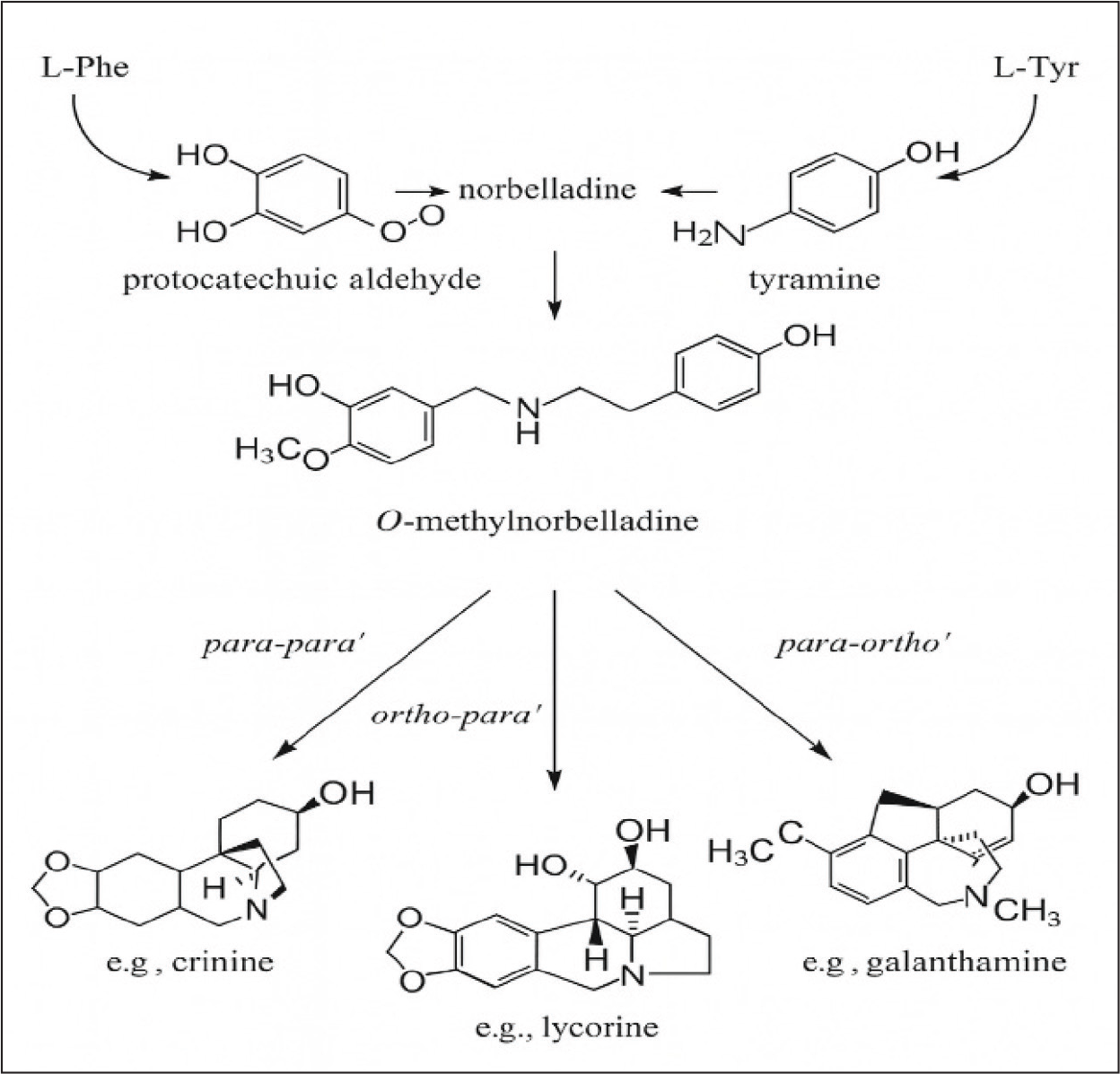
The biosynthetic pathway remains only partially elucidated, despite the pharmaceutical importance of galanthamine and the continued interest in Amaryllidaceae alkaloids (AmAl) as drug leads. Several enzymatic steps are still unresolved, particularly in the biosynthesis of montanine, which differs markedly from that of galanthamine due to its distinctive 5,11-methanomorphanthridine framework. Studies on R. bifida indicate that hydroxylation of vittatine yields 11-hydroxyvittatine, an intermediate of the haemanthamine-type ring system that may serve as a common precursor for both montanine and haemanthamine. While haemanthamine formation likely proceeds through simple methylation at C3, montanine biosynthesis requires a structural rearrangement of the vittatine skeleton to enable methylation at the oxygen atom at C2. 88 Transcriptomic analyses and genome sequencing efforts for this plant family have only recently started, and genes linked to AmAl biosynthesis are still mainly unknown. Through heterologous expression in E. coli, Norbelladine 4′-O-Methyltransferase (N4OMT), a class I O-methyltransferase, was discovered in Narcissus sp. Additionally, the gene encoding the Cytochrome P450 enzyme CYP96T1, which catalyses the para-para′ phenol-coupling reaction leading to both haemanthamine and crinine carbon skeletons, has been characterised in Narcissus. 89
Additionally, it has been determined that benzylamine O-methylnorbelladine is a precursor of norpluviine, a substance necessary for the synthesis of alkaloids of the lycorine type. Other members of the Amaryllidaceae family, including Z. candida and C. miniata, have also been shown to undergo similar biosynthetic changes in which caranine is transformed into lycorine. Both 1-O-acetylcaranine and 1-O-acetyllycorine in A. belladonna most likely result from acetylation of the hydroxy group at the first carbon in caranine and lycorine, respectively.90,91 The identification of ambelline and its acetylated analogue suggests that buphanidrine underwent hydroxylation at the eleventh carbon, followed by acetylation. Through additional methylation steps, buphanidrine can produce derivatives that are hydroxy- and methoxy-substituted. Acetylation of powelline to produce acetylated derivatives and additional epoxidation at the second and third carbons could start the formation of crinamidine, among other changes within the crinine pathway. Subsequent methylation would result in undulatine, which could subsequently be rearranged to produce distichamine. 78
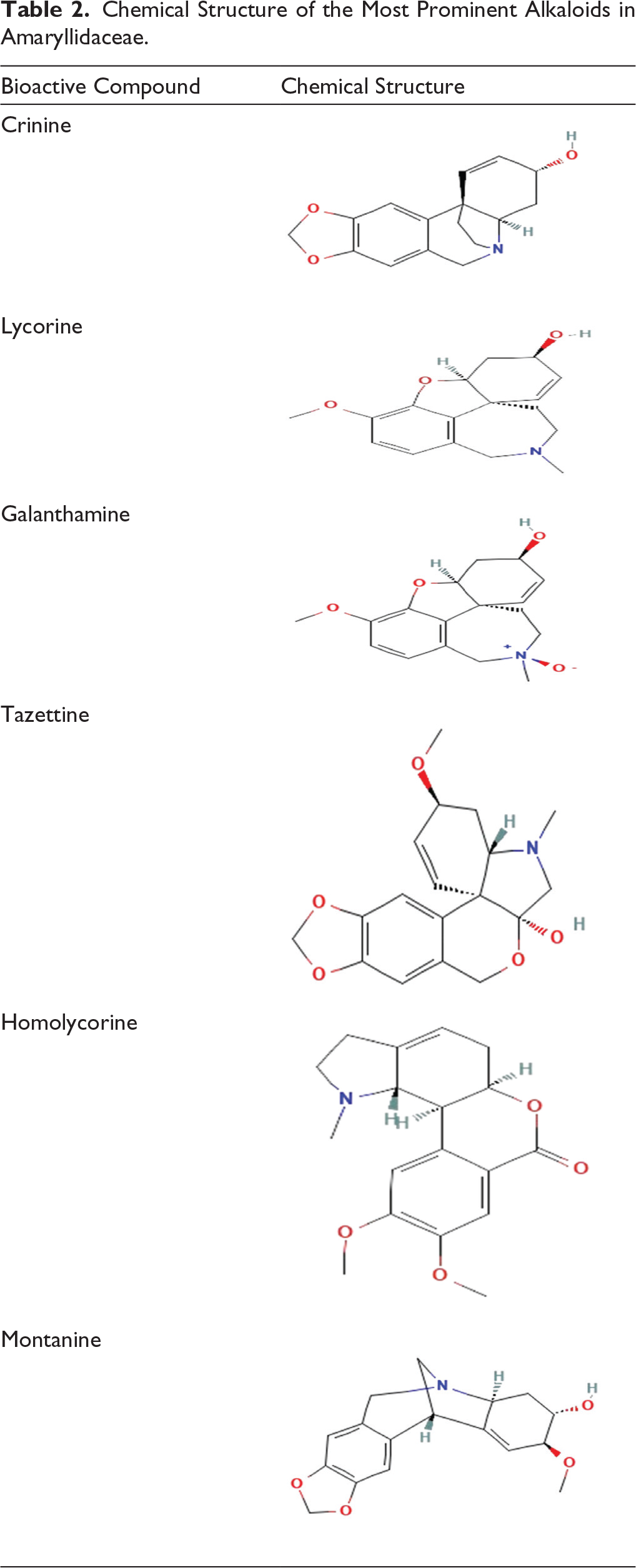
Narcissus often contains the main groups of alkaloids (haemanthamine, tazettine, and narciclasine types) that result from a para-para oxidative phenolic coupling of O-methylnorbelladine. One significant taxonomic feature of this genus is the exclusive presence of alkaloids from the a-5,10b-ethano bridge series (haemanthamine-type) and the absence of crinine-type alkaloids, which are distinguished by the b-5,10b-ethano bridge. Another noteworthy observation is that, in contrast to crinine-type alkaloids found in tribes like the Amaryllideae or Hemantheae, haemanthamine-type alkaloids in Narcissus never exhibit substitution at position 7 of the aromatic ring. Alkaloid pairs with a hydroxyl substituent at C-6, like haemanthamine/6-epi-hemanthidine or papyramine/6-epipapyramine, are always found in solution as mixtures of epimers. Another notable feature of bujeine’s structure is that, despite being a member of the haemanthaminegroup, it has an acetoxymethyl group at the 11-endo position and a modified bridge with a heteroatom between C-11 and C-12. Furthermore, mine is thought to be a breakdown product that comes from the haemanthamine series. 83 Table 2 reveals the chemical structure of the most prominent alkaloids in the Amaryllidaceae family plants.
Chemical Structure of the Most Prominent Alkaloids in Amaryllidaceae.
Discussion
The present review highlights the remarkable chemical and pharmacological diversity found across the Amaryllidaceae family; however, the analysis of the compiled data reveals several important patterns and gaps that merit further consideration. Most genera presented in the results section have been described extensively in terms of their phytochemical composition and reported biological effects, yet the degree of scientific investigation remains highly unbalanced. Genera such as Allium, Zephyranthes, Galanthus, Narcissus and Nerine are comparatively well studied and have yielded structurally diverse alkaloids or sulfur-based metabolites with notable therapeutic potential. 1 In contrast, other groups, including Rhodophiala, Cyrtanthus, Crinum, and Tulbaghia, remain relatively underexplored, despite showing promising preliminary activities. This uneven distribution of research attention limits the ability to fully assess the pharmacological breadth of the family and underscores the need for targeted studies on less investigated taxa. A comparative assessment of the bioactive metabolites identified across genera indicates that certain structural classes hold the highest translational potential. Galanthamine-type, lycorine-type, narciclasine-type, haemanthamine-type, and pretazettine-type alkaloids consistently emerge as lead scaffolds with strong mechanistic support for neuroprotective, anticancer, antiviral, and cholinesterase-modulating activities. Meanwhile, the sulfur-containing metabolites of Tulbaghia, particularly marasmicin and related thiosulfinates, represent an atypical but pharmacologically important group with potent antimicrobial and antiparasitic effects.1,12,60,63
Despite their promising properties, these compounds remain largely confined to in vitro evaluations, and their pharmacokinetic characteristics, toxicity profiles, and potential for drug development are not yet adequately understood. The results also show that some pharmacological activities are substantiated by more robust evidence than others. For example, the cholinesterase-inhibiting activity of alkaloids from Nerine, Galanthus, Zephyranthes, and Narcissus benefits from established structure–activity relationships and mechanistic assays.12,26,33 Conversely, reported antimicrobial or antifungal activities, although frequently cited, often rely on crude extracts with limited compound characterisation, making it difficult to attribute effects to specific metabolites. Similarly, anticancer findings across numerous genera show promising cytotoxicity in vitro, but mechanistic insights and in vivo validation are still insufficient for most species. The biosynthesis section illustrates the biochemical complexity underlying Amaryllidaceae alkaloids, yet also reveals significant knowledge gaps, particularly regarding enzymes involved in key transformation steps and the formation of unique structural frameworks such as those of the montanine group. 6
Overall, the reviewed evidence suggests that the Amaryllidaceae family contains several metabolite classes with clear pharmaceutical relevance; however, the current literature remains fragmented, and many genera lack the systematic phytochemical and pharmacological profiling needed to support translational research. Future studies should prioritise (a) exploring underrepresented genera, (b) elucidating biosynthetic pathways through genomic and transcriptomic approaches, (c) isolating and characterising active constituents from crude extracts, (d) conducting mechanistic and in vivo studies to validate therapeutic potential, and (e) advancing promising lead compounds such as galanthamine analogues, lycorine derivatives, narciclasine-type molecules, and sulfur compounds from Tulbaghia toward preclinical evaluation. Strengthening these areas will allow a more comprehensive and balanced understanding of the medicinal value of Amaryllidaceae species and will guide the development of future pharmacological applications.
Conclusion
A significant variety of secondary metabolites, particularly alkaloids, are found in the Amaryllidaceae family and contribute to the diverse range of biological activities documented in the literature. The antitumor, antiparasitic, antiviral, and AChE-inhibitory effects of these compounds were the most notable, according to the systematic review carried out for this study. The Amaryllidaceae family’s selective antibacterial activity is most prominent in genera like Crinum, Narcissus, and Hippeastrum. This is primarily because these genera contain alkaloids of the lycorine, crinine, and homolycorine types that have specific antimicrobial effects primarily against Gram-positive bacteria. Simultaneously, genera such as Crinum, Nerine, and Brunsvigia are primarily linked to selective cytotoxic properties. Their alkaloids, especially those of the structural types of crinine, lycorine, and pancratistatin, exhibit strong specificity toward cancer cells and significant potential for the development of anticancer drugs. Interestingly, the genera Galanthus, Narcissus, and Crinum, which are especially rich in alkaloids with potent neuroactive qualities, exhibit the highest levels of AChE-inhibitory activity within the Amaryllidaceae family. Galanthamine-type metabolites with selective and clinically significant AChE inhibition, such as galanthamine and norgalanthamine, are linked to the highest potency. Lycorine-type alkaloids (like lycorine and hippeastrine) and crinine-type compounds (like crinine and haemanthamine) also contribute, though their inhibitory effects are typically milder than those of galanthamine derivatives. These genera and metabolites collectively constitute the family’s primary sources of AChE-inhibitory potential, highlighting their significance in neuropharmacological studies and medication development.
Despite the promising biological activities identified across Amaryllidaceae metabolites, several limitations restrict their translation into clinically useful therapies. Toxicity remains a major concern, as many alkaloids in this family exhibit narrow therapeutic margins or dose-dependent cytotoxicity that has not been adequately characterised in vivo. In addition, the bioavailability of numerous compounds, particularly lycorine, crinine, and narciclasine-type alkaloids, is poorly understood, and issues such as low solubility, rapid metabolism, and limited tissue distribution may hinder their pharmacological effectiveness. Pharmacokinetic data are similarly scarce, with few studies evaluating absorption, distribution, metabolism, or elimination profiles in animal models or humans. Clinical evidence is extremely limited; apart from galanthamine, which has undergone successful clinical development, most metabolites have not progressed beyond preclinical testing. These gaps illustrate significant translational challenges and highlight the need for systematic toxicity assessment, detailed pharmacokinetic evaluation, and properly designed early-phase clinical studies before these compounds can be realistically considered for therapeutic application.
Footnotes
Acknowledgements
The authors thank Beirut Arab University for providing the facilities during the manuscript preparation.
Authors’ Contribution
All authors made substantial contributions to conception and design, acquisition of data, or analysis and interpretation of data; took part in drafting the article or revising it critically for important intellectual content; agreed to submit to the current journal; gave final approval of the version to be published; and agree to be accountable for all aspects of the work. All the authors are eligible to be author as per the International Committee of Medical Journal Editors (ICMJE) requirements/guidelines.
Consent to Participate
Not applicable.
Consent for Publication
Not applicable.
Declaration of Conflicting Interests
The authors declared no potential conflicts of interest with respect to the research, authorship and/or publication of this article.
Data Availability
The data that support the findings of this study are available in standard research databases such as PubMed, Science Direct, or Google Scholar, and/or on public domains that can be searched with either keywords or DOI numbers.
Ethics Approval
This study does not involve experiments on animals or human subjects.
Funding
The authors received no financial support for the research, authorship and/or publication of this article.
Informed Consent
Not applicable.
Publisher’s Note:
All claims expressed in this article are solely those of the authors and do not necessarily represent those of the publisher, the editors and the reviewers. This journal remains neutral with regard to jurisdictional claims in published institutional affiliation.
Use of Artificial Intelligence-assisted Tools:
The authors declare that they have not used artificial intelligence (AI)-tools for writing and editing of the manuscript, and no images were manipulated using AI.