







Abstract
Abstract
Brand extension as a strategy is used by corporates for increasing profits. It is an approach for new product development. Brand extensions have already been studied in the past few years, however, till now extensions have not been evaluated with the help of structural equation modeling (SEM) and neural networks (NNs) integrated approach. The NNs help to analyze nonlinear influence in data without prior knowledge of such influences. The SEM helps to validate framework proposed in the study and the significant variables gathered through SEM are used as an input for NNs. The major advantage of such kind of hybrid technique is to understand the causal relationships in the variables, followed by the prediction of factors which influence brand extension. The study is based on the recent brand extension done by brand Frooti in the form of Frooti Fizz (an aerated fruit drink). It is a cross-sectional study with the sample size of 281 respondents from Delhi/NCR region. The results of the study are useful for a comprehensive understanding of factors affecting brand extension and also to identify the relative importance of each of them through the use of NN Technique.
Introduction
Brands play a crucial role in marketing and positioning the product (Park, Jaworski, & MacInnis, 1986). Brand extension is a strategy to capitalize the established brand name for a new product in the market. Existing brand serves as a platform for a new brand to build on, also it enhances the new product acceptance among customers (Dwivedi & Merrilees, 2013a). Existing brand equity is leveraged into new product categories which help to avoid the risk coupled with the establishment of a new brand. Also, it helps to influence customers that positive features related to the original brand are applicable to the new brand (Barrett, Lye, & Venkateswarlu, 1999).
Many of previous brand extension studies used fictitious brands like athletic shoe brand and electronic product brand for the study (Ahluwalia & Gurhan-Canli, 2000). On the other hand, there are some studies which used hypothetical brand extensions (Dwivedi & Merrilees, 2013b; Dwivedi, Merrilees, & Sweeney, 2010). In such studies, it is difficult for the consumers to provide their opinions regarding the brand and its extension. The present study has focused on a real brand of Indian FMCG market and its latest extension. The respondents of the study constitute a heterogeneous group unlike various studies in the area of brand extensions are directed toward the respondents from the category of students (Dwivedi & Merrilees, 2013b; Dwivedi et al., 2010; Kaur & Pandit, 2015). Majority of the studies conducted so far have used multiple regression (Hem, Chernatony, & Iversen, 2003; Kaur & Pandit, 2015) and structural equation modeling (SEM) as a technique to study the factors affecting brand extension. The study has incorporated a two-step approach, that is, SEM and neural networks (NNs). A model is framed which is validated with the help of SEM and NNs to identify the relative importance of factors which affect brand extension.
Literature Review and Hypotheses Development
Brand extension as a marketing strategy reduces marketing expenditures, and the product failure rate can be minimized (Ramanathan, 2013). Brand extension strategy can be classified into two forms, that is, horizontal and vertical extension. The horizontal extension is characterized by the use of the existing brand name in related category or a new category. Vertical brand extension refers to extending in the same category, but the products differ in price and quality (Chen & Liu, 2004).
Consumer evaluation of brand extension is the subject of concern for the marketers. Since it is the strategy which firms are using to utilize the existing fame and popularity of the parent brand, it also minimizes the cost of advertising. But the perception of consumers toward such a strategy carves the profits for the firm. Categorization theory suggests that when a consumer encounters a brand extension, they try to fit that extension in their idea of parent brand category. Such effort by the consumer alters the consumer evaluation of brand extension (Zimmer & Bhat, 2004). Therefore, in this study, we are trying to evaluate the brand extension evaluation from the perspective of various variables which are significant in explaining brand extension evaluation.
Consumer Innovativeness
Prior research has identified that consumers react differently to new products. Innovativeness is the function of interest in a particular product category (Hirschman, 1980). The differences in the acceptance, rejection, and indifference toward new products are driven by consumer innovativeness (CIN). The CIN is termed as one’s proclivity to adopt new ideas relatively earlier than the other members of society (Klink & Athaide, 2009). In diffusion of innovation theory (Rogers, 1983), it has been explained that adoption of any innovation is not the same for the entire population. The rates of adoption do vary from individual to individual; hence, various categories are defined. Adopters are divided into various categories on the basis of the rate of adoption. The categories are innovators, early adopters, early majority, late majority, and laggards. Innovators constitute only 2.5 percent of the entire population but are known for new product tryout, and they are willing to take the risk.
Role of innovation in brand extension is studied significantly in the pertinent literature (Hirschman, 1980; Klink & Athaide, 2009; Klink & Smith, 2001; Rogers, 1983). It has been observed that the characteristic venturesomeness is associated with the trial of new brands (Hem et al., 2003). Thus,
H1 Consumer Innovativeness has significant positive impact on consumer evaluation of brand extension
Parent Brand Reputation
Brand extension models in existing literature are explained by various factors (Buil, Chernatony, & Hem, 2009; Dwivedi & Merrilees, 2013a; Dwivedi et al., 2010; Hem et al., 2003; Kaur & Pandit, 2014, 2015), but the study of brand extension is incomplete without taking parent brand as an important factor/variable which affects the success of brand extension. Since the new extension capitalizes on the existing parent brand the reputation of parent brand plays a significant role in determining the success of extension. It is assumed that beliefs and attitudes associated with the parent brand are transmitted to the extension (Martinez & Chernatony, 2004). Parent brand image is the collection of various associations in consumer memory, and these associations are formed by brand name, symbols endorsements, quality, and communication. These associations are strong enough to influence brand extension (Dwivedi et al., 2010).
Parent brand reputation (PBR) is said to be an outcome of product quality. High-quality associations of the core brand increase consumer evaluation of an extension (Grime, Diamantapoulos, & Smith, 2002). Brand extensions benefit from the existing reputation of the parent brand. The success of parent brand is utilized to communicate, sell, and position the extension product. Favorable brands with high reputation facilitate the acceptance of extension product bearing the brand name (Dwivedi & Merrilees, 2013b). Therefore, it can be postulated that:
H2 Parent Brand reputation has significant positive impact on consumer evaluation of brand extension
Perceived Fit
The effects of perceived fit (PF) and consumer evaluation of brand extension has been discussed thoroughly in the existing literature (Dwivedi & Merrilees, 2013b; Dwivedi et al., 2010; Grime et al., 2002; Klink & Athaide, 2009; Park, Milberg, & Lawson, 1991; Volckner, Sattler, & Kaufmann, 2007). The PF is defined as a construct that explains similarity and concept consistency of parent brand and brand extension. The similarity is defined as the identifiable relationship between existing brand products and potential extensions. Concept consistency refers to the extension products ability to grasp the brand concept (Park et al., 1991).
The PF is the extent of resemblance between the parent brand and the extension product. It plays an essential role in consumer evaluation of brand extension. If the consumer perceives that the fit is high, then the credibility of a new product increases. This, in turn, creates more willingness to buy that product (Buil et al., 2009). Poor PF keeps the extension into the separate category restricting the transfer of positive associations from the parent brand despite the fact that parent brand has a strong reputation and is of good quality (Dens & Pelsmacker, 2010). The underlying principle of brand extension is to transfer the favorable brand equity to the new product category with minimum cost (He & Li, 2010). Therefore, fit is a key aspect which affects the role of parent brand for the extension product. Hence, we can hypothesize that:
H3 Perceived Fit has significant positive impact on consumer evaluation of brand extension
Brand Extension Advertisement
Advertisements play an important role in framing brand attitudes. The advertising strategies are broadly classified into two categories: informational and emotional advertising appeals. Informational advertising is focused on providing information related to the advertised product; however, emotional advertising possesses less information, but it covers the social and emotional appeal (Dens & Pelsmacker, 2010). Advertising provides a frame to brand usage experience which can either be predictive or be diagnostic. Predictive refers to the framing before experiencing the product, advertising focus on brand’s best attributes so that consumer evaluate the brand on these criteria. However, diagnostic framing by advertisers focuses on understanding the experience which a consumer has obtained from the given brand (Chen & Liu, 2004). Advertising is a variable which companies can control and manage. Impact of advertisements depends upon the kind of messages communicated (Martinez, Montaner, & Pina, 2009).
Advertising of extension enhances product brand image because it articulates the existence of extension product and strengthens the brand image (Volckner et al., 2008). Advertising of extension products helps to highlight the difference between extension and the parent brand. The newness and freshness of extension advertising can generate positive effects for the parent brand itself (Sinapuelas & Sisodiya, 2010). Thus:
H4 Brand Extension Advertisements has significant positive impact on consumer evaluation of brand extension
Research Methodology
Data Collection and Sampling
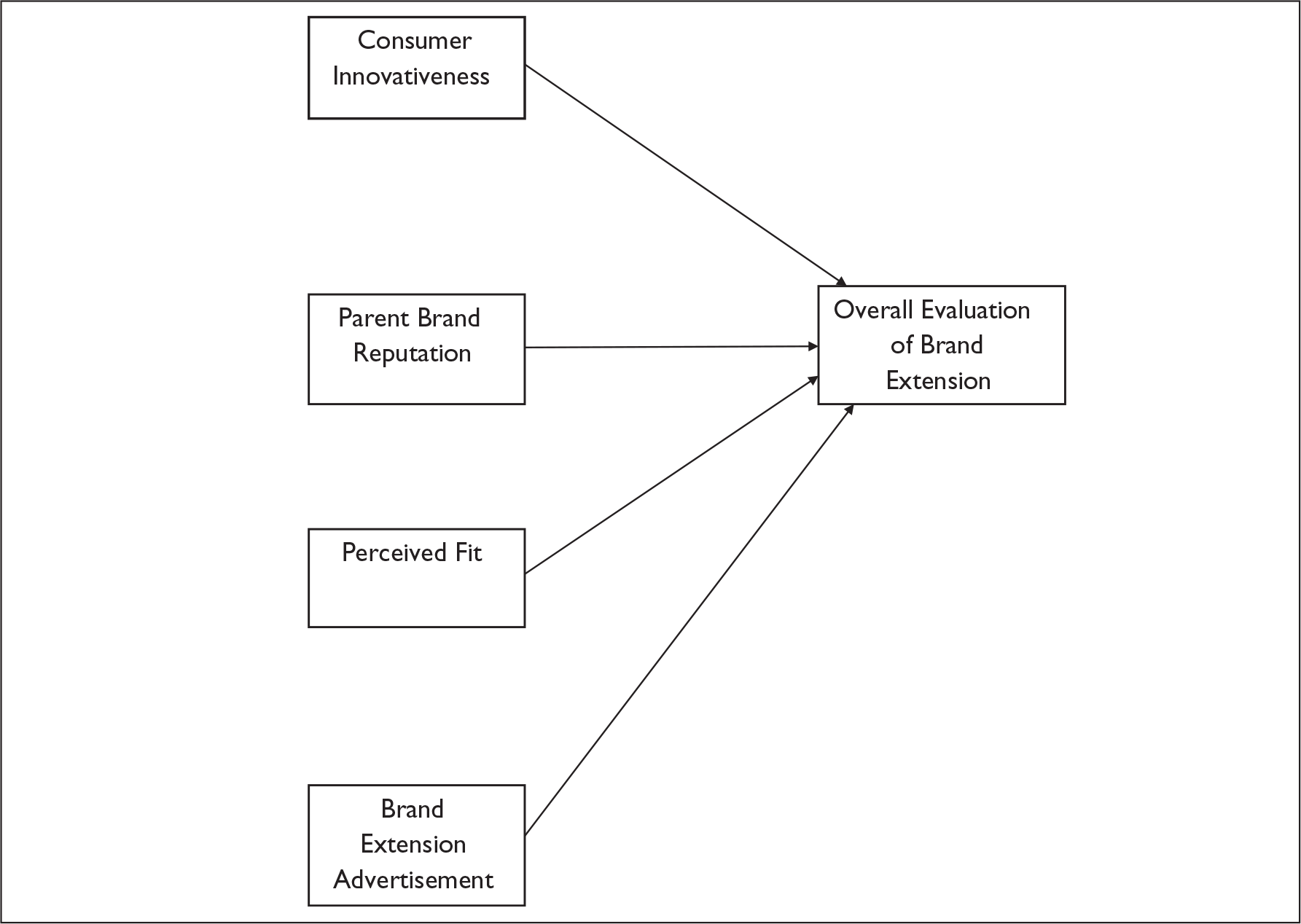
A cross-sectional survey using online method was administered with the help of Google forms. The links for questionnaires were distributed through Emails, Facebook, and Linked In. A nonrandom sampling technique was employed to collect the data from the sample. The online survey link was opened for the duration of 1 month from April 2017 to May 2017. From the 357 responses collected, 76 were rejected due to incompleteness, thus concluding with a response rate of 78.7 percent. The sample size is 281 respondents, which is much above the recommended value of 200 for the SEM model (Hair, Anderson, Tatham, & Black, 2013). The focus of the study is to understand the factors that affect brand extension, particularly in FMCG sector. Figure 1 shows the proposed research framework for the study. Participants in the research are a heterogeneous group which consists of students, households, self-employed individuals, and private and government employees. The research was conducted in Delhi and NCR.
Stimulus Selection
A real FMCG brand and its extension are chosen for the study of brand extension. Hypothetical brand extensions are used in various previous studies (Dwivedi & Merrilees, 2013b), but hypothetical brands and their brand extensions do not carry the required associations essential for the study. Frooti is a popular brand of Parle Agro, and Frooti Fizz is the first brand extension of Frooti. It is a 32-year-old brand; the extension was launched in March 2017. In order to analyze consumer behavior in relation to FMCG brands, it is always better to study recent brand extensions since the brand recall rate is always higher for latest extensions.
Survey Instrument
Likert seven-point scale is used to obtain the response of survey items used to measure the impact are ranging from strongly disagree (1) to strongly agree (7). Items for each construct are taken from several significant studies in the particular area; therefore, the items are from multiple studies. A similar approach for formulating the scale has been used by Martinez et al. (2009), Dwivedi and Merrilees (2013)b, and Buil et al. (2009).
Overall evaluation of brand extensions was measured with the help of five items, four were taken from the study by Dwivedi et al. (2010), and one was taken from the study of Aaker and Keller (1990). The CIN was measured with six statements out of which four were taken from a study by Klink and Athaide (2009) and two items were taken from a study of Hem et al. (2003). Out of total six items for PBR, three items were taken from the study of Hem et al. (2003) and three items were taken from a study by Dwivedi et al. (2010). The PF was measured by taking two items from the study of Hem et al. (2003) and one each from Dwivedi et al. (2010), Aaker and Keller (1990), and Martinez et al. (2009). Brand extension advertising was measured by adapting two items from a study of Volckner et al., (2008) , and two were taken from Kaur and Pandit (2015).
Data Analysis
The article incorporates a two-step approach to identify and validate the research framework. The approach comprises of SEM and NNs. The SEM helps in identifying the multiple relationships simultaneously and testing the hypotheses associated with them. Since consumer decision-making is complex in nature, therefore, it is important to understand how consumer evaluates a product/brand. SEM is robust for testing hypothesis and validating proposed framework, while NNs efficacy in identifying nonlinear relationships and its ‘black box’ operational approach, makes it unsuitable for theory testing. As none compensatory decisions, processes and evaluation are nonlinear in nature, therefore, NN technique is used to identify nonlinear relationships among the variables. Hence in order to take advantage of both the approaches, an integrated SEM and NN approach is used. In this methodology multilayer perceptron (MLP), NNs are trained by back propagation to learn the relationship between input and output (Zheng et al., 2013).
Preliminary Analysis
Preliminary analysis was done using Kaiser–Meyer–Olkin (KMO) and Bartlett’s test of sampling adequacy. The KMO statistic value is 0.897, greater than the acceptable cut-off of 0.60 (Dwivedi & Merrilees, 2013b). Bartlett’s test of sphericity was also significant (χ2 = 4144.854; df = 325; p < 0.001). Exploratory factor analysis also extracted five distinct factors with 65.982 percent of total variance explained. Table 1 shows the factor loadings of these factors.
Rotated Component Matrix
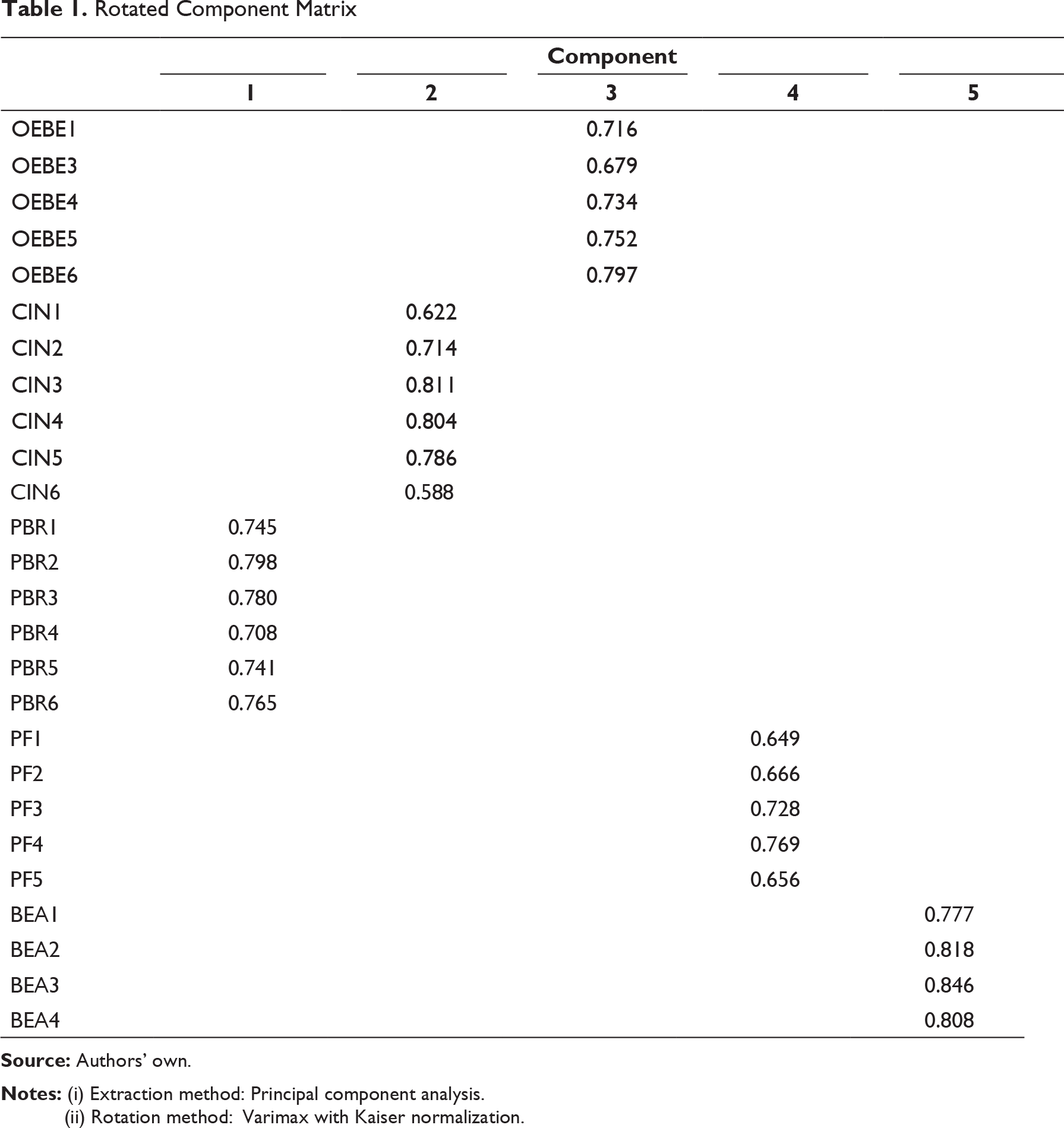
(ii) Rotation method: Varimax with Kaiser normalization.
Testing Assumptions of Structural Equation Modeling (SEM)
Before data analysis assumptions of the underlying technique should be assessed. Multivariate analysis also requires testing of assumptions due to the presence of complex relationships and a large number of variables (Hair et al., 2013). Therefore, researchers have tested all the assumptions of SEM.
Normality
It is an important assumption of SEM that skewness and kurtosis values are examined for evaluating normality in data. The values of skewness and kurtosis range from ± 1 across all the variables (Ranaweera & Prabhu, 2003). Therefore, there is a presence of normality in data.
Linearity
All the multivariate techniques are based on correlational measures of association which represent the linear association of variables (Hair et al., 2013). The linearity of variables is evaluated with the help of curve fitting in regression. The plot between the overall evaluation of brand extension and CIN, PBR, and PF has F values of 119.003, 120.360, and 158.969, respectively, which are much higher than quadratic and cubic relationships and are also significant at 1 percent level of significance. In case of brand extension advertisements (BEAs), F value is slightly higher than quadratic and cubic relationships and is significant at 1 percent level of significance.
Homoscedasticity
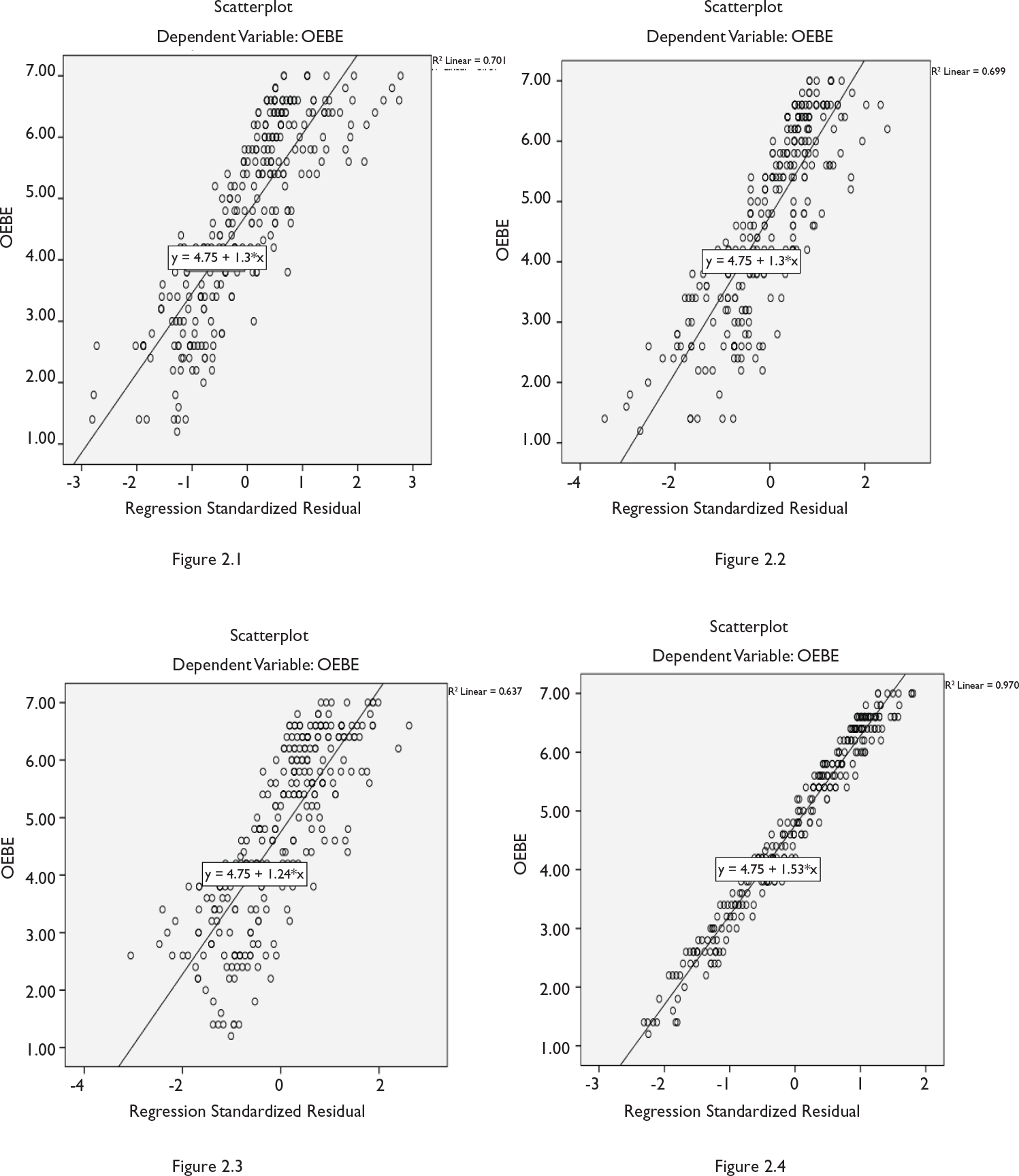
Another important assumption of SEM is homoscedasticity; it refers to the equal levels of variance between the dependent variable and predictor variable (Hair et al., 2013). Figures 2.1–2.4 depict the plots between the overall evaluation of brand extension and CIN, PBR, PF, and BEAs. The visual of plots examination shows the relationship is homoscedastic in nature.
Multicollinearity
Is also an important assumption of SEM. The assessment of multicollinearity is done by examining variation inflation factor (VIF) values for each variable. The VIF values are 1.470, 1.542, 1.776, and 1.034 for CIN, PBR, PF, and BEA, respectively. All the values are well below 10 (Mason & Perreault, 1991), and therefore, there is no multicollinearity.
Construct Reliability and Validity
Constructs Items Source and Reliability
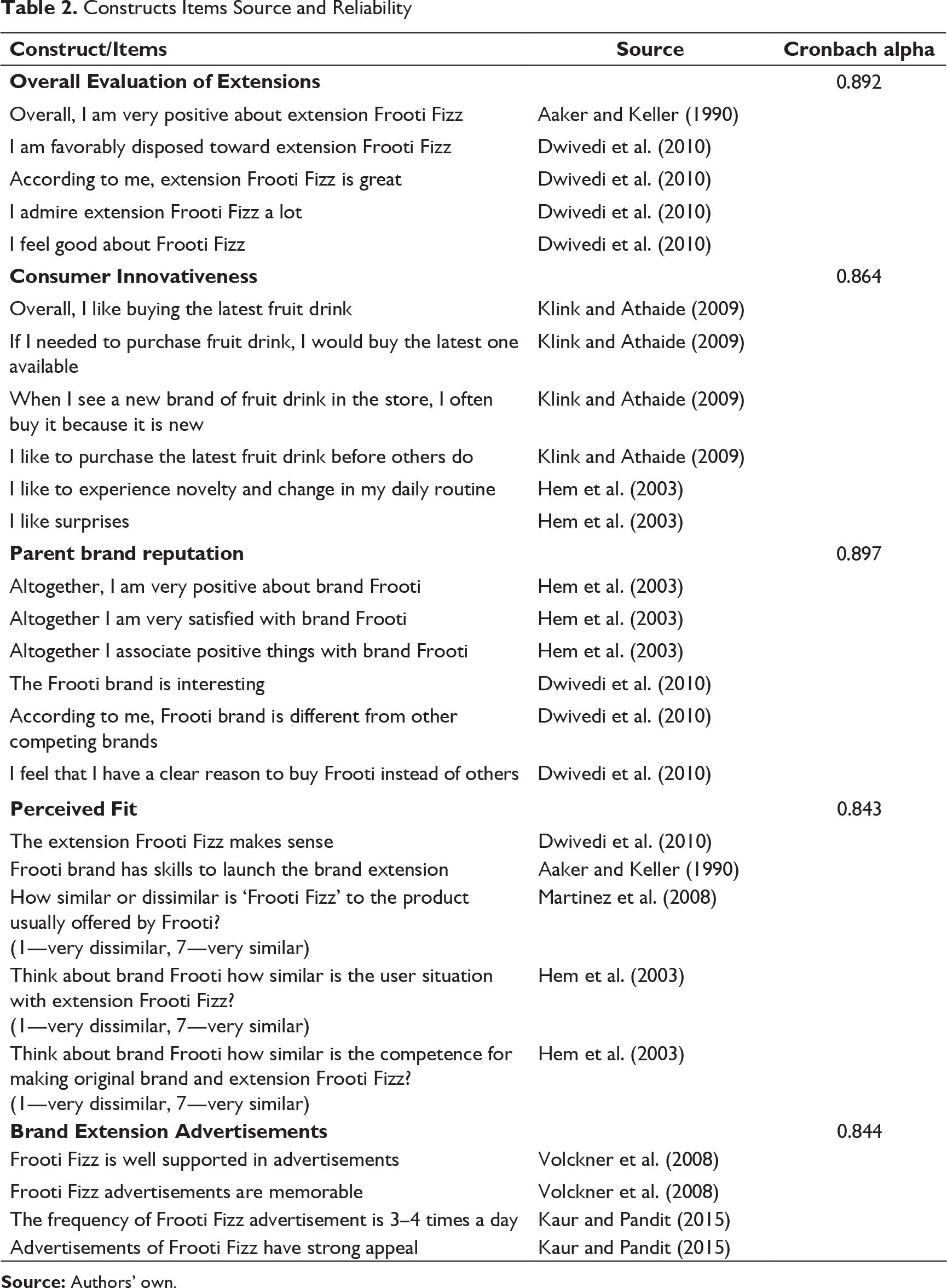
Source: Authors’ own.
Reliability and Validity
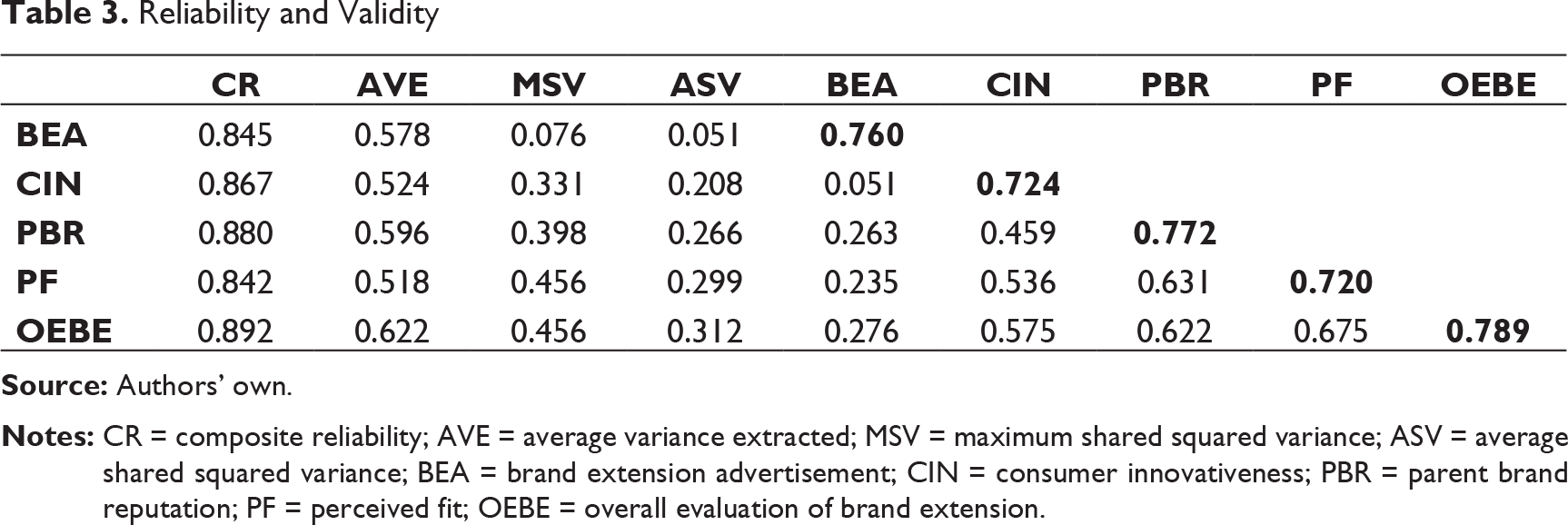
Structural Model Results
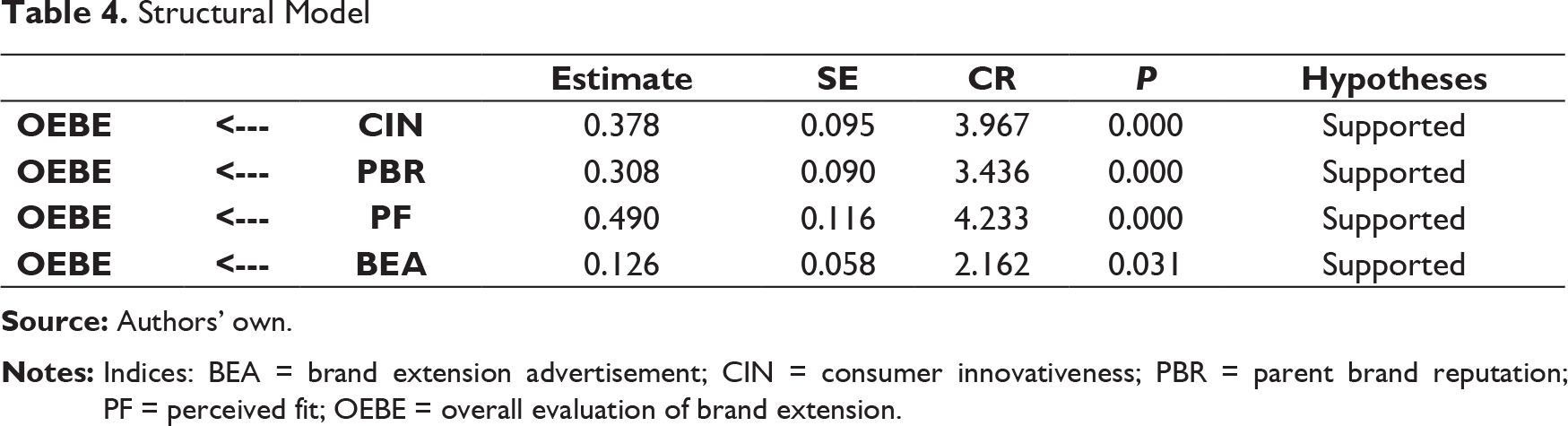
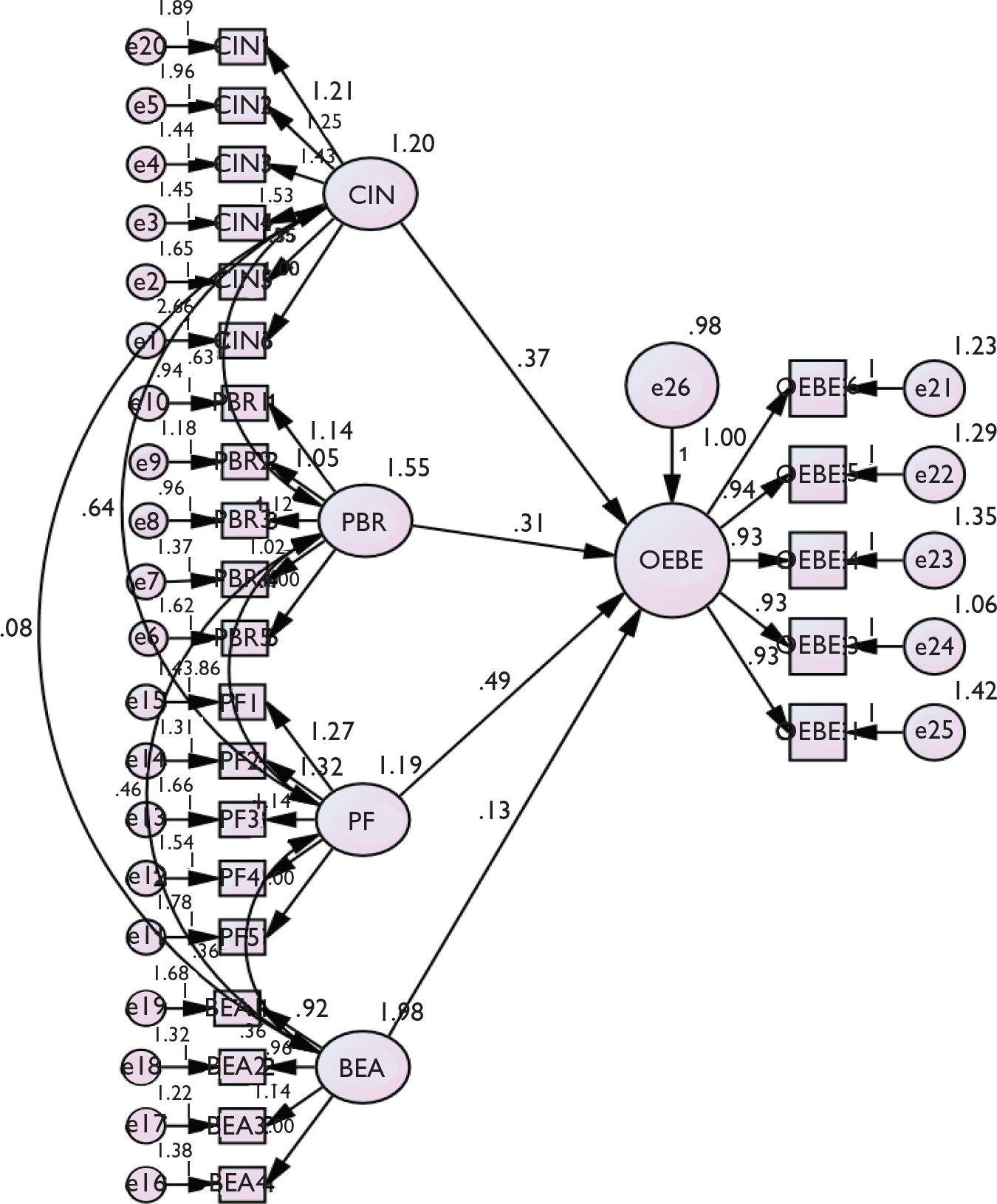
The analysis was done by first evaluating indices for model fit followed by examining the hypotheses of the structural model. Figure 3 shows the structural model for the proposed framework of the study. The results of the structural model are: Chi-square test static/df = 2.113, GFI value for the structural model is 0.864; values close to 1 indicates good fit (Byrne, 2010). The CFI is 0.921 and TLI is 0.919; values more than 0.90 signify that model fits well (Hair et al., 2013). Indices of the badness of fit, namely RMSEA, were 0.063, and the cut-off value between 0.03 and 0.08 is advisable (Hair et al., 2013). This indicates adequate fit for the model.
Structural Model
Neural Network Results
Full Validation Results of Neural Network Model
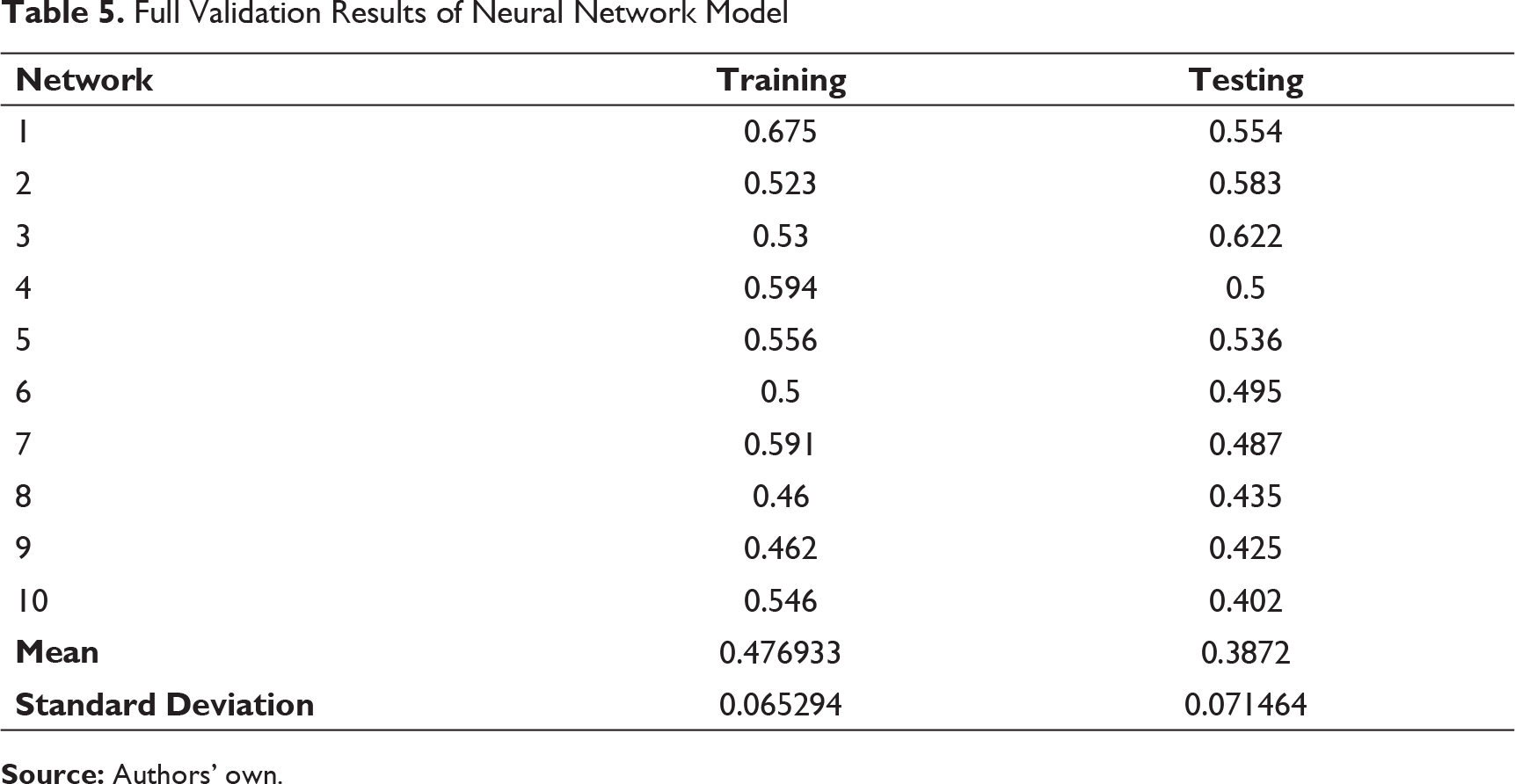
Source: Authors’ own.
Sensitivity Analysis
Discussion, Implications, and Limitations
Branding has been an interesting area for researchers from the past few decades, and the related aspects of branding have been continuously explored to understand consumer behavior. It has been recognized that usage of existing established brand name helps in reducing the advertising and communication cost and it also helps in reducing the risk of failure of the brand. Therefore, brand extension emerged as a popular strategy to exploit the new product categories. The study has emphasized on understanding factors, which are relevant for consumer evaluation of brand extensions. Majority of the studies in the past have focused on hypothetical brands, durable brands, or services; therefore, an important area for consumer researchers was not looked upon, that is, FMCG industry. This study therefore has focused on FMCG industry and role of various factors in shaping consumer evaluation of brand extension is identified.
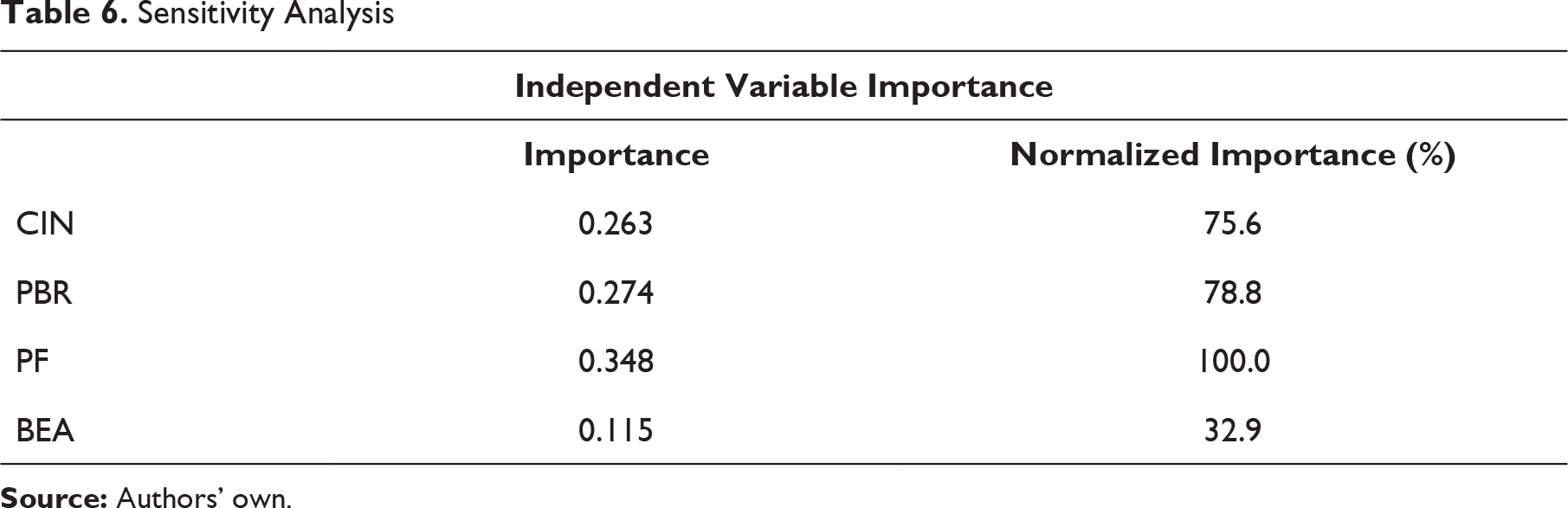
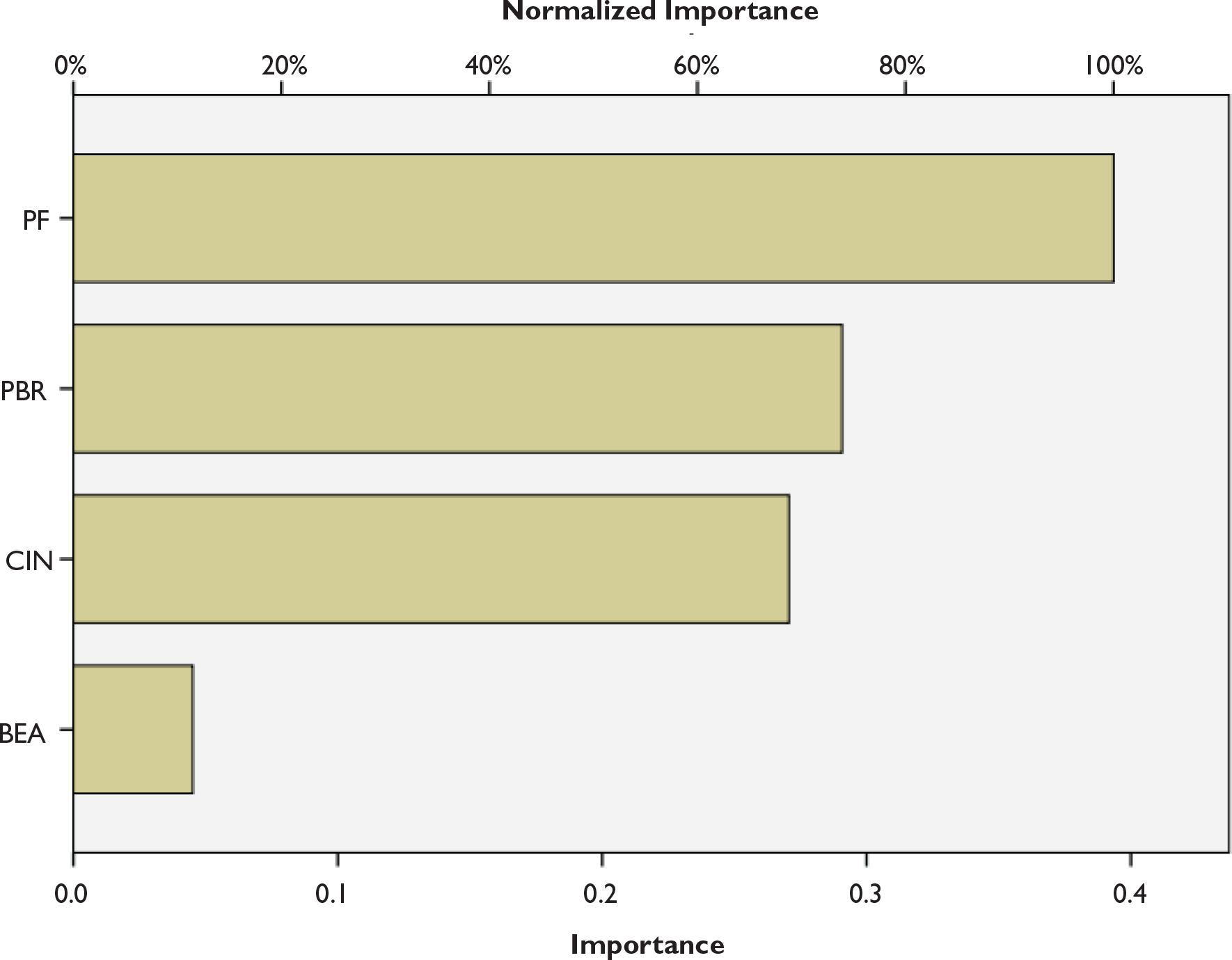
The results obtained from SEM for the proposed framework are cross verified by NN technique. The PF was found to be the most important factor that influences consumer evaluation of brand extension. The PF is the extent of similarity between the parent brand and the extension product. This enables the consumer to relate themselves to the new extension product. Hence, it can impact brand extension evaluation in a positive manner.
Next important variable which has been identified is PBR. The PBR is formed during the course of time by the performance and quality of a brand. This market image/goodwill takes a considerable amount of time and efforts on the part of the marketer. Such image and goodwill can be exploited to capture the consumer’s attention toward the extension brand. Therefore, identifying this as an important variable is justifiable. The PBR is followed by CIN and BEAs. The CIN is the ability to accept or reject the new products. Therefore, it is defined as an important variable since an extension product is a product in a new category or in the same category with improved quality, price. Hence, identifying this as a variable in consumer evaluation of brand extension provides an information that consumer innovators are likely to try new extensions. Consumer innovation is followed by BEAs, this variable is sought to be the least important variable according to NN analysis. Since the extension is growing in the shade of parent brand, the advertisements of extension brand do not make a significant impact on consumer evaluation of brand extension.
A major implication of the article is the evaluation of factors affecting brand extension in FMCG industry with help of recent brand extension in the Indian market. Another implication is the identification of the relative importance of variables by the usage of NNs. The NN is a technique to identify nonlinear relationships. In consumer behavior studies, a majority of studies are complex because the decision-making heuristics in consumer buying are difficult to understand. As consumer decision-making (combination of compensatory and noncompensatory decision rules) can be linear as well as nonlinear in nature, therefore, to capture nonlinearity in data, NNs is used, and SEM has been used for validating the framework.
The limitations of this study are the use of nonprobability sampling and small sample size, which would limit the generalizability of the result. The sample size of thousand and above could help the researcher to generalize the result. Also, the research design in the study is cross-sectional in nature. Future researchers can be focused on longitudinal research design so that changing preferences of customers can be measured at all wavelengths.