






Abstract
Background
Iron deficiency and hemoglobinopathies significantly impact public health, affecting morbidity, mortality, and quality of life. Their prevalence and consequences vary across populations, with Afro-descendant communities being of particular interest due to unique genetic, socioeconomic, and cultural factors. Subclinical iron deficiency, may go unnoticed in these populations, contributing to adverse health outcomes. This study aimed to determine the presence of iron deficiency, anemia, and hemoglobinopathies in Afro-descendant Populations of Colombia’s Pacific coast.
Design and methods
This descriptive, cross-sectional study included 198 Afro-descendant adults, both men and women, recruited through convenience sampling from various healthcare centers in the Pacific region. All participants provided written informed consent prior to enrollment. Blood samples were analyzed for total hemoglobin, ferritin levels, and hemoglobin variants.
Results
Only 18.1% of participants reported a previous anemia diagnosis. Low hemoglobin was found in 23.2% of participants, ferritin deficiency in 49%, and 33.8% presented subclinical iron deficiency (low ferritin with normal Hb). Hemoglobin variants were identified in 17% of participants: Hb AS 4.5%, Hb AC 3%, and HbSS 0.5%. Hemoglobin variants were significantly associated with low hemoglobin
Conclusion
The high frequency of subclinical iron deficiency, anemia, and hemoglobinopathies in this population highlights the urgent need for strategies focusing on prevention, early diagnosis, genetic counseling, and comprehensive health management in Afro-descendant populations.
Introduction
Anemia is a major global public health problem associated with nutritional deficiencies, genetic disorders, chronic diseases, and infectious diseases.
Anemia is defined by a reduction in the number of erythrocytes (red blood cells) or a low concentration of hemoglobin within these erythrocytes, which impairs the body’s ability to transport oxygen efficiently. It is a significant global public health issue. 1 According to the World Health Organization (WHO) as of May 1. 2023, 40% of children aged 6 to 59 months and 30% of women aged 15 to 49 years are affected by anemia worldwide. 2
In 2019, there was an increase in the global incidence of disability related to anemia, with the most relevant causes being iron deficiency, thalassemia, sickle cell disease, and tropical diseases. 3 Countries with medium and low incomes exhibit the highest prevalence of anemia worldwide, primarily affecting rural populations, those in vulnerable situations, and communities with limited resources. 4
Reducing anemia is a global goal not only as one of the objectives of the United Nations' 2030 Agenda for Sustainable Development but also as one of the six global nutrition targets established by the World Health Assembly within the framework of the Comprehensive Implementation Plan on Maternal, Infant, and Young Child Nutrition. 2
Iron deficiency anemia is the most common form of anemia globally, affecting public health and approximately one-third of the world’s population. It is characterized by low serum iron levels, which limit the availability of iron for incorporation into heme groups during erythropoiesis, thereby reducing hemoglobin synthesis. 5
Various studies have identified subclinical iron deficiency, which complicates the early diagnosis of anemia and the timely initiation of treatment.6–8 These patients may not present with marked symptoms or low hemoglobin levels but have iron deficiency that impacts organ functions.
Subclinical forms are often not adequately recognized, making them more challenging to detect and address; they require selective screening and preventive measures that, due to their nature, may be overlooked in public health strategies.
A recent study conducted in Korea by Eun-Hee Nah et al., 2020, involving 16,485 non-anemic adult individuals with ferritin and serum iron tests, revealed an iron deficiency rate of 0.6% in men and 3.3% in women, concluding that women of reproductive age and men over 70 years had a higher risk. 9
Hemoglobinopathies and thalassemias are genetic disorders affecting the structure and synthesis of the α and β chains that make up hemoglobin in erythrocytes, accounting for 7% of the global population. 10 According to the WHO, over 300,000 children are born each year with some form of hemoglobinopathy, which contributes to 3.4% of deaths in children under the age of 5. The most common structural hemoglobinopathies worldwide include hemoglobin S (sickle cell anemia), and hemoglobin C and E.
The most frequent thalassemias are α-thalassemias, which involve a reduction in the expression of the α chain, and β-thalassemias, which involve a reduction in the β chain of hemoglobin. 11 These genetic alterations in hemoglobin can lead to chronic anemia and, in more severe cases, systemic organ involvement, compromising life, as seen in sickle cell anemia. Symptoms are not always visible, as in the case of silent carriers who possess one mutated allele and one normal allele, potentially passing the disease unnoticed from generation to generation without diagnosis (Hemoglobin AS). 12
These genetic disorders have higher prevalence in tropical and subtropical regions (including sub-Saharan Africa, countries bordering the Mediterranean, the Middle East, South Asia, and Southeast Asia) and in Latin America, where they overlap with malaria-endemic areas. Sickle cell anemia affects approximately 1 in 365 Afro-descendant in the United States, with even higher prevalence in sub-Saharan Africa. 13
In Colombia, anemia affects 27.7% of the population (15 million people), predominantly distributed along the country’s coasts where there is a high proportion of Afro-descendant populations. 14
The Afro-descendant populations represents a significant percentage of the Colombian population 10.62%, DANE (2019) and is distributed throughout the country, primarily along the Pacific and Atlantic coasts due to the historical migration of enslaved Africans, leading to a high likelihood of hemoglobinopathies in this population. 15 Moreover, these populations exhibit unique genetic and socioeconomic conditions that may influence nutritional aspects.
This justifies the importance of delving into this field of study and suggests the need for specific research to understand its dynamics in these populations, which holds both scientific and social relevance.
In addition to the above, the focus on Afro-descendant populations is justified by a combination of genetic, social, and epidemiological factors that place these communities at increased risk for both iron-related disorders and hemoglobinopathies.
Afro-descendant populations have a documented higher prevalence of variants such as sickle cell trait (HbAS), HbAC, and β-thalassemia, largely explained by ancestral genetic patterns and historical positive selection associated with malaria resistance.6,8 In addition, socioeconomic disparities including reduced access to healthcare services, food insecurity, and a higher likelihood of living in rural or underserved areas contribute to a greater vulnerability to nutritional deficiencies and anemia driven by chronic or recurrent inflammatory conditions.13,14
The objective of this study is to describe the frequency and distribution of hemoglobinopathies and iron deficiency in an Afro-descendant sample from the Colombian Pacific coast, with the aim of supporting early diagnosis, follow-up, treatment, and genetic counseling in this population.
Methods
Study design
Descriptive, cross-sectional, quantitative research. Non-probabilistic sampling design by convenience in a sample of subjects from the Colombian Pacific region (Popayan-Cauca, Cali-Valle del Cauca and Tumaco-Nariño).
A descriptive cross-sectional design was employed because the study aimed to assess the prevalence of iron deficiency, anemia and hemoglobinopathies at a single point in time within an Afro-descendant population, therefore, the sample is not intended to be representative of the entire Afro-descendant population of the Colombian Pacific region.
The reporting of this descriptive cross-sectional study conforms to the STROBE statement for observational studies (Strengthening the Reporting of Observational Studies in Epidemiology) 16 [Supplementary File 1].
Overall, 198 volunteers were recruited; Afro-descendant adults, both men and women from various healthcare centers.
Inclusion criteria: self-identified Afro-descendant women and men from the Colombian Pacific region, over 18 years of age.
Exclusion criteria: pregnant women, active inflammatory processes and coagulated samples. Poorly identified or sample taken under inadequate conditions were also excluded. Participants with CRP >114.2 nmol/L (>10 mg/L) were excluded because this threshold is compatible with clinically recognized levels of acute inflammation, which can elevate ferritin and confound the assessment of iron status.
Study participants were tested for total hemoglobin, hemoglobin variants by electrophoresis and ferritin levels. Figure 1 describes the methodology used for the development of the research. Methodology used to achieve the project’s objective.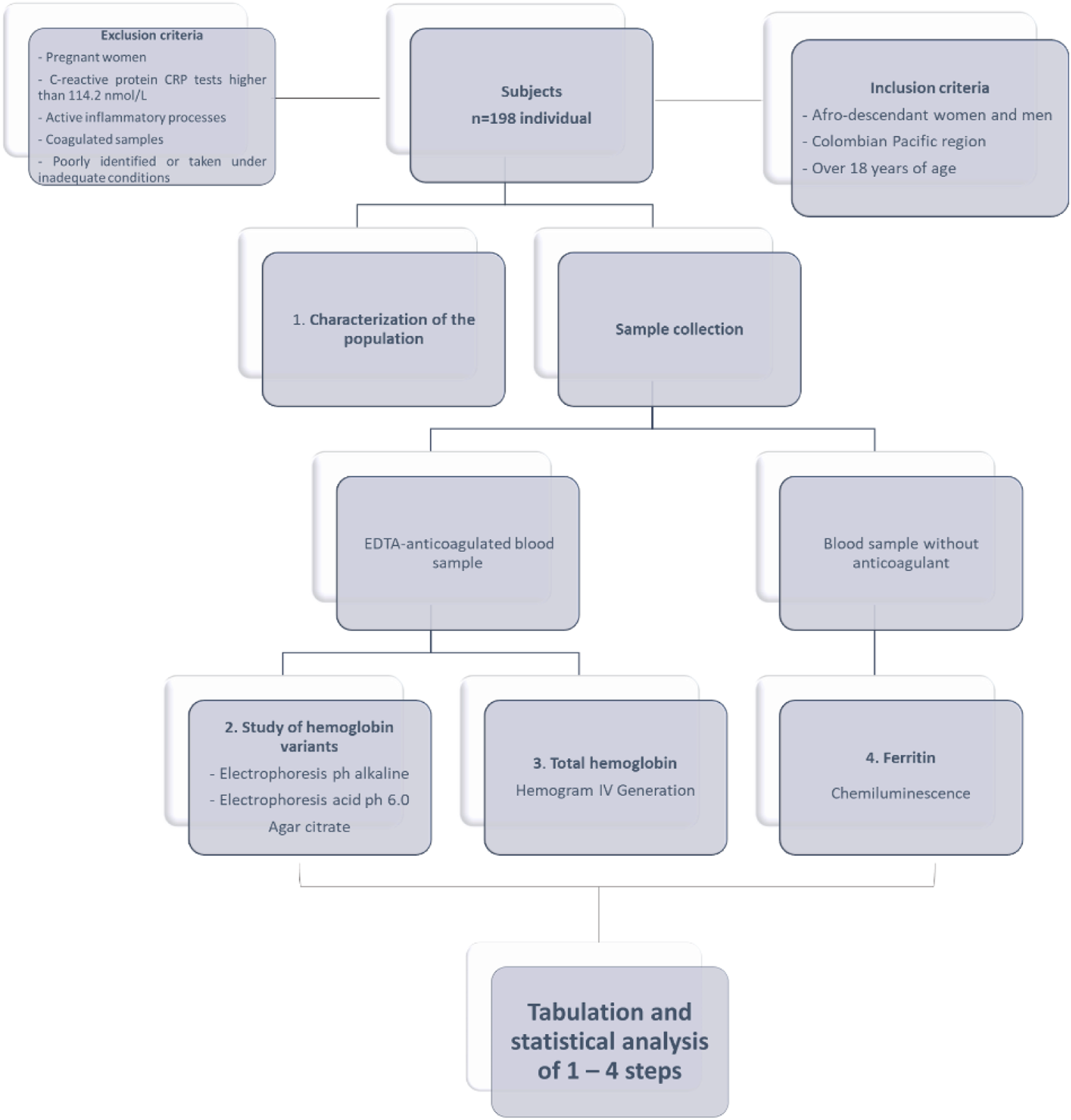
Sample collection
Participants who met the eligibility criteria, were tested for total hemoglobin, hemoglobin variants and ferritin levels.
Total hemoglobin and hemoglobin variants were tested by electrophoresis. EDTA-anticoagulated
Total hemoglobin
Generation IV hemogram analysis were evaluated with “XT-4000 I Sysmex”. The equipment was previously calibrated and three levels of evaluation were performed; low, normal and high. The results were analyzed and reported to the participants and healthcare centers for appropriate treatment and counseling.
Identification of hemoglobin variants (by electrophoresis)
From EDTA-anticoagulated whole blood, electrophoresis was performed on cellulose acetate at pH 8.6.
The hemolyzed sample was prepared following the protocol of Lepp CA (1978). The sample was washed with saline 3 times to discard platelets, leukocytes, and plasma proteins. The red blood cells were then lysed with distilled water and half volume of carbon tetrachloride (CCl4) was added and stored at 4 °C.
To separate the hemolysate from the stroma layer, it was centrifuged for 15 min at 1200 g, and the Hb concentration was adjusted between 80–100 g/L. Electrophoresis was performed at a voltage of 250 V and stained with Ponceau Red.
The patterns evaluated in hemoglobin electrophoresis were hemoglobin S, hemoglobin C, hemoglobin A2, and fetal hemoglobin.
Confirmation of the results was performed by electrophoresis at acid pH on citrate agar.
Ferritin test
Ferritin concentrations were evaluated using
Validity and reliability criteria
Whole blood and serum samples from each patient were stored under controlled conditions, with appropriate temperatures maintained for each component, ensuring strict quality control during preservation.
Quantitative tests for total hemoglobin and ferritin were performed following prior equipment calibration, based on internal quality control using low, medium, and high concentration levels for each analyte.
All samples were analyzed in duplicate for each patient in both tests.
Electrophoresis conditions (voltage, buffer composition, duration, and temperature) were calibrated before each use. Results were confirmed using additional electrophoresis at acidic pH on citrate agar, which allowed for better discrimination between variants with similar migration patterns in alkaline media.
This dual approach (alkaline and acidic) has been validated in previous studies as highly sensitive and specific for the identification of structural hemoglobinopathies, and is considered a reference method in both clinical and population settings.
Bands were compared to previously characterized reference patterns. To verify reproducibility, electrophoretic runs were performed in duplicate.
Statistical analysis
Data were processed and analyzed using SPSS version 21.0. Quantitative variables were summarized using means and standard deviations. Normality of quantitative variables was assessed using the Shapiro-Wilk test, which is suitable for small to moderate sample sizes and allows determination of the appropriate use of parametric tests.
Categorical variables were described using absolute and relative frequencies. The odds ratios (ORs) were calculated using a bivariate logistic regression model.
The analysis provided estimates of association expressed as OR with 95% confidence intervals (CI) and corresponding p-values. Statistical significance was set at p<0.05.
Results
Characterization of the population
The 198 Afro-descendant participants from the Colombian Pacific region came from different healthcare centers from three departments: (Popayan-CAUCA, Agua Blanca district in Cali-VALLE DEL CAUCA and Tumaco-NARIÑO).
Sociodemographic characterization.
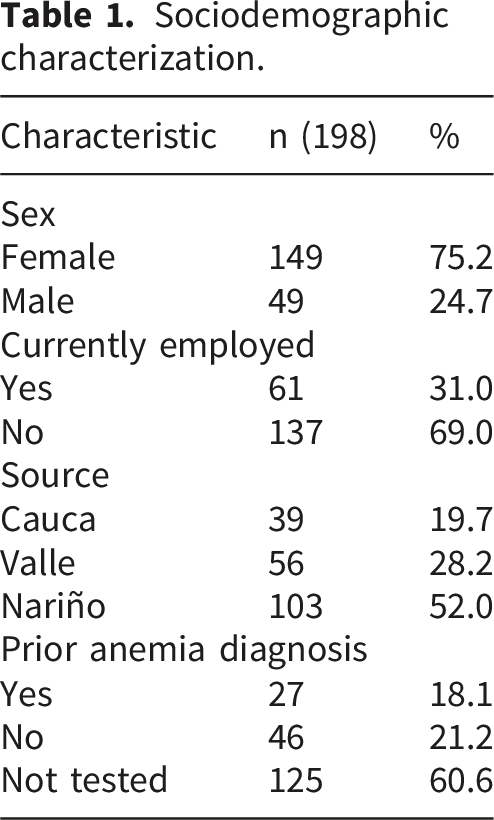
The mean age of participants was 41.2 ± 15.7 years. The youngest participant was 18 years old and the oldest was 94 years old.
Test results
The mean total hemoglobin values in the population by sex were 126 ± 21.3 g/L in females and 157 ± 28.4g/L Males.
Low hemoglobin was defined as the concentrations given by the WHO -Vitamin and Mineral Nutritional Information System (VMNIS) in 2011 for men <130g/L and women <120g/L living above sea level. 17
The presence of low total hemoglobin in the total population was 23.2% (46/198), women with 20.2% and men 3.03%.
Low hemoglobin levels according to location were: Agua Blanca district Cali 26.7% (15/56), Popayan 15.3% (6/39) and Tumaco 24.2% (25/103).
The anemia parameter was taken as described by the WHO as hemoglobin values below the reference value according to age and sex with two standard deviations. 17
In the total population, low ferritin was observed in 49% of participants (97/198).
According to hemoglobin status, 15.1% (30/198) of individuals showed low ferritin accompanied by low hemoglobin, while 33.8% (67/198) presented low ferritin with normal hemoglobin, corresponding to subclinical iron deficiency.
Only 4.04% (8/198) of participants showed elevated ferritin with low hemoglobin levels, all of them from Tumaco (Nariño).
Ferritin levels and Corresponding Hemoglobin Status.

Hemoglobin variants were detected in 17% of participants, (34/198) of these 9% corresponded to A2-Fetal, followed in decreasing order frequency by Hb AS, Hb AC and HbSS, as shown in Figure 2. Percentage distribution of hemoglobin patterns identified in the study population (n = 198) using alkaline cellulose acetate electrophoresis.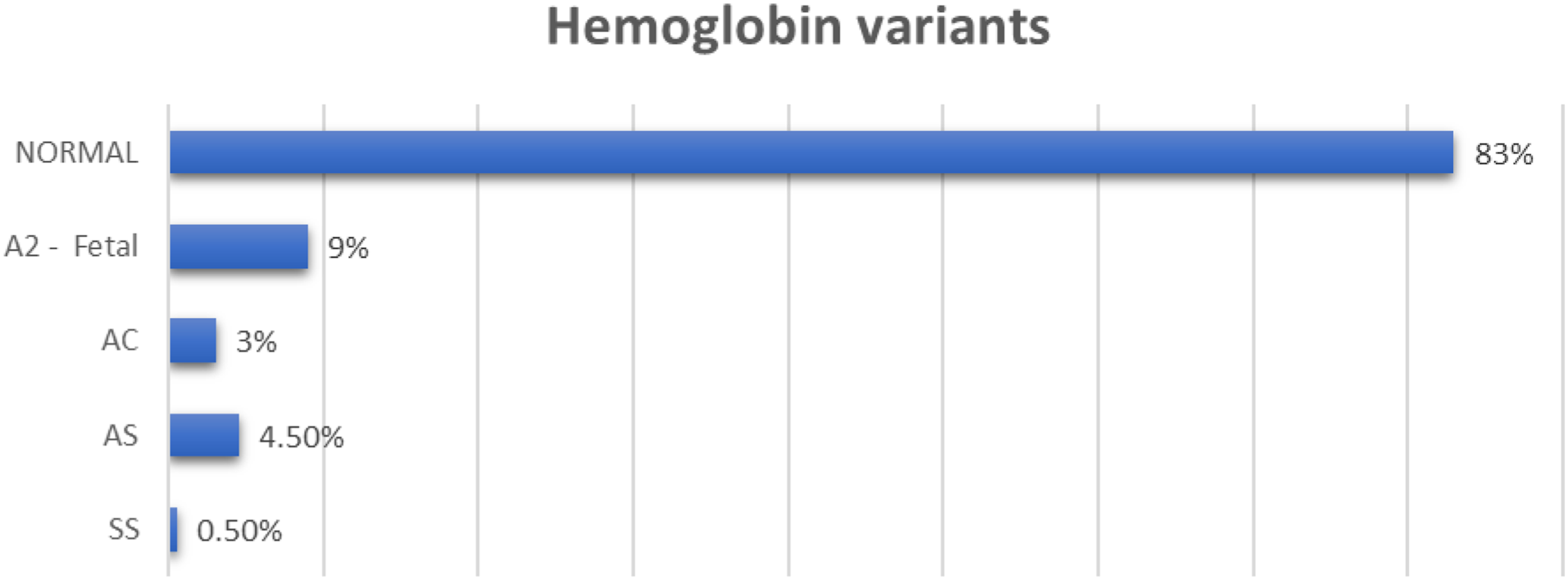
Percentages represent the overall frequency of each hemoglobin pattern in the total sample.
The distribution of hemoglobin variants differed by geographic origin.
In Popayán (Cauca), the frequencies observed were HbAS 5.1% and HbAC 5.1%. In Agua Blanca–Cali (Valle del Cauca), HbAS was 10.6% and HbAC 1.8%. In Tumaco (Nariño), the variants detected were HbSS 0.98%, HbAS 0.98%, and HbAC 2.9%.
These differences across locations are illustrated in Figure 3. All hemoglobin patterns were identified by alkaline electrophoresis and confirmed by acidic citrate agar electrophoresis. Distribution of hemoglobin variants across three geographic locations (Popayán, Agua Blanca–Cali, and Tumaco). Bars represent the percentage of HbSS, HbAS, HbAC, A2-Fetal, and Normal patterns within each site. Variants were detected by alkaline electrophoresis and confirmed by acidic citrate agar electrophoresis.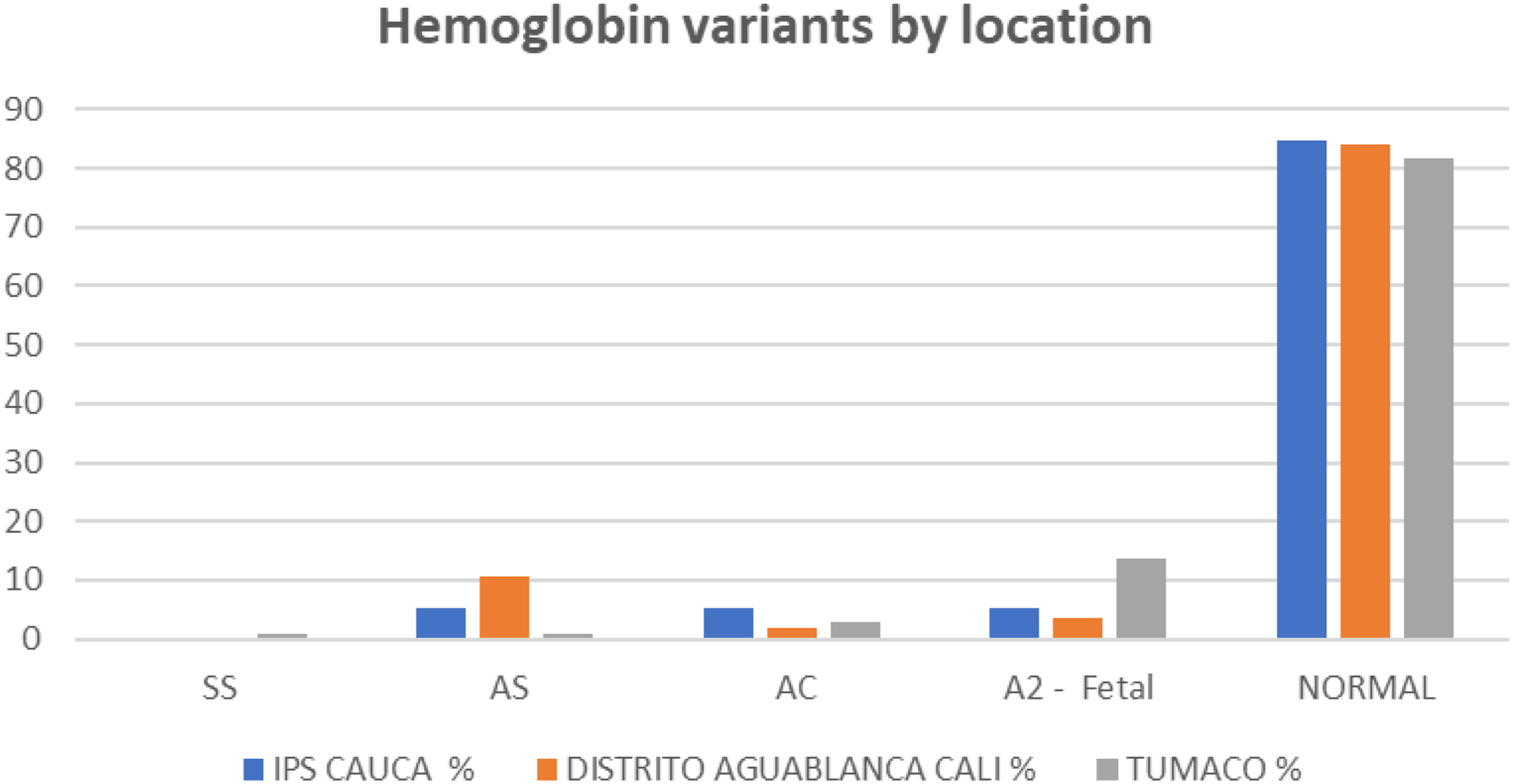
Discussion
In this study, we observed that the presence of low hemoglobin levels in the studied population aligns with the findings presented by Castillo M, et al. in 2018 in Colombia, showing less than 30% of low hemoglobin in the city of Tumaco (Nariño).
The female sex continues to show the highest percentage of low hemoglobin, not only in our study but also in studies conducted globally. According to the World Health Organization (WHO), anemia affects 30% of women between the ages of 15 and 49. 19
The results of this research demonstrated an underreporting of ferritin deficiency and low hemoglobin levels, which were identified through a review of the clinical histories of the study participants. Only 18.1% (27/198) of the population had a reported diagnosis of anemia at the time of participating in this study, in contrast to our findings, where 23.2% (46/198) presented with low hemoglobin and 49% (97/198) with low ferritin.
This discrepancy highlights a lack of diagnosis in this population, indicating the need for follow-up studies on iron deficiency, particularly in the female population, to determine its causes and to implement prevention and awareness campaigns about anemia in this group. 20
Another important aspect is the association between ferritin levels and hemoglobin concentrations, with the majority 33.8% (67/198), showing low ferritin without changes in hemoglobin levels in the complete blood count. This may suggest that participants were in the early stages of iron depletion, without having reached the phase where changes in hemoglobin levels (subclinical iron deficiency) appear.18,21
A study by Suominen et al. in 1998, which evaluated ferritin and serum transferrin receptors to assess subclinical iron deficiency, demonstrated that iron stores could be gradually and progressively depleted, exhausting functional compartments (ferritin <49.4 ug/L), until changes such as decreased hemoglobin levels (iron deficiency anemia) are evident. 22
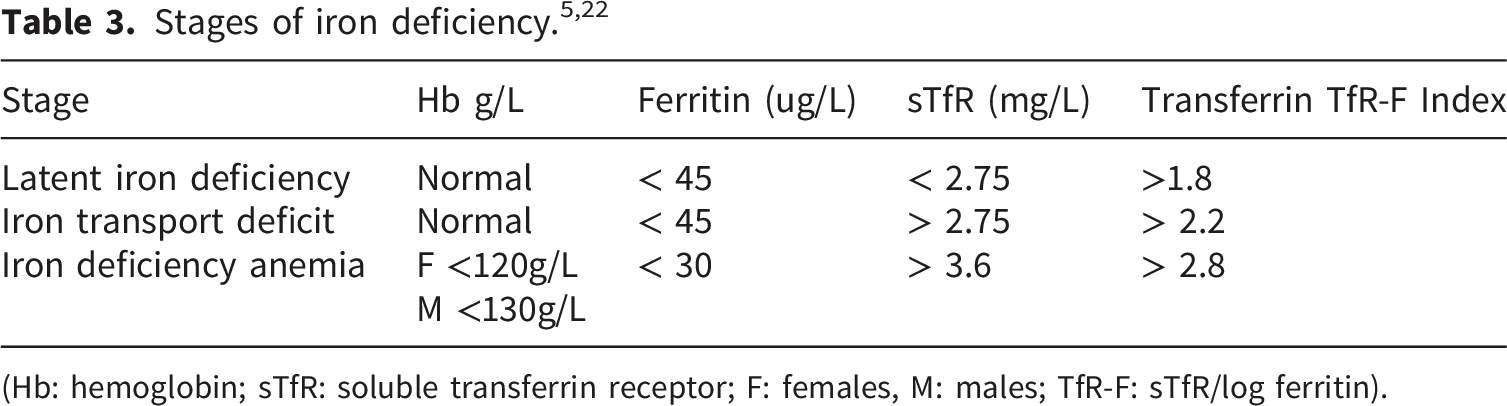
(Hb: hemoglobin; sTfR: soluble transferrin receptor; F: females, M: males; TfR-F: sTfR/log ferritin).
A study conducted by Castillo, Martha et al. (2009) on subclinical iron deficiency in 173 Caucasian individuals at varying altitudes above sea level found that 9% presented with subclinical deficiency in stages I and II of iron deficiency, and only 1% with iron deficiency anemia. 6
In light of this, the results of the present study regarding ferritin and hemoglobin levels
While it is well known that genetic disorders of hemoglobin can be observed in the Afro-descendant population, few epidemiological studies have been conducted to determine their frequency in this group. 21
This study, conducted in an Afro-descendant population from the Pacific region, showed variability in hemoglobin patterns, with a low percentage of homozygous SS and a predominance of heterozygous variants. The overall prevalence of hemoglobin variants in the sample was 17% (34/198).
The category “HbA2–Fetal” accounted for 9% of cases and refers to electrophoretic patterns with elevated HbA2and/or detectable fetal hemoglobin (HbF), findings compatible with possible beta-thalassemia traits or persistent fetal hemoglobin. The remaining variants were distributed as follows: HbAS, HbAC, and HbSS, in decreasing order of frequency, corroborating data previously described by the National Administrative Department of Statistics (DANE) in Colombia.23–27
Additionally, a study by Castillo, M et al. (2018), “Association of Thalassemia and Trait, Sickle Cell Anemia and Trait, and Hemoglobin C with Iron Deficiency Anemia in Afro-descendant Colombians,' found that HbAS was the most prevalent hemoglobin variant in the Afro-descendant population, with 11% (n=56), 21 showing variability and changes in the prevalence of hemoglobinopathies over time. Other studies conducted in Colombia confirm these findings.23,24
In Colombia, genetic hemoglobin disorders are typically described with the AS trait being the most frequent phenotype in the country.21,23,24,28
Another noteworthy aspect is the heterogeneity of abnormal hemoglobin present in the Afro-descendant population, as evidenced by most studies compared to ours. The hemoglobin patterns in various studies in Colombia have been as follows: HbAS, HbAC, and double heterozygous SC; for quantitative variants, beta-thalassemia, S-thalassemia, HbA, beta-thalassemia, beta-thalassemia, heterozygous C, SC/beta-thalassemia, with thalassemia being the most frequent hemoglobinopathy21,23–25,28,29
This indicates that research in Colombia should focus more on analyzing epidemiological data on these disorders to better understand their behavior and prevalence in different regions of the country, which are not well defined. 12 This lack of clarity hampers the timely and effective formulation of health policies for patient care. 29
Regarding sickle cell disease, a study published in Colombia reported a higher frequency of HbAS at 8.1% compared to HbSS at 3.66% (543 positive samples between 2009 and 2012). This is consistent with the results observed in this study, which shows a higher frequency of HbAS traits for sickle cell disease compared to homozygosity. 23
It has been documented that individuals with HbAS genotype exhibit significant protection against malaria compared to those with HbSS or HbAA.
30
Therefore, the results of this study may be related to the migratory history of the Afro-descendant population, during which the HbS allele was introduced through the
The results of this study provide insight into the presence of various hemoglobin abnormalities, along with patterns in iron concentrations. This information is crucial for implementing effective strategies in the management and monitoring of iron deficiency anemia, subclinical iron deficiency, and hemoglobinopathies within this population.
Given the ethnic diversity and racial mixing observed in several Latin American countries, it is relevant to explore the presence and prevalence of these conditions in other population groups as well. Some studies suggest that hemoglobin genetic disorders may not be exclusive to the Afro-descendant population.32,33
It is recommended to complement population studies by investigating specific haplotypes and polymorphisms associated with genetic hemoglobin disorders. Understanding their correlation with phenotypic expression and clinical outcomes is crucial, as evidence suggests that certain haplotypes and polymorphisms may influence the heterogeneity, clinical severity, and response to treatments, particularly in sickle cell anemia.34–38
These multidisciplinary approaches, encompassing population genetics and their implications for inheritance, clinical manifestations, and treatment responses, would significantly expand our understanding of these hemoglobinopathies.
The coexistence of anemia, subclinical iron deficiency, and hemoglobinopathies in this Afro-descendant population highlights a complex interplay between nutritional and genetic factors. Together, these contribute to a significant yet often underrecognized disease burden.
The high proportion of individuals with iron deficiency in the absence of anemia, along with the notable prevalence of hemoglobin variants, underscores the need for targeted public health interventions. These findings emphasize the importance of routine screening for anemia and iron deficiency in high-prevalence populations. Community-based strategies using simple, accessible, and low-cost tests are particularly relevant in resource-limited settings.
Early identification of at-risk individuals enables timely interventions through nutritional and genetic counseling, potentially preventing disease progression and related complications. In addition, structured community education programs tailored to the sociocultural context of Afro-descendant populations may enhance awareness and engagement in preventive strategies.
Collectively, these approaches can improve diagnostic coverage, guide clinical decision-making, support preventive care, and reduce long-term healthcare costs associated with delayed diagnosis and management. Ultimately, they may strengthen health outcomes in underserved communities.
Limitations
Convenience sampling, used for practical reasons, may limit the generalization of the findings to the broader Afro-descendant population; however, it allowed effective and direct access to the participating communities. No formal sample size calculation was conducted prior to the study. The sample size was determined by participant availability, consistent with the exploratory and descriptive nature of the study.
The sample also showed a predominance of women (75.2%), which could influence the extrapolation of the results to the wider Afro-descendant population, although it realistically reflects the availability and community participation observed in the study population.
Regarding iron assessment, ferritin and hemoglobin were used, both of which are standard and widely accepted markers. Nevertheless, the inclusion of soluble transferrin receptor and transferrin saturation should be considered for the characterization in future studies.
Although molecular confirmation was not performed, this does not affect the interpretation of our findings; it simply means that the results represent phenotypic rather than genotypic classification.
Despite this limitation, the findings provide valuable epidemiological data and underscore the need for further studies incorporating a broader range of biomarkers.
Significance for public health
The identification of anemia, subclinical iron deficiency, and hemoglobinopathies in the Afro-descendant population represents a significant finding in the field of public health.
These conditions, which impact quality of life and overall health, are particularly relevant in this group due to genetic and socioeconomic factors.
Anemia, often associated with nutritional deficiencies and chronic diseases, can have a considerable impact on child development and labor productivity.
On the other hand, hemoglobinopathies, such as sickle cell anemia, require ongoing medical attention and education for proper management. These findings support the need to strengthen neonatal screening for hemoglobinopathies and to establish reliable registry systems that improve early detection and long-term monitoring in Afro-descendant populations.
The presence of these conditions in the Afro-descendant population underscores the need for inclusive public health policies that address disparities in access to care and prevention.
Culturally adapted strategies, such as community based workshops, visual educational materials, and participation of local Afro-descendant leaders, can improve understanding and adherence to screening programs.
Additionally, it is crucial to implement screening programs and community education that promote early detection and timely treatment. These programs can incorporate both conventional diagnostic methods, such as hemoglobin electrophoresis and HPLC, and point-of-care tools, including rapid hemoglobin meters, point of care ferritin analyzers and portable hemoglobinometers, which enhance feasibility in remote or resource-limited settings. 28
Failure to detect iron deficiency and hemoglobin variants promptly increases the long-term burden on the health system. Undiagnosed subclinical iron deficiency can progress to symptomatic anemia, increasing outpatient visits, laboratory testing, and treatment needs. Likewise, unrecognized hemoglobinopathies may lead to preventable complications, delayed diagnosis, and inappropriate clinical management, which further elevate healthcare costs. Strengthening early screening in Afro-descendant communities can reduce this avoidable burden and improve resource allocation within the public health system.
On the other hand, relying solely on hemoglobin measurement would have failed to identify 33.8% of participants who had depleted iron stores despite normal hemoglobin levels, representing two-thirds of all cases of iron deficiency.
Similarly, hemoglobin variants (17%) would remain undetected without electrophoretic methods, leaving individuals without appropriate genetic counseling. The high prevalence of low ferritin (49%) combined with a substantial burden of hemoglobinopathies highlights the limitations of current routine screening practices and the importance of incorporating ferritin testing and hemoglobin variant detection into primary care protocols.
Integrating these markers into community-level screening could substantially reduce underdiagnosis and improve early intervention.
Continued research in this area will not only contribute to improving the health of the Afro-descendant population but also enable the development of effective strategies to combat these conditions in broader contexts.
Recommendations
Public health interventions, such as neonatal screening programs for hemoglobinopathies and the implementation of early diagnostic protocols for iron deficiency, are essential for reducing the burden of these diseases.
Implementing such protocols within primary healthcare centers and community health programs, coupled with community-based educational interventions, could not only enhance diagnostic and preventive coverage but also improve patients’ quality of life and reduce long-term healthcare costs associated with complications of anemia and hemoglobinopathies.
Healthcare professionals play a critical role in these findings, not only through early and effective diagnosis, but also by ensuring longitudinal follow-up of at-risk individuals, particularly those with historical or genetic predispositions to hemoglobinopathies.
Their involvement in coordinating with public health programs is essential to ensure access to low-cost diagnostic tools, clinical follow-up, prenatal screening, and educational interventions aimed at increasing community awareness of signs, risks, and management of iron deficiency and subclinical iron deficiency.
Additionally, healthcare providers are key actors in delivering genetic counseling and supporting affected populations throughout the care continuum.
Conclusions
This study is the first to document the dual burden of iron deficiency and hemoglobinopathies in Afro descendant populations of Colombia’s Pacific coast. The coexistence of nutritional deficiencies and genetic disorders underscores the need for strengthened screening, prevention, and public health interventions.
A considerable
A significant percentage of the population (67/198; 33.8%) presented ferritin deficiency without changes in hemoglobin levels (subclinical iron deficiency).
A lower percentage of the studied population was unaware of having anemia at the time of the study, indicating a need for anemia awareness campaigns and health education initiatives to mitigate this situation.
There is a higher presence of heterozygous hemoglobin disorders confirmed by the presence of hemoglobin S trait, hemoglobin C in 15.3% of the studied population. This finding may be associated with the migratory history of the region and the malaria hypothesis, which suggests that specific alleles underwent positive selection due to their ability to confer resistance against malaria.
Footnotes
Acknowledgments
The authors are thankful to the community participants for being part of this research.

Ethical considerations
This project was approved by the Ethics Committee of the University of La Sabana in session No. 75 on May 22, 2019, under the project entitled “Hematological, biochemical and molecular characterization of sickle cell anemia and detection of classical haplotypes by DNA sequencing in a group of samples from Bolívar and Boyacá, Colombia,”. This study is carried out in accordance with international ethical guidelines (Helsinki Declaration 2013, Council for International Organizations of Medical Sciences - CIOMS, Universal Declaration on the Human Genome) and Resolution 8430 of 1993 issued by the Ministry of Health of Colombia, which regulates health research involving human subjects in the country.
Consent to participate
Each participant was assigned a unique identification code (ID) to ensure confidentiality and protect their identity. The informed consent was developed in accordance with the criteria established by Resolution 8430 of 1993 of the Colombian Ministry of Health and Article 15 of the Political Constitution, which outline the required ethical parameters. All study participants signed the informed consent and were informed about the safety of data confidentiality.
Consent for publication
Written informed consent for publication of clinical details and/or images was obtained from the participants (or their legal guardians). All non-essential identifying information has been omitted to preserve confidentiality. The written consent forms are retained by the authors. All participants gave their informed written consent prior to study inclusion.
Author Contributions
YM, MC, AM, and AO participated in the conception and design of the study.
LC, BM, JB, and IB conducted the clinical evaluation and data collection.
YM and MC performed the statistical analysis and interpretation of the results.
YM, MC, and AM drafted the manuscript.
All authors critically reviewed the manuscript, approved the final version, and accept responsibility for its content.
Funding
This project was supported by the Universidad de La Sabana through Grant MED-352-2023. Project: “Identification of haplotypes of the beta-hemoglobin gene cluster by sequencing and their possible association with clinical complications and activities of the antioxidant system related to hemolysis in patients with sickle cell anemia in different regions of Colombia”.
Declaration of conflicting interests
The authors declared no potential conflicts of interest with respect to the research, authorship, and/or publication of this article.