







Abstract
This article presents a systematic bibliometric review of research on value co-creation (VCC) over the past decade (2014–2024). VCC, rooted in service-dominant logic (SDL), emphasises collaboration between businesses and customers to generate value. The study analyses 583 articles from the Scopus database, using tools like VOSviewer to map trends, influential authors and emerging themes. The results show significant growth in publications, with a diversification of approaches and increased application in sectors such as healthcare, tourism and the sharing economy. Digital technologies, artificial intelligence and collaborative platforms play a central role in the evolution of VCC, while also highlighting the importance of considering value co-destruction. The article identifies future research directions, including the impact of emerging technologies and sustainability challenges.
Keywords
Introduction
Over the past decade, the concept of value co-creation (VCC) has emerged as a central theme in various fields of business and management, particularly in service research. Originating from the service-dominant logic (SDL) proposed by Vargo and Lusch (2004), VCC emphasises the collaborative process between customers and firms, where both parties engage in the creation of value rather than the traditional view of value being created solely by the company and exchanged for money. This shift has spurred significant academic interest, leading to an extensive body of literature exploring different dimensions, outcomes and implications of VCC across industries.
Scholars (e.g., Prahalad & Ramaswamy, 2004) have advanced the understanding of co-creation by highlighting the role of customers as active participants in value creation processes. The proliferation of digital technologies, especially social media and online platforms, has further intensified the dynamics of VCC, bringing customer-to-customer (C2C) interactions into the spotlight. As such, the past decade has seen the emergence of various studies examining VCC in different contexts, such as hospitality (Tynan et al., 2014), healthcare (Bendapudi & Leone, 2003) and tourism (Grönroos, 2008).
Given the rapid evolution of VCC theory and its application across industries, a bibliometric literature review offers a systematic approach to understand the growth, trends and research gaps in this field. According to recent studies, the VCC research landscape has been evolving, with a marked increase in empirical studies, particularly those investigating the role of technology and innovation in the co-creation process (Lusch & Nambisan, 2015). This article aims to provide a comprehensive bibliometric review of the past ten years of VCC research, summarising key themes, methodologies and emerging trends in the literature, while identifying potential future directions for research in this rapidly expanding area.
Research Methodology of Literature Review
The bibliometric review stands out as an essential method for analysing research trends, mapping intellectual structures and identifying influential authors and works (Donthu, Kumar, et al., 2021). This approach provides an overview of theoretical developments and collaboration networks, thereby contributing to a better understanding of the studied field (Zupic & Čater, 2015). In business management, researchers have widely adopted this methodology to explore academic dynamics and enrich scientific discourse, enhancing the rigour and relevance of analyses in this domain (Ramos-Rodríguez & Ruíz-Navarro, 2004).
Search Method
The methodology adopted for this study is based on a systematic review of academic literature on VCC between 2014 and 2024. The selected publications were derived from an in-depth search in peer-reviewed journals, including conceptual definitions, quantitative modelling and analytical frameworks related to VCC. Data were collected from the Scopus citation database, supplemented by articles obtained from various academic publishers.
To analyse these publications, the VOSviewer software was used (Liu, 2017; Waltman et al., 2010). This tool enables the mapping of collaboration networks, co-citation relationships and keyword co-occurrence. It provides a clear visualisation of trends and thematic clusters, thereby facilitating the identification of key scientific contributions and the intellectual structure of the field under study. This approach ensures a rigorous and thorough analysis of the publications to derive meaningful insights into research dynamics related to VCC.
Methodology Implementation and Data Mining
The search strategy used to compile the corpus for the literature review relies on a combination of targeted keywords. The query, applied in the Scopus database, is formulated as follows: KEY (‘VALUE CO-CREATION’) OR KEY (‘VALUE COCREATION’), exploring the titles, abstracts and keywords of publications. As of 20 January 2025, this search identified a total of 1,271 articles.
The data extraction was carried out by applying specific exclusion criteria:
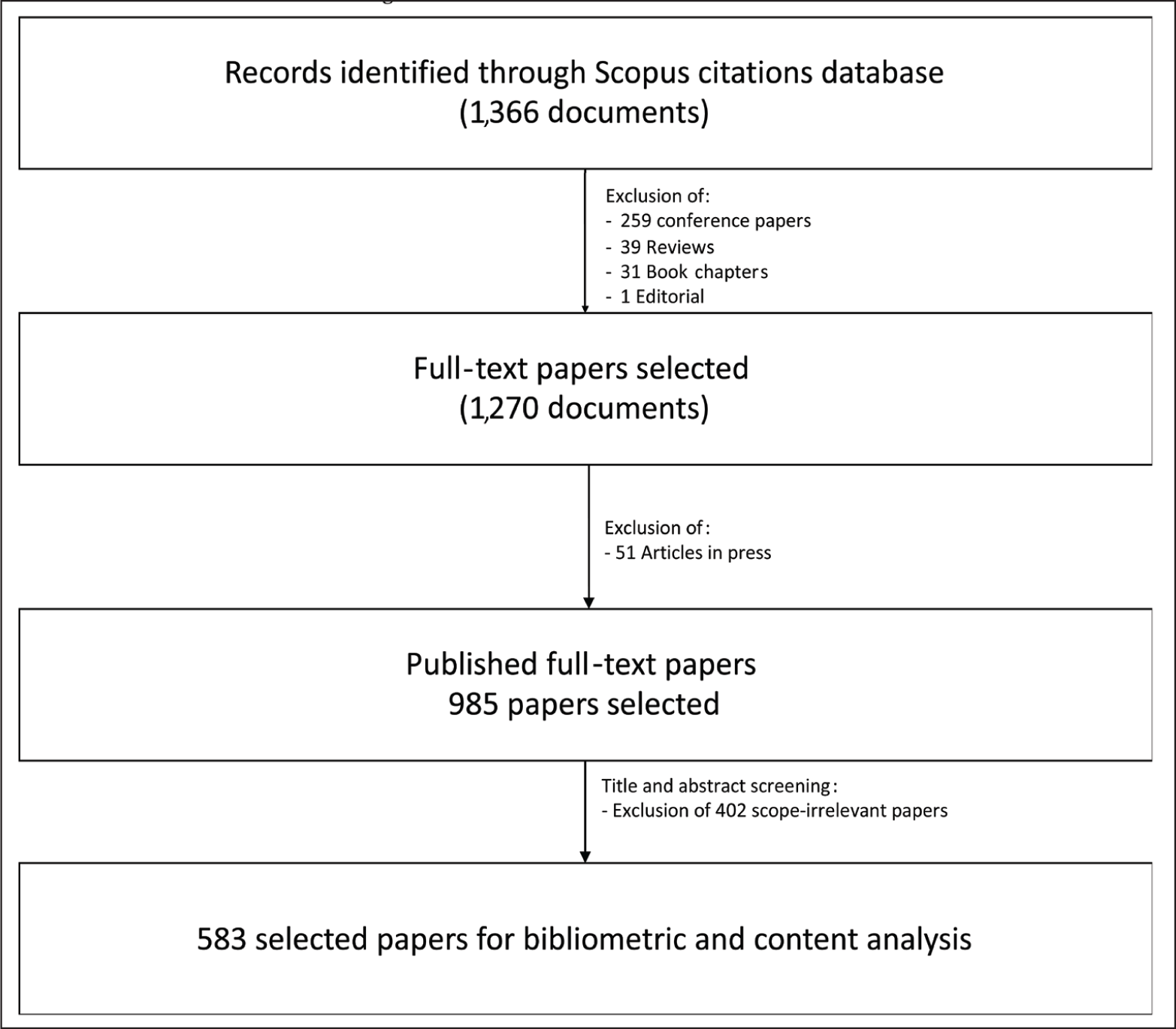
Document type: 259 conference papers, 39 journal articles, 31 book chapters and 1 editorial were excluded. The removal of conference papers aims to prioritise more rigorous and substantial research, while the exclusion of journal articles and editorials allows for a focus on original and primary academic contributions. Publication stage: Fifty-one articles in the process of being published were excluded, as these documents, not yet finalised, could undergo significant changes and lack complete bibliographic data, thereby compromising the reliability of the analysis. Language: No documents in languages other than English were excluded. This choice ensures linguistic homogeneity, facilitating the analysis of textual data with VOSviewer and enhancing the efficiency of the study.
Reviewing and Refining Database
After selecting 985 articles from the initial query and applying the exclusion criteria, a thorough evaluation of the titles and abstracts was conducted. This step led to the removal of 402 articles deemed irrelevant due to their misalignment with the study’s framework, despite the presence of keywords such as ‘systematic review’ or ‘conceptual models’. Additionally, 65 more articles were eliminated for similar reasons.
To ensure comprehensive coverage of the fundamental aspects of the literature on VCC, the retained articles were analysed and organised based on their relevance. In total, 583 articles were included in this review, and the selection methodology was illustrated according to the PRISMA protocol (see Figure 1).
VCC literature review PRISMA Protocol.
The results of this review include an analysis of titles and abstracts, a geographical distribution of contributing institutions, an identification of the most influential journals and authors, as well as a thematic grouping based on keywords. A textual analysis of titles and abstracts was also conducted to deepen the understanding of conceptual trends.
Figure 2 presents the methodological architecture adopted for this bibliometric analysis. Using the VOSviewer software, a comprehensive analysis was performed based on the principles of Bradford’s, Lotka’s and Zipf’s laws. This approach enabled the identification of the most cited articles, authors and terms in the field (Figueiredo et al., 2019).
Adopted Research Design of the Article.
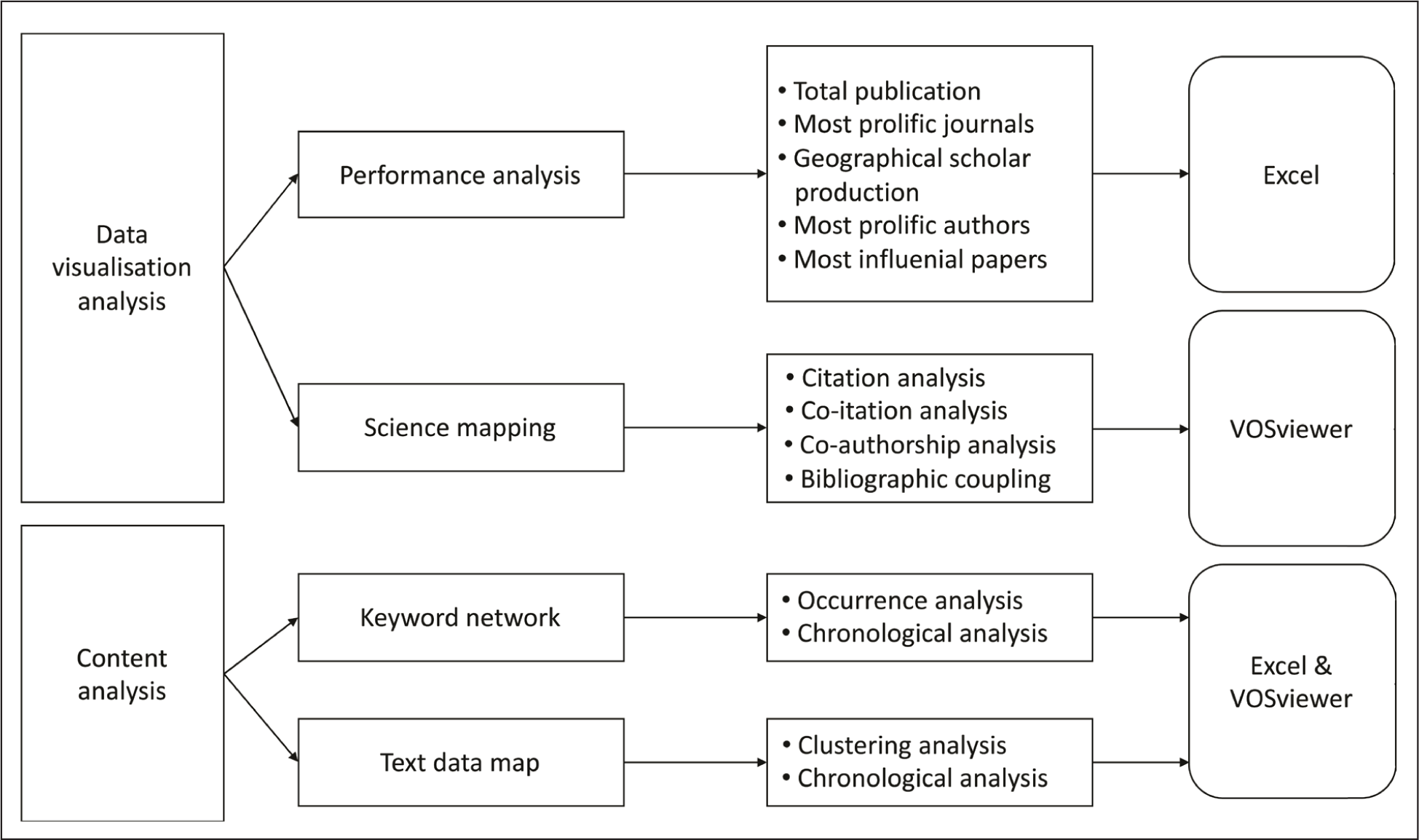
According to Bradford, it is essential to evaluate the most relevant journals to establish a core of high-quality publications. Lotka’s method focuses on identifying the most influential articles in a given field, while Zipf’s analysis examines the frequency of keywords in scientific texts to uncover dominant themes (Figueiredo et al., 2019).
Data Visualisation Analysis of Literature Review
According to Donthu, Kumar, et al. (2021), bibliometric analysis techniques are divided into two main categories: performance analysis and science mapping. In the context of this study, we will begin by evaluating the contributions of research on VCC to measure its performance in the literature. Subsequently, science mapping will be conducted to visualise the interconnections between various research elements related to VCC.
Performance Analysis
The analysis of performance in the literature aims to explore the contributions of research on VCC through a bibliographic description, constituting a central element of bibliometric studies (Donthu, Reinartz, et al., 2021). Thus, this study will highlight the main characteristics of the VCC literature by examining scientific production, the most prolific journals, the countries most engaged in this field, and the most influential authors.
Total Production
Figure 3 illustrates the evolution of the number of scientific publications in the field of VCC. Although this field is still in its initial phase of growth and expansion, the results show a continuous geometric increase in the number of published documents. This progression follows a normal distribution and has not yet reached its peak.
Evolution of the Number of Scientific Publications in the Field of VCC.
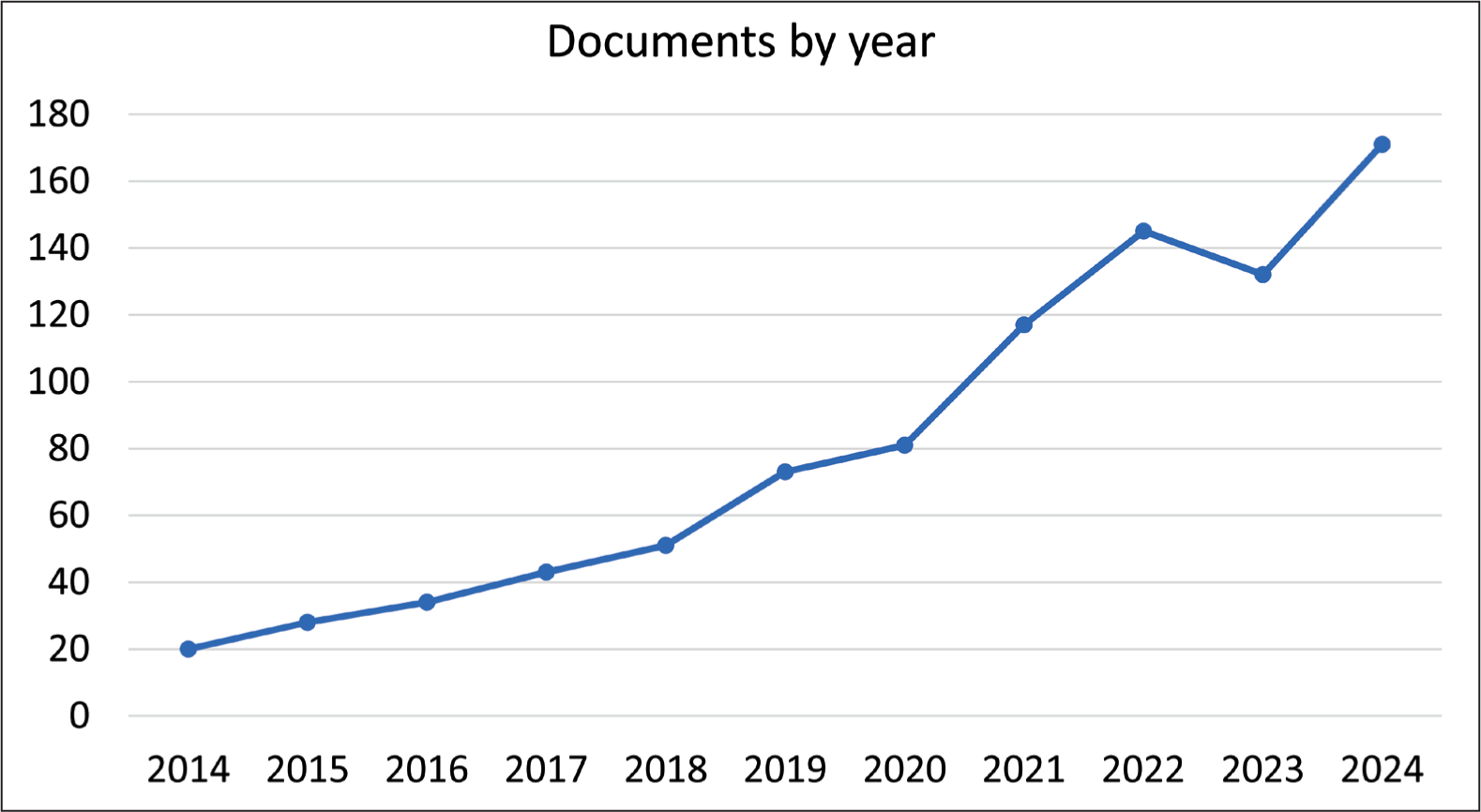
The upward trend in scientific publications began in 2019 with 64 publications and reached a maximum of 159 publications in 2024. The total number of publications in this bibliometric study includes only articles in accordance with the filters applied in the PRISMA protocol. Only scientific publications in the form of articles were retained.
Most Prolific Journals
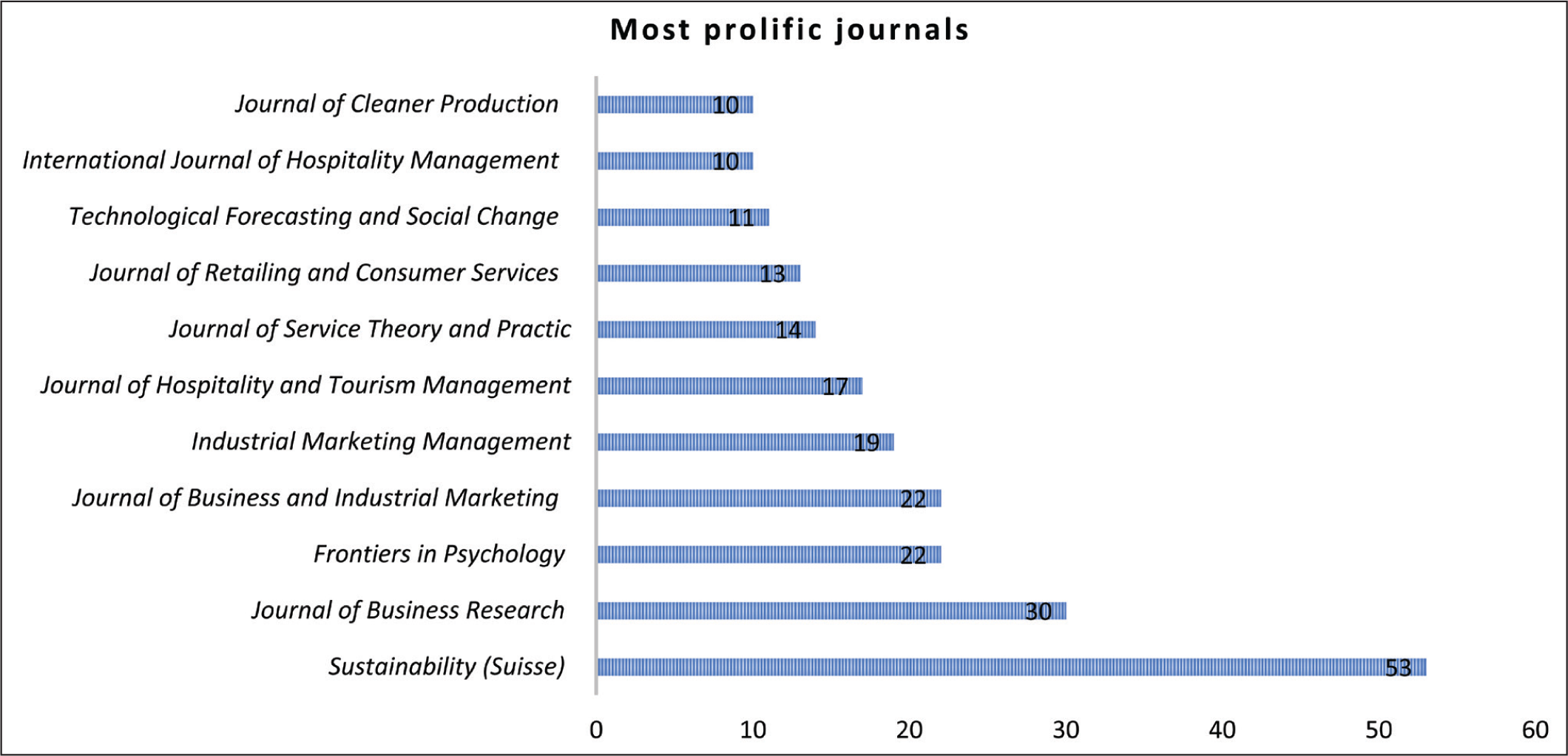
The selected articles were published in 385 journals. Figure 4 highlights the presence of dominant journals on this topic. Eleven journals have published more than 10 articles on the theme of VCC. Figure 4 presents the 11 most productive journals.
The Most Productive Journals on VCC Articles.
Production Scientifique Géographique
Figure 5 illustrates international collaboration in VCC research in relation to the global research output on co-value creation (CVC). To visualise this distribution, we utilised Excel-Map, a tool that enables the geographic representation of bibliographic data. The analysis reveals that China is the leading contributor, with 253 scientific publications, followed by the United Kingdom (116 publications), the United States (88 publications), Australia (69 publications), Italy (58 publications), Taiwan (49 publications), Spain (43 publications), Indonesia (37 publications), Finland (35 publications) and Malaysia (33 publications).
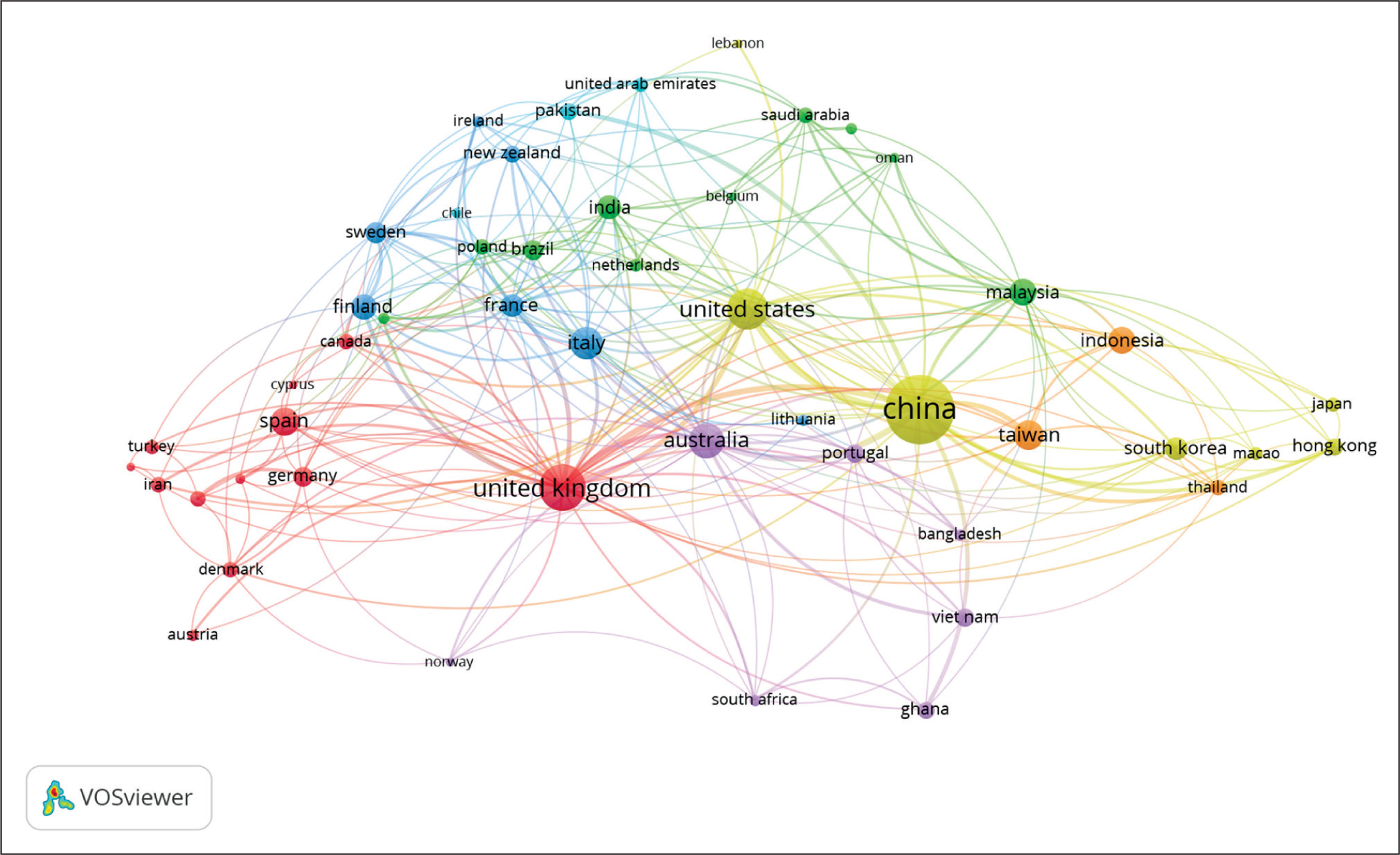
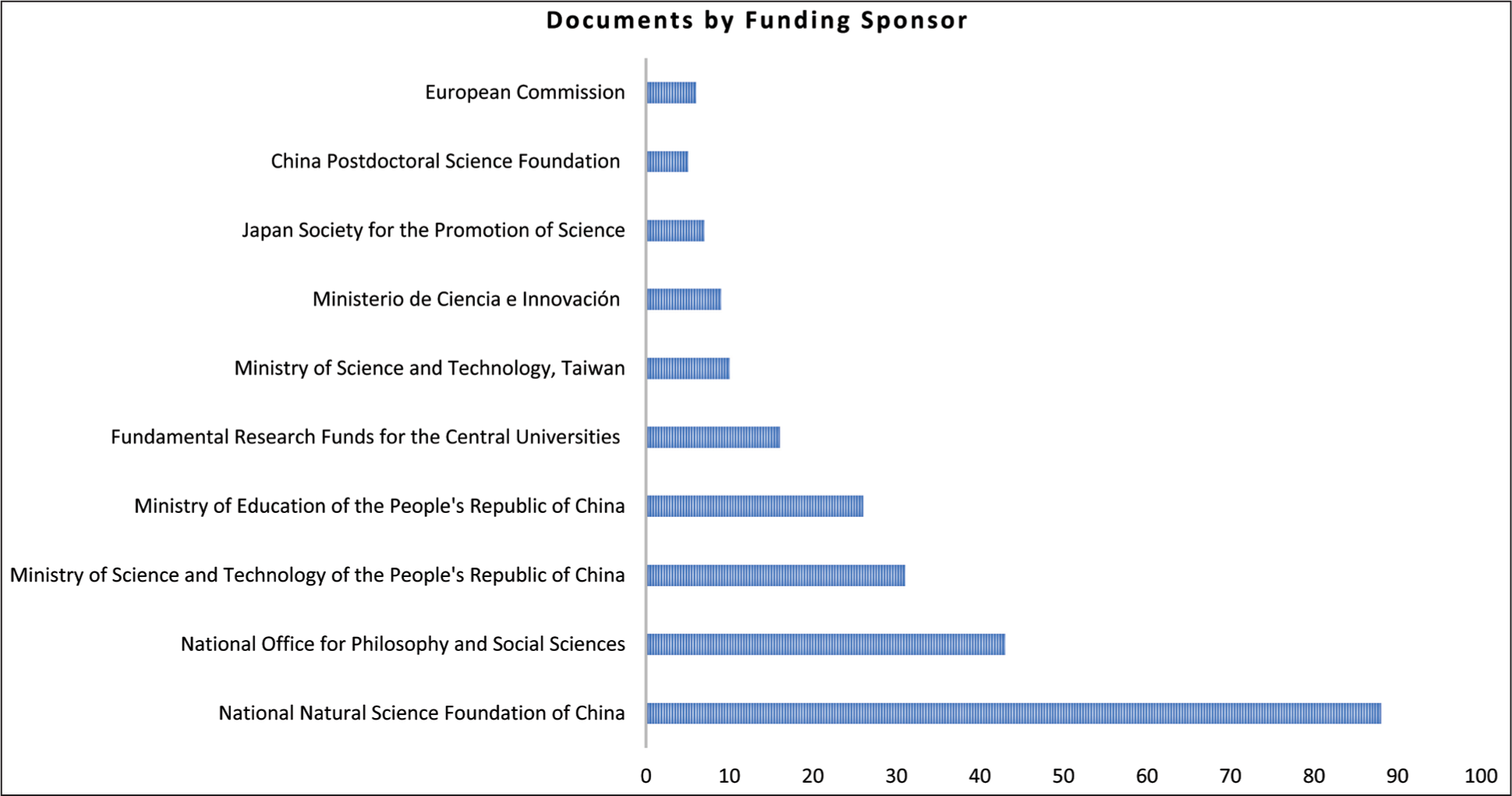
Figure 6 presents the distribution of research documents on CVC by funding sponsors. The National Natural Science Foundation of China is the leading funding body, supporting 88 research documents, followed by the National Office for Philosophy and Social Sciences with 43 documents. The Ministry of Science and Technology of the People’s Republic of China has funded 31 documents, while the Ministry of Education of the People’s Republic of China has supported 26 documents. Additionally, the Fundamental Research Funds for the Central Universities contributed to 16 documents, and the Ministry of Science and Technology, Taiwan, funded 10 documents. Other notable funding organisations include the Ministerio de Ciencia e Innovación (9 documents), the Japan Society for the Promotion of Science (7 documents) and both the China Postdoctoral Science Foundation and the European Commission, each funding 6 research documents.
Distribution of Research Documents on VCC by Funding Sponsors.
Most Productive Authors
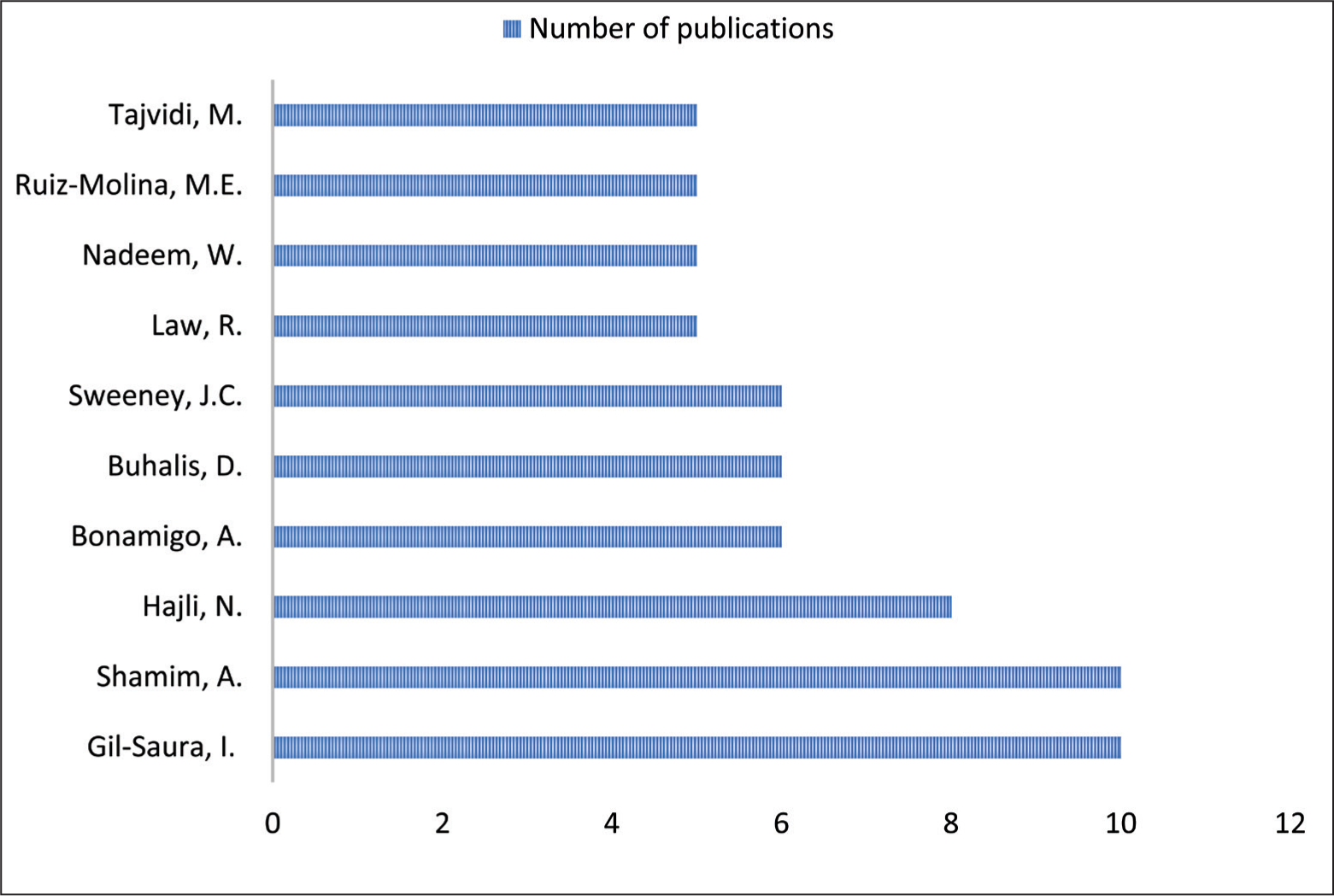
Figure 7 presents the top 10 authors in the field of CVC along with the number of publications they have authored or co-authored. According to the data, Gil-Saura, I., and Shamim, A. are the most prolific authors, each with 10 publications. They are followed by Hajli, N., who has contributed eight publications. Additionally, Bonamigo, A., Buhalis, D., and Sweeney, J. C., have each published six articles. Finally, Law, R., Nadeem, W., Ruíz-Molina, M.E., and Tajvidi, M., have each authored five publications.
Top 10 Authors in the Field of CVC.
Most Influential Articles
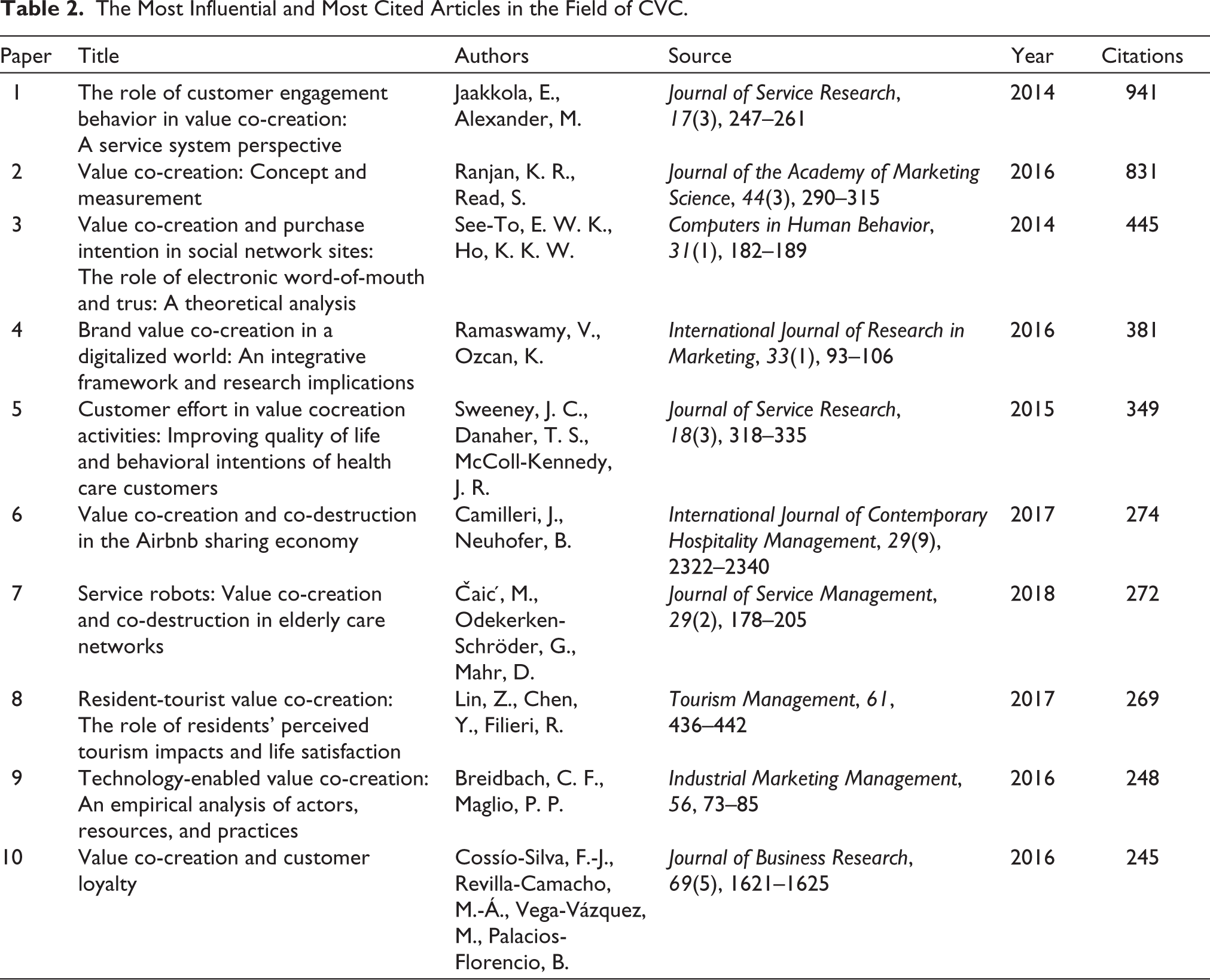
In accordance with the results previously presented, although Jaakkola, E., and Alexander, M., are not among the most prolific authors in terms of the number of publications, they stand out as co-authors of the most cited articles. The three most cited articles in the results are those of Jaakkola, E., and Alexander, M., with 941 citations, followed by Ranjan, K. R., and Read, S., with 831 citations, and finally See-To, E. W. K., and Ho, K. K. W., with 445 citations. Furthermore, Gil-Saura, I., and Shamim, A., each have 10 published articles, Hajli, N. has 8, while Bonamigo, A., Buhalis, D., and Sweeney, J. C. rank third with 6 articles each.
Scientific Cartography
Scientific exploration aims to analyse the relationships between different publications (Baker et al., 2021b, 2021a; Cobo et al., 2011). In this context, various approaches are used, including citation analysis, co-citation analysis, bibliographic coupling, co-occurrence analysis and author collaboration analysis, to better understand the intellectual interactions and structural links among works on VCC. These techniques enable the mapping of the bibliometric and intellectual structure of the field, also leveraging network analysis (Baker et al., 2021b; Tunger & Eulerich, 2018).
Citation Analysis
In Figure 8, a citation analysis was conducted using VOSviewer to examine the connections between publications and identify the most significant articles on the topic of CVC (Podsakoff et al., 2005).
Scientific Documents Citation Mapping.
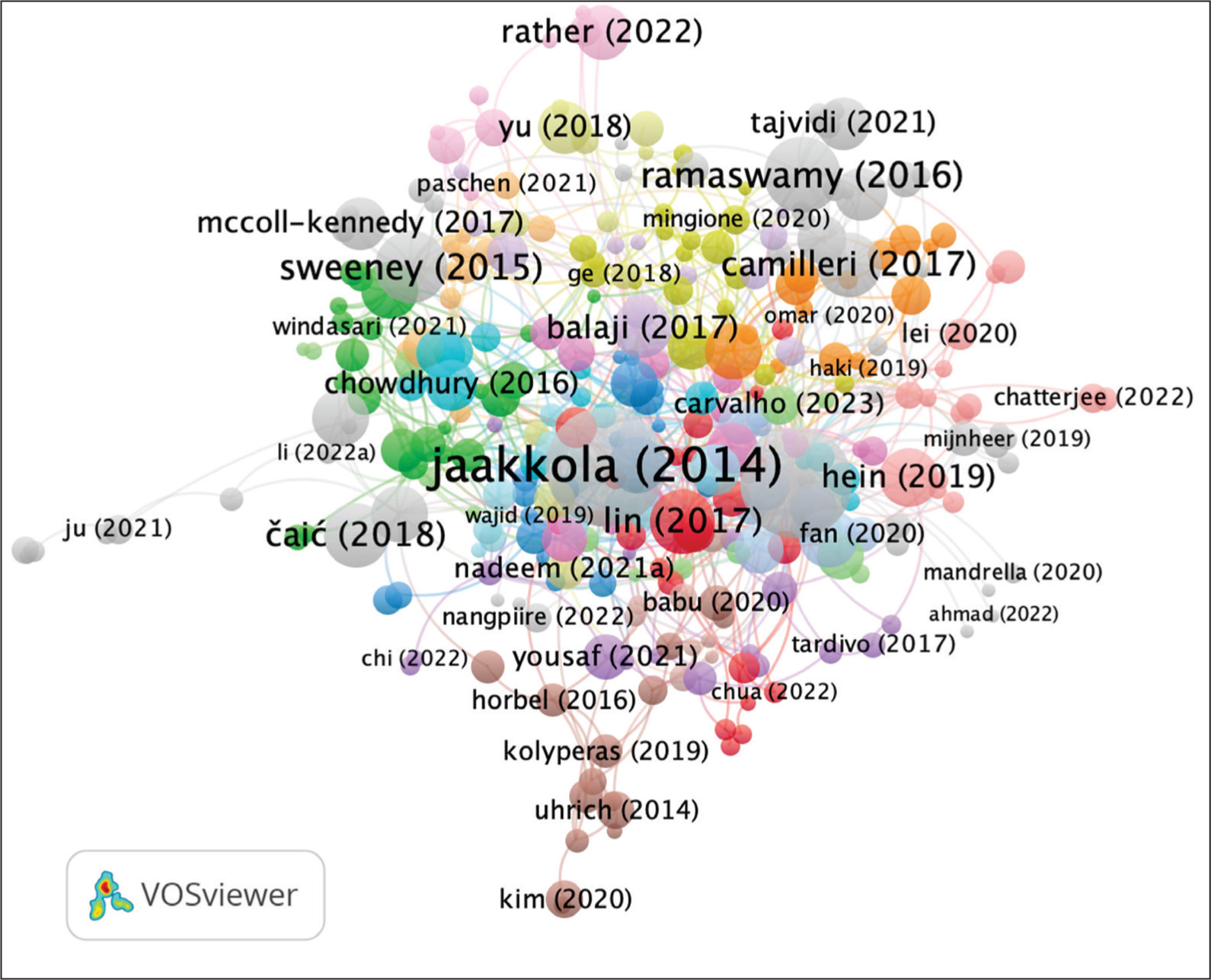
Each node in the network represents an article.
The size of the node reflects the importance of the article, while the link between the nodes illustrates the co-occurrence between articles.
The minimum number of citations is set to 15 citations per document.
The thickness of the link indicates the frequency of co-occurrences between the articles (Donthu, Kumar, et al., 2021).
Co-citation Analysis
To provide an overview of the evolution of key concepts in the field of CVC, Figure 9 examines the connections between the documents (Fahimnia et al., 2015).
Documents Co-citation Network.
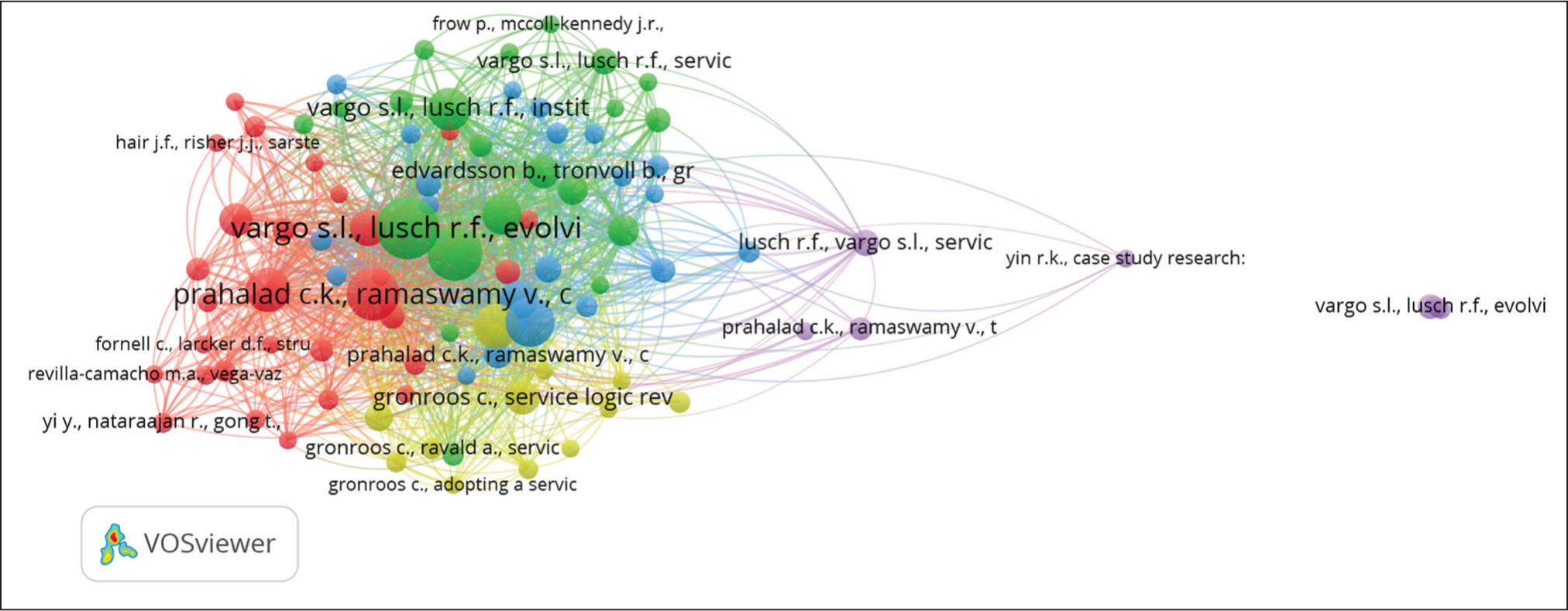
A co-citation analysis was conducted on documents with at least 20 co-citations. Among the 54,833 scientific documents, 91 articles were identified.
The article by Vargo and Lusch (2004, 2008) is the most co-cited, followed by those of Prahalad and Ramaswamy (2004) and Payne et al. (2008). These articles are also among the most cited and are considered fundamental to the emergence of the VCC concept.
Co-author Analysis
To study the social connections or links between authors, their affiliations and the impacts associated with the advancement of this field of study (Acedo et al., 2006), a co-author analysis was conducted.
The analysis focused on authors who were cited at least twice, with a minimum of two articles per author. A total of 2,482 co-authors were identified and grouped into 327 clusters.
The largest group of connected authors includes 20 co-authors linked to Gil-Saura and Irene, although they are among the most cited authors.
Each node in the network represents an author.
The size of the node represents the production of each author, while the links between nodes illustrate collaborations between them.
The thickness of the link reflects the intensity of collaborations (Donthu, Kumar, et al., 2021).
In Figure 10, authors with at least two citations were examined.
Authorship Network of Authors Having at Least Two Citations.
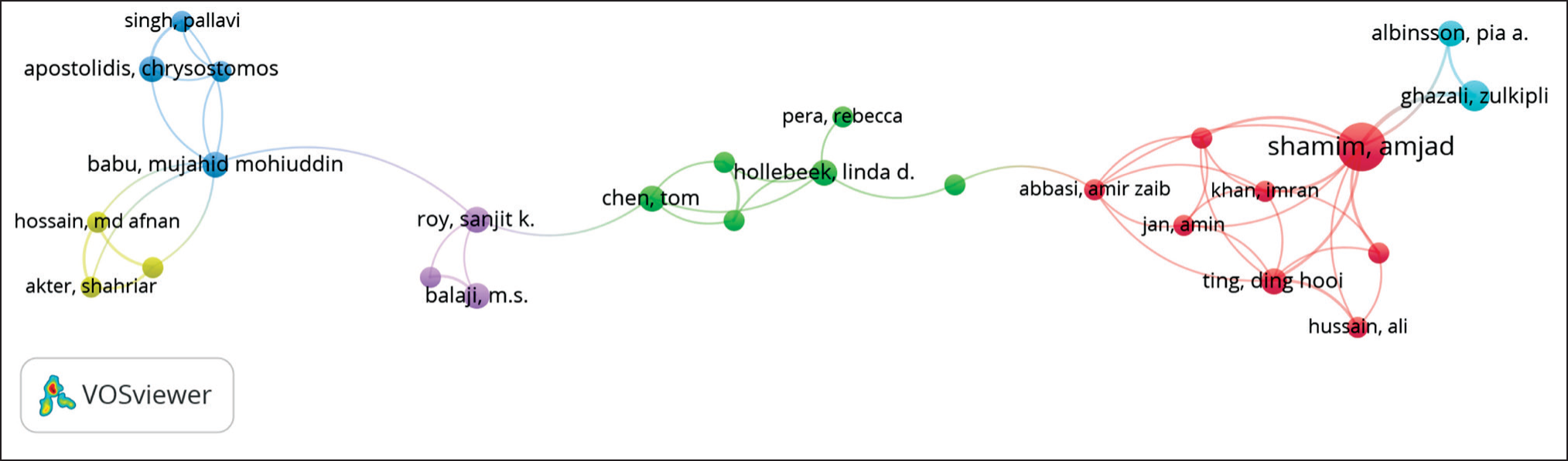
Gil-Saura and Irene are the most prolific and influential authors, with a total link strength of 20, 139 citations and 11 publications.
Ahmad and Farooq are considered the second most influential authors, with a total link strength of 18, 18 citations and 2 publications.
Bibliographic Coupling
Bibliographic coupling allows for the scientific mapping of publications sharing common references, indicating a possible convergence in their research content (Donthu, Kumar, et al., 2021). Unlike co-citation analysis, bibliographic coupling highlights thematic clusters formed by the most influential cited publications. Figure 11 illustrates bibliographic coupling in the field of CVC, identifying 11 clusters (represented by 11 different colours) reflecting the latest developments in this area. This analysis is based on 939 references related to the 583 selected articles.
Documents’ Bibliographic Coupling Network.
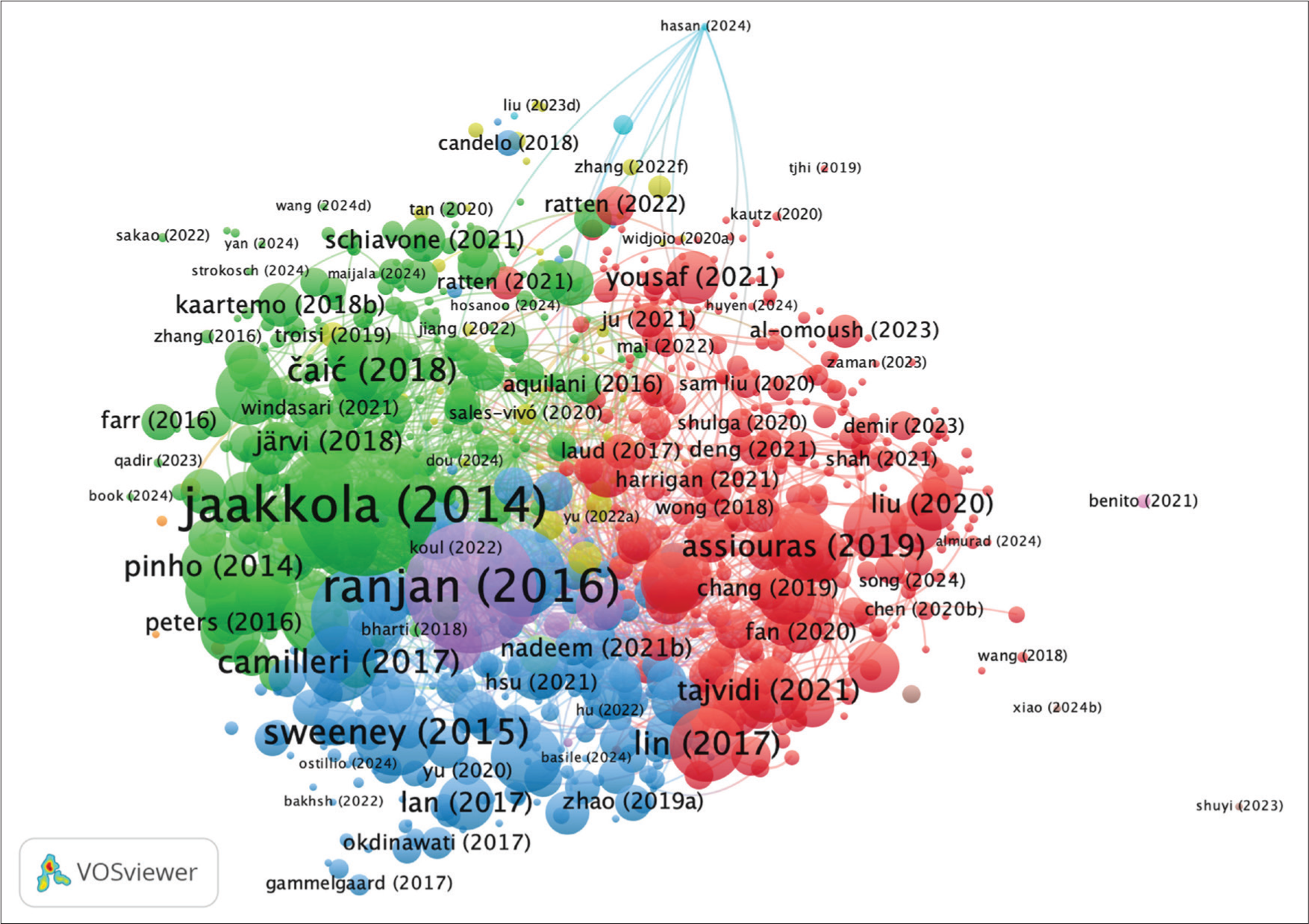
The articles by Jaakkola and Alexander (2014) and Ranjan and Read (2016) are among the most influential and belong to two distinct clusters, suggesting different research content. Clustering, a bibliometric analysis method, aims to create thematic or sociological groupings to better understand the flow and evolution of a research topic (Zupic & Čater, 2015).
To identify the main research domain of each cluster, a content analysis was conducted on the 583 references from the bibliographic coupling network, based on the analysis of titles. The results of the clusters are presented as follows:
Cluster 1: It addresses topics related to artificial intelligence, the internet of things, and machine learning, focusing primarily on the following sectors: finance, especially for banks; tourism, particularly in hotels; higher education; and the healthcare sector, especially in hospitals. Cluster 2: It mainly presents conceptual models of VCC, addressing key concepts such as SDL, motivation, resource integration, loyalty, interaction and the participation of stakeholders. Cluster 3: The cluster analyses, on the one hand, articles on eWOM, satisfaction and gamification in relation to VCC and, on the other hand, articles on VCC and organisational resilience. Cluster 4: The cluster analyses articles on VCC in connection with technological innovation in various sectors, including industry, logistics and services such as hospitality. It also includes systematic reviews of articles dealing with associated concepts. Cluster 5: The cluster analyses articles on VCC in various contexts, including service marketing, tourism and hospitality, higher education, technology and innovation, as well as the conceptualisation and measurement of VCC. Cluster 6: It deals with the contexts of VCC in the fields of healthcare, technological innovation, service marketing and humanitarian services, exploring the dynamics of stakeholder interaction, collaborative strategies and their impacts on performance and beneficiary engagement. Cluster 7: It addresses the context of VCC in various environments, encompassing the fields of marketing and consumer behaviour, humanitarian service management, B2B interactions, as well as digital ecosystems and service platforms. It explores the mechanisms of resource integration, stakeholder engagement, and interactions in collaborative processes, analysing both the factors promoting co-creation and the dynamics that can lead to value co-destruction. Cluster 8: It covers the fields of digital energy economy, digital marketing, artificial intelligence, platform economy and collaborative logistics. It explores governance mechanisms, interactions between human and technological actors, and engagement dynamics fostering VCC within digital ecosystems. Cluster 9: It focuses on topics at the intersection of digital marketing and human resource management. On the one hand, it studies digital marketing and virtual communities, analysing the impact of VCC on brand equity. On the other hand, it explores human resource management and gender diversity, examining how competitive systems can foster greater female representation in management positions. Cluster 10: It focuses on consumer satisfaction and loyalty, as well as service innovation. Cluster 11: It delves into consumer psychology and self-determination in VCC.
Content Analysis and Future Research Opportunities
We conducted a content analysis on the selected articles by examining keywords and performing a textual analysis based on the titles and abstracts of the articles. The goal of this analysis is to identify current themes in CVC research and future trends.
Keyword Network Analysis
The clustering analysis of bibliographic couplings provided a broad but somewhat vague overview of the content of CVC research. To gain a deeper understanding of research trends and topics, we conducted an analysis based on the frequency of keywords. Figure 12 presents the most frequently indexed keywords, with occurrences greater than 20.
The Most Frequently Used Indexed Keywords.
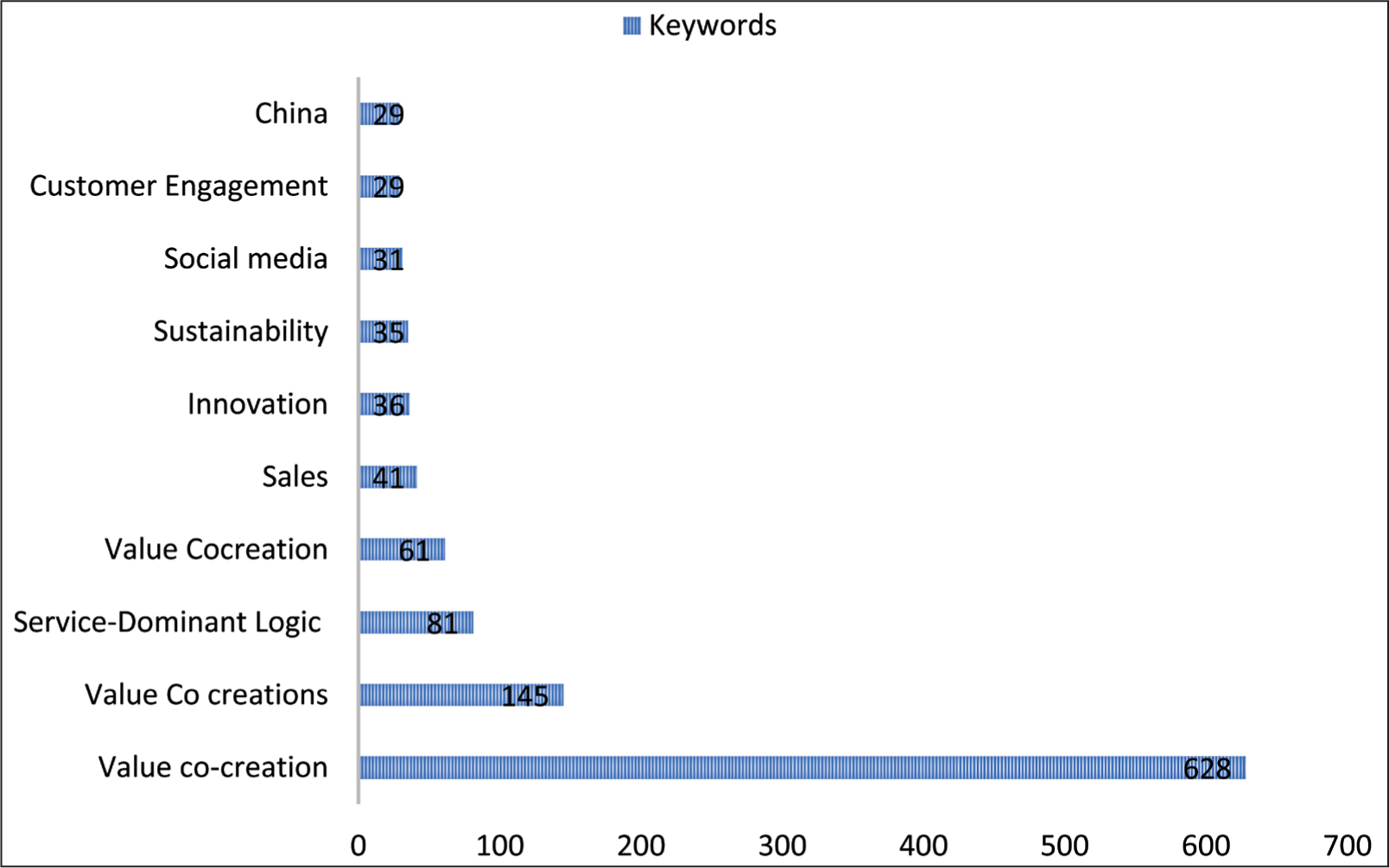
The two most frequently used keywords by authors are ‘value cocreation/value co-creation’ and ‘Service-dominant logic’, with respective occurrences of 628 and 145. This result aligns with the objective of our bibliometric review. In third and fourth positions are ‘value cocreation’ and ‘sales’, with occurrences of 61 and 41, respectively. These themes are closely associated with CVC research.
Other research topics frequently linked to CVC include ‘innovation’, ‘sustainability’, ‘customer engagement’, ‘trust’, ‘resource integration’, ‘sharing economy’, ‘satisfaction’, ‘sustainable development’, ‘supply chains’, ‘perceived value’, ‘customer satisfaction’, ‘computer circuits’ and ‘value co-creation behavior’.
We conducted a co-word analysis of the indexed keywords to explore the current and potential links between issues in a specific research field. This analysis focused on the textual content of the publications themselves (Emich et al., 2020). This approach allows for the examination of relationships between keywords in terms of research and trends over time. In Figure 13:
Co-occurrence Keywords Map.
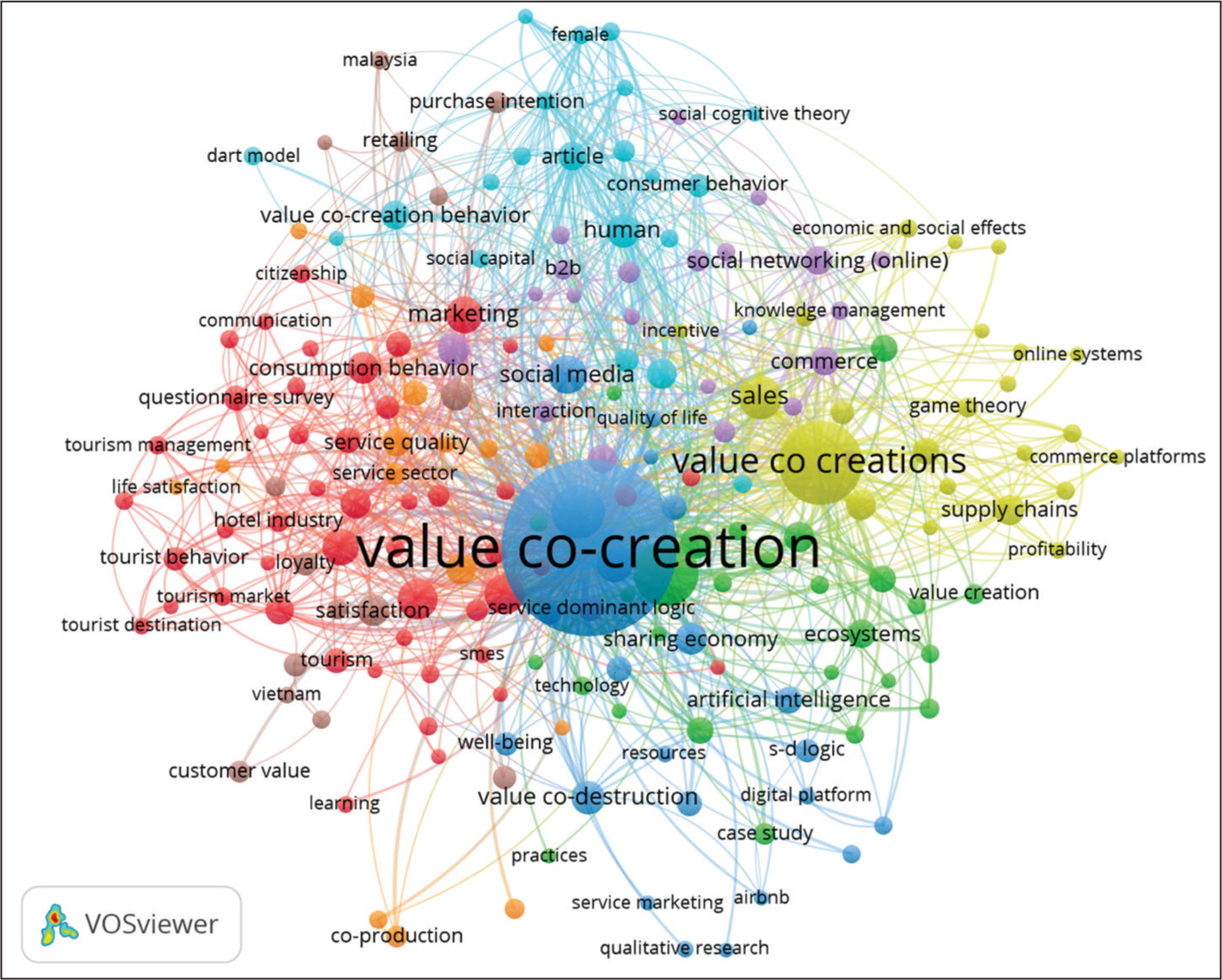
Each node represents a keyword. The size of the node indicates the frequency of occurrence of the keyword.
The links between nodes symbolise the co-occurrence between keywords, and the thickness of the links reflects the frequency of co-occurrences (Donthu, Kumar, et al., 2021).
Evolution of Research Themes in CVC
Period 2014–2016: Foundations and Key Concepts
The period from 2014 to 2016 marks the beginning of a theoretical structuring around the concept of VCC. The dominant theme of this period is undoubtedly VCC, with 64 occurrences, reflecting the growing interest of researchers in this emerging concept. Among the key concepts accompanying this reflection, SDL is mentioned 22 times, serving as one of the major theoretical frameworks for understanding VCC. Resource integration also emerges as a central element of the process, albeit to a lesser extent, with six occurrences.
Other notions begin to take shape, including customer engagement and service ecosystems, each appearing four times. Co-production, on the other hand, is mentioned three times, highlighting the importance of interactions between stakeholders in value creation. Finally, more specific themes such as retailing, social media and service logic are also mentioned, though with a reduced frequency (three occurrences each).
Overall, this period is characterised by the establishment of the conceptual foundations of VCC. Research focuses on defining the theoretical framework and exploring the underlying dynamics governing this phenomenon, particularly through the lenses of SDL and resource integration.
Period 2017–2019: Deepening and Diversification
Between 2017 and 2019, research on VCC grew in scope and complexity. The concept of VCC remained central, with 126 occurrences, reflecting sustained academic interest. However, this period is characterised by a diversification of themes and a desire to explore the underlying mechanisms of the phenomenon, including its negative effects. One notable development is the emergence of value co-destruction, which appears 7 times. This concept highlights that VCC is not always positive, and that certain interactions between stakeholders can lead to the destruction, rather than the creation, of value. At the same time, the empirical approach gained traction, as evidenced by the rise of case studies, also mentioned 7 times. This shift reflects a growing need for practical validation of the theories developed previously.
Other concepts continued to structure the research, such as customer VCC, mentioned five times, which emphasises the direct involvement of the customer in the process. Interest in service design, service ecosystems and SDL, also each mentioned five times, illustrates a desire to integrate VCC into broader reflections on service design and organisation.
This period thus marks a key stage in the evolution of research, where VCC is no longer studied solely as a beneficial process, but where efforts are also made to identify its limits and potential negative consequences. The increased interest in case studies further reflects a desire to ground these reflections in concrete observations and practical applications.
Period 2020–2024: Expansion and Practical Applications
During the period 2020–2024, research on VCC experienced significant expansion, both in volume and diversity of approaches. The concept of VCC dominates academic work, with 457 occurrences, confirming its central role in understanding stakeholder interactions. However, this period is distinguished by an increased application of concepts to specific contexts and a growing focus on practical implications.
The SDL continues to be a structuring framework, with 42 occurrences. However, a marked interest is developing in more applied themes, particularly customer engagement, mentioned 23 times. This focus on customer experience is also reflected in the importance given to satisfaction and trust, each appearing 18 times.
In parallel, the notion of value co-destruction remains a major concern, with 17 occurrences. This recurrence reflects a desire to better understand the risks and limitations of the co-creation process, particularly by identifying situations where interactions between actors can lead to a loss of value rather than its generation.
Another area of growing interest is the sharing economy, which also appears 17 times. This concept highlights how VCC integrates into collaborative economic models, where consumers play an active role in the production and exchange of goods and services.
Finally, two other concepts are gaining importance: perceived value and resource integration, both cited 14 times. These themes reflect a desire to deepen the understanding of the mechanisms influencing value perception by the actors involved in co-creation, as well as the processes of resource aggregation and utilisation.
Thus, the period 2020–2024 marks a shift towards more applied and sector-specific approaches. VCC is no longer just a theoretical concept but a strategic lever used in various fields such as the sharing economy, customer experience and resource management. Moreover, the persistence of research on value co-destruction underscores the need to adopt a nuanced view of the phenomenon, taking into account both its positive and negative effects.
Cross-cutting and Emerging Trends
The analysis of research on VCC between 2014 and 2024 highlights several cross-cutting and emerging trends that shape the evolution of the field.
First, the SDL remains a major conceptual framework throughout the period studied. Its constant influence illustrates the importance of viewing VCC as a dynamic process based on the exchange and integration of resources between actors. This logic is further reinforced by the rise of customer engagement theory, which emphasises the active role of customers in generating value.
Additionally, a notable shift is observed with the gradual emergence of value co-destruction. While co-creation was long seen as an exclusively beneficial phenomenon, recent research shows that some interactions can lead to value destruction. This awareness marks a shift towards a more nuanced and critical understanding of the concept.
Themes related to customer experience are also gaining importance, particularly with concepts such as satisfaction, trust and perceived value. This reflects an increased focus on the managerial implications of co-creation, especially in services and the sharing economy.
Lastly, the integration of new technologies, although less visible in early works, is emerging as a trend. Concepts like service personalisation and automation suggest that the future of co-creation will be shaped by digital innovation and collaborative platforms.
Textual Data Map
To deepen the content analysis, we examined co-occurring textual terms extracted from the titles and abstracts of the 895 selected documents. By using natural language processing algorithms, it is possible to identify terms present in the textual data, which can then be used to create a co-occurrence link network (Deng, 2022). The attribute ‘Occurrences of terms’ employs a binary counting method to determine the number of documents in which a term appears at least once.
Figure 14 presents the textual data map based on the content analysis of the titles and abstracts of the 583 selected articles.
The Textual Data Map Based on Content Analysis.
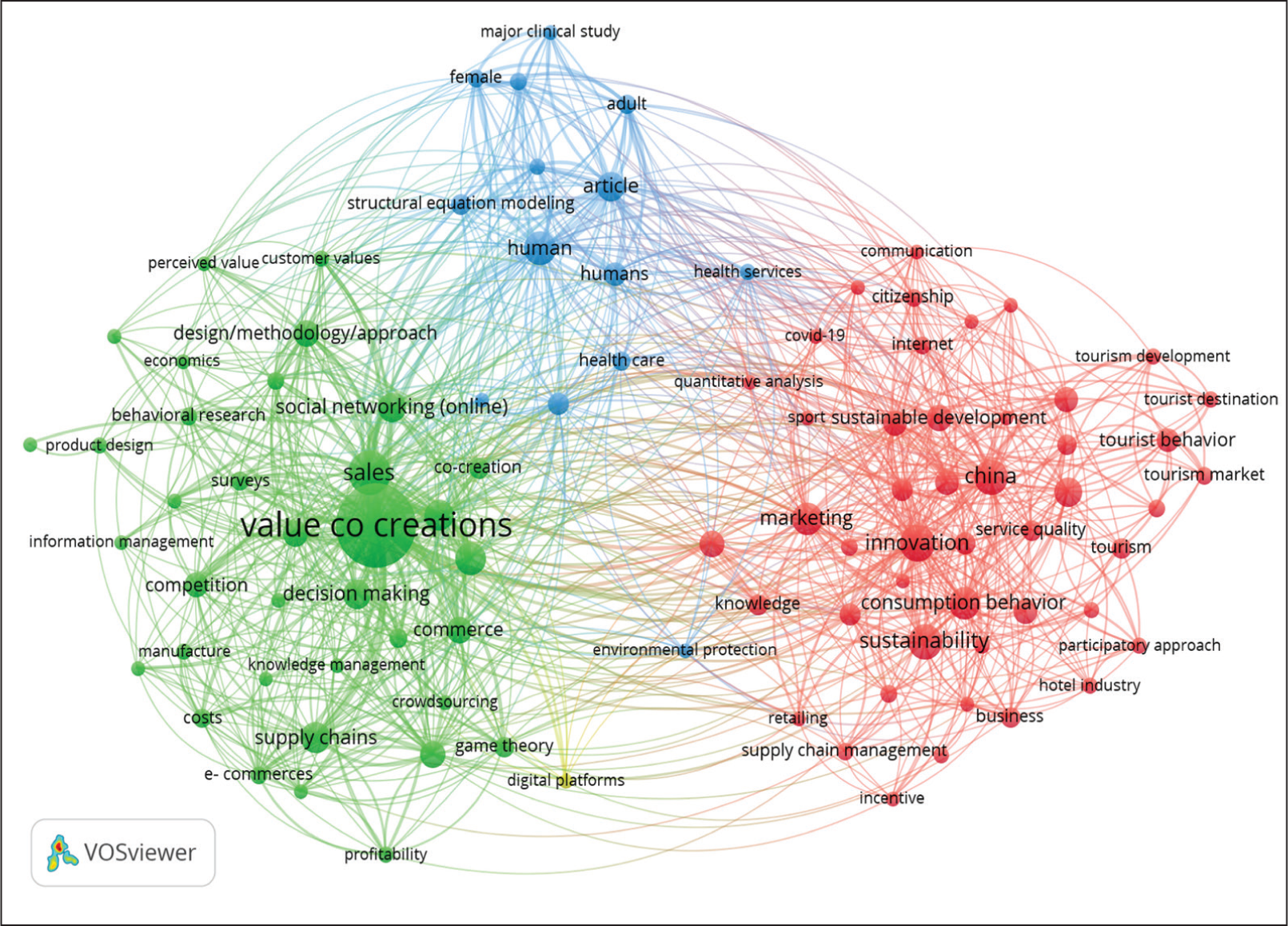
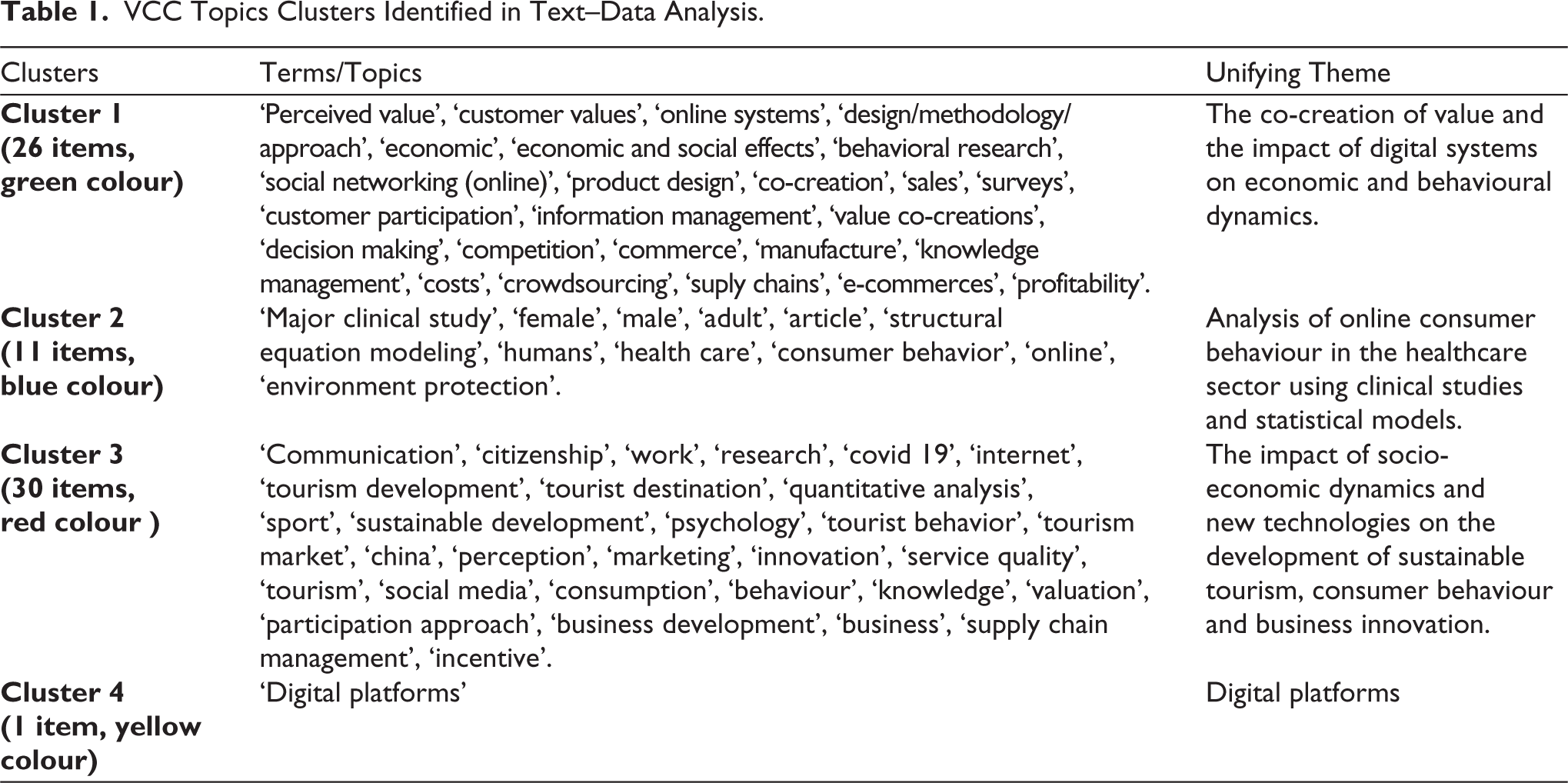
Cluster analysis helps identify the concepts mentioned in studies addressing similar themes related to VCC. Table 1 shows the classification according to the four clusters identified in Figure 15. For each cluster, a unifying theme has been defined, corresponding to a central idea or concept that links the different topics within the clusters.
VCC Topics Clusters Identified in Text–Data Analysis.
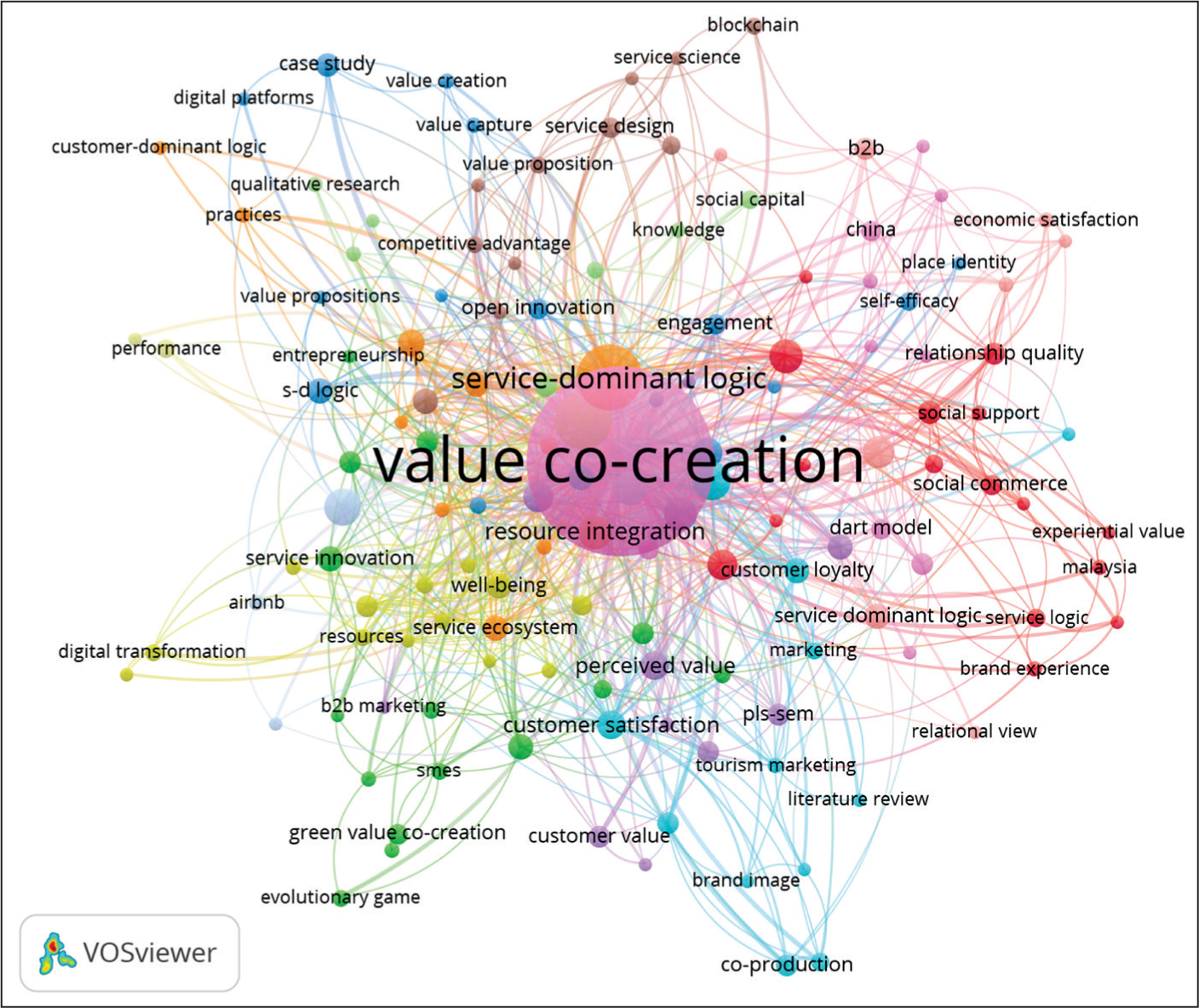
Chronological Analysis of Research Trends in VCC
To examine the evolution of research trends in VCC, we adopted an analysis of textual data integrated with a chronological perspective. This method allows us to explore the progression of research themes in VCC based on the interactive concepts related to this field.
Initial Trends (2014–2016)
The early research on VCC between 2014 and 2016 focused on emerging concepts such as:
Collaborative marketing and brand communities Autonomous organisation and service ecosystems Electronic word of mouth (eWOM) and purchase intention
These studies mainly explored the interactions between businesses and consumers in VCC.
Expansion and Diversification (2017–2019)
Starting from 2017, research broadened its scope by integrating more social and technological dimensions:
Tourism and VCC Sharing economy (e.g., Airbnb, collaborative platforms) Consumer engagement and well-being
This period marks an increased awareness of the importance of digital platforms and social interactions in VCC.
Digital Transformation and Innovation (2020–2022)
Since 2020, the focus has been on the impact of new technologies in VCC:
Blockchain and transaction security Big data and artificial intelligence Sustainability and circular economy Performance and resilience of supply chains
These studies highlight the evolution of VCC strategies, integrating technological innovations and environmental challenges.
This overview reflects the progressive evolution of VCC, shifting from a traditional marketing framework to an approach that integrates new technologies, social innovation and sustainable development.
Discussion
Based on the results of the content analysis, which is grounded in the examination of textual data, we explore the emerging trends related to VCC. These trends are grouped into three unifying themes, as illustrated in Table 2:
The Most Influential and Most Cited Articles in the Field of CVC.
VCC and the impact of digital systems on economic and behavioural dynamics,
Analysis of online consumer behaviour in the healthcare sector through clinical studies and statistical models and
The influence of socio-economic dynamics and new technologies on the development of sustainable tourism, consumer behaviour and innovation in business.
VCC and the Impact of Digital Systems on Economic and Behavioural Dynamics
The evolution of digital systems has redefined the modalities of VCC, influencing both economic and behavioural dynamics. Several authors have highlighted this transformation through their research, emphasising the impact of digital platforms, artificial intelligence and collaborative systems on stakeholder engagement.
Lin et al. (2017) explored the role of interactions between residents and tourists in VCC, demonstrating that digital platforms enable increased interconnection, thereby altering traditional service consumption and production models. Similarly, Schreieck et al. (2021) analysed how companies’ digital platform capabilities promote collaborative innovation and the creation of shared value.
The rise of online communities and collaborative marketing was also highlighted by Skålén et al. (2015), who studied the effects of brand volunteering in co-creation. Their research emphasises how consumers become active participants in the value creation process, facilitated by digital systems that promote interaction and engagement.
From an economic perspective, Tommasetti et al. (2017) showed that the use of conceptual models based on co-creation enhances the competitiveness of businesses by enabling greater service customisation. Additionally, Sweeney et al. (2015) examined how patient engagement in healthcare systems improves care outcomes, illustrating the importance of behavioural dynamics.
Thus, VCC, facilitated by digital technologies, is transforming business models by promoting richer interactions and altering the behaviours of consumers and companies. This evolution paves the way for new innovation strategies and stakeholder relationship management.
Analysis of Online Consumer Behaviour in the Healthcare Sector Through Clinical Studies and Statistical Models
The rise of digital technology has profoundly transformed the healthcare sector, particularly in the analysis of online consumer behaviour. Clinical studies and statistical models allow for the examination of behavioural dynamics and the optimisation of strategies for engaging patients and healthcare professionals.
Hardyman et al. (2015) explored how patient engagement in healthcare relies on their interaction with digital platforms. They highlighted that these platforms facilitate patients’ active participation in their medical follow-up, thereby enhancing their autonomy and the quality of care received.
Cheung et al. (2021) studied the impact of social media marketing in the context of wearable health technologies, emphasising the role of elements such as eWOM, personalisation and entertainment in consumers’ intention to co-create value. Their analysis demonstrates that these online interactions influence user engagement with the brand and their perceived value of the products. This dynamic is transforming the marketing strategies of companies in the connected healthcare sector, strengthening the importance of user experience and active consumer participation.
Schreieck et al. (2021) analysed the impact of digital platforms on access to healthcare, emphasising that data utilisation allows for anticipating patient needs and optimising medical resources. The use of predictive algorithms, as shown by Fang et al. (2024), improves the personalisation of treatments and patient management, thus reducing costs and increasing the efficiency of medical interventions.
By integrating new technologies and data analysis, healthcare actors can better meet patient expectations and optimise medical resources. This evolution opens new perspectives for research and innovation in digital healthcare services.
The Influence of Socio-economic Dynamics and New Technologies on the Development of Sustainable Tourism, Consumer Behaviour and Innovation in Business
Socio-economic dynamics and the rise of new technologies have profoundly transformed the tourism sector, influencing sustainable development, consumer behaviour and business innovation. The integration of information technologies in tourism allows for a better understanding of travellers’ expectations and adapting offers accordingly.
Oertzen et al. (2020) highlighted that the use of digital platforms influences consumer behaviour by facilitating service personalisation and improving user experience. This transformation has led to the rise of collaborative platforms, enhancing consumer engagement in the co-creation of tourism value.
Ribeiro et al. (2023) studied how digital technologies foster innovation within tourism businesses by enabling them to leverage real-time data to anticipate market trends and optimise resource management. This ability to adapt quickly is crucial in a context of sustainable development where consumer expectations are constantly evolving.
Furthermore, Cui et al. (2024) emphasised the impact of socio-economic dynamics on the transition to more sustainable tourism. Their study shows that addressing environmental and societal issues by tourism businesses promotes better acceptance of sustainable practices by consumers.
Thus, the interaction between new technologies and socio-economic dynamics is shaping the future of tourism, making it more sustainable, personalised and innovative. Businesses that embrace these changes gain a competitive advantage while contributing to more responsible tourism development.
Conclusion
This bibliometric review has systematically explored the evolution of research on VCC over the past decade, shedding light on trends, key contributions and future perspectives in this rapidly expanding field. The results show that VCC has become a central concept in management and marketing studies, influenced by the emergence of SDL and the increasing integration of information technologies. The mapping of publications and co-citation network analysis revealed significant progress in research, with a diversification of topics and greater application in various sectoral contexts, such as healthcare, tourism and the sharing economy.
The chronological analysis identified three distinct phases in the evolution of VCC research. Between 2014 and 2016, studies focused on establishing theoretical foundations, exploring concepts such as SDL, resource integration and customer engagement. The period from 2017 to 2019 was marked by a diversification of approaches, with the emergence of value co-destruction and an increased focus on empirical case studies. Finally, between 2020 and 2024, research experienced significant expansion, with a focus on practical applications, the impact of digital technologies, and sustainability challenges.
Emerging trends highlight the growing importance of digital platforms, artificial intelligence and collaborative ecosystems in VCC. These technologies have not only transformed interactions between businesses and consumers but have also opened new perspectives for innovation and stakeholder relationship management. Furthermore, the consideration of value co-destruction emphasises the need to adopt a more nuanced and critical view of the phenomenon, identifying situations where interactions may lead to a loss of value.
This bibliometric review provides an overview of theoretical and empirical advancements in the field of VCC, while identifying avenues for future research. Future studies could deepen the impact of emerging technologies, such as blockchain and artificial intelligence, on co-creation processes, as well as the implications of value co-destruction in specific contexts. Additionally, greater attention could be given to sustainability issues and the integration of responsible practices in co-creation strategies. These directions will contribute to enriching the understanding of this complex phenomenon and guide businesses in implementing innovative and sustainable strategies.
Footnotes
Declaration of Conflicting Interests
The author declared no potential conflicts of interest with respect to the research, authorship and/or publication of this article.
Funding
The author received no financial support for the research, authorship and/or publication of this article.