







Abstract
This study examines the persuasion process involved in social media marketing (SMM), particularly in the higher education sector. Based on the theoretical foundations of the information adoption model, a conceptual model of elaboration of SMM communication is developed and tested. The self-administered survey conducted among a sample of international student travellers in New Zealand examines the influence of argument quality, source credibility, audience involvement and audience engagement on their attitude formation and decision-making. The study particularly examines the mediating effects of audience involvement and engagement in SMM communication. Results based on structural equation modelling suggest that social media content quality is a significant predictor of online users’ transportation, identification and parasocial interaction effects. Despite there being additional evidence to support the arguments over social media, source credibility is found to be a strong influencer of international student traveller’s cognitive, emotional and behavioural engagement dimensions. Further, it is evident from the study that there is a strong correlation between cognitive engagement and attitude formation in SMM. Implications for tourism marketers in terms of SMM strategies are discussed.
Keywords
Introduction
Social media has a dominant place in today’s digital marketing world, particularly in the context of business to consumer marketing (Drummond et al., 2020). As of April 2021, almost 4.66 billion people were active Internet users, constituting nearly 60% of the global population (Statista, 2021). Among them, nearly 4.2 billion people were estimated to be active social media users, making social media usage one of the most popular online activities today (Statista, 2021). It is estimated that consumers spend an average of 330 min per day in social media activities (Chatterjee & Kumar Kar, 2020). The potential of social media in engaging with customers has a dramatic effect on a brand’s reputation and goodwill (Li et al., 2020). Today, social media marketing (SMM) is regarded as one of the key strategies for branding, sales promotions and customer relationship management. SMM is defined as the commercial behaviour generated and accomplished via social media networks (Yang & Che, 2020). According to Alalwan et al. (2017), SMM is the utilisation of social media technologies and channels to create, communicate, deliver and exchange offerings that may be beneficial to a firm’s stakeholders. The primary goal of this research is to examine the factors affecting the persuasion of SMM among online audience. Persuasion refers to the process involved in influencing an individual’s perceptions towards a concept through media communication (Carpenter, 2015; John & De’Villiers, 2020). Social media is found to be increasingly used by marketers as a tool of individual persuasion. Surprisingly, very little research has been conducted regarding the online user’s elaboration of social media communication and their subsequent adoption of information. Having a clear understanding of online user’s social media adoption and use helps the marketers to enhance their SMM capabilities. Despite the vast number of studies in SMM and communication (Cheung et al., 2020; Dolega et al., 2021), no consensus is reached in terms of the antecedents of online persuasion over social media communication. Despite the growing popularity of SMM research today, it is still unclear how marketers enhance their SMM capabilities in order to achieve their digital marketing objectives efficiently. SMM capability primarily refers to its potential to attract, engage and involve its users in their online interactions (Drummond et al., 2020; Harrigan et al., 2018).
Studies examining the role of social media in marketing are not new in marketing literature (Salloum et al., 2020; Trawnih et al., 2021). For example, based on a systematic review of 57 articles, Al-Qaysi et al. (2021) identified that factors such as perceived enjoyment, subjective norm, self-efficacy, perceived playfulness, perceived critical mass and openness were significantly affecting individuals’ adoption of social media in higher education. Another recent study identified that performance expectancy, effort expectancy and social influence were significantly influencing university students’ adoption and use of social media (Williams et al., 2021). These results confirm various technology adoption models, including Technology Acceptance Model (TAM) (Salloum et al., 2018; Singh & Srivastava, 2019), Unified Theory of Acceptance and Use of Technology (UTAUT) (Maqableh et al., 2018; Williams et al., 2021), and The Technological, Environmental, and Organizational model (TOE) (Trawnih et al., 2021). As these studies were primarily focused on the antecedents of information adoption over social media, literature examining the individual persuasion over social media communication is still limited. In other words, extant of current social media literature help to explain why individuals adopt social media in their daily life, and not how do they adopt social media information. A few studies, however, shed some light towards this direction by attempting to explain the persuasion process involved over digital media. For example, Huang et al. (2018) investigated the ways various characteristics of message giver and message receiver influence the narrative persuasion process. Another study conducted by Seo et al. (2021) identified that narrative transportation that occurs over social media communication significantly influences their attitude formation and subsequent behaviours. However, these studies have focused only on certain specific dimensions of individual’s persuasion involved in SMM. The current body of digital marketing literature still lacks a comprehensive model that may help to explain the online audience’s information processing and subsequent attitude formation.
The current study aims to address the above-mentioned research gaps by examining a wide range of factors that directly affect online users’ elaboration of marketing communication, particularly over social media. Literature suggests that argument quality, source credibility, audience involvement and engagement are critical to the success of SMM (Li et al., 2020; Shankar et al., 2020). To better understand the effectiveness of social media in the digital marketing context, several questions need to be answered. For example, what constitutes audience involvement and how does the audience involvement concept differ from social media engagement? Additionally, how do argument quality and source credibility influence audience involvement and engagement dimensions? The current study attempts to answer these questions by examining the underlying dimensions of these two constructs and examining its effects on online persuasion. The study examines the influence of three dimensions of audience involvement in SMM, which are transportation, parasocial interaction and identification. Further, the influence of the three levels of audience engagement (cognitive, emotional and behavioural) on individual’s information adoption and attitude formation is also empirically tested.
To summarize, the current study examines the influence of various antecedents of social media persuasion such as argument quality, source credibility, social media involvement and engagement on international student traveller’s destination image and subsequent intention to travel to various study destinations abroad. The rest of the article is organized as follows: a review of the key literature related to the research topic is provided in the second section and is followed by the conceptual model development. The third section explains the research methods implemented in this study and is followed by the key findings obtained from the data analyses. A discussion of the results and the major implications to the theory and practice of marketing is provided in the fourth section. The fifth section concludes the article and highlights the major limitations of the study and recommendations for further studies.
Literature Review
Tourist’s adoption of travel-related information and subsequent human behaviour have been extensively studied in the past (Mohsin et al., 2017; Park et al., 2017). These studies have examined and validated many robust and powerful behavioural theories, including the theory of planned behaviour (TPB), TAM, decomposed TPB, etc. Even though these studies have contributed towards the overall knowledge of an individual’s behavioural intentions, very little is known about the persuasion process involved in electronic tourism marketing. The information adoption model (IAM) (Sussman & Siegal, 2003) is regarded as one of the most popular models for examining individual persuasion over electronic media like social networking sites (Hussain et al., 2017; Sun et al., 2019). Based on the theoretical foundations of the elaboration likelihood (Petty & Cacioppo, 1984, 1986), Sussman and Siegal (2003) proposed the IAM in order to explain how employees adopt communication they receive from electronic media (refer Figure 1). The IAM proposed that two constructs—argument quality and source credibility—exert influence on an individual’s central and peripheral routes of persuasion, respectively, in electronic media communication.
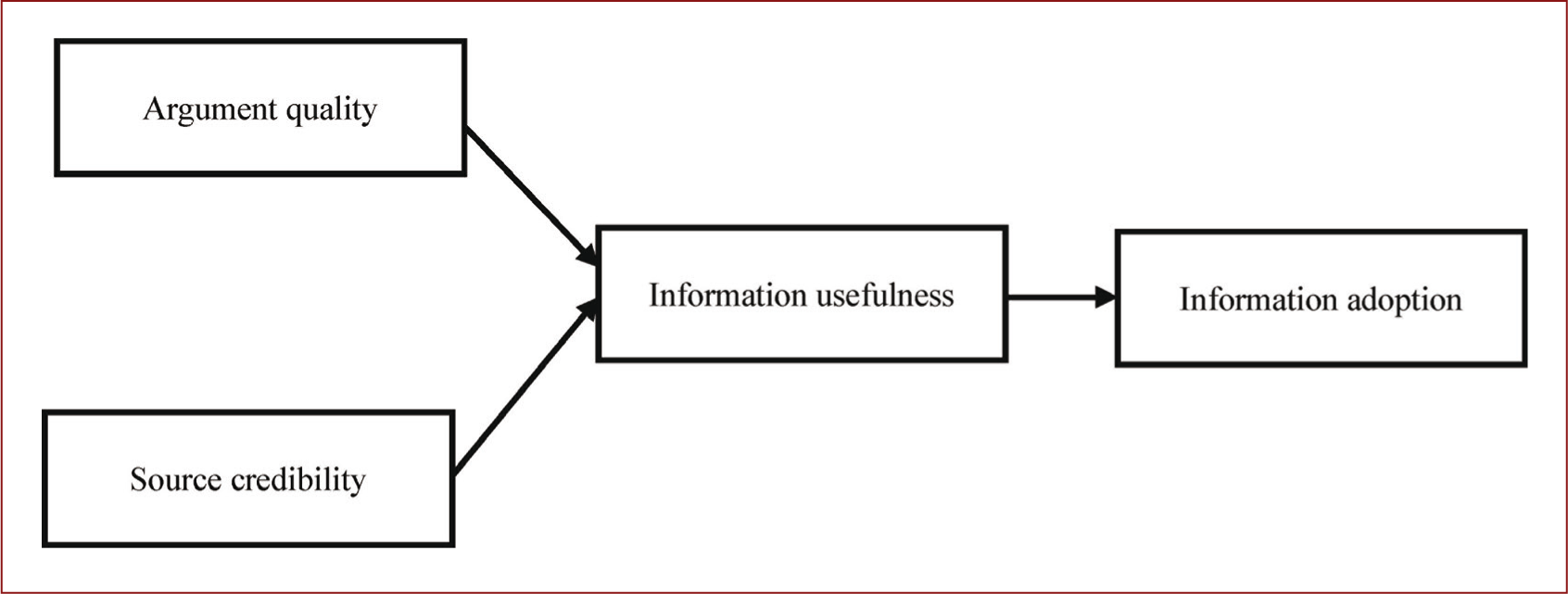
According to the IAM, individuals require motivation and/or abilities to process a message communicated to them over media. In a nutshell, the IAM suggests two routes of persuasion while processing a communication. In the first route, generally, referred to as the central route of persuasion, critical consideration of the arguments inherent to the issue is required for the receivers to be persuaded by the communicated message. Therefore, the quality and strength of the arguments are critical to convince others to change their attitude regarding the issue communicated. However, if the receiver is unmotivated, or does not have sufficient skills to process the message received, they may use peripheral cues like the expertise and credibility of the communicator to decide whether to accept the received message. This peripheral route of persuasion is based on the affective associations or simple cues that are tied to the peripheral cues.
Argument Quality in Social Media Marketing
Argument quality refers to various content quality attributes, such as relevance, sufficiency, accuracy, currency, value, credibility and usefulness, embedded in a communicated message (Abid et al., 2020). In the context of higher education marketing, student travellers have increasingly used social media for knowledge acquisition. They use social media for finding information about various universities and their programme offerings, the language of instruction, accommodation facilities, career opportunities and visa issues. In SMM, if the posts contain broken links, incorrect information, or unattractive topics or advertisements, the recipients may develop a negative attitude towards the source of the information (Shankar et al., 2020). Studies indicate that the argument quality of social media posts has a direct effect on the users’ attitude formation and behavioural intention. The quality of available information helps the audience to think critically and analyse the merits and relevance of the information prior to making purchase decisions (John & De’Villiers, 2020; Shankar et al., 2020). Consumers make a purchase decision only when the available information about the required product/service meets their needs and requirements. Therefore, it is essential to determine the perceived quality of information available to target consumers across various media to predict the purchase intention.
Source Credibility in Social Media Marketing
In general, source credibility reflects the recipient’s perception of the credibility of the message source, irrespective of the message itself. Under the conditions of low elaboration likelihood, source credibility changes a message recipient’s tendency to support or counterargue the received message. On the other hand, under the conditions of high elaboration likelihood, source credibility may be perceived as additional supporting evidence in favour of the message. In short, we can conclude that source credibility plays an important role in persuasion. The current literature identifies various underlying dimensions of source credibility, including expertise and trustworthiness (Duong et al., 2020; Wong et al., 2020). Source credibility also indicates personal integrity, reliability and character of the source of communication (Filieri et al., 2015). In the context of higher education, if potential students find that the quality of the message received over social media is inadequate for them to form an attitude or decision regarding an education provider or a destination, they may rely on external cues of communication, including the trustworthiness, reliability, integrity and character of the source of communication, leading to a more online student engagement and subsequent information adoption (Schivinski et al., 2016; Yoon et al., 2018). If the audience trust the source of information, they would be willing to engage more with the source of communication. Therefore, the current study proposes that source credibility is critical to information adoption over SMM.
Audience Involvement in Social Media Marketing
The literature defines the concept of involvement in multiple ways. For example, according to Stone (1984), involvement is a behavioural process and involves the time and intensity of effort expended by the individuals in seeking information. Another study by Lauren and Kapferer (1985) considered involvement as a mental state such as enjoyment, pleasure, importance and interest. In the context of SMM, audience involvement is defined as a person’s level of interest, emotional attachment or arousal with social media (Amaro & Duarte, 2015). Following the works of Fu et al. (2016), the current study identifies three dimensions of social media involvement. These include transportation (Green, 2006; Green et al., 2004; Huang et al., 2018), parasocial interaction (Schramm & Wirth, 2010; Stever, 2009) and identification (Christoph et al., 2009; Igartua, 2010). According to Fu et al. (2016), social media involvement is defined as the degree to which audience[s] engage in reflection upon, and para-social interaction with, media programs, resulting in overt behavioural change. In other words, social media involvement is directly related to the content quality of the transmitted message. For example, transportation occurs for an online audience when they are completely absorbed into a narrative like watching a university promotion video from YouTube. Recently, a university dormitory tour video posted on YouTube by a New Zealand university student Emma Stevens captured the attention of nearly 500,000 viewers with more than 11,000 likes and 184 comments in less than 10 months of its posting (Stevens, 2020). The comments available on YouTube show evidence of the video’s potential to transport the audiences to that university residence halls. Similarly, parasocial interaction refers to the interpersonal involvement of the audience with the media personae (Horton & Wohl, 1956). Highly involved audience develop an imaginary relationship with the mediated personae, both during and after their media consumption (Brown, 2015). Parasocial interaction refers to the development of an intimate, but one-way, relationship of an audience with a media personality (Brown, 2015; Lee, 2018; Stever, 2009). Fans of television stars, movie celebrities or musicians are believed to generate a mediated relationship with the performers through the media. The audience may consider these celebrities as friends and develop an affection for them. Identification refers to the mechanism by which an audience experiences the media elements and interprets them as if it happened to them (Cohen, 2001; Igartua, 2010). Studies on media communication suggest that audience identification is closely related to media exposure and impact. Identification is significant in media communication as it is closely related to the audience’s motivation to process the information received. For example, the identification of the location, beautiful campuses, educational facilities, etc., through promotional videos and posts may have a positive influence on prospective international student travellers. Refer to the YouTube video posted by a New Zealand university student describing her university room tour mentioned earlier; a close examination of the comments received will indicate the audience’s identification dimension of involvement (Stevens, 2020). Audience experienced various elements of the video tour and responded to them as if it actually happened to themselves. These arguments indicate the influence of argument quality on various dimensions of audience involvement. Building on the aforementioned discussion, we propose the following hypotheses to test:
Social Media Engagement
Social media networks have significantly extended the breadth and depth of customer–brand interactions via collaboration, remixed texts and self-publishing (Dolan et al., 2019; Osei-Frimpong et al., 2020). The interactive nature of social media helps users to engage with their focal brands and become involved in content generation and value creation processes (Harrigan et al., 2018). Social media engagement can be defined as the users’ motivational state of mind, while an internal emotion occurs due to their interactive and co-creative customer experience with a brand over social media (Harrigan et al., 2018). To motivate and empower consumers’ voluntary contributions to a focal brand and to drive their users’ positive perceptions, marketers have increasingly used social media engagement strategies (Cheung et al., 2020). Extant research suggests that online audience engagement is a multidimensional construct with cognitive, affective and behavioural dimensions (Hollebeek et al., 2014; van Tonder & Petzer, 2018). Cognition indicates the set of active and enduring mental states social media audience experience, concerning their focal object of social media engagement (Osei-Frimpong et al., 2020). Cognitive engagement measures online audience’s level of attention and absorption in communication (Hollebeek & Macky, 2019). Online users express their varying emotions, including enjoyment, excitement, fun and enthusiasm, while engaging in social media communication. Affective or emotional engagement indicates the summation of these enduring levels of emotions experienced by users with respect to their engagement focus (Hollebeek & Macky, 2019). Behavioural engagement refers to the behavioural manifestations of the online users, towards a focal brand, resulting from various motivational drivers that go beyond transactions (Harrigan et al., 2018). In the context of SMM, behavioural engagement is regarded as one of the strongest indicators of customer brand engagement (Cheung et al., 2020; Harrigan et al., 2017, 2018). Reviewing a firm’s products and services, sharing product/brand experience with other networks with similar interests and expressing loyalty or criticisms are examples of behavioural engagement demonstrations and directly influence potential consumers’ attitude towards a product or brand (Jiang et al., 2016; Kooli et al., 2018). This is particularly true if the online users find the source credible and trustworthy. Based on the aforementioned discussion, we propose that as the source credibility increases, the online users’ engagement increases. This study also proposes that social media users’ engagement depends on their level of involvement in social media communication and information exchange. The following hypotheses are formulated based on the aforementioned discussion:
Social Media Influence on Destination Image and Travel Intentions
Destination image refers to an individual’s knowledge of, and feeling towards, a particular travel destination and has been generally recognized as a critical factor in a tourist’s decision-making process, particularly among prospective and first-time travellers (Afshardoost & Eshaghi, 2020). According to the literature, the destination image is the mental expression of a tourist’s overall knowledge, feelings, attitudes and opinions of a particular destination, resulting from the evaluation of various destination elements and attributes (Pan et al., 2021). Being the subjective interpretation of a place held in a tourist’s mind, destination image directly affects future travel intentions (Pan et al., 2021). Social media networks play a major role in developing a favourable destination image among potential tourists. According to Tham et al. (2013), social media channels strengthen the visibility of tourist destinations by allowing users to disseminate and retrieve multiple perspectives of a destination. Based on the research conducted among the users of Chinese social media, Weibo, it is noted that social media content quality attributes such as relevancy, timelines, completeness and interestingness directly influence the perceived destination image of Chinese tourists (Kim et al., 2017). Further, Chen et al. (2014) commented that, in general, tourist’s travel intentions are directly influenced by their perceived enjoyment of social media usage. The novelty, reliability, understandability and interestingness of information obtained over social media channels directly influence online users’ destination image and subsequent travel intentions (Chen et al., 2014). In the context of educational tourism, potential student travellers evaluate various destination attributes such as weather, quality of life, quality of educational institutions, tourism infrastructure, cultural heritage, safety and stability, etc., which directly affect their behavioural intentions to study abroad (Park et al., 2017). Afshardoost and Eshaghi (2020) reported that potential tourist’s perceived that destination image is highly correlated to their intentions to visit the destinations in the future as well as their intention to recommend the destination to others. It is evident from the current tourism literature that there is a positive association between destination image and tourist’s travel intentions (Afshardoost & Eshaghi, 2020; Dai et al., 2021).
Following these arguments, our final hypothesis is formulated as follows:
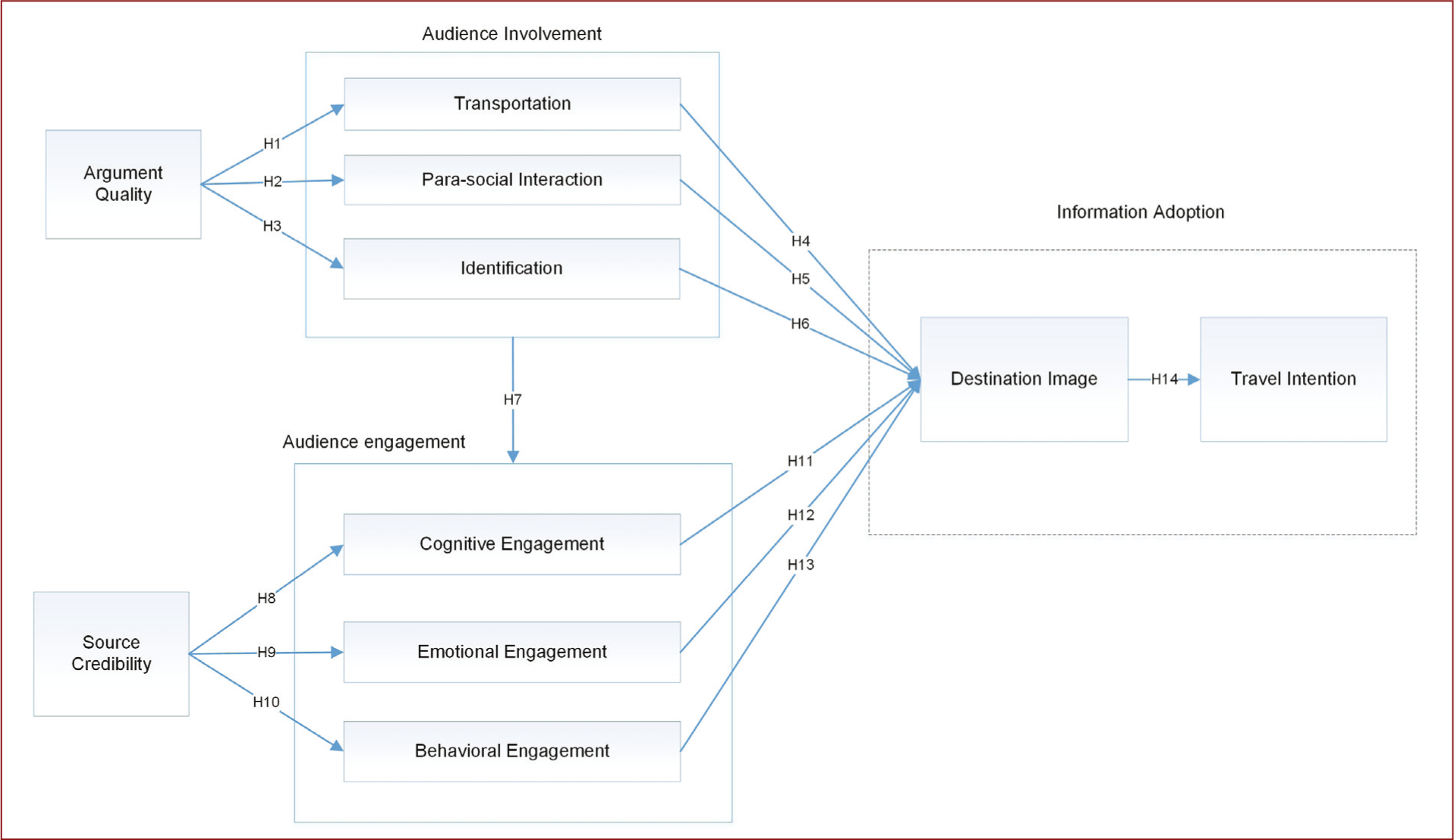
Figure 2 presents the conceptual model comprising eight independent variables associated with the information adoption process in SMM.
Methodology
This study employed quantitative research methods for collecting the required data. The unit of analysis of this study is chosen as international student travellers in New Zealand. For the current study, international students refer to those individuals who travel across international boundaries to acquire their educational qualifications or intellectual services. International student travellers were chosen as an appropriate sample as they represent one of the active online audiences of social media (Statista, 2019a, 2019b). Despite the growing importance of international education exports in developed nations, including the USA, Australia, New Zealand and the UK, studies addressing the need for marketing communication among international student communities are still in their early stages (Assimakopoulos et al., 2017; Bamberger et al., 2020). To collect the required data, an online self-administered survey developed using Qualitrics was distributed to a sample of full-time international students of 8 universities and 19 polytechnics in New Zealand, covering the entire tertiary education sector in New Zealand. The study employed snowball sampling to reach the participants of the study. Snowball sampling is an extremely popular technique among researchers when the population under investigation is ‘hidden’ due to their low number of potential participants (Browne, 2005). Considering the New Zealand tourism context, international student travellers (nearly 100,000) represent only a smaller proportion of overall tourist population (3.8 million) and are scattered across both islands of the nation (ICEF, 2021; Statistics New Zealand, 2021). Further, as the literature indicated, cost effectiveness, efficiency of reaching the target market faster and ease of administration were other motivating factors for employing this online friendly sampling method for our study (Liang et al., 2020).
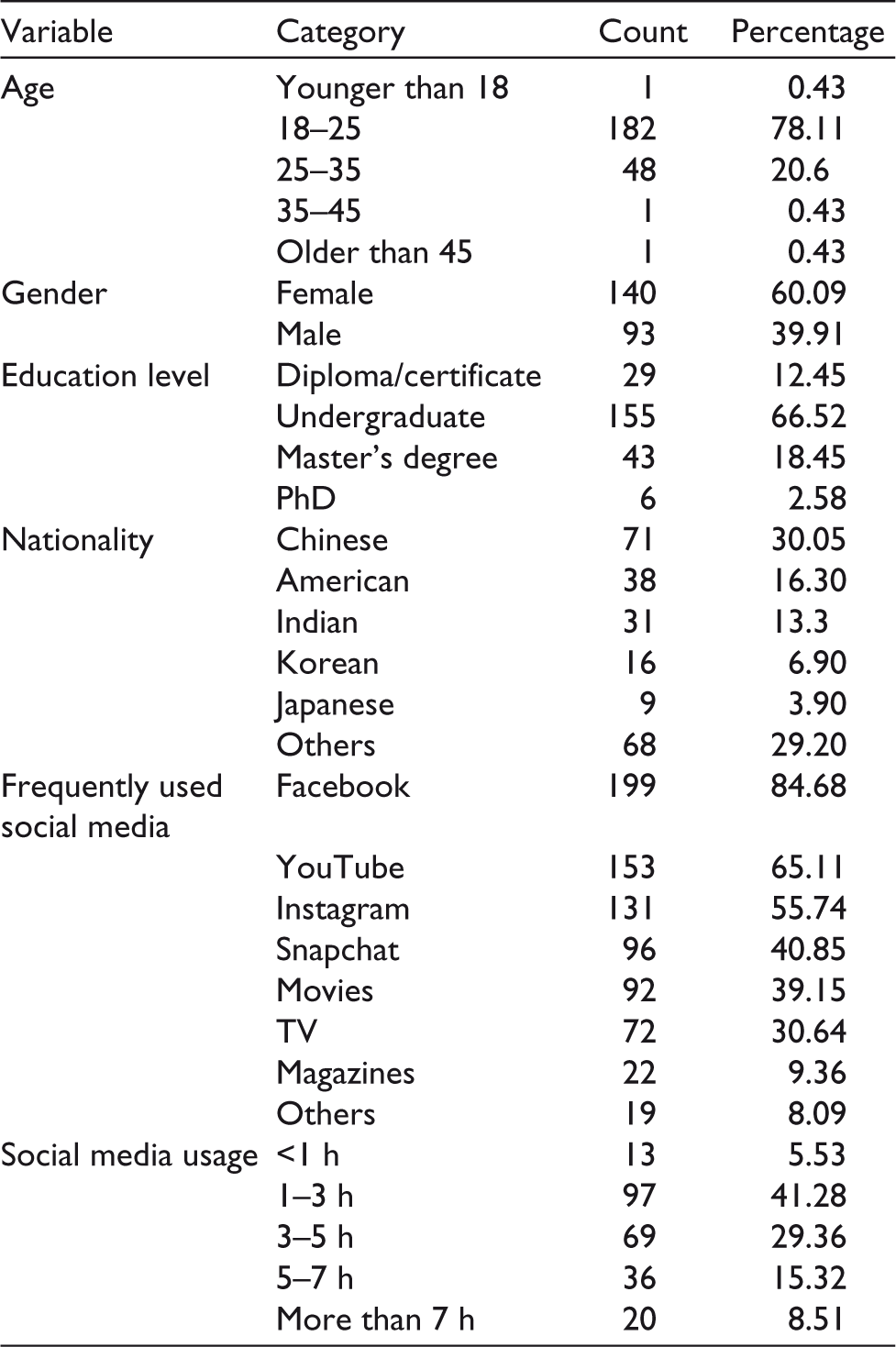
An initial sample of 210 international students were selected based on their enrolment to undergraduate business management programmes in one of the universities in New Zealand. The initial sample was identified based on their enrolment to research methodology undergraduate course in one of the universities in New Zealand. The current study avoided all pilot study procedures as this research is not aimed to test any research protocols, data collection instruments or sample recruitment strategies as recommended in the literature (Hassan et al., 2006). However, in order to ensure the content validity and reliability of our measures, researchers have carefully selected all measurement items from well-accepted, peer-reviewed journal articles. The initial sample selected was further requested to nominate at least two international students studying in New Zealand from their friend circle in their social media networks. A total of 450 online responses were received, and, among them, only 233 responses (51.77%) were found to contain adequate data required for further analysis after the data screening was carried out for incomplete responses. Table 1 presents the demographic characteristics of the sample.
Demographic Profile of the Respondents
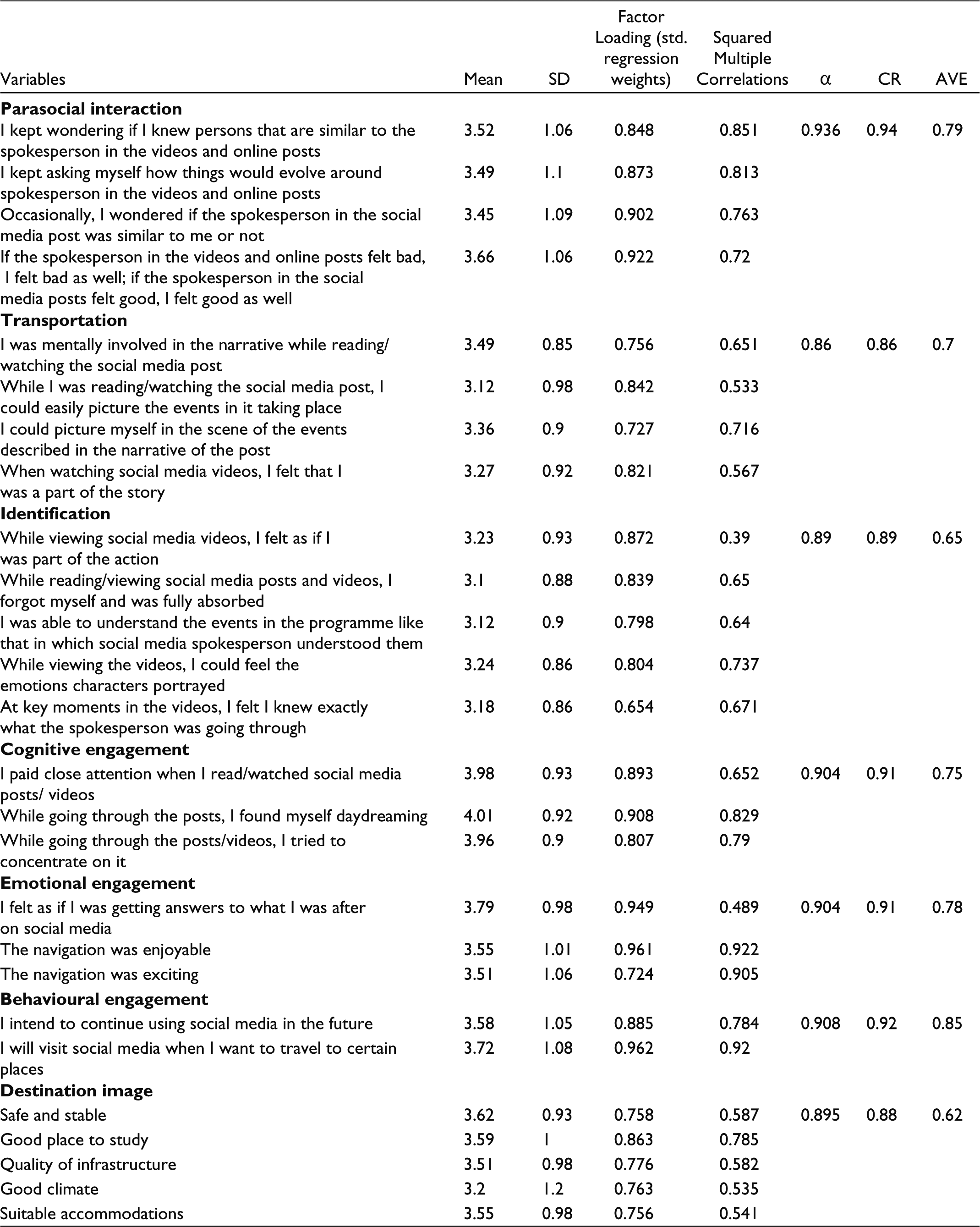
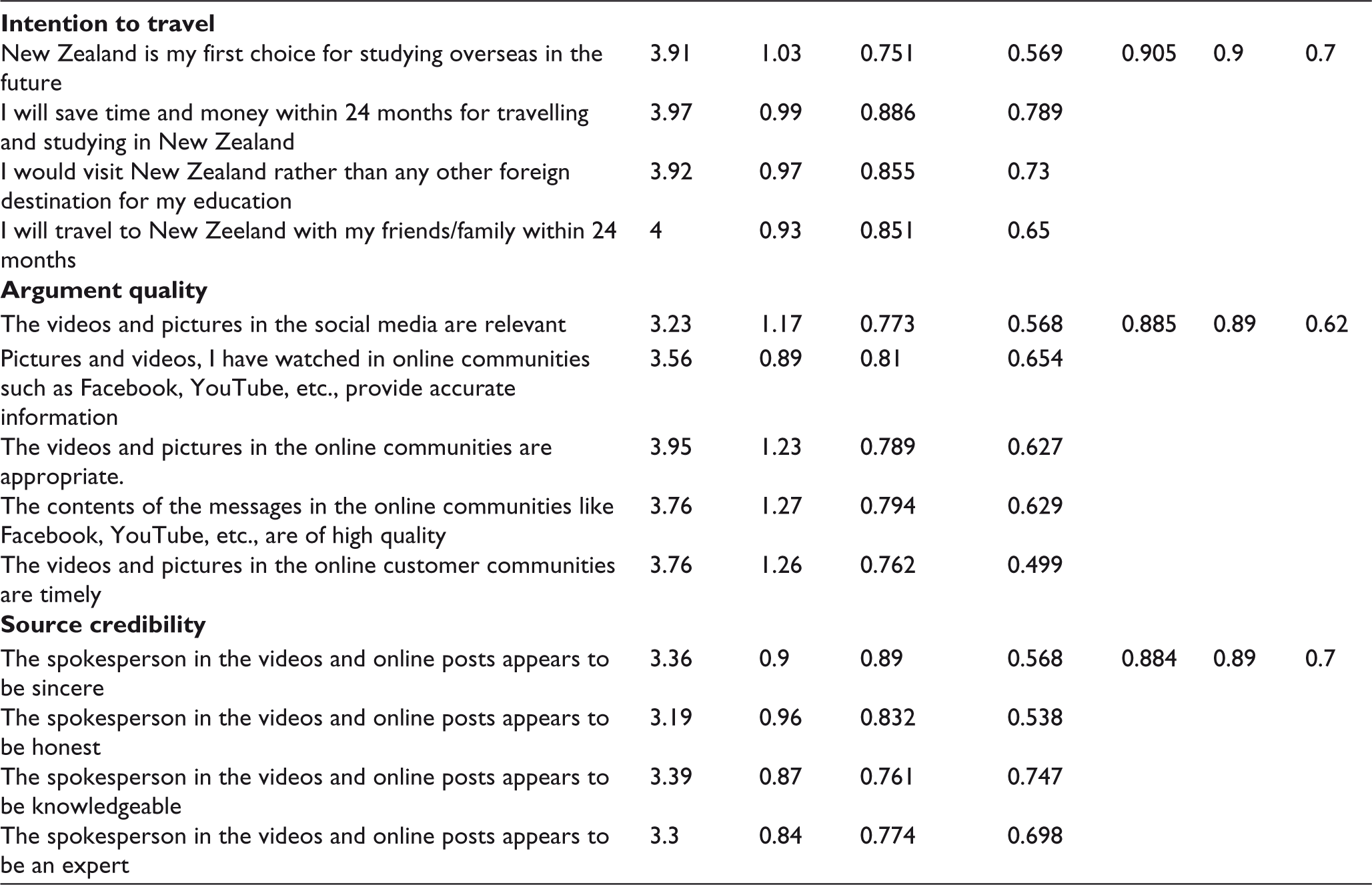
To ensure the content validity and reliability of the measures, all measurement items were selected based on the existing literature. Seven items for measuring argument quality were adapted from Cheung et al. (2008), whereas eight items for measuring source credibility were adapted from Yoon and Kim (2016). Four items for measuring cognitive engagement were adapted from Scott and Craig-Lees (2010), as well as four items each for measuring affective engagement and behavioural engagement were taken from Demangeot and Broderick (2016). In order to measure the audience involvement dimensions, five items of transportation were adapted from the works of Fu et al. (2016) and Green and Brock (2000); four items of parasocial interactions were taken from Schramm and Wirth (2010); and four items of identification were adapted from Cohen (2001). Eight items were used for measuring destination image and were adapted from the works of Fu et al. (2016) and Park et al. (2017). Finally, five items for measuring student travel intentions were developed based on the works of Abubakar and Ilkan (2016) and Park et al. (2017). A 5-point Likert scale was used to measure all the responses. The survey was purely anonymous, and no personal information identifying the respondent were collected. The questionnaire included only neutrally worded, non-biased questions to avoid any forms of response errors. Table 2 presents the individual measurement items and their reliability indices.
Measurement Items and Factor Loadings
Findings
Descriptive Statistics
As presented in Table 1, females accounted for 60% of the respondents with ages ranging between 18 and 25. Nearly 31% of the respondents were Chinese, followed by Americans (16%) and Indians (13%). More than 85% of the respondents considered social media as a source of information for foreign universities and programmes. Facebook is found to be the most popular social media among international students in New Zealand. A total of 85% of the students agreed that they are active users of Facebook, whereas 65% considered YouTube as the social media they have used regularly. Instagram and Snapchat were the third and fourth popular social media platforms among respondents in terms of their regular engagement. A total of 75% of the students were found to be spending 1–3 hours per day on social media, whereas nearly 25% were spending 3–5 hours per day.
Measurement Model Analysis
The study employed structural equation modelling (SEM) techniques to test the proposed relationships. In its most general form, SEM consists of two model analyses: the measurement model and the structural equation model. The measurement model examined how the latent variables are measured in terms of the observed variables. The overall fit of the measurement model was estimated by confirmatory factor analysis (CFA). The chi-square goodness of fit test shows that the model fits the data well: χ2 (N = 233, df = 640) was 950.211, p < 0.000. All baseline comparative fit indices, including normalized fit index (NFI), relative fit index (RFI), Incremental Fit Index (IFI), Tucker–Lewis index (TLI) and comparative fit index (CFI), were higher than 0.9 (refer Table 6). As presented in Table 2, the factor loadings (standardized regression weights) varied from 0.75 to 0.96. These results indicated that 39 measured variables were of significance, as represented by their respective latent variables. The squared multiple correlations explained the variances for the 39 measurement variables in the study. Results indicated that variance (squired multiple correlations) explained in the model ranged from 0.39 (39%) to 0.92 (92%). The measurement model also helped to examine the reliability of the measurement items used in the study. Cronbach’s alpha values and construct reliability values were examined to ensure construct reliability. As presented in Table 2, all construct’s composite reliability values and Cronbach’s alpha values were greater than 0.7, suggesting adequate construct reliability (Hair Jr et al., 1998). All factor loadings were more than 0.6, and hence indicator reliability was confirmed (Rahi et al., 2019). Further, convergent validity was examined by calculating the average variance extracted (AVE). The accepted criterion was that the values of all AVEs had to be higher than 0.5 (Ho, 2006). Results of the measurement model analyses (refer Table 2) confirmed that all constructs had adequate AVE and hence confirmed the convergent validity of the constructs.
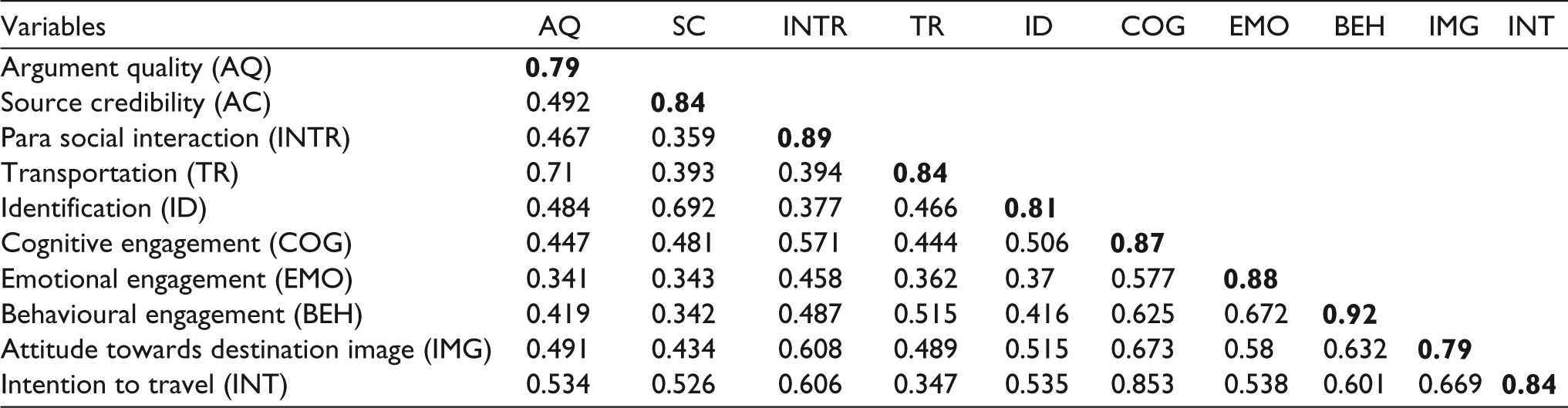
The study followed Fornell and Larcker criterion to measure the discriminant validity of the measurement model (Fornell & Larcker, 1981). According to the accepted criterion the average variance shared between each construct and its measure should be greater than the variance shared between the construct and other constructs (Rahi et al., 2019). The results indicate that the square root of the AVE for any given construct is higher than the absolute correlation between pairs of constructs (Fornell & Larcker, 1981; Park et al., 2017; Rahi et al., 2019). Table 3 presents the results of the discriminant validity tests.
Discriminant Validity of the Constructs
Structural Model Analysis
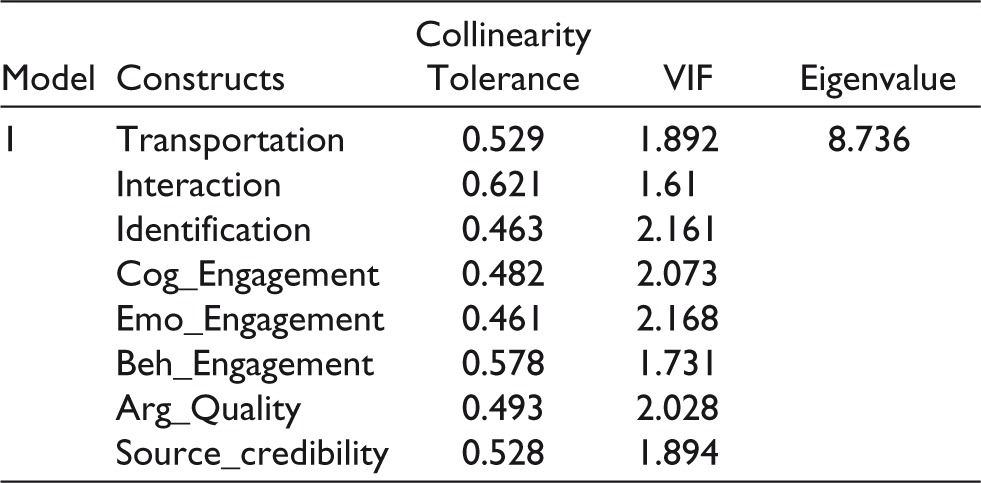
Once the measurement model was confirmed, the fit of the structural path model was examined. The structural model examined the causal relationships between exogenous and endogenous variables. The first step in the analysis was to ensure there were no multicollinearity issues with the variables and proposed relationships. According to Kock and Lynn (2012), even though measurement model analysis confirms the vertical collinearity, it does not ensure lateral collinearity between variables, and the lateral collinearity or predictor-criterion collinearity may misdirect the interpretation. The current study examined the variation inflation factors (VIFs) of all exogenous variables against the endogenous variables and ensured that they were all lower than 4 (Kock & Lynn, 2012; Rahi et al., 2019). Table 4 presents the results of multicollinearity tests.
Multicollinearity Test Results
Further, a number of goodness of fit measures to assess the overall fit of the hypothesized model were examined. Table 5 presents the key statistics of the goodness of fit criterion.
Goodness of Fit Measurement Results
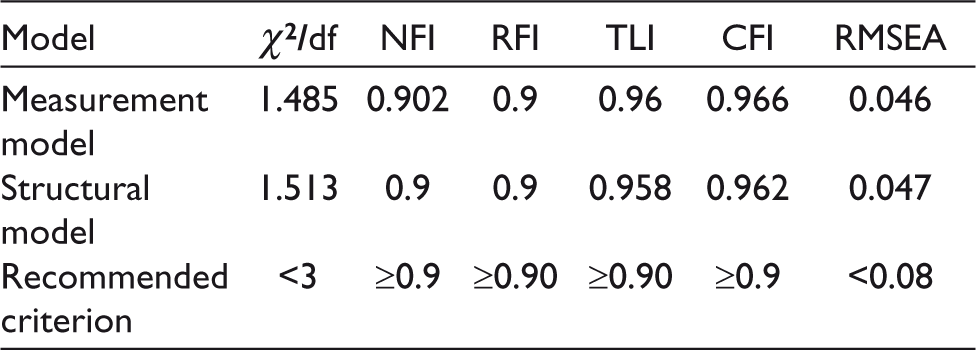
CFI, Comparative fit index; NFI, Normalized fit index; RFI, Relative fit index; RMSEA, Root mean square error of approximation; TLI, Tucker-–Lewis index.
The study examined the proportion of variance (R2) for all dependent variables in the model that were explained by the corresponding independent variables. Squared multiple correlation results indicate that 43% of transportation effects were explained by the argument quality over social media. Regarding the other dimensions of online involvement, argument quality explained 24% of the identification and 18% of the variation of parasocial interaction, respectively. Source credibility in social media was found to be critical in influencing online user’s engagement behaviours. Our results suggest that 21% of the variation in cognitive engagement and 13% of the variation in emotional engagement are explained by source credibility. Further, results suggest that 36% of the variation in social media user’s attitude towards a destination image can be explained from factors, including argument quality, source credibility, online engagement and involvement. Overall, the current model explained 56.5% of the variation in social media user’s intention to travel to a destination.
Hypotheses Testing Results
The path analysis results indicate that factors such as argument quality, source credibility, audience involvement and engagement significantly influence online users’ attitude formation and behavioural intention in SMM (refer Table 6). Argument quality is found to strongly influence all three dimensions of audience involvement examined in this study. The path analysis results indicate that argument quality is a strong predictor of social media users’ engagement dimensions, including transportation (β = 0.71, p < 0.001), parasocial interaction (β = 0.47, p < 0.001) and identification (β = 0.48, p < 0.001). This confirms the hypotheses supporting H1, H2 and H3. Social media contents, particularly informative videos and pictures, help students to become absorbed in the plot and identify themselves with the characters plotted. They may often receive, experience and interpret the contents of the posts as if the events were happening to themselves (Cohen, 2001). Pictures, videos, infographics and other content types available on social media help potential international student travellers to transport themselves into various destinations and identify themselves as future students in their online interactions. Being a potential information source, providing relevant information on social media channels may help education providers increase the student-to-student interactions, and involvement, and, overall, strengthen the social capital. Further, the results indicate that the online users’ involvement in social media directly influences their attitude formation. All three audience involvement dimensions—transportation (β = 0.13, p < 0.001), parasocial interaction (β = 0.26, p < 0.001) and identification (β = 0.11, p < 0.001) are found to significantly influence students’ attitude towards a study abroad destination, confirming hypotheses H4, H5 and H6.
Hypotheses Testing Results
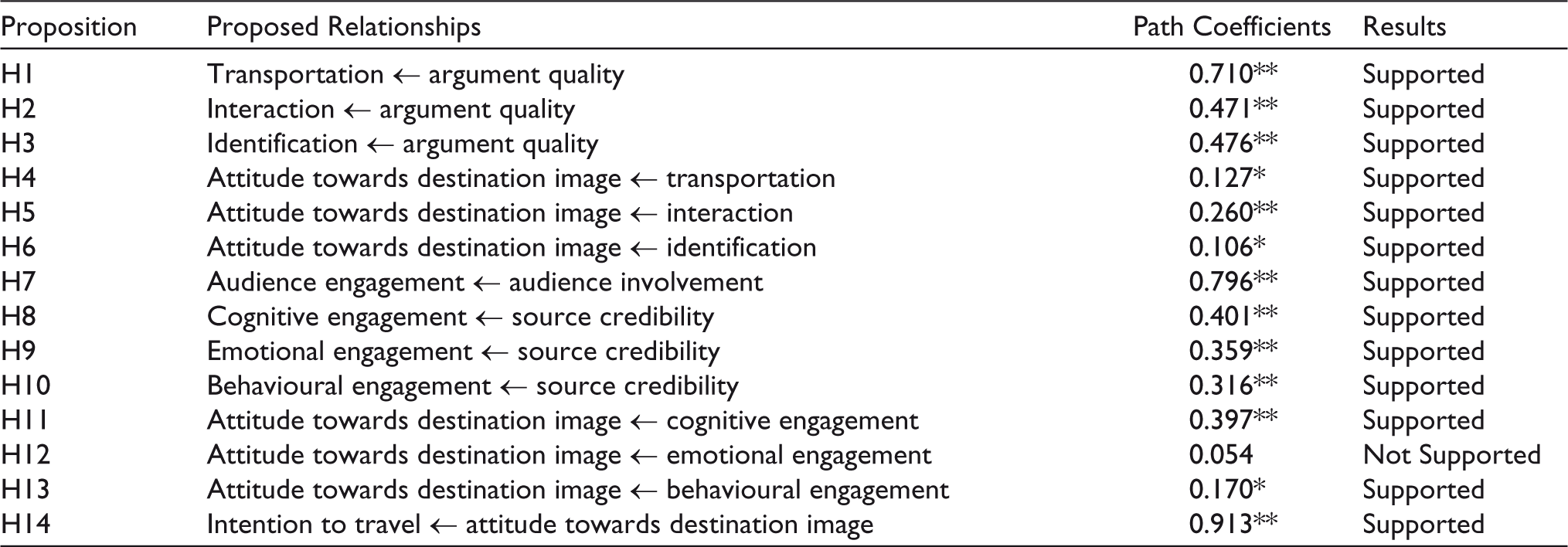
Results indicate that students’ online involvement has a direct and positive effect on their social media engagement activities (β = 0.80, p < 0.001), supporting H7. These findings help to differentiate the elements constituting audience involvement from that of the audience engagement. Results indicate that three dimensions of social media online involvement, which are transportation, interaction and identification, significantly influence audience engagement dimensions. Therefore, audience involvement can be regarded as an antecedent of online engagement in digital marketing communications, particularly over social media. Students’ social media engagement primarily refers to texting, following current friends, finding new friends, catching up on news, playing games and downloading applications. Social media empowers students to share their learning experience (either positive or negative) to a larger audience through their engagement activities, including creating and sharing posts, sharing pictures and videos, and posting reviews.
The study provides adequate evidence for the role of source credibility in digital marketing. According to these findings, source credibility is directly related to cognitive engagement (β = 0.40, p < 0.001), emotional engagement (β = 0.36, p < 0.001) and behavioural engagement (β = 0.32, p < 0.001), supporting hypotheses H8, H9 and H10. These findings indicate that users’ engagement over social media channels depends on users’ perception of a source’s trustworthiness and expertise. Research suggests that user-generated contents on social media are perceived to be more reliable and acceptable than firm-generated contents (Hanus, 2019). This implies that higher education institutions may benefit from revising their online marketing strategies by promoting more user (student)-generated contents over their social media channels.
This study found that the social media users’ cognitive engagement dimension has a strong positive effect (β = 0.40, p < 0.001) on the user’s information processing and subsequent purchase decision. This study did not find any empirical evidence, suggesting the influence of emotional engagement on information adoption and subsequent attitude formation. This suggests the importance of social media as an information source for international student travellers. International student travellers use social media to collect various information about prospective universities. These include the reputation of the institution, physical facilities, staff profiles, accommodation facilities, career opportunities of the destinations, and quality and relevance of the programmes and courses (Clark et al., 2017; Zavodna & Pospisil, 2018). International students’ mental investment in learning (cognitive engagement) on social media are found to be more influential on their attitude formation as compared to the effects of affective or behavioural engagement dimensions. These findings support H11 and H13, yet rejects H12. Consistent with the literature, our findings indicate that an individual’s attitude towards a travel destination significantly influences their travel intention (β = 0.52, p < 0.001), confirming H14. Results indicate that the effects of argument quality on social media users’ involvement, and subsequent attitude formation, are significantly higher than the effects of source credibility on user’s information adoption.
Conclusion
The current study examines the antecedents of individual persuasion in SMM communication. Based on the foundations of IAM, a conceptual model is developed and tested among a sample of online social media users. SEM results have proven the influence of various online communication constructs, including argument quality, source credibility, audience involvement and engagement on social media users’ information adoption and attitude formation. Further, the study identifies the significant dimensions constituting audience involvement and audience engagement and examines its role in SMM persuasion process. The study findings are expected to provide valuable insights regarding SMM, particularly in the context of marketing in higher education.
Implications to Marketing Theory and Practice
Compared to the previous literature, the findings of the current study contribute to the tourism marketing literature in multiple ways. First, this study addresses the link between digital marketing and higher education marketing by examining the factors influencing the adoption and use of social media posts among international student travellers in New Zealand. The study found that the social media content quality directly influences international student travellers’ online involvement and engagement, which ultimately affects their travel intentions. These results are consistent with the current body of knowledge in digital marketing (Abid et al., 2020; Shankar et al., 2020; Srivastava & Kalro, 2019). Unlike the previous studies, the key contribution of the current study lies in its efforts to examine the influence of social media content quality on three audience involvement dimensions: (a) transportation, (b) parasocial interaction and (c) identification. Our findings indicate that argument quality is highly correlated to all three audience involvement dimensions.
Another notable contribution of our study towards digital marketing literature is its examination of the influence of audience involvement over audience engagement behaviour. Our results indicate that audience’s social media involvement significantly influence their engagement over social media communications. Even though the roles of audience involvement and engagement constructs have been examined in the marketing literature (Dolan et al., 2019; Florenthal, 2019), very few have investigated the conceptual differences between these two interrelated concepts in online marketing. This study attempts to differentiate online travellers’ involvement and engagement dimensions in an SMM context. The current study acknowledged that the three forms of online audience involvement—transportation, parasocial interaction and identification—significantly influence social media engagement and information adoption. During the process of transportation, the audience becomes emotionally and psychologically involved with the narratives and the characters of the narrative, which ultimately leads to their media enjoyment. These findings are consistent with the current literature (Huang et al., 2018; Lim & Childs, 2020). This implies that social media marketers have to carefully develop the content to stimulate adequate audience involvement. Consistent with previous studies in this field (Aw & Labrecque, 2020; Zhang & Hung, 2020), current research indicates that when the audience becomes heavily involved in the media, they may tend to develop an imaginary relationship with the media personae. This parasocial interaction often helps the audience to connect and interact virtually with the social media personae. The findings indicate that parasocial interaction directly influences social media users’ attitude formation and their intention to travel to a destination. These insights help social media marketers to improve influencer marketing campaigns and storytelling. In social media communication, identification occurs when the audiences forget themselves and become another, by being absorbed into the narrative of the communication (Fujita et al., 2017, 2018). Like parasocial interaction, identification indicates a social influence. In the context of higher education marketing, the findings imply that social media content, such as visuals, posts and videos of the location of the university; accommodation facilities; library and other academic infrastructure; and videos of current students sharing their learning experiences, may be disseminated across social media channels in an attractive manner that may stimulate potential audience involvement and engagement.
Consistent with the previous findings (Abid et al., 2020; Shareef et al., 2019), the study confirmed the importance of using credible sources of digital marketing channels in the marketing of higher education. Unlike the previous literature, these findings have contributed towards understanding the effects of source credibility on audience engagement. To enhance the audience engagement and to establish a trusting relationship with potential online users, the credibility of the information provided by both marketers and other online users is essential. Research indicates that online users trust reviews and recommendations from other fellow users over firm-generated contents (Irshad et al., 2020). The study examined the in-depth relationship between source credibility and online users’ cognitive, emotional and behavioural engagement in social media communication. Our findings expand the current understanding regarding an individual’s information adoption process by examining the roles of three audience involvement dimensions (transportation, identification and interaction) and three audience involvement dimensions (cognitive, emotional and behavioural) in digital marketing.
Besides its theoretical contributions, this study offers valuable contributions to the digital marketing practices in the fields of tourism marketing. Argument quality is found to directly influence the users’ identification, transportation and interaction dimensions of online involvement (Hendijani Fard & Marvi, 2020; Liu et al., 2019). For example, informative and relevant social media posts (e.g., pictures and videos of the campus facilities) enable current and potential students to interact with the education providers by commenting, reviewing, expressing likes or dislikes and sharing the contents with others in online communities (Abid et al., 2020; Shin et al., 2017). In the context of higher education, social media should be effectively used for disseminating information regarding the ranking and reputation of the educational institution, reviews and recommendations from current students about the programme offerings, tuition fees, living costs and other expenses, availability of scholarships, and jobs and immigration prospects after graduation, which influence a student’s choice of an educational destination abroad through diverse social media content types. Audience examines the source credibility before they trust the information. This implies that more student-to-student interactions over social media are to be promoted over an institution’s social media networks. Institutions should inspire their current staff and students to share their teaching and learning experiences over the institution’s social media channels. Providing informative content over social media from reliable sources may stimulate online users’ specific interactive experience between themselves and other members of the social media networks (Osei-Frimpong et al., 2020). The interactive online experience from reliable sources may help the users to think and process the information received (cognitive engagement), make them feel happy (emotional) and, ultimately, help them to make purchase decisions (behavioural engagement).
Limitations and Future Research
Although the current study provides valuable implications for developing SMM contents, it has some limitations. First, the study findings were entirely based on a sample of international student travellers in New Zealand. The student segments, generally aged <34 years, constitute more than half of the active users of social media, including Snapchat, Facebook and Instagram. Differences in their exposure to information technologies may affect the generalization of the findings to other demographic groups. Second, as the scope of the study was limited to the SMM of higher education, its findings may not be fully applicable to the online marketing of other service industries, like hospitality or banking. To further validate the extended IAM and to generalize the results for a global online population, future studies from other service marketing areas are expected. Finally, there could be several other variables not included in this study that may affect the social media users’ information adoption and usage. Future studies may need to identify and examine the effect of such factors (e.g., age, culture and personality) on an individual’s acceptance of online marketing communication.
Footnotes
Declaration of Conflicting Interests
The authors declared no potential conflicts of interest with respect to the research, authorship and/or publication of this article.
Funding
The authors received no financial support for the research, authorship and/or publication of this article.