







Abstract
This study investigates the intention of tourists to travel to the Great Himalayan National Park (GHNP) in India, a conservation area of natural bio-diversity that was accorded World Heritage Site status in 2014. The main constructs that have been used in the study are an image of the destination, homestay preference, destination familiarity and intention to travel. The S-O-R framework has been further used to find the tourists’ intention to travel to GHNP. A closed-ended questionnaire was administered to 1,020 respondents in India. The results show that path coefficients for all constructs are statistically significant. Tourists’ intention to travel is likely to be influenced by the destination image and the preference for a local homestay, which is mediated by destination familiarity. The study is not longitudinal and sheds light on respondents’ perceptions for a specific time period. Policymakers must design policies that focus on developing campaigns that promote lesser-known destinations, thus ensuring a positive destination image and enhancing destination familiarity by providing authentic information. Such a shift in tourism will foster employment in rural and less-known areas of natural beauty. Further, tourists’ preference to stay in homestay arrangements allows them to experience local hospitality.
Introduction
Tourists’ perceptions of travel and their intention to travel are affected by their travel experience and information gained from the media (Rishi & Chatterjee, 2023). The COVID-19 pandemic, which led to lockdowns, movement restrictions, border closures, isolation, flight cancellations and closure of tourist destinations, dramatically changed the perception of tourists towards travel (Miao et al., 2022; O’Regan et al., 2022; Rishi & Chatterjee, 2023). This article examines how familiarity affects tourists’ intention to travel. Earlier literature indicates that growth after any trauma rests on five domains: change of priorities and appreciation of life at a deeper level, forging of closer social relationships, greater spiritual or existential growth, resilience and embracing and accepting new life possibilities (Tedeschi & Calhoun, 2004).
This study examines the travel intentions of tourists to the Great Himalayan National Park (GHNP) in India, which is a designated conservation area known for its rich biodiversity and was granted World Heritage Site status in 2014. Wilson (1984) hypothesizes that human beings have an innate liking for life, life-like processes and natural environments. Later studies indicate that tourists’ intention to visit national parks is largely influenced by ‘biophilia’ (Siikamäki et al., 2015). Homestays are increasingly an important phenomenon in the tourism ecosystem that are grounded in the uniqueness of each place and that excel at product offering, authenticity and immersive experience to tourists (Dias et al., 2021a). We assume that tourists’ intention to visit GHNP and their homestay preference align with the changing demand pattern: selective, specific and concerned about sustainability (Hall et al., 2020). Within this context, this article examines the role of homestays in influencing the intention to travel. We add to the growing body of knowledge on likely changes to tourism by examining the relationship between destination image, destination familiarity, homestay preference and the intention to travel. Researchers think that a place’s image affects how happy people are with the place and how likely they are to go back. Studies show that a place’s image influences how tourists spend their money there, determining which place they choose (Pike, 2002). Further, literature suggests that an individual is more likely to opt for alternate accommodation if the intention to travel is to experience the countryside, enjoy a peaceful and clean environment and meet and interact with local people (Hall et al., 2020). The tourist’s experience and involvement with local people increase their knowledge of the destination and lead to destination familiarity (Kuhzady et al., 2020).
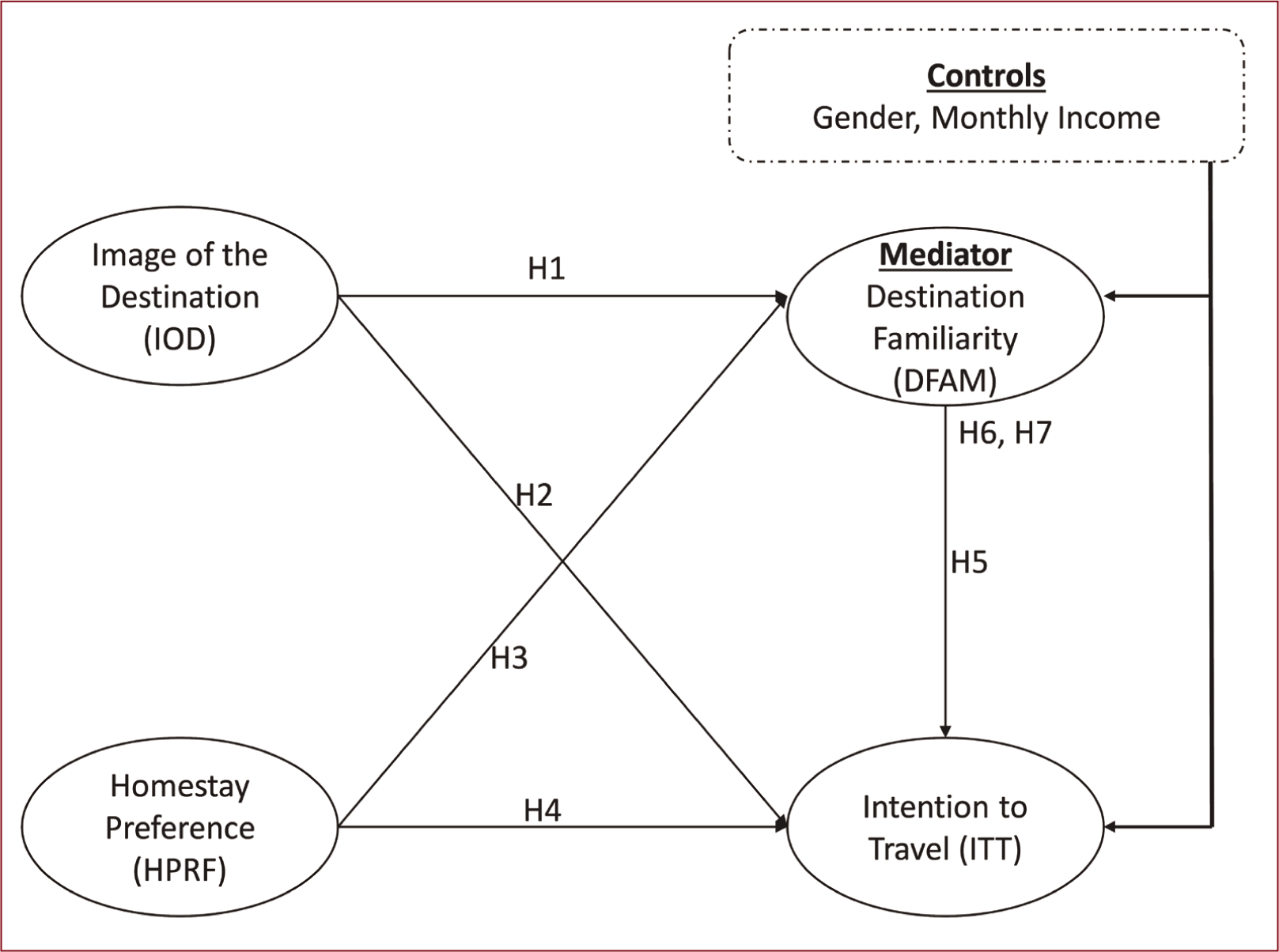
This article constructs a contextual model based on stimulus-organism-response (S-O-R) to investigate the mediating role of destination familiarity for tourism revival and comments on the decisions and intentions to travel to local or nearby destinations. We adopt the popular framework of S-O-R (Mehrabian & Russel, 1974), where stimulus (S) includes images of the destination and homestay preferences, organism (O) includes destination familiarity and response (R) contains the intention to travel to assess whether the destination image and preference for local homestay act as antecedents of the intention to travel and the relationship between the antecedent and dependent variables. The utilization of the S-O-R theory by researchers is a common practice when investigating the behaviour of tourists towards specific destinations (Qiu et al., 2023), such as the GHNP. This theory is favoured due to its inclusive framework, which facilitates a deeper comprehension of the interconnections between environmental stimuli, individual characteristics (organism) and subsequent behavioural responses (Wang et al., 2024). Within the realm of tourist behaviour, the S-O-R theory provides a framework for researchers to examine the impact of external stimuli (Kim et al., 2020), such as the aesthetic appeal of the GHNP, cultural attractions and recreational options, on the interior states or psychological processes of tourists (referred to as the organism). Individuals’ internal states significantly influence the behavioural outcomes observed in visitors, including their levels of satisfaction, engagement and likelihood of revisiting (Leri & Theodoridis, 2019). Applying the S-O-R theory to GHNP allows researchers to examine the complex interaction of the distinctive environmental characteristics of the park, the psychological encounters of visitors and the subsequent behaviours that arise (Ramkissoon et al., 2012).
In spite of the increasing amount of scholarly work dedicated to examining the connections among destination image, desire for homestay accommodations, familiarity with the location and the intention to travel (Qiu et al., 2023; Wang et al., 2024), there is a significant vacuum in the existing research that necessitates more exploration. Although there have been separate investigations into the influence of destination image on travel intentions and the significance of homestay choices in driving tourist behaviour (Shi et al., 2019), there is a lack of comprehensive research that combines these aspects into a unified framework. The relationship between the perception of a destination’s image and the inclination towards homestays, as well as the collective impact of these characteristics on destination familiarity and subsequent travel intentions, is a topic that has received limited attention in academic research. Furthermore, the intricate interaction among these components can exhibit variations in diverse cultural settings, geographical regions and categories of destinations (Jovicic, 2016). Addressing this research gap would contribute to our theoretical comprehension of the intricate dynamics involved in tourist decision-making and provide valuable practical knowledge for destination management and marketing strategies, particularly in light of changing travel preferences and the increasing popularity of alternative accommodation options. In this context, the two research questions have come up:
RQ1: Which factors affect tourists’ travel intentions towards the GHNP located in India? RQ2: What is the mediating role of familiarity?
The examination of tourists’ motivations to visit the GHNP in India has noteworthy significance for both scholarly inquiry and the practical aspects of tourism management. This study contributes to the existing literature on tourist behaviour and destination preferences by providing valuable insights into the determinants of persons’ intentions to visit a particular location (Kastenholz et al., 2018), such as the GHNP. Exploring factors influencing individuals’ inclination to visit this distinctive location contributes to the wider realm of sustainable tourism and ecotourism studies (Frost & Frost, 2022). Furthermore, the results of this study have the potential to provide valuable insights to policymakers and destination managers regarding the distinctive characteristics and attractions that attract travellers to the GHNP (Lee et al., 2009). This, in turn, can aid in the formulation of focused approaches for the promotion of tourism and conservation initiatives in the area. This work provides a vital contribution to the academic community by offering empirically based knowledge that can be utilized to improve the sustainability and appeal of ecotourism places, such as the GHNP.
We used a survey to obtain responses from 1,020 respondents in India, which were analysed using SPSS and Analysis of Moment Structures (AMOS) to comment on hypotheses. The study is organized as follows: the second section provides a review of the relevant literature, develops the theoretical backdrop and formulates the hypotheses; the third section provides an overview of the research methods and data analysis; the fourth section provides a discussion of the results; fifth and sixth sections describe practical contributions and theoretical implications, limitations and conclusions; the seventh section provides an explanation of future scope and limitations and the eighth section provides a conclusion.
Review of the Literature and Theoretical Framework
Stimulus-Organism-Response Framework
The study applies the SOR model (Mehrabian & Russel, 1974). The SOR model has been earlier used in tourism studies to examine the role of mobile phone attachment in travel purchase decisions (Rodríguez-Torrico et al., 2020) or factors affecting sports enthusiasts to travel abroad (Heetae et al., 2021). In particular, researches have examined the influence of familiarity as a significant factor affecting travel intentions (Lho et al., 2022; Zheng et al., 2021). Scholars have endeavoured to investigate the cognitive and affective processes that individuals experience when making travel decisions by incorporating familiarity as a significant variable within the S-O-R framework (Lho et al., 2022; Zheng et al., 2021). These investigations have provided essential contributions to our understanding of the dynamics of decision-making connected to travel (Tan & Wu, 2016). They have helped illuminate the complex ways familiarity can influence and direct persons’ intents to participate in travel activities (Chi et al., 2020). The use of the SOR model in these research investigations offers a holistic perspective for examining the various dimensions of travel intention, with a specific focus on the impact of familiarity on the decision-making process.
The present study extends the application of this model to understand the travel intentions of potential tourists. Studies indicate the growing preference for homestays is attributed to sanitation, environmental cleanliness and waste management, which make homestays an alternative to star-category properties (Dias et al., 2021; Karki et al., 2019). Studies report that tourists expectations have switched towards domestic travel and family holidays (Wang et al., 2022).
Destination Image
Gunn (1972) defined destination image, which represents an individual’s subjective interpretations of a place and affects behaviour during a tourist’s experience a priori, in loco and in posteriori (Espelt & Benito, 2005). Destination image has also been conceptualized (Zhang et al., 2014) and defined as ‘an individual’s varied cognitive and emotional associations with a location, particularly in relation to a destination’ (Kock et al., 2019, p. 32). The idea of a destination image is that it is a complex, multi-faceted thing with two parts: cognitive and affective (Stylidis, 2016). Some studies identify three components: cognitive, affective and conative (Josiassen et al., 2016; Stepchenkova & Morrison, 2006).
The concept of destination image refers to individuals’ overall perceptions and impressions of a specific travel destination (Afshardoost & Eshaghi, 2020). The concept under consideration is a complex and intricate phenomenon influenced by various elements, such as geographical features, cultural landmarks, historical importance and the general framework supporting tourism activities (Kim et al., 2019). The perception of a destination image is shaped not only by advertising endeavours but also by the interplay of word-of-mouth communication, media portrayals and the personal experiences of past visitors (Josiassen et al., 2016). The importance of a favourable destination image cannot be overstated when it comes to enticing prospective tourists (Papadimitriou et al., 2015). This image serves to elicit a strong sense of desirability and establishes the anticipated quality of a fulfilling travel encounter. On the contrary, an unfavourable or erroneous portrayal can discourage potential tourists and impede tourism progress (Stylidis, 2016). Place managers and marketers intentionally nurture and enhance a favourable perception by highlighting a place’s distinctive and attractive features, matching it with the interests and aspirations of the intended demographic (Stylos et al., 2017). The destination image plays a significant role in travellers’ decision-making process, as it shapes their views and influences their intention to discover and engage with a specific destination.
Destination Image and Destination Familiarity
The destination image is a cognitive construct that encompasses perceptions, representations and mental associations (Stylidis et al., 2015). It functions as a cognitive lens through which individuals understand and engage with a particular area (Afshardoost & Eshaghi, 2020). This notion posits that the depiction and general perception of a place, whether influenced by promotional endeavours, media portrayals or personal encounters, significantly impact the extent to which people get acquainted with that destination (Kim et al., 2019). Positive and visually appealing location images are expected to enhance familiarity, as they generate a positive inclination and anticipation among prospective travellers (Josiassen et al., 2016). On the other hand, the presence of negative or distorted depictions of a location might impede the process of becoming acquainted with it, hence exerting an influence on individuals’ choices regarding travel components (Papadimitriou et al., 2015). The correlation between destination image and familiarity is crucial for comprehending the cognitive and affective mechanisms that influence individuals’ perceptions and decision-making in the context of travel (Yang et al., 2022). This relationship contributes to the wider discussion on destination marketing and consumer behaviour within the tourism sector. Destination familiarity has been associated with knowledge about the destination and direct experiences linked with the destination (Stylidis et al., 2020b; Yang et al., 2022). Accordingly, it is believed that familiarity with a destination should be construed in terms of knowledge gathered about the destination from different sources and associated actual experience, if any (Baloglu, 2001; Stylidis et al., 2020a). Destination image has also been described as ‘people’s preconceived notions, emotions, and feelings regarding a particular location or vacation spot’ (Baloglu & McCleary, 1999, p. 131) formed on the basis of cognitive (informational) and affective (experiential) evaluations of a destination (Papadimitriou et al., 2015). While the cognitive component explains the destination image in terms of knowledge, the affective domain conjures the image of the destination in terms of the associated experience and feelings (Stylidis et al., 2020b). Therefore, the following hypothesis is proposed:
H1: The image of the destination has a significant impact on destination familiarity.
Destination Image and Intention to Travel
The decision of individuals to embark on a journey is strongly influenced by the destination image, which is formed through a combination of advertising efforts, media portrayals and personal experiences. The potential of a positive and captivating destination image lies in its ability to elicit interest, desire and aspiration, thereby stimulating the intention to engage in travel (Wu & Shimizu, 2020). The persuasive power of destination branding shapes perceptions and expectations, ultimately influencing an individual’s inclination to allocate their time and resources towards visiting said place (Park et al., 2017). Conversely, an unfavourable or erroneous perception of a destination can discourage prospective travellers, negatively influencing their inclinations to go (Zhang et al., 2014). The comprehension of the intricate interplay between the perception of a location and the intention to travel is of utmost importance for marketers in the tourism sector (Chaulagain et al., 2019). This understanding offers valuable insights into the cognitive mechanisms that influence individuals’ decision-making within the highly competitive global tourist market (Kim et al., 2012). Studies also elaborate on the role of destination image on the intention to travel (Ryu et al., 2013; Wu & Shimizu, 2020). The image significantly impacts consumers’ choices, given that ‘Images are more important than real resources, and consumers act or don’t act based on how they see things, not how they really are’ (Guthrie & Gale, 1991). This is why tourism research focuses on destination image, travel intentions and perceptions. A negative image of the destination can impact tourists’ perception of the place and, hence, travel intentions (Ryu et al., 2013). Tourism as a service industry offers ‘experience’ as a product. So, decisions regarding the choice of a destination are based on the image and perceptions rather than reality (Wu & Shimizu, 2020). In fact, the image of the destination is reported to be associated with travel intentions (Park et al., 2017), post-visit evaluation and revisit intentions (Zhang et al., 2014). We therefore posit that the following:
H2: The image of the destination significantly impacts the intention to travel.
Homestay Preference
One prevalent category of homestays is characterized by traditional family arrangements, wherein visitors cohabit with a local household, facilitating intercultural interaction and providing an immersive encounter (Gunasekaran & Anandkumar, 2012). An alternative option could be community-based homestays, with a particular focus on fostering active involvement within the wider local community (Jamaludin et al., 2012). In addition, thematic homestays might be centred on certain areas of interest, such as culinary homestays or environmentally conscious lodging options (Gunasekaran & Anandkumar, 2012). The study establishes a foundation for a comprehensive examination of the potential effects of various homestay types on travellers’ choices and their subsequent impact on destination familiarity by presenting these distinctions early in the theoretical part. Experience is central to tourism (Virabhakul & Huang, 2018), and the growing demand for personalized accommodation and experience of local culture and customs fuels the demand for homestays (Weismayer, 2017). A recent report by Noesis, India’s leading hotel advisory investment firm, has indicated that India needs to add 2.5 billion rooms in the homestay segment to cater to the changing preferences of international as well as national tourists (Noesis, 2022). Studies suggest that homestays are often preferred because they offer an authentic experience and are affordable (Mahadevan, 2018; Tussyadiah & Pesonen, 2016). Tourists’ desire to stay in homestays is partly fuelled by their wish to interact with local people and enjoy authentic local hospitality (Tussyadiah & Pesonen, 2016) and accommodation styles. Others attribute this to space (Ye et al., 2018), savings (Tussyadiah & Pesonen, 2016) and the desire to support homestay businesses (Mahadevan, 2018; Tussyadiah & Pesonen, 2016). Post-pandemic, it is expected that tourists’ may prefer specific and selective experiences with a focus on sustainability (Hall et al., 2020).
Homestay Preference and Destination Familiarity
Homestays, distinguished by their immersing nature within local communities, provide a distinctive chance for travellers to actively participate in and intimately connect with a particular place’s culture and way of life (Liu & Ma, 2017). If proven, this hypothesis suggests that the selection of homestay lodgings significantly influences the extent to which travellers become acquainted with the region (Barnes et al., 2014). In order to comprehend the ways in which preferences for homestays contribute to heightened familiarity, it is necessary to delve into the social, cultural and experiential dimensions that are inherent in these types of lodgings (Kuhzady et al., 2020). The aforementioned relationship has significant implications for destination marketing and the promotion of community-based tourism. It underscores the need to customize accommodation options in accordance with travellers’ desires for meaningful and authentic experiences (Tussyadiah & Pesonen, 2016). Doing so can cultivate a stronger bond and familiarity with the destination. Literature indicates that tourists desire unique, appealing and memorable experiences which are based on individual preferences, experiences and their ability to cope with challenges (Barnes et al., 2014). Travel decision-making is a complex process involving decisions related to when to go, where to go, how to go and where to stay (Liu & Ma, 2017). If the intention to travel is to experience tranquillity, enjoy nature and interact with local people, individuals are likely to opt for a homestay arrangement. Travellers’ involvement with local people and experience increases their knowledge about the destination, leading to destination familiarity (Kuhzady et al., 2020). As reported, higher participation in local activities and interaction with local people enhance familiarity with the destination (Tussyadiah & Pesonen, 2016). Thus, the following hypothesis is proposed:
H3: The preference for homestay has a significant impact on destination familiarity.
Homestay Preference and Intention to Travel
Homestays, characterized by their immersive and culturally stimulating nature, can be seen as more than mere accommodations; they symbolize a possible catalyst for cultivating individuals’ aspirations to go on a transformative journey (Dey et al., 2020). If confirmed, this hypothesis suggests that a significant preference for homestay accommodations can operate as a motivating component in the decision-making process, leading individuals to actively organize and engage in trip experiences (Jamal et al., 2011). In order to comprehend the complexities surrounding the influence of the desire for homestay on travel intentions, it is imperative to conduct an analysis of the distinctive characteristics and attractions associated with this particular form of accommodation (Zhao et al., 2020). This observation is important for destination marketers and hospitality providers, highlighting the potential impact of carefully designed homestay experiences on moulding individuals’ desire to explore and engage in travel (Dey et al., 2020). Noesis, a leading hotel advisory investment firm based in India, has indicated in one of their reports that traction for homestay arrangements is increasing with international as well as domestic travellers (Noesis, 2022). The report cites this change in preference to tourists’ desire for an authentic local experience, flexibility, an informal environment and value for money provided by the homestays (Noesis, 2022). Some of the earlier studies have indicated that homestays are better at ensuring sanitation, environmental cleanliness and waste management (Karki et al., 2019), making them a preferred alternative stay arrangement. The following hypothesis is therefore framed:
H4: The preference for homestay significantly impacts the intention to travel.
Destination Familiarity and the Intention to Travel
The level of familiarity with a destination, which is influenced by prior information, experiences and perceptions of a particular region, significantly impacts an individual’s inclination to select that destination for their upcoming trip (Murphy et al., 2007). An increased level of familiarity with a destination has the potential to enhance one’s confidence, mitigate uncertainties and cultivate a more positive attitude about travelling to that specific location (Dey et al., 2020). The correlation between familiarity with a destination and the intention to travel is of utmost importance in comprehending the cognitive mechanisms that influence individuals in their choice to venture into unfamiliar territories (Zhao et al., 2020). Destination marketers and experts in the tourism industry can utilize this knowledge by prioritizing tactics that improve destination familiarity through efficient promotional efforts, favourable storytelling and immersive encounters (Chen & Tsai, 2007). These endeavours will ultimately cultivate a stronger desire to visit the specific destinations being targeted. Studies highlight significant differences in the perceptions of destination familiarity between visitors and non-visitors, and the destination image is more positive among visitors compared to non-visitors (Tasci, 2006). On several occasions, the intention to travel is driven by an urge to explore an unfamiliar destination, but tourists prefer to visit familiar destinations because they perceive them as novel yet less risky (Lepp & Gibson, 2003). Studies indicate that destination familiarity does play an important role in determining the intention to travel (Baloglu, 2001). Destination familiarity fosters long-term relationships with the destination and also strengthens revisit intentions (Chen & Tsai, 2007). Despite tourists deciding to visit an unknown destination, not all familiarize themselves with the location before the trip (Murphy et al., 2007). Therefore, we propose the following:
H5: Destination familiarity has a significant impact on the intention to travel.
Destination Familiarity as a Mediator
A sense of safety and security is associated with a familiar destination, as it minimizes risk (Sharifpour et al., 2013). The feeling of comfort from destination familiarity often leads to an emotional connection with the location (Yang et al., 2009). In addition, familiarity supports tourists in visualizing the environment, resulting in person–place image congruence (Hammitt et al., 2006). Thus, destination familiarity, as a result of distinctive closeness between host and guest cultures, plays a significant role in the choice of tourism destination (Park et al., 2017), and tourists from the same region are likely to perceive low risk due to cultural affinity (Morakabati, 2013).
Destination image has been defined as a tourist’s mental perception of knowledge of a particulardestination (Gunasekaran & Anandkumar, 2012). This is conceptualized as comprising three components: cognitive beliefs and opinions that a tourist may have about a destination; affective, that is, emotional and attitudinal response towards a destination; and cognitive, that is, the intention to visit, which depends on the cognitive and affective components (Prayag & Ryan, 2012). Earlier studies point out that cognitive perceptions about a product directly affect familiarity (Ochsner, 2000). Literature highlights the presence of a relationship between affective perception and familiarity, and that affective assessment determines the extent of familiarity of an individual (Treese et al., 2011).
A review of literature suggests that the demand for ‘alternate accommodation’ associated with homestays, hostels, guest houses, service apartments, villas and bed-and-breakfast facility providers is rapidly increasing (Gunasekaran & Anandkumar, 2012). Homestays refer to alternate accommodation types that provide visitors an opportunity to stay with a local family and experience the daily lives and culture of their hosts (Jamaludin et al., 2012).
Within the confines of this theoretical framework, it is seen that the destination image, which encompasses various perceptions and representations, not only exerts an impact on the direct desire to go but also functions indirectly by means of the mediating component of destination familiarity (Gunasekaran & Anandkumar, 2012). A favourable and captivating destination image can enhance familiarity, impacting the individual’s inclination to engage in travel (Treese et al., 2011). Similarly, it may be argued that the correlation between individuals’ choice of homestay lodgings and their desire to travel is mediated by their familiarity with the location (Morakabati, 2013). This suggests that the inclination towards homestay accommodations impacts travel intentions by influencing individuals’ familiarity with the selected destination (Sharifpour et al., 2013). Within this particular framework, the inclinations towards homestay accommodations could potentially enhance the individual’s feelings of attachment and ease with the chosen destination, exerting an influence on their overall motivation to undertake a voyage (Gunasekaran & Anandkumar, 2012). Comprehending these intermediary functions holds significant value for destination marketers and hospitality providers, as it underscores the significance of cultivating favourable destination perceptions and addressing preferences for certain lodging encounters in order to eventually influence travellers’ intents (Sharifpour et al., 2013).
In line with above arguments, it is proposed that destination familiarity acts as a mediator between intention to visit and destination image as well as homestay preference. Hence, we posit the following:
H6: Destination familiarity mediates the relationship between destination image and the intention to travel. H7: Destination familiarity mediates the relationship between homestay preference and the intention to travel.
Demographics as Control Variables
The incorporation of gender and monthly income as covariates in the investigation of travel intention enhances the level of complexity of the research conducted in this study. Including demographic factors as control variables minimizes potential confounding effects and isolates the distinct impact of other variables, such as destination familiarity, homestay preference or destination image, on the desire to visit (Aziz et al., 2018). Gender disparities might influence unique travel behaviours or preferences, whereas individuals’ monthly income can play a crucial role in determining the financial viability and extent of trip arrangements (Li & Zhang, 2023; Qasim et al., 2019). The study seeks to determine whether the observed differences in the intention to travel may be more accurately attributed to the focal variables of interest by controlling for these variables (Cheng & Huang, 2022). This approach improves the study’s internal validity, facilitating a more comprehensive understanding of the intricate associations between the primary variables being examined, namely travel intentions (Akinci & Aksoy, 2019). Additionally, this approach takes into consideration the potential influence of gender and wealth as covariates. According to previous research, demographic characteristics, such as gender (Yang et al., 2022) and monthly income, are likely to be associated with the intention to travel and can influence how individuals make decisions (Qasim et al., 2019). Consequently, we evaluate the proposed hypothesis using demographic data as control variables.
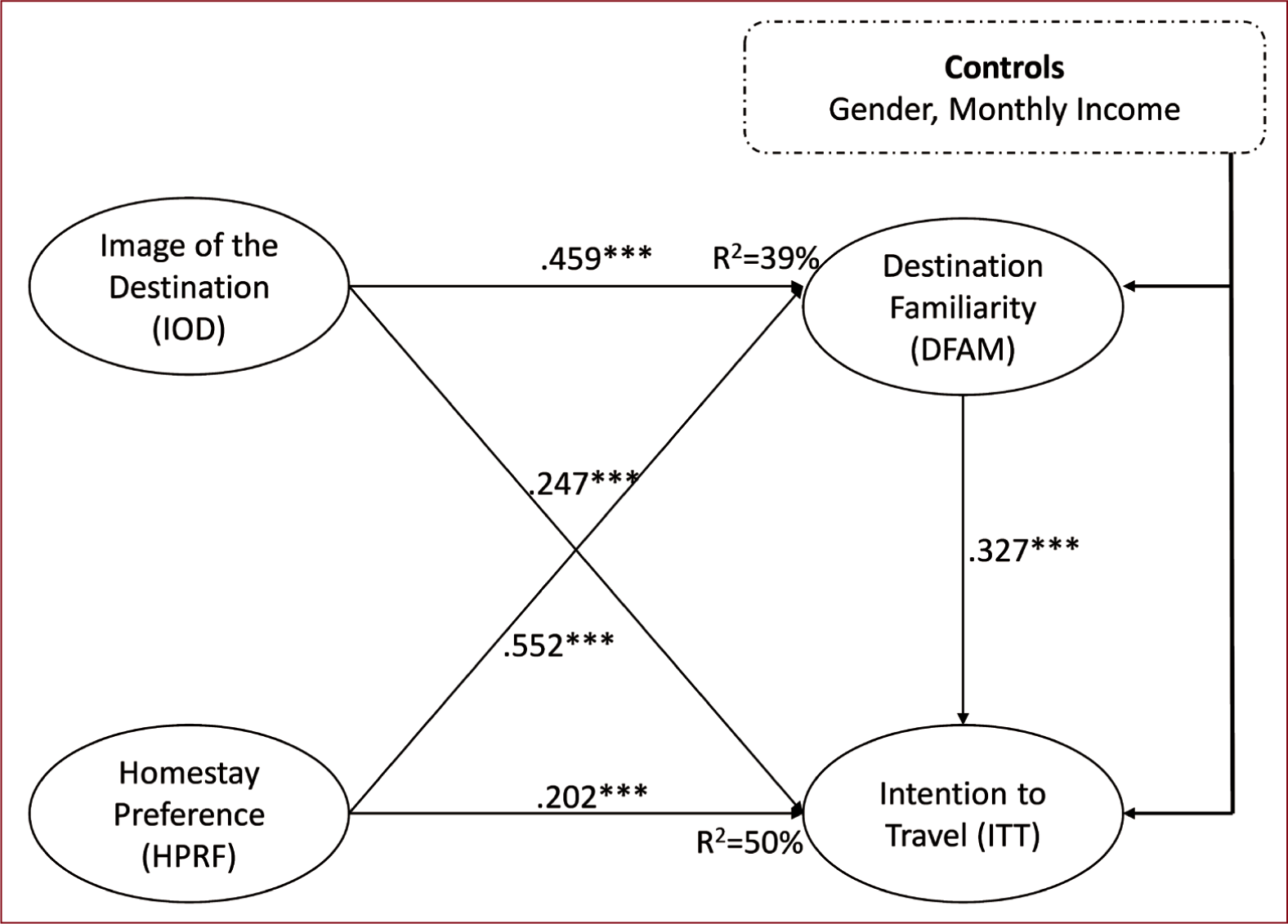
The model developed for this article is shown in Figure 1.
Model Framework.
Method
This form of research is known as ‘cross-sectional’ research. Using exploratory factor analysis (EFA), several elements were combined to form distinct factors. Confirmatory factor analysis (CFA) was used to evaluate the model and establish the reliability and validity of the sample, as well as the model’s fit and regression weights for the various variables. Structural equation modelling (SEM) was used to examine the conceptual model with mediation and provide an explanation of the results.
Survey Instrument and Respondents’ Profile
The items selected to conduct the study were taken from different sources. Convenience sampling was used to collect the sample throughout India. The response was gathered through a closed-ended questionnaire. The questionnaire had two parts: Part A was about the demographic information of the people who filled it out, and Part B was about other information for the analysis. The research was set in GHNP, a UNESCO World Heritage Site for outstanding conservation of natural bio-diversity. The responses were collected from March 2021 to July 2022. To collect the responses, the researchers had set two screening questions:
Have you visited the GHNP in the past eight years physically? If you have not visited the GHNP physically, have you visited the GHNP website (www.greathimalayannationalpark.org)?
If any of the above questions’ response is ‘yes’, then only the respondents can fill out the questionnaire.
The researchers first tried to filter the responses of those who visited the GHNP. For those respondents who had not visited GHNP, the questionnaire required them to visit the official website of GHNP (www.greathimalayannationalpark.org) to familiarize themselves with the destination. The sample size determination formula for an unknown population is as follows:

(The sample size, denoted as n, is a parameter used in statistical analysis. The estimated proportion of the research variable or construct, represented by p, is derived from previous studies or pilot studies and is set at 50%. The complementary proportion, q, is equal to (1 − p), also set at 50%. Lastly, the margin of error, denoted as d, is established at 5%. Based on the given formula, the minimum required sample size is determined to be 384.)
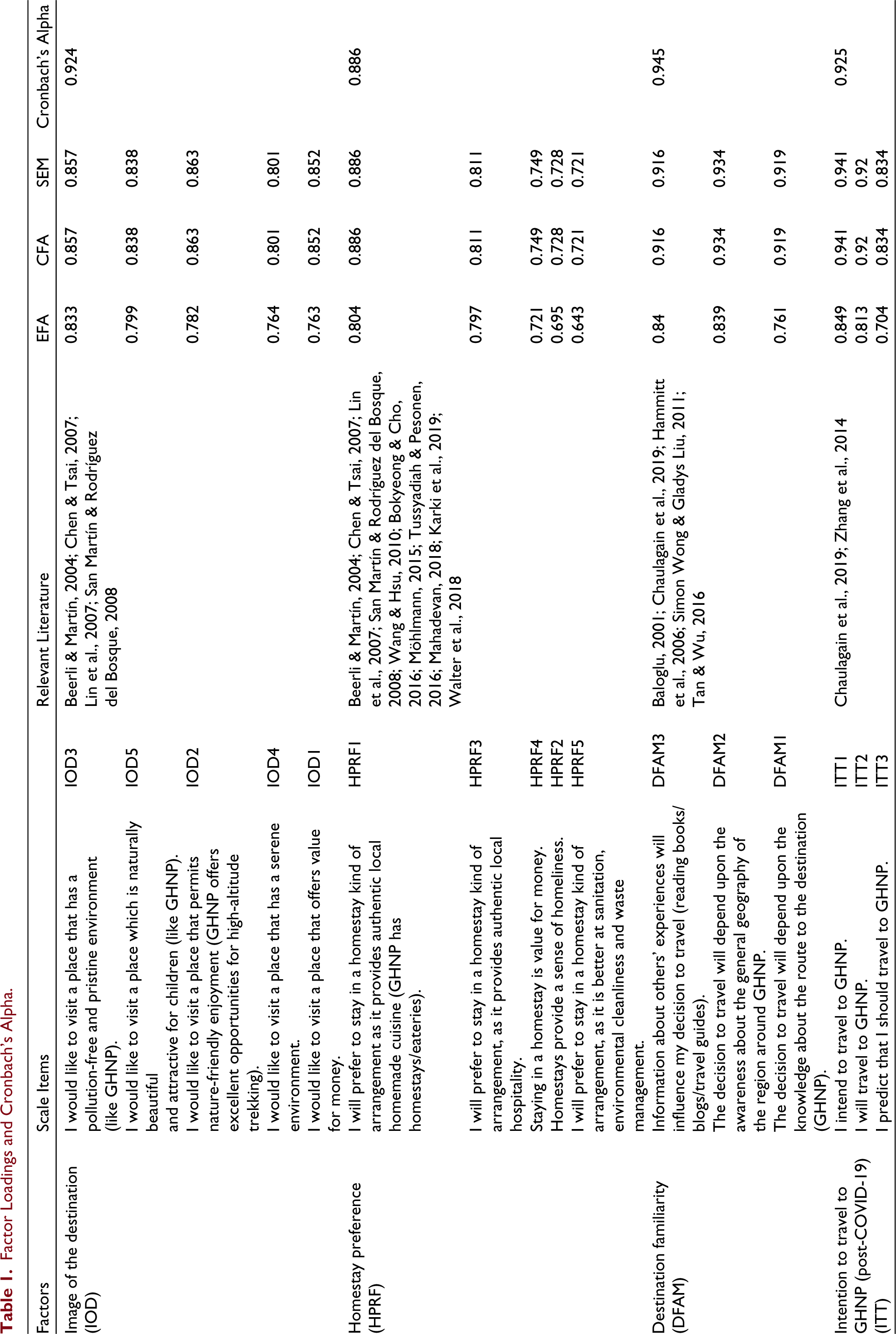
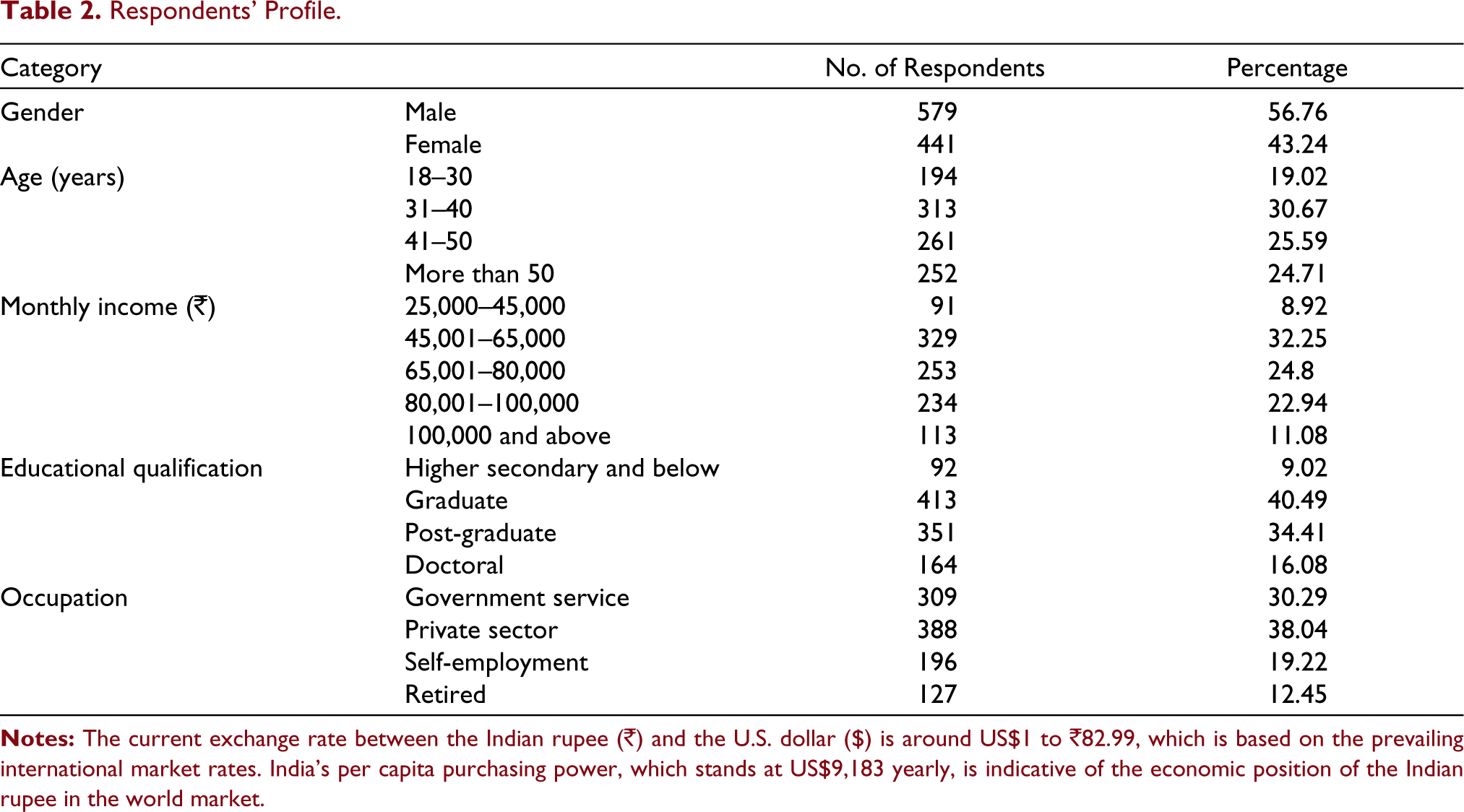
A 5-point Likert scale was used to measure the items chosen for the study (Table 1). The researchers conducted a pilot to make sure the questions were clear to respondents. Table 1 includes the final set of questions. Though the minimum required sample size according to the formula is 384, we reached 2,674 Indian respondents using the social media, namely WhatsApp and e-mail, and 1,020 final responses were collected (which is more than the threshold of 384). Table 2 shows the demographics of the respondents.
Factor Loadings and Cronbach’s Alpha.
Respondents’ Profile.
Data Analysis
Normality
The skewness and kurtosis test results indicate that the data range is within the acceptable threshold value. The variation inflation factor (VIF) exhibited a value below 3. Consequently, measures have been taken to assure the normality of the data for the purpose of analysis. Table 3 presents the descriptive statistics and correlation coefficients for the variables.
Descriptive Statistics and Correlation Values.
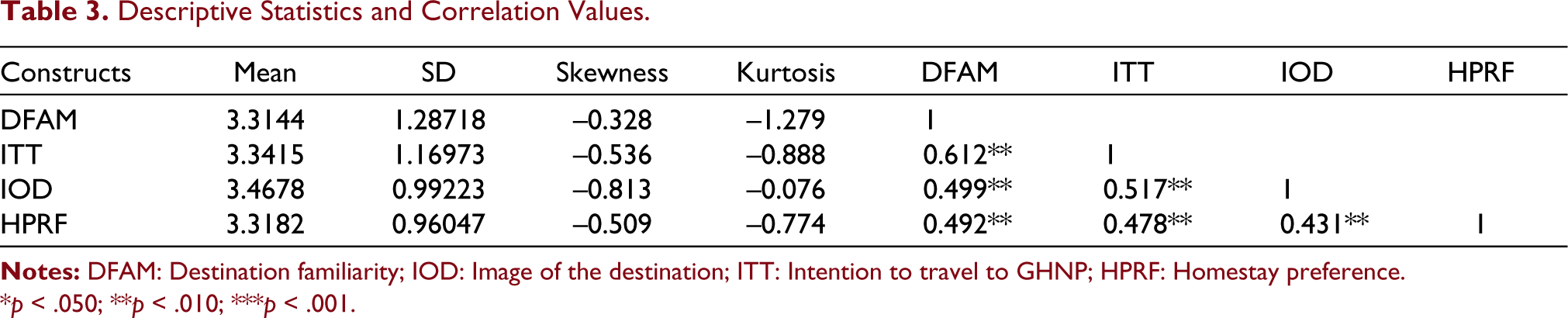
*p < .050; **p < .010; ***p < .001.
Common Method Bias
Harman’s single-factor test was conducted to assess potential bias in the data set. The finding indicates that a single factor may account for 45.8% of the variance in the difference. The observed value of this figure falls below the established threshold of 50%, as determined by Podsakoff et al. (2012). This finding suggests that a prevalent technique bias does not affect the present investigation.
Validity and Reliability Analysis
The CFA assesses the reliability and validity of the variables. Both Cronbach’s alpha and composite reliability metrics are above the minimum threshold of 0.7, as established by Fornell and Larcker (1981). According to Hair et al. (2010), the factor loadings obtained via EFA, CFA and SEM are all above the threshold of 0.7. However, it is worth noting that the established threshold values for factor loadings are typically set at 0.4. The experimental outcomes are presented in Table 1.
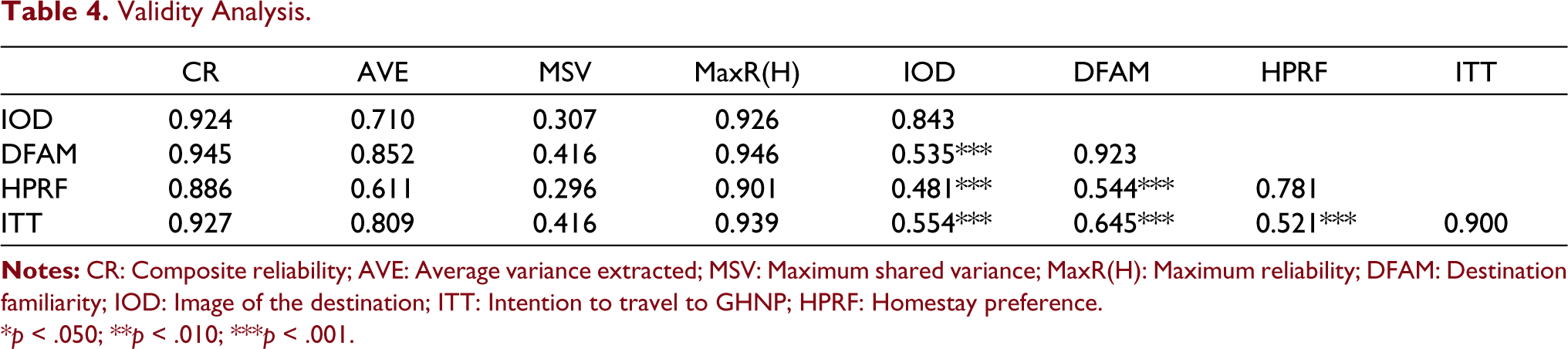
Table 4 presents a comprehensive summary of the measuring model. Both convergent and discriminant validity are assessed in this study. The average variance values are above the threshold of 0.5, while the composite reliability values surpass the AVE values. Consequently, the criteria for establishing convergent validity have been met. Table 5 presents the inter-construct correlation values, which are observed to be lower than the square root of the mean variance. This finding proves that the discriminant validity is authentic (Fornell & Larcker, 1981).
Validity Analysis.
*p < .050; **p < .010; ***p < .001.
HTMT Analysis.

Table 5 presents the HTMT analysis, which is conducted to assess the presence of discriminant validity, revealing that it is indeed present as the correlations between the constructs are below the threshold value of 0.85 (Henseler et al., 2014).
Ultimately, an assessment is conducted on the fit values of the model, revealing that each value falls well within the permitted range (Hair et al., 2010). The model fit values for the CFA are CMIN/DF = 2.664, TLI = 0.967, CFI = 0.973 and RMSEA = 0.05. The observed values exhibit a significant discrepancy from the threshold value established for the model fit, as reported by Hair et al. (2010).
Hypothesis Testing
The results of the route analysis indicate that the model is well-fitted, as all values are below the established cut-off threshold (Hair et al., 2010). The SEM exhibits model fit parameters, including a CMIN/DF ratio of 2.664, a Tucker–Lewis Index (TLI) value of 0.967, a Comparative Fit Index (CFI) value of 0.973 and a root mean square error of approximation (RMSEA) value of 0.05. The observed values fall far below the suggested thresholds, as shown by previous studies (Hair et al., 2010). The structural model provides support for all of the hypotheses, as seen in Table 6.
Hypothesis Results.
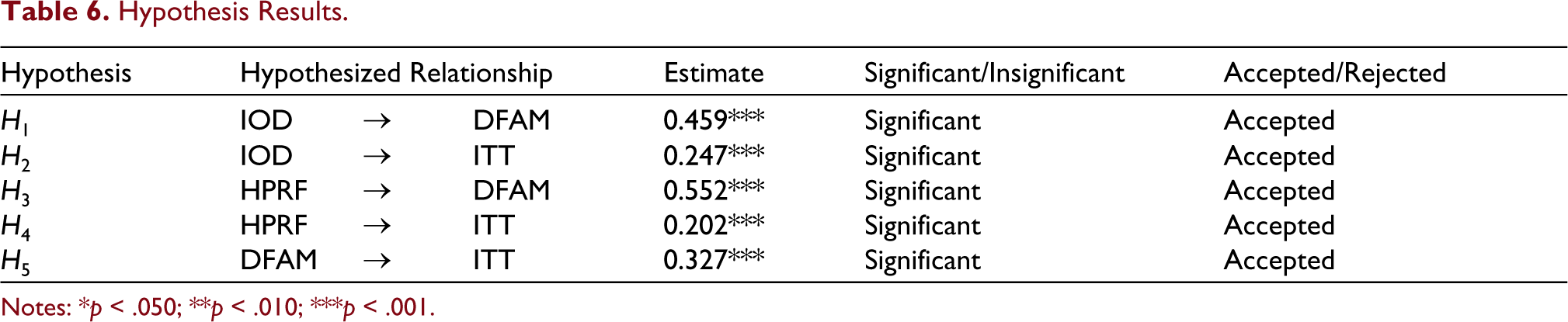
The results of the study revealed a significant and strong association between the visual representation of the travel location and the level of familiarity with that location. Therefore, the first hypothesis (H1) is supported, with a beta coefficient of 0.459 and a p value of less than .001. The results of the study indicate a statistically significant and positive relationship between the perception of the destination and the intention to travel. Therefore, H2 is confirmed, with a beta coefficient of 0.247 and a p value of less than .001. A positive correlation exists between prior familiarity with the place, a specific trip objective and a preference for lodging in a homestay accommodation. Consequently, it can be concluded that H3 (β = 0.552, p < .001) and H4 (β = 0.202, p < .001) have been validated. The findings of this study support the H5 (β = 0.327, p < .001), that a substantial and positive relationship exists between familiarity with the location and the intention to visit. In summary, the findings of this study demonstrate the validity of each hypothesis, ranging from H1 to H5, as evidenced by the data presented in Table 7 and Figure 2. The subsequent elucidation pertains to the observed variability in the dependent variables. According to Figure 2, a notable proportion of respondents, specifically 39%, exhibit familiarity with the place under consideration. Additionally, a significant percentage of respondents, that is, 50%, express their intention to engage in travel activities.
Mediation Results.

*p < .050; ** p < .010; ***p < .001.
Mediation Analysis
This study uses AMOS to evaluate the mediating effect of familiarity on various relationships for the constructs. Mediation analysis has been used to see the effects of destination familiarity towards the image of the destination and intention to travel to GHNP (H6) and homestay preference and intention to travel to GHNP (H7). Destination familiarity partially mediated the relationship between the image of the destination and the intention to travel to GHNP as well as homestay preference and the intention to travel to GHNP. Hence, H6 and H7 are supported. The results are presented in Table 7.
Control Variables
The results suggest that demographic factors such as gender and monthly income do not affect the relationship between destination familiarity (DFAM) and the intention to travel (ITT). Gender does not affect DFAM (β = −0.030, p > .05) and ITT (β = −0.017, p > .05), and monthly income has no effect on DFAM (β = −0.013, p > .05) and ITT (β = 0.016, p > .05).
Discussion of Results
The construct ‘image of the destination’ suggests that the GHNP, because of its topography and flora and fauna, is likely to conjure an image of a serene, pristine and pollution-free habitat in the minds of tourists. It is therefore apparent that potential tourists are attracted by a destination that offers them a sense of calmness. Further, the findings from the study that destination familiarity mediates the relationship between destination image and intention to travel indicate that a positive image of the destination encourages them to establish a deeper connect with the destination. Their association with the destination is not superficial and limited to visiting places where normally tourists visit, but rather they soak in the peace and natural beauty of the surroundings. Studies in the past have linked that the intention of people to travel is influenced by the image of the destination (Chaulagain et al., 2019; Prayag & Ryan, 2012; Stylos et al., 2017).
The construct of ‘image of the destination’ comprises items such as ‘GHNP has pollution free and pristine environment’, ‘GHNP has serene environment’, ‘Sites with natural beauty (GHNP) are attractive for children’ and ‘Visiting GHNP is value for money’. The findings from this study that the image of the destination has a significant positive association with destination familiarity and intention to travel suggest that in the near future, tourists may prefer a less crowded, pristine environment that provides value for money.
The preference of the tourists to travel to destinations that are familiar and their preference towards homestays—which provide them with an opportunity to know local people personally and intimately—may provide them with a sense of safety and security. The study’s findings indicate that in the near future, tourists may avoid visiting and staying in unknown places and prefer a ‘personalized’ stay with restricted occupants, having proper sanitation and maintaining proper hygiene. Therefore, integrating homestays into the tourism mainstream is necessary and should be addressed on a priority basis. It may be prudent for tour operators not to promote group tours to exotic destinations less known to travellers and instead focus on destinations that offer ‘tranquillity’, ‘clean and green environment’, ‘value for money’ and stay arrangements that provide ‘authentic local hospitality and cuisines’, ‘personalized treatment’ and ‘proper sanitization’. Tour operators must take into account the concern for safety and image of the destination, together with the destination familiarity, which plays an important role in tourists’ decision-making.
The significance of destination images in influencing both destination familiarity and travel intention is a critical area of study within the field of tourism research. The depiction of a place, whether presented in promotional materials, social media platforms or through word of mouth, holds significant influence in forming the perceptions of prospective tourists (Kim et al., 2019). The presence of an appealing and optimistic portrayal of a location increases the level of recognition and has a substantial impact on the inclination to engage in travel. The exposure of individuals to visually captivating depictions of a particular destination engenders the formation of mental images, hence facilitating the cultivation of a sense of familiarity (Tan et al., 2016). Establishing familiarity engenders a feeling of ease and reliance, diminishing the perceived hazards linked to travelling. Furthermore, a favourable perception of a destination can elicit a strong inclination to personally encounter the portrayed attractions, hence exerting an impact on the intention to travel to that particular location (Chaulagain et al., 2019).
The preferences for homestay accommodations have a notable impact on both the level of familiarity with a place and the intention to go, thus contributing to a distinct dynamic within the field of tourism. Opting for homestay lodgings as opposed to conventional alternatives such as hotels or resorts frequently entails a more intimate and genuine encounter, enabling travellers to deeply engage with the local culture and community (Dey et al., 2020). The inclination towards homestays can enhance tourists’ familiarity with the area by directly linking them to the local community’s lifestyle, traditions and everyday routines. Residing in a residential dwelling within the local community facilitates a heightened sense of cultural integration, thereby providing an authentic and individualized experience of the visited locale (Meng & Cui, 2020). Consequently, this heightened level of familiarity amplifies the destination’s overall attractiveness and positively influences the intention to engage in travel. Individuals who indicate a preference for homestays throughout their travels are often motivated by a need for more than just pleasant accommodations (Dey et al., 2020; Meng & Cui, 2020). They seek a more profound and genuine travel experience, which in turn influences their inclination and dedication to visit the particular area.
The findings indicate a significant and positive relationship between homestay preference and destination familiarity, in line with earlier results (Chaulagain et al., 2019; Dey et al., 2020; Meng & Cui, 2020). Tourists’ preference to stay in a homestay type of arrangement provides them with an opportunity to experience local hospitality and thus experience the destination in a more intimate manner. This is in line with earlier studies that indicate tourists’ involvement with the local people and experience increases their knowledge about the destination and generates destination familiarity (Buhalis, 2020; Kuhzady et al., 2020).
Practical Implications
First, the study finds that people will prefer to travel to nearby, uncrowded destinations and stay in a simple homestay arrangement where they are assured personalized treatment. This changed preference of tourists is likely to boost the region’s local economy as these homestays, compared to large corporations, run their businesses more sustainably, source locally, create local jobs and conserve the local environment and traditions. The onus to cash in on the changed tourists’ preference to stay at places where they can get clean, sanitized and personalized treatment, and also, where they can enjoy authentic local hospitality and cuisines, lies with the homestay owners. They need to ensure that their staff is properly trained and educated to maintain high standards of cleanliness, hygiene and safety.
Second, the findings have certain important implications for policymakers. They need to think about designing programmes and policies focusing on rural infrastructure development and develop and execute well-planned campaigns promoting these lesser-known destinations, thus not only ensuring a positive destination image but also enhancing the destination’s familiarity by providing authentic information. Also, there is a shift in focus from designing and executing training programmes for staff working in large hotels to equipping the staff working in homestays with adequate skills to cater to the changing preferences of tourists.
Third, destination managers for GHNP may enhance their promotional strategies by comprehending the influence of destination image on travel intentions and recognizing the significance of homestay preferences in creating the visitor experience. This understanding enables them to customize their promotional endeavours to emphasize the distinctive attributes that align with the interests of prospective tourists. The enhancement of destination familiarity and the favourable influence on travel intentions can be achieved through the promotion of the park’s natural beauty, cultural attractions and the availability of homestay accommodations. Moreover, acknowledging the attractiveness of homestays presents a prospect for local communities to actively engage in the advancement of tourism.
Fourth, the establishment of partnerships between destination managers and homestay providers has the potential to foster the development of genuine and environmentally responsible tourism encounters, thereby generating economic advantages and cultural enrichment for the local populace.
Fifth, the findings derived from this research can provide valuable guidance for the formulation of focused marketing strategies that highlight the picturesque allure of the GHNP and underscore the individualized and engaging encounters facilitated by homestay lodgings. The study’s practical implications encompass promoting sustainable tourism practices, facilitating community engagement and strategically positioning GHNP as an attractive and distinctive destination.
Finally, tourists’ intention to travel seems driven by the pursuit of eudemonic happiness. As opposed to the hedonic view of happiness, which is based on the mere pursuit of pleasurable experiences, the eudemonic view indicates that a happy life results from ‘doing what is right and virtuous, pursuing self-concordant goals’ (Fisher, 2010, p. 385). The findings from this study that intentions to travel are influenced by tourists’ preference for a homestay kind of arrangement at lesser-known destinations signal a shift in tourist behaviour from a mere superficial connect with the destination to a deeper involvement. Besides, travelling to uncrowded and lesser-known destinations like GHNP gives tourists’ an opportunity to contribute to the local economy and also gives them an opportunity to develop closer social ties and experience life at a deeper level. A shift from hedonism to eudemonia is apparent.
Theoretical Implications
The utilization of the S-O-R paradigm in the examination of the intention to visit the GHNP in India carries several theoretical implications. Within this particular context, the S-O-R paradigm functions as a beneficial perspective through which one can comprehend the complex interconnections among various constructs within the realm of tourism.
First, the framework facilitates researchers in identifying and analysing diverse stimuli that could impact tourists’ intentions to visit the GHNP. The stimuli in question may include the aesthetic appeal of the park’s natural environment, cultural landmarks and attractions, various adventurous activities and the general quality of the tourism infrastructure. The comprehension of the particular stimuli that elicit the attention and interest of prospective tourists is crucial for effectively managing and implementing destination marketing initiatives.
Second, the S-O-R framework serves as a valuable tool for examining individuals’ internal states or psychological processes (organism) in relation to the detected stimuli. This study entails an analysis of the manner in which tourists perceive and understand the distinctive characteristics of the GHNP. The cognitive and affective components of the tourist experience can be better understood through the examination of factors such as emotional responses, attitudes and motivations.
Third, the paradigm facilitates the analysis of behavioural responses, namely the intention to travel, resulting from the interplay between external cues and the internal states of visitors. Destination management organizations can build focused interventions to increase positive outcomes and decrease potential barriers by comprehending the role of environmental stimuli and human characteristics in the establishment of travel intentions.
Finally, the S-O-R framework offers a systematic methodology for thoroughly examining the underlying factors influencing the inclination to engage in travel to the GHNP. This methodology enables researchers to analyse the intricate dynamics among external stimuli, internal processes and behavioural responses, thereby providing valuable insights for the purposes of destination planning, marketing strategies and sustainable tourism development within the specific context of this distinctive natural and cultural heritage site.
Future Scopes and Limitations
The results indicate that destination image, mediated by destination familiarity, significantly impacts the intention to travel. So, while the promotion of these destinations will enhance familiarity, information regarding the status of safety, cleanliness and hygiene will create a favourable image. The study also establishes the significant role that destination familiarity plays in the decision-making process with regard to the intention to travel.
Future research in special interest tourism should aim to expand the utilization of the S-O-R framework to forecast travel intention within this specific niche sector. Special interest tourism, which is distinguished by its concentration on particular activities or topics, provides a distinctive setting in which the S-O-R framework might enhance our comprehension of the elements that influence travel motives and behaviours. The predictive capacity of the framework can be improved by researchers that investigate the identification of specific stimuli that align with niche interests, such as wildlife observation, adventure sports or cultural immersion. In addition, it is important to customize the ‘Organism’ aspect of the framework to cover the unique attributes of individuals attracted to special interest tourism. This entails examining how personality traits, lifestyle considerations and psychological variables impact their intent to engage in travel. When examining behavioural reactions, it is imperative for researchers to extend their analysis beyond the mere measurement of travel intentions. Instead, they should delve into more intricate outcomes such as engagement, satisfaction and loyalty that are specifically related to the niche activity. Moreover, including external elements, such as destination marketing tactics and the influence of new trends on special interest tourism, would contribute to a more holistic comprehension of the S-O-R framework within this domain. Longitudinal studies that monitor the evolution of stimulus perception, internal states and behavioural responses over time will enhance our understanding of how the S-O-R framework develops within the domain of special interest tourism. This knowledge will ultimately provide valuable insights for the development of targeted marketing strategies and more effective destination management approaches for niche travel experiences.
This study found that tourists may prefer uncrowded, lesser-known areas that are familiar to them, have a positive image and offer safe and hygienic homestays. Descriptive studies reflect respondents’ perceptions of a certain moment. A longitudinal investigation will provide further insight into this preference shift’s longevity. A sample size of 1,020 is sufficient to research tourists’ plans to visit a single destination, while a larger sample size including many destinations may provide more generalized insights. It will be fascinating to see if visitors prefer longer stays at these sites.
Concluding Remarks
In summary, the research examining the relationship between the perception of the destination, preferences for homestay accommodations, familiarity with the destination and the intention to visit the GHNP in India highlights the complex factors influencing visitor behaviour. The results of the study emphasize the significant impact of destination image on travel intentions, underscoring the importance of implementing smart destination marketing strategies that promote the distinctive natural and cultural characteristics of the GHNP. Moreover, the research highlights the importance of homestay preferences in augmenting destination familiarity, thereby providing a means for sustainable tourism growth through the promotion of genuine, community-driven encounters. The practical ramifications of this study extend beyond its theoretical insights, indicating that destination managers and local stakeholders can utilize these findings to develop customized promotional tactics. By strategically leveraging the appeal of homestays and effectively highlighting the unique characteristics of GHNP, there exists a potential avenue to not only attract tourists but also make a positive impact on the local economy and the preservation of cultural heritage. This study provides essential guidance for stakeholders who aim to enhance their strategies for promoting sustainable tourism practices and creating meaningful tourist experiences in the pristine Himalayan environment of GHNP, which is increasingly becoming a popular destination.
Footnotes
Declaration of Conflicting Interests
The authors declared no potential conflicts of interest with respect to the research, authorship and/or publication of this article.
Funding
The authors received no financial support for the research, authorship and/or publication of this article.