Abstract

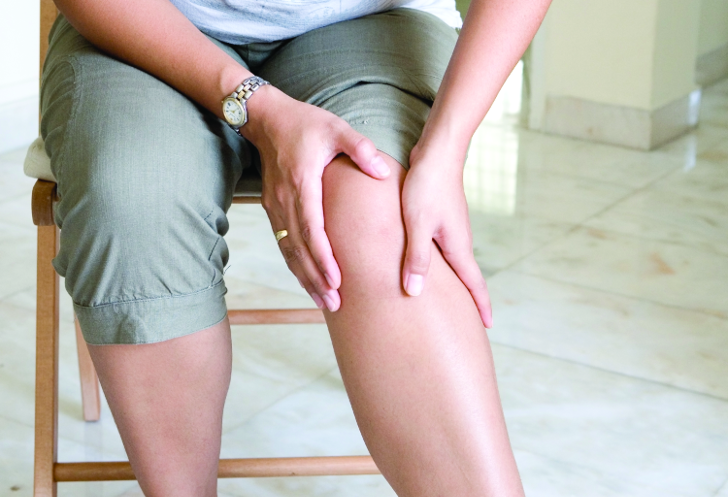
Ann was diagnosed with diabetes as a young girl and has experienced a number of complications. She describes neuropathy as perhaps the worst of them all. We asked Ann to share her story.
Can you tell us about when the neuropathy started and your experience with it?
The first time I had neuropathy symptoms was on a plane trip to Florida. My feet felt funny in my shoes and my toes felt squished. It was noticeable, but I thought my feet had swollen from the flight. Then I started feeling like I had a rock in my shoes, like my socks were bunched up at the toe. I checked my socks and shoes, then checked my toes to see if they were swollen. They weren’t, so I figured then it had to be neuropathy.
The next symptoms started in my legs about 4 months later. It was a strange pain like nothing I had ever felt before. Sometimes it was like electricity shooting through my legs and other times I felt really achy like I had the flu, but only in my legs.
The pain progressed and got much worse. I started having severe muscle weakness. My legs gave out while I was standing for no reason at all. I was prescribed prescription medicine, including Neurontin. The Neurontin just seemed to make me twitchy and was no help. The pain pills would help for a week or so at the recommended dose, but then they stopped being effective too. I was taking lots of pills—3 Neurontin a day and 3 or 4 pain pills. I would conk out for 1 or 2 hours and then wake up with the pain having returned and no relief.
Next came neuropathy of the core of my body. I felt like I had a severe sunburn all the time. I couldn’t stand to let anything touch my skin—clothes, blankets, people, et cetera. The pain would get so horrible. It started around 5 or 6 PM and then for some reason would peak around midnight to 6 AM. This is when I would simply shed my clothes. It was the middle of February, and in spite of it being cold in my house, I felt like I was on fire and like my legs were being electrocuted. I was naked and crying, semi-suicidal, and powerless to do anything about it.
I could go on and on about how awful the pain was, but this is the long and short of it.
What impact did this have emotionally?
I was in agony 24 hours a day for months. None of the pills were working. My thighs were so weak that I couldn’t walk, much less work out. I was a mental mess. I discovered that pills can sometimes make pain worse because when you expect them to work and they don’t you get so disappointed you blame yourself and it just cascades into a dark hole. So I stopped the pills. I weaned myself off the Neurontin and I also totally quit caffeine (someone said it made the pain worse). As things began to improve, my depression began to get better. I got off the pills, and my head cleared until I could think straight again.
What was the worst aspect of this?
When I thought the neuropathy would never end. There was nothing I could take and nothing I could do to make it better or to stop it. I could get no relief. I was afraid it would go on forever.
What helped you get through this?
I’m not sure how I made it through. When I quit all the medications, the pain stayed the same, but I was not a maniac anymore. So at least my head cleared up. I went to a neurologist who explained that I was probably near the end of the worst of my pain and that things would start to improve slowly. The whole episode lasted close to 18 months. While the pain does come back from time to time, it never approaches what I dealt with during that severe time.
What do you want educators to know about neuropathy?
They need to know how horrible it is to have this pain roaming around your body and to be so powerless about changing it. I would want them to have compassion for those who suffer with this and to be able to trust how crazy you feel when your body is acting this way. Don’t blame them for these problems. Appreciate they may have not done great with their control, but they are probably doing the best they can do. Don’t question their reality too much. Trust that they are having a hard time in understanding the pain and are not making it up.