






Abstract


Making the decision to embark on a journey into establishing a diabetes education operation may present many significant challenges, from creating your business plan and model to applying for and attaining accreditation, from building up clientele to money management and budgeting challenges, and finally, simply knowing the field . . . and your limitations.
However, with these challenges come numerous rewards for your business and your patients with diabetes who rely on your education and health care services.
“I think it is very important to emphasize that clinical knowledge and educational skills are only a part of what makes a private venture successful,” said Gary Scheiner, MS, CDE, owner and clinical director of Integrated Diabetes Services, LLC, in Wynnewood, Pennsylvania. “You need to be prepared to market and sell yourself and your services, balance a budget, deal with human resource issues, and develop some business savvy.”
In this article, 3 educators who have started their own diabetes education programs share their successes and struggles, as well as the benefits.
“You have to be willing to put forth some sweat equity. If you can get past the challenges, the rewards that you reap within yourself by helping someone improve their outcomes through your diabetes education program can be priceless,” said Sandra Bollinger, PharmD, FASCP, CGP, CDE, CFts, CPT, owner of Health Priorities, Inc., in Sikeston, Missouri.
Making the Move
For some, the decision to strike out on one’s own may be personal, inspired by a life event or turning point in one’s career. For others, it may be realizing a lifelong dream.
Bollinger’s decision to start her own diabetes education program was sparked by 2 personal, eye-opening situations. One day while serving as a long-term care consultant, Bollinger was reviewing resident charts when she looked up from the files and saw a shocking picture—a room full of sick patients unable to care for themselves, most of whom were wheelchair-bound.
Sandra Bollinger, PharmD, FASCP, CGP, CDE, CFts, CPT, owner of Health Priorities, Inc., in Sikeston, Missouri
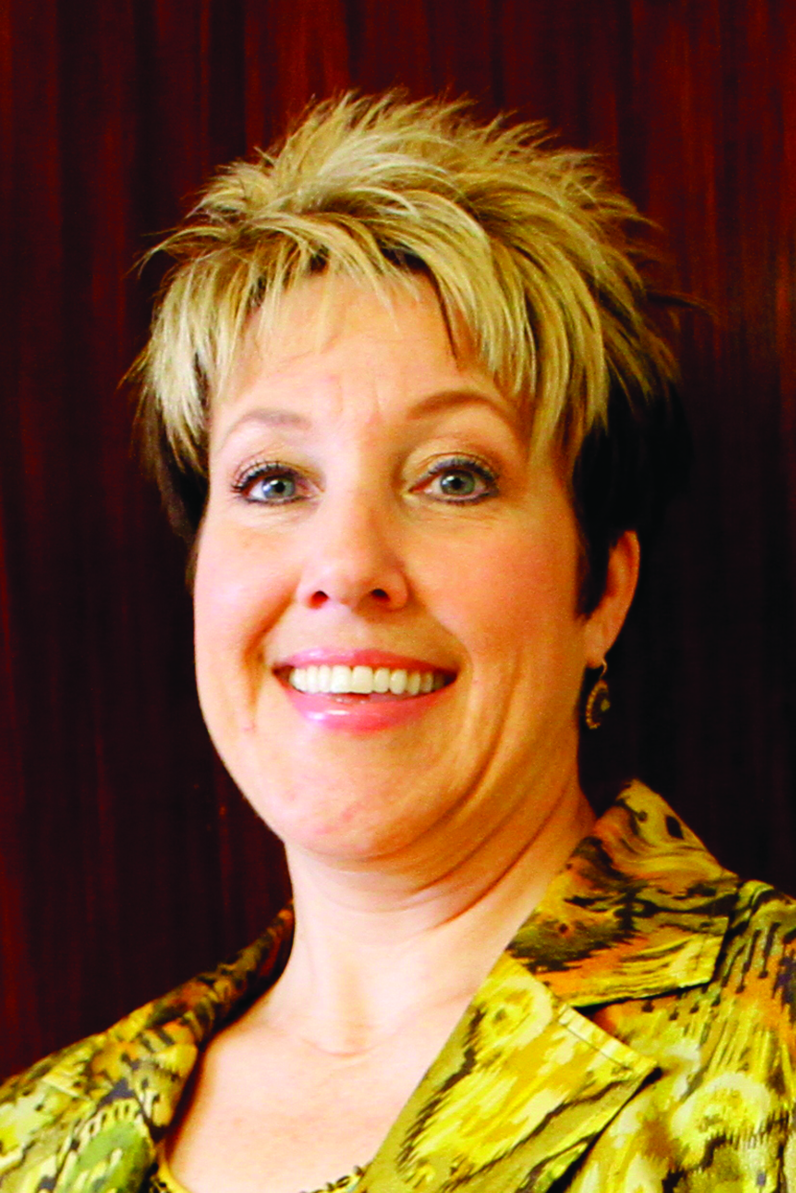
“I wondered if this was what I had to look forward to as I continued to age,” she said. “But as I started to pay more attention to the diagnoses and reasons why these people had been admitted to the nursing facility, I realized something quite interesting. I didn’t have to look forward to this. The majority of reasons why they were admitted may have been avoided if they had better health education.”
The second inclination for Bollinger was the result of a medical misdiagnosis of a loved one’s health condition.
“I was with my family member when a heart attack occurred,” she said. “In fact, it was a classic textbook description that I explained in detail to the paramedics, the intake personnel at the hospital, and the charge nurse. I even attached a handwritten note to the chart in order to alert the rounding physician, should he or she visit the room in my absence.”
Despite her explanations and extensive medical knowledge, her family member was discharged with a diagnosis of seizures. Several days later, the family member was still experiencing chest pain, was readmitted to the hospital, and subsequently, underwent double bypass cardiac surgery. It was then that Bollinger realized that, like her own family member, many other people needed an “extra set of eyes and ears to make sure they don’t fall through the cracks that exist in health care.”

Dana Armstrong, RD, CDE, owner of Diabetes & Nutrition Support Services in Salinas, California, has a slightly different story. After more than 25 years working in the industry, a layoff from her position in a physician-based practice forced her hand to make a decision that was a long time coming.
“I always questioned if I could do it and all of the sudden I knew this was my chance,” she said. “I have never truly been happier and absolutely love my job. If I knew then what I know now, I would have done this sooner, but I think my experience getting established in the medical community laid important groundwork for the success of my business.”

Scheiner had a similar experience. He was working as an exercise physiologist for a Joslin Diabetes Center in Philadelphia. The multidisciplinary team was building a solid client base with excellent outcomes, he said, when hospital administration decided to start paring back the program.
“It wasn’t seeing enough direct revenue being generated,” he explained. “It was at that point that I decided to venture out on my own. Call me crazy, but I think that if you provide a good and needed service and get results, you should be rewarded and not punished. I knew there was a need.”
Jumping the Hurdles
When just starting out or expanding your diabetes education program, experts agree that it is important to keep your expenses and expectations low. Knowing how to spend sensibly, utilizing existing teaching tools, maximizing profits through reimbursement and fee for service, and utilizing resources to increase your business savvy can help keep your business operations running smoothly. Working out of your home or renting inexpensive office space for your business can help save money in the beginning. When budgeting, keep in mind additional expenses such as office furnishings, supplies, health insurance, and salaries.
“In the beginning, the patient volume won’t be enough to make ends meet,” Scheiner said. “Make sure you have other sources of income lined up—consulting work, writing, projects for pharmaceutical companies or device manufacturers, or even part-time employment elsewhere. As the patient volume increases, you can pare back on the other jobs or hire additional staff.”
Attaining certification can be a challenge as well. Armstrong advised utilizing the expertise of those in the industry and not to be afraid to ask questions. Hiring the “right” staff, while an expense in the beginning, can be a true asset in the end, according to Armstrong.
“I was doing too much administrative work, so I hired a staff member who is certified in medical billing and coding, a medical assistant, bilingual, has type 1 diabetes, and is on the pump,” Armstrong said. “She is a true gem and because of her experience and knowledge has increased my reimbursement.”
Once business plans and staff are intact, marketing and communication skills are required to promote your services and to convince both physicians and patients that there is a need for what you can provide. Physicians need to understand that people with diabetes may need more help than they can provide. Getting them to trust in a diabetes educator to help their patients to succeed is a challenge, according to Scheiner. In addition, patients will need to understand that the benefits of your services outweigh the cost associated with the care.
Most importantly, entrepreneurs say network, network, network. Utilizing your already existing “rolodex” of colleagues, physicians, patients, former patients, and even personal contacts will help to increase visibility of your services. Patient referrals and feedback to their physicians is important to build a client base, according to Armstrong. Partner with vendors for promotional opportunities and utilize social media for free publicity.
“Diabetes is a niche market. Mass-media advertising for education is basically like throwing money away,” Scheiner said. “Think like a vendor but continue to act like a health care professional.”
It is also important to continue personal career growth and education by staying on top of new counseling techniques and developing clinical areas that may increase your client base.
“There is a lot of diabetes out there and a lot of people need information,” Armstrong said. “Knowing what patients want and need is key. Listening to their needs, keeping your skills sharp, and updating and offering programs of value are important for your patients and your business model.”
Offering specialized classes on carb counting, insulin pump management, gestational diabetes, weight reduction, and even cooking for diabetes can be extremely beneficial to your clients and your revenue stream.
“Whether you’re a nurse, dietitian, psychologist, exercise specialist, or whatever, you need to be competent in a wide variety of disciplines in order to serve your clients,” Scheiner said. “There is no rule that says a nurse can’t teach carb counting or develop a meal plan or that a dietitian can’t help someone develop a good exercise plan or make more effective use of new medications.”
Business Models in Review
As a sole care provider in a rural community, Armstrong’s business focuses on individual and group counseling along with a series of classes and nutritional services. As a certified food for life instructor for the Physicians Committee for Responsible Medicine, she provides a unique forum for educating patients with diabetes on how to create healthy recipes.
Bollinger’s business model is to subcontract her services to clinics, pharmacies, and other entities. In addition, she provides diabetes education services on a cash basis to patients in her office. She offers services above and beyond diabetes self-management, education, and training. Bollinger described it as a cross between a health coach, who utilizes goal setting, identifying obstacles, and using personal support systems, and a case manager, who assesses, plans, implements, coordinates, monitors, and evaluates the options and services to meet the patient’s needs.
Dana Armstrong, RD, CDE, owner of Diabetes & Nutrition Support Services in Salinas, California
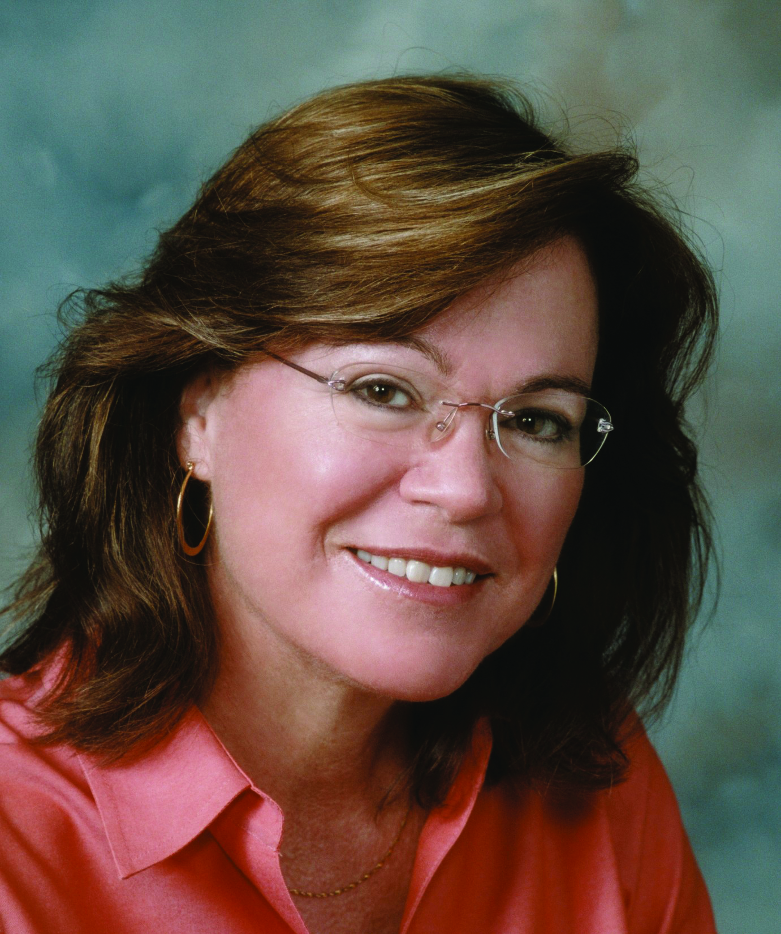
Scheiner’s passionate, multidisciplinary team of diabetes educators provide one-on-one services and diabetes consulting and management, offering services that he believes “fills the gap” of those provided by patients’ other health care providers. His business model is a 100 percent fee-for-service practice. Since diabetes is a 24/7 disease, he believes the best way to meet the needs of his clients is to focus on their management and education rather than forms and paperwork.
He provides retainer services that are available for 3, 6, or 12 months at a time.
“This allows us to be creative with our services,” he said. “For example, the majority of our clients work with us on a retainer basis. In addition to regularly scheduled appointments, they are encouraged to communicate with us via email, phone calls, texts, faxes, and data downloads so that we can help them to make day-to-day adjustments and troubleshoot effectively.”
Patients receive detailed billing statements they can submit to their health insurance companies for reimbursement, and more than half of his patients receive some form of reimbursement. Consultations include a combination of blood glucose regulation and advanced self-management education based on the AADE7 Self-Care Behaviors™ framework and are provided in person or remotely to serve patients across the globe.
Gary Scheiner, MS, CDE, owner and clinical director of Integrated Diabetes Services, LLC, in Wynnewood, Pennsylvania.
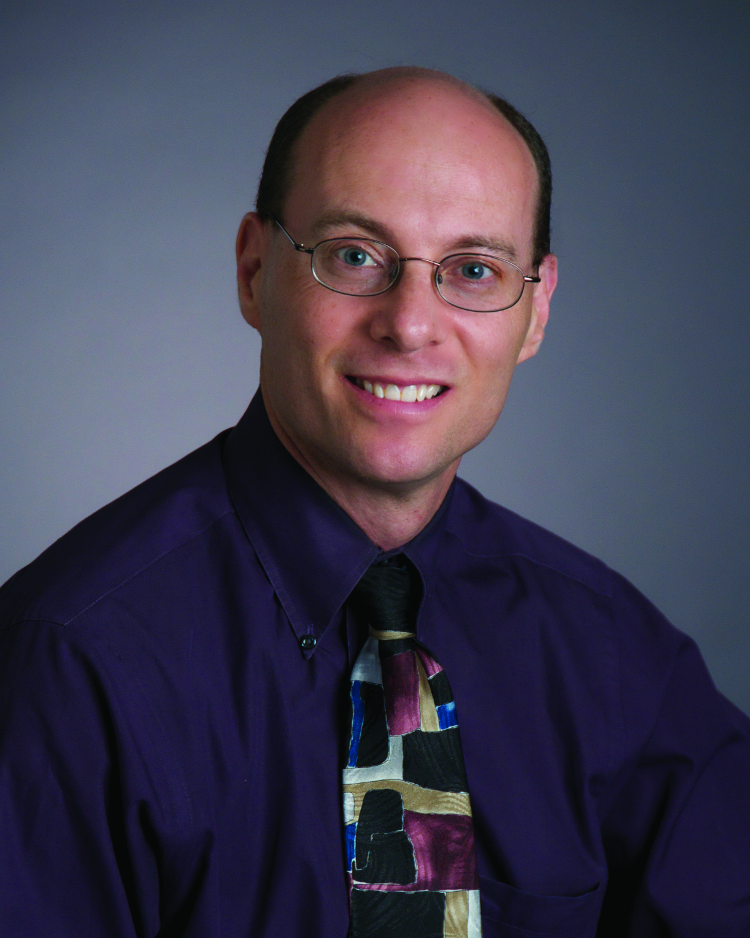
When establishing your business model, Scheiner advises not to underprice yourself. “This is a mistake that most clinicians make when going out on their own,” he said. “Set your prices so as to cover your expenses (including paying yourself), and then add 50 percent to it. Remember, when negotiating with a prospective client, you can always come down in price, but you can never go up.”
Resources at Your Disposal
AADE offers professional resources and opportunities on education, information, and solutions for diabetes educators, which Armstrong found useful in establishing her diabetes education program and improving patient care. For her, one of the most significant challenges in getting her business started was the medical billing and insurance aspects. She advises to ask questions when you hit a road block and remember to hire key people who are knowledgeable in the areas you know less about.
Think like a vendor but continue to act like a health care professional.
“Look at the true costs. If I am spending time doing something like administrative work, I am actually losing money,” Armstrong said.
Scheiner recommended utilizing the Small Business Development Centers (SBDC) as a resource for technical assistance on sustainability and creation of new business entities. SBDCs are made up of a collaboration of small business administrations, state and local governments, and private sector funding resources. They can assist diabetes educators with developing a business plan and negotiating many of the challenges of starting and maintaining a small business, Scheiner said. SBDCs are located in most major metropolitan areas, as well as in many schools of business.
Bollinger said her most important words of wisdom are not to get discouraged. “There are lots of challenges that may present: the paperwork, lack of support from other members of the multidisciplinary team, payment sources, et cetera. Use your creative energy and be willing to think outside the box in order to figure out ways that can help you be successful,” she advised.
AADE members can have their reimbursement questions answered via the Ask the Reimbursement Expert service at www.diabeteseducator.org.
“If at first you don’t get support from those to whom you reach out, don’t be afraid to reach out again and again at later dates. But if you start making an impact on patients one by one, it will all add up,” Bollinger added. “You’ll eventually make an impression on those that originally didn’t embrace your efforts, simply through the patients that you touched sharing the difference that you’ve made in their lives.”
Footnotes
Tara Grassia is a freelance writer and editor in Philadelphia, PA.
Disclosures
Bollinger and Armstrong have no disclosures to announce.
Scheiner serves on advisory boards and provides writing, speaking, and consulting services for more than a dozen companies in the diabetes industry.