






Abstract

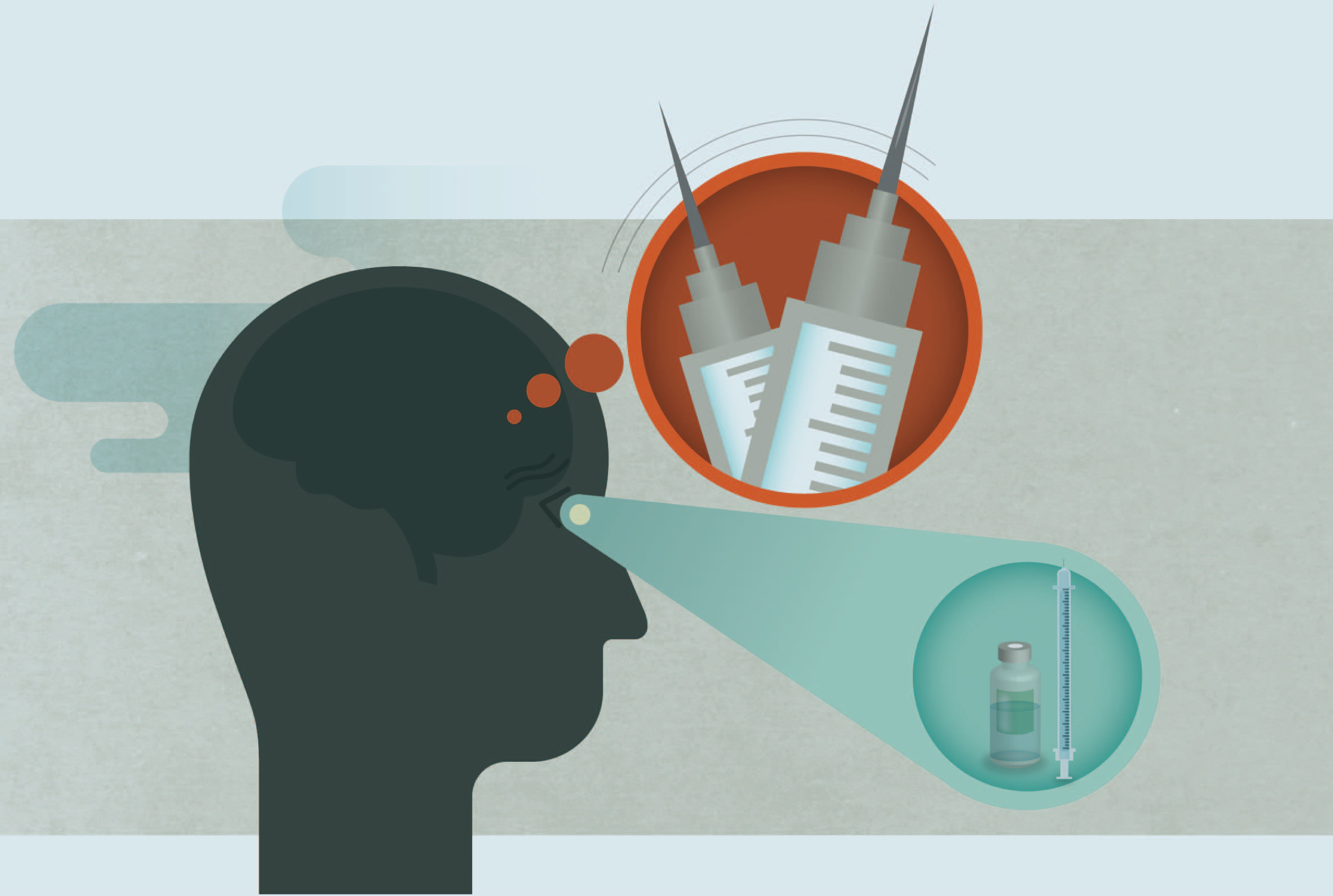
Creating effective and efficient patient encounters is always at the forefront of our thinking as diabetes educators. Here are 2 things to remember that can help with new insulin starts.
Ask Your Patient 2 Questions at the Outset of the Meeting.
What do you KNOW about insulin?
What do you THINK about insulin?
I’ve found that asking these questions and really listening to the answers tells me a tremendous amount about how the rest of the appointment is going to go. Many people associate insulin with severe hypoglycemic reactions (someone laid out in the middle of a crowd completely unconscious). They also may associate insulin with loss of limbs, heart attack, or severe complications. This gives educators the chance to explain that using insulin sooner can PREVENT these complications from occurring. You can then add that while severe hypoglycemic reactions may occur, they are rare, and learning about how to prevent as well as treat them is part of the overall education process.
Get the Pointy Part Over with as Quickly as Possible.
Otherwise, you could be trying to explain doses, how to draw up or mix insulin, or how to calculate insulin-to-carbohydrate ratios when all the patient is thinking is “How much is this going to hurt?” Doing a simple “dry” injection early on without insulin can go a long way toward allaying the fear of injection and allowing your patient to concentrate on the numbers and procedures needed for the best outcomes possible.
Footnotes
Jerry Meece, RPH, CDE, FACA, is director of clinical services with Plaza Pharmacy and Wellness Center in Gainesville, TX.