






Abstract

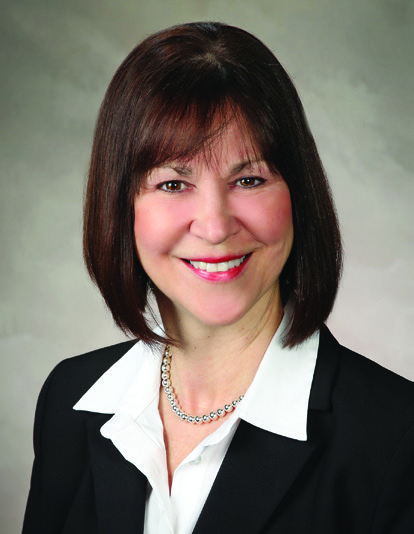
One of the best ways to stop an epidemic is to keep those at risk from ever developing the disease. Prevention has eradicated some of the greatest threats to humanity, from polio to smallpox, saving an untold number of lives and government dollars. Type 2 diabetes is no different.
The Centers for Disease Control and Prevention (CDC) estimates that 86 million US adults (1 in 3) have prediabetes. If no action is taken, 15% to 30% of these people will develop type 2 diabetes within 5 years, increasing the burden on our health care system and forever changing the lives of those affected. But there is hope.
The National Diabetes Prevention Program (National DPP) uses evidence-based lifestyle interventions to help people at high risk for type 2 diabetes stop or delay onset of the disease. Participants work with a lifestyle coach to focus on healthy changes around eating, reducing stress, and increasing physical activity. Studies have shown that not only does the program work but also reduces net Medicare spending. The Center for Medicare and Medicaid Innovation (CMMI) pilot demonstrated DPP savings of $2650 per patient within the Medicare population.
AADE has been a major player in the prevention space since 2012, after receiving a cooperative agreement from the CDC to help expand the National DPP nationwide. AADE’s model of implementing the National DPP through diabetes self-management education and support (DSMES) programs shows solid and replicable results. AADE DPP sites have shown an average weight loss of 6.1% over 12 months, compared to a national average of less than 5%, and a participant retention rate of more than 80%! Type 2 diabetes prevention services are working, and they are changing lives, so we are moving forward within the prevention space.
AADE has taken everything we learned about how to successfully build and scale the National Diabetes Prevention Program and used that knowledge to create an online resource center to help other DSMES programs do the same. The AADE Prevention Network is a one-stop-shop web portal of tools (including a participant data base system), resources, templates, and guidance to help network subscribers set up and manage a CDC Recognized DPP. With diabetes prevention scheduled to become a covered benefit by Medicare in 2018, now is the time for programs to initiate the processes toward becoming a CDC Recognized Program and offering prevention services. The outcomes are there, the expertise is provided, and most importantly, the opportunity exists to increase revenue while stemming the tide of type 2 diabetes. I encourage you to visit us online at diabeteseducator.org/PreventionSimplified to learn more about the AADE Prevention Network.
This August, you can also learn more about diabetes prevention at AADE17 in Indianapolis—Friday August 4 to Monday August 7. Friday will have a special focus on prediabetes, making this our second annual “Prediabetes Day,” starting with keynote speaker David Katz, MD, MPH, FACPM, FACP, a globally recognized expert in prevention from Yale University. Additionally, Joanna DiBenedetto, AADE director of prevention, will be presenting AADE’s DPP model in her afternoon breakout session. Other sessions that day will focus on everything from reimbursement to best practices. Check out a copy of the registration brochure for more information or go to aade17.org.
Prevention will also be featured on Thursday, August 3, during a special preconference program designed to bring together well-known prevention experts to explore best practices. The discussions will be led by Ann Albright, PhD, RD, director, CDC Division of Diabetes Translation; Joanna Craver DiBenedetto, AADE director of prevention; Diana Echenique, MPH, senior program analyst, Office of Minority Health Resource Center, Hispanic/Latino Communities; Carl Ellison from the Indiana Minority Health Coalition, as well as representatives from the YMCA. Those who register for this special event will also receive free access to the first day of AADE17!
As important as it is for health care professionals to learn all we can about diabetes prevention, it is equally important for those affected by diabetes to have outlets to connect and learn. Each of my president’s letters this year has provided an introduction to a valued member of the diabetes online community (DOC) or a patient facing organization (PFO). In this issue, I’m proud to feature Anna Norton from DiabetesSisters.org. Founded in 2009, this site was created by women, for women, to improve the health and quality of life for those with diabetes and advocate on their behalf. Please take a few moments to read more about their amazing contributions and support.
The National Diabetes Prevention Program will be a key driver in the prevention arena. The evidence supports its success in helping those at risk for type 2 diabetes stop or delay disease onset while saving Medicare, and potentially private payers, millions of dollars in health care costs. We should all work toward a goal of including the National DPP practices in our existing programs. This will serve to support sustainable DSMES programs for people with diabetes while helping prevent the diagnosis in those at risk. ■
AADE DOC Spotlight
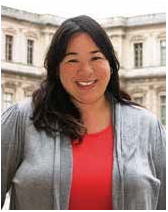
CEO, DiabetesSisters
DiabetesSisters is a national 501c3 nonprofit organization dedicated to supporting and educating women living with and at risk for diabetes. Since our founding in 2009, we have grown to a community of more than 20 000 members who participate in our programs and services online and in person. As part of the diabetes online community (DOC), we have engaged with women online, asking questions, providing peer support, and sharing resources on our website’s forum at diabetessisters.org. We also participate actively on social media via Facebook and Twitter.
Over the years, we have grown our website to include more resources, including a Life Class webinar series, which offers free 30-minute webinars on an array of subjects such as diabetes and heart disease, eating disorders, menopause, and anxiety. We also house an educational library of brochures that can be downloaded and shared with others. Our monthly e-newsletter has a distribution of more than 13 000 subscribers.
This variety of outreach has proven successful to DiabetesSisters, addressing the needs of women living with diabetes at the capacity they wish to be involved. We are inclusive of women living with any kind of diabetes, focusing on our similarly shared goals rather than differences.
We have also partnered with Johns Hopkins University, the University of North Carolina at Chapel Hill, and TrustNetMD through a PCORI-funded project called DiabetesSistersVoices. Women can register to the site—diabetessistersvoices.org—and engage with others, share resources, and pose important questions that will be gathered to help drive future research.
We have been working closely with a health ministry to bring more education to women diagnosed with prediabetes and type 2 diabetes in underserved communities. This program highlights local resources and provides hands-on ways to manage diabetes through healthy cooking demonstrations, stress management techniques, and physical activity options for women of all ages and abilities.
Registration is now open to our National Weekend for Women Conference, scheduled for October 13-15, 2017, in Alexandria, Virginia. This conference brings together experts in the diabetes field to discuss topics such as nutrition, depression, and physical fitness and how they relate to diabetes. Since it was first held in 2010, our conference has become the premier forum for women living with any kind of diabetes.
We are constantly influenced by other diabetes organizations and partners who dedicate time, resources, and funding to making the psychosocial aspect of living with diabetes more manageable and mainstream. We are fortunate to be involved with many diabetes advocates and organizations who proudly and tirelessly serve our community. We are inspired by our DiabetesSisters, who participate in our programs and services, ask relevant questions, and provide us with topics to explore throughout the diabetes journey. We are also inspired by our volunteer corps—our POD Leaders—who lead monthly peer support meetups all over the country, reaching more than 1300 women each month. This combination of advocates allows us to continue our work enthusiastically.
Collaboration has been key to helping people in the DOC. Together, diabetes organizations have succeeded in ways that astound. For instance, on World Diabetes Day, November 14, we all come together to participate in the 24-hour Twitter chat sponsored by DSMA. Collaborations have taught us that our reach is greater when we work together.
The safe space of the DOC allows people living with diabetes to share their experiences without fear of judgement. This is so important to the mental health of a person living with a chronic illness, one that is often misunderstood. The DOC allows important, raw conversations to take place and allows others to provide support, counsel, and accountability. Diabetes educators can participate online or sit back and read. Your involvement is up to you. But the conversations provide a window into the thoughts of patients, often thoughts that are not shared in a clinical setting.
The best ways to connect with us include our website—diabetessisters.org—where you can also sign up for our monthly e-newsleter as well as via Twitter (@diabetessisters) and Facebook (facebook.com/diabetessisters). To participate in research initiatives, visit diabetessistersvoices.org.