Abstract
Background:
Childhood obesity has become a growing UK and first world problem. Obesity is reaching epidemic levels, particularly in some lower socio-economic populations and ethnic minority groups where it is over 30%. The cause is multifactorial but is underpinned by a rise in the availability of unhealthy, highly processed convenience foods, and decreased activity levels. We sought to understand what food was available in the surgical out-patient setting of a dedicated regional Children’s Hospital in the UK and the nutritional messages we are giving patients.
Hypothesis:
The hospital provides balanced food and drink choices to promote healthy living.
Methods:
Researchers determined where food and drinks could be purchased within the Hospital’s surgical out-patient settings. All vending machines and shops were included, with photographs taken to identify all available food and drink. The nutritional information of each product was recorded from manufacturer data available online or on packaging. Data was analysed and compared to the UK Government’s recommended daily intake (RDI) guidelines for food and drink. The Australian Health Star rating system was also used to give each product a “healthiness score”.
Results:
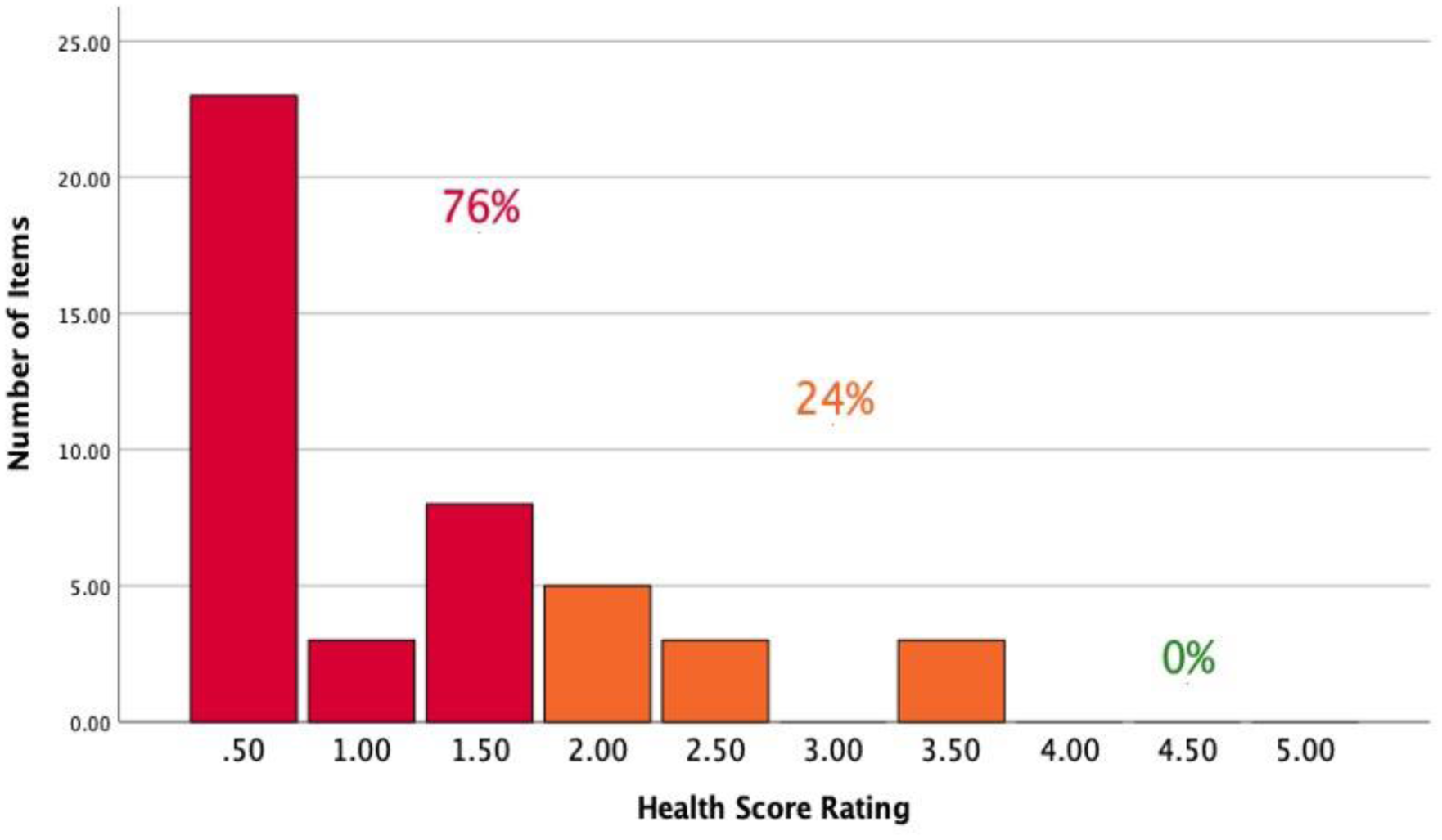
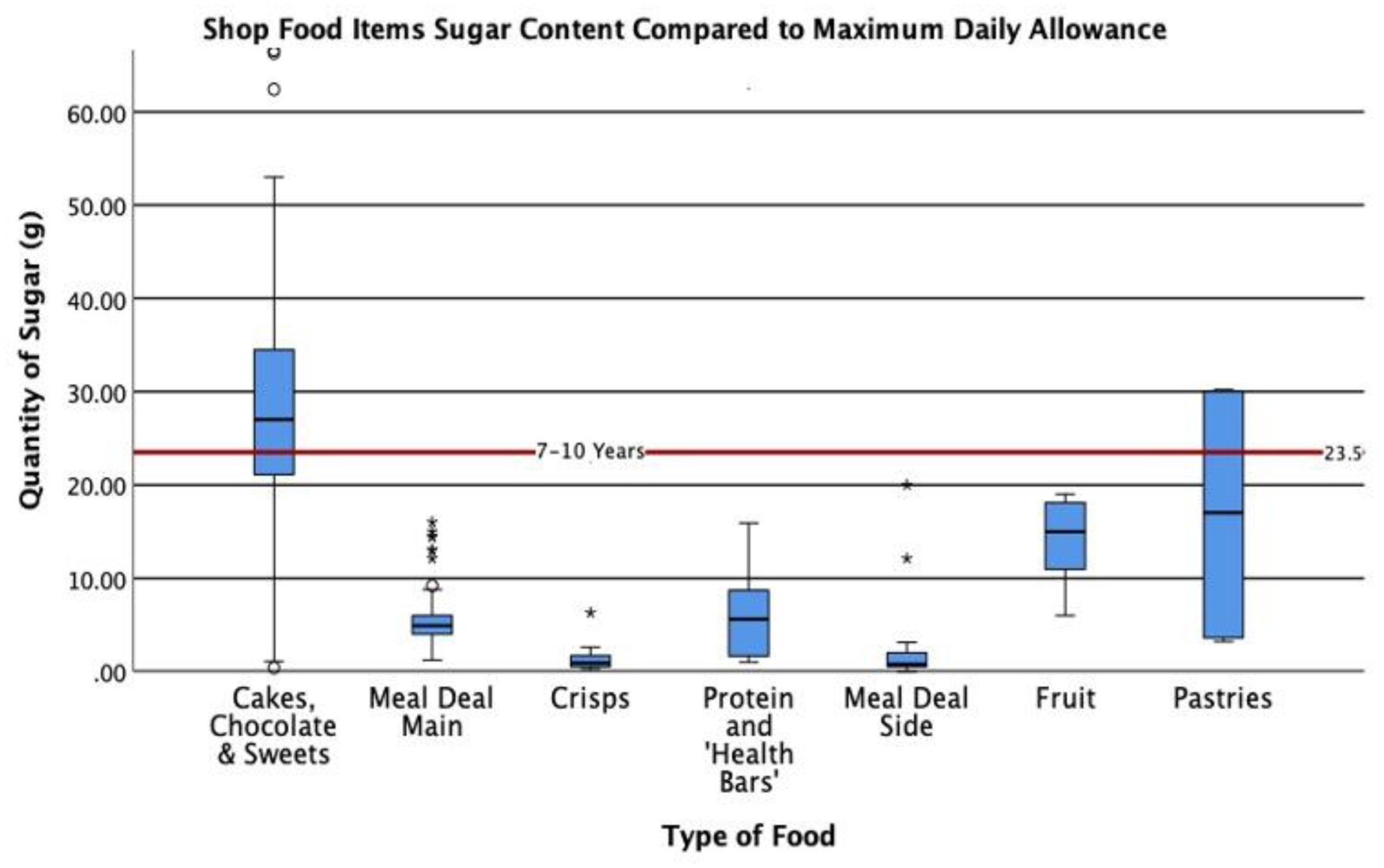
Food and drink were available from a branded coffee shop, a national newsagent and 6 vending machines. In the vending machines, 39% of foods were chocolate, 37% crisps, 13% biscuits/baked goods, and 11% sweets. 72% had a health star rating of 1.5 or less stars out of 5. None had a health star rating of 4 or more stars out of 5. The average food contained >57% carbohydrate of which >33% was sugars. In shops 52% of the items were cakes, chocolate or sweets and only 2.5% were fruit. 55% of products had a health star rating of 1.5 or less, with only 8% achieving 4 stars or more. 41% of food items and 46% of drinks contained more than the RDI of sugar for a 10-year-old.
Conclusion:
Optimising peri-operative nutrition has been shown to improve immunity, reduce inflammation, and optimise healing time and recovery following surgery. The majority of food and drinks available in the surgical out-patients were highly processed and contained large quantities of free sugars. Allowing patient choice in relation to food and drink purchases is important but this should be a balanced healthy choice. Heath care settings have a duty to promote health living, but it appears we are currently sending patients mixed messages.