







Abstract
This article features a grounded theory study that explored communication in online Master of Business Administration (MBA) group work, with an emphasis on skills transferable to remote professional collaboration after graduation. Data were collected from nine online MBA students through individual reflection documents and a focus group discussion. These data were analyzed and revealed themes about the importance of agreeing on not just norms and resources but also normative actions to facilitate online collaboration. Findings led to recommendations for designing online group assignments that enhance communication skills during online collaboration—skills that are becoming increasingly integral to professional success.
Keywords
The shift from in-person to online Master of Business Administration (MBA) education reflects broader workplace trends toward virtual collaboration. By 2020, enrollment in online MBA programs surpassed that of traditional full-time programs (Byrne, 2022), and 37.9% of advanced degree holders now regularly work remotely (U.S. Bureau of Labor Statistics, 2023). This alignment between educational and professional contexts presents opportunities and challenges for business communication educators. It underscores the need to use online group work to develop the communication and collaboration-related competencies that employers increasingly demand—a need that is particularly pressing given employers’ skepticism about whether online programs foster these career readiness skills (Graduate Management Admission Council, 2023).
While communication in online MBA group work is critical, little research has explored how these dynamics translate into transferable professional skills. This article features a study that explored how communication practices in online MBA group work might meet this need. Through analysis of student artifacts and a semistructured focus group, it offers recommendations for structuring online group work so that these assignments serve as remote collaboration practice and enhance students’ transferable skills.
Group work—a term often used interchangeably with “teamwork” in educational and research contexts (Flores & Bauman, 2024)—is widely acknowledged as an essential method for helping college students develop the communication and collaboration skills highly sought by employers (Lus & Rufer, 2023). This view is particularly prevalent in business education, where the Association to Advance Collegiate Schools of Business (2023) includes peer collaboration as a core component of its business school accreditation standards. Importantly, students themselves recognize the significant impact of group collaboration on their future professional experiences (Daniel et al., 2023).
Part of the value of group work lies in the knowledge sharing that occurs during these collaborative efforts (Castaneda & Cuellar, 2021). Such knowledge exchange not only boosts academic achievement but also prepares students for essential workplace skills, including teamwork, cultural management, and sustainable innovation. Business schools should prioritize collaboration over traditional lecture-based learning, encouraging students to engage in problem solving and decision making within a group context. However, simply incorporating group assignments does not guarantee the development of these competencies. As Tumpa et al. (2022) argue, students must first be taught how to collaborate effectively. One approach to fostering this learning is through the use of team charters, a tool commonly used by instructors to guide group dynamics.
Recognizing the widespread use of team charters, Johnson et al. (2022) explored their impact on global online teams. Their study found no direct correlation between the use of charters and improved final report grades, suggesting that both formal written contracts and informal psychological contracts can be equally effective, provided teams establish clear expectations for behavior and goals. Building on this idea, Andrade et al. (2023) emphasize the professor’s role in teaching students what to include in these documents, how to set expectations, and how to integrate the charter meaningfully into the collaborative process. Krishnan et al. (2020) further highlight the importance of instructor involvement in online settings, advocating for “consistent, frequent, differentiated, and multiple modes of communication” to engage students. Schartel Dunn et al. (2020) also argue that peer feedback is a critical component in this instructional approach. Taken together, these studies suggest that while team charters can enhance group collaboration, their effectiveness hinges on how well they are integrated into the overall group process.
While team charters address expectations at a broad level, Adaptive Structuration Theory (AST) offers a more nuanced understanding of group dynamics by focusing on two key components, both of which have a place on the team charters: norms and resources (Poole et al., 1985). Norms, whether explicit or implicit, guide decision making and behavior, while resources are the tools that facilitate task completion.
Crisp and Jarvenpaa (2013) expanded on AST by introducing the concept of “normative actions” in online contexts, which they define as the active processes of setting and monitoring performance norms within virtual teams. These actions go beyond static norms by emphasizing behaviors that actively shape effective collaboration. Therborn (2002) supports this by describing normative actions as actions oriented around “the right thing to do,” further distinguishing them from the more passive nature of norms. In virtual environments, where behaviors must be actively reinforced to ensure collaboration, this distinction is particularly important. Sjølie et al. (2022) underscore this point in their study of student teams transitioning from in-person to online collaboration, where maintaining clear norms and reinforcing appropriate behaviors became crucial to effective teamwork.
The role of normative actions in virtual environments is essential for fostering social influence, as these actions are the means by which expectations are not only set but also maintained. Crisp and Jarvenpaa (2013) argue that in virtual settings, social influence emerges through normative actions rather than through the establishment of norms alone. Danis and Lee (2005) and Walther and Bunz (2005) further highlight how normative actions contribute to accountability and cohesion within remote teams. Their studies demonstrate that while norms provide a foundation for expected behaviors, it is the active enforcement of these behaviors—through normative actions—that ensures effective collaboration.
Online group work introduces unique challenges that require structured approaches to establish norms, normative actions, and resource allocation. Digital tools such as Zoom and Slack help bridge geographical gaps, facilitating communication among team members. However, technical barriers and varying levels of familiarity with these tools can disrupt group cohesion and performance (Nemiro et al., 2023). To address these challenges, structured strategies like assigning roles and using team charters can help establish clear expectations and promote effective communication (Sverdrup & Schei, 2015).
Normative actions play a crucial role in overcoming these challenges. For example, Lindeck et al. (2021) identified shared expectations, confidence in team members, and a strategic approach to task completion as key contributors to successful online collaboration. Their findings suggest that students must actively engage in setting, monitoring, and reinforcing expectations to foster cohesive and effective teamwork. Students who are learning in solely online environments find gaining this cohesion and building rapport to be difficult if not impossible (McKay & Sridharan, 2024).
Despite significant advancements in the literature on group collaboration, gaps remain, particularly in understanding how normative actions influence communication practices and resource allocation in online MBA programs. These gaps need to be addressed, especially as online MBA programs continue to compete with lower-cost alternatives that are becoming increasingly attractive to students and employers (Bell et al., 2023).
This study aims to fill these gaps by examining how communication structures in online group work can be optimized to enhance collaboration. Specifically, it explores how professors can leverage structured group assignments to help students establish norms, allocate resources, and engage in normative actions—key competencies for success in professional environments that rely heavily on virtual collaboration.
Research Study
This study employed a combination of document analysis and semi-structured focus group discussions to explore how professors can support online MBA students in navigating group work and developing transferable skills for their future careers. The study aims to answer the following research question:
Research Question 1: How do implicit and explicit communication norms, normative actions, and resources shape or influence the dynamics of collaboration among online MBA students?
Methodology
A grounded theory methodology was selected for this study because of its ability to inductively generate theory from data. This is ideal for exploring how implicit and explicit communication norms, normative actions, and resources shape collaboration, as grounded theory allows for an in-depth investigation of social processes within real-world contexts. Strauss and Corbin’s (1990) grounded theory framework was applied to analyze patterns of action and interaction in online MBA group work, with particular focus on communication and collaboration.
Participants
Nine graduate students from an accelerated online MBA program at a private, four-year university in New England participated in the study. Though small, this sample size is appropriate for grounded theory research, where saturation can often be reached with a smaller, homogeneous group, particularly when the study has a focused objective (Hennink & Kaiser, 2022). The relative homogeneity of the group provided a rich context for examining shared experiences related to group dynamics. The small, targeted sample allowed for a nuanced exploration of implicit and explicit communication norms, normative actions, and resource management strategies within this specific setting.
Per institutional review board (IRB) guidelines, informed consent was not required for this study, as it was classified as low-risk and part of standard educational practice. However, privacy and confidentiality were strictly maintained by anonymizing all participant data. Pseudonyms were used in data reporting to ensure participant anonymity.
Research Design and Context
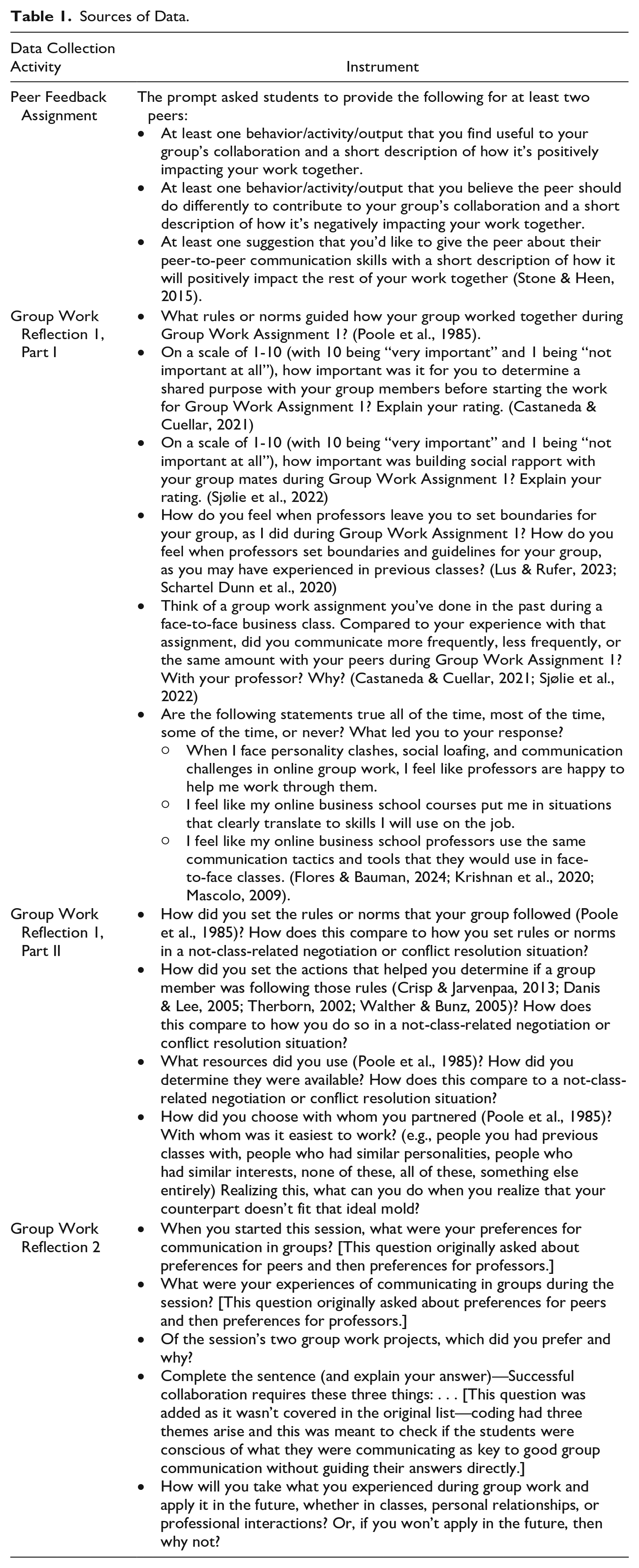
Participants were enrolled in a negotiation and conflict resolution course, where assignments were designed to simulate real-world professional team environments (see Table 1). These assignments, which included three individual reflective tasks and two group projects, formed the basis of the study. The tasks were chosen to explore how both implicit and explicit communication norms, normative actions, and resource management influenced collaboration within these teams. The group work assignments were as follows:
•
•
Both assignments directly addressed the research question by exploring how explicit and implicit communication norms, as well as resource management strategies, shape group dynamics in an online MBA environment.
Sources of Data.
Data Collection
Data were collected through three main methods: peer feedback, written reflection logs, and a focus group conversation. These methods were selected to provide a rich, multidimensional view of the group dynamics and communication strategies at play.
•
•
•
Group Work Reflection 1, Parts I (Written Responses) and II (Session Attendance) Potential Questions.
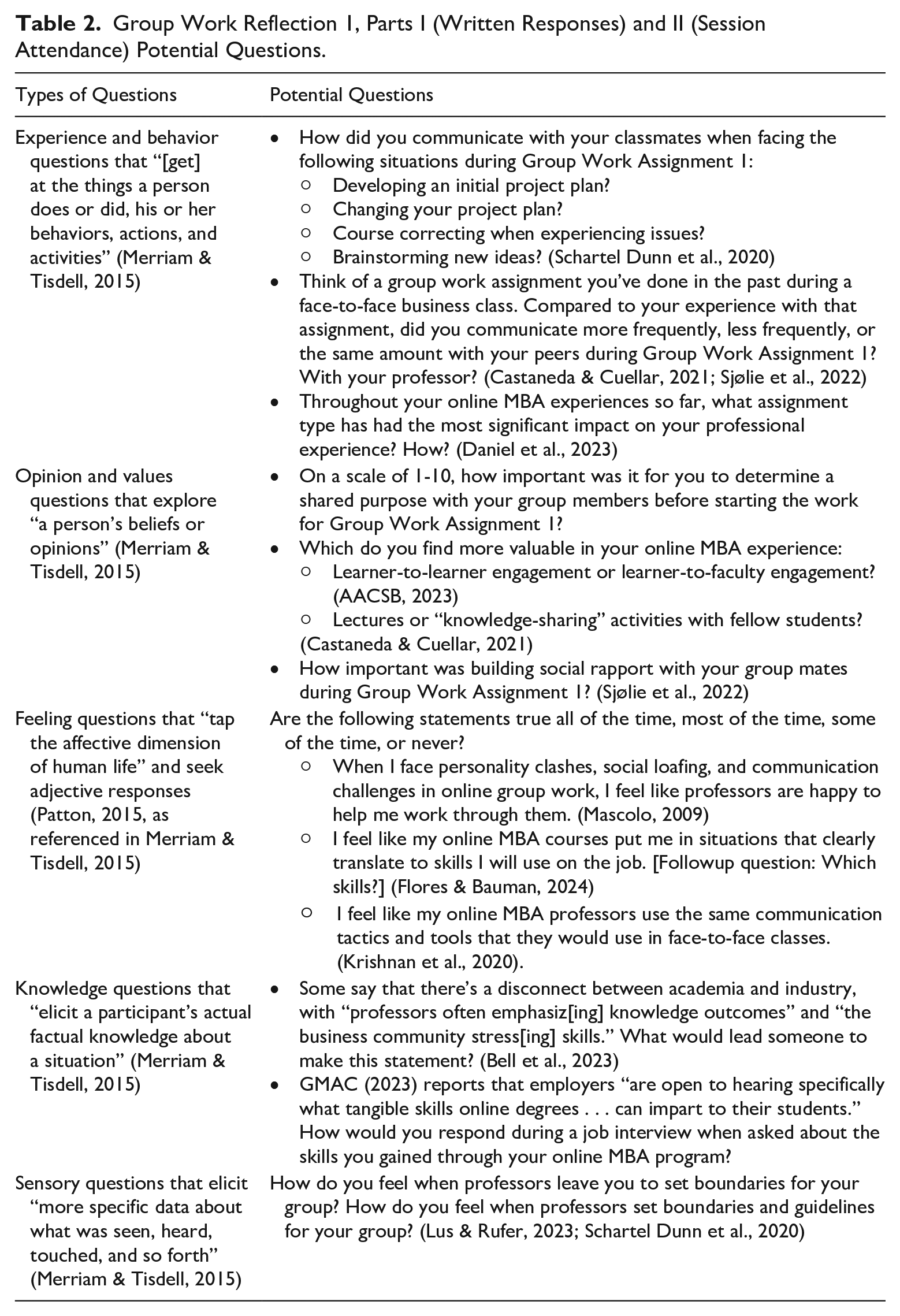
By using these two complementary methods, the study was able to triangulate findings and obtain a comprehensive understanding of how implicit and explicit communication norms, along with resource management, shaped collaboration.
Data Analysis
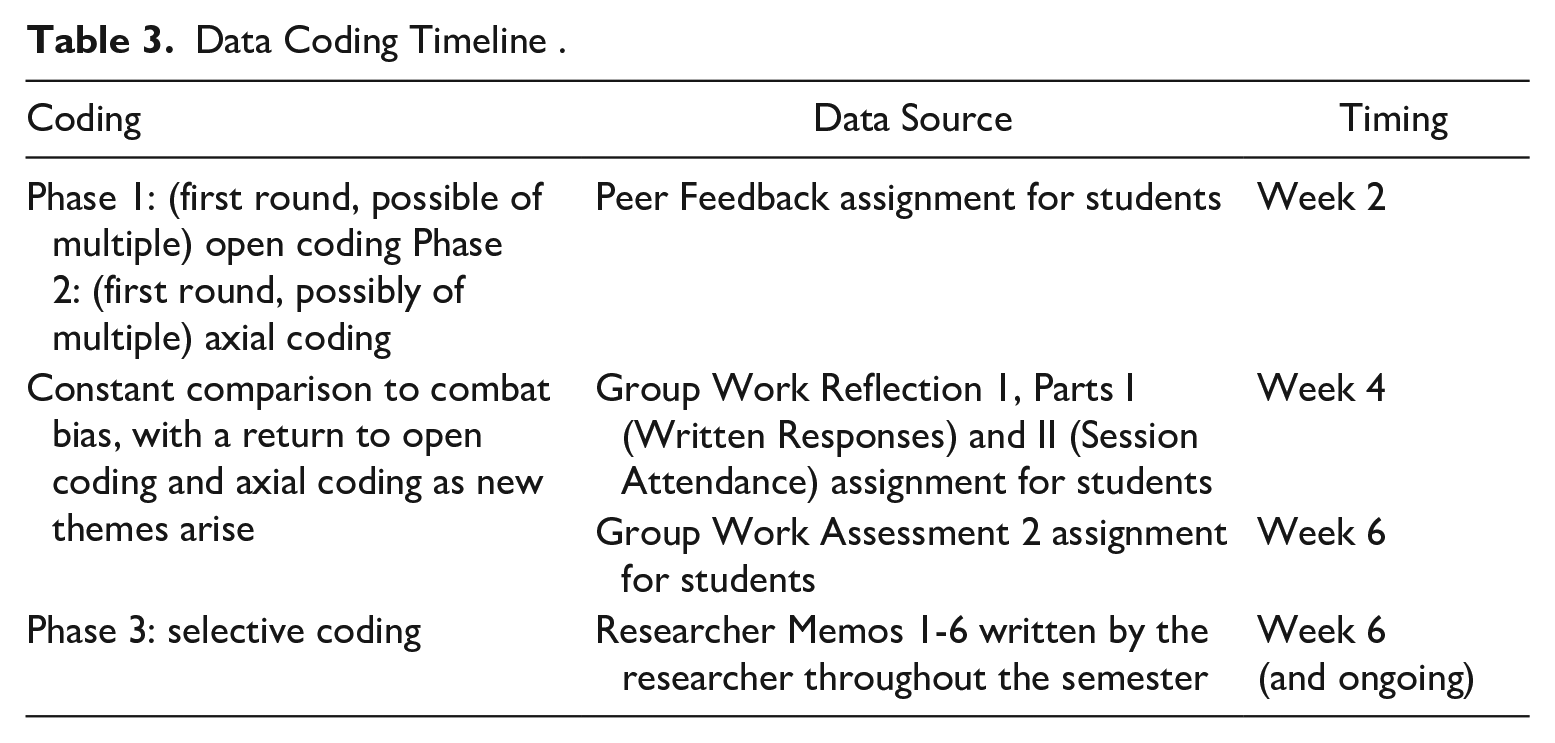
Data were analyzed using Corbin and Strauss’s (1990) three-phase coding process to identify patterns and relationships in the data (see Tables 3 and 4):
Data Coding Timeline .
Interrelated Data Collection (Orange) and Analysis (White) Timeline .
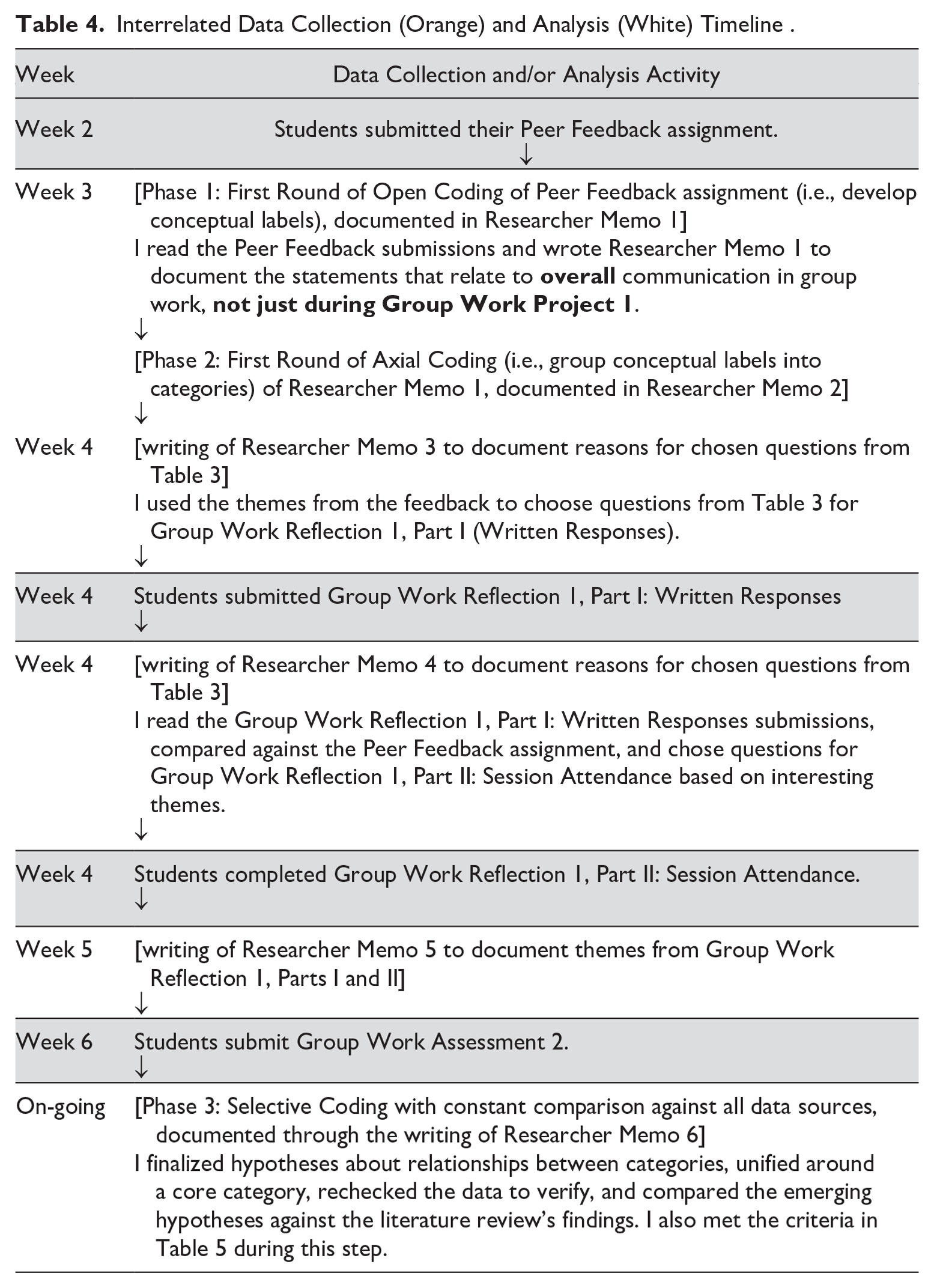
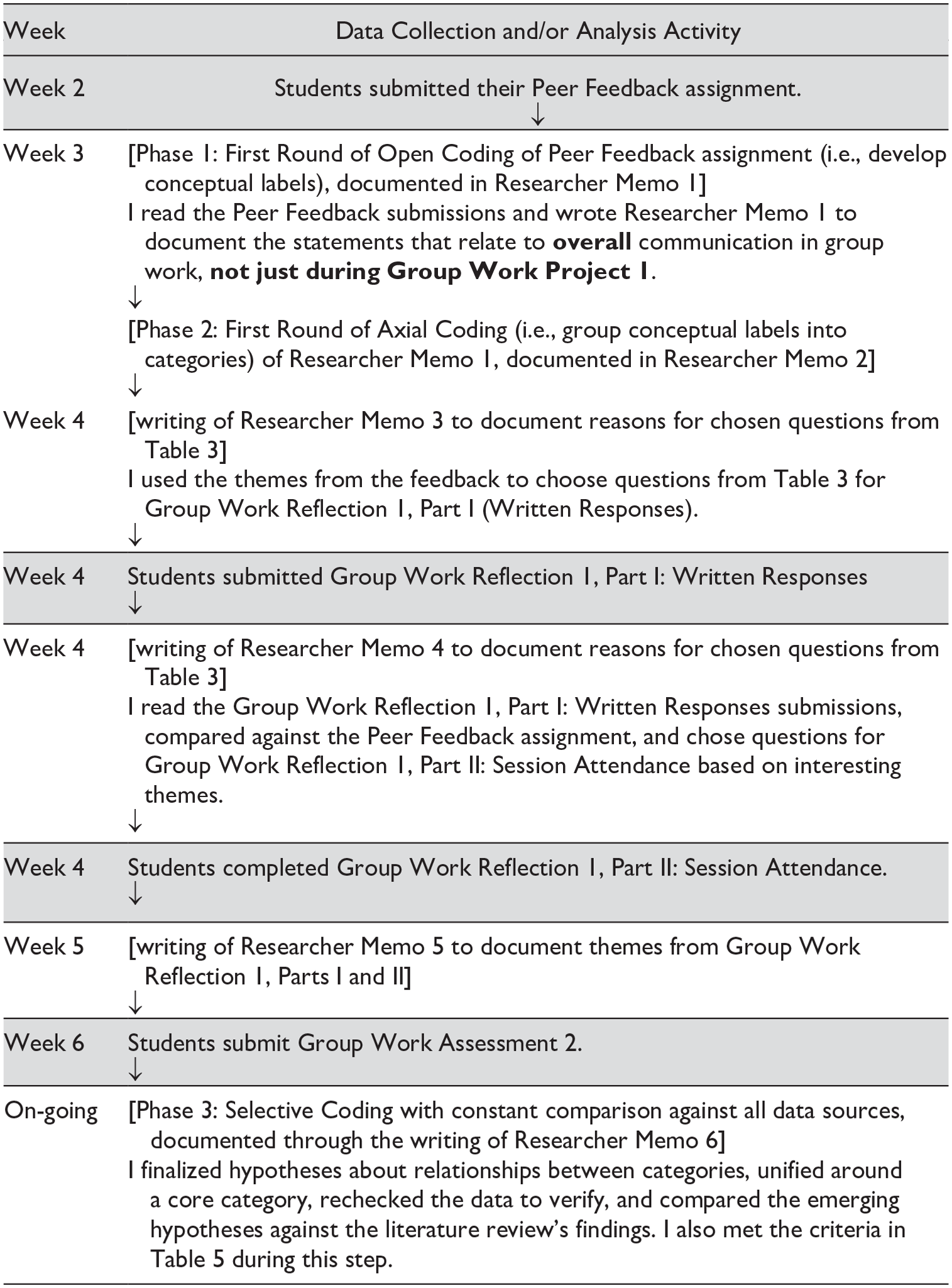
Researcher memos were used throughout the coding process to track emerging insights, document reflexivity, and minimize bias. These memos played a key role in ensuring the validity of the findings by providing a transparent account of the researcher’s thought process.
Results
This study examined how implicit and explicit communication norms, normative actions, and resources influenced the dynamics of group work among online MBA students. The analysis revealed key patterns in the ways these factors shaped group collaboration, with notable differences between implicit and explicit norms, as well as varying interpretations of resources and actions taken by group members.
Implicit Norms, Normative Actions, and Resources
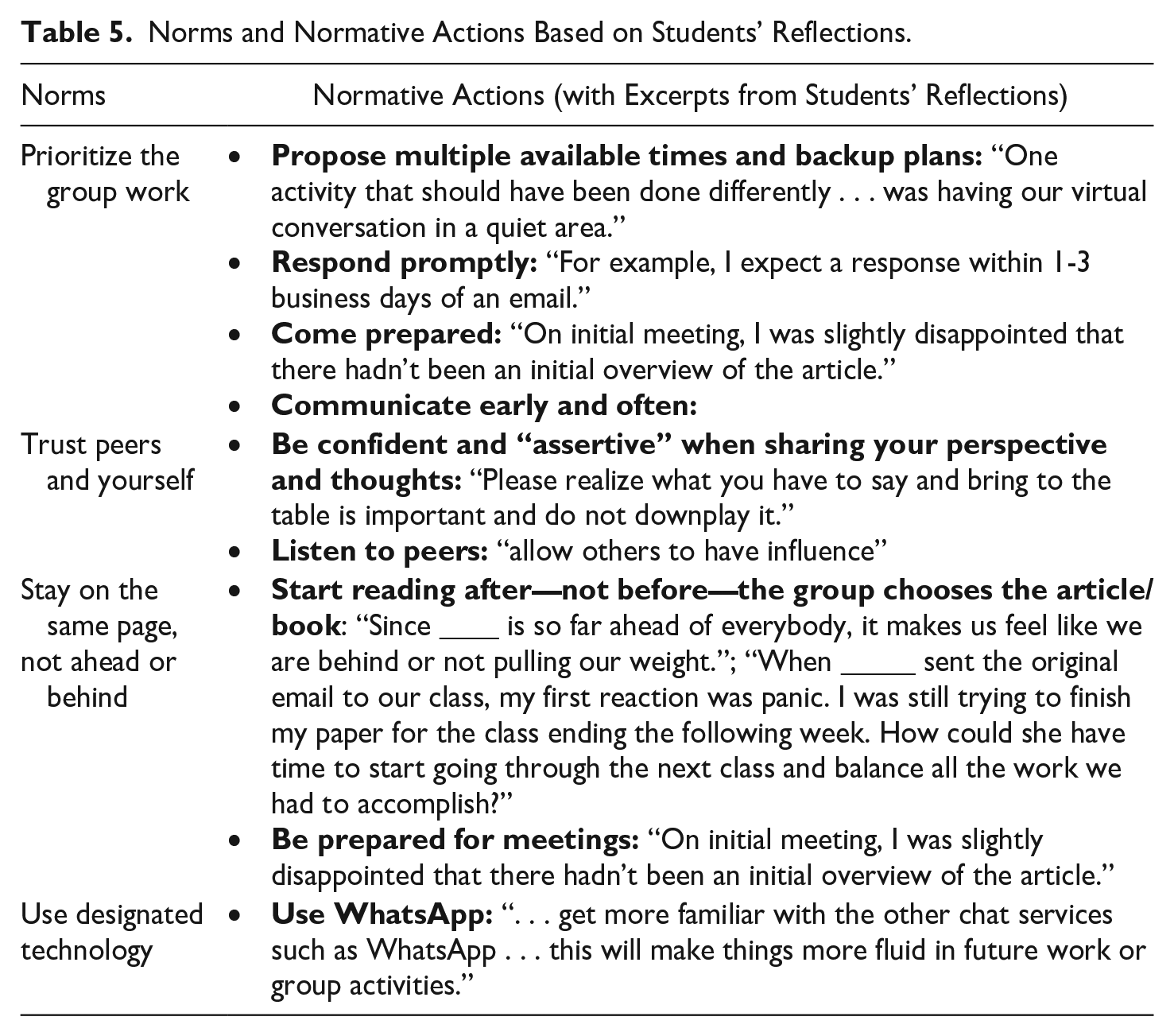
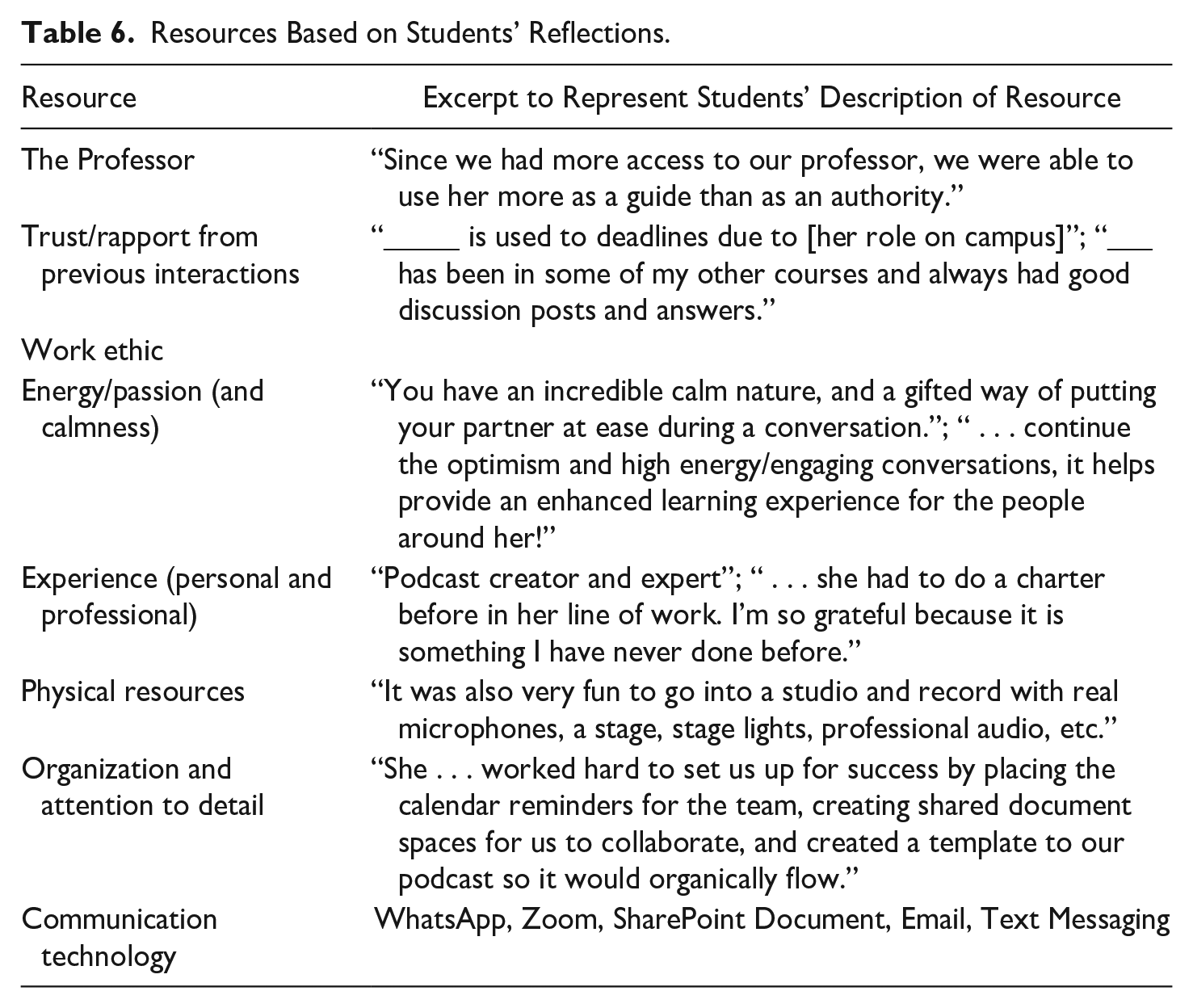
In Group Work Assignment 1, students did not formally define their group’s behavioral norms; however, implicit norms emerged based on previous experiences and expectations from nonvirtual settings. Peer feedback from Group Work Reflection 1 revealed that students adhered to these implicit norms, such as expectations for timely communication, even when not explicitly discussed (see Table 5). Eight of nine students (89%) confirmed the presence of implicit communication norms, such as expectations for timely responses to asynchronous messages and the use of familiar communication tools. However, resources relevant to the assignment, such as digital tools and collaborative practices, were not fully addressed during the group meeting because of time constraints (see Table 6).
Norms and Normative Actions Based on Students’ Reflections.
Resources Based on Students’ Reflections.
Explicit Norms, Normative Actions, and Resources
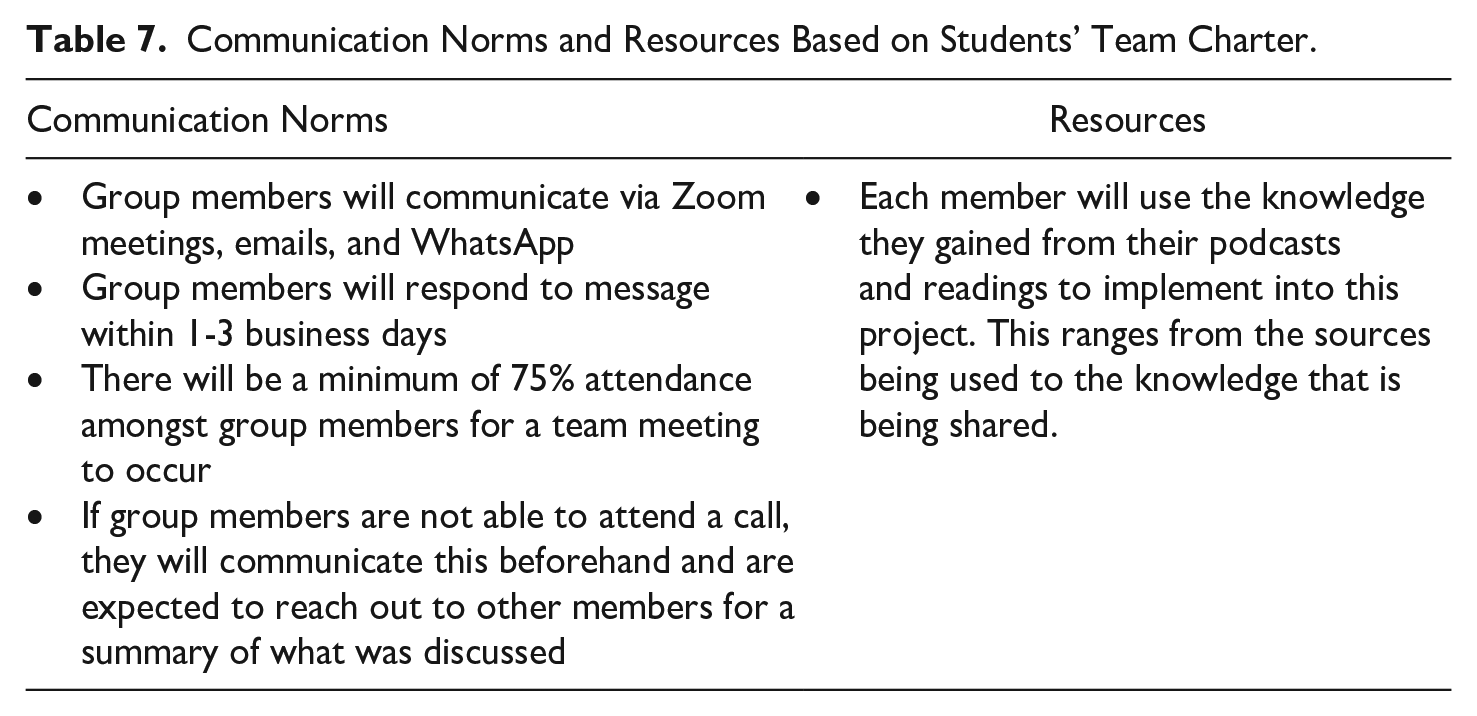
In Group Work Assignment 2, students explicitly defined their communication norms, normative actions, and resources in a formal group charter. The charter outlined expectations for frequent updates, the use of specific tools (e.g., Zoom, SharePoint, WhatsApp), and preferred response times. While the group successfully established clear communication norms, there was less focus on defining resources or consequences for failing to adhere to the norms. This difference suggests that communication norms were perceived as more urgent and tangible than other resources, such as individual expertise or technological access. The group charter (see Table 7) emphasized communication tools but lacked specificity regarding resources and actions for noncompliance.
Communication Norms and Resources Based on Students’ Team Charter.
Shaping Group Dynamics Through Communication and Resources
Students’ reflections underscored how both implicit and explicit norms influenced their group dynamics. For example, Kate highlighted the importance of timely, asynchronous communication and emphasized the role of communication tools like Zoom, SharePoint, and WhatsApp in ensuring effective coordination. Lauren noted that her prior experience with media production helped her utilize the Media Center effectively for the podcast project, demonstrating the role of personal expertise as a resource. In contrast, Cammy noted the confusion caused by the lack of explicit communication preferences, suggesting that clearly discussing communication channels early in the group process could prevent misunderstandings and inefficiencies.
Challenges and Tensions in Group Work
While students appreciated the flexibility of working in smaller groups during Group Work Assignment 1, they still encountered challenges. Mary and Olive reflected on difficulties such as balancing schedules in an online environment and technical issues disrupting synchronous collaboration. These challenges emphasized the importance of technological resources but also revealed their limitations when not all group members were familiar with the tools. Interpersonal dynamics also emerged as a key factor in collaboration. Haven noted that dominance by one or two group members disrupted the balance of collaboration, while Olive highlighted the challenges of managing diverse communication styles in larger groups, complicating decision-making processes.
Key Success Factors in Collaboration
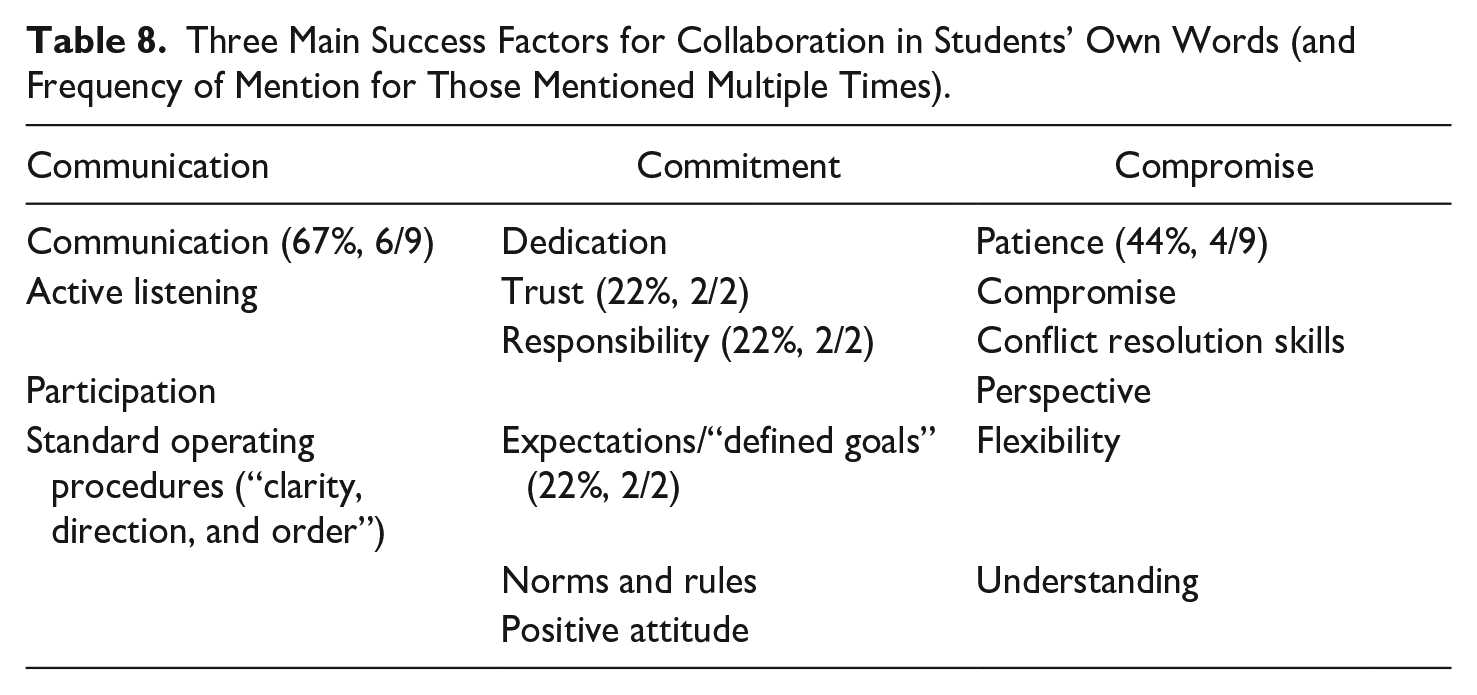
Despite the challenges, students identified three main success factors for collaboration: communication, commitment, and compromise (see Table 8). In particular, clear communication was seen as central to overcoming obstacles and ensuring task completion. Kate succinctly summarized this, stating that understanding who was responsible for what, when, and how was essential for the group’s success. The alignment of communication practices and commitment to norms helped mitigate challenges and fostered productive collaboration.
Three Main Success Factors for Collaboration in Students’ Own Words (and Frequency of Mention for Those Mentioned Multiple Times).
Discussion
This study provides valuable insights into the role of communication in shaping group dynamics and collaboration in online MBA programs. By examining the interplay between implicit and explicit communication norms, normative actions, and resource allocation, the findings both reinforce existing literature on the significance of clear communication and structured approaches to group work and address gaps specific to the online MBA context.
Norm-Setting and Adaptive Structuration Theory
The findings underscore the distinction between implicit and explicit norms and their respective impacts on group collaboration. Implicit norms, shaped by prior experiences and assumptions, were evident in Group Work Assignment 1. For example, students adhered to expectations for timely responses and familiar communication tools without formal discussions. However, the absence of explicitly defined norms led to ambiguity, especially in addressing complex tasks or resource allocation. These results align with Adaptive Structuration Theory (Poole et al., 1985), which highlights the role of both explicit and implicit norms in guiding group behavior. Tumpa et al. (2022) similarly found that while implicit norms shape initial behaviors, they may not suffice for effective collaboration when groups encounter challenges.
Explicit norm-setting, facilitated through the group charter in Group Work Assignment 2, benefited students by offering clarity around roles, responsibilities, and communication protocols. This finding supports previous research by Johnson et al. (2022) and Andrade et al. (2023) on the utility of team charters. Andrade et al. (2023) highlighted how a clearly defined charter reduced ambiguity and increased team cohesion, a pattern reflected in the improved performance of Group Work Assignment 2 in this study. Additionally, the incorporation of normative actions, as highlighted by Crisp and Jarvenpaa (2013), operationalized expectations and fostered adherence to behaviors linked to effective collaboration. This echoes Sverdrup and Schei’s (2015) assertion that explicit contracts can enhance team cohesion and performance, especially in virtual teams where direct oversight is limited.
Normative Actions and Resource Allocation
Normative actions played a pivotal role in addressing ambiguities and ensuring alignment in virtual group work. For instance, adherence to performance expectations in Group Work Assignment 2 demonstrated how students engaged in monitoring and reinforcing collaboration behaviors. The current study found that when students actively set and reinforced expectations, they experienced fewer disruptions and a more streamlined workflow.
Resource allocation also emerged as a critical factor in facilitating group performance. Students frequently cited the use of digital tools like Zoom, SharePoint, and WhatsApp to coordinate tasks and share information. However, as Nemiro et al. (2023) observed, technical barriers and uneven familiarity with these tools occasionally hindered collaboration. Consistent with Lindeck et al. (2021), the current study found that providing students with explicit support on using these tools and offering clear resource management strategies could mitigate these challenges and improve group cohesion. This underscores the importance of not only providing access to digital tools but also ensuring that students are proficient in their use to maximize their potential in enhancing group communication.
Interpersonal Dynamics and Virtual Teamwork
Interpersonal dynamics significantly influenced group outcomes, with participants identifying dominance, communication style diversity, and equitable participation as key challenges. Haven’s observation of dominant group members disrupting collaboration and Olive’s reflections on navigating diverse communication styles underscore the complexities of managing virtual group interactions. Proactive strategies, such as facilitating discussions on leadership roles, conflict resolution, and communication preferences early in the group process, can help mitigate these challenges. These strategies align with Andrade et al. (2023), who recommend equipping students with tools to manage group dynamics effectively. By addressing these interpersonal issues early, students can develop stronger collaborative skills and avoid common pitfalls in virtual group work.
Practical Implications
The study’s findings suggest that explicit norm-setting and the incorporation of normative actions should be integral to group assignments, particularly in online environments. Professors should provide structured frameworks to guide the development of communication norms and resource allocation. For example, professors might introduce templates for team charters, suggest roles and responsibilities for group members, and offer clear guidelines for digital tool use. Additionally, instructors must ensure that students are proficient in using required digital tools and provide ongoing technical support. Offering training on tools like Zoom, SharePoint, and Slack can ensure that technical issues do not impede group collaboration.
For students, proactive engagement in norm-setting, resource management, and adherence to normative actions is critical for successful collaboration. Developing skills for navigating interpersonal dynamics, including conflict resolution and adapting to diverse communication styles, is essential for effective teamwork in virtual group settings. As evidenced by the participants’ reflections in this study, early engagement in these practices can mitigate common challenges and lead to more effective collaboration.
Contribution to the Literature
This study contributes to the literature by extending research on communication, normative actions, and teamwork in online education, particularly within the context of MBA programs. While older studies (e.g., Crisp & Jarvenpaa, 2013; Sverdrup & Schei, 2015) have explored aspects of norm-setting and resource use, this study bridges a critical gap by emphasizing the mechanisms through which normative actions drive effective collaboration. By focusing specifically on MBA programs, where virtual collaboration is increasingly prevalent, this study provides new insights into how communication norms and resource allocation can be optimized in online environments. These findings offer valuable guidance for educators and practitioners seeking to enhance online group work, particularly those focused on preparing students for professional environments that are increasingly virtual.
Limitations and Opportunities for Future Research
This study is subject to several limitations that provide valuable directions for future research. One notable limitation lies in the proximity of students to campus, which allowed them to meet in person during Group Work Assignment 1 despite the course being fully online. This aspect may not reflect the realities of many online MBA programs, where geographic separation often precludes such meetings. Future studies might explore strategies for emphasizing the value of in-person interactions, such as encouraging students to participate in professional conferences.
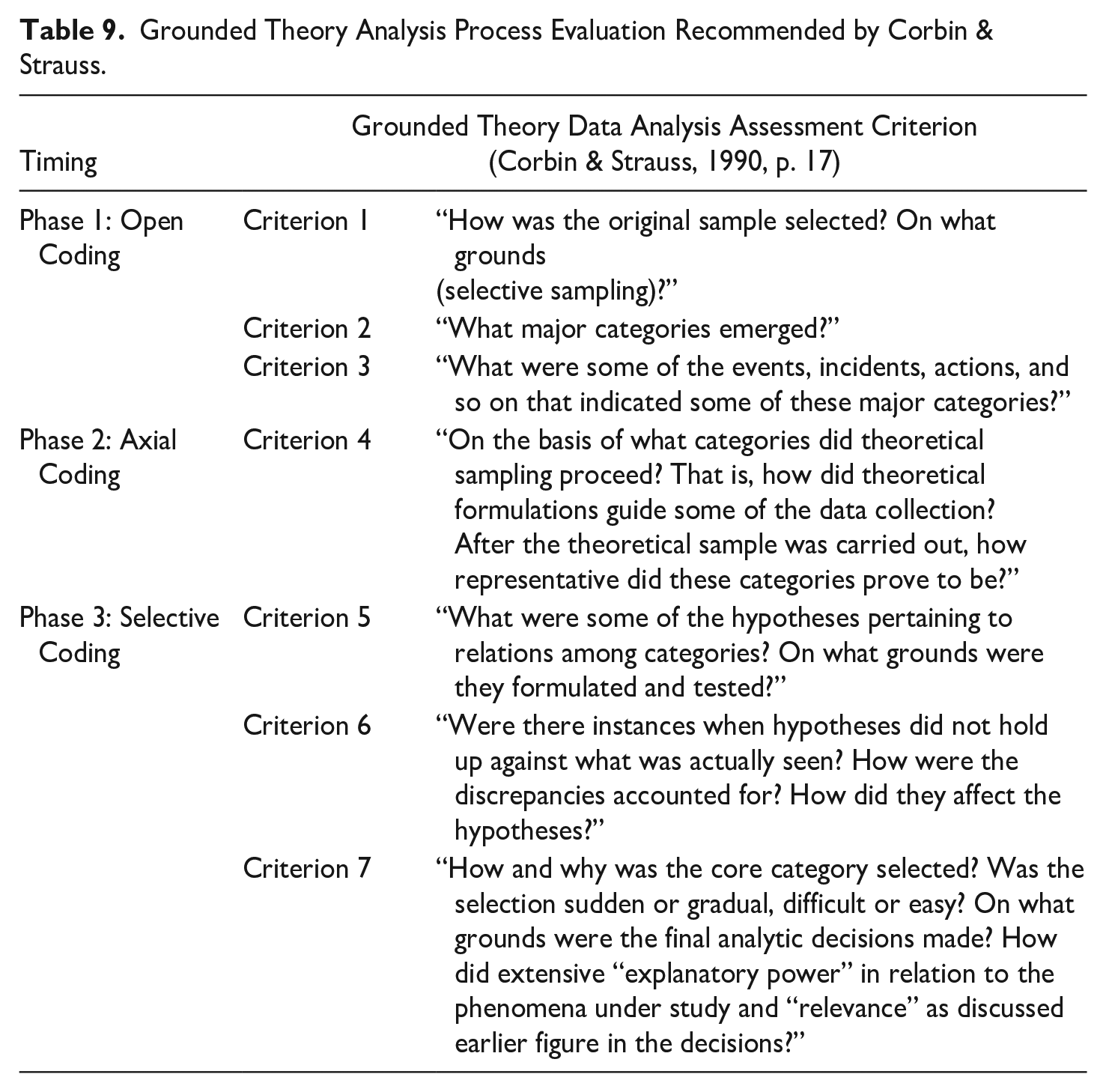
The grounded theory approach presents another challenge, as it can complicate the evaluation of the analysis process by readers. Corbin and Strauss (1990) proposed criteria to address this limitation, which were applied in this study through detailed researcher memos during each phase of coding (see Table 9). However, conducting the study as a single researcher still introduces potential biases, as personal assumptions and viewpoints may influence data collection, analysis, and interpretation. To enhance objectivity and validity, future research could involve multiple researchers to introduce diverse perspectives. Member-checking, where participants validate the findings, could also ensure greater reliability and accuracy.
Grounded Theory Analysis Process Evaluation Recommended by Corbin & Strauss.
The study’s sample size, while appropriate because of its comparability to professional teams, limits the generalizability of its findings. Replication of this study with larger and more diverse samples would help confirm its reliability. Future research might also delve into key emerging themes, one such theme being students’ preferences for professor-defined versus student-defined norms. This study revealed conflicting student preferences regarding the establishment of group norms, normative actions, and resources. Some participants valued the autonomy of setting these expectations themselves, while others preferred instructor-defined structures. Future research should explore how these preferences influence group dynamics and outcomes in online MBA settings.
Explicit versus implicit norm-setting provides another opportunity for future study. Aligning with Sverdrup and Schei’s (2015) findings that explicit contracts benefit team functioning, this study found mixed preferences among participants for explicit versus implicit norm-setting. Investigating the conditions under which each approach is most effective could guide the design of online group work assignments.
Finally, this study underscores the importance of educating professors about the role of norms, normative actions, and resource allocation in online group work. Further research could inform strategies for optimizing assignments to help students gain experiences relevant to professional environments.
Conclusion
The findings from this study underscore the pivotal role of communication in shaping effective group work in online MBA programs. Both implicit and explicit communication norms, along with normative actions and the strategic allocation of resources, are integral to successful collaboration. While implicit norms can guide behavior in familiar settings, the establishment of explicit norms is essential for ensuring clarity and alignment in virtual team environments. Communication, as both a tool and a resource, was identified as the primary means through which students coordinated tasks, resolved conflicts, and maintained group cohesion.
This study contributes to the literature on online learning and collaboration by demonstrating how communication practices, particularly in virtual settings, can significantly impact the success of group work. By extending AST to online MBA programs, this research provides new insights into the unique challenges and opportunities of managing group work in virtual environments, emphasizing the critical role of normative actions in shaping effective collaboration.
Practically, the study suggests that instructors should design group assignments that explicitly guide norm-setting and resource allocation, while also offering support for technical proficiency and communication strategies. Specifically, instructors can help students establish clear expectations early on and ensure access to necessary digital tools, while also creating opportunities to reinforce normative actions throughout the collaboration process. Students, in turn, should be encouraged to engage in proactive norm-setting and develop skills tailored to virtual collaboration environments, including conflict resolution, adaptability, and resource management.
Despite its limitations, the study provides valuable insights into the complexities of online MBA group work. Future research could build upon these findings by exploring the role of AI tools in communication, the impact of instructor-defined versus student-defined norms, and the challenges faced by fully remote groups. These directions will help refine the understanding of how to optimize online group work and better prepare students for the demands of the modern workplace.
As MBA programs continue to evolve and embrace the online modality, it is critical to focus on fostering career readiness competencies such as communication and teamwork. Online group work provides a unique opportunity for students to develop these skills, ultimately bridging the gap from business school to the boardroom.
Footnotes
Declaration of Conflicting Interests
The author declared no potential conflicts of interest with respect to the research, authorship, and/or publication of this article.
Funding
The author received no financial support for the research, authorship, and/or publication of this article.
