The Michael Breheny Prize is awarded annually for the most innovative paper or papers in Environment and Planning B: Urban Analytics and City Science during the preceding year. It is awarded in recognition of the contribution of Michael Breheny who was a co-editor of the journal from 1989 until his untimely death in 2003.
The recipients of the prize are chosen by the Editors: Michael Batty, Andrew Crooks, Seraphim Alvanides, Daniel Arribas-Bel, Linda See, and Levi Wolf. The criteria used by the selectors are based on the contents of the papers published in Volume 49, 2022 and the Board aim to select a paper or papers that include early career researchers. This year two papers have been chosen for the award and these are the work of the following authors.
The first paper is by
Manon Glockmann, Yunfei Li, Tobia Lakes, Jürgen P Kropp, and Diego Rybski: Quantitative evidence for leapfrogging in urban growth, Volume 49, Issue 1, https://doi.org/10.1177/2399808321998713
 Manon Glockmann is a doctoral researcher at the University of Potsdam and the Potsdam Institute for Climate Impact Research (PIK). Her research focuses on urban development and growth, urban modeling, and spatial factors influencing urbanization on a global scale. In her thesis, she analyzes the growth of the global urban land cover to create a model that projects the extent and locations of urban growth in the future and under different climate scenarios. Manon holds a Master's degree in Urban Ecosystem Sciences from the Technische Universität Berlin and wrote her Master thesis about the thermal comfort of passengers inside the Berlin subway system. Prior to this, she completed her Bachelor's degree in Geographical Sciences at Freie Universität Berlin, where her thesis dealt with the detection of green roofs using remote sensing and geographic information systems (GIS) methods.
 Yunfei Li (李云飞) is a research scientist at the Potsdam Institute for Climate Impact Research (PIK), where he studied the impacts of urbanization on urban climate as his PhD topic. He has a background in geographic information systems and remote sensing. His research interests mainly include analysis and modeling of urbanization and urban climate effects, as well as processing/analyzing of GIS/remote sensing data, especially for urban analytics. Currently, he works on the UPon project (Urban Percolation) funded by the German Research Foundation (DFG), in which he applies quantitative methods to explore the spatio-temporal dynamics of human settlements.
 Tobia Lakes is Professor of Applied Geoinformation Science at the Geography Department of Humboldt-Universität zu Berlin and a member of the Integrative Research Institute on Transformations of Human-Environment Systems (IRI THESys). She is interested in how methods of Geoinformation Science can be used for studying and addressing sustainability challenges. In her research, she particularly focuses on spatio-temporal analyses and modeling of land-use change and urban health disparities. She has worked in multiple inter- and transdisciplinary research projects in several countries but with a local focus in the Berlin region.
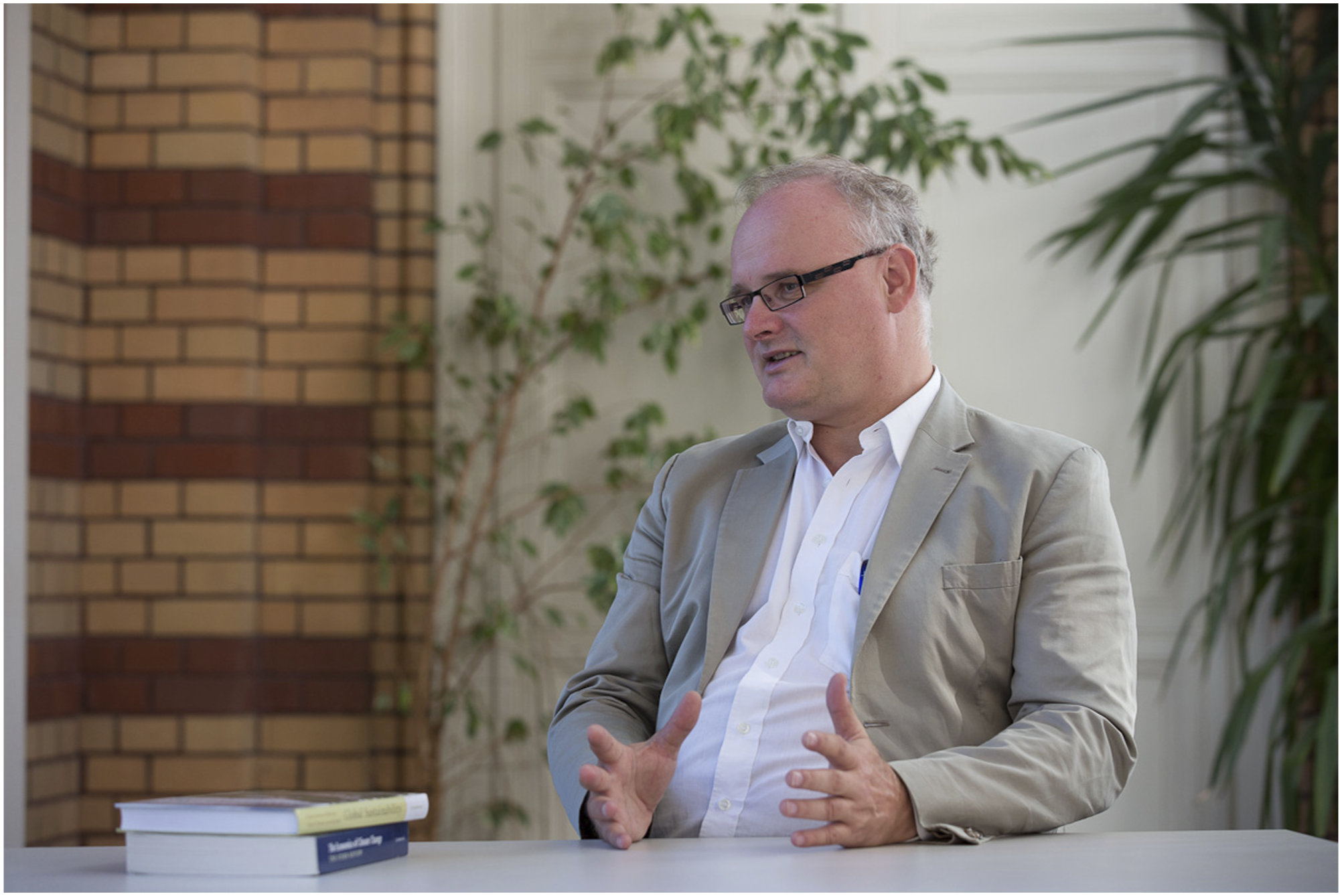 Jürgen P. Kropp is head of the Urban Transformation Research Group and deputy chair of the Climate Resilience Department at the Potsdam Institute for Climate Impact Research. He holds a PhD in Theoretical Physics and has been a professor at the University of Potsdam in the Department of Environmental Sciences and Geography since 2010. He is the founder of the award-winning Climate Media Factory, an innovative science communication media lab that develops advanced learning and teaching tools. Since 2021 he is also a partner and member of the newly founded Bauhaus Earth, an institution dealing with transformation of urban structures to sustainable especially climate neutral entities, for example, by substituting carbon and energy-rich building materials. His research focuses on the systematic understanding of physical and social urban structures and their interaction with the local and global climate. In this context, he has led extensive European and international research collaborations.
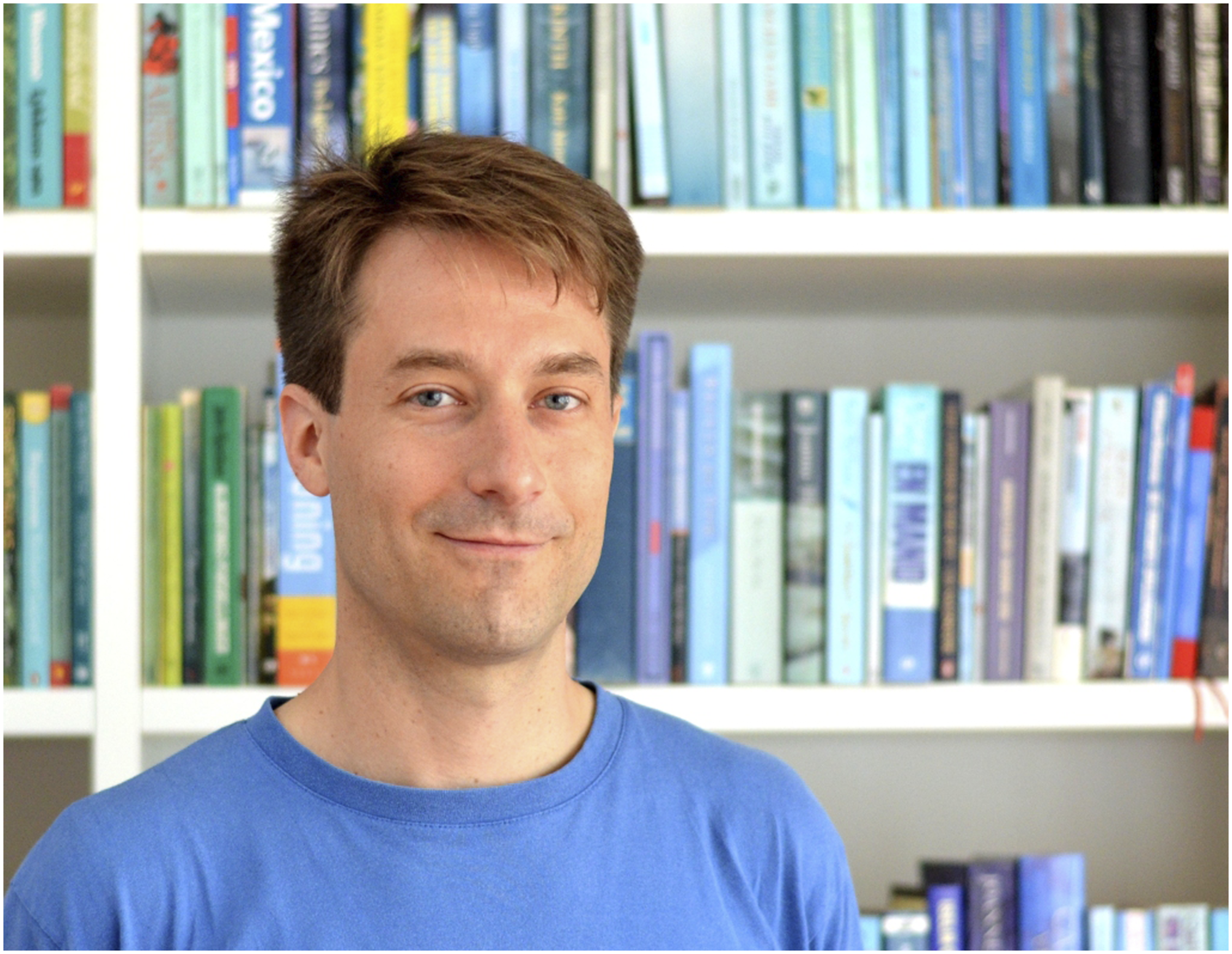 Diego Rybski is a senior researcher at the Potsdam Institute for Climate Impact Research (PIK) and at the Wuppertal Institute for Climate, Environment, and Energy. In addition, he is external faculty in the Complexity Science Hub in Vienna and a section editor at PLOS One (Urban Studies). Most recently, he was admitted to the Heisenberg-Program (German Research Foundation, DFG). Diego holds a PhD in Physics from Justus-Liebig-Universität (Germany). He was a visiting scholar at Bar-Ilan University (Israel) and a Postdoctoral Fellow at the City College of New York (CCNY). Between 2019 and 2021, he was a Feodor Lynen Research Fellow of the Alexander von Humboldt Foundation at the Department of Environmental Science, Policy, and Management at the University of California, Berkeley. His research focuses on cities and urban systems—specifically, on cities as complex systems, cities and climate change (mitigation/adaptation), and urban climate and the urban heat island effect.
The second paper is by
Martin Fleishmann, Alessandra Feliciotti, Ombretta Romice, and Sergio Porta: Methodological foundation of a numerical taxonomy of urban form, Volume 49, Issue 4, https://doi.org/10.1177/23998083211059835
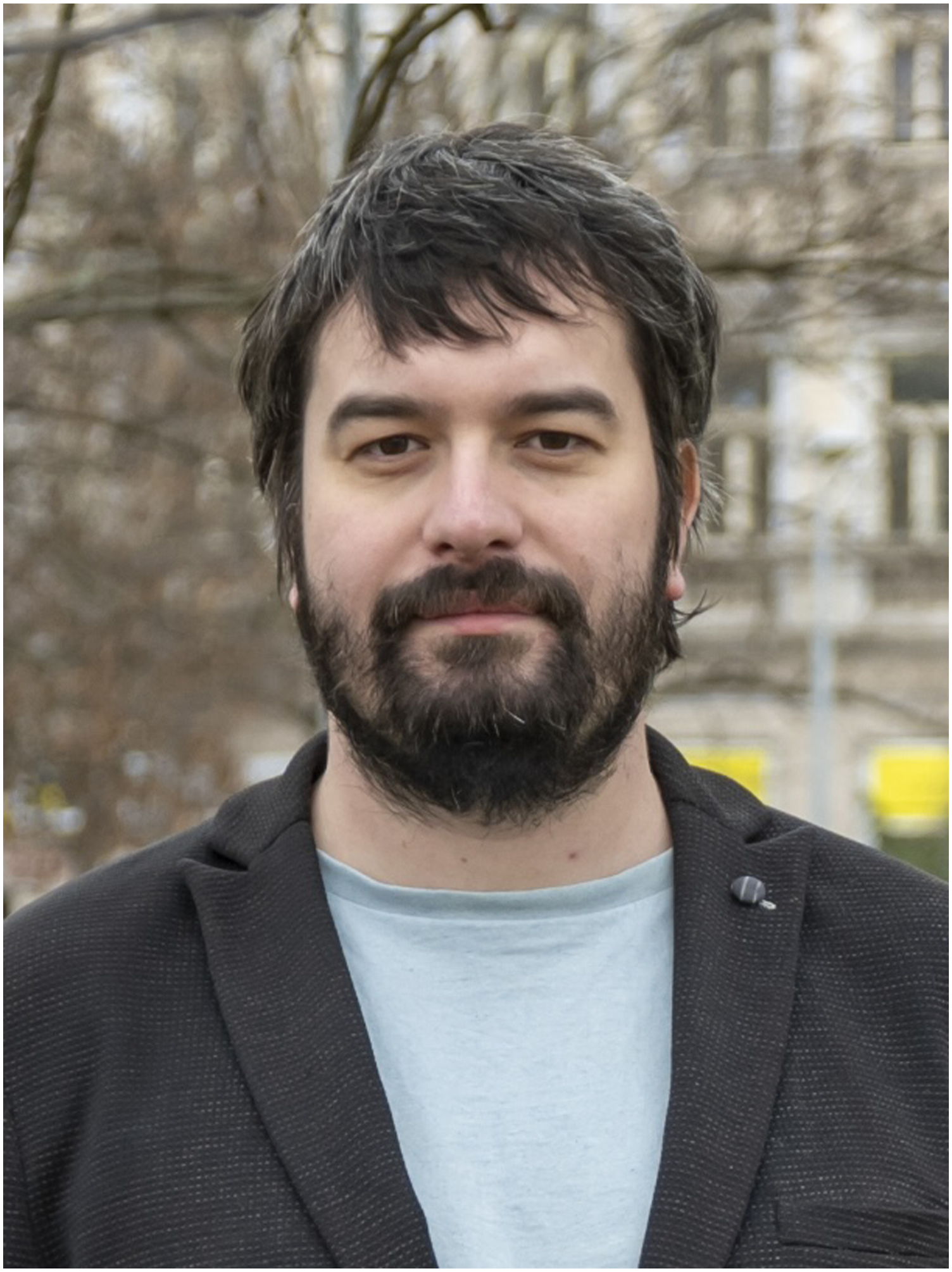 Dr Martin Fleischmann is a researcher based at the Department of Social Geography and Regional Development of Charles University in Prague, a fellow in the Geographic Data Science Lab at the University of Liverpool, and a former member of the Urban Design Studies Unit at the University of Strathclyde. He has a PhD in Urban Morphology from the University of Strathclyde in Glasgow and holds degrees in Urban Design (University of Strathclyde, 2017) and Architecture and Urbanism (Czech Technical University in Prague, 2015). His interest lies in urban morphology and geographic data science, focusing on quantitative analysis and classification of urban form, remote sensing, and AI, bringing the architectural aspects of the description of cities to geography and data science. Martin is a proponent of open science and an author or a maintainer of a range of open-source scientific software.
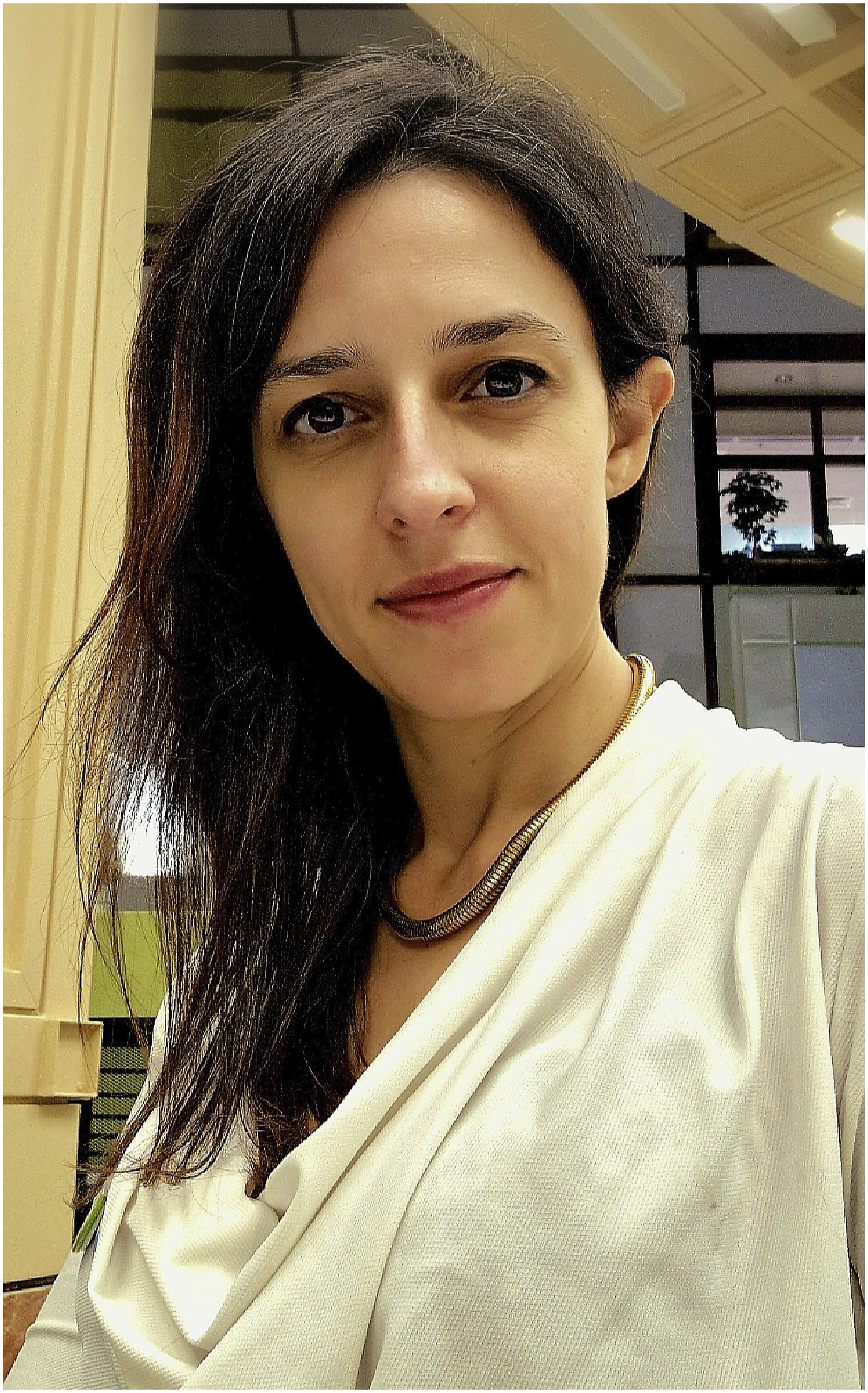 Dr Alessandra Feliciotti is an operation manager and urban scientist at MindEarth, a position she has held since 2021. She holds an MSc Degree in Architecture and Urban Design from the University of Venice (Italy) and a PhD in Urban Regeneration and Urban Resilience from the University of Strathclyde. She completed a Post Doc on Urban Form Resilience Assessment funded in collaboration with ARUP focused on the resilience of spatial systems in cities at the neighborhood and district scale. She is an executive member of the Urban Resilience Research Network, an international research community of academics and practitioners interested in exploring multidisciplinary perspectives on urban resilience. Before joining MindEarth, Alessandra was a Lecturer in Urban Design at the Dept. of Architecture at the University of Strathclyde and worked as a free-lance GIS consultant for clients such as ESRI, Scottish Enterprise, and the European Policy Research Center (EPRC) at the University of Strathclyde.
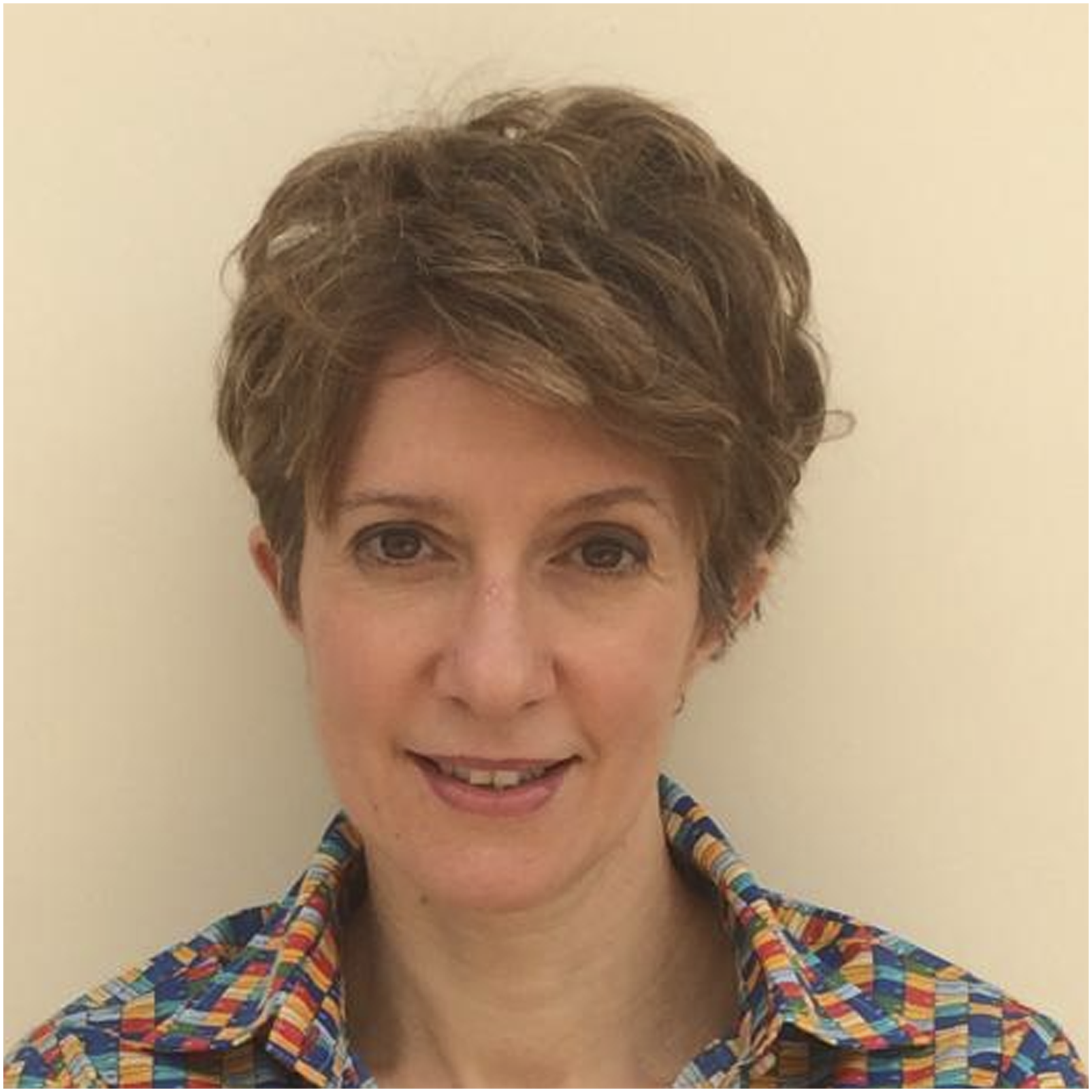 Dr Ombretta Romice is Reader in the Department of Architecture at the University of Strathclyde. She has expertise in urban design and community engagement, housing, and neighborhood regeneration. She researches and teaches in the areas of sustainable urban design, spatial planning, urban morphology, environmental psychology, and user participation. In particular, she focuses on the application of advancements in spatial analysis and their application in design, design guidance, and policy and leads in advocating the establishment of urban design as a recognized profession. She is the author of numerous international publications and monographs and is the past President of IAPS. She managed grants from AHRC, RTPI, Royal Academy of Engineers, and Scottish Government.
 Sergio Porta, architect and PhD in urban planning, is the professor of urban design and director of the Urban Design Studies Unit at the University of Strathclyde, Glasgow. He is the President of the Cultural Association Building Beauty and international director of the Building Beauty post-graduate program. His research is on masterplanning for adaptive resilient cities, urban form analytics and morphometrics, and radical construction process after the work of Christopher Alexander. He is a former member of the Council of ISUF, International Seminar of Urban Form, and Chair of the ISUF 2021 Conference in Glasgow. He published over fifty papers and two monographs. His Scopus h-index is 21 (September 2023). He was awarded the “Reed and Mallick Medal 2023” for the best paper of the year in urban planning by the ICE—Institution of Civil Engineers. He sits in the editorial boards of journals of urban science and design and is a regularly invited speaker to international conferences.