







Abstract
Purpose:
The purpose of this research is to conduct a thorough bibliometric analysis and systematic review of the existing literature on socio-economic status and psychological well-being among Particularly Vulnerable Tribal Groups (PVTGs). Through the use of Scopus and Web of Science databases, the research aims to identify key authors, examine the current trends in the literature and provide guidance for future research on the relationship between socio-economic disadvantage and mental health problems in PVTGs.
Design/Methodology/Approach:
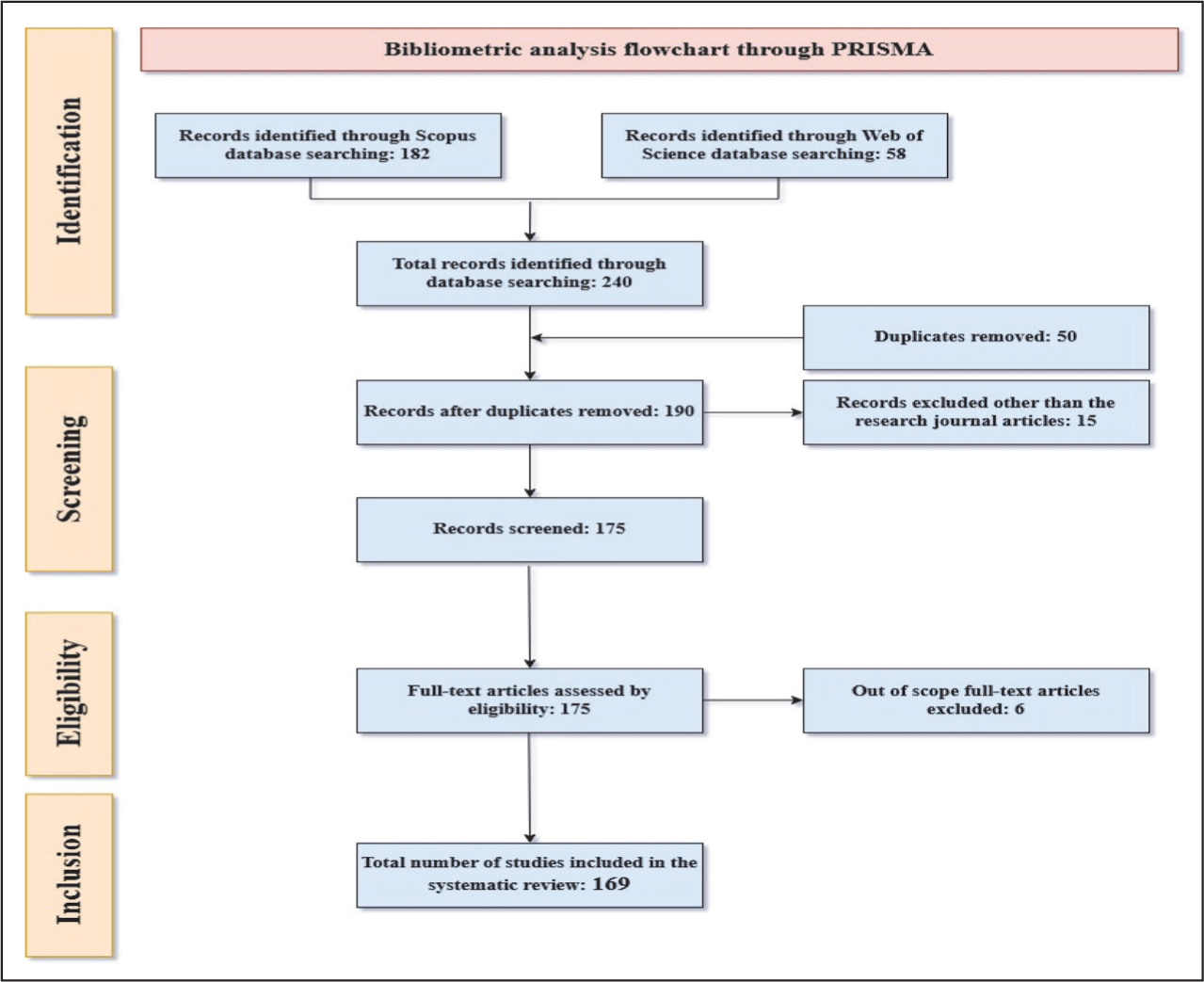
The data were carefully retrieved from the Scopus and Web of Science databases, resulting in a total of 182 records from Scopus and 58 records from Web of Science, giving a cumulative total of 240 records retrieved from database searching. After the removal of duplicates and irrelevant literature, a total of 190 records were screened, and 175 full-text articles were reviewed for eligibility. Ultimately, 169 studies were included in the systematic review. The bibliometric analysis was conducted using dedicated software, namely Biblioshiny and VOSviewer. The current study assessed publication performance, authorship, institutional productivity and thematic networks using performance analysis and scientific mapping.
Findings:
The findings from the results reveal that PVTGs are still facing serious socio-economic challenges such as poverty, low levels of educational attainment and poor healthcare facilities, which altogether contribute to their marginalized position. The results also reveal a higher prevalence of stress, anxiety and depression in the PVTG population compared to the general population, which altogether indicates serious concerns about their psychological well-being. India leads as the top contributor in this research area in terms of institutional and author productivity. Despite increasing research focus, a research gap is still apparent, especially in terms of focused research studies on the mental health aspects of PVTGs. The themes emerging from the literature include education, food security and community development.
Practical Implications:
Through the integration of bibliometric analysis and systematic review, the current study establishes the need for focused and culturally sensitive interventions to improve the socio-economic and psychological well-being of PVTGs. The results of the study provide relevant inputs to social scientists, health professionals and development practitioners working in the area of tribal welfare and inclusive development.
Originality/Value:
The current study makes a contribution to the existing knowledge base by systematically mapping and reviewing the literature on the socio-economic conditions and psychological well-being of PVTGs. The study also identifies important scholarly contributions, collaboration patterns and the dominant themes of research. Additionally, the study provides a conceptual framework for future research endeavours related to the multidimensional challenges faced by PVTGs.
Keywords
Introduction
The research focuses on Particularly Vulnerable Tribal Groups (PVTGs), who are among the most socio-economically marginalized groups in India. They face persistent challenges in accessing healthcare, education, sanitation, housing and sustainable livelihood opportunities, which significantly impede their overall development and living standards. These structural disparities not only maintain poverty but also impact the deteriorating psychological well-being. In view of their vulnerability, the Government of India has identified 75 tribal groups as PVTGs, recognizing them as the most disadvantaged subgroups within the larger tribal population. In view of their multidimensional deprivation, it is socially and academically pertinent to investigate the link between socio-economic status (SES) and the psychological well-being of PVTGs.
A considerable amount of literature establishes a strong link between socio-economic factors and mental health outcomes. Lower SES is invariably linked with greater susceptibility to both physical and psychological ailments (Ghosh et al., 2022). In the case of PVTGs, factors such as persistent poverty, illiteracy, poor sanitation, poor housing, food insecurity and limited access to healthcare services directly affect physical and psychological health. These cumulative disadvantages increase susceptibility to stressors that adversely affect psychological well-being.
In the Indian context, the Primitive Vulnerable Tribal Groups (PVTGs) continue to face significant levels of malnourishment and severely restricted access to healthcare facilities. Additionally, the lack of awareness and the associated social stigma related to mental health issues further worsen these situations. A significant proportion of the PVTG population resides in geographically remote and inaccessible areas, making government interventions less effective in reaching them. As a result, there is little progress in improving their living standards and access to basic services. Existing literature also indicates a significantly increased incidence of mental health issues among these populations, including depression, anxiety and post-traumatic stress disorder. The key factors that contribute to mental health issues include social isolation, economic insecurity, displacement and exclusion. The processes of globalization and modernization have further impacted their traditional ways of living and indigenous cultural frameworks, leading to conflicts of identity and emotional instability (Rath et al., 2021). Rapid displacement and livelihood insecurity further contribute to socio-economic instability, thereby worsening psychological distress (Yadav et al., 2025). However, the existing literature on the interface between socio-economic vulnerabilities and psychological well-being is scattered. Banerjee (2019) emphasize the need to bring mental health issues to the forefront of the existing discourse on the socio-economic conditions of tribal populations.
The relative inaccessibility of culturally competent mental healthcare continues to be a major hindrance to improving the well-being of PVTGs. In this regard, bibliometric analysis has come to be recognized as a useful methodological strategy for systematically evaluating research productivity, understanding knowledge structures and detecting thematic gaps within a particular field of study. Through the mapping of research production, collaboration patterns and intellectual trends, bibliometric methods provide insights into key authors, institutions and countries that have shaped a particular research area (Zhang et al., 2020). These analyses also enable the detection of uncharted regions and the direction of future research.
This research applies bibliometric methods to analyse the recent literature on the relationship between SES and psychological well-being in PVTGs. Based on publications in the Web of Science and Scopus databases over the last two decades, this research offers a comprehensive overview of the evolution of scholarship in this area. It distils key findings, points out leading topics and points out the gaps in the literature, with a special focus on the under-representation of mental health views in the socio-economic vulnerability discourse about PVTGs. Through the integration and mapping of existing scholarship, this article seeks to help clarify the relationship between socio-economic disadvantages and psychological well-being in PVTG communities and suggest directions for future research.
Research Questions
What are the main trends and features that emerge in the literature with respect to SES and psychological well-being in PVTGs?
Which journals, countries and institutions are the most productive sources of literature on PVTGs and their socio-economic and psychological issues?
Who are the main authors in this area, and how are they interlinked through citation and collaboration networks?
What are the emerging themes and gaps in the literature, with a focus on psychological well-being?
How can a conceptual framework be constructed to clarify the relationship between SES and psychological well-being in PVTGs?
Literature Review
The existing literature on the relationship between SES and psychological well-being in PVTGs has pointed out some important gaps in understanding how structural disadvantages are linked to mental health inequalities. Despite the rising interest in PVTGs, there is a lack of research that combines socio-economic vulnerability with psychological outcomes. The PVTGs in India, including the Saharias, Baigas and Shompens, face multidimensional deprivation, which is characterized by extreme poverty, social isolation, poor healthcare access and low educational achievement (Banerjee, 2019). These structural disadvantages are interlinked, creating a vicious cycle of poverty, ill-health and poor psychological well-being. The existing literature has shown that socio-economic disadvantage is not merely an economic issue but a factor that determines overall well-being, including mental health outcomes.
This literature review combines existing research on SES, psychological well-being and PVTGs to highlight important contributions and gaps that underpin the current bibliometric study.
SES and PVTGs
PVTGs are considered to be among the most marginalized communities in terms of economic and social status in the Indian context. They are marked by the presence of chronic poverty, geographical isolation and a lack of integration with the mainstream development processes (Yadav et al., 2025). A large number of PVTG communities are still practising their traditional livelihood patterns, such as hunting and gathering, collection of minor forest produce, subsistence farming, cattle rearing, bamboo work and basket weaving. However, these practices often do not provide sufficient income to meet the modern-day needs of families.
Empirical research has revealed that PVTGs have low levels of income, limited job opportunities, poor housing conditions and poor educational attainment (Rath et al., 2021). These factors, in combination, have led to their socio-economic marginalization, which is associated with adverse health conditions. In various tribal communities, including PVTGs, health issues such as malnutrition, poor sanitation habits, poor availability of clean drinking water and high rates of mortality have been reported. Geographical marginalization adds to these problems. PVTGs are often found in inaccessible forest or hill areas that are unorganized in terms of infrastructural development, making it difficult for people to access healthcare facilities, educational institutions, markets and administrative offices. The absence of good roads, transportation and communication infrastructure further aggravates the marginalization of these groups from development initiatives (Banerjee, 2019). As a result, the SES of these groups remains unchanged, perpetuating a cycle of deprivation from one generation to another. Land insecurity is another important dimension of socio-economic insecurity. Many PVTG groups face problems of land ownership, displacement and limited use of forest resources. Denial of their rights to traditional land resources affects their livelihood and economic security. For instance, the Saharia tribe in Rajasthan has been facing challenges in claiming their rights to land, leading to significant socio-economic deprivation (Sharma, 2020).
Socio-economic Vulnerability and Psychological Well-being
The relationship between socio-economic disadvantage and psychological well-being has been extensively explored in the wider public health literature. Lower SES is known to be associated with higher levels of stress, social exclusion, insecurity and lack of coping resources, which in turn increase the risks of mental health issues. In the case of PVTGs communities, these stressors are further exacerbated by factors of cultural displacement, institutional constraints and historical marginalization.
Empirical research has found that there is a greater prevalence of psychological issues, such as depression, anxiety and trauma-related stress among the tribal population. Major contributing factors include social isolation, economic insecurity, unstable employment and displacement from their native lands (Rath et al., 2021). Rapid sociocultural transformations brought about by globalization and modernization have also resulted in the disruption of traditional value systems and means of livelihood, leading to identity conflicts and uncertainties that further contribute to psychological instability. Despite the evidence, research on the psychological well-being of PVTGs is still under-represented. Mental healthcare facilities are also absent in the remote tribal areas, and there is a lack of awareness about psychological disorders. Stigma and the absence of appropriate interventions also hinder help-seeking behaviours, leading to untreated and hidden psychological distress.
While there are several studies that have recognized the socio-economic challenges faced by PVTGs, there are very few that have explored the relationship between SES and psychological well-being. The literature has been focused on economic deprivation and health outcomes in separate contexts, rather than exploring the complex relationship between the two, thus pointing towards a research gap.
Research Gaps Identified in the Literature
The review of the existing literature reveals three significant research gaps. First, there is a limited integration of socioeconomic and mental health perspectives, as most studies examine either socioeconomic determinants or health outcomes in isolation, with insufficient attention to the complex interrelationships between these dimensions. Second, the focus on psychological well-being remains inadequate. While considerable attention has been given to physical health indicators such as malnutrition, morbidity and mortality, mental health and psychological well-being among Particularly Vulnerable Tribal Groups (PVTGs) have received comparatively little scholarly attention. Third, the existing body of research lacks systematic consolidation. Studies on socioeconomic status and psychological well-being in PVTGs are dispersed across multiple disciplines, and no comprehensive bibliometric assessment has been conducted to examine the intellectual structure, research productivity, thematic evolution, collaboration networks, and emerging trends within this field. Addressing these gaps, the present study aims to systematically map and synthesize the existing literature on socioeconomic status and psychological well-being among PVTGs, thereby identifying key research patterns, knowledge gaps, and potential directions for future investigation.
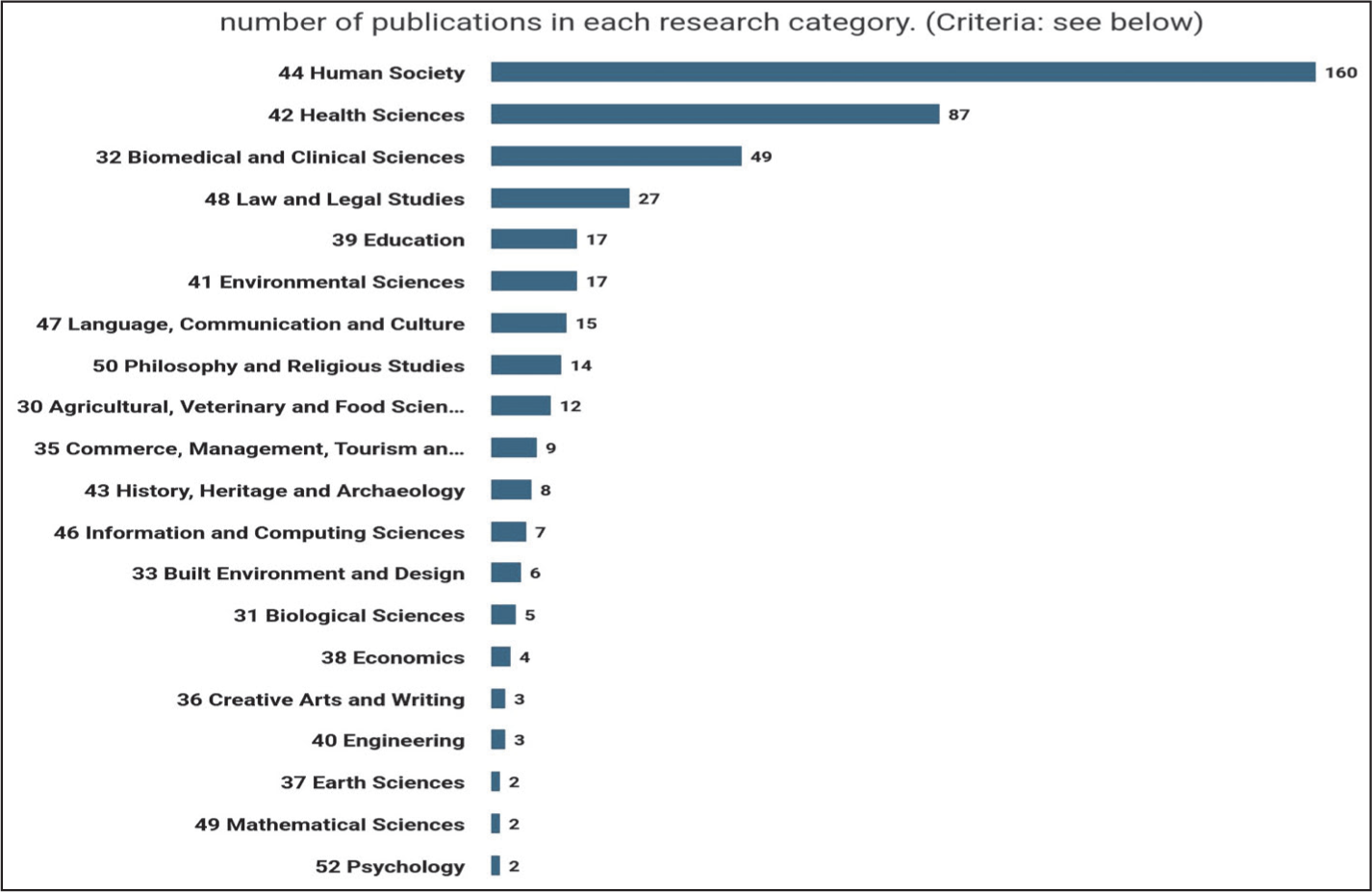
In Figure 1, the bar chart portrays the number of research publications in different research categories. The journal Human Society is leading with 160 publications, whereas Health Sciences (87 publications) and Biomedical and Clinical Sciences (49 publications) are in the queue. These trends are relevant to the study of the SES and mental morbidity of PVTGs, as they highlight the significant academic focus on social and health-related issues, which are key to understanding the challenges faced by PVTGs.
Mental Health and PVTGs
Recently, there has been an increasing focus of academic literature on the mental health of PVTGs. Existing literature suggests that tribal groups have a higher prevalence of mental health issues, such as depression, anxiety and post-traumatic stress disorder, compared to the general population. These mental health issues are directly related to the socio-economic disadvantages that these groups face. Moreover, the stigma attached to mental health and the existing cultural beliefs act as barriers to knowledge and help-seeking behaviour in these communities (Vijayachari & Sharma, 2024).
There are several structural and social factors that contribute to the mental vulnerability of PVTGs. Isolation from the rest of society, social discrimination, insecurity and a deep dependence on their traditional ways of life are some of the factors that affect their mental health. For example, the Shompen tribe of Great Nicobar Island is relatively isolated, which is directly related to increased stress and social withdrawal (Vijayachari & Sharma, 2024). Displacement, marginalization and the loss of their traditional means of livelihood further contribute to their emotional distress (Rath et al., 2021). These factors are further compounded by the lack of access to mental healthcare, resulting in a higher burden of mental health issues in these communities (Ghosh et al., 2022).
Research Gaps in Understanding PVTGs’ Socio-economic and Mental Health Issues
Though a considerable amount of research has been conducted on the overall health issues of tribal communities, there is a lack of empirical research on the relationship between socio-economic conditions and the psychological well-being of PVTGs. The current literature often focuses on specific aspects such as poverty, malnutrition and healthcare access without combining these elements to form a complete picture of the relationship between socio-economic factors and mental health problems. For example, Banerjee (2019) highlights the need for social determinants of health to be considered in tribal populations; however, there is no particular focus on the relationship between socio-economic factors and mental health outcomes. Similarly, most of the research on PVTGs is descriptive, and there is a narrow focus on the relationship between SES and psychological distress. This narrow focus creates a barrier to the development of evidence-based interventions and policies that can contribute to improving the overall well-being of PVTGs.
These gaps highlight the need for a systematic and comprehensive analysis of the existing body of research, which is fulfilled by the current bibliometric study.
Mental Health Interventions and Their Impact
Recent studies have highlighted the need to incorporate mental health interventions within a broader public health and development framework that targeting PVTGs. Academic literature emphasizes the importance of mental health interventions that are more culturally appropriate, taking into account indigenous beliefs and practices related to the promotion of psychological well-being (Thamminaina et al., 2020).
In addition, there is evidence to suggest that the integration of mental health interventions with socio-economic programmes, such as livelihood support, educational support and income-generating schemes, can be more effective in achieving lasting improvements in psychological and physical well-being (Ghosh et al., 2022).
Bibliometric Analysis of PVTGs’ Socio-economic and Mental Health Research
Bibliometric analysis is a systematic approach to evaluating research productivity, intellectual contribution and thematic development in a specific research area. Through the examination of publications listed in Scopus and Web of Science databases, bibliometric analysis allows for the identification of key authors, top journals, contributing institutions and developing themes in research.
The present bibliometric study traces the intellectual trends related to the socio-economic conditions and mental health of PVTGs. The study points out key contributors and institutional patterns, with India being the foremost country in terms of research productivity on the socio-economic and health-related issues of PVTGs.
Studies conducted by Sharma (2020) and Rath et al. (2021) have contributed significantly to the existing literature on tribal health and have shaped the subsequent discourse on social determinants of health in these communities. However, the bibliometric data reveals that the research community is still quite fragmented, thereby emphasizing the need for more cohesive research efforts in order to address the relationship between socio-economic vulnerability and mental health in PVTGs.
Research Gap
The existing literature on the relationship between the SES of PVTGs and psychological well-being has brought out some significant gaps. While the existing literature has highlighted the socio-economic disadvantages faced by PVTGs, there is a lack of studies that have explored the relationship between these structural variables and mental health outcomes such as depression, anxiety and post-traumatic stress disorder (Banerjee, 2019; Ghosh et al., 2022). Furthermore, there is a lack of interdisciplinary research that has explored the relationship between socio-economic factors and psychological outcomes. This is because most of the research conducted in the past has focused on either the economic or health aspects in isolation. The existing literature on tribal health has largely focused on the general tribal population, with less emphasis on the specific vulnerabilities of PVTGs, especially those living in inaccessible areas (Ghosh et al., 2022).
Research Methodology
In order to fill the gaps that have been identified in the literature, the current study adopts a bibliometric approach to systematically review the existing body of knowledge on the topic of SES and psychological well-being in PVTGs. The relevant literature was searched using Scopus and Web of Science with the aid of specific keywords such as ‘socio-economic status’, ‘psychological well-being’, ‘mental health’ and ‘PVTGs’.
Research Objectives
To conceptualize the relationship between SES and psychological well-being in PVTGs and to clarify how these two factors affect the overall development of PVTGs.
To evaluate the significance of the most prominent authors, institutions, geographies and publications in the area of PVTGs’ SES and mental health studies.
To gain an understanding of the impact of socio-economic factors on psychological well-being and to outline the directions for more effective interventions for the marginalized tribal population.
Methodology
The research uses a structured and systematic approach (see Figure 2) to data collection and analysis. The initial pool of 240 records was obtained from database searches (182 from Scopus and 58 from Web of Science). After removing duplicates, 190 records were selected for screening. This was followed by the screening of 175 full-text articles for eligibility, leading to the selection of 169 studies for the final systematic review.
Flowchart of the Data Collected.
Data analysis was carried out using Biblioshiny (an R environment bibliometric software) to perform performance analysis and scientific mapping, which helped in the detection of publication patterns, key contributors, top-performing institutions and topic clusters. VOSviewer software was used to create visualization of collaboration networks among authors, institutions and countries. The study was limited to English-language publications that are indexed in Scopus and Web of Science to maintain academic rigour and international relevance. This approach made it possible to map the research landscape related to SES and psychological well-being among PVTGs.
The bibliometric approach used in this research offers a structured approach to the integration of large datasets, highlighting key trends in research and illustrating the intellectual landscape of research on PVTGs. By using these tools, this research aims to uncover key trends and gaps in the literature and offer recommendations for future research on the socio-economic and mental health status of PVTGs.
Figure 3 illustrates the trend of publications with citations over the years, pointing out a sharp peak in 2017 and then a gradual fall. This trend indicates that while there has been a considerable initial academic interest in the topic of PVTGs, the visibility and impact of studies on PVTGs have decreased over the years. For the current topic of discussion, these results could point towards a gap in the academic focus on the socio-economic and mental health issues of PVTGs, thereby emphasizing the need for further academic effort to increase citation levels and maintain academic focus on these important topics.
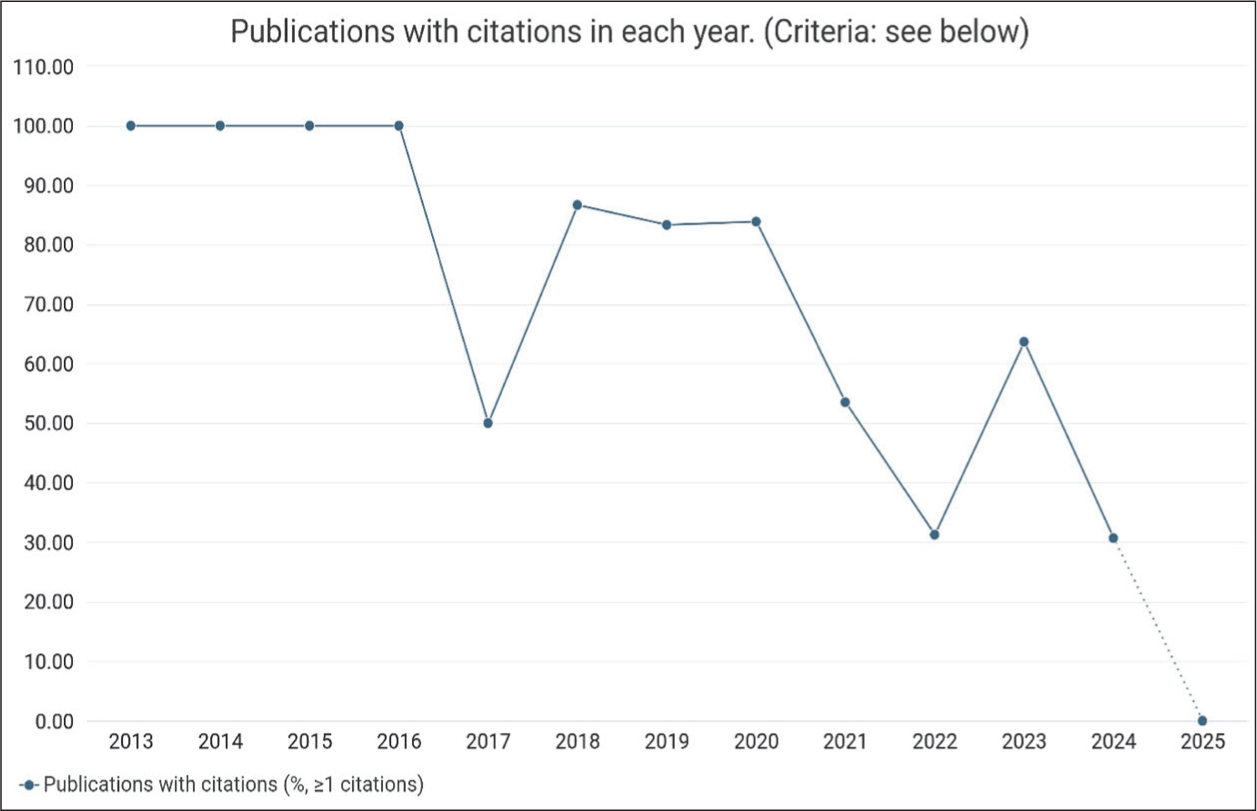
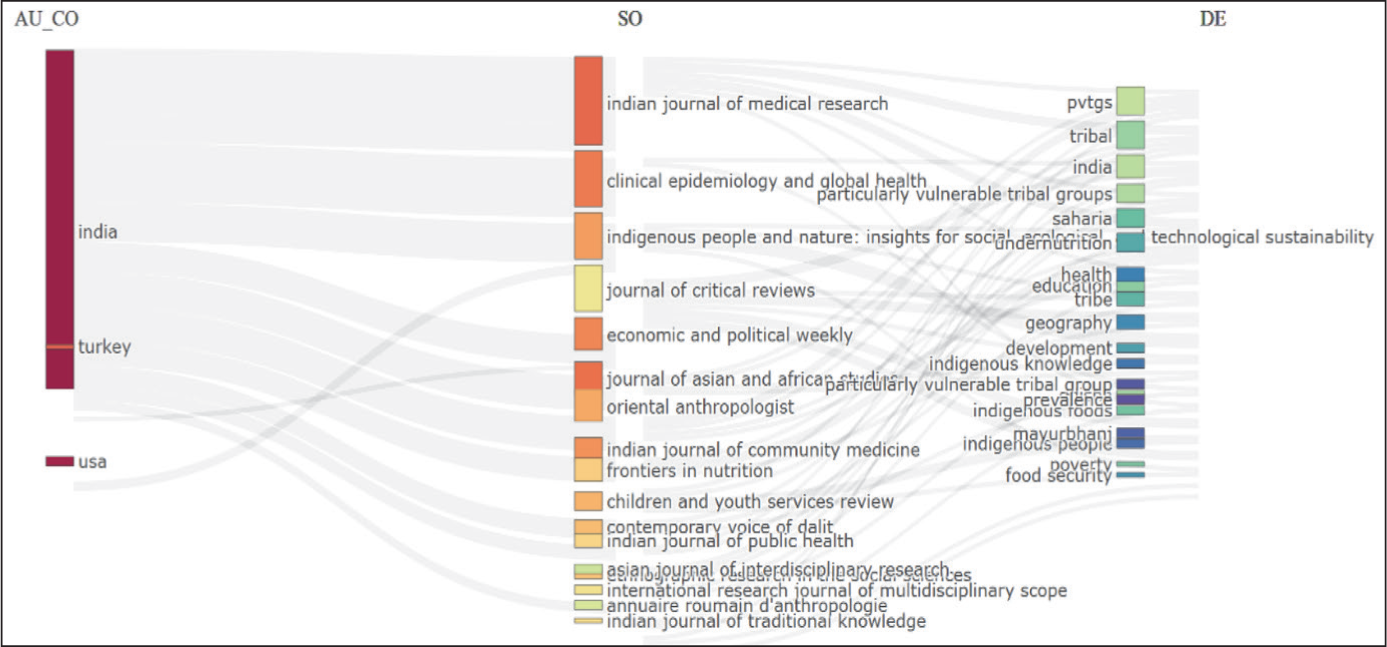
Figure 4 shows a three-field graph that illustrates the connections between authors, sources and topics that are relevant to the SES and mental morbidity of PVTGs. The graph shows how various countries, such as India, Turkey and the USA, are connected to various sources, including the Indian Journal of Medical Research and Clinical Epidemiology and Global Health, as well as to the major topics such as PVTGs, tribal health and food security. The graph shows how international collaboration and focus on major themes have developed over the years in relation to the issues faced by PVTGs, including major themes such as health, education and food security. The graph also shows the major role played by India in the development of research on these vulnerable groups.
Three-field Plot.
Most Relevant Sources.
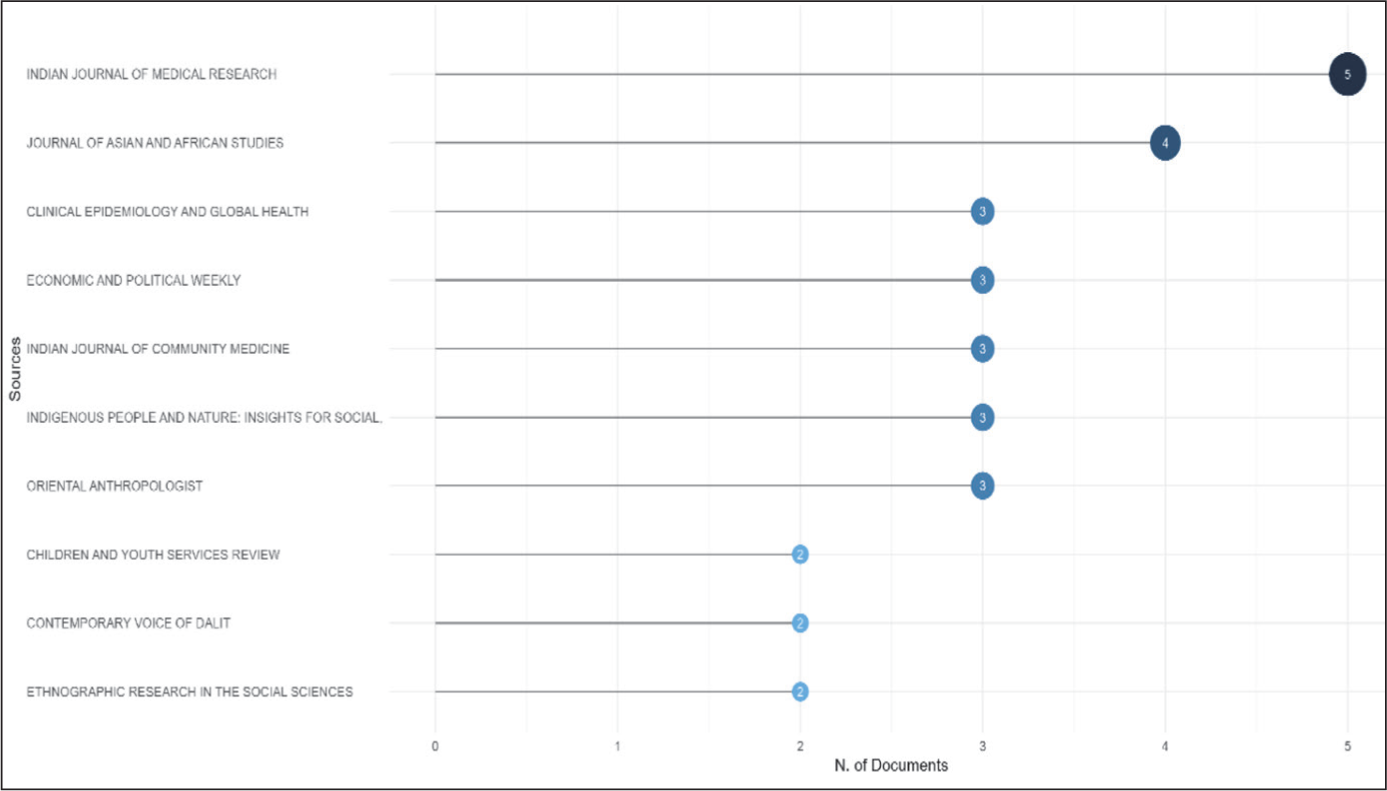
Figure 5 and Table 1 show the bar chart of the most influential sources in the scientific study of SES and mental morbidity in PVTGs. The Indian Journal of Medical Research is at the top of the list in terms of the number of documents, followed by the Journal of Asian and African Studies and Clinical Epidemiology and Global Health. This suggests that the journals mentioned in Table 1 play a crucial role in the scientific study of the challenges faced by PVTGs, especially in the context of health and socio-economic aspects.
Top 10 Most Relevant Sources for Research.
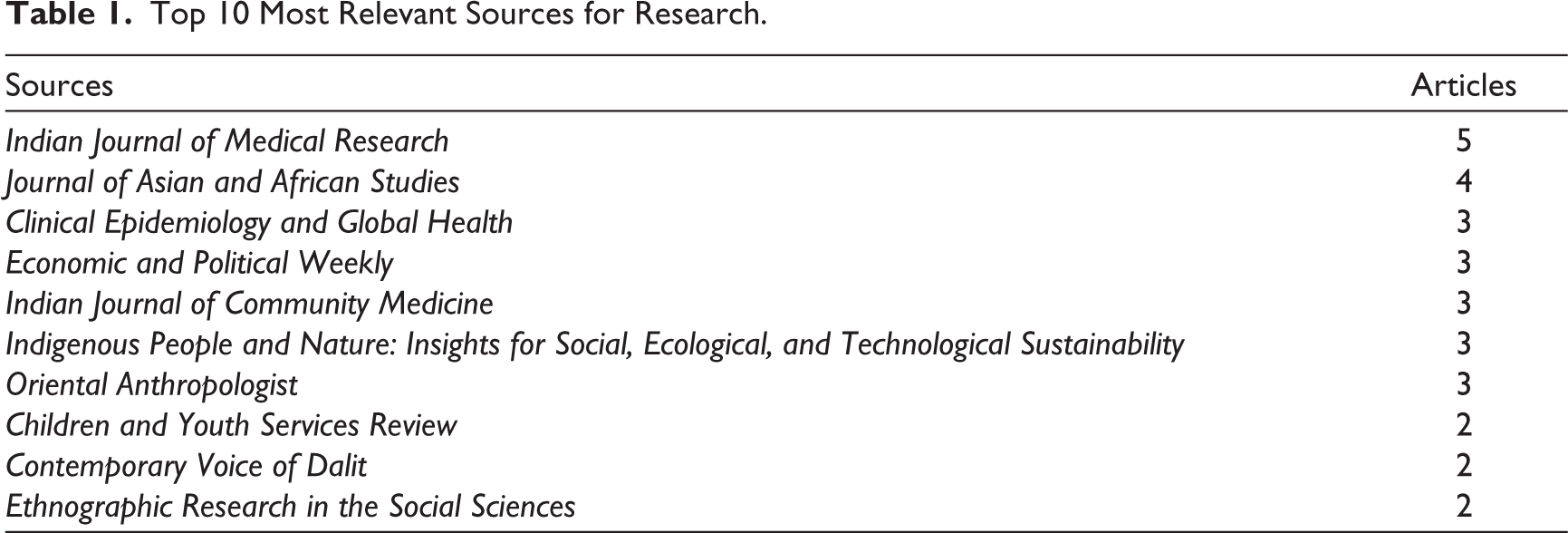
Table 2 highlights the local effect of various sources relevant to the study of SES and mental morbidity in PVTGs. For each source, the important indicators are provided, which include h-index, g-index, m-index, total citations (TC), number of papers (NP) and the year of first publication (PY_start). It is worth noting that the Indian Journal of Medical Research has 51 citations and an h-index of 2, which shows that it has made a great contribution to the field. Other important sources, including Children and Youth Services Review and Clinical Epidemiology and Global Health, also make important contributions to the study of the challenges faced by PVTGs, particularly in the fields of health and socio-economic development.
Top 10 Sources’ Local Impact.
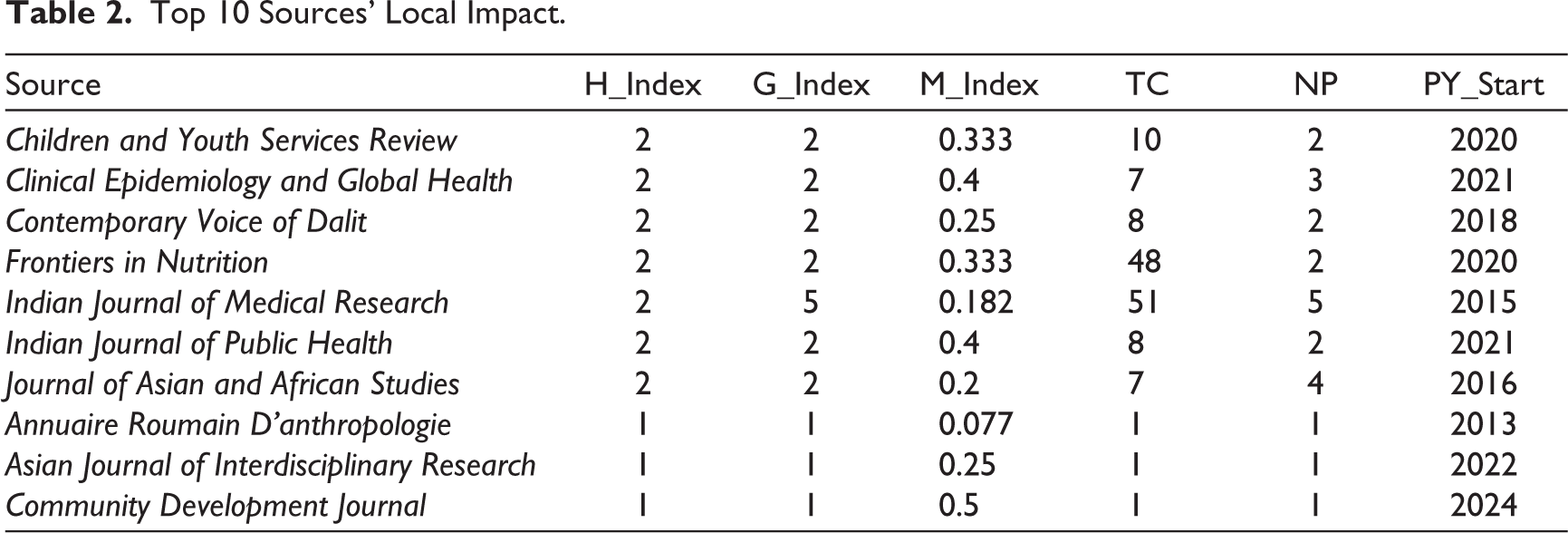
Table 3 illustrates the local effect of different authors contributing to the study of SES and mental morbidity in PVTGs. The table lists important parameters such as h-index, g-index, m-index, TC, NP and PY_start. Authors like S. Downs, J. Fanzo, S. Ghosh-Jerath and R. Kapoor were found to be particularly influential, with an h-index of 4, indicating a substantial impact in the domain, along with 73 citations and 4 publications per author. Other authors, such as J. Bhat and V. Rao with an h-index of 3, have also made important contributions, emphasizing the importance of their work related to the health, education and SES of PVTGs.
Top 10 Authors’ Local Impact.
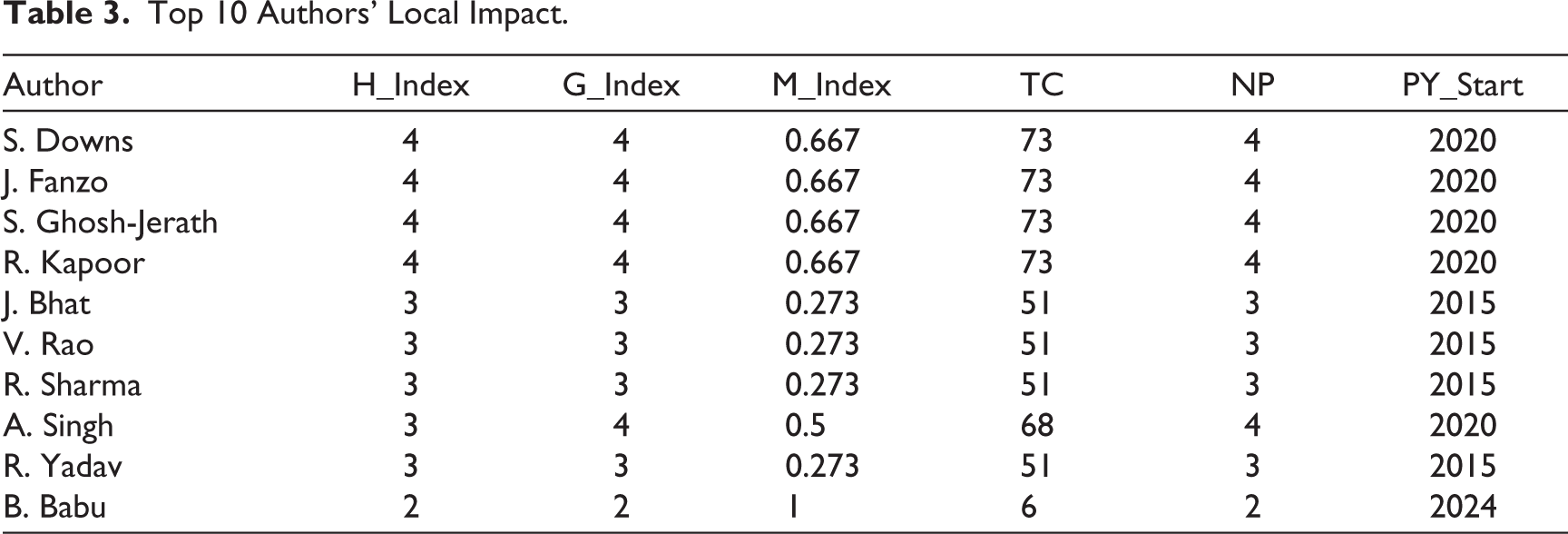
Table 4 presents the ten most relevant institutional affiliations contributing to research on the health and socioeconomic conditions of Particularly Vulnerable Tribal Groups (PVTGs). The findings indicate that government-funded research organizations and public academic institutions play a dominant role in advancing knowledge in this field. The highest research output is represented by a national medical research organization with 21 publications, followed by a regional tribal health research centre with 8 publications. Several universities and higher education institutions each contributed between 4 and 5 publications, reflecting a growing interdisciplinary interest in tribal health, development and well-being. International participation is also evident through the presence of a foreign public health institution among the leading contributors, highlighting the global relevance of research on vulnerable indigenous populations. Overall, the distribution of publications suggests that research on PVTGs is concentrated within a relatively small group of institutions, with a strong emphasis on public health, tribal studies, and socioeconomic development. These institutions have played a pivotal role in shaping the scholarly discourse and expanding the evidence base on the challenges and well-being of PVTGs.
Top 10 Most Relevant Affiliations.
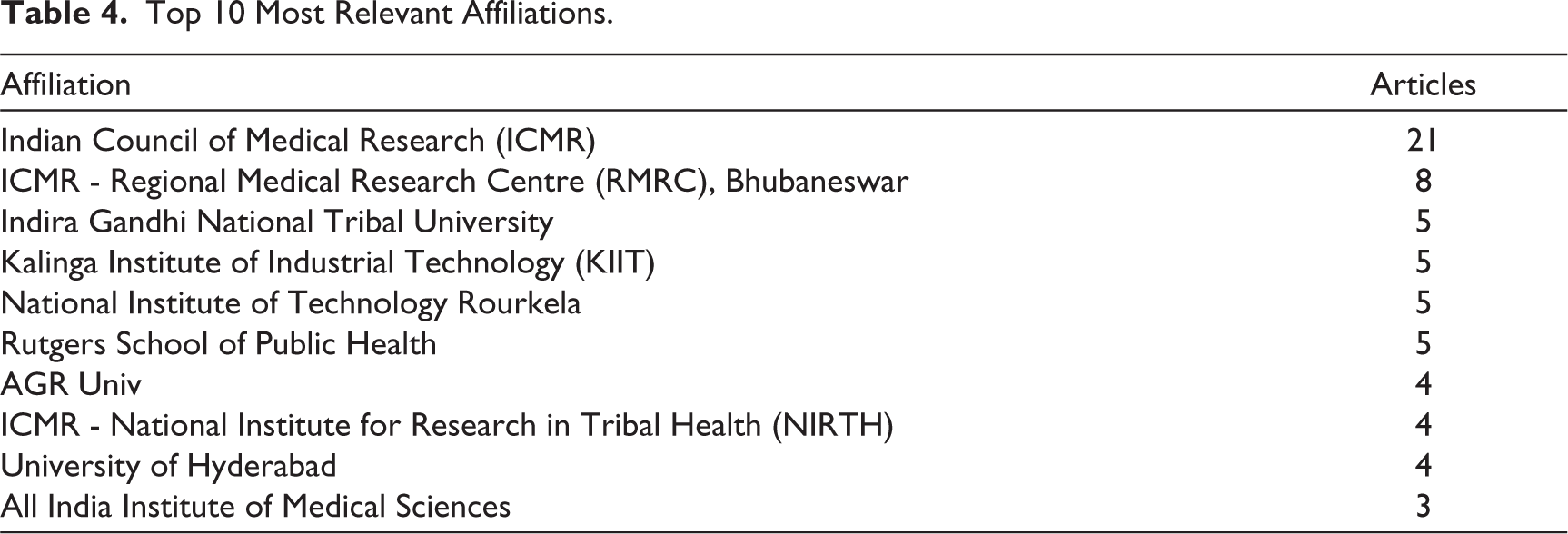
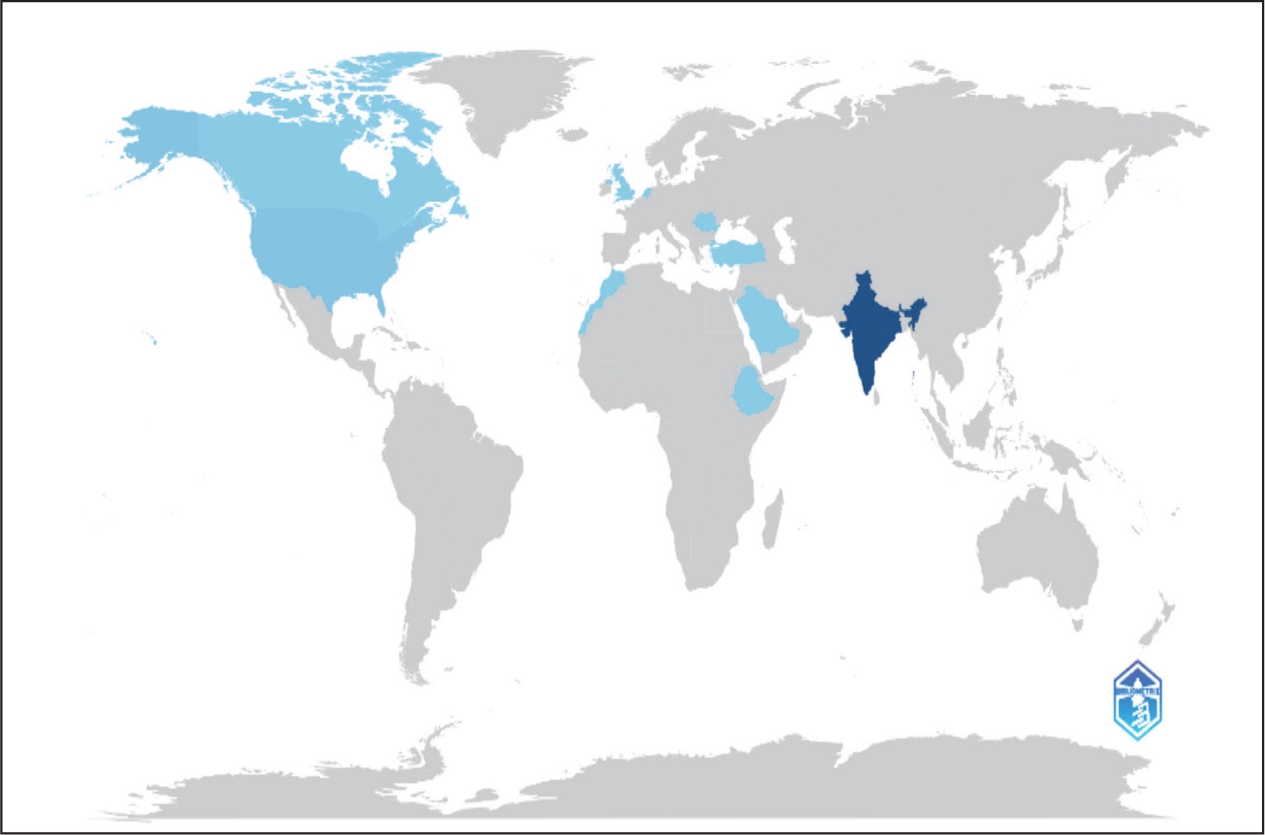
Figure 6 and Table 5 show the distribution of scientific production related to research on the SES and mental morbidity of PVTGs around the world. India is shown to be the major contributor to scientific production with 144 articles, as shown by the dark blue colour in the map. Other countries, such as the USA, the UK and several European countries, have made a smaller number of contributions to scientific production, as shown by the lighter shades of the map. Taken together, the map and table demonstrate India’s significant contribution to knowledge generation on tribal health and development, indicating that a substaintial amount of PVTG research is being conducted in India. The addition of this information aims to shed light on the geographical distribution of research activity, which may help to inform future research collaborations and funding.
Country Scientific Production.
Top 10 Country Scientific Production.
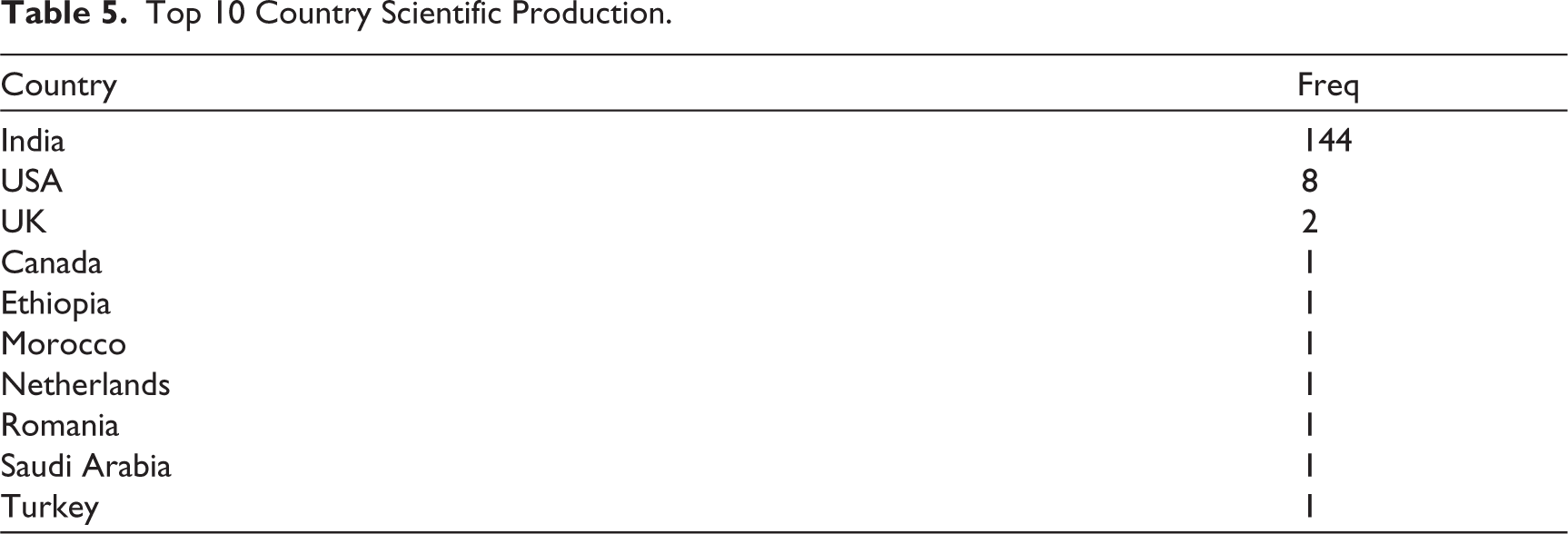
Figure 7 shows the most cited documents globally on SES and mental morbidity in PVTGs. It is important to note that S. Robledo (2023) has the highest number of citations (38), followed by V. Rao (2015) and S. Ghosh-Jerath (2021), which have been widely cited. The figure shows the necessary information, including the total number of citations, citations per year and normalized TC. The information is included to highlight the most influential works in the field, which have made a significant contribution to the global debate on the plight of PVTGs. The identification of papers with the highest global impact is crucial in defining the core body of research and informing future studies to ensure that critical issues like tribal health and education are adequately addressed.
Most-cited Global Documents.
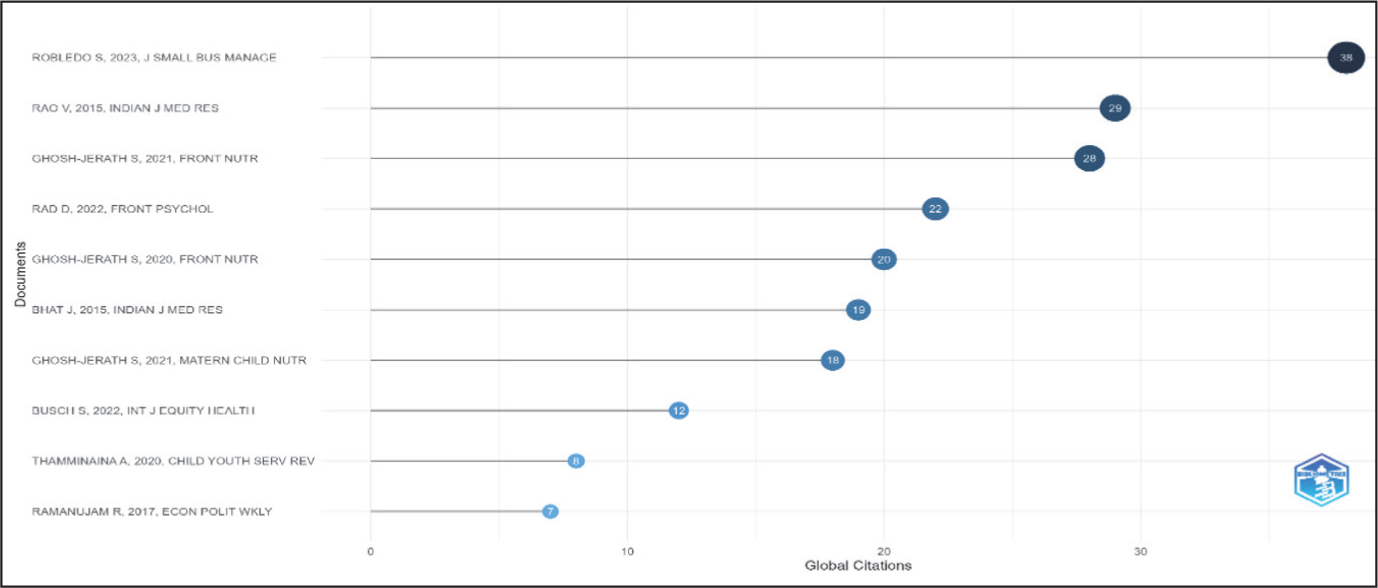
Figure 8 lists the most commonly used keywords in research studies related to the SES and mental morbidity of PVTGs. The most commonly used keywords are ‘PVTGs’ (13 instances), ‘India’ (12 instances) and ‘particularly vulnerable tribal groups’ (9 instances). Other important keywords such as ‘poverty’, ‘tribal’, ‘undernutrition’ and ‘indigenous foods’ are also listed, which highlight the major themes and areas of concern in the context of PVTGs. The inclusion of this figure is important for understanding the challenges faced by PVTGs, and the findings may help in framing future research studies for improving the status of PVTGs.
Most Relevant Words.
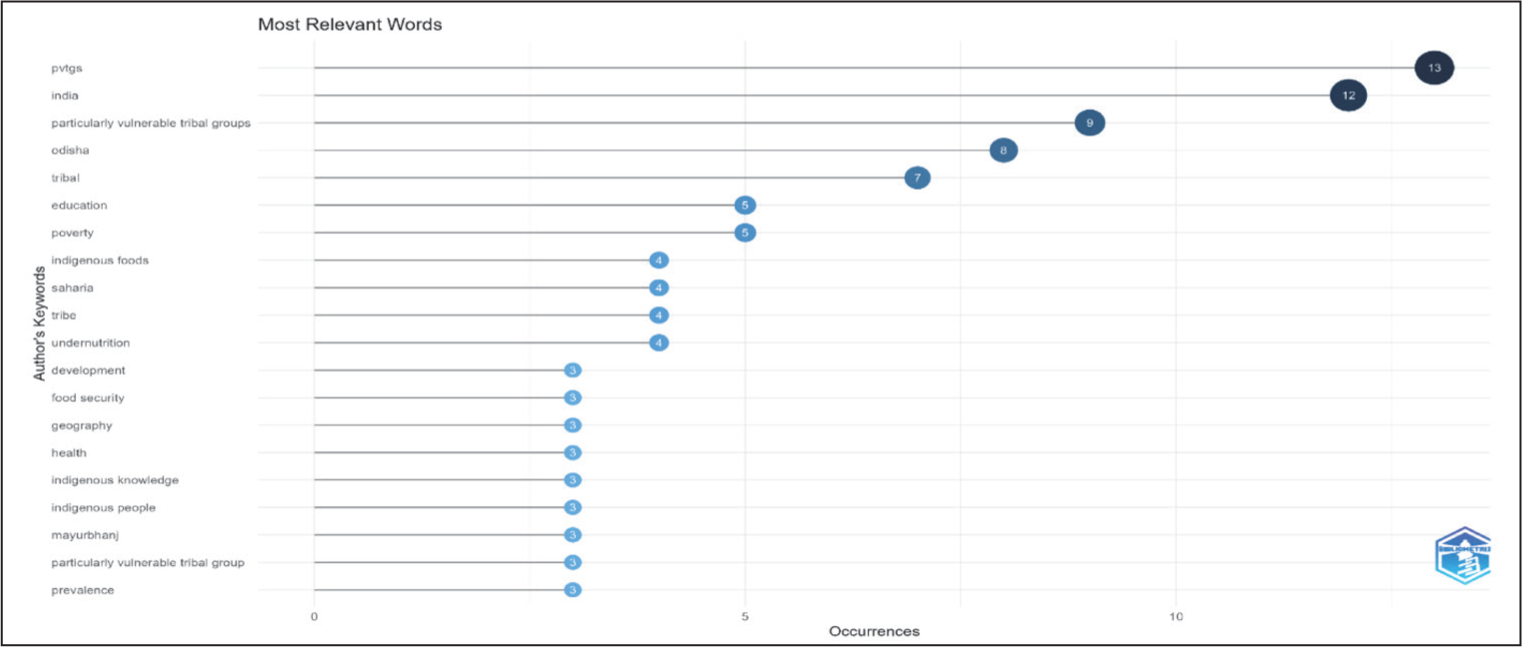
Figure 9 shows a word cloud that highlight the most frequent words found in studies related to the SES and mental morbidity of PVTGs. The most frequent words, including ‘PVTGs’ (13 times), ‘India’ (12 times) and ‘ PVTGs’ (9 times), are directly related to the study and highlight the key issues that PVTGs face. Other keywords, including ‘poverty’, ‘education’, ‘undernutrition’ and ‘food security’, highlight the challenges that PVTGs face. The author uses this data to highlight the key themes in the literature and provides a brief summary of the issues that are most frequently raised.
Word Cloud.
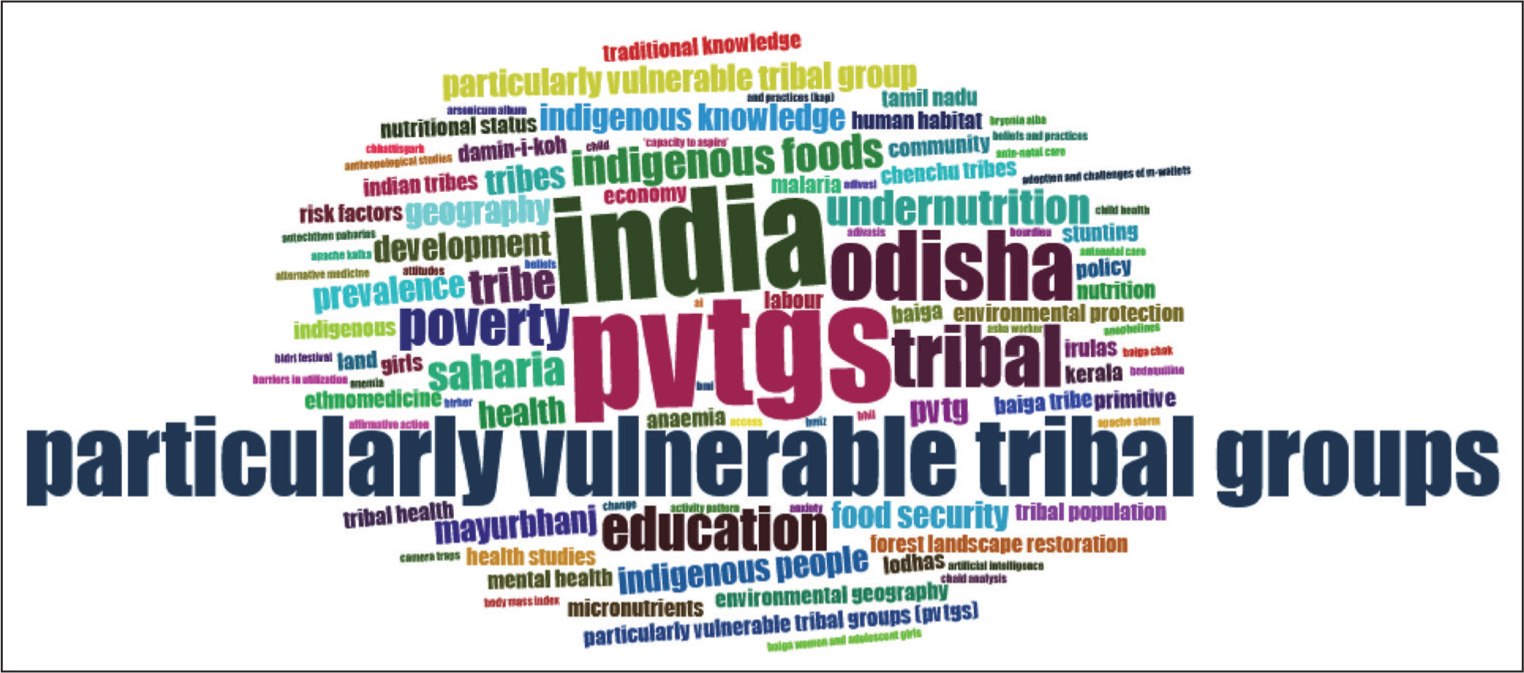
Figure 10 shows the trend topics in research on SES and mental morbidity in PVTGs. The figure shows the frequency of the important terms over time, highlighting the rising importance of terms such as ‘PVTGs’ (13 instances), ‘India’ (12 instances) and ‘PVTGs’ (9 instances) in recent years. The figure lists the important trends, with terms such as ‘poverty’ reaching their peak in 2023, while ‘education’ and ‘tribal’ continue to receive constant attention from 2021 to 2024. The author uses this information to demonstrate trends in research focus, pointing out the increasing importance of PVTGs and related topics, such as education, poverty and health. These findings can be used to inform future research by identifying important areas of focus, demonstrating how these topics have been discussed over time and helping to forecast future research interests.
Trend Topics.
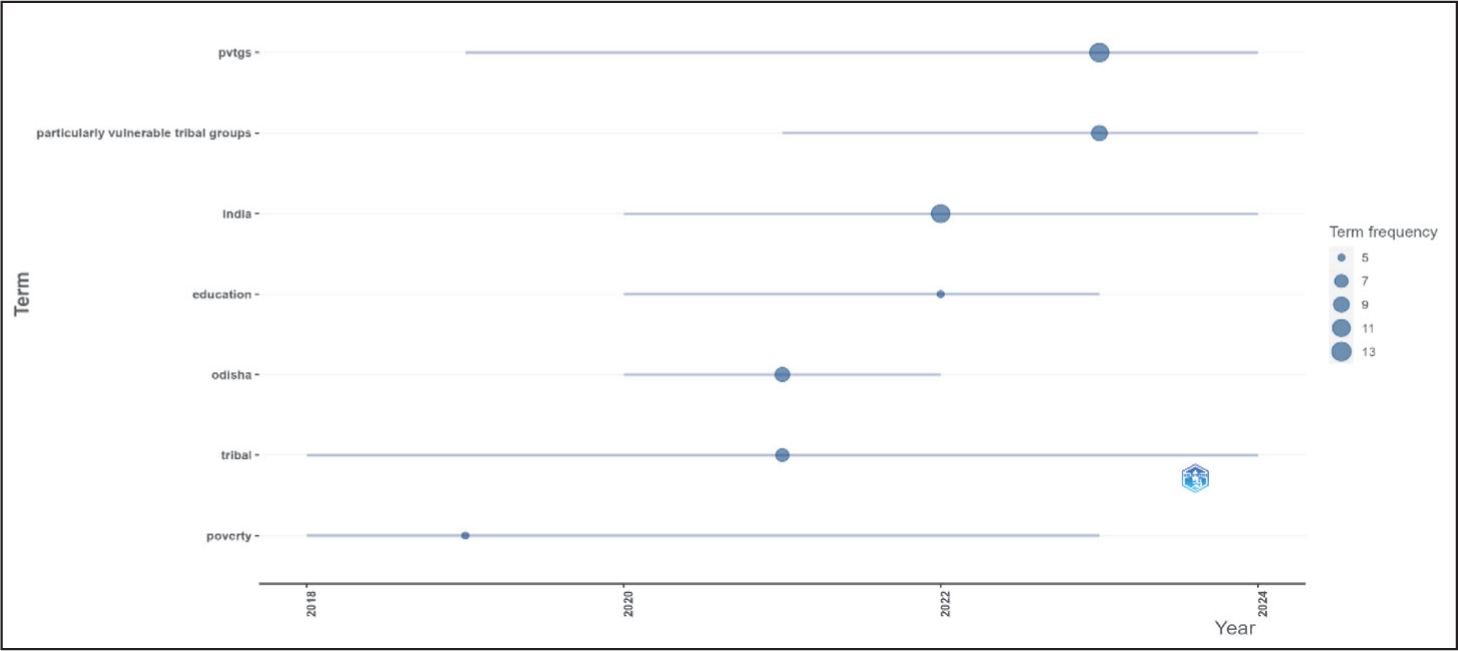
Figure 11 presents the international collaboration network in research on socio-economic status and emotional resilience among Particularly Vulnerable Tribal Groups (PVTGs). The network highlights a limited but significant pattern of cross-country collaboration, with India occupying a central position and serving as the primary hub of scholarly activity. The connections between India, the United Kingdom, and the Netherlands indicate the existence of collaborative research partnerships that facilitate knowledge exchange and comparative perspectives on tribal development and well-being. India’s dominant role reflects its substantial contribution to PVTG-related research, while the involvement of European countries demonstrates growing international interest in issues concerning indigenous and marginalized populations. Overall, the figure suggests that although international collaboration remains relatively concentrated, it has contributed to enhancing the global visibility and interdisciplinary understanding of socio-economic conditions and emotional resilience among PVTGs.
Collaboration Network.
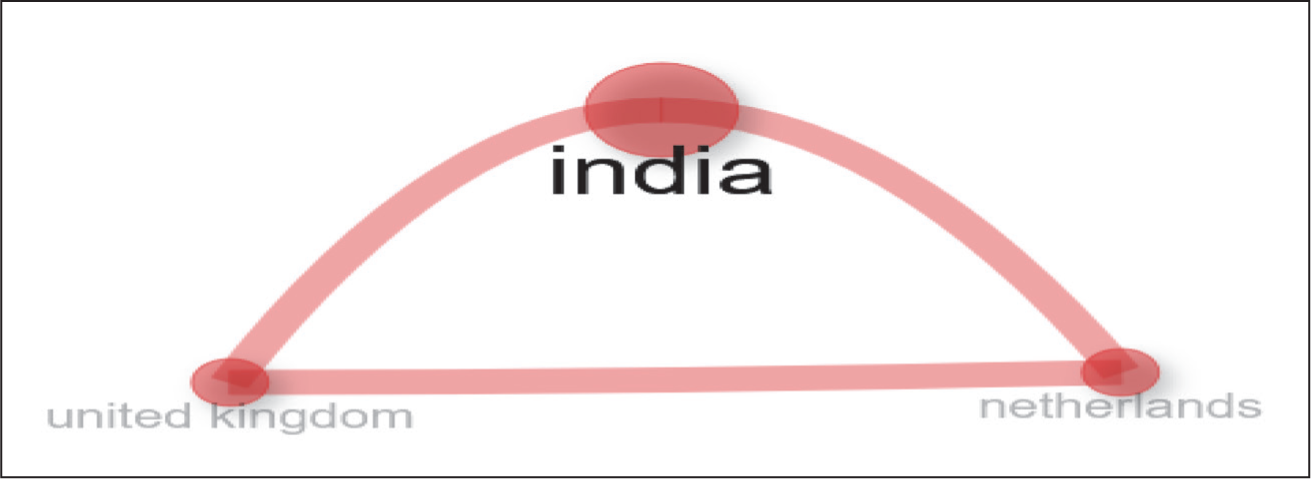
Figure 12 illustrates the authors’ collaboration network in research on socio-economic status and emotional resilience among Particularly Vulnerable Tribal Groups (PVTGs). The network reveals several distinct clusters of collaborating authors, indicating the presence of specialized research groups within the field. One cluster is particularly prominent, with a central author exhibiting the highest number of collaborative links, suggesting a significant influence on knowledge production and scholarly connectivity. The dense interconnections within this cluster reflect strong co-authorship relationships and sustained research engagement. Other smaller clusters demonstrate focused collaborations among specific groups of researchers, contributing to thematic diversity and interdisciplinary perspectives. The existence of multiple interconnected networks highlights the collaborative nature of PVTG research and suggests that scholarly advancement in this area is driven by both established research teams and emerging academic partnerships. Overall, the figure underscores the importance of collaborative efforts in expanding the evidence base on socio-economic conditions and emotional resilience among PVTGs.
Authors’ Network.
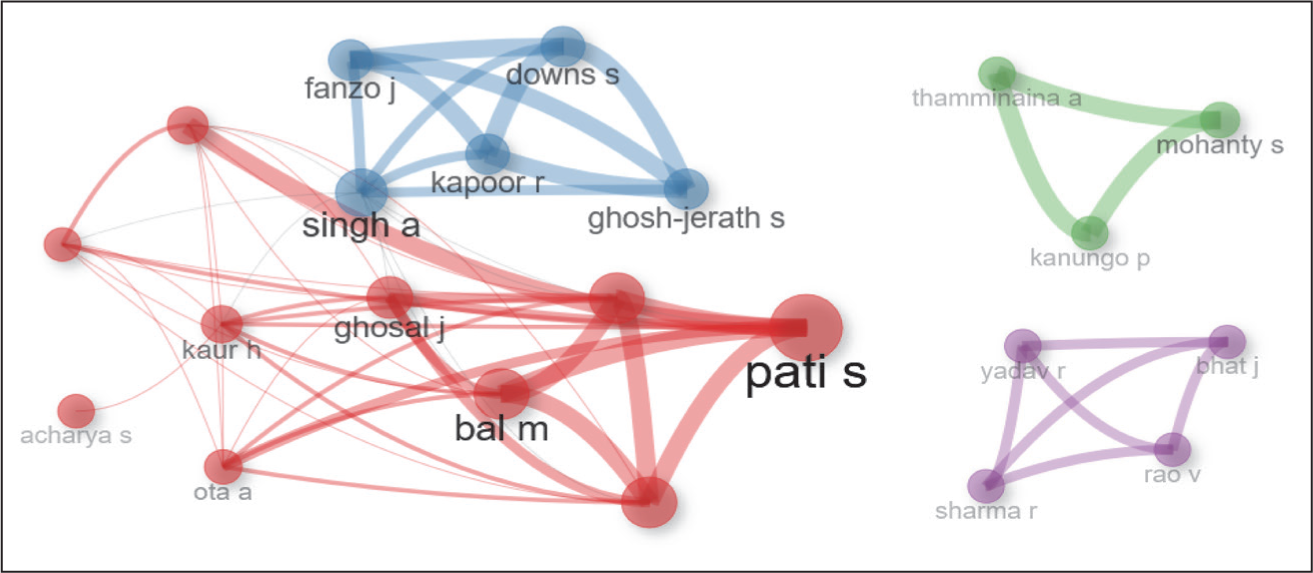
Table 6 shows the most cited countries in the research related to the SES and mental morbidity of PVTGs. The total number of citations is highest in India (223), followed by the USA (43) and Romania (22). The table also shows the average citations per article for each country, and Romania has the highest average (22), followed by the USA (14.30). The findings of this study show that although the total number of citations is highest in India, the contribution of research from other countries, especially the USA and Romania, is quite significant. The author uses this information to highlight the international importance of research related to PVTGs, and how the research from different countries has made a significant impact internationally.
Most-cited Countries.
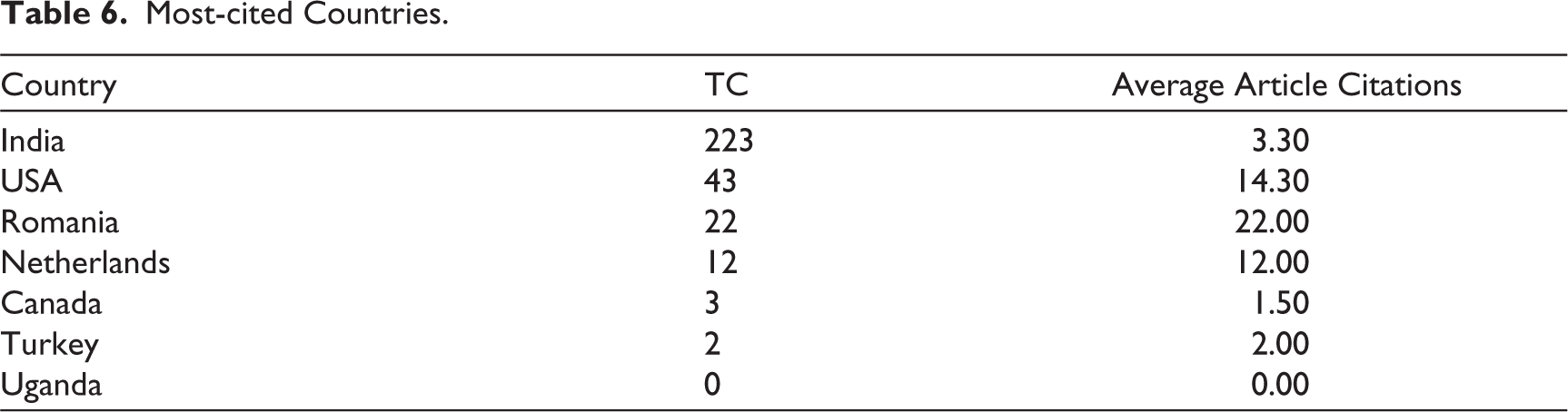
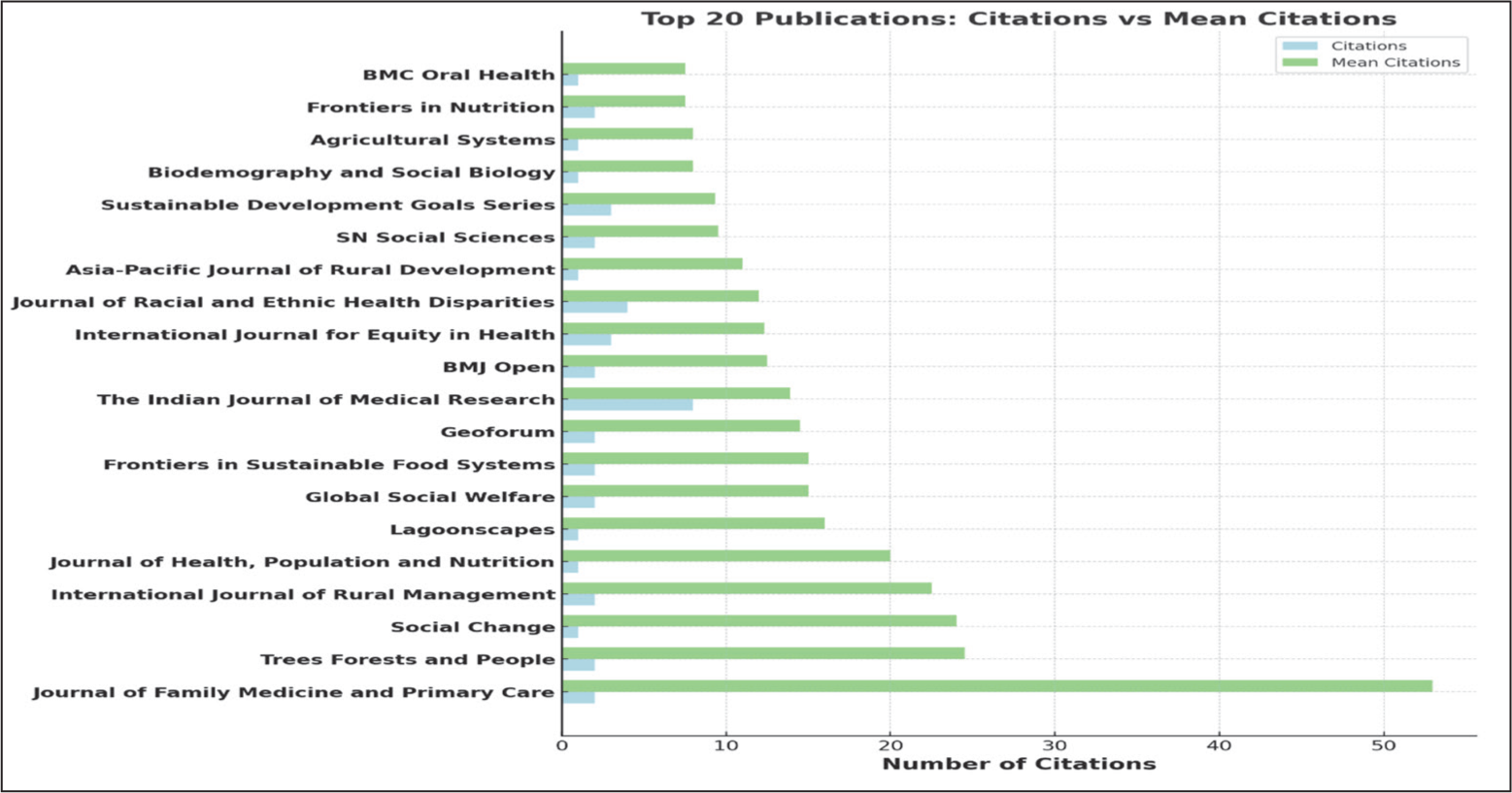
Figure 13 shows the top 20 publications regarding the SES and mental morbidity of PVTGs, comparing the total number of citations with the average number of citations per publication. The journals with the highest number of citations are BMC Oral Health, followed by Frontiers in Nutrition and Agricultural Systems. The figure also shows the difference between the total number of citations (green colour) and the average number of citations (light green colour), which indicates the average citation range of each publication. The addition of these data aims to emphasize the most cited journals in PVTG-related studies.
Publications and Citations.
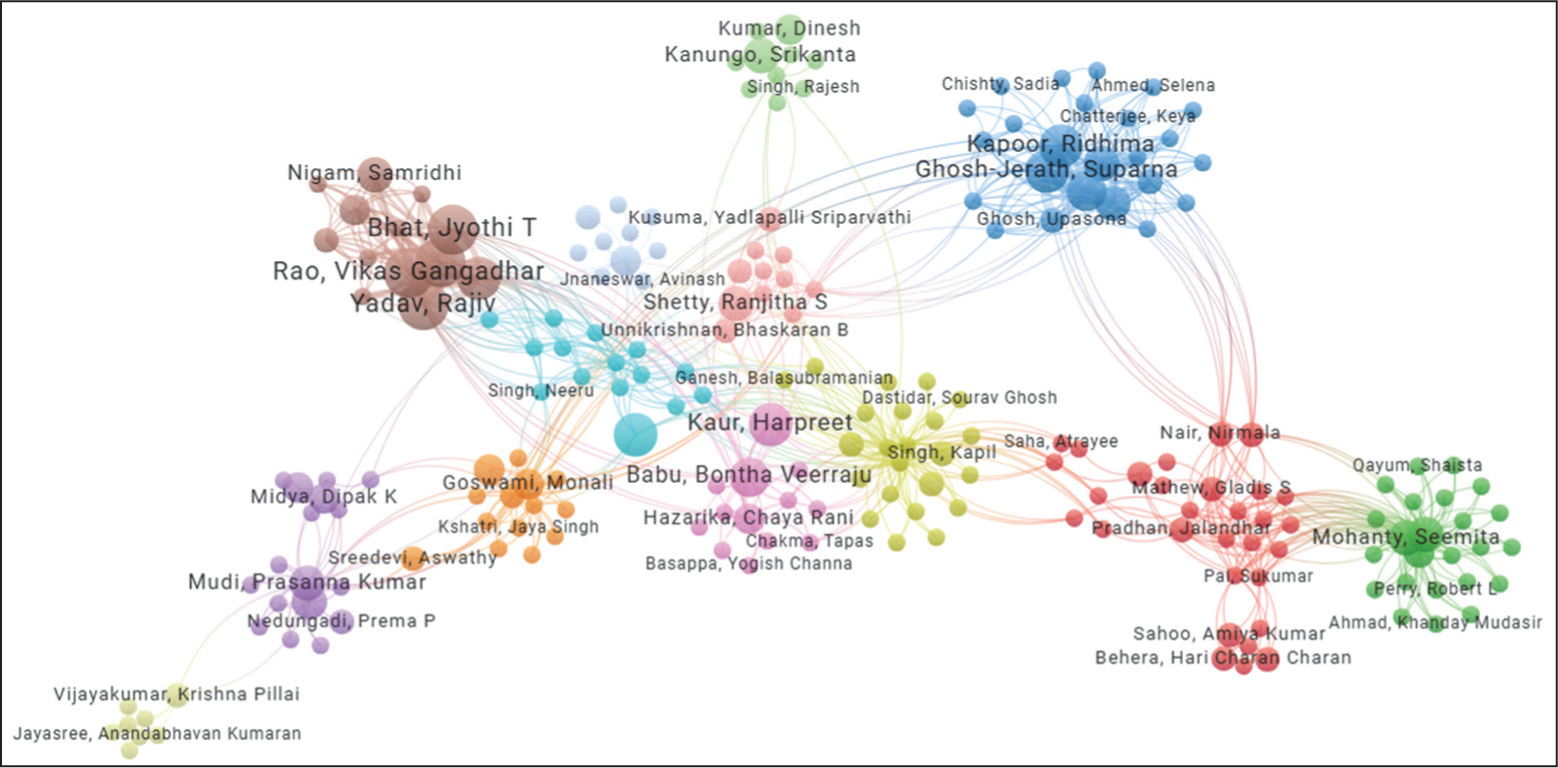
In Figure 14, the collaboration network between authors involved in research on the SES and mental morbidity of PVTGs is shown. The nodes in the graph represent the individual authors, and the edges represent the co-authorship relationships between them. The authors are represented by colours, with different clusters indicating different collaboration groups. For example, the blue cluster includes authors such as Ghosh-Jerath, Suprana and Kapoor, Ridhima, showing strong collaboration within the cluster. The display of this information is meant to show the landscape of research collaboration, indicating the authors and collaboration groups that are most actively involved in PVTG research.
Collaboration Network of Authors.
Conclusion
The current study draws attention to the persistent socio-economic and psychological issues faced by PVTGs in India. The continued state of poverty, lack of access to healthcare and education and isolation in remote areas contribute to their structural marginalization (Banerjee, 2019; Yadav et al., 2025). The results clearly indicate that these socio-economic factors are interlinked with high levels of psychological distress, such as depression, anxiety and trauma disorders, which are further worsened by social exclusion and marginalization (Rath et al., 2021). The major significance of the current study is the recognition of the existing gap in interdisciplinary research that explores the relationship between SES and psychological well-being in PVTGs. Most of the existing literature is focused on either socio-economic issues or psychological distress in PVTGs, which makes it difficult to explore the possibility of comprehensive and evidence-based interventions.
The current study emphasizes the importance of interdisciplinary policy formulations that focus on the integration of economic development programmes, better access to healthcare and culturally appropriate mental healthcare support systems (Vijayachari & Sharma, 2024). Interdisciplinary research collaboration will play a crucial role in the development of comprehensive strategies that can help improve the overall well-being of PVTGs and overcome their multidimensional vulnerabilities.
Implications of the Study
The current study provides important implications for the nexus between socio-economic factors and psychological well-being in PVTGs in India, while also identifying key gaps in the existing body of knowledge. The findings of the study confirm the importance of holistic and integrated policy interventions that address economic deprivation and psychological distress simultaneously. Upgrading welfare programmes such as the Tribal Sub-Plan (TSP) and Special Area Plans (SAP), along with the integration of culturally appropriate mental health interventions, may enhance the effectiveness of development programmes (Vijayachari & Sharma, 2024; Yadav et al., 2025).
The study also underscores the importance of developing the healthcare infrastructure in the remote tribal areas and preparing healthcare professionals to address the psychological needs of PVTGs (Thamminaina et al., 2020). For scholars, the implications of the study underscore the importance of interdisciplinary and longitudinal research studies that investigate the long-term association between socio-economic vulnerability and psychological well-being (Banerjee, 2019).
For practitioners and policymakers, culturally appropriate mental health interventions are important for reducing stigma and improving accessibility of mental health services. Programmes such as mobile health services and telemedicine may be useful in addressing healthcare disparities in geographically distant areas (Thamminaina et al., 2020). In summary, the study recommends the importance of holistic and integrated approaches that combine economic empowerment, healthcare access and cultural preservation to enhance the psychological well-being and resilience of PVTGs (Rath et al., 2021).
Future Research Prospects
Future research studies on the SES and psychological well-being of PVTGs should focus on interdisciplinary approaches that combine insights from sociology, psychology, public health and economics to better understand the complex relationship between economic deprivation and mental health outcomes (Ghosh et al., 2022). Longitudinal studies are particularly needed to assess the long-term psychological impact of socio-economic interventions and development programmes in these communities.
Future research studies should focus on culturally sensitive mental health interventions that combine traditional healing practices with modern approaches to improve acceptability and accessibility (Vijayachari & Sharma, 2024). Moreover, increased empirical research is required to assess the significance of health policies, infrastructure and welfare programmes in improving PVTG well-being, including the assessment of programmes such as the TSP and SAP (Thamminaina et al., 2020).
Technologies such as digital health platforms and telemedicine have immense potential in filling the gaps of service delivery in the tribal areas; hence, their feasibility and effectiveness need to be evaluated (Yadav et al., 2025). In summary, future research studies should focus on integrative and policy-driven approaches to promote evidence-based interventions that can improve the socio-economic and psychological well-being of PVTGs.
Footnotes
Declaration of Conflicting Interests
The authors declared no potential conflicts of interest with respect to the research, authorship and/or publication of this article.
Funding
The authors received no financial support for the research, authorship and/or publication of this article.