







Abstract
Rising global temperatures and rapid urbanisation have intensified heat stress exposure in informal settlements across Asia and Africa, where vulnerable populations face significant thermal comfort challenges due to inadequate housing conditions and limited adaptive capacity. This systematic evidence mapping study aims to identify, analyse and synthesise existing evidence on heat stress adaptation strategies implemented in informal settlements across Asia and Africa. A systematic search was conducted across Scopus and Web of Science databases using structured search strings related to heat stress, thermal comfort and cooling interventions in informal settlements in Asia and Africa. Data extraction focused on study characteristics, adaptation interventions, effectiveness measures in improving thermal comfort and reducing health risks, and barriers to implementation. The evidence mapping revealed diverse adaptation strategies, including reflective roofing, natural ventilation, air conditioning, tree planting, green walls and building modifications implemented by various actors such as communities, non-governmental organisations, local governments and international organisations. Effectiveness was primarily measured through indoor temperature reduction and instrumentation-based thermal comfort assessment. Financial barriers, particularly affordability issues, emerged as the most significant implementation constraint, followed by institutional barriers, including policy gaps and weak governance. While multiple heat stress adaptation strategies show promise for improving thermal comfort in informal settlements, implementation remains constrained by financial, institutional, social, technical and environmental barriers. This evidence mapping highlights critical research gaps and the need for context-specific, affordable and community-driven adaptation solutions tailored to the unique vulnerabilities of informal settlement populations.
Keywords
Introduction
Urbanisation exacerbates changes in temperature extremes, in particular night-time temperature extremes (IPCC, 2021; Nazarian et al., 2022; UN-Habitat, 2020). This climate-driven impact exacerbates the vulnerability of populations that reside in densely populated areas with inadequate infrastructure and limited resource access (Tran et al., 2013). Informal settlements are disproportionately affected due to high building density, heat-retaining materials, lack of vegetation and constrained access to cooling infrastructure, making heat stress both an environmental and a climate justice concern (Salsabila et al., 2023; Scott et al., 2017). These structural inequities translate into elevated risks of heat-related illness and mortality among low-income urban populations, particularly for older adults, outdoor workers and women engaged in home-based livelihoods (Romanello et al., 2023; Watts et al., 2018). Further, the built environment characteristics of these settlements create localised heat islands that exacerbate already challenging climatic conditions, making residents particularly susceptible to heat-related health risks and discomfort (Nazarian et al., 2022).
Beyond physical exposure, heat vulnerability in informal settlements is shaped by social determinants, including insecure tenure, limited political representation and exclusion from formal urban planning and public health systems (Dodman et al., 2019; Satterthwaite et al., 2020). While a growing body of research documents heat-related health impacts and vulnerability patterns in low-income urban settings, systematic evidence on adaptation strategies and their effectiveness within informal settlements remains fragmented. This gap is particularly pronounced across Asia and Africa, where climatic conditions, settlement morphologies and governance arrangements vary widely, underscoring the need for comparative synthesis to inform equitable and context-sensitive adaptation planning.
The implementation of effective heat stress adaptation strategies in informal settlements faces numerous constraints spanning financial, institutional, social, technical and environmental dimensions. These barriers interact in complex ways to limit both the availability and accessibility of cooling solutions for vulnerable populations (Adegun, 2024; Mahadevia, 2024; Otchere-Darko et al., 2023; Pasquini et al., 2020; Sajjad et al., 2025). Understanding these constraints is essential for developing targeted interventions that can effectively reduce heat exposure while remaining feasible within the resource limitations typical of informal settlement contexts.
The number of people moving into informal settlements is rising in Asia and Africa, which will have implications for not only resource consumption but also how they adapt to the increasing temperature. These communities require effective cooling adaptation measures tailored to their unique socio-economic and environmental contexts. However, there is limited understanding of context-specific heat stress adaptation strategies in fast-growing informal settlements in Africa and Asia. This article uses systematic evidence mapping to provide an overview of heat stress adaptation strategies in informal settlements in Asia and Africa. This systematic evidence mapping aims to synthesise existing research on heat stress adaptation strategies implemented in informal settlements across Asia and Africa, with particular focus on intervention types, effectiveness measures, implementation actors and barriers to successful deployment. The study aims to understand the existing heat stress adaptation strategies in informal settlements in Africa and Asia, the effectiveness of these adaptation strategies in improving thermal comfort and reducing health risks and the barriers to the implementation of heat stress adaptation strategies in informal settlements in Africa and Asia.
Methodology
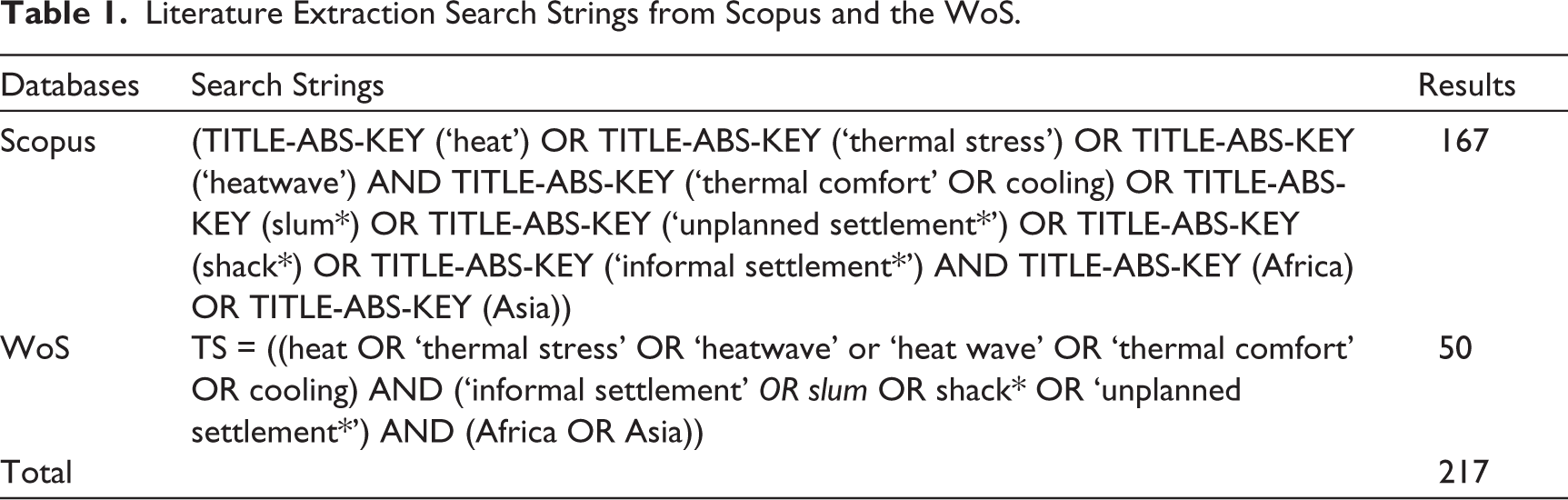
Our approach began by searching for and extracting the relevant literature for the study from Scopus and the Web of Science (WoS) using the search strings shown in Table 1. The search was conducted on 25 March 2025, which generated 217 manuscripts. The search results were downloaded and then uploaded to Rayyan.ai 1 for screening. We identified and excluded 27 duplicate manuscripts from the database. We then reviewed the titles and abstracts of the remaining 190 manuscripts. At least three of the five authors independently reviewed each of these manuscripts and excluded studies that did not meet our inclusion criteria (i.e., studies published before 2000, studies that did not focus on heat stress adaptation and studies that did not focus on informal settlements in Africa or Asia). After the initial review, there were conflicting decisions on 18.42 per cent of the manuscripts. The authors revisited and resolved the conflicts, resulting in 21 (11%) of the initial 190 studies being considered for inclusion in the study. The 169 studies that did not meet the inclusion criteria (i.e., studies that are not focused on heat adaptation strategies in informal settlements in Africa or Asia) were excluded (see Figure 1). Four inaccessible manuscripts were excluded. The authors identified four additional manuscripts via a Google search, resulting in 24 studies that were included in the final review.
Literature Extraction Search Strings from Scopus and the WoS.
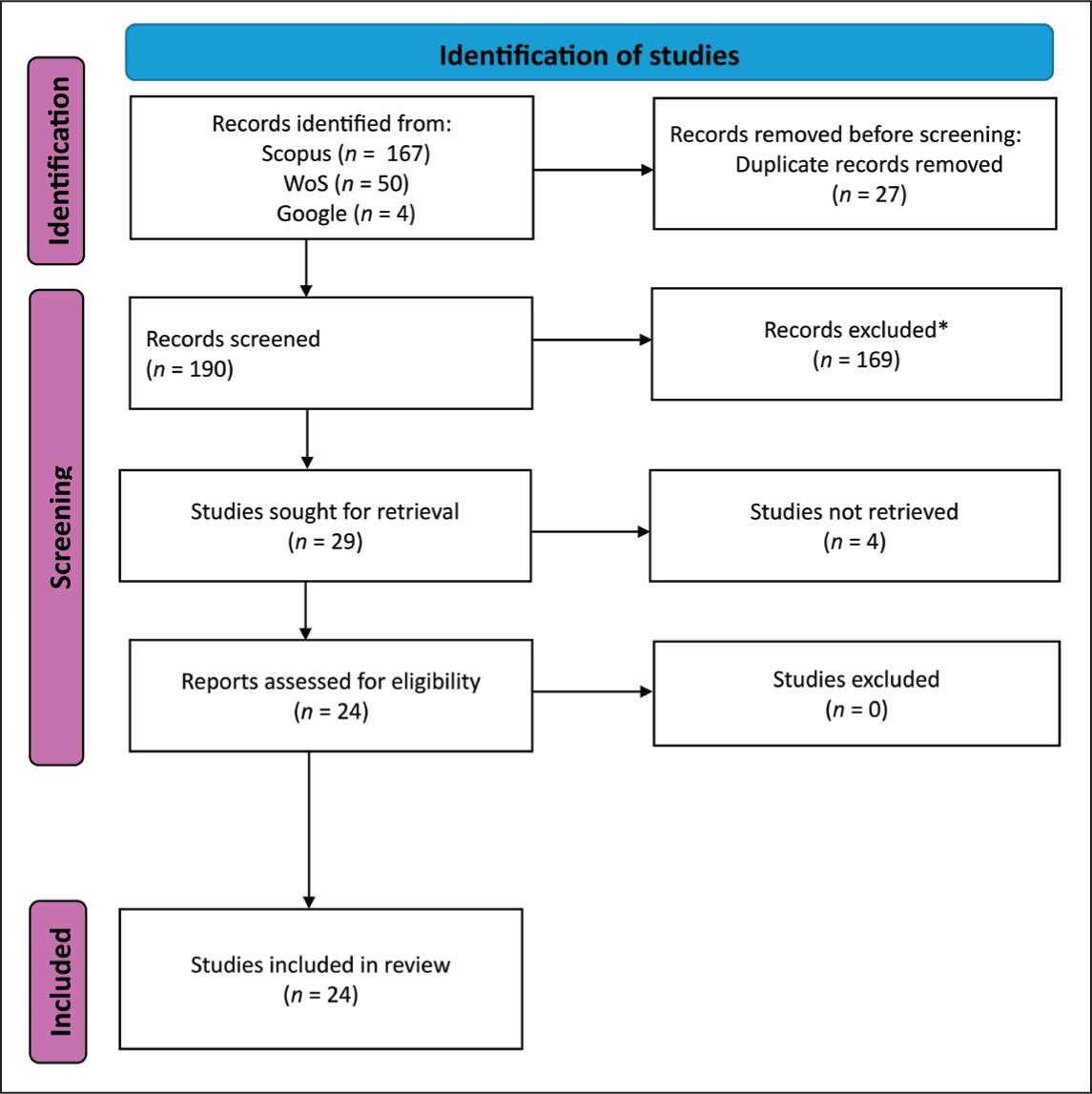
We screened the manuscripts and extracted information on heat stress adaptation measures in informal settlements in Asia and Africa. Next, we summarised the effectiveness of those measures in relation to heat metrics (e.g., maximum and minimum temperature, Wet Bulb Globe Temperature [WBGT]), cost and social acceptance/adoption; Nazarian et al., 2022; Wilby et al., 2021). This approach highlights the gap in terms of accessibility and effectiveness of heat stress adaptation measures in certain regions. We also discuss how different regions would be affected by future climate projections and the limits of such adaptation measures in the context of informal settlements. Data extraction was undertaken by individual authors. Prior to this process, the team agreed on the variables to be extracted to ensure a shared understanding and consistency across authors.
Although our methods set out a robust process for assessing and documenting evidence in the literature, there are some limitations to our approach that are worth noting. The first limitation is the geographic scope of the search strategy. Although the use of continental terms (Africa and Asia) was a deliberate decision to maintain feasibility and transparency across multiple databases, given the large number of countries and cities in the two continents, this approach may have resulted in the omission of studies on smaller cities that did not explicitly reference Africa or Asia in searchable fields. The second limitation is the non-inclusion of grey literature. The decision to restrict the review to peer-reviewed journal articles was deliberate and aligned with the study’s objective of synthesising empirically validated and methodologically comparable evidence. However, this approach excluded grey literature that often documents on-the-ground adaptation actions. Therefore, findings presented in this study should be interpreted as reflecting trends in the peer-reviewed academic literature rather than the full body of available evidence.
Bibliographic and Study Context Variables
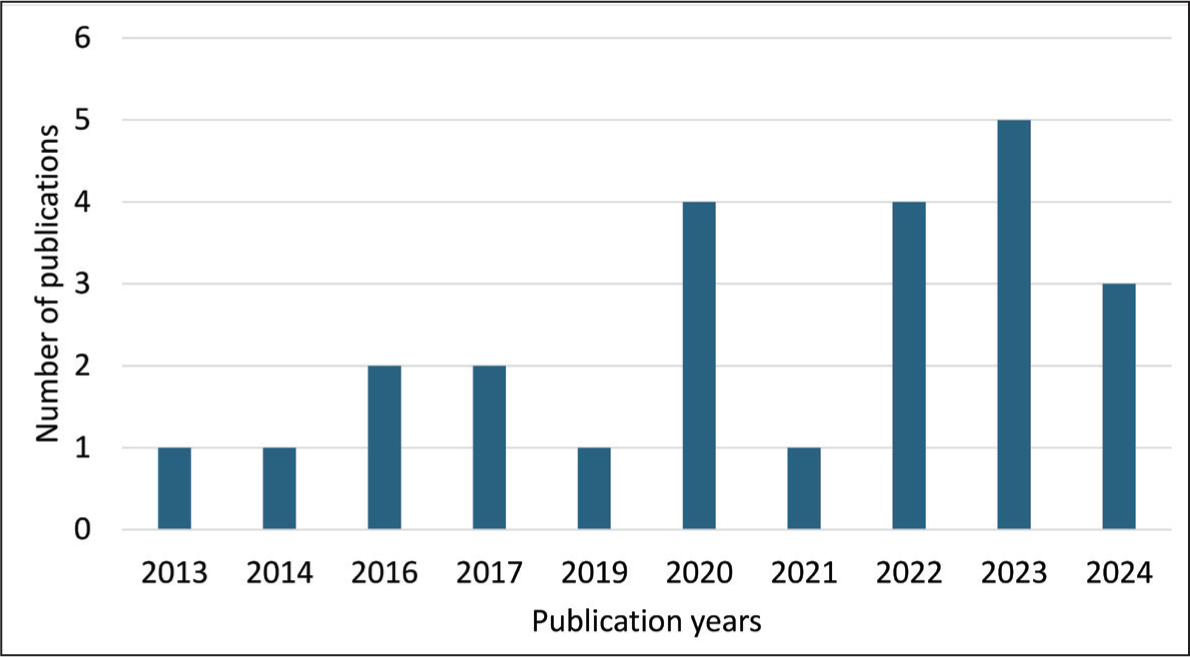
The papers included in the review focused on heat stress adaptation in informal settlements in Africa and Asia, published between 2013 and 2024 (see Table S2; available online as a supplementary file). As shown in Figure 2, the number of yearly publications varies, with 2013, 2014, 2019 and 2021 having the least number (n = 1, respectively) and 2023 having the most number of publications (n = 5). This temporal spread reflects both the continued relevance of heat stress as a public health and urban planning challenge in informal settlements and the expanding range of methodological approaches employed to study it. This finding also demonstrates a growing interest in the topic, illustrating sustained and growing scholarly engagement in recent years.
Study Publication Years.
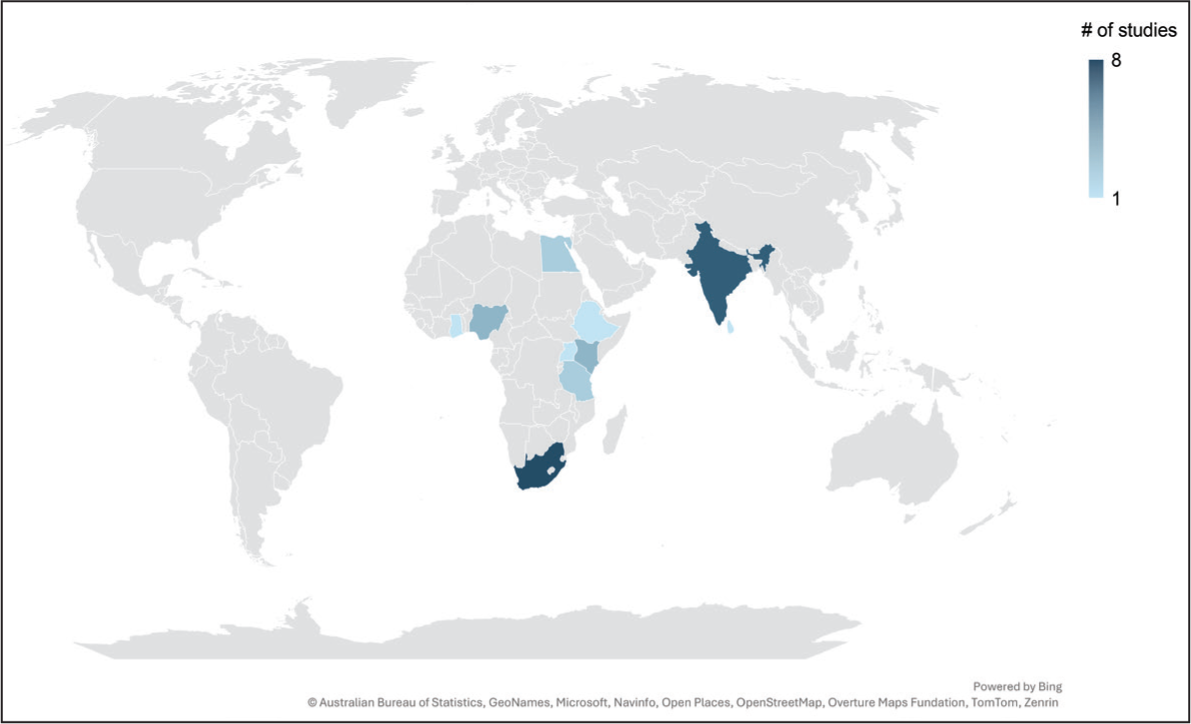
The range of countries included in the review is shown in Figure 3. Most of the countries are from Africa, covering Egypt, Ethiopia, Ghana, Nigeria, Kenya, South Africa, Tanzania and Uganda. Only two countries from Asia—India and Sri Lanka—are covered in studies included in the review. South Africa has the most coverage across the studies (n = 8), followed by India (n = 7). Some of the studies (Bonaccorso et al., 2019; De Angelis et al., 2016; Laue et al., 2022) include multiple countries, including countries that were not the focus of this review (e.g., Brazil and Portugal), while other countries cover a sub-region (e.g., sub-Saharan Africa).
There is notable diversity of study methods across the selected papers (see Table 2). More than half of the studies (n = 13) used a quantitative design, followed by a mixed-methods approach in 10 studies. Naicker et al. (2017) and Obe et al. (2023) employed quantitative methods, focusing on numerical assessment and measurement of thermal conditions. Two studies, Pasquini et al. (2020) and Otchere-Darko et al. (2023), used mixed-methods approaches, combining qualitative insights with quantitative analysis to offer a more comprehensive perspective. Meanwhile, Kimemia et al. (2020) described the study design as experimental, indicating the direct implementation and monitoring of an adaptation intervention. This methodological variety underlines the inherently interdisciplinary nature of heat stress adaptation research, where empirical measurement, social data and modelling are often combined to capture complex realities.
Study Design and Data Collection Approaches.
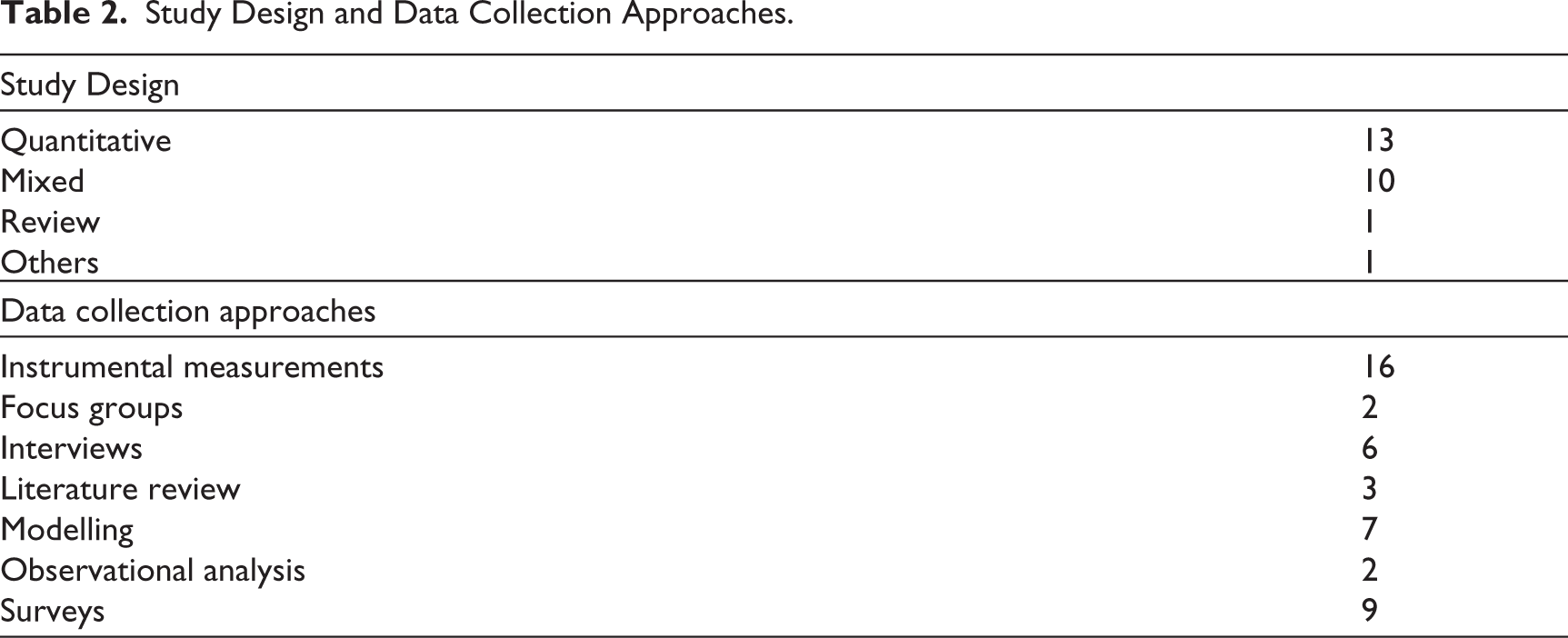
Data collection methods also varied, often involving multiple approaches within a single study. Instrumental measurements featured prominently, as seen in Kimemia et al. (2020) and Naicker et al. (2017), providing empirical data on indoor temperature and related variables. Modelling was applied in the study by Obe et al. (2023) and Otchere-Darko et al. (2023), offering predictive insights and risk assessment tools. Surveys and interviews were used to collect quantitative and qualitative data on perceptions and behaviours in Pasquini et al. (2020) and Naicker et al. (2017). In some cases, these were complemented by focus groups and literature reviews, indicating a layered approach to data gathering that blends physical science data with social/perception research.
Heat Stress Adaptation Strategies in Informal Settlements in Africa and Asia
In this review, heat stress adaptation is defined broadly to include structural interventions (e.g., reflective roofing), nature-based solutions (NbS) (e.g., tree planting), behavioural and social measures (e.g., awareness and exposure reduction), and analytical or modelling-based approaches that inform adaptation planning by identifying heat risk hotspots and evaluating potential intervention pathways. The range of heat stress adaptation assessed across the studies reflects a combination of practical interventions and analytical frameworks. Structural adaptations, such as reflective roofing and passive cooling measures, were central in the studies by Kimemia et al. (2020) and Naicker et al. (2017). Otchere-Darko et al. (2023), Adegun (2024) and Wilby et al. (2021) used NbS in informal settlements for their research. NbS options examined in the studies include tree planting as part of green roof systems, highlighting the role of urban ecology in mitigating heat stress. Technological approaches were evident in studies by Obe et al. (2023), Mabuya and Scholes (2020), Mahadevia (2024), Pasquini et al. (2020) and De Angelis et al. (2016). Obe et al. (2023) relied on modelling to assess heat risk rather than test a direct intervention.
Various adaptation interventions were implemented in the studies, including air conditioning, reflective roofing, retrofitting of buildings, natural ventilation, etc., to adapt to extreme heat. Reflective roofing was tested in Kimemia et al. (2020) as a cost-effective means to reduce indoor heat exposure. Otchere-Darko et al. (2023) assessed the effectiveness of tree planting in improving urban thermal comfort. Other adaptation interventions reported in the studies include ceiling height modification, green walls, wearing of light clothes and installation of electric temperature displays. A range of actors were involved in implementing the adaptation interventions documented in the studies, including communities, non-governmental organisations and local governments. International development/aid organisations and universities were also captured as actors involved in implementing heat stress adaptation interventions. The main actors identified in these adaptation actions reveal the interplay of community-led and institutional approaches. Kimemia et al. (2020) and Pasquini et al. (2020) noted the involvement of communities, highlighting the significance of bottom-up initiatives in implementing or shaping adaptation strategies. Pasquini et al. (2020) also noted the local government as a partner, reflecting multi-level governance in adaptation planning.
The reported time frame of the adaptation varied across the reviewed studies, but for most studies, the time frame was either not specified or not applicable. Only Kimemia et al. (2020) reported that they implemented a long-term measure designed to provide sustained protection against heat stress.
Effectiveness of Adaptation Strategies in Improving Thermal Comfort
Regarding effectiveness, the adaptation interventions were reported to be effective in improving indoor temperature and humidity (see Table 3). For a smaller number of studies, however, adaptation measures were not directly evaluated for thermal comfort outcomes. A few studies indicated this with qualitative elaborations, such as reduction of exposure to extreme heat through early warnings and behavioural change, or reduction of the urban heat island effect and perceived thermal discomfort. These entries suggest a broader conceptualisation of thermal comfort, encompassing human vulnerability and behavioural adaptations beyond just physical temperature metrics. Cool coating and green roof interventions reported, respectively, in Kimemia et al. (2020) and Otchere-Darko et al. (2023) effectively improved indoor temperatures, which is a key dimension of thermal comfort. Pasquini et al. (2020) described the effectiveness in broader terms as addressing heat exposure, sensitivity and adaptive capacity. This underscores the view that adaptation is not solely about temperature reduction but also about social vulnerability.
Improved Thermal Comfort, Assessment of Thermal Comfort and Type of Comparison Group.
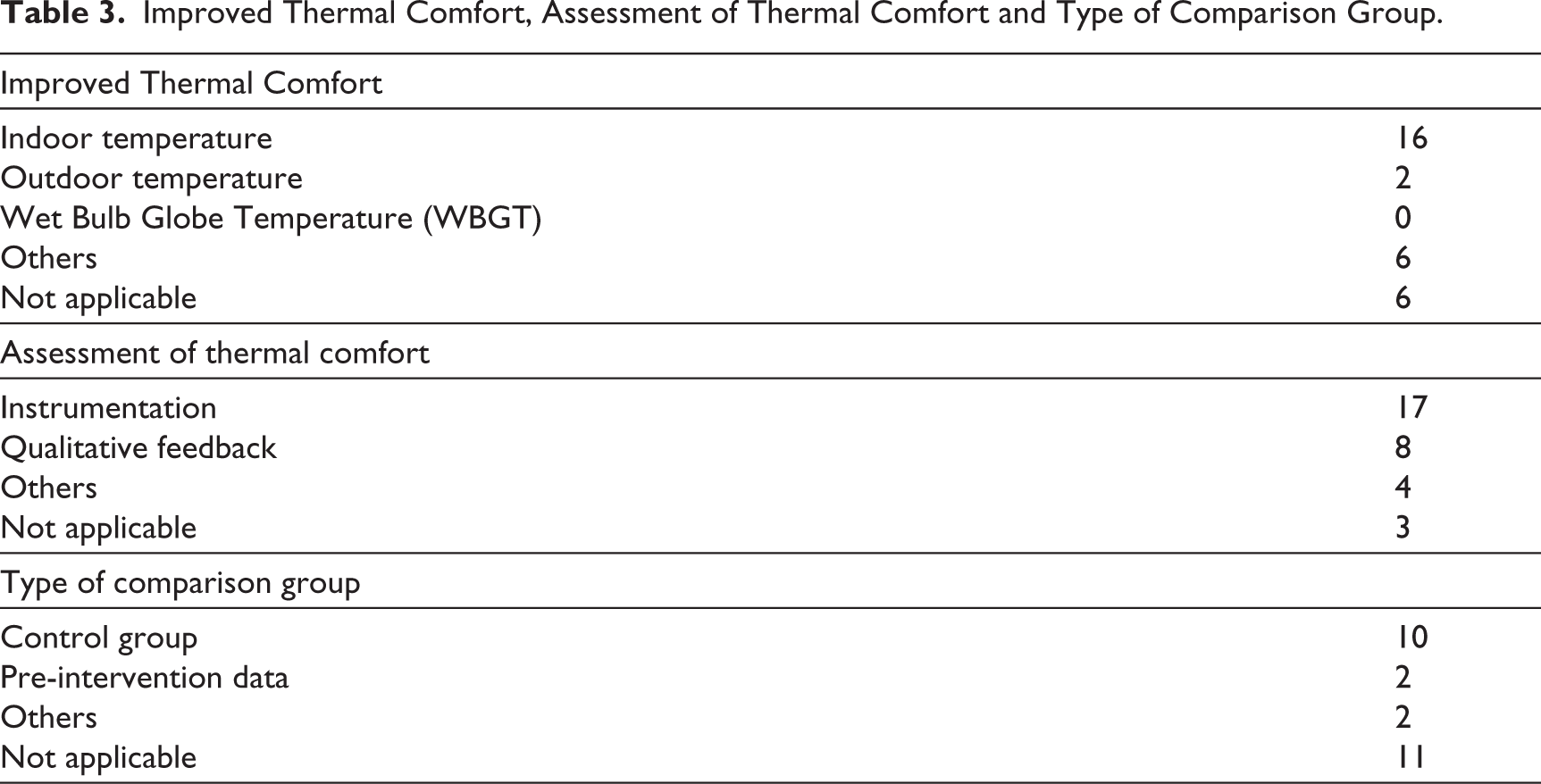
The methods used to assess effectiveness highlight a blend of quantitative and qualitative approaches, including instrumentation and qualitative feedback. Instrumentation was central in Naicker et al. (2017), Kimemia et al. (2020) and Otchere-Darko et al. (2023), offering objective measurements of temperature changes or related metrics. Pasquini et al. (2020) relied on qualitative feedback, drawing insights from interviews and community perceptions. Kimemia et al. (2020) combined both instrumentation and qualitative feedback, reflecting a mixed evaluation approach that recognises the importance of both measurable outcomes and lived experiences of heat stress. Some studies did not focus on thermal comfort outcomes and, hence, were not applicable. There were other ways thermal comfort was assessed, such as regression—where multiple heat indices were considered—and simulation modelling.
Comparison groups, which are considered a crucial indicator of the robustness of evidence, were used in half of the reviewed studies. Ten studies used control groups, which is common in empirical studies, and two studies (Mabuya & Scholes, 2020; Otchere-Darko et al., 2023) used pre-intervention data that suggest longitudinal or before–after designs. One study did a comparison between households with and without cool roofs and other structural adaptations (Mahadevia, 2024), another used ambient temperature as a reference point (Naicker et al., 2017), whereas one study compared floor types (Teare et al., 2020). About half the total studies did not use a comparison group, which may reduce the strength of causal claims.
The reviewed studies show that heat stress adaptation tools in informal settlements are highly context-specific, with performance shaped by local materials, construction practices and climate. Structural interventions, such as thatch or lightweight roofing combined with insulated ceilings, can improve thermal buffering and ventilation, reducing indoor heat exposure in low-rise dwellings (Kimemia et al., 2020; Naicker et al., 2017; Teare et al., 2020). Similarly, cool or reflective roofs and basic insulation retrofits demonstrate measurable thermal benefits, though effectiveness varies by roof type and maintenance (Bonaccorso et al., 2019; Viljoen & Hugo, 2024). However, material availability, durability concerns and limited technical skills constrain sustained adoption, while tenure insecurity reduces incentives for long-term investment (Adegun, 2024; Laue et al., 2022; Mahadevia, 2024).
Effectiveness of Adaptation Actions in Reducing Health Risks
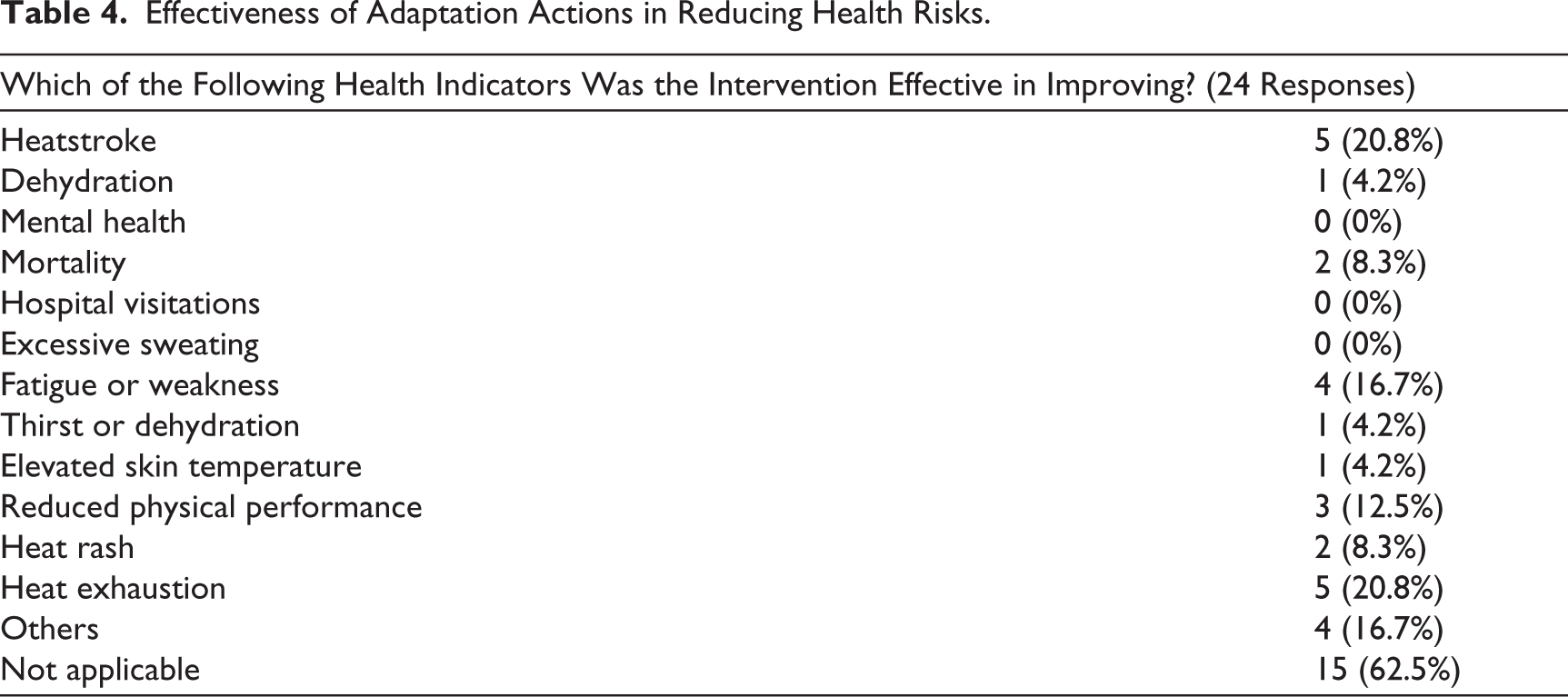
The effectiveness of adaptation actions in reducing health risks was assessed using a range of measured variables or indices and surveyed health outcomes. Those that did so, note effectiveness in heatstroke (Hugo & Sonnendecker, 2024; Kimemia et al., 2020; Laue et al., 2022), fatigue or weakness (Adegun et al., 2022; Hugo & Sonnendecker, 2024; Kimemia et al., 2020; Laue et al., 2022), or heat exhaustion (Adegun et al., 2022; Kimemia et al., 2020; Hugo & Sonnendecker, 2024; Laue et al., 2022), among others (Table 4). The symptoms were elicited by self-reporting or survey (Adegun et al., 2022; Mahadevia, 2024; Tran et al., 2013) or through interview (Tasgaonkar et al., 2022).
Effectiveness of Adaptation Actions in Reducing Health Risks.
A number of studies assessed the effectiveness of adaptation strategies through meteorological variables influenced by indoor air temperature or indices related to heat-related illnesses. This included exceedance of reaching heat stress or heatstroke thresholds (Kimemia et al., 2020), Humidex (Hugo, 2023; Hugo & Sonnendecker, 2024; Viljoen & Hugo, 2024) or a range of indices (including hot nights and very hot days, such as in Wilby et al., 2021). Wilby et al. (2021) note that mean indoor temperature data could hide trade-offs and advocate the use of multiple indices. For example, thatch with insulating ceilings would have a relatively low indoor daily maximum temperature but a relatively high daily night temperature. Teare et al. (2020) remarked that cool concrete floors could relieve high indoor temperatures while posing a risk of exposure to cold temperatures. Due to the use of different metrics and adaptation strategies, a fully quantitative comparison is not straightforward. As a first step, quantitative or categorical effects on temperature or indicators relating to human heat stress are presented in Table S1 (available online as a supplementary file).
Barriers to Implementation of Heat Stress Adaptation Strategies in Africa and Asia
We identified a range of barriers impeding the implementation of heat stress adaptation strategies, broadly categorised as financial, institutional, social, technical and environmental, as we reviewed the articles (see Table 5).
Barriers to Heat Stress Adaptation
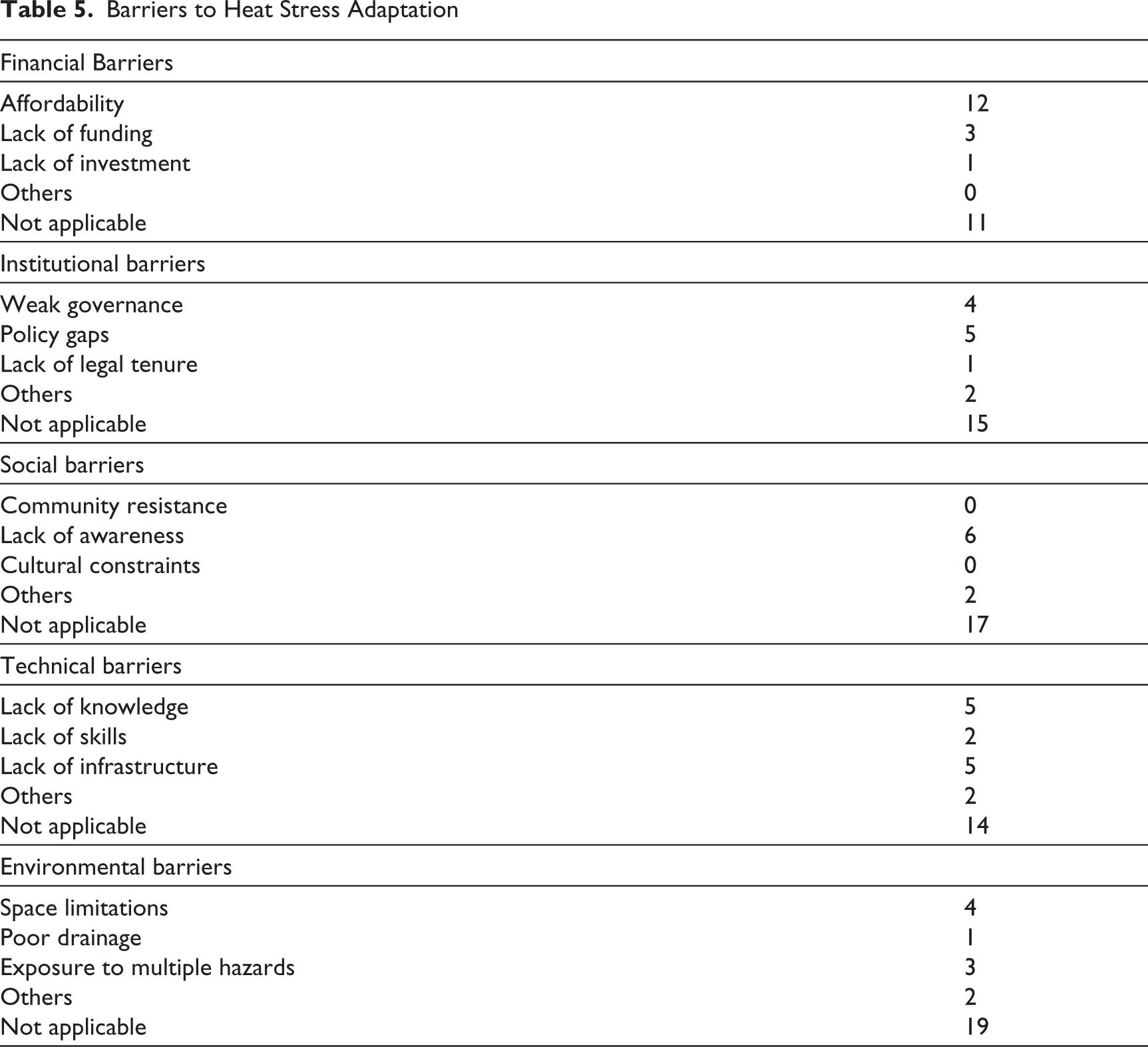
Financial constraints were the most frequently cited barriers, with affordability highlighted in half of the studies (Adegun, 2024; Kimemia et al., 2020; Knowlton et al., 2014; Laue et al., 2022; Mabuya & Scholes, 2020; Mahadevia, 2024; Otchere-Darko et al., 2023; Pasquini et al., 2020; Sajjad et al., 2025; Viljoen & Hugo, 2024). This reflects the reality that, even when adaptation options exist, their costs remain prohibitive for many residents in informal settlements. Other financial challenges included a lack of funding, reported in three studies (Knowlton et al., 2014; Laue et al., 2022; Mabuya & Scholes, 2020), and insufficient investment noted in one study (Scott et al., 2017). Interestingly, roughly half of the studies did not report financial barriers as applicable, which may indicate either the absence of financial limitations in certain contexts or a lack of emphasis on financial aspects in those particular studies (Bonaccorso et al., 2019; De Angelis et al., 2016; Hashemi, 2016; Hugo, 2023; Obe et al., 2023; Tran et al., 2013).
Institutional barriers were also evident, with policy gaps identified in 21 per cent of studies (Knowlton et al., 2014; Laue et al., 2022; Mahadevia, 2024) and weak governance structures reported in 17 per cent of studies (Knowlton et al., 2014; Laue et al., 2022; Naicker et al., 2017; Scott et al., 2017). These findings point to systemic institutional weaknesses that hinder effective adaptation planning and implementation. One study cited the lack of legal tenure as a constraint (Adegun, 2024), suggesting that insecurity over land rights can deter investment in long-term adaptation measures. Additionally, two studies identified other context-specific institutional barriers not captured by standard categories, underscoring how governance challenges are shaped by local political and administrative conditions (Kimemia et al., 2020; Naicker et al., 2017). These reflected broader deficiencies in administrative planning and policy implementation for climate and heat risks. For example, several studies highlighted the absence or limited scope of formal heat action plans and examinations of extreme heat effects, resulting in fragmented or reactive responses to these events (Knowlton et al., 2014; Mahadevia, 2024). In addition, informality was frequently excluded from urban planning and regulatory frameworks, leaving informal settlements and workers outside official adaptation strategies (Kimemia et al., 2020; Naicker et al., 2017). Weak inter-departmental coordination further constrained effective adaptation, with responsibilities for heat, health, housing and urban planning often dispersed across agencies with limited mechanisms for collaboration due to overlapping or disconnected mandates (Knowlton et al., 2014; Scott et al., 2017).
Social barriers were less frequently reported. Lack of awareness emerged as the most prominent, cited in a quarter of studies (Adegun, 2024; Knowlton et al., 2014; Laue et al., 2022; Mabuya & Scholes, 2020; Mahadevia, 2024; Sharma et al., 2022), indicating that limited knowledge of heat risks and potential adaptation measures may reduce community engagement. Notably, none of the studies cited community resistance or cultural constraints as barriers, which may imply a general willingness to adopt adaptation strategies in these settings. However, two studies reported other, potentially localised social challenges (Adegun, 2024; Sharma et al., 2022).
Technical barriers were also significant. Both lack of knowledge and inadequate infrastructure were reported in 21 per cent of the studies (Adegun, 2024; Knowlton et al., 2014; Laue et al., 2022; Mahadevia, 2024; Obe et al., 2023; Pasquini et al., 2020; Scott et al., 2017; Viljoen & Hugo, 2024), highlighting deficiencies in both informational systems, technical expertise and physical resources necessary for effective adaptation. Lack of skills and other technical capacity limitations were each noted in three studies (Laue et al., 2022; Mahadevia, 2024; Otchere-Darko et al., 2023), pointing to workforce limitations that restrict design, installation and maintenance of adaptation measures. In addition, several studies noted constraints related to the availability and accessibility of materials required for retrofitting, particularly in informal housing contexts, where insulation, cooling materials and other heat mitigating technologies are either scarce, unaffordable, or distributed through fragmented and informal supply chains (Adegun, 2024; Pasquini et al., 2020; Viljoen & Hugo, 2024). These material and supply chain constraints interact with financial and awareness barriers, further limiting the feasibility and scalability of technically viable adaptation interventions (Laue et al., 2022; Mahadevia, 2024).
Environmental constraints were noted in fewer studies, though still relevant. Space limitations were reported in 17 per cent of the studies (Knowlton et al., 2014; Laue et al., 2022; Mahadevia, 2024), emphasising the dense built environments in informal settlements that restrict interventions such as tree planting or structural ventilation improvements. Exposure to multiple hazards—including flooding and air pollution—was identified in three studies (Knowlton et al., 2014; Laue et al., 2022; Pasquini et al., 2020), reflecting the complex risk environment that complicates targeted adaptation efforts. Poor drainage and other environmental challenges (Adegun, 2024; Mahadevia, 2024) were also noted as factors limiting the feasibility of certain adaptation solutions.
Discussion
The research methods across the reviewed studies broadly fall into observational, experimental, mixed-methods and participatory approaches. Observational studies typically employ ground-level data collection through surveys and interviews to assess heat adaptation measures and thermal comfort (Adegun et al., 2022; Banerjee et al., 2020; Laue et al. et al., 2022; Mahadevia, 2024). Experimental approaches are utilised in research examining specific interventions such as cool roofs and passive cooling technologies. These include field experiments and dynamic thermal modelling to assess the impact of material choices and construction techniques on indoor temperatures (Kimemia et al., 2020; Mahadevia, 2024). Mixed-methods approaches integrate quantitative surveys with qualitative interviews, providing a holistic view of the factors influencing adaptation strategy effectiveness (Adegun, 2024; Hugo & Sonnendecker, 2024; Wilby et al., 2021). Participatory methodologies are emphasised, engaging local communities in decision-making processes to ensure that interventions are culturally appropriate and more likely to succeed (Adegun et al. 2022; Laue et al., 2022).
Localised, low-cost cooling interventions, such as cool roofs, improved ventilation and strategic tree planting, have been identified as pragmatic solutions that significantly enhance thermal comfort in slum dwellings. These measures are commended for their cost-effectiveness and cultural acceptance (Kimemia et al., 2020; Laue et al., 2022; Mahadevia, 2024). The success of cooling adaptation measures is heavily dependent on the involvement of local communities in the planning and implementation stages. Participatory governance ensures that adaptations are aligned with community needs and preferences, enhancing their sustainability and effectiveness (Adegun et al., 2022; Mahadevia, 2024).
The reviewed studies span an array of interventions, including structural, nature-based and technological measures. Structural approaches like reflective roofing and building retrofits featured prominently in studies such as Kimemia et al. (2020) and Naicker et al. (2017). These were often employed to lower the indoor temperature in low-cost housing types. NbS, including tree planting and green walls, were discussed in studies like Otchere-Darko et al. (2023) and Adegun (2024), emphasising their value in thermal comfort and urban heat island mitigation. Technological strategies included natural ventilation and installation of electric temperature displays. Most interventions evaluated were reported to be effective in improving indoor thermal conditions, although the extent varied. Effectiveness assessments ranged from empirical instrumentation (e.g., temperature and humidity sensors in Kimemia et al., 2020; Naicker et al., 2017) to qualitative feedback (Pasquini et al., 2020).
The evidence map indicates that heat stress adaptation in informal settlements operates across multiple scales of intervention, which shapes both effectiveness and feasibility. Household-level measures, especially roof-based and building-envelope retrofits (e.g., cool/reflective roofs, insulation and ventilation improvements), are among the most frequently evaluated and show direct indoor thermal benefits in experimental and monitoring studies (Kimemia et al., 2020; Naicker et al., 2017; Viljoen & Hugo, 2024). However, their uptake is constrained by affordability and tenure-related disincentives to invest in housing upgrades (Laue et al., 2022; Mahadevia, 2024). Settlement-level strategies, including NbS, such as tree planting, green roofs and green walls, can reduce heat exposure beyond individual dwellings but face practical constraints in dense settlements, such as limited space and maintenance needs (Laue et al., 2022; Otchere-Darko et al., 2023). At the city level, institutional interventions such as heat-health action plans and early warning systems can reduce population risk, but their benefits may bypass informal settlements unless explicitly integrated into urban governance and service delivery (Knowlton et al., 2014; Pasquini et al., 2020). Overall, the findings suggest that combining actions across household, settlement and city scales is essential for equitable and sustained heat risk reduction. Importantly, the dominant barriers identified in this review vary systematically by scale, with financial and tenure-related constraints most limiting household-level retrofits, space and coordination challenges constraining settlement-scale NbS, and institutional capacity and policy gaps shaping the effectiveness of city-level interventions (Table 4).
Fewer studies explicitly quantified health impacts, but those that did cited reductions were for symptoms such as heatstroke, exhaustion and fatigue (Adegun et al., 2022; Mahadevia, 2024; Tasgaonkar et al., 2022; Tran et al., 2013). Several studies used meteorological proxies and heat-health indices like the Humidex to infer health effectiveness indirectly (Hugo & Sonnendecker, 2024; Kimemia et al., 2020). For instance, indoor cool coatings were shown to lower peak temperatures below heat stress thresholds (Kimemia et al., 2020).
Affordability was the most frequently cited financial constraint—mentioned in half of the studies—highlighting its central role among adaptation barriers. While lack of general funding and investment was also noted, nearly half of the studies did not engage with financial issues, possibly due to a focus on other barrier types. Institutionally, policy gaps and weak governance were major obstacles. Lack of legal tenure surfaced as a disincentive to long-term investment in housing upgrades. Socially, a lack of awareness and knowledge hindered the adoption of interventions, while a few studies identified cultural resistance, suggesting potential readiness if awareness improves.
The evidence reveals the critical importance of multi-actor collaboration in successful adaptation implementation, with community involvement being particularly crucial as demonstrated in studies by Kimemia et al. (2020) and Pasquini et al. (2020). The combination of bottom-up community initiatives with institutional support from non-governmental organisations, local governments and international organisations appears to offer promising pathways for scaling effective adaptation strategies. Community participation is critical because residents possess contextual knowledge of dwelling use, exposure and feasible adaptation practices, improving intervention relevance and acceptance (Laue et al., 2022; Pasquini et al., 2020). However, the evidence indicates that strong community engagement does not automatically enable scaling, as institutional fragmentation, limited fiscal mandates and weak integration of informal settlements into formal climate governance constrain government-led expansion of locally successful initiatives (Knowlton et al., 2014; Mahadevia, 2024).
The reviewed studies also reveal place-specific differences in adaptation approaches that shape community engagement. In Indian cities such as Ahmedabad, heat adaptation has emphasised behavioural change, early warning systems and community outreach alongside household cooling measures (Knowlton et al., 2014; Mahadevia, 2024). In contrast, studies from South African informal settlements highlight structural and material adaptations, including roof retrofits and insulation, often driven by community-led experimentation and local knowledge (Kimemia et al., 2020; Viljoen & Hugo, 2024). Evidence from Sri Lanka and coastal African cities further underscores the role of settlement layout, ventilation and shading in shaping feasible interventions (Laue et al., 2022). These contextual differences reinforce why community buy-in is essential for effective and locally appropriate heat adaptation.
Successful cooling strategies consider the socio-economic environment and require supportive policy frameworks that address financial and infrastructural barriers. Studies highlight the need for local policy alignment and government involvement to scale and effectively implement these measures (Knowlton et al., 2014; Mahadevia, 2024). Despite some progress, challenges such as the economic viability of transitioning informal housing to formal structures and the scalability of interventions remain. At the same time, the impact of these low-cost, effective heat adaptation solutions in comparison with the ‘cooling gap’ between air conditioning demand and supply is crucial (Mastrucci et al., 2022). Therefore, the importance of financing sustainable cooling, especially for lower-income households, is growing not only from the human development but also from the climate change perspective (Velez et al., 2024).
Conclusion
This systematic evidence mapping provides the first comprehensive synthesis of heat stress adaptation strategies in informal settlements across Asia and Africa, revealing both the diversity of available interventions and the persistent barriers to their implementation. The evidence demonstrates that multiple adaptation strategies show promise for reducing heat exposure and improving thermal comfort, ranging from cost-effective building modifications to NbS and behavioural adaptations. Empirically, the literature underscores the value of participatory approaches, detailing how community involvement can enhance the uptake and effectiveness of climate adaptation measures.
The studies reviewed indicate that both technologically simple interventions (e.g., reflective roofs) and broader ecological approaches (e.g., tree planting) can be effective in enhancing thermal comfort and, in some cases, reducing health risks. However, financial, institutional and informational barriers continue to limit the reach and scalability of such measures. The lack of long-term effectiveness data and uneven methodological rigour—particularly the limited use of health outcome metrics and control groups— weakens causal attribution and demands stronger evidence design in future studies.
The findings emphasise the necessity for integrated, context-specific solutions to heat stress adaptation, underscoring the interplay between technical adaptations, social dynamics and policy support. This comprehensive approach not only mitigates heat impacts but also enhances the resilience and adaptive capacity of vulnerable informal settlements communities, paving the way for more sustainable urban development in the face of climate change.
Several critical research gaps emerged from the evidence mapping that warrant urgent attention in future research. The absence of WBGT measurements in effectiveness assessments represents a methodological limitation, given the importance of humidity in determining heat stress levels. Future studies should incorporate comprehensive thermal comfort indices that integrate temperature, humidity and, where possible, radiation and wind speed—such as WBGT, Humidex and Universal Thermal Climate Index—to more comprehensively capture heat stress in informal settlement contexts.
Supplemental Material
Supplemental material for this article is available online.
Footnotes
Declaration of Conflicting Interests
The authors declared no potential conflicts of interest with respect to the research, authorship and/or publication of this article.
Funding
The authors received no financial support for the research, authorship and/or publication of this article.
Note
References
Supplementary Material
Please find the following supplemental material available below.
For Open Access articles published under a Creative Commons License, all supplemental material carries the same license as the article it is associated with.
For non-Open Access articles published, all supplemental material carries a non-exclusive license, and permission requests for re-use of supplemental material or any part of supplemental material shall be sent directly to the copyright owner as specified in the copyright notice associated with the article.
