







Abstract
a33mi21 Cave 阿明洞 as the holy land of the Dongba religion is located in Baidi 白地, Sanba 三坝, Shangri-la, Yunnan province. Li Lincan, a grandmaster in the study of Dongba characters and the deputy director of the Taipei Palace Museum, paid homage to the a33mi21 Cave in 1942 and wrote an inscription. In 2005, his son Li Zaizhong, following in his father’s footsteps, paid a formal visit there again, and He Xiudong Dongba from Tacheng 塔城, traveling with him, recorded the pilgrimage journey in Dongba characters and translated it into Chinese, which is the first travelogue published in the Naxi language and has considerable research value. This paper has a verbatim translation and annotation of the travelogue and conducts preliminary research from the perspectives of the author and the age, the paper and the line, the frequency and number of words and text structure, the word relationships, the variants and transformation of the words, lexical features, and so forth.
Keywords
Introduction
Duoyun Fengshi 朵云封事 written by Li Zaizhong 李在中 (2018), the second son of Li Lincan 李霖灿, was published in September 2018 by Beijing Publishing House. Li Lincan was the former deputy director of Taipei Palace Museum. In this book, an article titled “Baishuitai and a33mi21 Cave” 白水台与阿明洞 was written on 12 July 2005, which described the author’s visit to a33mi21 Cave on 11 January 2005 with He Xiudong 和秀东 Dongba who came from Tacheng. An article titled Travel Notes to the a33mi21 Cave in Baidi 白地阿明洞游记, written by He Xiudong in Dongba script, together with a Chinese translation (Yu, 2016) are attached.
a33mi21 Cave is a cliff cave in the mountain opposite Baishuitai 白水台, Baidi Village 白地村, Sanba Naxi Township三坝纳西族乡, Shangri-la County, Yunnan. It is said that it was the place where the second generation of the founder of the Dongba religion, a33mi21ʂɿ55lo33阿明什罗, practiced Buddhism and thus became the holy place of the Dongba religion. Dongba all over the country hope to visit the a33mi21 Cave and hold the nʥʌr31 (investing with spirit power) ceremony, which is a religious ritual of praying to gods for divine power. They pray for the ancestors to grant them magic. Scholars such as Joseph Rock (1999), Tao Yunkui 陶云逵 and Li Lincan all visited a33mi21 Cave for investigation. Li Lincan also wrote an inscription with a combination of Chinese and Dongba characters in the cave. He described the investigation in his diary.
He Xiudong Dongba is of Naxi nationality and was born in November 1980. He comes from Tacheng Village, Yulong Naxi Autonomous County玉龙纳西族自治县, Lijiang. His former name was [y21tsa33] and his Dongba religious name is [y21te21sɿ55tha55] and [to33y21]. As the ninth generation of Dongba in his family, he learned how to be a Dongba from his grandpa He Shun和顺when he was a child. Then he entered the Lijiang Dongba Culture Research Institute丽江东巴文化研究院 and followed Dongba He Kaixiang和开祥 and He Jigui和即贵. He mastered all kinds of Dongba ceremony, Dongba dance and Dongba painting. When he was 19 years old, he could perform the sacrifice ceremony independently. He had been to the United States and Taiwan to exchange Dongba culture and perform Dongba rituals, songs and dances in January 2003 and December 2004. In June 2012, he was honored as Dongba master by the Lijiang Naxi Dongba Cultural Heritage Association纳西东巴文化传承协会. 1
Since Yu Suisheng喻遂生 (Yu, 2001) put forward the non-religious literature of the Naxi language, the collection, collation and research on the non-religious literature of the Naxi language have developed vigorously and achieved gratifying results in the past 20 years. So far, the field investigators have collected many land contracts, accounting books, letters, inscriptions, epitaphs, diaries, song books, medical books, documents and other Dongba script literature in Lijiang, Shangri-la, Ninglang宁蒗 of Yunan, and Muli木里, Yanyuan盐源 of Sichuan. However, we have never before found travel notes written in Dongba characters. Therefore, these travel notes written by He Xiudong are of great research value. At the same time, Li Zaizhong’s Chinese translation is only a summary of the general idea, not an accurate or complete translation. In order to facilitate its academic use, I am attempting to make a detailed interpretation of and preliminary research on this valuable text. 2
Interpretation of the travel notes
The following is the word-by-word interpretation and translation of this travel note.
The sequence code of the lines is added by the author. Travel notes written by He Xiudong.
Word explanation:
(1)
 [ɑ33] ah, like a voice in the mouth. It is used as phonetic
symbol of the first syllable of [a33mi21].
[ɑ33] ah, like a voice in the mouth. It is used as phonetic
symbol of the first syllable of [a33mi21].
 [mi33]
fire. It is used as the second syllable of [a33mi21]. It is
said that he was the second generation of the founder of the Dongba religion.
[mi33]
fire. It is used as the second syllable of [a33mi21]. It is
said that he was the second generation of the founder of the Dongba religion.
 [ne33]
amaranth, the seed of amaranth. It is used as a phonetic symbol to indicate
“hide” [næ33]. Amaranth is generally written as
[ne33]
amaranth, the seed of amaranth. It is used as a phonetic symbol to indicate
“hide” [næ33]. Amaranth is generally written as
 .
.
 [kho33]
horn. It is used as a phonetic symbol of the first syllable of
[a33mi21næ33kho33]
阿明灵洞. The literal translation is
a33mi21’s hiding hole, which is generally called
a33mi21 Cave.
[kho33]
horn. It is used as a phonetic symbol of the first syllable of
[a33mi21næ33kho33]
阿明灵洞. The literal translation is
a33mi21’s hiding hole, which is generally called
a33mi21 Cave.
 [ly21]
look; a pictophonetic character. It takes the shape of eye
[ly21]
look; a pictophonetic character. It takes the shape of eye  , and its sound is that of a
spear
, and its sound is that of a
spear  [ly33].
 [gə21] above. It is used as a phonetic symbol to indicate the
auxiliary word [gə33].
[gə21] above. It is used as a phonetic symbol to indicate the
auxiliary word [gə33].
 [ku21]
ginger. It is used as a phonetic symbol to indicate the action of “passing
on.”
[ku21]
ginger. It is used as a phonetic symbol to indicate the action of “passing
on.”
 [pɯ33] Mugwort. It is used as a phonetic symbol to indicate
“story.”
[pɯ33] Mugwort. It is used as a phonetic symbol to indicate
“story.”
(2)
 [dʐu21] fall. It is used as a phonetic symbol to indicate
“companion” [dʐu33]. This character is not found in
the Dongba dictionaries.
[dʐu21] fall. It is used as a phonetic symbol to indicate
“companion” [dʐu33]. This character is not found in
the Dongba dictionaries.
 [zo33]
man, a pictophonetic character. It takes the shape of man
[zo33]
man, a pictophonetic character. It takes the shape of man  , and its sound is that of an
urn
, and its sound is that of an
urn  [zo21].
 [dʐu21] fall. It is used as a phonetic symbol to indicate
“companion” [dʐu33].
[dʐu21] fall. It is used as a phonetic symbol to indicate
“companion” [dʐu33].
 [mi55]
female, a pictophonetic character. It takes the shape of female
[mi55]
female, a pictophonetic character. It takes the shape of female  , and its sound is that of a
fire
, and its sound is that of a
fire  [mi33].
 [ʂʅ33] meat. It is used as the first syllable of
“teacher” [ʂʅ21dzɿ33]. The
general form is
[ʂʅ33] meat. It is used as the first syllable of
“teacher” [ʂʅ21dzɿ33]. The
general form is  .
.
 [tsɿ55] water hyacinth bird, a pictophonetic character. It
takes the shape of bird
[tsɿ55] water hyacinth bird, a pictophonetic character. It
takes the shape of bird  , its sound is that of tie
 [tsɿ33], and it is used as the second syllable of
“teacher” [ʂʅ21dzɿ33]. It
is a Chinese loan word.
[tsɿ33], and it is used as the second syllable of
“teacher” [ʂʅ21dzɿ33]. It
is a Chinese loan word.
 [dɯ21] big.
 [tɕi55] wool shear. It is used as a phonetic symbol to
indicate “small” [tɕi33].
[tɕi55] wool shear. It is used as a phonetic symbol to
indicate “small” [tɕi33].
 [dɯ21] big. It is used as a phonetic symbol to indicate
“one” [dɯ33]. Its general form is
[dɯ21] big. It is used as a phonetic symbol to indicate
“one” [dɯ33]. Its general form is  .
.
 [hua33]
silver pheasant. It is used as a phonetic symbol to indicate the measure word of
“group” [hua55].
[hua33]
silver pheasant. It is used as a phonetic symbol to indicate the measure word of
“group” [hua55].
 [be33]
do. It is used as a phonetic symbol to indicate the adverbial particle of
[be33].
[be33]
do. It is used as a phonetic symbol to indicate the adverbial particle of
[be33].
 [i21]
leakage. Its sound is used as the first syllable of
[i33gv33dy21] 依古堆.
[i21]
leakage. Its sound is used as the first syllable of
[i33gv33dy21] 依古堆.
 [kv33]
egg. It is used as a phonetic symbol to indicate the “bending”
[kv33] whose sound is used as the second syllable of
[i33gv33dy21].
[kv33]
egg. It is used as a phonetic symbol to indicate the “bending”
[kv33] whose sound is used as the second syllable of
[i33gv33dy21].
 [dy21]
place. It is used as the third syllable of
[i33gv33dy21]; it means the place where the
river turns, referring to the Lijiang area.
[dy21]
place. It is used as the third syllable of
[i33gv33dy21]; it means the place where the
river turns, referring to the Lijiang area.
 [nɯ33] heart. It is used as a phonetic symbol to indicate the
adverbial particle of [nɯ33].
[nɯ33] heart. It is used as a phonetic symbol to indicate the
adverbial particle of [nɯ33].
 [tse55be33] axe, whose shape is used as the iron
[ʂu21].
[tse55be33] axe, whose shape is used as the iron
[ʂu21].
 [ʐua33dzæ33] ride.
 [dzæ33] rich. It is used as a phonetic symbol to indicate
“drive” [dzæ33].
[dzæ33] rich. It is used as a phonetic symbol to indicate
“drive” [dzæ33].
 [pu55]
send. It is used as a phonetic symbol to indicate the tense auxiliary of
[pu55].
[pu55]
send. It is used as a phonetic symbol to indicate the tense auxiliary of
[pu55].
(3)
 [bər21] rope. It is used as the first syllable of
[bər33dər33] 白地.
[bər21] rope. It is used as the first syllable of
[bər33dər33] 白地.
 [dər21] mule. It is used as the second syllable of
[bər33dər33].
[dər21] mule. It is used as the second syllable of
[bər33dər33].
 [pa33]
frog; its sound is used to indicate “the arrival”
[pa33].
[pa33]
frog; its sound is used to indicate “the arrival”
[pa33].
 [bər21] rope. It is used as the first syllable of
[bər33dər33] 白地.
[bər21] rope. It is used as the first syllable of
[bər33dər33] 白地.
 [dər21] mule. It is used as the second syllable of
[bər33dər33].
[dər21] mule. It is used as the second syllable of
[bər33dər33].
 [dy21]
place.
[dy21]
place.
 [ȵə21] eye. It is used as a phonetic symbol to indicate
the “up” [ȵə21].
[ȵə21] eye. It is used as a phonetic symbol to indicate
the “up” [ȵə21].
 [thv21]
barrel. It is used as a phonetic symbol to indicate the “go”
[thv33].
[thv21]
barrel. It is used as a phonetic symbol to indicate the “go”
[thv33].
 [tʂhʅ33] hang. It is used as a phonetic symbol to
indicate “this” [tʂhʅ33].
[tʂhʅ33] hang. It is used as a phonetic symbol to
indicate “this” [tʂhʅ33].
 [ȵi33] sun; its shape is used to indicate the measure word of
“day” [ȵi33].
[ȵi33] sun; its shape is used to indicate the measure word of
“day” [ȵi33].
 [li33]
Falun. It is used as the family name of Li of Han nationality.
[li33]
Falun. It is used as the family name of Li of Han nationality.
 [ʂʅ33] meat, whose sound is used as the first syllable
of “teacher”
[ʂʅ21dzɿ33].
[ʂʅ33] meat, whose sound is used as the first syllable
of “teacher”
[ʂʅ21dzɿ33].
 [tsɿ55] water hyacinth bird, a pictophonetic character. It
takes the shape of bird
[tsɿ55] water hyacinth bird, a pictophonetic character. It
takes the shape of bird  , and its sound is that of tie
 [tsɿ33]. Its sound is used as the second syllable of
“teacher” [ʂʅ21dzɿ33]. It
is a Chinese loan word.
[tsɿ33]. Its sound is used as the second syllable of
“teacher” [ʂʅ21dzɿ33]. It
is a Chinese loan word.
 [tha24]
he; it is a Geba character哥巴文, which is the syllabic characters
of Naxi nationality.
[tha24]
he; it is a Geba character哥巴文, which is the syllabic characters
of Naxi nationality.
 [mi55]
daughter, a pictophonetic character. It takes the shape of female
[mi55]
daughter, a pictophonetic character. It takes the shape of female  , and its sound is that of a
fire
, and its sound is that of a
fire  [mi33].
 [ŋə21] I, a pictophonetic character. It takes the shape
of I
[ŋə21] I, a pictophonetic character. It takes the shape
of I  , and its
sound is that of a five
, and its
sound is that of a five  [ŋə33].
 [dʐu21] fall. It is used as a phonetic symbol to indicate
“companion” [dʐu33].
[dʐu21] fall. It is used as a phonetic symbol to indicate
“companion” [dʐu33].
 [dɯ21] big. It is used as a phonetic symbol to indicate
“one” [dɯ33]. General writing is
[dɯ21] big. It is used as a phonetic symbol to indicate
“one” [dɯ33]. General writing is  .
.
 [hu21]
night. It is used as a phonetic symbol to indicate the measure word of
“group” [hua55].
[hu21]
night. It is used as a phonetic symbol to indicate the measure word of
“group” [hua55].
 [be33]
do. It is used as a phonetic symbol to indicate the adverbial particle of
[be33].
[be33]
do. It is used as a phonetic symbol to indicate the adverbial particle of
[be33].
(4)
 [dʑi33] walk, a pictophonetic character. It takes the shape of
walk
[dʑi33] walk, a pictophonetic character. It takes the shape of
walk  , and its
sound is that of a sweet Chinese yeast
, and its
sound is that of a sweet Chinese yeast  [dʑi33].
 [le33]
Chinese river deer. It is used as a phonetic symbol to indicate
“again” [le33].
[le33]
Chinese river deer. It is used as a phonetic symbol to indicate
“again” [le33].
 [bər21] yak. It is used as the first syllable of
[bər33phər21tɯ33]
白水台.
[bər21] yak. It is used as the first syllable of
[bər33phər21tɯ33]
白水台.
 [phər21] untied. It is used as the second syllable of
[bər33phər21tɯ33].
[phər21] untied. It is used as the second syllable of
[bər33phər21tɯ33].
 [tɯ33] get up. It is used as the third syllable of
[bər33phər21tɯ33], a place
which is a huge spring landform and one of the cultural attractions of Baidi.
[tɯ33] get up. It is used as the third syllable of
[bər33phər21tɯ33], a place
which is a huge spring landform and one of the cultural attractions of Baidi.
 [ly21]
look. It is used as the first syllable of [ly33ly21].
[ly21]
look. It is used as the first syllable of [ly33ly21].
 [ly21]
look. It is used as the second syllable of [ly33ly21]. It is
used as a phonetic symbol to indicate “continuation and repetition”
[ly33ly21].
[ly21]
look. It is used as the second syllable of [ly33ly21]. It is
used as a phonetic symbol to indicate “continuation and repetition”
[ly33ly21].
 [bv33]
pot. It is used as a phonetic symbol to indicate “enter.”
[bv33]
pot. It is used as a phonetic symbol to indicate “enter.”
 [bv33]
pot. It is used as a phonetic symbol to indicate “enter.”
[bv33]
pot. It is used as a phonetic symbol to indicate “enter.”
 [hɯ33] teeth. It is used as a phonetic symbol to indicate
“go.”
[hɯ33] teeth. It is used as a phonetic symbol to indicate
“go.”
 [ŋə21] I, a pictophonetic character. It takes the shape
of I
[ŋə21] I, a pictophonetic character. It takes the shape
of I  , and its
sound is that of a five
, and its
sound is that of a five  [ŋə33].
 [i21]
leakage. It is used as a phonetic symbol to indicate the auxiliary word connecting
subject and predicate of [i21].
[i21]
leakage. It is used as a phonetic symbol to indicate the auxiliary word connecting
subject and predicate of [i21].
 [dʑi33] sweet Chinese yeast. It is used as a phonetic symbol
to indicate “go.”
[dʑi33] sweet Chinese yeast. It is used as a phonetic symbol
to indicate “go.”
 [le33]
Chinese river deer. It is used as a phonetic symbol to indicate
“again”.
[le33]
Chinese river deer. It is used as a phonetic symbol to indicate
“again”.
 [be33]
snow. It is used as a phonetic symbol to indicate “village”.
[be33]
snow. It is used as a phonetic symbol to indicate “village”.
 [ko55]
between. It is a Geba character.
[ko55]
between. It is a Geba character.
 [bv33]
pot. It is used as a phonetic symbol to indicate “enter.”
[bv33]
pot. It is used as a phonetic symbol to indicate “enter.”
 [bv33]
pot. It is used as a phonetic symbol to indicate “enter.”
[bv33]
pot. It is used as a phonetic symbol to indicate “enter.”
 [khɯ33] dog. It is used as a phonetic symbol to indicate
“go” [khɯ55].
[khɯ33] dog. It is used as a phonetic symbol to indicate
“go” [khɯ55].
 [se21] a
perfect tense auxiliary; it is a Geba character.
[se21] a
perfect tense auxiliary; it is a Geba character.
 [me33] a
modal particle at the end of a sentence; it is a Geba character.
[me33] a
modal particle at the end of a sentence; it is a Geba character.
(5)
 [bər21] rope. It is used as the first syllable of
[bər33dər33] 白地.
[bər21] rope. It is used as the first syllable of
[bər33dər33] 白地.
 [dər21] mule. It is used as the second syllable of
[bər33dər33].
[dər21] mule. It is used as the second syllable of
[bər33dər33].
 [pa33]
frog; its sound is used to indicate “arrive”.
[pa33]
frog; its sound is used to indicate “arrive”.
 [tʂhʅ33] hang. It is used as a phonetic symbol to
indicate “this”.
[tʂhʅ33] hang. It is used as a phonetic symbol to
indicate “this”.
 [ȵi33] sun; its shape is used to indicate the measure word of
“day” [ȵi33].
[ȵi33] sun; its shape is used to indicate the measure word of
“day” [ȵi33].
 [tʂhu21] string of beads. It is used as a phonetic symbol to
indicate “dinner”.
[tʂhu21] string of beads. It is used as a phonetic symbol to
indicate “dinner”.
 [dzɿ33] eat.
 [ho21]
rib. It is used as a phonetic symbol to indicate the “late.”
[ho21]
rib. It is used as a phonetic symbol to indicate the “late.”
 [i21]
leakage. It is used as a phonetic symbol to indicate the modal particle
[i33].
[i21]
leakage. It is used as a phonetic symbol to indicate the modal particle
[i33].
 [dɯ21] big. It is used as a phonetic symbol to indicate
“one.”
[dɯ21] big. It is used as a phonetic symbol to indicate
“one.”
 [ha55]
night.
[ha55]
night.
 [the33]
flag. It is used as a phonetic symbol to indicate “this”
[the21].
[the33]
flag. It is used as a phonetic symbol to indicate “this”
[the21].
 [ȵə21] eye. It is used as a phonetic symbol to indicate
“inside”.
[ȵə21] eye. It is used as a phonetic symbol to indicate
“inside”.
 [ha55]
night. It is used as a phonetic symbol to indicate “accommodation”
[ha55].
[ha55]
night. It is used as a phonetic symbol to indicate “accommodation”
[ha55].
 [se21] a
perfect tense auxiliary; it is a Geba character.
[se21] a
perfect tense auxiliary; it is a Geba character.
 [me33]
vulva. It is used as a phonetic symbol to indicate the final modal particle
[me33].
[me33]
vulva. It is used as a phonetic symbol to indicate the final modal particle
[me33].
 The beginning
symbol, generally placed in the beginning of the paragraph. From this note, it is
placed at the end of the paragraph.
The beginning
symbol, generally placed in the beginning of the paragraph. From this note, it is
placed at the end of the paragraph.
 [miə21] eye. It is used as the first syllable of
“dawn” [miə21do21].
[miə21] eye. It is used as the first syllable of
“dawn” [miə21do21].
 [do21]
see. It is used as the second syllable of “dawn”
[miə21do21].
[do21]
see. It is used as the second syllable of “dawn”
[miə21do21].
 [mæ55] tail, the extended meaning is
“after”.
[mæ55] tail, the extended meaning is
“after”.
 [tʂhʅ33] hang. It is used as a phonetic symbol to
indicate “this.”
[tʂhʅ33] hang. It is used as a phonetic symbol to
indicate “this.”
 [so21]
large scale. It is used as a phonetic symbol to indicate
“morning.”
[so21]
large scale. It is used as a phonetic symbol to indicate
“morning.”
 [tshɿ33] hot spring. It is used as a phonetic symbol to
indicate “breakfast.”
[tshɿ33] hot spring. It is used as a phonetic symbol to
indicate “breakfast.”
 [dzɿ33] eat.
 [le55]
tea.
[le55]
tea.
 [tɕə21] leprosy. It is used as a phonetic symbol to
indicate “cook” [tɕə55].
[tɕə21] leprosy. It is used as a phonetic symbol to
indicate “cook” [tɕə55].
 [pu55]
send. It is used as a phonetic symbol to indicate the present continuous tense
[pu55].
[pu55]
send. It is used as a phonetic symbol to indicate the present continuous tense
[pu55].
(6)
 [dʑi33] walk, a pictophonetic character. It takes the shape of
walk
[dʑi33] walk, a pictophonetic character. It takes the shape of
walk  , and its
sound is that of a sweet Chinese yeast
, and its
sound is that of a sweet Chinese yeast  [dʑi33].
 [le33]
Chinese river deer. It is used as a phonetic symbol to indicate
“again.”
[le33]
Chinese river deer. It is used as a phonetic symbol to indicate
“again.”  [ne33] amaranth,
the seed of amaranth. Its sound is used to indicate “hide.”
[ne33] amaranth,
the seed of amaranth. Its sound is used to indicate “hide.”
 [kho33]
horn. It is used as a phonetic symbol to indicate “hole.”
[kho33]
horn. It is used as a phonetic symbol to indicate “hole.”
 [le33] again; it is a Geba character.
 [ly21]
look, a pictophonetic character. It takes the shape of eye
[ly21]
look, a pictophonetic character. It takes the shape of eye  , and its sound is that of a
spear
, and its sound is that of a
spear  [ly33].
  [hɯ55] go,
a pictophonetic character. It takes the shape of foot
[hɯ55] go,
a pictophonetic character. It takes the shape of foot  , and its sound is that of a
dog
, and its sound is that of a
dog  .
.
 [dʑi33] sweet Chinese yeast. It is used as a phonetic symbol
to indicate “go.”
[dʑi33] sweet Chinese yeast. It is used as a phonetic symbol
to indicate “go.” [le33] again; it
is a Geba character.
[le33] again; it
is a Geba character.
 [tho55]
hill, a pictophonetic character. It takes the shape of slope
[tho55]
hill, a pictophonetic character. It takes the shape of slope  , and its sound is that of a
wood
, and its sound is that of a
wood  [
to33].
[
to33].  [khɯ33]
foot; the extended meaning is “the foot of the hill.”
[khɯ33]
foot; the extended meaning is “the foot of the hill.”
 [thv21]
barrel. It is used as a phonetic symbol to indicate “go”
[thv33].
[thv21]
barrel. It is used as a phonetic symbol to indicate “go”
[thv33].  [li33] Falun. It
is used as the family name of Li of Han nationality.
[li33] Falun. It
is used as the family name of Li of Han nationality.
 [ʂʅ33] meat, whose sound is used as the first syllable
of “teacher” [ʂʅ21dzɿ33].
[ʂʅ33] meat, whose sound is used as the first syllable
of “teacher” [ʂʅ21dzɿ33].
 [tsɿ55] water hyacinth bird, a pictophonetic character. It
takes the shape of bird
[tsɿ55] water hyacinth bird, a pictophonetic character. It
takes the shape of bird  , and its sound is that of tie
 [tsɿ33]. Its sound is used as the second syllable of
“teacher” [ʂʅ21dzɿ33]. It
is a Chinese loan word.
[tsɿ33]. Its sound is used as the second syllable of
“teacher” [ʂʅ21dzɿ33]. It
is a Chinese loan word.
 [i33]
mountain mule. It is used as a phonetic symbol to indicate the auxiliary word
[i33].
[i33]
mountain mule. It is used as a phonetic symbol to indicate the auxiliary word
[i33].  [tho55] hill, a
pictophonetic character. It takes the shape of slope
[tho55] hill, a
pictophonetic character. It takes the shape of slope  , and its sound is that of a
wood
, and its sound is that of a
wood  [
to33].
[
to33].
 [tʂhua55] six. It is used as a phonetic symbol to indicate
“climb”.
[tʂhua55] six. It is used as a phonetic symbol to indicate
“climb”.  [sa55] breath. It
is used as the first syllable of “out of breath”
[sa55lər21].
[sa55] breath. It
is used as the first syllable of “out of breath”
[sa55lər21].
 [lər21] cry. It is used as the second syllable of “out
of breath” [sa55lər21].
[lər21] cry. It is used as the second syllable of “out
of breath” [sa55lər21].  [ne33] amaranth,
the seed of amaranth. Its sound is used to indicate “now”
[ne21].
[ne33] amaranth,
the seed of amaranth. Its sound is used to indicate “now”
[ne21].
 [to33]
board. It is used as a phonetic symbol to indicate the “hill”
[tho55].
[to33]
board. It is used as a phonetic symbol to indicate the “hill”
[tho55].  [khɯ33]
foot; the extended meaning is “the foot of the hill.”
[khɯ33]
foot; the extended meaning is “the foot of the hill.”
 [ɕy55] cypress. It is used as a phonetic symbol to indicate
“rest” [ɕə21].
[ɕy55] cypress. It is used as a phonetic symbol to indicate
“rest” [ɕə21].  [se21] a perfect
tense auxiliary; it is a Geba character.
[se21] a perfect
tense auxiliary; it is a Geba character.
 [iə21] tobacco. It is used as a phonetic symbol to indicate
the auxiliary word.
[iə21] tobacco. It is used as a phonetic symbol to indicate
the auxiliary word.
(7)
 [tha55]
tower. It is used as a phonetic symbol to indicate “he”
[tha24].
[tha55]
tower. It is used as a phonetic symbol to indicate “he”
[tha24].
 [mi55]
daughter, a pictophonetic character. It takes the shape of female
[mi55]
daughter, a pictophonetic character. It takes the shape of female  , and its sound is that of a
fire
, and its sound is that of a
fire  [mi33].
 [ŋə21] I, a pictophonetic character. It takes the shape
of I
[ŋə21] I, a pictophonetic character. It takes the shape
of I  , and its
sound is that of a five
, and its
sound is that of a five  [ŋə33].
 [tʂhʅ33] hang. It is used as a phonetic symbol to
indicate the “this.”
[tʂhʅ33] hang. It is used as a phonetic symbol to
indicate the “this.”
 [hua33]
silver pheasant. It is used as a phonetic symbol to indicate the measure word of
“group” [hua55].
[hua33]
silver pheasant. It is used as a phonetic symbol to indicate the measure word of
“group” [hua55].
 [dʑi33] sweet Chinese yeast. It is used as a phonetic symbol
to indicate “go.”
[dʑi33] sweet Chinese yeast. It is used as a phonetic symbol
to indicate “go.”
 [pu55]
send. It is used as a phonetic symbol to indicate the present continuous tense
[pu55].
[pu55]
send. It is used as a phonetic symbol to indicate the present continuous tense
[pu55].
 [ne33]
amaranth, the seed of amaranth. Its sound is used to indicate
“hide.”
[ne33]
amaranth, the seed of amaranth. Its sound is used to indicate
“hide.”
 [kho33]
horn. It is used as a phonetic symbol to indicate “hole.”
[kho33]
horn. It is used as a phonetic symbol to indicate “hole.”
 [lo21]
valley. It is used as a phonetic symbol to indicate “inside.”
[lo21]
valley. It is used as a phonetic symbol to indicate “inside.”
 [lɯ55] ox louse. It is used as a phonetic symbol to indicate
the auxiliary word [lɯ55].
[lɯ55] ox louse. It is used as a phonetic symbol to indicate
the auxiliary word [lɯ55].
 [thv21]
barrel. It is used as a phonetic symbol to indicate “go”
[thv33].
[thv21]
barrel. It is used as a phonetic symbol to indicate “go”
[thv33].
 [tʂhu21] string of beads. It is used as the first syllable of
“incense” [tʂhu55pa33].
[tʂhu21] string of beads. It is used as the first syllable of
“incense” [tʂhu55pa33].
 [pa33]
frog. It is used as the second syllable of “incense”
[tʂhu55pa33].
[pa33]
frog. It is used as the second syllable of “incense”
[tʂhu55pa33].
 [tʂhu21pa33dʑi55] burning
incense, not read here.
[tʂhu21pa33dʑi55] burning
incense, not read here.
 [dɯ21] large. It is used as a phonetic symbol to indicate
“one.”
[dɯ21] large. It is used as a phonetic symbol to indicate
“one.”
 [kha21]
fence. It is used as a phonetic symbol to indicate “moment.”
[kha21]
fence. It is used as a phonetic symbol to indicate “moment.”
 [dʑi55] burn, a pictophonetic character. It takes the shape of
fire
[dʑi55] burn, a pictophonetic character. It takes the shape of
fire  , and its
sound is that of a sweet Chinese yeast
, and its
sound is that of a sweet Chinese yeast  [dʑi33].
 [lv33]
stone. It is used as the first syllable of “kowtow rites”
[lv55pv33], a Chinese loan word.
[lv33]
stone. It is used as the first syllable of “kowtow rites”
[lv55pv33], a Chinese loan word.
 [pv55]
steamer. It is used as the second syllable of “kowtow rites”
[lv55pv33].
[pv55]
steamer. It is used as the second syllable of “kowtow rites”
[lv55pv33].
 [dɯ21] large. It is used as a phonetic symbol to indicate
“one.”
[dɯ21] large. It is used as a phonetic symbol to indicate
“one.”
 [kha33]
bitter. It is used as a phonetic symbol to indicate the “time”
[kha21].
[kha33]
bitter. It is used as a phonetic symbol to indicate the “time”
[kha21].
(8)
 [tshɿ55] kneel.
 [ty33]
knock, the extended meaning is kowtow.
[ty33]
knock, the extended meaning is kowtow.
 [phi21]
leg. It is used as the first syllable of “after”
[phi55se24].
[phi21]
leg. It is used as the first syllable of “after”
[phi55se24].
 [se21]
blue sheep. It is used as the second syllable of “after”
[phi55se24].
[se21]
blue sheep. It is used as the second syllable of “after”
[phi55se24].
 [bv33]
pot. It is used as a phonetic symbol to indicate “enter.”
[bv33]
pot. It is used as a phonetic symbol to indicate “enter.”
 [bv33]
pot. It is used as a phonetic symbol to indicate “enter.”
[bv33]
pot. It is used as a phonetic symbol to indicate “enter.”
 [ly21]
look.
[ly21]
look.
 [ly21]
look.
[ly21]
look.
 [se21]
a perfect tense auxiliary; it is a Geba character.
[se21]
a perfect tense auxiliary; it is a Geba character.
 [khu33]
door. It is used as the first syllable of “after”
[kho33tho21].
[khu33]
door. It is used as the first syllable of “after”
[kho33tho21].
 [tho21]
mould for making cakes. It is used as the second syllable of “after”
[kho33tho21].
[tho21]
mould for making cakes. It is used as the second syllable of “after”
[kho33tho21].
 [o21]
turquoise. It is used as the first syllable of “shadow”
[kho33tho21].
[o21]
turquoise. It is used as the first syllable of “shadow”
[kho33tho21].
 [khv33]
harvest. It is used as the second syllable of “shadow”
[kho33tho21].
[khv33]
harvest. It is used as the second syllable of “shadow”
[kho33tho21].
 [he33]
moon. It is used as the first syllable of the “taking a photo”
[he33næ33].
[he33]
moon. It is used as the first syllable of the “taking a photo”
[he33næ33].
 [næ33] hide. It is used as the second syllable of
“taking a photo” [he33næ33].
[næ33] hide. It is used as the second syllable of
“taking a photo” [he33næ33].
 [ne33]
amaranth, the seed of amaranth. Its sound is used to indicate the symbol of the
present continuous tense [ne21].
[ne33]
amaranth, the seed of amaranth. Its sound is used to indicate the symbol of the
present continuous tense [ne21].
 [tʂhʅ33] hang. It is used as a phonetic symbol to
indicate “this.”
[tʂhʅ33] hang. It is used as a phonetic symbol to
indicate “this.”
 [kho21]
fence. It is used as a phonetic symbol to indicate the “between”
[kho55].
[kho21]
fence. It is used as a phonetic symbol to indicate the “between”
[kho55].
(9)
 [li33]
Falun. It is used as the first syllable of the name of “Li Lincan
李霖灿”
[li33li21tshæ55].
[li33]
Falun. It is used as the first syllable of the name of “Li Lincan
李霖灿”
[li33li21tshæ55].
 [li33]
Falun. It is used as the second syllable of the name “Li Lincan”
[li33li21tshæ55].
[li33]
Falun. It is used as the second syllable of the name “Li Lincan”
[li33li21tshæ55].
 [tshæ55] woodworking drill. It is used as the third syllable
of the name of “Li
Lincan”[li33li21tshæ55].
[tshæ55] woodworking drill. It is used as the third syllable
of the name of “Li
Lincan”[li33li21tshæ55].
 [ʂʅ33] meat, whose sound is used as the first syllable
of “teacher”
[ʂʅ21dzɿ33].
[ʂʅ33] meat, whose sound is used as the first syllable
of “teacher”
[ʂʅ21dzɿ33].
 [tsɿ55] water hyacinth bird, a pictophonetic character. It
takes the shape of bird
[tsɿ55] water hyacinth bird, a pictophonetic character. It
takes the shape of bird  , and its sound is that of tie
 [tsɿ33]. It is used as the second syllable of
“teacher”[ʂʅ21dzɿ33].
[tsɿ33]. It is used as the second syllable of
“teacher”[ʂʅ21dzɿ33].
 [nɯ33] heart. It is used as a phonetic symbol to indicate the
subject auxiliary word [nɯ33].
[nɯ33] heart. It is used as a phonetic symbol to indicate the
subject auxiliary word [nɯ33].
 [mɯ55] bamboo. It is used as a phonetic symbol to indicate
“ink.” It is a Chinese loan word.
[mɯ55] bamboo. It is used as a phonetic symbol to indicate
“ink.” It is a Chinese loan word.
 [na21]
black; it is a Geba character.
[na21]
black; it is a Geba character.
 [the33]
flag. It is used as the first syllable of the “character”
[the33ɣɯ33].
[the33]
flag. It is used as the first syllable of the “character”
[the33ɣɯ33].
 [ɣɯ33] good. It is used as the second syllable of the
“character” [the33ɣɯ33].
[ɣɯ33] good. It is used as the second syllable of the
“character” [the33ɣɯ33].
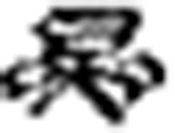 [tɕə33] leprosy. It is used as a phonetic symbol to
indicate the “character” [tɕə55].
[tɕə33] leprosy. It is used as a phonetic symbol to
indicate the “character” [tɕə55].
 [lv33]
stone.
[lv33]
stone.
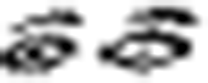 [ȵə21] eye. It is used as a phonetic symbol to indicate
“inside.”
[ȵə21] eye. It is used as a phonetic symbol to indicate
“inside.”
 [tshɿ33] ploughshare. It is used as a phonetic symbol to
indicate “write” [tshɿ55].
[tshɿ33] ploughshare. It is used as a phonetic symbol to
indicate “write” [tshɿ55].
 [iə21] tobacco. It is used as a phonetic symbol to indicate
“paint.”
[iə21] tobacco. It is used as a phonetic symbol to indicate
“paint.”
 [gə21] above. It is used as a phonetic symbol to indicate the
auxiliary word [gə33].
[gə21] above. It is used as a phonetic symbol to indicate the
auxiliary word [gə33].
 [ȵi33me33] sun. It is used as the first syllable of
the “date” [ȵi55ua33].
[ȵi33me33] sun. It is used as the first syllable of
the “date” [ȵi55ua33].
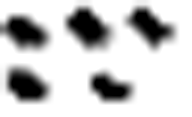 [ua33]
five. It is used as the second syllable of the “date”
[ȵi55ua33].
[ua33]
five. It is used as the second syllable of the “date”
[ȵi55ua33].
 [dʐʅ21] time. It is used as the first syllable of the
“date” [dʐʅ21khə21].
[dʐʅ21] time. It is used as the first syllable of the
“date” [dʐʅ21khə21].
 [khə55] basket. It is used as the second syllable of the
“date” [dʐʅ21khə21].
[khə55] basket. It is used as the second syllable of the
“date” [dʐʅ21khə21].
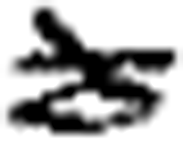 [tʂhʅ33] hang. It is used as a phonetic symbol to
indicate “this.”.
[tʂhʅ33] hang. It is used as a phonetic symbol to
indicate “this.”.
(10)
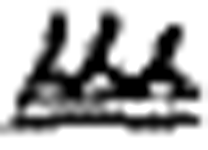 [mi33]
fire. It is used as the first syllable of the “Minguo
民国” [mi21kuə24].
[mi33]
fire. It is used as the first syllable of the “Minguo
民国” [mi21kuə24].
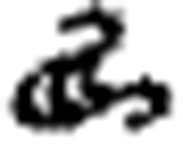 [kuə55] scraper. It is used as the second syllable of the
“Minguo” [mi21kuə24].
[kuə55] scraper. It is used as the second syllable of the
“Minguo” [mi21kuə24].
 [sɿ33 tshər21] thirty.
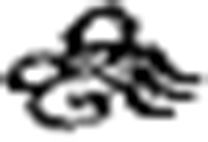 [fv55]
rat; the extended meaning is “year” [khv55].
[fv55]
rat; the extended meaning is “year” [khv55].
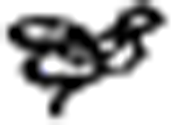 [nɯ33] heart. It is used as a phonetic symbol to indicate the
adverbial particle of [nɯ33].
[nɯ33] heart. It is used as a phonetic symbol to indicate the
adverbial particle of [nɯ33].
 [tɕə33] leprosy. It is used as a phonetic symbol to
indicate “character” [tɕə55].
[tɕə33] leprosy. It is used as a phonetic symbol to
indicate “character” [tɕə55].
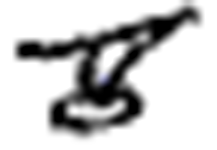 [be33]
do.
[be33]
do.
 [the33]
flag. It is used as a phonetic symbol to indicate the auxiliary word
[the21].
[the33]
flag. It is used as a phonetic symbol to indicate the auxiliary word
[the21].
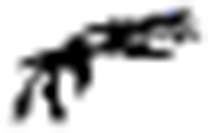 [tshɿ21] ghost. It is used as a phonetic symbol to indicate
“write” [tshɿ55].
[tshɿ21] ghost. It is used as a phonetic symbol to indicate
“write” [tshɿ55].
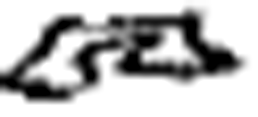 [gə21] above. It is used as a phonetic symbol to indicate the
auxiliary word [gə33].
[gə21] above. It is used as a phonetic symbol to indicate the
auxiliary word [gə33].
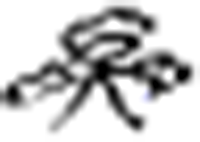 [tɕə33] leprosy. It is used as a phonetic symbol to
indicate “character” [tɕə55].
[tɕə33] leprosy. It is used as a phonetic symbol to
indicate “character” [tɕə55].
 [thɯ21] drink. It is used as a phonetic symbol to indicate
“that” [thɯ33].
[thɯ21] drink. It is used as a phonetic symbol to indicate
“that” [thɯ33].
 [tha55]
tower. It is used as a phonetic symbol to indicate “he”
[tha24].
[tha55]
tower. It is used as a phonetic symbol to indicate “he”
[tha24].
 [lv33]
stone. It is used as the first syllable of “grand-daughter”
[lv33me33].
[lv33]
stone. It is used as the first syllable of “grand-daughter”
[lv33me33].
 [mi55]
female. It is used as the second syllable of “grand-daughter”
[lv33me33].
[mi55]
female. It is used as the second syllable of “grand-daughter”
[lv33me33].
 [nɯ33] heart. It is used as a phonetic symbol to indicate the
subject auxiliary word.
[nɯ33] heart. It is used as a phonetic symbol to indicate the
subject auxiliary word.
 [o21]
turquoise. It is used as the first syllable of “shadow”
[kho33tho21].
[o21]
turquoise. It is used as the first syllable of “shadow”
[kho33tho21].
 [khv33]
harvest. It is used as the second syllable of “shadow”
[kho33tho21].
[khv33]
harvest. It is used as the second syllable of “shadow”
[kho33tho21].
 [he33]
moon. It is used as the first syllable of “taking a photo”
[he33næ33].
[he33]
moon. It is used as the first syllable of “taking a photo”
[he33næ33].
 [næ33] hide. It is used as the second syllable of
“taking a photo” [he33næ33].
[næ33] hide. It is used as the second syllable of
“taking a photo” [he33næ33].
 [pu55]
send. It is used as a phonetic symbol to indicate the present continuous tense
[pu55].
[pu55]
send. It is used as a phonetic symbol to indicate the present continuous tense
[pu55].
(11)
 [le33]
Chinese river deer. It is used as a phonetic symbol to indicate
“again.”
[le33]
Chinese river deer. It is used as a phonetic symbol to indicate
“again.”
 [hɯ33] teeth. It is used as a phonetic symbol to indicate
“go.”
[hɯ33] teeth. It is used as a phonetic symbol to indicate
“go.”
 [tʂhʅ33] hang. It is used as a phonetic symbol to
indicate “this.”
[tʂhʅ33] hang. It is used as a phonetic symbol to
indicate “this.”
 [ta55]
cabinet. It is used as a phonetic symbol to indicate “only.”
[ta55]
cabinet. It is used as a phonetic symbol to indicate “only.”
 [la33]
too; it is a Geba character.
[la33]
too; it is a Geba character.
 [mə33] no.
 [za21]
comet. It is used as a phonetic symbol to indicate “only.”
[za21]
comet. It is used as a phonetic symbol to indicate “only.”
 [ə33] ah. It is used as the first syllable of
“ancient”
[ə21be33ʂə55be33].
[ə33] ah. It is used as the first syllable of
“ancient”
[ə21be33ʂə55be33].
 [be33]
do. It is used as the second syllable of “ancient”
[ə21be33ʂə55be33].
[be33]
do. It is used as the second syllable of “ancient”
[ə21be33ʂə55be33].
 [ʂə55] above; it is a Geba character. It is used as the
third syllable of “ancient”
[ə21be33ʂə55be33].
[ʂə55] above; it is a Geba character. It is used as the
third syllable of “ancient”
[ə21be33ʂə55be33].
 [be33]
do. It is used as the fourth syllable of “ancient”
[ə21be33ʂə55be33].
[be33]
do. It is used as the fourth syllable of “ancient”
[ə21be33ʂə55be33].
 [gə21] above. It is used as a phonetic symbol to indicate the
auxiliary word [gə33].
[gə21] above. It is used as a phonetic symbol to indicate the
auxiliary word [gə33].
 [py33bv21] Dongba.
 [bv21]
creep. It is used as the second syllable of “Dongba”
[py33bv21].
[bv21]
creep. It is used as the second syllable of “Dongba”
[py33bv21].
 [dɯ21] large.
 [tɕi55] wool shear. It is used as a phonetic symbol to
indicate “small.”
[tɕi55] wool shear. It is used as a phonetic symbol to
indicate “small.”
 [nɯ33] a subject particle; it is a Geba character.
 [tɕə33] leprosy. It is used as a phonetic symbol to
indicate “character” [tɕə55].
[tɕə33] leprosy. It is used as a phonetic symbol to
indicate “character” [tɕə55].
 [be33]
do.
[be33]
do.
 [the33]
flag. It is used as a phonetic symbol to indicate the auxiliary word
[the21], which is placed before the verb to indicate the state of
action.
[the33]
flag. It is used as a phonetic symbol to indicate the auxiliary word
[the21], which is placed before the verb to indicate the state of
action.
 [tshɿ33] ploughshare. It is used as a phonetic symbol to
indicate “write” [tshɿ55].
[tshɿ33] ploughshare. It is used as a phonetic symbol to
indicate “write” [tshɿ55].
 [dʑy21] bracelet. It is used as a phonetic symbol to indicate
the “have” [the21].
[dʑy21] bracelet. It is used as a phonetic symbol to indicate
the “have” [the21].
(12)
 [ŋə21] I, a pictophonetic character. It takes the shape
of I
[ŋə21] I, a pictophonetic character. It takes the shape
of I  , and its
sound is that of a five
, and its
sound is that of a five  [ŋə33].
 [la33]
too; it is a Geba character.
[la33]
too; it is a Geba character.
 [lv33]
stone.
[lv33]
stone.
 [tɕər33] neck. It is used as a phonetic symbol to
indicate “above.”
[tɕər33] neck. It is used as a phonetic symbol to
indicate “above.”
 [the33]
flag. It is used as a phonetic symbol to indicate the auxiliary word
[the21], which is placed before the verb to indicate the state of
action.
[the33]
flag. It is used as a phonetic symbol to indicate the auxiliary word
[the21], which is placed before the verb to indicate the state of
action.
 [tshɿ33] ploughshare. It is used as a phonetic symbol to
indicate “write” [tshɿ55].
[tshɿ33] ploughshare. It is used as a phonetic symbol to
indicate “write” [tshɿ55].
 [se21]
a perfect tense auxiliary; it is a Geba character.
[se21]
a perfect tense auxiliary; it is a Geba character.
 [tɕə33] leprosy. It is used as a phonetic symbol to
indicate “character” [tɕə55].
[tɕə33] leprosy. It is used as a phonetic symbol to
indicate “character” [tɕə55].
 [mu21]
dustpan. It is used as a phonetic symbol to indicate the auxiliary word
[mu33].
[mu21]
dustpan. It is used as a phonetic symbol to indicate the auxiliary word
[mu33].
 [tɕə33] leprosy. It is used as a phonetic symbol to
indicate “character” [tɕə55].
[tɕə33] leprosy. It is used as a phonetic symbol to
indicate “character” [tɕə55].
 [tʂhʅ33] hang. It is used as a phonetic symbol to
indicate “this.”
[tʂhʅ33] hang. It is used as a phonetic symbol to
indicate “this.”
 [dʑy21] bracelet. It is used as a phonetic symbol to indicate
“have.”
[dʑy21] bracelet. It is used as a phonetic symbol to indicate
“have.”
 [iə21] tobacco. It is used as the first syllable of the name
of “Yang Xuecai 杨学才”
[iə21ɕə24tsha33].
[iə21] tobacco. It is used as the first syllable of the name
of “Yang Xuecai 杨学才”
[iə21ɕə24tsha33].
 [ɕə33 tɕhy21] Dapeng bird, the first
sound is used as the second syllable of the name of “Yang Xuecai”
[iə21ɕə24tsha33].
[ɕə33 tɕhy21] Dapeng bird, the first
sound is used as the second syllable of the name of “Yang Xuecai”
[iə21ɕə24tsha33].
 [tsha55] bite. It is used as the third syllable of the name of
“Yang Xuecai”
[iə21ɕə24tsha33].
[tsha55] bite. It is used as the third syllable of the name of
“Yang Xuecai”
[iə21ɕə24tsha33].
 [li33]
Falun. It is used as the first syllable of the name of “Li Lincan
李霖灿”
[li33li21tshæ55].
[li33]
Falun. It is used as the first syllable of the name of “Li Lincan
李霖灿”
[li33li21tshæ55].
 [li33]
Falun. It is used as the second syllable of the name of “Li Lincan”
[li33li21tshæ55].
[li33]
Falun. It is used as the second syllable of the name of “Li Lincan”
[li33li21tshæ55].
 [tshæ55] woodworking drill. It is used as the third syllable
of the name of “Li Lincan”
[li33li21tshæ55].
[tshæ55] woodworking drill. It is used as the third syllable
of the name of “Li Lincan”
[li33li21tshæ55].
 [py33bv21] Dongba.
 [bv21]
creep. It is used as the second syllable of “Dongba”
[py33bv21].
[bv21]
creep. It is used as the second syllable of “Dongba”
[py33bv21].
 [dɯ21] large.
 [tɕi55] wool shear. It is used as a phonetic symbol to
indicate “small.”
[tɕi55] wool shear. It is used as a phonetic symbol to
indicate “small.”
 [nɯ33] heart. It is used as a phonetic symbol to indicate the
subject auxiliary word.
[nɯ33] heart. It is used as a phonetic symbol to indicate the
subject auxiliary word.
 [pər55] write.
 [gə21] above. It is used as a phonetic symbol to indicate the
auxiliary word [gə33].
[gə21] above. It is used as a phonetic symbol to indicate the
auxiliary word [gə33].
(13)
 [tɕə33] leprosy. It is used as a phonetic symbol to
indicate “character” [tɕə55].
[tɕə33] leprosy. It is used as a phonetic symbol to
indicate “character” [tɕə55].
 [dɯ21] large. It is used as a phonetic symbol to indicate
“one.”
[dɯ21] large. It is used as a phonetic symbol to indicate
“one.”
 [hɯ33] teeth. It is used as a phonetic symbol to indicate
“some” [hu33].
[hɯ33] teeth. It is used as a phonetic symbol to indicate
“some” [hu33].
 [be33]
do.
[be33]
do.
 [the33]
flag. It is used as the first syllable of “character”
[the33ɣɯ33].
[the33]
flag. It is used as the first syllable of “character”
[the33ɣɯ33].
 [ɣɯ33] good. It is used as the second syllable of
“character” [the33ɣɯ33].
[ɣɯ33] good. It is used as the second syllable of
“character” [the33ɣɯ33].
 [mɯ55] bamboo. It is used as a phonetic symbol to indicate the
“ink.” It is a Chinese loan word.
[mɯ55] bamboo. It is used as a phonetic symbol to indicate the
“ink.” It is a Chinese loan word.
 [na21]
black; it is a Geba character.
[na21]
black; it is a Geba character.
 [tʂhər55] generation.
 [mə33] no.
 [bɯ21] exhausted.
 [se21]
blue sheep. It is used as a phonetic symbol to indicate “modal
particle.”
[se21]
blue sheep. It is used as a phonetic symbol to indicate “modal
particle.”
 [tv21]
thousand.
[tv21]
thousand.
 [tʂhər55] generation.
 [kho33]
horn. It is used as the first syllable of “proverb”
[kho33khu33].
[kho33]
horn. It is used as the first syllable of “proverb”
[kho33khu33].
 [khu33]
door. It is used as the second syllable of “proverb”
[kho33khu33].
[khu33]
door. It is used as the second syllable of “proverb”
[kho33khu33].
 [mæ55] tail; the extended meaning is
“after.”
[mæ55] tail; the extended meaning is
“after.”
 [the33]
flag. It is used as a phonetic symbol to indicate the auxiliary word
[the21], which is placed before the verb to indicate the state of
action.
[the33]
flag. It is used as a phonetic symbol to indicate the auxiliary word
[the21], which is placed before the verb to indicate the state of
action.
 [tɕi55] wool shear. It is used as a phonetic symbol to
indicate “remain.”
[tɕi55] wool shear. It is used as a phonetic symbol to
indicate “remain.”
 [se21]
a perfect tense auxiliary; it is a Geba character.
[se21]
a perfect tense auxiliary; it is a Geba character.
 [iə21] tobacco. It is used as a phonetic symbol to indicate
the auxiliary word.
[iə21] tobacco. It is used as a phonetic symbol to indicate
the auxiliary word.
 The beginning
symbol, generally placed at the beginning of the paragraph. From this note, it is
placed at the end of the paragraph.
The beginning
symbol, generally placed at the beginning of the paragraph. From this note, it is
placed at the end of the paragraph.
(14)
 [sər33] wood, one of the five elements.
 [gə21] above. It is used as a phonetic symbol to indicate the
auxiliary word [gə33].
[gə21] above. It is used as a phonetic symbol to indicate the
auxiliary word [gə33].
 [bu21]
slope. It is used as the first syllable of “Bbuto布托”
[bu33tho21], which is a chronological method that matches
the five elements and the twelve zodiac animals as 60.
[bu21]
slope. It is used as the first syllable of “Bbuto布托”
[bu33tho21], which is a chronological method that matches
the five elements and the twelve zodiac animals as 60.
 [tho21]
mould for making cakes. It is used as the second syllable of the
“Bbuto” [bu33tho21].
[tho21]
mould for making cakes. It is used as the second syllable of the
“Bbuto” [bu33tho21].
 [ə33] ah. It is used as a phonetic symbol to indicate the
prefix.
[ə33] ah. It is used as a phonetic symbol to indicate the
prefix.
 [y21]
monkey.
[y21]
monkey.
 [fv55]
rat; the extended meaning is “year” [khv55].
[fv55]
rat; the extended meaning is “year” [khv55].
 [da55]
cut. It is used as the first syllable of the “December”
[da33ua33he33].
[da55]
cut. It is used as the first syllable of the “December”
[da33ua33he33].
 [ua33]
five. It is used as the second syllable of the “December”
[da33ua33he33].
[ua33]
five. It is used as the second syllable of the “December”
[da33ua33he33].
 [he33]
moon. It is used as the third syllable of the “December”
[da33ua33he33].
[he33]
moon. It is used as the third syllable of the “December”
[da33ua33he33].
 [tshe33] salt. It is used as the first syllable of the prefix of ordinal
number [tshe33do21].
[tshe33] salt. It is used as the first syllable of the prefix of ordinal
number [tshe33do21].
 [do21]
see. It is used as the second syllable of the prefix of ordinal number
[tshe33do21].
[do21]
see. It is used as the second syllable of the prefix of ordinal number
[tshe33do21].
 [ua33]
five.
[ua33]
five.
 [ȵi33] sun; the extended meaning is the measure word of
“day.”
[ȵi33] sun; the extended meaning is the measure word of
“day.”
 [y21]
sheep. It is used as the first syllable of the name of
[y21te21sɿ55tha55].
[y21]
sheep. It is used as the first syllable of the name of
[y21te21sɿ55tha55].
 [te21]
scissors. It is used as the second syllable of the name of
[y21te21sɿ55tha55].
[te21]
scissors. It is used as the second syllable of the name of
[y21te21sɿ55tha55].
 [sɿ55] penates. It is used as the third syllable of the name
of [y21te21sɿ55tha55].
[sɿ55] penates. It is used as the third syllable of the name
of [y21te21sɿ55tha55].
 [tha55]
tower. It is used as the fourth syllable of the name of
[y21te21sɿ55tha55].
[tha55]
tower. It is used as the fourth syllable of the name of
[y21te21sɿ55tha55].
 [to33]
board. It is used as the first syllable of the name of
[to33y21].
[to33]
board. It is used as the first syllable of the name of
[to33y21].
 [y21] a
Geba character哥巴文. It is used as the first syllable of the name
of [to33y21].
[y21] a
Geba character哥巴文. It is used as the first syllable of the name
of [to33y21].
 [pər55] write.
 He
Xiudong’s seal with Chinese characters.
He
Xiudong’s seal with Chinese characters.
 Dongba seal.
Translation
(1) The story of visiting the a33mi21 Cave. (2) A group of companions, male and female, and teachers, adult and young, from i33gv33dy21 which was also called Lijiang to Baidi by car (3) arrived at Baidi. At that day, Mr. Li, his daughter and a group of people, (4) We went to Baishuitai to have a look. I went round the village again. (5) On that day, I was late for dinner and stayed here overnight. After daybreak, I cooked tea for breakfast this morning. (6) (Then) walked to the a33mi21 Cave. At the foot of the slope, Mr. Li climbed the slope for breath and rested at the foot of the slope. (7) His daughter and our group, went to a33mi21 Cave, burned incense for a while, (8) knelt and kowtowed, and then went in and out to have a look. Later, while photographing, (9) (found) ink mark left by Mr. Li Lincan on the stone. The date of writing is (10) those words written in the thirty years of the Republic of China. His granddaughter took a picture. (11) Not only that, but also the characters written by Dongba in the past. (12) I also wrote it on the stone. All the characters, written by Yang Xuecai, Li Lincan (13) some characters, have been lasting for thousands of generations, and the ancient sayings will be preserved for thousands of generations. (14) On the fifth day of the twelfth month of the year of Wooden Monkey, written by sɿ55 tha55to33y21.
Research on the travel note
The diary written by He Huating 和华亭 in Yang Zhonghong’s 杨仲鸿 About the Richness of Naxi Literature from Two Diaries of He Huating, the Naxi character teacher of Dr. Rock from America 从美国人骆克博士的纳西族文字教师和华亭的两则日记谈纳西族文献的丰富, recorded He Huating and Rock’s experience of collecting Dongba scriptures in Lijiang and Yongning永宁 and from Lijiang to Kunming. Although the diary was of the nature of travel notes, it mainly recorded daily life and work from 1932 to 1936, so this record cannot be regarded as a diary or travel notes in a strict sense. Therefore, He Xiudong’s journey to a33mi21 Cave is the only one we have seen so far. The travel notes recorded the people and the journey of visiting a33mi21 Cave. they are detailed and vivid, with a brief discussion. They reflected the new aspect of the usage of Naxi literature. The following are some preliminary studies on this travel note.
Author and time
The signature of the author’s name should be y21te21sɿ55tha55 to33y21余得四塔东玉. Li Zaizhong wrote as yuyushitadongyu余竽士他东玉. Yu竽 should be the miswriting of deng等. At first, we thought that y21te21sɿ55tha55 was the Naxi name of He Xiudong. But the on the website of Dongba Horizon东巴视界 his Dongba name was defined as y21te21sɿ55tha55. to33y21 is the typical form of Do+X of Dongba’s name. It shows that there are two Dongba names of He Xiudong. One may have two Dongba names. For example, the Dongba names of the famous great Dongba He Shijun和世俊 in Ludian鲁甸, Lijiang had the names of so33bv33y21te33梭补余登 and to33tsɿ33东仔. In the postscript on page 126 of Volume 11 in An Annotated Collection of Naxi Dongba Manuscripts纳西东巴古籍译注全集, he called himself Dongba so33bv33y21te33 to33tsɿ33.
The travel notes were written on “the 5th day of the twelfth month of the year of the Wooden Monkey year.” The year of the Wooden Monkey was part of the Tibetan calendar, which corresponds to the Jiashen甲申 year in the lunar calendar. The fifth day of the twelfth lunar month in the Jiashen year in this article was 14 January 2005. Li Zaizhong recorded that they went to a33mi21 Cave on 11 January 2005. Therefore it indicated that these travel notes was written on the third day of their travel, which should be remembered accurately.
Paper and form
According to the photo, the travel note was written on an uncut piece of Dongba paper
of unknown size. The writing style was not divided into columns and grids according
to the Dongba scriptures; it was arranged in a linear line from left to right. The
full text included 14 lines: one line for the title, 12 lines for the text, one for
name and time. Due to the lack of space at the right edge of the paper in the
vertical line, the words were written in a small size. In the horizontal
arrangement, there were also some logograph lines as a triangle shape or an
up–down structure, such as  “Lijiang” (line
2),
“Lijiang” (line
2),  “go to
somewhere” (line 3),
“go to
somewhere” (line 3),  “teacher” (line
3),
“teacher” (line
3),  “his
daughter” (line 3),
“his
daughter” (line 3),  “see”(line 4),
 “stroll” (line 4),
  “dawn”(line 5),
 “out
of breath” (line 6),
“out
of breath” (line 6),  “on the stone”
(line 12), and so forth. Of course, some graphs with the same structure do not write
a word or phrase, such as
“on the stone”
(line 12), and so forth. Of course, some graphs with the same structure do not write
a word or phrase, such as  “modal
particle” (line 5),
“modal
particle” (line 5),  “go” (line 6),
and so on. In addition, this travel note also used two non-phonetic section markers
“go” (line 6),
and so on. In addition, this travel note also used two non-phonetic section markers
 , both placed
at the end of the paragraph, which was different from the general Dongba scripture
paragraph symbols placed at the beginning of the paragraph. This is rather
special.
, both placed
at the end of the paragraph, which was different from the general Dongba scripture
paragraph symbols placed at the beginning of the paragraph. This is rather
special.
The frequency, amount and structure of characters
According to the statistics of character frequency, this travel note comprises 291 characters, comprised of 273 instances in Dongba characters (93.81%) and 18 in Geba characters (6.19%).
There were 132 different characters in the travel notes. Among them, 10 Geba
characters were used 18 times; the frequency is listed in brackets, and characters
without frequency markers appeared once, as follows:  se21(6),
  le33(2),
  na21(2),
  la33(2),
  tha24,
 ko55,
ko55,  me33,
me33,
 ʂə55,
ʂə55,  nɯ33,
nɯ33,
 y21.
y21.
In total, 122 Dongba characters were used 273 times. Among them, 83 characters are
pictographs, used 191 times; that is, the pictographs accounted for 68.03% of the
total Dongba characters, and 69.96% of the total frequency of Dongba characters. The
characters that were used more than five times are  big(9),
 leprosy(8),
  flag(7),
 high (6),
 wheel of
Dharma (6),
wheel of
Dharma (6),  pot
(6),
pot
(6),  amaranth(5),
  heart(5).
Four indicative characters were used six times. This accounts for 3.28% of the total
Dongba characters, and 2.20% of the total frequency of Dongba characters. They are
 five (3),
 six,
six,
 thirty,
 thousands.
Some 22 associative compound characters were used 52 times. This accounts for 18.03%
of the total Dongba characters, and 19.05% of the total frequency of Dongba
characters. They are  hang (8),
  do (7),
  send (4),
  dzɿ33 fall
(3),
dzɿ33 fall
(3),  leakage
(3),
leakage
(3), (2),
(2),
 write
(2),
write
(2), horse
riding,
horse
riding,  knock,
 cut, and so
forth.
cut, and so
forth.
Thirteen pictophonetic characters were used 24 times. This accounts for 10.66% of the
total Dongba characters, and 8.79% of the total frequency of Dongba characters. They
are  I (4),
 water
hyacinth bird (4),
water
hyacinth bird (4),  daughter (3),
  look (2),
  walk
(2),
walk
(2),  hill (2),
 son,
son,
 tea,
tea,
 go,
go,
 burn,
burn,
 female,
 bite,
bite,
 salt.
salt.
It can be seen that pictographs in Dongba character have a dominant position both in word number and number of usage.
Relationship between characters
This travel note has 291 syllables, and 291 characters which were used to write all the words. Travel notes are impromptu works, unlike the Dongba scriptures, which have fixed stories and conventions. One cannot express oneself without complete wording. Complete or basically complete recording of words is the feature that affected the relationship between characters in non-religious literature.
We learn from the analysis of the details that this travel note has three disyllabic
words which were used four times. They were  “ride a horse”
[ʐua33dzæ33] (line 2),
“ride a horse”
[ʐua33dzæ33] (line 2),  “thirty”
[sɿ33tshər21] (line 10),
“thirty”
[sɿ33tshər21] (line 10),  “Dongba”
[py33bv21] (line 11,12). In fact, as many as 287
characters (times) are able to record 291 syllables; however, 291 characters were
used in this note. This is because
“Dongba”
[py33bv21] (line 11,12). In fact, as many as 287
characters (times) are able to record 291 syllables; however, 291 characters were
used in this note. This is because  “rich”
[dzæ33] (line 2) is used phonetically for “ride a
horse” [dzæ33] and
“rich”
[dzæ33] (line 2) is used phonetically for “ride a
horse” [dzæ33] and  “creep”
[bv21] (line 11,12) for the second syllable of “Dongba”
[py33bv21].
“creep”
[bv21] (line 11,12) for the second syllable of “Dongba”
[py33bv21].  “burning
incense” [tʂhu21pa33dʑi55]
(line 7) was repeated but not read out. The redundant three characters were
subtracted four times. In fact, 291 syllables were recorded in 287 characters
(including four disyllables).
“burning
incense” [tʂhu21pa33dʑi55]
(line 7) was repeated but not read out. The redundant three characters were
subtracted four times. In fact, 291 syllables were recorded in 287 characters
(including four disyllables).
If a vernacular written text aims to represent a complete phonetic record, then it will inevitably use a number of phonetic loans. The travel note has 291 syllables, all of which are represented by 273 Dongba characters and 18 Geba phonetic symbols. Among them, 75 characters (including four disyllabic words) were recorded with non-borrowing characters (with original meaning and extended meaning), and these characters recorded 79 syllables. That accounted for 28.94% of the total Dongba characters. There were 194 syllables recorded with the borrowing characters, accounting for 71.06% of the total number of syllables in Dongba characters. The proportion of borrowing characters of the total number of Dongba characters in the travel notes indicated that the proportion of borrowing characters in applied literature in Dongba is about 70%.
Variant characters and character conversion
Dongba scriptures are passed down by word of mouth between the master and the
disciple. The writing style and form of Dongba scripture are quite casual. Dongba
often added some original creation while writing scriptures, so there were many
variant characters in the scriptures. There were some variant characters in the
travel notes with slight differences in form and position, for instance, horn
 (line 1) and
 (line 7), big
 (line 2) and
 (line 2),
teeth
(line 2),
teeth  (line 4)
and
(line 4)
and  (line 13),
flag
(line 13),
flag  (line 9) and
 (line 13), no
 (line 11) and
 (line 13),
five
(line 13),
five  (line 14)
and
(line 14)
and  (line 14),
see
(line 14),
see  (line 5) and
 (line 14),
look
(line 14),
look  (line 1) and
 (line 6),
daughter
(line 6),
daughter  (line 2)
and
(line 2)
and  (line 7). We
also have a new discovery that the graph
(line 7). We
also have a new discovery that the graph  is used as
“big.”
is used as
“big.”
One word was often recorded with different characters in this travel note. For
example, one character might be a borrowing character, and the other pictophonetic.
For instance, “walk” [dʑi33] was written as
 “sweet
Chinese yeast” (line 4) and
“sweet
Chinese yeast” (line 4) and  “walk” (line
4); “go” [khɯ55] was written as
“walk” (line
4); “go” [khɯ55] was written as  “dog” (line 4)
and
“dog” (line 4)
and  “go” (line 6); “hill” [tho55] was written as
 “board” (line 6) and
  “hill” (line
6).
“hill” (line
6).
Some words used borrowing Dongba characters. For example, “carve”
[tshɿ55] was written as  “ploughshare”
(line 9) and
“ploughshare”
(line 9) and  “ghost” (line 10); “group” [hua55] was
written as
“ghost” (line 10); “group” [hua55] was
written as  “silver pheasant bird” (line 2) and
  “night” (line
3); “time” [kha21] was written as
“night” (line
3); “time” [kha21] was written as  “fence” (line
7) and
“fence” (line
7) and  “bitter” (line 7) and “the auxiliary word”
[i33] was written as
“bitter” (line 7) and “the auxiliary word”
[i33] was written as  “leakage” (line
4) and
“leakage” (line
4) and  “mountain mule” (line 6).
Some words were represented with either borrowed Dongba characters or Geba
characters. For example, “he” [tha24] was written as
 “tower” (line 7) or Geba character
  (line 3); and
“again” [le33] was written as
(line 3); and
“again” [le33] was written as  “roebuck” (line
4) or Geba character
“roebuck” (line
4) or Geba character  (line 6); “adverbial
particle” [nɯ33] was written as
(line 6); “adverbial
particle” [nɯ33] was written as  “heart” (line
9) or Geba character
“heart” (line
9) or Geba character  (line 11); “modal
particle” [me33] was written as
(line 11); “modal
particle” [me33] was written as  “vulva” (line
5) or Geba character
“vulva” (line
5) or Geba character  (line 4); “modal
particle” [se21] was written as
(line 4); “modal
particle” [se21] was written as  “blue sheep”
(line 13) or Geba character
“blue sheep”
(line 13) or Geba character  (line 13).
The variation and transformation may appear within one line. For example,
“big” was written as  ,
,  in line 2, and
“five” was written as
in line 2, and
“five” was written as  ,
, in line 14. The word
“walk” [dʑi33] in line 4 used both a borrowing
character and a pictophonetic character. And the word “time”
[kha21] in line 7 was written with different characters. The word
“modal particle” [se21] in line 13 used both a borrowing
character and a Geba character. This phenomenon was not because of the usage
confusion of Dongba characters, but a result of avoiding the repetition of
characters and an intentional graphic variety.
in line 14. The word
“walk” [dʑi33] in line 4 used both a borrowing
character and a pictophonetic character. And the word “time”
[kha21] in line 7 was written with different characters. The word
“modal particle” [se21] in line 13 used both a borrowing
character and a Geba character. This phenomenon was not because of the usage
confusion of Dongba characters, but a result of avoiding the repetition of
characters and an intentional graphic variety.
Footnotes
The brief information of He Xiudong Dongba is according to the Cultural Protection and Inheritance Network, Dongba Vision and other website materials. Authorized by the Yulong County government in June 2012, the Lijiang Naxi Dongba Cultural Heritage Association conducted degree qualification and grade assessment on Dongba in Lijiang, and identified six Dongba masters, 30 Dongba, 40 Dongba inheritors and 47 Dongba students.
