






Abstract
This study presents the synthesis, functionalisation, and comprehensive characterisation of electrically conductive poly (methyl methacrylate) (PMMA)-based nanocomposites reinforced with graphene, multi-walled carbon nanotubes (MWCNTs), and their hybrid combinations. Carbon nanostructures were synthesised via molten salt electrolysis in LiCl and NaOH systems under a reversing overpotential regime, enabling efficient exfoliation of graphite and formation of high-purity nanomaterials. To improve dispersion and interfacial compatibility with the polymer matrix, the nanofillers were functionalised by nitric acid treatment and X-ray irradiation. Nanocomposite thin films containing 15 wt.% filler were prepared by solution casting and characterised by transmission and scanning electron microscopy (TEM, SEM), Raman spectroscopy, and inductively coupled plasma optical emission spectrometry (ICP-OES). Electrical properties were evaluated using the four-point probe method, while thermal behaviour was investigated by thermogravimetric and differential thermal analyses (TG–DTG–DTA). The results demonstrate that MWCNT-containing and hybrid graphene–MWCNT nanocomposites exhibit a significant increase in electrical conductivity due to the formation of percolating conductive networks, whereas graphene-only systems remain highly resistive. Thermal analysis reveals a transition from single-step degradation in neat PMMA to multi-stage degradation in nanocomposites, accompanied by a shift of the maximum degradation temperature (Tmax) and increased char residue. The observed enhancements are attributed to improved interfacial interactions, restricted polymer chain mobility, and barrier effects introduced by carbon nanostructures. These findings confirm the effectiveness of electrochemically synthesised carbon nanomaterials as multifunctional fillers in PMMA-based systems.
Introduction
Metals such as copper, aluminium, silver, and gold have traditionally been used as electrical conductors due to their high electrical conductivity. However, ongoing scientific and technological advances have stimulated the search for alternative materials that combine high electrical performance with improved mechanical and thermal properties. In this context, carbon-based nanomaterials – particularly graphene and carbon nanotubes (CNTs) – have emerged as highly promising candidates, driving extensive research on electrically conductive polymer nanocomposites.
The exceptional properties of graphene and CNTs originate from their unique sp2-hybridised carbon networks. Since its experimental isolation, Novoselov, K. S. at all1,2 2004 and 2007, graphene has demonstrated outstanding electrical and thermal conductivity, extremely high specific surface area, and exceptional mechanical strength. CNTs similarly enhance the electrical, chemical, and mechanical performance of polymer matrices and may exhibit metallic or semiconducting behaviour depending on their chirality and structural configuration.
Among the available synthesis routes, molten salt electrolysis has gained attention as an efficient method for producing graphene and CNTs. Early studies by Hsu et al. 3 reported the formation of carbon nanostructures via cathodic erosion in molten lithium chloride, while subsequent work by Chen et al. 3 attributed this process to alkali metal intercalation into graphite. Further contributions by Fray and later by Dimitrov and co-workers4–7 demonstrated that controlled electrochemical regimes significantly enhance CNT yield and structural quality.
Functionalisation of carbon nanostructures is widely applied to tailor their properties and improve compatibility with polymer matrices. Irradiation treatments induce atomic-scale modifications, promoting defect formation, partial graphitisation, and the development of new carbon–carbon bonds, which enhance structural stability and electrical conductivity.
Due to processing limitations of pristine graphene and CNTs, these nanomaterials are commonly incorporated into polymer matrices to form multifunctional nanocomposites. Poly (methyl methacrylate) (PMMA) is an attractive host polymer owing to its optical transparency, chemical stability, and biocompatibility, despite its inherent brittleness and low electrical conductivity. The incorporation of small amounts of graphene or CNTs has been shown to substantially improve the electrical conductivity and functional performance of PMMA-based systems.8–10
PMMA nanocomposites have found increasing application in electromagnetic interference shielding, conductive coatings, and sensing technologies. Composite performance is strongly influenced by filler dispersion, aspect ratio, and surface functionality, which govern mechanical reinforcement, thermal stability, and electrical percolation behaviour.11–15
In this study, electrically conductive PMMA-based nanocomposites reinforced with graphene, multi-walled carbon nanotubes, and their hybrid mixtures are developed. The work encompasses the synthesis and functionalisation of carbon nanostructures, nanocomposite film fabrication, electrical conductivity evaluation using the four-point probe method, and comprehensive structural and physicochemical characterisation.
Experimental
Graphene and multi-walled carbon nanotubes (MWCNTs) were synthesised by electrolysis in molten lithium chloride (LiCl) and sodium hydroxide (NaOH) electrolytes under a reversing overpotential regime. During electrolysis, Li+ and Na+ cations are cathodically reduced and intercalate into the graphite lattice, causing volumetric expansion and localised mechanical stresses that lead to graphite exfoliation. This intercalation–exfoliation mechanism enables efficient electrochemical production of graphene and MWCNTs.
Electrolysis was conducted in a graphite crucible (external dimensions: 150 mm × 90 mm; internal dimensions: 140 mm × 70 mm) serving as the electrolyte container (Figure 1). The electrochemical cell was placed in a sealed Inconel tube reactor equipped with a water-cooled jacket and heated in a digitally controlled Lenton furnace operating up to 1600 °C. Prior to electrolysis, LiCl and NaOH were dried at 200 °C for at least 4 h under argon to remove residual moisture. Electrolysis was performed at 740 °C when LiCl was used as the electrolyte and at 420 °C when NaOH was employed as the electrolyte. In both cases, the cell voltage (Ecell) was 4 V.
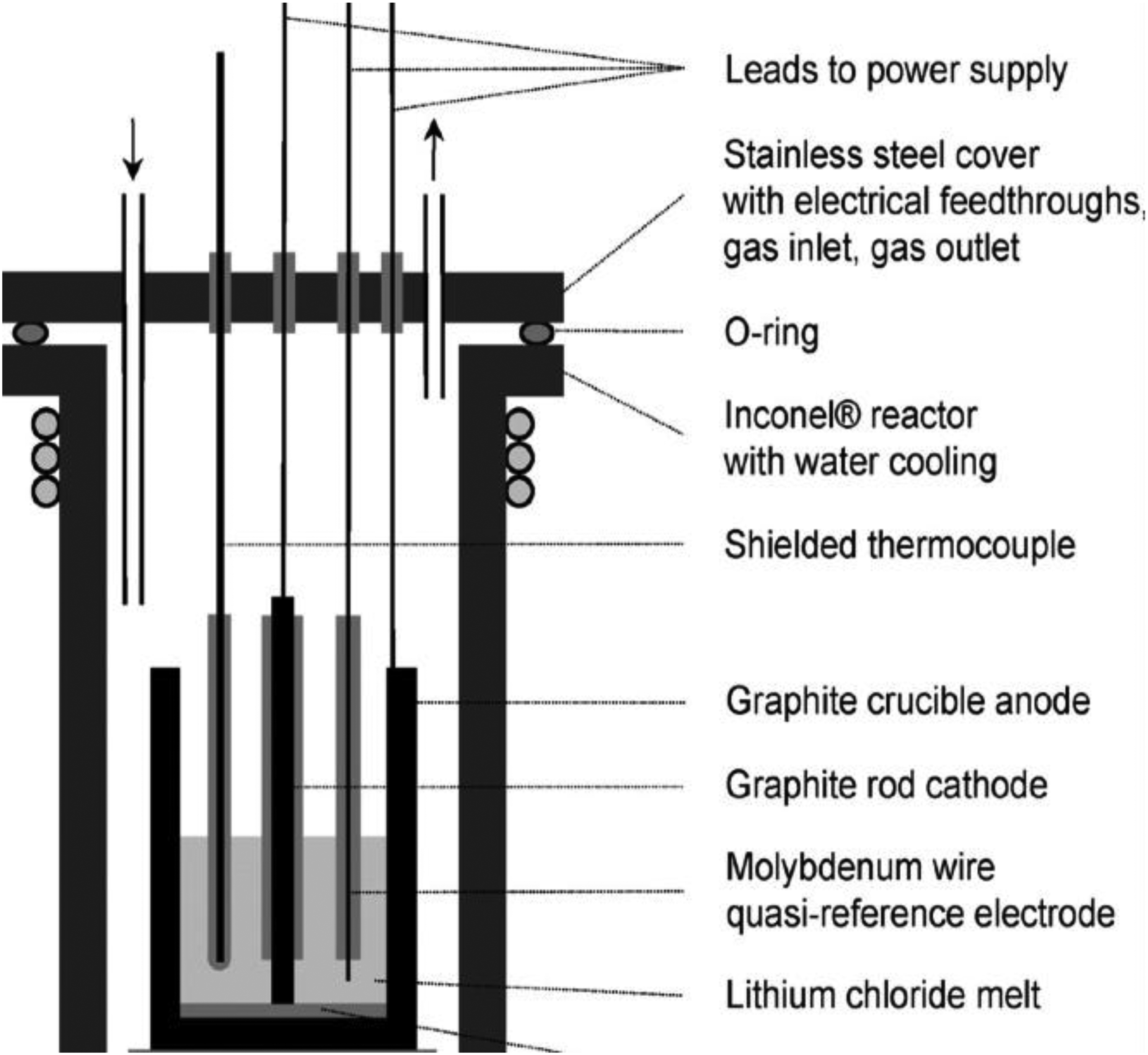
Schematic of experimental set-up.
Nitric acid activation: Graphene, MWCNTs, and their mixture were functionalised using 30% HNO+. Equal volumes of distilled water and HNO+ (250 mL each) were mixed, and 5 g of each material was treated separately under magnetic stirring at 500 rpm for 4 h. The suspensions were subsequently vacuum-filtered, and the functionalised materials were dried at 70 °C.
X-ray irradiation: Functionalisation by X-ray irradiation was performed at the Department of X-ray Diagnostics, University Clinic for Surgical Diseases ‘St Naum Ohridski’, Ss. Cyril and Methodius University in Skopje. Irradiation was carried out in an oxygen atmosphere at a dose of 0.3 kGy.
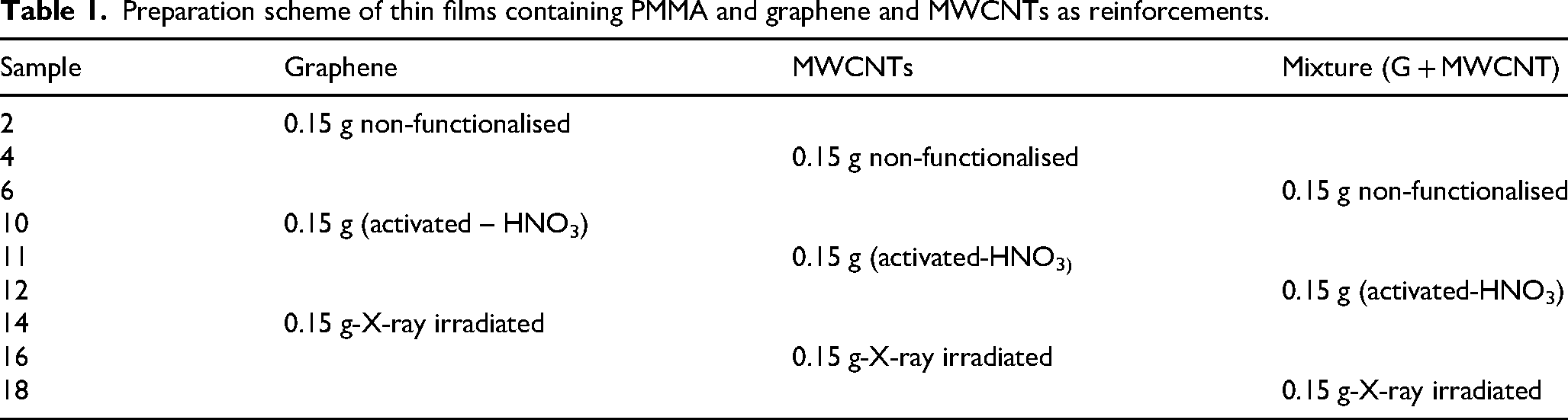
PMMA-based nanocomposite thin films were prepared according to the procedure summarised in Table 1. Carbon nanostructures were incorporated at a loading of 15 wt. % (0.15 g), selected to ensure effective reinforcement due to the nanoscale dimensions and high intrinsic properties of the fillers. Samples 2, 4, and 6 contained non-functionalised graphene, MWCNTs, and their mixture, respectively. Samples 10, 11, and 12 incorporated nitric acid–activated nanostructures, while samples 14, 16, and 18 were prepared using X-ray irradiated carbon nanomaterials.
Preparation scheme of thin films containing PMMA and graphene and MWCNTs as reinforcements.
For film fabrication, 10 g of PMMA was dissolved in 250 mL of chloroform under continuous electromagnetic stirring for 120 min. The resulting solution was divided into separate beakers, after which the appropriate nanofillers were added. Each suspension was subsequently ultrasonicated for 30 min and mechanically stirred for an additional 5 min to ensure homogeneous dispersion and to minimise nanoparticle agglomeration. The mixtures were then cast into Petri dishes and allowed to evaporate under ambient conditions for 72 h. The obtained dried films were used for further characterisation.
Electrical resistance of the nanocomposite thin films was measured using a Jandel RM3000 four-point probe system. The method was used to evaluate conductive behaviour and distinguish insulating, semiconducting, and conductive properties.
Poly(methyl methacrylate) (PMMA, Mw ≈ 120,000 g/mol, analytical/research grade, purity >99%) was used as the polymer matrix for preparation of the nanocomposite thin films. The thickness of the PMMA films was 0.6 mm.
The synthesised graphene and MWCNTs were characterised by inductively coupled plasma optical emission spectroscopy (ICP-OES), scanning and transmission electron microscopy (SEM, TEM), Raman spectroscopy and thermogravimetric/differential thermal analysis (TGA/DTA). Graphene samples were analysed in the spectral range of 500–3500 cm−1 with a spectral resolution of Δν ≈ 30 cm−1.
Chemical composition was determined using a PerkinElmer Optima 5300 DV ICP-OES instrument. Morphological analysis was performed by TEM (FEI Tecnai G2 Spirit TWIN, LaB₆ cathode). XRD patterns were recorded on a PAN-analytical X’Pert Pro diffractometer. Raman spectra were acquired using a LABRAM ARAMIS–HORIBA Jobin Yvon system with a 532 nm excitation laser. Thermal stability was evaluated by TGA/DTA (PerkinElmer PYRIS Diamond) by heating approximately 20 mg of sample from 25 to 900 °C at a rate of 10 °C·min−1 under a nitrogen atmosphere.
Results and discussion
The morphology and structural features of graphene synthesised by molten salt electrolysis were examined by TEM. As shown in Figure 2(a), the graphene consists of multilayer sheets with non-uniform thickness, originating from the electrochemical exfoliation of graphite electrodes.
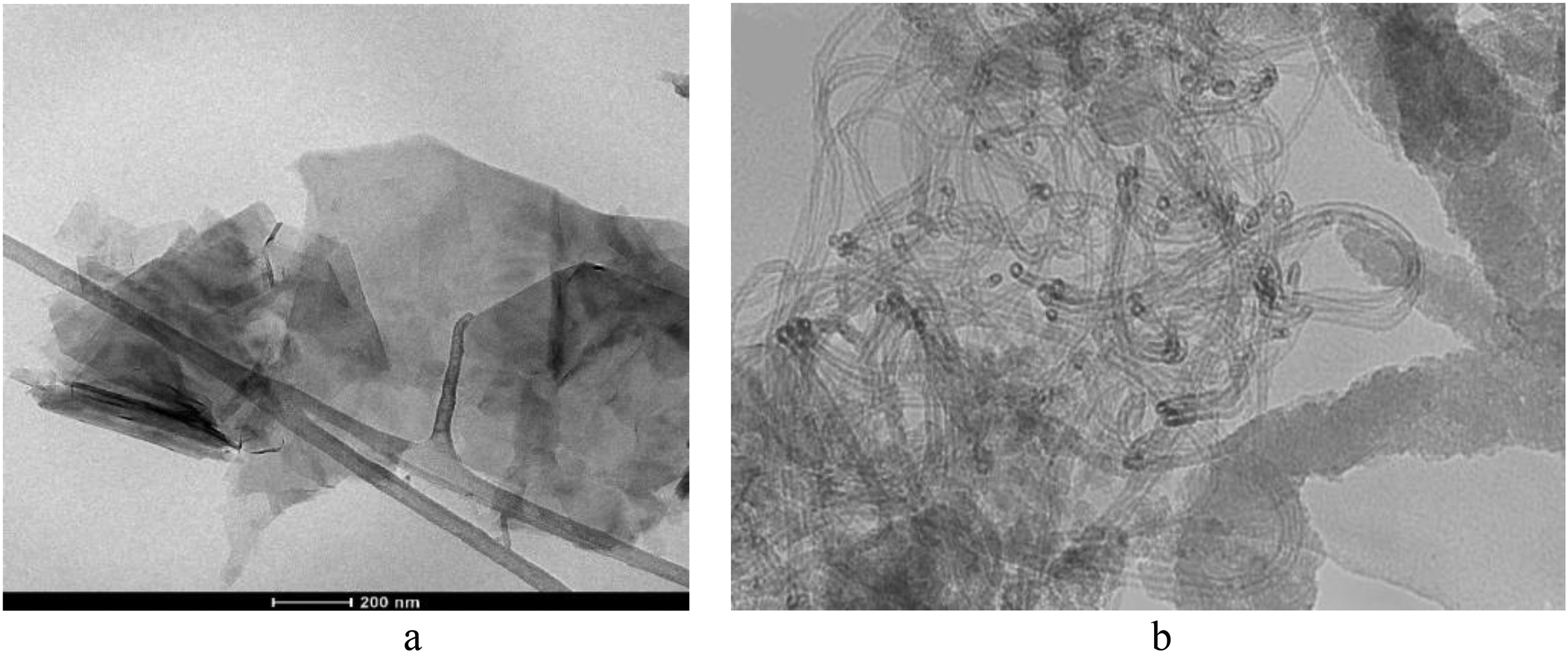
TEM images of (a) graphene and (b) MWCNTs.
The TEM micrographs reveal a wide distribution of lateral dimensions and sheet geometries, indicating a heterogeneous but well-developed two-dimensional structure. Such morphological features are consistent with electrochemically exfoliated graphene reported in the literature.7,8,11,12
Representative TEM images of MWCNTs are presented in Figure 2(b). The MWCNTs exhibit the characteristic concentric tubular morphology composed of multiple graphitic walls, confirming their suitability as electrically conductive fillers in polymer-based nanocomposites. Minor inclusions and residual impurities are also observed, most likely associated with lithium-based species formed during the electrolysis process. The MWCNTs show outer diameters in the range of approximately 10–50 nm, while their lengths extend to and beyond 100 μm. Quantitative analysis indicates that more than 98% of the graphite precursor was converted into carbon nanotubes under the applied electrochemical conditions.4–7,14–17
The surface morphology of the activated graphene was further investigated by scanning electron microscopy (SEM), as shown in Figure 3. The micrographs reveal ultrathin, well-exfoliated graphene flakes with a broad distribution of lateral sizes. These features confirm the suitability of the activated graphene as an efficient reinforcing and electrically conductive phase in PMMA-based nanocomposites. Such morphology is advantageous for polymer reinforcement, as it promotes a large interfacial contact area and facilitates stress transfer and electron transport within the composite matrix.18,19
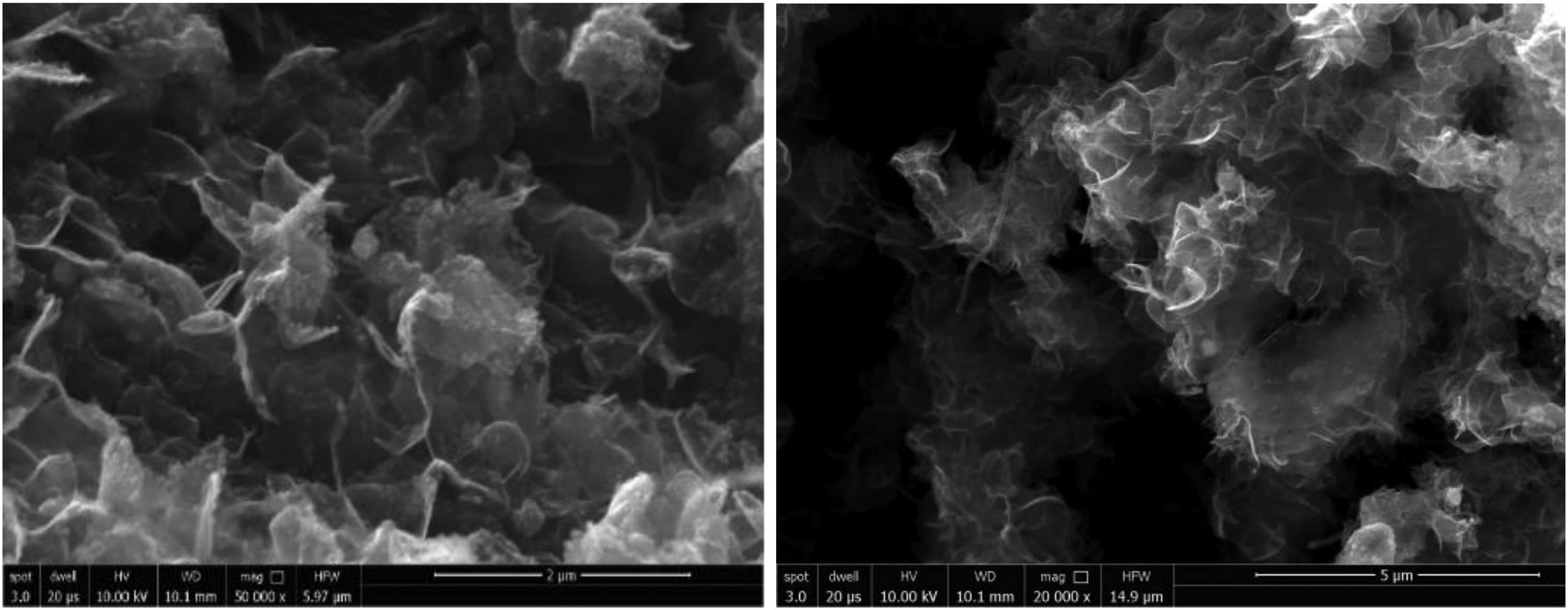
SEM images of activated graphene.
SEM analysis of activated MWCNTs (Figure 4) shows a characteristic entangled and curved morphology, forming interconnected networks. This network structure is essential for achieving electrical percolation in polymer nanocomposites. The images reveal a characteristic curved and entangled morphology, with nanotubes forming interconnected networks that are favourable for the formation of continuous conductive pathways within polymer matrices. The MWCNTs exhibit a broad diameter distribution, ranging from approximately 10–50 nm, which is typical for nanotubes synthesised via electrochemical methods.
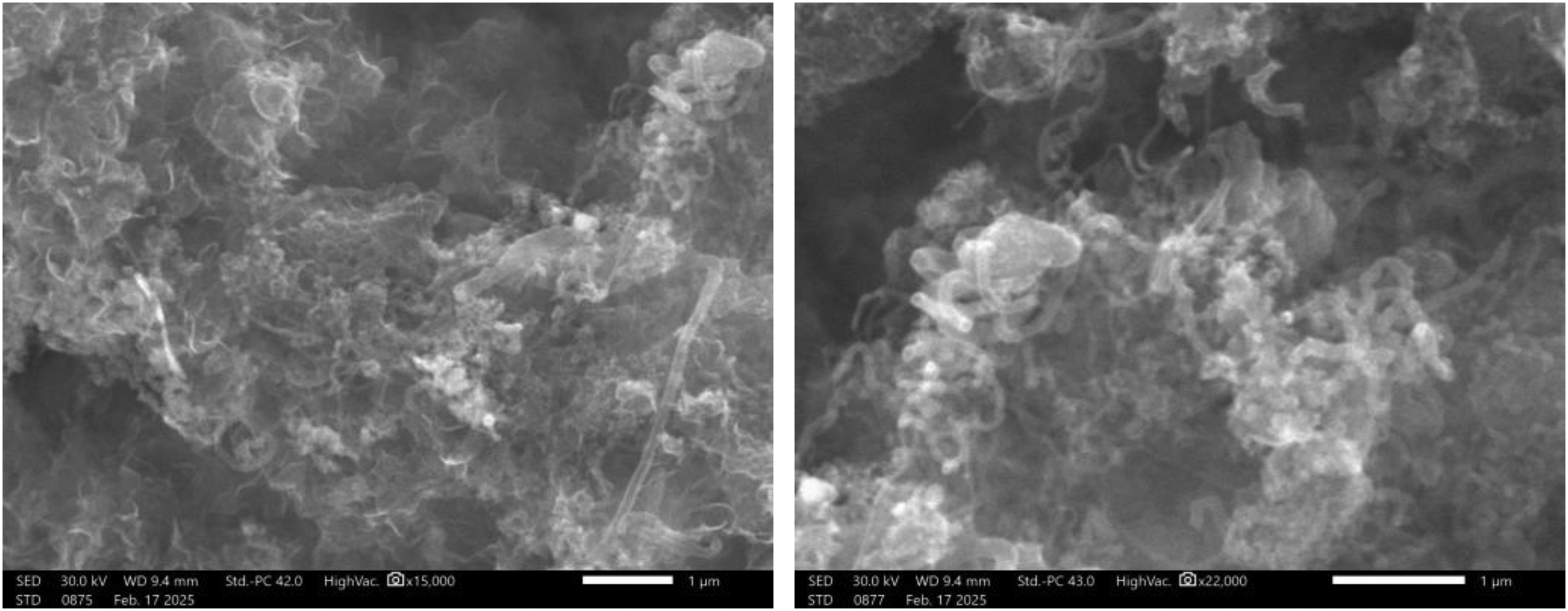
SEM images of activated MWCNTs.
Minor residual impurities are also observed, likely originating from the electrolyte or from by-products generated during the activation process. Overall, the SEM analysis confirms the successful synthesis and activation of MWCNTs with morphologies well suited for incorporation into PMMA-based nanocomposites.
The morphology of the activated graphene–MWCNT hybrid (Figure 5) demonstrates effective integration of both nanostructures. Graphene appears as ultrathin, well-exfoliated sheets, while MWCNTs are homogeneously distributed and form interconnected networks in close contact with the graphene sheets, which facilitates the formation of continuous conductive pathways within polymer matrices.
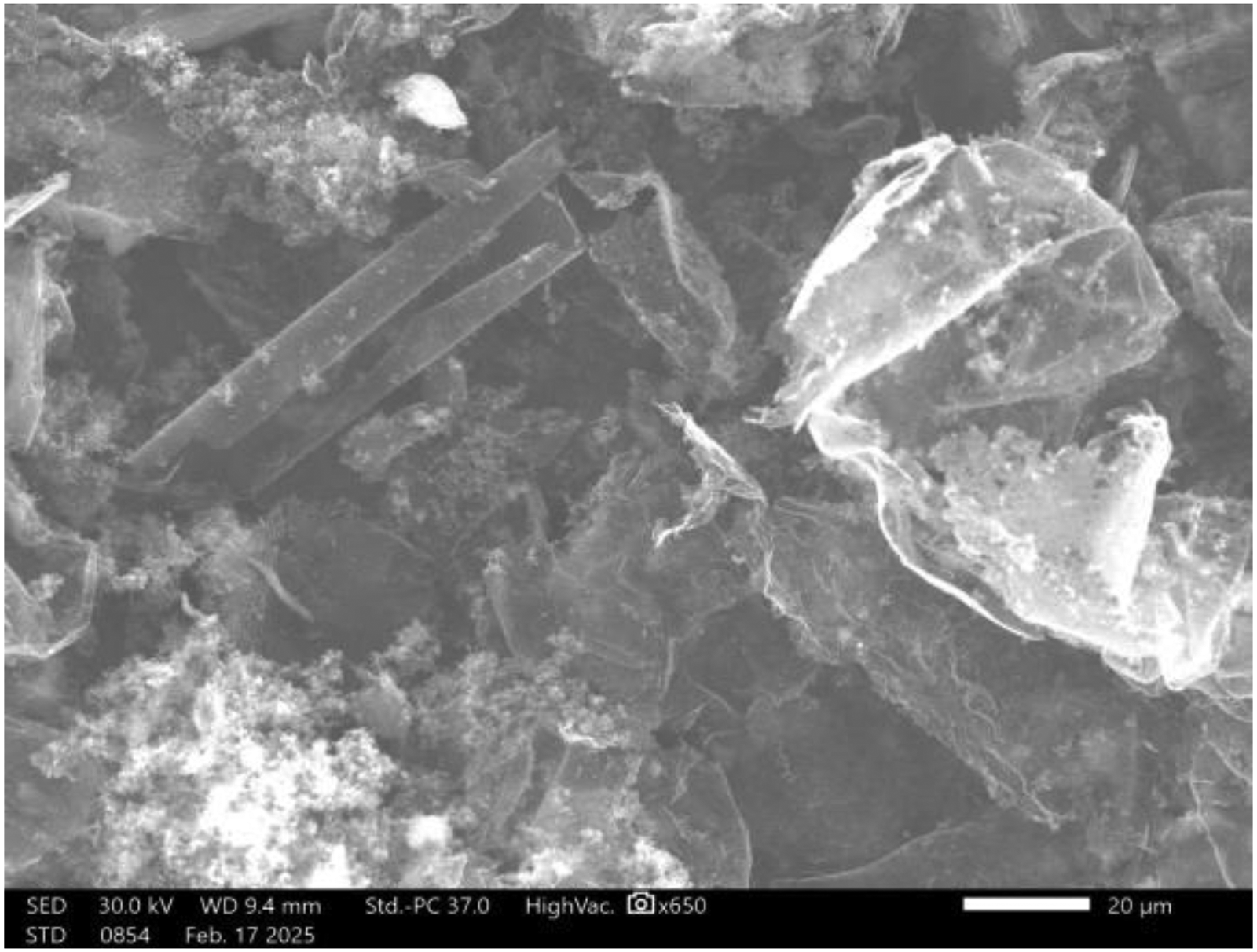
SEM image of an activated mixture of graphene and MWCNTs.
Overall, SEM analysis confirms the formation of a high-quality hybrid nanostructure with good structural integrity and effective spatial integration of graphene flakes and carbon nanotubes. This morphology renders the hybrid particularly suitable as a multifunctional reinforcing and electrically conductive filler for PMMA-based nanocomposites.
The chemical purity of the synthesised graphene and MWCNTs, including residual metallic impurities, was evaluated by ICP-OES. This technique enables sensitive trace-element analysis and is suitable for assessing the chemical cleanliness of carbon nanomaterials for polymer nanocomposite applications.
ICP-OES results confirmed high purity for both nanomaterials. Graphene exhibited a carbon content of 99.418% with only trace metallic impurities, indicating effective removal of electrolyte-derived species. MWCNTs also showed high purity, with a carbon content of 97.927%, with minor impurities likely originating from the molten salt electrolyte. These results confirm the effectiveness of molten salt electrolysis and the suitability of the synthesised nanofillers for PMMA-based conductive nanocomposites.
Raman spectroscopy was employed to evaluate the structural quality, defect density, and layer characteristics of the carbon nanostructures, as shown in Figures 6 and 7.
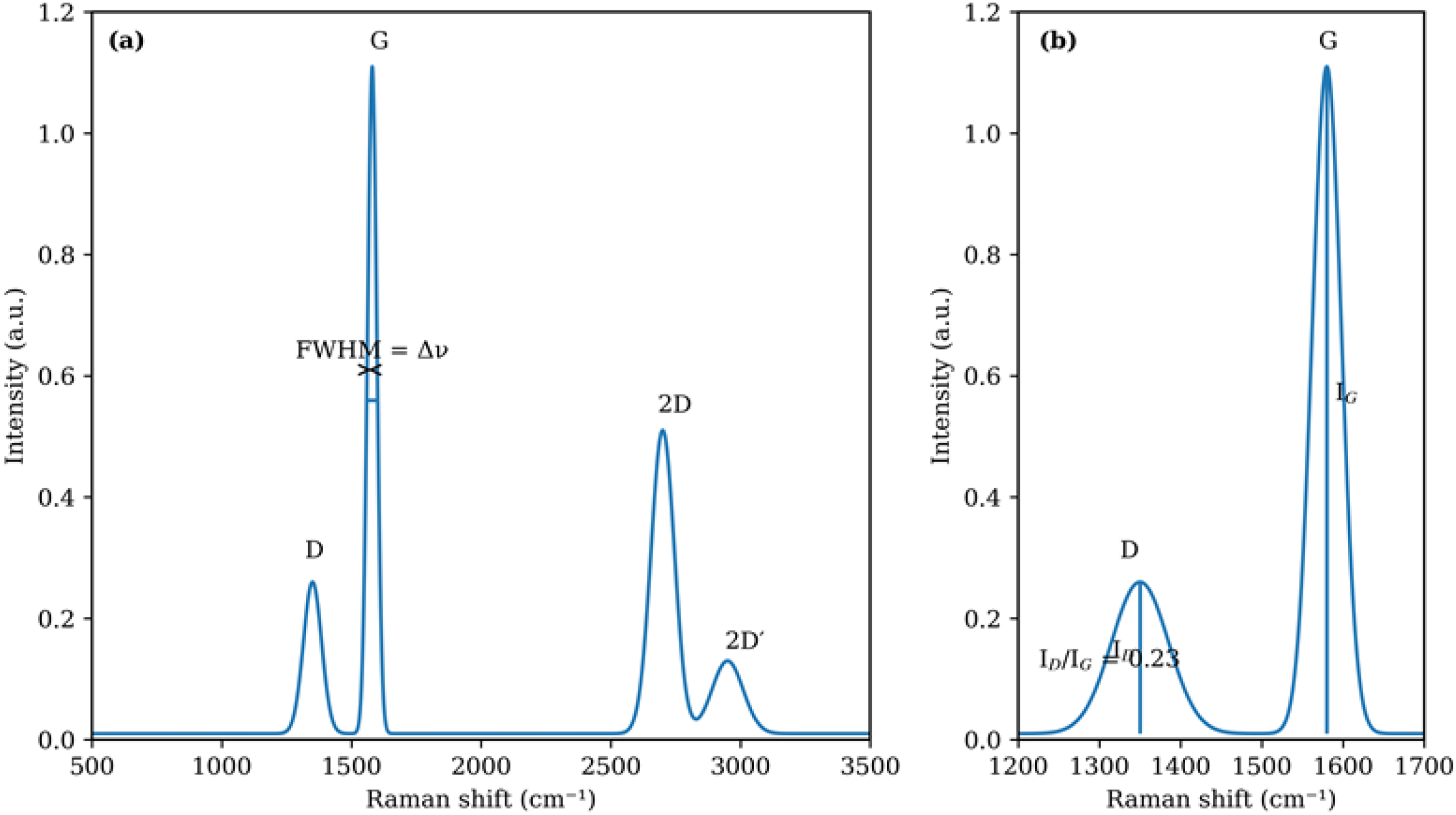
Raman spectrum of graphene.
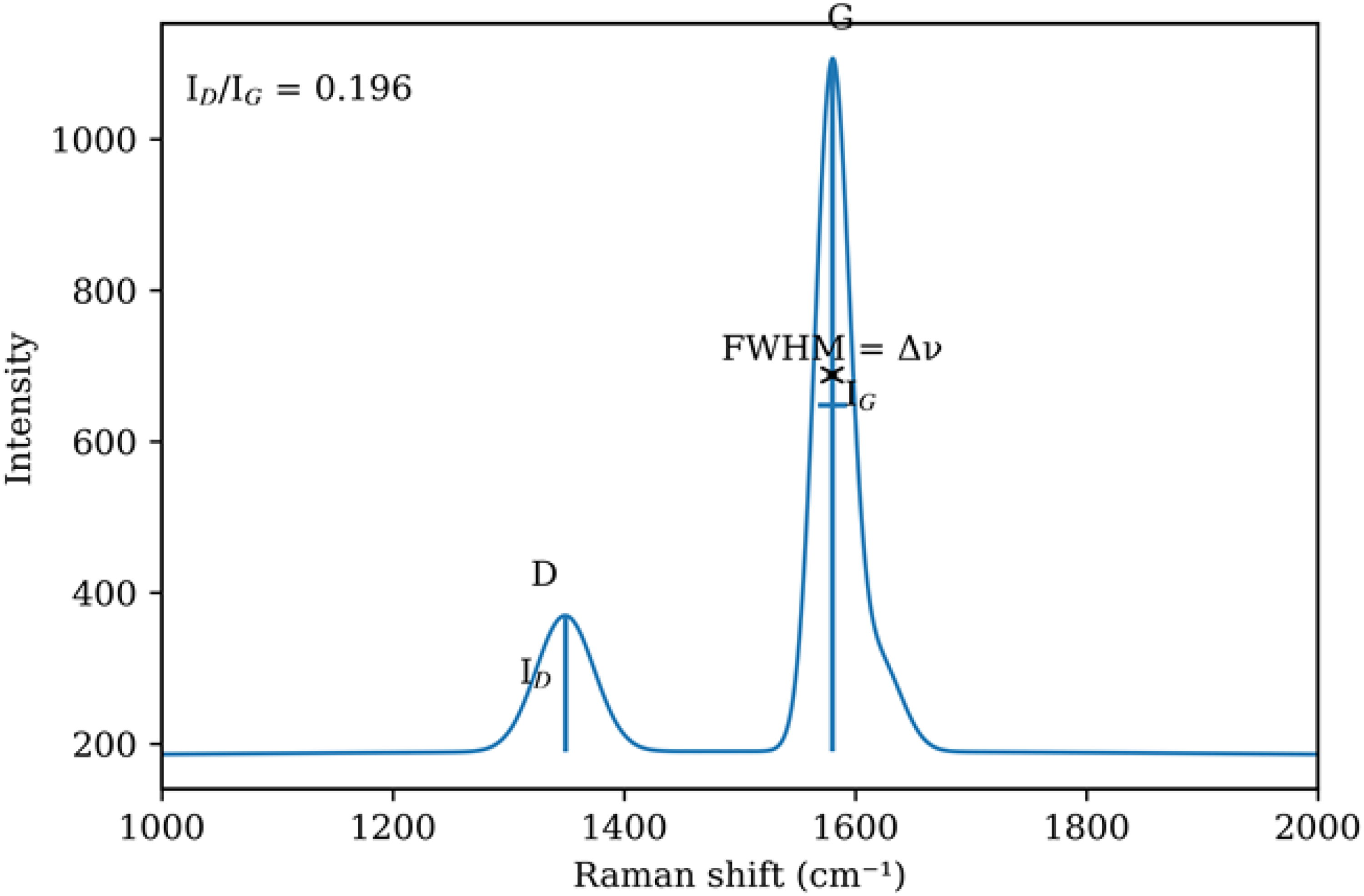
Raman spectra of MWCNTs.
The Raman spectrum of graphene (Figure 6) shows the characteristic features of sp2-bonded carbon. The resolving power was estimated as R = ν/Δν; for the G band at ν ≈ 1580 cm−1, this yields R ≈ 53, indicating a well-defined Raman band with good spectral resolution. A sharp and intense G band (∼1580 cm−1), assigned to the E2 g mode, confirms a high degree of structural ordering. The D band (∼1350 cm−1) indicates the presence of defects such as edges and lattice distortions, while the low intensity ratio ID/IG ≈ 0.23 suggests a low defect density and a high degree of graphitisation.
A pronounced 2D band (∼2700 cm−1) is observed in the second-order region, indicating well-developed graphitic domains and preserved electronic structure. Additional bands (D + D′ and 2D′) confirm higher-order phonon processes typical of carbon nanostructures.
Overall, the spectrum indicates predominantly well-ordered sp2 carbon with minor structural disorder, characteristic of high-quality graphene-based materials.20,21
The Raman spectrum of the MWCNTs (Figure 7) displays a pronounced D band at approximately 1350 cm−1, associated with structural defects and edge effects, and a G band at around 1580 cm−1, corresponding to the in-plane stretching vibrations of sp2-hybridised carbon atoms. A shoulder near 1620 cm−1 (D′ band) indicates additional disorder-related features. The ID/IG ratio was determined from the integrated areas of the D (≈1350 cm−1) and G (≈1580 cm−1) bands after baseline correction, using Lorentzian fitting. The obtained values indicate a well-organised graphitic structure of the MWCNTs (ID/IG = 0.196), consistent with previously reported electrochemically synthesised nanotubes.4–7,20,21
According to E. Logakis et al., 15 the Raman spectrum of neat PMMA exhibits a strong band at ∼1730 cm−1 attributed to C=O stretching vibrations, along with characteristic CH3 deformation and C–C/C–O–C vibrational bands. After the incorporation of graphene or MWCNTs, changes in band intensity and slight peak shifts were observed, indicating polymer–nanofiller interactions, restricted PMMA chain mobility, and improved nanofiller dispersion. The Raman results confirm the high structural quality of the carbon nanofillers and their effective integration within the PMMA matrix.
Four-point probe method
Literature reports indicate that the electrical percolation threshold for PMMA/MWCNT systems lies between 0.5 and 0.75 vol.%, with a sharp increase in conductivity beyond this range, followed by saturation at filler contents above ∼1.0 wt.% due to the formation of continuous conductive networks. In this study, electrical resistance and voltage were measured, and the corresponding current was calculated. The electrical parameters of all nanocomposites are summarised in Table 2.
Current, resistance and voltage values for each PMMA nanocomposite.
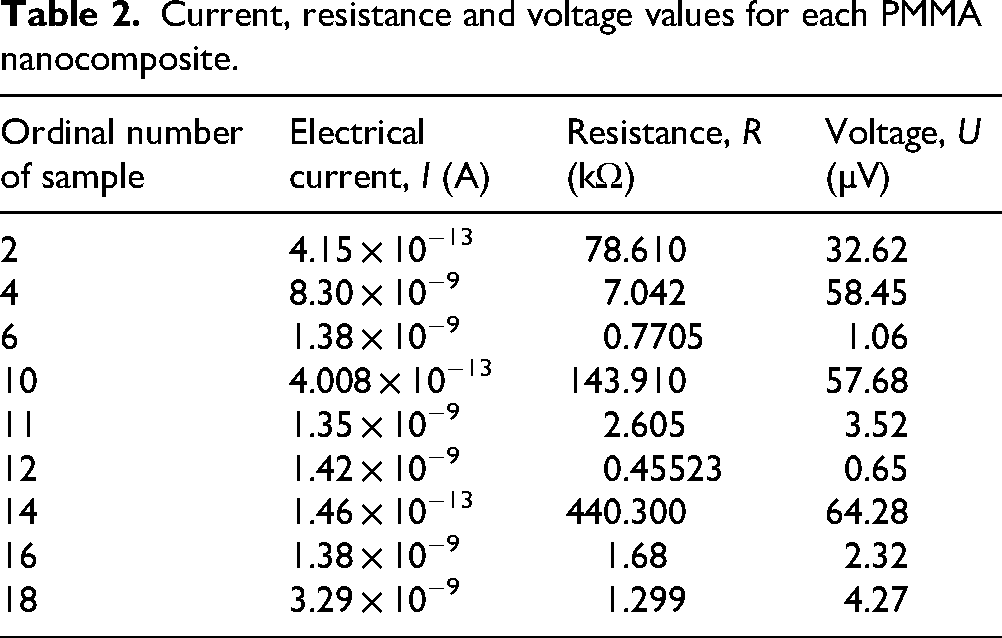
The electrical ресистанце of the different PMMA-based nanocomposite thin films is presented in Table 2 and Figures 8 and 9.
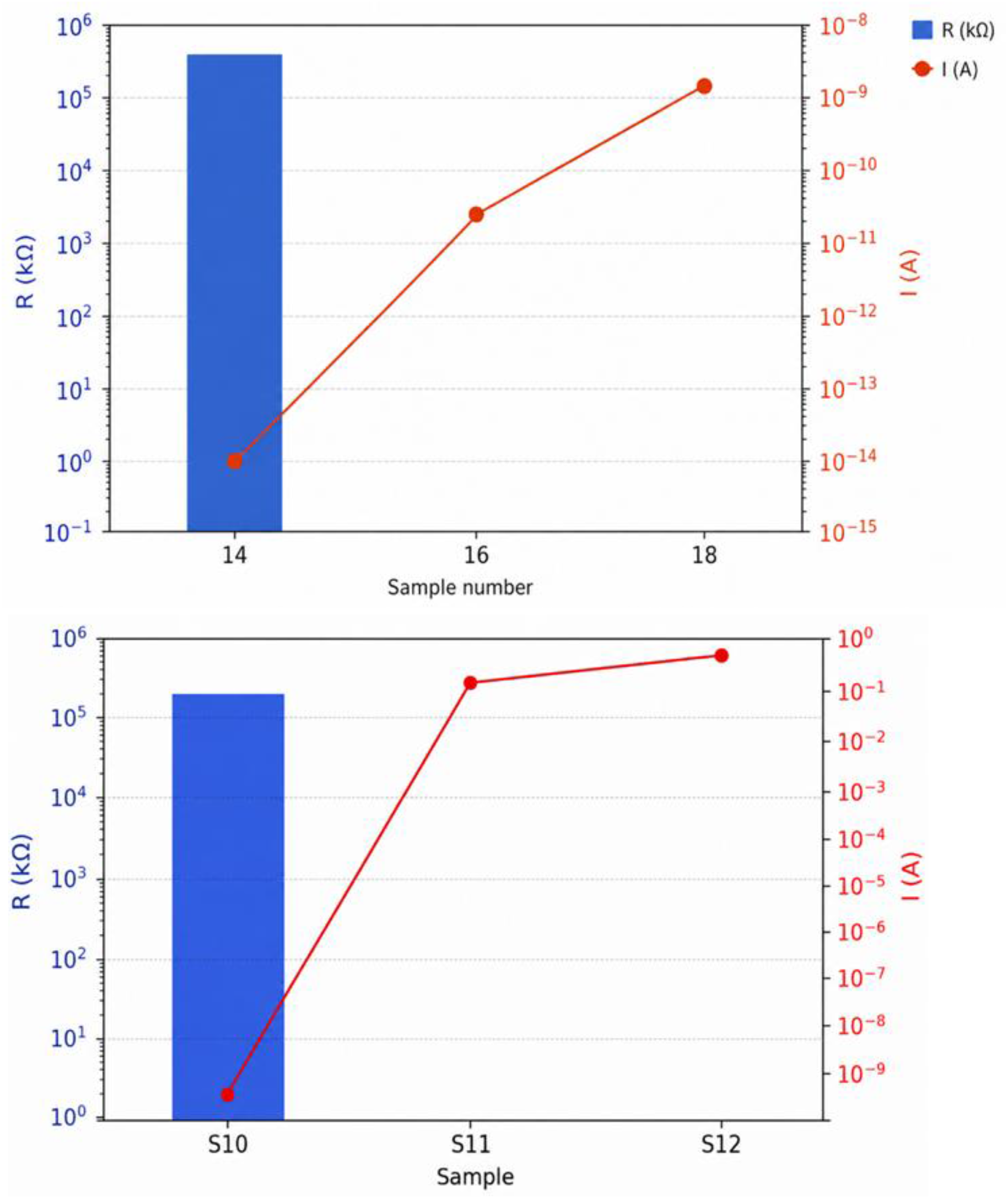
(A) PMMA/G with 15% HNO3 activated graphene (10), PMMA/MWCNT with 15% HNO+ activated MWCNTs (11), and PMMA/mix with 15% HNO+ activated mixture (12), and (B) PMMA/G with 15% X-ray irradiated graphene (14), PMMA/MWCNT with 15% X-ray irradiated MWCNTs (16), and PMMA/mix with 15% X-ray irradiated mixture (18).
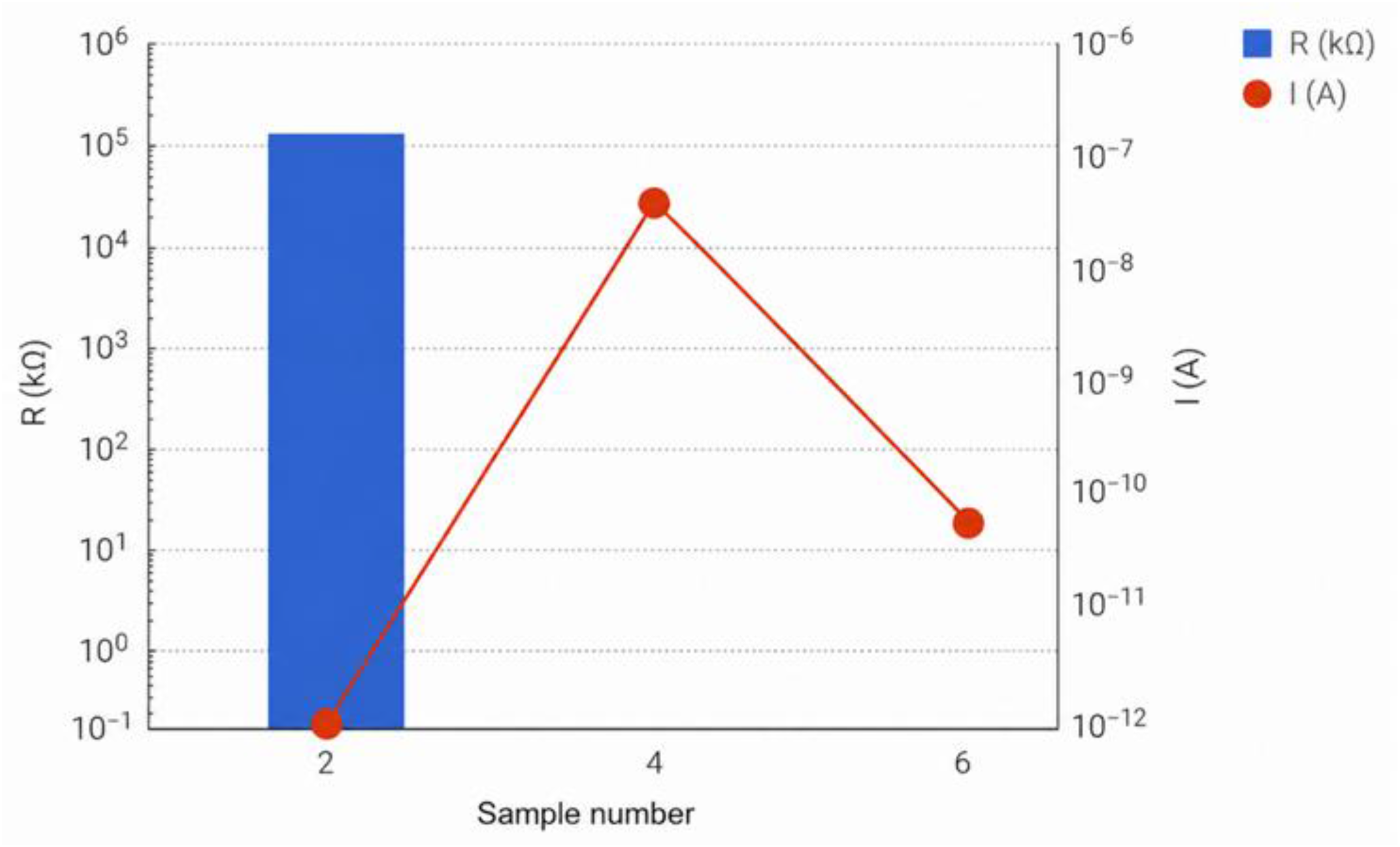
PMMA/G with 15% non-functionalised graphene (2), PMMA/MWCNT with 15% non-functionalised MWCNTs (4), and PMMA/mix with 15% non-functionalised mixture (6).
Figure 8 presents the electrical resistance (R) and current (I) measured by the four-probe method for PMMA nanocomposites reinforced with graphene, MWCNTs, and their mixtures, subjected to HNO3 activation (Figure 8(a)) and X-ray irradiation (Figure 8(b)).
PMMA/graphene composites exhibit high electrical resistance and negligible current, indicating insufficient formation of continuous conductive pathways. This behaviour is consistent with the limited ability of graphene flakes, when poorly interconnected, to establish an effective percolation network within the insulating PMMA matrix.
In contrast, PMMA/MWCNT and PMMA/graphene–MWCNT systems display substantially lower resistance and higher current values, reflecting improved electrical percolation due to the presence of MWCNTs. X-ray irradiation further enhances the electrical current in MWCNT-containing composites compared to HNO+-treated samples, suggesting increased network interconnectivity and more efficient charge transport.11,22,23
Figure 9 illustrates the inverse relationship between resistance and current for PMMA nanocomposites reinforced with 0.15 g of non-functionalised graphene (sample 2), MWCNTs (sample 4), and their mixture (sample 6). The PMMA/graphene composite shows extremely high resistance and negligible current, confirming the absence of an effective conductive network. In contrast, the PMMA/MWCNT composite shows a pronounced reduction in resistance accompanied by the highest current values, indicating the formation of a well-developed percolation network.
Although the graphene–MWCNT hybrid displays the lowest resistance, its current remains lower than that of the MWCNT-only system. This observation suggests that electrical performance is governed not only by the absolute resistance values but also by the continuity, homogeneity, and efficiency of the conductive network. In hybrid systems, possible agglomeration or partial disruption of MWCNT pathways by graphene sheets may limit optimal charge transport.
Overall, the results presented in Figures 8 and 9 demonstrate that MWCNTs play a dominant role in establishing effective conductive networks in PMMA-based nanocomposites, while graphene alone provides limited electrical enhancement. Functionalisation of carbon nanostructures, particularly via X-ray irradiation, significantly improves electrical conductivity by promoting enhanced interconnectivity and structural ordering. The graphene–MWCNT hybrids exhibit a clear synergistic effect compared to single-filler systems, confirming their potential for advanced electrically conductive polymer nanocomposites.
The DTA curves, Figure 10, demonstrate a systematic evolution of the thermal response of PMMA with a change in nanofiller type (S10–S18). Neat PMMA exhibits a relatively simple thermal profile characterised by a single dominant endothermic event, associated with depolymerisation and chain scission.
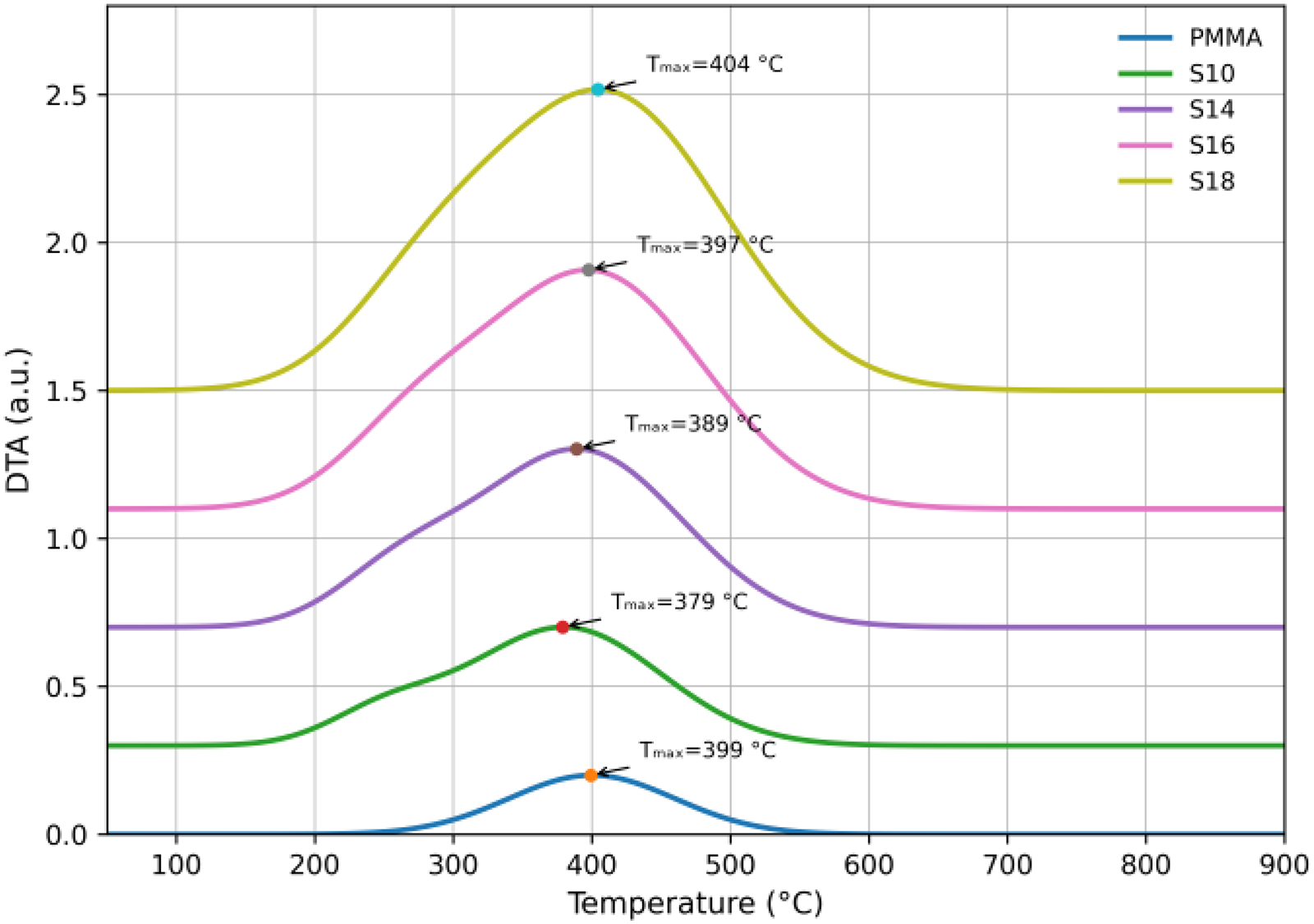
DTA thermogram of pure PMMA and PMMA/mixture with 15% X-ray functionalised mixture (18), PMMA/MWCNT with 15% X-ray functionalised MWCNT (16), PMMA/G with 15% X-ray functionalised graphene (14), PMMA/G with 15% functionalised with HNO+ (10).
In contrast, the nanocomposites display broader and more complex DTA signals, indicating the presence of multiple overlapping thermal events. A low-temperature feature (∼200–300 °C) can be attributed to the release of absorbed species and the initial disruption of weak interfacial bonds. The main thermal effect, observed in the range of ∼350–450 °C, corresponds to the decomposition of the PMMA matrix.
With increasing nanofiller content, the main DTA peak becomes broader and shifts slightly towards higher temperatures, indicating improved thermal stability. This behaviour is associated with restricted polymer chain mobility and enhanced interfacial interactions between the polymer matrix and carbon nanostructures.
Furthermore, the increased intensity and widening of the thermal effects suggest a transition from a single-step degradation mechanism to a more complex, multi-stage process. Overall, the DTA results confirm that the incorporation of nanofillers modifies the thermal behaviour of PMMA by delaying degradation and promoting a more thermally stable structure.23,24
The combined TG–DTG analysis, Figure 11, reveals a clear transition in the thermal degradation behaviour from neat PMMA to nanocomposite systems (S10–S18) Table 3. Neat PMMA exhibits a predominantly single-step decomposition with negligible residue, as confirmed by a single, narrow DTG peak centred around 350–400 °C, characteristic of depolymerisation-driven chain scission.
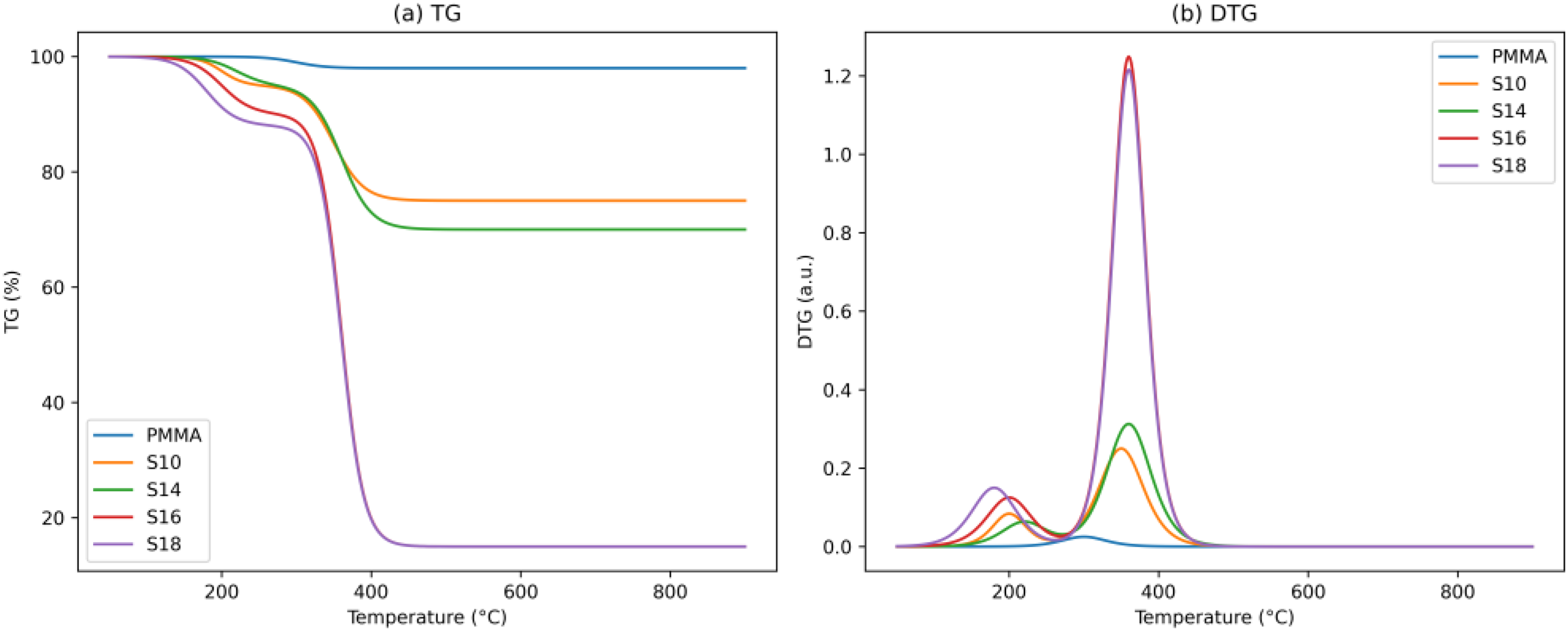
Tg–DTG analysis of PMMA and nanocomposites (S10–S18), Table 3.
Thermal parameters of pure PMMA, PMMA/MWCNT (16), PMMA/mixture (18), PMMA/G (14 and 10).
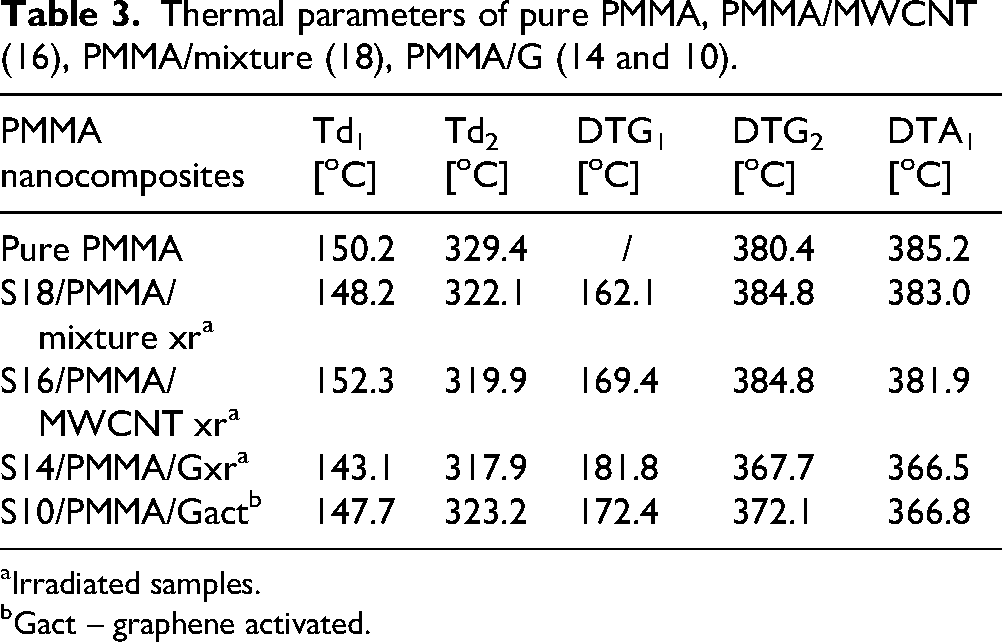
Irradiated samples.
Gact – graphene activated.
In contrast, all nanocomposites display a multi-stage degradation profile. An initial low-temperature event (∼150–250 °C) is observed, associated with the release of volatile species and weakly bonded functional groups. The principal degradation stage (∼300–450 °C) corresponds to the breakdown of the PMMA backbone, while a pronounced high-temperature tail in samples S16 and S18 indicates enhanced thermal resistance and progressive char formation.
The DTG maxima shift slightly towards higher temperatures with increasing nanofiller content, accompanied by peak broadening, indicating a kinetically more complex and diffusion-limited degradation process. Simultaneously, the residual mass increases significantly in the order: PMMA < S10 < S14 << S16 ≈ S18, demonstrating the strong stabilising effect of carbon nanostructures.
This behaviour can be attributed to the barrier effect of graphene/MWCNT networks, restricted polymer chain mobility, and improved heat dissipation, which collectively delay thermal decomposition and promote carbonaceous residue formation. Overall, the incorporation of nanofillers transforms PMMA degradation from a single-step depolymerisation mechanism into a multi-stage, stabilised process with improved thermal performance.9,10
Conclusion
Electrochemically synthesised graphene and MWCNTs were successfully incorporated into PMMA matrices to produce electrically and thermally enhanced nanocomposite thin films. Structural characterisation by TEM, SEM, Raman spectroscopy, and ICP-OES confirmed the formation of high-purity carbon nanostructures with well-developed graphitic morphology and relatively low defect density, demonstrating the effectiveness of molten salt electrolysis as a synthesis route for conductive carbon nanomaterials.
The electrical measurements revealed that the conductive behaviour of the nanocomposites is strongly dependent on nanofiller type and functionalisation. PMMA/MWCNT and hybrid graphene–MWCNT systems exhibited substantially lower electrical resistance and higher current values compared with graphene-only composites, confirming the dominant role of MWCNTs in the formation of continuous percolation pathways. X-ray irradiation further improved the electrical performance of the composites, indicating enhanced interfacial interactions, structural ordering, and conductive network interconnectivity.
Thermal analyses (DTA, TG, and DTG) demonstrated that the incorporation of carbon nanostructures significantly modifies the degradation behaviour of PMMA. In contrast to the single-step decomposition of neat PMMA, the nanocomposites exhibited multi-stage degradation profiles, increased residual mass, and improved thermal stability. These effects are attributed to the barrier action of graphene and MWCNT networks, restricted polymer chain mobility, and improved heat dissipation within the polymer matrix.
Among the investigated systems, MWCNT-containing and graphene–MWCNT hybrid nanocomposites exhibited the most favourable combination of electrical conductivity and thermal stability, confirming the synergistic effect between one-dimensional and two-dimensional carbon nanostructures. The obtained results establish a clear structure–property relationship and demonstrate the potential of electrochemically synthesised carbon nanomaterials as multifunctional fillers for advanced PMMA-based conductive coatings, antistatic materials, flexible electronic components, and electromagnetic shielding applications.
Footnotes
Acknowledgement
This study has been supported by the Science and Research Fund of Ss. Cyril and Methodius University in Skopje.

Funding
The authors received no financial support for the research, authorship, and/or publication of this article.
Declaration of conflicting interests
The authors declared no potential conflicts of interest with respect to the research, authorship, and/or publication of this article.