






Abstract

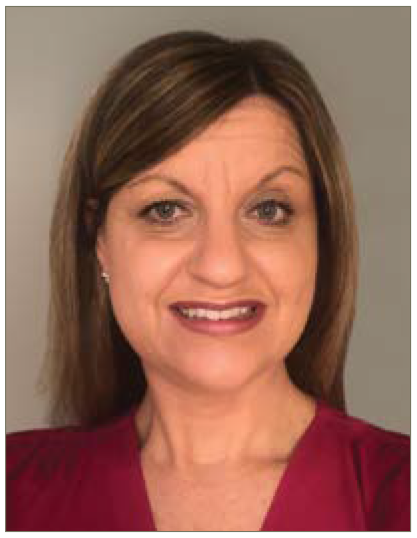
KELLIE RODRIGUEZ, RN, MSN, MBA, CDCES
Diversity, equity, and inclusion has always been important to the Association of Diabetes Care and Education Specialists (ADCES). There is long-standing recognition of disparities in diabetes-related health outcomes for minority communities in terms of disease prevalence, morbidity, and mortality. Driving this are inequities connected to health care access and quality health care delivery embedded within a foundation of social determinants of heath influences. For ADCES to achieve its vision of optimal health and quality of life for persons with, affected by, or at risk for diabetes and chronic conditions, authentic attention to diversity, equity, and inclusion is essential.
ADCES and diabetes care and education specialists play an important role in identifying and addressing disparities that impact the health and well-being of the communities we serve. However, we have significant work to do in ensuring we have the knowledge, skills, and resources capable of that charge. The 2017 National Practice Survey data of over 4500 diabetes care and educational specialists identified that our membership makeup is not reflective of the communities we serve. The survey breakdown reflected 95% female, 85% Caucasian, 65% aged 45 years and older, and 49% master’s or doctorate’s degrees. Strategies for broader and more inclusive ADCES membership and leadership involvement is one clear opportunity and a high priority for association activity.
ADCES’ impetus for more purposeful focus on diversity, equity, and inclusion was fueled by the human disregard witnessed over the summer, recognizing that unspeakable behavior like this was not new but was made more evident through the powerful impact of social media. Our communities were moved into action. ADCES discussions focused on the need for more structured and thoughtful action on diversity, equity, and inclusion across the association. Discovery and opportunity begin with the need for self-reflection on our own cultural mindset and implicit biases that exist. It also demands broader exploration into areas of structural bias and racism that exists, including policies, laws, and institutional practices in our schools, work environments, and businesses. It requires a commitment to recognition and being uncomfortable.
The ADCES Board of Directors and staff leadership have developed a plan to address this in a variety of ways. Strategies need to be infused throughout everything we do as an association, from our staff to our national, state, and local leadership platforms, services, programs, and resources. These actions include:
Review of our membership and leadership model to promote inclusiveness
Developing resources to drive culturally appropriate care (see DiabetesEducator.org/HealthEquity)
Legislative and policy work advocating for equal access (see DiabetesEducator.org/AdvocacyTools)
Educational programming addressing health inequities (see DiabetesEducator.org/education) as well a renewed focus in the ADCES in Practice journal and via our Cultural Diversity Community of Interest within ADCES Connect
Increasing staff training that addresses implicit bias and other core topics
Appointment of an ADCES Diversity and Inclusion Manager
Appointment of the ADCES Inclusion Council.
The creation of a diversity and inclusion manager and inclusion council and its associated charter provides a path forward in diversity, equity, and inclusion for ADCES. The council’s membership was a thoughtful process and will expand based on identified needs. The council first met in March and is charged to address:
Membership composition shift to better reflect the populations impacted by diabetes and cardiometabolic conditions.
Alignment of service delivery for populations with high prevalence of diabetes and cardiometabolic conditions.
Leadership and organizational development building member knowledge, skills, and support to care for diverse populations.
Reduction of disparities in care based on social determinants of health.
As part of National Minority Health Month in April, look at your services for opportunities to drive equity in access, care delivery, and outcomes. Equity requires us to look at ourselves, each other, our organization, and those we are blessed to care for. To help you better serve the specific needs of those we serve with diabetes and cardiometabolic conditions, ADCES has compiled a variety of resources, including podcasts and blogs, which can be found at www.DiabetesEducator.org/MinorityHealth. Together, and through commitment, we can make a difference.