






Abstract
The following is a discussion Brenda Jagatic, BScN, RN, CDCES, had with Jan Stetzka, who lives in Germany and was diagnosed with type 1 diabetes (T1D) 7 years ago, at age 25.
Brenda’s husband was diagnosed with T1D at age 23 in 1983. Prior to becoming a CDCES in 2007, Brenda worked as a public health nurse in a healthy sexuality program and cohosted an award-winning live TV talk show for teens called Let’s Talk Sex Talk.

Jan Stetzka
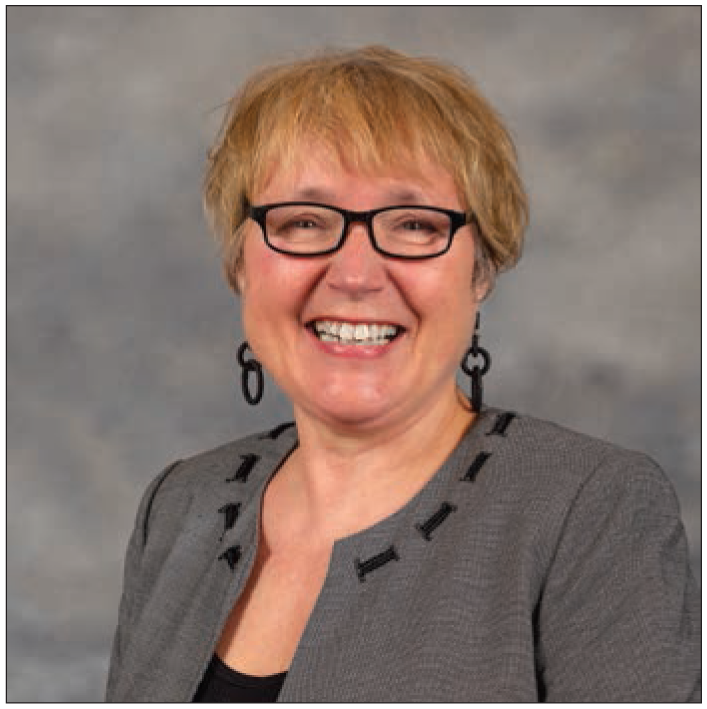
Brenda Jagatic BScN, RN, CDCES
Looking back to when I was diagnosed with T1D, I wish someone had talked to me about how it could affect my sex life. There was basically no conversation about it.
A diagnosis of T1D impacts almost every facet of an individual’s life. Initially, diabetes care and education specialists (DCESs) teach survival skills that help people with diabetes (PWD) incorporate T1D into their daily activities, covering topics such as:
Yes, survival skills matter—but you learn them fast because you need to. There’s no other option. A lot of health care stops there, though. We also need to talk about what it is like to live with T1D every day.
Would it be helpful if your DCES asks: How is your T1D impacting your life day to day? Or as Joe Solowiejczk, CDCES, has suggested: What is the most difficult thing about managing your diabetes?
Yes, I like those questions.
When an individual is referred for diabetes self-management education and support, a DCES reviews the ADCES7 Self-Care Behaviors. These behaviors provide PWD with a framework to actively participate in the medical management of their diabetes: healthy coping, healthy eating, being active, taking medication, monitoring, reducing risk, and problem-solving. A DCES could explore an interest in discussing intimate relationships when reviewing “being active” by acknowledging that sex is a form of exercise.
New Diagnosis of T1D and Sex: Hypoglycemia and Hyperglycemia
Yes, like any exercise, it helps to check your glucose before sex and keep your testing supplies and a fast-acting carb within reach so you can treat a low glucose during or after sex, if necessary.
It is also important to note:
both alcohol and sex can lower glucose and together could cause a severe low glucose
high glucose can affect desire and performance, and over time, high glucose could lead to issues with erectile dysfunction.
Sharing Your Diagnosis with a New Partner
This discussion leads to a question of when and how to tell a new partner or new love interest that you have T1D. I like how Alan Uphold, in a diaTribe blog, shared how he discloses his T1D diagnosis: “I know we don’t know each other that well yet. But I like you, and I feel like I should tell something. I have diabetes.”
That is a tricky timing question. I mean—who knows when it is the “right” time to say, “I love you”? You must go with your gut. But unlike a too-fast “I love you,” sharing “I have type 1 diabetes” carries far less risk and usually sets the tone for an honest getting-to-know-you phase.
So yes—I agree with Alan: the sooner, the better.
Impact of Diabetes on Intimate Relationships
An article published in diaTribe stated, “while everyone experiences some form of sexual anxiety at some point in their lives, PWD have an added level of stress.” Would you agree, Jan?
Absolutely. The first time having sex as a person with T1D was strange from several perspectives. Like the first time exercising, I was nervous and didn’t know exactly what to expect. I didn’t know exactly how my glucose levels would respond. Usually, I have no problem with someone seeing my sensor on my arm. But somehow it is weird: being intimate and naked with a woman while still wearing a sensor? I can’t shake the feeling that I’m naked in 2 ways. My chronic condition becomes visible. In everyday life, it’s mostly invisible. It’s counterproductive and somehow out of place, but the thoughts are still there: Can I even perform properly? And of course, “perform” isn’t a nice word. But the thought comes anyway. And the fear of not being good enough is also present.
Jan, thank you for courageously sharing your personal experience, your vulnerability.
I am opening to the world so others can heal.
Impact of Chronic Disease on a Man’s Self-Esteem
Jan, what you shared reflects how the diagnosis of a chronic disease like T1D can impact a man’s identity and sense of masculinity: Living with a chronic disease threatens men’s sense of masculinity and self-image, as well as their perceived ability to fulfill expected social roles. Social images of men’s bodies influence how men express their emotions, attributes, and attitudes, or acknowledge the need for and seek social affirmation.
1
Changes caused by chronic illness are devastating in and of themselves. However, for men, there can be an additional layer of pain in that these changes implicate what they see as their male identity. . . . Chronic illness evokes feelings of vulnerability, fear, and sadness. Many men struggle with allowing and expressing those normal feelings, believing that real men should be stoic.
2
In my experience, the first dates were the hardest. I felt weak. I was stressed and anxious about how my date would see my disease.
But a few years later, I had a moment that showed me how much things can change. I was on a date, we were walking through a beautiful park, talking about life. Without thinking—just doing what I’d done thousands of times—I injected insulin. My date stopped and said: “It’s kind of hot that you can just keep walking and talking while you inject insulin.”
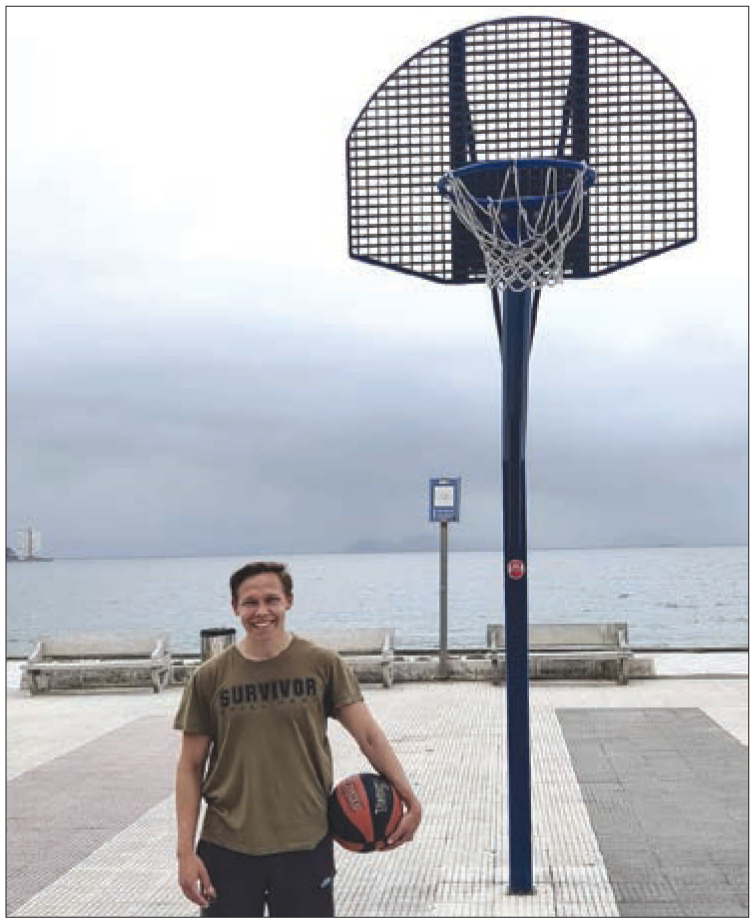
Jan Stetzka enjoying life.
Some questions DCESs can ask:
How is your T1D impacting your life day to day?
What is the most difficult thing about managing your diabetes?
Diabetes and sex tips for overcoming barriers to intimacy 3
The first step is to accept your diabetes.
Accept it is part of you, but it does not have to define you.
Accept that your “diabetes” will be with you during sex.
Sex is not about “performance”; it is about connection.
Most important: be good to yourself.
If you have issues, challenges seek help.
Healing the Trauma of Being Diagnosed With T1D
Amber Clour, diagnosed with T1D in 1984, wrote about how diabetes impacts romantic relationships: “being diagnosed with diabetes is a traumatic event. . . . Self-compassion is key to healing trauma and building positive relationships. We have to learn to love ourselves first, diabetes and all.”
That hits home. In the first months, I was trying my best, but it felt like I was fighting my own body. I couldn’t accept bad days, and it messed with me mentally. I just wanted life to be normal again. But once you’re diagnosed with T1D, life changes fast. One of the first steps toward really living again is accepting that some days, T1D is limiting. That acceptance hurts, but it also opens a door and is an important first step. We Type 1s live closer to the edge than most people do. Every day.
When you accept T1D, when you open up, when you go deeper, something shifts.
Seven years in, I can say I feel more whole as a human being. The forced, sometimes horrific experiences with T1D played a big part in that.
T1D shapes everyday life, and it also touches the most beautiful parts of life: dating, connecting with someone you truly like, sex, deep talks, closeness.
I genuinely believe T1D can become an opportunity for a deeper kind of peace.
In German, there’s a word for it: “Seelenfrieden.” It is one of those German words that does not quite have a perfect translation. It is close to “peace of mind,” but word by word translated, it’s more peace of soul.
I want every person with type 1 to find that.
Peace of soul.
It’s there. Waiting for you.
Closing Thoughts
DCESs have a unique opportunity. When we step outside our comfort zone and are willing to explore issues pertaining to the sexual health and well-being of young men diagnosed with T1D, we can augment our potential to have a positive impact on their quality of life, their self-esteem, and their intimate relationships as they work toward accepting their diagnosis. And as indicated in the ADA 2026 Standards of Care, 4 Eliot LeBow, LCSW, CDCES, recommends we refer our patients for counseling if they need additional help to work through these issues. ■
Footnotes
Acknowledgements
Review by David Miller, RN, MS, CDCES.
Author Contributions
Because of similar interests around diabetes, BJ had connected with JS on LinkedIn. BJ subsequently suggested they cowrite an article based on his shared experience with the topic and her personal and professional experience related to the topic.
BJ set up an “interview” framework for their article based on her experience coauthoring an article with Susan Weiner for Endocrine Today.
BJ and JS then had several Zoom calls and subsequently created/updated/reviewed/edited the manuscript via email.
Funding
None.
Declaration of Conflicting Interests
BJ, none. JS, none.