






Abstract
The rapid advancement of generative artificial intelligence (AI) has transformed digital marketing, redefining how brands create, personalize, and deliver content to engage consumers. As organizations increasingly rely on AI-driven systems for customer interaction, understanding how these technologies influence customer engagement has become a critical area of inquiry. This study systematically reviews research published between 2022 and 2025 to evaluate the impact of generative AI on customer engagement, distinguishing between affective outcomes (e.g., satisfaction, trust, and commitment) and behavioral outcomes (e.g., click-throughs, shares, purchases, and retention). Following PRISMA guidelines, a comprehensive search across major databases (Scopus, Web of Science, and Google Scholar) identified 528 records, of which 64 articles were assessed for eligibility, and 33 studies met the final inclusion criteria for qualitative synthesis. Findings indicate that generative AI tools, particularly large language models (LLMs) for conversational marketing and generative adversarial or diffusion models for visual content, generally associated with positive behavioral engagement outcomes, such as improved attention, interactivity, and conversion rates, although these effects vary depending on context, platform, and implementation. However, affective engagement outcomes remain mixed; while personalization and novelty foster satisfaction and delight, authenticity concerns often hinder trust and emotional connection. Two moderating factors, AI content disclosure and human-in-the-loop (HITL) oversight, emerged as critical influences. Transparent disclosure can enhance credibility in some contexts but evoke skepticism in others, while human oversight consistently reinforces brand authenticity, ethical quality, and consumer confidence. Practical implications include guidance on effective AI disclosure strategies, when and how to be transparent about AI generation and the importance of maintaining a human touch in AI-augmented marketing. The review also identifies key research gaps, including long-term effects on brand loyalty, cross-cultural differences, and ethical and legal implications, and proposes a future research agenda to advance knowledge in this rapidly evolving field.
Keywords
Introduction
Recent advances in generative artificial intelligence (AI), from large language models (LLMs) like GPT-4/5 to image generators like generative adversarial networks (GANs) and diffusion models are transforming digital marketing. Brands now deploy AI to autonomously create content, personalize communications, and even interact with customers via chatbots (Sundari et al., 2025). The rapid adoption of these technologies reflects a broader organizational shift toward AI-driven operations, according to Mckinsey & Company's State of AI Report (2025), 78% of organizations now use AI in at least one business function, with marketing and sales among the most common areas of application (Sundari et al., 2025). This widespread adoption underscores the growing strategic importance of AI in shaping customer experiences. Yet this paradigm shift raises critical questions about customer engagement: How does AI-generated content affect consumers’ feelings and behaviors? Does knowing that an advertisement or message was produced by AI change how customers respond? And what role do human marketers play when AI is “in the loop” of content creation? These questions are increasingly salient as generative AI (GenAI) moves from a novel experiment to a mainstream marketing tool.
Customer engagement is a multidimensional construct encompassing both effective and behavioral dimensions. The effective dimension reflects consumers’ emotional and attitudinal responses such as interest, enjoyment, trust, satisfaction, and commitment while the behavioral dimension captures observable actions such as clicks, shares, comments, purchases, and repeat visits. In digital marketing, these two dimensions are closely interlinked, that is, emotionally positive experiences strengthen brand loyalty and word-of-mouth, while behavioral engagement directly drives sales and visibility (Lai Cheung et al., 2024). GenAI has the potential to shape both aspects simultaneously. For instance, AI-driven personalization may delight customers (affective) and trigger immediate purchases (behavioral), whereas AI-generated content that appears inauthentic could erode trust (affective) and reduce engagement (behavioral). Empirical research offers a mixed picture of this transformation. On the one hand, GenAI enables large-scale hyper-personalization and creative optimization, often producing “superhuman” marketing content that rivals or exceeds human-created materials in quality (Lim et al., 2022). Several studies report significantly higher engagement metrics, such as up to 50% higher click-through and conversion rates for AI-generated advertisements demonstrating clear behavioral benefits (Singla et al., 2025). On the other hand, the emotional side of engagement remains fragile. The absence of human authenticity and ethical sensitivity can weaken perceived credibility and trust, particularly when customers realize that content or communication is AI-generated. This transparency dilemma whether to disclose or conceal AI involvement poses strategic and ethical challenges for marketers (Li et al., 2024). While disclosure aligns with responsible AI principles, it may also influence how consumers interpret the persuasive intent behind the message. Drawing on persuasion knowledge theory (Rahmani, 2023), consumers may become more critical when they recognize that content is designed to persuade them. Compared to traditional human-created advertising, AI-generated content may be perceived as algorithmically optimized for persuasion and lacking visible human effort, which can heighten skepticism in certain contexts and potentially diminish engagement. Moreover, fully automated content generation without human oversight risks producing off-brand, culturally insensitive, or factually incorrect outputs, thereby undermining both emotional and behavioral engagement (Sundari et al., 2025).
Given the rapid adoption of GenAI in marketing and the fragmented nature of existing evidence, there is a need for a structured synthesis that clearly distinguishes between different dimensions of engagement and the contextual factors shaping these outcomes. To address this gap and guide the scope and structure of the review, the following research questions are proposed: RQ1: How does generative AI influence behavioral engagement outcomes in digital marketing contexts? RQ2: How does generative AI affect affective engagement outcomes, including trust, satisfaction, and emotional response? RQ3: What moderating factors, particularly AI disclosure and human-in-the-loop (HITL) oversight, influence the relationship between generative AI and customer engagement? RQ4: What theoretical and practical insights emerge from the current literature regarding the effective and responsible use of generative AI in marketing?
This study addresses these research questions through a PRISMA-based systematic review of literature published between 2022 and 2025, providing an integrated and evidence-based understanding of how GenAI shapes both the emotional and behavioral dimensions of engagement. The review categorizes outcomes into affective and behavioral engagement, while analyzing two key moderating factors: AI content disclosure and human-in-the-loop (HITL) oversight. Both factors frequently appear as critical determinants of AI effectiveness in marketing contexts. The article proceeds by outlining the review methodology, presenting results across these dimensions, and integrating findings into an evidence map that illustrates how GenAI influences both the emotions and actions of customers. The discussion then synthesizes theoretical implications (e.g., authenticity and persuasion knowledge in AI marketing), offers practical guidance for AI disclosure and hybrid human–AI strategies, and identifies future research directions concerning long-term brand loyalty, AI aversion, and governance in marketing practice (Cillo & Rubera, 2025). Through this comprehensive review, we aim to provide scholars and practitioners a state-of-the-art understanding of GenAI's dual impact on the emotions and behaviors of customers and how thoughtful strategy (around disclosure and human collaboration) can maximize the benefits while mitigating the risks.
Theoretical foundations of generative AI and customer engagement
To provide a conceptual basis for this review, it is important to explain how GenAI influences customer engagement. Rather than functioning solely as a technological tool, GenAI acts as a sociotechnical agent that shapes how consumers perceive and respond to marketing stimuli (Singla et al., 2025; Sun et al., 2025).
A primary theoretical lens is the Stimulus–Organism–Response (S–O–R) model (Nian et al., 2023), which explains how external stimuli influence internal cognitive and emotional states, subsequently driving behavioral responses. In digital marketing, AI-generated content such as personalized messages, chatbot interactions, and visual outputs serves as stimuli that shape consumer perceptions (e.g., trust and relevance), leading to both affective and behavioral engagement outcomes (Lim et al., 2022; Sun et al., 2025). This framework supports the distinction between affective and behavioral engagement as core dimensions of this review. Consumer responses to AI-generated content are further shaped by perceptions of authenticity. The authenticity and effort heuristic suggests that perceived human involvement influences judgments of credibility and sincerity. Accordingly, fully automated or explicitly disclosed AI-generated content may reduce perceived authenticity and trust (Feng & Sun, 2025; Wen et al., 2025), whereas human–AI co-creation can enhance emotional engagement and brand connection (Yang, 2025).
From a design perspective, human-centered AI (HCAI) (Floridi et al., 2018) emphasizes that AI should augment rather than replace human creativity and judgment. This perspective underpins the importance of HITL approaches, which improve contextual relevance, ethical alignment, and engagement quality in AI-driven marketing (Yang, 2025; Sun et al., 2025). In addition, Persuasion Knowledge Theory (Friestad & Wright, 1994) explains how consumers interpret AI-generated persuasive content. When consumers recognize algorithmic intent, they may activate persuasion knowledge, leading to more critical evaluation, and potential skepticism. This mechanism highlights the role of AI disclosure as a key moderating factor influencing engagement outcomes (Sundari et al., 2025; Cillo & Rubera, 2025).
Collectively, these frameworks provide a theoretical foundation for this review. The S–O–R model explains the distinction between affective and behavioral engagement, while authenticity perceptions and persuasion knowledge account for variations in consumer responses. HCAI further justifies the role of HITL as a critical moderating factor. Together, these perspectives guide the selection of focal variables and inform the interpretation of findings in subsequent sections of the review. Building on this foundation, the following section outlines the systematic review methodology.
Methodology
We conducted a systematic literature review following the PRISMA 2020 guidelines (Page et al., 2021). The review focused on studies published between 2022 and October 2025, reflecting the period during which GenAI technologies, such as LLMs, GANs, and diffusion models, gained substantial traction in digital marketing research and practice. Only peer-reviewed academic sources, including journal articles and conference proceedings, were included to ensure the scholarly rigor of the evidence base. Searches were performed across major databases including Scopus, Web of Science, ACM Digital Library, ScienceDirect, and Google Scholar. Additional full-text access was obtained through ResearchGate and publisher websites where necessary.
The search strategy was designed to systematically capture relevant studies on GenAI in digital marketing and its impact on customer engagement. A structured Boolean search approach was employed, in which related terms within each concept were combined using the OR operator, while different conceptual categories were linked using the AND operator.
The search string was structured as follows: (“generative AI” OR “generative artificial intelligence” OR “ChatGPT” OR “large language model*” OR “AI-generated content”) AND (“digital marketing” OR “advertising” OR “social media marketing” OR “online marketing”) AND (“customer engagement” OR “consumer engagement” OR “user engagement”)
Searches were conducted across title, abstract, and keyword fields where supported by the respective databases. Given the broad scope of results across databases, additional screening procedures, including duplicate removal, relevance screening, and full-text eligibility assessment, were applied to ensure that only studies meeting the inclusion criteria were retained. This structured approach ensured both comprehensiveness and reproducibility of the search process.
Table 1 summarizes the inclusion and exclusion criteria used to identify relevant studies for this review. Only peer-reviewed, English-language publications from 2022 to October 2025 focusing on GenAI in marketing and its impact on customer engagement were included. Both empirical and conceptual works were considered. Studies on non-GenAI, purely technical model papers, opinion articles, and inaccessible or non-English texts were excluded. Conceptual papers linking GenAI with engagement moderators, such as AI disclosure or HITL were retained, while unrelated or off-topic studies were removed.
Inclusion and Exclusion Criteria.
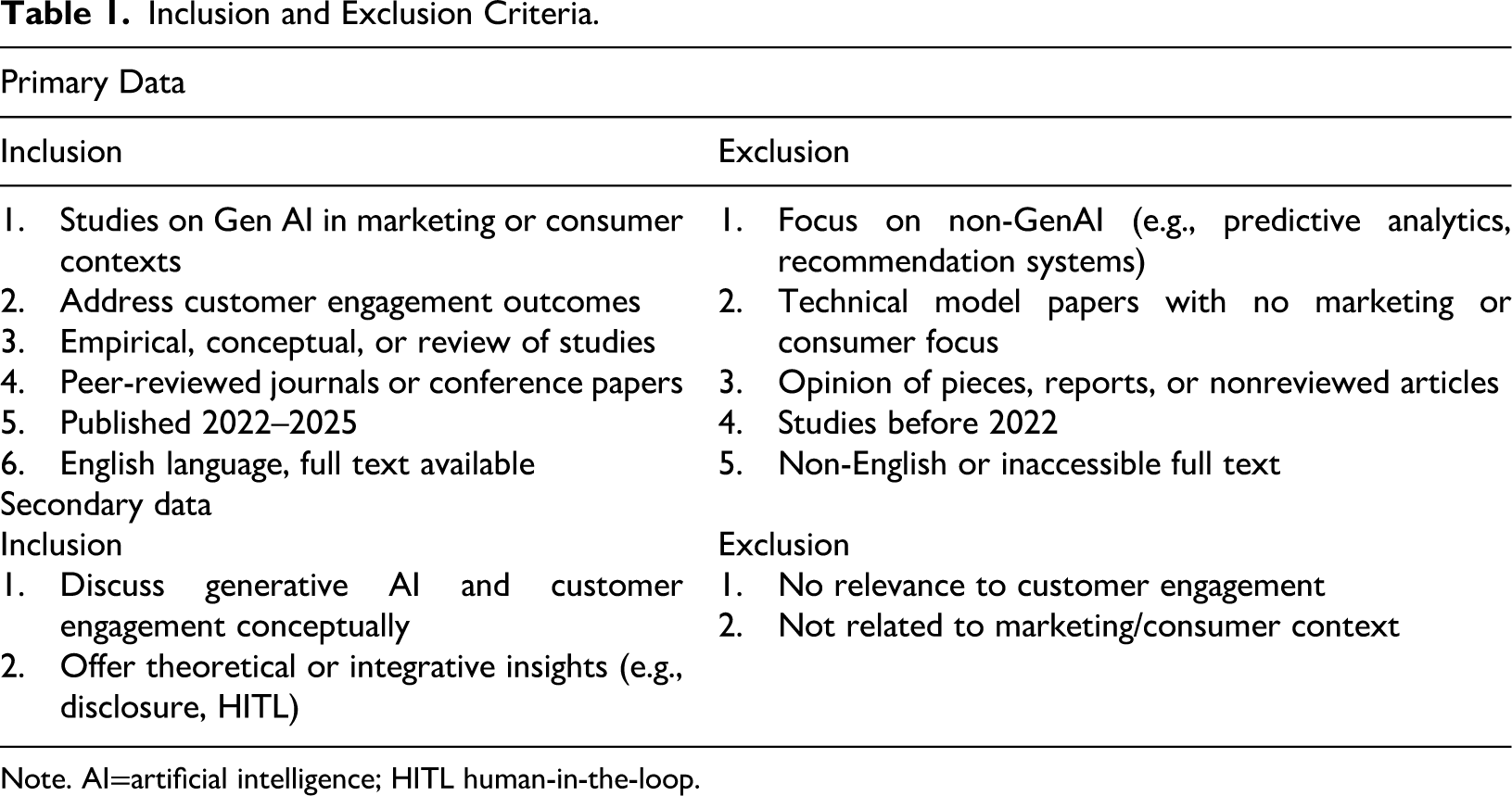
Note. AI=artificial intelligence; HITL human-in-the-loop.
Figure 1 summarizes the screening and selection process following the PRISMA 2020 protocol. A total of 957 records were identified, with 142 removed as duplicates or out of scope. After screening and eligibility assessment, 33 studies met all inclusion criteria and were included in the final qualitative synthesis. This process ensures methodological rigor and transparency in study selection. Appendix 1 provides a comprehensive overview of these studies, outlining their focus, methodological approach, marketing domain, and primary contribution to understanding how GenAI influences customer engagement.
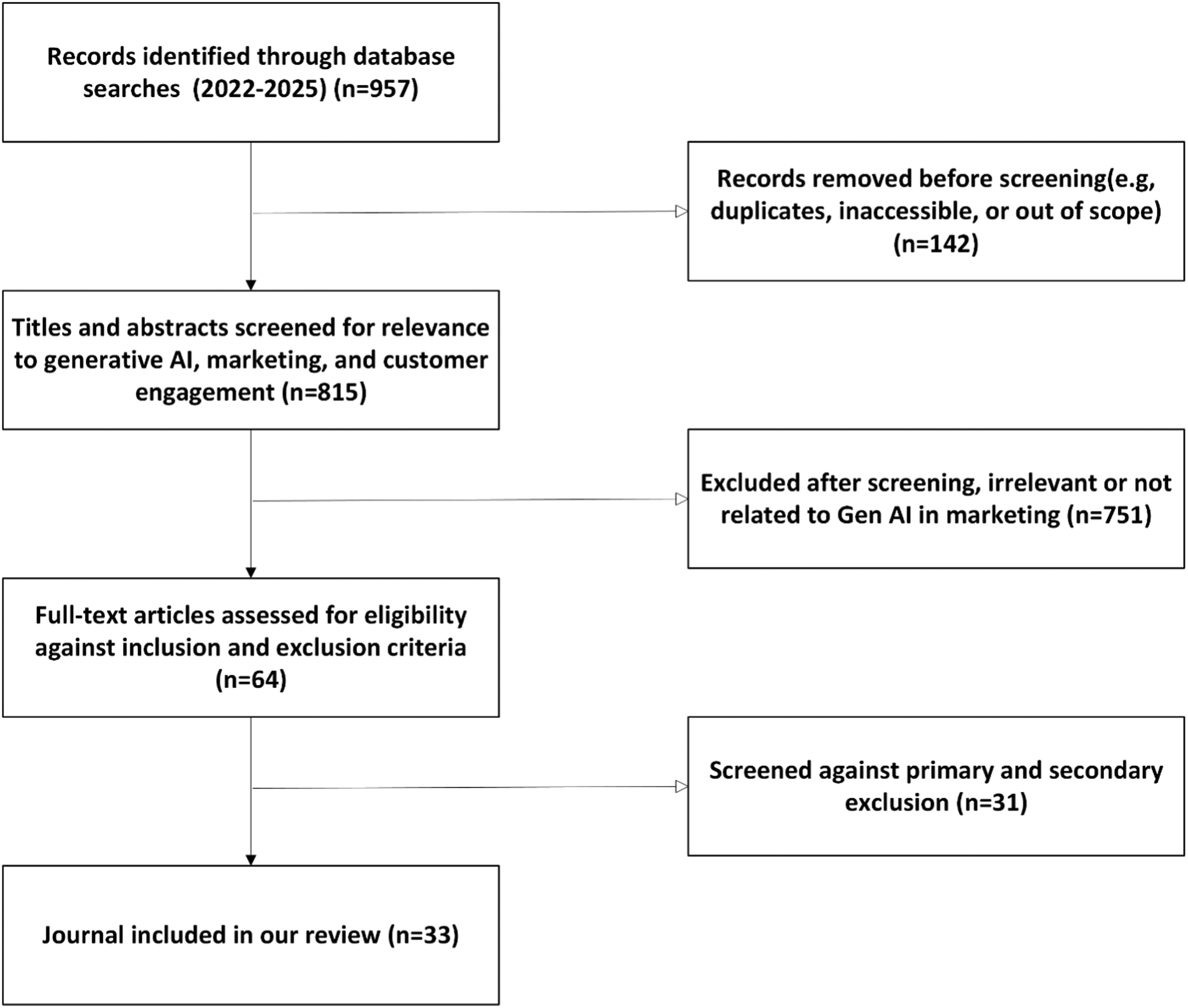
PRISMA literature screening and selection process.
Results and discussion
The systematic review synthesized 33 peer-reviewed studies published between 2022 and October 2025, focusing exclusively on the application of GenAI in digital marketing contexts. Collectively, these studies spanned advertising (33%), customer relationship management (21%), social media and influencer marketing (18%), personalized content creation (15%), and digital branding and customer experience (13%).
Empirical research dominated the corpus, with 43% employing quantitative designs, 31% using qualitative or case-based approaches, and 26% offering conceptual or theoretical frameworks. In terms of publication outlets, the reviewed studies were primarily published in peer-reviewed journals across marketing, information systems, and business disciplines, reflecting the interdisciplinary nature of the field.
With respect to temporal distribution, the reviewed studies exhibit a pronounced upward trajectory over time. Of the 33 included studies, only 1 study (3%) was published in 2022, followed by a modest increase to two studies (6%) in 2023. This growth accelerated in 2024 with six studies (18%), culminating in a substantial concentration in 2025, which alone accounts for 24 studies (73%) of the sample. This sharp rise reflects the rapid advancement and widespread adoption of GenAI technologies, particularly following the emergence and diffusion of large-scale GenAI tools and platforms, which have significantly intensified both academic inquiry and practical applications in digital marketing contexts.
Geographically, the studies were concentrated in North America (39%) and Asia (34%), reflecting regions with early adoption of GenAI in marketing practice. A smaller proportion of studies originated from Europe and other regions, indicating a broader international presence of research. In terms of outcomes, Figure 2 shows that 61% examined behavioral engagement (e.g., click-throughs, conversions, and purchases), 26% focused on affective outcomes (e.g., satisfaction, trust, and authenticity), and 13% explored moderating factors such as AI disclosure and HITL collaboration. Beyond these descriptive characteristics, a synthesis of the direction of findings across the reviewed studies provides insight into the relative magnitude and consistency of reported effects. The majority of studies examining behavioral engagement report positive outcomes, particularly in terms of increases click-through rates, interaction levels, and conversation performance. In contrast, findings related to affective engagement are more heterogenous. While several studies report improvements in satisfaction, enjoyment, and perceived innovation, others highlight reductions in trust and authenticity, especially in contexts involving explicit AI disclosure or fully automated content generation. Overall, this pattern indicates that behavioral engagement outcomes are generally positive across studies, whereas affective engagement outcomes are more context-dependent and sensitive to consumer perceptions of authenticity and human involvement.
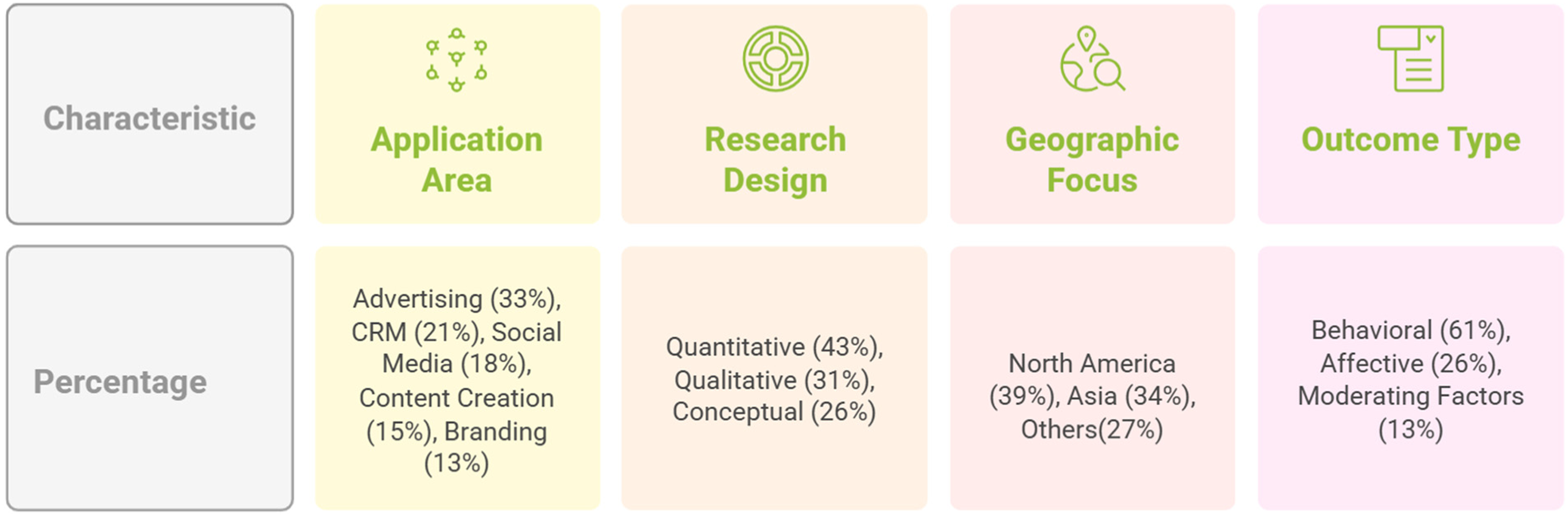
Generative AI in digital marketing studies.
Figure 2 visually maps across two analytical dimensions: the type of engagement outcome (affective vs. behavioral) and the presence of moderating factors (AI disclosure and HITL oversight). The evidence distribution shows a strong concentration of studies in the behavioral domain, indicating that most research focuses on measurable actions such as clicks, shares, and purchase intentions. Fewer studies address affective outcomes like trust, satisfaction, and emotional attachment, while an even smaller cluster explicitly examines moderation effects, underscoring the need for future research on how transparency and human collaboration shape engagement dynamics.
Thematic findings
Generative AI in content creation and brand communication
A prominent theme across literature is the creative transformation of marketing communication through GenAI. LLMs like GPT 4/5, Llama, Claude and image diffusion models such as DALL-E, MidJourney, Nano Banana from Google Gemini enable the automation of ideation and content production at an unprecedented scale. Studies (Sun et al., 2025; Wang, 2025) show that AI-generated advertisements perform comparably to human-generated ones in engagement metrics, especially in low to mid-involvement product categories. AI-driven tools enhance message precision, stylistic adaptability, and real-time responsiveness to consumer feedback. However, authenticity of tension emerges as a limiting factor. In luxury and creative domains, To et al. (2025) found that AI-generated messaging triggered skepticism and reduced perceived brand sincerity when disclosed to audiences. Consumers associate exclusivity with human craftsmanship and creativity, thus penalizing automation.
This underscores the dual nature of GenAI in brand communication, a source of scale and speed, but one requiring strategic curation to sustain human warmth and narrative integrity.
The framework in Figure 3 illustrates how GenAI inputs such as LLMs, GANs, and diffusion systems shape customer engagement outcomes through various mechanisms like personalization, creativity, and interactivity. These mechanisms influence both effective (trust, satisfaction, and emotional connection) and behavioral (clicks, shares, and purchases) engagement. The framework also highlights two moderate factors. AI disclosure, which affects customer perceptions of authenticity and transparency, and human oversight, which ensures ethical, brand-aligned, and emotionally resonant communication. Together, these elements explain how human–AI collaboration and strategic transparency can maximize engagement effectiveness in digital marketing.
Personalization and Adaptive Marketing
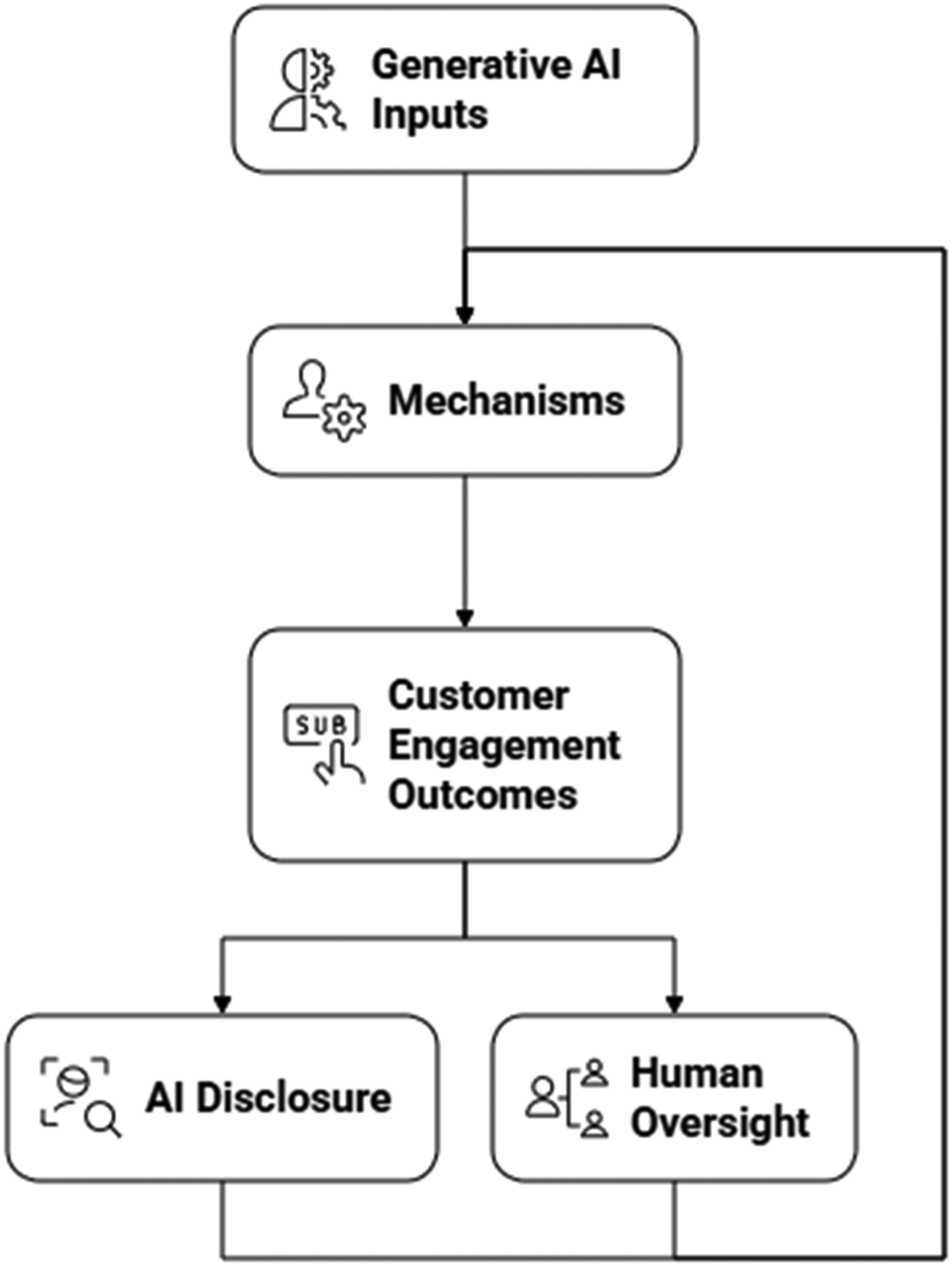
Conceptual framework on Generative AI influence on customer engagement.
Personalization emerged as the most consistent engagement driver. Through LLMs and multimodal generation, GenAI enables microsegmentation and hyper-personalized messaging at an individual level. Empirical studies (Qi et al., 2025; Lou & Copeland, 2025) demonstrate that AI-driven personalization increases consumer satisfaction, attention, and loyalty by aligning message tone and imagery with consumer's emotional and situational contexts.
For instance, in social commerce, GenAI-powered recommendation engines dynamically generate tailored visuals or captions that mirror user sentiment, significantly increasing conversion rates and click-through performance. Nevertheless, over-personalization introduces privacy and ethical risks. Bijalwan et al. (2025) observed that users expressed discomfort when AI-generated messages felt overly intrusive or when the logic behind personalization was opaque. This calls for transparent explainability (XAI) and consent-based personalization protocols, ensuring ethical and sustained engagement.
The reviewed studies conceptualized engagement along two axes, affective (emotional) and behavioral (action-based), each revealing distinct effects of GenAI.
Affective engagement
Generative systems stimulate positive emotions such as curiosity, delight, and enjoyment when they deliver novelty or humor (Kim et al., 2025). However, repeated exposure to AI-created content may evoke “synthetic fatigue,” where consumers feel emotionally detached due to over-automation. AI chatbots eliciting empathy and human-like interaction, as shown by Qi et al. (2025), outperform transactional bots in eliciting emotional attachment and satisfaction.
Behavioral engagement
GenAI-driven campaigns are often associated with improvements in behavioral engagement indicators, including higher click-through rates, shares, and conversion outcomes (Sun et al., 2025; Feng & Sun, 2025). Co-creative platforms, where users help design or refine AI-generated visuals, further amplify engagement through a sense of ownership and participation. Overall, affective engagement remains more context-dependent, while behavioral outcomes show universal uplift across sectors, particularly when personalization depth and esthetic novelty are optimized.
Figure 4 illustrates how collaboration, creation, and communication interact in a human-guided process to optimize AI-driven marketing. It highlights the balance between human oversight and AI capability where collaboration ensures strategic alignment, creation drives data-informed personalization, and communication sustains emotional and contextual engagement across channels.
Moderating Factors: AI Disclosure, Human-in-the-Loop, and Ethics AI disclosure
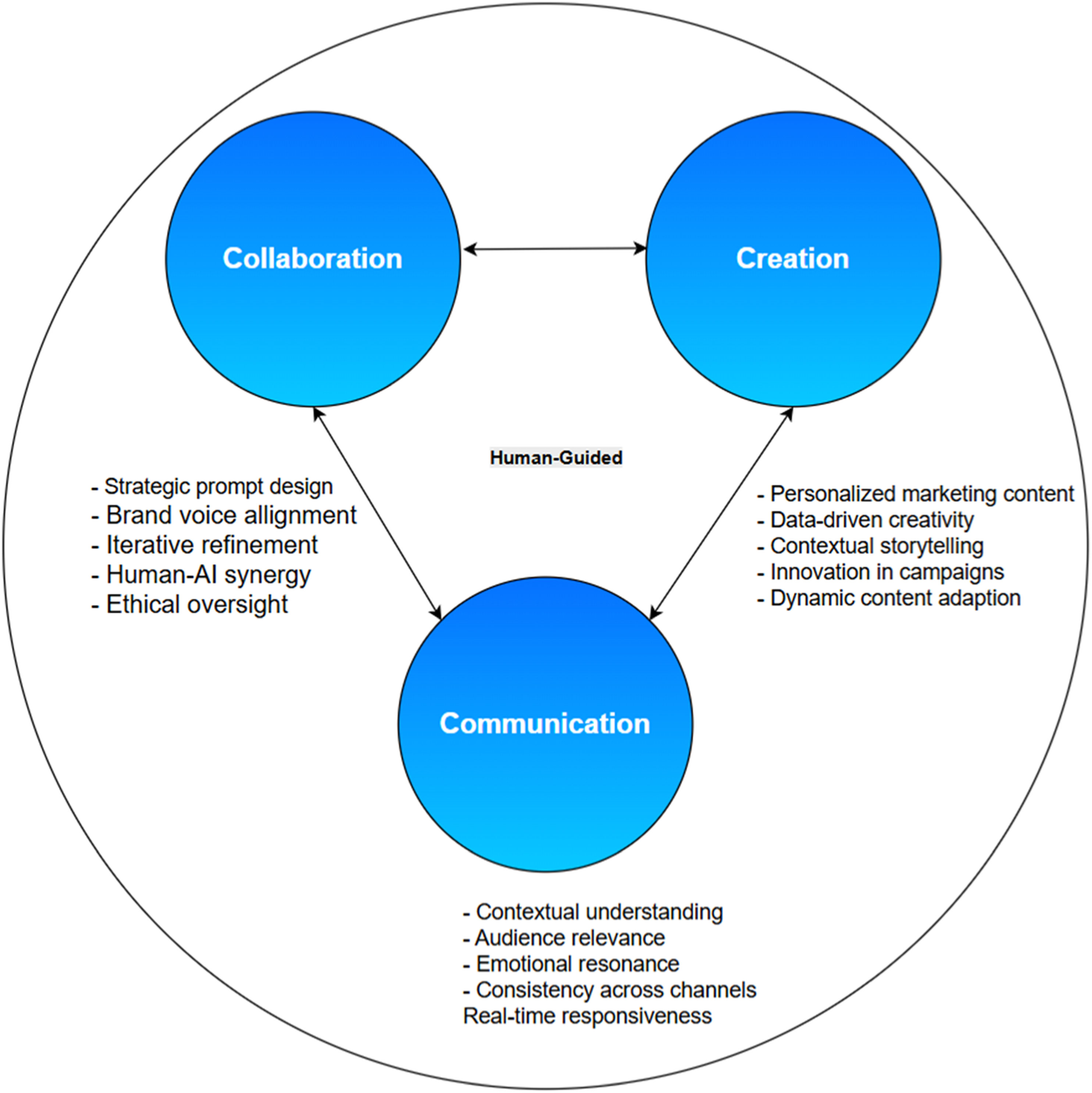
The human guided 3C framework for Generative AI enhanced marketing.
Findings converge on the paradox of transparency. Disclosure enhances perceived honesty and ethical responsibility (Li et al., 2024) but can also diminish perceived authenticity and trust if consumers interpret automation as low effort. Context matters in technology and service brands, disclosure boosts credibility; in experience-based or luxury contexts, it erodes it (To et al., 2025). Marketers should therefore employ framed transparency, such as emphasizing AI's supportive rather than substitutive role (e.g., “AI-assisted creativity” instead of “AI-generated”).
Human-in-the-loop
Studies (Stanikzai & Mittal, 2025; Sun et al., 2025) unanimously report that hybrid human–AI workflows outperform fully automated systems in both engagement quality and ethical perception. Human moderation ensures emotional resonance, contextual accuracy, and brand tone alignment, dimensions often missing in unsupervised outputs.
Ethical considerations
Ethical governance of GenAI is critical for sustainable engagement. Liao (2025b) highlights issues such as bias in training data, misinformation, and consent ambiguity. Ethical lapses can produce not just disengagement but active backlash, damaging brand credibility. Thus, human oversight is not just an operational control but an ethical imperative. Figure 5 demonstrates how optimal customer engagement emerges from the synergy between the AI layer, which enables automated, data-driven personalization, and the human layer, which provides empathy, ethical judgment, and creative curation. The integration of both layers fosters greater trust, satisfaction, and long-term loyalty in digital marketing interactions.
Organizational and Strategic Transformation
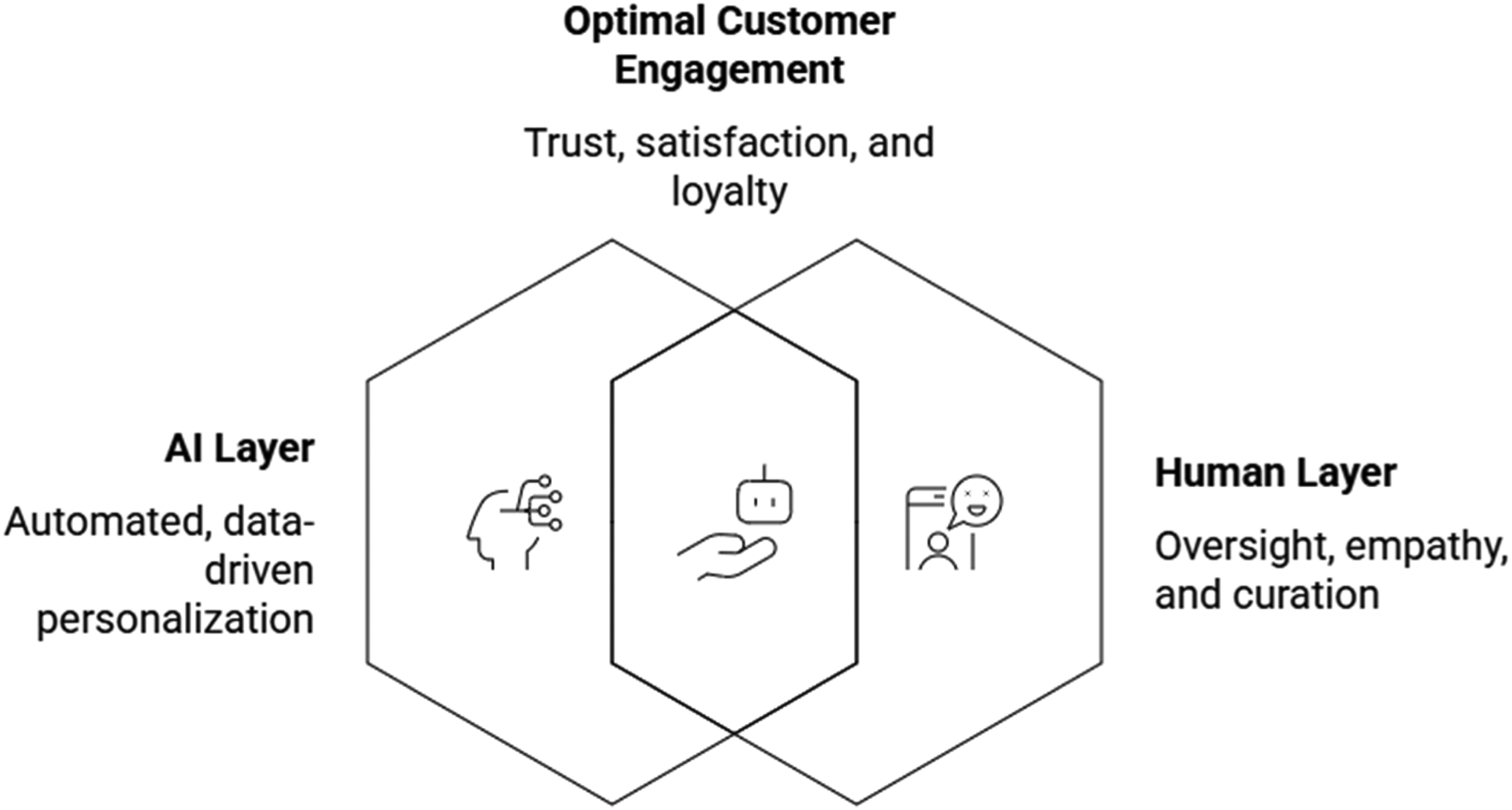
The power of human–AI synergy in customer engagement.
Beyond customer outcomes, GenAI reshapes the internal logic of marketing organizations. Rodriguez and Trainor (2025) and Sundari et al. (2025) found that GenAI integration redefines marketing as a data-creativity symbiosis, enhancing productivity while transforming job roles from execution to orchestration. Marketers increasingly function as prompt engineers and AI curators, blending human creativity with algorithmic intelligence. This reconfiguration enhances strategic agility and campaign efficiency by up to 50% (Singla et al., 2025) allowing teams to allocate more time to analytics, ideation, and experimentation.
However, these organizational benefits depend on governance frameworks that address cultural sensitivity, bias mitigation, and AI explainability. Firms investing in ethical infrastructure and AI literacy report stronger brand resilience and higher consumer trust.
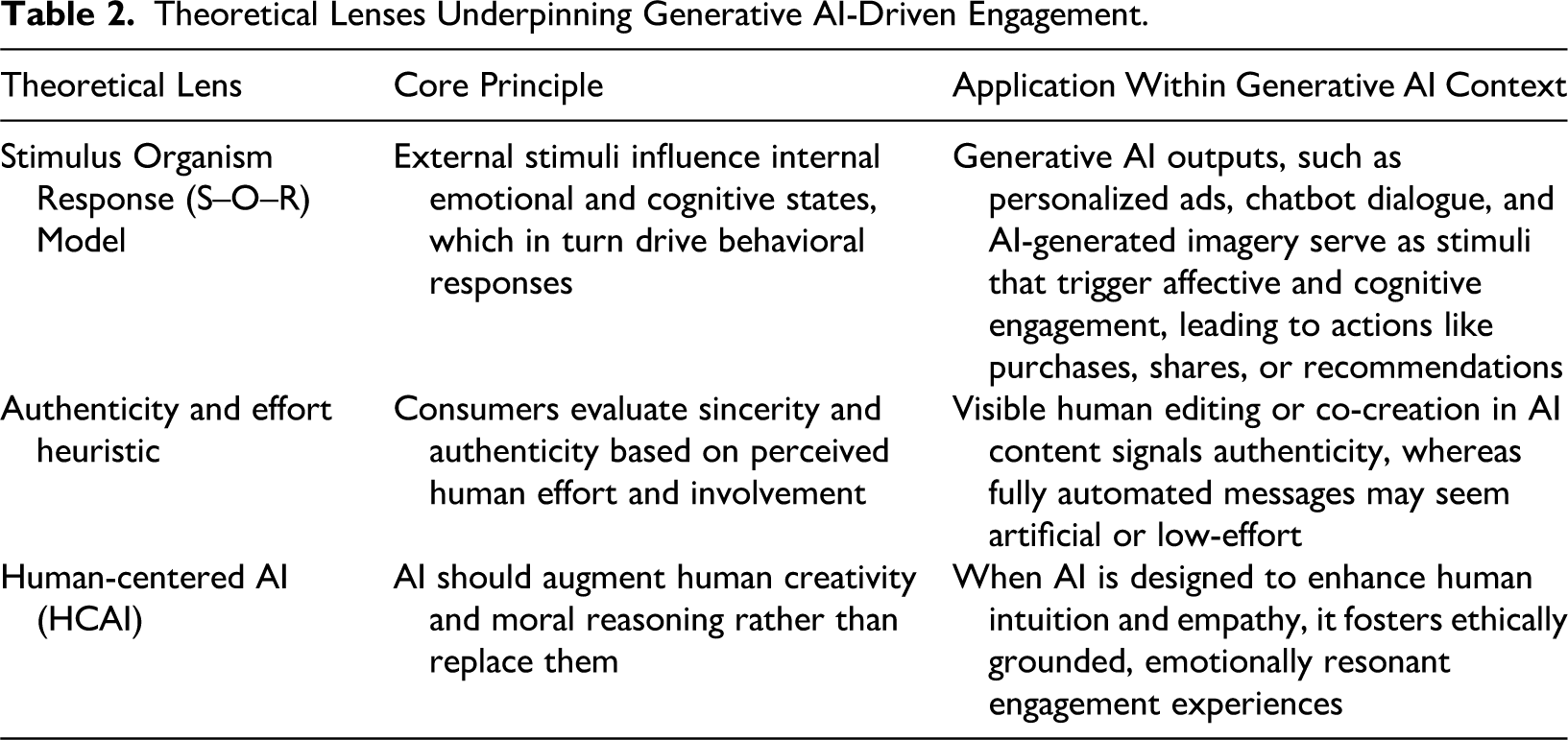
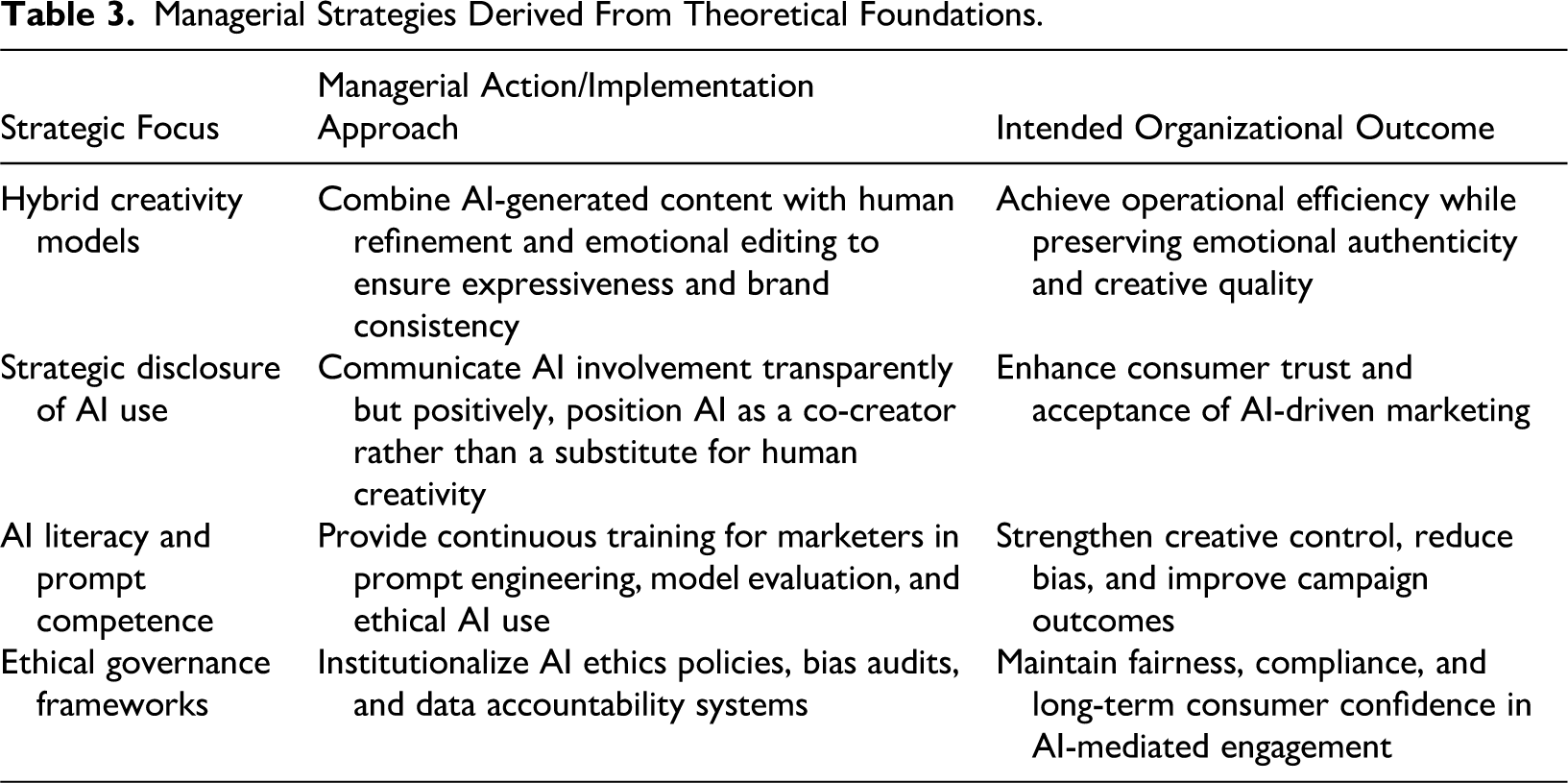
Building on the theoretical foundations outlined in the second section, the reviewed studies reflect several key theoretical perspectives that underpin GenAI-driven customer engagement. Rather than introducing new frameworks, this section synthesizes how existing theories are reflected in the empirical findings. Tables 2 and 3 summarize these theoretical perspectives guided both the interpretation of findings and the synthesis of engagement outcomes across the reviewed studies.
Theoretical Lenses Underpinning Generative AI-Driven Engagement.
Managerial Strategies Derived From Theoretical Foundations.
Together, these theories establish a multidimensional foundation for understanding AI-enabled engagement. The S–O–R model clarifies the psychological pathway through which AI content influences emotions and behaviors. The Authenticity and Effort Heuristic introduce a perceptual lens, highlighting how human–AI collaboration shapes authenticity. Finally, HCAI adds an ethical dimension, emphasizing the need for human oversight, empathy, and creativity in technology-mediated engagement. Collectively, they provide a conceptual bridge between technological mediation, emotional cognition, and ethical co-creation in marketing.
Building on these theoretical foundations, the following managerial strategies translate conceptual insights into actionable practices for marketers seeking to implement GenAI responsibly and effectively.
These strategies reposition marketing practice from AI-driven automation toward human–AI symbiosis. They ensure that GenAI operates as an extension of human creativity and moral intelligence rather than a replacement. By embedding ethical oversight, strategic transparency, and creative collaboration, organizations can harness AI's efficiency while sustaining authenticity, empathy, and trust, the cornerstones of lasting consumer engagement.
Conclusion
This systematic review offers a consolidated understanding of how GenAI is transforming digital marketing and customer engagement across both affective (emotional) and behavioral dimensions. By synthesizing insights from 33 peer-reviewed studies (2022–2025), the review demonstrates that GenAI facilitates scalable personalization, creative automation, and interactive communication, collectively enhancing the quality, relevance, and immediacy of marketing engagement.
However, the analysis also uncovers critical contextual and ethical complexities. While behavioral engagement manifested through increased clicks, shares, and conversions, is consistently strengthened, affective outcomes such as trust, satisfaction, and authenticity remain conditional and fragile. These emotional responses depend heavily on the perceived transparency of AI use and the degree of human oversight in creative processes. The moderating role of AI disclosure and HITL integration emerges as central: disclosure requires contextual nuance to avoid reactance, whereas human collaboration ensures moral integrity and emotional resonance.
From a theoretical perspective, this study extends the S–O–R) model, the Authenticity–Effort Heuristic, and HCAI paradigms, positioning GenAI not merely as a technological tool but as a socio-cognitive actor that mediates emotion, meaning, and ethics in marketing ecosystems. From a managerial standpoint, the findings urge organizations to adopt strategic transparency, hybrid creativity models, and ethical governance mechanisms. Marketers must evolve from users of AI technologies to architects of human–AI co-creative systems, capable of delivering personalization without eroding authenticity or trust. Cultivating AI literacy, prompt-craft competence, and bias-aware governance is essential to sustain ethical and emotionally intelligent engagement at scale.
Future research directions
Despite its contributions, this review highlights several avenues for future inquiry:
Longitudinal impact of GenAI engagement: Future studies should examine how sustained exposure to AI-mediated interactions influences brand loyalty, emotional attachment, and consumer fatigue over time. Cross-cultural and demographic variations: Understanding how cultural norms, values, and technological trust shape consumer responses to GenAI can refine global marketing strategies. Ethical and psychological implications of synthetic media: As AI-generated images, voices, and personas become ubiquitous, research should explore their effects on authenticity, perception, identity, and persuasion ethics. Multimodal AI and immersive marketing: Emerging GenAI systems that blend text, image, and video (e.g., multimodal agents) warrant examination for their potential to create emotionally immersive yet ethically complex engagement environments.
Ultimately, GenAI does not replace human creativity, it redefines it. When guided by empathy, ethics, and imagination, GenAI can transform marketing into a shared human–machine narrative, one that is efficient yet authentic, data-driven yet emotionally intelligent, and technologically advanced yet profoundly human.
Footnotes
Acknowledgments
For the purpose of open access, the authors have applied a Creative Commons Attribution (CC BY) licence to any Author Accepted Manuscript version arising from this submission. For improved flow, grammar, and clarity of this report, we have utilized generative AI tools, including GPT-5 and Claude Sonnet 4. However, the conception of ideas, research design, critical analysis, and in-depth review are entirely our own.

Ethical considerations
This study is a systematic literature review based solely on previously published and publicly available sources. It does not involve human participants or primary data collection; therefore, institutional ethical approval and informed consent were not required. Ethical standards were maintained through accurate citation, transparency, and responsible synthesis of the reviewed literature.
Funding
The authors disclosed receipt of the following financial support for the research, authorship, and/or publication of this article: This work was supported by the York St John Unive.
Declaration of conflicting interests
The authors declared no potential conflicts of interest with respect to the research, authorship, and/or publication of this article.
Appendix 1
Note. AI=artificial intelligence; CTR=click-through rate; GAN= generative adversarial networks; HITL= human-in-the-loop; LLM=large language model; MADE=mapping, assembling, demonstrating, executing.
Source
Theme/Focus Area
Methodology/Sample
Engagement Outcome(s)
Key Insights/Contribution
Sundari et al., 2025; Lai Cheung et al., 2024; Lim et al., 2022; Singla et al., 2025; Li et al., 2024; Cillo & Rubera, 2025; Nian et al., 2023
Foundational and integrative studies on generative AI in marketing and customer engagement
Conceptual/review
Affective & behavioral
These studies provide insights into generative AI in marketing, supporting engagement, adoption, and moderating factors
To et al., 2025
Luxury brand marketing and AI disclosure
Experimental (2 × 2 design; AI vs. human ads)
Affective & behavioral
AI ads lower perceived luxury and authenticity; partial AI disclosure moderates trust and purchase intent
Feng & Sun, 2025
Co-creation & empowerment through GenAI
Conceptual model based on value co-creation frameworks
Affective & behavioral
Proposes collaborative AI-consumer model linking creation and engagement; enhances brand narratives
van
Berlo et al., 2024
Experimental design using GenAI stimuli
Methodological paper using multiple ad prototypes (n ≈ 400)
Not directly measured—enables valid future research
Introduces MADE framework for valid AI stimuli creation in advertising experiments
Joshi et al., 2025
Drivers and barriers to GenAI adoption by marketers
Quantitative survey (n = 312 marketing professionals)
Behavioral (usage intention)
Behavioral Reasoning Theory links motives and barriers to GenAI adoption in marketing contexts
Ali et al., 2025
Brand authenticity & AI use in hospitality marketing
Empirical survey (n = 512 consumers)
Affective & behavioral
AI content enhances innovation perception but reduces authenticity for experience-driven brands
Wen et al., 2025
Visual design & attention in AI-generated ads
Experimental (multi-modal stimuli test)
Behavioral (attention, CTR)
Finds U-shaped relationship between AI-assisted color use and attention levels
Hussain et al., 2024
Audience reactions to AI content on social media
Content analysis of YouTube videos (n ≈ 500)
Behavioral (views, comments, shares)
Viewers show high behavioral engagement driven by curiosity and learning motives
Chung, 2025
Creativity and AI in hospitality branding
Case studies of 5 hospitality brands
Affective (satisfaction, trust)
GenAI drives creative innovation but needs human oversight for authenticity and trust
Rezazadeh et al., 2025
Startup marketing & AI growth strategies
Survey + interviews (n = 250 startups)
Behavioral (engagement metrics, conversion)
Startups use GenAI for content automation and personalization to boost conversion and retention
Liao, 2025b
Human interactivity and AI ads
Scale development survey (n = 420)
Affective & behavioral
Introduces validated scale linking human touch in AI ads to greater trust and positive affect
Yang, 2025
Productivity & effectiveness of AI ads
Experimental survey (n = 310 respondents)
Behavioral (CTR, purchase intent)
AI ads increase attention and clicks but can reduce authenticity perception in some segments
Dang et al., 2025
Perceptions of future AI systems in marketing
Experimental design (3 scenarios)
Affective (trust) & behavioral (intent)
Perceived future-orientation of AI tools boosts trust and engagement intent when time distance is short
Krowinska & Dineva, 2025
Branded content and AI-assisted social media marketing
Mixed methods survey + content analysis
Behavioral (clicks, shares, comments)
AI-aided content planning and timing enhance interactive and participatory engagement
Prasanna & Kushwaha, 2025
Meta-analysis of GenAI research themes
Systematic literature review (2018–2025)
Synthesized affective & behavioral
Identifies three dominant themes: personalization, automation, and ethics; calls for HITL models
Gołąb-Andrzejak, 2023
Digital advertising creation using ChatGPT and GenAI
Conceptual analysis + industry examples
Behavioral (creative output, engagement)
Explains how ChatGPT-driven ads enhance efficiency and creative experimentation in campaign design
Lim et al., 2025
Adoption drivers among advertising professionals
Quantitative survey (n = 260 creatives)
Affective (adoption attitude) & behavioral (intention)
Finds that creative self-efficacy and usefulness increase AI adoption; anxiety reduces engagement readiness
Liao,
2025a
Consumer innovativeness and AI usage behavior
Comparative survey (n = 480 AI users) across four AI platforms
Affective (commitment, trust) & behavioral (usage intensity)
Demonstrates that motivated innovation and positive AI usage experience increase consumer commitment and continued engagement with AI tools
Kshetri et al., 2024
Comprehensive overview of GenAI applications in marketing
Conceptual review + industry examples
Synthesized (affective & behavioral)
Identifies practical applications of LLMs, GANs, and diffusion models in marketing; calls for ethics-aligned engagement frameworks and HITL oversight
Sun et al., 2025; Qi et al., 2025; Wang, 2025; Lou & Copeland, 2025; Bijalwan et al., 2025
AI-generated advertising, personalization, and consumer perception
Mixed (experimental, survey, qualitative)
Affective & behavioral
These studies show that AI-generated content can match or outperform human-created content in engagement, while highlighting the role of personalization and concerns around perceived authenticity and intrusiveness
Kim et al., 2025; Stanikzai & Mittal, 2025; Rodriguez & Trainor, 2025
AI-driven user experience, chatbot interaction, and ethical considerations
Empirical/conceptual
Affective & behavioral
These studies emphasize emotional engagement, ethical AI use, and the importance of human oversight in sustaining trust and long-term engagement