







Abstract
This study investigates the development and implementation of Positive Energy Districts (PEDs), focusing on the Hard Community in Winterthur, Switzerland. PEDs are urban areas designed to achieve a net-positive energy balance by integrating renewable energy sources and energy-efficient technologies, thus contributing to reducing greenhouse gas emissions and enhancing urban sustainability. The research encompasses two primary tasks: a comprehensive social analysis and stakeholder engagement, and the specification and ideation of technical energy solutions. The analysis highlights community participation and inclusive decision-making processes in successfully implementing PEDs. The second task focuses on the PED framework's technical aspects of energy management. It includes detailed evaluations and integration strategies for various renewable energy technologies such as hydropower, solar power, EV charging stations, solar thermal systems, and heat pumps. An Excel-based simulation tool is employed to model different energy scenarios from collected and simulated data, for the optimization of energy consumption and production patterns in the Hard Community. The scenarios explore different combinations of renewable energy sources and energy-saving technologies, providing a comprehensive understanding of their technical feasibility and economic viability. Key findings reveal that a successful PED requires a synergistic approach that combines advanced technical solutions with active community involvement and supportive policy frameworks. The technical analysis underscores the importance of integrating multiple renewable energy sources and enhancing energy efficiency to achieve the PED goals. Results from the simulation indicate significant potential for energy savings and renewable energy generation, demonstrating the viability of achieving a net-positive energy balance in the Hard Community.
Keywords
Introduction
In recent decades, urban areas have faced unprecedented challenges derived from rapid population growth, climate change, and resource depletion. This raises challenges such as mitigating environmental impacts but also enhancing urban resilience and livability. An approach gaining more and more approval is the concept of Positive Energy Districts (PEDs), which represents a paradigm shift in urban development toward achieving net-positive energy balances within districts. This concept may be misunderstood with other much-discussed paradigms: the Prosumer (Parra-Domínguez et al., 2023), a public or private entity that usually has a bigger availability of renewable energy (generally photovoltaic) than its consumption and can participate actively; and the Energy Community (Mihailova et al., 2022), which in the EU, is defined as a local group of residents and businesses that collectively generate and manage energy, they must be connected to the primary transformation house for local distribution, to avoid stress on the bigger grid and economic losses and are rewarded by significant incentives on their bills. The distinction is needed because the people in a district do not have to be necessary prosumers and the PED has to remain independent from the incentive policies of the region but has to achieve self-sufficiency in terms of energy and economy just employing its sources.
Essentially, a PED is characterized by its ability to generate more energy than it consumes, thereby contributing surplus energy back to the grid or local energy system. This surplus energy can be derived from renewable sources such as solar, wind, or geothermal energy, combined with energy-efficient technologies and smart urban design principles. By prioritizing energy efficiency, renewable energy integration, and holistic urban planning, PEDs aim to reduce greenhouse gas emissions, enhance energy security, and foster sustainable economic growth (Shnapp et al., 2020). PEDs offer a tangible pathway towards achieving the sustainable development goals (SDGs) by harnessing the potential of decentralized energy systems, digital technologies, and community engagement to transform urban areas into vibrant, sustainable hubs. Key components of a PED include renewable energy generation infrastructure, energy-efficient buildings, smart grids, energy storage systems, and integrated mobility solutions (Albert-Seifried et al., 2022). By optimizing the interactions between these components and leveraging advanced monitoring and control systems, PEDs can effectively balance energy supply and demand, maximize energy utilization, and minimize wastage. Moreover, PEDs often incorporate innovative financing mechanisms, regulatory frameworks, and stakeholder participation to facilitate their implementation and scale-up. Despite their potential benefits, the development and deployment of PEDs face various technical, economic, regulatory, and social challenges. These challenges range from technological barriers to financial constraints, from regulatory complexities to societal acceptance. Overcoming these barriers requires a multi-disciplinary approach that integrates engineering, economics, policy-making, and social sciences (JPI Urban Europe/SET Plan Action 3.2, 2020).
The Hard Community is a non-profit, self-managed corporation in Winterthur, Switzerland. Everyone who owns a home or a business is a shareholder. This ensures that the local owners have control over the district. Around 250 people are counted in the district; some live there, some work, and some do both. There are 45 apartments and 40 businesses in nine historic buildings. Moreover, these citizens are united by the desire “to live according to ecological principles, to preserve the culturally and historically significant industrial complex and to continue to develop the Hard Community in a productive coexistence and togetherness.” The Hard Community requires finances on a large scale: for the maintenance of the extensive surroundings, for the upkeep of the diverse infrastructure (hydroelectric power station, utility lines, roads, etc.), for the common spaces, and for the employees. They finance approximately half of their expenses through the electricity revenues of the hydroelectric power station and the other half through building lease interest from the house groups (fixed fees per m2 of residential or commercial space). Figure 1 shows a view of the district and Table 1 shows an insight into the composition of the district.
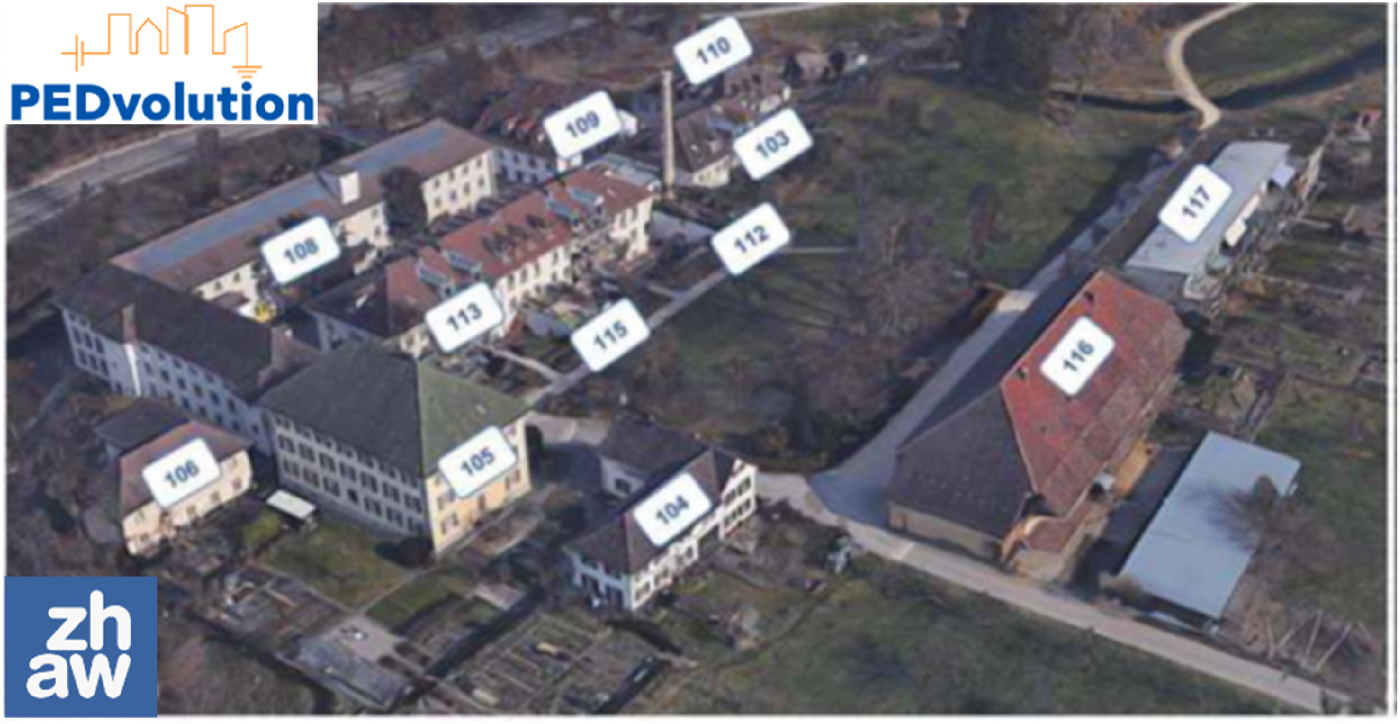
Aerial view on the Hard Community of Winterthur, Switzerland.
Insights on the composition of Hard Community of Winterthur.

Besides the buildings, the district includes: Hydropower plant: This historical energy source continues to contribute to the community's energy production delivering renewable electricity to the power grid, demonstrating the longstanding sustainability efforts within the district. The historic canal that powers the system remains operational, providing a consistent energy supply (ATELIER Project, 2024). Solar thermal power and photovoltaics: The Hard Community has installed a 50 kWp PV system on its buildings. This system produces solar energy that covers a portion of the community's electricity demand. Given Winterthur's moderate climate, solar generation fluctuates seasonally. The study recommends increasing the PV capacity by 30–50% to further enhance energy self-sufficiency and sustainability (HORIZON-CL5-2023-D4-01-03, 2022). Electric vehicle charging stations: EV charging stations within the district support the transition towards sustainable mobility. They are integrated into the community's energy system, allowing residents and workers to charge their vehicles on-site. The inclusion of EV charging addresses both renewable energy use and urban mobility goals.
Recent projects (+CityxChange Project, 2024; ATELIER Project, 2024; ENERGE Project, 2024; MAKING-CITY Project, 2024; mySMARTLife Project, 2024; POCITYF Project, 2024) have demonstrated the development of PEDs, but there is a need to demonstrate fully interoperable solutions that include improved energy efficiency coupled with better integration of local renewables and local excess heat sources within the district. In parallel, the interoperability of PEDs with the urban and renewable energy systems in which they are embedded needs to be enhanced through effective solutions that will allow interaction and integration between buildings, the users, and the regional energy, mobility, and ICT systems. To sum up, project results are expected to contribute to all of the following expected outcomes (Kienast and Carabias, 2023): Increased availability of tools, guides, and interoperable solutions for planning, designing, developing, and managing PEDs. Improved integration of energy (e.g. distributed renewable energy generation, storage) and non-energy sectors (e.g. mobility) within PEDs. Improved integration of PEDs in energy systems and improved contribution of PEDs to energy grid robustness concerning dependencies to energy supplies. Increased social entrepreneurship and citizen participation and engagement in energy communities. Increased participation of consumers and energy communities in the value chain of the energy system.
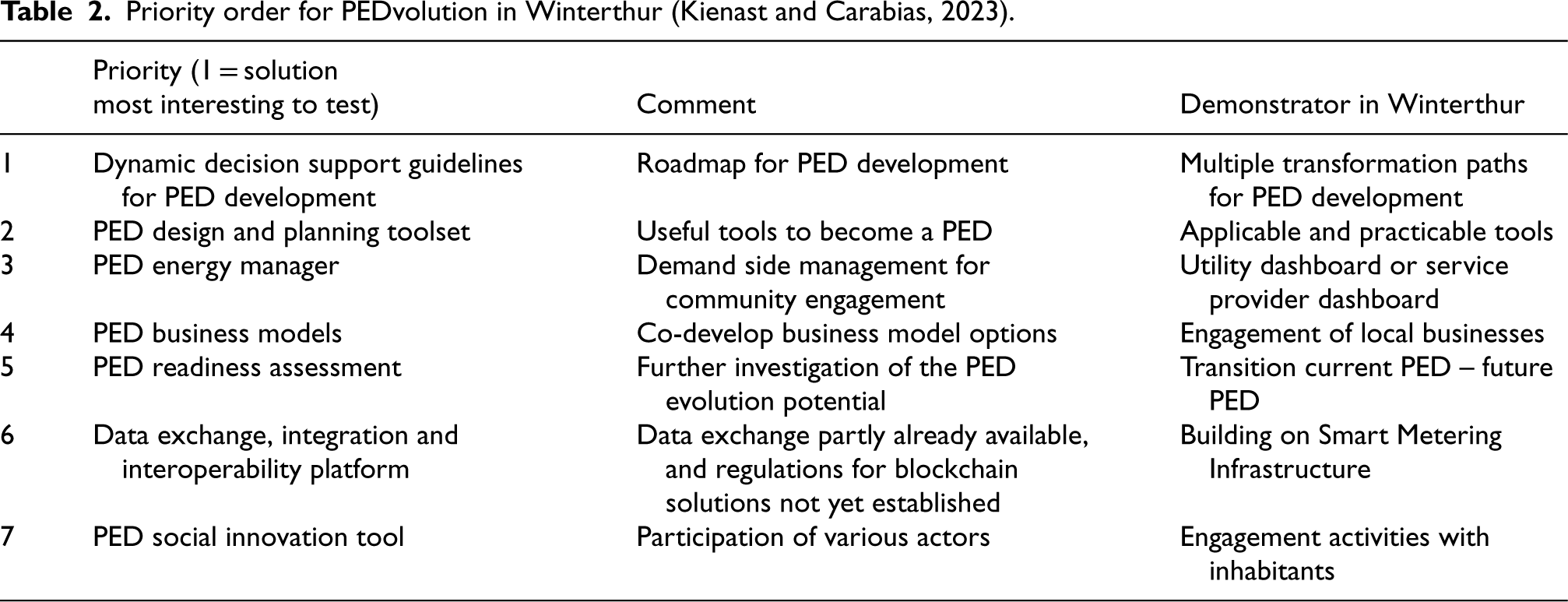
Based on these points, researchers at ZHAW working on the project have drawn up a list of steps that need to be completed for its successful implementation (Kienast and Carabias, 2023). As shown in Table 2, the most urgent one is the definition of a guideline for PED development and, consequently the implementation of a planning tool and energy management.
Priority order for PEDvolution in Winterthur (Kienast and Carabias, 2023).
The project PEDvolution aims to deliver several significant benefits (Kienast and Carabias, 2023): to reduce the cost of energy. to decrease reliance on fossil fuels and cut CO2 emissions (with potential annual savings ranging from 10 to 30 tons per m2). to increase the proportion of renewable energy sources. to enhance the use of electric vehicles. to foster greater acceptance and enthusiasm for communal resource sharing among participants.
Finally, the Roadmap for PED development of the Hard Community addresses the issues of an expansion of the PV system on additional roofs, expansion of e-mobility through more EV chargers and patterns of charging modes, and the switch from gas central heating to a central heat pump or other renewable heating. These are the necessary improvements addressed to reach a complete integration of renewable energy sources (in this case hydropower and PV systems) with the energy usage (heat pump, general electricity, electric vehicles) in the Community. In the following chapter, each improvement will be presented and analyzed.
The present work has been conducted following first a literature review on the topic and local characteristics, actors, laws and incentives, then addressing the technical issues related to PEDs and the relative precedent works and studies, both in Europe and at the Hard Community itself. Finally, to come up with solutions and proposals, data were either collected from real measurements or simulated through apposite software. The data collected are made of the electricity and gas bills paid by the district to the energy suppliers, the electricity consumed by the six EV chargers during the year and the production of electricity from the hydropower system. The data simulated referred to the PV system's output, the profiles of energy consumers, the profiles of charging for different EVs and the heating and sanitary water needs. The simulations were done through Polysun (POLYSUN (software)), a software that allows the definition of a system involving the specific of the building, the consumers, possible energy sources such as solar thermal or heat pumps and photovoltaic panels, the connection to the grid and many more parameters, including the randomization of data to avoid bias and errors. Once the system has been dimensioned, it is possible to export the data either monthly or every 15 min. Verifications of these values were made through comparison with the current values and other software available online (Swissenergy for solar thermal and Swissolar for photovoltaic). The managing of the whole data collected for different type and periods required the development of a tool that could filter and organize the data. A dashboard on Excel has been created, using logic and mathematic functions with dynamic graphs and tables. It works through several sheets where the data are saved per type. Through some easily accessible controls in the dashboard, it is possible to filter only the data needed and display them in graphs. The control panel aims to give value to the nature of energy systems where the data come from. The flexibility is therefore preserved and can be looked for through the inputs given. With the simulation tool developed, it was then possible to recreate some typical situations of study. The selected ones are chosen to reproduce the most characteristic situations both in an optimistic and pessimistic scenario. These have been explained one by one and conclusions were drawn. However, the simulation tool can be used to calculate the outputs of every situation inside the boundaries stated. Moreover, it is always possible to implement other sources of energy or utilities that consume energy inside the same tool. This makes the simulation tool a resource that can be tailored to the PED as it develops during the phases of the project and therefore a method that can be used in the later steps not only to simulate but for validation or prediction too.
Results
Social analysis and stakeholder engagement
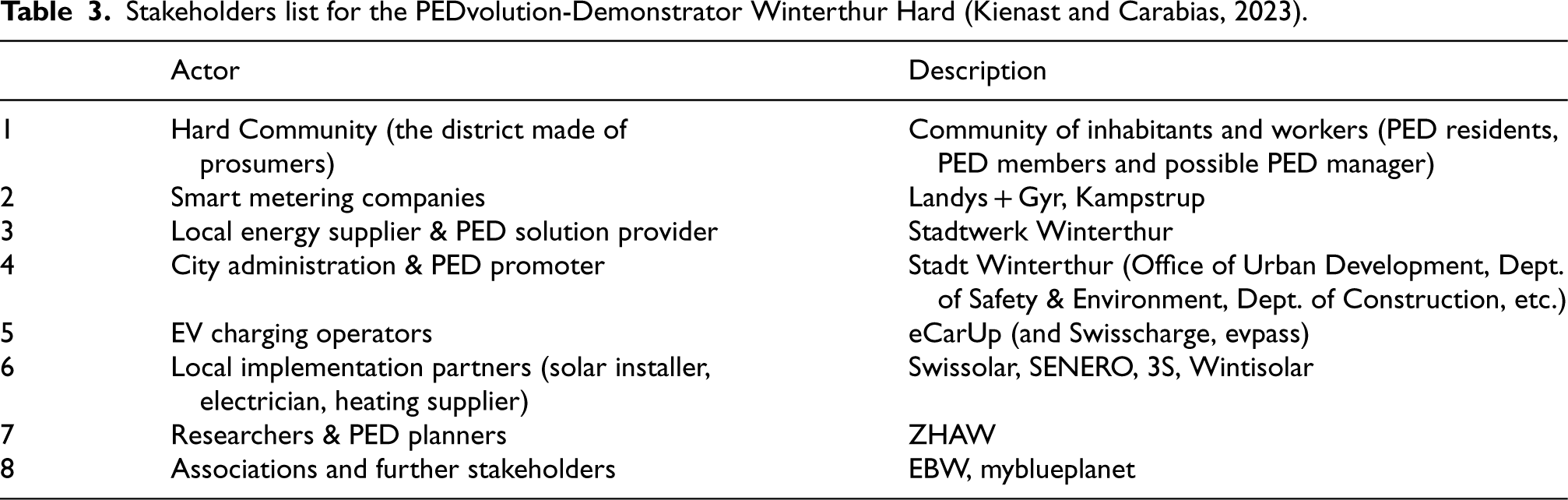
Achieving PED objectives requires an engaged and informed community. The study highlighted several strategies for securing stakeholder buy-in and promoting sustained involvement. Social analysis revealed that most stakeholders support renewable initiatives, as long as they are presented with transparent and inclusive decision-making processes. The primary stakeholders included are listed in Table 3 (HORIZON-CL5-2023-D4-01-03, 2022).
Stakeholders list for the PEDvolution-Demonstrator Winterthur Hard (Kienast and Carabias, 2023).
The social analysis was informed by European case studies of PED implementations, identifying common challenges and solutions. Insights from these projects were integrated into the Hard Community's PED model to address anticipated issues such as regulatory barriers, financial constraints, and maintaining long-term community engagement. Stakeholders should work in the direction of the integration of different systems and infrastructures and for the interaction between buildings, the users and the regional energy, mobility and ICT systems while securing the energy supply and a good life for all in line with social, economic, and environmental sustainability. However, implementation of the PEDs is not straightforward and requires a deep understanding and consideration of cities’ contextual conditions, policies, priorities, strategies, resources, and solutions. Different participants may have contrasting priorities and approaches. An efficient dialogue and cooperation must be pursued to ensure that the project doesn’t fail to materialize in the most profitable manner possible. For planning, designing, implementation, and monitoring, there is the need for appropriate knowledge of the interests of each stakeholder, also because the replication of PEDs is not possible, since even though many European cities are addressing the same challenge, there is no joint definition, roadmap, or guidelines to ensure the actual feasibility of PED designs. A literature review has been conducted to check different experts’ perspectives on the need for implementing PEDs (Cox, 2016; Krangsås et al., 2021; Nam and Pardo, 2011; Seddon et al., 2004; Stern, 1999; Shnapp et al., 2020; Salom et al., 2021; Teisman, 2000; Wong et al., 2019).
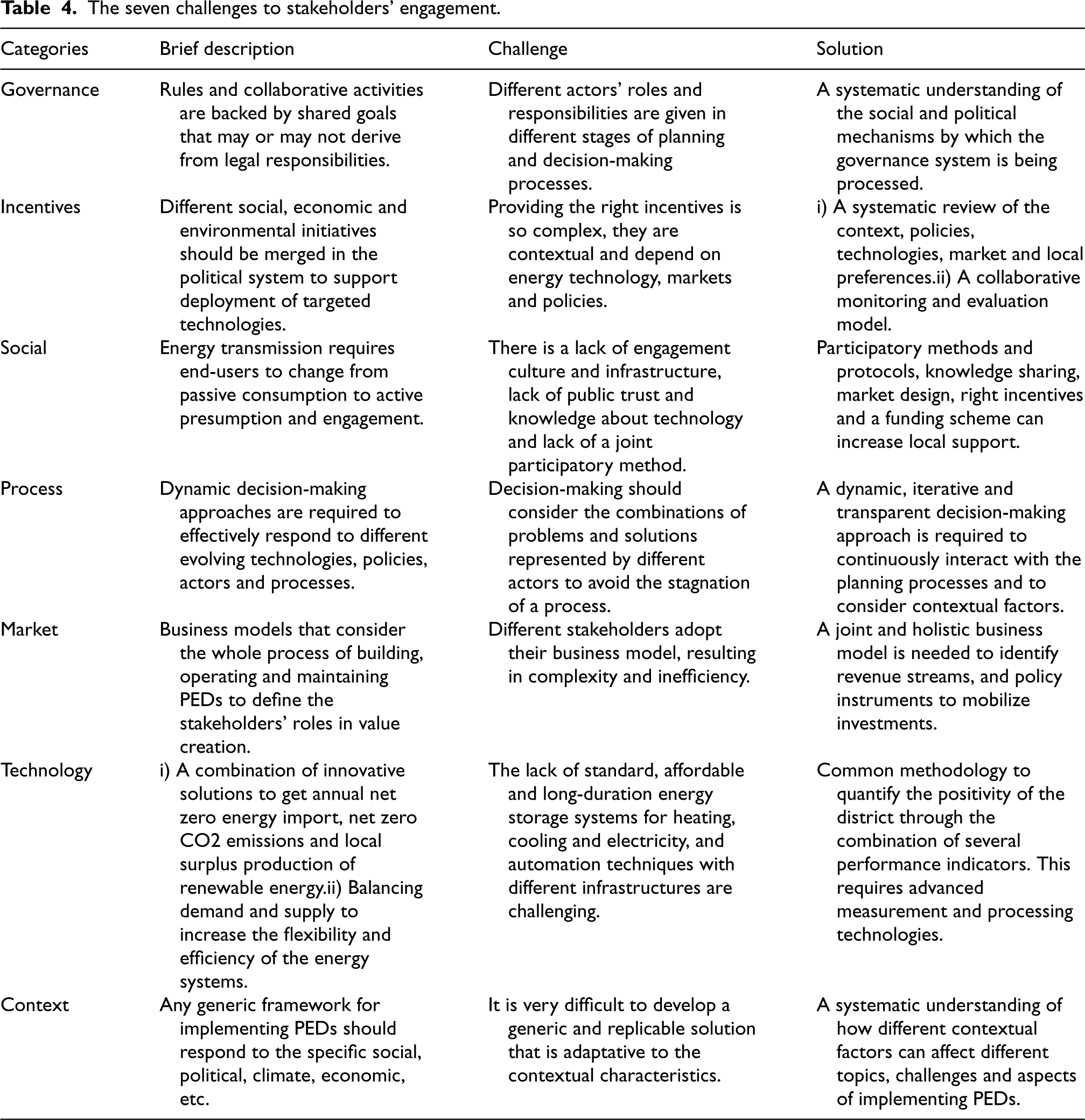
To sum up, the following seven challenging topics (described in Table 4), representing what is needed to overcome to support the implementation of PEDs, were identified:
The seven challenges to stakeholders’ engagement.
Achieving a net-positive energy district requires a well-integrated mix of renewable energy solutions, storage, and advanced energy management. This chapter discusses the pathway for the development of a PED in the Hard Community, stressing the potential of the district. Every energy driver is addressed singularly. The coupling of different sectors and energy consumers can afterward be investigated with its benefits and conflicts. The energy analysis of the Hard Community aims to look for flexibility management and enhance the optimum utilization of renewable energy.
Hydropower generation
Photovoltaic system expansion
The PV system will be located at the coordinates: Lat 47.513; Lon 8.680. The database used is PVGIS-SARAH2 and the technology chosen is crystalline silicon. The work could be done together with the expansion of the parking lots and the construction of EV chargers integrated with the solar panels.
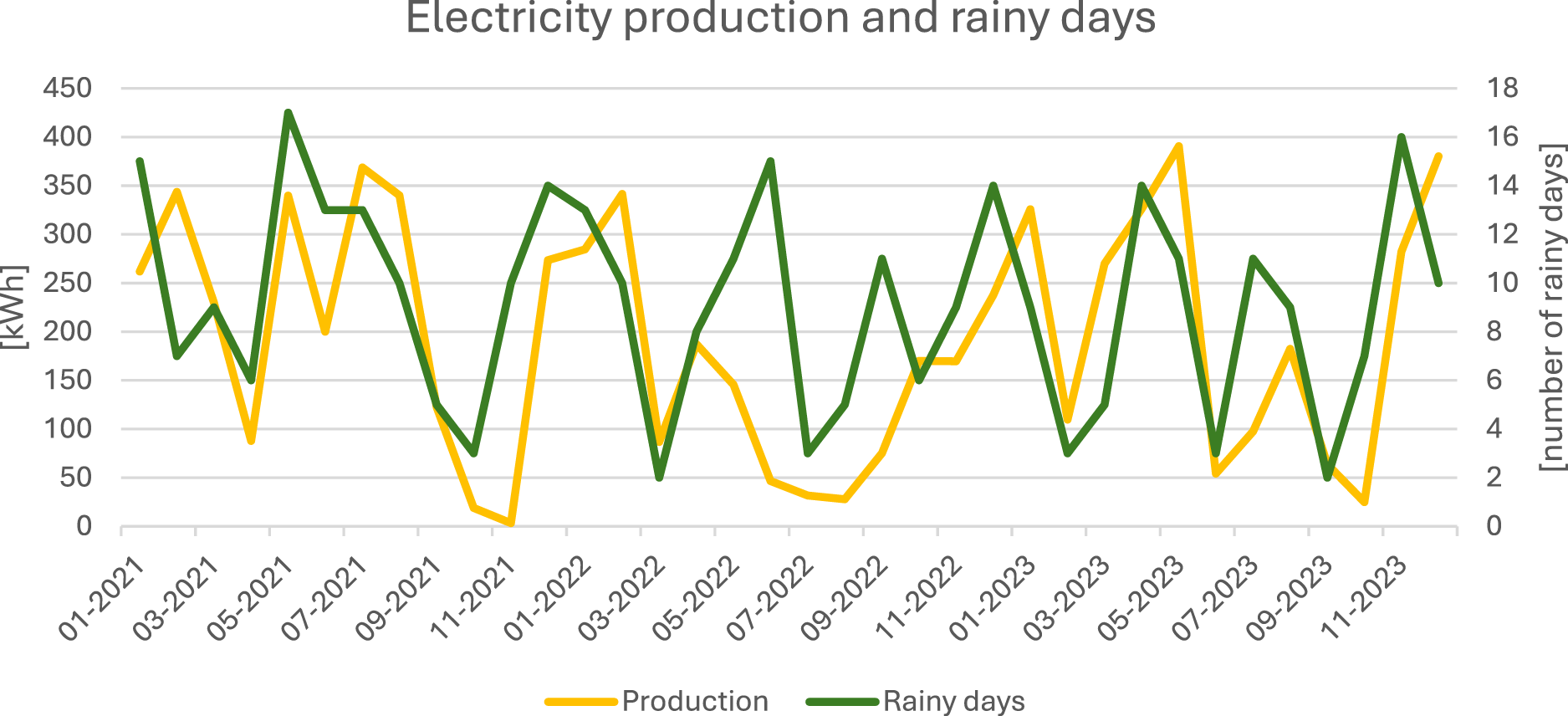
Graph of the electricity production and rainy days 2021–2023 (source: World Weather Online).
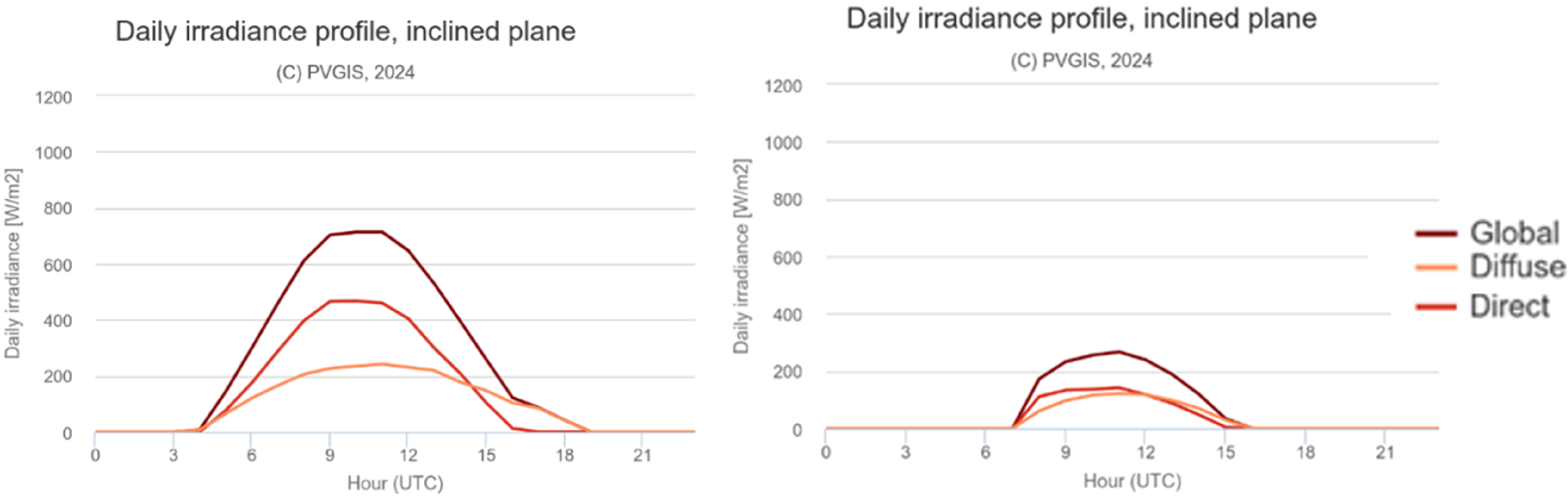
Graphs of daily irradiance profiles in July and December (PVGIS, 2024).
With the specifics above shown in Table 5, it is possible to calculate through PVGIS, what will probably be the performance of the PV system. In Figure 3, a comparison of the best and worst conditions is reported. This information is needed to calculate hour by hour the photovoltaic renewable energy production and integrate this data into the final simulation tool. The optimization of the parameters for the installation is left set by PVGIS to obtain the maximum outcome of electricity produced but the installer can evaluate some other configurations.
PV-system expansion's specifics.

Electric vehicle (EV) charging stations
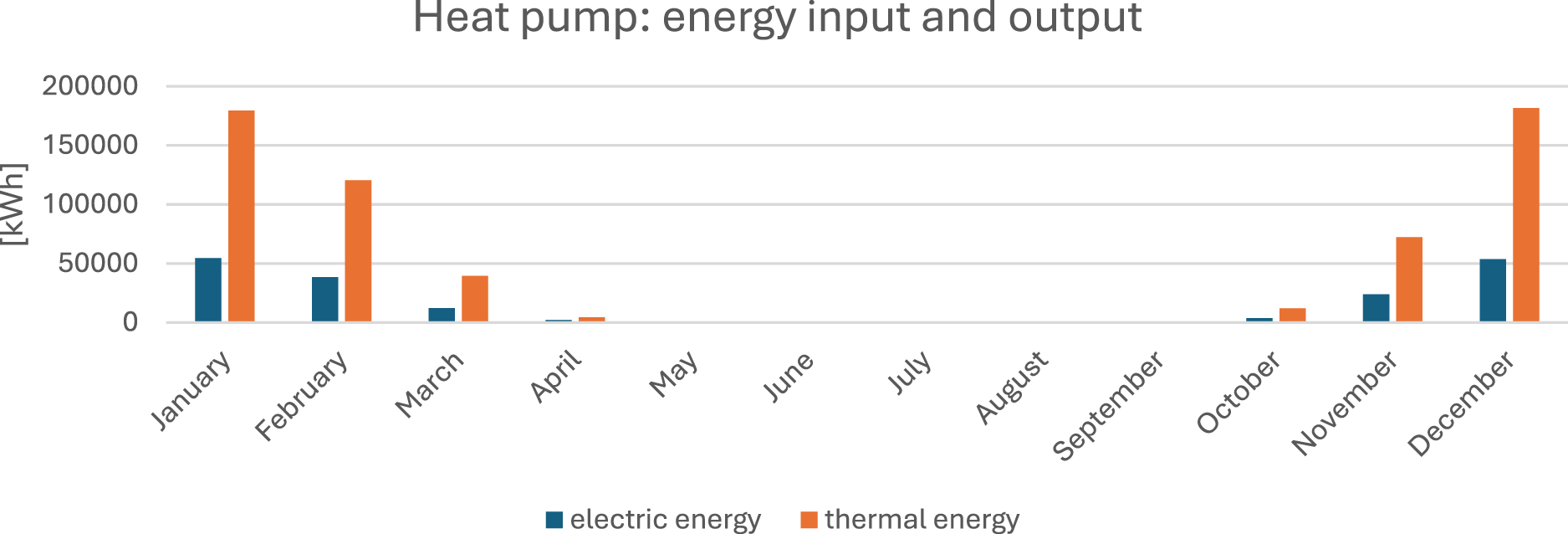
Thermal needs for heating in the district (simulations run with source POLYSUN (software)).
Battery storage plays a critical role in ensuring energy self-sufficiency, particularly during periods when renewable generation is low. The study considered various battery sizes and configurations to find the optimal balance between storage capacity and cost. Simulation scenarios tested different storage strategies, including storing and discharging every day. This approach smooths out fluctuations in renewable energy production, making the energy system more resilient and efficient. Polysun's storage modeling tools were essential in determining the right battery size to maximize self-sufficiency while keeping costs manageable. With optimized battery storage, the Hard Community could reduce its reliance on external power by approximately 25% annually. The battery system not only contributes to energy balance but also enhances the resilience of the local grid by reducing demand spikes.
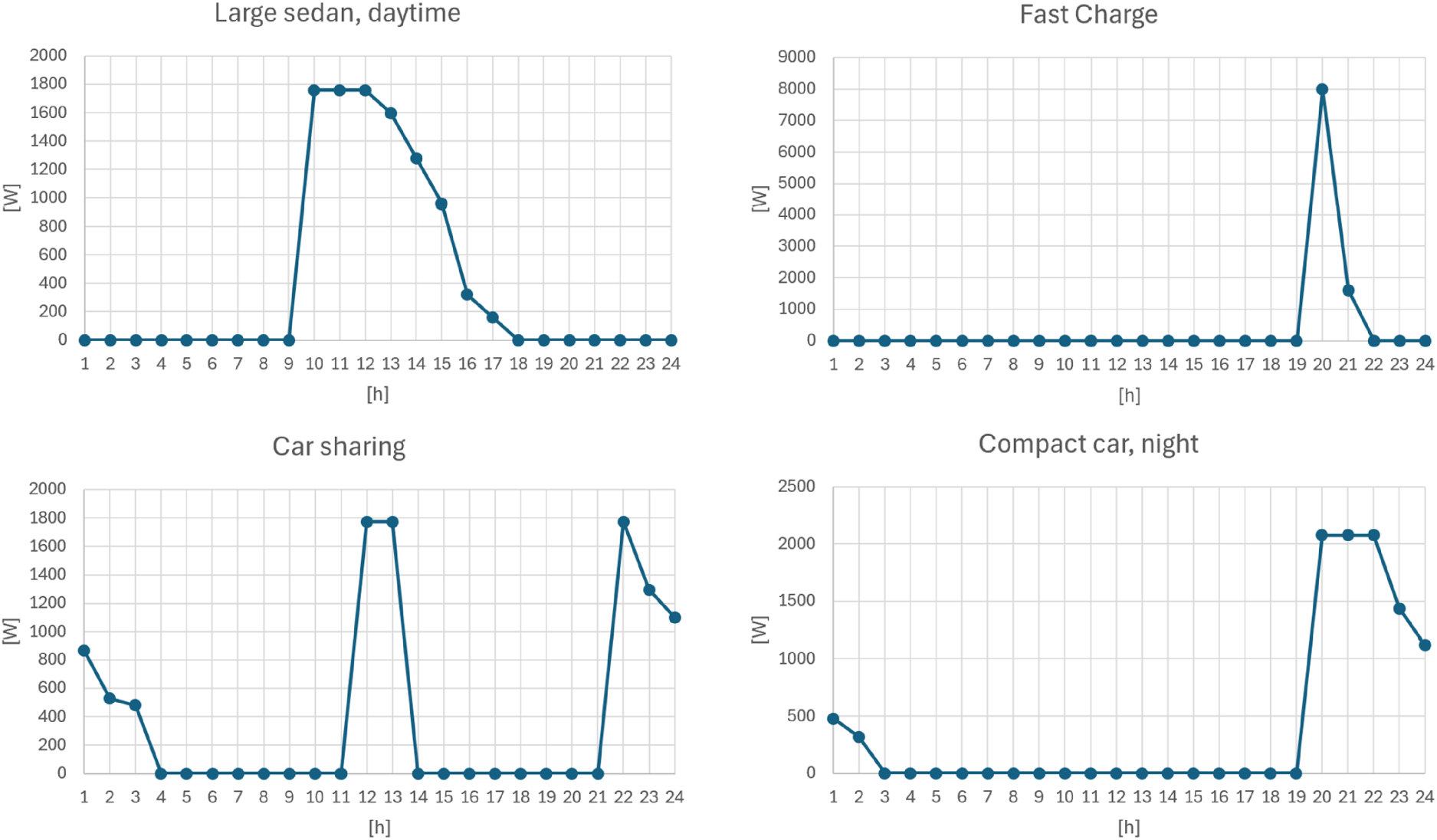
The simulation of EV charging from Polysun for different types of EVs (simulations run with source POLYSUN (software)).
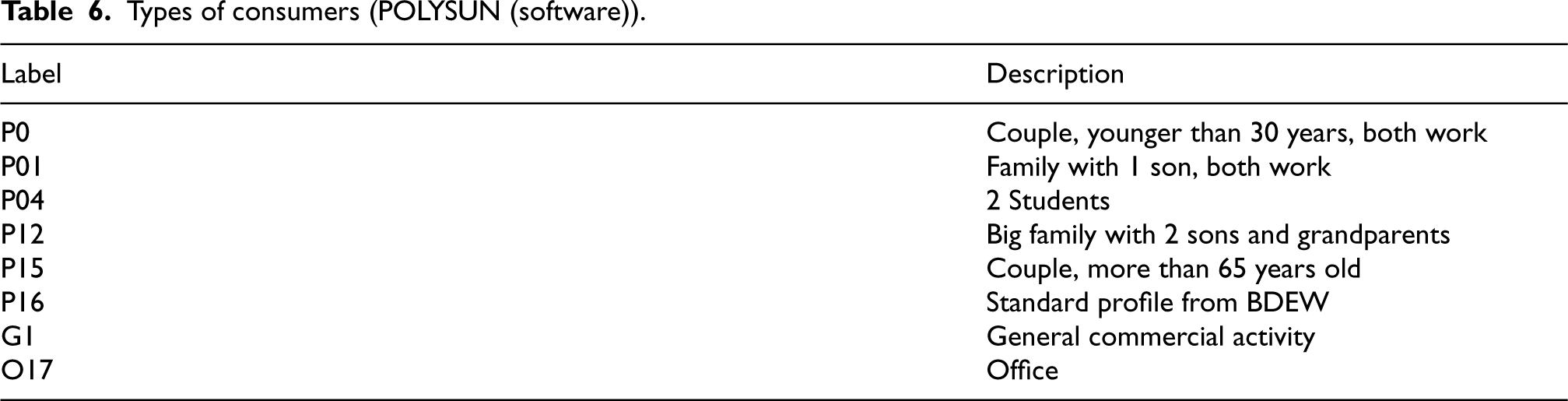
The annual consumption of electricity is not significantly affected, instead what changes is the proportion between the months and during the day. The blue cells work with a logic function. The whole table of the consumptions of each building is read again and if the control is set to “connect” the values are saved otherwise substituted by zeros.
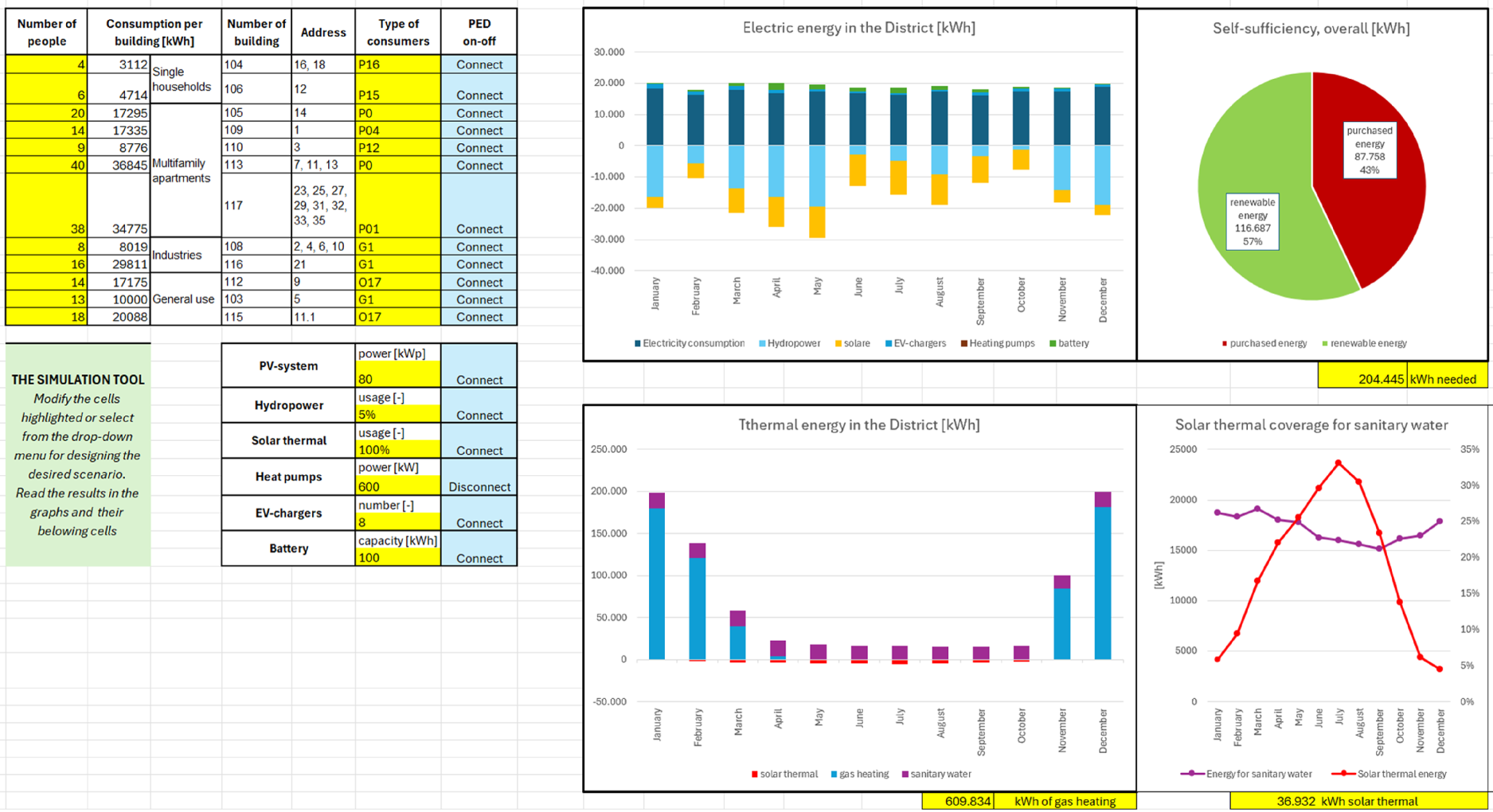
The simulation tool for the district of the Hard Community (created by A. Conte).
Types of consumers (POLYSUN (software)).
The study explored multiple scenarios to optimize energy balance and enhance sustainability in Winterthur's Hard Community.
The first scenario focused on the consumption in the district and these were estimated as a yearly electricity requirement of 204.5 MWh, and monthly the electrical needs are above 17 MWh.
Consequently, it was studied how to integrate the EV charging stations to exploit as much as possible the electricity produced by the PV system. Using just the 50 kWp of the existing PV system a self-sufficiency of 35% can be reached within the proximity-consumers. However, there is 46% of the photovoltaic output unexploited and therefore sold to feed the grid, the price paid by the energy provider for this electricity is 0.14 CHF/kWh and it is lower than the value it could be capitalized for its own use (at the moment 0.32 CHF/kWh).
Giving priority to the PV system, a scenario for its best utilization was defined. If after the new installations, all the energy (yearly estimated around 80.45 MWh) is made available for the whole district, the own use of photovoltaic energy increases to 84% but the self-sufficiency in the district drops to 33%. However, the renewable energy consumed is augmented from 27.00 to 67.27 MWh. This is because by enlarging the number of consumers involved, and therefore the size of the district, the renewable sources employed have to increase to keep the positive output too.
Introducing hydropower, the optimum configuration was found. It was demonstrated that there is a threshold for the energy purchased at around 89.40 MWh because of all the moments in which the system is not operating. On the other hand, there are periods when the production of hydropower highly exceeds the consumption in the district, but this energy is valued more if fed into the grid (0.21 CHF/kWh).
The flexibility of enhancing the PV system or the hydropower allows for different management strategies. Even if, in both cases, it is possible to obtain a self-sufficiency of 51%, the share of the energy used and sold from the two systems will bring a different economic result. The operating decisions have to take into account also the impact on the life and maintenance of the energy system.
Regarding thermal energy, the district was considered to have a yearly requirement of 818.00 MWh, of which 609.83 MWh for heating and 208.18 MWh for producing hot water. Through Polysun was calculated that with a heat pump system of approximately 600 kW, the Hard Community could cut the gas consumption for heating (almost 57.000 m3 of gas) and avoid emitting 111.500 kg of CO2.
Finally, the last scenario analyzed for the “totally developed PED,” puts together all these findings. The final configuration sees the best possible use of renewable energies: the contributions to the total needs are 47% hydropower, 11% PV, and 3% energy stored, consisting of a significant 61% self-sufficiency. The positivity of the district is demonstrated because much more energy is sold to the grid than the amount purchased (respectively 2.44 GWh and 153.02 MWh).
To conclude, the study demonstrated a substantial potential to reduce external energy dependency, a net-positive energy balance with the lowering of the cost of energy, and the ability to change environmental and consumption patterns.
This study showed that PEDs are not only technically feasible but also socially viable when supported by stakeholder engagement and effective policy frameworks. Winterthur's Hard Community stands as a model for municipalities looking to implement PEDs. By prioritizing community involvement and renewable energy integration, PEDs play a crucial role in reducing urban emissions and promoting sustainable lifestyles. This study recommends ongoing adaptation and policy support for PEDs to ensure they can evolve alongside changing energy demands and urban contexts. Moreover, the project demonstrates the interconnected nature of technical and social factors in sustainable district energy systems. While renewable energy technology is central to PED objectives, community commitment and supportive local policy frameworks are equally crucial. Winterthur's community-centered approach shows that PEDs can improve urban resilience by encouraging active participation, renewable energy adoption, and efficient energy management.
Through the analysis conducted, several key strategies and insights emerged. First, the integration of renewable energy sources, particularly PV systems, has shown to be a viable solution for reducing external energy dependency and increasing self-sufficiency. However, the variability in solar power production necessitates careful planning. Even with increased capacity, solar energy alone may not fully meet all energy demands year-round.
Second, the consumption patterns of different types of users—residential versus commercial—significantly affect the effectiveness of energy solutions. The simulations showed that commercial spaces tend to have predictable energy needs, while residential consumption can be highly variable. This insight underscores the importance of tailoring energy solutions to the specific profiles within the district, as well as highlighting the value of energy storage systems and demand management to balance these variations.
The integration of EV charging infrastructure with solar power generation presents opportunities and challenges. While daytime solar energy can be used for charging EVs, mismatches in energy production and demand timing can cause inefficiencies. Solutions such as dynamic pricing, incentives for daytime charging, or energy storage systems can help balance supply and demand effectively. Additionally, smart grids and advanced metering infrastructure facilitate better synchronization of energy supply with consumption, optimizing usage within the PED framework.
The concept of decoupling energy production from exclusive ownership has notable implications for energy management. This approach allows for the efficient distribution and utilization of locally produced renewable energy—such as solar and hydropower—based on market prices, making sustainability more affordable for district residents. This economic model supports energy sharing and incentivizes the community to maximize resource use.
In conclusion, advancing fully developed PEDs requires a multi-dimensional approach that considers district-specific characteristics and uses simulation tools for dynamic energy management strategies. This study's findings provide a foundation for future developments in sustainable urban living. Moving forward, increasing stakeholder participation, enhancing storage capabilities, and refining renewable energy integration will be critical to achieving a self-sufficient energy system. Additionally, policy frameworks and incentives will be essential in promoting and scaling PED adoption in urban settings.
Footnotes

Funding
The authors disclosed receipt of the following financial support for the research, authorship, and/or publication of this article: This paper was supported in part by the European Union’s Horizon Europe research and innovation programme under grant agreement No. 101138472 (PEDvolution) and from the Swiss State Secretariat for Education, Research and Innovation (SERI).
Declaration of conflicting interests
The authors declared no potential conflicts of interest with respect to the research, authorship, and/or publication of this article.