







Abstract
Carbon steel is a commonly used metal in Mauritius. Short term exposure of the metal at several sites has shown that the corrosivity of the Mauritian atmosphere lies in the C3 category according to ISO 9223. Long term atmospheric corrosion behaviour of carbon steel in the Mauritian atmosphere has never been studied, though this can be considered as essential information in the design and maintenance of steel structures. Hence, this study investigates the atmospheric corrosion of carbon steel over an 18-year period through outdoor exposures of the metal. It was observed that the atmospheric corrosion of low carbon steel in Mauritius can be divided into two time periods. An initial time period extending over 4 years involves a high corrosion rate which would probably result due to the formation of porous rust layer on the surface. In the second time period, the corrosion degradation decreases to much lower levels over time. This can be due to a change in the corrosion mechanism and the formation of a more compact rust layer. Moreover, scanning electron microscope (SEM) tests have shown that goethite has formed in the rust layer after 18 years of exposure, which is more stable, as a corrosion product.
Introduction
Carbon steel is a very commonly used material in Mauritius due to its low cost, availability and good mechanical strength. Some of its uses include the construction of steel buildings, steel bridges, telecommunication towers and other small outdoor structures, such as supports for solar water heaters, windows, doors and gates.
However, Mauritius, as shown in Fig. 1, is a small tropical island situated in the Indian Ocean. Rainfall is abundant, with an average of 2000 mm per year 1 and relative humidity is frequently above 80%. Since the principal exposure parameters influencing atmospheric corrosion for a given metal are moisture, temperature, contaminants in the environment and the methods used for corrosion control, 2 and carbon steel is corrosion prone, atmospheric corrosion is a serious problem for metallic structures in Mauritius. In fact, atmospheric corrosion causes a vast amount of damages in society and losses due to corrosion have been found to make a significant impact on the economy of many countries. World-wide, studies have shown that the overall cost of corrosion amounts to at least 4-5% of the gross national product, and 20-25% of this cost could be avoided by using appropriate corrosion control technology. Atmospheric corrosion is the major contributor to this cost.3,4
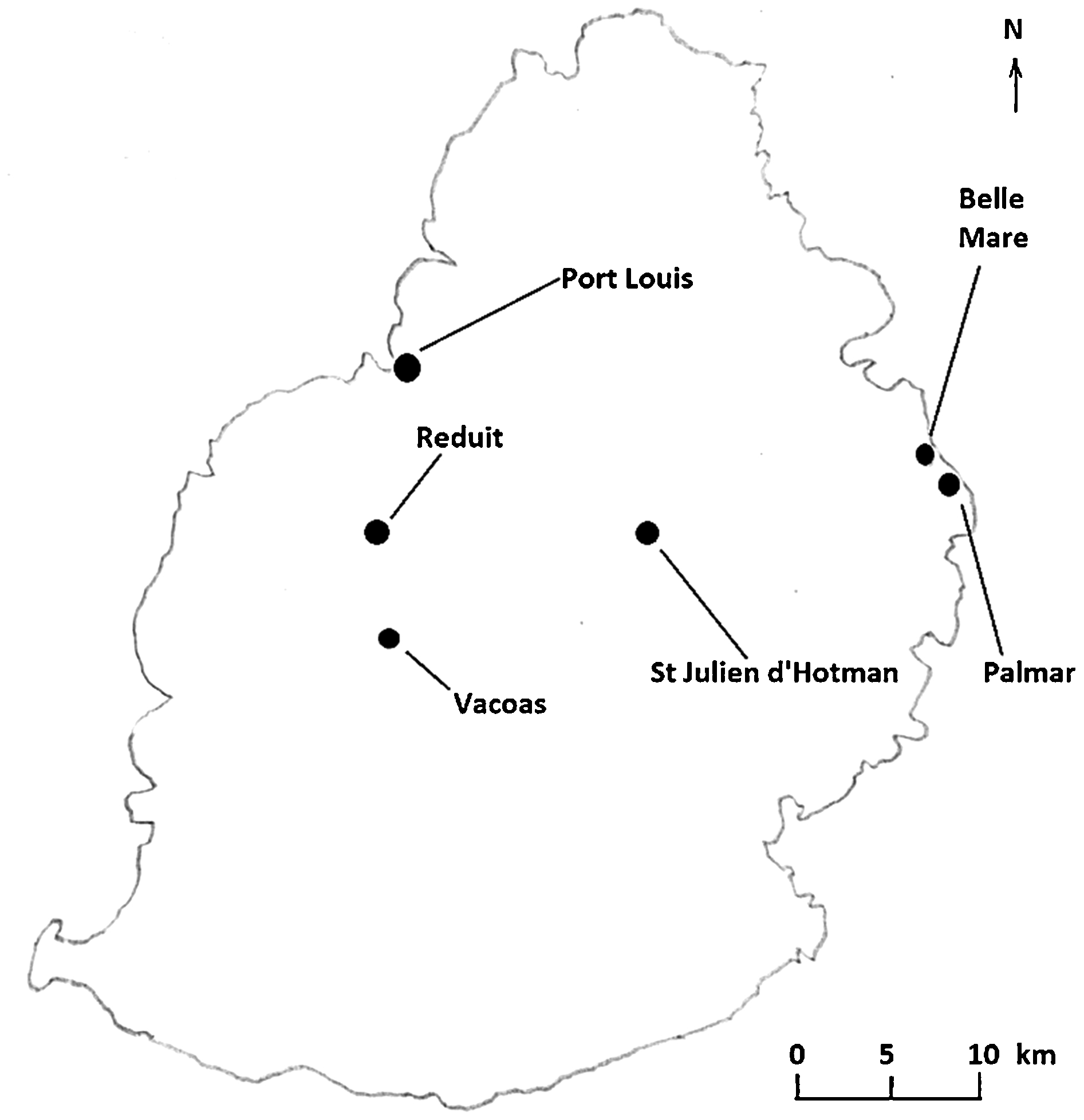
Map of Mauritius
To study the impact of atmospheric corrosion on carbon steel in the short term (1 year), in the island, outdoor exposures of carbon steel were performed to categorise the corrosivity of the Mauritian atmosphere according to ISO 9223. 5 It was found that the corrosivity of the atmosphere in Port Louis fell in the C4 category, which refers to severe atmospheres and that for the rest of the country fell in category C3 which refers to moderate atmospheres. Although this short term categorisation gives engineers and scientists a good idea of the behaviour of carbon steel in the local atmosphere, long term exposure is expected to give a better insight into the corrosion degradation of the metal. Atmospheric corrosion studies performed over the short term period, extending over 1-2 years, are very common. 6 However, long term exposures, extending above 10 years, are rare and there are no consistent data for those above 50 years of exposure. 6
Long term atmospheric corrosion of steel, as a function of time, can be generally described by the linear bilogarithmic law or the power law. 3
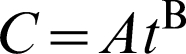
It is widely accepted that long term atmospheric corrosion of steel conforms to an equation of the form7,8
One of the most recent studies on long term atmospheric corrosion of mild steel has been performed by de la Fuente et al. 6 Mild steel samples were exposed outdoors for 13 years at five sites in Spain. It was observed that the corrosion rate falls considerably during the first 6 years of exposure and subsequently levels out. It was observed that the corrosion loss in marine and industrial atmospheres follow the power law. Urban and rural regions where corrosion is less severe followed an abnormal behaviour in which the corrosion loss varied in two steps: an initial high corrosion rate lasting for 4-5 years, followed by a decreased corrosion rate. The same result was also obtained by Zhang et al. 11 in a study performed in China. As for the corrosion products observed in the rust layer, akaganeite was found to be a typical component developed in the marine atmospheres. In all atmospheres studied, lepidocrocite, goethite and magnetite/maghemite were observed in the rust layer. Hematite was observed only in industrial atmospheres. Asami and Kikuchi 12 also studied the composition of the rust layer of carbon steels exposed over 17 years in a coastal industrial atmosphere. Lepidocrocite, magnetite, goethite, akaganeite and amorphous rust were found on the rust layer. However, goethite was found to be more abundant than the others. Amorphous rust was found at the bottom of the rust layer. Lepidocrocite occurred in small amounts. Akaganeite was present in greater amounts in the thick parts of the rust layer than in thin parts.
In Mauritius, no information is available on the long term corrosion behaviour of low carbon steel. This is essential information that is required in the designing and protection of steel structures. Hence, in this study, low carbon steel was exposed outdoors for a period of 18 years with the aim of determining its atmospheric corrosion behaviour in the C3 environment.
Methodology
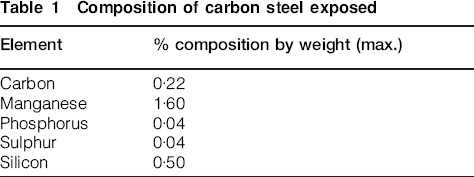
Low carbon steel of the composition as shown in Table 1 was exposed at one site, namely, Reduit according to BS EN ISO 8565. 13 Reduit is a rural region, situated 9 km from the nearest coast in Mauritius. However, it is situated near to industrial zones and urban regions. It should be noted that previous short term atmospheric corrosion tests have shown that Reduit falls in the C3 category. 14
Composition of carbon steel exposed
The samples were cut to a size of 150×100×3 mm. They were exposed on racks outdoors and removed in sets of 4 after time periods of approximately ½, 1½, 3, 9 and 18 years of exposure.
After the surface analysis, the samples were then cleaned according to BS 7545 15 and their mass loss and eventually their corrosion loss was determined. For each removal, the morphology of the rust layer of the samples was analysed using a scanning electron microscope (SEM) to explain the corrosion behaviour of the carbon steel.
Environmental parameters such as relative humidity, time of wetness (TOW), sulphur dioxide level and airborne salinity were also monitored. They affect the atmospheric corrosion rate and therefore, can explain the corrosion behaviour of carbon steel. Relative humidity was obtained from the Mauritius Meteorological Services. The TOW was determined as the time during which the relative humidity exceeds or is equal to 80% and the temperature is above 0°C. 16 The sulphur dioxide level was obtained from air pollution monitoring stations and the airborne salinity was measured using the wet candle method using ISO 9225. 17 The latter was measured twice yearly, during the month of August and January, which refer to the winter and summer seasons respectively.
Results and discussion
Corrosion loss (μm)
The results of the corrosion loss (μm), determined from the weight loss method, against time of exposure of the carbon steel samples, are shown in Table 2 and Fig. 2.
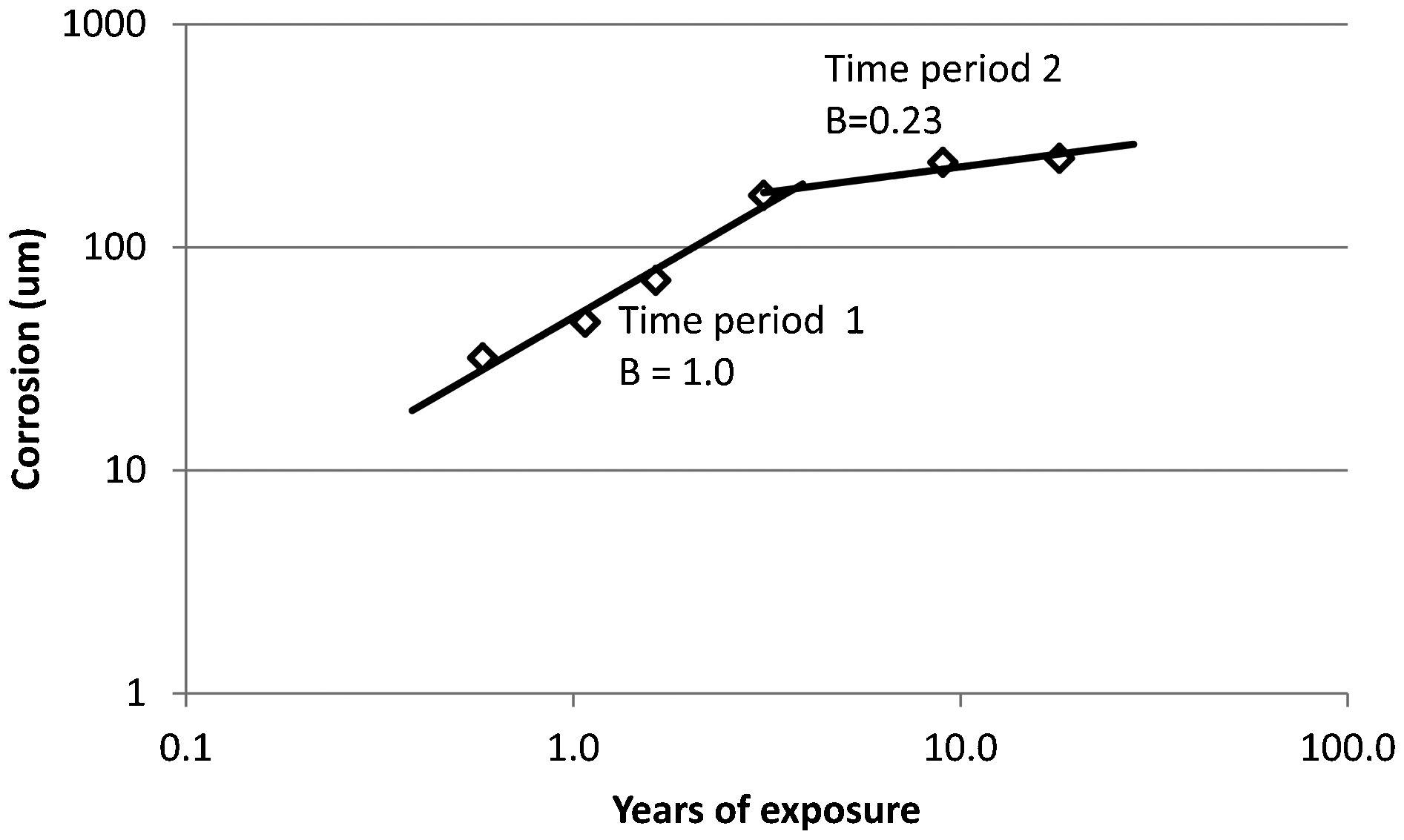
Corrosion loss (μm) against years of exposure
Corrosion loss (μm) of samples
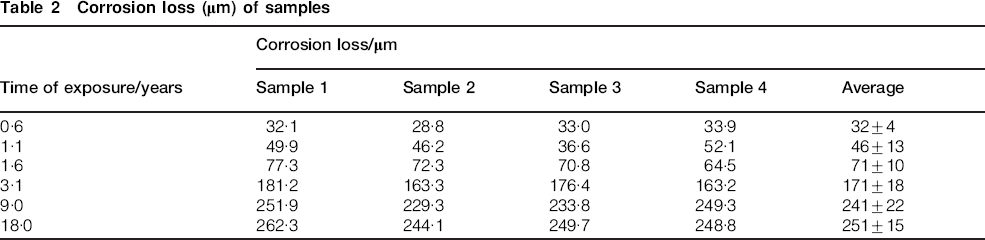
As observed in studies performed by de la Fuente et al., 6 the atmospheric corrosion of low carbon steel in Mauritius can be divided into two time periods, as shown in Fig. 2. The equations for the trend curves for two time periods are shown in Table 3.
Trend curves for corrosion loss against time of exposure

From Table 3, it can be observed that the trend curves correlate well with the results. In time period 1, which extends up to 3 years, the B value is very high (1·03), implying the formation of a porous rust layer leading to a high corrosion rate. For time period 2, which lasts from 3 to 18 years, the B value decreases drastically. There is, therefore, a high corrosion rate at the start of period 2, as compared to the previous years of exposure. However, the corrosion degradation in period 2 decreases to much lower values over time, as compared to period 1. This can be due to a change in the corrosion mechanism and the formation of a more compact rust layer in the second time period.
Based on the trend curve, the corrosion loss for 20years of exposure would amount to 268·8 μm. Hence, the corrosivity of the atmosphere at Reduit, from long term exposures, would fall in the category C4, according to ISO 9223. In the long term, the atmosphere at Reduit, therefore, would prove to be more severe than in the short term.
Environmental parameters
Although the atmosphere at Reduit has low sulphur dioxide and airborne salinity levels, the corrosivity of the atmosphere is high, especially in the long term. This can be explained by the high TOW. According to ISO 9223, the corrosivity of the atmosphere at Reduit based on the environmental parameters, as shown in Table 4, would be expected to fall in the category C4. This is in compliance with the result obtained from the weight loss method for the long term exposure of carbon steel.
Environmental parameters (average/year) at Reduit

SEM and Raman tests
SEM tests were performed to investigate the morphology of the rust layer to explain the corrosion behaviour of carbon steel over the 18 years of exposure.
½ year of exposure
Typical SEM images for the first and second removals, corresponding to ½ and 1 years of exposure respectively, are shown in Fig. 3. It can be found that the rust structure is very porous. Moreover, lepidocrocite was the main corrosion products formed, which could be observed as flowery strcutures and sandy crystals. This porous and open structure provides little protection to the base metal and hence, this explains the high initial corrosion rate, with a B value of 1·0. This was confirmed by the Raman spectra, as shown in Fig. 4. The main peak at 260 cm−1 suggests the presence of lepidocrocite.
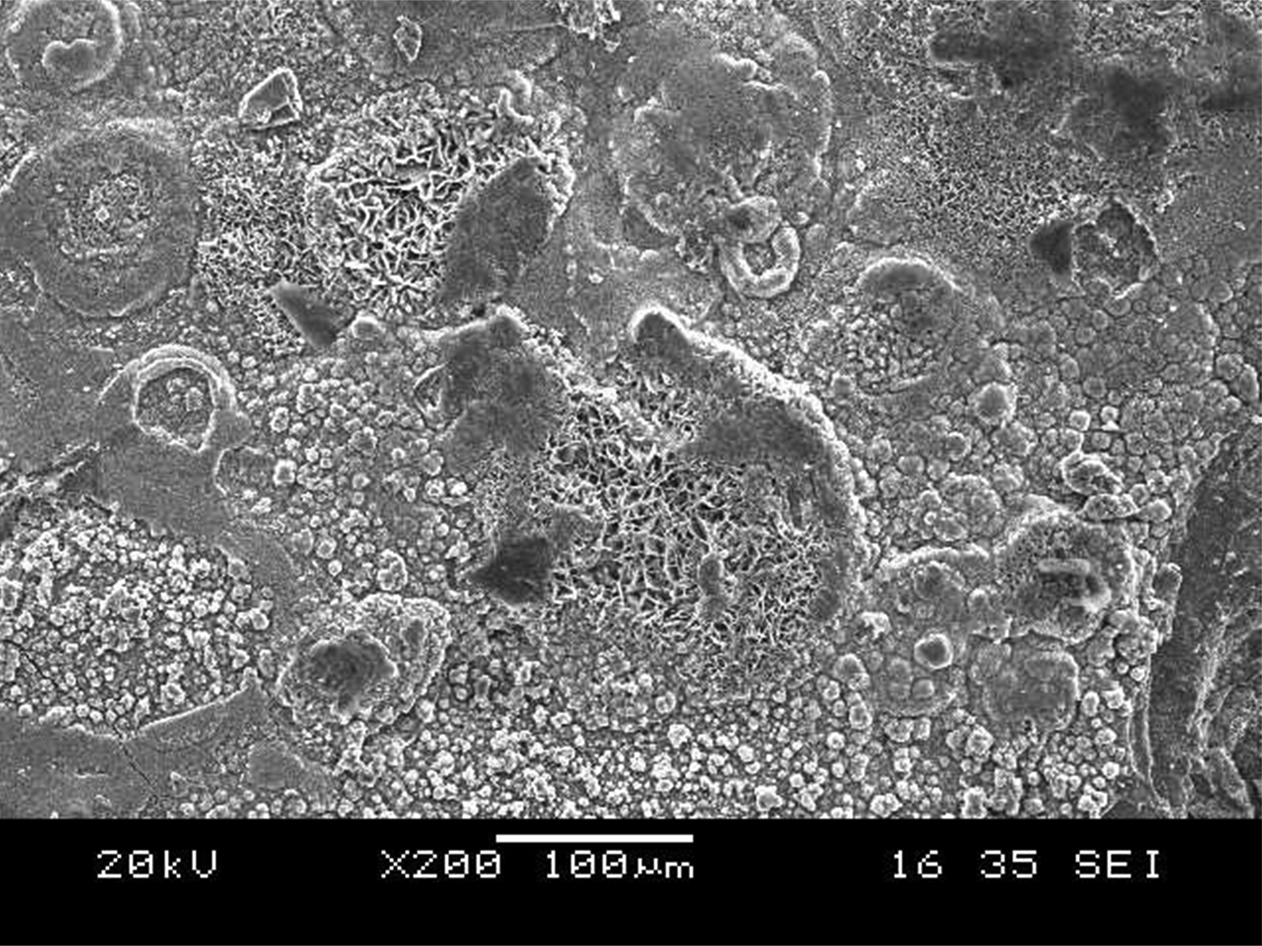
Rust structure, corresponding to ½ year of exposure, with flowery structures and sandy crystals of lepidocrocite clearly visible
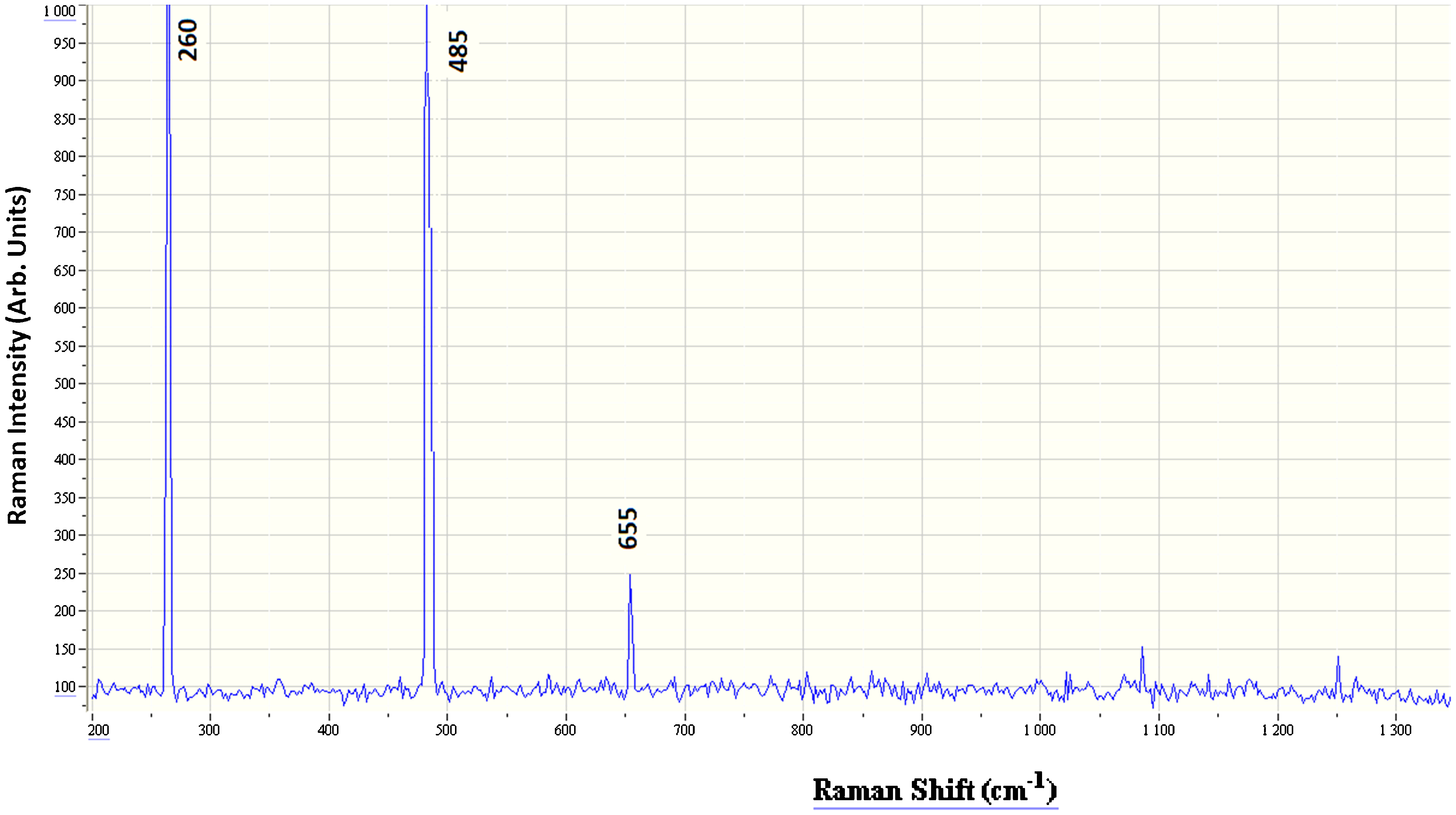
Raman spectra of corrosion products after ½ year of exposure
1½ years of exposure
A typical rust morphology for 1½ years of exposure can be observed in Fig. 5. At this stage, a change in the rust structure could be observed. The rust layer is less porous and more compact. The cotton ball structure of goethite is more commonly observed. This implies a gradual decrease in the corrosion rate with increasing time.
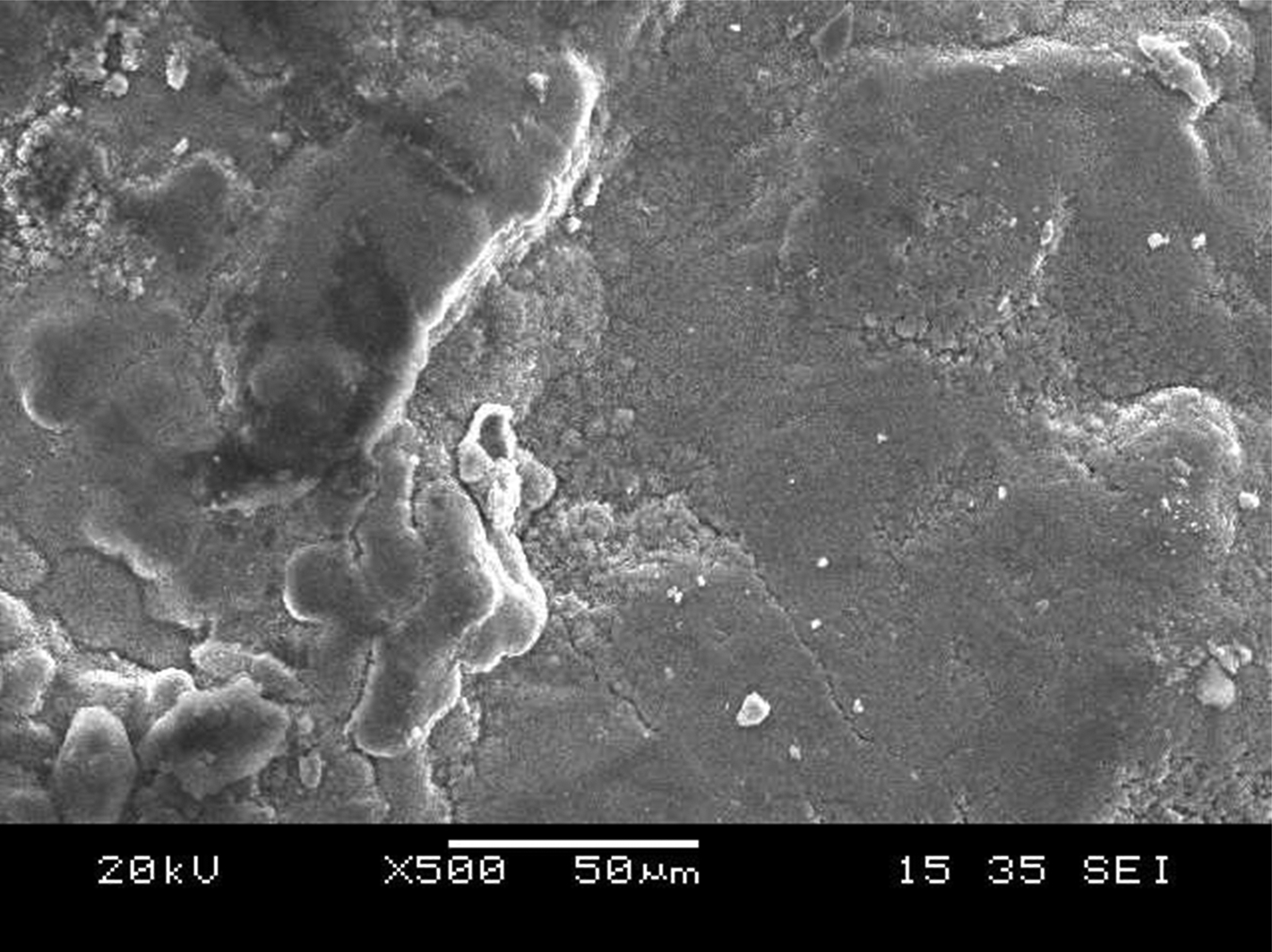
Rust morphology after 1½ years of exposure
3 years of exposure
After 3 years of exposure, cracking and flaking could be observed on the rust layer, as shown in Fig. 6. This can explain the sudden increase in the corrosion rate during the period of transition from time period 1 to time period 2. This sudden increase in the corrosion rate is expected to again gradually decrease with time with increasing thickness of the rust layer.
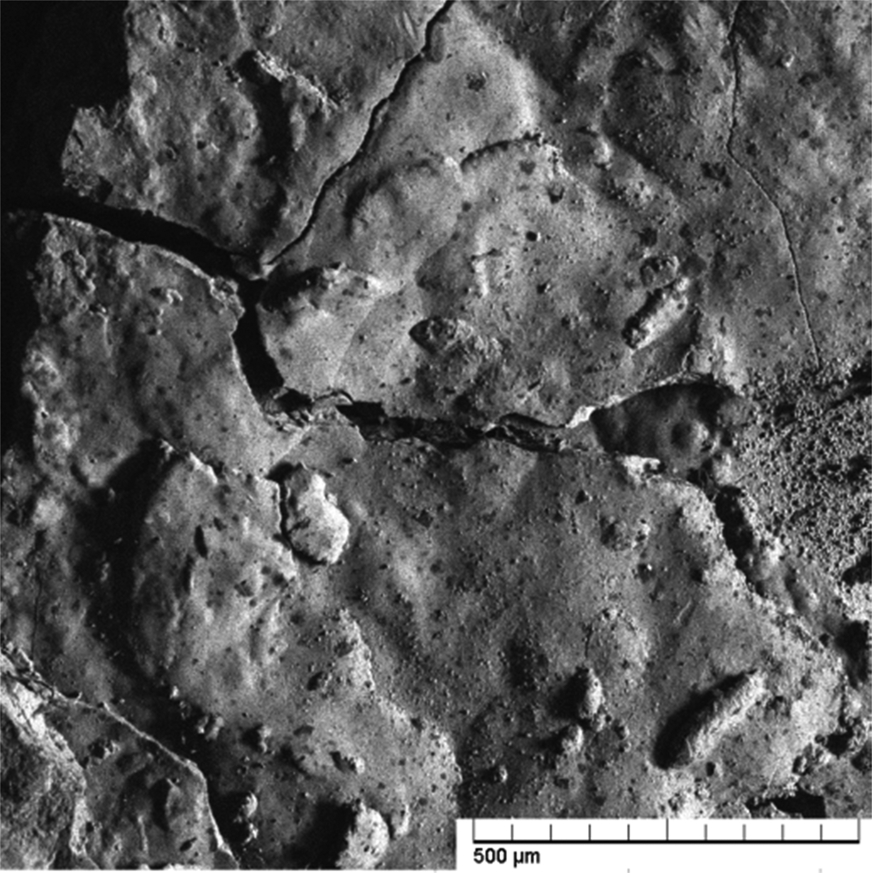
Micrograph for 3 years of exposure of carbon steel
18 years of exposure
Figure 7 shows a typical micrograph of samples exposed for 18 years. It can be observed that the rust layer is less porous and less cracked than that for the initial exposures. The cotton ball structure of goethite can be clearly seen to be the main corrosion product on the surface. Goethite is insulating and non-reactive and therefore, it protects the base metal. This leads to a relatively lower corrosion rate in the long term. The rust layer can, therefore, be said to have stabilised with the formation of the more stable goethite as corrosion product.
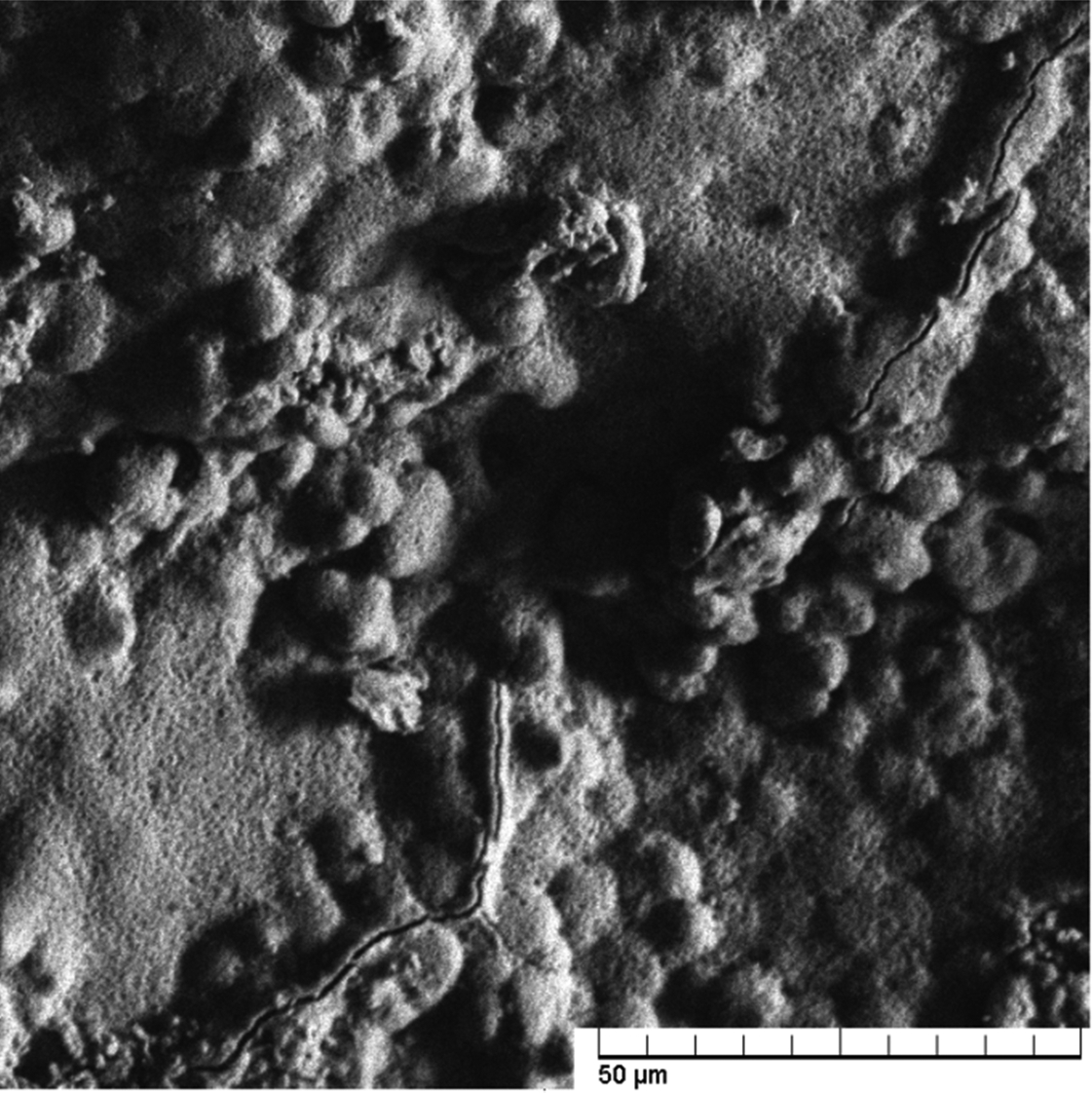
Cotton ball structures of goethite observed after 18 years of exposure
The Raman spectra, as shown in Fig. 8, also suggest the presence of goethite and magnetite with peaks at 290, 550, 655 and 1295 cm−1.
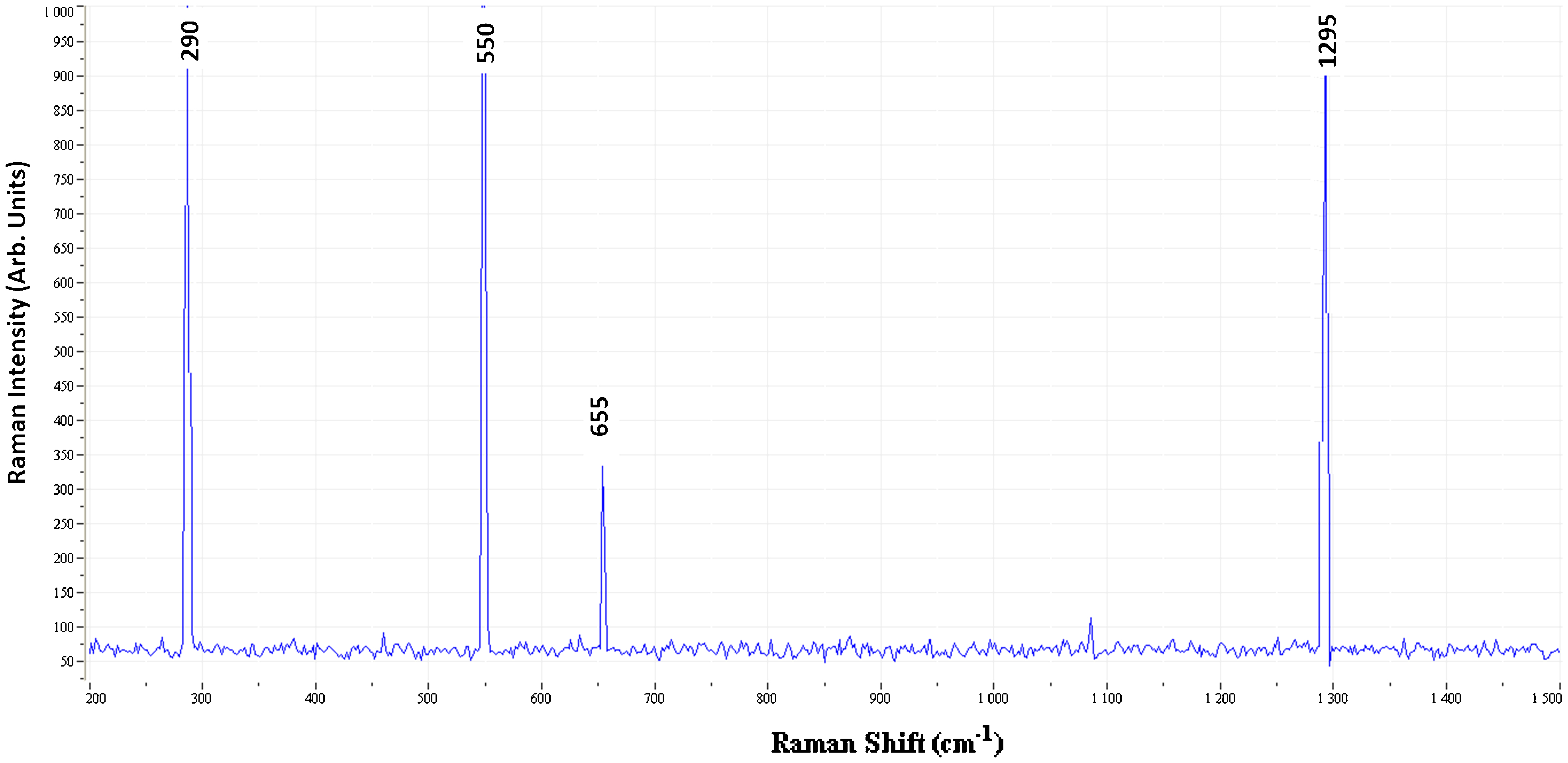
Raman spectra of corrosion products after 18 years of exposure
Conclusion
Short term atmospheric corrosivity at Reduit, according to ISO 9223, was found to be equal to C3 based on the weight loss method. The long term atmospheric corrosivity, based on the weight loss method, was found to be in the category C4. This was also in accordance with the corrosivity based on environmental parameters, according to ISO 9223.
The corrosion over long term was found to consist of two time periods; the first one ends at around 4 years of exposure which is then followed by the second one. Both follow the power law.
Such a behaviour has been explained through the surface morphology of the rust layer. Initially, the rust layer is porous with the formation of lepidocrocite as the main component. The rust layer becomes more compact with time. It starts to crack at around 4 years of exposure, leading to a sudden increase in the corrosion rate. The corrosion rate decreases again with time to very low levels with the formation of goethite as the main component in the rust layer in the long term. Also, studies which have been performed over the long term period in urban or rural atmospheres worldwide have shown similar corrosion behaviours.