







Abstract
The leaching of lead from galena in acidic hydrogen peroxide in presence of sodium chloride solution has been investigated with respect to the effects of hydrochloric acid and hydrogen peroxide concentrations, by changing the stirring speed, leaching temperature and the particle size. It was observed that leaching rate increases with increasing hydrochloric acid concentration, hydrogen peroxide concentration and the temperature. However, it decreases with increase in the particle size. The kinetic study showed that the leaching process is represented by shrinking core model with mixed kinetic. The activation energy (Ea) for the leaching reaction was calculated as 14·60 kJ mol−1, which is suggestive of the mixed controlled kinetics for the leaching reaction.
Introduction
Most of the world's supply of lead is produced by pyrometallurgical treatment of lead concentrates containing galena, PbS as the major mineral. The most common of this process involves roasting operation to produce oxides of lead, which can be easily reduced to metal by suitable reducing agents (Adebayo and Ipinmoroti 2005 ; Kinaev, 2005; Adebayo, Ipinmoroti and Ajayi 2006 ; Ajayi, Oladipo, Ogunsuyi and Adebayo 2002 ; Akcil and Ciftci 2003 ; Dube, 2006). This process is, however, limited to concentrate minerals and also restricted by environmental law because of pollution of flue gases. The lean grade mineral characterised by high gangue concentrations particularly silica and tailings from concentrates are quite expensive to treat by pyrometallurgical process because of high cost of energy required for the treatment (Asaki, Taniguchi and Hayashi 2001 ). In addition, the silica gangue present in the ore is converted to thermodynamically stable mattes during pyrometallurgical smelting, which reduces extraction efficiency of the metals (Burkin 1966; Sohn and Wadsworth 1979; Ghosh and Ray 1991 ). Hydrometallurgical processes are suitable for treatment of such lean and complex ores. In most hydrometallurgical processes, high level of extraction of the base metals is achievable because most leaching agents can be selected considering inertness to the gangues; however, high oxidation potential is required for successful and efficient extraction of the metals (Burkin 1966 ; Baba 2008 ; Rath, Paramguru and Jena 1988 ).
Leaching of sulphide minerals in oxidising medium has been investigated by other researchers; it has been established that the sulphide is oxidised to elemental sulphur and eventually to sulphate depending on the redox potential of the oxidant and temperature (Ghosh and Ray 1991 ; Baba 2008 ; Rath et al. 1988 ). Oxidative leaching of lead from galena sometimes leads to formation of insoluble lead sulphate with restricted process in practice. Chloride leaching in the presence of excess chloride however often practice because of formation of soluble chlorocomplex of lead, hence the choice of lixiviants used in this study.
Oxidation of sulphide by hydrogen peroxide has been reported to be electrochemical (Schaefer and Gokeen 1982
; Gardner and Woods 1979
; Urbano et al. 2007
;
Adebayo et al. 2006
; Adebayo and Ipinmoroti 2005
) and the half reactions can be written as shown in equations (1) and (2)



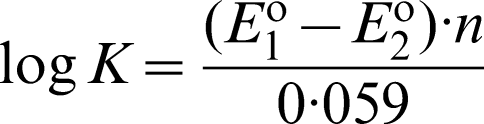
 and
and
 are the standard redox potentials reduction and oxidation half cells, while n is the number of electrons involved in the reactions. The equilibrium potential E is related to the standard redox potential in the Nerst–Peterson expression (equation (5))
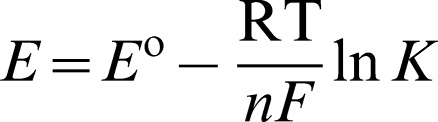

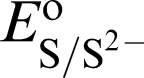 is the standard redox potential of sulphide/sulphur couple. Redox potential for sulphur/lead sulphide system is estimated using equation (6) as

The standard redox potential (1·77 V) of equation (1) is greater than 0·93 V of S/PbS. By the values of these redox potentials, direction of reaction is such that the sulphide is oxidised while the hydrogen peroxide is reduced.
The extent of leaching reactions can be predicted from the fundamental relation in equation (8)

Experimental
Materials
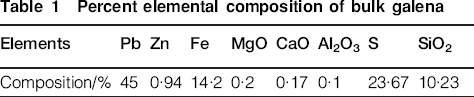
The mineral ore was crushed with standard Jaw crusher and sieved with standard ASTM sieve. Some metal contents of Pb, Zn, Fe, CaO, MgO and Al2O3 were analysed by titrimetric analysis. The elements S and SiO2 were analysed gravimetrically (Patnaik 2004 ). The per cent elemental composition of the bulk galena ore is listed in Table 1.
Percent elemental composition of bulk galena
Leaching procedure
Leaching experiments were carried out in a three-necked glass reactor equipped with a glass stirrer, condenser and thermometer/sampling device. This set-up provides stable thermostatic conditions and allows heating at constant temperature. In all, 100 mL of leaching solution (H2O2+HCl+NaCl) was charged into the glass reactor and heated up to the desired temperature. When the temperature was reached, 1·0 g of bulk ore was added and the mixture was stirred at the preset speed. After selected time intervals, 1·0 mL of aliquot was taken, diluted to 25 mL, with distilled water in a standard flask and then filtered. The sample solutions were analysed using AAS (Perkin Elmer, USA) for lead. The lead content samples were determined, and degree of leaching was calculated.
Results and Discussion
Chemistry of lead leaching from galena in H2O2+HCl+NaCl
In the acid solution, thermodynamically, galena reacts with hydrogen peroxide according to the following chemical reaction


Effect of concentration of hydrogen peroxide
The effect of the concentration of hydrogen peroxide on the leaching of lead from the bulk ore as a function of time is shown in Fig. 1. It was observed that the percentage of lead leached in all the experiments increased gradually with time and the concentration of hydrogen peroxide, which indicates that hydrogen peroxide increases the rate of the reaction. This is expected because hydrogen peroxide has a significant effect on the oxidation of sulphide in order to release the lead ion. It may also be because of the high oxidation potential of hydrogen peroxide, which increases the leaching of the ore by partially converting the sulphide to elemental sulphur.
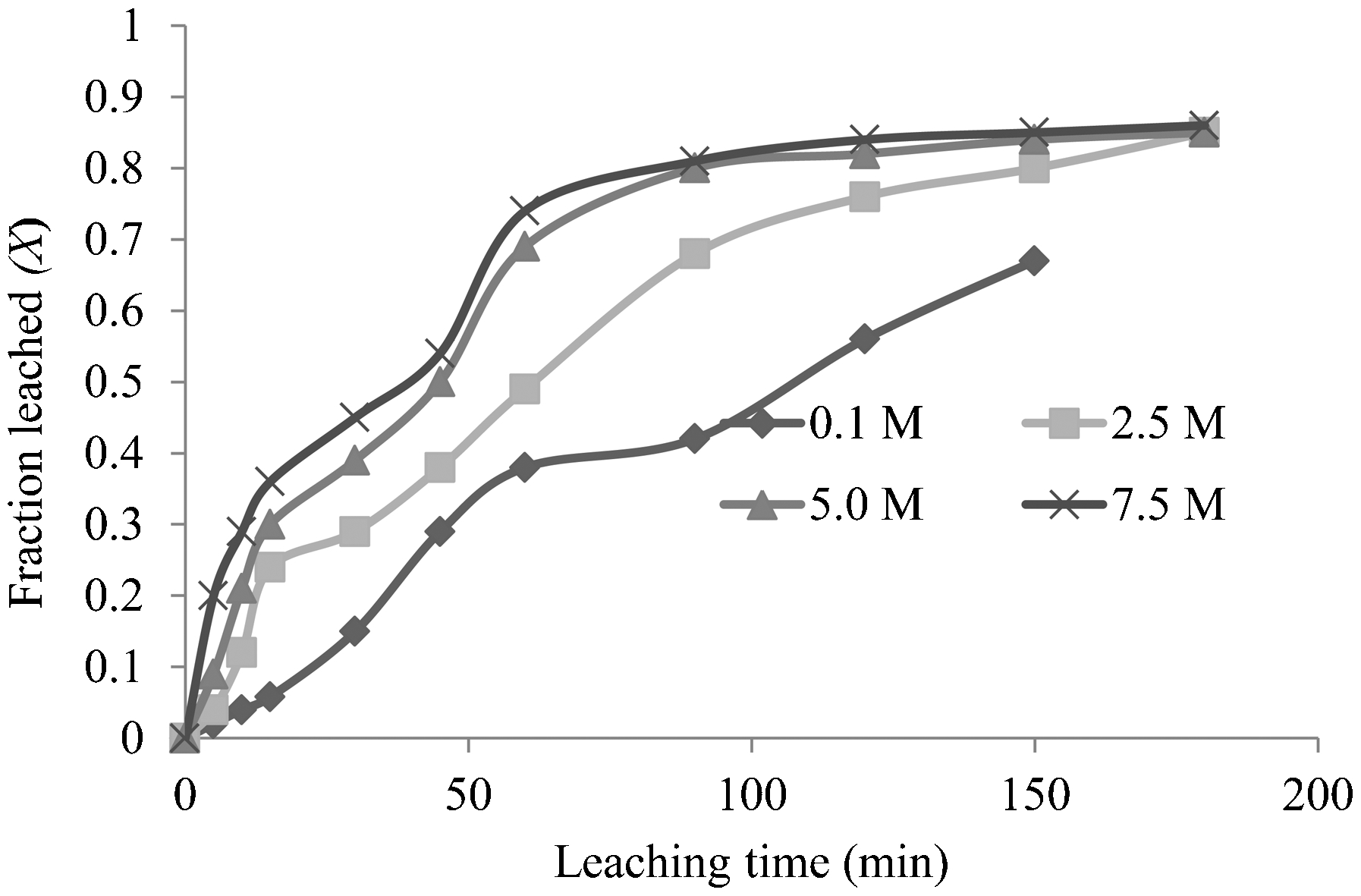
Effect of H2O2 concentration on the leaching of Pb from galena
Effect of HCl concentration
The effect of hydrochloric acid concentration on the leaching of lead from galena (Fig. 2) shows that increase in the concentration of hydrochloric acid resulted into an increase in the amount of lead leached. The fraction of lead leached after 90 min at 50°C with 0·1 and 5·0 mol/L HCl were 0·41 and 0·84, respectively. Previous investigations have shown that hydrochloric acid increases the redox potential of the oxidant (
Adebayo et al. 2006
; Adebayo and Ipinmoroti 2005
). Thus, the increase in the amount of lead leached with increase in the concentration of the acid can be attributed probably because of the increase in the redox potential of hydrogen peroxide in acidic medium. However, hydrogen peroxide itself sometimes behaves as mild reducing agents particularly under neutral pH, but on acidification the redox potential increases according to equations (11) and (12). This means that hydrogen ion concentration increases the redox potential of H2O2, which consequently increases the rate of the reaction. Under acidic condition, peroxide and superoxide are formed, which contribute to the oxidising power of the reagent (Bossmann et al. 1998
; Greenwood and Earnshaw 1984
; Lide, 2006)


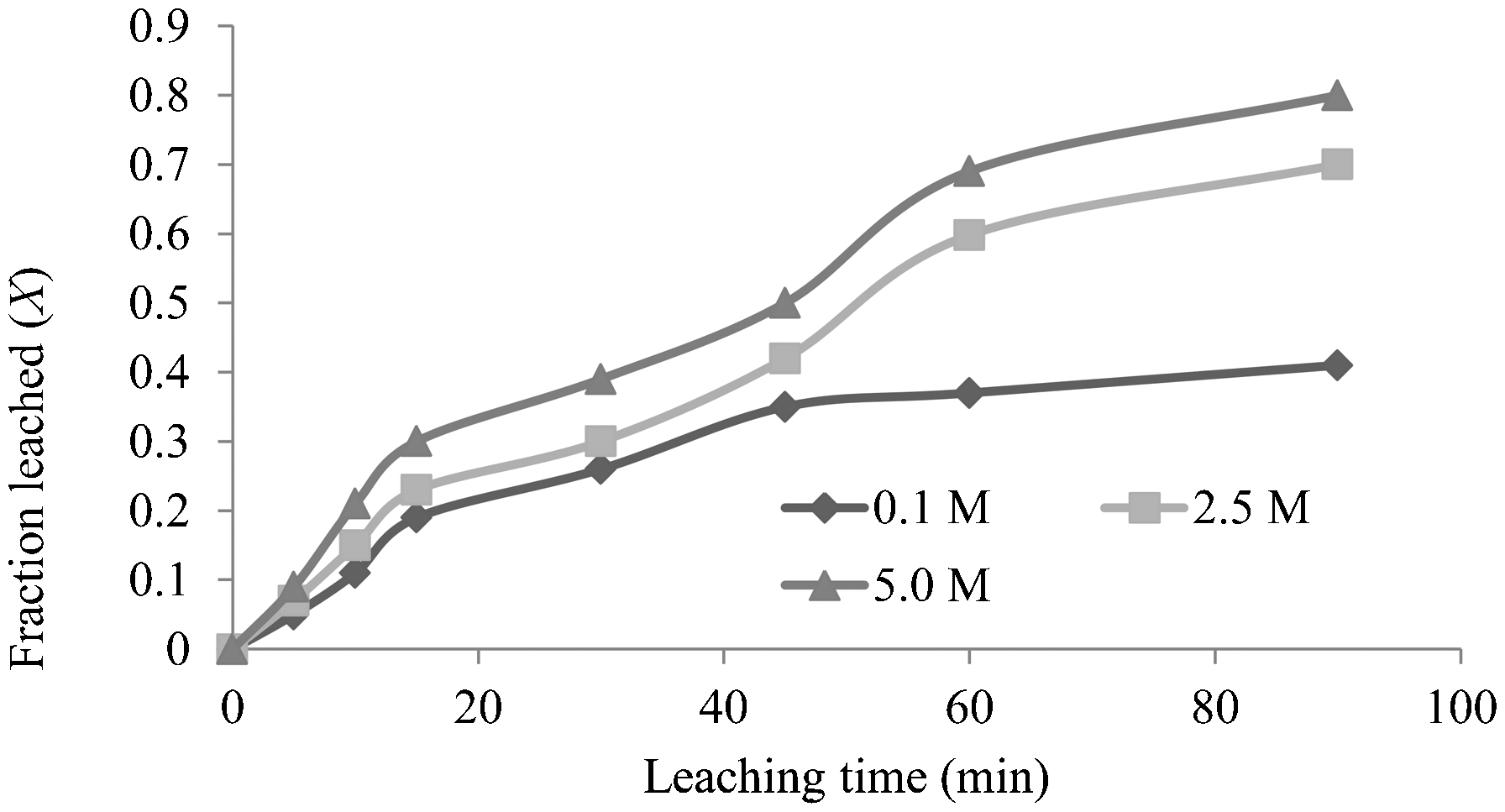
Effect of HCl concentration on the leaching of Pb from galena
Effect of temperature
The influence of the temperature on the leaching rate of lead from galena as a function of time in the temperature range of 30–60°C under the following conditions: stirring speed 400 rpm, particle size 100 μm, 5·0M HCl, 5·0M H2O2, 2·5M NaCl and phase ratio 1 g galena/100 mL, is presented in Fig. 3. The results show that temperature has a significant influence on the leaching rate; leaching of lead increases with increasing temperature. By increasing the temperature from 30 to 60°C, the fraction of lead leached increases from 0·73 to 0·91 after 90 min.
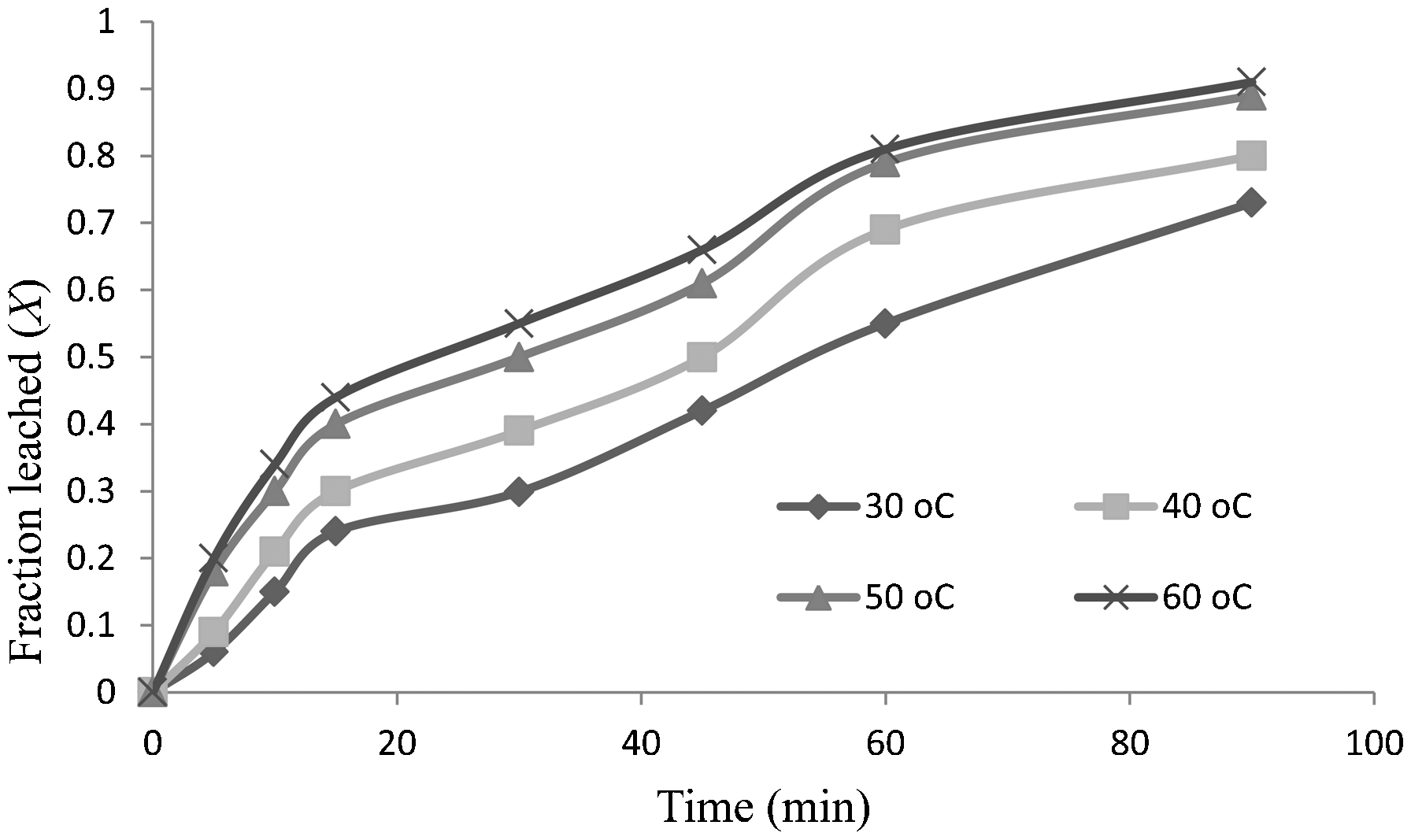
Effect of temperature on leaching rate of lead from galena
Effect of stirring speed
Figure 4 presents the effect of stirring speed on the leaching rate of lead from galena as a function of time. The results showed that the fraction of lead leached from galena increases with increase in the stirring speed. Over a reaction time of 90 min, the fraction of lead leached from galena increased from 0·65 at 100 rpm to 0·87 at 400 rpm. Obviously, increasing the stirring speed has a significant influence on the leaching rate of lead from galena.
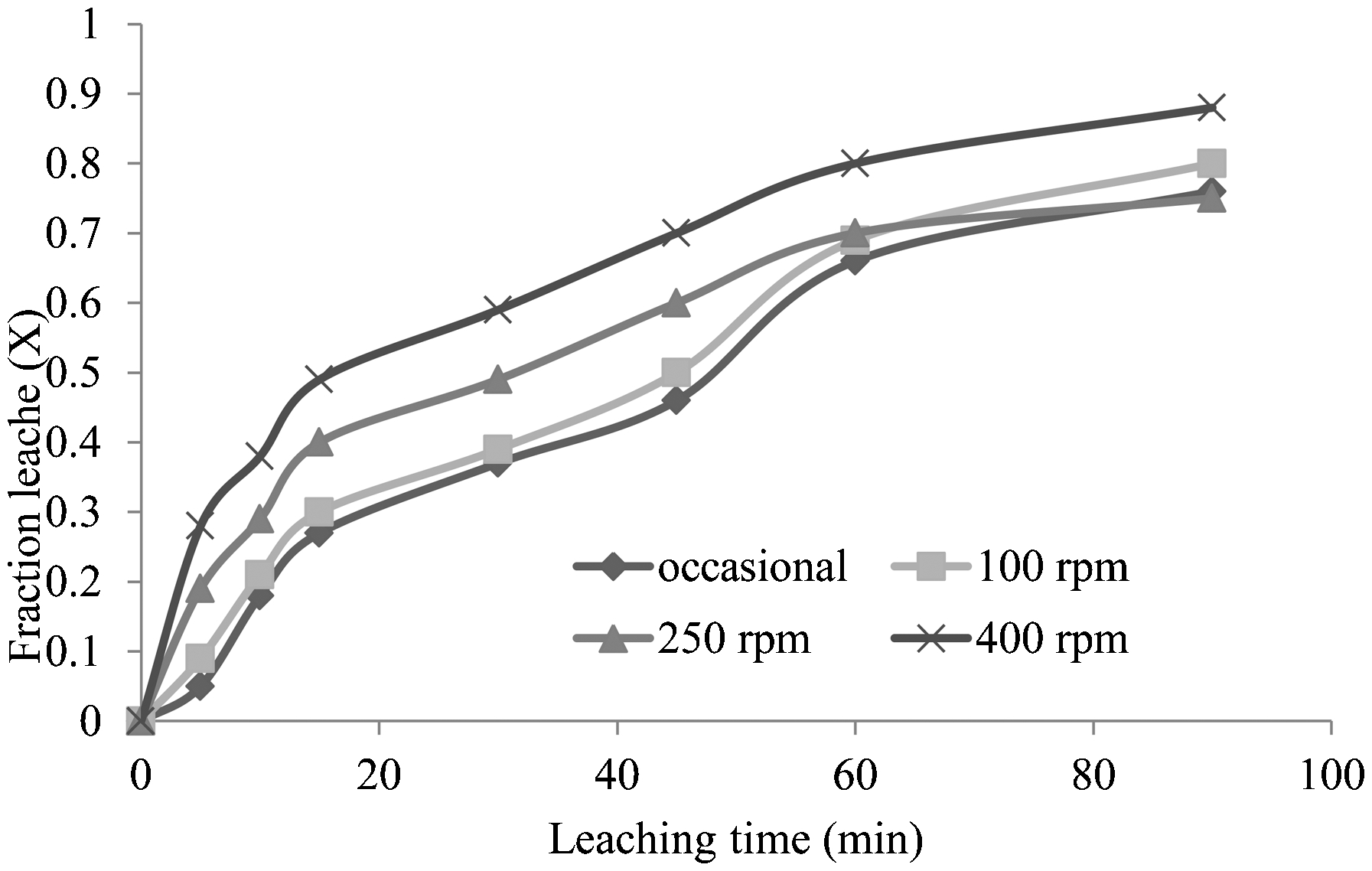
Effect of stirring speed on the leaching of Pb from galena
Effect of particle size
The effect of particle size (100–250 μm) on the rate of leaching of lead from galena was examined, and the results are presented in Fig. 5. From the figure, it was observed that the greater the particle size, the smaller is the fraction of lead leached from the galena. The faster rate of lead leached observed with the finer particle size may be attributed to the larger surface area and thinner ash layer presented on the finer particles.
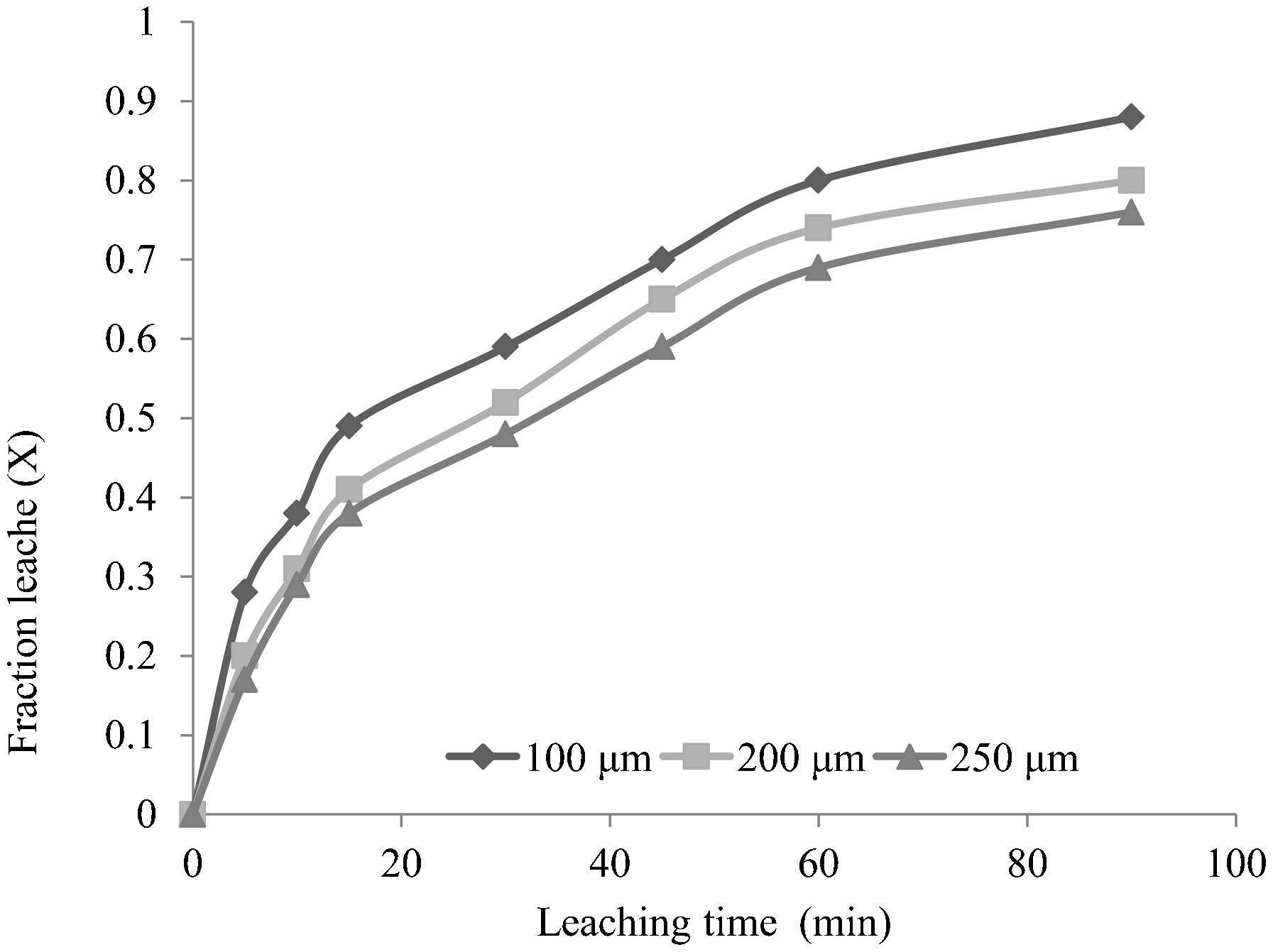
Effect of particle size on the leaching of Pb from galena
Determination of kinetic model
It is quite important to establish kinetic factors that can be used to alter rate of leaching in any hydrometallurgical process. In order to determine the kinetic parameters, the galena particles were assumed to be homogenous spherical solid phases surrounded by the leaching reagents. The leaching reaction is assumed to be

The established models, i.e. chemical reaction controlled process, liquid film diffusion controlled process, product layer diffusion controlled process and also a mixed kinetic mechanism were considered for initial selection of the reaction mechanism.
When the leaching process is under chemical reaction control, the kinetic equation may be expressed as



Equations (14) and (15) were initially used to test the experimental data in Fig. 3 by plotting left hand sides versus time at various temperatures to predict the model that best describe the leaching process. Table 2 shows derivations from the plot of the tested models. It appears that the correlation coefficients and intercepts from plots of equations (14) and (15) are not in agreement to describe that the models can be strictly selected for leaching of lead in the present system. After the initial test with equations (14) and (15), the experimental data were further tested with mixed kinetic model using equation (16). This was initially tried for different contributing portions of the first two models. For the chemical controlled rate being dominant than diffusion, the data did not produce a satisfactory straight line that is fitting on the model. However, when the proportion of diffusion factor was more than the chemical one, the data fitted well on the model and gave reasonable values of rate constants.
Rate constant, intercept and correlation coefficient of equations (14) and (15)

Summary of some studies on the kinetics of galena dissolution in literature
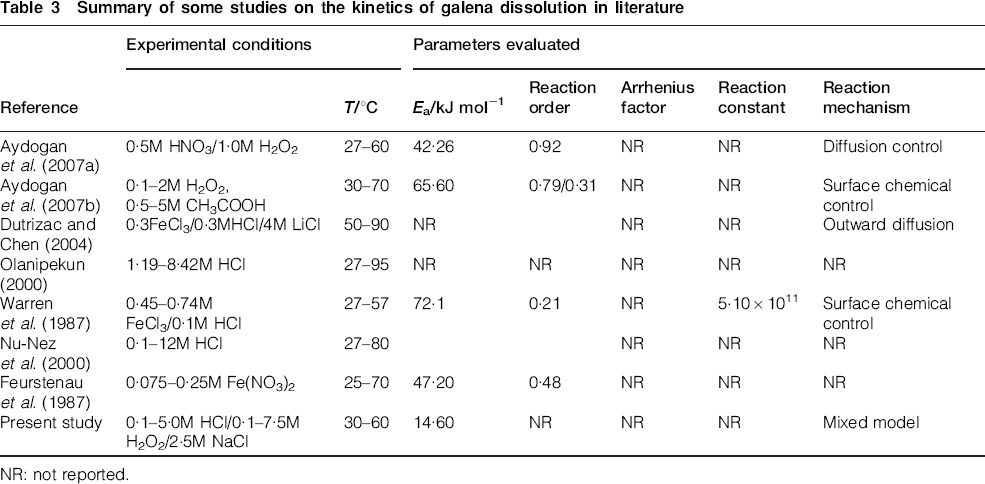
NR: not reported.
Figure 6 was found to fit the model equation
 with an average correlation coefficient r2 of 0·9856.
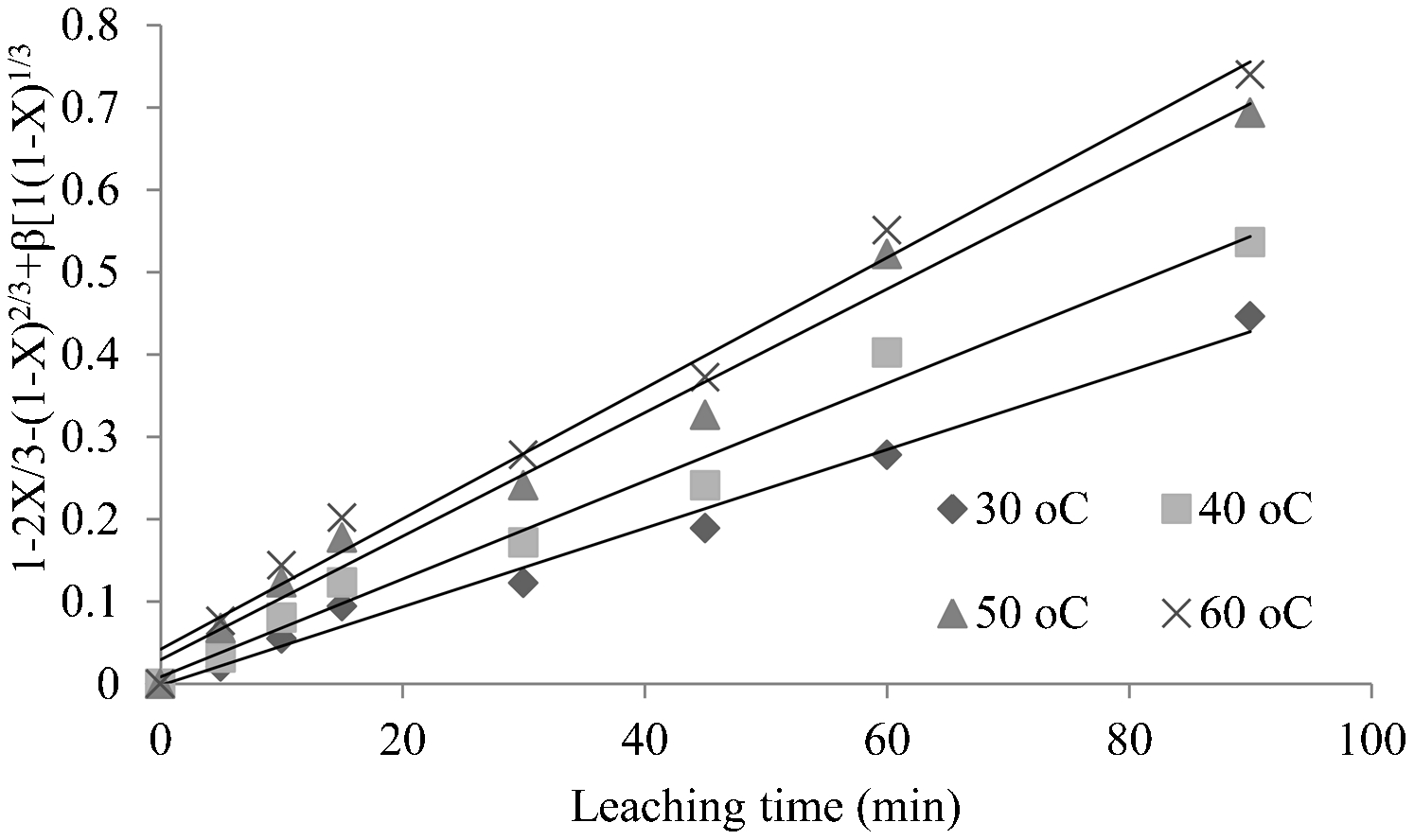
A plot of equation (13) versus time at different temperatures
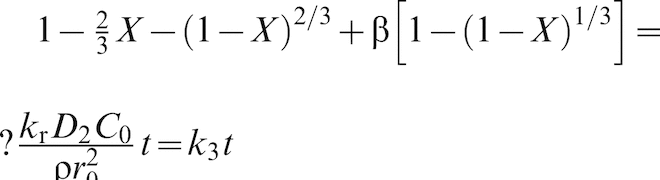
The leaching reaction was, therefore, reasonable assumed to follow a mixed kinetic mechanism, i.e. the overall rate-controlling factor is a combination of diffusion-controlled process and surface chemical reaction. The change in proportion of dominating reaction was done by setting ‘β’ in equation (16) between 0 and 1. The values of ‘β’ for each reaction were determined graphically by plotting the experimental data according to equation (16) for different values of ‘β.’ The value that produced the best fits with the smallest intercept was used as rate-determining step. The factor ‘β’ is a function of chemical reaction and according to this mixed kinetic mechanism when ‘β’ is very small or equal to zero, the reaction at the particle surface does not control the kinetics of leaching and diffusion process becomes the rate-controlling factor. The small values of ‘β’ obtained (about 0·0018) suggest that diffusion through the product layer outweighs chemical reaction. For all the leaching parameters under investigation, the graphs produced straight lines hence the data fit (mixed kinetics reaction) and confirms that the leaching of lead from galena follows a shrinking core model.
Determination of activation energy
Reaction rate increases markedly with increasing temperature (Habashi 1999
). It has been found empirically that temperature affects the rate constant in the manner shown in the Arrhenius equation

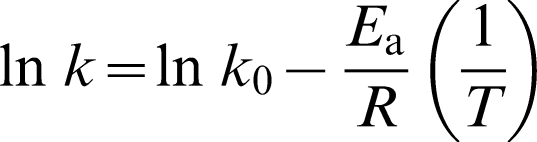
A plot of ln k versus 1/T (Fig. 7) yields a straight line from which the apparent activation energy Ea was determined to 14·60 kJ mol−1.
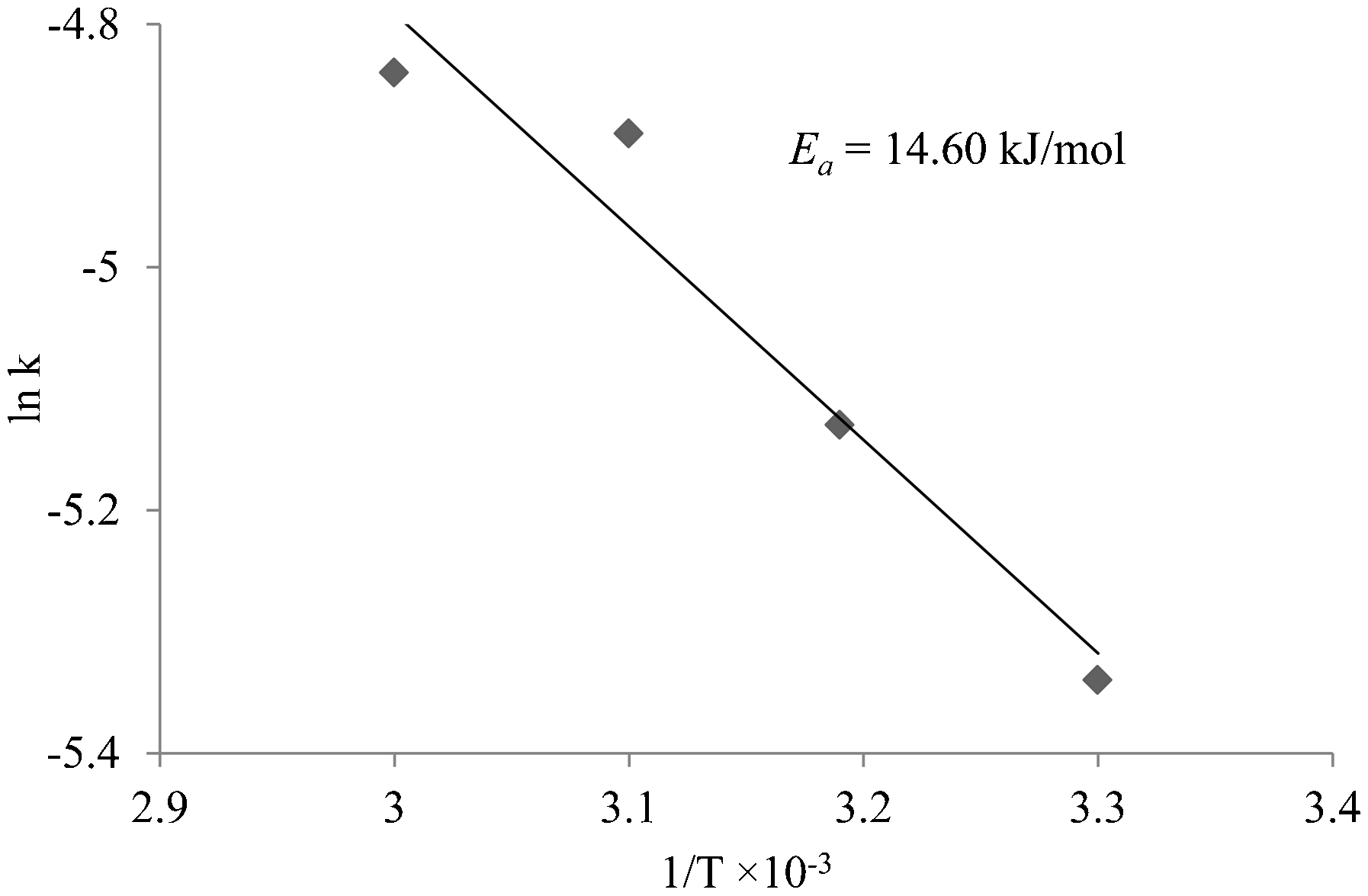
Arrhenius plot for leaching of lead from galena
One important parameter that can be used to justify the rate determining step in hydrometallurgical process is activation energy. For activation energy greater than 39 kJ mol−1, the process is mainly surface chemical reaction control but if the activation energy is less than 12 kJ mol−1, the process is purely diffusion control. The activation energy in the range 12–39 kJ mol−1 could be said as a mixed control, i.e. surface chemical reaction plus diffusion control ( Saxena and Mandre 1992 ; Feng et al. 2013 ). Therefore, the leaching of lead from galena in a mixture of hydrochloric acid and sodium chloride empirically suggests mixed controlled kinetics.
Conclusions
The following conclusions can be drawn from this study. The leaching of lead increases with increase in concentrations of hydrogen peroxide and hydrochloric acid in the presence of 2·5M sodium chloride. Temperature and stirring speed also influence the leaching rate of lead positively but had an inverse relationship with particle size. The leaching reaction is a mixed kinetics process; the overall rate-controlling factor is a combination of diffusion through the product layer and reaction at the product reactant interface, thus fitting on shrinking core-mixed kinetics model shown
The reaction was found to be temperature sensitive, and the apparent activation energy was found to be 14. 60 kJ mol−1, which conforms to the mixed kinetic model.