







Abstract
Gasification of renewable fuels is not common practice due to the high costs of technologies and the absence of reliably working refractories. Refractory degradation is of such high significance that improved refractory durability was ranked first by industry experts in a list of 20 research and development areas related to the economic viability of gasification. Therefore, for improvement of the reliability and durability of refractory linings, this work is dealing with the corrosion resistance of nine commercial refractories to a variety of emissions from potential fuels. The refractories were exposed to a gasifier-like, water vapour and alkali rich atmosphere. Exposures with a duration of 250 h produced corrosion effects that were investigated by scanning electron microscopy, energy dispersive X-ray spectroscopy and X-ray diffraction. Furthermore, thermodynamic calculations were included to further explain the equilibrium chemistry. The results show that extremely low silica refractories are promising candidates for gasifier utilisation.
Keywords
Introduction
Utilisation of coal in gasification processes is an efficient and seminal technology. However, despite the fact that coal is available, cheap and commonly used around the world to provide baseload power and heating, gasification is not common practice due to the technologies’ high costs and the lack of reliably working refractories. Refractory degradation is of such high significance that improved refractory durability was ranked first by industry experts in a list of 20 research and developments needs to render gasification technologies economically viable. 1 Additionally, the gasification of renewable fuels is a next generation technology.
The corrosion resistance of refractory linings in conventional coal fired power generation systems has previously been investigated;2,3 however, gasification conditions differ significantly from conventional coal firing. The composition of the resulting gas and solid phases from gasification depends on the process operating temperature, pressure, fuel composition and oxygen content. More specifically, in a reducing environment, H2, CO, CH4, H2O, N2 and CO2 are generated during gasification. Sulphur is released as H2S and COS, and chlorides are emitted as volatile HCl and alkali chlorides. The concentration of these gaseous sulphur, chlorine and alkali metal species also depends on both feed parameters and gasifier operating conditions. Unlike combustion systems, alkali species are predicted to remain as alkali chloride phases as the gas passes through the gasification system. 4
Over the past 40 years, there have been several investigations relating to gasifier refractory materials.5–11 It was observed that chromium materials performed adequately in gasification environments. 12 However, attack of refractories in commercial furnace linings is a complex phenomenon that depends on the particular system and involves many chemical wear (corrosion) and physical or mechanical wear (erosion) processes that may interact synergistically. 13 In the early stages of development, refractory lifetimes ranged from 4 to 18 months, and changing the refractory resulted in significant costs and downtimes. 7 Accordingly, investigations were undertaken to optimise the corrosion behaviour of refractory materials for coal gasification,14,15 and still further investigations are necessary, especially for gasification of biomass, due to the extremely variable nature of solid fuels. Recently, the corrosion behaviour of ceramic filter candle materials was investigated under biomass gasification conditions, 16 which can also indicate suitable materials for refractory linings.
In this work, the corrosion resistance of nine commercial refractories with different compositions, including high alumina, high chromia and high zirconia, was investigated to determine the broad corrosion effects for various materials. The refractories were exposed to a water vapour and alkali rich, gasifier-like atmosphere at temperatures of 800 and 900°C. Exposures of 250 h resulted in several corrosion effects that were analysed by scanning electron microscopy (SEM), energy dispersive X-ray spectroscopy (EDX) and X-ray diffraction (XRD). Furthermore, thermodynamic calculations were included to confirm and validate the observed mineral reactions and transformations.
Experimental
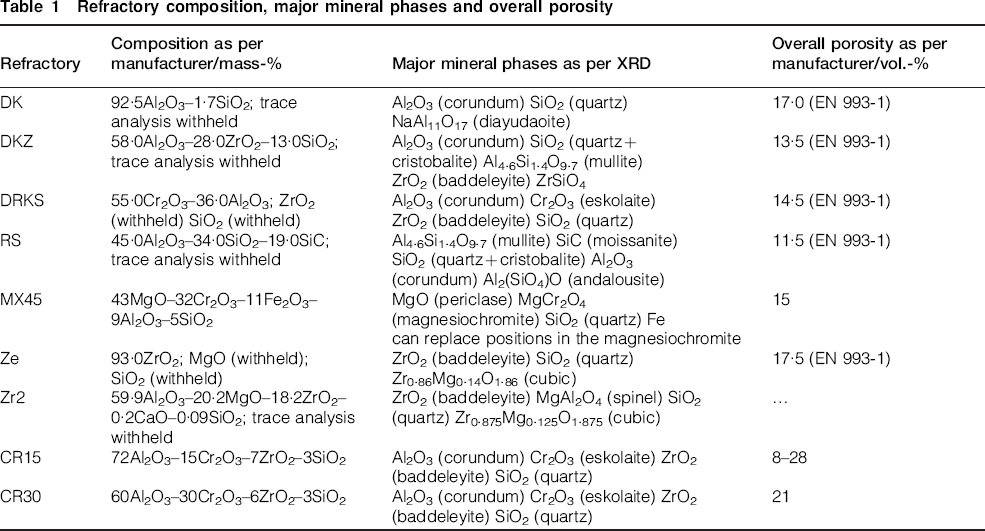
In order to understand corrosion processes in refractory linings, nine commercial refractory materials fabricated by three different companies were investigated. The refractory materials’ approximate composition and overall porosity are given in Table 1. Owing to the commercial nature of the materials investigated, only the major components are shown, with quantification of some or all of the minor components withheld from the analysis.
Refractory composition, major mineral phases and overall porosity
To determine the effects of steam, hydrogen chloride and alkaline metals on the refractory corrosion processes, the samples were exposed to various gaseous atmospheres in a four-tube furnace at atmospheric pressure and temperatures of 800 and 900°C. The duration of each experiment was ∼250 h with cooling and subsequent reheating after 100 h. The atmosphere was set up similarly to that of the allothermal fluidised bed gasifier in Güssing (Austria). At a temperature of 850°C and atmospheric pressure, the equilibrated gas in Güssing consists of 36 vol.-%H2, 25 vol.-%CO, 17 vol.-%H2O (g), 11 vol.-%CO2 and 11 vol.-%Ar (replacing all inert gases). 16 This gas composition was achieved in the experimental furnace by mixing H2, Ar, CO and H2O (g).
To determine the influence of several real fuels on the corrosion of the refractory materials, the exposures were performed in the presence of either real gasifier wood ash from Güssing (Austria) or one of three laboratory ashes of straw, DDGS (dried distillers grain with soluble) and sulphur rich lignite. Laboratory ashes were produced by gasification of the fuel in a gasifier process similar to the one in Güssing. The ash compositions are shown in Table 2. In addition to the major gas components mentioned above, the atmosphere within a real gasifier also contains condensable species such as alkali compounds. Similar conditions were achieved during exposure experiments by a combination of the alkali concentration in the ash used and the evaporation of additional alkali salts within the furnace. The desired alkali concentration was confirmed by comparison of the mass of alkali salt before and after exposure. In this way, atmospheres to which the refractory materials would be exposed during a real gasification process were achieved, which is necessary in order to determine the practical corrosion resistance and reliability of refractory materials. The experimental details are given in Table 3, and the experimental configurations are illustrated in Fig. 1.

Experimental set-up for exposure experiments (top) and investigated samples (bottom): alkali source position depends on alkali specie and intended amount
Compositions of ashes/mass-%

Experimental conditions for various exposure experiments

Two different sample preparations were used for the refractory exposures. Both types of samples were exposed under same conditions. For the first preparation, the refractories were ground to <100 μm to achieve a lager reactive surface, physically mixed with an equal mass of the chosen ash and pressed into homogenous pellets (Fig. 1, bottom left). After exposure, the pellets were reground, and a qualitative phase characterisation was performed by XRD to determine the differences in phase composition before and after exposure.
In the second sample preparation, refractory pieces ∼1 cm3 in volume were manually embedded in the chosen ash (Fig. 1, bottom right). Cross-sections of the refractory pieces were analysed by SEM and EDX in order to detect changes in microstructural details in comparison with the pre-exposure samples.
The experimental investigations were complemented by thermodynamic calculations performed using the software package FactSage 6·4. 17 The databases used were the commercial oxide database FToxid from FactSage and a new database that was developed by IEK-2 and GTT Technologies for slag relevant oxide systems. 18 Both databases contain thermodynamic data covering pure solids, pure liquids and solution phases of interest, including slags.
Results
The post-exposure refractory ash pellet samples were reground and analysed by XRD. It is important to note that for every refractory material the major phases remained unchanged. The observed changes in phase composition for each refractory tested are presented in the following sections. Ash phases and their respective changes were also identified to complete the analysis of the diffractograms; however, these phases are not presented.
Cross-sections of the refractory pieces were analysed by SEM and EDX to determine changes in microstructural composition and to identify the formation of new phases.
Exposure to woodchip ash (Güssing)+KOH
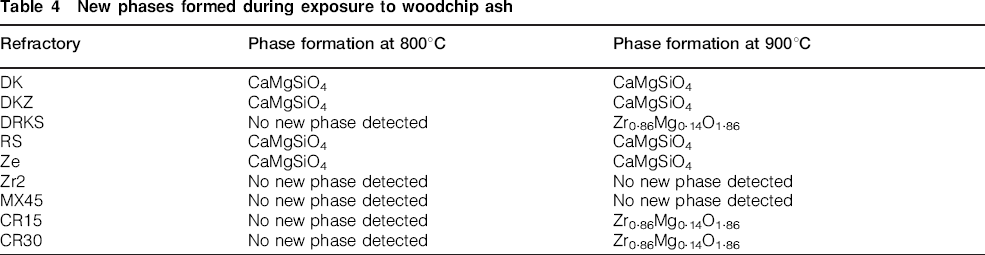
After exposure, the refractory ash pellets were investigated by XRD. The formation of two new phases, CaMgSiO4 and Zr0·86Mg0·14O1·86, was observed for refractories DK, DKZ, RS and Ze. Table 4 shows the phase formation after exposure with woodchip ash at temperatures of 800 and 900°C.
New phases formed during exposure to woodchip ash
Further investigation of the refractory pieces by SEM-EDX indicated that the formation of CaMgSiO4 occurred only at the refractory surface. Figure 2 shows an EDX mapping of refractory RS for the elements magnesium and calcium.
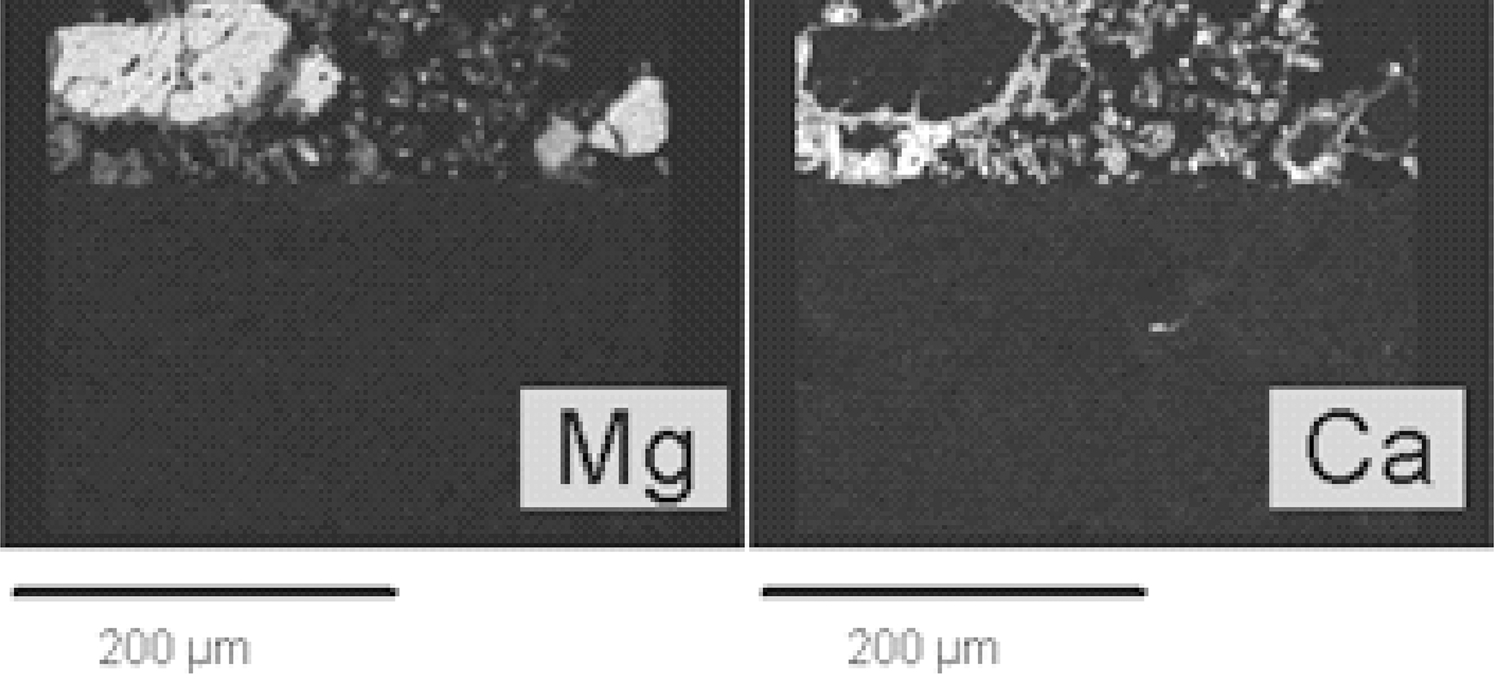
Energy dispersive X-ray spectroscopy mapping of refractory RS for magnesium and calcium after exposure to woodchip ash at temperature of 800°C
The SEM and EDX analysis also showed that all refractories, with the exception of MX45, Ze and Zr2, incorporated alkali and alkaline earth metals at both temperatures. Figure 3 shows an example of the incorporation of sodium and potassium in the case of refractory DKZ.
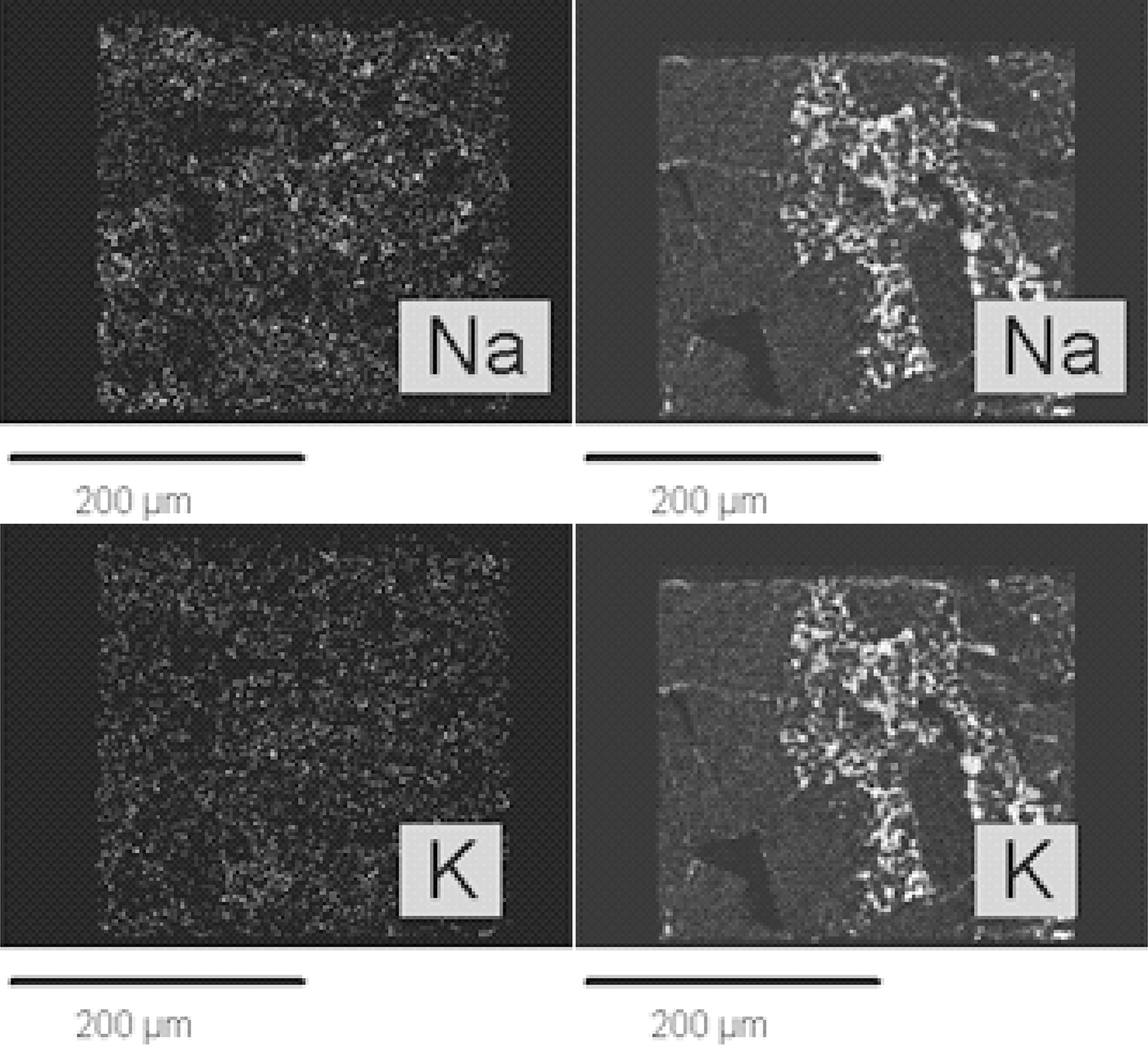
Energy dispersive X-ray spectroscopy mapping of refractory DKZ for sodium and potassium before exposure (left) and after exposure (right) to woodchip ash at 800°C
Exposure to straw ash+KCl
The XRD analyses of the crushed refractory ash pellets after exposure to straw ash and the addition of KCl at a temperature of 800°C showed no new phase formation for most refractories. For refractory MX45 alone, the formation of Mg2SiO4 and CaMgSi2O6 was observed, and EDX analysis of the corresponding refractory pieces also showed a corresponding surface reaction with the ash. After exposure at a temperature of 900°C, the same surface reaction was observed for all magnesium containing refractories (MX45, Ze and Zr2). The formation of potassium containing phases was also observed at higher temperature. Table 5 shows the phase formation after exposure to straw ash at temperatures of 800 and 900°C.
New phases formed during exposure to straw ash
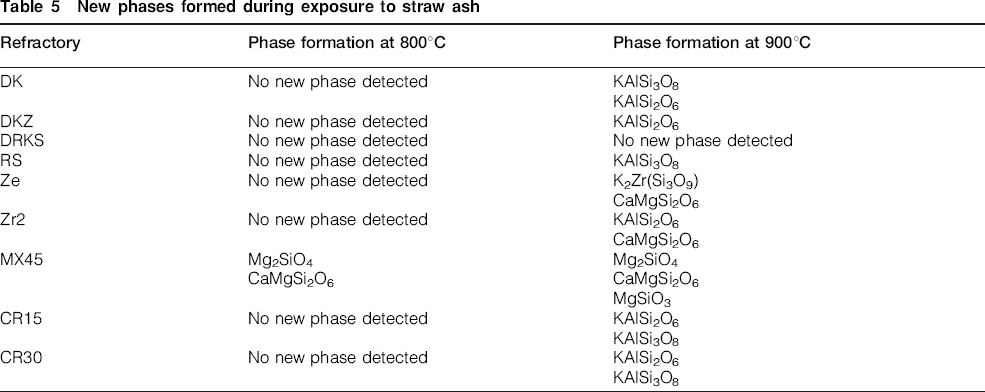
The SEM and EDX analysis of the refractory pieces showed that all refractories, except MX45, Ze and Zr2, incorporated alkali and alkaline earth metals at both temperatures. Figure 4 shows an EDX spectrum of refractory CR15 after exposure at 800°C. The formation of K2Zr(Si3O9) for refractory Ze was also confirmed by EDX. The EDX analysis of refractory MX45 showed no change after exposure with straw ash at both temperatures.
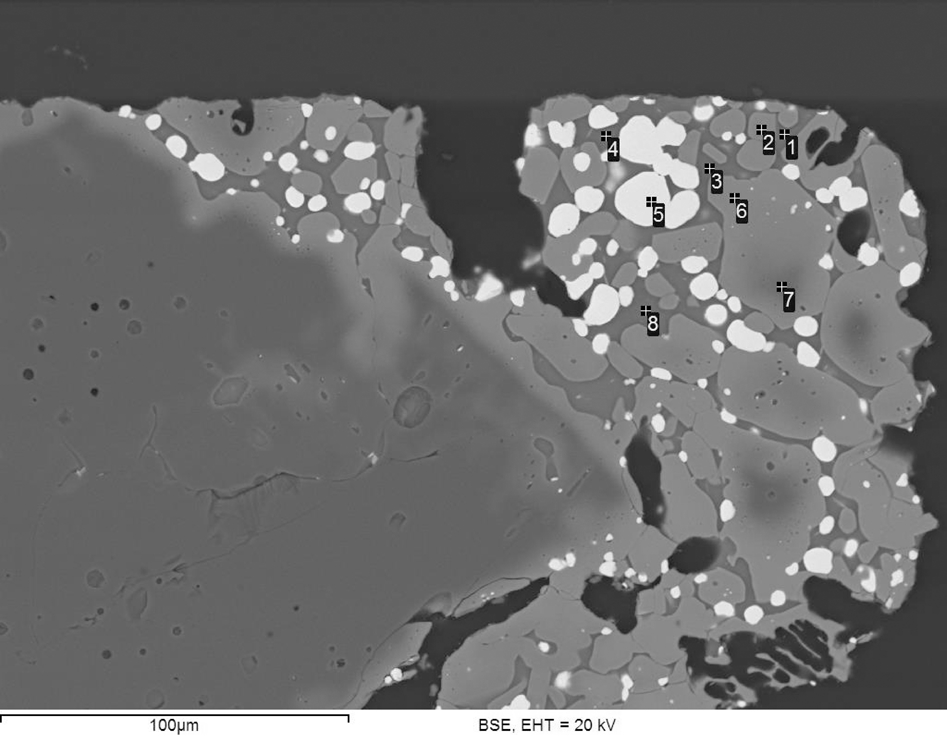
1: 61·8O–1·2Na–6·0Al–22·4Si–5·9K–0·8Ti–1·6Cr–0·1Fe–0·3Zr; 2: 62·5O–19·0Al–0·2Ti–18·0Cr–0·2Fe; 3: 62·7O–1·4Na–5·4Al–23·4Si–23·4Si–5·9K–0·7Ti–0·5Cr; 4: 65·0O–1·3Na–4·4Al–20·2Si–4·8K–0·6Ti–0·2Cr–3·7Zr; 5: 66·6O–0·5Ti–0·6Cr–32·3Zr; 6: 63·3O–18·3Al–0·2Ti–18·2Cr; 7: 62·1O–33·5Al–0·1Ti–4·3Cr; 8: 61·0O–1·4Na–5·2Al–24·8Si–6·1K–0·9Ti–0·4Cr–0·3Zr
Exposure to DDGS ash+KCl
After exposure to DDGS ash and the addition of KCl at both temperatures, the formation of KAlSiO4 was observed by XRD for each refractory, except in the case of Ze and MX45. For refractory Ze, the formation of K2ZrSi3O9 was observed, while refractory MX45 remained unchanged. Table 6 shows the phase formation after exposure with DDGS ash at temperatures of 800 and 900°C.
New phases formed during exposure to DDGS ash
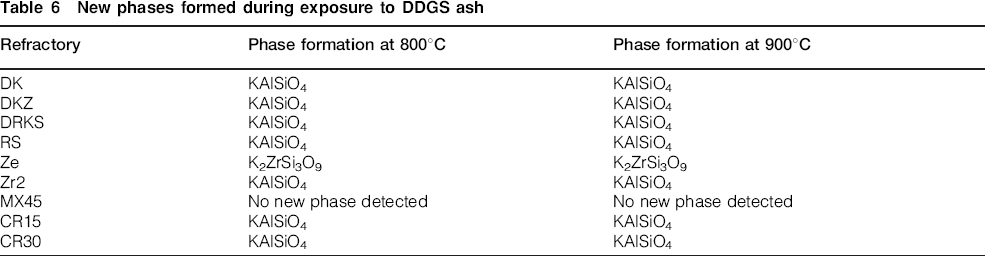
Further analysis by SEM and EDX confirmed the observed phase formations. Additionally, at a temperature of 900°C, 7·0 at-% phosphorous was observed in refractory MX45.
Exposure to lignite ash (HKN-S+)+NaCl
The largest number of new phase formations was observed after exposure to lignite ash (HKN-S+). Table 7 shows the new phase formations identified in the refractory ash pellets after exposure with lignite ash at both temperatures. Ash phases were identified separately and are not listed in the table.
New phases formed during exposure to lignite ash (HKN-S+)
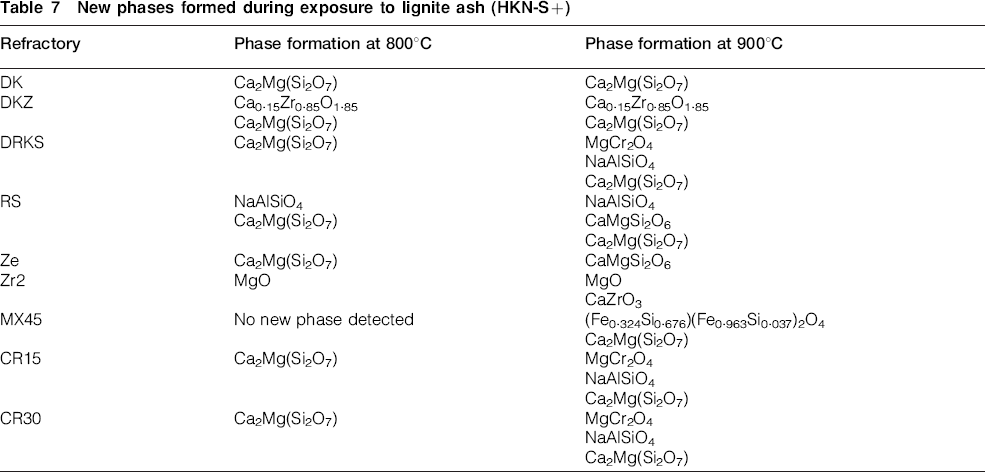
Further analysis by SEM and EDX showed that the formation of alkaline earth silicates was confined to surface reactions with the ash. The formation of CaZrO3 and NaAlSiO4 was also observed. Figure 5 shows an EDX mapping of refractory DRKS after exposure to lignite ash at 900°C. The formation of sodium aluminosilicate was observed for this sample. However, the formation of MgCr2O4 was not. The apparent absence of this expected phase is attributed to the overlap of signals from heavier elements such as chromium masking those of lighter elements such as magnesium.
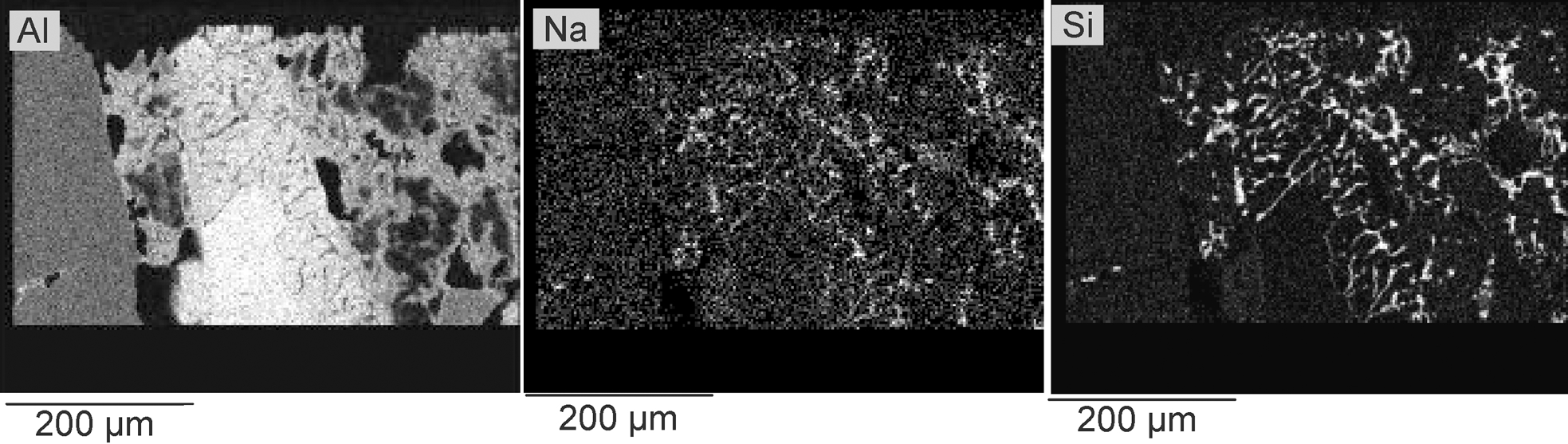
Energy dispersive X-ray spectroscopy mapping of refractory DRKS after exposure to lignite ash at 900°C
Discussion
Formation of alkaline earth metal silicates
The formation of alkaline earth silicates was observed after several exposures and for most refractory materials. The EDX analyses confirmed the formation is confined to surface reactions between ash and refractory materials for all cases.
The formation of alkaline earth silicates during exposure of the refractories to woodchip ash is attributed to a reaction between calcium and magnesium from the ash and silica from the refractory material. Therefore, refractories with small amounts of silica, such as refractory Zr2 (<0·01 mass-%SiO2), do not show this particular phase formation.
It was observed that refractory materials containing chromium oxide also did not show the formation of alkaline earth silicates. The presence of chromium oxide appears to inhibit this reaction. The stabilising effect of chromium oxide on alumina refractories due to the formation of a solution phase and the low reactivity of chromia and silica has been reported in the literature.2,6 Mg–Cr spinel refractories, such as refractory MX45, have also been reported to demonstrate good reliability in alkaline earth metal rich ashes. 7 According to this study, therefore, chromia may also have a stabilising effect on other refractory materials.
After exposure to lignite ash, the formation of alkaline earth silicates was observed for each refractory, except Zr2. Zr2 is the only refractory with a silica amount of <0·01 mass-%. The chromium oxide amount does not seem to be relevant in this case. This may be due to the higher calcium and magnesium amount of the lignite ash in comparison to the woodchip ash.
The only refractory containing Fe2O3 (MX45) forms an iron silicate after exposure to lignite ash. However, carbide formation, as occurred in CO containing atmospheres, 7 was not observed. This is attributed to the lower temperature of the present study in comparison to former investigations related to entrained flow gasification.
For all three magnesium containing refractories (Ze, Zr2 and MX45), reaction with silicon rich straw ash containing 61·2 mass-%SiO2 and formation of alkaline earth silicates were observed. The formation of alkaline earth silicates in these refractories after exposure with straw ash can therefore be interpreted as a reaction between magnesium from the refractory material and silica from the ash.
The formation of alkaline earth silicates may become a problem for the utilisation of the refractories in gasification environments. The process of formation can cause volumetric expansion of the refractory, leading to fracture and failure of the gasifier lining. The problems associated with silicate rupture are well known for refractories in oxidising atmospheres at temperatures >1300°C.19,20 The experimental results from this study show that in a reducing gasifier related atmosphere the formation of alkaline earth silicates occurs at much lower temperatures.
Formation of alkali aluminosilicates
The EDX analyses showed incorporation of alkaline metals in silicate or aluminosilicate phases after each exposure and for several refractories. Only refractories DK, MX45, Ze and Zr2 showed no formation of alkali aluminosilicates due to their low silica content or the presence of stable alkaline earth metal silicates or aluminosilicates.
After exposure to lignite ash containing 8·51 mass-%Na2O with the addition of NaCl to the atmosphere at 900°C, the incorporation of sodium was observed by XRD. For refractory RS, which contains a native aluminosilicate phase, the formation of NaAlSiO4 was also observed at a temperature of 800°C. Aluminosilicates in particular are well known for alkali adsorption. 21
FactSage calculations were performed to confirm the experimental results. Figure 6 shows the calculated phase diagram of the quasi-binary system NaAlO2–SiO2. This diagram shows that NaAlSiO4, the main sodium containing aluminosilicate, should exist at equilibrium conditions over the entire temperature range, confirming the experimental results.
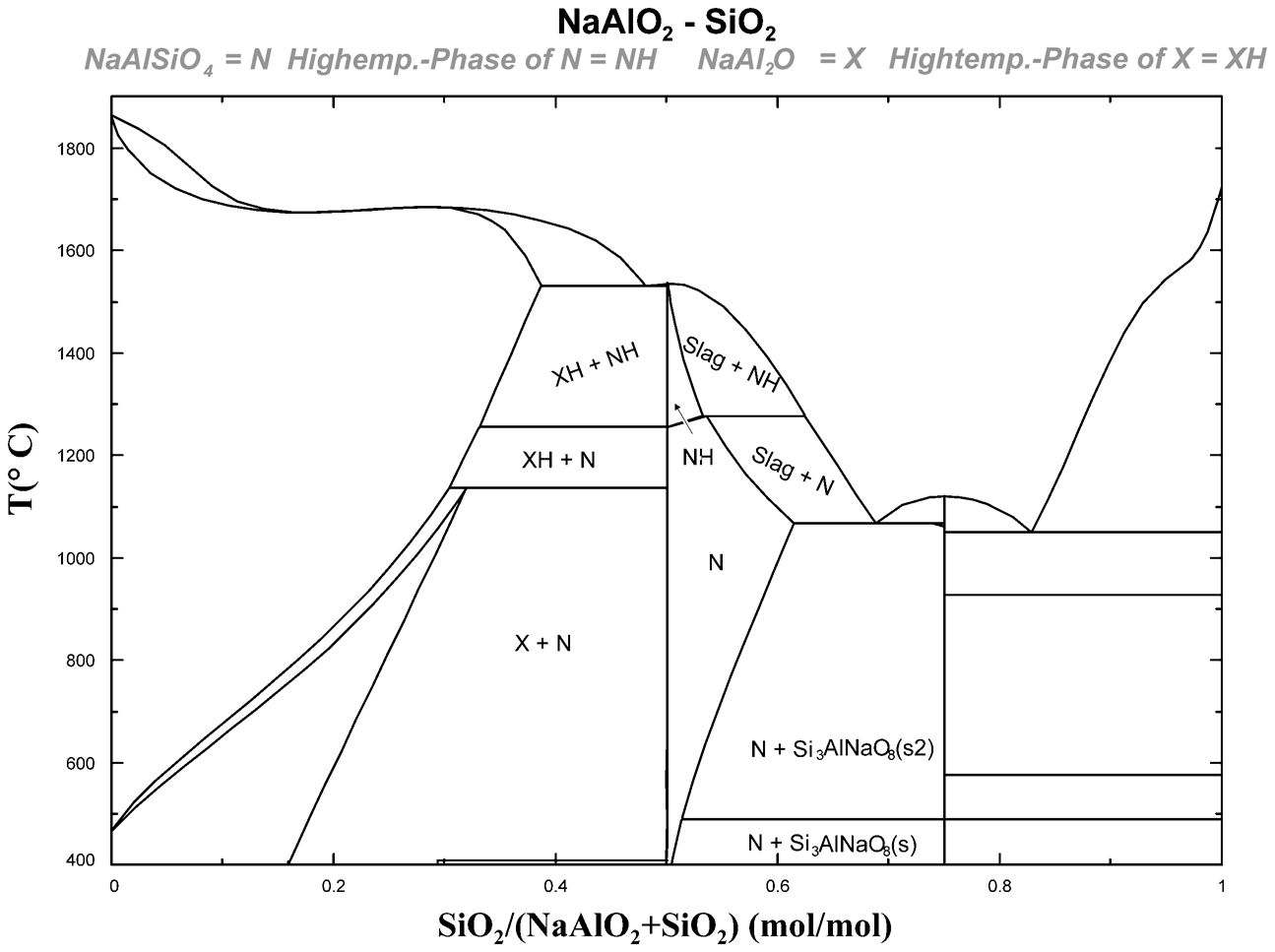
Calculated phase diagram of quasi-binary system NaAlO2–SiO2: calculation was carried out using newly developed database and program FactSage; new database developed by FZJ and GTT; only phases containing NaAlSiO4 are labelled
After exposures to the potassium rich straw ash (15·3 mass-%K2O) and DDGS ash ( 31·1 mass-%K2O), the formation of several potassium aluminosilicates (KAlSi3O8, KAlSi2O6, KAlSiO4) was observed in the majority of refractory materials. Only refractories Ze and MX45 remained unchanged due to their low silica content or the presence of stable alkaline earth metal silicates and aluminosilicates.
Reported thermodynamic calculations confirm that potassium aluminosilicates of different stoichiometric composition exist in equilibrium over the entire temperature range. 22 The formation of various alkali aluminosilicates can become a problem for a reliable utilisation of alumina and silica containing refractory materials. Similar to the case for alkaline earth metal silicates, the process of formation of alkali aluminosilicates can cause volumetric expansion of the refractory, leading to fracture and failure of the gasifier lining. In particular, mullite materials are known to form sodium aluminosilicate, which is a documented issue. 8
Solid solution formation of magnesia in zirconia
For zirconia containing refractories DRKS, CR15 and CR30, the formation of a solid solution of MgO in ZrO2 was observed after exposure to magnesium rich woodchip ash containing 6·72 mass-%MgO. This behaviour can be explained by the dissolution of MgO from the ash into the ZrO2 of the refractory material.
Refractories Zr2 and Ze contain native Zr0·86Mg0·14O1·86. For refractory DKZ, no formation was observed due to its high silica content (13·0 mass-%SiO2). In this case, MgO from the ash preferentially forms a silicate instead of a solid solution with ZrO2.
Figure 7 shows the calculated phase diagram of the binary system MgO–ZrO2. The thermodynamic calculation indicates that the formation of a solid solution is not possible below a temperature of 1200°C. It is assumed, therefore, that the observed dissolution reaction was shifted to lower temperatures due to the presence of chromium oxide in the refractory materials, since only chromium oxide containing refractories showed experimental evidence of solid solution formation. However, there is no indication of this effect in the thermodynamic equilibrium calculations.
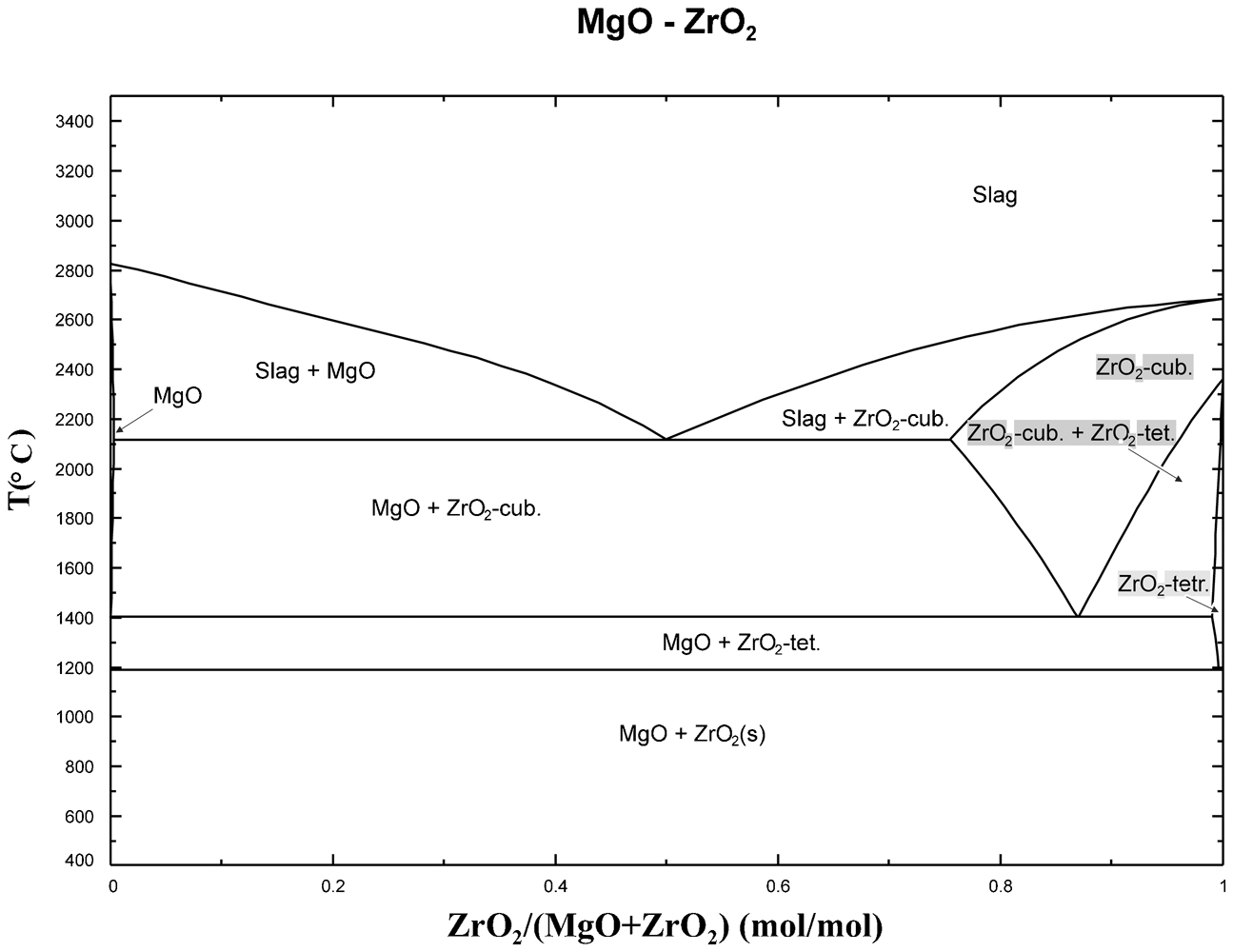
Calculated phase diagram of binary system MgO–ZrO2: calculation was performed using FactSage and FToxid database; phases with solid solution are marked (MeO: solid solution based on MgO)
It is expected that the solid solution formation of MgO with ZrO2 would have little influence on the reliability of the affected refractories as the stabilisation of the high temperature phase of ZrO2 with alkaline earth metals or yttrium is common practice23,24 and the new phase formation appears to stabilise the refractory material. In the case of this study, the decreased solid solution formation temperature also indicates that the presence of chromium oxide stabilises the refractory material.
Formation of zirconium silicate and calcium zirconate
After exposure to the potassium rich straw and DDGS ash, the formation of K2Zr(Si3O9) was observed for refractory Ze. This unique phase formation is due to the absence of alumina and silica in this refractory. Accordingly, the potassium and silica from the ash can react only with the zirconia phase of the refractory. No thermodynamic data were available in the commercial database to perform complete calculations for verification of this case on the ternary system K2O–ZrO2–SiO2.
After exposure to lignite ash (HKN-S+), the formation of CaZrO3 (Ca0·15Zr0·85O1·85) was observed for refractories DKZ and Zr2. This phase formation can be explained by the reaction of calcium from the ash and zirconia from the refractory material. For refractory Zr2, the dissolution of MgO from zirconium oxide was also observed, providing another pathway for the formation of CaZrO3. This mechanism is preferred due to the alumina content of the refractory, providing an alternative co-reactant for magnesium. This reaction is not possible for refractory Ze as it does not contain alumina and the ashes are also very lean in alumina; hence, the formation of CaZrO3 was not observed.
Furthermore, the formation of CaZrO3 was not observed for refractories containing chromium oxide due to the preferential formation of Mg–Cr spinel. Calcium can be dissolved in the spinel and is therefore not available for further reaction.
Formation of magnesium chromium spinel
After exposure to lignite ash (HKN-S+), which contains the highest concentration of magnesium (MgO: 10·5 mass-%), the formation of a magnesium chromium spinel was observed for each chromium containing refractory, except MX45, which contains native Mg–Cr spinel.
Figure 8 shows the calculated phase diagram of the binary system MgO–Cr2O3 to verify the spinel formation.
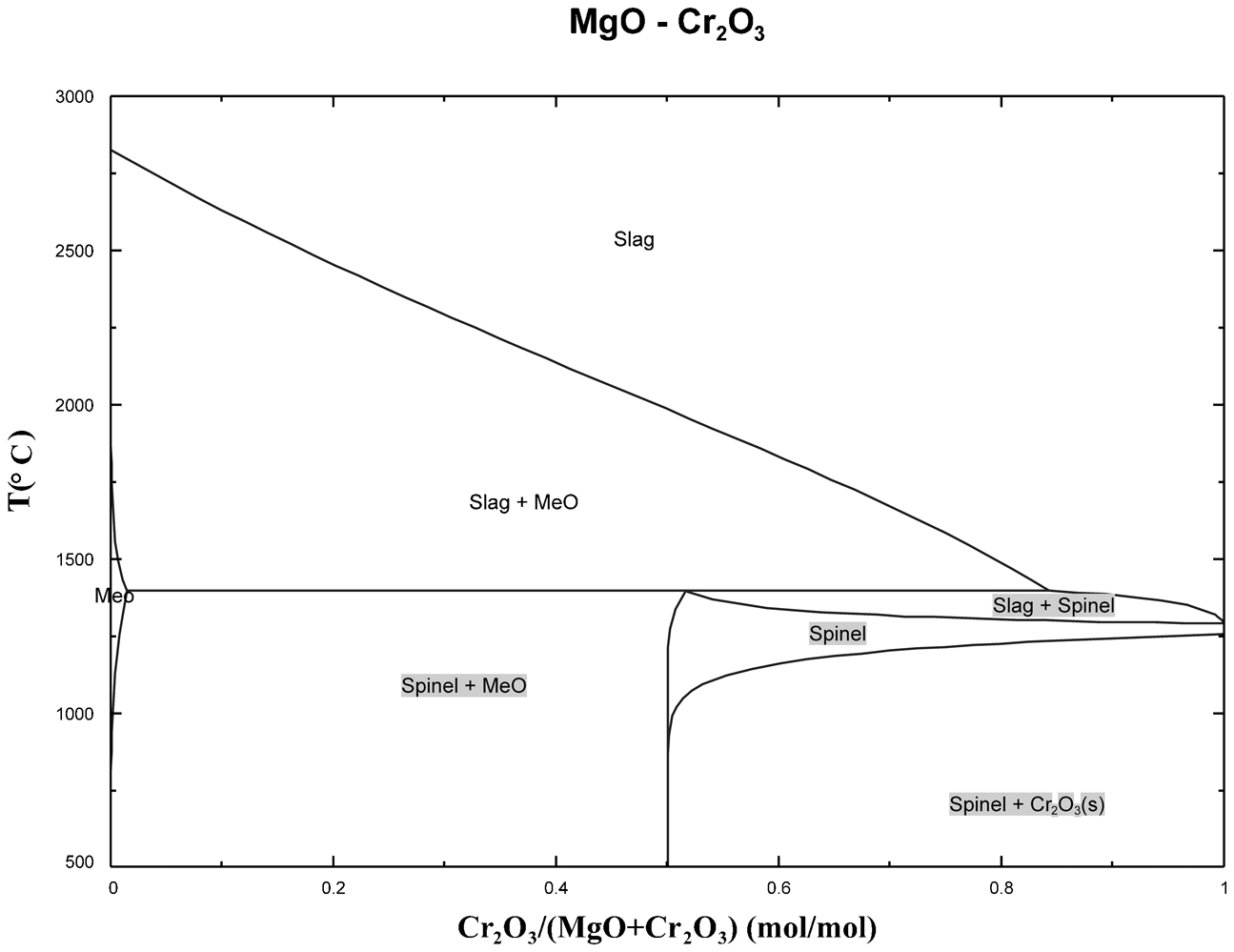
Calculated phase diagram of binary system MgO–Cr2O3: calculation was performed using FactSage and FToxid database; phases containing spinel are marked (MeO: solid solution based on MgO)
It is debatable as to whether or not the formation of Mg–Cr spinel has an influence on the reliability of the affected refractories. The EDX analyses showed magnesium containing phases only on the refractory surface. Furthermore, it is known that Mg–Al spinel can form a protective layer on refractory materials. 25 Similar behaviour by the Mg–Cr spinel may therefore be assumed; hence, the formation of the new phase may have a stabilising effect on the refractory material.
Conclusions
The exposures of nine commercial refractory materials to various ashes under atmospheric pressure in a reducing, alkali rich atmosphere at 800 and 900°C resulted in several corrosion effects. The most significant is the incorporation of alkali and alkaline earth metals from the ash into silicate and aluminosilicate phases in the refractory material. The formation of these phases resulted in a volumetric expansion, consequently leading to potential fracture and failure of the refractory in service.
Silica poor refractories are therefore promising candidates for utilisation in alkali rich reducing atmospheres. In particular, the use of ZrO2 based materials is of interest, providing the stabilisation of the high temperature phase is considered. Furthermore, the addition of chromium oxide offers improved corrosion resistance, and Mg–Cr spinel refractories are suitable for utilisation in gasifier-like environments. The results of this study showed no evidence of the formation of Cr(VI) species in the presence of alkaline metals due to the low oxygen partial pressure, but the possibility should still be considered for other applications.
Finally, it has been shown that it is crucial to choose the appropriate refractory material for the fuel utilised in any gasification process.
Footnotes
Acknowledgement
This work is part of the DER project, supported by ‘Bundesministerium für Bildung und Forschung’ (grant no. FKZ 03IS52021F).