






Abstract
Summary
Sir William Arbuthnot Lane was one of the most brilliant British technical surgeons during the first half of the 20th century. Although some of his ideas may be controversial, he made many original contributions and innovations in surgical techniques. His greatest contribution was the introduction of the ‘no-touch technique’ in the open reduction and plating of long bone fractures by Lane's steel plates and screws. One of his registrars, Kenelm Hutchinson Digby, came to the Far East in 1913 as one of the first professors in the newly founded University of Hong Kong. Digby brought his former mentor's ideas to Hong Kong and inaugurated the practice of modern surgery there.
Student at Guy's Hospital Medical School
William, affectionately called ‘Willie’, was born on 4 July 1856 at Fort George, Inverness in Scotland, where his father, Brigade-Surgeon Benjamin Lane, was an army surgeon. 1 His grandfather and great-grandfather were physicians in Northern Ireland. His mother, Caroline Arbuthnot Ewing, was the daughter of an army general. 2 Soon after his birth he travelled with his parents to South Africa and the next year the family moved to India and later to Greece, Malta, Canada and Ireland. During the first 12 years of his life, Willie lived in eight countries on four continents. He went to a public school in remote Scotland, where he became interested in the anatomy of small mammals which he loved to dissect. A family tradition of manual dexterity was evident at this early phase in his life.
In May 1873 Willie Lane entered Guy's Hospital (founded 1724), then at the zenith of its fame. 3 Sir Astley Cooper (1768–1841), Charles Aston-Key (1793–1849), Sir William Withey Gull (1816–90), Thomas Addison (1795–1860), Richard Bright (1789–1858), Thomas Hodgkin (1798–1866) and Sir Samuel Wilks (1824–1911) were associated with the hospital. In his unpublished autobiography, Lane 4 explained that he chose Guy's because his father was stationed at nearby Woolwich. Medical education at that time was divided into a summer session lasting from May to July and a winter session from October to March, and the most prominent subject in the medical curriculum was anatomy. Lane attended 56 lectures in his first year and 66 in his second year. In the summer, when anatomical dissection was not performed, time was devoted to physiology. He was awarded the Gold Medal in anatomy and medicine. 5
The mature surgeon
After qualification in 1877, Lane was appointed house surgeon to the Victoria Hospital for Children in Chelsea. There he published his first paper on rib resection in five children with chronic empyema and with four successes. At that time, the standard operation for empyema was repeated aspirations followed by intercostal incision and drainage. Lane began to resect the ribs instead for thorough drainage and more rapid recovery.
From the Victoria Hospital, Lane returned to Guy's in 1882 as Demonstrator in Anatomy at a salary of £200 a year while also serving on the staff of the Hospital for Sick Children at Great Ormond Street in London. He married. In 1888 he was elected to the surgical staff at Guy's where he was to remain until his retirement in 1920.
At Guy's, Lane worked alone in the dissecting room night after night, scraping soft tissues from the bones of bodies left after medical students had done their work. In this way he examined the skeleton and ligaments of 35 bodies of working class Londoners. He discovered spinal curvatures, changes in the dominant shoulder joint and abnormal mobility of the spinal column. He checked with the clinical records to confirm the link with the deceased's former occupation and he observed that the general structure of a bone corresponds with the directions through which forces applied to it are transmitted in life:
4
This investigation very soon convinced me that the result of the treatment of fractures was most unsatisfactory, and that the statements which were made and generally accepted as to its efficacy were absolutely false and misleading. While the works on surgery described the means by which the broken bones could be brought into accurate apposition, the results, as shown in the dissecting room, proved that, except in very favourable cases, the restoration of the broken bone to its normal form was hardly ever affected by whatever treatment had been adopted. This was not altogether unexpected, since the treatment of fractures in the general way was most perfunctory and some surgeons were not possessed of much technical skill or mechanical knowledge. The displacement of fragments upon one another not only resulted in local inconvenience and deformity, but also the resulting alteration in the mode of transmission of pressure through other bones and joints affected indirectly by the displacement was progressive. It became obvious to me that the skeleton represented the crystallization of lines of force and that any alteration in the form of the bone resulted in re-crystallization of that bone, and in pressure changes in such bones and joints which were affected. Such remarkable change when observed had been called rheumatoid or osteo-arthritic, and these so-called diseases were very common. When very definite coarse changes came about in the structure of the skeleton, such as the formation of a new joint, they were usually regarded as congenital abnormalities, on the presumption that they existed at birth.
The study of the skeleton and the ideas developed from it were central to Lane's later work in revolutionizing the treatment of fractures:
The detailed examination of the several bodies in the dissecting room threw an entirely new light upon anatomy. The vast number of changes which the pathologists and the anatomists regarded as evidence of disease or abnormality were very conspicuous in the structure of the bodies which were mostly those of working men and women. These changes were so definite that I was enabled, by observing them, to determine the occupation of the individual during lifetime. I formulated these four laws:
The skeleton represents the crystallization of lines of force. Pressure exerted habitually over a long period of time results in alteration in the form and texture of the bones, cartilages and joints, old joints being modified or destroyed, and new ones developed. Strain in the same way alters the form and structure of bones, cartilage and joints, alters existing joints and causes new ones to develop. Apart from the exercise of pressure or strain, when it is to the advantage of the individual in his special relationship to surroundings, an old mechanism may be modified or an entirely new one developed. By the application of these principles it is easy to determine the labour history of the individual by the examination of his skeleton. The body of a labourer represents first the fixation and later the exaggeration of the tendencies to change which exists when attitude of activity is assumed habitually in the particular form of work. These several changes which result render the individual more capable of nerve and muscular energy. This is best illustrated by a law which I formulated, namely: We bear a simple mechanical relationship to our surroundings; any change in that mechanical relationship produces a corresponding alteration in our anatomy. Everything that nature does to meet such an alteration in our mechanical relationship to our surroundings tends to shorten our life.
At this time, Lane's lifelong dogmatic views began to dominate his thinking and work. This was his belief in the control of the body by mechanical forces. He was determined to attribute all abnormality and deformities to mechanical causes.
Open reduction and internal fixation of fractures
Lane's work on fractures stood above all others. He was not the first surgeon to reduce and fix fractures with metal plates and screws. Before his time, criteria for a good result in fracture healing were aesthetic rather than functional. Given a firm union, the rest was an aesthetic problem affecting the surgeon's reputation rather than the patient's function.
Open reduction of fractures was not new. In 1883 Joseph Lister (1827–1912) had carried out open reduction and wiring for a fractured patella. 6 In daily practice, Lane encountered patients who could not return to their occupation despite apparent good healing. During visits to the work places of these patients Lane realized that, to enable a man to go back to his job, the surgeon must restore the surface of those joints exactly to the relationship they had borne previously one to another and to the lines of force, stress and strain that were passing across them. Lane concluded that he could only achieve this by open reduction of simple fractures that became displaced. He used the term ‘internal splint’ instead of ‘wires’ or ‘plates’. At first wires were used, then screws and finally plates. Lane pioneered the use of steel screws for internal fixation as early as 1893. 7
In 1905 Lane introduced perforated steel plates for the plating of long bone fractures. 8 The secret of his success lay in the ‘no-touch’ technique during operation. The fingers of the surgeon and assistant should not approach within four inches of the wound and every instrument, swab and suture should not come closer than four inches to the hands – the ‘four-inch-from-finger-to-wound’ principle. For this, he devised long dissecting and haemostatic forceps so the fingers never touched the tissues or the wound edges. Forceps gradually lengthened from four to eight inches, ensuring the fingers did not touch the depths of the wound. The sutures were never touched but were threaded using forceps. All instruments were handed to the surgeon by forceps dish and never touched by the gloved hand. This strict aseptic technique was combined with meticulous haemostasis and the gentle handling of tissues. Every spicule of bone was replaced and reduced with meticulous care.
When rubber gloves came into use, Lane insisted on continuation of this ‘no-touch’ practice because he believed the gloved hand might be contaminated unknowingly at some stage of the operation. The patient's skin was liberally cleansed with antiseptic. In addition, sterile towels were clipped to the wound edge for protection. Perfect haemostasis was another prerequisite of Lane's methods. He designed toothed artery forceps with ‘bull-dog’ ends to reduce the crushing of arteries.
To many of those who objected, antisepsis was comparatively new. Operating theatres were unhygienic, the staff were inadequately trained and there were no antibiotics. The antiseptic method of Lord Lister, who introduced carbolic acid spray into the wound and the use of instruments, plates and screws wet with irritating solution, necessitated the removal of implants. Hence Lane's ideas were regarded as surgical sacrilege. The President of the Royal College of Surgeons said openly that a man who converted a simple into a compound fracture was guilty of malpractice and should be brought before the General Medical Council. This announcement only caused several young surgeons to come to Guy's the next day to see what Lane was doing. Students who approved of Lane's methods were advised to avoid such procedures in future if they desired to pass the examination held by the Royal Colleges. Notwithstanding these criticisms, Lane published extensively on the internal fixation of fractures during this period. 9–24
While most British surgeons continued to oppose Lane, German surgeons carefully investigated the matter and soon several proceeded to operate on simple fractures. He was invited to a congress in Berlin to describe his principles and methods of treatment. He visited the USA in 1906, 1911, 1918 and 1925. While in New York in 1911, he was invited to demonstrate his operating skill. There were two theatres, each with 400 spectators. He would operate in one and, leaving the skin wound to be sutured by his assistant, go into the next where the patient would be ready prepared! There was a tragic result during this visit. Lane was expected to plate a femur; there being no case available, an ambulance was sent to secure one from the other hospital. On the way the vehicle ran over a man, breaking his femur. The victim was placed on the operating table; Lane saw only the limb with the fractured femur, which he plated. That night the patient died of severe injuries of which Lane was quite unaware.
It was not until 20 years later that the British Medical Association appointed a committee to investigate the experience and results of fracture treatment at home and abroad. Lane was created a baronet by King George V for his contributions to surgery in 1913 and also Chevalier de la Legion d’Honneur.
During the World War II, Lane strolled around the streets of London despite the frequent air-raid alarms. Sadly, a car in Pall Mall knocked him down during a blackout. He died on 16 January 1943 at the age of 86 years.
Sir Harold Arthur Thomas Fairbank, Consultant Surgeon to the Hospital for Sick Children at Great Ormond Street in London, concluded: It can be said without conviction that none of his pioneer work had a greater influence on the practice of surgery than his no-touch technique.
25
Obituaries noted: Lane was interested in his craft rather than his profession. He was for instance a teacher but not an examiner, and he attended societies only to address them. He inspired his students with enthusiasm and devotion, but he gave them dogmatic statements rather than reasoned expositions. He gave his patients meticulous care and exacted punctuality and attention to details from his assistants. His loyalty was unswerving and he remained true to his friends and his own ideas.
26
Bygone controversies will be recalled – but not revived – by the announcement of the death of Sir Arbuthnot Lane, which took place on January 16. An Irish ancestry and a Scottish upbringing combined to produce a combative and tenacious personality, partly concealed, but made more dangerous to opponents by a mild and persuasive exterior. A man of undoubted gifts and insight, he seemed to take pleasure in the expression of extreme views, in season or – preferably – out of season, believing probably that by the clash of extremes a true balance can be maintained.
5
Living his active life as he did through the grand period of surgical adventure and advance, Lane was always among the forefront of the pioneers, and was a leader in the introduction to London the precepts and practice of aseptic surgery. Throughout his life his surgical work was distinguished by two characteristics: originality in concept and approach, and perfection in execution. No one who had watched him at work will gainsay that he must be ranked with the greatest technical operators of his, or probably any other, age. His gentleness of touch, his instant appreciation of the exact mechanical requirements in a bone operation, the ease with which he could operate by entirely instrumental means, and the effortless speed with which he completed the most formidable undertaking, were an artistic joy to the many who flocked to watch him.
27
The Hong Kong connection
Kenelm Hutchinson Digby (Figure 1) was the son of William Digby, a journalist in England and India, senior partner of William Hutchinson, East India merchants. 28 As a student at Guy's Hospital from 1902 to 1907, Digby was awarded the Arthur Durham Prize in 1903 and the Michael Harris, Sands Cox and Hilton Prizes in 1904. As an undergraduate he was one-time assistant demonstrator of anatomy in 1904, surgical clerk to Mr Arbuthnot Lane in 1905 and surgeon's dresser and house surgeon to Mr Symonds (Lane's colleague who together introduced sterile rubber gloves to Guy's). 3 He was destined to be a surgeon upon winning the Treasurer's Medal in Surgery in 1907. From 1909 to 1911, Digby was surgical registrar to William Lane and resident anaesthetist at Guy's Hospital. In 1912 he became principal medical officer to the Great Central Railway. 28
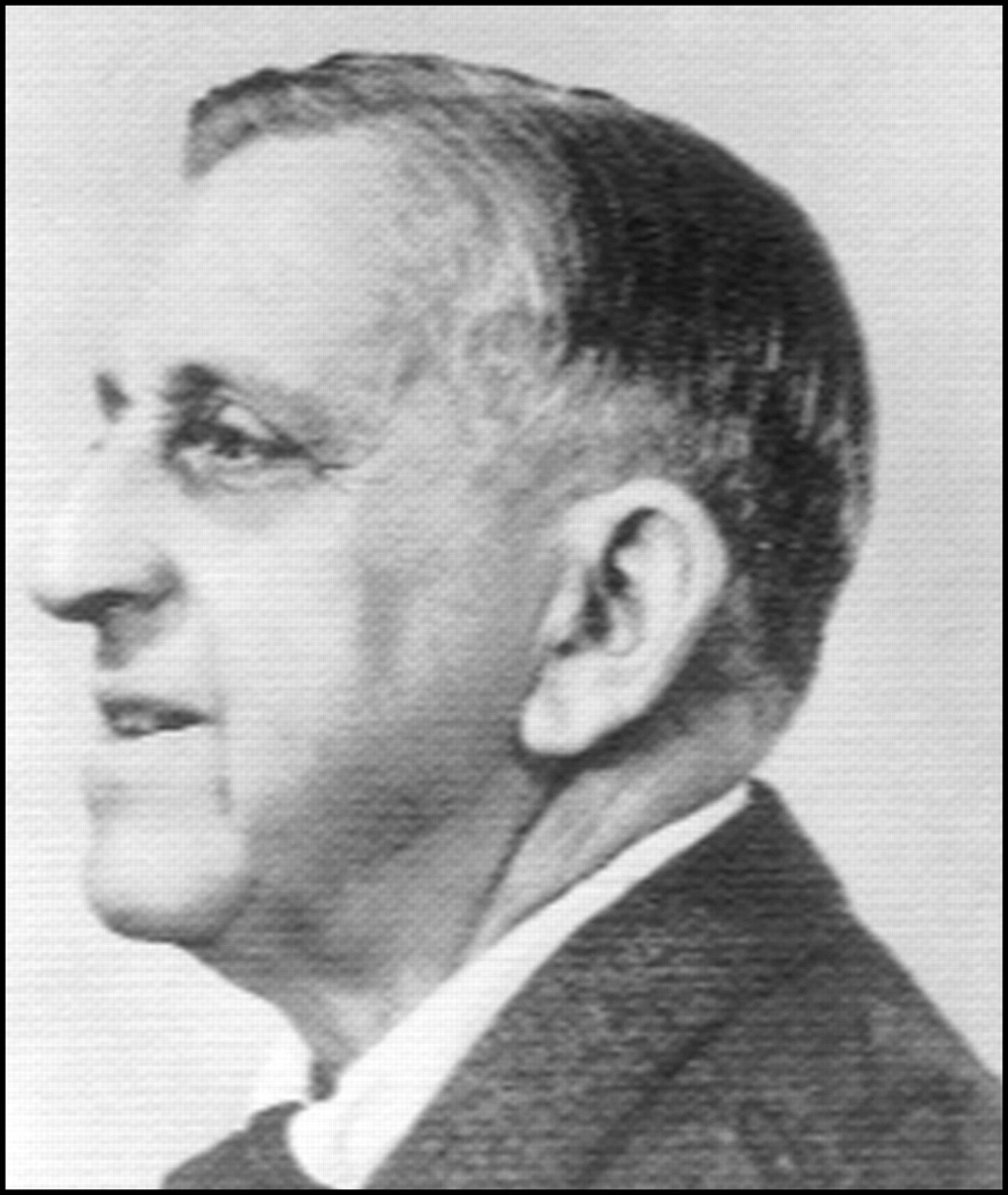
Portrait of Professor Kenelm Hutchinson Digby, OBE, FRCS. Courtesy of the Department of Surgery, University of Hong Kong
After Hong Kong had become a British Crown Colony following the Opium War in 1842 (Figure 2), there was no higher education for many years until 1887 when the Hong Kong College of Medicine for Chinese was founded 29 by the efforts of two Aberdeen medical graduates – Dr (later Sir) Patrick Manson (1844–1922) and his partner in private practice Dr (later Sir) James Cantlie (1851–1926). 30,31 One of the first two licentiates of the College was Dr Sun Yat-sen, founding father of the Republic of China. 32–34
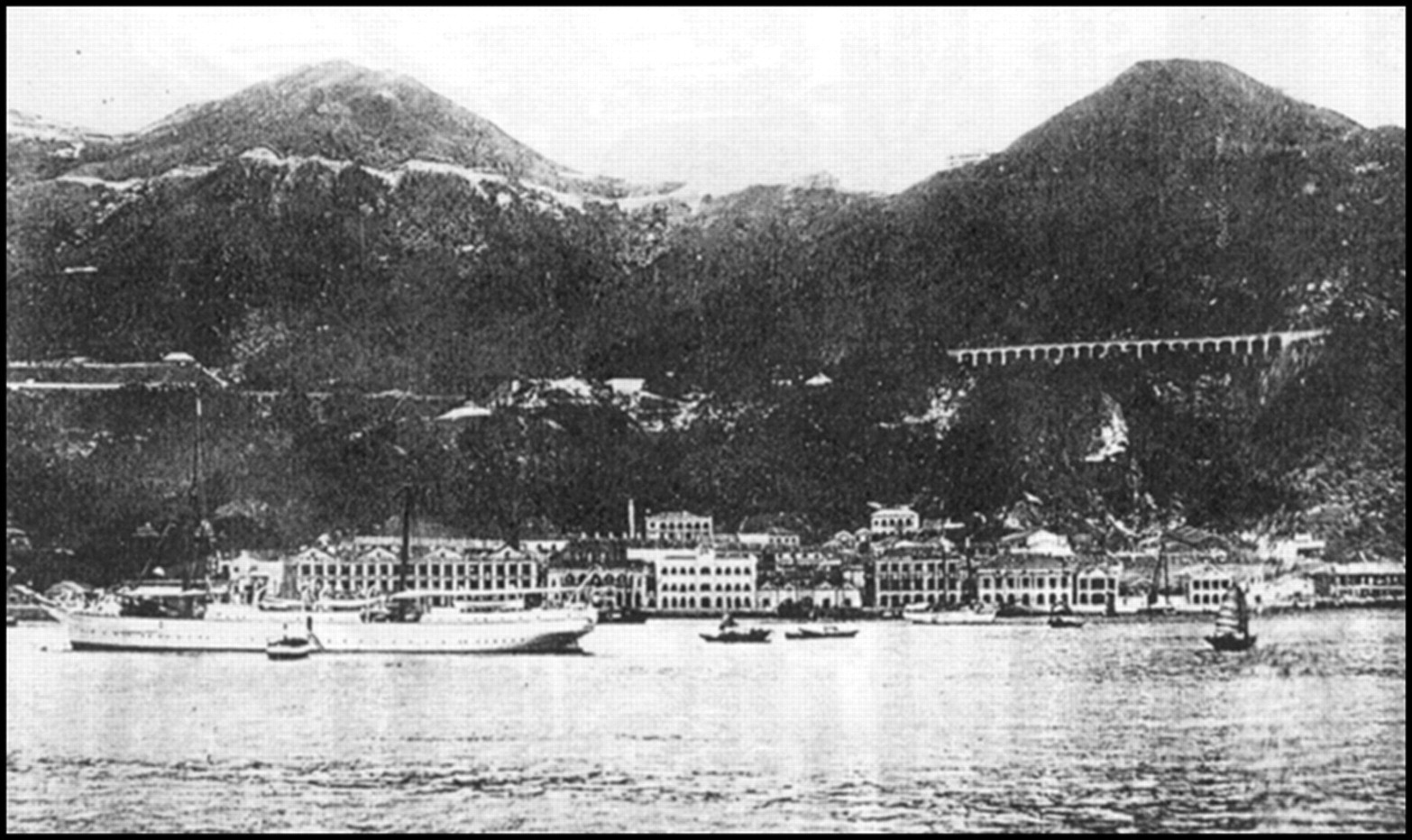
Hong Kong waterfront, circa 1890. An old print in the author's collection
A British-style red brick university to educate scholars for China was the brainchild of Sir Frederick John Dealtry Lugard (1856–1945), later Baron Lugard of Abinger, the last of the great Pro-Consuls of the British Empire and 14th Governor of Hong Kong. 35 Lugard's idea was to found a secular, technological, English-language university, sited in Hong Kong but intended mainly for students from mainland China, and in so doing to promote the use of English in China so as to increase British trade and influence in the Far East. 36 In a speech in December 1907 soon after he took office, Lugard publicly advocated the foundation of a university in the Colony. 37
The university owes its existence to Lugard's initiative and tenacity of purpose. It was his proudest achievement. He saw it as a means of educating a new middle class for Hong Kong but he knew it would also attract students from China as its syllabus would be based on western technologies. With English as its language of instruction, it would spread the use of English throughout China and thus increase British influence in the east. There were others who saw a university in Hong Kong a unique opportunity for gently introducing to China the ways of the West, both scientific and philosophical. There were even a few who saw a favourable chance of introducing no less gently to Britain something of the philosophy of the East.
After repeated negotiations, it was agreed that the College of Medicine be amalgamated or merged with the new university. It may be said that the new university was but a graft on the stock of the old College. Thus, when the University opened its doors in 1912, there were only two faculties – Medicine and Engineering (Figure 3).
Surgery in Hong Kong may be said to have begun in 1913 with the appointment of the newly married Kenelm Digby to the inaugural Chair of Anatomy at the infant University of Hong Kong. He also taught surgery and in 1915 he was appointed Ho Tung Professor of Clinical Surgery, endowed by Sir Robert Ho Tung (1862–1956), a great benefactor of the University; he also occupied the Chair of Surgery in 1923. 38 From then on, there was only one chair of surgery. He was to remain Professor of Surgery until 1945. At the same time, he was honorary consultant in surgery to the Hong Kong Government from 1915 to 1948 and, from 1930 to 1948, surgeon at the Queen Mary Hospital. After he retired, the title of Emeritus Professor of Surgery was conferred on him.
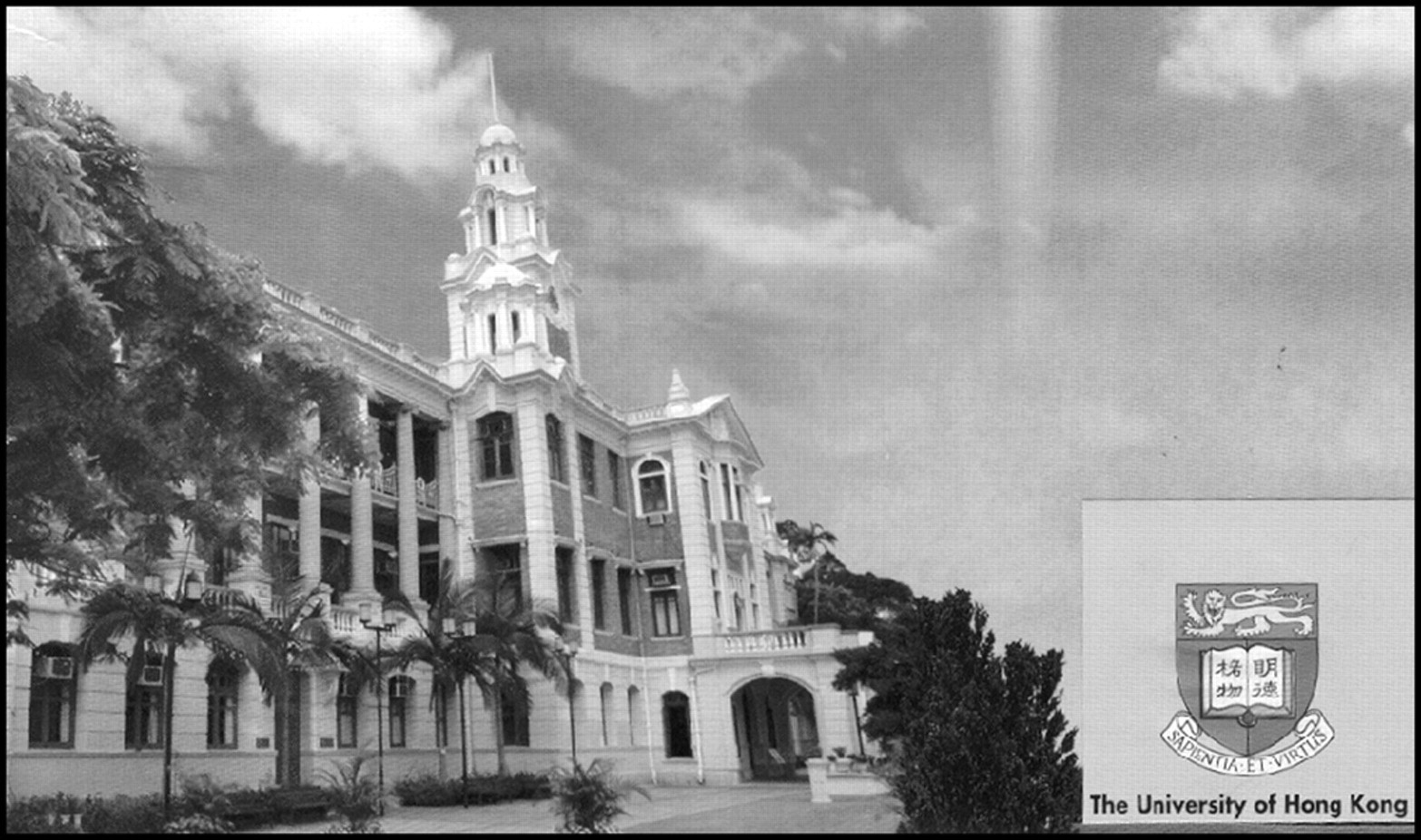
The Great Hall of the University of Hong Kong today. Photographed by the author. The University Coat-of-Arms was assigned letters patent in 1913 through the College of Heralds. It consisted of a shield, beneath which there is a Latin inscription, ‘SAPIENTIA ET VIRTUS’ (wisdom and virtue). The Chinese motto is from the Confucian classic ‘The Great Learning ’, referring to moral and intellectual enrichment in life
Digby used to demonstrate surgical operations on cadavers to students. In a real situation, each operation lasted hours because all surgical instruments were handed round by forceps and never touched even with the gloved hands. Digby propagated his former chief's ‘no-touch’ technique in surgery to Hong Kong. He was a workaholic; his interests were wide ranging and, like all surgeons of his era, extended from hepatobiliary surgery to otorhinolarygology and orthopaedics. 39 After the manner of his former mentor at Guy's, Digby designed a new type of plate and screws for the internal fixation of fractures. His ingenuity and versatility were remarkable and he enjoyed devising his own equipment.
At the Surgical Section Conference of the China Medical Association meeting in 1926 at Peking, Digby addressed the gathering: It is somewhat of a reproach to modern surgery that when a bone is broken the average surgeon hesitates to accurately unite the fragments. Yet a nerve, a muscle, a tendon, a ligament or an aponeurosis will be sutured as a matter of routine. It is true that Lane and others have long adopted the fixation of the fragments in position with metal plates and screws in almost all fracture cases … but the routine treatment of fractures by open operation has never become popular, and during the Great War open operation played only a small part in the treatment of simple fractures …
The proneness to septic infections in such operations and the appalling results of such septic infection. A tendency to delay in firm bony union. Technical difficulty in accurately replacing the fragments; manipulating the plates, drilling holes and inserting screws; and controlling haemorrhage … It has been pointed out by Hey-Groves that the stoutest union of fragments could be obtained by two steel plates on opposite sides united by bolts and nuts through the whole thickness of the bone … It then occurred to one that a plate outside the compact tissue and another inside the medullary cavity could be held to one another by a single bolt and nut, and that such would not require a very long incision or excessive stripping of periosteum … Two short plates are employed, one within the medullary cavity, the other outside on the surface of the bone. These are tightly clamped together by means of a single screw attached to the inner plate and outer plate and traversing a hole in the bone near the fracture. A nut outside the outer plate screws up to compress the plates.
40
In this preliminary report, Digby gave details of four patients with not-too-recent fractured long bones that failed to respond to conservative treatment. The first patient was a Chinese rickshaw coolie who sustained a fractured tibia and fibula after being knocked down by a motorcar 42 days before admission to the Government Civil Hospital. The second was a Chinese scavenger who fell off his bicycle 30 days before an operation for fractured radius and ulna. The third patient was a European who, while riding a motorcycle, collided with a lorry and was thrown down some four weeks before surgery for his fractured tibia and fibula. The fourth case was a European sailor who fell 60 feet from the top of the mast on to the deck of his ship, sustaining a fractured femur treated for eight weeks without union.
The mode of injury of these patients gives an interesting glimpse into the social life of Hong Kong in the early 20th century, namely the different modes of transport by Chinese and Westerners. Digby claimed the following advantages for his method of fixation:
Ease and speed of application. It is not necessary to drill numerous holes for screws; the inner plate acts as a guide for reduction of the fracture; periosteal stripping is reduced. The risk of infection is reduced; the plates can easily be applied near the ends of bones when the compact tissue is too thin to afford a secure hold for screws; and removal of the implants is easy, if necessary.
41
Digby contributed to the understanding of a common disease of Chinese patients presenting with fever, jaundice and right upper abdominal pain caused by suppurative infection of the biliary tract (pyogenic cholangitis). The cause was obstructive jaundice due to stones lodged in the common bile duct. In contrast to gallstones from cholecystitis, the gall bladder was distended instead of contracted, since the source of the stones was the biliary tree. Another disease common to Hong Kong Chinese that interested Digby was cancer of the nasopharynx, originally thought to be caused by carcinogens consumed in salted fish.
42
In 1919 he published a book entitled Immunity in Health: the Function of the Tonsils and other Subepithelial Lymphatic Glands in the Body Economy.
43
After his retirement he was engaged in research in this field at the Royal College of Surgeons research farm at Downe in Kent, right up to the end.
44
For his medical services in Hong Kong, Digby was appointed an Officer of the British Empire in King George VI's Birthday Honours list in 1939.
Conclusion
When the new recruit goes to the East, he behaves like a child and drinks like a beast. Rudyard Kipling (1865)
This snippet was meant to be a sarcastic comment on the antics of some British ‘adventurers’ of the colonial era. Not so the case with the medical profession, as exemplified by the careers of Professor Digby and other expatriates from British universities in the early years of the University of Hong Kong. They felt the call of the East, and came and introduced western civilization to this region.
During the dark days of the Japanese occupation of Hong Kong from 1941 to 1945, Digby was initially in charge of casualties and emergencies at the Queen Mary Hospital. The Japanese military regime, well aware of his abilities, requested his cooperation. Digby steadfastly refused and so was interned with other Europeans at the Stanley internment camp. He maintained his courage and integrity against harsh Japanese pressure for nearly four years. He never spared himself as senior surgeon to the improvised camp hospital and contributed a great deal to the health and morale of the 3000 inmates. The privations that he and others suffered (including beriberi and malnutrition) took toll of his health. After liberation, Digby was President of the Hong Kong and China Branch of the British Medical Association and, after returning to England, served on the Overseas Committee as representative of the Borneo, Ceylon, Hong Kong, China and Malayan branches. 45
Digby died of cancer on 23 February 1954 in London. In an obituary in the British Medical Journal on 6 March 1954, his former colleague at the University of Hong Kong, Professor Leslie J Davies, Professor of Pathology and later Muirhead Professor of Medicine at Glasgow, reminisced: As a man, Digby was remarkable for his integrity, his honesty of purpose, his enthusiastic attitude to life and his complete absence of small-mindedness. His colleagues in committees sometimes found him somewhat intransigent when there were differences of opinion, but his opinions were often vindicated by time, and he never nourished rancour. If he did disagree with people he never spoke ill of them. He had no enemies but many friends among people of all positions and races. As a teacher he was remarkable for his zeal, which never flagged notwithstanding advancing age and adverse climatic conditions. Many hundreds of medical students who have passed through his hands owe much to him for his sound teaching of the principles and practice of surgery. As a surgeon he was first rate. He neglected no opportunity of extending his knowledge of new developments and during his leave of absence from Hong Kong he visited most of the leading surgical centres in Europe and the USA. Despite his heavy commitments as a teacher and a practitioner of surgery, he took a lively interest in research. He wrote papers himself and stimulated his associates to do likewise. Throughout his life he maintained his interest in the role of lymphatic tissues in immunity. Only recently he demonstrated an exhibition of this subject before a scientific society in this country. News of his death will be learnt with great sorrow by his former colleagues, patients and students in the Far East and elsewhere.
45
The Digby Memorial Scholarship, the Digby Gold Medal in Surgery and the annual Digby Memorial Lectureship perpetuate his memory at the University of Hong Kong.
Footnotes
Acknowledgements
The author is indebted to Ms Marianne Smith, Librarian of the Royal College of Surgeons of Edinburgh, for locating and supplying archival materials relating to Sir William Arbuthnot Lane. Special thanks are due to Professor Harold Ellis, Guy’s King’s and St Thomas’ School of Biomedical Sciences, for the extract of the Dean's record of Digby at Guy's Hospital and for his advice on Digby’s early career.