






Abstract

EDITOR'S COMMENTS
Are you a member of the Coblentz society? The society aims to promote the understanding and application of vibrational spectroscopy. People often ask me what our scientific society actually does, and how they benefit. Here are a few of the ways that the Coblentz society currently accomplishes its mission:
We sponsor conferences, and provide a financial backing that allows meetings to be held. Without this type of support, it would be virtually impossible to put together high quality scientific symposia as the organizers would need to take personal liability to host a meeting.
We organize talk sessions and choose themes to bring people together. This fall there were 14 Coblentz organized sessions at SciX 2012, and 4 Coblentz organized sessions at EAS 2012. Not only are the guiding themes chosen, but this also requires financial backing to help invite prominent speakers and to raise funds to support important topics.
We organize social events to promote community-building. How many times have you tried to find a comfortable environment to have a meaningful conversation at a meeting? Through open events like the Coblentz reception at EAS, we provide a good environment for spending time as a group-without the headache of leaving the conference and logistical difficulty of trying to find a restaurant or bar to accommodate the group.
We organize awards to recognize hard work and encourage progress. Awards need to have nominations solicited, evaluated, and finally the prizes presented. Endowments need to be built, and administered.
We try to bring people together to think about big problems, or projects that can't otherwise be tackled. Recently this has included discussions about potentially creating new databases, and about putting together an archive or exhibit of historical scientific instrumentation.
None of these things can be done without a strong community, and active members. Currently the membership database includes almost 1300 members (more information is included in the membership report below). Unfortunately, about 50% of members are not current on their dues. Annual membership dues ($20/year, $10/year for students) constitute a large part of the society's finances. If the ∼1150 memberships that are not current through 2013 were paid, it would almost double (!) the society's annual budget. Financially, the Coblentz society is a non-profit run entirely by volunteers, which has a tremendous community impact despite the lean budget (detailed budget information is included in the treasurer's report below).
All that said, please consider joining and becoming involved: we need your help and your ideas!
Now on to our regularly scheduled content.
In this issue, we reflect on a productive fall conference season. The society had a robust presence at SciX in Kansas City, MO and at the Eastern Analytical Symposium in Somerset, NJ. Through our awards, we recognized scientific accomplishments in established spectroscopists and encouraged young scientists to pursue studies in spectroscopy. Coblentz-sponsored technical sessions highlighted the latest in technology development and exciting applications. Finally, the Coblentz booth offered the spectral database and Coblentz gear for sale. Onesies for infant “Spectroscopists in Training” featured the Coblentz logo and were made by Luisa Hansen. They were very popular at SciX and we hope they will become a regular offering at the booth. Thank you Luisa! The Coblentz booth is a great place to take a few minutes to relax at meetings, to connect with fellow members and develop friendships. If you are at SciX, EAS, Pittcon or the OSU symposium, please stop by the booth and say hi!
The ability of Coblentz Society to recognize excellence in scientific accomplishments is a key mechanism for the society to realize its vision in advancing vibrational spectroscopy. We need your help in order to sustain the endowments for the Lippincott and Fateley awards. Without your generosity, we would not be able to encourage young scientists or honor established spectroscopists. At SciX, we held a fundraiser luncheon. Jim Ryzdak's report from the luncheon is included in this newsletter. Thanks to all who donated or attended the luncheon! You can also directly donate to the Society via our website to contribute to the Fateley award endowment at: http://www.coblentz.org/awards/william-g-fateley-student-award and directly contribute to the Lippincott award endowment at: www.osa-foundation.org/contribute.
Finally we want to thank Micky for his great work as president over the past two years!
Your editors,
Karen and Francis Esmonde-White
PRESIDENT'S MESSAGE
Fellow members, I'm approaching the end of my two-year term as President of the Coblentz Society. This may be cause for rejoicing on the part of many, but for myself it is bittersweet. I've learned a lot, and I've learned that I have a lot to learn. I'm not unhappy that the day-to-day business of the Society will be turned over to another President after the Annual Members Meeting at Pittcon, 2013. And I'm certainly not unhappy about the choice of our next President, Jim Rydzak: I think he'll do a fine job. I'm not unhappy that I'll have time to complete some of the tasks I set myself while President, but that have been waiting for me to have the leisure time to pursue them. But I am unhappy that I've left so much undone.
I give thanks to several people without whom the job of President would have been vastly more difficult, maybe even impossible. Those include Ian Lewis, the Past President of the Society, who has helped in innumerable ways, and Mark Druy for holding our membership post long past the time that he really wanted to leave it. It includes Mary Carrabba, who is our newly elected Treasurer and has taken on a number of jobs that I was heavily involved in last year. I must thank Linda Kidder and Brandye Smith-Goettler, without whom the programs at SciX and EAS would have been much the poorer, and Steve Barnett, who has lead the Booth Committee this past year, and Norman Wright, who has scheduled personnel at the booth. Jon Scaffidi deserves a great deal of praise for exploring the OSU International Symposium with me in 2012 and also for answering the call of duty for the Nominations Committee when it was in a crisis in summer 2012. Thanks to all the scientists who have put their names into the hat and stood for elections, whether they were elected in their particular round or not. Thanks to Curt Marcott and Rodolfo Romanach for leading Study Groups that have made important recommendations to the Society. Thanks also to Jim de Haseth for leading and the other members of the Science Team for crewing its 5-year mission to explore strange new worlds - of vibrational spectroscopy. Thanks also to the Board of Management for bringing their expertise and wisdom to the process of governing the Society, and to Richard Crocombe for serving as Secretary until we have a scheduled election to fill the position in 2014. Thanks to Francis and Karen Esmonde-White, who for several years now have made the Newsletter and Website sources of pride. Thanks also to Ryan Priore, chair of the Merchandising Committee; and many, many others who serve on committees or in other capacities.
Every President whose newsletter entries I've been able to read has taken time to encourage new members to serve join and serve the Society. This is a volunteer organization, and I encourage everyone who wants to be involved to contact the new President: the Society is what its members make it. If the Society is not doing something that you think it should be doing, maybe the problem is that it doesn't have the benefit of your contribution. I'm sure Jim will be happy to help figure out a way for you to be involved.
The Board has done a few things over the past two years. A new booth designed by Ian Lewis was funded. A Booth Committee was created. A Merchandise Committee was created. A Nominations Committee was created. A group was formed to study the technical future of the Society. An Education Committee was created. A Science Team was created. The Finance Committee became reanimated and strengthened. A group was formed to study the potential for certifications in vibrational spectroscopy. The Lippincott Award endowment had been run down, and renewed efforts have been made to sustain it. The first member study was performed, and the first fundraiser for the Fateley and Lippincott endowments was held. Bylaws were changed to protect the officers and board members. Insurance was obtained to protect the Society. The first election for Treasurer was held, a President Elect was elected, and two successful elections for the Board were held, on time and as called for in the Bylaws. Two budgets in the black were produced in September 2011 and September 2012, as required in the bylaws, one of which we can now say was generally adhered to, and the second of which looks quite good as well. We supported the ICORS meeting in Bangalore. We began the process of reconciling the Coblentz and Craver Awards. The role of the Past President was revised to give the President more time to deal with strategic business. Budgets for science and education were approved. An undergraduate student award was approved.
Some of these things, if pursued diligently in the future, could be very positive for the Society. But as my term draws to a close, my attention is drawn more to things that failed and actions looming in the future.
Here are some failures and partial failures that I take full credit for. The Historical Instrument Committee never properly formed, not because no one was interested in serving, but because I failed to pursue it actively enough. The Publications Coordinator position has not been filled, although the Board approved it. With more effort on my part it could have been filled, and I simply failed. The paper archives of the Society are only partially digitized. Records of the minutes and decisions of the Board of Management, its correspondence, proposals, documentation of all types, tax returns, etc. are sitting in boxes in my office waiting to be scanned for posterity. A manual of policies and procedures has been approved, but the labor of creating it from past decisions of the Society has not yet begun.
Among actions looming in the future: the start of a competition in vibrational spectroscopy; continued fundraising for the Lippincott and Fateley endowments; contemplation of a broad series of certification programs with other Societies; better connections with CNIRS; establishing a stronger relationship with the OSU International Symposium; building a membership base in physical spectroscopy to complement the membership base in applied spectroscopy. All of these actions will try the strength of the Board and its Officers.
With the passing of an old President also go the old President's priorities. A new Sheriff comes to town with his own agenda. This is as it should be; it keeps the Society from becoming stagnant. New ideas are always needed, in the President's position and on the Board, as well as on every committee. If I have learned something through my service, it is that an evolving volunteer organization has serious weaknesses, but one of those weaknesses is also a major strength: since no one wants to join the Society for its perks, members have a special relationship with the Society. A large fraction of the membership of the Coblentz Society works with, thinks about, speaks of, teaches, learns, tinkers with, enjoys, and/or uses vibrational spectroscopy. Vibrational spectroscopy means something to us. The Coblentz Society is one way we become active in the community of vibrational spectroscopists. We might be surprised to learn that we joined the Society to serve it, but usually we are eager to answer the call.
It has been a pleasure and an honor to serve as President these past two years.
Best regards to all of you,
Micky Myrick
COBLENTZ TREASURER REPORT
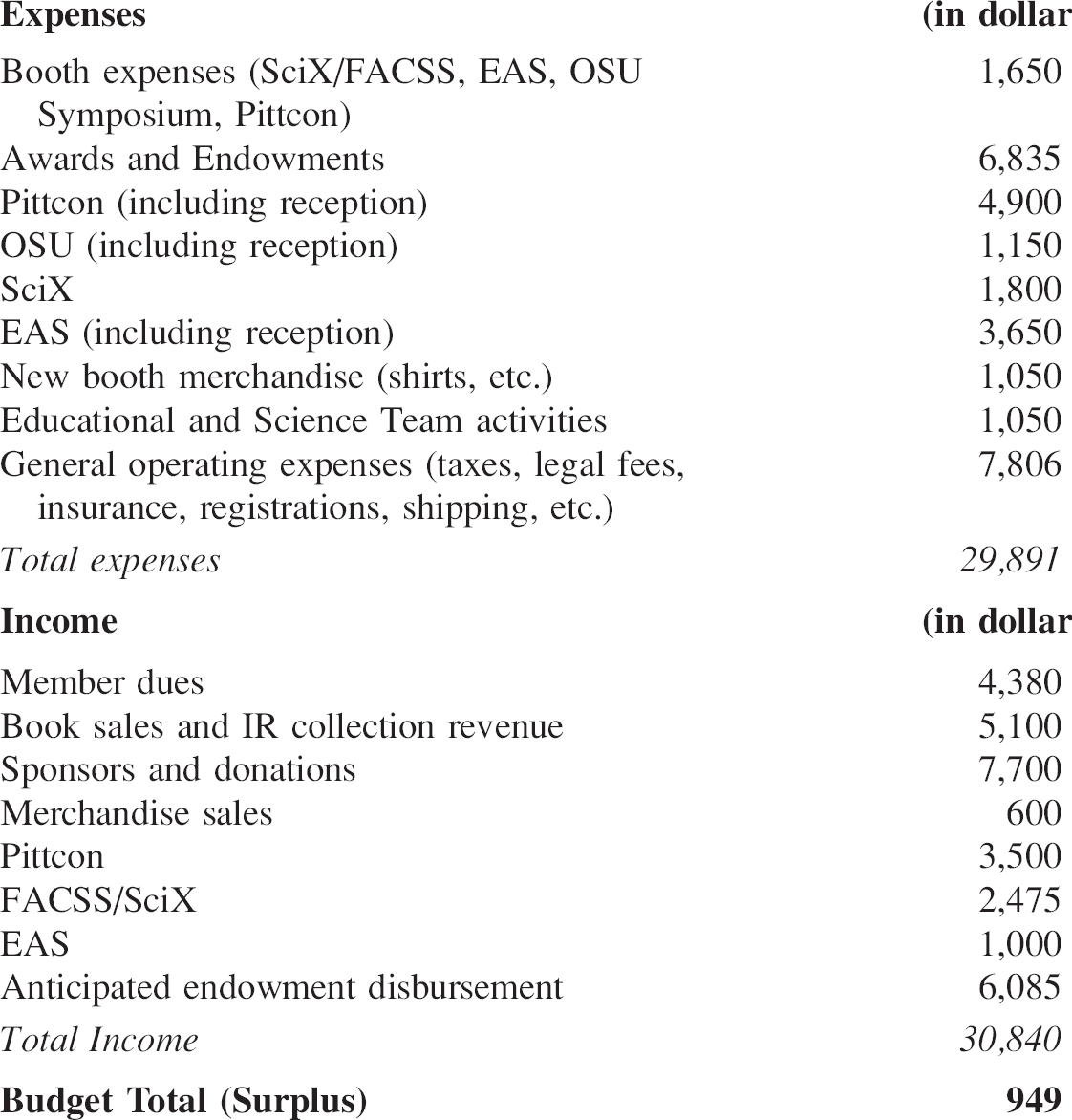
The financial health of the Society continues to improve with our endowment standing at historic highs. Although at the time of this report final accounting for 2012 is not complete, income and expenditures are in line with the budgeted amounts. A finalized accounting for 2012 will be available by the general membership meeting at Pittcon. The Board of Managers at the Fall SciX meeting approved the budget for fiscal year 2013, and an abbreviated version is presented below. Any Society member may request a complete version from the treasurer.
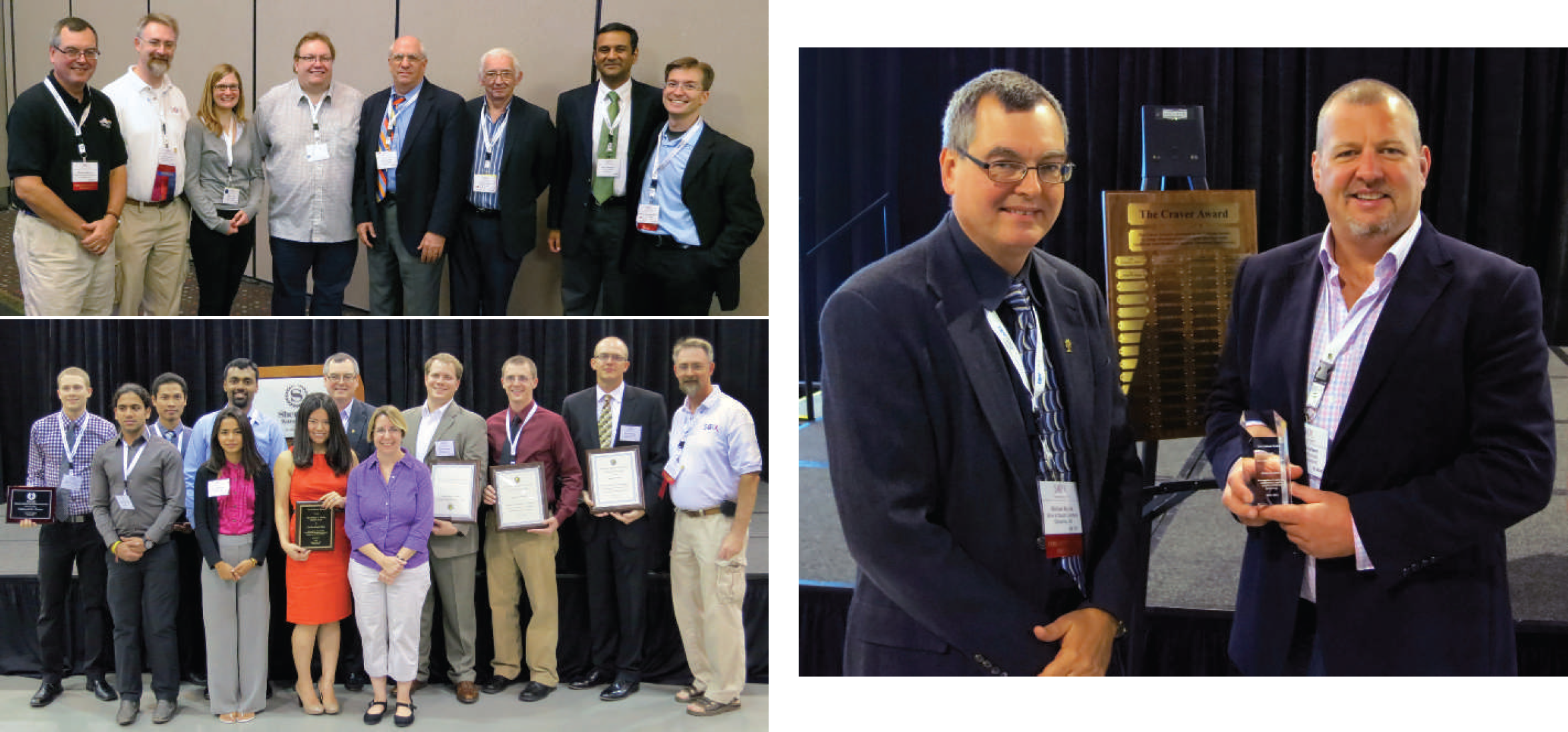
(Top Left) Session speakers from “Celebrating 120 Years of IRDG and Coblentz” (left to right): Coblentz president Michael Myrick, past-president Ian Lewis, Cosima Koch, Mike George, Bruce Chase, IRDG chairman Geoffrey Dent, Rohit Bhargava, and Francis Esmonde-White.
(Right) Michael Myrick (left) presenting Duncan Graham with the Craver award.
(Bottom Left) From the Coblentz, SAS, and FACSS student awards at SciX (left to right): Nathaniel Gomer, Rajesh Morampudi, Ali Khumaeni, Priyanka Basnet, Rohith Reddy, Xiaohua (Sarah) Zhou, Michael Myrick, Mary Kate Donais, Andrew Storey, Joseph Swanstrom, Kevin Pfeuffer, and Ian Lewis.
COBLENTZ SOCIETY MEMBERSHIP REPORT
The membership database now stands at 1292. This reflects additions to the database at EAS 2012 and SciX 2012, new members that come from our affiliation with IR Courses, and the Ohio State Symposium. This does not include dues payments made recently while renewing SAS memberships.
The following table reflects are active dues paying members:
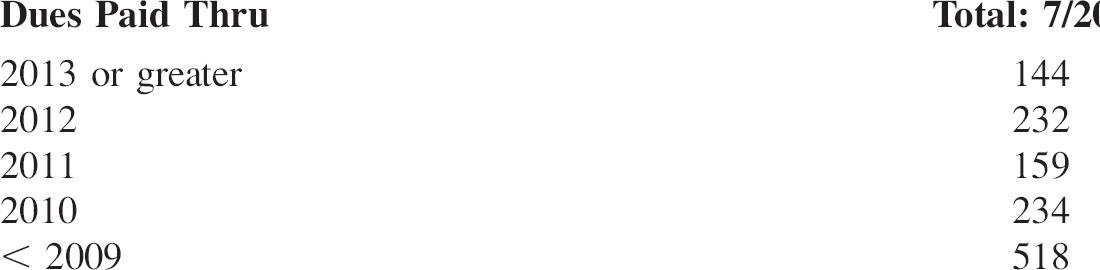
Our active membership stands at 535, which is up from the Fall 2012 report.
We have instituted a “Google Check-Out” on-line payment system on our new Web site at http://www.coblentz.org/Membership/membership-dues-payment. This makes it easier for our international members and non-SAS members to renew their commitment.
Contributed by Mark Drury, January 7, 2013
SCIX 2012
The 2012 annual meeting of the Federation of Analytical Chemistry and Spectroscopy Societies (FACSS) was held in Kansas City, MO. The Coblentz Society presented a number of awards, in addition to organizing 14 sessions at the meeting:
Advancing Vibration Probes for Biomedical Sensing (Ishan Barman)
Ionic Liquids and Spectroscopy (Chieu Tran)
Chemistry in Art and Archeology (Peter Vandenabeele and Mary Kate Donais)
Calibration Maintenance and Transfer for NIR Instrument Networks (Benoit Igne)
Advances in NIR Spectroscopy in the Pharma Industry (Robert Bondi)
2D COS I and II (Young Mee Jung)
Forensic Investigations with Molecular Spectroscopy (Mary Miller)
New Applications of QCL in Chemical Analysis (Bernhard Lendl)
Industrial Applications of Vibrational Spectroscopy (Dimuthu Jayawickrama)
Celebrating 120 Years of IRDG and Coblentz (Michael George and Ian Lewis)
From Ag to Ag(riculture): Analytical Chemistry in the Midwest (Luisa Profeta)
Applications and Advances in Handheld and Portable IR Spectroscopy (John Seelinbinder)
Instrumentation and Applications: Probing the Limits in Molecular Spectroscopy (Linda Kidder)
Molecular Spectroscopy as a Physician's Friend (Linda Kidder)
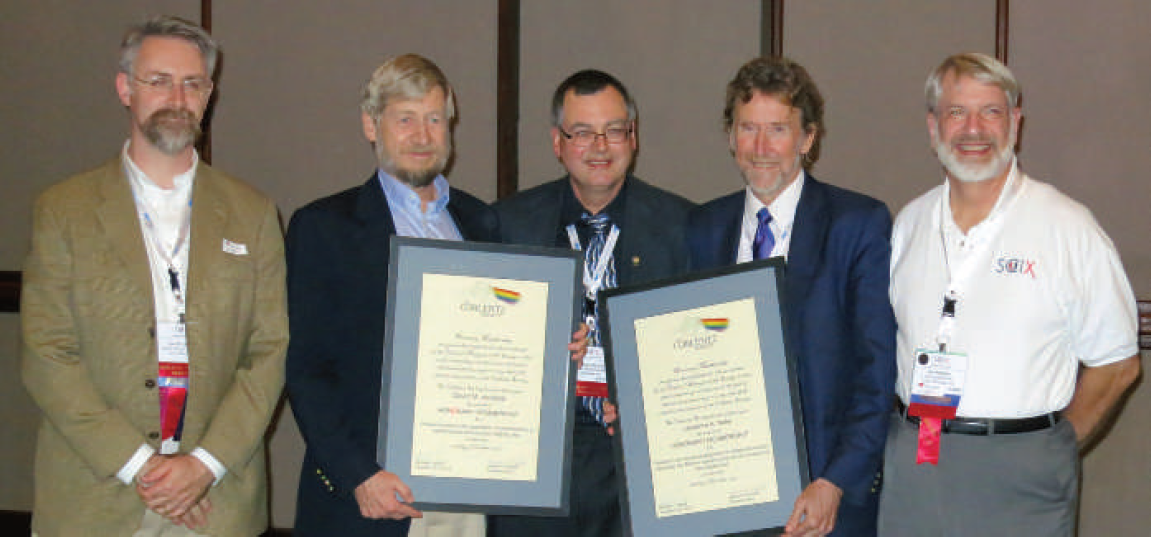
Presentation of Coblentz honorary memberships at SciX 2013 (left to right) Coblentz Society past-president Ian Lewis, recipient David Haaland, president Michael Myrick, recipient Larry Nafie, and president-elect James Ryzdak.
BENEFIT LUNCHEON AT SciX 2012
The Coblentz Society co-sponsored a fundraising luncheon, with SAS, to help add to the endowment funds of the the Fateley and Lippincott awards which were below the self sustaining level for the award.
In addition to delicious food and good company, attendees were treated to two great presentations. The first was from Dr. Peter Griffiths about his recollections of Ellis Lippincott. The second was from Dr. Bruce Chase who had several good stories to tell about Bill Fateley. Perhaps a testament to the lasting impact of Bill Fateley and Ellis Lippincott, many people had personal stories to tell and the discussion went on after the presentation ended.
This was such a good endeavor that I asked both Peter and Bruce if they would consider writing up some of their recollections for an article in Spectroscopy and they agreed. The article will be published in Spectroscopy's February edition for everyone to enjoy. I encourage anyone with an interest in contribution to either of the funds to do so over the Internet.
For the Lippincott fund, contributions are accepted at:
https://www.osa.org/awards_and_grants/awards/award_description/ellislippincott/
For the Fateley award, contributions are accepted at:
http://www.coblentz.org/awards/william-g-fateley-student-award
Lippincott and Fateley contributed much to spectroscopy and the two awards in their name help us keep those contributions alive.
Thank you!
Jim Rydzak
Coblentz President Elect
EASTERN ANALYTICAL SYMPOSIUM 2012
The 2012 Eastern Analytical Symposium was held in Somerset, NJ. The Coblentz Society organized four sessions at the meeting:
Bringing Home the Bacon - Vibrational Spectroscopy gets the Job Done (Linda Kidder)
The Role of Spectroscopy for Enabling Quality-by-Design and Real-Time Release (Gary McGeorge)
Advances in Vibrational Spectroscopy: Instrumentation and Applications I and II (Ian R. Lewis)
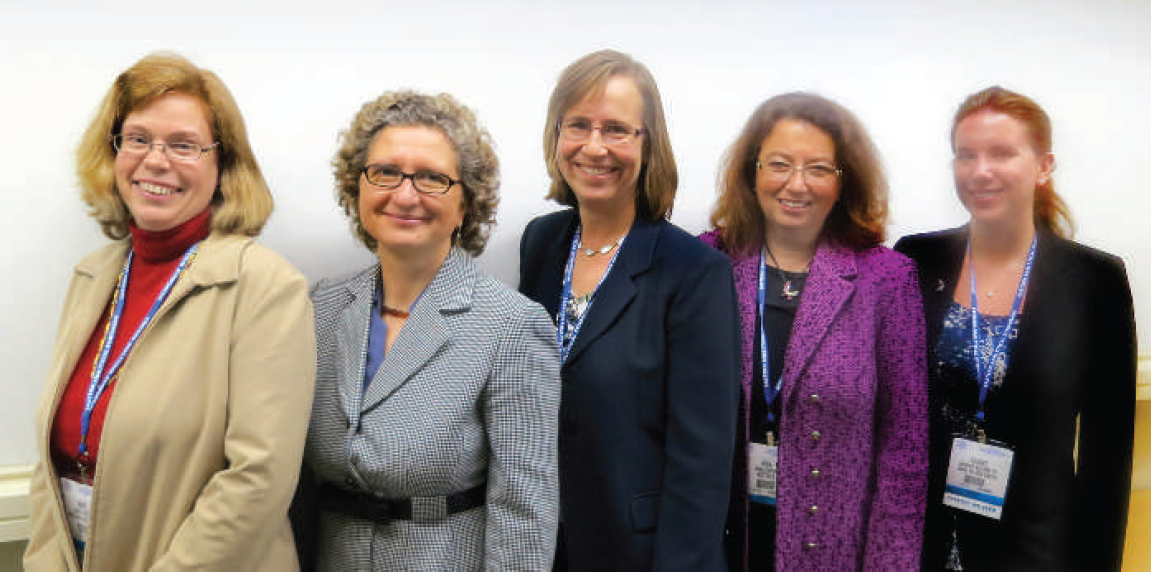
From the session “Bringing Home the Bacon - Vibrational Spectroscopy gets the Job Done”, from left to right: Nancy Jestel, Katherine Bakeev, Linda Kidder, Rina Dukor, and Brooke Kammrath.
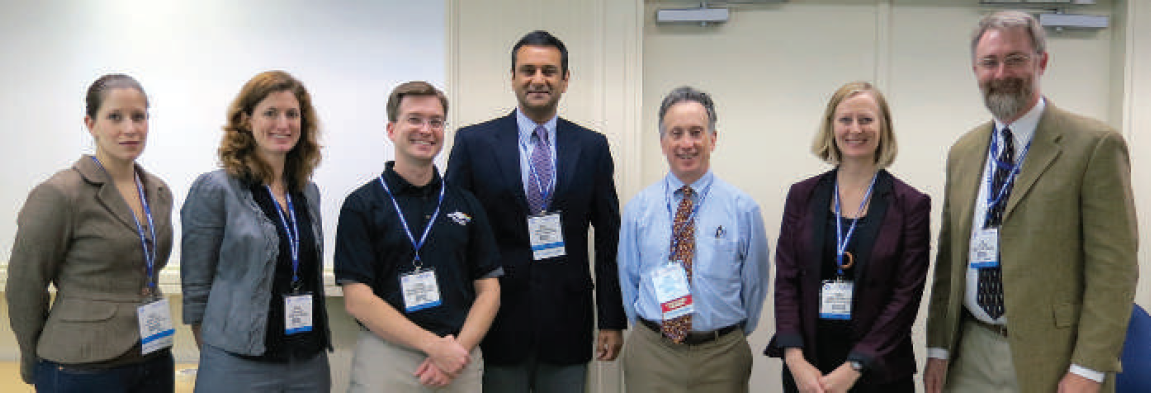
From the sessions “Advances in Vibrational Spectroscopy: Instrumentation and Applications I and II”, from left to right: Nicole Crane, Karin Balss, Francis Esmonde-White, Rohit Bhargava, Mark Druy, Karen Esmonde-White, and Ian Lewis.
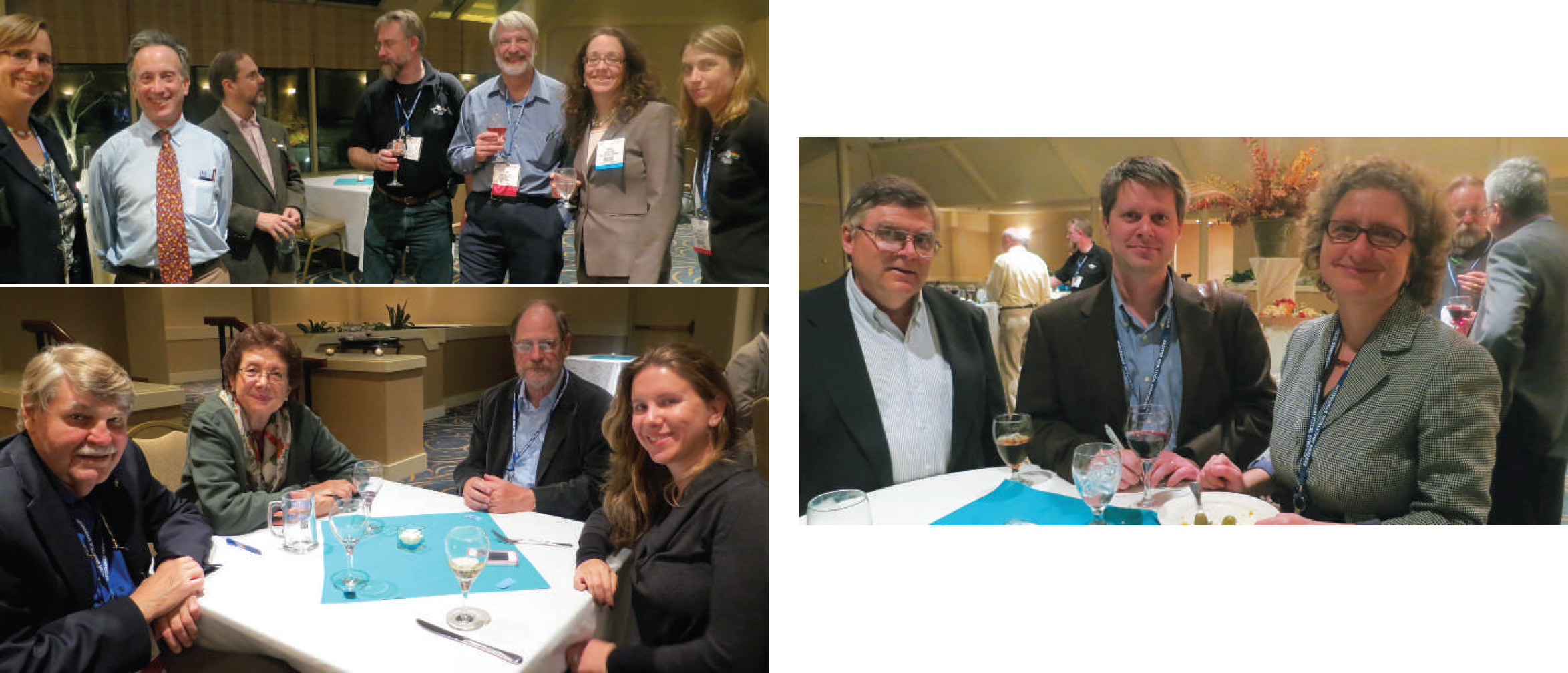
A Coblentz member reception was held at the Eastern Analytical Symposium (EAS) on Monday November 12 in the lovely Mirabelle room of the DoubleTree Somerset Hotel & Conference Center in New Jersey. The reception was graciously sponsored by Horiba, Thermo GRAMS, CAMO, and Kaiser Optical Systems. A fine buffet was served.
2013 WILLIAMS-WRIGHT AWARDEE
The Coblentz Society is pleased to introduce the recipient of the 2013 Williams-Wright Award, Dr. John Coates. John was educated and started his career in the UK. His first position was as an analytical chemist working for Castrol Oil Company. He graduated with the Royal Society of Chemistry (RSC) and obtained his PhD in analytical chemistry at Brunel University with an initial focus on Raman Spectroscopy. He moved to the USA in 1978 soon after meeting his wife Laura. He worked with the infrared product development team and was mentored by two previous Williams Wright Awardees, Dr. Robert Hannah and Dr. Abe Savitzky.
Overall, John has 48 years of industrial experience. During this time he has authored over 120 publications in the form of original papers, articles, patents and book chapters. He helped set up Spectroscopy magazine working with the original editorial staff, and has edited or co-edited several journals. After working as a Senior Staff Scientist at Perkin Elmer, John accepted positions at Spectra-Tech (Stamford, CT) and then at Nicolet Instruments (Madison, WI), eventually returning to a position at Perkin Elmer's Real-Time Systems Division (Wilton, CT), a joint venture with Dow Chemical Company (Midland, MI). In 1996 he left the corporate world and formed his own company, Coates Consulting.
Since 1996 he has built Coates Consulting LLC, into a networked consultancy focused on applied and industrial instrumentation, optical spectroscopy and analytical instruments and sensors for dedicated applications. His main focus in the past 12 years has been on instrument miniaturization and spectral sensors. John has conceived and developed more than 20 different instrument and sensor products. This includes working with major corporations in key industry sectors: Environmental, industrial, aerospace, computer technology and medical. He was co-founder of two sensor-based businesses featuring products based on miniaturization, Sentelligence and microSpectral Sensors. In addition, John also held positions at Global Technovations, Inc. (Now On-Site Analysis, Inc.) a company that markets field-based oil analyzers and as the Interim Director of MCEC (Measurement and Control Engineering Center) at the University of Tennessee.
Coblentz reception at the Eastern Analytical Symposium.
The formal presentation of the Williams-Wright award will take place at a special symposium at Pittcon 2013.
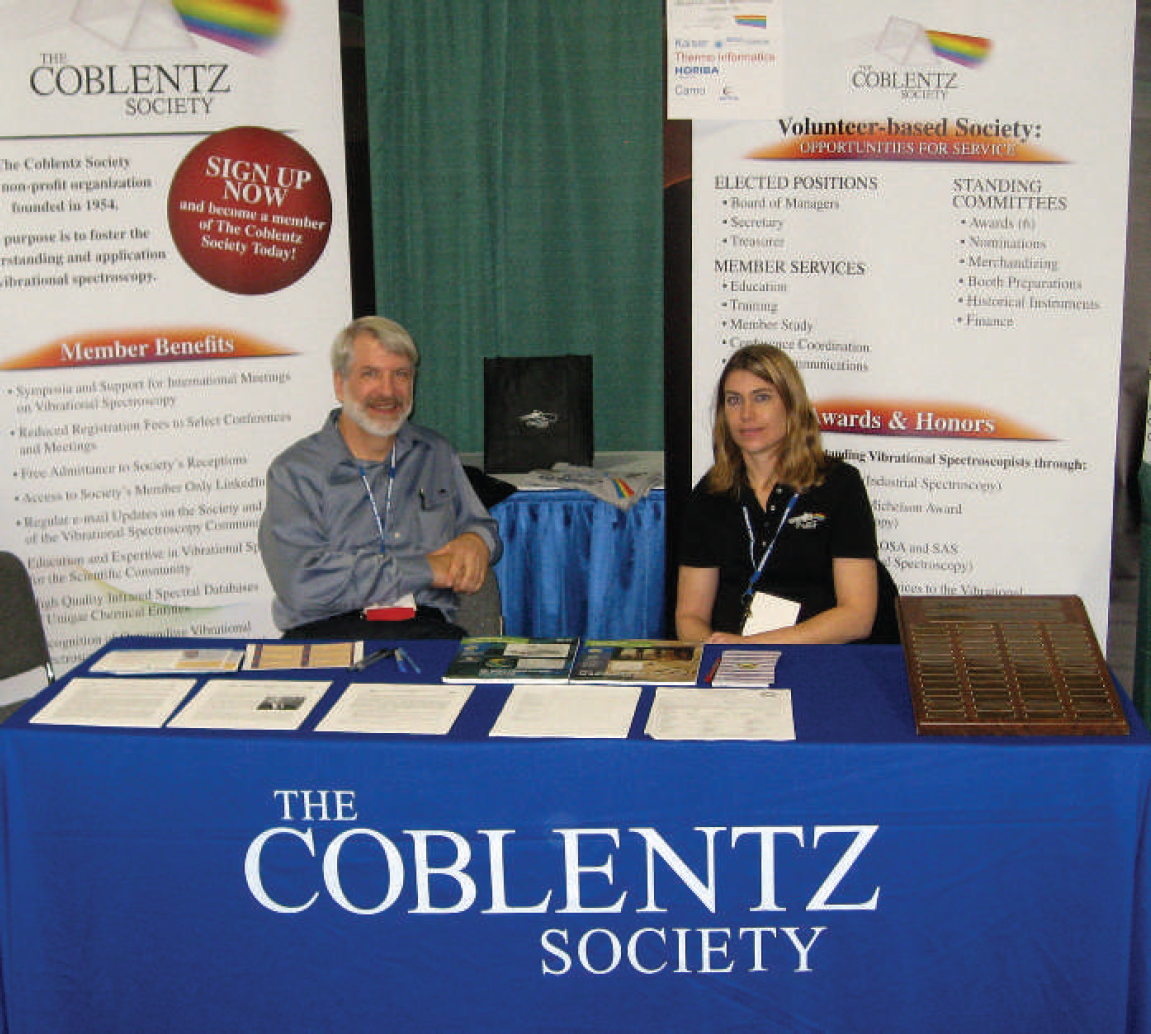
From the Coblentz booth at EAS: Coblentz president-elect James Ryzdak and Brandye Smith-Goettler.
2013 COBLENTZ AWARDEE
We congratulate 2013 Coblentz awardee Nathalie Picqué. Nathalie Picqué is a senior research scientist with the Centre National de la Recherche Scientifique (CNRS, France). She is conducting her research in Munich (Germany) at the Max Planck Institute of Quantum Optics and the Ludwig Maximilian University. In Munich, her group is pioneering novel applications of laser frequency combs to molecular spectroscopy. Recent experiments in Picqué's team have demonstrated that frequency combs are dramatically improving the resolution and recording speed of Fourier spectrometers for broad spectral bandwidth linear absorption spectroscopy. Moreover, since laser frequency combs involve intense ultrashort laser pulses, nonlinear interactions can be harnessed, such as two-photon excitation or stimulated Raman transitions. The intriguing potential of frequency combs for new approaches to broadband nonlinear spectroscopy and hyperspectral imaging is therefore also being explored in the group of Nathalie Picqué. Envisioned applications range from optical labeling for the simplification and disentanglement of complex spectra to coherent control for the selective microscopic imaging of unlabeled biomolecules.
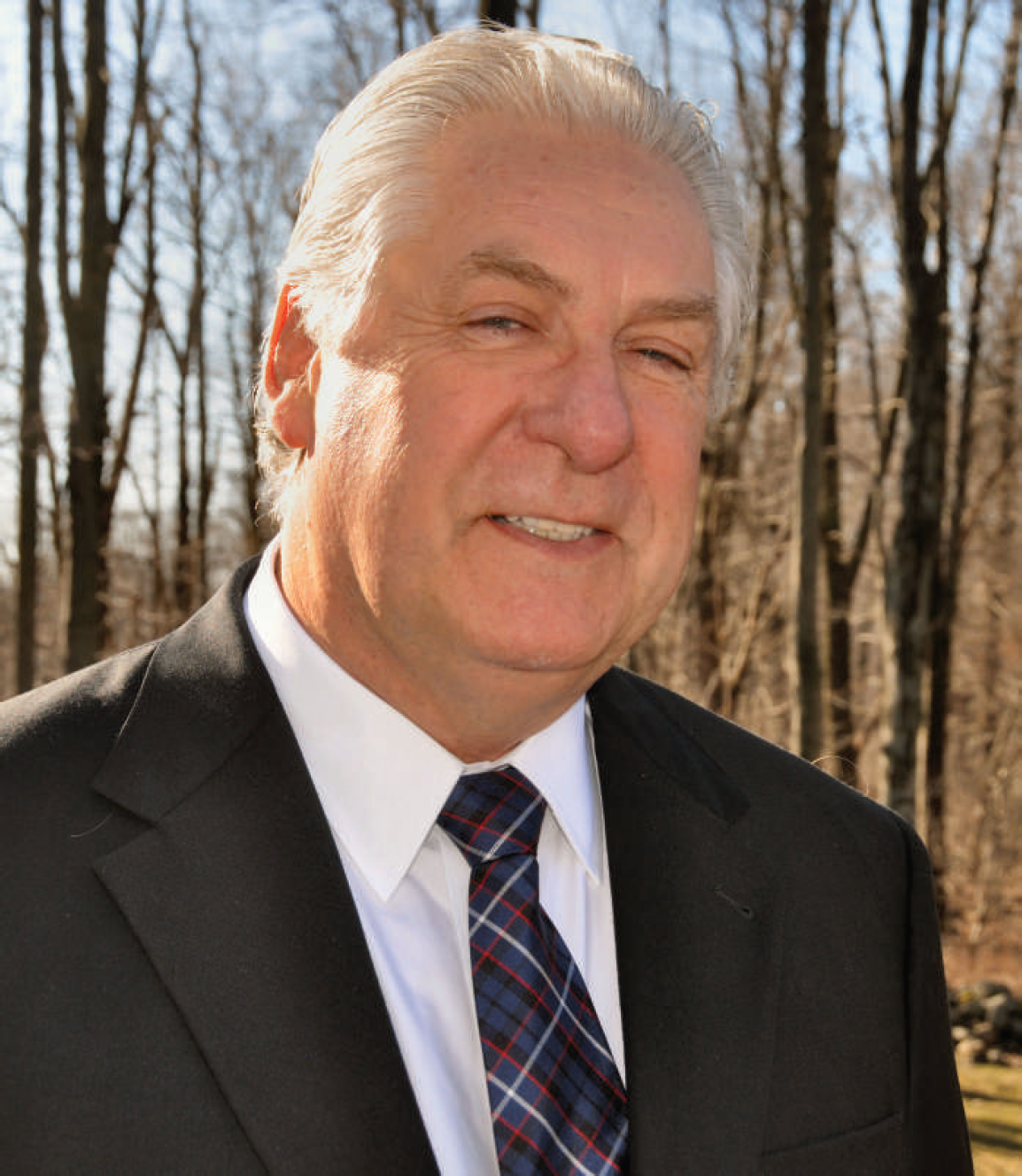
Dr. John Coates
Dr. Nathalie Picqué
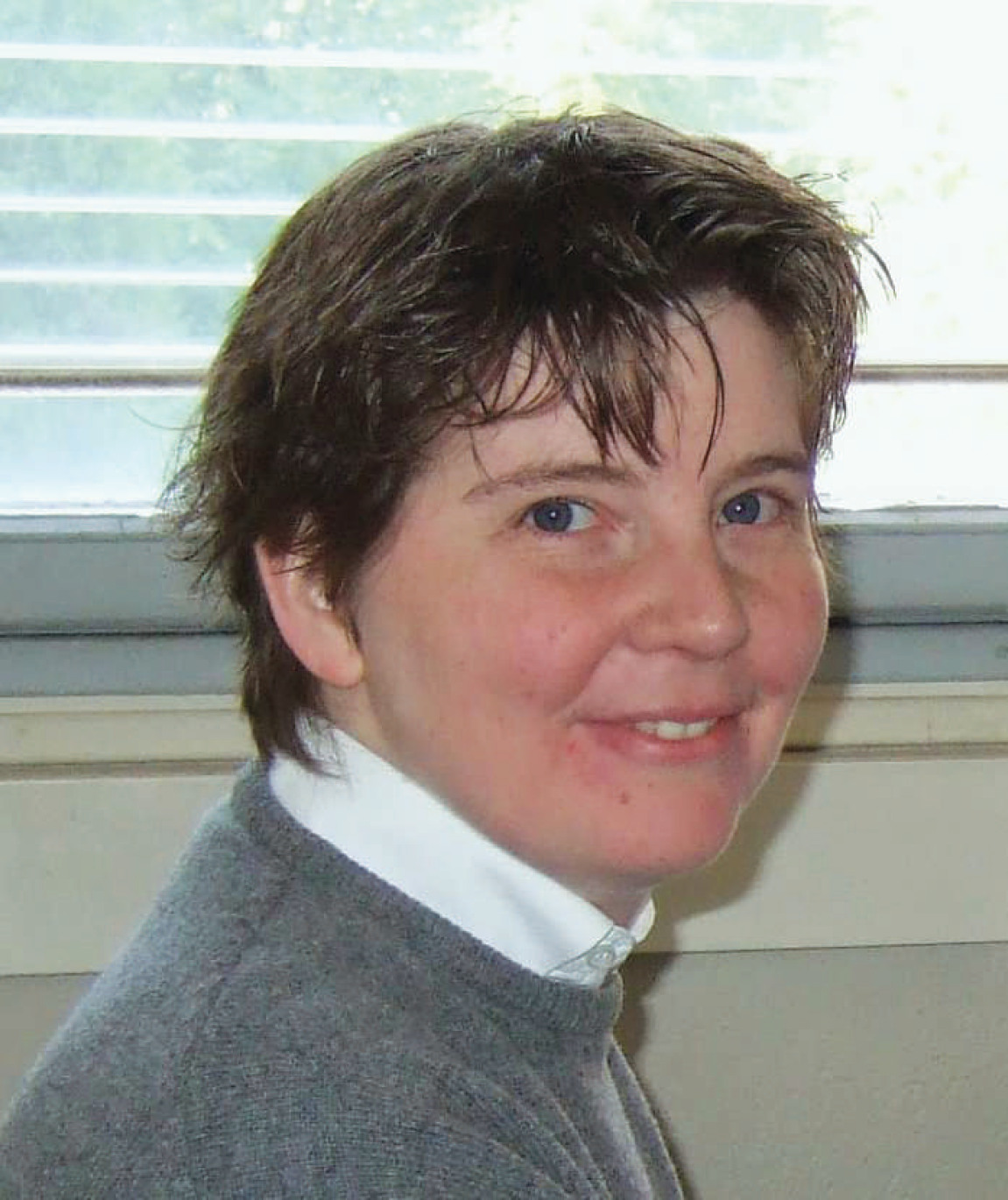
Nathalie Picqué received her doctor degree in Physics in 1998 from Université Paris-Sud Orsay (France) under Dr. Guy Guelachvili. After a post-doctoral stay at the European Laboratory for Frequency Comb Spectroscopy (Florence, Italy), she was appointed as a permanent scientist with the CNRS (France) in 2001 and quickly became a group leader at the Institut des Sciences Moléculaires d'Orsay. The awards Nathalie Picqué has already received include the 2007 Bronze Medal of the CNRS, the 2008 Jean Jerphagnon Prize of the French Physical Society and the 2010 Beller Award of the American Physical Society.
EXCERPTS FROM SPECTROSCOPY MAGAZINE
At FACSS 2011, we had the opportunity to talk with Laura Bush from Spectroscopy magazine and we talked about the possibility of publishing excerpts of the Coblentz Newsletter in Spectroscopy. After a discussion with Micky Myrick we decided that publishing a short overview of the Coblentz Newsletter in Spectroscopy would be beneficial to the Society. In turn, we will point members to items published in Spectroscopy that we believe are of interest to readers.
We are particularly excited about the Spectroscopy podcasts–an excellent way to catch up on award-winning work in the field. The latest podcasts from SciX 2012 feature 2012 Meggers awardee Michael Angel, 2012 Craver awardee Duncan Graham and 2012 ANACHEM awardee Peter Griffiths. Please follow the link to listen to these and other great podcasts!
http://www.spectroscopyonline.com/podcasts
Enjoy!
Karen and Francis Esmonde-White
SPECTROSCOPY 2013 FACSS AWARD PODCAST SERIES
Vibrational spectroscopy methods are the first topics planned for coverage in a 2013 podcast series produced by Spectroscopy magazine in collaboration with the Federation of Analytical Chemistry and Spectroscopy Societies (FACSS). The podcast series will highlight the awards granted at the federation's annual North American conference, SciX, and follows on a successful series of interviews conducted in 2012.
The 2013 series will begin in February and is scheduled to begin with conversations with Volker Deckert of Jena University in Germany, about tip-enhanced Raman spectroscopy, and Rohit Bhargava of the University of Illinois at Urbana-Champaign, about infrared microscopy.
The program will then continue through the spring and summer with interviews with the winners of other awards that will be granted at SciX 2013, including the William F. Meggers, ANACHEM, Lester W. Strock, Craver, Lippincott, and American Chemical Society awards, as well as the finalists for the 2012 FACSS Innovation Awards.
The new interviews will be posted on the Spectroscopy magazine website, at www.spectroscopyonline.com/podcasts. Interviews from the 2012 series can be found at the same location.
Contributed by Laura Bush
BAND-FITTING RAMAN SPECTRATO EXTRACT CHEMICAL AND PHYSICAL INFORMATION
Anyone who has band-fitted spectra knows that the results are fraught with pitfalls. The most common one is to add a spectral component to improve the overall fit. The problem with this approach is that there may not be physical or chemical meaning to this extra component. Another problem is that the fits typically are not unique. That is, the final fit may depend on the starting parameters and how well the algorithm converges. In the latest installment of the “Molecular Spectroscopy Workbench” column in Spectroscopy, Fran Adar uses real spectra to illustrate how one can be his or her own critic in performing this valuable operation.
Contributed by Laura Bush
COBLENTZ LINKEDIN GROUP
If you have not already joined, we encourage all members to join the Coblentz LinkedIn group! It is a vibrant, useful tool where members can share professional news, articles of interest, or ask questions. We also solicit nominations for Coblentz-sponsored awards and encourage members to submit items for the Newsletter. We hope to see you online!
http://www.linkedin.com/groups?gid=1831157
Your editors,
Karen and Francis Esmonde-White
CALL FOR NOMINATIONS FOR COBLENTZ SOCIETY AWARDS
In the spirit of rewarding excellence, we would like to take this opportunity to encourage you to nominate qualified candidates for the Society's awards. Coblentz honors individuals at all ages and experience levels, ranging from student awards to honorary memberships. Nomination information, requirements for each of the Society's awards, and online nomination forms can be found on the Coblentz Society's website (www.coblentz.org). The awards are a great way to recognize scientific achievements or service to the society. We encourage all members to take a look at the awards and consider nominating your fellow spectroscopist!
Your editors,
Francis and Karen Esmonde-White
Previous recipients of the Bomem-Michelson Award are: Thomas G. Spiro (1987), Carl Linberger (1988), Richard J. Saykally (1989), William Klemperer (1990), Alan Pine (1991), Jyrki Kauppinen (1992), Jack L. Koenig (1993), Herbert L. Strauss (1994), Terry Miller (1995), Ira Levin (1996), William H. Woodruff (1997), Bruce Chase (1998), Sandy Asher (1999), John F. Rabolt (2000), Larry Nafie (2001), Dan Neumark (2002), Peter Griffiths (2003), Dave Haaland (2004), Paul Bohn (2005), Robert W. Field (2006), David Bocian (2007), Geraldine Richmond (2008), Martin Quack (2009), Richard Van Duyne (2010), Isao Noda (2011) and Joel Harris (2012).
Detailed nomination instructions including deadlines are available on the Coblentz web site at www.coblentz.org/awards/the-bomem-michelson-award.
Previous recipients of this award are: John Overend (1964), William Fateley/Robert Snyder (1965), Edwin Becker (1966), Peter Krueger (1967), Jon Hougen (1968), James Durig (1969), Guiseppi Zerbi (1970), Clive Perry (1971), George Leroi (1972), C. Bradley Moore (1973), C.K.N. Patel (1974), Bernard J. Bulkin (1975), Geoffrey Ozin/George Thomas, Jr. (1976), Peter Griffiths (1977), Lester Andrews (1978), Lionel Carreira (1979), Richard Van Duyne (1980), Laurence Nafie (1981), Christopher Patterson (1982), Dave Cameron (1983), Steve Leone (1984), John Rabolt/Graham Fleming (1985), Joel Harris (1986), Alan Campion (1987), Keith Nelson (1988), Geri Richmond (1989), Hai-Lung Dai (1990), Paul Bohn (1990), Tom Rizzo (1992), Peter Felker (1993), Paul Alivisatos (1994), David J. Rakestraw (1995), Xiaoliang Sunney Xie (1996), Moungi Bawendi (1997), Pat Treado (1998), Brooks Pate (1999), Martin Gruebele (2000), Stacey Bent (2001), Andrei Tokmakoff (2002), Andrea Callegari (2003), Sergey Nizkorodov (2005), Michael Strano (2006), Martin Zanni (2007), Xiaowei Zhuang (2008), Benjamin McCall (2009), and Timothy Schmidt (2010). No award was presented in 2011. Greg Engel (2012) and Nathalie Picqué (2013) are the most recent awardees.
Detailed nomination instructions including deadlines are available on the Coblentz web site at www.coblentz.org/awards/the-coblentz-award.
The awardees for 2010 were: Ram Bhatta, Department of Chemistry, University of Akron, Professor David S. Perry; Praveenkumar Boopalachandran, Department of Chemistry, Texas A&M University, Prof. Jaan Laane; Bryon Herbert, Department of Chemistry and Biochemistry, University of Delaware, Professor Karl S. Booksh; Yuliya Luzinova, Department of Chemistry and Biochemistry, Georgia Institute of Technology, Professor Boris Mizaikoff; and Hajime Okajima, Department of Chemistry, the University of Tokyo, Professor Hiro-o Hamaguchi.
The awardees for 2011 were: Rohith Reddy, Univ. of Illinois at Urbana-Champaign, Professor Rohit Bhargava; Nathaniel R. Gomer, Univ. of South Carolina, Professor S. Michael Angel; Esther J. Ocola, Texas A&M University, Professor Jaan Laane; Savitha S. Panikar, University of Missouri - Kansas City, Professor James Durig; Megan R. Pearl, University of South Carolina, Professor Michael Myrick.
The 2012 class of awardees are: Eduardo Berrios-University of Illinois at Urbana-Champaign, Prof. Martin Gruebele, Marleen Kerssens-Biophotonics Research Unit at Gloucestershire Hospitals, Prof. Nick Stone and Prof. Pavel Matousek, Rajesh Marampudi-Cleveland State University, Jonathan Schaefer-University of Utah, Joel Harris, Andreas Wilk-University of Ulm, Prof. Boris Mizaikoff and Xiaohua (Sarah) Zhou-University of Missouri Kansas City, Prof. James Durig. Xiaohua was also awarded the 2012 Fateley Award.
Detailed nomination instructions including deadlines are available on the Coblentz web site at www.coblentz.org/awards/coblentz-student-awards.
Previous recipients of the award are: Katherine A. Bakeev (2007), John Conboy (2008), Takeshi Hasegawa (2009), Boris Mizaikoff (2010), Michael W. George (2011), and Duncan Graham (2012). The award carries with it a $1000 honorarium, a plaque, plus a $500 travel allowance. Files of candidates will be kept active until the age of eligibility is exceeded. Annual updates of candidate files are encouraged and will be solicited from the nomination source by the award's committee chair.
The awardee will also be offered a 25-minute plenary lecture during the SciX meeting, at which the award will be presented. Further, a separate half-day award symposium honoring the award recipient and highlighting the interests of the awardee will also occur at the same conference. Detailed nomination instructions including deadlines are available on the Coblentz web site at www.coblentz.org/awards/the-craver-award.
The recipient of the inaugural 2010 Fateley Student Award was Ali Eftekhari-Bafrooei. The recipient of the 2011 William G. Fateley Student Award was Rohith Reddy of the University of Illinois at Urbana-Champaign, working with Professor Rohit Bhargava. We congratulate 2012 recipient Xiaohua (Sarah) Zhou of the University of Missouri-Kansas City working with Professor James Durig.
Detailed nomination instructions including deadlines are available on the Coblentz web site at www.coblentz.org/awards/william-g-fateley-student-award. Note that the Fateley student awardee is selected from the top three candidates who receive the Coblentz student awards, requiring that the students be nominated for the Coblentz student award prior to consideration for the Fateley student award.
Recipients of the medal must have made significant contributions to vibrational spectroscopy as judged by their influence on other scientists. Because innovation was a hallmark of the work of Ellis R. Lippincott, this quality in the contributions of the candidates will be carefully appraised. The contributions may be theoretical, experimental, or both, and may have been made in the course of applied as well as basic research. No restriction is placed on the citizenship or national origin of candidates. A candidate need not be a member of any of the sponsoring societies. The award will not be made posthumously unless an awardee should die after the procedure of selection has been completed.
Nominations should contain the name and affiliation of the nominee and sufficient background information to justify the nomination. A nominator is expected to believe sufficiently strongly in the quality of the work of his or her candidate to provide evidence of that belief. No restriction is placed on who may nominate, and all nominations received by the committee prior to October 1st, 2012 in any year will be considered for the award to be presented in the fall of the following year. Files of nominees will be kept active for three years, after which the nominee must be renominated with an updated file or the file will be closed. Nominations for the Ellis R. Lippincott Award are accepted from January 1st through October 1st, 2012.
Previous recipients include: Richard G. Lord (1976), Lionel Bellamy (1977), Bryce Crawford, Jr. (1978), E. Bright Wilson (1979), George C. Pimentel (1980), Ian Mills (1981), Michel Delhaye (1982), John Overend (1983), Jon T. Hougen (1984), Ira W. Levin (1985), Wolfgang Kaiser (1986), C. Bradley Moore (1987), Andreas A. Albrecht (1988), Marilyn E. Jacox (1989), Robert W.Fields (1990), Richard J. Saykally (1992), John F. Rabolt (1993), Herbert L. Strauss (1994), Giacinto Scoles (1995), Giuseppe Zerbi (1996), Robin Hochstrasser (1997), Takeshi Oka (1998), Mitsuo Tasumi (1999), Donald Levy (2000), Lester Andrews (2001), Sandford Asher (2002), Shaul Mukamel (2003), Richard Mathies (2004), Jaan Laane (2005), Hai-Lung Dai (2006), Jonathan Tennyson (2007), Richard Van Duyne (2008), Michael Fayer (2009), Martin Moskovits (2010), Isao Noda (2011) and Keith Nelson (2012).
Detailed nomination instructions including deadlines are available on the Coblentz web site at www.coblentz.org/awards/the-lippincott-award.
Previous recipients of the Williams–Wright Award are: Norman Wright (1978), Norman Colthup (1979), Jeannette Grasselli (1980), Paul Wilks/James Harrick (1981), Robert Hannah (1982), Harry Willis (1983), Robert Jakobsen (1984), Clara D. Craver/Richard A. Nyquist (1985), Abe Savitzky/Joseph J. Barret (1986), A. Lee Smith (1987), Darwin L. Wood (1988), D. Bruce Chase (1989), John F. Rabolt (1990), Robert J. Obremski (1991), Timothy Harris (1992), Curtis Marcott (1993), John M. Chalmers (1994), Michael R. Philpott (1995), Bob Messerschmidt (1996), Michael J. Pelletier (1997), Henry Buijs (1998), Don Kuehl (1999), John Reffner (2000), Raul Curbelo (2001), Isao Noda (2002), Neil Everall (2003), Neil Lewis (2004), Fran Adar (2005), Harry Owen (2006), Michael Carrabba (2007), Rina Dukor (2008), Jerome J. Workman (2009), Patrick Treado (2010), Howard Mark (2011), Richard Crocombe (2012) and John Coates (2013).
Detailed nomination instructions including deadlines are available on the Coblentz web site at www.coblentz.org/awards/the-williams-wright-award.
A lasting component of Bill's legacy was his encouragement for students to attend professional conferences and meet their peers. He made it a goal to introduce young scientists to the “people” in the field and to get them personally involved. Fostering this interaction was important to Bill; perhaps as much as it was for the science. His efforts included sending his students to many international conferences. If need be, he even went as far as to bring the social interaction center (disguised as a mobile spectroscopy lab) directly to the conference. Bill's commitment to encouraging students to attend conferences, meet and interact with their colleagues and contribute to the field of spectroscopy, has produced a whole new generation of spectroscopists. These actions have enriched the groups and societies that Bill championed so strongly and this is the legacy that we hope to continue with the establishment of this award.
The inaugural award was presented during the two special sessions at FACSS 2010 honoring Bill Fateley. These sessions consisted of a mixture of presentations from Bill's colleagues and former group members. The William G. Fateley Student Award is being administered by the Coblentz Society. The Society is currently accepting contributions to the initial endowment of the Fateley award. Please consider contributing to the formation of this award, and continuing the positive impact Bill Fateley had on the spectroscopic community.
Due to his worldwide impact on the field of spectroscopy, tax deductible donations to the award fund are encouraged from all of “Wild” Bill's friends, colleagues and professional societies. Funds may be sent to:
“The Coblentz Society / The William G. Fateley Award”, acct: 469576552
JPMorgan Chase Bank
243 E Main Street
Ashland, OR 97520
For those who prefer to send a check, please mark it as a contribution to the William G. Fateley Award and send it to the treasurer of the Coblentz Society.
SOCIETY ANNOUNCEMENTS
COBLENTZ SOCIETY BOARD
Linda Kidder
Malvern Instruments Inc.
7221 Lee Deforest Drive, Suite 300
Columbia, MD 21046
phone: (410) 953-6166
email:
Term Expires March 2013
Brandye Smith-Goettler
Merck and Co., Inc.
WP78-110
P. O. Box 4
West Point, PA 19486-0004
phone: (215) 652-5487
email:
Term Expires March 2013
Christian Pellerin
University of Montreal
Department of Chemistry
CP 6128, Succ. Centre-ville
Montréal, QC, H3C 3J7
phone: (514) 340-5762
fax: (514) 340-5290
email:
Term Expires March 2014
Luisa T.M. Profeta
Midwest Research Institute
425 Volker Boulevard
Kansas City, MO 64110-2299
phone: 816-753-7600 X 1372
fax: 816-531-0315
email:
Term Expires March 2014
Karl Booksh
University of Delaware
Department of Chemistry and Biochemistry
Lammot du Pont Laboratory
Newark, DE 19716
Tel: (302) 831-2561
email:
Term Expires March 2015
Heather Brooke
Merck & Co., Inc.
556 Morris Avenue
S7-D3-3500B
Summit, NJ 07901
Tel: (908) 473-5533
email:
Term Expires March 2015
Francis W.L. Esmonde-White
University of Michigan,
Department of Chemistry
930 North University Ave., Room 4638
Ann Arbor, MI 48109
phone: (734) 531-9153
email:
Term Expires March 2016
Christina R. Young
U.S. Food and Drug Administration
9200 Corporate Blvd.
Rockville, MD 20850
email:
Term Expires March 2016
COBLENTZ SOCIETY OFFICERS
Michael Myrick
University of South Carolina
Department of Chemistry
631 Sumter Street
Columbia, SC 29208
phone: (803) 777-6018
email:
Jim Rydzak
GlaxoSmithKline
709 Swedeland Road MS UW2940
King of Prussia, PA 19406-0390
phone: (610) 270-5242
email:
Richard Crocombe
Thermo Fisher Scientific
900 Middlesex Turnpike, Building 8
Billerica, MA 01821 USA
phone: (978) 215 1419
email:
Mary W. Carrabba
Southern Oregon University,
Science 258
1250 Siskiyou Blvd.
Ashland, OR 97520
phone: (541) 552-6405
fax: (541) 552-6415
email:
Francis W.L. Esmonde-White
University of Michigan,
Department of Chemistry
930 North University Ave., Room 4638
Ann Arbor, MI 48109
phone: (734) 531-9153
email:
Karen A. Esmonde-White
University of Michigan Medical School
Department of Internal Medicine, Rheumatology Division
1150 West Medical Center Drive MSRB II Room 3554
Ann Arbor, MI, 48109
phone: (734) 531-9154
email: