






Abstract

Geoffrey Hamilton White graduated from the University of Sydney in 1976, the third generation of doctors in his family. He gained the FRACS in 1982, undertaking his early surgical training at Royal Prince Alfred Hospital. He furthered his vascular training in Los Angeles, where he was Assistant Professor of Surgery at the UCLA School of Medicine and Chief of Vascular Surgery at the VA Wadsworth Medical Center from 1984 to 1989. He returned to the Royal Prince Alfred Hospital (RPAH) in Sydney in 1989 as a Visiting Medical Officer and held a conjoint academic title as Associate Professor of Vascular Surgery at the University of Sydney. He was later appointed head of department at RPAH. His final position was Foundation Professor of Vascular Surgery at Macquarie University Hospital. He established a strong background in clinical work and research activity, with numerous publications, especially in relation to the development of medical devices and less invasive treatments for vascular disorders.
Geoff exuded a quiet confidence borne of his extensive and intimate knowledge of the world of vascular surgery. He worked on the early development of endovascular devices and had a richly deserved international reputation for his contributions to the development of endovascular techniques that have changed the paradigm of vascular surgery from open surgery to minimally invasive techniques. His work and his ideas have been fundamental to the development and utilization of endovascular devices, much of which we take for granted today. He conceptualized the use of modular endoluminal stent-grafts, and he coined the term “endoleak” that is now part of the vascular and endovascular nomenclature, and sought to define terms like “endotension.” He also devised a functional classification for proximal attachment sites for aneurysm necks.
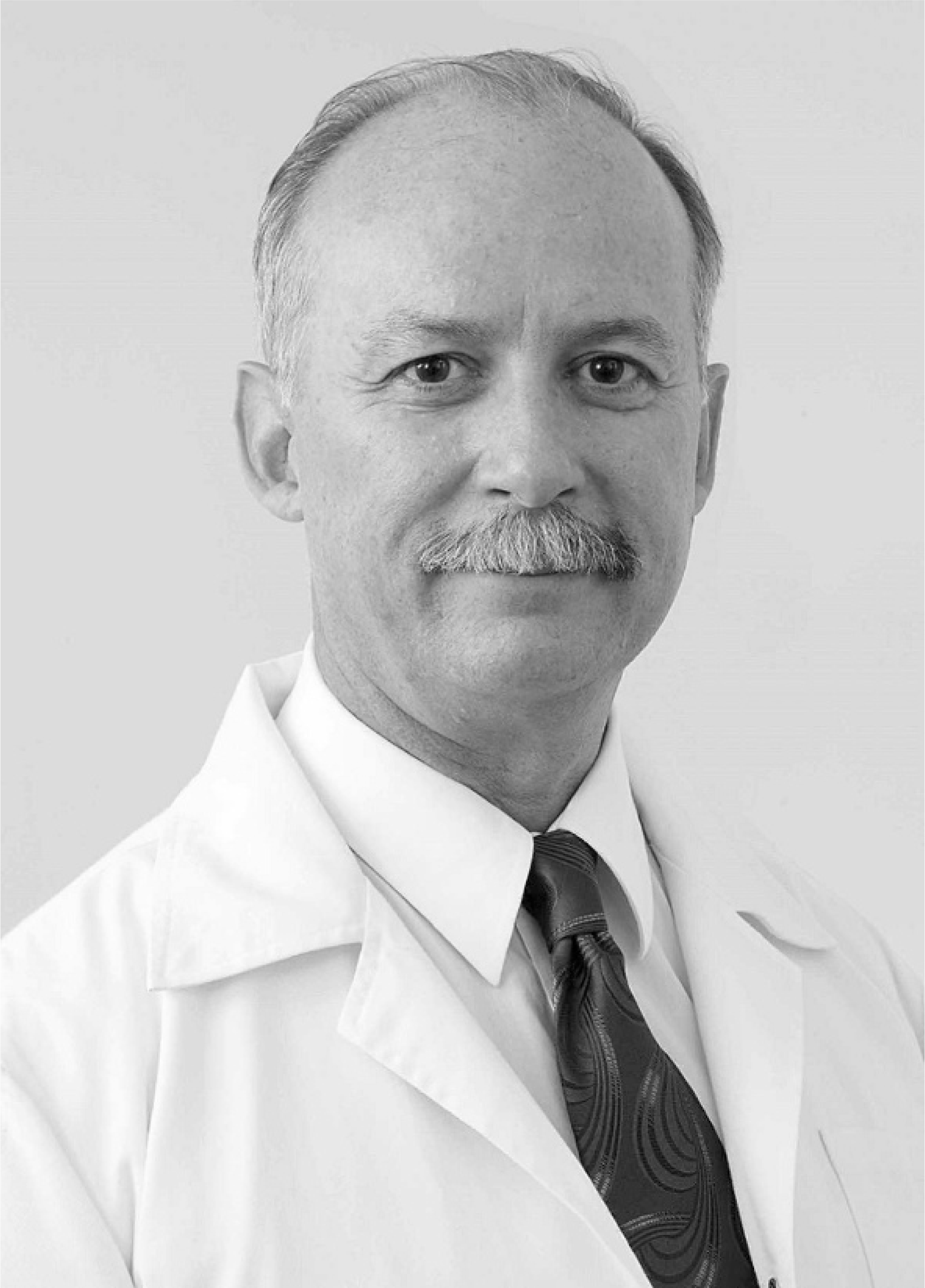
He was a committed clinical educator, particularly at the postgraduate level. In 1994, he initiated the International Endovascular Symposium in Sydney, driving refinement of endovascular techniques and raising the profile of Australian vascular surgery. These meetings were also among the first in the world in which images from theaters were projected live to an interactive audience. Many renowned vascular surgeons from around the world came to Australia to work with Geoff and the vascular team at the RPAH, imparting their knowledge, and perhaps gaining some too. His international reputation and focus led to a constant stream of Fellows from Europe and North America. Geoff not only mentored their endovascular development with a sense of accomplishment and achievement but also demonstrated how to live a well-rounded Renaissance lifestyle. His hospitality and that of his wife, Kathy, was legendary. Many of these Fellows are now leaders in endovascular surgery in their own countries.
Geoff was a remarkable man, an inclusive leader, with a confidence that inspired many around him to achieve much more than they thought possible. He was always approachable for advice on all manner of subjects, with a quirky sense of humor and quiet determination to get things done. He responded to many complex requests and clinical questions with a simple one-word answer that became his hallmark response, but belied the extensive and comprehensive thought processes that preceded the answer … “Sure.”
He was diagnosed with melanoma in 2010 and bore this knowledge with grace and dignity. He entered himself into clinical trials and spent his last 2 years doing research and working on his device developments. Geoffrey Hamilton White died early on Australia Day, January 16, 2012, at the Royal Prince Alfred Hospital. He is survived by his wife and their children Zoe, Max, and James.