






Abstract

College Fellows from both Australia and New Zealand have been recognised for their achievements and contributions to society with Queen's Birthday 2010 Honours. The College congratulates and commends the following Fellows for their contribution to psychiatry and mental health:
Dr Francis Agnew was appointed a Member of the New Zealand Order of Merit (MNZM), “For services to the Pacific Islands community”. Dr Agnew, one of two Pasifika psychiatrists working in New Zealand, has been recognised for the provision of mental health clinics in the Cook Islands and helping to establish a similar service in Samoa. Dr Agnew is a Consultant Psychiatrist and Service Clinical Director, Pacific Islands Mental Health and Alcohol and Drug Services at the Waitemata and Auckland District Health Boards.
Dr Francis Agnew
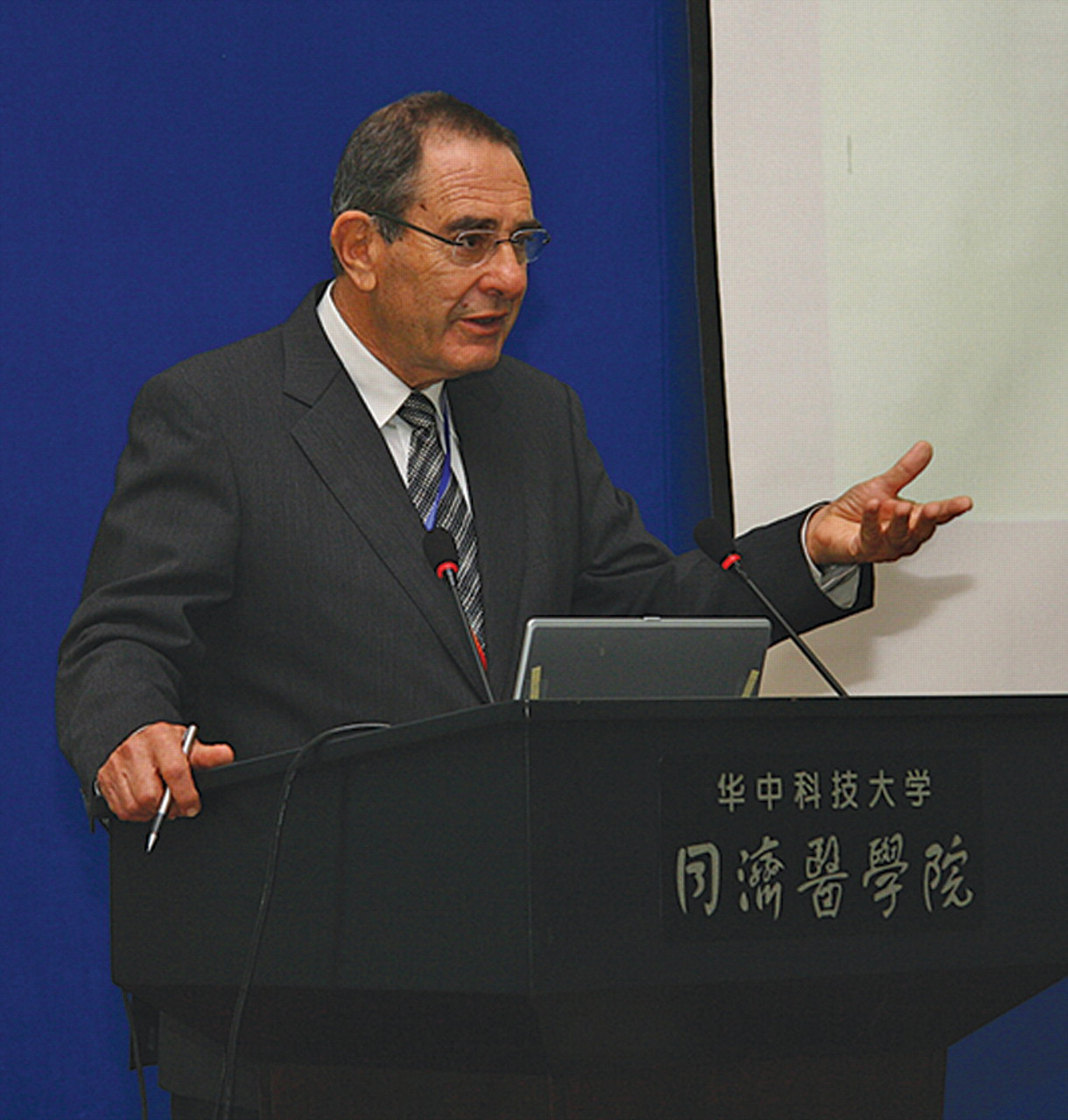
Emeritus Professor Laurence Geffen was appointed a Member of the Order of Australia (AM), “For service to neuroscience as a clinician and researcher, and to medical education”. Professor Geffen is Professor Emeritus of Human Physiology at Flinders University and Professor Emeritus of Psychiatry at the University of Queensland, and was Dean of Medicine at both universities.
Emeritus Professor Laurence Geffen

Professor Patrick McGorry was appointed an Officer of the Order of Australia (AO), “For distinguished service to medicine, and to mental health as a leading clinician, researcher and scientist, through innovative reform of services, the development of national programs to support youth and raising public awareness”. Professor McGorry is Director of Clinical Services at the Orygen Youth Health Clinical Program and Executive Director of the Orygen Youth Health Research Centre, and a Director of the National Youth Mental Health Foundation (headspace). He is also the 2010 Australian of the Year.
Professor Patrick McGorry

Professor Gordon Parker was appointed an Officer of the Order of Australia (AO), “For distinguished service to psychiatry as a clinician and researcher, particularly as a major contributor to the understanding and innovative treatment of mood disorders and as founder and Executive Director of the Black Dog Institute”. Professor Parker is Professor of Psychiatry at the University of New South Wales, specialising in research in mental health, in addition to Executive Director of the Black Dog Institute at the Prince of Wales Hospital in Sydney.
Professor Gordon Parker
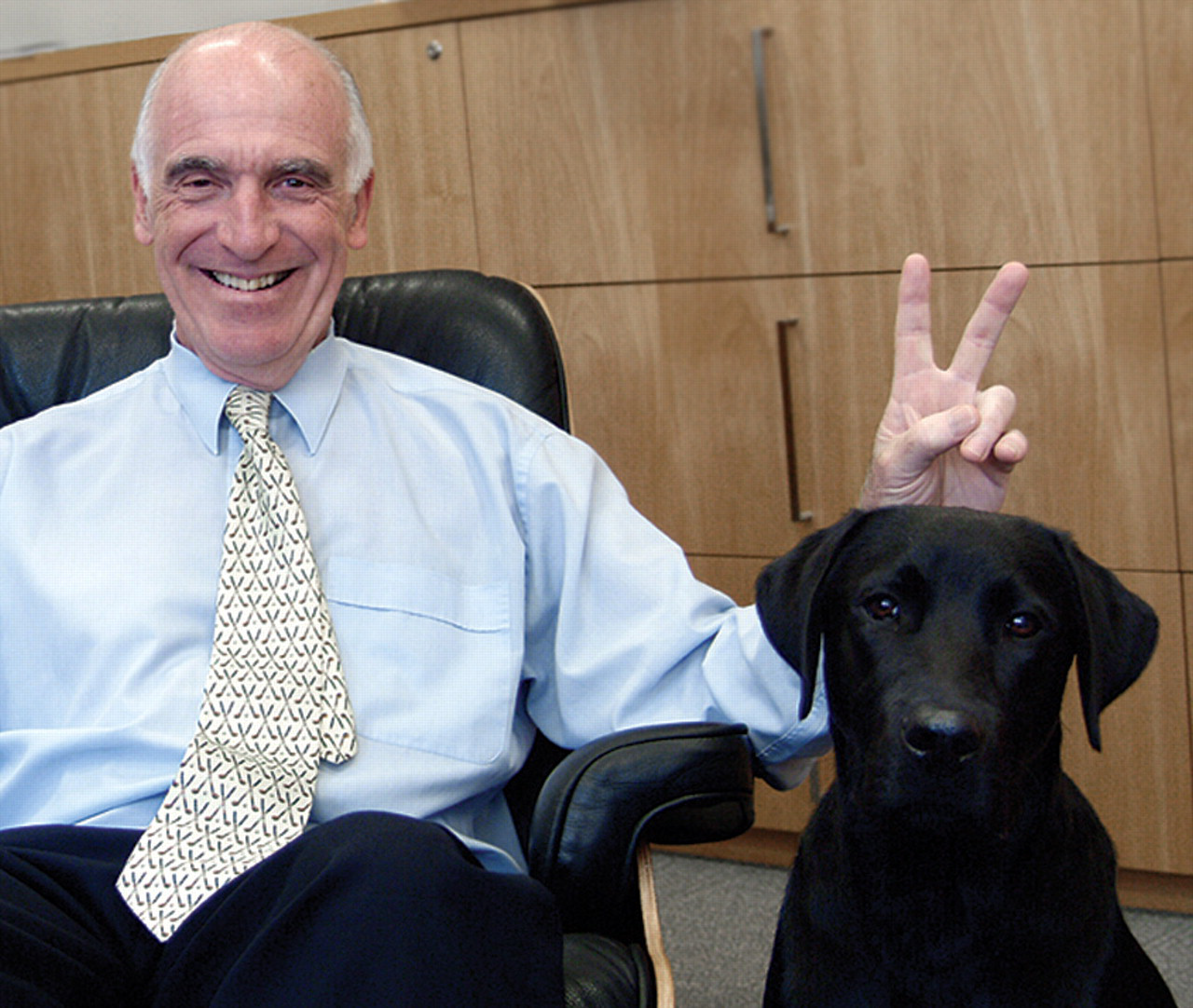
Professor Geoffrey Riley was appointed a Member of the Order of Australia (AM), “For service to medical education, particularly to rural and clinical practice, as an academic and administrator, and to professional organisations”. Professor Riley is currently the Winthrop Professor of Rural and Remote Medicine and Head of The Rural Clinical School of Western Australia at the University of Western Australia.
Professor Geoffrey Riley
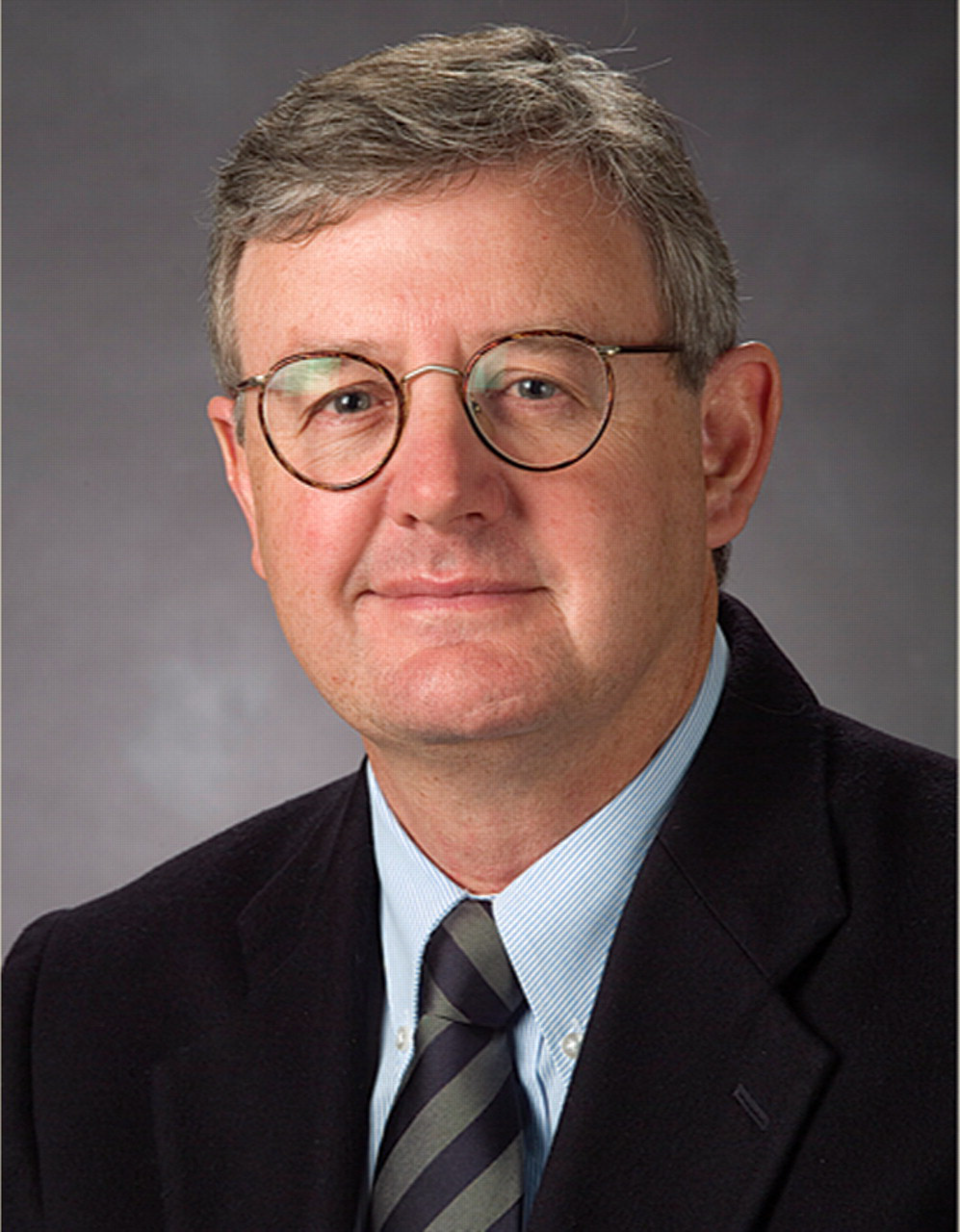
Code of Ethics – revised for 2010
The Royal Australian and New Zealand College of Psychiatrists has recently published its revised Code of Ethics.
The Code of Ethics (the Code) is a distillation of current practice, moral codes, and patient preferences, designed to keep pace with a changing social environment. It serves as a statement of standards and a means of communicating them to the membership and the community.
The first formal ‘Code of Ethics’ was published in 1992 and revised in 1998, 2004, and 2010.
Process of review
The revision of the Code was undertaken by the former Ethical Practice Committee and concluded by the Committee for Professional Practice. The review included stakeholder consultation of: all boards, committees, faculties, and sections of the College; medical boards and health care commissioners in Australia and New Zealand; national and international medical colleges and associations; and non-government organisations concerned with mental health.
Key changes
In undertaking this revision, one of the priorities was to streamline the Code to make it more straightforward and easier to read. A number of annotations were expanded to make their rationale more explicit, with the aim of making the document more educational, more defendable and more likely to be adhered to.
A key acknowledgement of the Code, enhanced in the 2010 version, is that psychiatry is increasingly delivered by multi-disciplinary teams, and that families and carers play a key role in the treatment and support of people with mental illness. Principle 3 now encourages the active participation of the patient's family (and/or others involved with the patient's non-professional care) in clinical care where appropriate, and requires psychiatrists to cooperate with other providers to ensure quality, safety and continuity of services.
Providing the best attainable psychiatric care remains a key ambition both for the College and this is reflected in the amendments made to principle 3. Requirements are made for psychiatrists to manage investigations, assessments, and treatments that carry a risk of harm, provide advice to patients where it is identified that care other than psychiatric care is needed, and ensure that safe arrangements are put in place for patients when a referral is refused. The Code also states that psychiatrists shall not enter into any agreement with commercial or financial implications that might adversely impinge on clinical judgement. Finally the Code now includes a positive duty to “use evidence-based interventions wherever possible”.
Consent (principle 4) is a key issue for the practice of psychiatry. The need to take into account valid advance directives is included for the first time and further information is provided to guide psychiatrists more clearly in obtaining consent from minors, and in circumstances under which emergency treatment can be given without consent.
Whilst most principles of the Code are concerned with the provision of individual care, principle 11 reaffirms the duties of the psychiatrist in working to improve mental health services and contributing to community awareness of mental illness and its treatment and prevention. As an addition for 2010, principle 11 sets out that psychiatrists should also work to reduce the effects of stigma and discrimination.
The revised RANZCP Code of Ethics

How to use the Code
The Code applies to all Fellows and trainees of the College, and those seeking to qualify for election to Fellowship and Affiliates of the College. It is also recommended for those who practise psychiatry in Australia and New Zealand independently of the College.
The College strongly upholds the Code's principles and therefore expects all its Fellows, trainees and Affiliates to adhere to them consistently, from the commencement of training, and then throughout their professional career.
The RANZCP advises that all members read the Code thoroughly and discuss it with their peers, and consumer and carer groups as appropriate, to gain a clear understanding of its principles. It is hoped that members find the revised Code of Ethics a useful addition to their psychiatric practice.
Where to get further information
The revised Code of Ethics, as well as a summary document that outlines the key changes that have been made to the Code since it was last published in 2004, can be found on the RANZCP website at: http://www.ranzcp.org/resources/conduct-and-ethics.html
All members of the College should have received a hard copy of the Code in the post.
New Fellows
The RANZCP's General Council has admitted the following new Fellows to the College after successful completion of training and examination requirements. Congratulations to:
New South Wales
Dr Subhra Bhattacharyya
Dr Anchin Chan
Dr Shulamit Futeran
Dr Artin Jebejian
Dr Carolyn Jones
Dr Lahvinya Kulaendra
Dr Angela Pahuja
Dr Rameswaran Vannitamby
New Zealand
Dr Robyn Charlton
Dr Carin Conaghan
Dr Chintanie De Silva Devadithya
Dr Alastair Howie
Dr James Gardiner
Dr Eric Pushparajah
Dr Penelope Woods
Dr Elsa Yeung
Queensland
Dr Ashwani Garg
Dr Brenda Graham
Dr Harry McConnell
Dr Evelyn Timmins
South Australia
Dr Edward Foo
Tasmania
Dr Matthew Fasnacht
Dr Benjamin Sketcher
Victoria
Dr Leela Baswa
Dr Edwina Brennan
Dr Hania Butt
Prof Ian Everall
Dr Karen Gwee
Dr Maria Kiang
Dr Angela Lee
Dr Paul Ng
Dr Adegoke Okedara
Dr Amy Rooke
Dr Helen Schultz
Western Australia
Dr Sophie Davison
Dr Mohan Isaac
Dr Edward Petch
Dr Haroon Riaz
New RANZCP position statements available
The College's Board of Practice and Partnerships has recently published three new position statements:
#60 – Sexual orientation therapies
This statement was written in response to a number of queries the College received about its views on sexual orientation change efforts (SOCE) whereby efforts are made to change the sexual orientation of a person from homosexual or bisexual to heterosexual through therapy or other treatments. This statement asserts the College position that sexual orientation change efforts have no place in mental health treatment and reaffirms its position that people who are gay, lesbian, bisexual, transgender or intersex have similar rights and responsibilities as other citizens.
#61 – Minimising the use of seclusion and restraint in people with mental illness
This statement affirms the College's commitment to the delivery of quality mental health services that seek to improve safe practice and promote optimal outcomes to those receiving care. As part of this, the College is committed to reducing the use of seclusion and restraint practices through leadership, changing practices, and continued investment. The statement supports a range of ongoing projects both within Australia and New Zealand and makes a series of recommendations to minimise the use of seclusion and restraint practices. The statement focuses on mental health care settings, rather than emergency settings. The College recognises that the use of seclusion and restraint practice in emergency settings remains a major area of concerns and is considering how it can further work in this area.
#62 – Consumer and carer engagement
There is significant evidence to demonstrate that active consumer and carer engagement and participation leads to more accessible and effective health services. This statement encourages and sets out how to achieve genuine consumer and carer engagement within mental health services whereby the needs, perspectives, concerns and values of consumers, their carers and families are incorporated. This is important to influence all three levels of College related activity including at clinician, College, and government level.
All three statements can be accessed on the College's website at: http://www.ranzcp.org/resources/position-statements.html
If you have any queries please contact Felicity Kenn on
Private Practitioners Network
The Private Practitioners Network (PPN) provides a forum to ensure that psychiatrists working in private practice are able to inform and influence the College directions and activities. The 2008 workforce survey conducted by RANZCP found that 72% of Australian respondents and 39% of New Zealand respondents engaged in professional activities in private settings, indicating that this is an important area of focus for the College.
The Private Practitioners Network (PPN) was originally established by the RANZCP in 2002, as a forum to examine, support and further the processes that lead to high clinical standards, professionalism, mutual support and job satisfaction for those psychiatrists working in the private sector. We are reinvigorating the Network and enhancing PPN capabilities to act on behalf of private practitioners and issues affecting private psychiatric practice.
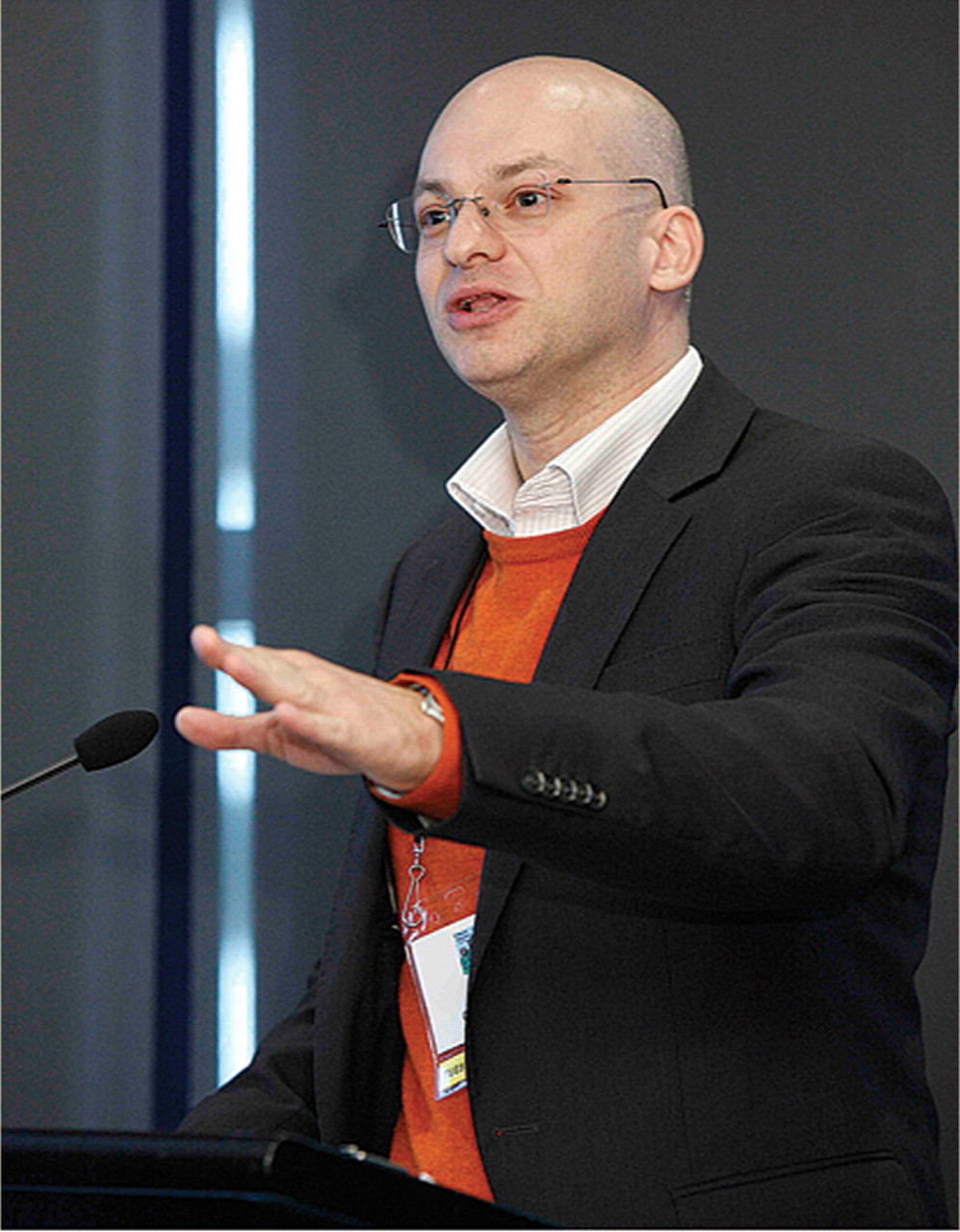
The Network is an informal grouping of private psychiatrists and those working in private practice who have an interest in contributing to improved services. Dr Gary Galambos currently chairs the Network.
Dr Gary Galambos, Chair of the Private Practitioners Network
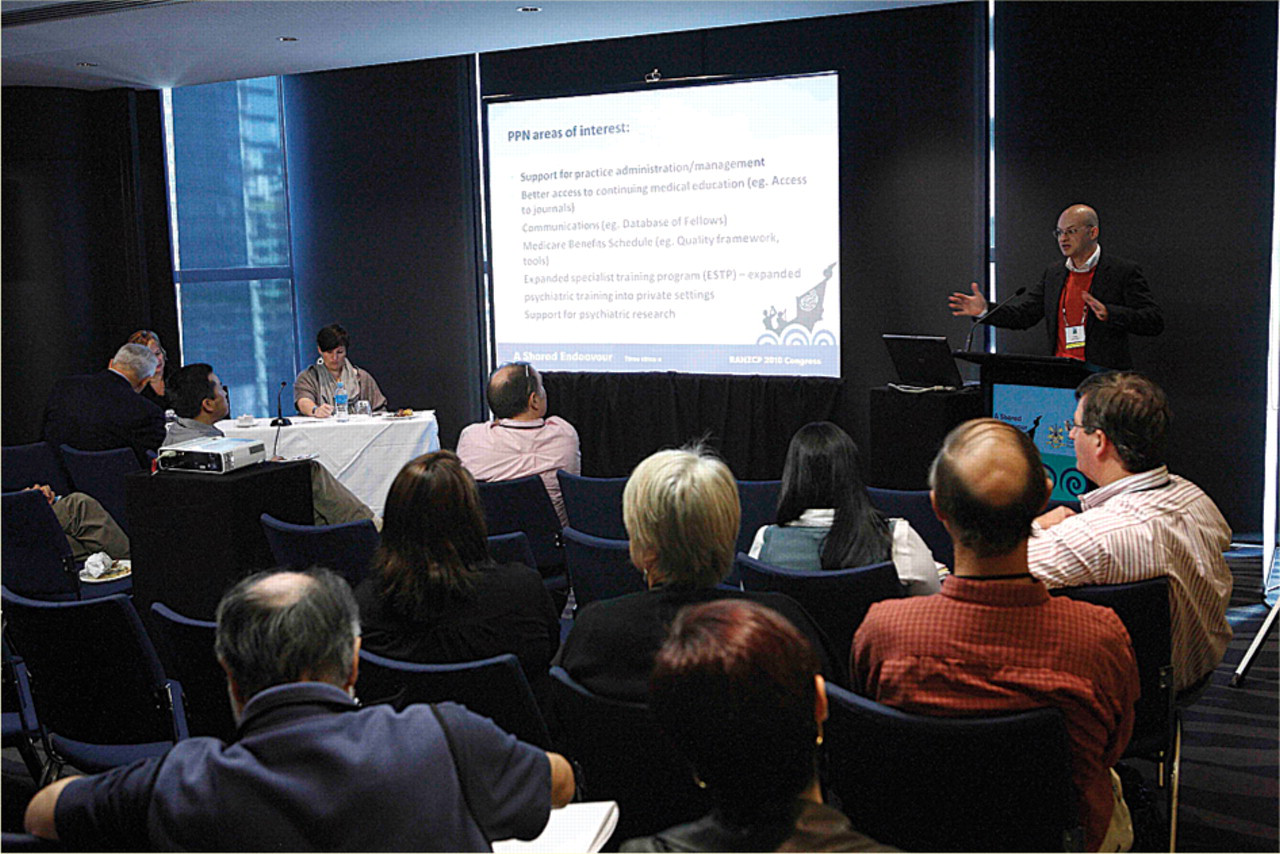
We have been having bi-monthly teleconferences, which anyone who is interested can attend. We are seeking representatives from each state, territory and New Zealand to ensure that we are representative of various forms of private practice. The PPN held a successful meeting at Congress 2010 with a good turnout and a high level of enthusiasm to re-energise the Private Practitioners Network. Key issues identified during this meeting as being priority areas for action by the PPN were:
the Medicare Benefits Schedule (Australia)
expanding psychiatric training into private settings
support for practice administration
better access to continuing medical education including journals and resources
enhancing opportunities for networking, peer support groups and communication between private practitioners
Soon we will be surveying members more widely to help frame our work direction for the coming three years. Watch out for the online survey; we want to hear from you.
The Network is currently working to ensure a strong presence at the forthcoming RANZCP Congress 2011 through a full day pre-workshop on practice management and a stream of sessions with relevant and interesting clinical content. We are focused on producing a useful guide to starting a private psychiatric practice which we hope to launch at Congress 2011.
Further details on the PPN, including the full objectives, can be found by visiting the webpage: http://www.ranzcp.org/fellowship/private-practitioners-network.html. Any Fellows wishing further information or interested in joining the Network should email:
RANZCP Congress keynote presentations available
Videos and slides of the keynote presentations at RANZCP Congress 2010 held in Auckland in May are available on the College's website. Presentations of the following speakers are available: Professor Paul Appelbaum, Professor Dinesh Bhugra, Professor Ashley Bush, Mr Jim Crowe, Professor Mason Durie, Professor Richard Faull, Professor Sheila Hollins, Associate Professor Beth Kotze, Dr Nancy McWilliams, Professor Bryan Mowry, Professor Vikram Patel and Mr Gary Schoener.
Private Practitioners Network meeting at RANZCP Congress 2010
To access the presentations please go to Resources/Video and Audio on the College's website: www.ranzcp.org
Rural Special Interest Group profile
Dr Joanne Holdaway is a committee member of the RANZCP's Rural Special Interest Group which meets regularly to discuss issues related to rural psychiatry. Dr Holdaway is the Clinical Director for Mental Health and Addictions at the Northland District Health Board in the north of New Zealand. Here she discusses the planned redevelopment of the Whangarei inpatient unit.
The Northland District Health Board provides mental health and addiction services for a population of around 150,000 living in the north and far north of New Zealand. Our current Whangarei inpatient unit has 26 beds, and was built in 1992. Around the time it was being built changes in New Zealand mental health legislation, de-institutionalisation, and an increasing social and political expectation for mental health care to be provided locally made the current inpatient unit design rapidly sub-optimal. Despite considerable effort to create functional and structural changes over the years to adapt to these changing needs, the ward environment contributed significantly to poor staff morale, high rates of seclusion and compulsory treatment, and of violence. An increasing need for containment also contributed to difficulties practising in ways that were culturally appropriate for Northland's high Maori population.
Over the last few years a need for the wider hospital to expand has created an opportunity for us to develop a new purpose-built ward. Building is due to begin in October 2010, with an anticipated finish date of September 2011.
Key issues have included how to create flexible space to cater to a wide range of age groups, differing acuity levels, small diagnostic subgroups, family presence and cultural practices within the ward environment. A small total client number also meant that a single nursing station was needed particularly at night due to small staff numbers, despite the need for space between client populations.
The proposed design has a central nursing station, with two main adult wings, an ICU area, a child and adolescent area, and a psychogeriatric (POPS) area. Due to the rural nature of much of the population, the unit will incorporate two videolink facilities.
The desire to maintain low seclusion rates with the use of alternatives such as sensory modulation has led to three purpose-designed sensory rooms, in addition to art therapy, gym and occupational therapy space. These rooms will include massage chairs, and capacity for special lighting via built-in projectors. The gym will incorporate larger equipment for sensory modulation, and Wii machines.
The POPS area will cater primarily for frail or agitated elderly who are currently managed with 1:1 staff observation due to potential risks in the existing unit. This unit has its own separate lounge and courtyard, with a purpose-designed garden area suitable for the demented elderly. There is also a bariatric bedroom in this area for the morbidly obese or wheelchair-bound clients, with facility for a ceiling hoist.
While most young child clients will be catered for within the general hospital paediatric ward, we will be accommodating adolescents, the majority of whom are likely to have psychosis and/or substance abuse and behavioural problems. This small group requires separation from adult clients, with recreational, schooling and rehabilitation needs in addition to management of illness. A four bed unit next to the nursing station has been designed, with the capacity to shut two of those rooms off for alternative use should adolescent numbers be low. These flexible beds are also likely to be useful for the occasional high-needs client needing close nursing supervision. One also has space for a family member to be accommodated, and could be used for a mother and child if required. The child and adolescent area has its own separate courtyard with space for grafitti art, a concrete track through rocks suitable for electric cars, and a concrete wall suitable for ball bouncing. A television and Wii machine are available, with interview space, a sensory room, and the ICU lounge also accessible from this area.
The ward does not include smoking areas, as current plans are for us to be smoke free by the time it is built.
We are very much looking forward to our new unit.
Rural practitioners interested in further information about the RANZCP's Rural Special Interest Group are encouraged to contact Rachael Williams via email on
Hundreds of new interdisciplinary mental health networks established

Since its inception in October 2008, the Mental Health Professionals Network (MHPN) has rolled out almost 1,200 interdisciplinary mental health workshops to over 15,000 clinicians working in primary mental healthcare across Australia.
Workshops were designed to bring together mental health clinicians working at a local level to discuss the skills and resources available in order to identify new referral pathways and a collaborative approach to treatment in the primary care setting. A case study was chosen from a suite of 12 for each workshop whereby clinicians were asked to explore how each profession could contribute to the patient's care under the Better Access to Psychiatrists, Psychologists and General Practitioners through the Medicare Schedule (Better Access) initiative.
Over 15,000 clinicians participated in 1,169 workshops delivered across metropolitan, regional, rural and remote locations across all state and territories of Australia, including locations as diverse as Nhulunbuy in North East Arnhem Land, Northern Territory, Kununarra in the Kimberley, Western Australia, Kangaroo Island in South Australia through to Huonville in Southern Tasmania. Whilst the workshop experiences varied from place to place depending on the mix of professionals attending, the issues of the local landscape and the facilities on offer, essentially the same formula was used for all workshops. And the feedback was overwhelmingly positive about the experiences of attendees.
The project succeeded in attracting an interdisciplinary mix of mental health professionals. Psychologists were the most highly represented professional discipline at workshops, representing over 40% of attendees, followed by general practitioners, mental health nurses and social workers. Critical to the project's success was the engagement of general practitioners who act as the gatekeepers to the Better Access mental health treatment plans. On average three to four general practitioners attended each workshop where the overall average number of workshop participants was 13.
Whilst workshop participants primarily consisted of private practitioners eligible to provide services under Better Access, approximately 10% of total participants were from other professions involved in mental health. This was more prevalent in rural and remote areas where the strengthening of the interface between private and public services is integral to the provision of quality care.
Each workshop was facilitated by a local mental health professional recruited and supported by MHPN. Almost half of all workshops were facilitated by psychologists. Interestingly psychiatrists, whilst relatively small in numbers (approximately 500 attended), had the largest proportion of facilitators (around 30%) compared to the other professions.
The success of the workshop phase of the project has already led to the establishment of 466 interdisciplinary networks, with more networks still emerging. MHPN continues to support these networks with administrative and financial support. In addition, MHPN supports mental health practitioners with an interactive website incorporating opportunities to keep in contact, share resources and access useful information about areas of interest in mental health.
MHPN is funded by the Commonwealth Government Department of Health and Ageing until the end of 2010 and is seeking an extension based on these excellent results.
The MHPN project is governed by a board of directors from four member organisations: The Royal Australian College of General Practitioners, Australian Psychological Society, The Royal Australian and New Zealand College of Psychiatrists and the Australian College of Mental Health Nurses. The project also involves three partner organisations: the Australian Association of Social Workers, OT AUSTRALIA and The Royal Australasian College of Physicians.
For more information:
Website: www.mhpn.org.au
Telephone: 1800 209 031
Email:
Launceston MHPN network still engaged
Since first meeting at a Mental Health Professionals Network (MHPN) workshop in August 2009, a group of mental health professionals led by Launceston psychiatrist, Dr Surinder Johl, continues to gather every month. Dr Johl was quick to recognise the value in building relationships, and worked with MHPN to form a multi-disciplinary peer review group. Since then Dr Johl and ten local clinicians have met nine times over breakfast to discuss clinical cases and have invited representatives from support services to explore referral pathways and other related issues.
The network includes a mix of general practitioners, psychiatrists, psychologists, paediatricians, social workers, occupational therapists and mental health nurses who value the information sharing and referral options created by the network.
Visit: www.mhpn.org.au