







Abstract
Research on automated domestic appliances, categorized as Smart Home Technology (SHT), has increased exponentially over the last decade and has taken various guises, from qualitative descriptive investigation to empirically based analysis. Given the unresolved uncertainties surrounding the SHT acceptance literature and concern regarding the relatively low smart home device uptake, there is a need to reappraise the existing literature to delve deeper and search for solutions. Based on the research method PRISMA, a systematic literature review on SHT acceptance was undertaken to evaluate its different models and develop a hypothetical model. Twenty-three papers were selected in the review, and the results indicate that the Technological Acceptance Model was the most applied model when investigating SHT acceptance. Moreover, the most significant variables used to measure SHT acceptance were compatibility and perceived usefulness. The systematic literature review also revealed some significant patterns including the uptake of non-Western research and the use of sales and market share as a metric of SHT acceptance. Future directions on how researchers, smart home developers and governmental agencies can utilize the findings conclude the systematic review.
Keywords
Introduction
Smart Home Technology (SHT) functions within a home dwelling whereby interconnecting domestic appliances operate and are controlled via a remote hub, such as a smartphone or voice control device. SHT relies on the Internet of Things (IoT), comprehensively defined as devices that interconnect using sensors unified by an overarching cloud framework [33]. The cloud framework is a non-physical service platform that executes various tasks, including smart technological sensor communication or data storage [54]. Sensors, monitors, interfaces, appliances, and devices are networked together within the home to create a smart environment [15]. At present, the smart home runs on 4G broadband but will enter a more mature phase once smart grids that drive 5th generation (5G) telecommunications are fully operational.
The modern smart home compels individuals to adapt to everyday domestic devices. Currently, the smart home can be fitted with various domestic intelligent appliances, including smart meters, smart TV, smart voice hubs, smart locks, and smart cameras. The smart home user has autonomy over certain appliances, such as energy consumption devices which react to the homeowner’s needs and can alert users when they surpass their usual consumption patterns [64]. Smart devices can learn and respond to home inhabitants’ movements, routines and behaviour and adapt accordingly, which ultimately makes the devices “smart” [13].
SHT research is still considered in its early stage [66], as is the research concerning SHT global acceptance. It is still unclear to what extent the wider population will accept intelligent home products and which factors will influence the acceptance process. This review will paint a clearer picture of why SHT acceptance is still relatively low by investigating the main models and variables that explain individuals’ acceptance or rejection of SHT.
Behavioural intention to use (BI)
It is essential to posit that most models that measure technological system acceptance utilize the variable behavioural intention to use (BI). BI dates back almost 50 years to the theory of reasoned action (TRA), a theoretical model which states that acceptance of technology originates from an individual’s decision to use technology which is a function of one’s behavioural intention. Behavioural intention to use a technological system is the vital mental process before actual use [65]. The level of influence on BI is based on the variables used within the different models. For example, an individual may intend to use technology if the technology is perceived as easy to use (variable) or compatible (variable) with existing technology in the home. Several past and most contemporary studies use BI as an indicator of acceptance. As a result, BI measures the strength of an individual’s acceptance of technology. The term BI to denote technology acceptance has been used in numerous editorials, which can be sourced from various databanks, including the Association for Computing Machinery database [35].
Previous literature on SHT
In-depth research into home smart devices began over twenty years ago [66] with the Aware Home experiment at Georgia Tech [41]. The academic community have tackled the smart home from different angles, including gender roles [20], digital housekeeping [100] smart home risk management [44], and benefits and risks [111]. Interest has grown exponentially with researchers gathering longitudinal data to better understand human behaviour within the smart home context [16].
Technology acceptance research thus far highlights the various reasons why an individual may either accept or reject SHT, including high levels of competence [80], trust in service providers [38] or social norms [61]. In SHT acceptance literature, models are frequently used to test, explain, measure, and understand the smart home phenomena. SHT acceptance models are created from established theories, such as the theory of planned behaviour (TPB) [4], models adapted explicitly for technology [18], like the technology acceptance model (TAM) or from a mixture of variables taken from various sources to create conceptual models [32].
As Stewart and Klein [96] argue, the efficacy of models within research may be a reason for the recent uptake in theory-based papers as it allows researchers to strengthen the validity and precision of their work and develop data that fits into the existing literature on SHT. Furthermore, model-based papers on SHT acceptance allow researchers to explore its psychological effects on the individual [116] and unearth vital human needs and wants [94]. Models such as the TAM [18] use practical factors like product performance [108] or usefulness [58] to determine technology acceptance. Therefore, examining models via scientific papers could alert smart home manufacturers to the importance of human responses (negative and positive) to their products and allow them to focus on the end user’s needs [23] which may contribute to uptake in SHT acceptance.
Technological systematic reviews on various subjects, from big data [34] to social media [82], offer a thorough overview of the contextual landscape [77] for both new and seasoned researchers. So far, two papers have reviewed SHT [11,57]. Chan et al. [11] used a technological perspective to outline how SHT is used to aid and support the elderly. The authors’ product-centric review presented various scenarios whereby smart devices have benefited the elderly yet concluded that adoption is comparatively low [11]. Marikyan et al. [57] comprehensive review of the smart home literature focuses on the user’s perspective. It details an array of reasons why people have or have not adopted SHT. Although the authors discuss using variables and constructs in different contexts, they do not deal directly with models used to assess SHT acceptance.
Justification for the study
As the home environment significantly affects human behaviour and well-being [25], research on SHT use and acceptance matters because people spend even more time at home due to a wider choice of home-based technology options [109]. As technology gradually increases within the home, humans must adapt and change behaviours accordingly. Consequently, individuals are less occupied with out-of-home activities [107]. From 2008 to 2016, time spent on technology increased twofold [59], and in 2017, people spent almost a third of their day using a technology-based device [2]. The COVID-19 pandemic has only increased our time using smart devices at home, eroding our privacy and security as we are obliged to let teachers, students, employers, and authorities into our personal space [53]. As smart concepts such as virtual and augmented reality increase, out-of-home leisure activities are likely to decrease. As a result, it is crucial to understand why people accept SHT and what psychological (Trust) and consumer (Price) barriers affect acceptance. The accumulation and investigation of the available evidence could provide clear answers to low SHT global acceptance rates. In the final analysis, individual perceptions will determine the success or failure of SHT and influence government policies and smart manufacturers’ business structures as SHT becomes ubiquitous.
Two critical elements of the systematic review are, identifying which models are most prominent and which variables have significantly impacted individuals’ use of SHT from 2016–2021. The specific time frame was chosen because a pragmatic time window to present evidence is 3–5 years [50], as keeping up to date with new data is critical for change and allows for the absorption, replacement, or improvement of prior knowledge [62].
There are also technological reasons for excluding publications before 2016. The powerful Wi-Fi 802.11ac signal needed for smart devices to work to their full potential was introduced in 2014. Consequently, 4G covers 85% of the world, which allows for more investigation and results on SHT acceptance from less developed countries as they have recently caught up with their more developed counterparts [68].
Purpose of the study
To date, no research has systematically reviewed the various models used to assess SHT acceptance nor investigated if specific variables are more significant than others and if consequent patterns exist across the existing literature. Therefore, as the problem of low adoption remains contentious, a systematic review of models, variables, and literary patterns could help fill a gap in the research discussion. Due to the increased interest in SHT acceptance, there is an opportunity to conduct a systematic review to produce a cohesive synopsis of the most significant variables and models that explain SHT acceptance or lack thereof.
This systematic review will analyze the situation of SHT acceptance based on the existing literature, illustrate the breadth of the topic, and unveil recent trends and patterns. Reviewing the literary trends provides an overview of the current state of knowledge, sets research agendas, and discusses future challenges [88]. Awareness of SHT acceptance trends can also aid early career researchers’ basic understanding of the phenomenon and spike their interest when literary trend shifts occur. Additionally, the systematic review may pique the interest of smart manufacturers and policymakers interested in developing smart home products based on people’s needs.
In turn, we aim to offer a new perspective and insight by providing a conceptual model of the most significant variables within SHT acceptance to increase transparency for authors, researchers, and readers.
Methodology
This study followed the adapted reporting checklist [51] proposed by the Preferred Reporting Items for Systematic Reviews and Meta-Analyses (PRISMA). PRISMA contains a 27-point checklist diagram and a four-phase flow diagram [92]. PRISMA was chosen as the preferred protocol in this review because of its comprehensive style and increased review consistency [70]. Moreover, PRISMA has been incorporated into several technology-based research papers analogous to this review, including medical technology acceptance [101], virtual reality [35] and blockchain technology [1,35].
Literature selection procedure
A three-step search process was utilized in this review to choose the relevant literature to review. The studies were sourced using the funnel approach [90], where various keyword searches start from a broader to a more specific perspective. A preliminary search (Step One) of the databases Scopus and Web of Science: The keywords “Smart Home Technology Acceptance” were introduced to gain a general scope of the number of articles. Step Two involved the application of title and abstract screening with stringent protocol and specific inclusion and exclusion criteria.
Inclusion and exclusion criteria
Only peer-reviewed empirical studies in English were included, and all other publication types, such as newspapers, websites, books, and reports, were excluded. In addition, all articles that were demographic-specific, date-specific, device-specific or focused on specific services were excluded because specific research creates a lack of multidimensionality and can lead to a biased portrayal of SHT efficacy [57]. Specific demographic research tends to reveal similar outcomes concerning Smart Home Technology and, for this reason, was excluded, as shown in Table 1. For example, the elderly generally have problems using new innovative technology and therefore tend to accept less. Moreover, many research papers with elderly participants examine smart home health technology, whereas this paper focuses on automated domestic SHT. In addition, studies with a complete sample of all demographics provide a clearer general picture of the issues associated with SHT acceptance.
Inclusion/exclusion search criteria
Inclusion/exclusion search criteria
Highly significant variables
All the reviewed papers included a path model to ensure homogeneity. Most papers that reported path models reported beta scores, allowing the results of the reviewed articles to be readily compared, as documented in Table 2. The exclusion procedure revealed that a percentage of the papers dealt with specific issues such as heating [47] or sleep control [118] and, thus, did not fit the criteria; neither did articles dealing with specific populations [9]. Step three was the final full-text screening process whereby the identified papers were perused by the lead researcher and assessed by the supporting researchers according to the inclusion/exclusion criteria with a considerable focus on the heterogeneity of the studies [78]. The articles that passed all the steps were downloaded for a final assessment outlined in Fig. 1.
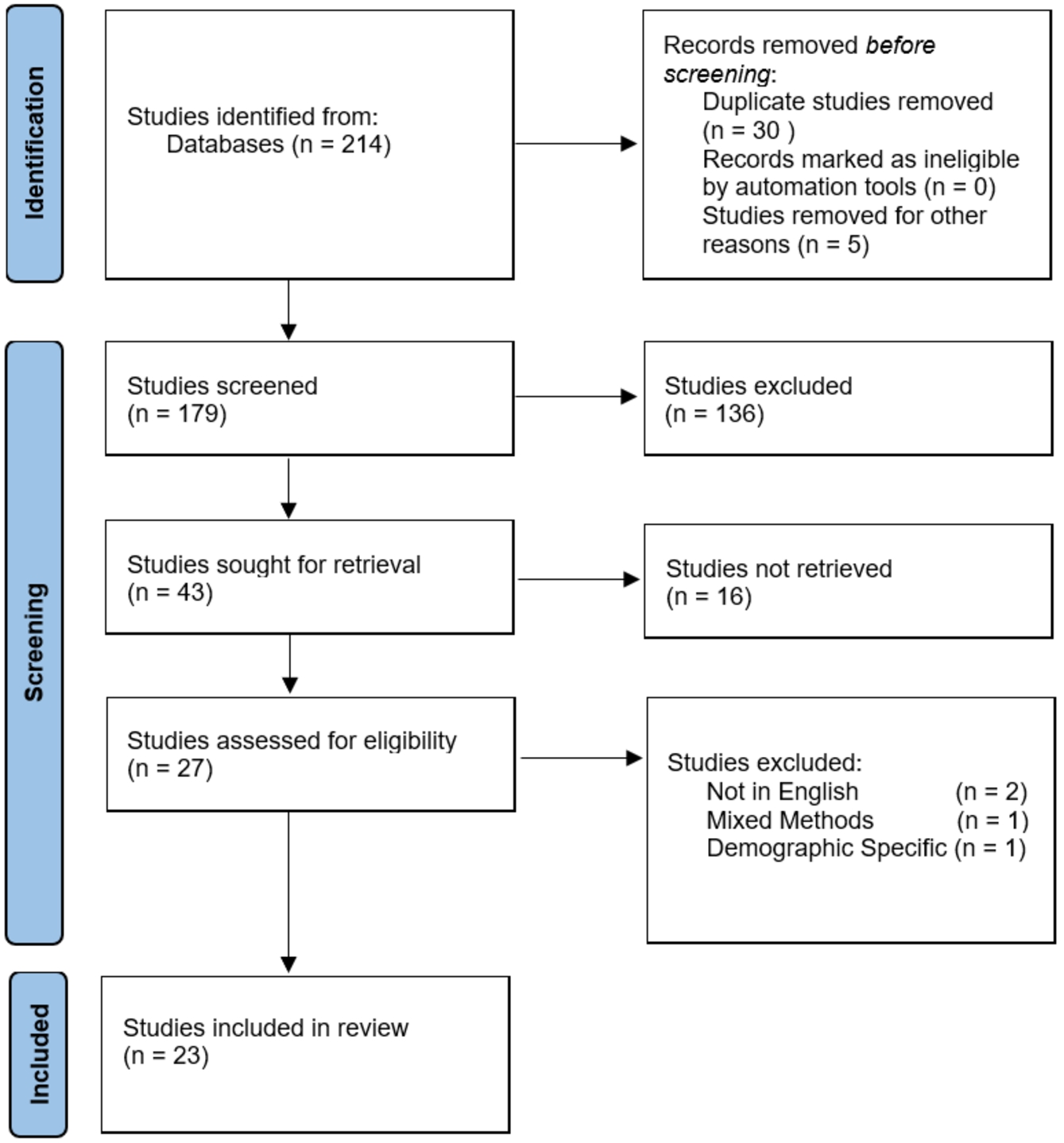
Literature selection procedure.
The final assessment consisted of noting all the models used to measure SHT acceptance and undertaking a final search for each model to ensure no articles had been omitted. For example, the last search used the keywords technology acceptance model and smart home acceptance in one string or theory of planned behaviour and smart home acceptance to double-check if any articles had been overlooked. All the chosen articles underwent a quality assessment to ensure they fit the criteria. The assessment followed an established critical appraisal checklist [17].
The models used for each article were collated with the article’s name and authors, and a list was compiled. Some authors used more than one theory-based model to measure SHT acceptance which was noted accordingly. The descriptive information provides meaningful data detailing the number of SHT acceptance publications published by year, recorded in Fig. 2. The content analysis provided data regarding which variables were highly significant while investigating SHT acceptance shown in Fig. 3.
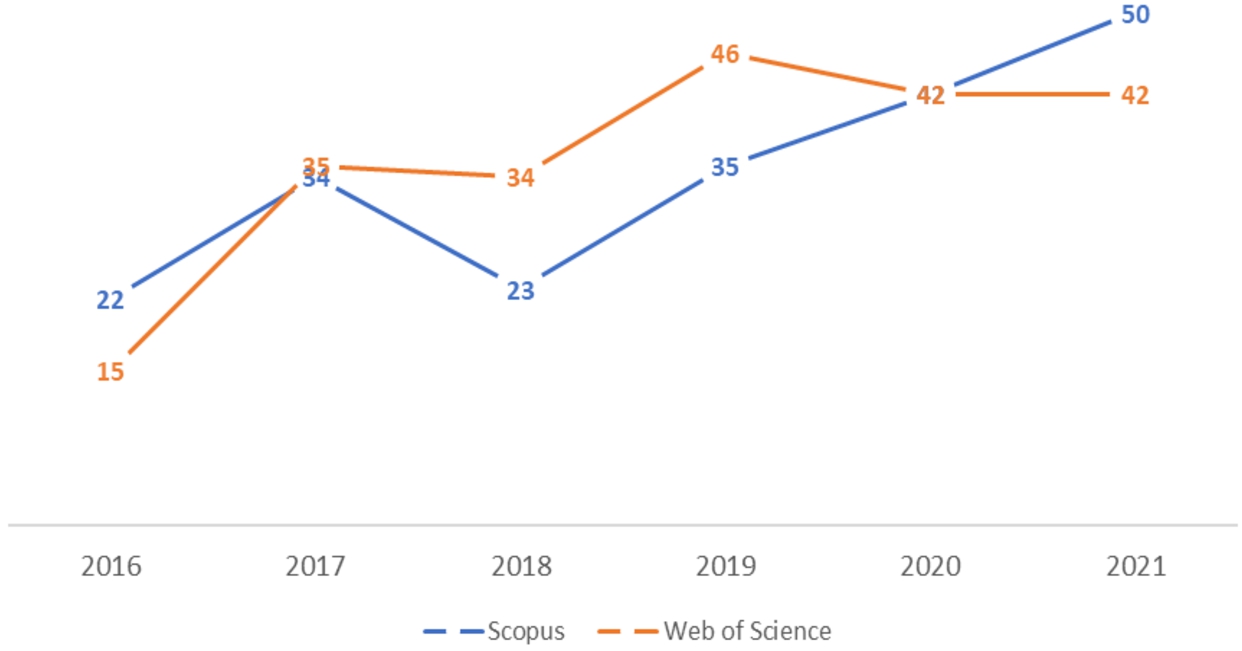
Number of publications using keywords Smart Home Technology acceptance.
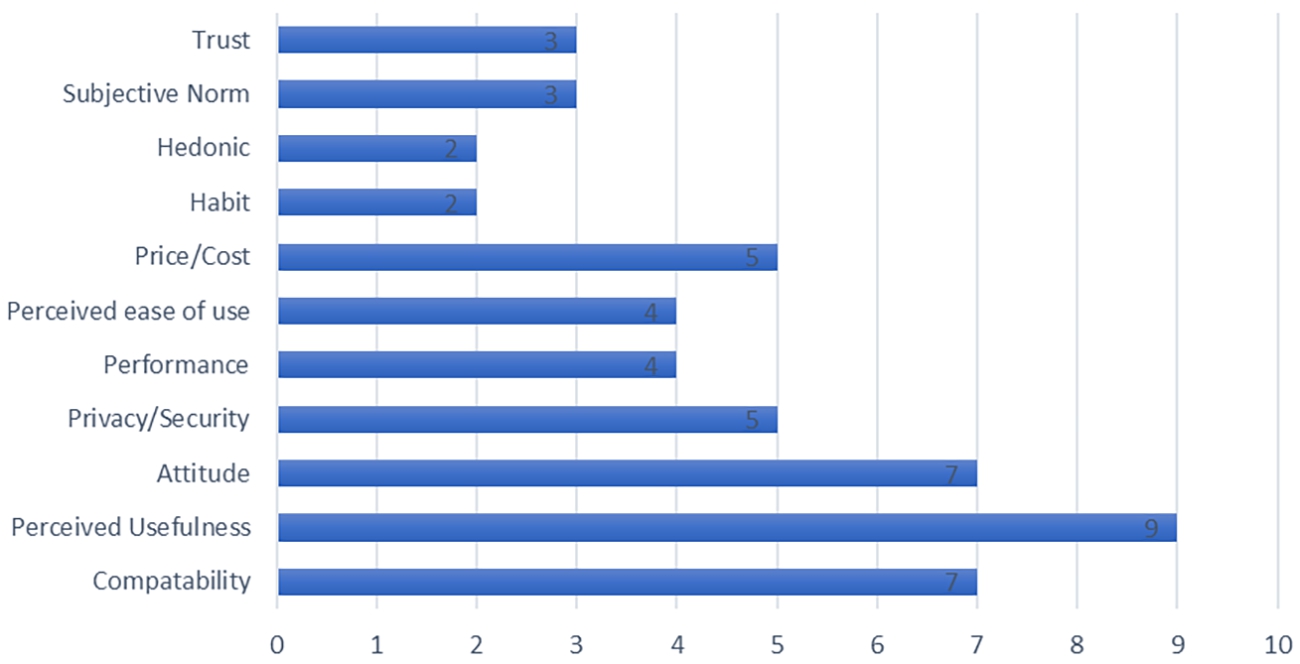
All variables that influence SHT acceptance.
The content analysis process produced a list of the most significant variables featured within and alongside the established models. Coding and counting the most significant variables based on the observations of the authors of each reviewed scientific paper was an integral part of the analysis and vital when recognizing patterns and deviations during the process [87]. Each paper’s most significant variables on behavioural intention (BI) to use SHT were noted to create a frequency pattern and final frequency sum, recorded in Table 3, and consolidated in Table 2. The strength of a variable’s significance was also measured by the beta scores in each paper’s results sections. The higher the beta score, the more significant a variable is. As one aim is to uncover the most significant variables associated with SHT acceptance, the weak to moderately significant variables were omitted. A Pearson correlation coefficient was computed to assess the linear relationship between the average beta weight of each variable and the variables’ frequency sum, which added extra validity and confidence to our results, as shown in Fig. 4.
Models and frequency of significant variables by article and author
Models and frequency of significant variables by article and author
(Continued)
(Continued)
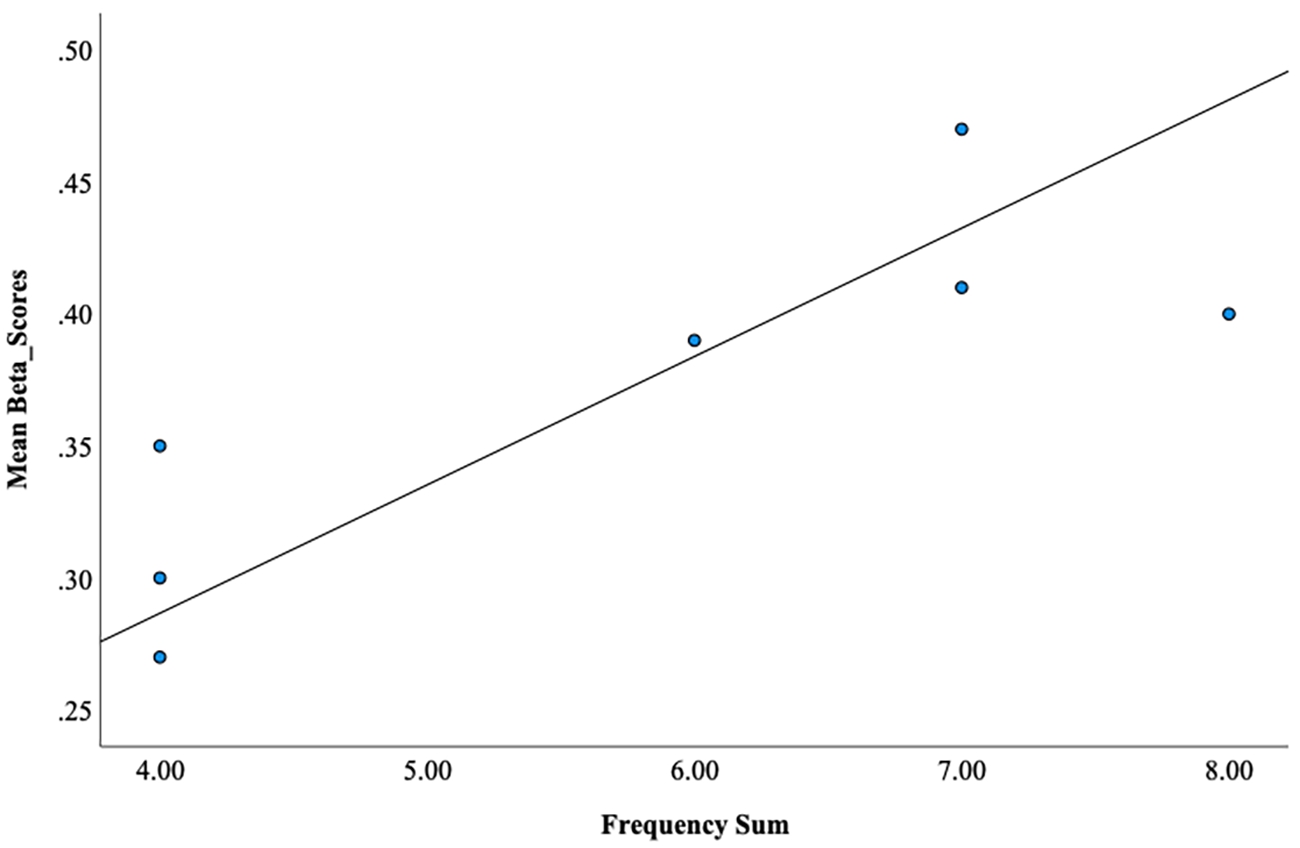
Pearson’s correlation between variables means beta scores and variables frequency.
To establish if any literary trends and patterns exist within the peer-reviewed articles, a six-step thematic analysis procedure [10] was used as a guideline. The system encourages a deep understanding of the subject matter, codifying items to create themes, and defining and refining themes before the final synthesis and writing up the paper. The phases incorporated included notetaking, creating codes, themes, and sub-themes. Each paper was imported into Nvivo12, software for organizing, understanding, and coding data sourced from journals.
Results
Models underpinning SHT acceptance
The initial search results are summarized in Fig. 2. Step one search identified an average of 210 articles between Scopus (
Summary of model used to examine SHT acceptance and authors who used the model
Summary of model used to examine SHT acceptance and authors who used the model
(Continued)
Overall, 11 different models were used to evaluate SHT acceptance from 2016 to 2021, recorded in Table 4 and Fig. 5, of which the most frequently used was the technology acceptance model, TAM [18]. The TAM was used in 31% of studies [
The unified theory of acceptance and use of technology (UTUAT) [105], was included in 19% of the reviewed articles. UTUAT, like TAM, incorporates the behavioural intention to use a particular technology plus actual use. The model contains four factors: performance expectancy, effort expectancy, social influence, facilitating conditions, and four mediating constructs: age, gender, experience, and voluntariness. Together TAM and UTUAT account for 50% of all models used to measure SHT acceptance.
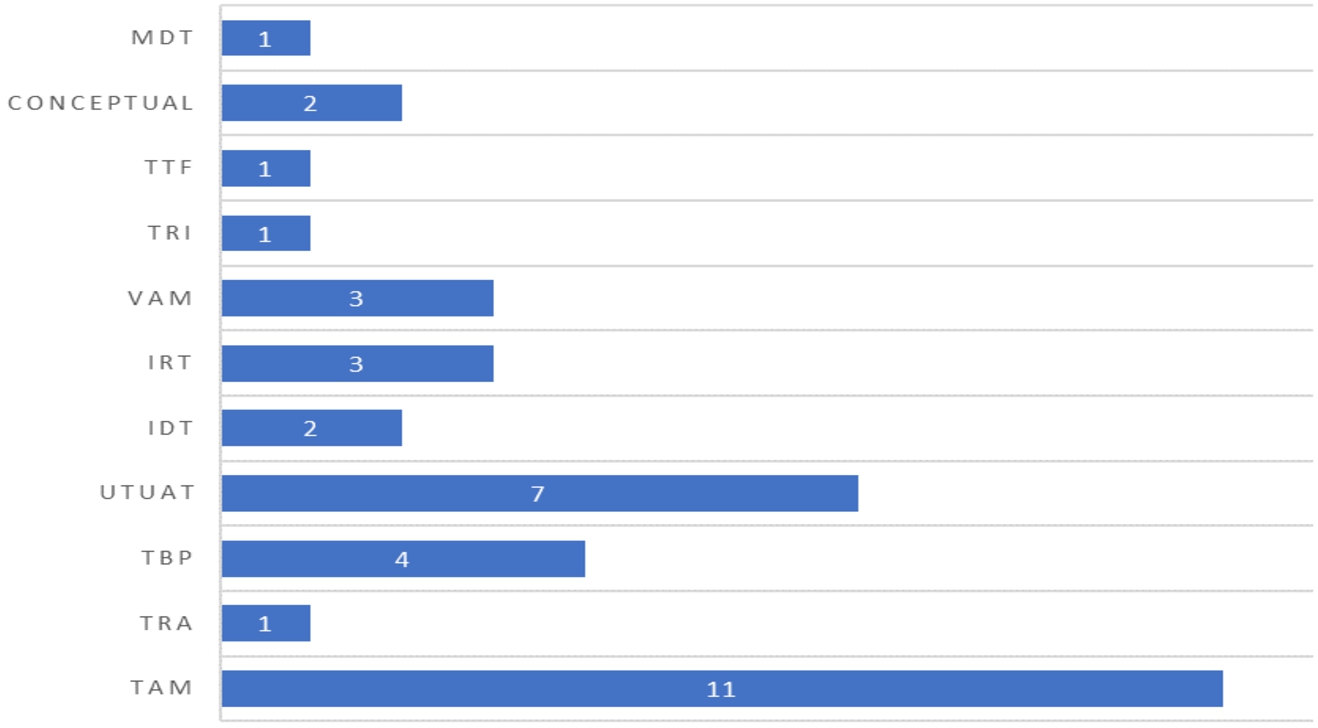
Models used to investigate SHT acceptance 2016–2021.
The theories that historically preceded TAM, namely the theory of reasoned action (TRA), featured in one study [61], and the theory of planned behaviour was incorporated in four studies [61,89,95,115]. Other models, including the innovation diffusion theory (IDT) [83], and the value adoption model (VAM) [43], have only recently appeared within the Smart Home Technology literature [80]. Consequently, they appeared in fewer publications (5% and 8%, respectively), while two papers [77,108] developed their conceptual model. The innovative resistance theory (IRT) [37,43,71], was used in 8% of the reviewed papers (
Most models included additional variables to evaluate SHT acceptance, shown in Fig. 3. Compatibility, defined as smart technology working in harmony and communicating with existing devices within the household, encompasses other terms used to express the same meaning, like interoperability and interconnectivity. The variable was one of the most frequently used and appeared in 30% of the reviewed articles (
Perceived usefulness (PU) outscored all the other variables in most articles reviewed with a frequency outcome of
SHT acceptance research frequency output by country
SHT acceptance research frequency output by country
The literature content analysis revealed some unique and noteworthy thematic patterns. Firstly, over 50% of the articles used sales and market share as a metric of popularity and acceptance of global SHT. Research on SHT acceptance represented by Western countries equates to 45.5% of papers reviewed, with the USA conducting half of the research, as detailed in Table 5. Only three European countries, Finland, France, and Germany carried out SHT acceptance research accounting for 13.5% of all research. Research on SHT acceptance represented by Non-Western countries equates to 54.5% of papers reviewed, with South Korea the most represented at 31%, documented in Tables 6 and 5. The researchers often presented an educational video or transcript to participants before conducting questionnaires, yet most participants knew of SHT. The most popular journal categories were the social impact of technology, Computer Information Systems, Environment, and Industrial Management. Research on SHT acceptance has an evident linear uptake. The Web of Science figures show 15 published articles in 2016 and peaked with 46 published articles in 2019. The Scopus results showed a similar upturn, with 22 papers in 2016 and 50 articles on SHT acceptance in 2021, as detailed in Fig. 2.
Demographic information
Demographic information
(Continued)
(Continued)
Review of literary trends
An objective of this review was to analyse trends in the SHT literature as it offers insights into the main themes for researchers interested in the smart home and serves as a good starting point for them to gain knowledge [84]. This may, in turn, save valuable research time when getting acquainted with the Smart Home concept. By systematically organising and analysing the body of SHT acceptance literature, the review offers a strong base for future knowledge building [65] based on three overarching themes: Sales as a metric of SHT acceptance, the increase in non-Western literature and methodology consistencies.
Frequency of papers investigating SHT acceptance
The frequency of papers exploring SHT acceptance peaked in 2019 for Web of Science and 2021 for Scopus highlighted in Fig. 2. Both sources also indicate a steady rise in article volume since 2016. The rise in interest in SHT acceptance has two implications; that there is a real-world problem concerning SHT acceptance and that researchers are keen to publish articles investigating solutions to the problem. Although researchers have highlighted the issues surrounding SHT acceptance they are far from resolved. It is expected that once 5G is implemented worldwide and new generations of domestic products are released, more articles and consequent insights into SHT acceptance will increase.
Sales as a metric of acceptance
The analysis of trends in SHT research literature also offers insights into the behaviour of actual and future consumers, which can aid in solutions for marketers to create and retain customers [103]. Sales is a clear indication of popularity and acceptance of a product; however, in the case of SHT, differing global sales totals for the same year were presented, which indicates discrepancies in the literature [38,104] due to researchers using different sources to quote sales figures for the same period of time. Currently, at USD 79.13 billion [39,113], using numeric estimations for sales figures to justify SHT popularity and acceptance could detract from the validity of the point being made and cause uncertainty amongst researchers and smart home marketers. For these reasons, a few papers decided not to quote any estimated figures. Instead, they expressed the problem of slow uptake, adoption, and a lack of diffusion of SHT by using different stylistic framing [58,66]. If smart manufacturers are provided with corroborative empirical evidence of low acceptance via conclusive sales figures. they could address the issue by re-assessing their research and marketing strategies and focus on the outcomes of articles based on theoretical model development.
SHT acceptance a non-Western perspective
A move away from research studies conducted solely in the West [97] contributed to a more diverse, unique analysis of SHT acceptance, exposing how sociocultural contexts influence SHT acceptance research. Non-Western research slightly outweighed papers focused on the West, as reported in Table 5, indicating a growth in interest in smart devices. The growth in research from Asia and the Middle East implies SHT will eventually be ubiquitous within households worldwide and consequently have an even more significant impact on human behaviour. Acceptance of new technology is not immediate, as individuals and societies need time and information before they accept and adopt it. South Korea began developing a smart grid twenty years ago [73,75], and clear signs of success are coming to fruition. Apart from the increase in SHT research [73,116], the country has the third highest worldwide rollout of 5G, is an integral part of SHT development [67], and Korean companies such as Samsung, Hyundai, and LG have made considerable contributions to the smart eco-system. The United States has the second-highest rollout of 5G [67] and, with multiple Smart companies based in tech hubs such as Silicon Valley, unsurprisingly conducted the second-highest amount of research on SHT acceptance. European input could be increased, and the lack of literature on SHT acceptance suggests that European researchers either believe the sector is healthy and adopting SHT or are focused on other aspects of SHT research. Whether these results suggest a technological divide and a subsequent technological race to the top between the East and the West is debatable. The geo business world is such that certain companies in the East will work with their Western counterparts, while others may be more hesitant.
Examining the literature from a cultural perspective highlight that the contribution and perception of the utility and benefits of SHT are context-dependent [58]. SHT is perceived as a luxury in Jordan, so acceptance is low. Additionally, cultural perceptions of expressing opinions via online surveys hinder researchers, especially in the Middle East [94]. A knowledge gap was cited as a significant deterrent to adopting SHT in Malaysia. The country’s socioeconomic status mirrored a lack of acceptance due to high pricing and the complexity of the systems [85]. The research in Thailand [71] points to a lack of legislative protections such as the General Data Protection Regulation (GDPR) in Europe as an obstacle to accepting SHT, as many citizens have privacy concerns. Finally, the observations of two sample groups in South Korea showed that people who lived in modern apartments provided with built-in SHT are more likely to accept SHT than homeowners who have to purchase smart devices [116] voluntarily. Although non-Western countries are beginning to explore SHT acceptance, the evidence suggests that different cultures create differing obstacles concerning adoption. Governments and industry heads are responsible for moulding their SHT strategies and considering the cultural, socioeconomic, and political constraints when propagating the benefits of a smart home.
Methodology pattern
Another pattern that emerged from the reviewed article’s methodology sections was the necessity for researchers to show a video or educational text regarding SHT before presenting the questionnaires. The authors quote that the reason was to familiarize the participants and help them understand the research project [5,43,66] yet most participants had prior knowledge of SHT outlined in Table 6. This seems like a missed opportunity to widen the demographic sample and assess participants with little or no SHT experience. Future researchers should contemplate sampling participants of various classes, ethnicities, and income brackets [116]. Moreover, the content and neutrality of the video or educational material used by researchers are not detailed in the articles. Therefore, there is a risk of bias or subtle influencing of the participant’s answers.
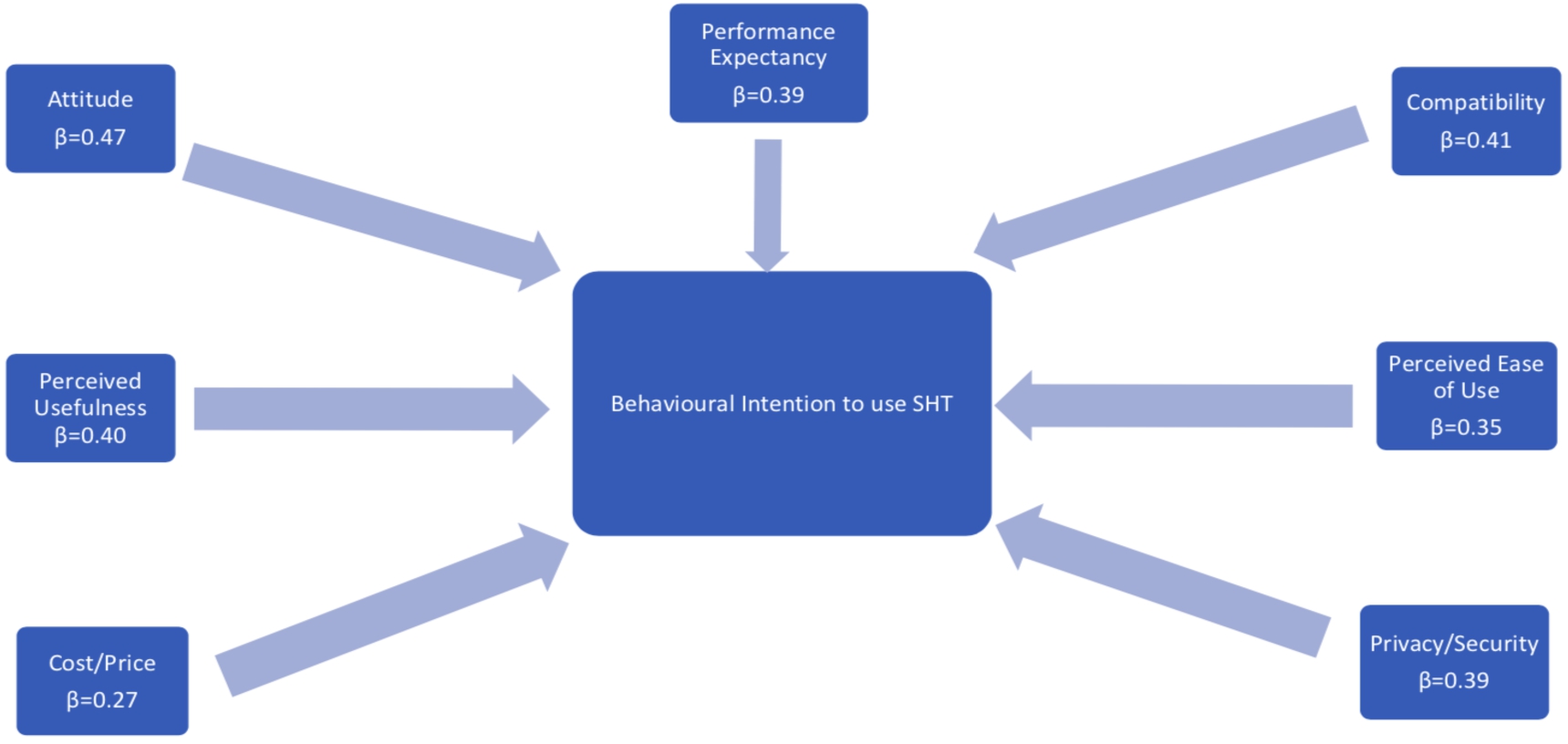
Conceptual model based on the results of the systematic review.
A further objective of this systematic review was to tackle a real-world problem [106], the lack of SHT acceptance, by developing a conceptual model based on the most utilized models and significant variables within the reviewed papers. This review’s conceptual model was developed from the models and variables that highly affect acceptance and behavioural intention to use SHT, as detailed in Fig. 6. The conceptual model will provide an innovative starting point for researchers to understand SHT acceptance. The eleven models utilized to examine SHT acceptance provided insights into the cognitive complexities of individuals’ interests [95], needs and wants, outlined in Fig. 5. This review also provides a guide to each model’s theoretical background, constructs, and importance as demonstrated in Table 4.
The most used theory amongst the articles reviewed was the TAM, which professes that if a person finds technology easy to use and useful, there is more probability of accepting and using the technology. The versatility of the model is evident as it has been used in various technological scenarios including wearable devices [14] and mobile phone usage [119]. Park et al. [75] justify their use of the TAM by citing previous authors [27] who highlighted the effectiveness of its two main factors, perceived ease of use (PEOU) and perceived usefulness (PU). The motivation to use TAM is that it is simple, supported by a wide range of existing literature [52] and was developed to directly tackle the question of why people reject or accept technology [69]. Moreover, it is a robust and valid theory yet is a cheap and fast way to accrue data on people’s perceptions of technology [49]. Therefore, it is not surprising that TAM populated a large share of the papers reviewed in this study and is still viewed as the most significant theory within the SHT acceptance literature and beyond. In one study, VAM [43] proved more useful than TAM [18], however, the paper focused on consumerism, price benefits, and cost, an area VAM excels in [93]. In the real world, PU and PEU are critical tenants in various applied settings, including user experience (UX) and user interface (UI) research [36].
TAM was derived from Reasoned Action (TRA), the first model to examine the acceptance of technology [26]. The model focuses on behavioural intentions and states that if individuals benefit from SHT, they are more likely to use the products [86]. Although still a prevalent theory used to measure intention to use technology in various research studies [48], the theory was used in only one study [61] for SHT acceptance. Nevertheless, TRA’s contribution to the overall SHT literature is significant as it served as the source for multiple theories such as TAM, TPB and UTUAT. Yang et al. [115] justify using the theory of planned behaviour (TPB) due to its previous direct relationship with behavioural intention. The theory posits that attitude towards behaviour, subjective norms, and perceived behavioural control are antecedents to behavioural intention to use and actual behaviour [61]. They buttress their argument by referencing its flexibility in differing situations, from e-coupons [40] to mobile commerce [76]. TPB is a solid theory still relevant when researching SHT acceptance with its utility applied to real-world environments [79].
Furthermore, one of the constructs, attitude, proved significant in other reviewed studies on behavioural intention to use SHT [52,61] and was one of the most significant variables for examining SHT acceptance throughout the reviewed papers. The researchers that used UTAUT justified its usage because it uses an integrated comprehension perspective to measure SHT acceptance [105]. The model is a sturdy example of how a model evolves; it contains more variables than most and includes moderating factors such as gender and age. With a recorded explained variance of 0.69 of technology acceptance [21,46,105], UTUAT was the second most popular model applied to SHT acceptance (22% of the papers reviewed). Initially, technology acceptance researchers extended TAM to create UTUAT [105] to keep pace with technological evolution. However, existing models, such as the TAM and UTUAT, may reach a saturation point and will need to evolve again to keep pace with the ever-changing technological sector.
The authors of the reviewed papers that used the innovation diffusion theory recognize that certain variables attached to the theoretical model [83], like relative advantage and complexity, are similar to the PU and PEAU in the TAM model. Notwithstanding, the theory encompasses other variables, such as compatibility and trialability, which can unearth innovative and interesting results while measuring SHT acceptance. Furthermore, the authors justify using innovation diffusion theory (IDT) by referring to past SHT acceptance studies which used the same model [12]. Using alternative and less widespread theoretical models such as IDT and VAM keeps the SHT acceptance research alive and allows for new and innovative perspectives that may reveal gaps and unique results in the future.
It is essential to note that over 50% of the models composed by the researchers used more than one model or additional variables to explain acceptance and intention to use SHT, highlighted in Table 3. Researchers argue that a parsimonious model’s primary utility is understanding [105], yet it is not advisable to comprehensively use one theory-based model to understand a phenomenon [45]. This suggests that researchers recognize that one theory-based model used in isolation is insufficient to explain the fast-moving world of SHT, as external factors can influence a person’s belief in technology [46]. Furthermore, most models were extended by using additional variables which play a decisive role in the explanatory ability of the models [86] and add validity to the suggestion that a single theory cannot explain acceptance and intention to use SHT on its own.
Highly significant variables
The objective of investigating the models and variables was to present an up-to-date aggregated conceptual model which could provide definite answers to the SHT acceptance problem. According to Kripanont [45], the validity of models in predicting and explaining behaviour is measured by empirical evidence, such as the variance in behavioural intention and usage behaviour. The empirical evidence, namely the beta scores, were identified and examined to develop this project’s conceptual model. Based on mean beta scores, the results provided a comprehensive analysis of which factors most significantly cause both barriers and acceptance of SHT. Furthermore, the average beta scores of the variables correlated with the most significant variables calculated by measuring their frequency over the 23 papers, as shown in Table 2. The strong correlation between the scores suggests a strong confidence level in the systematic review results is detailed in Fig. 4. The results can be used as a guide or reference point by future academics, smart manufacturers, researchers, or governmental agencies looking to create large-scale infrastructures based on smart development research.
Attitude, the psychological outcome of evaluating an object negatively or positively [22], proved to be one of the most significant variables when measuring acceptance and intention to use SHT. In line with this study, a meta-analysis on smart energy concluded that attitude was a primary determinant of intention to use smart technology [28]. Attitude seems to have fluid characteristics as it can change depending on circumstances and environments. Attitudes towards SHT significantly differed between populations such as rural and city dwellers [54] and between city dwellers who lived in apartments or houses [116]. As mentioned earlier, attitude is an integral part of the theory of planned behaviour and thus featured in the papers using the theory seen in Table 4. Moreover, attitude proved significant as an independent or mediating variable [52,73] highlighting its versatility and strength. The very nature of the construct lends itself to work efficiently as a mediating variable [5] with a direct pathway to intention to use [94]. Variables such as cost/price or PEU tend to influence the statistical significance of attitude, which in turn influence intention to use SHT.
As highlighted in the literary analysis of SHT sales performance, cost/price may be a hindrance when deciding to accept new technology. Spending money on an economically priced product may not prove of value, and expensive products may push many possible consumers out of the market. Thus, cost/price refers not only to price but to the individual’s prior contemplation of the benefits and disadvantages in line with the price of a smart device [73]. Cost also includes the device’s installation, maintenance, and operation. Cost and price were mentioned as barriers to Smart Home Technology adoption [61,66] and therefore, smart technology manufacturers should try to target early adopters whose income is higher than a country’s national average. It is feasible to suggest that they should create lighter versions of their technology to capture the less wealthy sections of society and communities in non-Western countries. Furthermore, the idea that smart devices can save money, especially with home utilities like water and gas, has not been comprehensively demonstrated [8] and thus breeds a lack of trust towards manufacturers.
Compatibility was another prominent variable [108] for measuring SHT acceptance. People spend quite some time at home and want devices that will not create excessive change or emotional upheaval within their home environment. If the smart home device is compatible with existing home appliances and the individuals’ values and experiences [66], uncertainties decrease, and acceptance increases. For some, the most important factor is compatibility, as devices must technologically fit each other to create a functional smart home [58]. Park´s [73] use of compatibility produced a significant effect size effect, while Hubert et al. [38] results on compatibility contained significant beta weight, which strongly influenced the intention to use. The strong impact of compatibility on the perceived benefits [108] was positively related to BI, while in the Van Hung study [104], compatibility positively correlated with perceived benefits. Compatibility was also used alongside various models. UTUAT [3] used to measure acceptance showed compatibility significantly affecting intention to accept SHT. The crucial role of compatibility suggests that the smart technology industry must create flexible products that inter-communicate easily and can be added or removed without affecting the home smart architecture functionality or individuals’ behaviour [102]. Although competitive, technology companies should create standard hardware that does not force consumers to remain loyal to only one brand due to connectivity or compatibility issues. Acceptance rates are likely to increase if manufacturers are sensitive to the end users’ needs concerning compatibility, as less upheaval within the household will create less resistance to SHT [37].
Across the 23 papers reviewed, most authors recognized the overall importance of perceived usefulness (PU). Developed initially to assess goal-orientated performance and adoption of computers in a working environment [18] perceived usefulness plays a highly significant role in the acceptance of SHT. Defined as an individual’s perception that using the new technology will enhance or improve her/his performance [19], the construct has been extensively evaluated in various scenarios. Perceived usefulness within the smart home literature reflects SHT manufacturers objectives, to improve the quality of life within the home, through convenience and comfort [8].
Furthermore, PU is a flexible construct that relates not only to the behavioural intention to use but also to independent variables such as compatibility [104], economic benefit, or trialability [66]. As the results have shown, perceived usefulness positively affects BI [93] and thus reinforces this study’s accretion of TAM´s importance in SHT acceptance literature. In the context of providing smart home users with vital information regarding utility usage (energy consumption) or personal details (hours watching smart TV), usefulness is seen as vital for continuous acceptance and prolonged tern usage [29].
Data-driven environments have consistently caused privacy and security issues, whether within social media [98], telecommunications [7] or cloud computing [114]. The paradox surrounding SHT is that it can be utilized to enhance the living experience within a home yet also can cause concerns [110], especially for individuals’ privacy and security. Smart home environments have the same challenges and concerns for the end users. Moreover, contracting state-of-the-art privacy and security measures for the smart home is vital due to the large amount of data generated by wireless sensor networks, multiple interconnected devices and database storage being held on the internet [117]. As indicated, security and privacy issues are of great concern, especially in non-Western countries [71]. A lack of acceptance of SHT may continue if individual governments do not address the problem. Although an IoT-rich smart home’s purpose is to create a comfortable, convenient, accessible, and enjoyable environment [74], the downside is the ever-increasing need to both protect, secure, and privatize personal data which could be sent to servers and third-party entities [56]. Solutions are on offer from the cyber security sector. They include using an Identifier Resolution Service [29], creating privacy zones within a household which does not allow camera surveillance and dynamically generating interfaces and smart contracts tailored to the end users’ needs [56].
The final variable included with high significance on intention to use SHT is perceived ease of use. PEU is the degree to which a person believes technology will be free from effort [18]. Articles have shown that a refusal to accept SHT is partly due to complexity and lack of ease of use [8]. In examining the articles, PEU was a significant factor during the acceptance process of SHT, as indicated in Tables 3 and 6. Perceived ease of use was shown to affect BI via two causal pathways: (a) a direct effect (PEU-BI) on the intention to use [95] and (b) an indirect effect on behavioral intention (PEU-PU-BI) to use via perceived usefulness [58]. It is noted that ease of use can ensure long-term acceptance if the smart device or devices work with little complexity or effort and thus do not disrupt an individual’s lifestyle within the home by adapting to the end users’ needs [29]. As a result, PEU can create a sense of end-user satisfaction, increasing acceptance and usage, especially if individuals feel they can competently carry out an action with ease [6].
Terminology
Variables that initially seem different measure the same outcomes and express the same sentiment. For example, interoperability [115] and compatibility measure the degree of connectivity between home devices [24]. A seasoned researcher may differentiate between perceived ease of use in the TAM and effort expectancy in the UTAUT [91], yet a research participant may view the terms as the same. In other words, researchers use different words (interoperability and compatibility) to express the same variable [60], which highlights an overlapping of the constructs used between models, which is not surprising considering TPB, TAM & UTUAT are directly or indirectly connected to TRA [26] and considered within the same theoretical family.
Conceptual model
As demonstrated, certain variables are featured more often than others, as shown in Fig. 3, irrespective of the context and aims of each article. Single models are not robust enough for the complexities surrounding SHT research. When new variables are added to an original model, the model is no longer parsimonious [61] yet in many cases more effective. From the reviewed papers, it was possible to extrapolate the highly significant variables, be it those that form part of an accredited model or variables added to a model, as shown in Table 3 and integrated into Fig. 6. Importantly the conceptual model incorporates both psychological and technological constructs Therefore, the conceptual model depicted in Fig. 6, developed from the systematic review results, incorporated privacy/security, value cost, perceived usefulness, compatibility, Perceived Ease of Use, performance expectancy and attitude to examine acceptance and intention to use SHT.
The combination and integration of various characteristics and attributes of SHT acceptance characterize the competitive advantage of the conceptual model. The systematic review has shown that both practical technological aspects, like compatibility and psychological aspects, such as attitude, are significant. Therefore, smart manufacturers and researchers can take advantage of the model’s practical and psychological elements. More, they can use the statistical-based results from the model, which could provide some helpful guidelines during the research and development stage. Smart companies and policymakers could also use the conceptual model to gain valuable information regarding the needs of their customer base. As a result, it is advised to use all the variables within the model, which will resolve conflicting decision-making processes when choosing what model to use, as the conceptual model is all-encompassing. Moreover, using all the variables will allow for an innovative and profound understanding of SHT acceptance.
The variables can be used as independent variables, with BI as the dependent variable. However, the model allows for scope and flexibility. The model could provide important contexts for human behavior and be incorporated into other technology-based environments such as wearable smart or virtual-assisted technology. Variables such as attitude, PU and PEU can be used to mediate cost/price, compatibility, privacy/security, and performance expectation, with BI remaining the independent variable. Furthermore, the variables can be incorporated into a path analysis to examine their interrelationships and how they affect each other. Demographic constructs such as gender and age can be added to the model. However, it is crucial to note that the conceptual model is not simply an addition to existing theory. It is a model that integrates and consolidates the most significant variables based on existing literature and offers a more comprehensive explanation of SHT acceptance, its drivers, and barriers.
Conclusion
A thorough overview of the SHT landscape has shown that the model-centric approach significantly contributes to SHT acceptance research. The technological acceptance model (TAM) was the most popular theory due to its simplicity [49] and constructs. Perceived usefulness proved to be an essential variable impacting the SHT acceptance literature. The conceptual and lesser-used models like VAM or IRT had little or no theoretical antecedents [32,116]. Although innovative and interesting, they fail in at least one principle, including research replication.
However, TAM was used with additional constructs or other models, which indicates that it has limitations as a practical stand-alone model. It seems to fall short when researching psychological effects on the individual [116] to unearth vital human needs and wants. The statistical and qualitative examination of the variables also indicated that factors outside the TAM, including compatibility, attitude, and cost/price, strongly affected the acceptance of smart home devices. Furthermore, the above variables contributed to our hypothesized model, which could prove pivotal for future research on SHT acceptance [57]. The conceptual model could also be a starting point for new SHT researchers and aid policymakers and smart home manufacturers looking for a human-centric theory-based solution to SHT acceptance.
The review also assessed trends and patterns within the literature, which unearthed various patterns within the existing literature. Firstly, a notable increase in non-Western literature discussing SHT acceptance was evident, as was a lack of European-based literature. This may indicate a global technological shift towards the Middle East and Asia. However, a technological shift to the East does not seem imminent as the papers from non-Western countries indicated lower acceptance rates and sales figures than in the West. Moreover, a lack of privacy and security affected SHT acceptance for Non-Western populations.
Sales and market share were consistently used as a metric of the global acceptance of SHT. Although the researchers disagreed on the actual sales figures and market growth, focusing on sales as an indication of SHT acceptance can provide an essential barometer of SHT acceptance. However, an interdisciplinary approach offers a deeper understanding of how to normalize SHT and solve some issues surrounding the low acceptance of SHT, which are not solely based on economics. Finally, the authors presented videos or educative material to their participants before conducting the interviews and questionnaires. This approach may help familiarize the respondents with the concept of SHT; however, there is a possibility of introducing bias into the studies.
Limitations and future perspectives
Future researchers should engage in a meta-analysis of the articles reviewed in this paper. The results shown in the figures and charts used the statistical information provided by the researchers; however, a meta-analysis may provide a deeper understanding of the relationships and significance of the different models and variables.
The systematic literature review aimed to employ a model-based perspective of SHT acceptance and examine the concepts and constructs that most affect the acceptance of smart home devices. The next stage would be to use the conceptual model to determine whether the modelling objectives have been achieved. Policymakers and consumers of SHT could benefit from this analysis of specific model-based research papers as it contributes to bringing awareness to the under-publicized problems [38] that could occur while using SHT. The authors interpreted how their results could be applied to the real world. It is up to decision-makers within the SHT sector to evaluate such results and consider them when developing smart home products [99].
Research suggests that individual and societal awareness of smart home products is still problematic [94]. The sentiment is mirrored by Marikyan et al. [58], who stress the importance of promoting the benefits of SHT to increase consumer adoption and acceptance. Indeed, channels of communication and innovative advertising strategies need to be augmented to increase the possibility of acceptance of SHT [52]. Longitudinal studies and innovative research design similar to living lab research [41] using non-invasive monitoring tools and biosensors to obtain clinical diagnostics may prove essential in investigating the core reasons for SHT acceptance [55]. Due to the ever-changing world of technology and the complexities of SHT, it is doubtful that a single stand-alone established model can successfully investigate SHT acceptance. The solution seems to be to use an accredited model such as TAM and incorporate extra variables according to different research hypotheses, contexts, and objectives or utilize the conceptual model created by the researchers of this systematic review.
Conflict of interest
None to report.