







Abstract
In today’s digital era, the security of sensitive data, particularly in the realm of multimedia, is of paramount importance. Image encryption serves as a vital shield against unauthorized access and ensures the confidentiality and integrity of visual information. As such, the continuous pursuit of robust and efficient encryption techniques remains a pressing concern. This research introduces a Temper Wolf Hunt Optimization enabled Generative Adversarial Network Encryption model (TWHO-GAN), designed to address the challenges of image encryption in the modern digital landscape. TWHO, inspired by the collective hunting behavior of wolf and coyote packs, is employed to generate highly secure encryption keys. This algorithm excels in exploring complex solution spaces, creating robust, attack-resistant keys. In TWHO-GAN model, GANs are employed to create encrypted images that are virtually indistinguishable from their original counterparts, adding a layer of security by generating complex encryption keys and ensuring robust protection against attacks. The GAN component reconstructs the encrypted images to their original form when decrypted with the correct keys, ensuring data integrity while maintaining confidentiality. Further, the significance of the proposed model relies on the TWHO algorithm formulated by the integration of the adaptability and coordinated hunting strategies to optimize the chaotic map generation in image encryption protecting the sensitive visual information from unauthorized access as well as potential threats. Through extensive experimentation and comparative analysis, TWHO-GAN demonstrates superior performance in image encryption, surpassing former methods in terms of
Introduction
In the current trend, vast amounts of data, including text, videos, images, and audio, are collected globally through networks. Ensuring the data’s security is of paramount importance. Image security poses a significant challenge in various multimedia applications such as military, social media, medical diagnosis, robotics, industries, and space exploration. These applications often transmit images over the internet or open-access Wi-Fi networks [1], which can increase the risk of data breaches and attacks. To mitigate these risks, image information encryption is essential [2, 3, 4, 5, 6]. Securing and encrypting images is crucial not just in military, medical, and commercial sectors but also in everyday life [7]. Multi-image encryption involves encrypting multiple images simultaneously, creating interrelated encrypted images. This enhances the ciphertext’s resistance against various attacks and reduces the number of required keys [8]. Only authorized people should be able to access the media, according to the sender. Cryptography is a technique used to safeguard media from malicious use. It involves encoding data using code, rendering the original information unreadable. Authorized users on the receiving end can only extract the data with the appropriate secret keys. Cryptography comprises two subcategories: symmetric key encryption (SKE) and asymmetric key encryption (AKE) [9]. SKE provides quick processing but necessitates secure key distribution because it uses a single shared secret key for both encryption and decryption. Public and private keys are used by AKE for encryption and decryption, bolstering security at the cost of slower computation [10].
In recent decades, various image encryption techniques have been extensively employed, operating in both spatial domains like Deoxyribonucleic Acid (DNA) coding, chaos, cellular automata, and compressed sensing, as well as frequency domains like Fourier and wavelet transforms [11, 12]. Chaotic systems, known for their inherent sensitivity to initial values, ergodicity, and unpredictability, are particularly well-suited for ensuring information security and secure communication [13, 14]. As network technology has evolved, images have become crucial carriers of information. Protecting them from unauthorized copying and transmission during the transfer process is known as image information security and encryption. Recently, encryption techniques for images based on chaotic systems have gained growing popularity. These methods have brought innovative approaches to image encryption, such as incorporating DNA-based rules, bit-level configurations, one-time keys, matrix operations, and semi-tensor product theory [15, 16, 17]. Chaos-based image encryption systems are frequently utilized to generate chaotic stream ciphers, allowing for the reordering or modification of pixel positions or values within the original images. Some researchers have favored the utilization of simple, low-dimensional chaotic systems in image encryption due to their straightforward implementation through coding [18]. Cryptographic systems encompass various algorithms, including Advanced Encryption Standard (AES) and Data Encryption Standard (DES). However, encrypting images with these methods is challenging due to their substantial data content. This challenge has prompted the exploration of alternative encryption systems tailored specifically for image applications. Such systems encompass techniques like fuzzy integrals, DNA-based approaches, and the utilization of chaos theory [19, 20]. Image cryptography techniques involve converting an initial image into a scrambled image using an encryption key. This scrambled image can be reversed back to the original using the corresponding decryption key. Cryptanalysis pertains to the process of compromising information security systems, deciphering encrypted messages, revealing decryption keys, or uncovering the contents of encrypted images. This is typically achieved through methods such as plaintext attacks and ciphertext-only attacks.
Chaos-based image encryption typically consists of two stages. In the initial stage, a primary key is generated by applying an XOR operation to a secret key and a public key. In the subsequent phase, this primary key is employed to encrypt the image. To maintain a strong level of security and trustworthiness in the resulting encrypted image, it’s crucial to use an encryption method that’s responsive to this primary key. Therefore, generating a key based on the original image content becomes a practical and efficient strategy. During this second phase, the positions of the pixels in the image are rearranged through permutation, and the color tonal intensities are modified through diffusion operations. These actions are implemented to bolster the security of the encryption process [21]. It is worth noting that when using chaotic systems, the generated chaotic sequence, when used in isolation, may exhibit local linearity and strong correlations, potentially introducing periodic patterns [22]. Hyperchaotic systems, known for their more intricate dynamic characteristics compared to standard chaotic systems, have gained favor among researchers in the realm of image encryption [23]. These systems have found applications in the fields of secure image encryption, concealed data embedding, and image watermarking [24, 25, 26]. Existing research in hyperchaotic map-based image encryption has limitations, including limited scalability for large images, slower encryption or decryption speed due to increased complexity, vulnerability to sophisticated cryptanalysis methods, and the need for careful parameter tuning. Additionally, usability and practical implementation challenges in real-world sceneries need to be addressed for broader adoption.
This research presents an innovative image encryption and decryption approach employing a Deep Encryption Network (DEN) and a Deep Decryption Network (DDN). It commences with applying discrete wavelet transform (DWT) to the plain image, extracting spatial and frequency domain data. The Arnold Transform initiates scrambling, generating encryption keys based on iteration count. The DEN optimizes encryption, minimizing data loss while enhancing security, while the DDN focuses on decryption, dynamically adjusting parameters for better performance. An optimized modified hyperchaotic map, developed through TWH optimization, enhances encryption efficiency. Quantification, scrambling, and diffusion processes, driven by DEN and DDN outputs, maintain image security during efficient decryption. This approach combines deep learning with an optimized chaotic map, enhancing image encryption and decryption performance.
Temper Wolf Hunt Optimization (TWHO): The fusion of the adaptability and coordinated hunting strategies into image encryption contributes to a more secure and reliable encryption scheme, ensuring that sensitive visual information remains protected from unauthorized access and potential threats in an increasingly digital and interconnected world. Temper Wolf Hunt Optimization enabled GAN encryption model (TWHO-GAN): The TWHO-GAN model combines Temper Wolf Hunt Optimization with GAN to enhance image encryption which improves security by generating complex encryption keys and ensures robust protection against attacks, making it a promising advancement in image encryption technology.
The complete research is structured as follows: Section 2 comprises the literature review of the research, and Sections 3 and 4 provide an overview of the research’s methodology and outcome analysis. Section 5 brings the conclusion of the research.
Yi Ding et al. [27] introduced a DLEDNet, The ROI-mining network enables data mining directly from the privacy-protected environment, enhancing efficiency while maintaining security. However, the system’s robustness against advanced attacks and its adaptability to different medical imaging modalities should be further evaluated. DLEDNet may lack transparency and interpretability, making it challenging to understand the encryption and decryption processes fully.
The utilization of multiple chaotic systems and transformations increases the key space, making it computationally infeasible for attackers to decipher encrypted images without the proper keys. However, managing and securely distributing keys for the proposed encryption scheme can be challenging, especially in practical applications with a large number of users.
Zhenlong Man et al. [8] utilized CNN for double image encryption. Incorporating a chaotic map to govern initial values and employing a chaotic sequence as a convolution kernel enhances the security of encryption, bolstering its resistance against known-plaintext and chosen-plaintext attacks. However, integration of intricate encryption methods like CNN and chaotic maps may introduce computational overhead, potentially affecting the efficacy of the encryption process.
Amira G. Mohamed et al. [28] designed a DNAFZS-box approach for image encryption which exhibits strong statistical properties, including low correlation coefficients, high entropy, and optimal values for metrics like UACI and NPCR, ensuring robustness against cryptanalysis. However, the multi-layered encryption process may introduce computational complexity, potentially impacting the efficiency of the encryption and decryption operations.
Madan Kumar et al. [1] initiated an ETS-ZSC encryption method that combines various cryptographic techniques, including chaotic maps, Thorp shuffle, and zig-zag scans. This amalgamation of methods improves the overall security of the encryption procedure, making it resilient against known plain text attacks. However, the use of multiple encryption techniques, including convolution and chaotic maps, may introduce computational overhead, potentially affecting the speed and efficiency of the encryption process.
U饀r Erkan et al. [29] employed a deep CNN model for a key generation that improves the encryption scheme’s security, increasing its resistance to attacks. However, if the scheme requires significant computational resources or memory, it may be less practical for resource-constrained devices or systems with limited processing power.
Xiaowei Wang et al. [22] suggested V-net CNN based on a 4D hyperchaotic system that rapidly transmits the image information through the network and also improves the encryption effect. However, managing and securely distributing keys, especially those related to the public key cryptosystem, can be challenging in practical implementations with multiple users or devices.
Ehsan Hasanzadeh and Mahdi Yaghoobi [21] employed a tailored NN that integrates the extreme chaotic characteristics of hybrid chaos maps with an NN to produce a random number generator. Hybrid chaos maps are mathematical models known for their chaotic behavior, which can be harnessed for pseudo-random number generation. However, when dealing with color images, there may be privacy and ethical considerations, especially if the images contain sensitive or personal information.
Zhenlong Man et al. [30] designed a BA-NN key generation model that establishing a one-to-one correspondence between the encryption key and chaotic initial values, which strengthens the security and randomness of the key system. Cryptographic schemes should be assessed for their long-term security. The paper does not mention the resilience of the proposed scheme against future advancements in cryptanalysis.
Challenges
The customization of the neural network and the use of DNA encoding may enhance security but could potentially impact the speed of encryption and decryption. There might be a trade-off between security and performance that needs to be carefully considered [21].
The complexity of the encryption scheme, which involves multiple operations and deep neural networks, may pose challenges in terms of computational resources and implementation in real-time applications [29].
BA-NN may suffer from high computational complexity, potentially slowing down encryption and decryption processes. Additionally, the encryption scheme’s security hinges greatly on the confidentiality of the neural network parameters; rendering it susceptible to attacks should these parameters be compromised [30].
The susceptibility of chaotic systems to attacks can increase significantly if the initial conditions and chaotic parameters are compromised due to their sensitivity [8].
In CNN the scheme’s key generation process may introduce vulnerabilities, and the dependence on chaotic maps may lead to sensitivity to initial conditions and parameter choices [29].
TWHO enabled the GAN model for image encryption
Image encryption safeguards sensitive visual data from unauthorized access, ensuring privacy, security, and confidentiality in various applications. The research introduces an innovative approach to image encryption and decryption through the implementation of a DEN and a DDN. The process begins with the application of discrete wavelet transform (DWT) to a plain image, allowing for the extraction of both spatial and frequency domain information. Subsequently, the Arnold Transform is applied to initiate the initial scrambling process, generating encryption keys based on the number of iterations. The DEN is specifically designed to optimize the encryption process, minimizing information loss while enhancing security. Simultaneously, the DDN focuses on decryption, dynamically adjusting encryption parameters based on input images to achieve improved performance and accuracy. Additionally, the research introduces an optimized modified hyperchaotic map developed using a TWH optimization. The optimized map significantly enhances the efficiency of the encryption process. Vital components such as quantification, scrambling, and diffusion processes are integrated, utilizing the outputs from DEN and DDN to maintain the security of the image while ensuring efficient decryption. Overall, this methodology combines advanced deep learning (DL) techniques with an optimized chaotic map to significantly enhance image encryption and decryption performance.
Proposed framework for image encryption.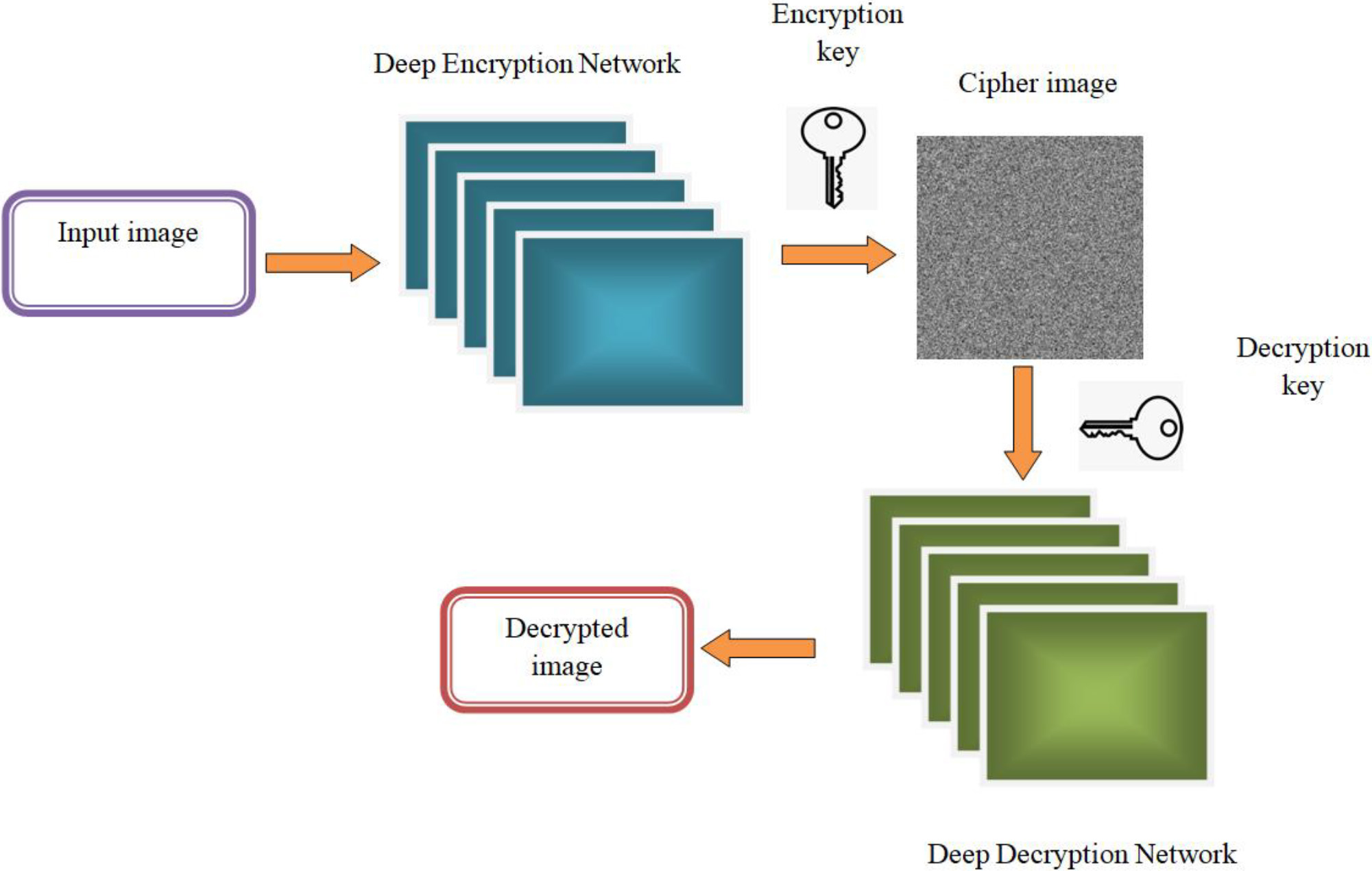
The set of images from the database
Deep encryption network
A DEN is a specialized DL architecture designed for the encryption of image data. In the realm of image security, DENs play a vital role in bolstering the security and reliability of visual data. Unlike conventional encryption methods, DENs leverage the power of deep neural networks to perform encryption, offering several advantages. DENs are capable of learning complex encryption patterns and can adapt to various image types and sizes. They work by taking an original image as input and transforming it into an encrypted version that appears as random noise to an unauthorized observer. The GAN generator is repurposed to act as an image encryptor. The fundamental concept involves utilizing a generator to transform a plaintext image into a seemingly random and meaningless encrypted image, which can only be deciphered by someone with access to the appropriate decryption key. GAN generator can function as an EN by transforming input images into a coded format that appears random and indecipherable without a decryption key. Mathematically, this process can be represented as:
Here, Enc represents the encrypted data,
The feature encoder serves as the system’s starting point, with its primary role being the extraction of meaningful features from the input image. The input image undergoes three convolutional layers for feature extraction. The encoder is composed of three consecutive convolutional layers; the initial convolutional layer uses 64 filters with a size of 7
Transformation module
The transformation module is the central part of the system where various operations or transformations are applied to the extracted features. The specific transformations depend on the task or objective of the system. The generator architecture is shown in the figure.
The EN consists of the following techniques such as DWT, AT, quantification, and S-D. The DWT is used for image decomposition, splitting it into different frequency components. The AT is a pixel permutation technique to shuffle image data. Quantization maps transformed values to discrete levels. S-D schemes help ensure secure decryption and synchronization between sender and receiver in the encryption process. These components collectively contribute to enhancing the security and privacy of digital images.
The discriminator network comprises layers of convolutional operations utilizing a leaky ReLU activation function. These convolutions serve to extract image features while concurrently the input volume is reduced by a factor of 2 using a kernel size of 4 and a stride of 2 in each convolution operation.
Architecture of GAN generator.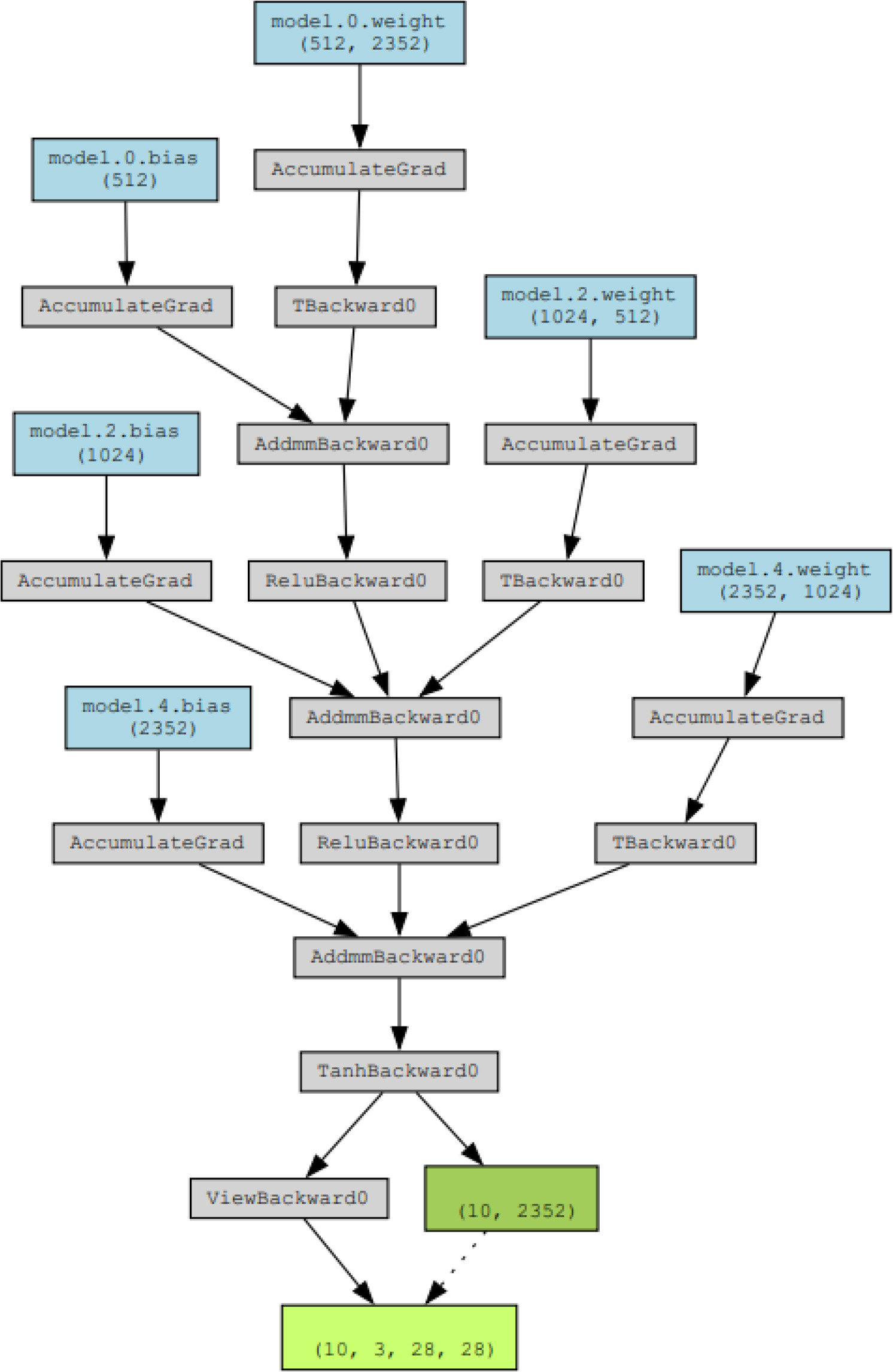
(a): The DWT decomposition process; (b): The DWT reconstruction process.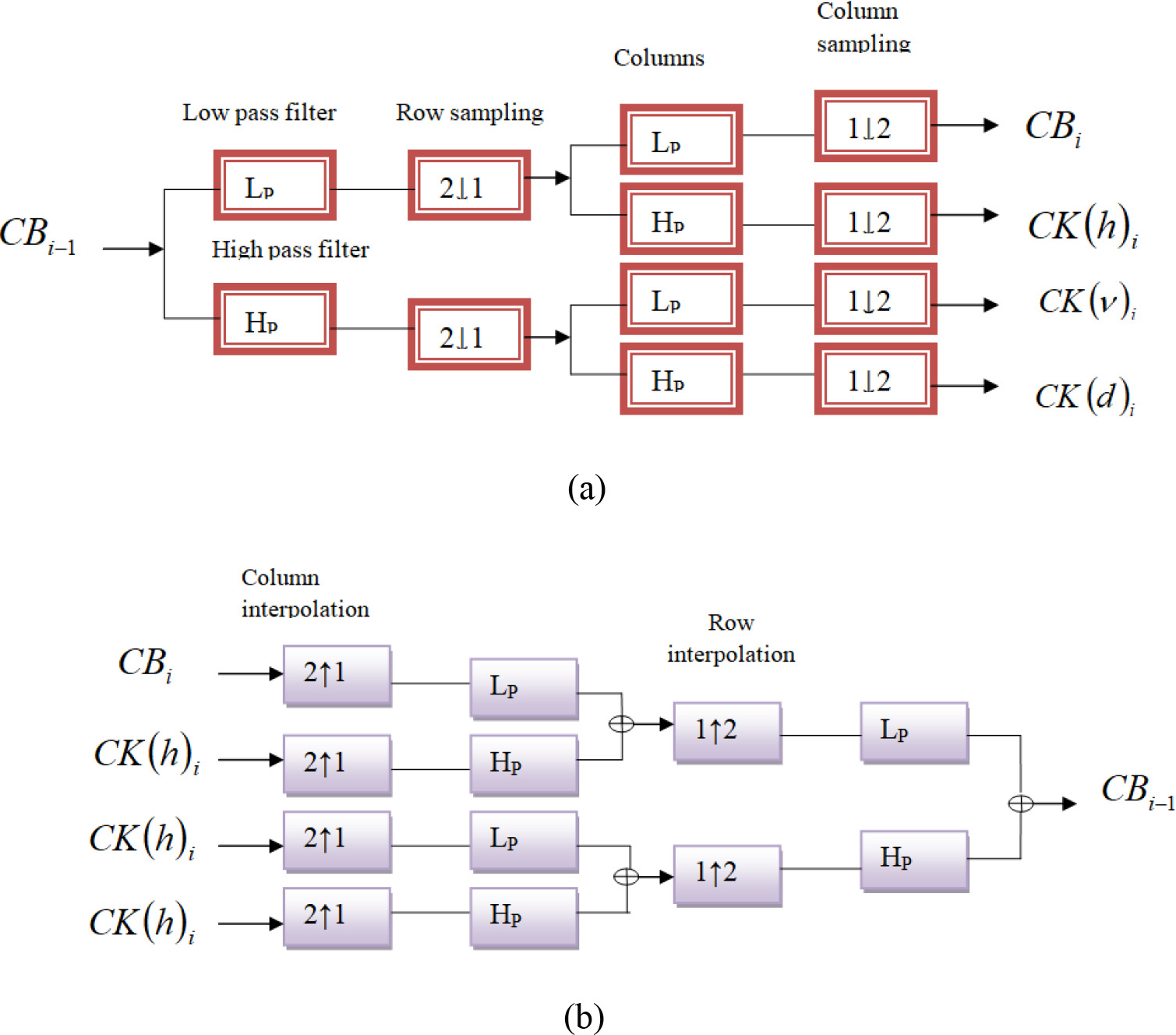
The DWT is a mathematical technique used in image analysis for decomposing an image into different frequency components at multiple scales. It is commonly employed for tasks like data compression, denoising, and feature extraction. The DWT decomposes a signal into different frequency components using a set of wavelet functions. These wavelets are essentially small, oscillatory functions that are scaled and shifted to analyze different frequency components of the signal. The DWT operates hierarchically, dividing the signal into two parts at each level. One part represents the approximation of the signal at a certain scale, while the other part represents the details or high-frequency components. This process is repeated iteratively to obtain a multi-resolution representation of the signal. The decomposition and reconstruction process is depicted in Fig. 3.
The coefficient
Arnold transform
The Arnold Transform is a nonlinear image transformation technique commonly used for image encryption which shuffles the pixels of an image to create a visually scrambled version [31]. The mathematical representation of the 2D Arnold Transform is:
Here,
Quantification in image encryption typically involves discretizing pixel values to reduce the number of possible values, which can help add a level of confusion to the encrypted image [33]. A simple quantification process can be represented mathematically as:
where,
Scrambling and diffusion algorithms are fundamental techniques in image encryption.
Scrambling involves rearranging pixel positions to obscure the image’s structure like an S-box.
where
Diffusion disperses pixel values across the image, enhancing encryption by spreading information widely such as bitwise XOR operation.
where
A cipher image is the result of encrypting a plaintext image using a cryptographic algorithm which appears as a scrambled, unintelligible version of the original image and requires a decryption key or process to revert it to its original form for meaningful interpretation or use.
Deep decryption network
Architecture of the discriminator of GAN.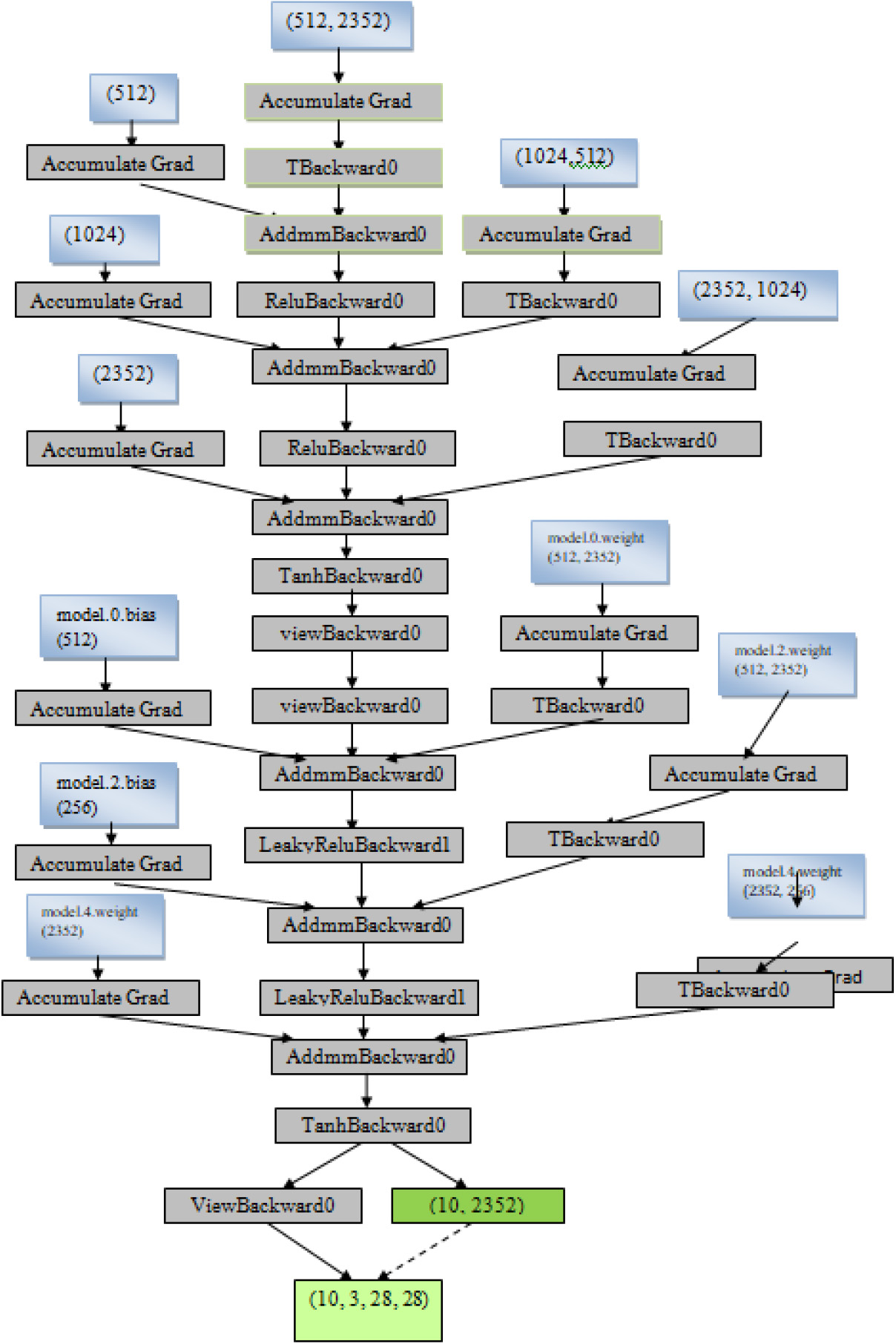
A DDN is a neural network architecture designed for the task of decrypting or decoding data that has been encrypted using a corresponding encryption process which is trained to reverse the effects of encryption and recover the original, unencrypted data, often requiring access to the decryption key or parameters. The cipher image serves as the input to this network, and the resulting image produced is the plaintext image. The architecture of the discriminator of GAN is shown in Fig. 4.
Inverse scrambling is the process of reversing the shuffling of pixel values introduced during encryption. It restores the original order of pixels using the inverse of the permutation function applied during scrambling. Inverse diffusion reverses the diffusion process, undoing the alterations made to pixel values during encryption, typically through an inverse bitwise operation. Inverse quantification involves mapping the quantized values back to their original continuous range, retrieving the precise information that was discretized during encryption. Inverse Arnold Transform undoes the pixel position changes introduced by the Arnold Transform, restoring the original image layout. Inverse DWT reconstructs the image from its frequency components, effectively reversing the wavelet-based decomposition carried out during encryption. These inverse operations together enable the decryption of the encrypted image, returning it to its original, intelligible form.
The EN’s weights are kept constant while the discriminator
For training a discriminator, the loss function that needs to be reduced is expressed as
The hyperparameter
where
The EN is designed to produce fabricated data that perplexes the discriminator’s ability to categorize it. It does so by taking an input image and producing a cipher image. The discriminator then assesses the similarity between this cipher image and the genuine cipher image. When the discriminator assigns a value lower than 0.75 as a similarity score, the weights of the EN undergo an update. This update relies on the loss function designated for the EN, denoted as
The discriminator’s output plays a crucial role in deciding whether the weights of EN should undergo backpropagation updates.
The EN’s training process is intricately linked to the discriminator’s feedback. Specifically, during the training cycle, the discriminator’s weights are held static while the EN undergoes an update for a single epoch, and this process is consistently repeated, allowing for the thorough training of the entire network.
The DN bears resemblances to the EN in that it functions to undo the alterations made to the generated cipher image, thereby returning it to its initial plain image state. The training process of the discriminator network also adheres to a comparable approach, with assistance from the discriminator
The overall loss of the EN is described as
The constant
Motivation
TWHO draws inspiration from the coordinated hunting strategies of timber wolves [34] and the adaptive behavior of coyotes [35] which aims to improve the efficacy and effectiveness of image encryption techniques by replicating intelligent search capabilities observed in timber wolves, similar to their strategic hunting approach. This encryption scheme strives to optimize the generation of chaotic maps and matrices, which are crucial for ensuring the security and resilience of image encryption. By combining these nature-inspired algorithms, the objective is to improve the encryption method’s performance, bolstering its resilience against attacks while maintaining computational efficiency. The mission is to provide a robust and effective image encryption solution that safeguards critical information in today’s interconnected and vulnerable digital landscape.
Inspiration
Timber wolves (grey wolves), are renowned for their collaborative hunting strategies, which mirror the hierarchy within wolf packs, In the Canidae family, an intriguing social structure exists characterized by a hierarchical organization among individuals. At the pinnacle are leaders, responsible for decision-making and dictating the pack’s actions. These leaders are not necessarily the strongest but excel in managing the pack efficiently. Subordinate members, termed advisors, support leaders and maintain discipline within the group. The lowest-ranking members serve as outlets for pent-up aggression and frustration, crucial for maintaining overall pack harmony. The remainder, labeled subordinates, fulfill various roles such as scouts, sentinels, elders, hunters, and caretakers, each contributing to the pack’s survival and well-being. This complex social structure enhances the pack’s collective efficiency and resilience. This hierarchical structure is analogous to the exploration-exploitation trade-off in optimization, where alpha wolves explore diverse regions, and beta and delta wolves exploit promising areas for the best solutions. Coyotes, known for their adaptability and cunning, the algorithm integrates adaptive searching behavior, simulating how coyotes dynamically adjust their tactics based on environmental conditions. It leverages various search strategies, such as randomized, systematic, and local searches, to adapt to problem complexity and converge toward optimal solutions. The fusion of these traits TWHO inherits Timber Wolf’s hierarchical leadership structure, where alpha, beta, and delta agents coordinate their efforts to optimize the chaotic map generation in image encryption. It also incorporates coyote’s adaptability, allowing TWHO to dynamically adjust its exploration and exploitation strategies during the optimization process, ensuring robust convergence towards secure encryption keys and matrices.
Initialization
The process of solution initialization involves the establishment of an initial population of potential solutions within the search space. These solutions often referred to as “individuals” or “candidates”, serve as the starting points for the optimization algorithm’s exploration and exploitation phases.
Fitness evaluation
The evaluation of fitness entails gauging the quality of a prospective solution within the search space, assessing its efficiency in solving the optimization problem’s objective function, which assigns a numeric value to each solution, reflecting its suitability or fitness. TWHO iteratively evaluates these fitness values for a group of solutions and employs them to guide the search for the optimal solution by determining the relative goodness or appropriateness of each candidate in the pack.
In the optimization algorithm inspired by lupus behavior, the
where the elements of
Following the process of foraging for prey, the social interaction behavior among individuals in the pack is leveraged to consolidate information. Each individual in the pack exchanges information with others, resulting in the evaluation of a collective cultural tendency, denoted as
Where
In this scenario, the goal is to identify and encircle prey for hunting. The hunting strategy relies on the selection of an optimal leader, which is chosen based on its adaptability to the environment. The leader with the highest fitness, determined by the equation
Where
The position update is given as
Where,
Here, the position update occurs as a result of information exchanged through social interaction behavior
The algorithm evaluates the step size parameters, alpha, beta, and gamma, to calculate how much it should progress toward the optimal solution during each iteration. This assessment of the step size is pivotal for regulating the algorithm’s traversal through the search space. The continuous value for the step size in each dimension is determined by applying the sigmoid function.
Continuous step size is denoted as
Equations (10) and (11) mention that the encircling behavior in pursuit of a target occurs after assessing the distance to the target and identifying it through the use of specific sensory cues.
Termination
Flowchart for the TWHO-enabled GAN encryption model.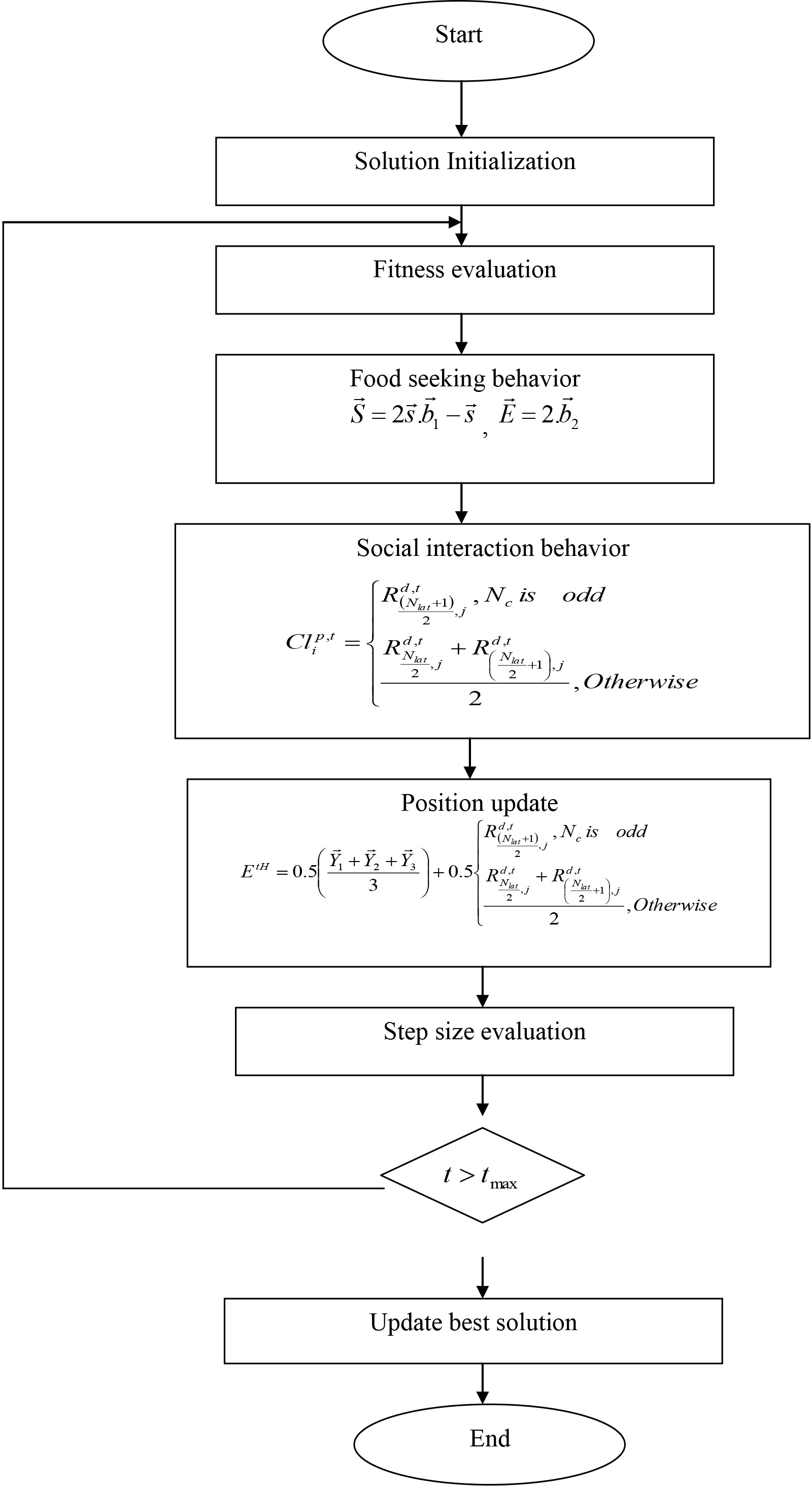
The algorithm concludes upon reaching the maximum iteration, achieving the best solution. Figure 5 shows a flowchart for the TWHO-enabled GAN encryption model.
TWHO-enabled encryption model is executed and the outcomes are analyzed to assess the overall system’s effectiveness.
Experimental setup
The TWHO-enabled encryption model was tested using Python, on a Windows 10 operating system with 16 GB of RAM, and the configuration included PyCharm 2020 software.
Dataset description
Caltech 101 dataset [36]
The dataset, established in September 2003 by Fei-Fei Li, Marco Andretti, and Marc’Aurelio Ranzato, encompasses 101 distinct object categories. Within these categories, the dataset contains varying quantities of images, ranging from approximately 40 to 800 images per category. The majority of categories contain roughly 50 images, each measuring roughly
Airplanes image dataset (dataset-2) [42]
The dataset comprises airplane images, and airplane annotations, for implementing effective image encryption.
Performance metrics
Cosine similarity (
)
Cosine similarity is a metric used to measure the similarity between two vectors, often in the context of text document analysis and recommendation systems.
Histogram correlation quantifies the similarity or correlation between two histograms. Histograms are often used to represent the distribution of data, and histogram correlation can help assess how closely two datasets or images match in terms of their distribution.
Where
MSE is a frequently employed metric for assessing the mean of the squared discrepancies between predicted and actual values, effectively quantifying the average squared difference between each data point and its corresponding predicted value. The mathematical equation for MSE is as follows
Where
PSNR is a metric used to evaluate the quality of a reconstructed or compressed signal, like an image or video, in comparison to the original, uncompressed signal. It measures the balance between the signal’s highest strength and the impact of noise, which affects the signal’s fidelity.
RMSE quantifies the average error between the predicted values and the actual observed values. It is a way to assess how well a model’s predictions match the true values in a dataset.
Where
Structural Similarity Index is used to gauge the degree of structural resemblance between two images, providing a numerical assessment of how effectively the perceived structural characteristics of one image are conserved in another. SSIM yields a score within the range of
Experimental outcomes
Experimental outcomes of the TWHO-enabled GAN encryption model utilizing Caltech 101 dataset.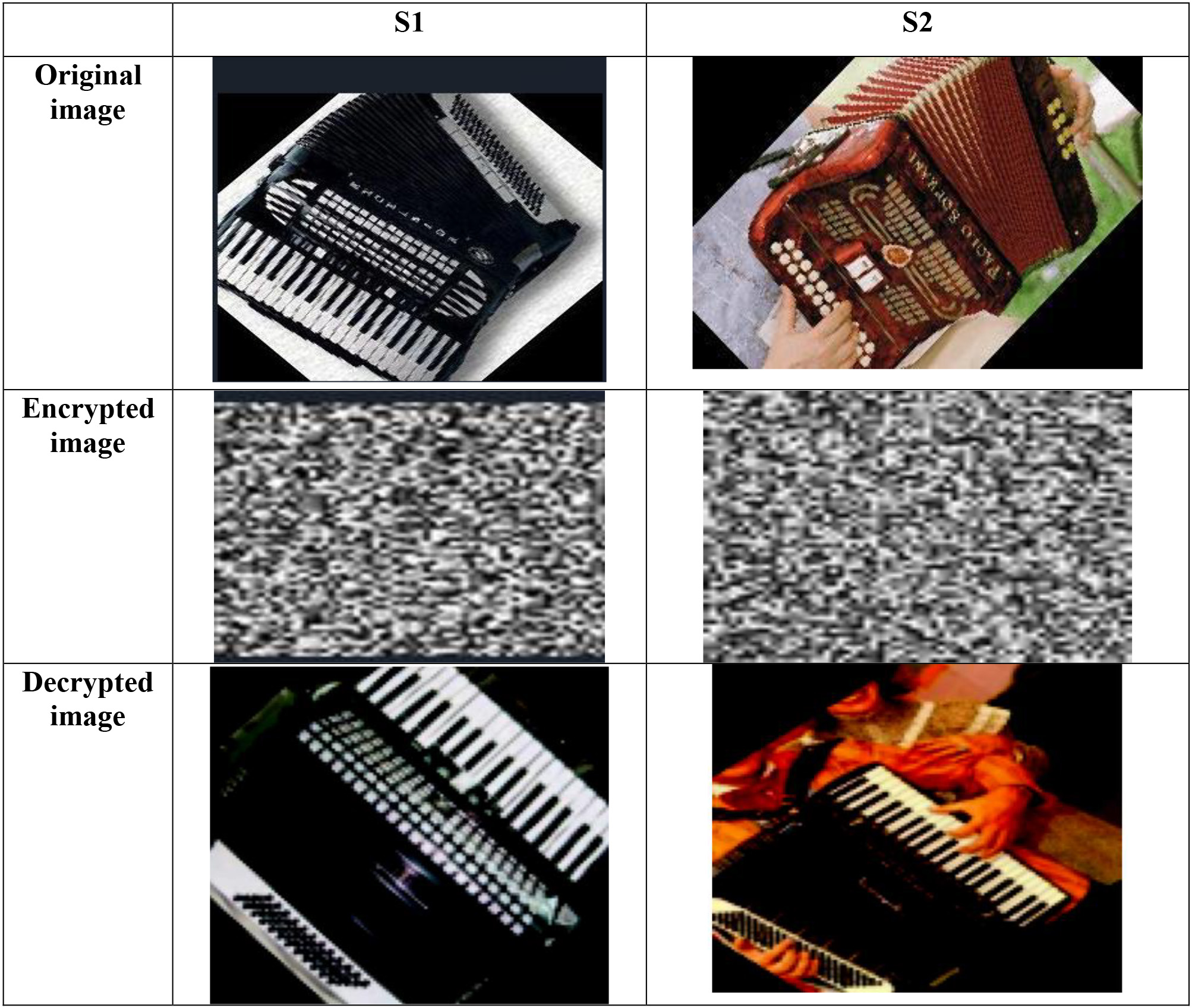
The following Fig. 6 illustrates the original, encrypted, and decrypted images of the TWHO-enabled GAN encryption model.
Experimental outcomes of the TWHO-enabled GAN encryption model utilizing Airplanes dataset.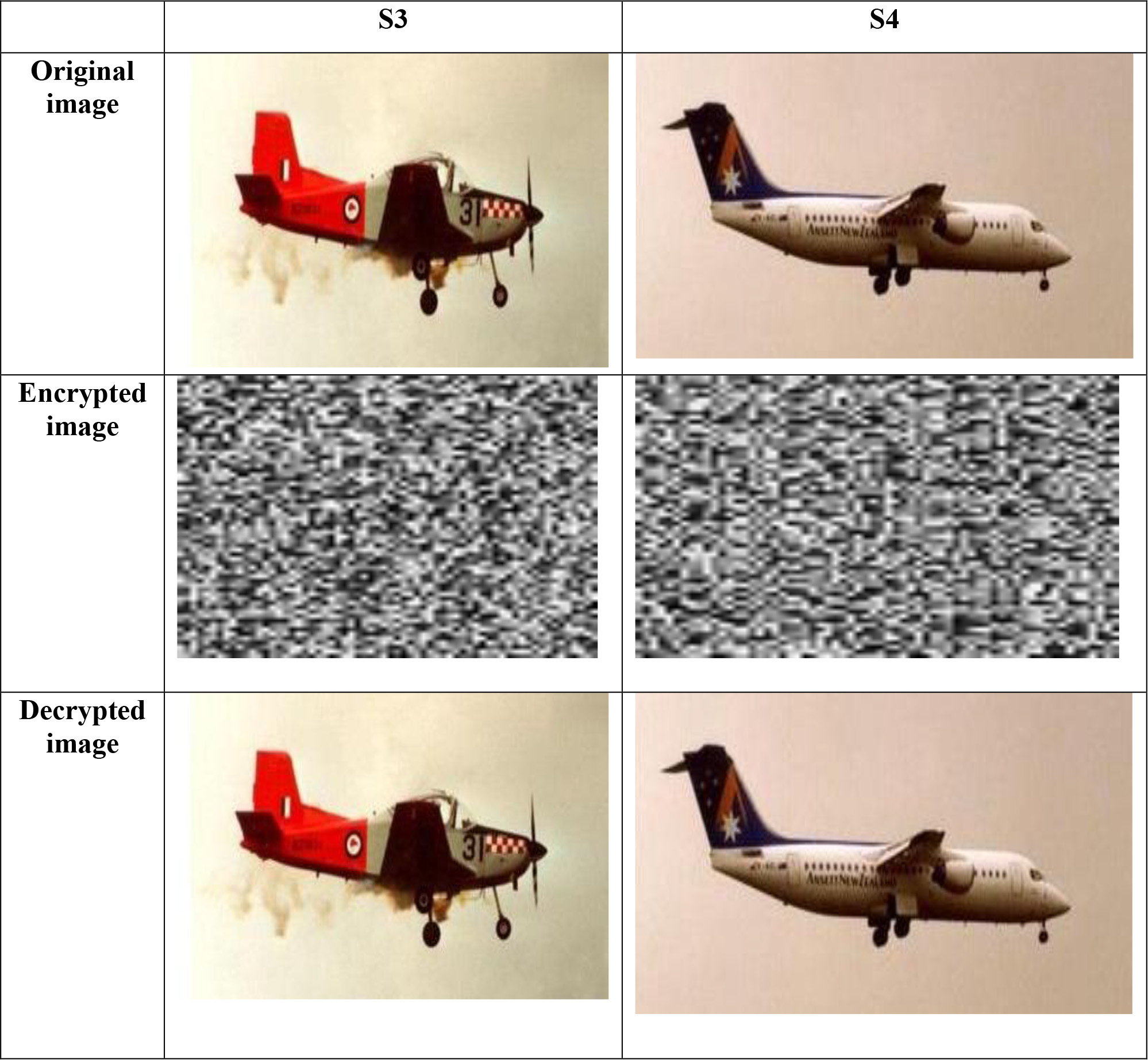
The performance evaluation of the TWHO-enabled GAN encryption model is conducted and it varies according to the number of images within specific epoch sizes. Performance metrics including
Performance analysis utilizing caltech 101 dataset
Performance analysis utilizing the Caltech 101 dataset.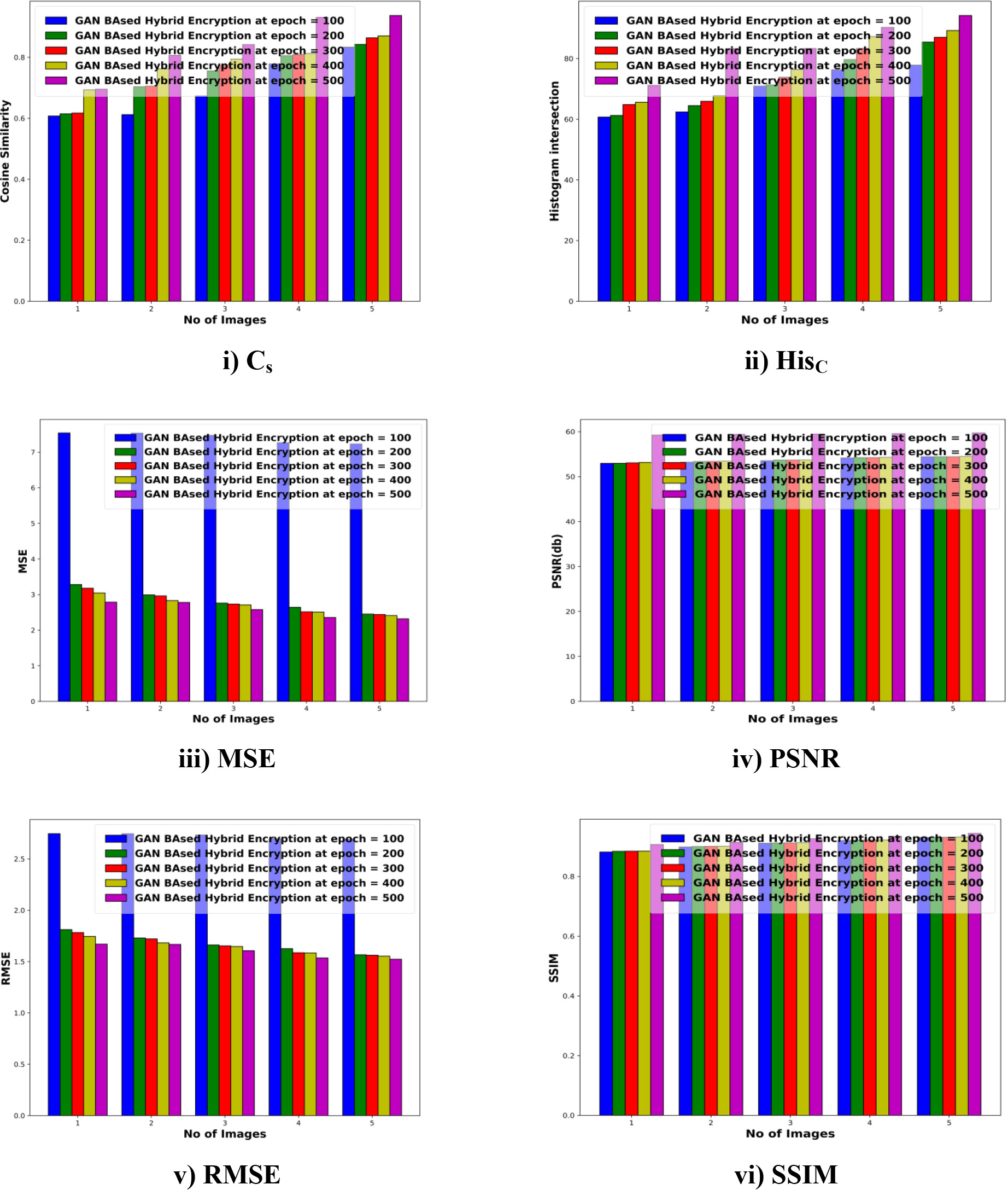
Figure 8 illustrates the performance assessment of the TWHO-enabled GAN encryption model for epoch sizes of 100, 200, 300, 400, and 500, with a constant number of 5 images. In Fig. 8(i), it can be observed that the
Performance analysis utilizing dataset-2.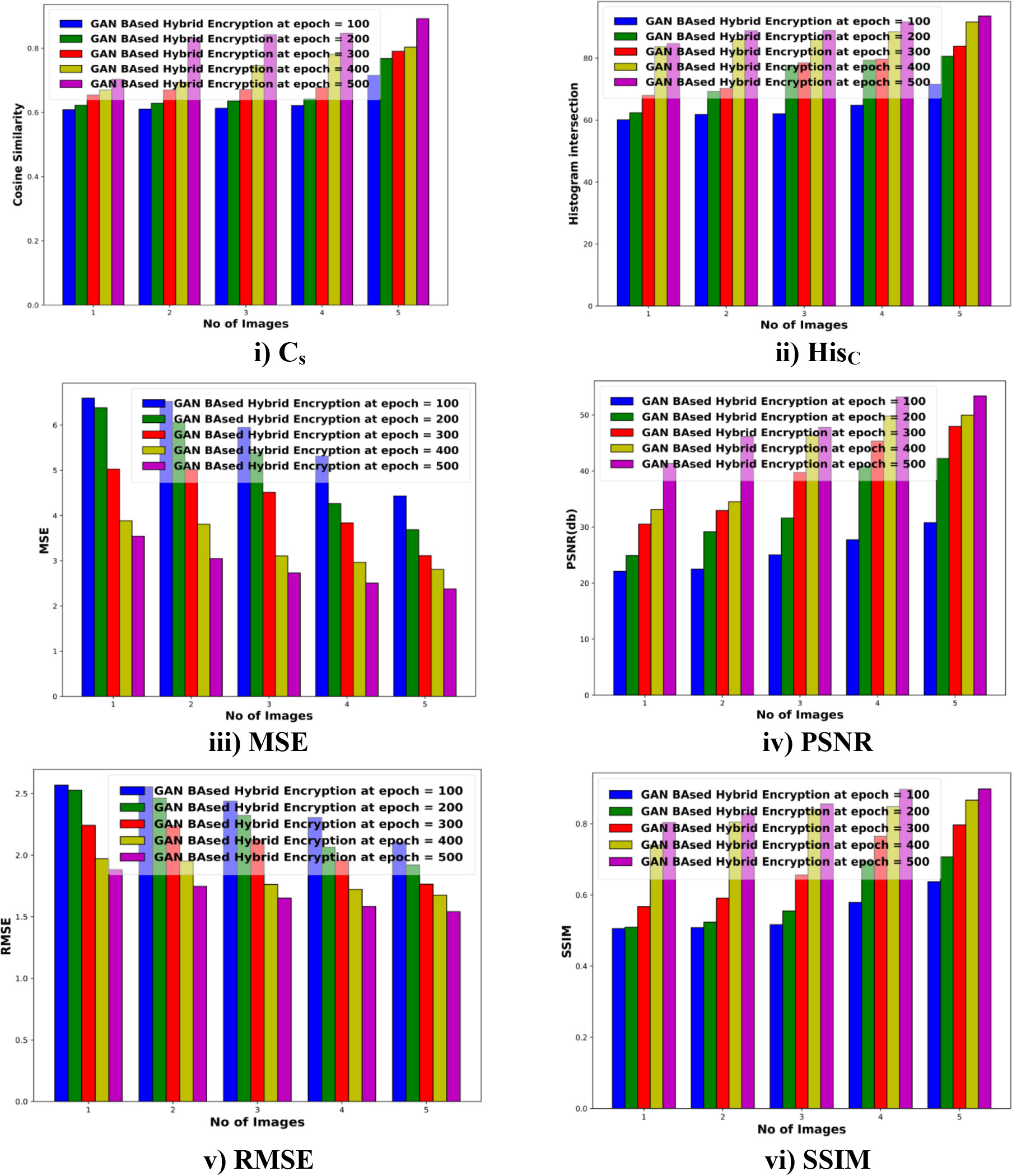
Figure 9 illustrates the performance assessment of the TWHO-enabled GAN encryption model for epoch sizes of 100, 200, 300, 400, and 500, with a constant number of 5 images. In Fig. 9(i), it can be observed that the
The TWHO-enabled GAN encryption model is compared with the XOR [37], Logistic Key Encryption [38], Lorenz Key Encryption [39], Hybrid Chaotic Encryption [40], Time Bound Key based Encryption [41].
Comparative analysis utilizing caltech 101
Comparative analysis utilizing the Caltech 101 dataset.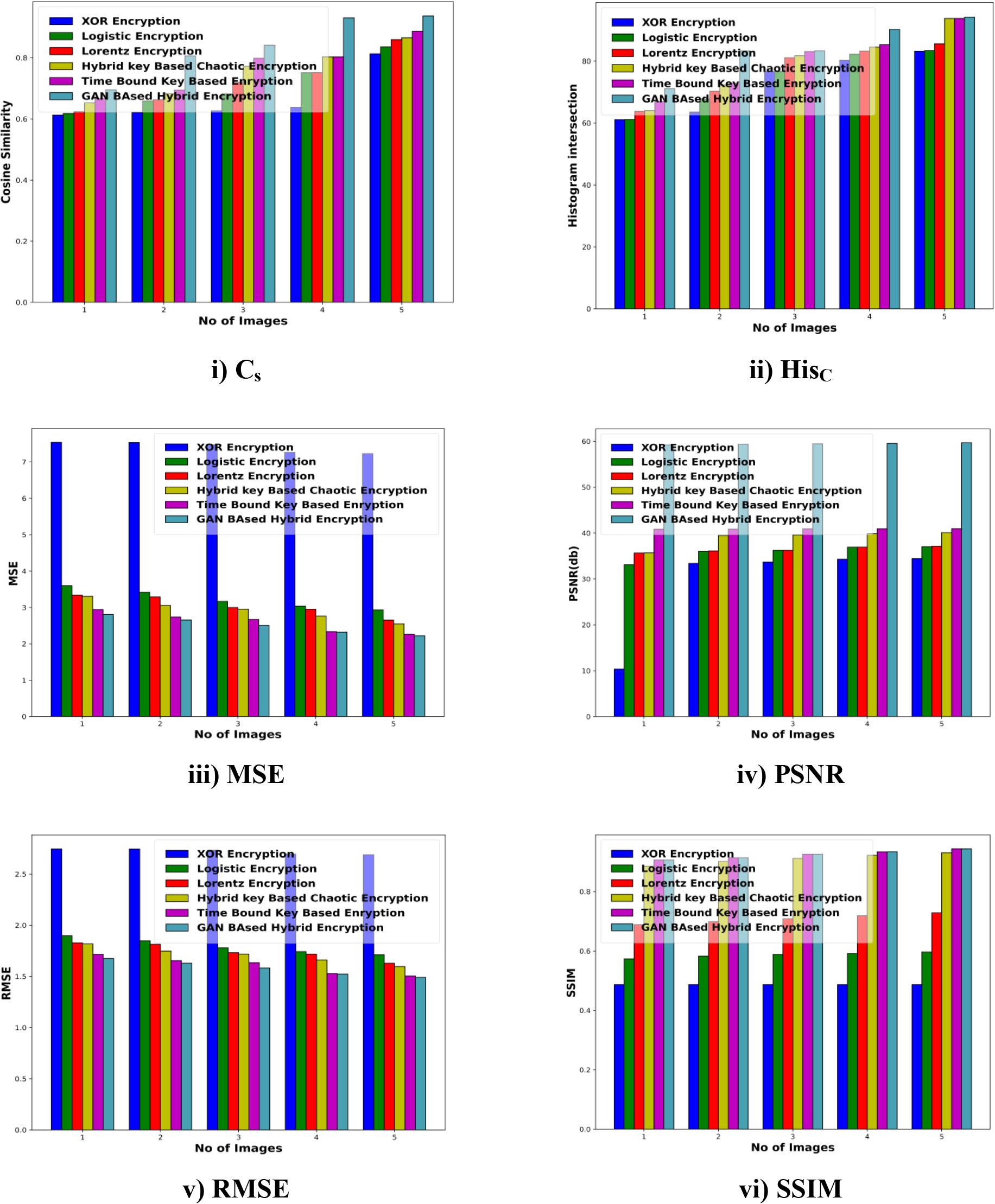
The effectiveness of the TWHO-enabled GAN encryption model is compared with several prior systems to demonstrate its superiority, as depicted in Fig 10.
In Fig. 10(i), the focus is on the metric
Comparative analysis utilizing Airplanes dataset.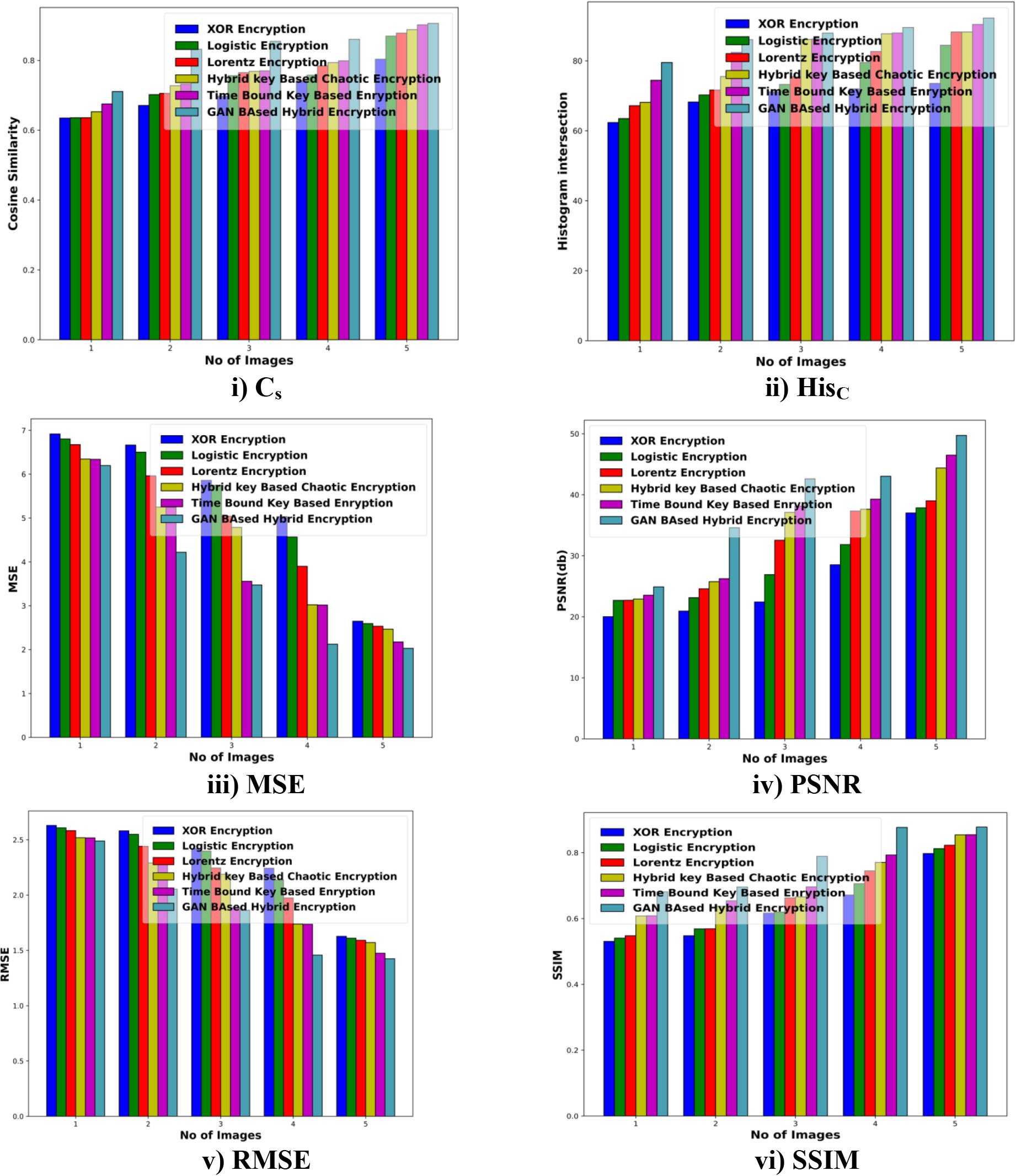
The effectiveness of the TWHO-enabled GAN encryption model is compared with several prior systems to demonstrate its superiority, as depicted in Fig. 11.
In Fig. 11(i), the focus is on the metric
XOR encryption, while simple and efficient, has limitations due to its vulnerability to brute-force attacks, especially with longer messages. Logistic key encryption relies on deterministic chaos and may exhibit weak pseudo-randomness, making it susceptible to cryptanalysis. Lorenz key encryption is sensitive to initial conditions, and if these are known, it can be deciphered, rendering it less secure. Hybrid chaotic encryption combines chaotic maps, but it may suffer from synchronization issues and is sensitive to parameter selection. Time Bound Key-based Encryption relies on time constraints, which can be challenging in real-time applications or when time synchronization is disrupted, potentially compromising security. To overcome these issues the TWHO-enabled GAN encryption model is proposed. The comparative discussion of the TWHO-enabled GAN encryption model with the conventional approaches in terms of 5 numbers of images is depicted in Table 1.
Comparative discussion of the developed approach utilizing Caltech 101
Comparative discussion of the developed approach utilizing Caltech 101
Comparative discussion of the developed approach utilizing Airplanes dataset
Computational complexity analysis
The computational complexity of the developed approach is conducted in which the developed approach compared with other existing approaches is depicted in Table 3, in which the TWHO-enabled GAN attained an execution time of 30.12 ms/epoch which is low compared with other existing approaches. Further the analysis revealed that the TWHO-enabled GAN outperformed other conventional techniques.
Conclusion
The significance of data security in the digital age cannot be overstated; particularly when it comes to multimedia, where visual information integrity and confidentiality are paramount. This research has introduced the Temper Wolf Hunt Optimization enabled GAN encryption model (TWHO-GAN) as a cutting-edge solution to address the evolving challenges of image encryption in today’s digital landscape. By integrating Generative Adversarial Networks (GANs), TWHO-GAN takes image encryption to the next level which produces encrypted images that are virtually indistinguishable from their originals, bolstering security. The practical implications involve healthcare and defense to finance and digital forensics, image encryption plays a critical role in protecting sensitive information in different domains. Hence understanding these applications, the developed image encryption is utilized for maintaining data security. Further, the significant training time of the TWHO-GAN encryption model is found to be 10 ms for 100 epochs and hence the model is feasible to be utilized for effective image encryption. Through rigorous experimentation and comparative analysis, TWHO-GAN has showcased its superiority in image encryption. This approach outperforms previous methods across various metrics, including
This demonstrates its exceptional efficacy in safeguarding image data. Furthermore, TWHO-GAN exhibits resilience against a spectrum of attacks, cementing its status as a compelling choice for secure image transmission and storage. As we move forward in the digital era, TWHO-GAN stands as a beacon of innovation and security, addressing the imperative need for robust and efficient image encryption techniques.