






Abstract
In this article, a new concept of intuitionistic fuzzy graph of nth type (IFGNT) is proposed as a generalization of intuitionistic fuzzy graphs (IFGs) and intuitionistic fuzzy graphs of second type (IFGST). Some light has also been shed upon the concepts of constant intuitionistic fuzzy graphs of second type (CIFGST) and constant intuitionistic fuzzy graphs of nth type (CIFGNT). Moreover, some basic definitions of and results from IFGNT have been developed, supported with examples. Besides, the advantages of proposed new concept over the existing concepts have been highlighted and a comparative study of new and existing works made. Further, an application of IFGNT has been demonstrated in social networks context.
Keywords
Introduction
Theory of graphs has been considered to play a vital role when it comes to its application in dealing with real life situations. The theory of fuzzy graphs (FGs) has its own significance as application of fuzzy set (FS) theory has no limits. FS theory has been applied to many situations like in intelligent systems by Yager and Zadeh [40], pattern recognition by Pedrycz [32], decision making by Maji et al. [24], traffic and transportation by Trabia et al. [37], clustering by Xie and Beni [38] and many other areas. It was Zadeh who initiated the concept of FSs [42] to deal with problems having some sort of uncertainty. For some recent developments in FS theory and other tools of uncertainty and their applications one is referred to [23 , 43–47]. Zadeh’s FS provided a solid ground for the theory of FGs which have been introduced by Kauffman [19] in 1973. After that, FGs have been comprehensively studied by Rosenfeld [34]. The study of FGs lead many scientists to contribute in this field such as Bhattacharya [6] discussed several graph theoretic results for FGs. Bhutani [7] worked on automorphisms of FGs and Mordeson and Chang-Shyh [26] developed operations on FGs. FGs have been applied to many practical situations like optimization problems by Kóczy [21], clustering by Yeh and Bang [41], shortest path problem by Klein [20]and social networks Nair and Sarasamma [27] etc. For some other work on FGs one may refer to [8 , 25] etc.
Atanassov and Gargov [3, 4] developed the concept of intuitionistic fuzzy set (IFS) as an extension of FS that deals with uncertain situations in a better way as its structure is not limited to membership grades only. The concept of IFSs is a better tool to use due to its diverse structure describing membership as well as non-membership grades of an element. The theory of IFSs have been remarkably used in some areas so far. In [11] medical diagnosis is discussed based on IFSs by De et al and in [39], Xu defined some aggregation operators for IFSs which have been applied to multi-attribute decision making (MADM) by [22]. Some similarity measures for IFSs are discussed in [36] by Szmidt and Kacprzyk and applied to pattern recognition problems.
The concept of IFGs is introduced in [28] by Parvathi and Karunambigai. Like IFSs, some quality work on the theory of IFGs is also being done. Parvathi, Karunambigai and Atanassov [29] studied operations on IFGs, Gani and Begum [14] discussed the size, order and degree of IFGs, Akram and Davvaz [1] investigated strong IFGs, Parvathi and Thamizhendhi [30] discussed domination in IFGs, Akram and Dudek [2] proposed intuitionistic fuzzy hypergraphs, Karunambigai, Akram et al. [16] presented the concept of balanced IFGs, Karunambigai, Parvathi et al. [17] studied constant IFGs and Chountas, Shannon et al. [10] discussed intuitionistic fuzzy trees. For some other noteworthy work on IFGs one may refer to [18, 31] etc.
IFS is a basically a pair of two components namely membership and non-membership with a condition that their sum must belongs to [0,1]. This constraint is the only demerit in the structure of IFSs not allowing decision makers to choose values by their own consent. This was improved by Atanassov [3] in 1989 by defining IFS of second type. Still the condition for IFS of second type was limited so in [35] a new concept known as IFS of third type was introduced by Srinivasan and Begum which somehow enlarge the domain of previous concepts. Finally, to make IFS free of any restriction Atanassov, Szmidt et al. [5] proposed intuitionistic fuzzy pairs of nth Type. This new concept has no restriction and it allows the decision makers to assign any value to membership and non-membership function in the interval [0,1].
Keeping in view the development in the structure of IFSs the theory of IFGs was also improved accordingly and the concept of IFGST was introduced in [12] by Dhavudh and Srinivasan and some substantial work in this direction is carried out in [12 , 33] but less attention has been given to these advance structures such as IFSNT by the researchers. Therefore, in this manuscript, the concept of IFGNT are proposed in view of its significance.
This manuscript has five sections starting with introduction as section one. In section two, some basic concepts related to IFS, IFSST, IFSNT, IFG, IFGST are discussed. Section three is based on the theory of IFGNT and some related terms and notion are illustrated. In section four, the notion of CIFGST and CIFGNT are discussed. In section five, an application of IFGNT showing its significance over existing structures. The article ends with discussion and concluding remarks.
Preliminaries
In this section, some basic definitions like definition of IFS, IFSST and IFSNT are discussed and their spaces are illustrated graphically. Some basic graph theoretic concepts of IFG, complete IFG and IFGST are also discussed and illustrated with examples.
 in
in  is defined as
  where
where  represents the degree of membership function and
 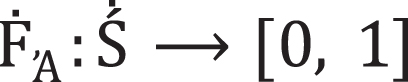 represents the degree of non-membership function with the condition

 in
in  is defined as
  where
where  represents the degree of membership function and
 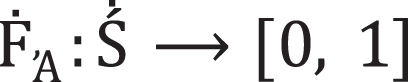 represents the degree of non-membership function with the condition

 in
in  is defined as
  where
where  represents the degree of membership function and
 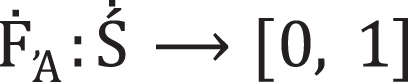 represents the degree of non-membership function with the condition

A geometrical comparison of all structures is discussed in below Figs. (1 and 2).
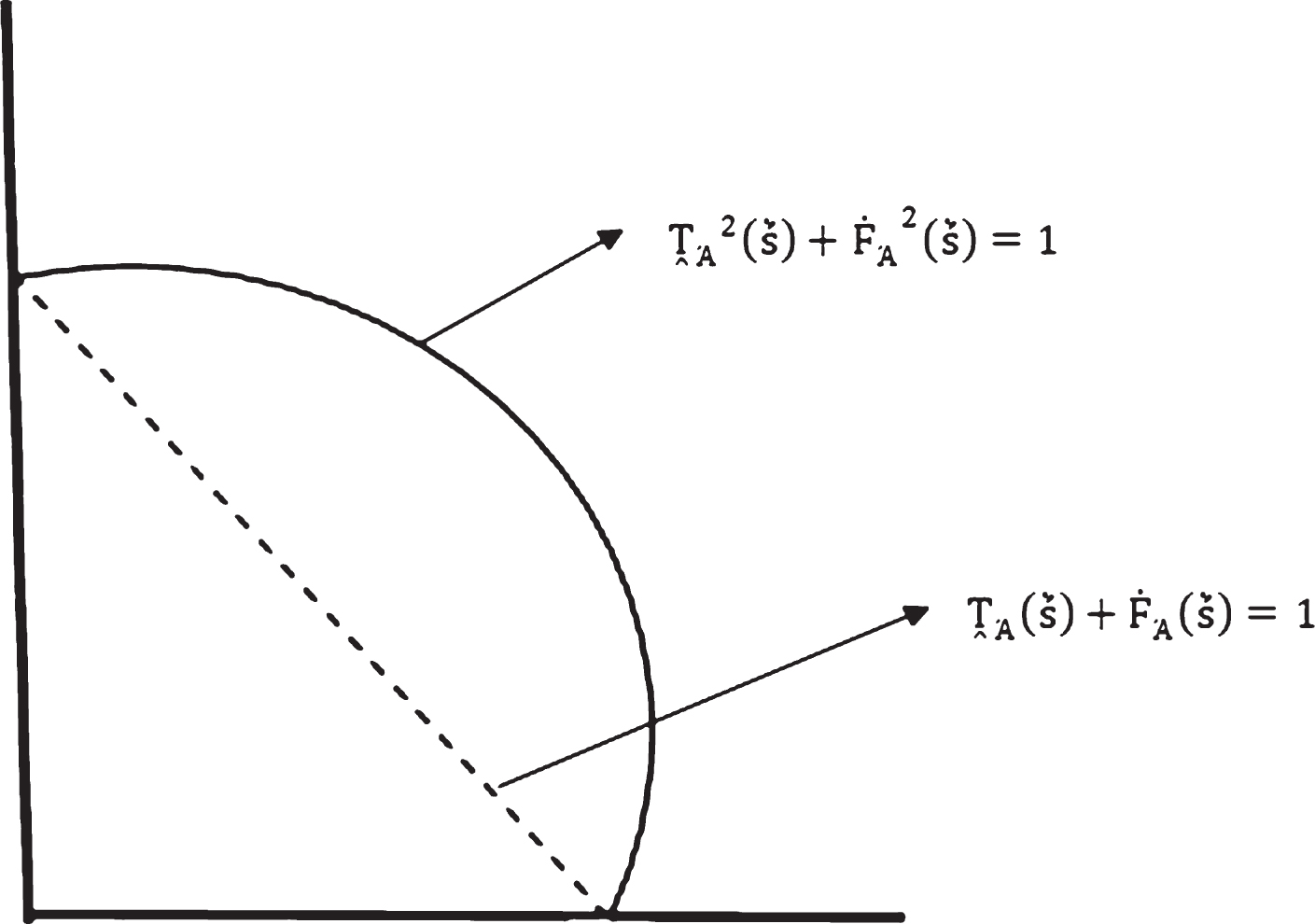
A Comparison of Intuitionistic fuzzy space and Intuition-istic fuzzy type two space.
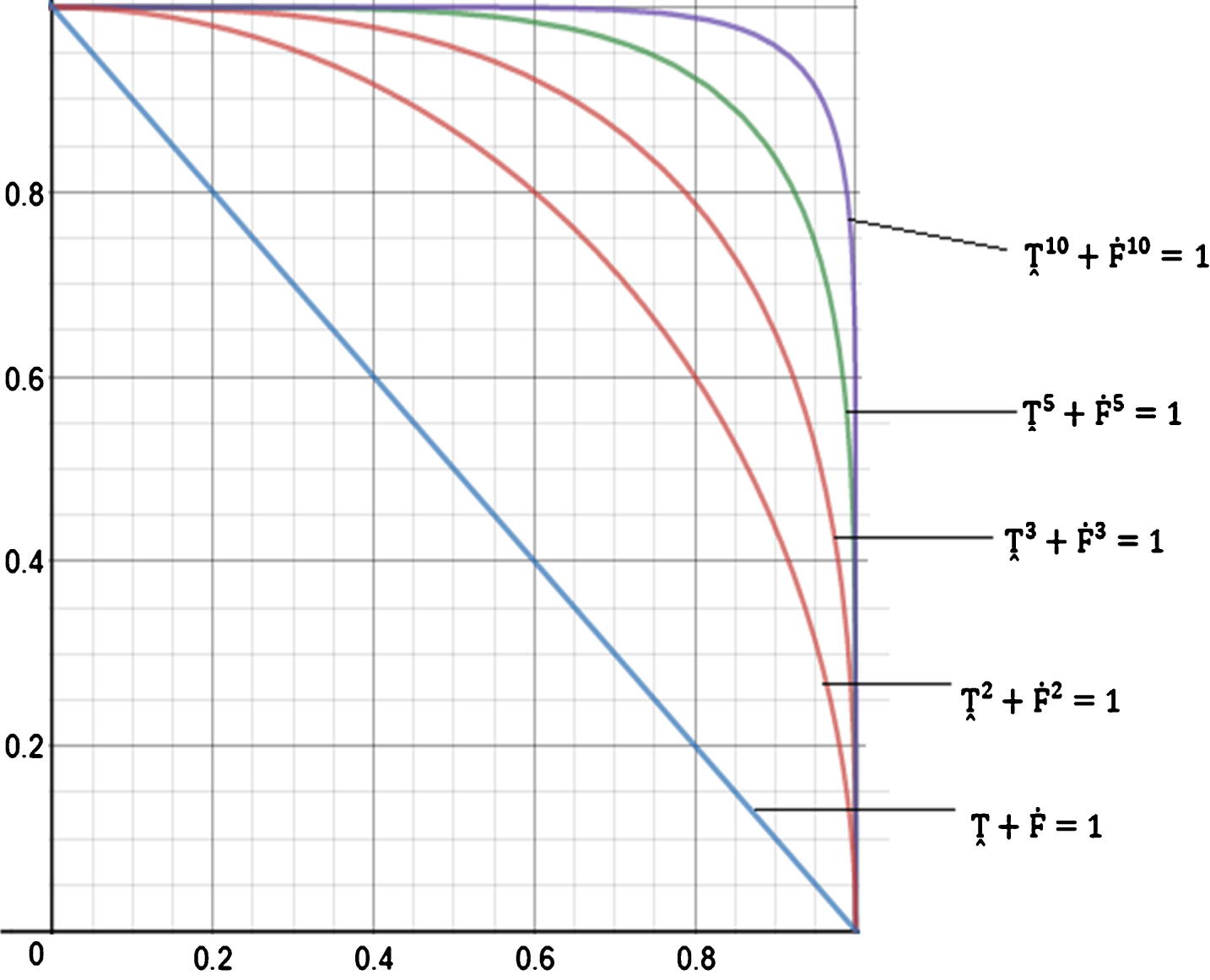
Intuitionistic fuzzy type-n space for different values of n = 1, 2, 3, 4, 5, 10.
All the above discussed theory and geometrical compression clearly shows the significance of IFSNT as it is the generalization of IFS and IFSST. The above figures show that every intuitionistic fuzzy number and intuitionistic fuzzy number of second type is an intuitionistic fuzzy number of n-type for n = 1 and n = 2 but converse is not true
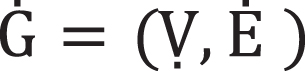 is known as IFG if
 is the set of vertices such that
  and
and  represents the degree of membership and non-membership of the element
  respectively with a condition that
  for all
  .
. where
where  and
and  represents the degree of membership and non-membership of the element
 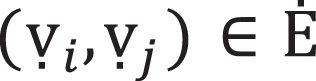 such that
  and
and  with a condition that
  for all
  .
.
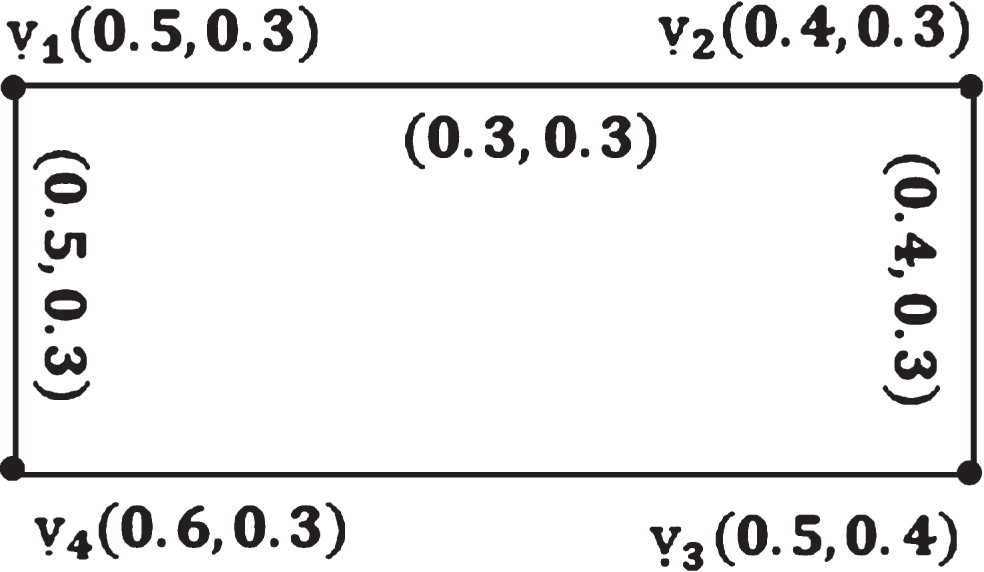
Intuitionistic fuzzy graph.
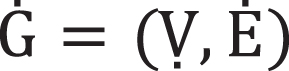 is known as complete IFG if
  and
and  for all
 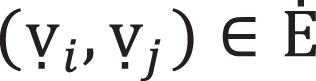 .
.
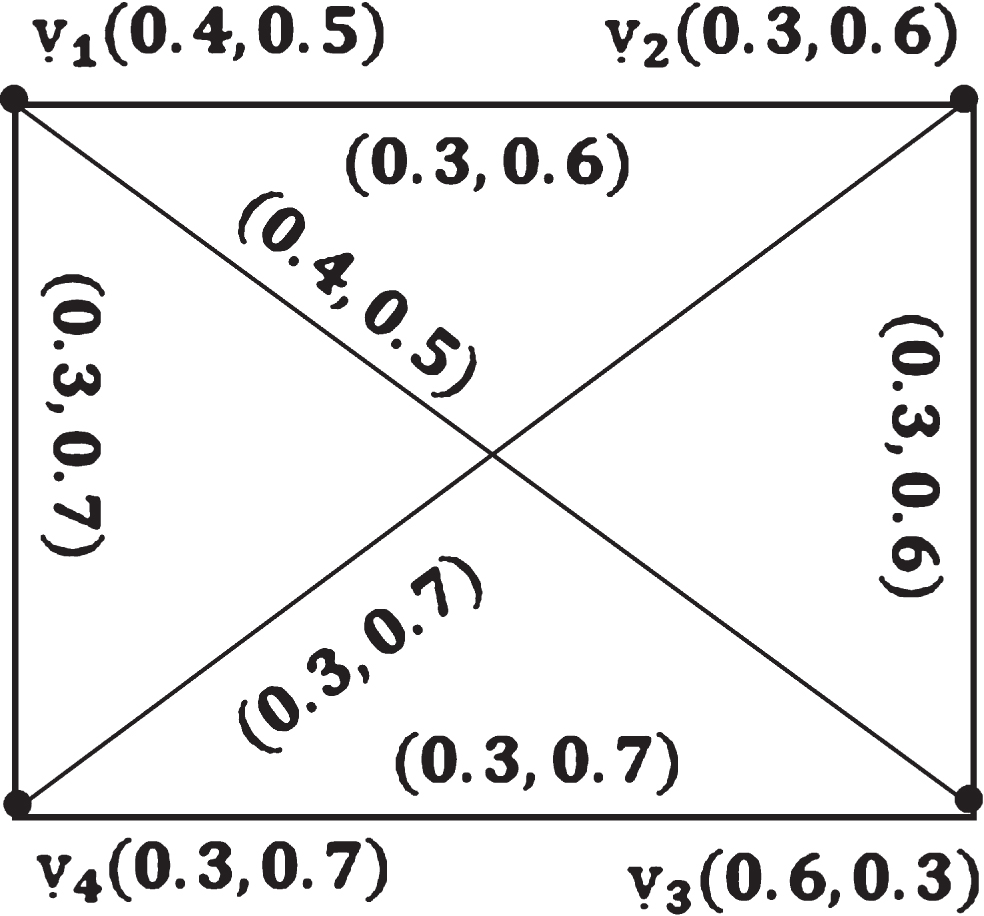
Complete intuitionistic fuzzy graph.
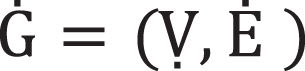 is known as IFGST if
 is the set of vertices such that
  and
and  represents the degree of membership and non-membership of the element
  respectively with a condition that
  for all
  .
. where
where  and
and  represents the degree of membership and non-membership of the element
 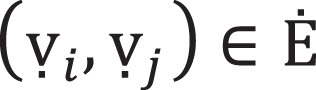 such that
  and
and  with a condition that
  for all
  .
.
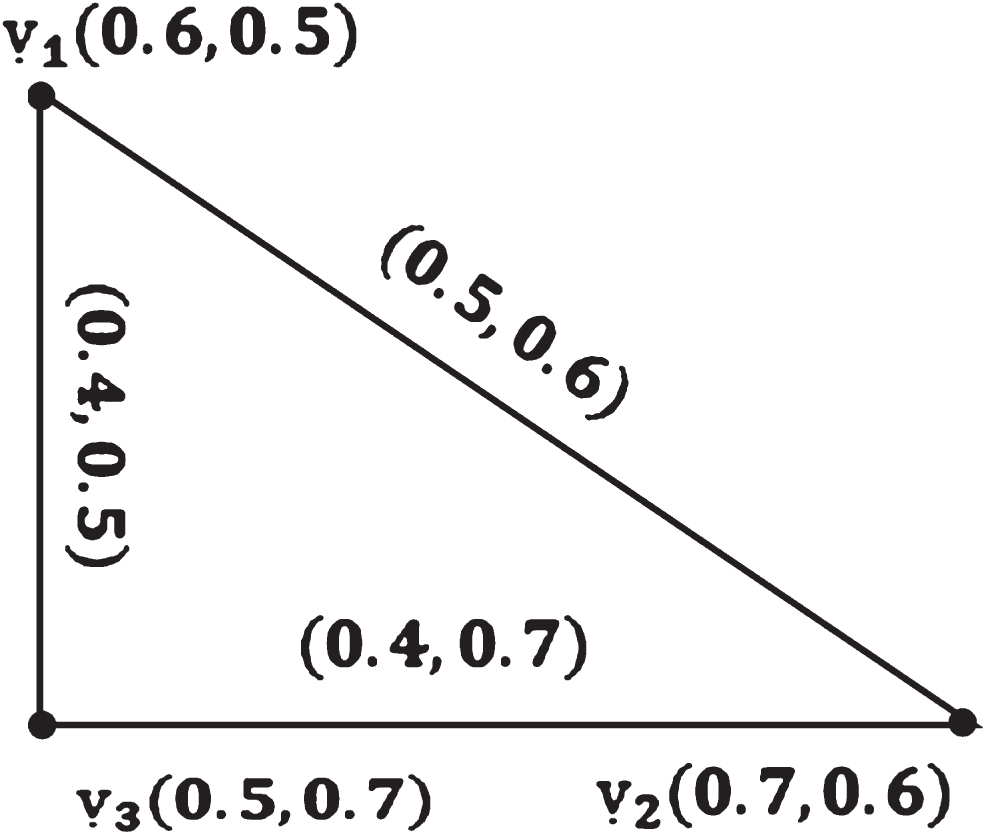
Intuitionistic fuzzy graph of second type.
In this section, the notion of IFGNT is discussed with examples. The concepts of subgraph and complement of IFGNT are also discussed and exemplified. The degree of IFGNT is defined and illustrated with an example.
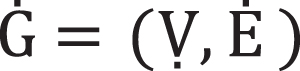 is known as IFGNT if
 is the set of vertices such that
  and
and  represents the degree of membership and non-membership of the element
  respectively with a condition that
  for all
  .
. where
where  and
and  represents the degree of membership and non-membership of the element
 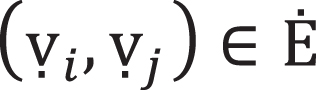 such that
  and
and  with a condition that
  for all
  .
.
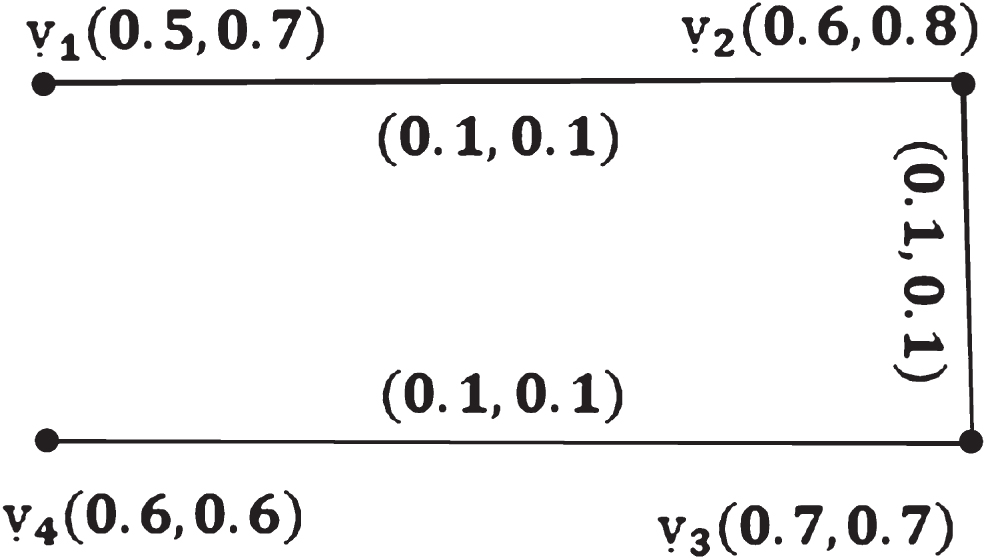
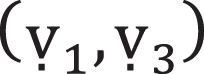 . The vertices in the below Figs. (5 and 6) are purely intuitionistic fuzzy numbers (IFNs) of n-type for n = 4.
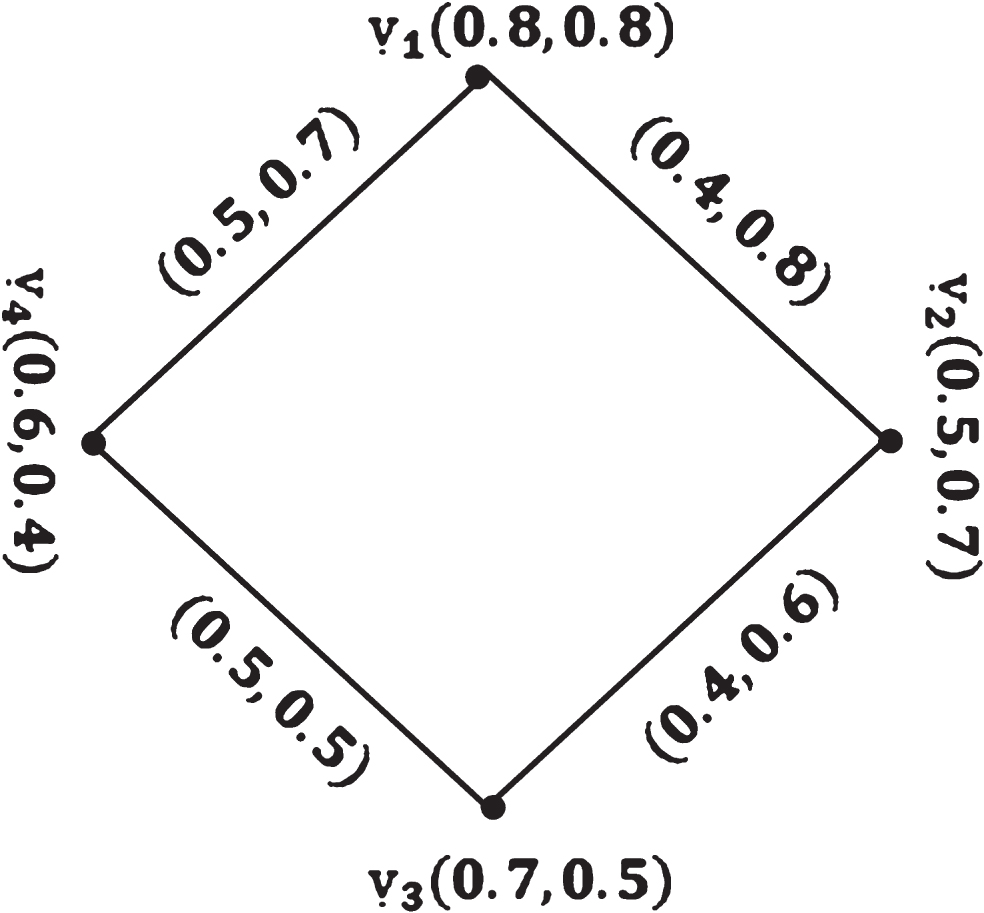
Intuitionistic fuzzy graph of nth type.
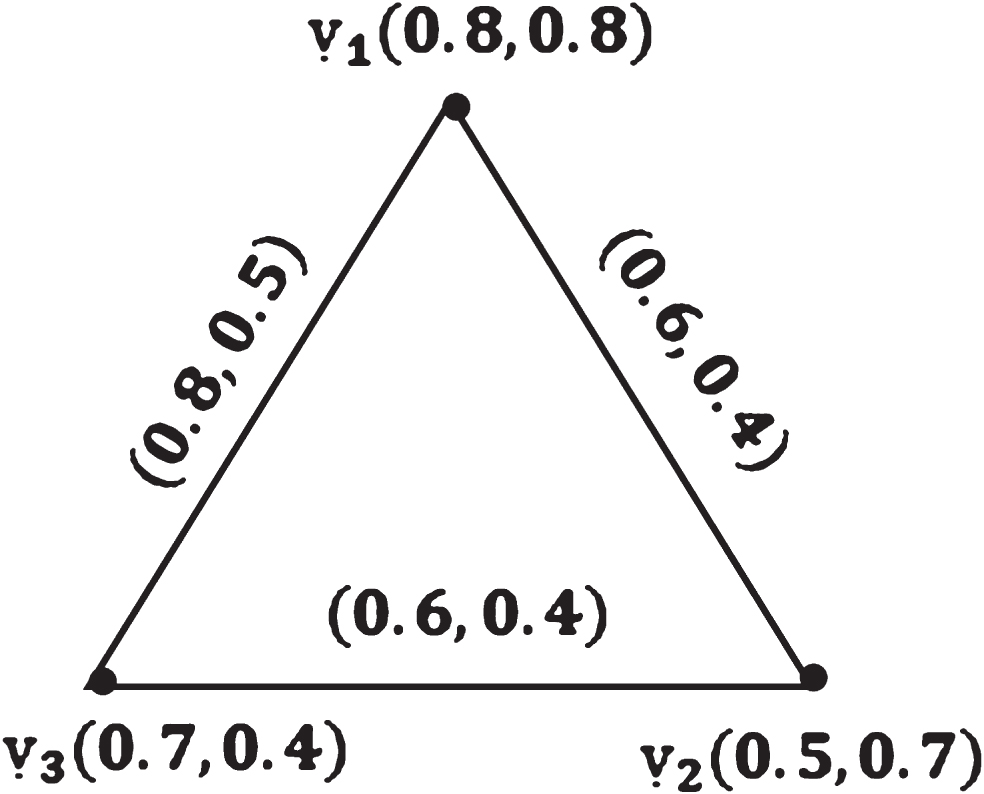
Not an intuitionistic fuzzy graph of nth type.
 , we have
  also
also  .
.
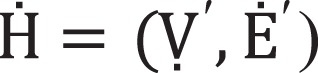 is known as intuitionistic fuzzy subgraph of n-type of
 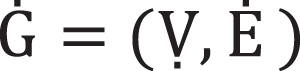 if
if  and
and  that is
  ;
; 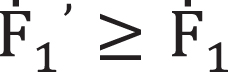 and
and  for all i, j = 1, 2, … n.
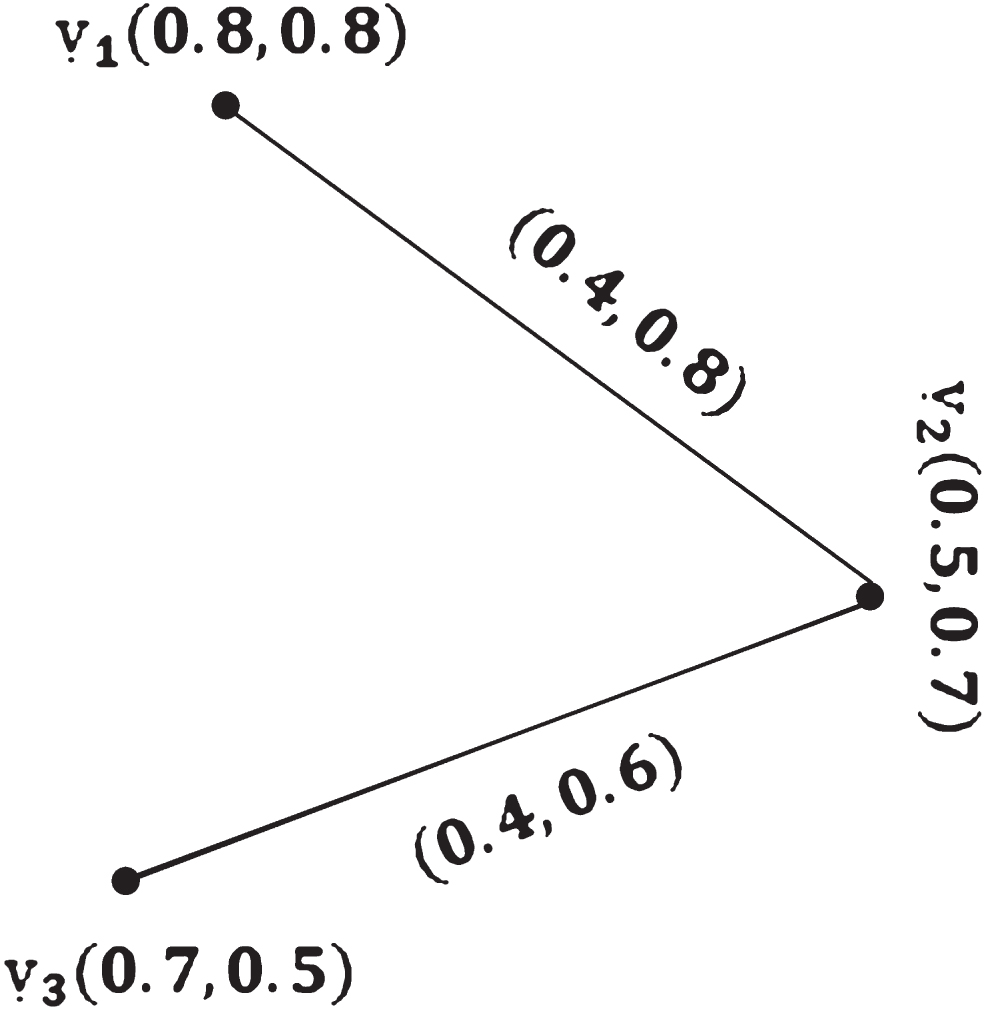
Intuitionistic fuzzy subgraph of n-type of IFGNT depicted in Fig. 6.
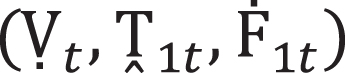 in an IFGNT
 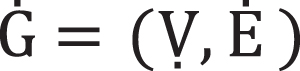 where
where  and
and  for some i . j = 1, 2, … n is a subset of
 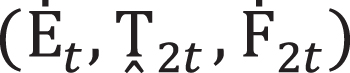 where
where  and
and  for some i . j = 1, 2, … n is a subset of
 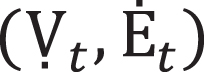 is a subgraph of
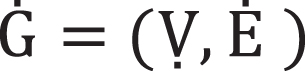 is an IFGNT. Then
  is an intuitionistic fuzzy subgraph of
 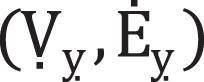 for any
  such that
  .
.
 then
then 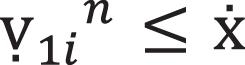 so
so  implies
 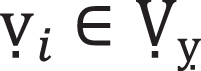 . Therefore,
 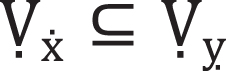 . Now, consider
 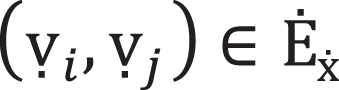 then
then 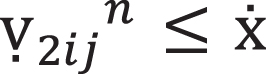 so
so 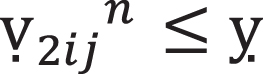 . Therefore,
  implies
 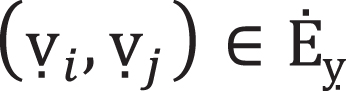 and hence
  . So,
. So,  is an intuitionistic fuzzy subgraph of
 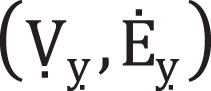 .
.
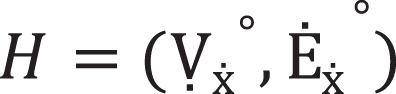 be an intuitionistic fuzzy subgraph of an IFGNT
 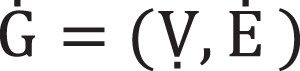 . Then for any
  is an intuitionistic fuzzy subgraph of
  .
.
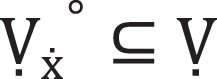 and
and  . To prove that
 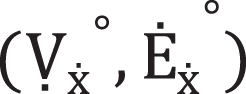 is an intuitionistic fuzzy subgraph of
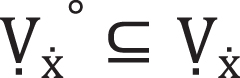
  For this we have to show that
 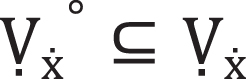 and
and  . Assume that
  implies
 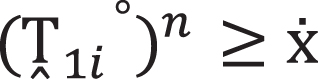 implies
 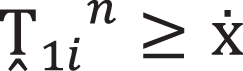 . Therefore,
  implies
  implies
  Now consider
 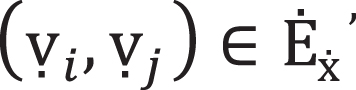 implies
 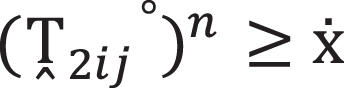 implies
 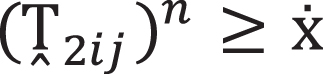 . Therefore,
  implies
 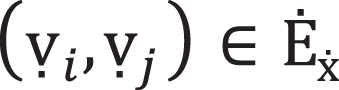 implies
  . Therefore
 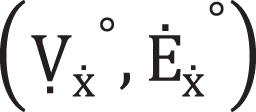 is an intuitionistic fuzzy subgraph of
  .
.
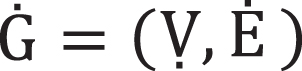 is defined as
 .
.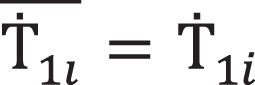 and
and  for all i = 1, 2, … n.
 and
and  for every i . j = 1, 2, … n.
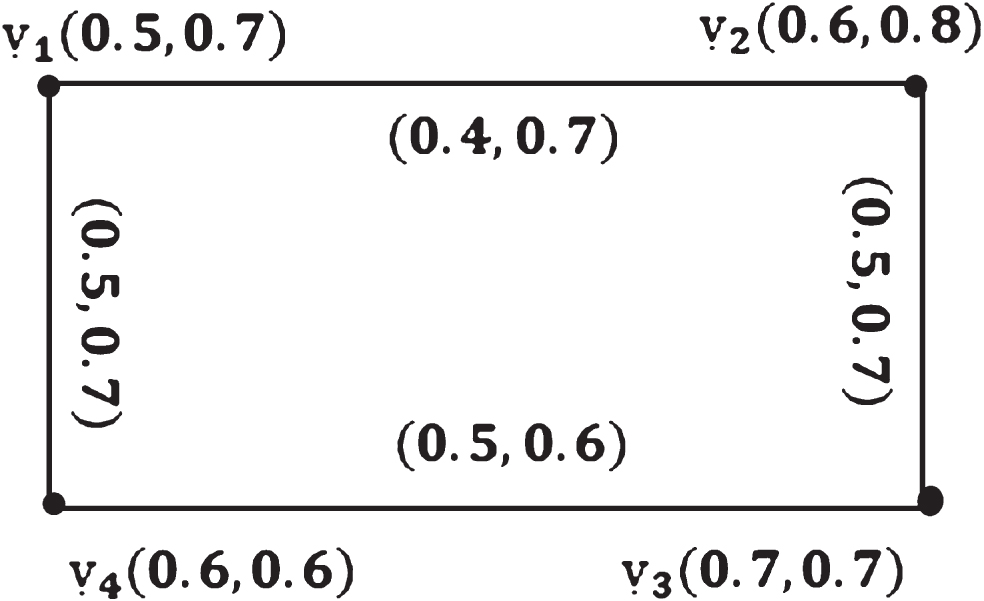
Intuitionistic fuzzy graph of nth type.
Complement of intuitionistic fuzzy graph of nth type depicted in Fig. 9.
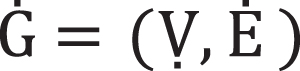 be an IFGNT. Then the degree of vertex
  is defined by
  where
where  and
and  .
.
 ,
,  .
.
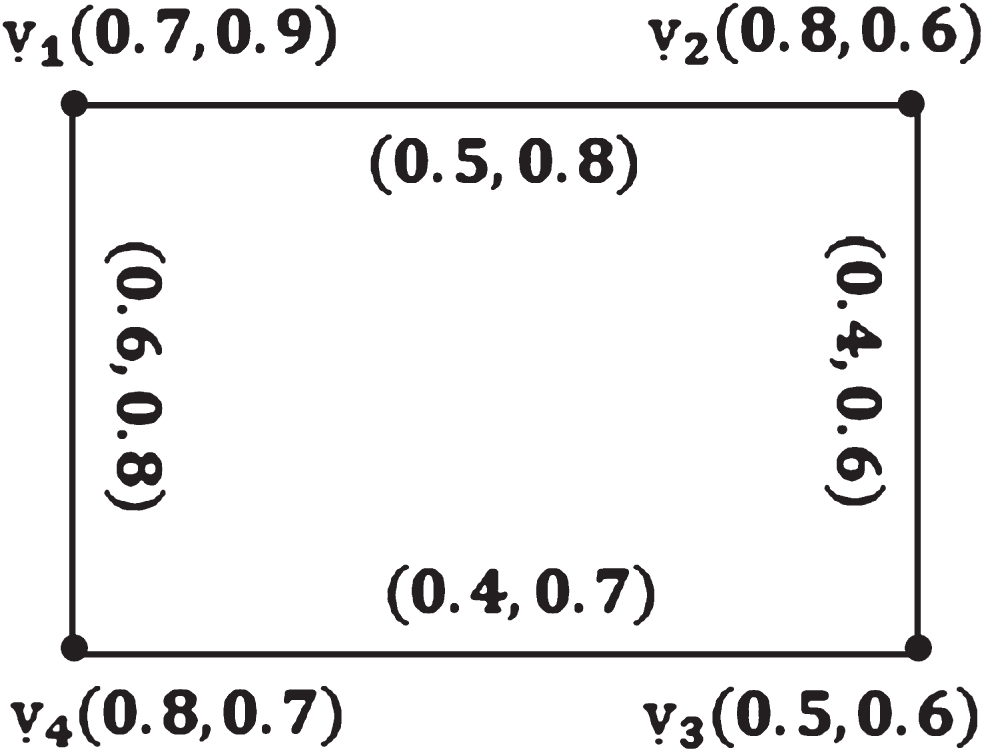
Intuitionistic fuzzy graph of nth type.
This section is based on the novel concept of CIFGNT and CIFGST. These concepts are illustrated with the help of examples. The notion of total degree and constant function are also studied and supported with examples.
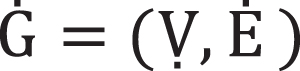 is said to be CIFGNT of degree
  or
or  if
if 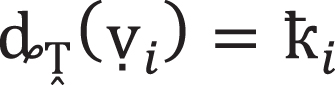 and
and 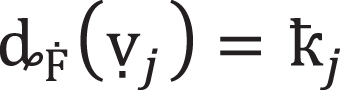 for all
  .
.
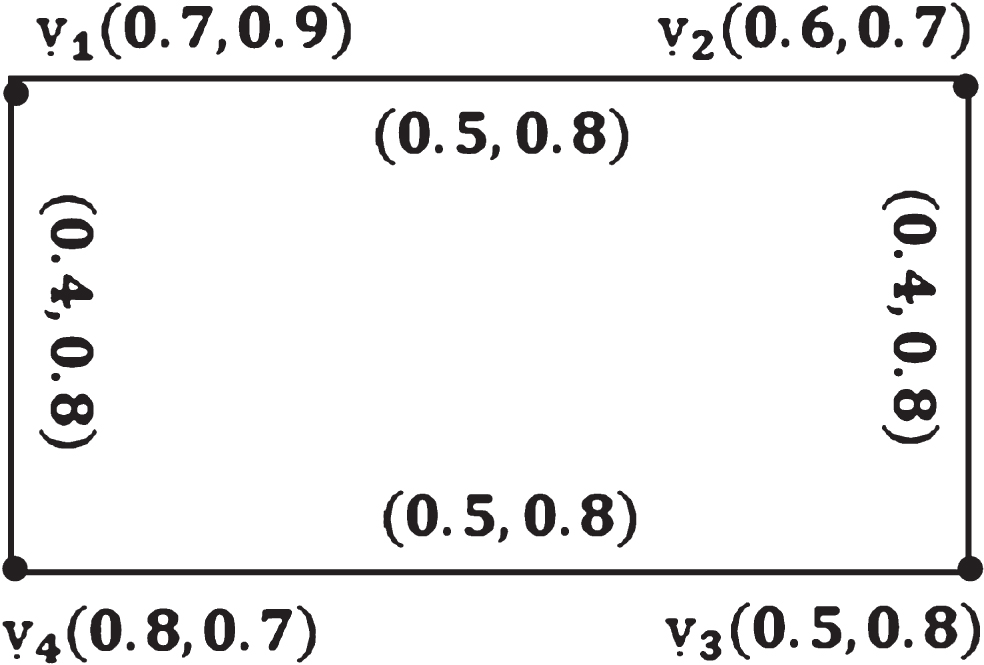
Constant Intuitionistic fuzzy graph of nth type.
 and
and  are purely IFNs of second type.
This remark is demonstrated by the following example.
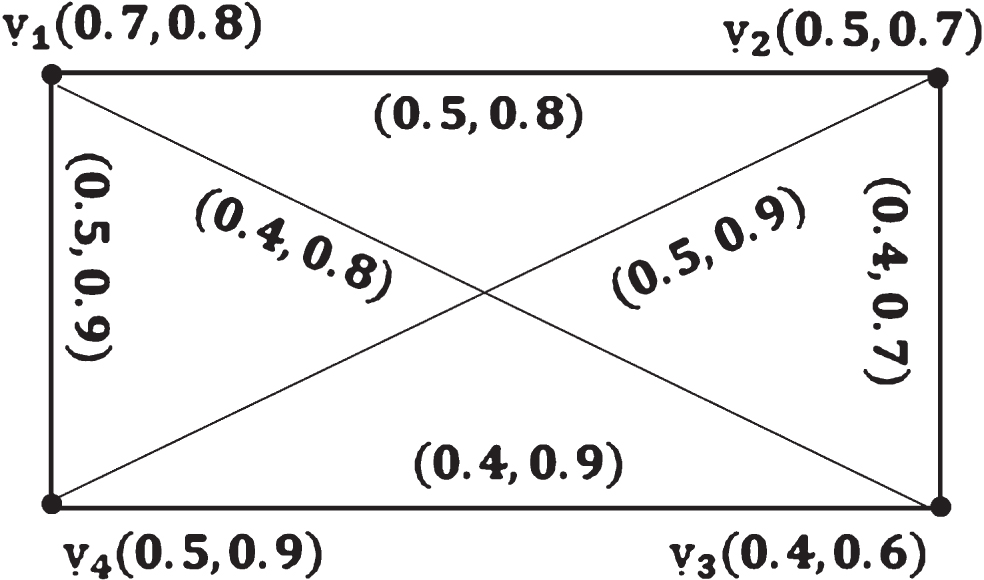
Complete IFGNT but not constant.
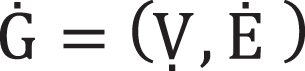 . The total degree
 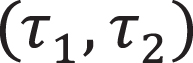 of a vertex
  is defined as:
If total degree of each vertex is same, then  is called IFGNT of total degree
 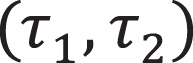 or
or 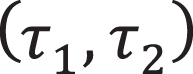 -totally CIFGNT.
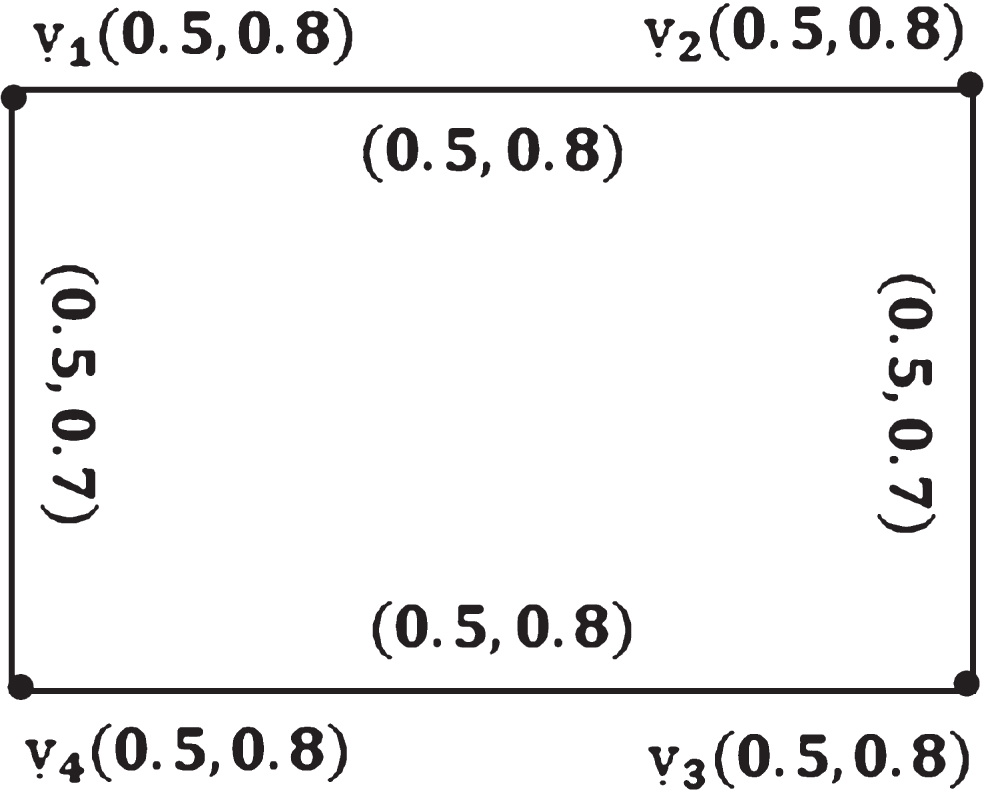
Intuitionistic fuzzy graph of nth type.
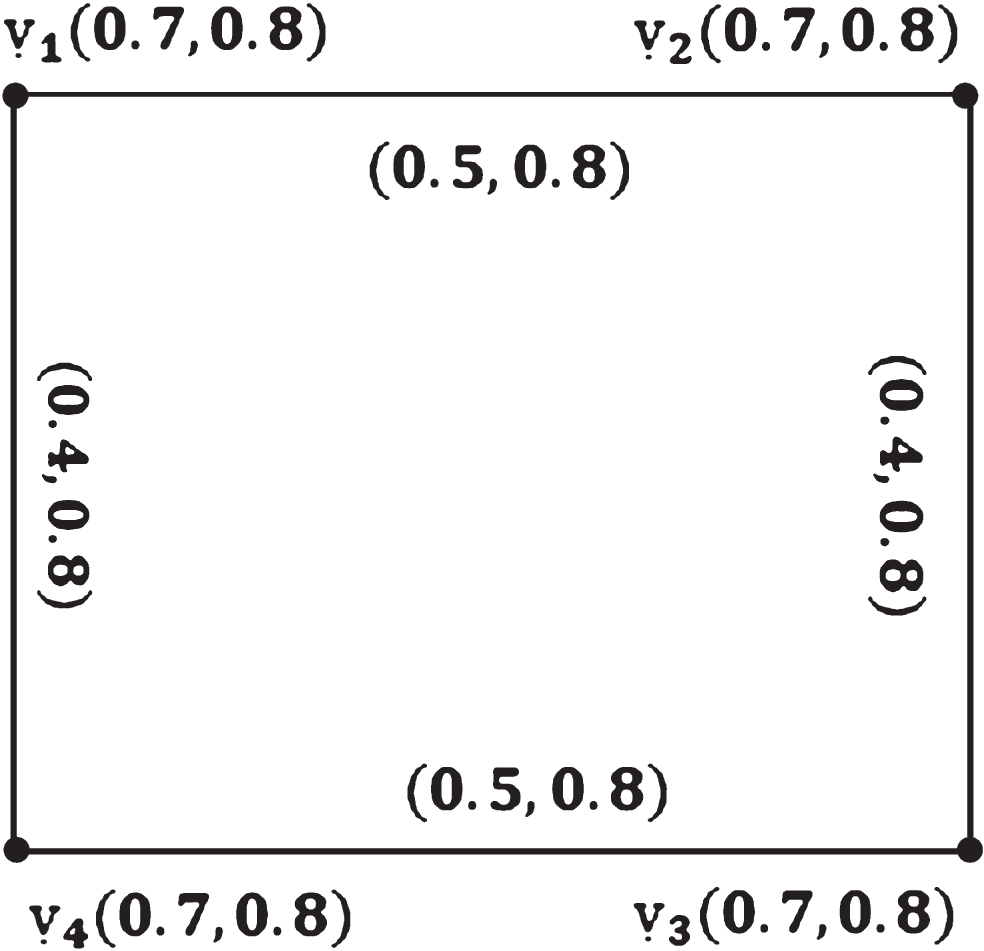
Intuitionistic fuzzy graph of nth Type.
 be an IFGNT. Then
 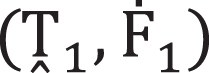 is a constant function iff the following are equivalent.
 is CIFGNT.
 is totally CIFGNT.
 is a constant function. Consider
 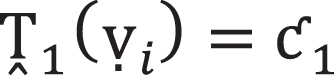 and
and 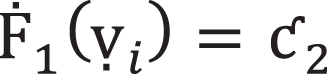 for all
  where
where  and
and  are constants. Suppose that
  is a
is a  . Then
 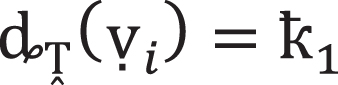 and
and 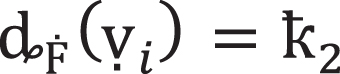 for all
  . So,
. So,  ,
,  ,
,  for all
  . Therefore
Now to prove (2) ⇒ (1). Suppose  is totally CIFGNT to prove
  is CIFGNT. As
  is totally CIFGNT then
 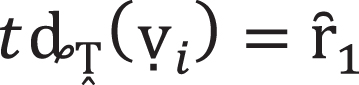 ,
, 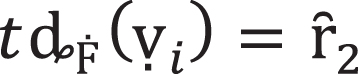 for all
  .
.  ,
,  ,
,  . Likewise
  ,
,  . Therefor (1) and (2) are equivalent.
Conversely, suppose that (1) and (2) are equivalent i.e.  is CIFGNT iff
  is totally CIFGNT. Assume that
  is not a constant function. Then
  ,
,  for at least
  . Let
. Let  is totally CIFGNT. Then
  ,
,  . So,
. So,  and
and  . Likewise
  and
and  . Therefore,
  ,
,  . We have
  ,
,  . So,
. So,  is not totally CIFGNT which is contradiction to our supposition. Now, consider
  is totally CIFGNT. Then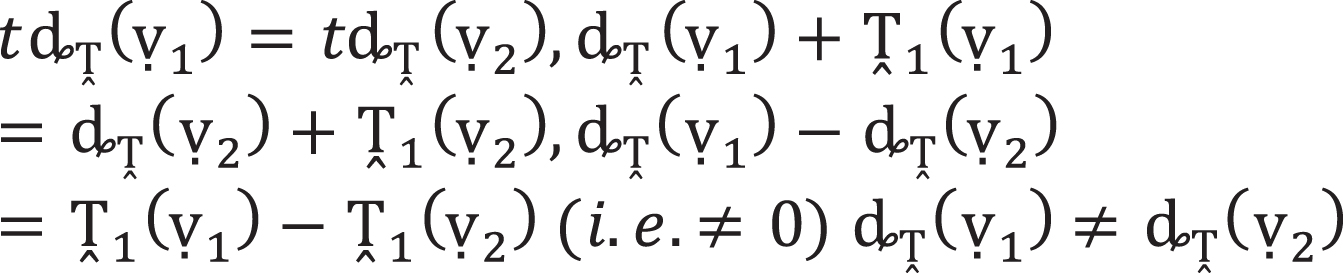
Likewise,  . So,
. So,  is not constant which contradiction to our supposition. Therefore
  is a constant function.
 is constant and totally constant. Then
  is constant function.
 is
is 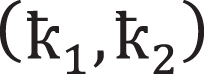 -constant and
 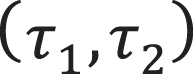 -totally CIFGNT. Then by definitions
 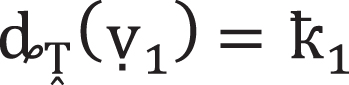 and
and 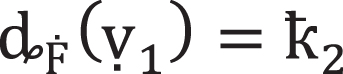 for
for  and
and 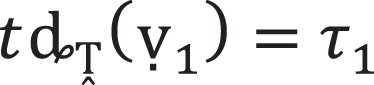 ,
, 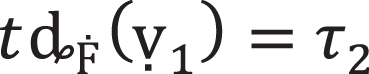 for
for  ,
,  for all
  .
.  implies that
  , for all
  . Hence
 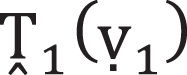 is constant function. Similarly,
  , for all
  .
.
 is constant function, but neither CIFGNT nor totally CIFGNT.
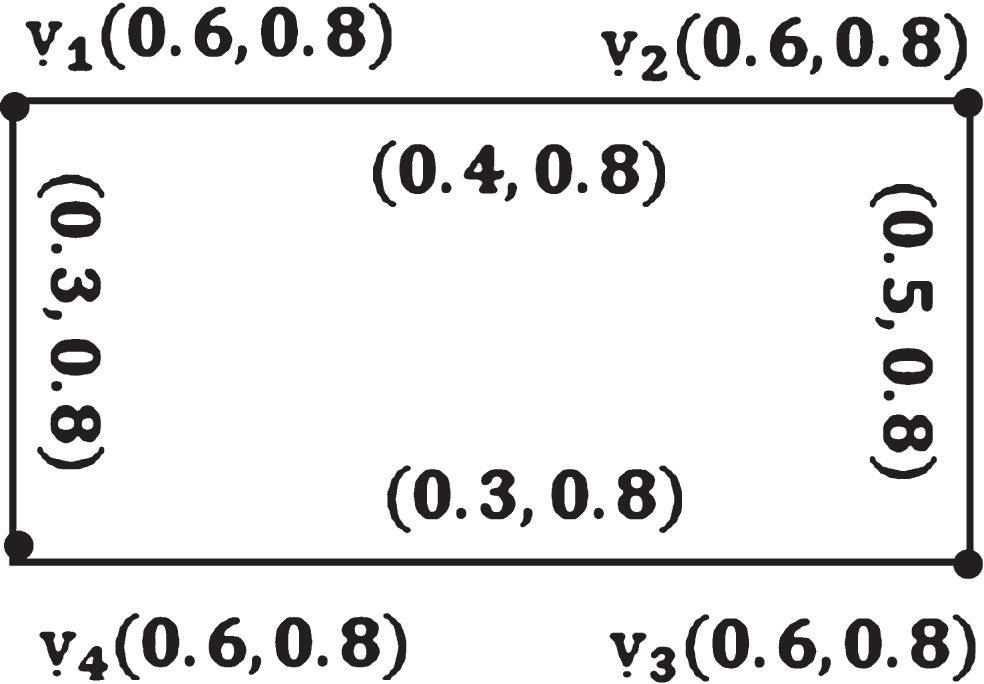
Intuitionistic fuzzy graph of nth Type.
It is discussed that the framework of IFGNT is diverse in nature than that of IFS and IFSST. It allows the membership and non-membership values to be chosen from anywhere in the interval [0,1] regardless of any condition. So, this type of structure can be applied to many real-life problems with no limitations.
We discussed the application of IFGNT in social networks where the relationship between different countries based on different matters has been studied. We used IFGNT to determine the level of relationship. For this purpose, we consider different matters that are important in the relationship of different countries with each other. These includes culture, area, religion, behavior of peoples, budget for defense expenditure, visa policy, trade, political, border management and media.
Consider Fig. (17) where a list of countries is taken into account and their relations are studied keeping in mind the above discussed matters in the environment of IFGNT. The countries are India, Saudi-Arab, Iran, Pakistan, and China. The following graph gives us a brief information about the relationship of these countries with each other.
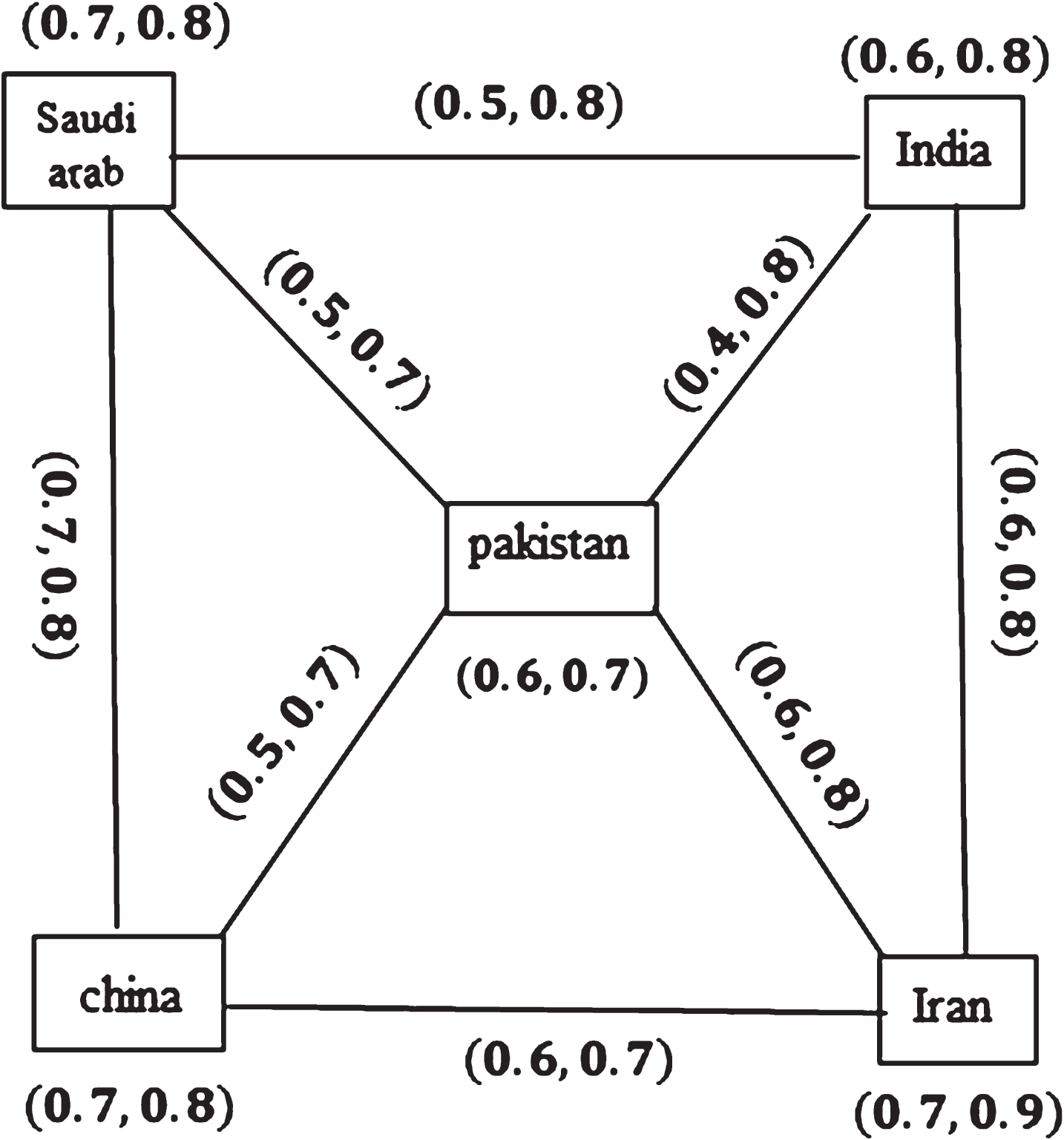
Social Network of different countries de-scribing their relations.
The edge between two countries represent their relation. We list the edge values of each pair of countries in Table (1). These edges are in the form of IFNNT having a membership and non-membership grade which mean that if the membership degree is greater compared to the non-membership degree then the relationship is considered as strong otherwise weak. The degree of each vertex will give us the strength of relationship of a country with all other countries.
Relation of every pair of countries in the form of IFNNT
Now the degree of relation of each country is calculated based on Definition (11). The high degree of membership shows the good relation of it with other countries and vice versa. The degree of relation of each country is listed in Table (2).
Degree of relation of each country de-termined from Fig. (17)
For simplicity, the strength of each vertex is measured by using the effective degree which is defined as the difference of membership degree and non-membership degree. The effective degree of each vertex is calculated in Table 3.
Effective degree of relation of each country
From the calculation in Table (3) it is clear that on different matters, china has better relationship with other countries. The effective degree of Saudi-Arab and Iran shows that their relationship is not as much stronger compared to china but better than Pakistan and India.
The proposed framework IFGNT generalizes both IFG and IFGST. The main advantage of proposed framework is that the space of IFGNT is much larger than that of IFS and IFSST and is free of any barriers i.e. it allows the decision makers to assign membership and non-membership values from anywhere in the interval [0, 1]. All the works done so far in IFG and IFGST can be done in the proposed structure of IFGNT. On the other hand, the work information in the form of IFNNT could not be processed using the notions of IFSs or IFSSTs because of their limited structures. For example, if we look at Fig. (16) of social networks, all the information is in the form of IFNNT, hence IFGs and IFGST are failed to describe it.
Conclusion
In this article, the theory of IFGNT, CIFGST and CIFGNT have been proposed. Some basic graph theoretic concepts are defined for IFGNT and their properties are investigated. The structure of IFS, IFSST and IFSNT are compared and it is proved that IFSNT generalizes IFS and IFSST which also prove the generalization of IFGNT over IFG and IFGST. A real-life application of proposed IFGNT is discussed showing is worth. In future some further contribution to this theory could be made such as the concepts of cycles, tree could be defined in this frame work. The minimum spinning tree problems could be discussed along with some other real-life problems. Further this study could be extended to the directions of soft set theory and rough set theory to deal with some MADM problems as demonstrated in [23 , 43–47].
Compliance with Ethical Standards
Conflict of interest
We declare that there are no conflicts of interest regarding the publication of this paper.
Footnotes
Acknowledgments
The authors are highly thankful to the honorable editor and reviewers for their valuable suggestions.