






Abstract
Arctium lappa (A. lappa) is one of the most significant edible medicinal plants with high antibacterial effects, in which it could be supposed to grow with more beneficial effects under administration by salicylic acid and chitosan based biofertilizers. Accordingly, the effects of salicylic acid, chitosan, and 50% moisture discharge were investigated in this work to see the antimicrobial treatments of some foodborne pathogens effects by A. lappa. To this aim, plants were cultivated based on different concentrations of salicylic acid and chitosan with/without drought stress, in which their extracted essential oils were examined for showing the antimicrobial effect against different bacterial agents. The results indicated that the salicylic acid and chitosan administrated A. lappa could work with improved inhibitory functions. Comparing with referenced antibiotics showed even higher antimicrobial effects of A. lappa against the targeted bacterial agents, in which the species with 14 mmol of salicylic acid and 2 g/l of chitosan was a distinguished one for approaching the purpose. Consequently, the achievements of this work could be further investigated for producing novel antibiotic drug agents.
Introduction
Antibiotic medications are crucial for killing the bacteria of diseases with a major contribution to maintain human health systems [1–3]. However, the bacteria are resistant to commonly used antibiotics in some cases and the medication process of killing bacteria or controlling them could not be done [4–6]. Unfortunately, most of infectious bacteria could become resistant to at least some types of antibiotics and the problems to human health systems will appear in such case [7–9]. Monitoring the medical documents showed that the most significant bacteria with the antibiotic resistance are Escherichia coli (E. coli), Klebsiella pneumonia (K. pneumonia), Salmonella typhimurium (S. typhimurium), Shigella dysenteriae (S. dysenteriae) and Pseudomonas aeruginosa (P. aeruginosa) with certain activates in the infectious diseases and food poisonings [10–12]. Accordingly, considerable efforts have been dedicated to this time to develop more efficient antibiotics for working against such resistant bacteria preventing their growing and destructive functions to the human health systems [13–15]. To approach such important purpose, natural herbs and medicinal plants have been seen as potential resources of generating new antimicrobial agents [16–18]. Indeed, the field of drug design and development is an always active process of innovating novel medicinal substances against the novel or already known diseases with higher interests on natural products developments [19–21]. Among the medicinal herbs, Arctium lappa (A. lappa), generally known as burdock, has been seen as a healthy and nutritive food all around the world with a long therapeutic history especially in Europe, North America, and Asia [22–25]. The roots, seeds, and leaves of A. lappa have been vastly investigated in view of its popular uses in traditional medicine [26–28]. As shown in Fig. 1, several bioactive components are existed in A. lappa such as daucosterol, arctigenin, arctiin, matairesinol, lappaol F, flavonoids, dietary fibers, vitamins, minerals and some other species [29–31]. Conventionally, A. lappa has been used for treatment and prevention of many types of diseases, in which its essential oil showed significant impacts on gastric, hepatic, and lipid lowering issues besides showing antioxidant, antimicrobial, anti-inflammatory, anti-diabetic, and anti-cancer effects [32–34]. Therefore, evidences are enough for showing the importance of exploring and developing new therapeutic functions for A. lappa in agreement with several other investigating research works on developments of natural products based food and drugs [35–37].
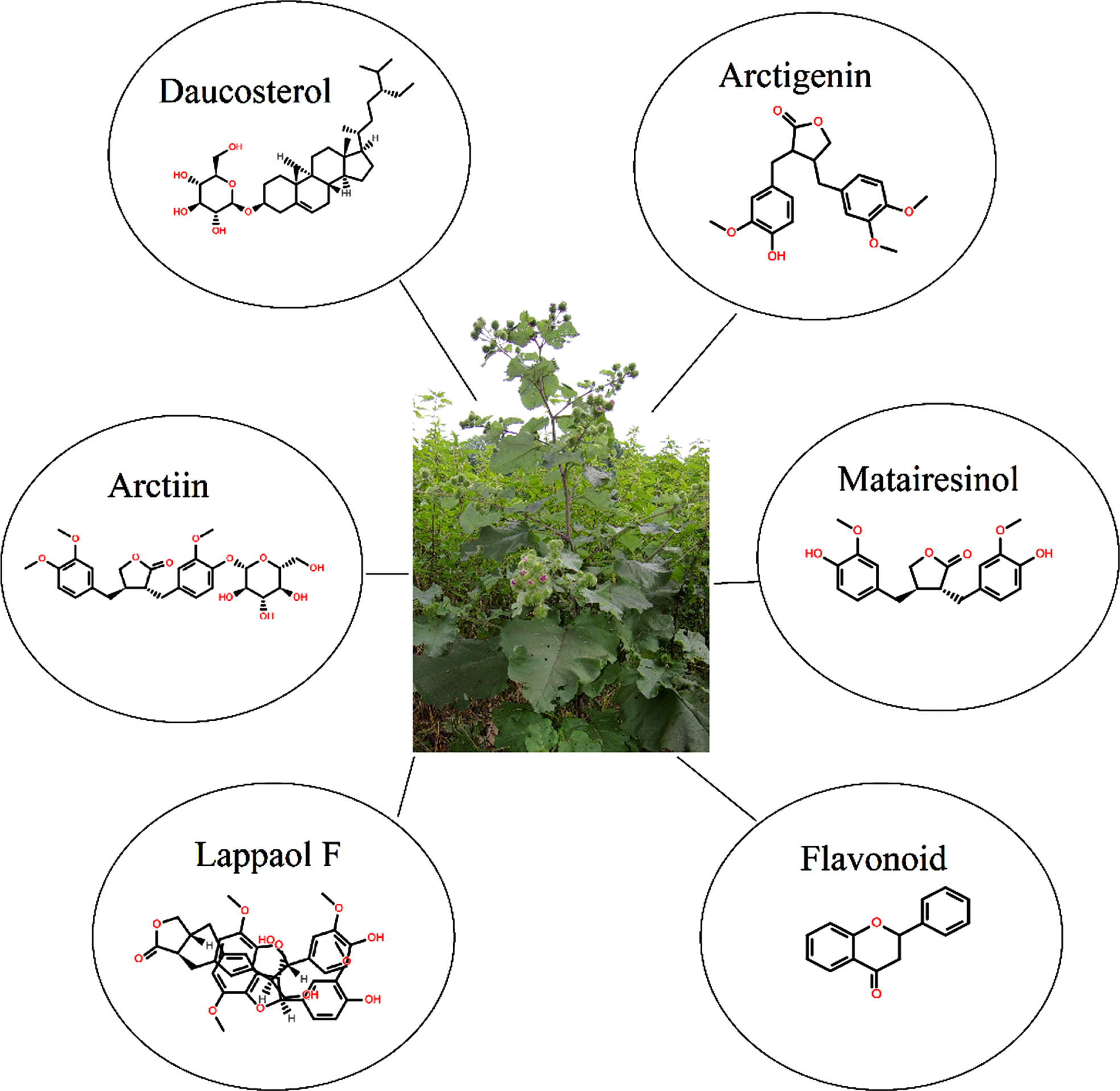
Some of representative bioactive chemical components of A. lappa [29].
Earlier works indicated the impacts of environmental cultivation conditions on growing the biological effects of natural medicinal plants, in which some nutritional fertilizer ingredients and irrigation based methods on the drought stress could somehow increase their biological activities [38–40]. Hence, it is important to learn the optimized cultivation conditions for producing more efficient natural medicinal species with higher biological activities against diseases [41–43]. To this aim, antimicrobial effects of A. lappa were investigated in this work under cultivation administration by salicylic acid and chitosan based biofertilizers and 50% moisture discharge. By growing up the herbs in such specified conditions, their activity against each of E. coli, K. pneumonia. P. aeruginosa, S. dysenteriae and S. typhimurium bacteria were investigated under in vitro media. Details of performing the work and achievements were all summarized in Tables 1–4 and Figs. 1–6. Indeed, the main goal of this work was to investigate the enhanced antimicrobial activity of A. lappa against those known antibiotic resistant bacteria by providing various cultivation conditions and examining the corresponding biological activities as would be discussed by following parts of this work.
Climate characters of the Shahrekord city
Physicochemical properties of soil of the farms used for growth of studied medicinal plants.
Mean comparisons of the zone of the growth inhibition of tested bacteria against different treatments of A. lappa essential oil
Comparison of the Minimum Inhibitory Concentration (MIC) of different treatments of A. lappa essential oil against tested bacteria
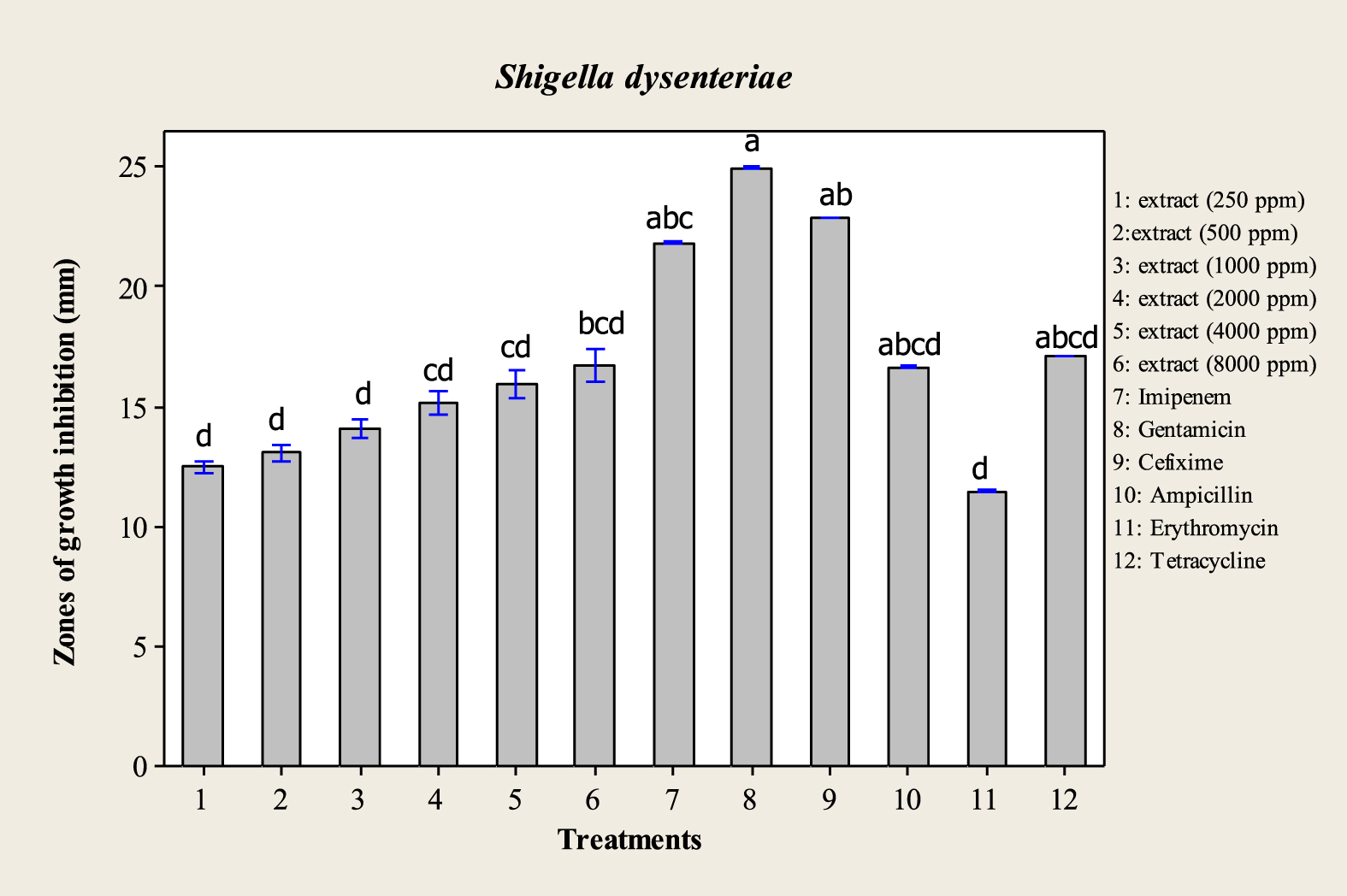
Comparison of the zone of the growth inhibition of S. dysenteriae strains affected with different concentrations of A. lappa essential oils treated with salicylic acid (7 mmol) and conventional irrigation and also tested antibiotic agents.
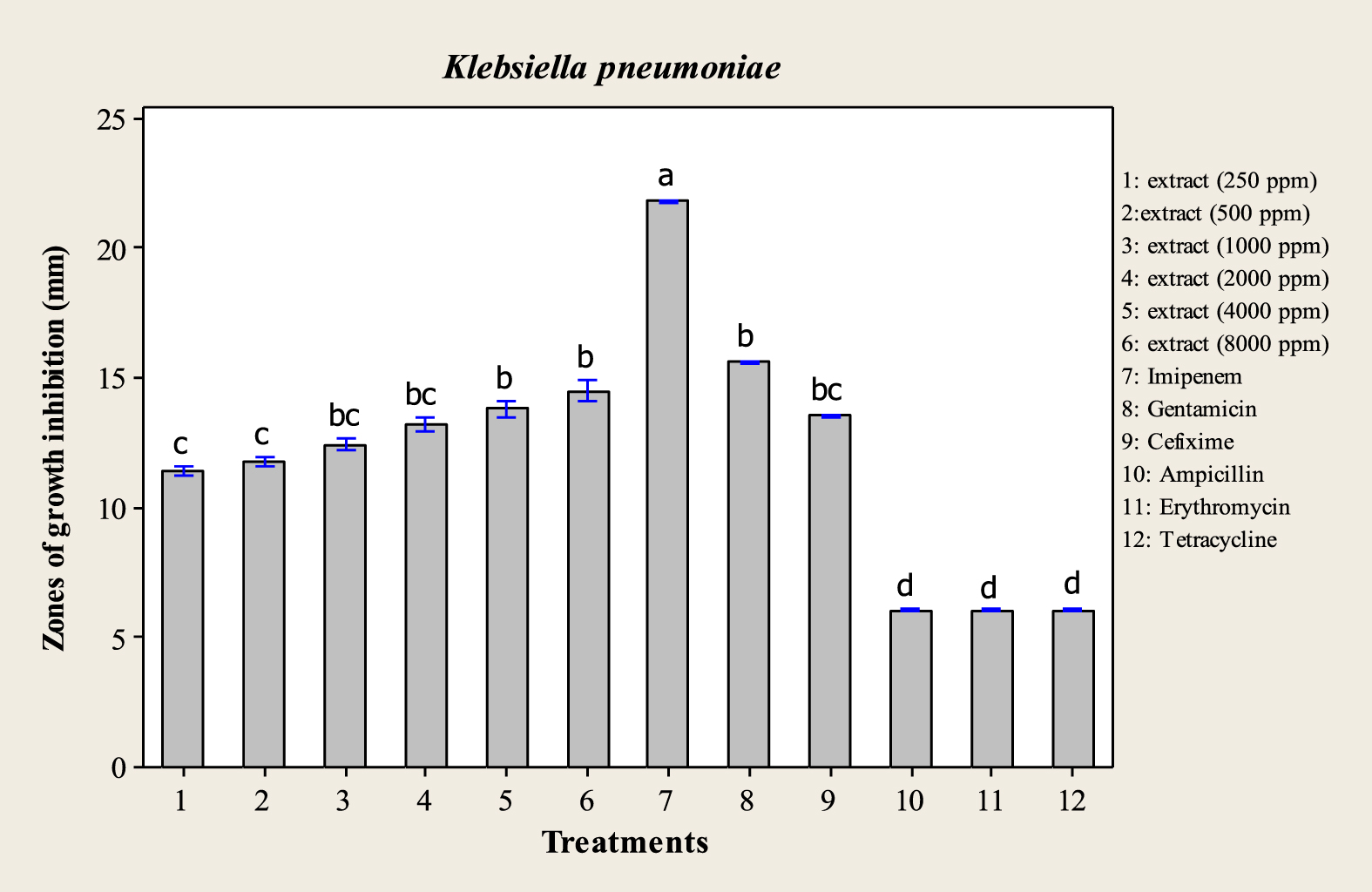
Comparison of the zone of the growth inhibition of K. pneumonia strains affected with different concentrations of A. lappa essential oils treated with salicylic acid (14 mmol) and chitosan (2 g/l) and also conventional irrigation and also tested antibiotic agents.
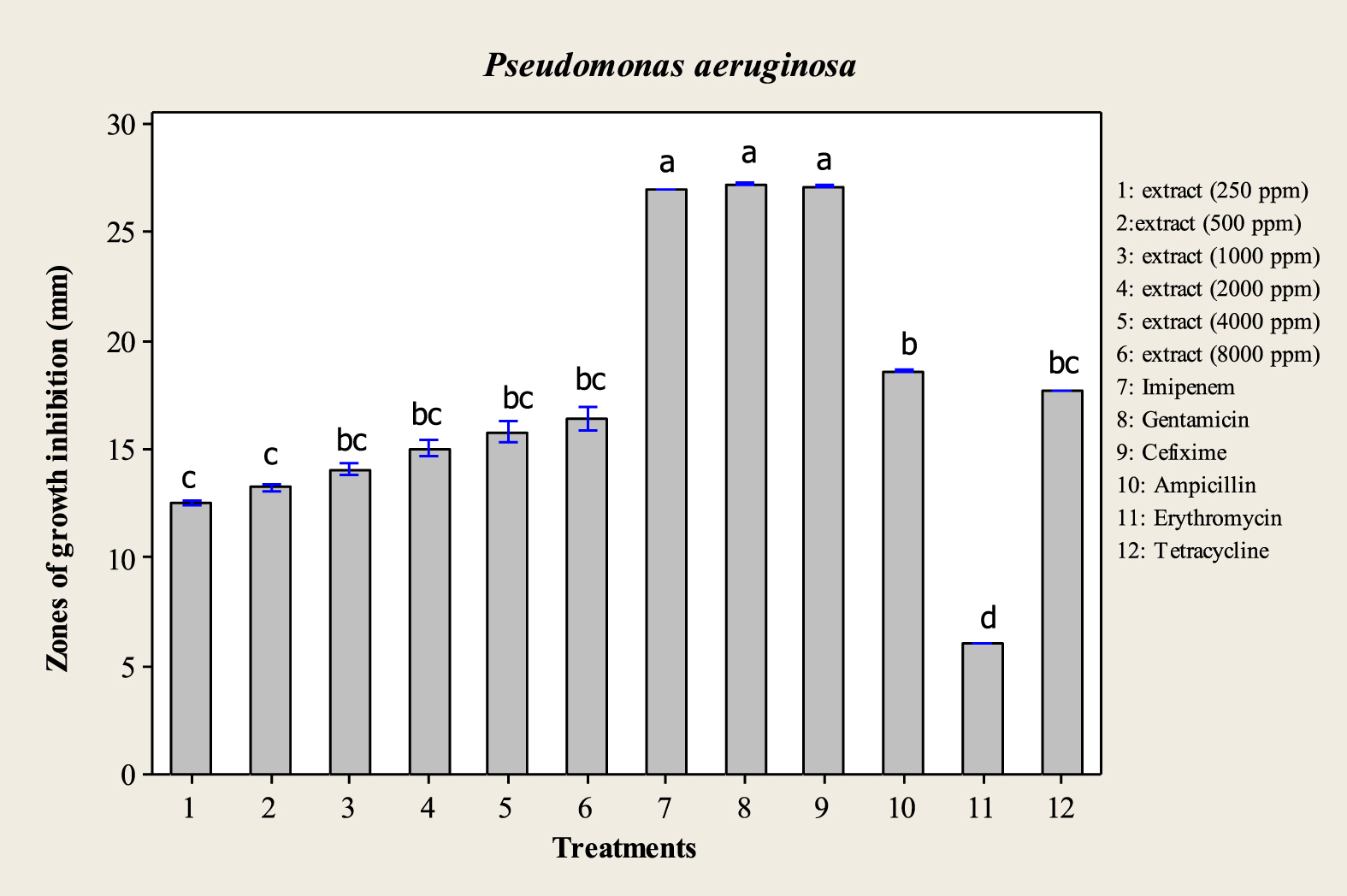
Comparison of the zone of the growth inhibition of B. cereus strains affected with different concentrations of A. lappa essential oils treated with salicylic acid (14 mmol) and chitosan (2 g/l) and also conventional irrigation and also tested antibiotic agents.
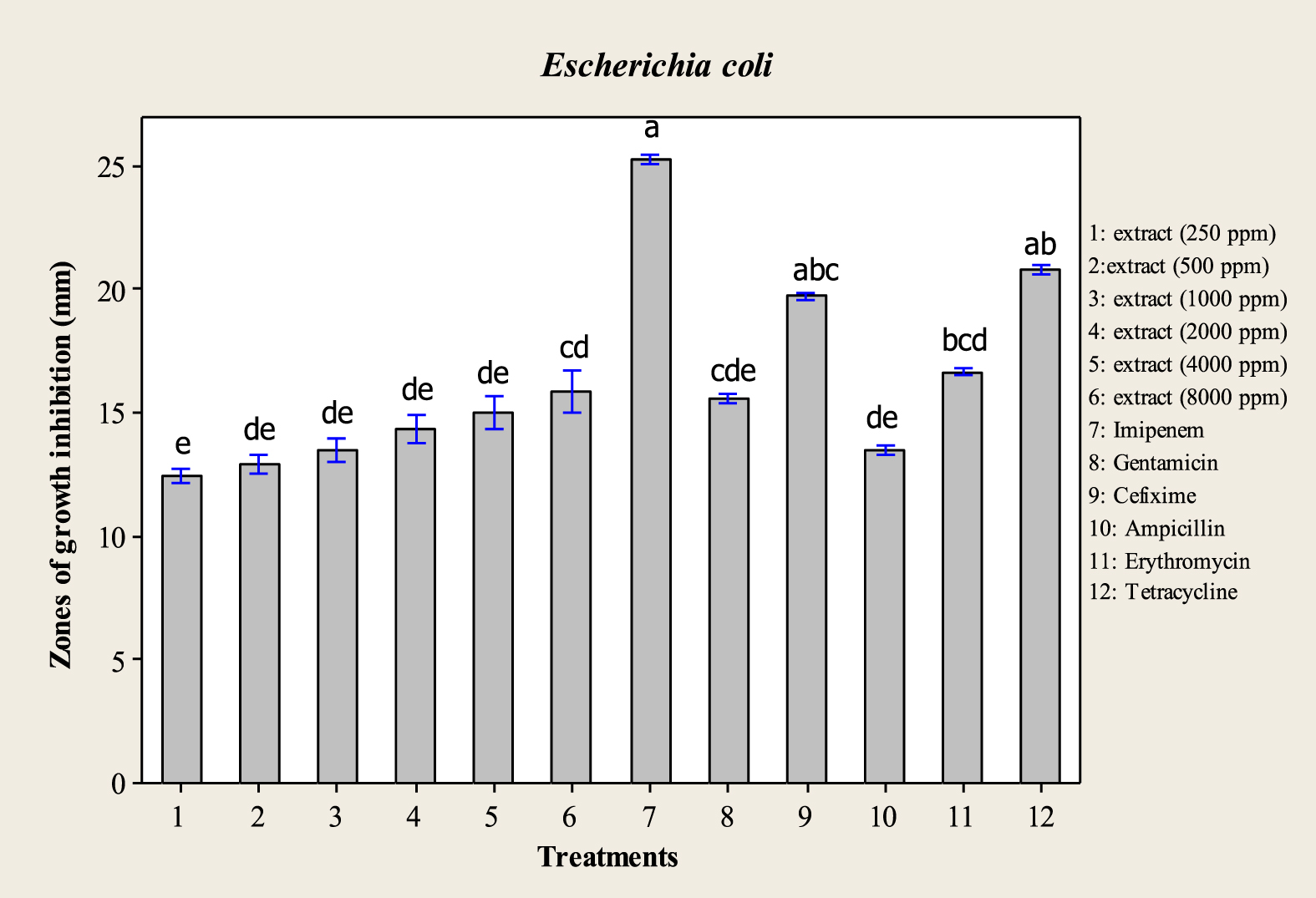
Comparison of the zone of the growth inhibition of E. coli strains affected with different concentrations of A. lappa essential oils treated with salicylic acid (7 mmol) and conventional irrigation and also tested antibiotic agents.
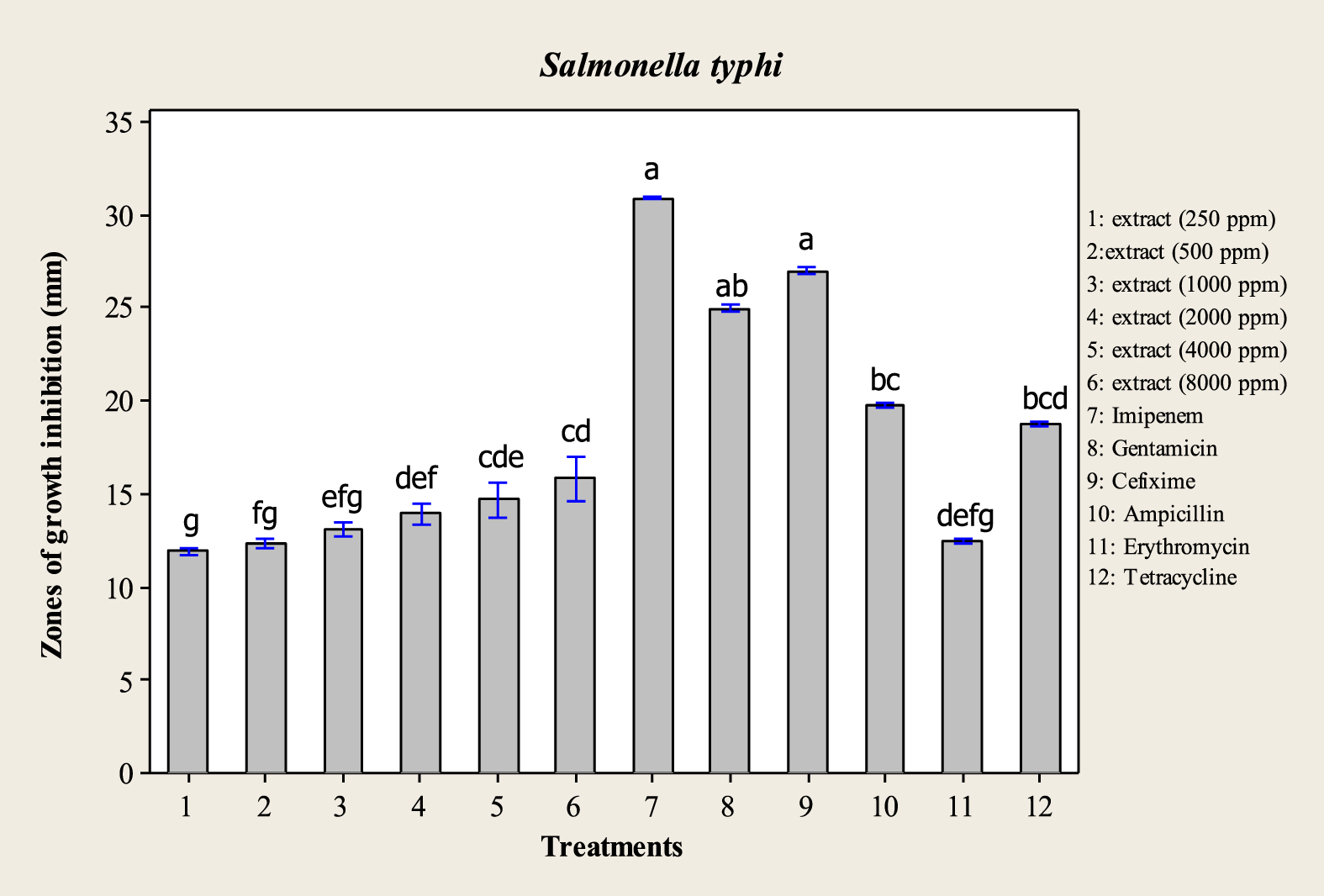
Comparison of the zone of the growth inhibition of S. typhimurium strains affected with different concentrations of A. lappa essential oils treated with chitosan (2 g/l) and conventional irrigation and also tested antibiotic agents.
Ethical considerations
The study was approved by the Ethical Council of Research of the Faculty of Agriculture, Shahrekord Branch, Islamic Azad University, Shahrekord, Iran (Consent Reference Number: 940115284). Verification of this research project and the licenses related to sampling processes were approved by Prof. Farshid Kheiri and Prof. Mehrdad Ataie Kachouie (Approval Reference Number: Agric 2016/38).
Study area
The root parts of A. lappa were collected from the research farm of Shahrekord Branch of Islamic Azad University in Shahrekord city of Iran (longitudes 50°51′ and 32°20′ with the height of 2061 m above the sea). The coldest and warmest months of the year were January–February and July–August. 57 days of year were raining with the annual precipitation about 340 to 560 mm, mostly from November to late March. The climate features were summarized in Table 1. Physicochemical properties of the farming soil (Table 2) were analyzed based on the methodology of an earlier work [44].
Plant materials and growth conditions
Potted planting of A. lappa was done on May of 2017, in which those flowers pots with similar dimensions (20 cm height and 25 cm span diameter) were used for this study. All flowers were planting on pots in the greenhouse and the pots were subsequently transferred to outside in order to adapt to the environmental conditions. Plants were grown with different treatments of fertilizers and irrigation. The control groups were only planting on the normal farming soil. Different levels of salicylic acid and chitosan were added in the same time with performance of drought stress. 0, 1 and 2 g/l of chitosan and 0, 7 and 14 mmol of salicylic acid were added in different conditions by spraying on the leaves surfaces of A. lappa (in two separate steps with 20-day intervals). Daily irrigation of pots was done initially following by every day and three days with intervals. Drought stress was also applied on two levels including conventional irrigation and 50% moisture discharge. Collected plants were identified by the local experts and the samples were collected in the sterile polyethylene bags.
Essential oil extraction
The fresh root parts of A. lappa were dried under shade and they were ground to powder using a mechanical grinder (10–20 mesh). Approximately, 50 g of the powder were mixed with ethanol 70% (Merck, Germany) by which covered the powders. The contents were shaken at 100 rpm for 24 h and they were stored at a dark place for 48 h. The extracts were filtered, followed by removal of the solvent in a rotary vacuum evaporator (N-21NS, EYELA, Tokyo, Japan). Concentrations of essential oil (250, 500, 1000, 2000, 4000 and 8000 mg/l) were prepared using the ethanol 70% solvent (Merck, Frankfurt, Germany). Extracts were subsequently freeze-dried and stored at –20°C until testing time.
Microorganisms
Both Gram-positive and Gram-negative bacteria were used in the antimicrobial susceptibility tests. Resistant patterns of E. coli (ATCC 8739), K. pneumonia (ATCC 4352), S. typhimurium (ATCC 14028), S. dysenteriae (ATCC 11835), and P. aeruginosa (ATCC 9027) strains were purchased from the Faculty of Veterinary Medicine of University of Tehran in Iran. All purchased bacteria were re-identified by employing the PCR method [45, 46].
Disk diffusion method
Bacterial inoculates were grown on Brain Heart Infusion (BHI, Merck, Frankfurt, Germany) agar at 37 °C for 24 h; Colonies were added in sterile 0.9% saline and adjusted to 0.5 McFarland, which is equivalent to 108 colony-forming units per ml (108 CFU/ml). Antimicrobial effects of A. lappa essential oil were tested using the simple disk diffusion method [47]. The bacterial suspension was adjusted to a density of bacterial cells of 1.0×10⁸ UFC/ml (or 0.5 McFarland turbidity units). Sterile paper discs (9 mm in diameter and 250 g/m2) were impregnated with 25μl of pure essential oil, and placed on plates inoculated with 108 suspensions of each culture then incubated at 37 °C for 18–24 h. The diameter of inhibition zones, including the disc diameter, was measured in mm, and inhibition was scored according to the method of Carovic-Stanko et al. (2010) [48]. Antimicrobial susceptibility of bacterial strains was also studied against certain antibiotic disks. For this purpose, the zone dimeter of inhibition for each treatments of essential oil were analyzed. Then, the diameter of the inhibition zones of those with the highest antimicrobial activities (the highest diameter of the inhibition zone) were compared with different antibiotic agents. For this purpose, ampicillin (10μg/disk), gentamicin (10μg/disk), cefexime (5μg/disk), imipenem (10μg/disk), erythromycin (5μg/disk) and tetracycline (30μg/disk) antibiotic disks were used (Oxoid, Wade Road Basingstoke Hampshire RG24 8PW, United Kingdom). Analyses were done according to the method of the Clinical Laboratory Standard Institute (CLSI, 950 West Valley Road, Suite 2500 Wayne, PA 19087 USA) [47]. The results were summarized in Table 3.
Minimum Inhibitory Concentrations (MIC) and Minimum Bacterial Concentration (MBC)
The minimum inhibitory concentrations (MICs) were determined using 96-well microtitre plates. Wells of 1 to 6 were considered for different concentrations of A. lappa essential oil (250–8,000 mg/ml). Row number 7 contained the Mullet Hinton Broth media (100μl) (MHB, Merck, Frankfurt, Germany) and microbial suspension (100μl) as positive control. Row number 8 contained the Mullet Hinton Broth media (200μl) (MHB, Merck, Frankfurt, Germany) as negative control. Totally, 100μl of related concentrations of each well were added into the wells of 1 to 6. In all wells (except row number 8), 100μl of bacterial suspensions with turbidity equal to 1.5×10⁷ bacteria/ml were added. Immediately after completion, the optical absorbance of the microplate wells was read using the microplate reader device (Model 680, Bio-Rad Laboratories Inc., Berkeley, CA, USA) at 630 nm. Then, the microplate was incubated for 24 h at 37°C and its optical absorbance was read another time using the ELISA reader device. The MIC values were determined by comparing the optical absorption of each well before and after incubation period and also the ocular examination of opacity. Therefore, the lowest dilution of test substance without any opacity (in the wells of that concentration) was considered as MIC [49]. The results were summarized in Table 4.
Statistical analysis
Data were analyzed using the MiniTab 16 software (Minitab Inc, State College, Pennsylvania, USA) as a split plot with the main plot of the irrigation and subsidiary plot of salicylic acid and chitosan factorial in a basis of completely randomized plan [50]. Data recovered from the antimicrobial resistance were analyzed in a basis of completely randomized plan. Pearson correlation test and also comparison of average amount of data were done with LSD test of 1% and 5% of probability level. The results were exhibited in Figs. 2–5.
Results and Discussion
The mean comparisons of growth inhibition zones of tested bacteria against different treatments of A. lappa essential oil are represented in Table 3. We found that using salicylic acid, chitosan, and also drought stress as 50% moisture discharge could lead to appearance of significant changes in the mean diameter of growth inhibition zone of tested bacteria (P < 0.05). The highest diameters of inhibition zones of K. pneumonia, P. aeruginosa, E, coli, S. dysenteriae, and S. typhimurium were found for A. lappa essential oil treated with salicylic acid (14 mmol) + conventional irrigation (15.43 mm) and chitosan (2 g/l) + conventional irrigation (14.86 mm), salicylic acid (14 mmol) + conventional irrigation (18.06 mm) and chitosan (2 g/l) + conventional irrigation (17.73 mm), salicylic acid (14 mmol) + conventional irrigation (18.06 mm) and chitosan (2 g/l) + conventional irrigation (16.34 mm), salicylic acid (14 mmol) + conventional irrigation (21.40 mm) + chitosan (2 g/l) and conventional irrigation (19.07 mm), and finally salicylic acid (14 mmol) + conventional irrigation (16.58 mm) and chitosan (2 g/l) + conventional irrigation (16.18 mm), respectively. Statistical significant differences were seen for the diameter of growth inhibition zone between salicylic acid and chitosan (P < 0.05). The MIC values of different treatments of A. lappa essential oil against tested bacteria are presented in Table 4. The lowest MICs of K. pneumonia, P. aeruginosa, E, coli, S. dysenteriae, and S. typhimurium were found for A. lappa essential oil affected with salicylic acid (14 mmol) + conventional irrigation (2000 mg/ml), salicylic acid (7 mmol) + 50% moisture discharge (2000 mg/ml) and chitosan (2 g/l) + conventional irrigation (2000 mg/ml), all treatments (2000 mg/ml) excepted those of 50% moisture discharge, salicylic acid (7 and 14 mmol) + conventional irrigation (2000 mg/ml) and all treatments of chitosan + conventional irrigation (2000 mg/ml), all treatments (2000 mg/ml) excepted salicylic (7 mmol) + 50% moisture discharge and those of chitosan + 50% moisture discharge, and finally salicylic acid (7 and 14 mmol) + conventional irrigation (2000 mg/ml) and all treatments of chitosan + conventional irrigation (2000 mg/ml), respectively.
The comparison of growth inhibition zones of S. dysenteriae strains are shown in Fig. 2 for the affected conditions with different concentrations of A. lappa essential oils treated with salicylic acid (7 mmol) + conventional irrigation and also tested antibiotic agents. We found that gentamicin had the highest growth inhibition zone against S. dysenteriae, followed by cefixime, imipenem, and tetracycline. The growth inhibition zones of all concentrations of A. lappa essential oil were only higher than erythromycin (P < 0.05). The comparisons of growth inhibition zones of K. pneumonia strains are shown in Fig. 3 for the affected conditions with different concentrations of A. lappa essential oils treated with salicylic acid (14 mmol), chitosan (2 g/l), conventional irrigation, and tested antibiotic agents. We found that imipenem had the highest growth inhibition zone against K. pneumonia, followed by gentamicin, A. lappa essential oil (8000 ppm), and A. lappa essential oil (4000 ppm). The growth inhibition zones of other concentrations of A. lappa essential oil were higher than ampicillin, erythromycin, and tetracycline (P < 0.05). The comparisons of growth inhibition zones of B. cereus strains are shown in Fig. 4 for the affected conditions with different concentrations of A. lappa essential oils treated with salicylic acid (14 mmol), chitosan (2 g/l), conventional irrigation, and tested antibiotic agents. We found that gentamicin had the highest zone of the growth inhibition against B. cereus, followed by cefixime, imipenem, and ampicillin. The growth inhibition zones of other concentrations of A. lappa essential oil were only higher than erythromycin (P < 0.05). The comparisons of growth inhibition zones of E. coli strains are shown in Fig. 5 for the affected conditions with different concentrations of A. lappa essential oils treated with salicylic acid (7 mmol), conventional irrigation, and tested antibiotic agents. We found that imipenem had the highest growth inhibition zone against E. coli, followed by tetracycline, cefixime, and erythromycin. The growth inhibition zones of all concentrations of A. lappa essential oil were only higher than ampicillin (P < 0.05). The comparison of growth inhibition zones of S. typhimurium strains are shown in Fig. 6 for the affected conditions with different concentrations of A. lappa essential oils treated with chitosan (2 g/l), conventional irrigation, and tested antibiotic agents. We found that imipenem had the highest growth inhibition zone against S. typhimurium, followed by cefixime, gentamicin, and ampicillin. The growth inhibition zones of all concentrations of A. lappa essential oil were only higher than erythromycin (P < 0.05).
The use of medicinal plants represents a long history of human interactions with the environment with a major dependency upon consumption of traditional medicine especially for the primary healthcare. Considerable efforts have been paid to innovation of remarkable natural products for medicinal applications to this time [51–53]. Indeed, the bacterial infections are responsible for many yearly deaths and innovating antibacterial compounds is a must [54–56]. By the obtained results of this work, using salicylic acid and chitosan biofertilizers and also employing drought stress as a 50% moisture discharge could lead to the observation of significant developments in the antimicrobial effects of A. lappa. Additionally, such enhanced activity could work specifically against various types of bacteria. In this regard, the results indicated that the salicylic acid increased the antimicrobial effects of A. lappa against all the investigated bacteria and chitosan increased the antimicrobial effects against P. aeruginosa, E. coli, S. dysenteriae, and S. typhimurium. Interestingly, the enhanced antimicrobial effects of A. lappa under administration by salicylic acid (14 mmol) and chitosan (2 g/l) were entirely higher than some tested antibiotics; especially erythromycin. This is an important achievement for producing a drug/food complementary because of the edible nature of A. lappa essential oil facilitating it for natural use. To this aim, learning the effects of biofertilizers and also types of irrigations on enhancement of antimicrobial effects is an important issue [54–56]. Accordingly, several attempts have been dedicated to analyze the features of treatment conditions and yielded product for achieving more appropriate results for the specified bacterial targets, in which the results showed several dominant factors for such purpose [57–62]. Types of employed extraction solvents, plant growth conditions, and tested organisms are all influencing the results of natural products [63–65].
As shown in Fig. 1, A. lappa essential oil is a composition of several chemical components with all antimicrobial activities; therefore, the antibacterial feature of A. lappa could be expected [61]. In this case, changes in the content of chemical components caused by the application of biofertilizers and also drought stress should be investigated as the main affecting factors for showing antimicrobial effects of A. lappa essential oil. It could be assumed that the administration by biofertilizers could increase some of chemical composition besides decreasing other wasteful components in a natural essential oil [66]. In other words, the quantity and quality of an essential oil could be determined by employing biofertilizers besides evaluating desired additional features such as antioxidant [67–71]. In this regard, significant administration effects of salicylic acid and chitosan fertilizers on the evaluated biological activities of different medicinal plants have been already reported [72–77]. Accordingly, we found that such biofertilizers administration could lead to obtaining enhanced antimicrobial effects of A. lappa. Indeed, employing biofertilizers and cultivation conditions both showed significant effects of enhancement of the investigated A. lappa for showing featured antimicrobial activities. In this regard, the results indicated that the magnitudes of employed biofertilizers could also change the next activity of grown A. lappa against various types of bacteria. To this aim, our work was indeed a representative of learning chemical/biochemical conditions of growing A. lappa for achieving desired antimicrobial activities against the specified bacterial targets. It should be also reminded here that such impacts should be also controlled preventing the existence of any toxic component for the grown plants.
Conclusion
To conclude this work, we identified enhanced antimicrobial effects of A. lappa essential oil against several infectious bacteria under in vitro conditions. We found that administration of biofertilizers and drought stress could enhance the antimicrobial effects of A. lappa essential oil against some certain resistant bacteria. Using salicylic acid improved antimicrobial effects of A. lappa against all types of investigated bacteria whereas using chitosan improved antimicrobial effects against P. aeruginosa, E. coli, S. dysenteriae, and S. typhimurium. Interestingly, the observed antimicrobial effects of some administrated A. lappa were even higher than some types of antibiotics. These achievements could lead to production of antibiotic drugs for specific purposes for certain bacteria especially for those of resistant types. Consequently, the results of this work indicated that the administrated A. lappa essential under salicylic acid and chitosan fertilizers could lead to production of an ideal candidate for further investigation of complementary agents in food and drug issues.
Footnotes
Acknowledgments
The authors would like to thank Prof. Amir Shakerian with the Department of Food Hygiene and Public Health of Shahrekord Branch of Islamic Azad University for his important technical supports. This work also received supports by the Shahrekord Branch, Islamic Azad University, Shahrekord, Iran (Consent Ref Number: 940115284).