






Abstract
BACKGROUND:
Traditional Chinese medicine (TCM) has been widely recognized and accepted worldwide to provide favorable therapeutic effects for cancer patients. As Andrographis paniculata has an anti-tumor effect, it might inhibit lung cancer.
OBJECTIVE:
The drug targets and related pathways involved in the action of Andrographis paniculata against lung cancer were predicted using network pharmacology, and its mechanism was further explored at the molecular level.
METHODS:
This work selected the effective components and targets of Andrographis paniculata against the Traditional Chinese Medicine System Pharmacology (TCMSP) database. Targets related to lung cancer were searched for in the GEO database (accession number GSE136043). The volcanic and thermal maps of differential expression genes were produced using the software R. Then, the target genes were analyzed by GO and KEGG analysis using the software R. This also utilized the AutoDock tool to study the molecular docking of the active component structures downloaded from the PubChem database and the key target structures downloaded from the PDB database, and the docking results were visualized using the software PyMol.
RESULTS:
The results of molecular docking show that wogonin, Mono-O-methylwightin, Deoxycamptothecine, andrographidine F_qt, Quercetin tetramethyl (3’,4’,5,7) ether, 14-deoxyandrographolide, andrographolide-19-
CONCLUSION:
This study showed the main candidate components, targets, and pathways involved in the action of Andrographis paniculata against lung cancer.
Introduction
Lung cancer is considered to be a malignant tumor with high incidence worldwide. An estimated 220 million new cases and 179 million deaths per year [1]. Lung cancer is one of the most common cancers in the world, and it is also the main cause of cancer-related death. The incidence of lung cancer accounts for 11.4% of all cancers and 18% of total cancer deaths [2]. In the past decade, people have strengthened research and introduced molecular-targeted drugs and immune checkpoint inhibitors, thereby enhancing the survival rates of patients with advanced lung cancer [3]. However, lung cancer remains a sticking point in the malignancy landscape [4]. Lung cancer is mainly treated by surgery [5]. However, when there are residual cancer cells after surgery, it may recur. Clinical treatment of lung cancer most commonly includes chemotherapy and radiotherapy, although both are always accompanied by side effects. The occurrence of side effects may aggravate the development of the disease and deteriorate the patient’s condition, thus producing a counterproductive effect, causing more pain to patients [6]. Nowadays, traditional Chinese medicine (TCM) can be used as an important adjuvant drug for the treatment of diseases, and has been widely recognized and accepted worldwide to provide favorable therapeutic effects for cancer patients [7].
Andrographis paniculata (Burm. F.) Nees (Acanthaceae) represents a key herb that is extensively utilized across Southeastern Asia [8]. The herb contains diterpenoids, flavonoids and polyphenols as the major bioactive components [9]. Studies have demonstrated that the extract of Andrographis paniculata has several pharmacological effects, including antioxidation, anti-inflammation, and anti-tumor [10]. One study demonstrated that andrographolide, one of the main diterpene lactones in Andrographis paniculata, could prevent the cell cycle by inhibiting the overexpression of vascular endothelial growth factor (VEGF), which induces pulmonary tumors in transgenic mice. This indicated that andrographolide could treat lung cancer through anti-angiogenesis [11]. However, the mechanism of Andrographis paniculata bioactive components against lung cancer remains unclear.
Network pharmacology is based on the network perspective as a new research method, which is used to explore the mechanism of multi-molecule co-regulation that is systemically targeted by TCM components [12]. This approach can analyze the multi-component and multi-target mechanisms, which may be consistent with the treatment hypotheses of complex diseases [13]. By constructing a multi-level, multi-faceted, and multi-angle network model composed of components, targets, pathways, and diseases, as well as further studying the multiple signaling pathways, key targets, and biological processes involved in the treatment of diseases by TCM, network pharmacology aims to explain the mechanism of TCM on disease treatment at the molecular level [12]. In this study, the anti-cancer effect of Andrographis paniculata was analyzed by network pharmacology based on the Gene Expression Omnibus (GEO) database. Subsequently, the potential mechanism of Andrographis paniculata against lung cancer was further analyzed by analyzing the interaction and enrichment pathways between differential expression genes (DEGs) in lung cancer and critical targets for the main components of Andrographis paniculata. Finally, molecular docking (MD) analysis was conducted to further validate the results, which provided theoretical support for an in-depth study on the application of Andrographis paniculata in treating lung cancer (Fig. 1).
The research process.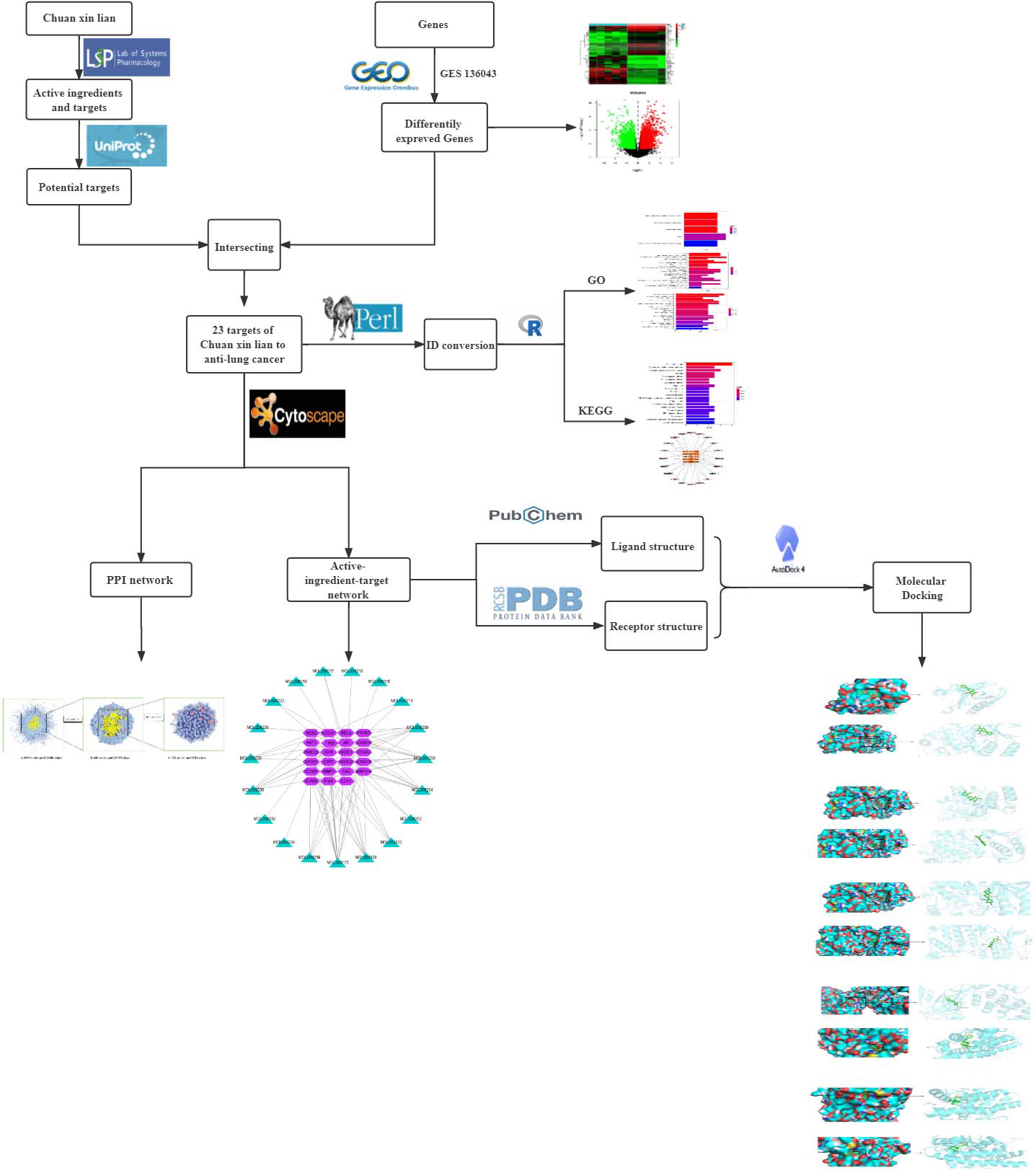
Construction of database of active ingredients and targets of Andrographis paniculata
The Traditional Chinese Medicine System Pharmacology (TCMSP) database (
GEO data analysis to obtain differential genes
This study used the microarray expression dataset GSE136043 in the GEO database (
Construction of interaction network between active components and targets of Andrographis paniculata
Perl software was used to obtain disease-identification genes and target genes and active components of TCM. Subsequently, the software Cytoscape 3.8.0 was used to visualize the interaction network of active components and targets, and the network diagram of Andrographis paniculata for lung cancer treatment was constructed. Subsequently, network topological parameters (degree) were determined and sorted using the plug-in Analyze Network in Cytoscape.
Construction and analysis of the protein interaction network
The Protein-Protein Interaction Networks (PPI) network is constructed through the plug-in BisoGenet in Cytoscape. The plug-in CytoNCA in Cytoscape was used to analyze the Network Degree (DC) and identify key genes in our constructed network. First, the genes with DC values of
Enrichment analysis of Gene Ontology (GO) and Kyoto Encyclopedia of Genes and Genomes (KEGG) signal pathways
GO and KEGG signaling pathways were analyzed using the R language. The installation package “org.Hs.eg.db” in R was used to transform the target gene ID, after which, the packages “colorspace”, “stringi”, “ggplot2”, and Bioconductor were installed, including “DOSE”, “enrichplot”, and “clusterProfiler” to conduct the GO and KEGG analysis. The GO functional annotations mainly included three categories, namely, biological process (BP), cellular component (CC), and molecular function (MF). Following KEGG analysis, the common target enrichment signaling pathways of Andrographis paniculata and lung cancer were obtained.
Molecular docking
The file preparation of small-molecular ligands (active ingredients of drugs) involved downloading the 2D structure of ligands from PubChem (
Results
Active components and potential targets of Andrographis paniculata
Nine active compounds were found by inputting the keywords “Chuan xin lian” into the TCMSP database, combined with the screening criteria of OB
The active ingredients of Andrographis paniculate
The active ingredients of Andrographis paniculate
Oral bioavailability (OB); drug-likeness (DL).
Docking efficiency and binding capacity of compounds to key targets
This study compared five LC samples with five non-LC samples from the GEO database GSE136043 (
Volcano plot presenting differential expression genes (DEGs). Red and green colors indicate upregulated and downregulated genes, respectively.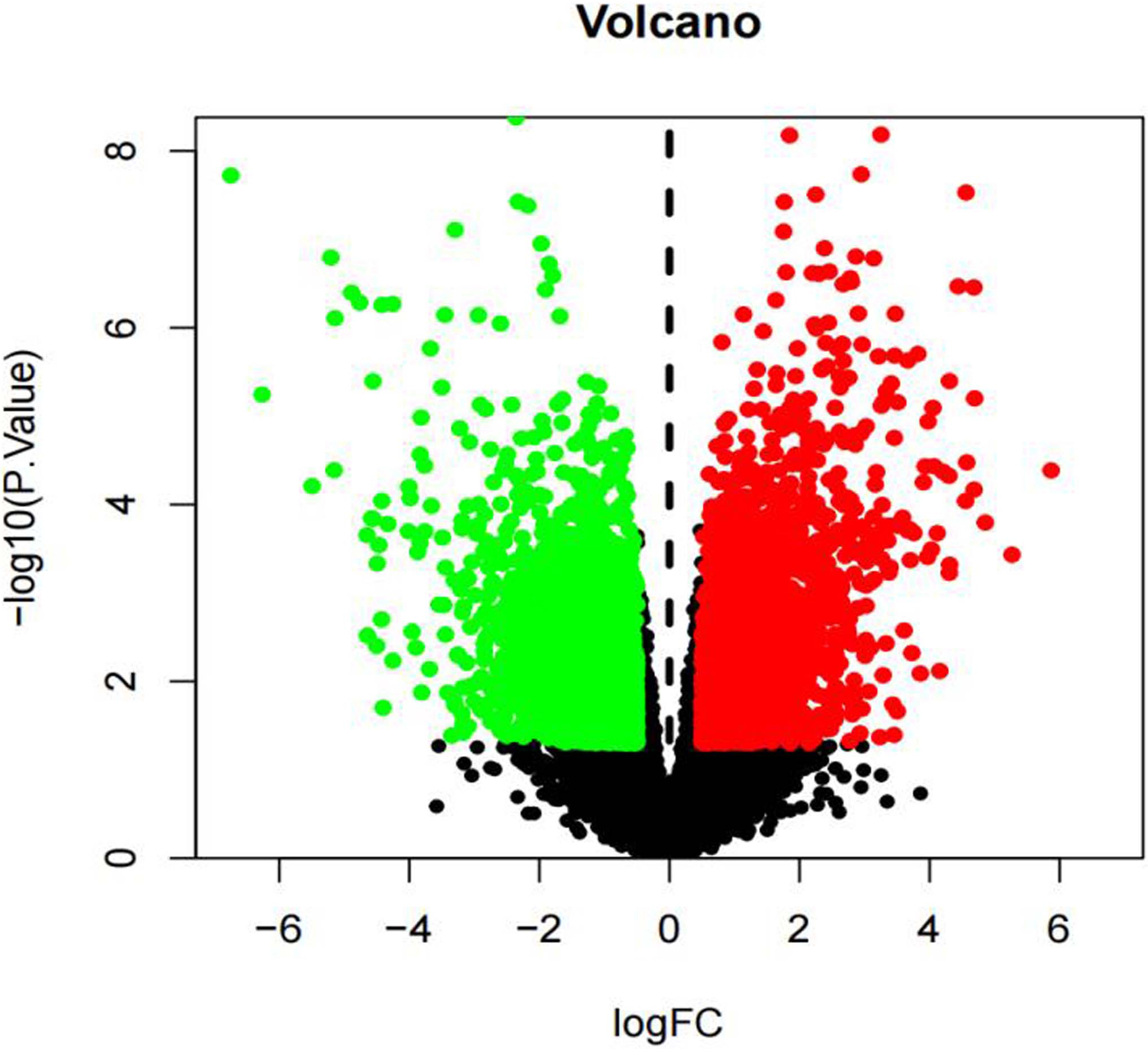
Heatmap of differential expression genes (DEGs) in samples. The red color indicates a high expression of the gene in the sample, whereas green indicates low expression. C represents non-lung cancer samples, T represents lung cancer samples.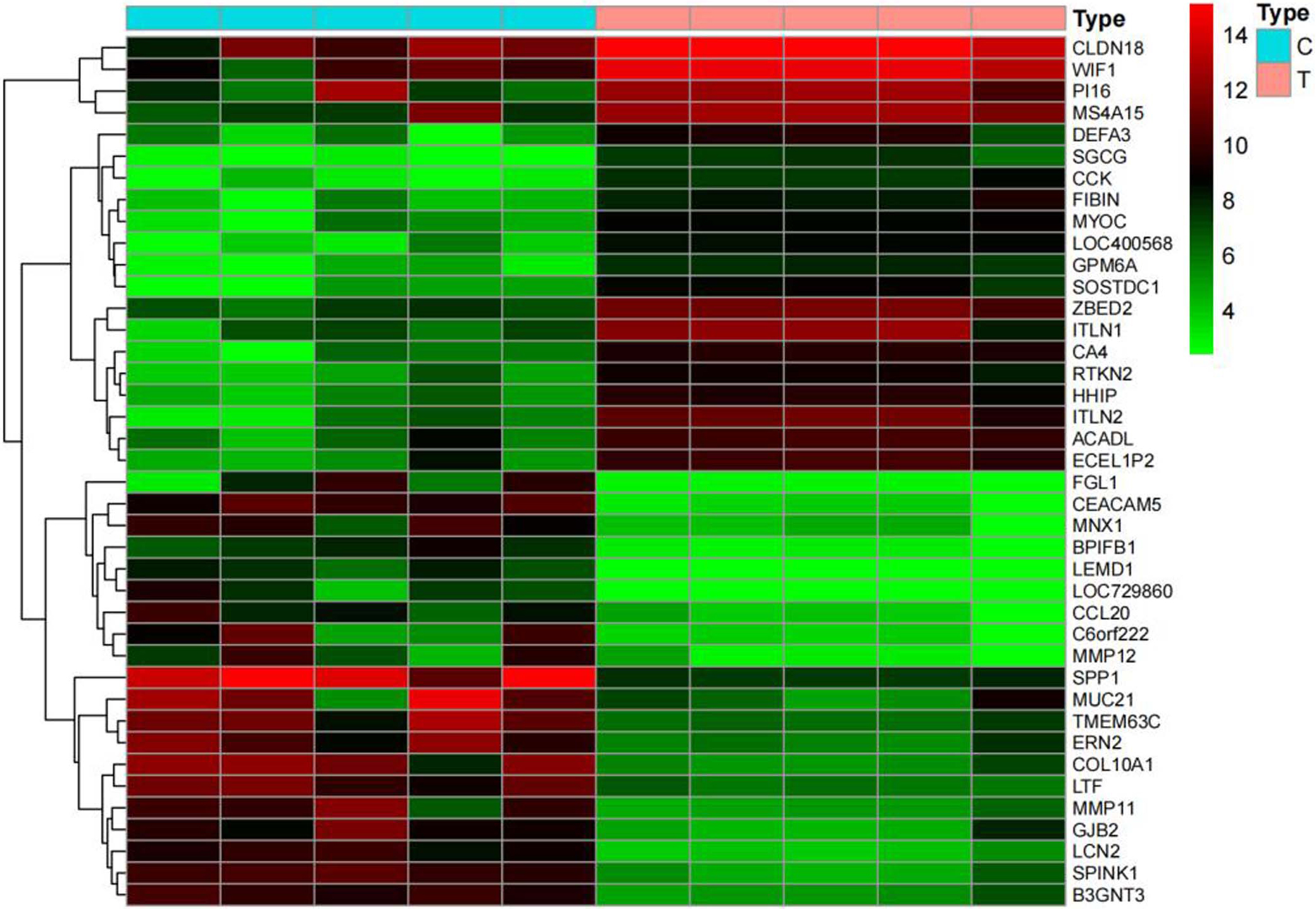
After crossing the related targets of Andrographis paniculata with differential genes of lung cancer, 23 key anti-lung cancer genes were obtained (Supplementary Table 2). The program Cytoscape was used to construct the network for key active components and target genes in Andrographis paniculata (Fig. 4). Subsequently, the degree was used for the network analysis. We observed that the top five active components of Andrographis paniculata were wogonin, oroxylin a, moslosooone, mono-O-methylwightin, and deoxycamptothecine. Moreover, NCOA1 was the most active component-related gene, followed by NOS2, AR, PPARG, and MAPK14.
“Active Component-Target” Network of Andrographis paniculata Against Lung Cancer. Andrographis paniculata contained 19 compounds and 23 target genes, with the purple hexagon representing potential target genes and the light blue triangle representing the active ingredients. The functional relationship of the nodes was represented by links between them. The more the number of linked nodes, the more critical was the role of target genes or compounds in the network.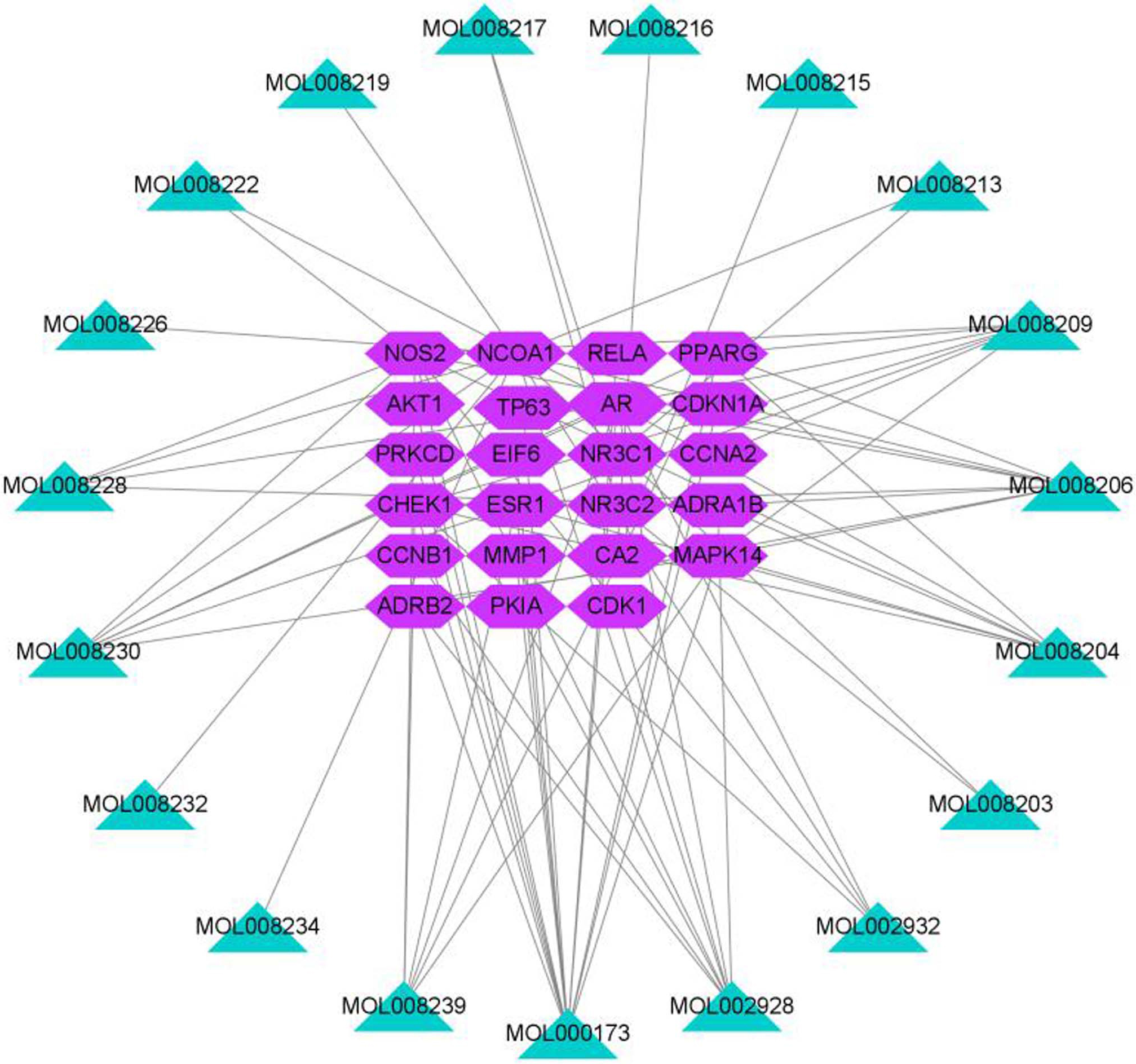
Figure 4 presents the interaction between the key active components of Andrographis paniculata and lung cancer targets, which reveals that Andrographis paniculata can synergistically act with lung cancer targets through various compounds, thus playing a therapeutic role.
Topological analysis on the as-constructed PPI network. (A) PPI network for lung cancer-target genes of Andrographis paniculata. (B) PPI network of important proteins extracted from A. (C) PPI network of key targets for lung cancer treatment extracted from B.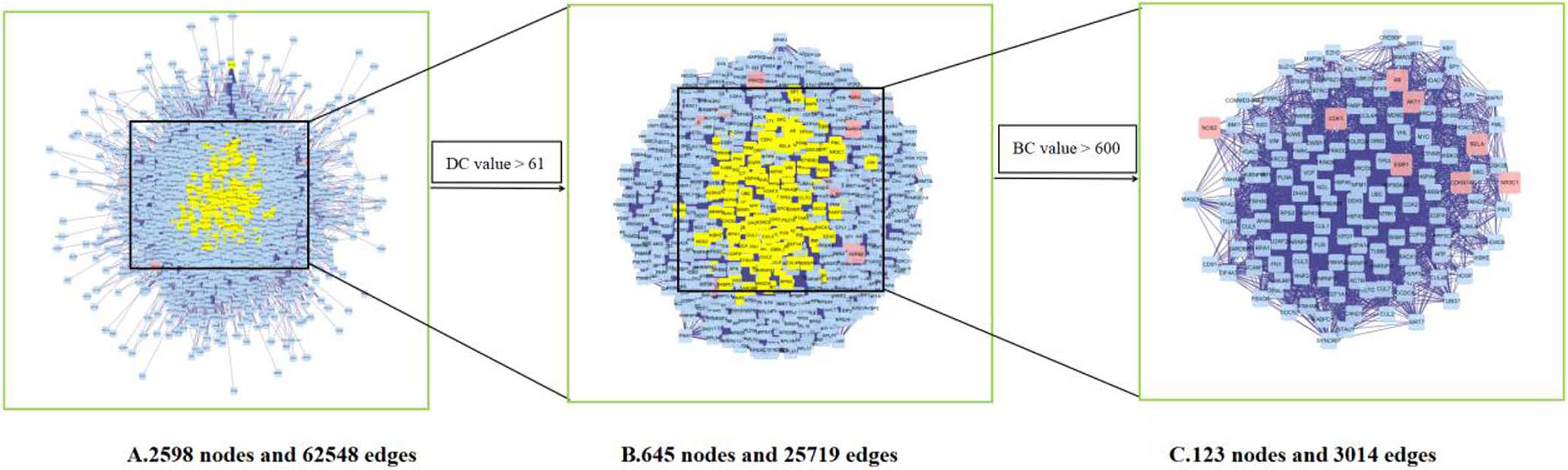
The PPI network for the LC-target genes of Andrographis paniculata contains 62548 edges and 2598 nodes (Fig. 5A). The subnetwork was obtained by a DC-value of
To further explore the mechanism of action of Andrographis paniculata against lung cancer, the key target genes were analyzed by GO and KEGG signaling pathways. The statistical package R was used to analyze 23 key target genes associated with lung cancer and interacting with active components of Andrographis paniculata. Supplementary Table 3 and Figs 6–8 present the 20 most significant BP, MF, and five most significant CC. Supplementary Table 4 and Fig. 9 present the results of the KEGG pathway. Figures 6–9 present the bar charts of BP, CC, MF, and KEGG, respectively. The abscissa represents the gene numbers of diverse terms, whereas the strip color represents the adjusted
Biological processes (BPs) analysis of GO enrichment. On the basis of 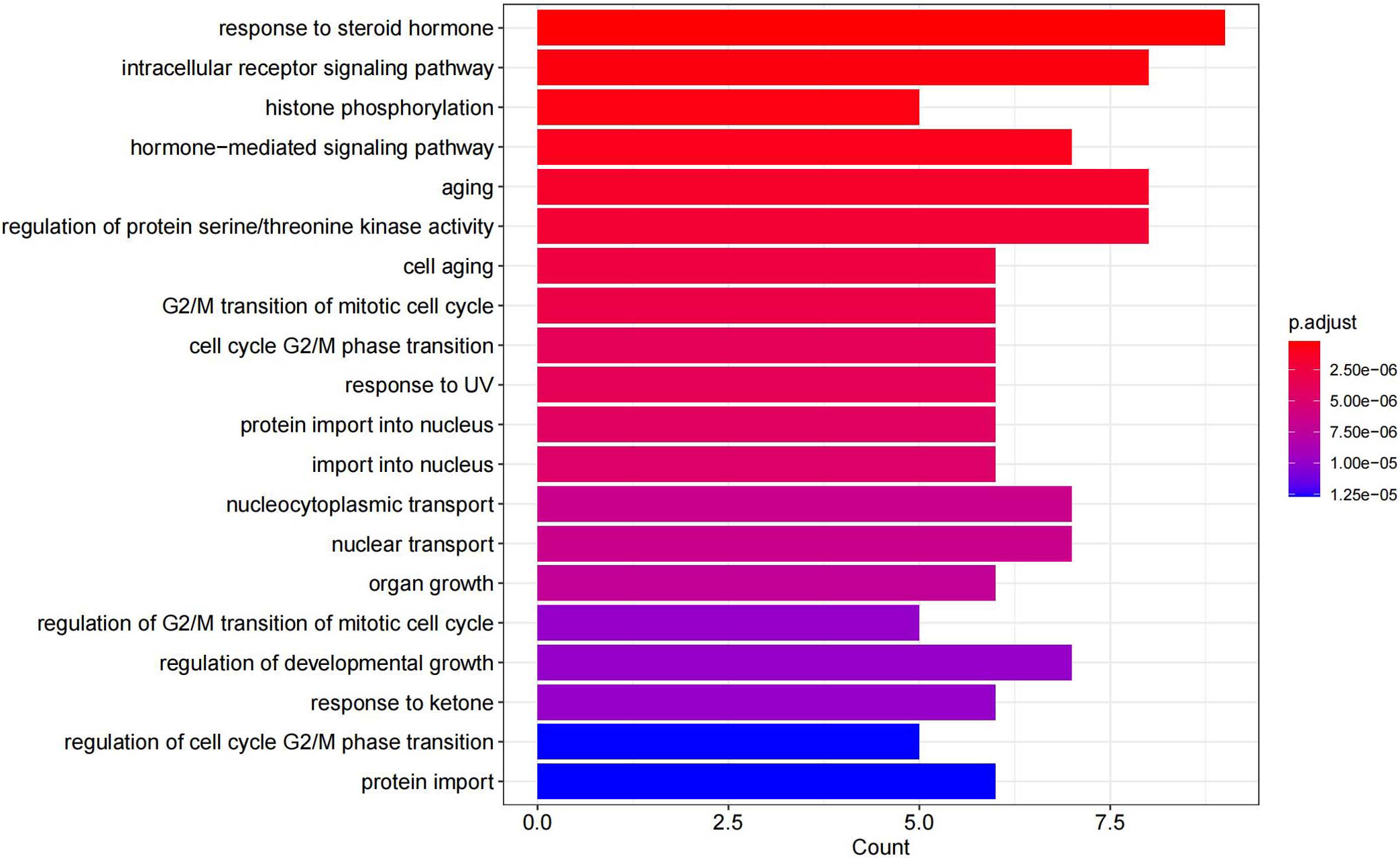
Cellular components (CCs) analysis of GO enrichment. Function analysis of 5 CCs based on 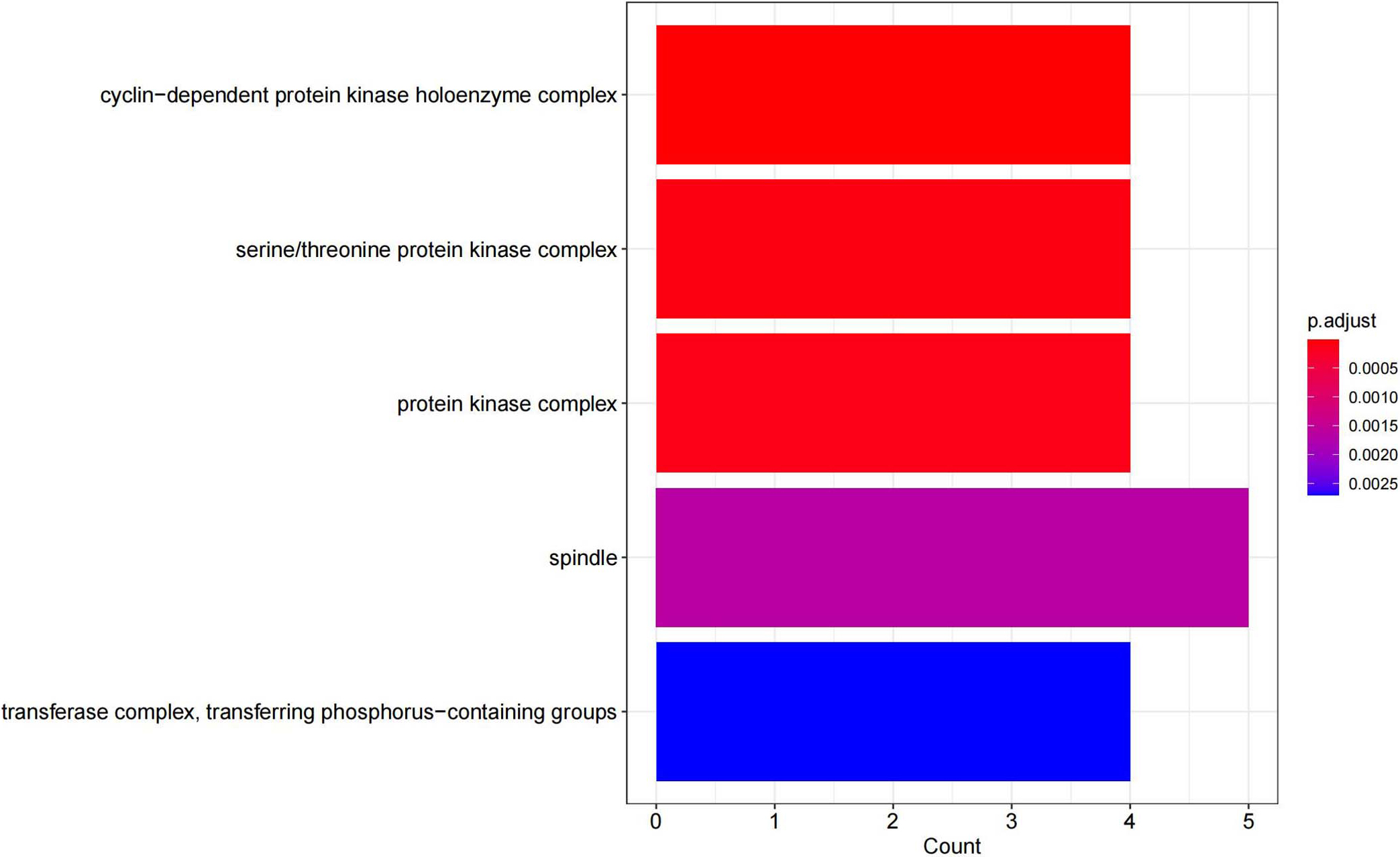
Molecular functions (MFs) analysis of GO enrichment. On the basis of 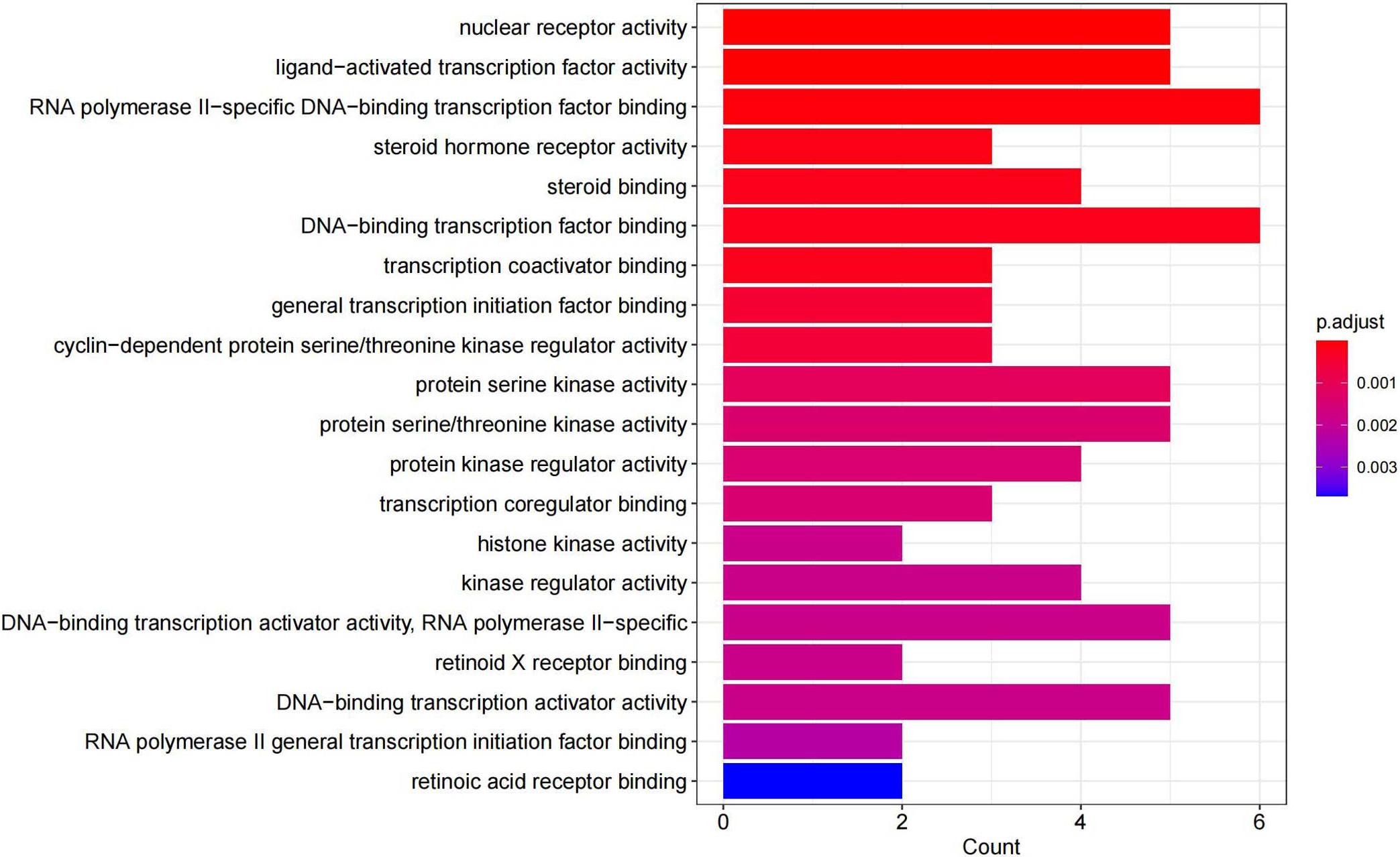
KEGG pathway enrichment analysis. On the basis of 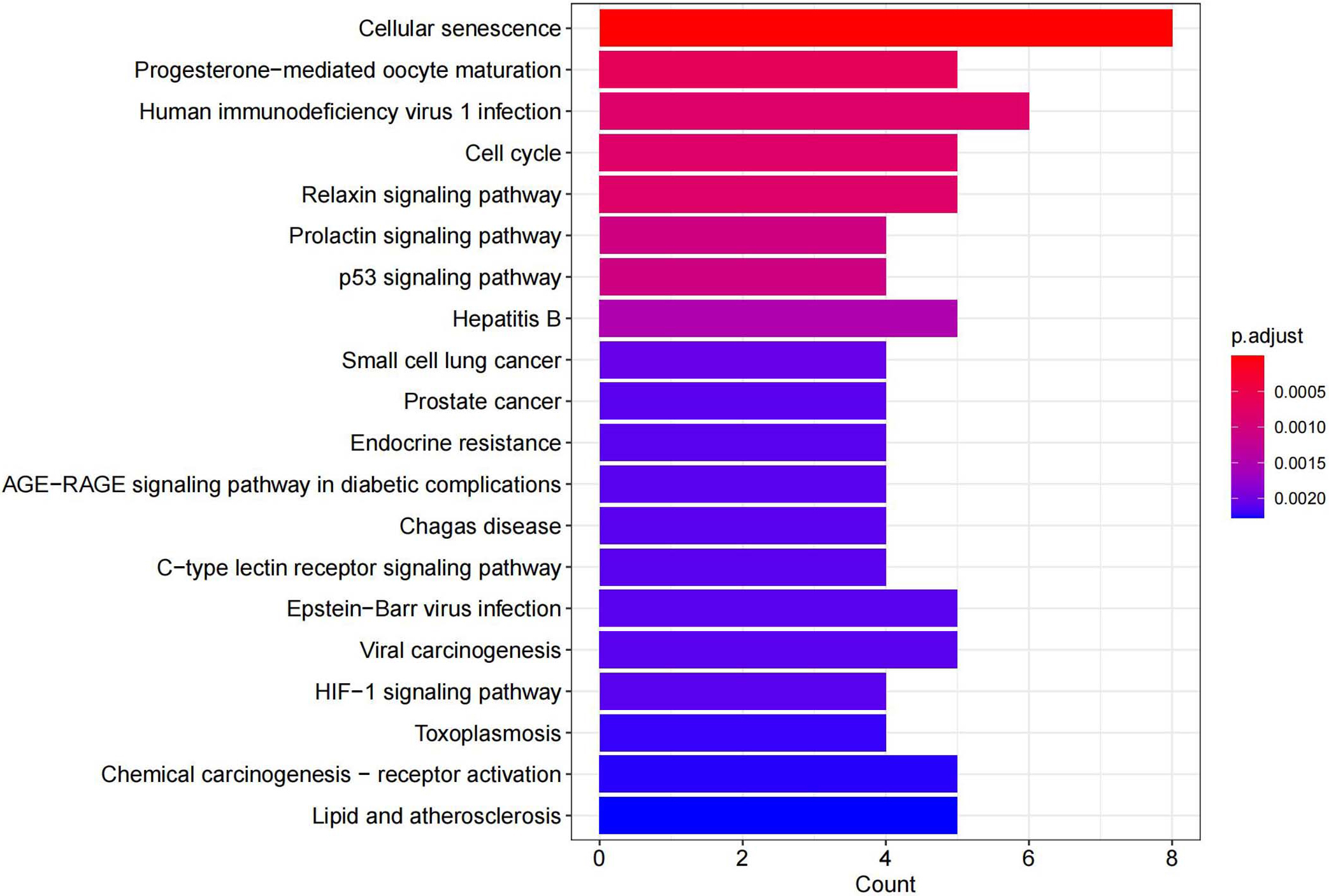
The GO terms were screened according to the
Based on the KEGG analysis, 85 pathways were enriched. The pathways were associated with cellular senescence, cell cycle, and p53 signaling pathway, among others. The results indicated that the targets of the active components of Andrographis paniculata were enriched into different related pathways, either under coordination or interaction, to play its anti-lung cancer role through the modulation of diverse pathways (Fig. 9 and Supplementary Fig. 1). The main genes related to multiple signaling pathways were AKT1, RELA, MAPK14 and NCOA1 (Fig. 10).
KEGG relational regulatory network. The network diagram showed the 20 enriched signaling pathways and their relationship between 15 genes. The orange box represents the target gene, and the red V represents the signaling pathway.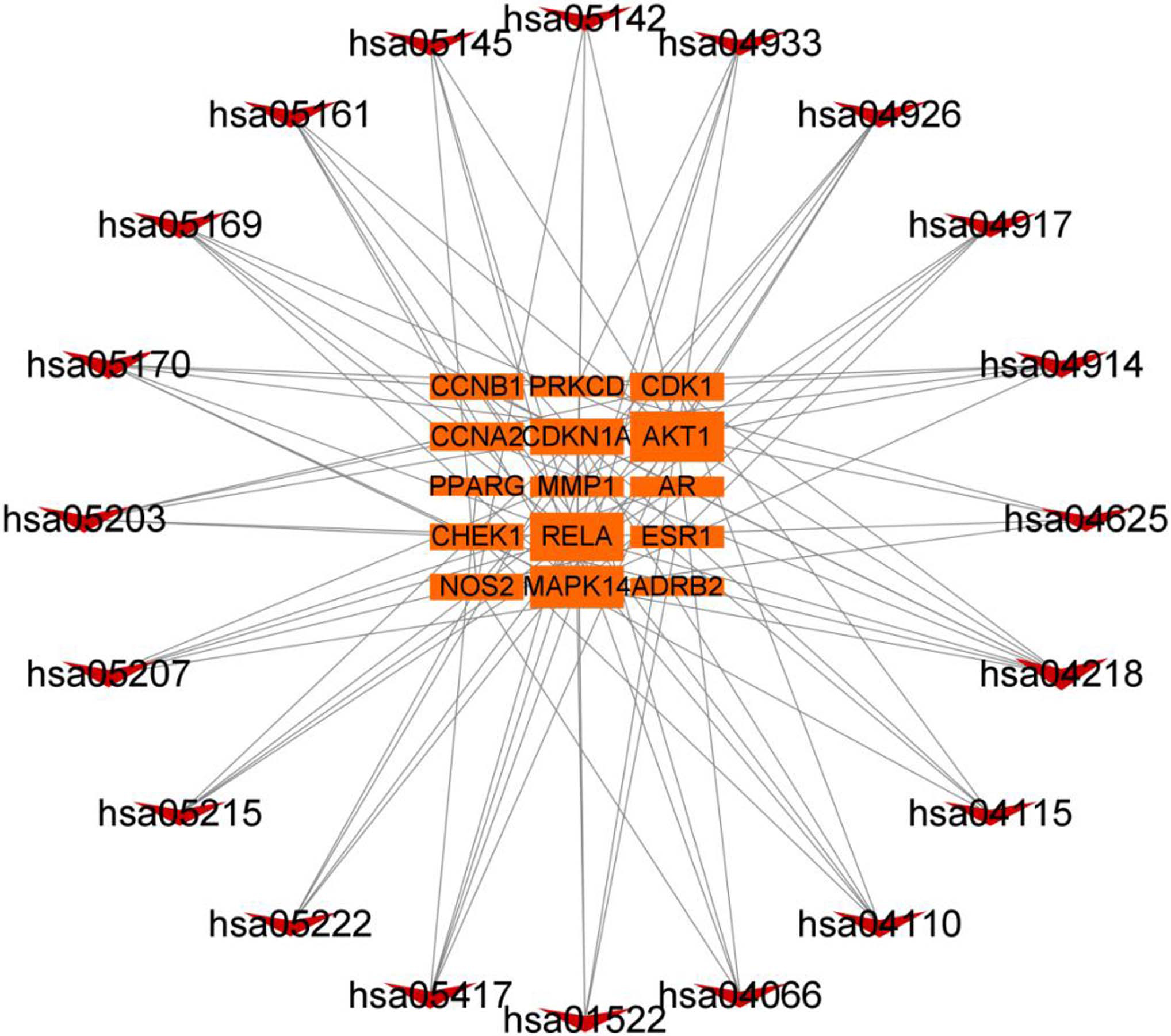
Molecular docking results: The green, blue, and yellow colors represent compound, protein structure, and amino acid interaction, respectively.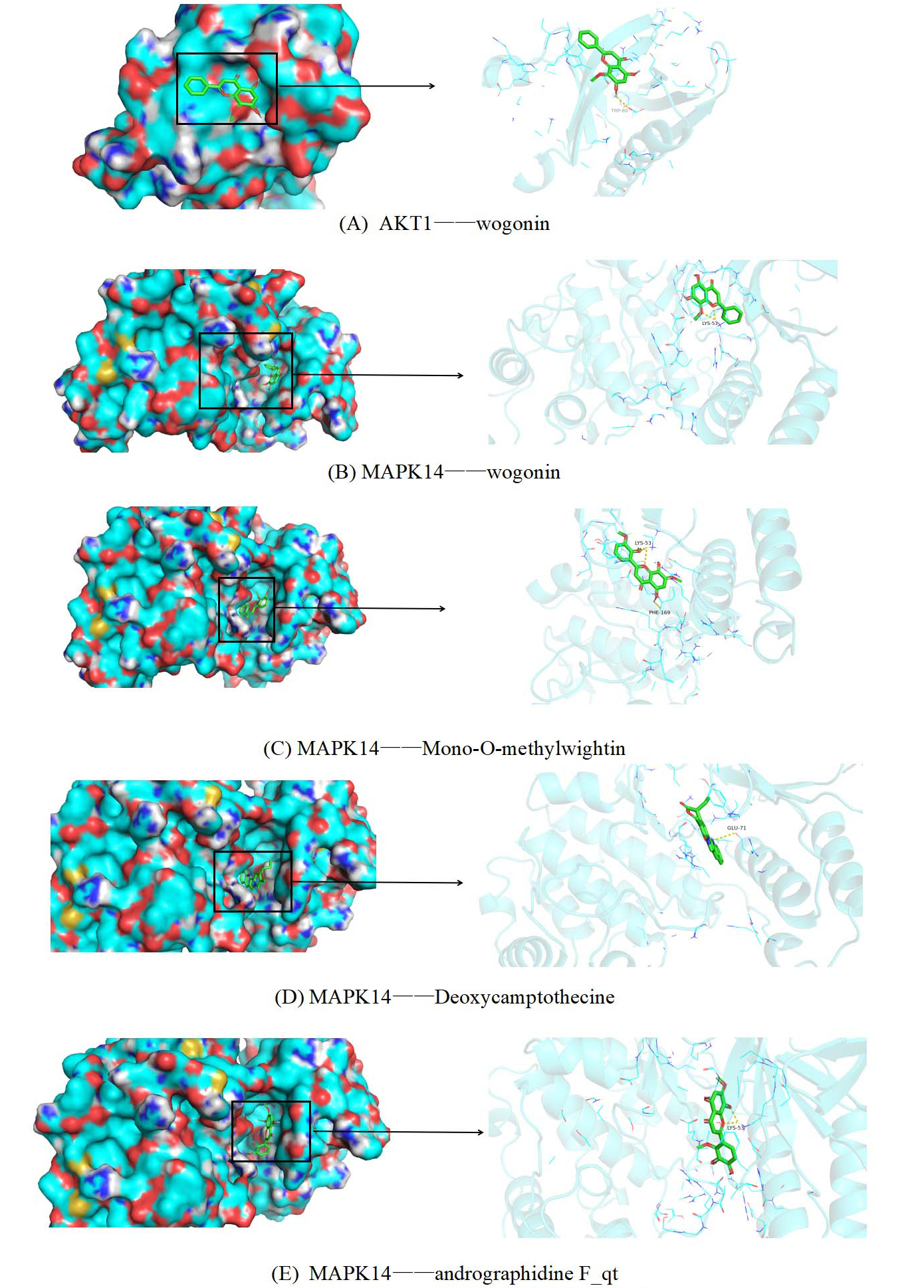
Continued.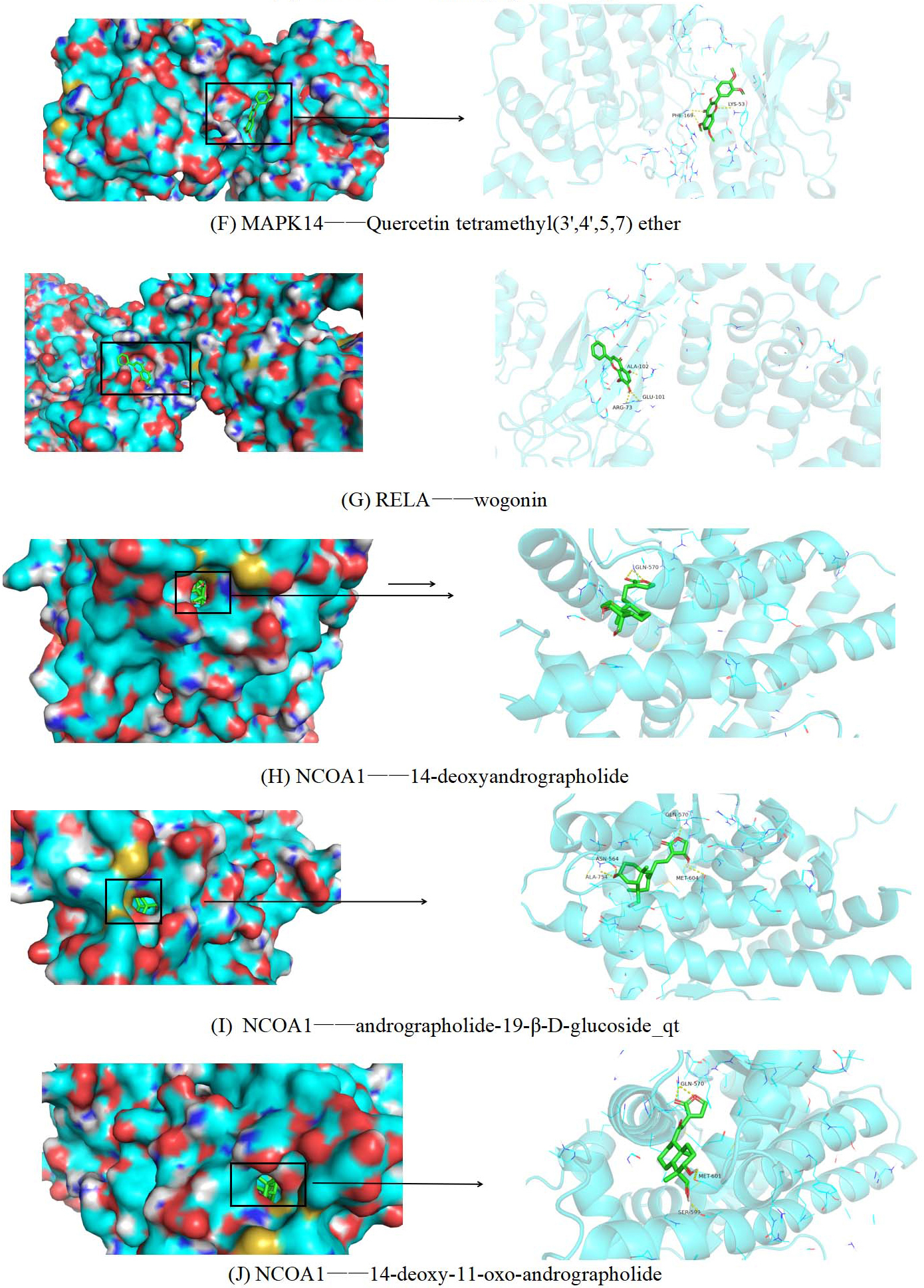
Eight main active components, wogonin, mono-O-methylwightin, deoxycamptothecine, andrographidine F_qt, quercetin tetramethyl (3’,4’,5,7) ether, 14-deoxy-11-oxo-andrographolide, 14-deoxyandro-grapholide, andrographolide-19-
Discussion
Based on the theory of system biology, network pharmacology integrates system biology, pharmacology and computer analysis technology to explore the complex relationship between active ingredients, diseases and targets, and select specific signal nodes for multi-target drug molecular design. The new discipline helps us analyze the mechanism of TCM in treating diseases [16]. In practice, network pharmacology ensures the reliability of predicted results through the process of network construction, search and network analysis of key compounds and targets [17]. Therefore, by combining TCM and network pharmacology, the priority of disease-related genes is distinguished, thereby revealing the correlation between drug-related target genes and diseases, and further illustrating the network regulation of TCM and its formula. Molecular docking is a method to design drugs by simulating the interaction mode between receptors and drugs. A theoretical simulation method for studying intermolecular (such as ligand and receptor) interactions and predicting their binding modes and affinity. Many studies have used a combination of network pharmacology and molecular docking techniques to explore the material basis and mechanism of action of TCM in the treatment of certain diseases [18], which can provide new insights into the screening of active compounds and the exploration of mechanisms.
Andrographis paniculata belongs to Family Acanthaceae. Traditionally, it has been used in folk medicine that can treat various diseases. Since the 1950s, more than 80 chemical constituents have been isolated and identified from Andrographis paniculata, such as terpenoids, flavonoids and iridoids. Andrographolide is the most common terpene in Andrographis paniculata [19]. Nowadays, it is used in various herbal preparations. Studies have shown that andrographolide has many pharmacological activities, which can be widely used in the treatment of fever, cold, inflammation, and other diseases in clinics [20]. It also has anti-cancer and immune-regulating activities. Therefore, it may be developed as a new chemotherapeutic drug [21].
Medical studies have shown that andrographolide and neoandrographolide in Andrographis paniculata can treat inflammatory reactions caused by pathogenic bacteria invasion. Based on its anti-inflammatory activity, some studies reported the effects of andrographolide [22] and flavonoids [23]. Zhu et al. predicted and verified the potential molecular mechanism of Andrographis paniculata in treating inflammation by combining network pharmacology with molecular biology experiments [24]. Gu et al., through network pharmacology combined with molecular docking technology and experimental verification, stated that the neuroprotective effect of Andrographis paniculata may be related to the regulation of APP-BACE1-GSK3
Previous chemical studies have shown that flavonoids are the main chemical constituents of Andrographis paniculata and are considered to play a key role in the pharmacological activity of this medicinal plant [23]. Wogonin belongs to flavonoids and exists in aerial parts of Andrographis paniculata. Studies have shown that it has anticancer activity [26]. Chen et al. studied the apoptosis-inducing activity of wogonin on A549 cells and its mechanism. The experimental results showed that wogonin could be used as an effective inhibitor of A549 cell activity [27]. However, there are few studies on the anti-lung cancer effect of wogonin extracted from Andrographis paniculata, the specific mechanism of its action against lung cancer remains unclear. In this study, we found that the active component of wogonin may be used as a compound for the treatment of lung cancer by network pharmacology combined with molecular docking technology, but further research is needed.
In this study, the key active components of Andrographis paniculata were collected by data mining. Based on network pharmacology combined with the GEO database, the anti-lung cancer mechanism of Andrographis paniculata was explored from a microscopic perspective. There were 19 core effective components of Andrographis paniculata, with 23 intersections between its targets and lung cancer action targets. The results of this study showed that the mechanism of Andrographis paniculata in the treatment of LC may be mainly related to these 23 core targets. Upon KEGG analysis, these key targets were mostly enriched into cell senescence, cell cycle, and p53 signaling pathway. For most species, aging promotes a series of degenerative diseases characterized by loss of tissue or cell function [28]. Human aging is the result of cell aging, in which more and more cells reach aging [29]. However, especially in vertebrates, aging can also promote proliferative lesions, the most lethal being cancer [28].
Stable cell cycle arrest and regulation of secretions into the tissue microenvironment are the characteristics of cell senescence [30]. From a physiological point of view, aging inhibits tumor [31], stalls the expansion of precancerous cells [32], and favors wound healing [33]. In future cancer treatment, the discovery of aging factors may provide alternative options [34]. Neganova et al. found that cyclin dependent kinase 1 (CDK1) plays an important role in human pluripotent stem cells, such as regulating mitosis, G2/M checkpoint maintenance and apoptosis [35]. Huang et al. revealed that CDK1 enhanced Sox2 transcription activity by interacting with Sox2, thereby promoting stem cells of lung cancer cells. This CDK1/Sox2 axis may be a therapeutic target for lung cancer [36]. Barbara Kunar-Kamińska et al. reported that the overlapping role of cell senescence in chronic obstructive pulmonary disease (COPD) and lung cancer might suggest common pathogenesis. As cell senescence is known to activate carcinogenesis, it is necessary to further confirm its significance in the progression of lung cancer in patients with COPD [37]. This suggests that cell senescence may inhibit the development of lung cancer.
Nowadays, people also often believe that cancer is a cellular periodic disease. The cell cycle is a successive and well-organized process followed by cell replication. It is necessary to strictly control this process to guarantee cell division if required. Thus, precise copying of the information transmitted to the next generation can be guaranteed [38]. Several articles have suggested that cell cycle defects exist in most tumors, cell cycle arrest causes DNA repair and repair unsuccessful cells enter apoptosis process [39]. When the regulators that control the correct entry and progression of cell cycles change, they may be involved in the development of tumors [40]. Cyclin B1 (CCNB1) is an important promoter and controller for mitosis. This gene product can interact with p34 (CDC2) to become a mature promoter, which is considered to regulate the G2/M transition period of cell cycle and has been confirmed [41]. Studies have shown that CCNB1 overexpression is closely related to the proliferation and tumorigenesis of many cancer cells [42]. Studies have shown that CCNB1 in non-small cell lung cancer (NSCLC) cell lines is essential for cell cycle progression and cloning [43]. The cyclin A2 encoded by CCNA2 is also a member of the cyclin family and a cell cycle regulator. It can bind and activate cyclin-dependent kinase 2, thereby promoting G1/S and G2/M conversion [44]. Gong et al. found that the expression levels of CCNB1 and CCNA2 were up-regulated in patients with NSCLC. These genes may be meaningful diagnostic biomarkers [41]. Regulation of the cell cycle has a critical effect on treating tumors.
The tumor suppressor gene p53, known as the “genomic guardian and oncogene police”, has an important effect on sensing of and responding to carcinogenic signals and DNA injury [45]. Considerable evidence demonstrates that post-translational modifications can regulate the stability and activity of p53 [46]. The stability and activity of p53 are also regulated by a variety of protein kinases [47]. When p53 is activated, it promotes the transcription levels of target genes [48]. Checkpoint kinase I (CHK1; CHEK1) reacts to DNA damage by initiating cell cycle arrest, and its expression constitutes a defense mechanism that can avoid the toxicity of DNA damage agents [49]. The activated CHEK1 can phosphorylate and regulate the activity of many proteins, including p53. P53 can regulate BAX, Cyclin-dependent kinase inhibitor 1A (CDKN1A) and other genes involved in cell survival and proliferation regulation [50]. CDKN1A plays a central role in cell cycle progression. CDKN1A was instantly recruited to the target site to promote its repair of DNA damage. However, CDKN1A activity depends on p53 status [51]. Zamagni et al. showed that CDKN1A played a certain role in the response to cisplatin-pemetrexed combination therapy in advanced NSCLC with KRAS mutation, indicating that it may be used as a promising predictor [52]. Regulation of the p53 signaling pathway may be a key factor in the treatment of LC [53]. Mutation of the p53 gene is the most common gene change related to cancer [54, 55]. Its mutation may result in the loss of tumor inhibition, thus enhancing cell growth and suppressing their apoptosis [56]. Mutations of the p53 gene may include deletion, point mutation, and overexpression [57]. Therefore, the abnormal expression of p53 is greatly correlated with the occurrence of lung cancer.
Protein kinase B (AKT) is composed of 480 amino acids and is the intersection of multiple signaling pathways [58]. Studies have demonstrated that AKT controls the key processes of cells, such as glucose metabolism, cell cycle, and apoptosis. As PKB can stimulate cell proliferation and inhibit apoptosis, it has an important effect on carcinogenesis [59]. Active AKT is associated with several human malignancies, such as gastric cancer (GC), brain cancer, breast cancer (BC), LC, prostate cancer, and colon cancer [60]. Interestingly, AKT1, an important subtype of AKT, can affect cell proliferation and apoptosis and modulate the invasion and migration of different cancer cells [61]. AKT1 is an efficient therapeutic target for research and exploration. Wu et al. demonstrated that miR-377–5p targeted the AKT1 signal, cell cycle control, inhibition of cell development, and epithelial-mesenchymal transition (EMT) to delay the progression of lung cancer providing the theoretical foundation for future research on lung cancer treatment [62]. Kim MJ and colleagues demonstrated that AKT1 gene polymorphism independently predicted the prognosis of NSCLC cases receiving surgical treatment. NSCLC is a common LC subtype with a prevalence of about 80%. The researchers also observed that the AKT1 gene polymorphism-mediated AKT1 expression was the possible determining factor for LC survival. Therefore, beyond the pathological stage, the detection of gene polymorphism helps the high-risk groups of patients with diseases to improve the treatment of NSCLC [63]. AKT1 has a critical effect on the progress of cancers by regulating the downstream genes of the signaling pathway. As reported in previous studies, AKT1 modulates tumor development, migration, and metastasis [64]. According to Yoo et al., miR-9500 suppressed the growth and invasion of LC cells via Akt1 [65]. The results of this study indicated that the active ingredient wogonin might participate in cellular senescence by regulating AKT1, thereby exhibiting effects on lung cancer.
MAPK signal is a cascade organization; when the receptor activates upstream kinase, it will sequentially activate MAPKs (MAPK and MAPKK). In mammals, four genes encoding p38 MAPK have been identified: MAPK11 (p38
NF-
Nuclear receptor coactivator 1 (NCOA1, also known as SRC-1) is the founding member of the nuclear receptor coactivator family [78]. NCOA1 can regulate gene transcription by interacting with other transcription factors. Studies have shown that NCOA1 imbalance has a certain effect on the occurrence and development of different cancers [79]. It is reported that NCOA1 overexpression is associated with lymph node metastasis of prostate cancer, which enhances cell proliferation [80]. Studies have shown that increased expression of NCOA1 promotes proliferation [81] and metastasis [82] of breast cancer cells. Other studies have shown that NCOA1 promotes the progression of hepatocellular carcinoma [83]. Interestingly, 14-deoxy-11-oxo-andrographolide, 14-deoxyandrographolide and andrographolide-19-
Conclusion
This work analyzed the component-target network and discovered that wogonin was highly correlated with the targets in the network, thus showing marked anti-cancer effects. Studies have shown that wogonin may coordinate cell senescence by targeting AKT1, MAPK14, and RELA. 14-deoxy-11-oxo-andrographolide, 14-deoxyandrographolide and andrographolide-19-
The present work first examined the critical main components, candidate targets, and relevant pathways of Andrographis paniculata against lung cancer based on network pharmacology (NP) technology, and the results have offered a foundation for future experimental investigation. However, considering the restrictions of NP, its therapeutic mechanism can only be predicted by data mining, while the content of each compound, its associations, and in vivo pharmacokinetics have been neglected. Based on reasonable prediction, further research should be continued. The in vivo or in vitro experiments were conducted to explore whether Andrographis paniculata could be used as medicinal components screened by bioinformatics in this paper, so as to regulate the action targets obtained in this paper, and then produce the effect of anti-lung cancer. This can provide more scientific theoretical basis for clinical research and application of Andrographis paniculata. However, our findings also provide a preliminary basis for further understanding the synergistic mechanism of Andrographis paniculata in the treatment of lung cancer.
Author contributions
JL conducted statistical analysis and drafted the manuscript. XL, JL and DH participated in the statistical analysis the manuscript. PG and YL conceived the research, participated in the research design and coordination, and provided suggestions on the writing of the manuscript. All authors read and approved the final manuscript.
Funding
This work was funded by the Ministry of Education Key Laboratory of Harbin Medical University Open Fund Project (No. KF201619), as well as the Heilongjiang University of Chinese Medicine Science and Technology Innovation Research Platform Construction Fund (No. 2018pt05).
Availability of data and materials
All data generated and analyzed during this study are included in this article and the supplementary materials.
Supplementary data
The supplementary files are available to download from http://dx.doi.org/10.3233/THC-220698.
Footnotes
Acknowledgments
The authors thank Dr. Ge Pengling of Heilongjiang University of Traditional Chinese Medicine and Dr. Li Yu of the First Affiliated Hospital of Heilongjiang University of Traditional Chinese Medicine for providing guidance and assistance.
Conflict of interest
The authors declare that they have no conflict of interest.