






Abstract
We aimed to control complex wind power generation parameters’ contributions to achieve healthful and energy-saving operating conditions for wind turbines and improve the stability of wind power generation and processing capacity of wind grid output data. Hence, a design method of complex wind power generation parameter control system based on embedded control combined with Internet of Things (IoT) is proposed. In this method, in the IoT environment, the overall model of the system is determined, and embedded control for big data of the complex wind power generation parameters is performed to achieve adaptive fusion of control instruction information, and optimize the big data transmission and scheduling of control instruction sets. Test results show that the complex wind power generation parameter control system designed through this method has relatively strong parameter data control processing capability, good stability of control instruction transmission and high parallel processing capability of control instruction sets, and this method improves the control quality of the overall system.
Introduction
With the rapid advancement of green energy construction projects, as a key project for green energy construction, wind power generation has received great attention. In the overall design of wind power generation systems, it is necessary to control the energy-saving stability of wind power generation system parameters, control the motor and power networking of wind power systems to increase the output power of wind power generation, and reduce power consumption of it. Related system design methods have a very good application value in optimizing the design of wind power control equipment and power network transmission [2].
At present, the design of complex wind energy-saving control systems is based on acquisition of wind turbine condition data and environmental data. The intelligent design of complex wind power generation parameter control systems is realized by adopting the Internet of Things (IoT) technology to sense and collect raw data, using power sensors and voltage sensors for data analysis, and electromagnetic coupler for current output oscillation control, and using the big data information processing system and the cloud computing technology [14]. Traditional intelligent design methods for complex wind power generation parameter control systems mainly include fuzzy control method, artificial neural network control method and so on [6,15]. The adaptive output parameter adjustment method is adopted to conduct stability control analysis of wind power systems, and a sensor fusion tracking model is constructed to realize wind power control and intelligent data analysis. Certain control benefits have been realized for it. In relevant references, research on the design of complex wind power generation parameter control systems has been performed, which has achieved certain achievements. In reference [10], an active control method of complex wind power transmission nodes based on fuzzy PID is proposed. In this method, the equivalent circuit model of wind turbine is constructed, and the parameters such as output coupling coefficient, inductive power, and power loss and power gain of power transmission are taken as control constraint indexes to control wind power stability and improve energy-saving control efficiency. However, this method is greatly interfered by the coupling of motor, resulting in increased output power loss of the wind power system and poor control stability. In reference [3], a wind turbine energy-saving intelligent controller design scheme based on programmable logic PLC is proposed, in which PLC is used as the main control chip for wind power motor filtering and high-frequency noise suppression. This method improves control effect of energy-saving efficient of wind turbines. However, it causes a relatively high load in wind power control, and performs not well in the stability of control output.
To solve the above problems, a design method of complex wind power generation parameter control system based on embedded control combined with IoT is proposed in this paper. In this method, modeling design is done to wind power embedded energy-saving control systems the under the IoT structure model. The control system improves the output gain of the wind turbine and the control effect is satisfactory. It has good control performance of current and voltage parameters, strong convergence of error, and improves the control quality of wind turbine. A simulation experiment demonstrates the superiority of this method in improving control stability.
Integral model design of complex wind power generation parameter control system
In order to optimize the design of the complex wind power generation parameter control system, a model for complex wind power generation parameter embedded control system with three-level control structures is established in the environment of IoT, which are information sensing layer, information processing layer of complex wind power generation parameter control system and energy-saving control application layer of wind power generation. The principle of the topology design of the Internet of things is to obtain and maintain the information of the existence of the network nodes and the connection information between them, and draw the topology design diagram of the whole Internet of things on this basis. The designated network is checked and all the active devices are obtained. Then the basic information of the device is obtained by SNMP, the type of the device is determined according to the basic information, and the detailed information of the corresponding device is obtained according to the type of the device. In this model, the steady-state power control and feedback regulation methods are adopted to perform steady-state compensation and adaptive power regulation of the complex wind power generation parameter control system and improve the networking and data optimization and acquisition capabilities of it. PLC microprocessor and embedded ARM are used to implement embedded integrated control of wind turbines, and distributed control systems (DCS) are adopted to realize energy-saving design of the complex wind power generation parameter control system [5,7,9,11] and establish a decision system. Big data information processing technology is also used to achieve energy-saving control of complex wind power generation parameters. According to the above design principles, the IoT architecture model of the complex wind power generation parameter control system constructed in this paper is obtained as shown in Fig. 1.
As can be seen in Fig. 1, the core of the complex wind power generation parameter control system designed in this paper is IoT technology. IoT technology is adopted to implement information sensing and integrated information processing for the complex wind power generation parameter control system and extract useful information, and parameter identification and control instruction transmission for the complex wind power generation parameter control system are realized at the application layer and data interaction layer [8]. Model design is performed to the complex wind power generation parameter control system under the IoT architecture model, and the modules mainly include the IoT networking module, sensor information acquisition module, central processor module, output control module, and so on. The overall structure of the wind power generation parameter control system designed in this paper is shown in Fig. 2.
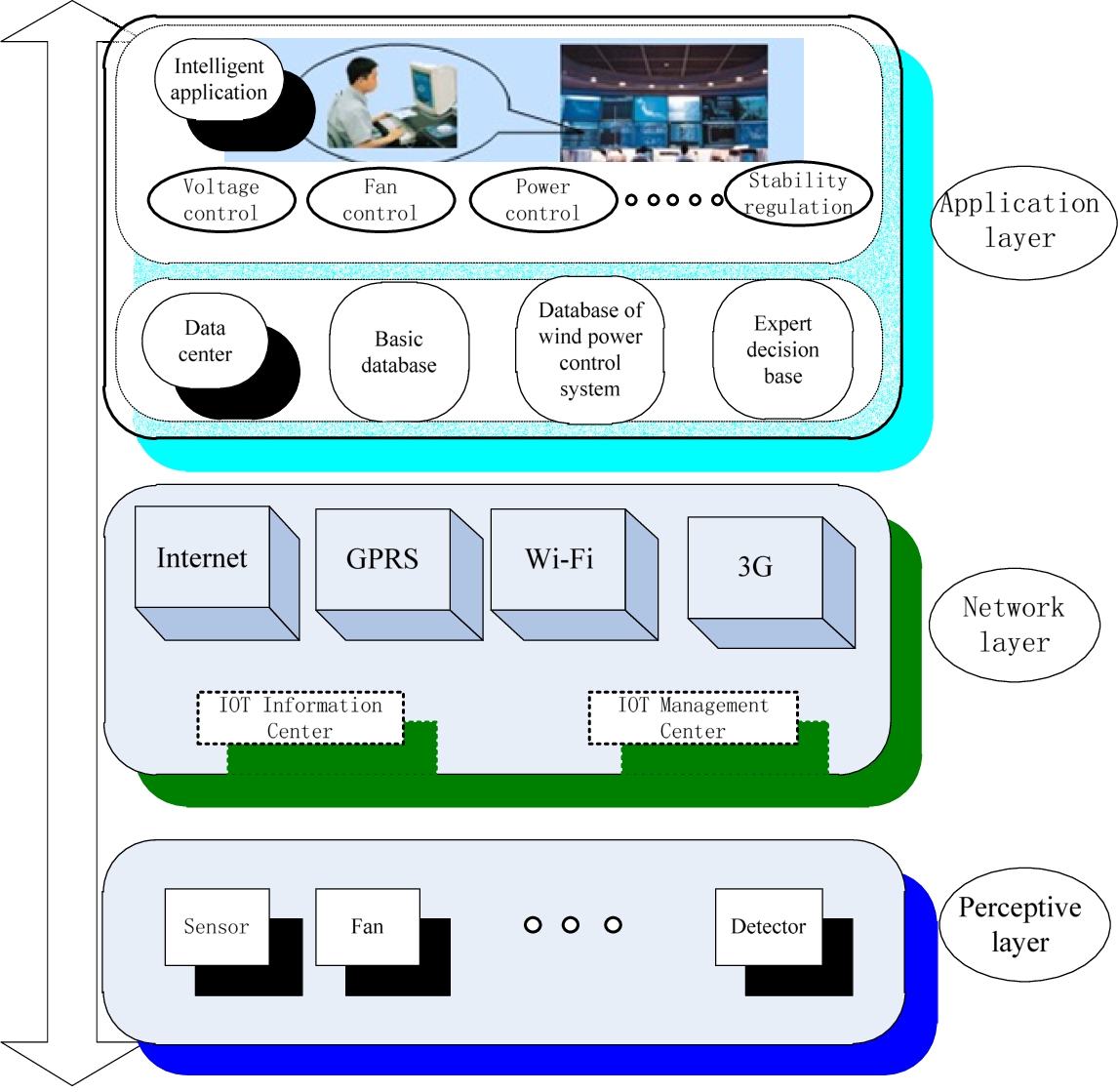
IoT architecture of wind power energy-saving control system.
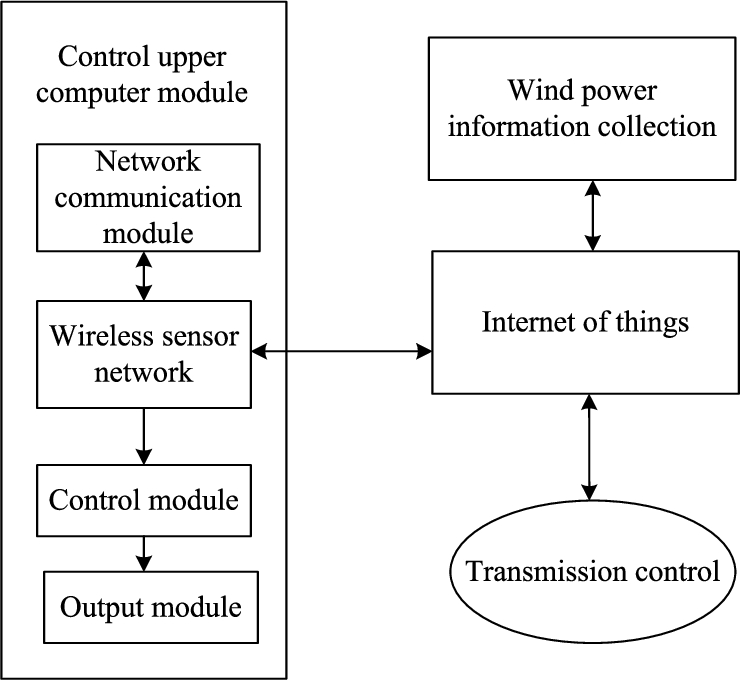
Overall model of the system.
Embedded control of big data of complex wind power generation parameters
Big data of complex wind power generation parameters are processed through the embedded control technology, and the directed graphs for distribution nodes of wind power generation parameters are constructed, which are
Where ω is the adaptive learning weight output of point control; p is the information fusion cross term; q is the embedded control dimension;
Where
Where
Where m and n represent the positive and negative symbol sequences respectively. Embedded control processing is performed to big data of complex wind power generation parameters.
Adaptive fusion of control instruction information
The distributed parallel mining method is adopted to implement wind energy-saving control in the IoT environment [12]. The fractional order Fourier transform expression of the transmission of control instructions is defined as:
Where p is the order, a real number, and the big data feature matching rotation angle of cloud computing device is
Where
Where
Modular development and design of complex wind power generation parameter control system
Hardware design of the complex wind power generation parameter control system can be conducted based on the above control algorithm and wind power generation data analysis. The control system designed in this paper mainly includes the IoT networking module, sensor information acquisition module, central processor module and output control, etc. The embedded processor is used as master controller [4]. The program processing control instruction set of the controller is established under the Linux kernel, and the development platform of the complex wind power generation parameter control system is constructed, and then the complex wind power generation parameter control system is developed and designed. Each functional module design is described as follows.
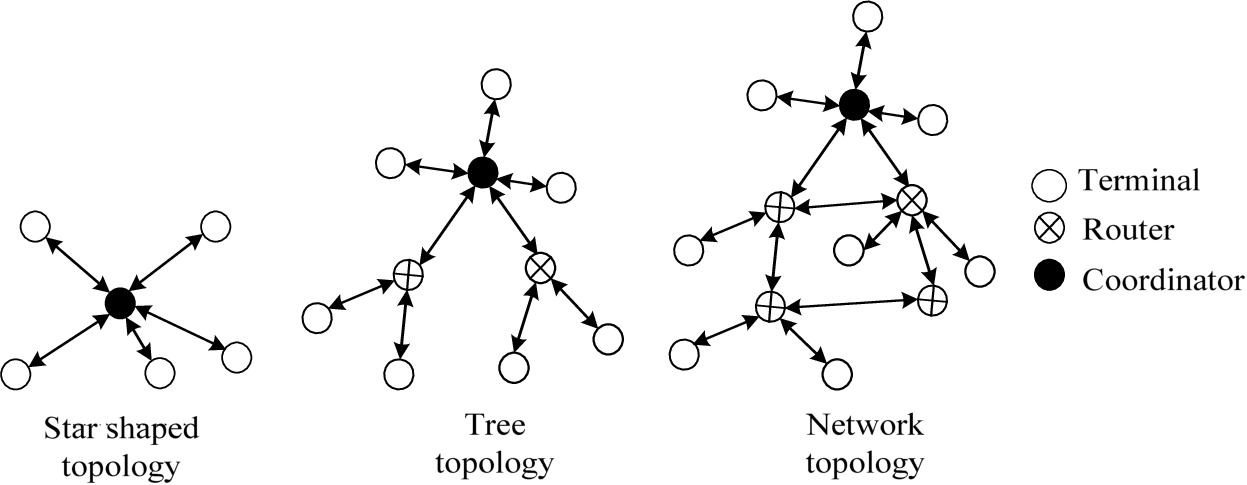
Design of IoT networking topology.
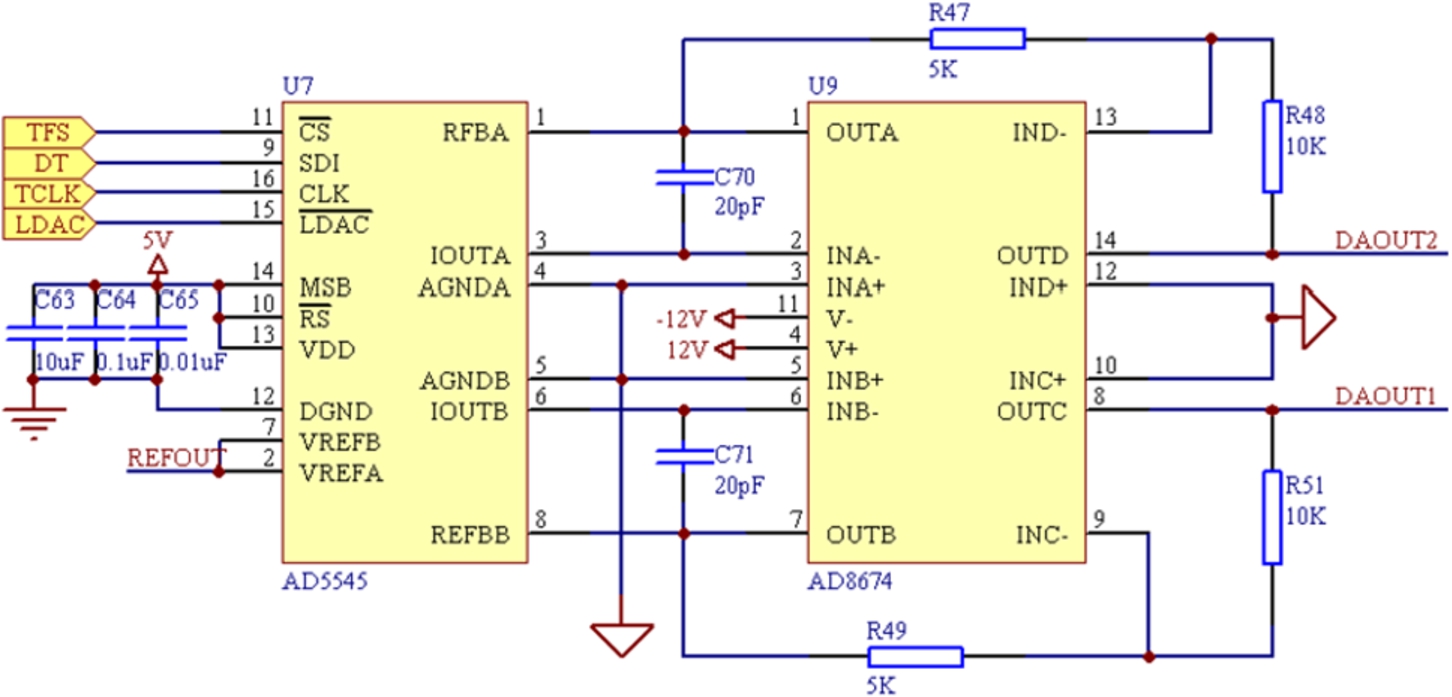
Hardware design of the sensor information acquisition module.
The IoT networking module is the basic layer and core of the entire complex wind power generation parameter control system. The IoT module is constructed through multi-sensor distributed networking technology, and the IoT communication protocol design of the control system of complex wind power generation parameters is realized through three common wireless communication protocols of ZigBee, Bluetooth, and Wi-Fi [1]. The control system uses ZigBee to perform IoT communication and transmission within the distance between
Sensor information acquisition module
In the sensor information acquisition module, the ZigBee coordinator is adopted to collect information from the complex wind power generation parameter control system. The ARM Cortex-M0 processor is used for the embedded design of the wind turbine energy-saving controller, and the controller provides six kinds of programmable FIFOs. Power distribution and gain amplification of the wind turbine are realized at the low-level output terminal. ADM706 chip from ADI is used as a reset detector to perform high-potential control and low-potential reset of the wind turbine output. And then the hardware design of the sensor information acquisition module is achieved as shown in Fig. 4.
Central processor module
In the central processor module, integrated control and information processing are realized for energy-saving control of wind turbines and a big data information processing system is constructed. The central processor module is designed through cloud computing processing technology, and integrated information processing and central control of complex wind power generation parameter control systems are performed through the dual-port PCI and DSP design method based on s PCI protocol. TMS320VC5409A from IT companies is adopted as embedded control processor, and then the system architecture of the central processor module of the control system is design as shown in Fig. 5.
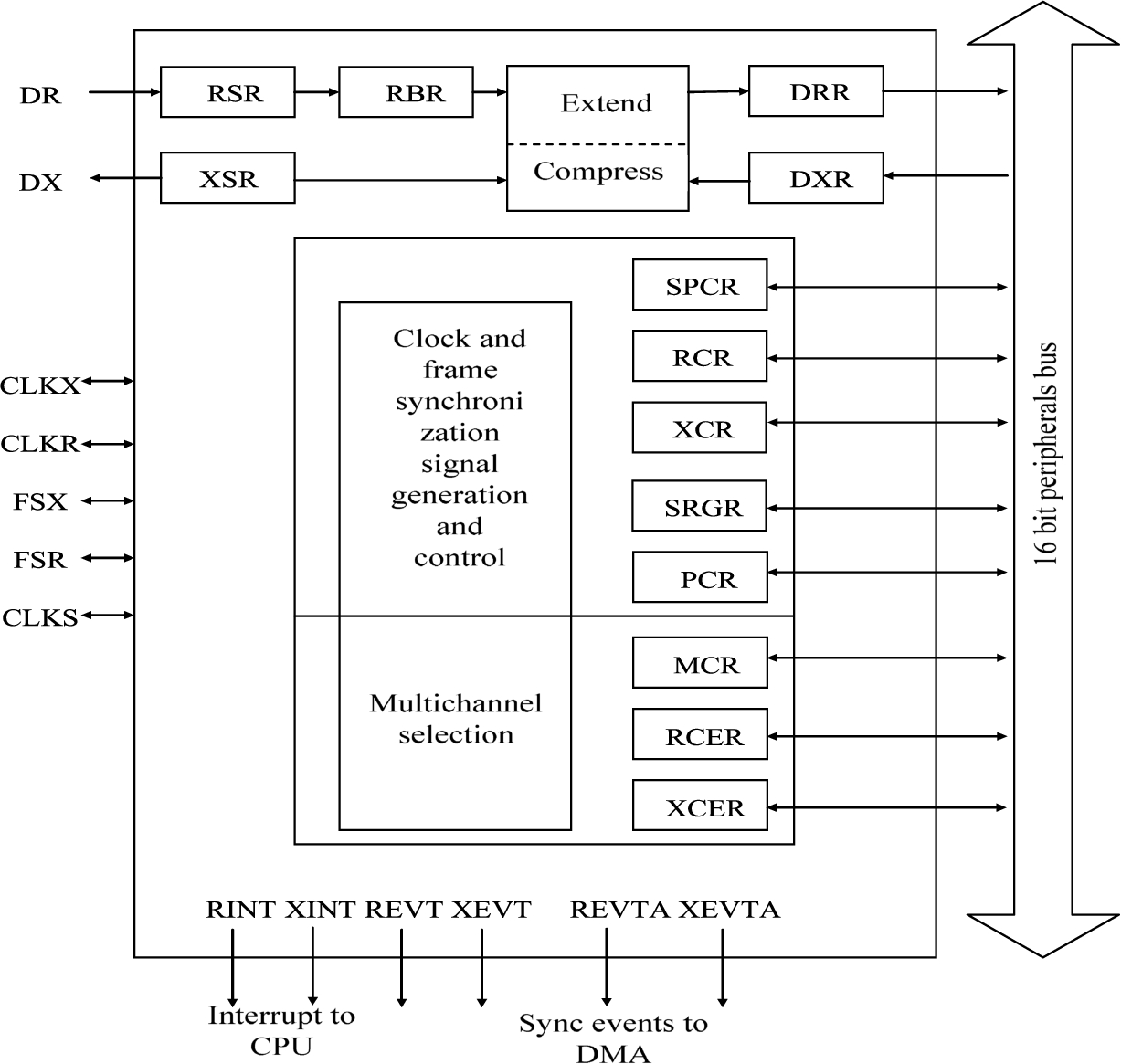
System architecture design of the central processor module.
In the output control module, man-computer interaction function of the energy-saving control system is realized. The interface commands for human-computer interaction are set to PME#, RST#, GNT#, and RST#, respectively, and the external interface is designed to control the D/A converter for human-computer interaction control of the complex wind power generation parameter control system. TMEGA2560 is adopted as interface circuit of the wind power controller to send the control data of the complex wind power generation parameter control system to a LCD for display, and then the interface of the output control module is designed as shown in Fig. 6.
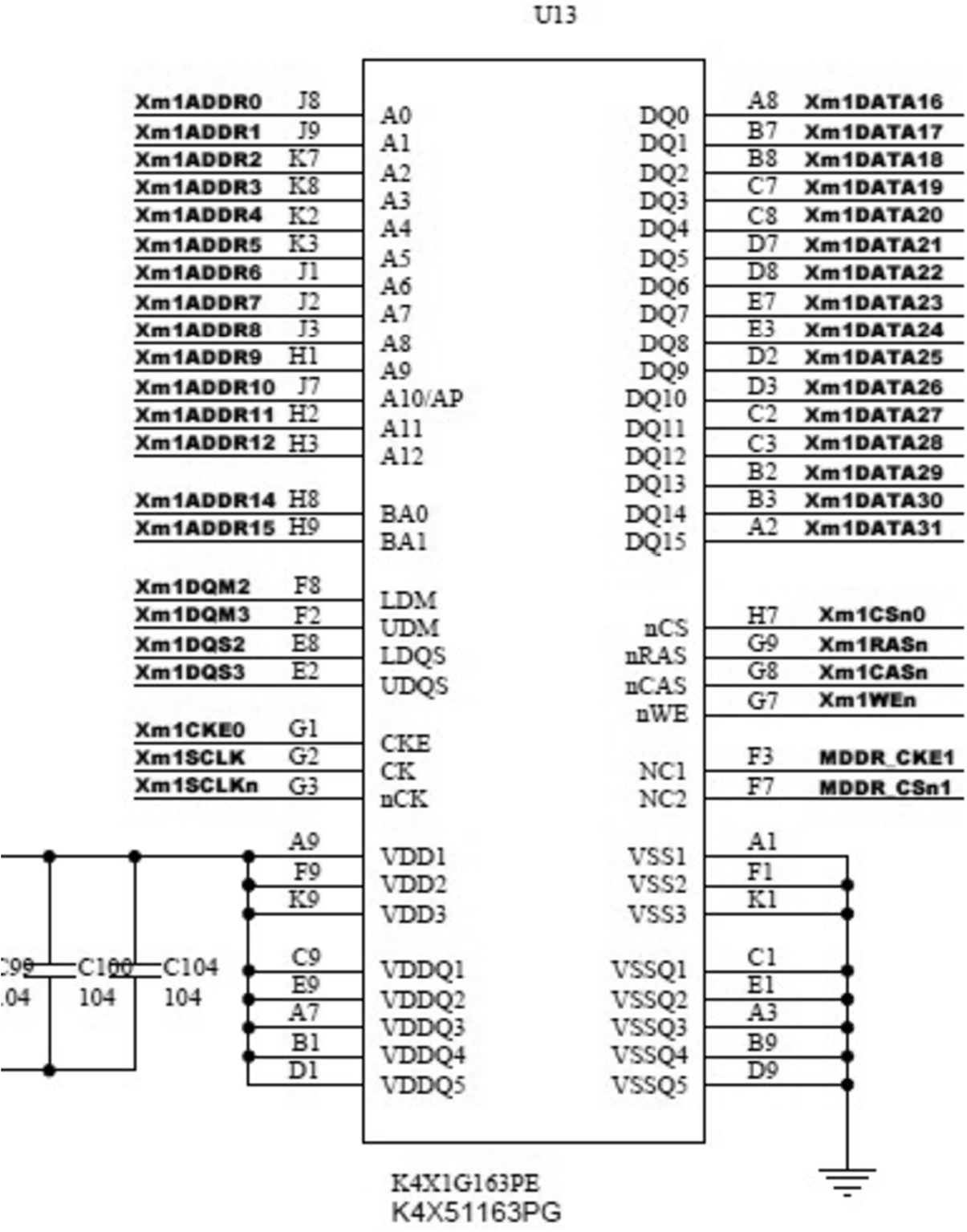
Design of output control module structure.
In summary, integrated development and control design of the complex wind power generation parameter control system is realized in the embedded environment.
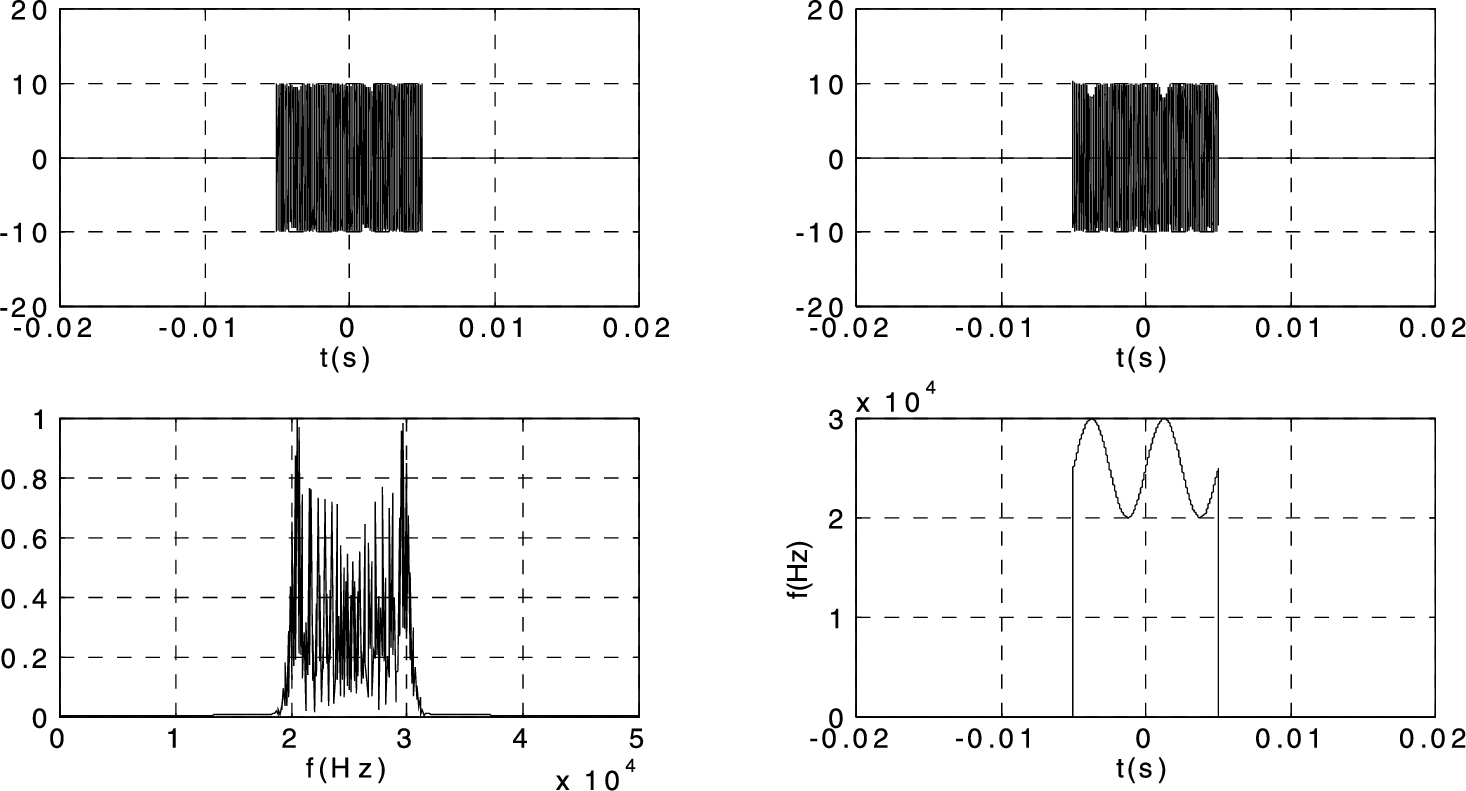
Output of parameter data processing of control instruction.
In order to test the method proposed in this paper in complex wind power generation parameter control, a system testing was conducted. The NFS simulation platform under Linux was used for wind power control big data analysis and integrated information processing in the Internet of Things environment. By designing several groups of experimental environment parameters and testing its control system, it is determined that the test system has high precision and is set as experimental parameter. The number of nodes of wind power generation was set to 2000, the number of Sink nodes to 100, the time interval for sampling data under control command to 0.24 s, the scale set for samples of big data sampling to 1200, the efficiency of parallel processing for cloud computing to 0.76 and the total output power consumption to 200 KW. Based on the above simulation environment and parameter settings, the complex wind power generation parameter control was simulated, and the output of control instruction big data information was obtained as shown in Fig. 7.
Analysis of Fig. 7 shows that when the method proposed in this paper is adopted to control complex wind power generation parameters, the big data information processing capability is good, and the output control command set has a strong integrated scheduling ability, and the output parameter data curve is clear, indicating that the parameter control process is stable and it is less affected by the environment. Compared to conventional controller, the controller can effectively reduce the energy consumption of power generation.
Based on this, the wind power generation parameters are controlled. The control gain curve is obtained as shown in Fig. 8, and the optimization results of the wind energy generation parameters are obtained as shown in Fig. 9.
Analysis of Fig. 8 and Fig. 9 shows that the control system designed in this paper improves the output gain of the wind turbine with optimal effect of the intermediate voltage gain up to 1.12, and contributes to good stability control performance of current and voltage parameters, and strong error convergence, which improves control quantity of the wind turbine. The experimental results show that compared with other network structures, the design system, the output power loss and output gain of the traditional system are increased, and the requirement of low power consumption is effectively satisfied. The maintenance cost of the controller is reduced and the stability of generator parameter control is satisfied.
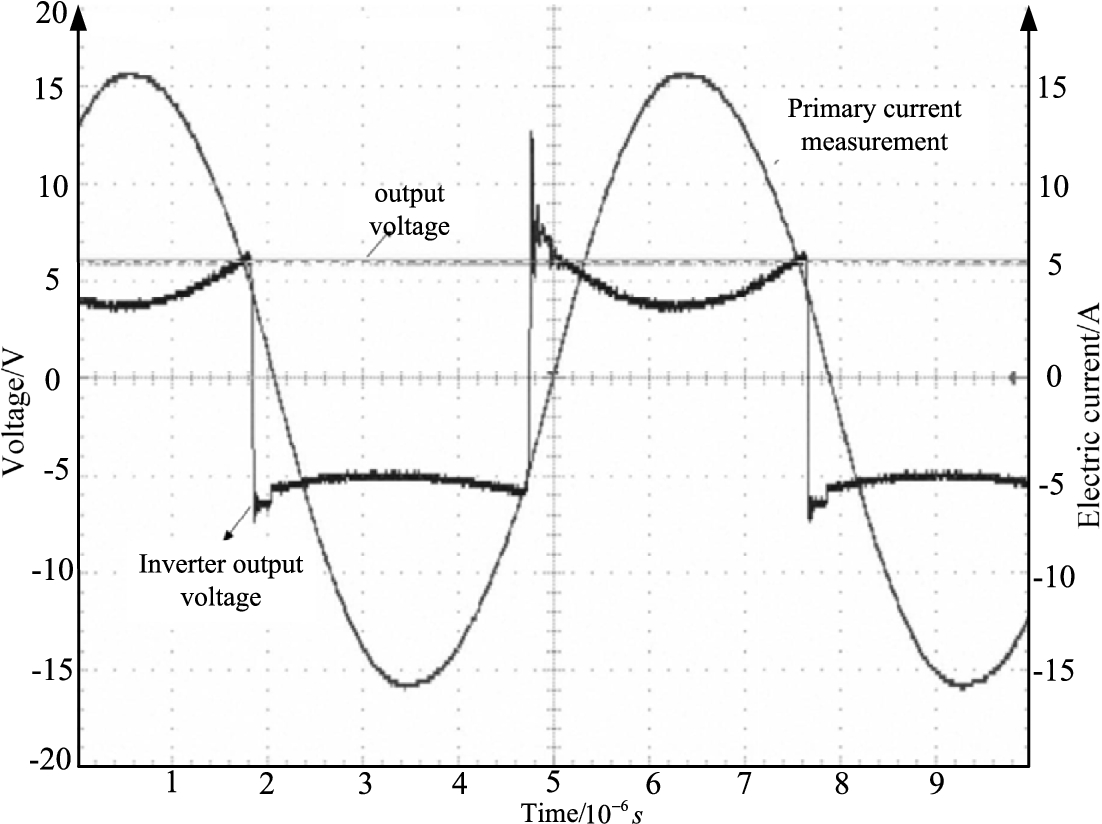
Control performance curve.
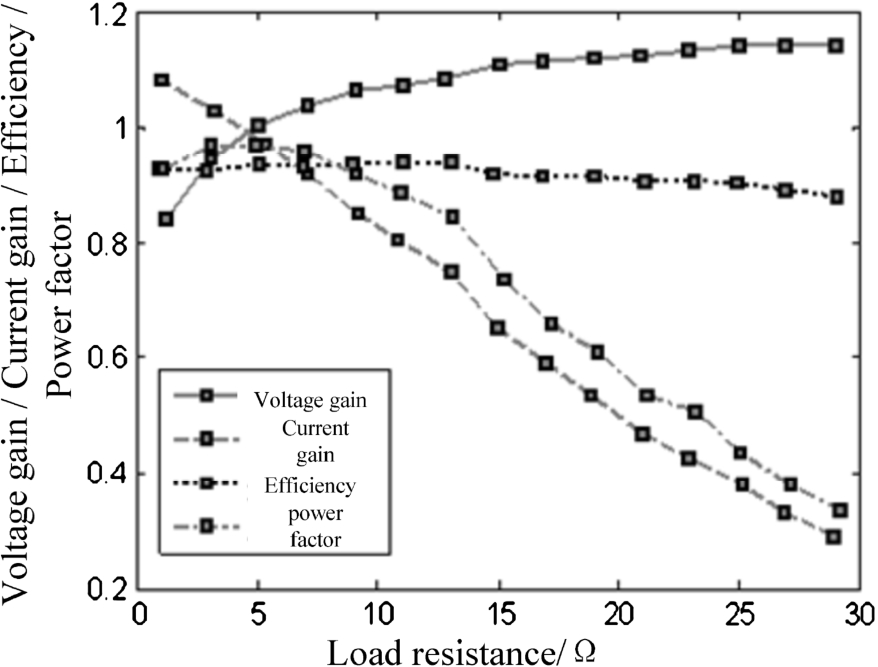
Wind power generation energy-saving parameter optimization results.
(1) A design method of complex wind power generation parameter control system based on embedded control and cloud computing is proposed in this paper.
(2) The cloud computing distributed processing technology is adopted to process big data of the complex wind power generation parameter control system and to realize adaptive fusion of control command information.
(3) The steady-state power control and feedback regulation methods are adopted to perform steady-state compensation and adaptive power regulation of the complex wind power generation parameter control system and improve the networking and data optimization and acquisition capabilities of it.
(4) Model design is performed to the complex wind power generation parameter control system under the IoT architecture model, and each important modular controlled by parameters is optimized.
(5) Research shows that the control system designed in this paper has superior performance with good stability and high control quality.