





Abstract
BACKGROUND:
Ragi (Eleusine Coracana) is a major food crop for the tribal population of India.
OBJECTIVE:
This study emphasizes the need to consider ergonomics aspects in the design and development of a pedal operated ragi thresher (PORT) for tribal people, and assesses the drudgery as well as ergonomic evaluation of a developed thresher against the conventional practice.
METHODS:
Thirty subjects (male = 15 and female = 15) from the tribal region were evaluated ergonomically. The physiological responses of the subjects were studied and their performance was compared.
RESULTS:
The results revealed that the working heart rate, oxygen consumption rate and overall discomfort rating were significantly higher in case of traditional threshing as compared to those in case of PORT. Postural analysis identified the traditional method as the most fatigue one as the person has to lift the hand above shoulder level repeatedly and has to sit in a squatting posture for long period.
CONCLUSION:
The drudgery and occupational hazards to public health involved in the traditional method of threshing was reduced by using the PORT. Furthermore, the traditional method involved continuous stressed actions across the entire body, whereas the PORT involved only the lower limbs.
Keywords
Introduction
Ragi (Eleusine Coracana) commonly known as finger millet is one of the major food crops of the tribal Indian population. The crop occupies a cultivation area of about 1.20 million hectare (mha) and a production of 2.06 million tonnes (mt) in India with a yield rate of 1706 kilogram per hectare (kg/ha), mostly grown in hilly regions of Karnataka, Odisha, Tamil Nadu, Andhra Pradesh and North-western Himalaya [1, 2]. In addition, Ragi is a well-known source of energy for its richness in carbohydrates, proteins, vitamins, minerals and dietary fibers [3, 4] and mostly consumed in the form of cooked cakes, puddings or porridge [5]. Moreover, the calcium and minerals provided by Ragi are eight times and four times that of rice, respectively with 328 kCal of energy per 100 g [6–8].
Despite nutritional advantages of Ragi, its threshing have a significant component of cultivation is still a persisting challenge. The traditional methods of Ragi threshing have been followed for decades which involve beating of un-threshed grain continuously with a stick against a hard surface [9]. The traditional method demands a constant squatting posture and induces continuous shocks in the entire human body that induces serious health hazards due to fatigue and excess body/back pain [10]. Inappropriate postures adopted during different operations and repetitive tasks can create musculoskeletal disorders and injuries [11–15]. Besides being ergonomically disadvantageous, the traditional method is also very tedious, time consuming, inefficient, uneconomical and produces low quality grains [7, 16]. A power operated Ragi thresher have been existent in the past, but its applicability in the hilly and tribal region is still a major problem due to insufficient electricity and financial status of farmers. Furthermore, unavailability of sufficient alternatives tribal community has been forced to thresh Ragi traditionally [2]. Poorly designed equipment causes operational difficulties, fatigue, injuries and lower performance [17, 19]. Therefore, an ergonomic intervention to reduce labour, increase safety, comfort, efficiency and revenue, affordability and high work rates with little workforce is necessary [11, 20–26]. Moreover, use of anthropometric data in design of agricultural equipment can also improve efficiency, productivity and human comfort [27–31].
In this regard, as a substitute, the human operated systems that involve minimum functional body parts have been proposed such as foot operated equipment [32]. The pedal power is reported to drive devices at a same or significantly higher rate compared to that achieved by hand cranking, but with critically less effort, fatigue and drudgery and low rate of strength deterioration [33]. Researchers have further categorized pedal operated threshing under moderately loaded operation whereas, the manual threshing as a heavy loaded operation [34]. Ergonomic evaluations have revealed that a 12% lesser human energy is required for a foot operated equipment as compared to that of a hand operated equipment [35].
The encountered limitations of hazards, quality grain produce and unavailability of appropriate resources such as electricity for tribal population that cultivates and feeds on Ragi, necessitate suitable threshing alternatives. Therefore, this study was aimed to assess the drudgery, posture analysis as well as ergonomic evaluation of a developed pedal operated Ragi thresher against the conventional practice with a view to increase its popularity among tribal people.
Material and methods
Anthropometric data collection
Anthropometry plays a vital role in designing of equipment to make suitable for the workers for comfortable and efficient operation which leads to more productivity. Therefore, some anthropometric data necessary for the design of the pedal thresher was collected by considering the tribal population of India. Body dimensions were collected using Integrated Composite Anthropometer (ICA) developed by IIT Kharagpur [36] and strength parameters were collected by using strength measurement setup developed by CIAE Bhopal [37, 38]. The anthropometric dimensions includes weight, stature, eye height, acromial height, elbow height, inside grip, outside grip, middle finger palm grip diameter, knee height, instep length, functional leg length, sitting height, sitting eye height, sitting acromial height, sitting popliteal height, elbow rest height, knee height sitting, vertical grip reach sitting and strength parameters includes left leg strength sitting, right leg strength sitting, left foot strength sitting, right foot strength sitting [27] as shown in Fig. 1. The mean (m), standard deviation (s), 5th percentile (m - 1.645*s) and 95th percentile data (m + 1.645*s) of measurements are presented in the Table 1.
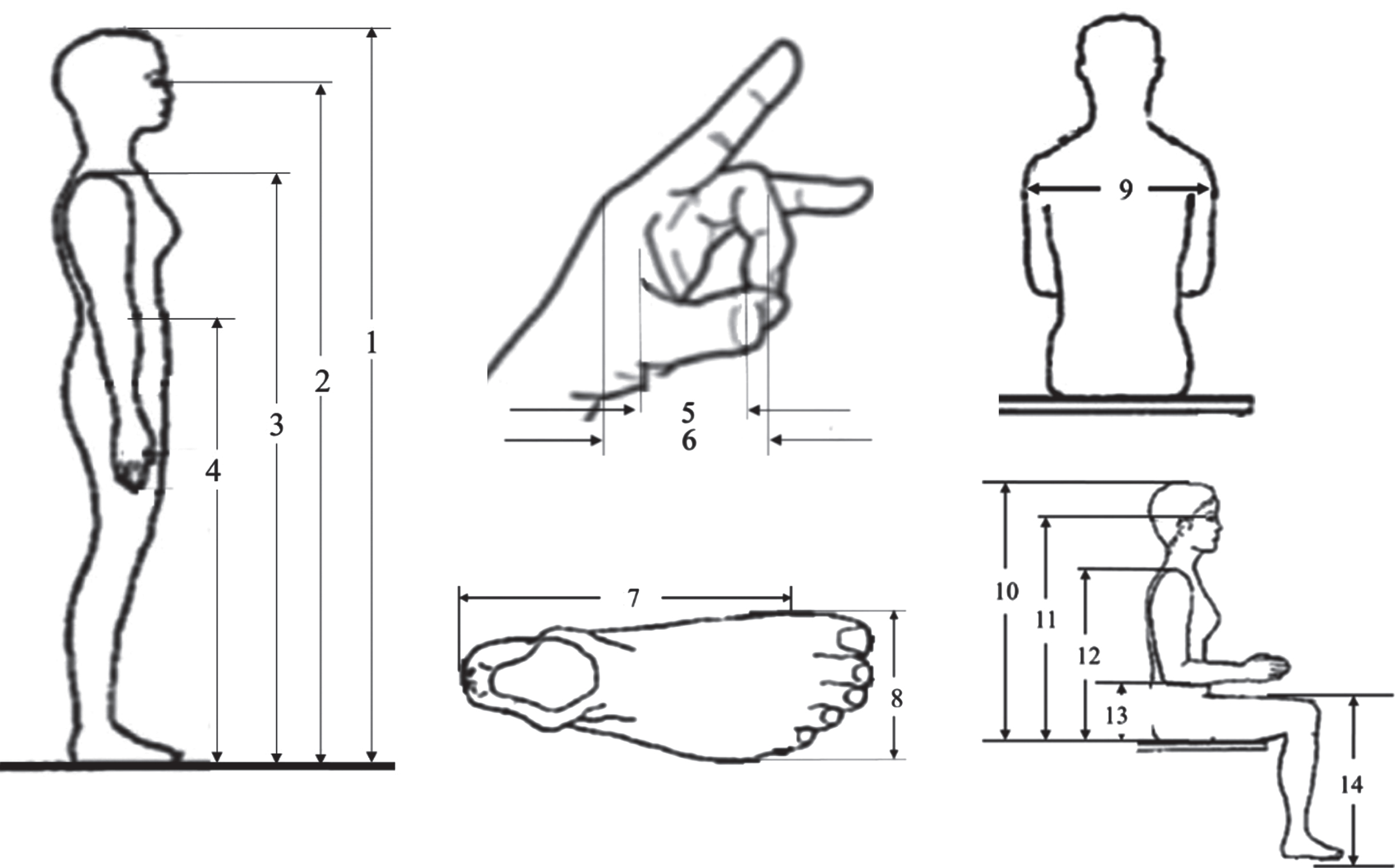
Anthropometric dimensions of the subjects. (1) stature, (2) eye location from base, (3) acromial height, (4) elbow height, (5) inside grip diameter, (6) outside grip diameter, (7) instep length, (8) foot breadth, (9) bideltoid breadth, (10) sitting height, (11) sitting eye height, (12) sitting acromial height, (13) sitting elbow height and (14) knee height.
Anthropometric data of the tribal agricultural workers in India
A pedal operated Ragi thresher was developed by incorporating the anthropometric dimensions of the subjects (male and female) according to the standards given by Gite et al. [38] in the anthropometric and strength data of Indian agricultural workers for farm equipment design. The threshing cylinder speed required for threshing of Ragi, blower speed for cleaning of chaff and optimum pedaling speed of Indian agricultural workers were also taken into account. The seat and handle was made to be adjustable to accommodate both 5th and 95th percentile male and female workers. The thresher was designed to be operated by human power and the transmission system was chosen to be chain and sprocket to transmit the power to threshing cylinder and blower. The optimum pedaling rate by Indian agricultural workers for maximum power output was 50 rpm [39]. Hence, the pedaling speed was considered as 35–45 rpm which was found sufficient for the threshing operation. The pedal operated ragi thresher (PORT) is presented in Fig. 2 and the design details of the thresher are given in Table 2.
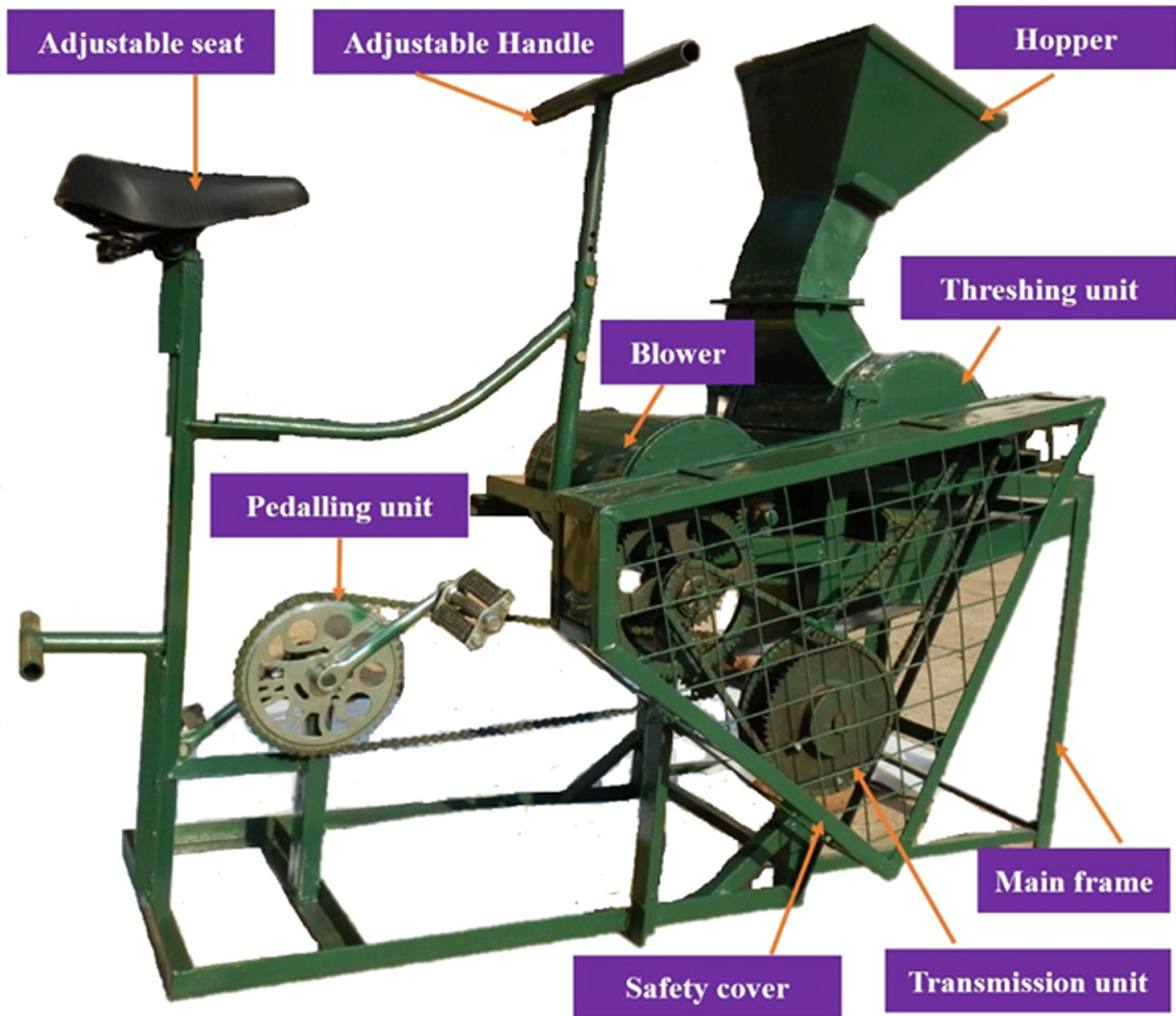
PORT and its components.
Design details of PORT
Thirty medically fit subjects including 15 male and 15 female workers within the age group 20–45 years with no previous health injury were randomly selected and combined from the tribal regions. The mean age, height, weight, body mass index (BMI) [40], body surface area (BSA) [38] and ponderal index (PI) [38] of the selected subjects are presented in Table 3. The subjects were familiarized with the experimental protocol before the experimental data were collected. The subjects were later evaluated for their biophysical responses that constituted of resting heart rate, working heart rate (WHR), oxygen consumption rate (OCR) and energy expenditure rate (EER) against the hourly traditional and pedal operated threshing operations. These parameters have been identified to relate directly with the energy exhausted by a human being in any operation [41–43]. The biophysical responses were recorded with the help of heart rate monitor (Polar make) and K4b2 (Cosmade make) from 6th minute to 15th minute of operation as they have been reported to get stabilized after 5th minute of the operation [44–46]. The operations were replicated three times for each subject with a rest period of 15 minutes [47]. Figures 3 4 respectively present the two types of threshing operations by male and female workers.
Physiological characteristics of the subjects
Physiological characteristics of the subjects
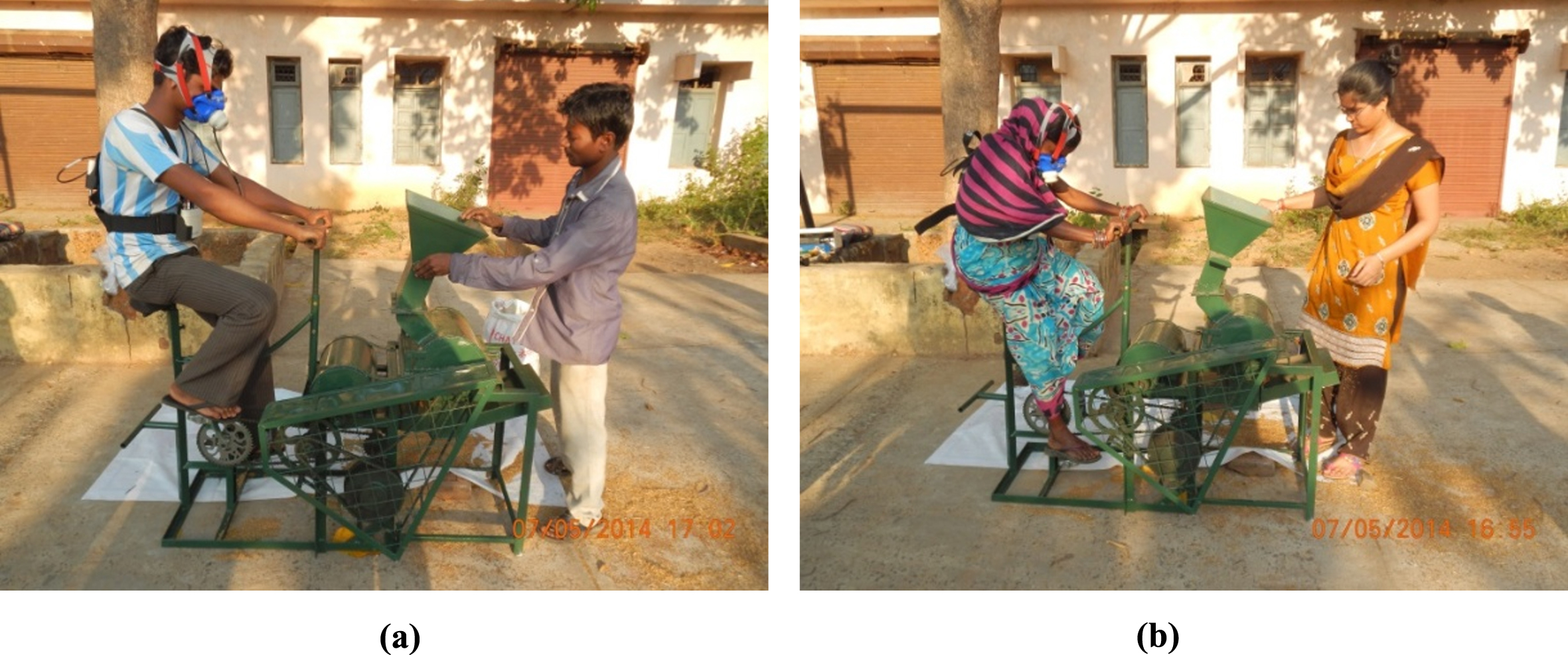
Threshing operation using PORT by a male (a) and female (b) subject.
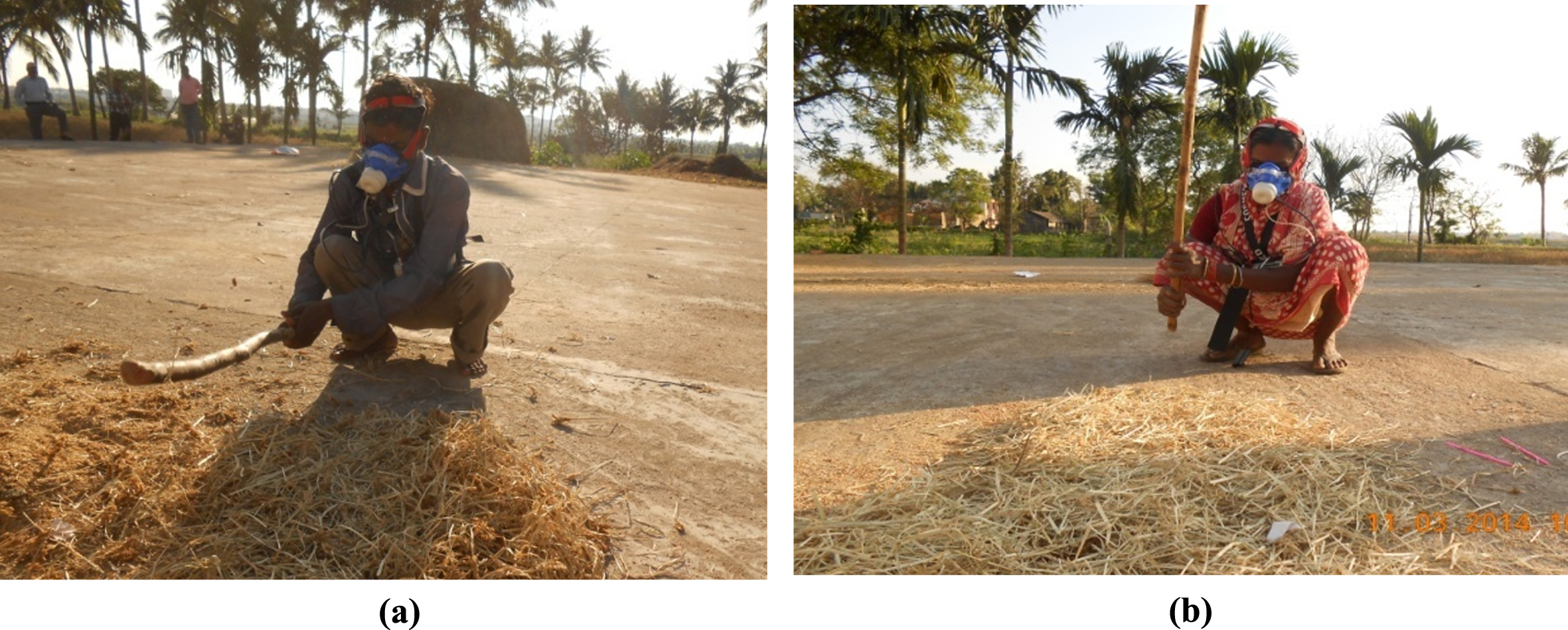
Traditional Ragi threshing by a male (a) and female (b) subject.
The body circulatory stress was determined cardiac cost of work (CCW) and cardiac cost of recovery (CCR). The CCR is the total number of heart beats above the resting level occurring between the end of the work and return to the resting state [47]. Total cardiac cost of work (TCCW) and physiological cost of work (PCW) determined by using the following equation models (Eqn 1-4) [45, 49].
Where,
ΔHR = AHRwork - AHRrest, beats/min
AHRwork = Average working heart rate, beats/min
AHRrecorvery = Average recovery heart rate, beats/min
AHRrecorvery = Average resting heart rate, beats/min
tA= Duration of activity, min
tR= Duration of recovery, min
The overall discomfort rating (ODR) was recorded after every experimental operation where, each subject was asked to sit and quantify his ODR for the work he just finished within a ten-point visual analogue discomfort scale (VADS) described by Corlett and Bishop [50] and Legg and Mahanty [47] (0: no discomfort and 10: extreme discomfort). A postural analysis was further conducted to determine the joint angles during both types of threshing operations by capturing operational images and analyzing them in a customized application called Geo Gebra (5.0.273.0).
The physiological behaviour data collected for heart rate, WHR, OCR, EER, CCW, ODR and BPDS were analysed with the paired t-test for the performance comparison between traditional threshing and PORT and determining the better amongst them. All the analyses were conducted at 5% level of significance.
Results and discussions
The subsections below present the analysis results of the tests conducted for comparison between the traditional Ragi threshing and PORT.
Physiological responses
Ergonomic evaluation of the physiological behavior of subjects during PORT and traditional method for Ragi threshing revealed that the WHR (Fig. 5) for male workers ranged from 126 to 127.67 beats/min for traditional threshing (mean = 126.73, standard error =±0.17) whereas, the same ranged from 108 to 109.67 beats/min for PORT (mean = 108.76, standard error =±0.13). Similarly, WHR for female workers ranged from 124 to 125.33 beats/min for traditional (mean = 108.76, standard error =±0.13) and 105.33 to 108 beats/min for PORT (mean = 124.62, standard error =±0.12). WHR during paddy threshing with pedal thresher was also found lower than WHR during threshing by traditional method [51–53]. Moreover, the WHR during traditional threshing was significantly higher than that during PORT (Paired-T test, P < 0.001) may be due to the reason that traditional threshing involves entire body that also suffers the reaction forces from hard surface whereas, the PORT requires only the lower limbs thereby requiring less strength for same work [54]. Additionally, WHR for female workers was found significantly lesser than the male workers may be due to the fact that maximum aerobic power (MAP) of a female is about 70–75 % of that of the male worker [44, 56]. The Work pulse (ΔHR) for male workers was 33 and 51 beats/min and for female workers was 38 and 55 beats/min with PORT and traditional method, respectively.
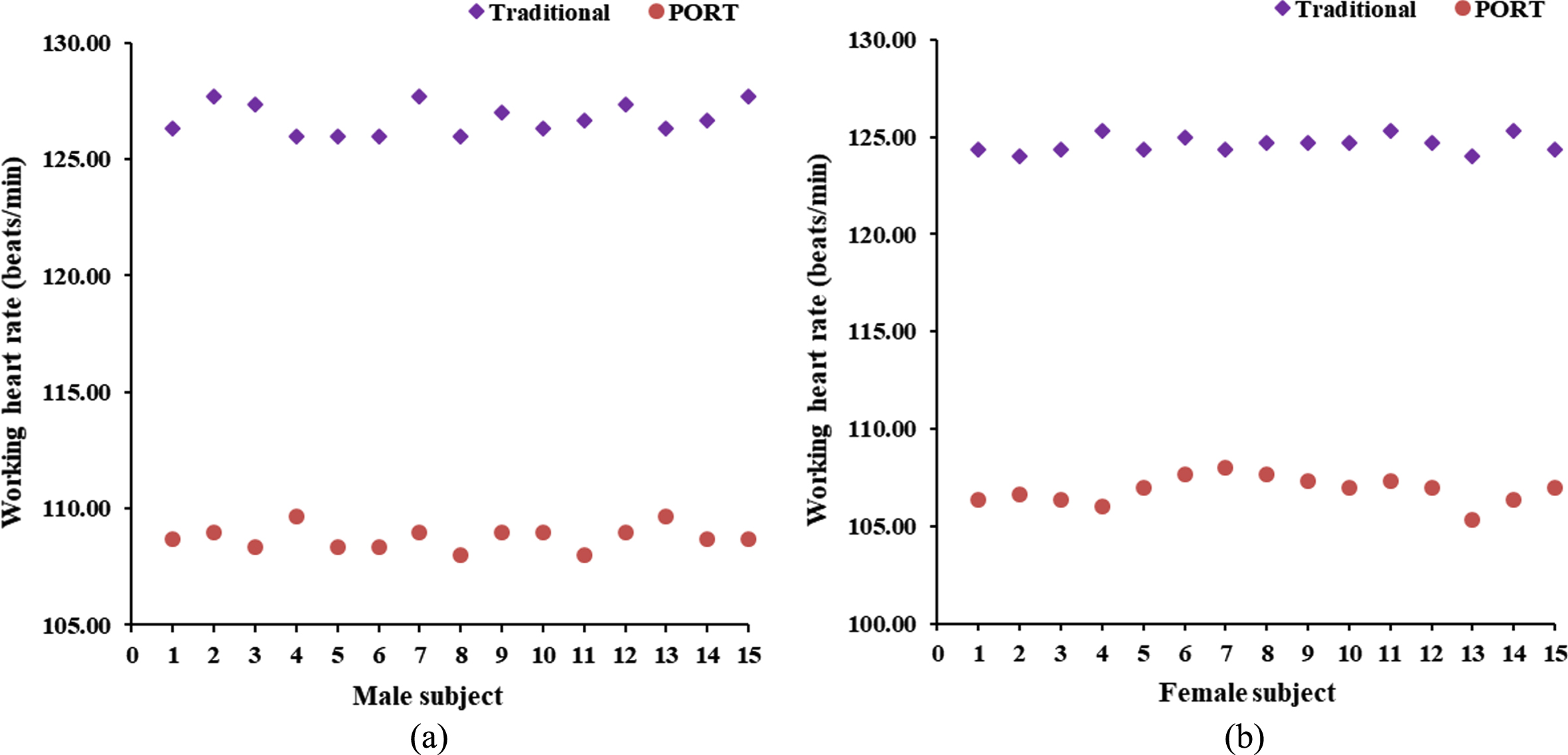
Working heart rate curves during traditional and threshing using PORT for the male (a) and female (b) subjects.
The average OCR (Fig. 6) for male workers were found to be 0.61 l/min and 0.94 l/min and for females were found to be 0.57 l/min and 0.90 l/min with PORT and traditional threshing, respectively. Moreover, the OCR during traditional threshing was considerably higher than that during PORT (Paired-T test, P < 0.001) may be due to the same reason of involvement of body parts and suffrage of normal reactions. Additionally, the OCR of females was lower than that of male workers for the same reason of generating lesser aerobic energy as a result of higher fat and lower mass as compared to males [44, 56–58]. Since, the energy expenditure is directly dependent on the oxygen consumption rate, it shall also follow the same relationship for PORT and traditional threshing for both male and female workers. Traditional method of threshing by both male and female workers was found in moderately heavy category (male 19.64 kJ/min, female 18.8 kJ/min) and threshing by PORT was found to be in light category (male 12.74 kJ/min, female 11.9 kJ/min) according to the classification of agricultural work [59]. Paddy threshing by traditional method was also found more energy consumable than the threshing operation by pedal thresher [51–53]. It was also found that with the help of ergonomic aids energy expenditure during different agricultural operations can be reduced significantly [60, 61]. Some of the other physiological responses such as EER, TCCW and PCW dependent on WHR and OCR were also observed to be critically different (Paired-T test, P < 0.001) during threshing with traditional method and PORT for both male and female workers as presented in Table 4. The physiological responses indicate that the PORT is significantly less energy consuming and lesser fatigue inducing than the traditional threshing methods. Furthermore, the higher values of TCCW, PCW and cardiac cost for traditional threshing indicate it to be a highly cumbersome, high fatigue inducing and drudgery involving operation as compared to that for PORT. Similarly, physiological cost of work and total cardiac cost of work during traditional method of paddy threshing was also found to be higher than the pedal thresher [53, 60] and also it was found that ergonomically improved tools reduces cardiac cost of work [45, 61] and energy requirement [17].
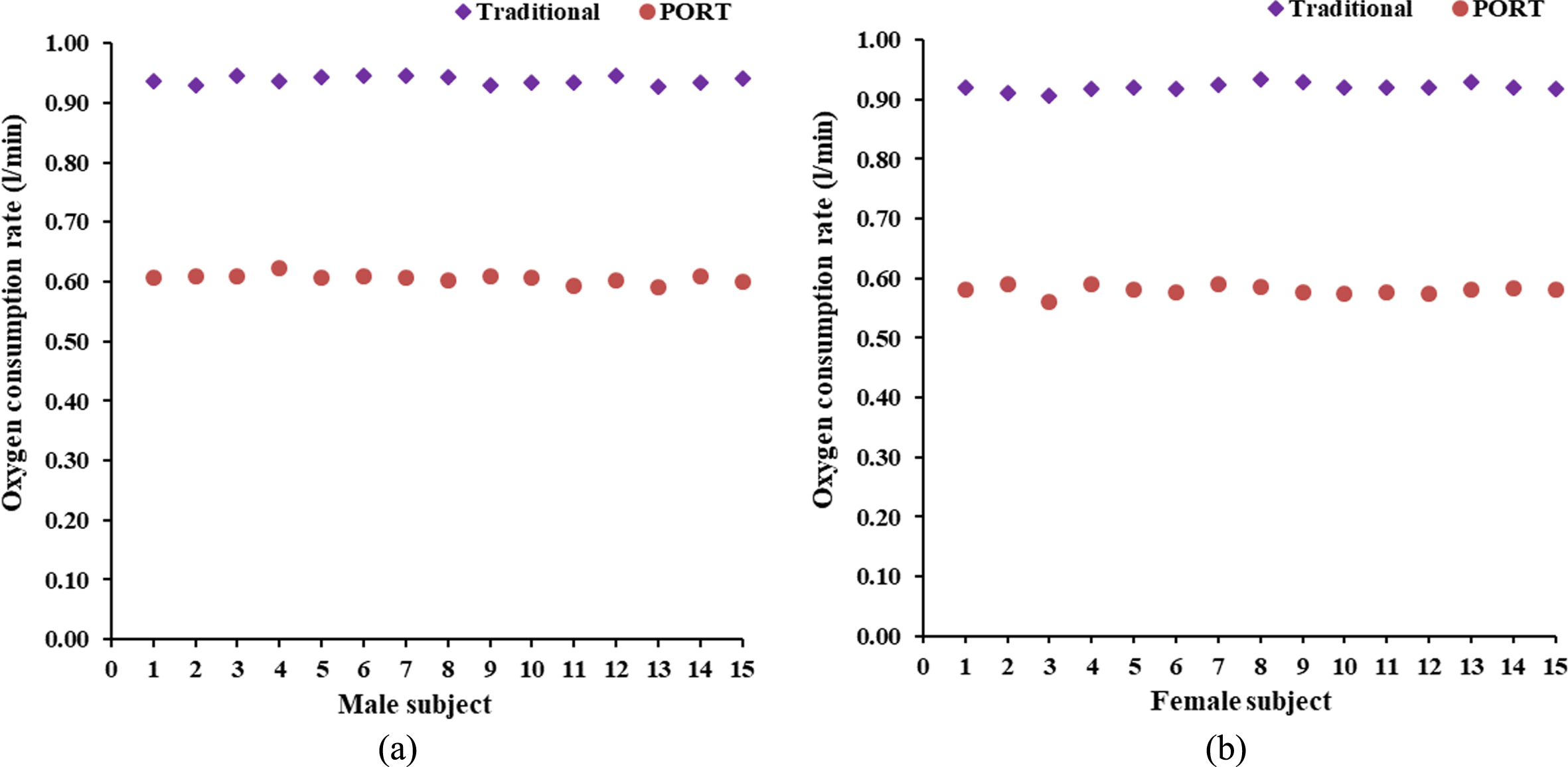
Oxygen consumption rate curves during traditional and threshing using PORT for the male (a) and female (b) subjects.
Physiological parameters of the subjects
The discomfort level (Fig. 7) of the experimental operations revealed that the ODR of male workers ranged from 5.93 to 6.50 for traditional threshing (mean = 6.23, standard error =±0.17). Whereas, the same ranged from 3.53 to 4.03 for PORT (mean = 3.81, standard error =±0.15). Similarly, the ODR of female workers ranged from 6.06 to 6.73 for traditional threshing (mean = 6.43, standard error =±0.17) and from 3.8 to 4.63 for PORT (mean = 4.30, standard error =±0.22). Overall, the ODR for traditional threshing was significantly higher than that for PORT (Paired-T test, P < 0.001) and indicating traditional threshing to be a heavily loaded and fatigue inducing operation whereas, the PORT to be comparatively a very light operation. According to ODR scale traditional threshing operation by both male and female workers were found to be in more than moderate discomfort category. Similarly, Sam [62] found manual threshing in more than moderate discomfort category. Whereas, threshing operation by male and female worker with PORT were found to be in more than light and moderate discomfort category, respectively. The major discomforts expressed by the workers after traditional threshing were acute pain in shoulders, arms, lower back, thigh and lower leg due to involvement of entire body in bending, squatting, hitting actions and repetitive motion of arms [17, 53]. Whereas, a very little pain was indicated in legs and lower back due to pedaling in PORT. The ODR were higher for female workers as compared to male workers that might be due to their less muscle power and involvement in other household jobs.
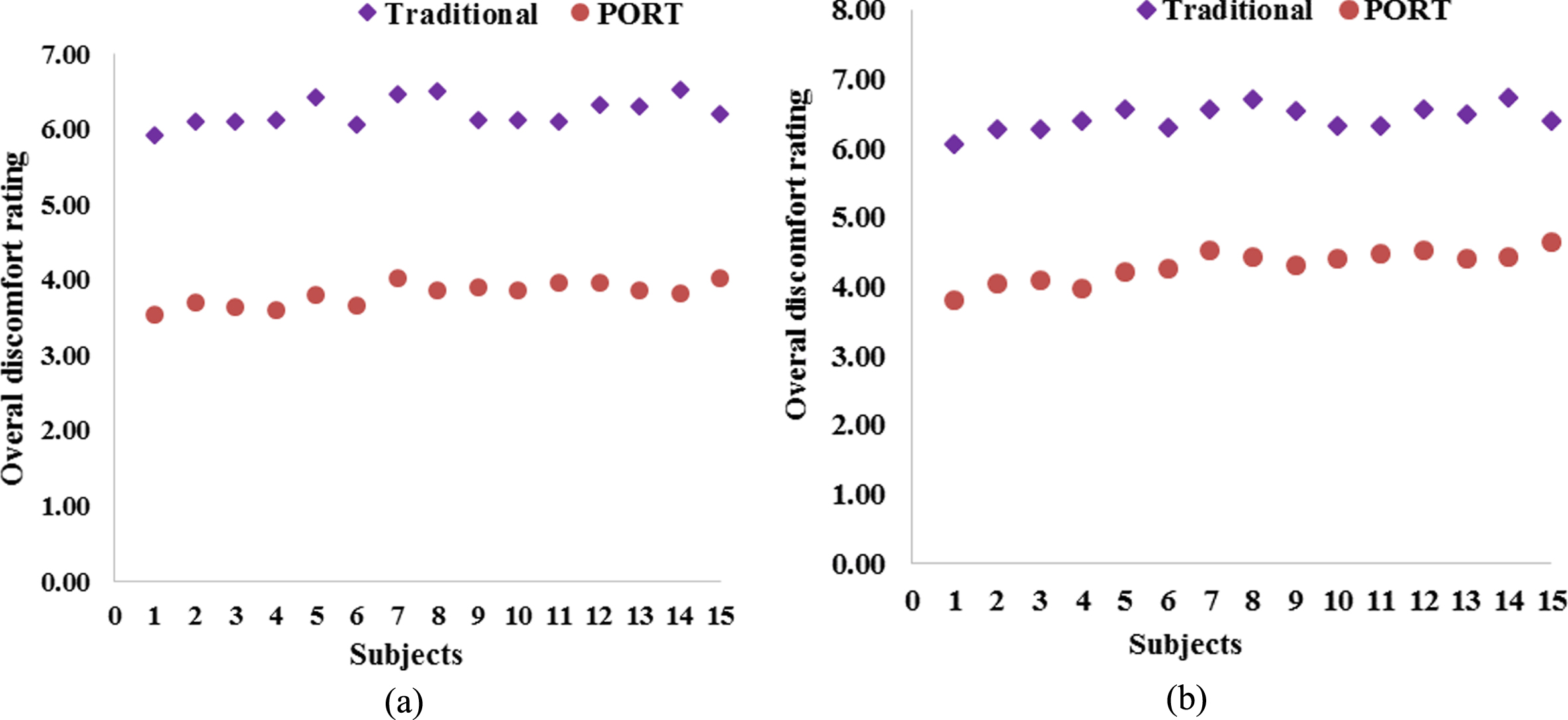
Overall discomfort rating curves during traditional threshing and threshing using PORT for the male (a) and female (b) subjects.
The traditional threshing and PORT were further considered for their postural analysis to determine the most stressed and fatigue inducing operation. The traditional method (Fig. 8) involves bending, squatting and continuous beating postures which showed an average angle of about 170 between thigh and leg at the squat posture for female workers and 150 for a male worker. The average angles between the upper and lower arm were found to be 780 and 1230 at two extreme positions of (1) rod lifting and (2) striking respectively for female workers. Similarly, for male workers, the average angles between the upper and lower arm were respectively found to be 800 and 1220 at extreme positions of rod lifting and striking. Moreover, the angle between the back and upper arm ranged from 430 to 1710 for female workers whereas, the same ranged from 360 to 1450 for male workers. Overall, for creating a sufficient striking impact on hard surface for traditional threshing, female workers had to lift their rods above the shoulder level. The repetitive action of rod lifting and striking against the hard surface demanded the stressed positions as per the postural angles observed and this is expected to quickly induce a significantly heavy fatigue and cost much of the energy [49]. On the other hand, the PORT (Fig. 9) involved continuous pedaling in order to rotate the threshing cylinder. A bending of not more than 100 from the vertical was required and the angle between the upper and lower arm (elbow flexion) was observed to range from about 131–1450 and the same between the thigh and leg ranged from 640 to 1530 at extreme leg positions. Every posture during PORT by both male and female workers was within the safe permissible limit [63] to lead into a comfortable, efficient and long lasting operation. Overall, due to minimal involvement of body parts and repetitive stressed actions, the PORT was found to be critically comfortable than the traditional threshing method [64] Furthermore, the output capacity analysis revealed that the PORT provided a significantly high grain output at a rate of 24.40 and 23.90 kg/h for male and female workers respectively against the grain output rate of 6.30 and 5.60 kg/h from traditional threshing. The entire data was normally distributed with almost an equal variance to fulfill the assumptions of a parametric statistical analysis.
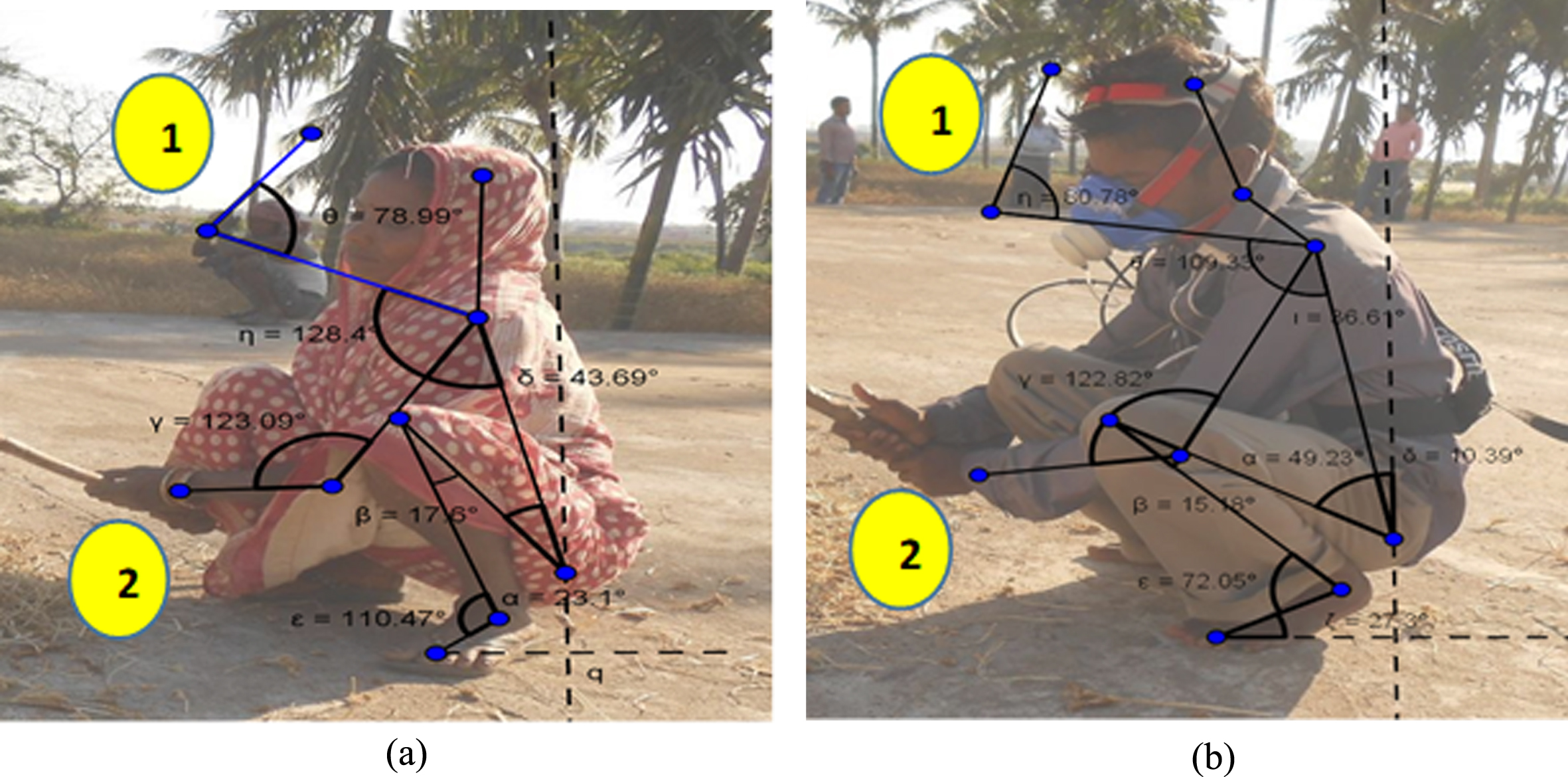
Postural analysis diagram during traditional Ragi threshing for the female (a) and male (b) subjects.
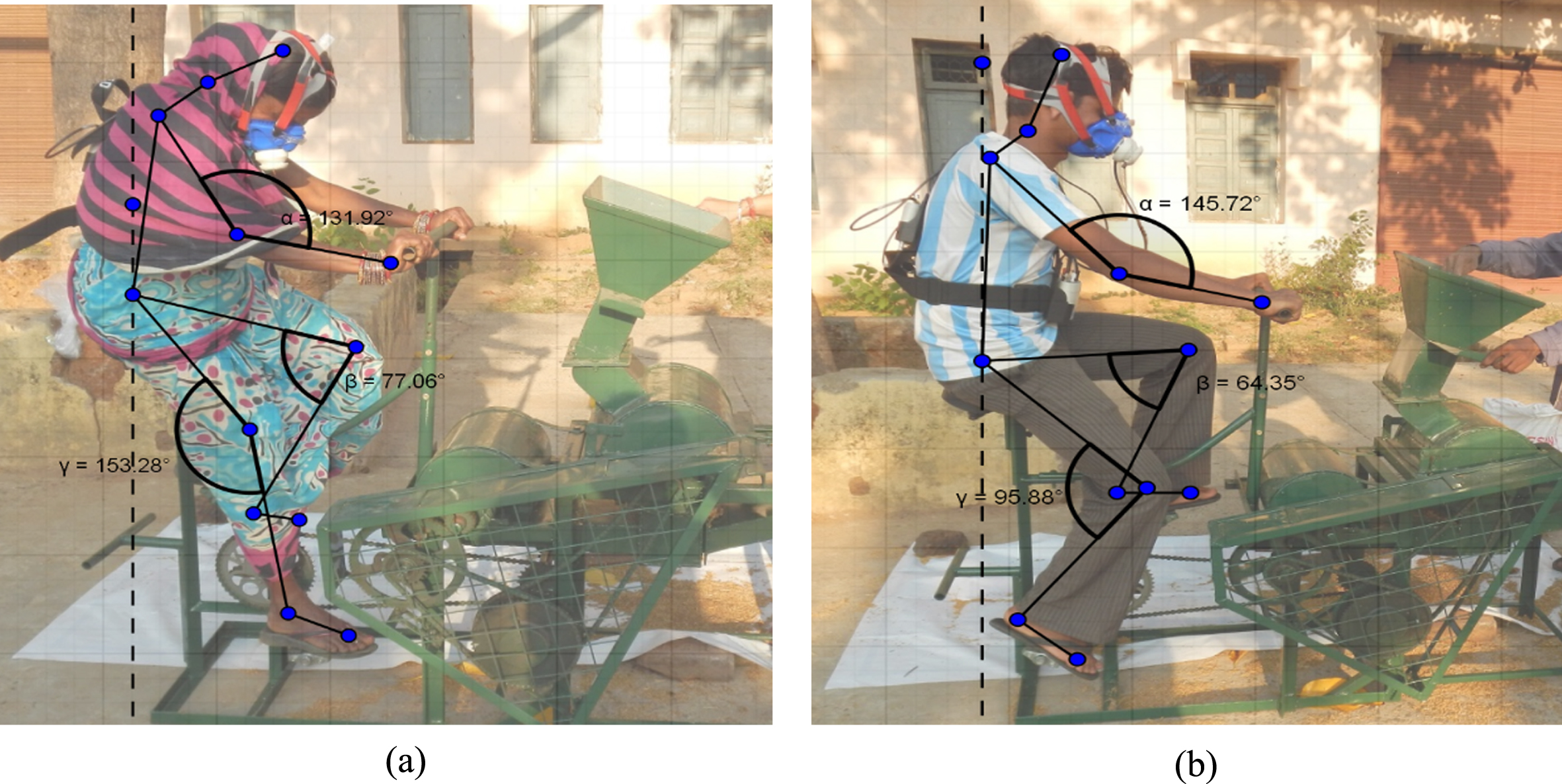
Postural analysis diagram during threshing using PORT for the female (a) and male (b) subjects.
The traditional method of ragi threshing continuously involves entire body to bend, squat and beat the grains against hard surface and thereby induces heavy amount of fatigue and discomfort as evident from the results. Whereas, the newly developed PORT involves minimal body parts and a considerably less effort result in a comparatively very comfortable and minimal fatigue inducing operation. Therefore, this study sufficiently attempts to infer that the PORT is a safe and healthy alternative for Ragi threshing in the tribal parts of the world majorly involving economically weaker population. This system solves the issue of expensive machinery and electricity requirements. A sufficient amount of safety was considered during both the threshing operations.
Footnotes
Acknowledgments
The authors are grateful to the Dean, CAET, OUAT, Bhubaneswar for his support and encouragement. The authors are also thankful to the tribal people of Odisha for participating in the experiment and all the staff of AICRP on ESA-OUAT centre for their support.
Conflict of interest
None to report.